














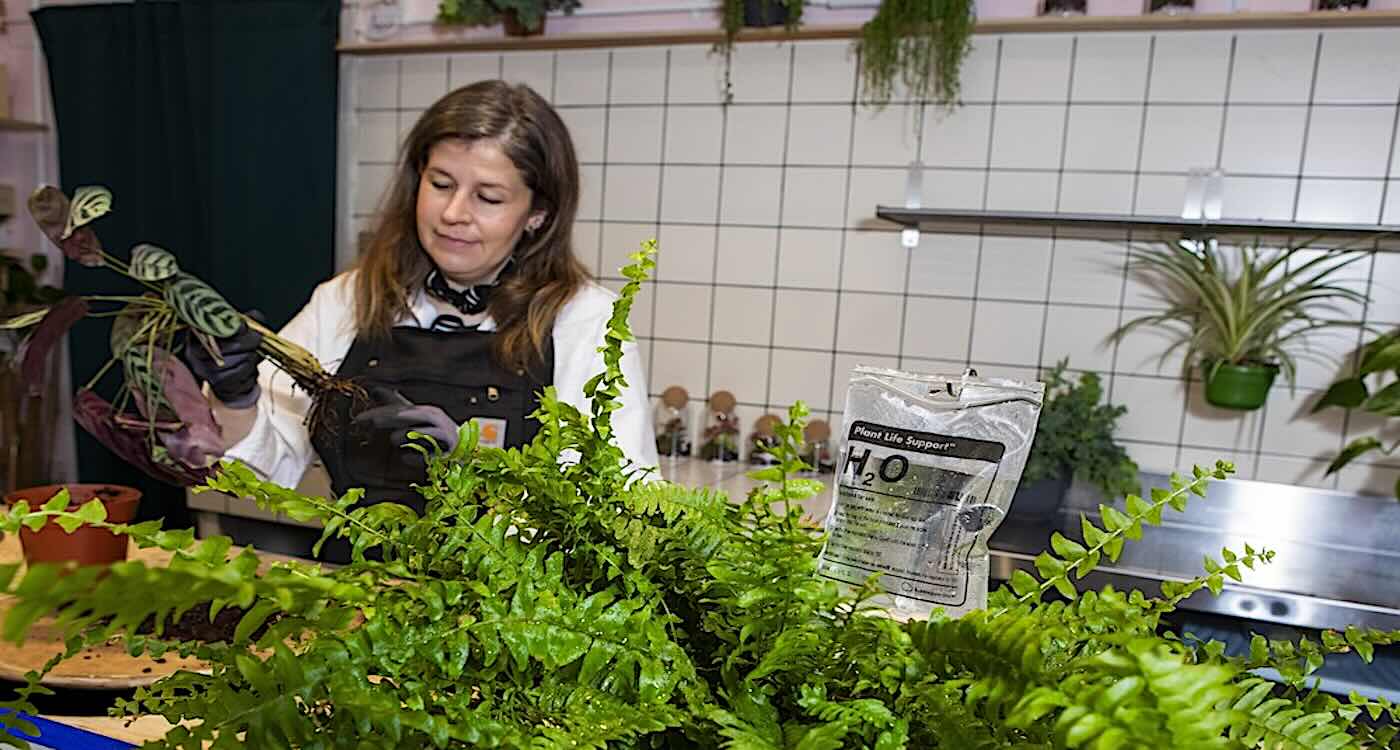
Britain’s most unique hospital is now open—where the “patients” are houseplants.
Some are “put on drips” and some may go into quarantine, but all get the same loving care from Rosanna Costello, who started the business to help customers keep their indoor plants alive.
Found in Edinburgh, Scotland, the Hilda Houseplant Hospital allows horticulturalists, whatever the level of expertise, to drop off their plants for ‘surgery’, which may include repotting, pest removal, or liquid drip.
Rosanna remembers going into plant shops where she could buy compost and repotting accessories for doing it yourself. But even though she knew how to do it, she still wanted advice and someone who knew better, to help avoid pitfalls.
“I’d had this idea from when I first got into houseplants, because that was what I had wanted.”
“The feedback was that people wanted a drop-off – a few people wanted to learn how to do it themselves, which is why we run workshops – but the majority of people wanted it done for them and then aftercare advice.”
Rosanna says customers bring the plant into the shop and describe the issues they’re facing at a consultation, with care prices based on the size of the plant.
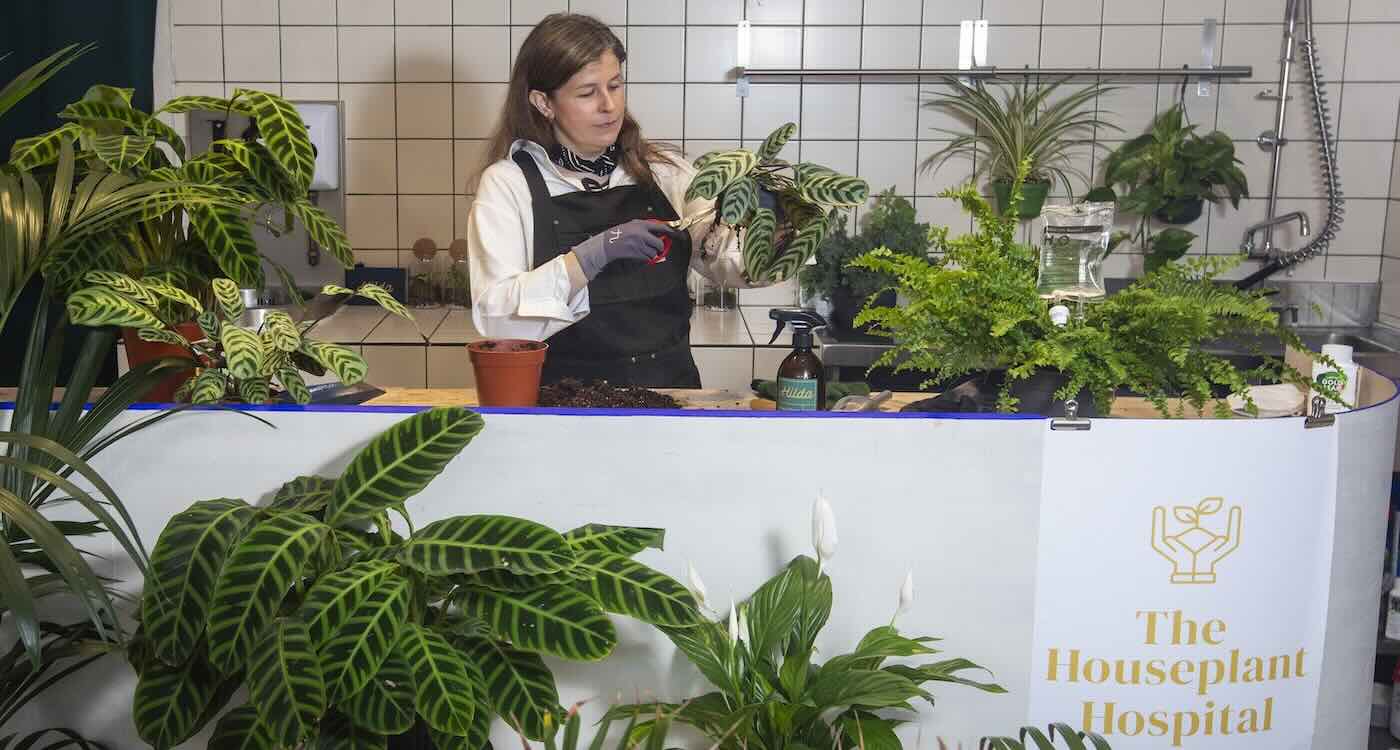
She then quarantines the plant if pests are involved, and repots and trims according to the client’s needs and living space, giving the plant one final clean before contacting the owner to let them know the ‘surgery’ has been a success.
“They bring their plant in and we take a ‘patient history’ – essentially find out how long they’ve had it for, what they think might be wrong, and what they want to happen with it,” said Rosanna.
“I’m a big believer that it’s your houseplant, it lives in your home, it has to work for you.
“So if you want it split into two, if you want to keep it in one pot, if you want it to not grow much bigger – all these considerations.
“A lot of the time, people have pests and either don’t know they’ve got them, or they don’t know how to deal with them, so we’ve created our own unique quarantine and treatment system.
GOOD PLANT NEWS: Hidden Ecosystem Buried for 130 Years Wakes Up After Bulldozer Uncovers Green Shoots in Toronto
“Once they’ve been repotted and trimmed, we feed them, give them a really good cleaning, and let the customer know they’re ready to collect.
“There’s an awful lot of feelings and emotions attached to the houseplants that we see, and when they come to collect and get care information, there’s so much relief and joy.”
TIPS FOR HOUSEPLANTS: Remove the Sickly Houseplants From Your Home or Office – They’re Making You Sad
Rosanna said people should avoid adhering to an arbitrary routine of ‘watering once per week’. They can simply pick up the pot: If it feels light it’s time for some water.
When there’s a heatwave, though, weekly waterings might be okay. Or, just move the plants out of direct sunlight and keep an eye out for drooping or curling leaves, which are signs the plant is dehydrated.
“But we’re not trying to make it overcomplicated or make people feel like they need a whole new degree in science to understand.”
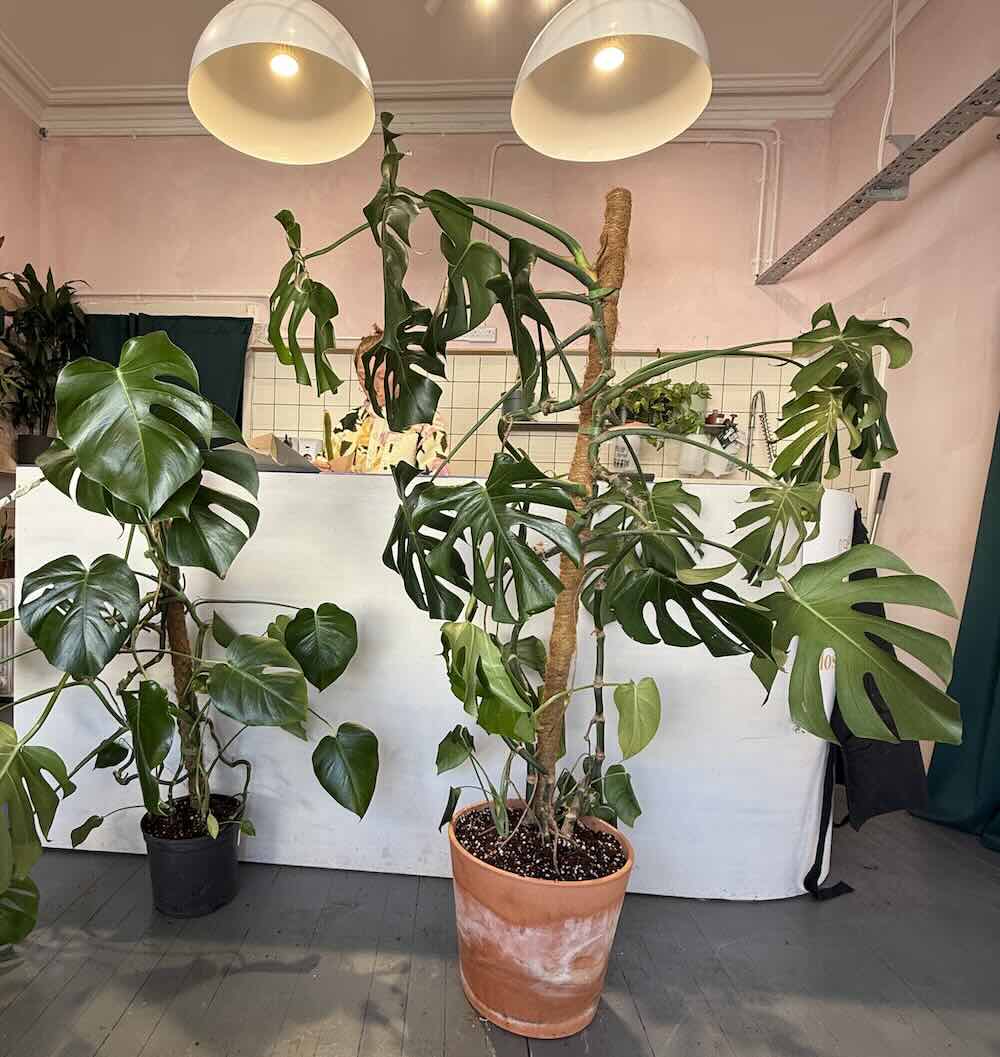
The Hospital’s most commonly treated plant is the monstera—a large, tropical plant which is notoriously tricky for new gardeners to maintain.
“They are such a popular houseplant, but they can very easily go a bit wild if you don’t have them trained up a pole, or give them a good feeding,” she said.
“We put them onto a moss pole to get them trained up—rather than out—so they’re not taking over people’s living rooms. We’re also giving them a really good cleaning, because they’ve got such beautiful big leaves.”
Rosanna believes that houseplants are a key part of experiencing nature while living in cities, and she hopes to eventually open a second branch of Hilda somewhere new, helping more people to have happy plants.
“I always think back to the pandemic, when we realized how important houseplants were, because we were inside all the time. I think city living in flats makes people really need their houseplants to have a healthy home life.
“Then they need help with those houseplants because you don’t want to keep a huge bag of soil under your sink, or be repotting on your dining room table.
AWE-INSPIRING PLANTS:
• Botanic Garden Films Giant Lily Pads Holding Over 180lbs in Annual ‘Water Lily Weigh Off’
• 7.4M Plant and Fungi Samples Digitized to ‘Democratize Knowledge’ and Save Species
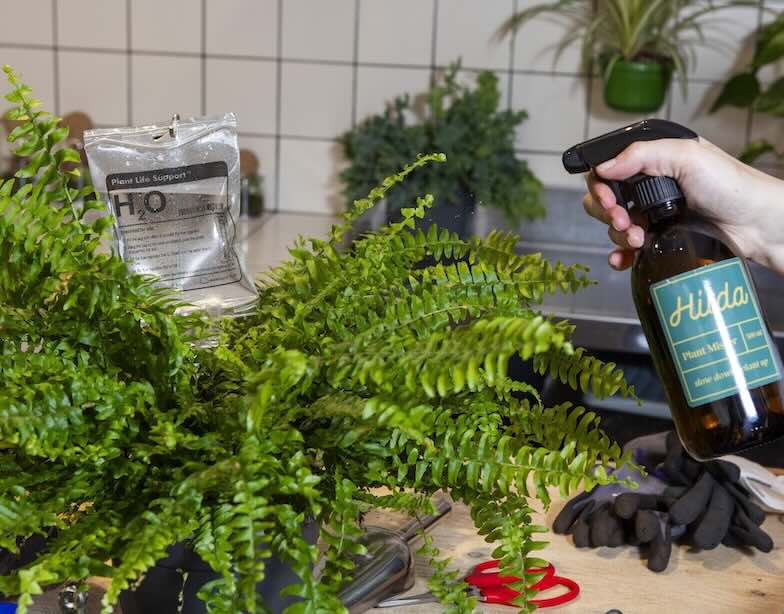
Avoid these mistakes:
1. The best way to know when your plants need watering is to pick up your plants and feel how heavy they are. If they feel light, it’s probably time for a water.
2. Don’t use outdoor compost on your houseplants. Outdoor compost is not free-draining enough and will often come with fungus gnats as an unwanted addition.
3. Don’t be afraid to trim off leaves and stems. It’s a perfectly natural part of the growth cycle and has added benefits. Not only do the plants look better, but you take away potential pest hiding places.
4. During a heatwave: Intensity of light is likely to burn and frazzle the leaves, so it may be good to move plants back from the windows, particularly south facing sunny spots, so that they don’t get sunburned.
Also remember that open windows and warm weather may allow uninvited houseplant pests to get to your plants, so watch for any signs of pests.
SHARE THE GREEN IDEA With Entrepreneurs on Social Media…