













The world’s largest and 3rd-largest rice producers have banned an agricultural pesticide linked with cell toxicity and suicide.
The decision earned praise from the World Health Organization, which called it “momentous,” saying in a statement that 1 in 5 suicides globally are believed to be driven by ingestion of toxic pesticides.
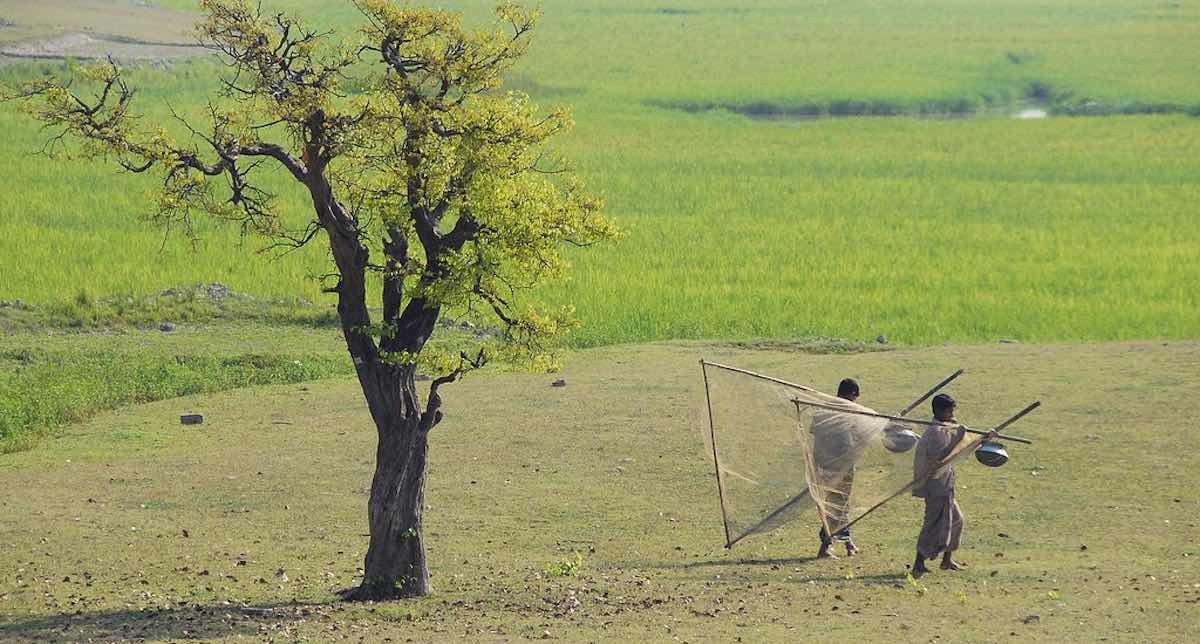
The chemical in question, paraquat, has already been banned in over 70 countries. In September 2026, Bangladesh and India declared national bans on the product. When combined, these South Asian neighbors produced over a quarter-billion tons of rice in 2024.
Paraquat is used on rice for weed control, particularly in rice paddies before the crop is fully established or during specific growth phases. Rendering the chemical waterborne further increases its capacity to contaminate the environment at large including through runoff and erosion from the rice paddies.
A WHO study demonstrated that “national bans on acutely toxic pesticides are among the most cost-effective interventions for mental health.”
This month, the First International Conference of the Global Framework on Chemicals took place to advance key global targets on chemical use, including the phasing out of toxic pesticides from agriculture.
ALSO CHECK OUT: Birds Start to Show Signs of Recovery After Bee-Harming Pesticide Ban in the EU
Concluded in Geneva, the Conference provisionally adopted an initial set of indicators to begin tracking progress towards its targets of ameliorating the global burden of disease and the global environmental burden attributable to chemicals, including toxic pesticides like paraquat, and chemical waste.
“The regulatory actions taken by Bangladesh and India represent a significant step towards this target and sets an important precedent for the rest of the world,” the WHO said in its statement.
“Removing acutely toxic pesticides from circulation protects agricultural workers, children, and individuals in distress, advancing brain health and preventing suicide.”
SPREAD The Word About The Tens Of Thousands Spared From Toxic Exposure…