













Increased sightings of the world’s two largest whale species offers fresh hope for the future of the endangered ocean giants.
More than 40 years since the end of commercial whaling, new research reveals a recent increase in sightings of blue and fin whales in the southeastern Atlantic.
Researchers compiled more than 60 years of confirmed sightings from Namibia and South Africa’s west coast, including any stranded animals.
Although overall numbers remain low, the findings showed sightings of both species have increased markedly in recent years—with 95% of observations recorded since 2012.
“Our results provide important evidence that these giants of the ocean are slowly recovering from the devastating impact of 20th century commercial whaling, which pushed them to the brink of extinction,” said study lead author Dr. Bridget James.
“Sightings remain rare, but they are becoming more frequent than in previous decades – and with sustained protection, there is reason to believe this recovery can continue.”
The study to be published in the African Journal of Marine Science focused on Antarctic blue whales and fin whales, both heavily targeted during the industrial whaling era.
Between 1913 and 1978, an estimated 350,000 blue whales and 725,000 fin whales were killed, causing dramatic global population declines.
Today, Antarctic blue whales are still listed as critically endangered on the International Union for the Conservation of Nature’s Red List.
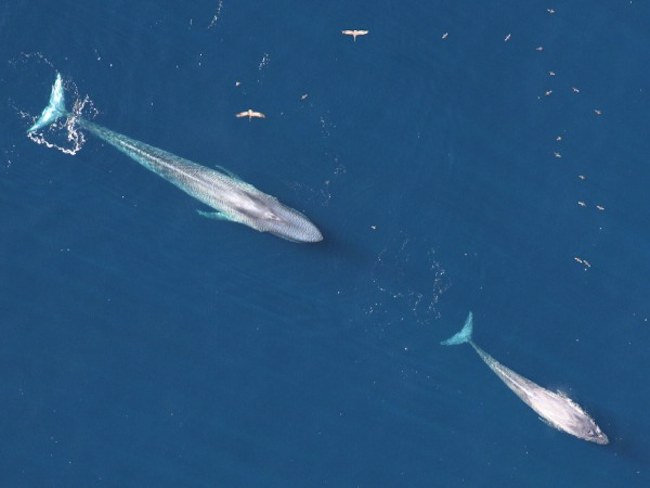
Their population is currently estimated at around 3% of the pre-whaling numbers, but they’re increasing slowly at about 5-8% per year, according to the scientists.
Fin whales are currently classified as vulnerable, with populations thought to have recovered to more than 30% of historical levels and growing at around 4-5% annually.
But, despite the signs of improvement, researchers say both species remain difficult to study as they roam vast distances and spend much of their lives in remote Antarctic waters.
Data from migration routes and potential breeding grounds—including the southeastern Atlantic—has been particularly limited.
“Historic whaling data suggests that the southeast Atlantic may once have been an important nursery area for both blue and fin whales,” said Dr. James, from the University of Cape Town, South Africa.
Until now, researchers have had very little information on their recent presence in the region. To address this gap, they compiled verified sightings and strandings recorded in the 60 years between 1964 and March 2025, focusing on the Benguela upwelling ecosystem—a nutrient-rich region off Namibia and the west coast of South Africa.
Blue whales were recorded infrequently, with 12 sightings, one stranding and five additional published records.
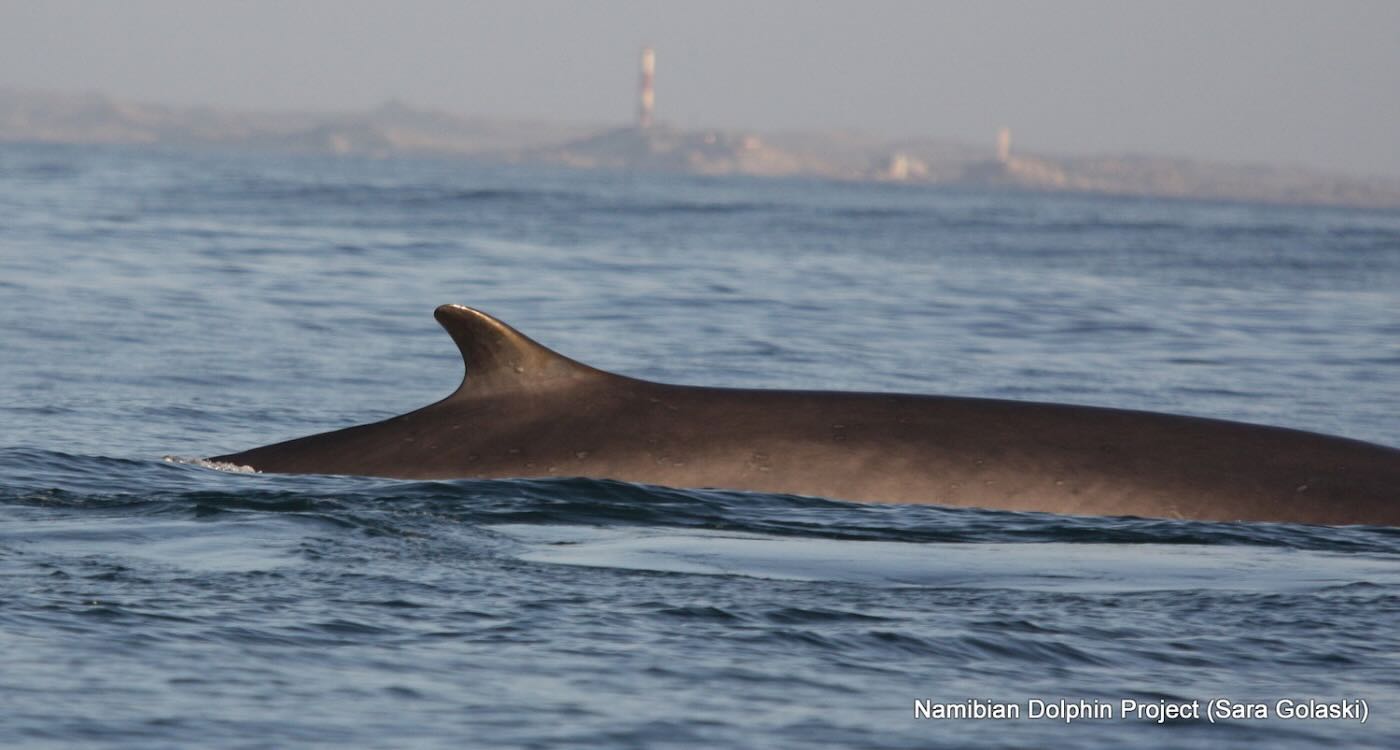
Fin whales were encountered more often, with 76 sightings documented along with six whales stranded.
MORE WHALE GOOD NEWS:
• Scientists Hail Record Number of Sightings in January as Auspicious for Endangered Right Whales
• Humpback Whale Population Now Well Above Pre-Whaling Levels in Australia
Blue whales were most often seen between late spring and autumn, while fin whales appeared to occur year-round.
“As populations slowly rebuild, we would expect to see these whales begin reoccupying parts of their historical range,” said study co-author Dr. Simon Elwen, from the University of Stellenbosch, South Africa.
“The increase in sightings and strandings is consistent with this gradual recovery, although increased offshore observation efforts may also contribute.”
Threats have not disappeared, however. Large whales remain at risk from ship strikes, entanglement in fishing gear, and pollution or climate-driven changes in ocean ecosystems.
“Even with more than 50 years of recovery since the end of commercial whaling, we could only compile 12 records of blue whales off our coast,” explained Dr. Elwen.
YOU MAY LIKE: These Rare Whales Had Never Been Seen Alive, Then Scientists Saw Two Near California
But the numbers point to the whales’ resilience.
The researchers recommend expanding passive acoustic monitoring, increasing trained observer coverage in commercial sectors, and incorporating whale distribution data into marine spatial planning to safeguard their slow but important recovery.
SHARE THE GOOD NEWS With Whale-Lovers on Social Media…