














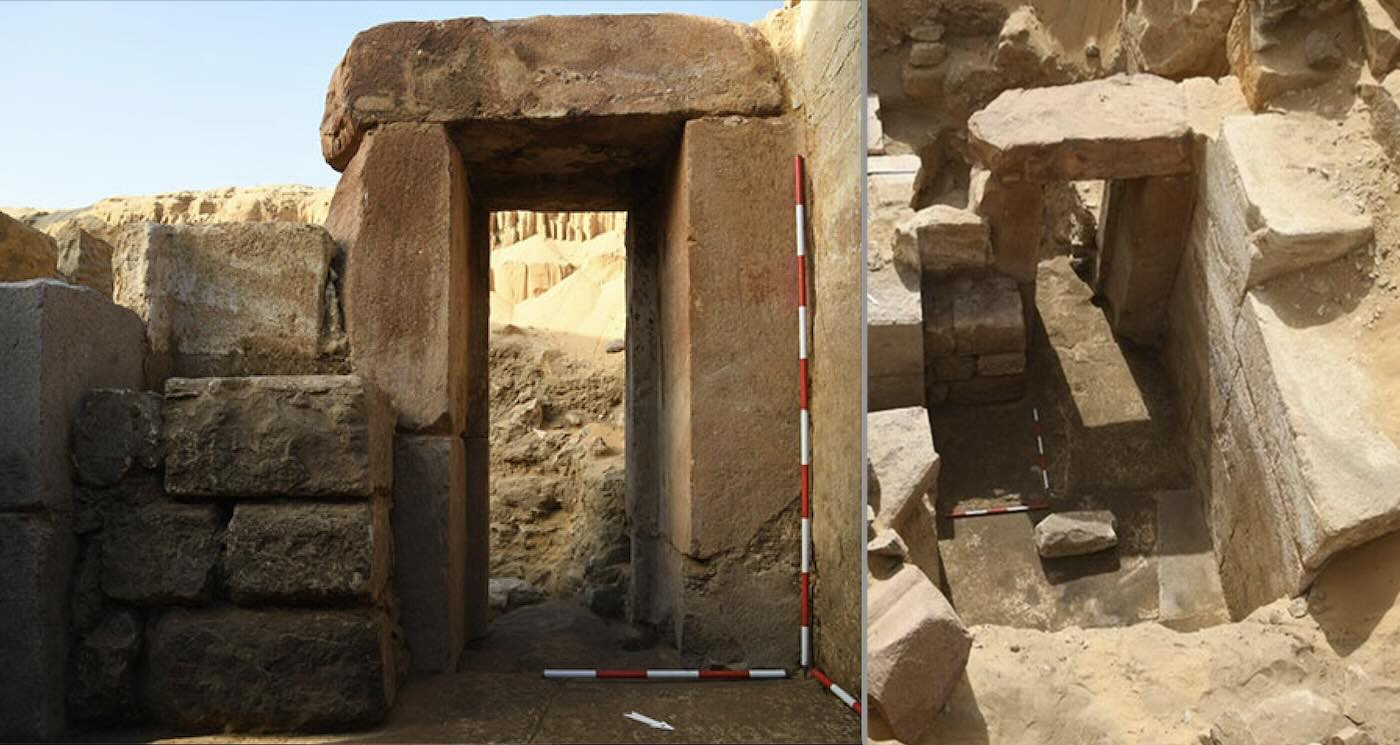
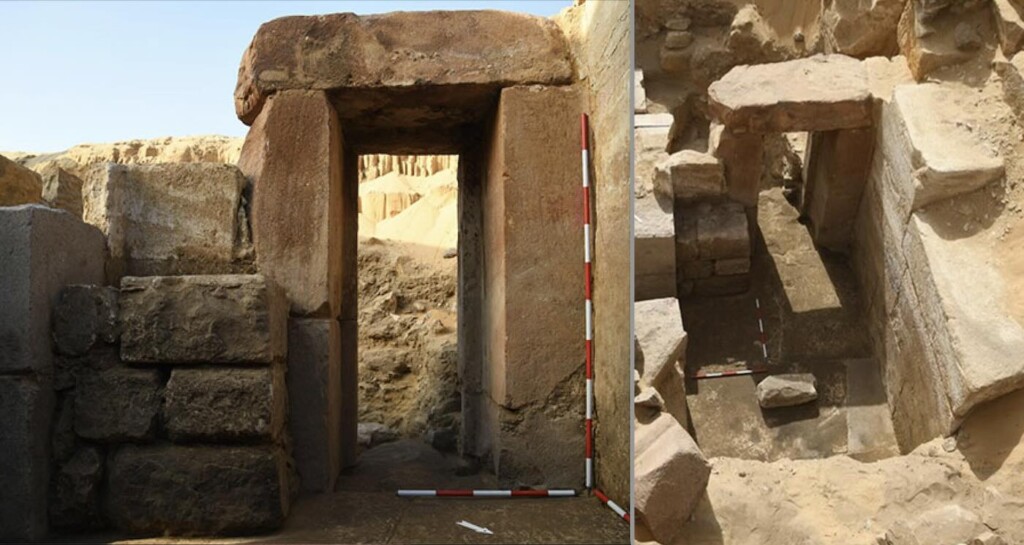
An Italian-Egyptian archaeological mission has finally excavated a temple for the worship of the sun after it was identified over 100 years ago.
It’s only one of two sun temples that have been definitively identified, and dates to the reign of King Nyuserre, the sixth ruler of the Old Kingdom’s Fifth Dynasty.
He is credited with a reign of between 24 to 36 years depending on the scholar, some 4,500 years ago.
Massimiliano Nuzzolo and Rossana Perilli from the universities of Turin and Naples respectively, managed to reveal half of the total temple layout, extending some 1,000 square meters. Mohamed Ismail Khaled, Secretary-General of the Supreme Council of Antiquities, described the find as a “milestone” in the exploration of Egypt’s Fifth Dynasty.
A German Egyptologist Ludwig Borchardt had first noted the sun temple’s presence in the Abusir necropolis, near the Egyptian town of Abu Ghurab, in 1901, but groundwater inundation from the Nile prevented any excavation at that time.
Perilli and Nuzzolo uncovered the structure’s original entrance where it lay buried under 3 feet of Nile river silt. The dredging revealed the temple’s original floor, limestone pillar bases that would have held up the portico, and several granite doorframes still in their original positions.
A sloping ramp that likely led down to the Nile or one of its ancient branches was identified, along with the remains of an internal staircase leading to the roof.
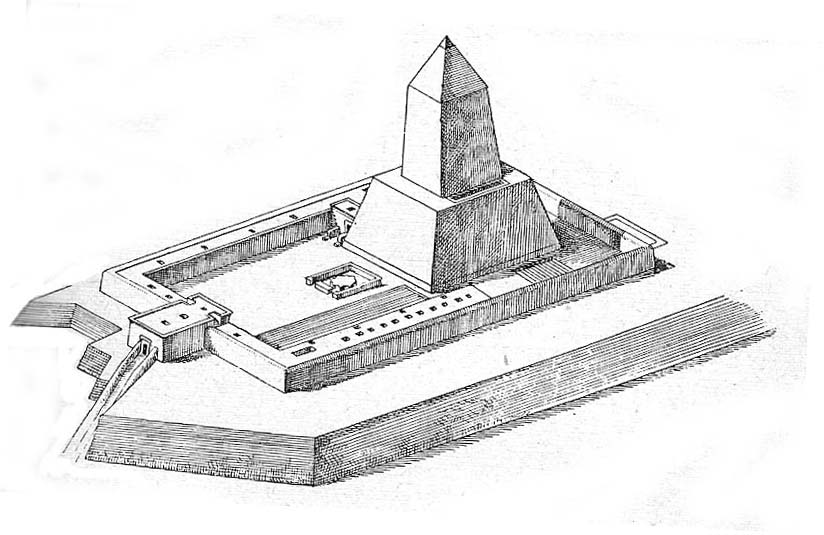
Early evidence indicates that the temple extends northward, reported Ahram Online, which would be consistent with the architectural layout of Fifth Dynasty royal complexes such as the Valley Temple of King Sahure, a predecessor of Nyuserre’s.
MORE EGYPTIAN DISCOVERIES:
- Colossal Statues of Ancient Pharoah Stand Again in Luxor After 30 Years of Work
- Ancient Tombs More Than 3,000 Years Old Unearthed in Egypt’s Luxor
- Huge Fortress Unearthed in Egypt Features Thick, Curving Walls Built 3,500 Years Ago
A wealth of artifacts inside revealed the temple’s activities, including a board and wooden game pieces from the Egyptian pastime Senet. Pottery from several periods show how the temple fell out of religious use and became a dwelling by the Intermediate Period.
The archaeologists will continue their work on the temple for the next few excavation seasons to try and establish what the religious functions might have been.
SHARE This Latest From The Trenches In Egypt With Your Friends…