- credit, LeRoy Police Department NY, retrieved from Facebook
– credit, LeRoy Police Department NY, retrieved from Facebook
Going from a small town to the big city, a police detective went far beyond the call of duty to retrieve a woman’s stolen wedding ring.
In LeRoy, New York, an elderly nursing home resident suffering from dementia—unable to care or speak for herself—had a wedding ring stolen from her hand.
The theft was noticed by the victim’s family, who reported it to police after realizing the ring was missing, according to a statement from the LeRoy Police Department.
Enter Kaden Vangalio, a police detective whose outstanding diligence and persistence resulted in getting the valuable heirloom back—after months of dead-end investigations.
During those months, Vangalio conducted interviews and database checks with no immediate leads. The case eventually brought him to Buffalo, the nearest major city, where he went from pawn shop to pawn shop looking for the stolen wedding ring himself.
His persistence paid off when he located the victim’s ring at a Buffalo pawn shop, where he was able to secure both the ring and the bill of sale with the signature of the suspect, who is now charged with larceny for taking the victim’s ring while working at the nursing home.
“During the investigation, Clark was evasive and avoided contact with investigators for months,” the department wrote. “Through persistent follow-up and continued investigative work, she ultimately turned herself in to face the charges.”
“This may not be the crime of the century, but you cannot put a price on the sentimental value of a wedding ring. We are proud to help bring closure to this family and grateful for the excellent work of Detective Vangalio in making that happen,.”
CELEBRATE This Dedicated Detective Work With Your Friends On Socials…
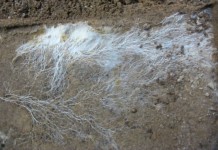
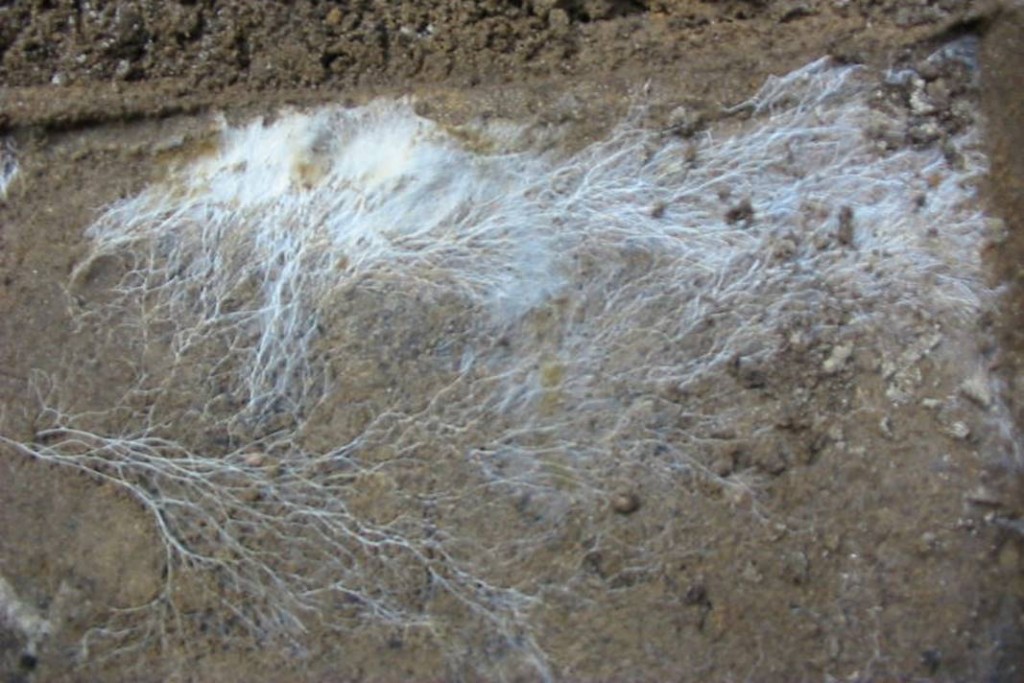
Some years ago, scientists dedicated to including the kingdom Fungi into modern conservation set out to measure the total length of fungal networks under the soil.
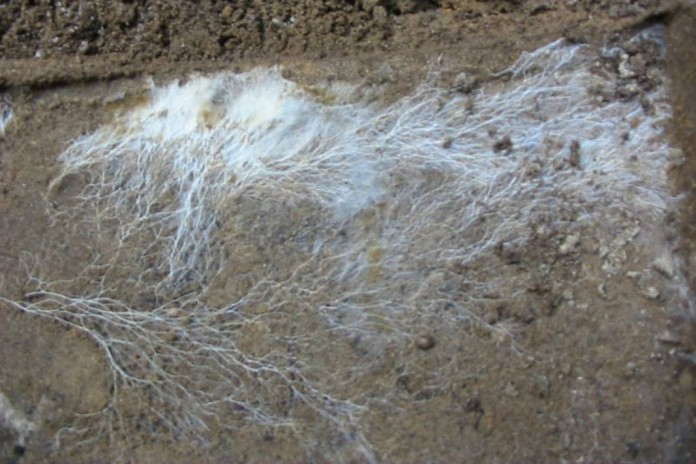
These networks form the fabled “wood wide web,” an interconnected, biological framework of cooperation between plants, fungi, and probably microorganisms.
Their research, published last July, found that just within the top 15 centimeters of soil, the fungal filaments stretched approximately 62 quadrillion miles long, and that if they were spun into a single yarn it would reach from the Earth to the Sun and back 1 billion times.
They translated that research into an interactive map of the globe where the user can see for themselves the density of biological compute around the world’s ecosystems.
Though making for a fun curiosity, it’s also part of the scientists’ mission: to advocate for greater protections for fungi amid the global effort to conserve 30% of the land in perpetuity for ecosystem integrity.
The scientists believe the new map will help identify areas where fungal networks need greater protection and restoration, and indeed argued in a peer-reviewed paper on their method that a little less than 10% of all the densest clusters of these fungal networks are currently located within protected areas.
Though it’s been styled the “wood wide web,” the greatest density is observed in grasslands and wetlands. Hotspots include the Anatolian steppe, Tibetan plateau, intact parts of the North American Prairie, the Everglades, and the Sudd wetlands in Africa.
The reason has to do with what services this vast network of arbuscular mycorrhizal fungi provide to the plants plugged into it. Each lifeform provides a service to the other to make up for inabilities. The plants can produce sugars from sunlight through photosynthesis and exchange that sugar with the fungi which cannot.
In return, the fungi provide not only water, but important nutrients like phosphorous and nitrogen. The mycorrhizal network can reach much further into the earth than the average grass or forb species, which is probably why their networks are denser in grasslands than in forests, where tree roots reach much deeper.
This partnership is vital for maximizing any plant’s carbon storage potential—of particular interest these days for obvious reasons.
The dataset and map also reveal that where human agriculture is intensive, the density of fungal network filaments, called hyphae, are much reduced.
In addition to being outside of existing protected areas, of the more than 8,000 species known to participate in the wood wide web, virtually none have been assessed for endangered status by the global conservation authority the International Union for the Conservation of Nature.
The scientists and their Society for the Protection of Underground Networks (SPUN) argue that this is a blind spot in global conservation, and that both fungal populations and network density, should be taken into account when designating conservation areas.
SHARE These Incredible Facts About The World’s Famous Wood Wide Web…
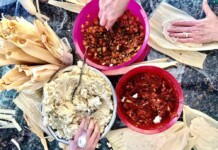
Colorado’s government has restored the freedom of its people to prepare and sell homecooked food to one another.
Provided they take a food safety course, the “Tamale Act” is expected to be a boost to the informal economy by unlocking the commercial power of mama’s and grandma’s home-cooking.
House Majority Leader Monica Dura said exactly that—the Tamale Act gives people a chance to turn family recipes and cooking skills into a business opportunity.
“In the times that we are in, people can take that talent and that gift they have of these special foods that they make around their family table and share them.”
Previously, Colorado legislation prohibited the cooking and sale of any food that required temperature control, including meat and dairy products. Room temperature safe foods like coffee beans or pickles were allowed to be sold.
Consumers, said Dura, have all the agency and awareness needed to decide for themselves whether they want to buy informally cooked food.
CBC News Colorado spoke to a woman whose homemade food helped keep her income afloat after receiving a kidney disease diagnosis in 2021.
“I’m not going to just lay there. I will find a way, and I did,” remembered Arta Montoya.
SHARE This Good News For Talented Home Cooks On Social Media…
Quote of the Day: “I think in terms of the day’s resolutions, not the year’s.” – Henry Moore
Photo by: Nick Fewings, jannerboy62
With a new inspirational quote every day, atop the perfect photo—collected and archived on our Quotes page—why not bookmark GNN.org for a daily uplift?
Liu Yang Women in Space: The Next 50 Years - CC 4.0. and Valentina TereshkovaRIA Novosti archive, image #612748 / Alexander Mokletsov / CC-BY-SA 3.0
14 years and 63 years ago today, two ladies became the first women to enter space for their respective nations. 63 years ago it was the first female Russian, Valentina Tereshkova, who was also the first woman ever to fly into space, while 14 years ago it was the first female Chinese astronaut aka a “taikonaut” Liu Yang. READ more about their respective flights… (1963/2012)
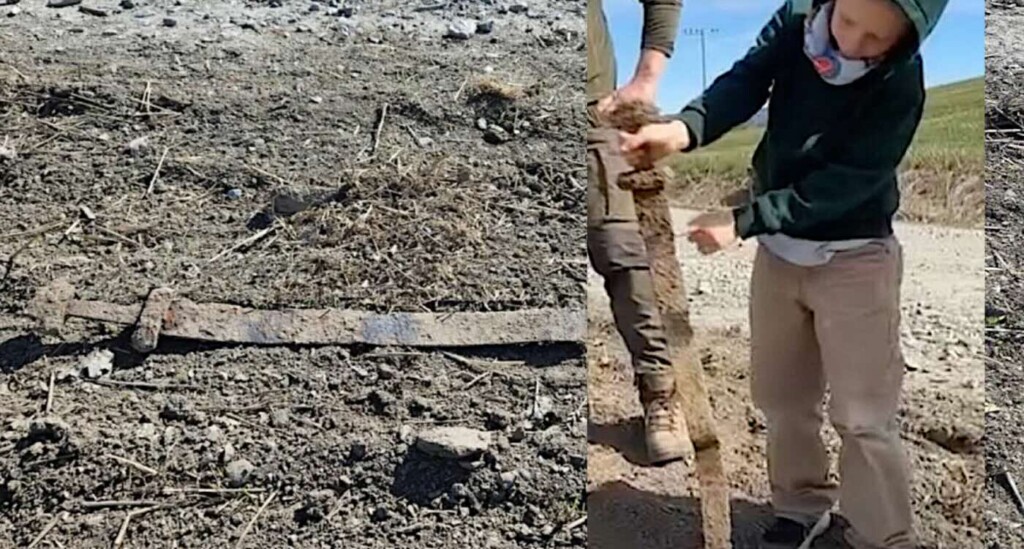
Henrik, 6, finds ancient viking sword - Courtesy of Kulturarv Innlandet (Cultural Heritage agency of Innlandet County Norway)
Henrik, 6, finds ancient Viking sword – Courtesy of Kulturarv Innlandet (Cultural Heritage agency of Innlandet County Norway)
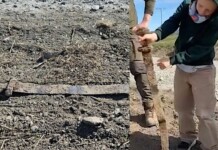
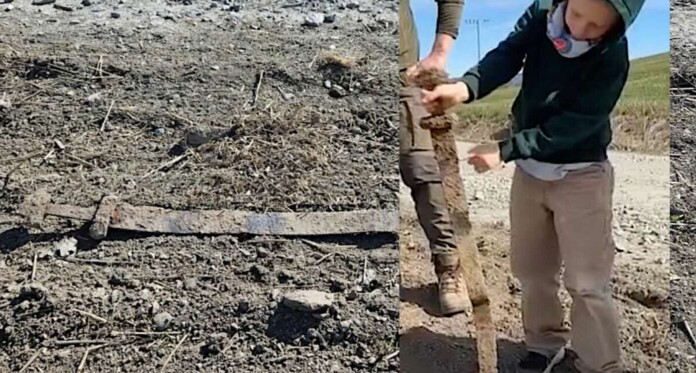
Imagine you’re 6 years old, it wouldn’t get much better than finding a dinosaur bone or a sword—and that’s exactly when young Henrik turned up on a school field trip.
If there were teachers close at hand, they may have told Henrik not to touch the “rusty piece of metal” he saw sticking out of the ground—tetanus and all that.
If they had, he wouldn’t have found this sword which given it was Norway would have likely belonged to a warrior of the early Viking Age.
Henrik and his class were visiting Gran which is in Hadeland, a region of Norway that translates to “warrior land” and where many important archaeological discoveries have been made.
After he showed the teachers and chaperons the rusty piece of metal, they rather quickly contacted the cultural authorities, who confirmed it was historic.
The weapon is a single-sided iron sword known at the time as a scramseax, also spelled scramasax, and was meant to be sharp on only one side to increase the weight behind its cutting ability.
While it could have been of Norwegian origin, it might also have been forged in France as the earliest date falls before the Viking Age and in the middle of the Merovingian Period.
The sword has now been transferred to the Museum of Cultural History (Kulturhistorisk Museum) in Oslo for preservation.
In medieval Scandinavia, the word Viking was sort of both a noun and a verb that described the act of sailing abroad with the intention to raid, trade, or both. A warrior at home and not on the sea wasn’t referred to as a Viking, and in the Icelandic family sagas, the characters are sometimes described as “going Viking.”
In that sense, the sword, though undoubtedly belonging to someone familiar with battle, may not necessarily have belonged to a Viking.
SHARE This Child’s Amazing Story With Your Friends Who Love Vikings..
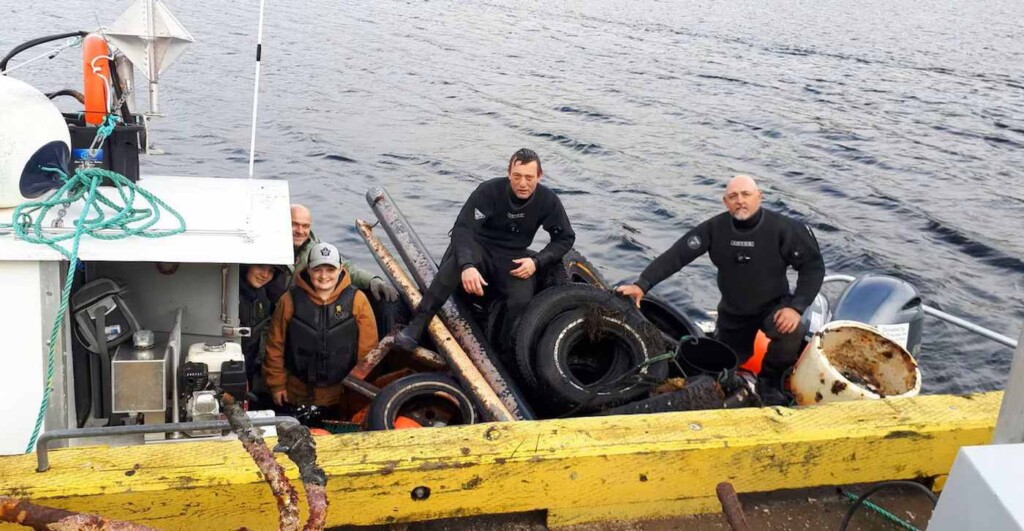
Sean Bath (right) and his team pulling trash out of the ocean- credit, supplied to CBC by Sean Bath
Sean Bath (right) and his team pulling trash out of the ocean- credit, supplied to CBC by Sean Bath
From being part of the problem to being part of the solution, a reformed litterer and fisherman now spends his days diving to the bottom of Canada’s harbors on trash clearing missions.
Sean Bath used to seek the coveted spiny sea urchin: now it’s often car tires that come loose from the bows of ships and the sides of wharfs.
That used to irk him, seeming them down there, yet he didn’t connect his own fishing habits to the problem of all the trash he’d find on the seabed.
These days, however, Bath runs the Clean Harbors Initiative, where he fundraises money to sponsor diving expeditions to the bottom of harbors in order to clean them up.
He started back in 2018, pulling 15,000 pounds of trash out of the Bay Roberts harbor in an effort to alert the public—in particular those with money to donate—to the danger of “ghost gear,” a colloquial term for lost or abandoned fishing equipment which contributes millions of pounds to the total tonnage of plastic entering the ocean every year.
Not only that, but it’s responsible for the deaths of millions of sea creatures who get snagged, hooked, or strung up among the abandoned nets, lines, and traps.
Bath had long struggled to finance his Clean Harbors Initiative, but things changed for the better after he allowed a documentary crew to follow him around for a year to produce Hell or Clean Water, which premiered at Toronto’s Hot Docs festival in spring, 2021.
Personal donations dramatically increased, and soon Bath could hire another boat and diver, while putting the fear of bankruptcy out of his mind for the time being.
Along with expanding the dive operations, he’s excited to start a new chapter in his Initiative: beach cleaning, a far cheaper and safer operation than diving.
“We went to Long Harbor with the intention of diving, but the visibility was poor and it just wasn’t safe,” Bath told CBC News, reporting on his story.
“So we decided to expand into cleaning the beaches at St. Croix. Each day we were out there, we were able to collect about three boatloads full of plastics. It’s a sustainable way to do cleanups because it doesn’t require any fuel.”
SHARE This Solitary Figure And His Attempt To Clean Canada’s Harbors…
You can measure human progress by GDP, by employment rates, home-ownership, or average national income, but when you’re lying in your bed and it’s time to pay the piper, it’s difficult not to see the most important measure as years of life on the planet.
The annual report from the WHO for 2026 included the findings of another report which looked at African mortality statistics between 2000 and 2019 and found that on average the continent gained 10 years of additional life expectancy and 9 years of healthy life expectancy.
In 2000, the average African could be expected to lead a healthy life until 46 when illness and disability crippled their remaining years. In 2019 that decline was most commonly seen at 55.
Also in 2019, the average life expectancy rose to 64, though some nations, like Algeria and Tunisia, saw far higher numbers, and in fact today have life expectancies that rival American states.
Much of this is, to report honestly, driven by a reduction in child mortality and an increase in the number of children living past age 5. Each early childhood death dramatically skews life expectancy data downward, and improvements in reproductive and maternity health have made a world of difference.
However, even as general medical standards increased, the lion’s share of the improvements in life expectancy come from increased controls on TB, malaria, and HIV, with particular credit going to increased access to antiretroviral medication to counter the AIDS epidemic.
All over Africa, children have much better odds of not only surviving to grow up, but to grow up with both parents alive and able to help them. It means citizens remain productive workers longer, and parents are surviving to be grandparents, keeping families and communities more intact for longer.
It should also be emphasized that this period overlaps with quite a few catastrophes, including wars and conflicts like those in Sudan, Somalia, DRC, Libya, and Angola; with famines like the one in East Africa in 2011, economic collapses like the one in Zimbabwe in 2009, epidemics like Ebola and AIDS, militant insurgencies like the one in the Sahel, and political collapses like those seen across particularly West Africa.
SHARE This Amazing Progress Against The Odds In Africa…
More than a quarter million people are still alive thanks to improvements in air quality linked to “new energy” vehicles in the world’s largest auto market.
With more than 50% of all new cars sold last year in China being hybrids, EVs, or hydrogen-powered, the speed of the adoption has been incredible both for the market itself, but also for public health statistics.
Some 262,000 premature deaths attributable to car exhaust’s effect on the risk for lung cancer, stroke, respiratory diseases, and heart attack, along with 75,000 all-cause deaths estimated to be a result of air pollution, have been avoided according to a study using pollution data modeling.
Around 4 million people are believed to die from these each year, including 1 million in China alone.
Fossil fuel vehicles release a variety of pollutants from the tailpipe, including fine particulate matter of less than 2.5 micrometers (PM2.5), carbon monoxide, and nitrogen dioxide.
A study published on May 13th in Nature Health looked at satellite data from 150 Chinese cities. The authors estimated how much pollution has been removed by the adoption of new energy vehicles, and compared it to a counterfactual in which all cars were still fossil fuel powered—easy enough since this was the reality in China just 15 years ago.
The results were a 23.8% reduction in PM2.5, and a 30% reduction in carbon monoxide, resulting in some 320,000 fewer deaths from air pollution.
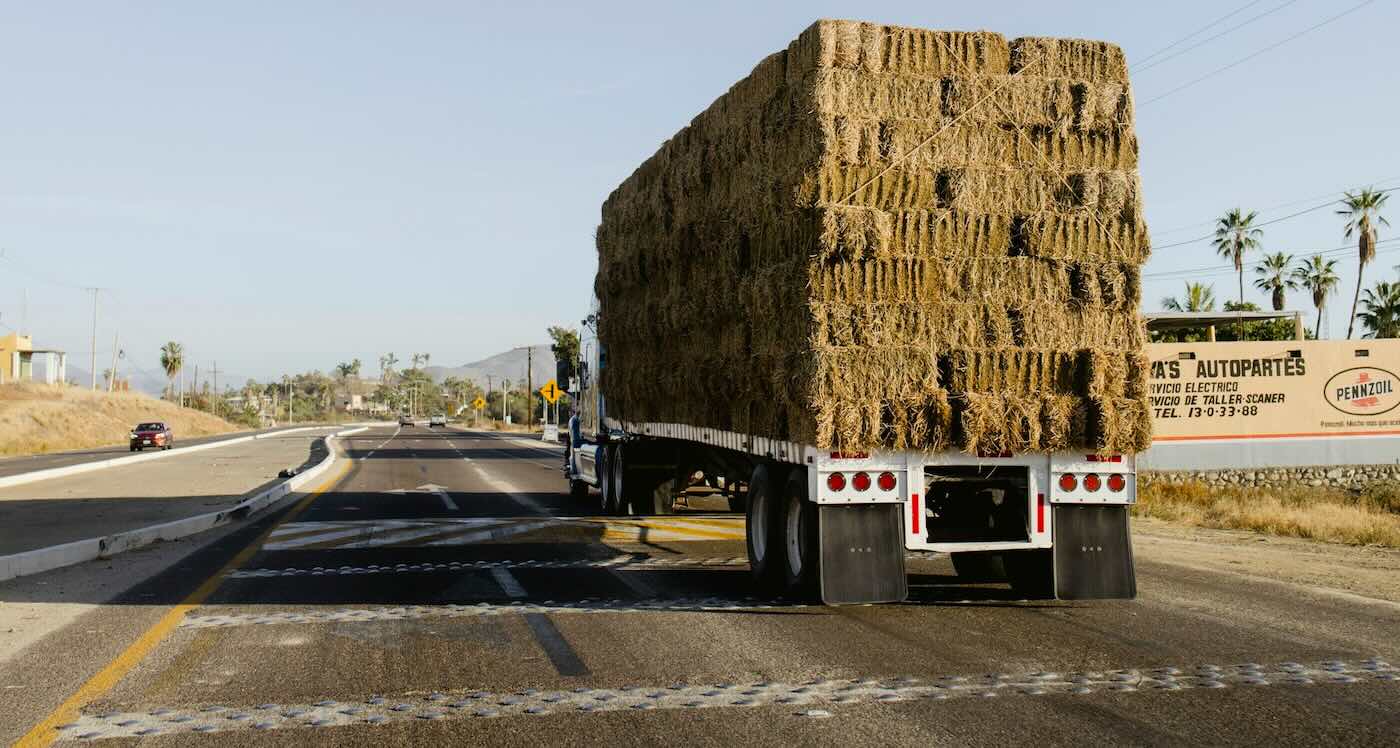
Comparatively, the authors found a very small, almost insignificant reduction in nitrous oxide, which they attributed to the diesel semi trucks still used across the majority of the country to transport goods and merchandise. Their long-distance routes and heavy tonnage make them challenging to electrify, although Australia is giving it the best shot.
Quote of the Day: “What you do today can improve all your tomorrows.” – Ralph Marston
Photo by: Getty Images for Unsplash+
With a new inspirational quote every day, atop the perfect photo—collected and archived on our Quotes page—why not bookmark GNN.org for a daily uplift?
On this day 811 years ago, England’s King John put his seal to the Magna Carta. The historic document established the foundations of parliamentary democracy, human rights and the supremacy of law for rebellious English Barons demanding freedom and legal due process. Its importance isn’t only that the document itself reflected the emergence of English common law, but the scenario out of which it was born—local holders of wealth extracting concessions from a European crown head—reflects the importance of Europe in developing all modern societies. READ why that occurred… (1215)
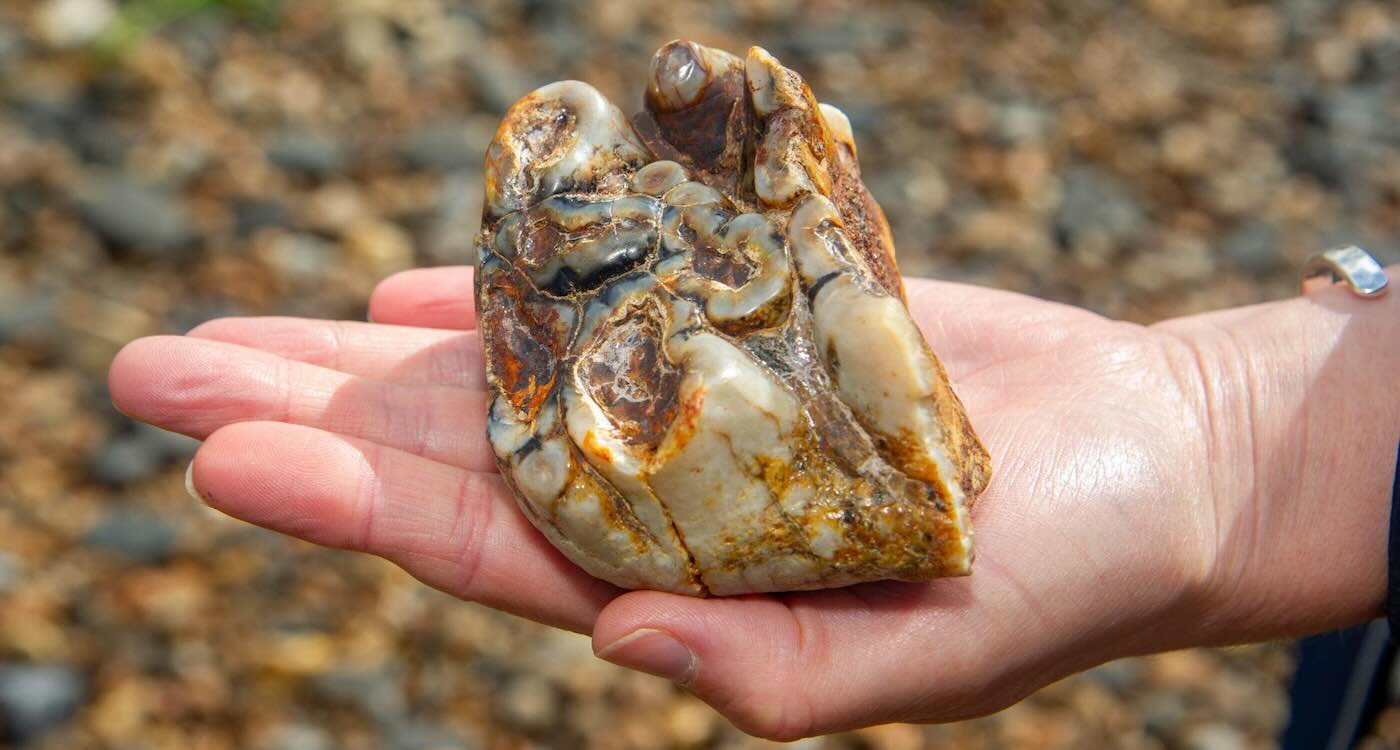
Mom holds Anancus arvernensis molar found on beach –SWNS
Mom holds Anancus arvernensis molar found on beach –SWNS
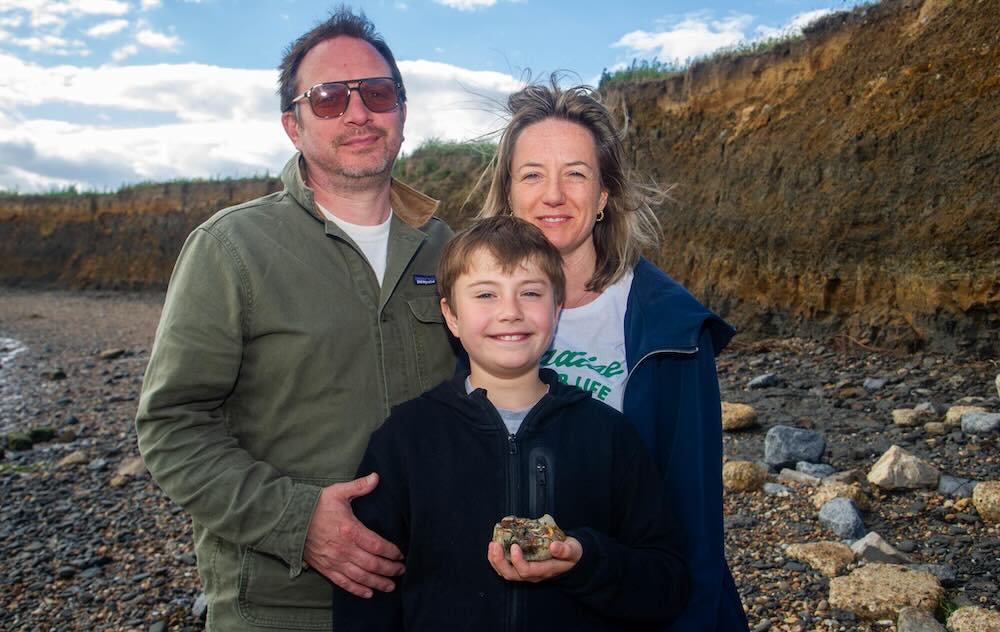
An 11-year-old boy made a once-in-a-lifetime discovery after finding an ancient elephant tooth right on the beach.
The day of the big find, May 24, Charlie Orchard-Lisle was walking with his mother along East Lane beach in Bawdsey, a Suffolk coastal village in eastern England 75 miles from London, when he spotted the rock-like object on the shoreline.
The discovered tooth, which measures four inches in width, was confirmed as the upper left molar of an Anancus arvernensis.
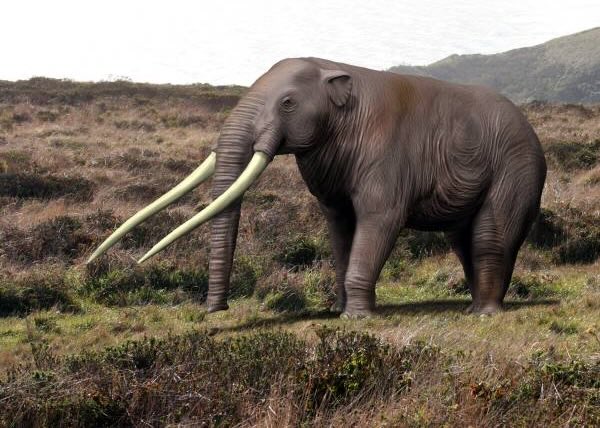
Illustration of extinct elephant relative Anancus arvernensis – by Nobu Tamura (CC BY-SA 4.0)
The extinct mammal walked the Earth from the Late Miocene era to the Early Pleistocene, roughly 8.5–2 million years ago.
A six-ton relative of the African bush elephant, and originally mis-classified in 1828 as a Mastodon with straight, uncurved tusks), it reached a shoulder height of around 8ft.
“We were walking along and, ten minutes before, my son Charlie was saying how much he loves elephants,” Charlie’s mom Eleanor told SWNS news.
Then, they spotted something sticking out of the lapping waves.
Family found an Anancus arvernensis molar on this English beach–SWNS
“It must have been quite distinctive because it caught both our eyes, so we picked it up.
“We could tell it was something different. It had a different feel to it.
“It is quite incredible.
“I can’t believe you can find something so old on the beach.”
An image of the tooth was shared with Professor Adrian Lister, a research leader in paleontology at the Natural History Museum in London who confirmed its origin.
They believe the tooth may have been buried in the red crag cliff at Bawdsey and was flushed out by erosion.
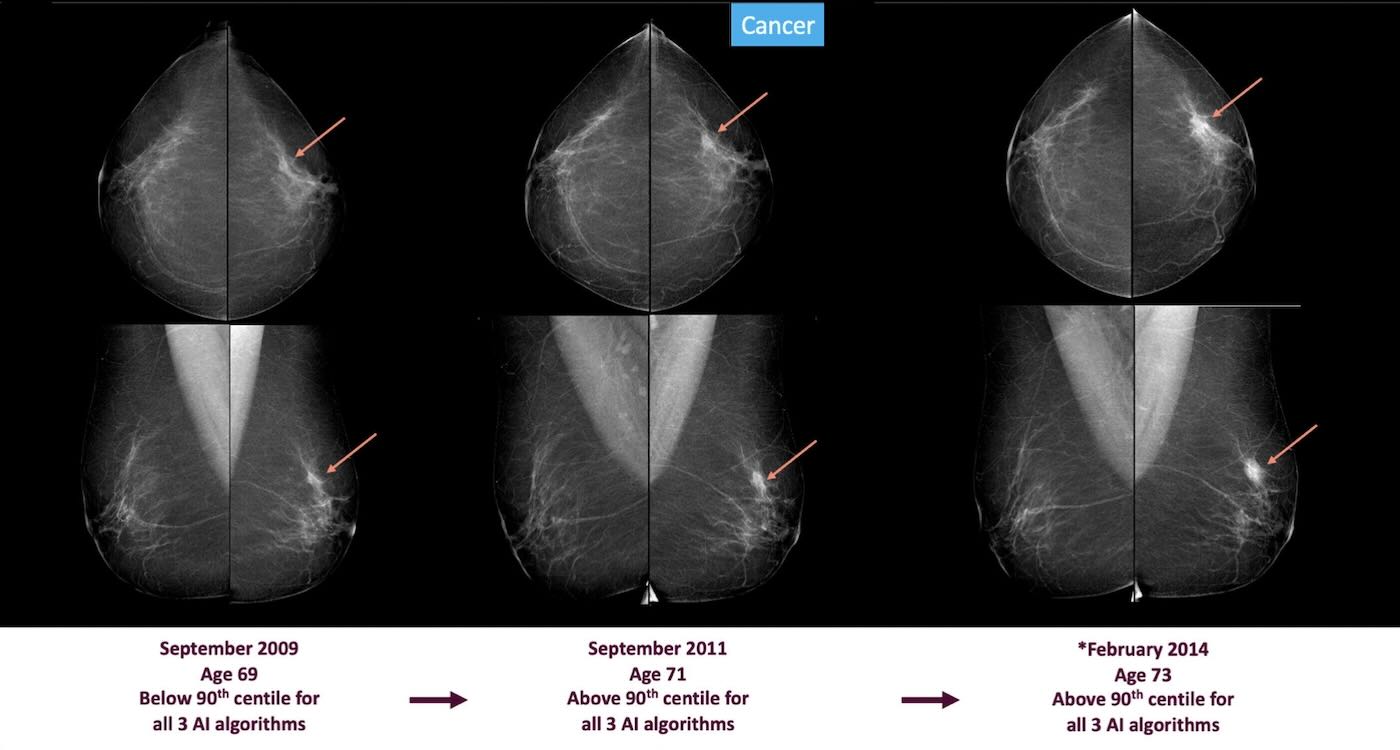
AI could have detected disease 3 years before 2014 breast cancer diagnosis screenings
AI could have detected disease up to 6 years before 2014 breast cancer diagnosis screenings
Early warning signs of breast cancer could have been spotted years in advance using AI, suggests a new study that analyzed 88,963 mammograms performed during a 10-year period on over 31,000 patients.
The researchers showed that the latest artificial intelligence technology can provide an “early alert” for the disease up to six years before a diagnosis.
Swedish researchers tested three commercially available AI-based computer-assisted detection (AI-CAD) radiology systems on the mammogram data.
The findings, published in the journalRadiology, showed that cancer prediction scores issued by AI-CAD were elevated, on average, for people who were eventually diagnosed with breast cancer, while scores were low for those who remained cancer-free.
“Approximately 20% of breast cancer cases demonstrate mammographic signs that are already visible to AI around six years before diagnosis,” said senior co-author Professor Fredrik Strand, of Karolinska University Hospital, Stockholm.
“Our study confirms the potential of AI to, in some cases, find signs of cancer in the mammograms much earlier than when radiologists detected it.”
AI-based systems have shown promise for predicting 5-year risk of breast cancer and identifying women at risk of “interval” cancers between regular screening mammograms, but Prof. Strand’s team looked at their potential to flag mammographic signs that were present up to 10 years (in advance), after collecting mammograms from volunteers aged 40 to 74 across Sweden.
After these volunteer screening exams, two radiologists analyzed each mammogram, which was scheduled every two years—taken between 2008 and 2019.
Across that period, 12,072 of the participants (38.5%) were diagnosed with cancer by radiologist readers.
The AI-CAD systems successfully identified many of those cancers at earlier screening points.
It achieved 90% “specificity” (able to distinguish between a true positive and a true negative result) in nearly 20% of participants six years before their recorded diagnosis, up to 25% of individuals four years before diagnosis and up to nearly 40% two years before diagnosis.
“This study aims to add to the growing literature regarding the application of AI in breast cancer screening and how it can help play a role in earlier detection of breast cancer,” said Strand.
“Analyzing the AI scores of screened individuals over time could provide insight into how early detectable changes arise, potentially allowing for earlier intervention.”
PROVE THAT AI IS ALSO USED FOR GOOD–By Sharing This on Social Media…
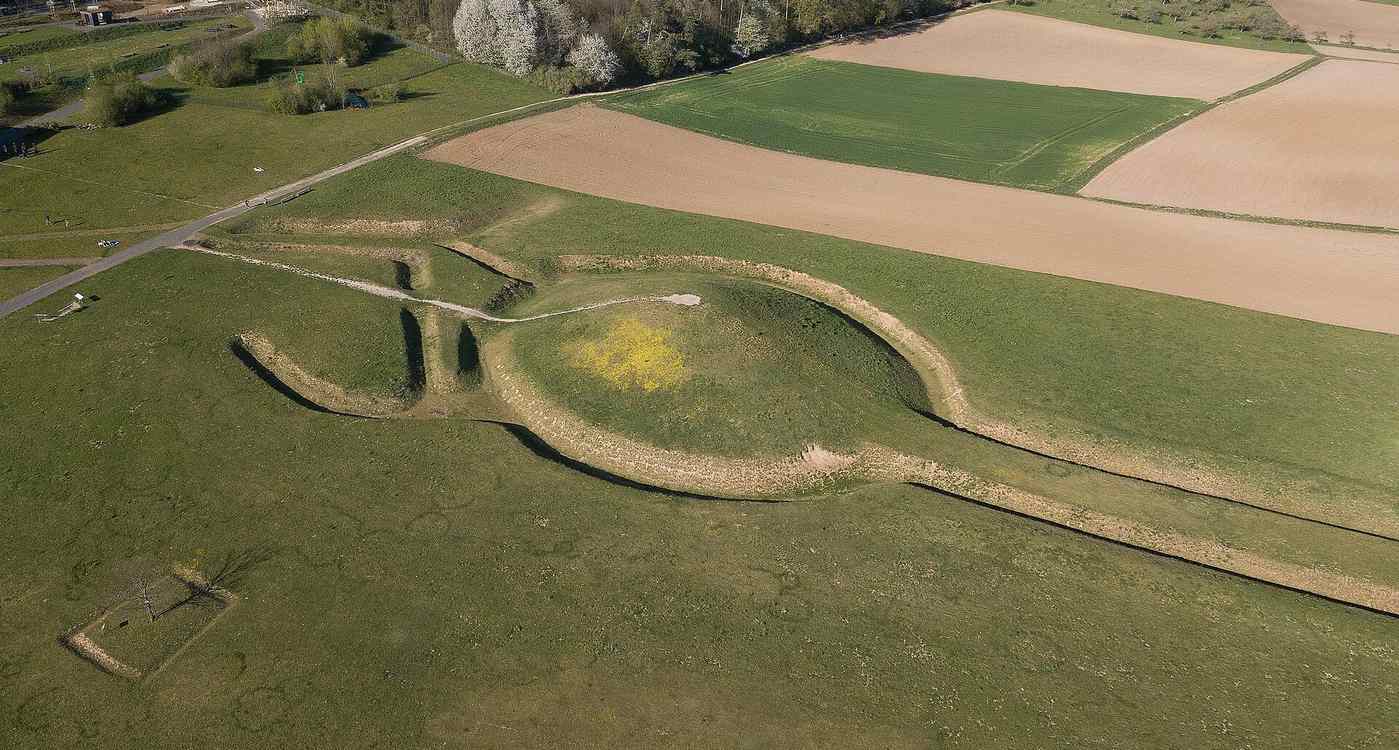
The burial mound at Glauberg, of a similar culture to the find at Bad Camberg - Sven Teschke credit, CC 3.0. BY-SA de
The burial mound at Glauberg, of a similar culture to the find at Bad Camberg – Sven Teschke credit, CC 3.0. BY-SA de
A “princely grave” with Celtic connections has been found during construction in Germany.
Found in Bad Camburg in the German state of Hesse, the assemblage of gold, armaments, and the iron wagon fittings elevate the discovery to one which has but 2 comparable examples in the whole of the country.
This, say experts at the State Office for Monument Preservation, in the state capital of Wiesbaden, makes it an “absolute top” discovery.
“You only make such a find once in your archaeological career,” said district archaeologist Kai Mückenberger in a translated quote from Hessenschau, which first reported on the discovery, made during preparations for a solar panel installation near a stretch of the A3 highway in Bad Camburg.
Mückenberger was essentially a consultant archaeologist on the solar site, and had ordered a geomagnetic survey all chop-chop, expecting to find nothing. The results of the survey showed the outline of a rectangle within a circle. He tossed around a joke that they had found a “princely grave.”
In reality, he expected to find the outline of the remains of a building, but the crews called him up saying the earth-moving equipment had found metal—an iron spearhead.
At that point, Mückenberger got serious and brought a team out to the site which excavated heavy gold jewelry, amber, bronze and glass beads, a small knife, and the iron fittings of a chariot or wagon, including the hubcaps, axle, and bands which would have encircled the wooden wheels like tire tread.
Rather than pull the items out one-by-one, they removed them in a giant block of dirt to ensure it could be done with the best preservation means available. This is when they found another startling find: a beaked bronze jug for water or wine that has been determined to have been made by the Etruscans, a central-Italian tribe who inhabited the peninsula concurrently with the early Roman republic.
One of the 3 golden rings weighed 5 ounces. One was meant for the finger and another for the arm.
Just two other of these “wagon burials” have been found before, and this one likely dates to the first half of the 5th century BCE, contemporary with the Hallstatt or La Tiene cultures, but not from the same geographic region. Instead, the finds have tentatively been ascribed to the Hunsrück-Eifel Celtic culture, which takes its name from two low-lying mountain ranges.
However, the archaeologists in Wiesbaden say no other gravesite is comparable in quality to this one.
SHARE This Career-Making Discovery In Hesse With Your Friends…
Quote of the Day: “What a man takes in by contemplation, he pours out in love.” – Meister Eckhart
Photo by: HaPe Gera (CC license)
With a new inspirational quote every day, atop the perfect photo—collected and archived on our Quotes page—why not bookmark GNN.org for a daily uplift?
80 years ago today, sumptuous singer Nat King Cole recorded The Christmas Song, written by Mel Tormé and Bob Wells, for the first time. It is still today, lo-fi be darned, one of the most preferred versions of this icon of iconic yuletide tunes. While it’s a little early in the year for Christmas songs, YouTube has the man singing the song on his short-lived variety show, The Nat King Cole Show. READ more and watch the video… (1946)
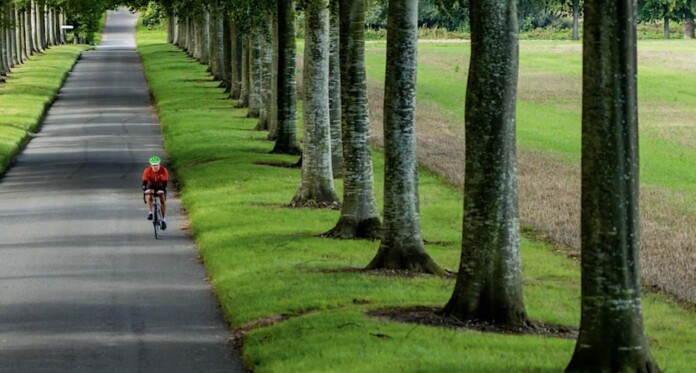
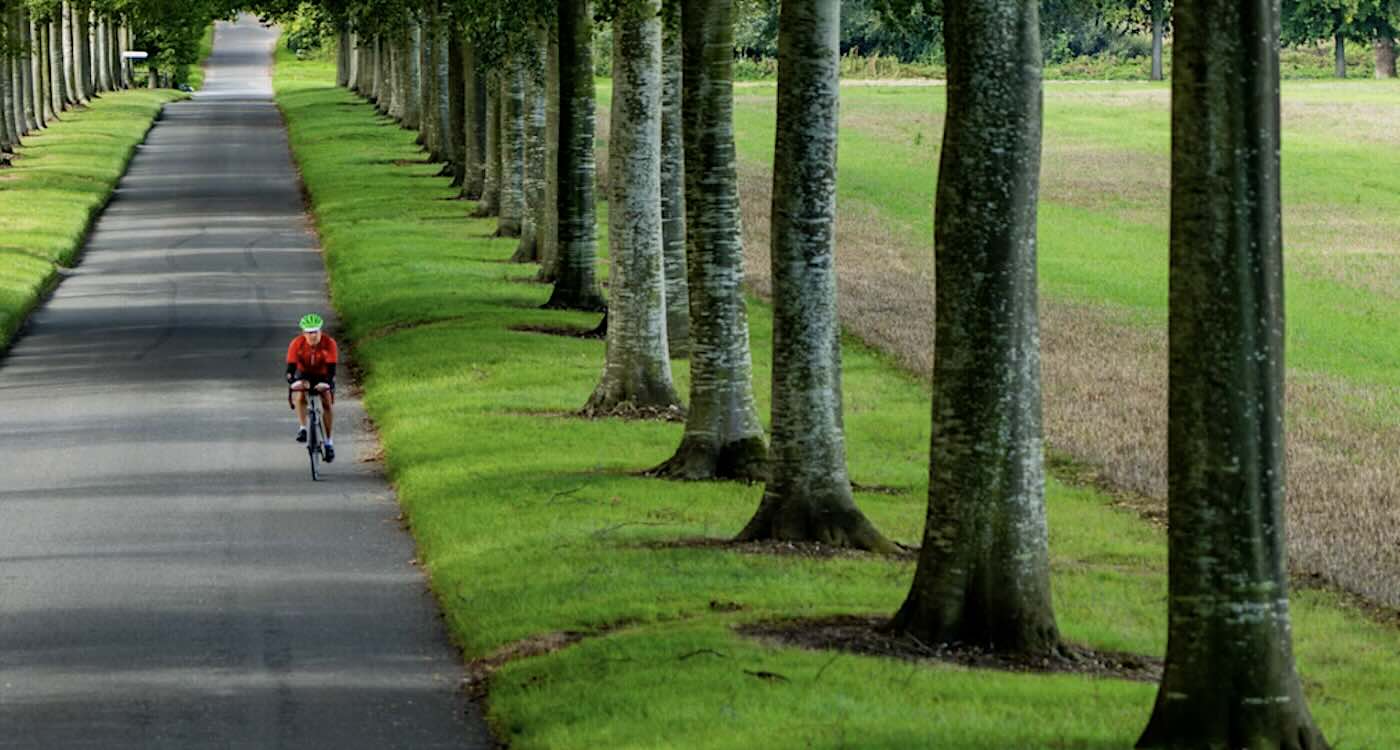
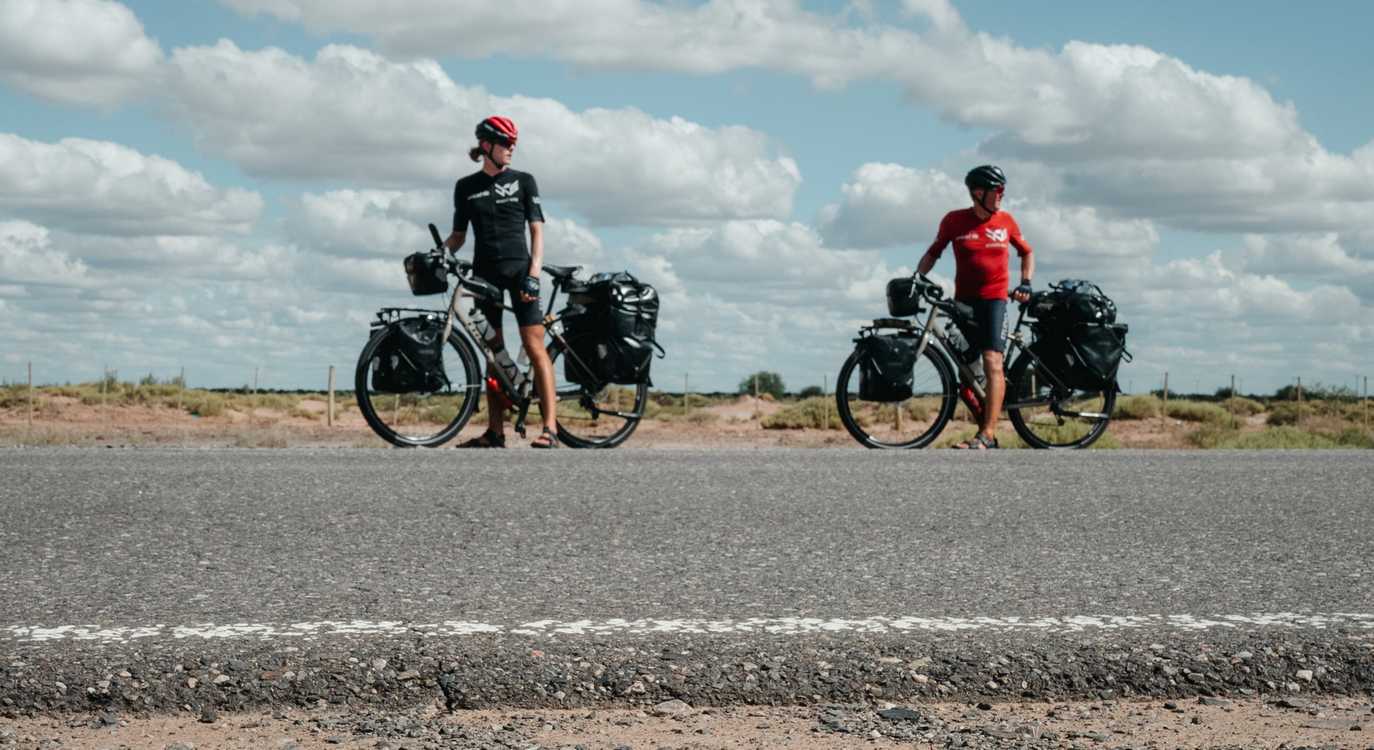
A father and son broke 3 world records after spending a year cycling around the world.
George Kohler and his 23-year-old son Josh set off on their mammoth challenge on March 29th, 2025, from their home near Norwich in the UK.
In total, the duo traveled 18,000 miles and 14 months as they crossed Asia, Australia, South America, and Europe, arriving, as Ivan Goncharov wrote, to the right of their front door, having departed to the left.
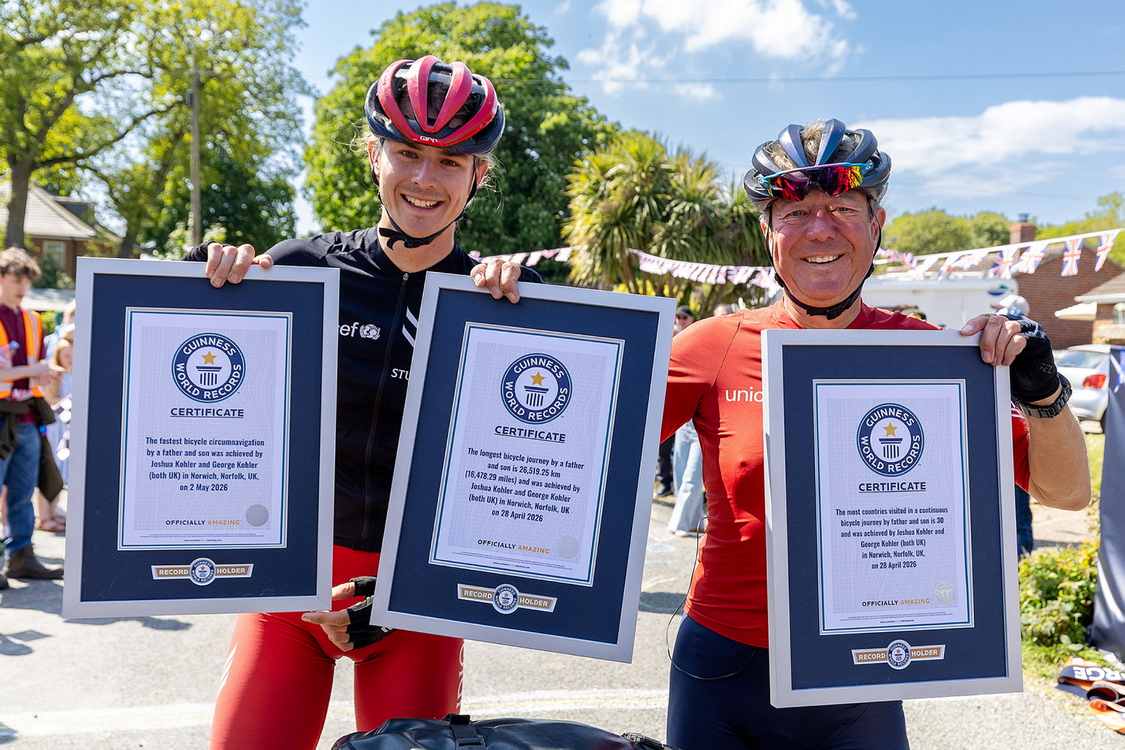
When they arrived home, the all-conquering pair were presented with world record certificates for the fastest bicycle circumnavigation, the longest bicycle journey, and the most countries visited in a continuous bicycle journey, by a father and son.
Josh spoke with Southwest News Service in the UK about their trip.
“There were thousands of highlights on this trip,” he said.
“One standout moment is when we were cycling through a remote part of Turkey. We heard a shout on the hillside, and a shepherd was standing, beckoning us over. We walked up to him, and he offered to share his breakfast with us.”
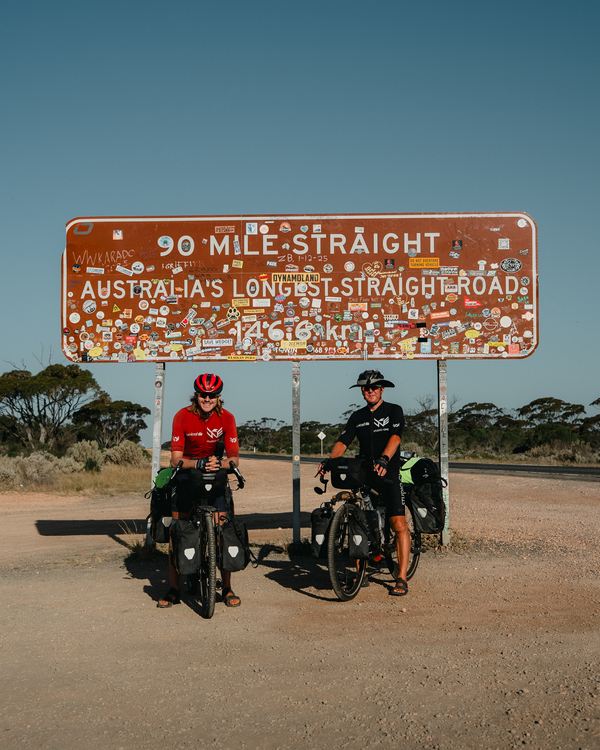
George and Josh in Australia – credit, Joel Chant / Platinum Live / SWNS
“He had a pot on the campfire. We had eggs, bread and cheese, and we sat there. We wouldn’t speak Turkish, and he couldn’t speak English, but we had this incredible interaction with him.”
The Kohlers started long-distance cycling voyages when Josh was in High school, going the distance of the UK in 2021, and coast-to-coast in the US in 2022.
“We had to learn to get our bodies used to doing long cycles.”
2 years later, Josh proposed to his 57-year-old dad that they should cycle around the world. His dad, George, a chimney sweep, had a simple response: “Perfect, why not?” The pair were on their way.
From their home, the pair headed to South America, Australia, Asia, and Europe before arriving home after 400 days.
“We definitely had a full range of experience over the year,” Josh said. “Our bodies were tested day in day out, we were expecting the mental side of things to be tough as we anticipated long sprints.”
George and Josh Kohler with their Guinness World Records – credit, Joel Chant / Platinum Live / SWNS
“One thing we weren’t prepared for was the emotional challenges, when you are with someone for so long, disagreements do happen frequently. We had one unwritten rule that we would never go to sleep on an argument.”
The duo said there were many highlights on the way, whether it was having lunch with a local in Serbia or being welcomed by monks offering them food and drink.
“The final day was extremely emotional seeing friends and family,” said George. “People that I haven’t seen for years and years were there to welcome us.”
CYCLE This Story Over To Your Friends On Social Media…
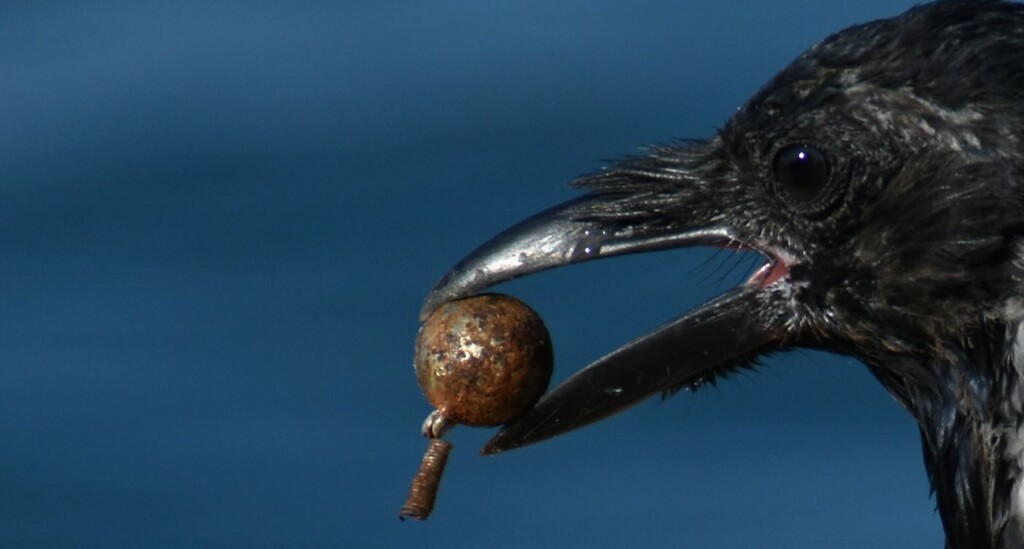
In a story that will make your beak drop, a Canadian woman has received a series of ‘thank you’ presents from a whole murder of crows after she took the time to rescue one from a gutter.
As Leah Wilson walks down the street, the superstitious among the neighbors might draw their blinds. Her steps herald the beating of black wings, as the carrion birds follow her every move.
But Wilson is no witch, she’s a hero to their clan after she came to the rescue of a young crow who was stuck inside the roof gutter of a nearby house.
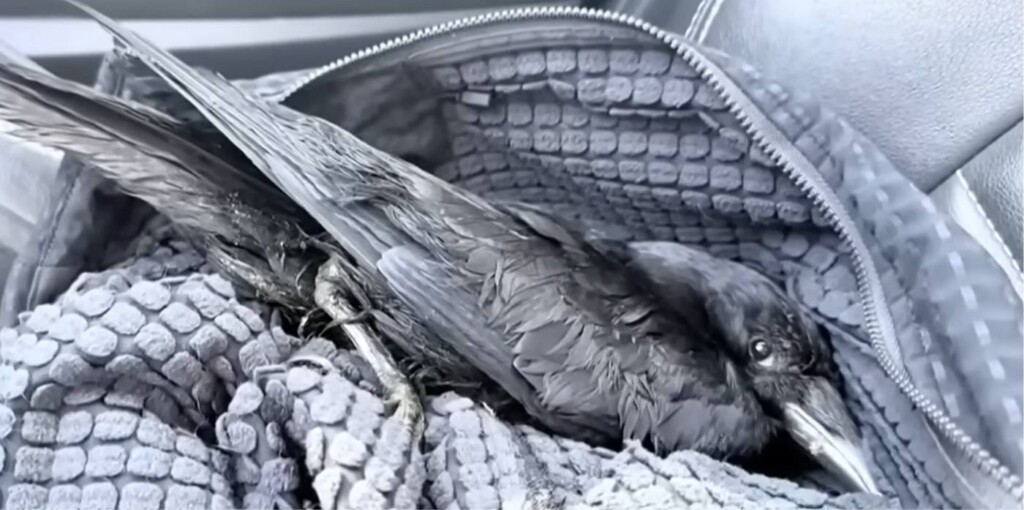
The injured crow in Wilson’s car – credit, Leah Wilson
Wilson, a member of the Métis indigenous peoples, knew she had to do something, and as it just so happened there was a fire truck parked nearby.
“I was like, ‘Hey! You look like you want to save a crow today,’” Leah recalls to CTV with a laugh. The firefighters agreed, and brought the ladder over to reach the crow. Once the animal was free, they left it up to Wilson to take it to the wildlife veterinarian.
That’s just what she did, and the crow assured her it would never forget.
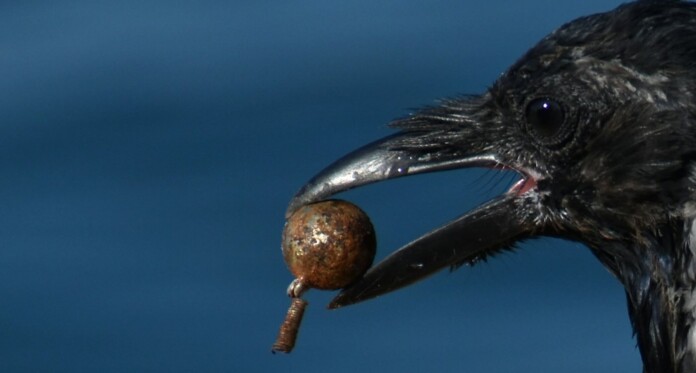
“He latched on to my finger and held on, that was life-changing,” she said, without knowing just how life-changing it would be. “I was going for a walk with my dog, [and] a crow flew down and dropped this beautiful, feathered bundle at my feet.”
The first thank you present she received – credit, Leah Wilson
That was the first of several little “thank you gifts” she received from the local murder.
Today, she is as described above: a crow-friend, and every time she goes out for a walk, the animals circle around her in what she described as the “highlight” of her day.
The best part is when the crow she rescued comes to say hi. He’s easy enough to spot thanks to the band on his leg from when he was released back into the wild.
Her Métis upbringing always gave her a sense of how important it is to have a relationship with the natural world—and what a relationship that’s turned out to be.
She’s part of the flock.
WATCH the story below…
SHARE This Amazing Connection With One Of The Natural World’s Smartest Creature…
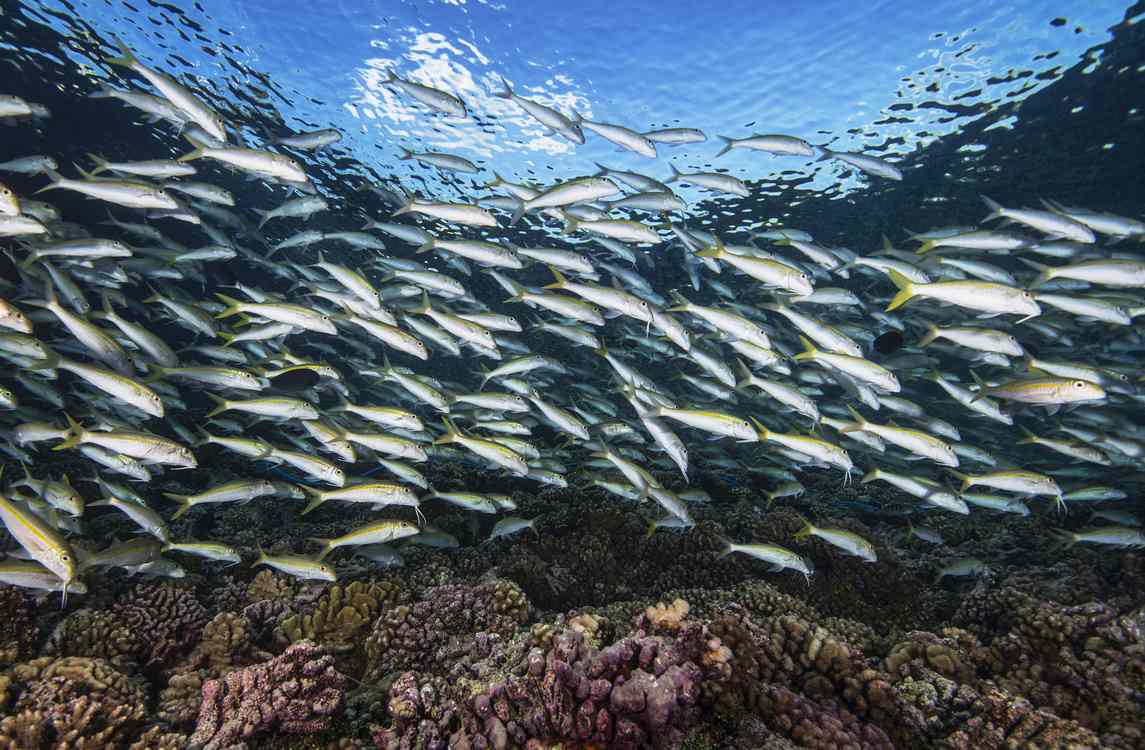
The French Polynesian government recently announced it will fully protect 200,000 square miles of ocean, an area about twice as large as Arizona that’s teeming with ocean life.
Located near the Austral, Marquesas, and Western Society islands, this new marine preserve, called the Te Tai Nui a Hau Marine Protected Area, will take the total of the nation’s conserved ocean territory to around 540,500 square miles—twice the size of Texas.
Last year, French Polynesia fully protected a total of approximately 350,000 square miles around the Gambier and Society islands, while also designating several thousand miles of artisanal fishing zones.
Fishing in these zones is limited to single pole-and-line catch from boats less than 12 meters (39 feet) in length, allowing local people to continue fishing in traditional ways that sustain their community.
Across this new preserve network, there have been 3,088 square miles of artisanal fishing zones added in the waters surrounding the Austral Islands, and nearly 7,336 square miles around the Marquesas, covering coastal areas and nearby seamounts.
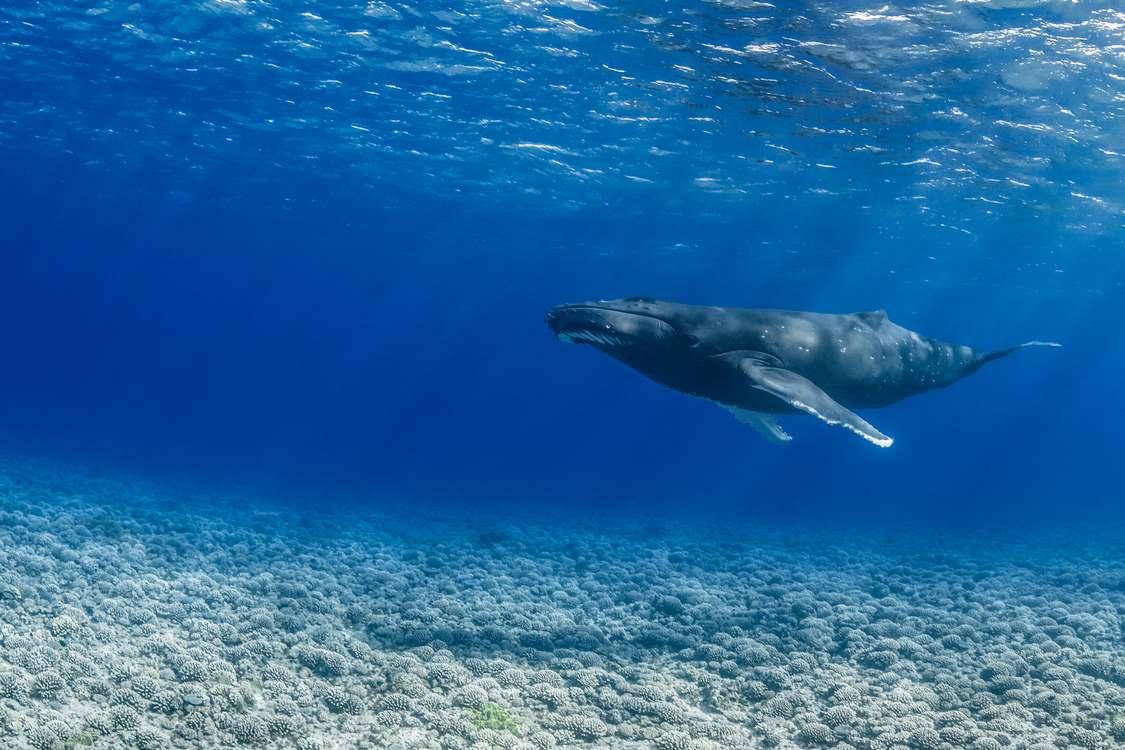
French Polynesia’s waters are home to exceptional marine biodiversity—including seabirds, sharks, whales, and species found nowhere else on Earth—and serve as important migration routes and breeding grounds for marine life.
– credit, Jayne Jenkins
Once the protections are implemented, 30% of French Polynesia’s waters— in total, an area twice the size of Texas—will be protected from all extractive activities, and other human uses will be limited.
The hope for French Polynesian President Moetai Brotherson is that the decision will serve as a model for large-scale ocean conservation rooted in local leadership and traditional stewardship while helping to meet the global goal of protecting at least 30% of the ocean by 2030 (known as “30 by 30”).
In a statement, the Pew Bertarelli Ocean Legacy, one member of a large coalition that assisted the French Polynesian government in planning, financing, and executing the new reserve, wrote that the final announcement is just the culmination of more than a decade of work led by Polynesian communities and local leaders and was supported by partner organizations.
“Communities across the Austral and Marquesas islands have spent years shaping a collective vision for conserving their ocean that reflects both their cultural traditions and their future needs,” explained Donatien Tanret, who leads Pew Bertarelli Ocean Legacy’s work in French Polynesia.
“From the start, that vision included coastal protected zones around the islands and their seamounts, where artisanal fishing can continue for the local people who depend on it.”
Partners include the Becht Foundation, Bezos Earth Fund, Bloomberg Ocean Fund, Blue Marine Foundation, Blue Nature Alliance, Oceans 5, and the Wyss Foundation. These international philanthropic partners work with the government and local communities to support the establishment of long-term financing mechanisms, along with governance, scientific monitoring, and the capacities needed for the effective management of the marine protected areas.
“This announcement reflects French Polynesia’s commitment to protecting our ocean for future generations while supporting the communities that depend on it,” said Taivini Teai, French Polynesia’s Minister of Agriculture, Marine Resources, and Environment.
By combining large-scale conservation, traditional stewardship, and sustainable use, we aim to lead by example and demonstrate that ambitious ocean protection and local livelihoods can go hand in hand.”
CELEBRATE French Polynesia Reaching The 30 X 30 Goal With Massive Ocean Protections…