Simone Biles with Beacon, the team’s support dog – Photo by Tracey Callahan Molna / Instagram
Simone Biles with Beacon, the team’s support dog – Photo by Tracey Callahan Molna / Instagram
The US Women’s Gymnastics team has won 8 medals—which may be down to the excellence of the effervescent Simone Biles, although it may have furrier explanations.
All throughout the games, Beacon the golden retriever has been within petting distance of any one of the five members who may feel some pre-performance jitters.
The topic of mental health in gymnastics has never been far from stories about the US Olympic team after Biles decided to withdraw from the Tokyo games in 2020 to focus on her own mind state.
At the time, news of the scope of sexual harassment and exploitation of Olympic gymnasts by former team doctor Larry Nassar had already been in the news for two years.
Beacon has been with the team since it was undergoing Olympic trials in Minneapolis. With so many hopeful young gymnasts sitting jittery on the sidelines waiting for their turn, what could have been better for their nerves than a big oafish golden retriever walking by and sticking it’s big blonde schnoz into their hand?
Beacon followed the team to Paris where he has become a hit among rival teams as well.
Tokyo Olympic all-around champion Suni Lee posted a picture of herself with the shiny-nosed pooch from the trials. “Thank god for Beacon,” read her caption, helping launch him to stardom.
The team with Beacon at the Olympic trials in Minneapolis – credit Tracey Molnar, released.
He is a professional stress dog and therefore of course has an official Instagram account. His trainer is the former rhythmic gymnastics coach Tracey Callahan Molnar, who says the dog has incredible powers of intuition and empathy. He will find exactly which member of the team is the most nervous and go offer his services as a comfort dog, should they accept it.
Molnar’s previous golden was Tulsa, who passed away in 2019. Molnar went to the exact same Michigan breeder to adopt Beacon, such was Tulsa’s excellence at his job.
SHARE These Gymnasts’ Unlikely Secret Weapon With Your Friends…
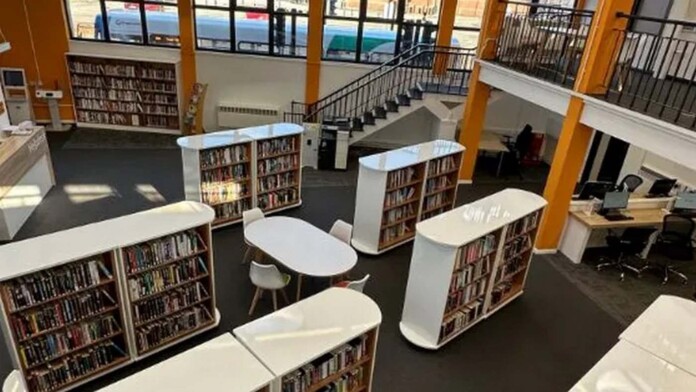
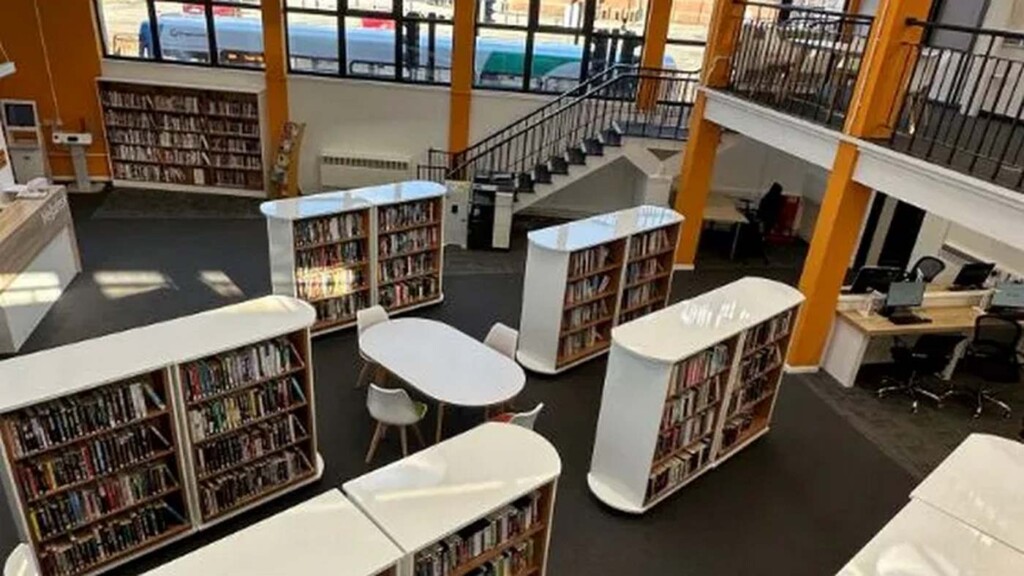
Over 11,000 small donors have managed to raise £245,000 ($270,000) to repair a library in Liverpool that was set partially ablaze during a spate of violent acts of disorder that took place in England and Belfast last week.
Called Spellow Hub, the library had recently been transformed into a community space with job training and outreach activities for some of the most disadvantaged parts of Liverpool, but the rioting left the whole of the ground floor badly burned.
“I always loved to read as a child and seeing a library and community space destroyed broke my heart,” the fundraiser’s organizer, 27-year-old Alex McCormick told the Guardian. “I felt helpless and wanted to do something to help and thought fundraising would be a nice way to replace some of the books lost in the fire.”
McCormick described herself as being “overwhelmed with the response and the sense of community,” and by the time she had spoken with the British paper the fundraiser already accumulated £120,000.
An update posted on Monday announced that work had already started to restore the Spellow Hub to its former joy.
The riots were described as the worst instances of their kind in 13 years. The deaths of three young girls and the injury of 10 others when an assailant attacked a Taylor Swift-themed dance and yoga class shook the nation.
Two false claims: first that the killer was on an MI6 watchlist, and the second—that he was a Muslim asylum seeker, quickly flooded social media in the wake of the stabbings. He was actually born to Rwandan parents in Cardiff.
With immigration long being a contentious political issue, it triggered a wave of destructive vandalism against Muslim neighborhoods.
However, communities have largely rallied together, including in Southport where the stabbing occurred, when after a mosque was vandalized in the wake of the attack, local bricklaying companies rushed to rebuild the exterior wall in scorching temperatures.
SHARE This Story With Anyone You Know From Britain’s Northwest…
Quote of the Day: “To love abundantly is to live abundantly.” – Henry Drummond
Photo by: Tyler Nix
With a new inspirational quote every day, atop the perfect photo—collected and archived on our Quote of the Day page—why not bookmark GNN.org for a daily uplift?
A new study found that adding honey to yogurt helps the beneficial bacteria in the yogurt survive longer in the hostile environment of the GI tract.
It’s just another reason to value the wisdom passed down to us from the classical Greeks, who recognized honey as a medicinal food over 2,000 years ago.
Bifidobacterium and Lactobacillus, two genera of microorganisms that are present in fermented milk products like yogurt, form one of the foundational parts of a healthy gut microbiome. Both kinds have been found to improve bowel function in all stages of digestion from breakdown to absorption to defecation.
It’s never been more important to disseminate this information, since the honey-yogurt study reports that between 10 and 25% of the American population report unsatisfactory bowel function. In other words, for as many as one in every four people in the room, trips to the bathroom are miserable.
“As yogurt with honey is a common food pairing, and honey supports probiotic survival in vitro, we aimed to determine if this functional food combination would enhance probiotic abundance and improve functional outcomes in vivo,” the authors write.
The study had a randomized, controlled, single-blind, crossover design with two 2-week intervention periods. Yogurt beverages were consumed twice daily during each intervention period, with one group consuming theirs with sugar, and the other with clover honey. There was nothing special about the yogurt, and it was in fact a pasteurized, name-brand product with natural vanilla flavoring.
While almost none of their study outcomes were met, it was clear from the results that the in vitro effect reported above carried over in vivo as there was a greater abundance of Bifidobacterium animalis in the stools of those who consumed yogurt with honey rather than just yogurt or yogurt with sugar.
The study also failed to produce evidence that yogurt with honey improved any digestive function, but the authors noted that most of the participants had predominantly normal bowel functions during the trial period, and they suggest that those with dysfunctional activity arising from constipation, IBS, or other complications should be included in future studies on the topic.
“Plain yogurt is fantastic for gut health thanks to its probiotic content,” wrote Chris Kresser MS, co-founder of the California Center for Functional Medicine, who wasn’t involved with the study. “I’m not surprised by these results. Honey (especially raw) is a remarkable food with numerous healing properties. It is truly one of nature’s most potent superfoods.”
If you go to any Greek restaurant, and you finish polishing off that plate of souvlaki or moussaka, you’ll notice the first two dessert items are always yogurt with honey and walnuts and baklava.
According to a Greek honey shop in Belgium (take that for what it’s worth) Hippocrates, who was a little like the father of Western medicine, “prescribed honey for fever, injuries, and for wound treatment.” Honey was a panacea as far as he was concerned. During the ancient Olympic games, honey became the testosterone of the day, with athletes doping on it to regain their strength between events.
Before expounding on what he learned from his teacher Plato, or what Plato had learned from his teacher Socrates, Aristotle actually wrote his first book on beekeeping.
SHARE This Delicious Science With Your Friends Who Choose Yogurt For Breakfast…
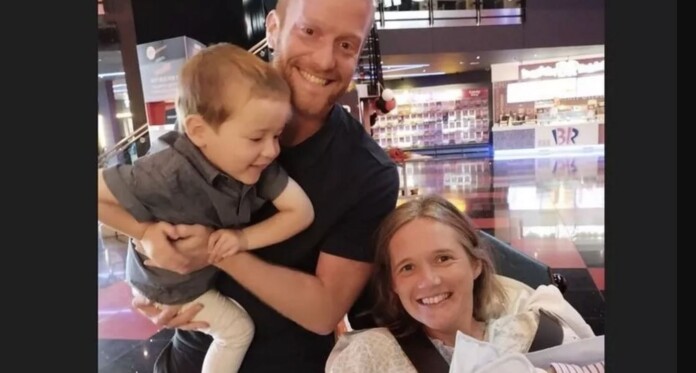
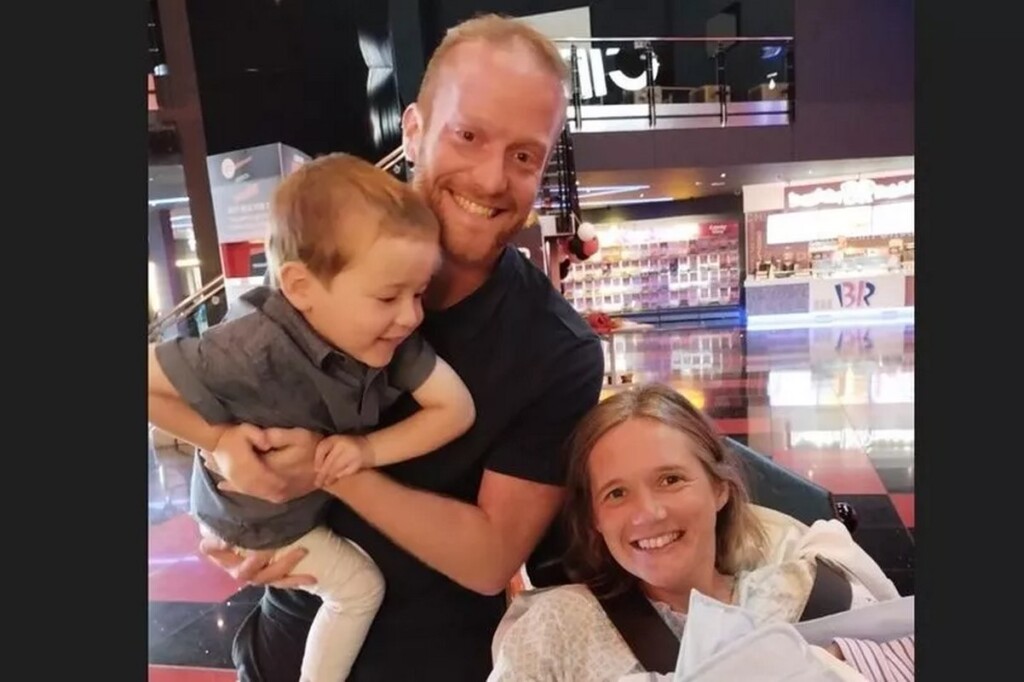
Gareth and Sarah with newborn wrapped in a blanket at Cinema World
Father Gareth, son Liam, mother Sarah, and their newborn Lowri wrapped in a blanket at Cinema World
Welsh news media described it as a “blockbuster” arrival at a local movie theater—no not Deadpool 2—a beautiful baby girl whose mom gave birth in the lobby.
Sarah Vincent was 39 weeks-pregnant when she went to the Cinema World in her hometown, near the capital city of Cardiff, with her 3-year-old son Liam and her parents when, 20 minutes into the screening of Sing 2, she began to feel discomfort.
Adjourning to the restroom, the discomfort grew until she had to lay down in the lobby and that’s when her water broke. The cinema staff were quickly there to help, and help they did—calling an ambulance and assembling screens to block the sight of passersby.
On the instructions of the paramedic who picked up the phone, cinemagoer Amy Screen, and the manager on duty at the cinema Jacey Howcroft, arrived to help should the baby be unwilling to wait for the ambulance.
And it’s all a good thing too, because Lowri, the newborn baby girl, did not in fact wait for the ambulance.
With Screen and Howcroft’s assistance, Lowri Miles was born 7 pounds just 10 minutes from the point at which Vincent had gone into labor.
Missing the momentous occasion, father Gareth Miles was working in Cardiff when he got a call from Vincent’s dad explaining what was happening. He rushed down to the cinema to find his baby girl waiting for him.
“The staff were great,” he said. “Jacey was the staff member who went to get Sarah’s parents from the cinema and helped with delivery, Andrew at Cineworld rang the ambulance and talked with paramedics on phone to help with the birth, the rest of the staff were great at putting up screens, also one member of the public, Amy, helped with delivery as well.”
He told Wales Online that Liam, their son, was also born extremely quickly but in a car rather than a movie theater.
“It’s one we’re never going to forget. I thought the car was bad enough, and we’ve got the cinema story to tell as well now!”
Mo Williams, the General Manager of the Cinema World, said his staff were understandly proud of their teamwork during the unexpected emergency. He added that little Lowri is now an honorary Cinema World Member for life, and will never have to pay for a movie ticket as long as she lives.
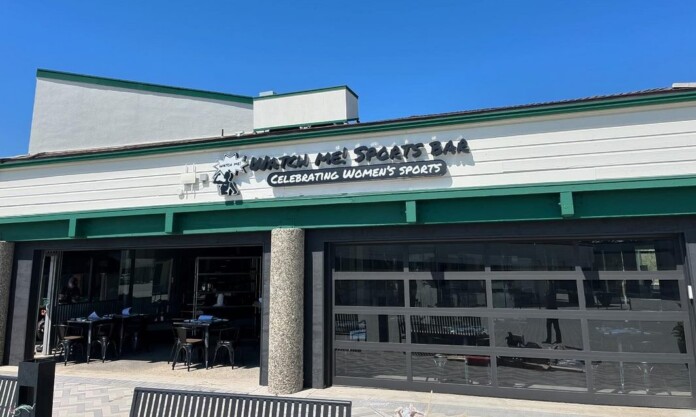
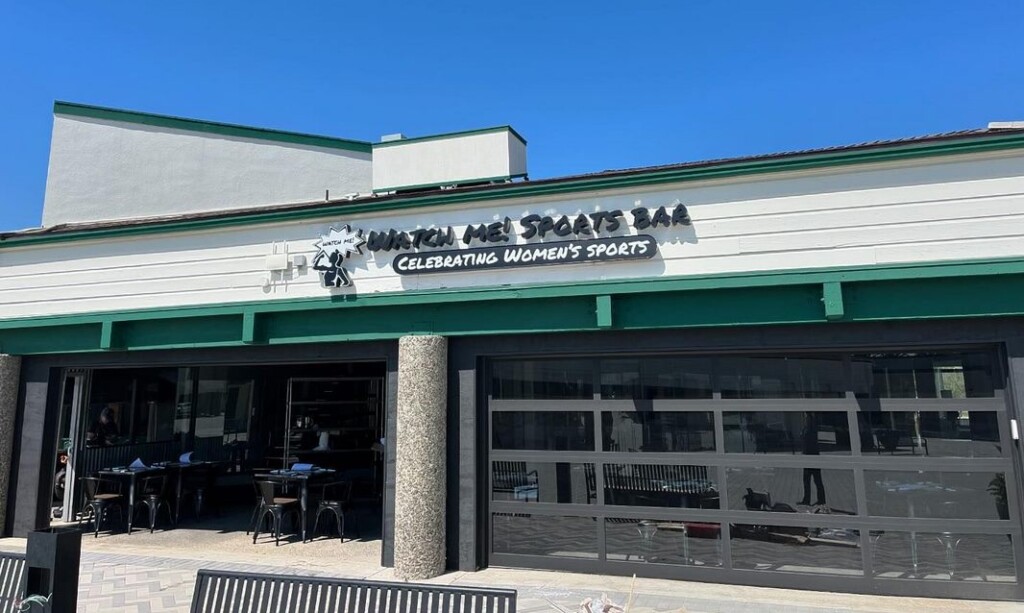
Credit - Watch Me Sports Bar, retrieved from Facebook
credit – Watch Me Sports Bar, retrieved from Facebook
Just off the Pacific Coast Highway, a line around the block heralded the presence of an exciting new spot in Long Beach—the state’s first sports bar dedicated to the women’s game.
Watch Me is not only the first such location in the state, but just 1 of 5 in the whole world, according to local news.
Resting on the 6500 block of Pacific Coast Highway in Long Beach, Mean Eddy and her partner Jax Diener opened the bar after months of laboring.
“We look at the sea of people and realize the need is here,” Eddy told NBC 4. “It’s been a labor of love. We’ve put our heart and souls into it for months and months.”
“It’s an exciting moment,” said Rex Richardson, Long Beach Mayor, who attended the opening with his wife and two daughters. “I just wanted to be here because it’s so important and it’s important to me personally as a dad of two athletes—two girl athletes.”
Live reporting from NBC 4 shows the bar packed to the gills, with a line to get a table stretching around the adjacent corner yoga studio, evidencing an interest in women’s sports among the community.
At the moment, Watch Me is operating on a special 9 to 9 schedule for the Paris Olympics, but will return to normal operating hours when the games conclude.
WATCH the story below from NBC 4…
SHARE This Uplifting Story And Place To Have A Drink With Your Friends In SoCal…
A DJI drone used during the test flight. Photo Khumbu Pasang Lhamu Rural Municipality
A DJI drone used during the test flight. Photo Khumbu Pasang Lhamu Rural Municipality
Buddhist nation Nepal and a drone manufacturer in majority Buddhist China, have signed an agreement to supply Mount Everest’s Buddhist authorities with heavy lift drones that will help clear trash off Everest’s holy slopes.
Dealing with trash on the world’s highest mountain is a complex and multifaceted operation, but the drones, piloted by the same Sherpa porters who for decades have been clearing trash on foot, will allow them to work in the most dangerous areas without risk to their lives.
Da Jiang Innovations, the largest drone manufacturer in China, will supply the equipment to a drone operator, who signed a memorandum of understanding between the rural municipality where Everest is located, and the Sagarmatha Pollution Control Committee (SPCC) for the use of drones in cleaning the sacred mountain.
“After a successful test in April, we plan to use drones commercially in the Everest region,” said Jagat Bhusal, chief administration officer of the rural municipality Khumbu Pasang Lhamu.
The SPCC works to ensure as much pollution of trash and dead bodies as possible is removed from the slopes every year. Along with hiring Sherpas to pack out trash from higher altitudes, and using helicopters to recover bodies, every climber who plans to reach Everest Base Camp must return back down with 8 kilograms (17.2 pounds) of garbage or lose a $4,000 deposit put down to ensure compliance.
If the climber goes to Camp I, or Camp II higher up the slopes, they must return with lower and lower weights of trash to ensure they aren’t overburdened in the low oxygen.
Reporting from Mr. Sangam Prasain at Kathmandu Post details the dangers of crossing the Khumbu Icefall during the first part of the climb from Everest Base Camp to Camp I. A river of ice 0.6 miles long, it’s one of the most dangerous features on Everest, as the rays of the Sun cause the ice to melt, shift, become unstable, and trigger avalanches, or crevasses to open up.
According to statistics cited by Prasain, from 1953 to 2023, nearly 50 Sherpa porters lost their lives on the Khumbu Icefall, which is typically crossed during the early morning or late evening after the ice has cooled back down.
“Yes, there are concerns that the machines may actually cut jobs. But our sole purpose is to reduce potential deaths in the Khumbu Icefall, the danger zone,” said Bhusal. “We will train Sherpas, as drone operators cannot handle tasks at the higher camps. In the future, all work will be done by Sherpas.”
Based on trial data, the heavy lift drones could carry 30 kg, or over 60 pounds of material from Camp I, but as the altitude increased, the load capacity reduced, down to just 18 kg at Camp II at 6,400 meters above sea level.
As warmer summers melt snow and ice on Everest, garbage and bodies from decades past are uncovered and risk polluting meltwater which feeds streams and rivers all over the valleys around the mountain.
The SPCC is conscientious of this, and is working hard to try and remove these potential contaminants from one of the holiest mountains in Buddhism.
SHARE This Truly GOOD Use Of An Often Unpleasent Technology…
Quote of the Day: “No day shall erase you from the memory of time; nessun giorno vi cancelli dalla memoria del tempo.” – Virgil (from The Aeneid, the Latin epic poem written by the Roman poet about 30 to 19 BCE)
Photo by: Valentin Antonucci
With a new inspirational quote every day, atop the perfect photo—collected and archived on our Quote of the Day page—why not bookmark GNN.org for a daily uplift?
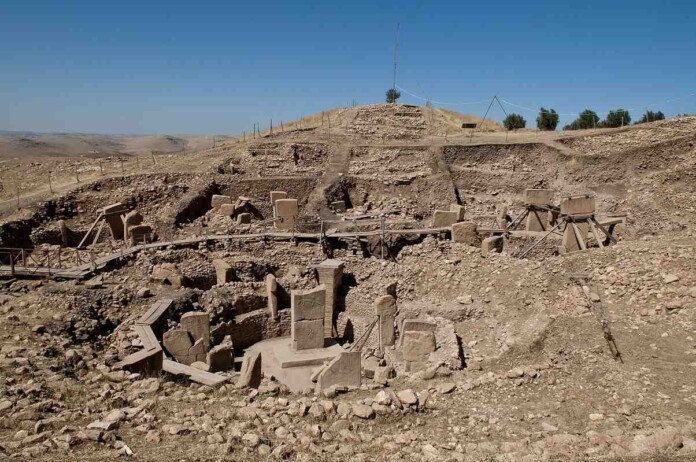
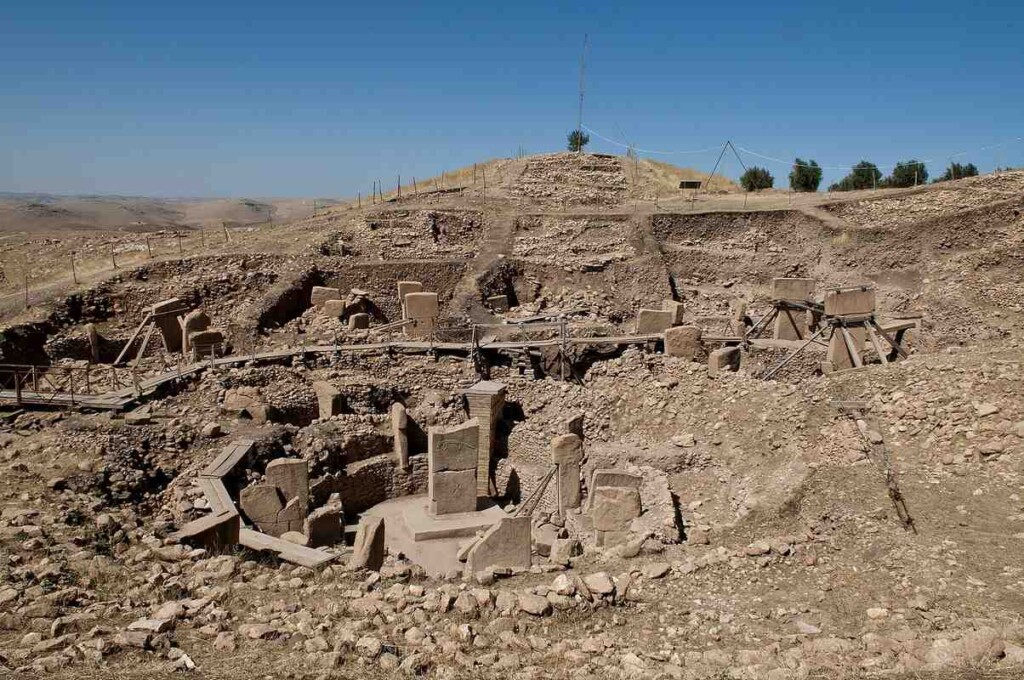
Göbekli Tepe excavations - Teomancimit CC 3.0. BY SA
Göbekli Tepe excavations – Teomancimit CC 3.0. BY SA
Whatever we learned in school about the earliest human civilizations, the discovery of Göbekli Tepe in southern Turkey has made it all null and void.
This sprawling, monolithic complex, of which over 90% remains unexcavated, dates back over 10,000 years—a date which is ascertained by the evidence of the entire complex being deliberately buried by whoever built it.
It’s quite simply the greatest mystery in archaeology since the pyramids, and new examinations of the markings on the pillars inside the stone enclosures suggest the builders could record an astronomical event that triggered a key shift in human civilization, researchers say.
The research claims ancient people were able to record their observations of the Sun, Moon, and constellations in the form of a solar calendar, created to keep track of time and mark the change of seasons.
Fresh analysis of V-shaped symbols carved onto pillars at the site has found that each V could represent a single day. This interpretation allowed researchers to count a solar calendar of 365 days on one of the pillars, consisting of 12 lunar months plus 11 extra days.
The summer solstice appears as a separate, special day, represented by a V worn around the neck of a bird-like beast thought to represent the summer solstice constellation at the time (it was made so long ago that star charts would have been different to ours). Other statues nearby, possibly representing deities, have been found with similar V-markings at their necks.
Since both the cycle of the Moon and that of the Sun are depicted, the carvings could represent the world’s earliest lunisolar calendar, based on the phases of the Moon and the position of the Sun, pre-dating other known calendars of this type by many millennia.
Once considered a fringe theory roundly dismissed in archaeology, Göbekli Tepe presents robust evidence that ancient people used a large stone monument to record the date a swarm of comet fragments hit Earth nearly 13,000 years ago (11,600 BCE) the authors write.
The theory goes that the comet strike caused a mass melting of glaciers that ended the last Ice Age and caused sea levels to rise around 400 feet. It could also have triggered changes in lifestyle and agriculture thought to be linked to the birth of civilization soon afterwards in the fertile crescent of West Asia.
Another pillar at the site appears to picture the Taurid meteor stream, which is thought to be the source of the comet fragments, lasting 27 days and emanating from the directions of Aquarius and Pisces.
credit – University of Edinburgh
The find also appears to confirm that ancient people were able to record dates using precession—the wobble in Earth’s axis which affects the movement of constellations across the sky—at least 10,000 years before the phenomenon was documented by Hipparchus of Ancient Greece around 150 BCE.
The find also supports a theory that Earth faces an increased risk of comet strikes when it crosses the path of orbiting comet fragments, which we normally experience as meteor streams.
“It appears the inhabitants of Göbekli Tepe were keen observers of the sky, which is to be expected given their world had been devastated by a comet strike,” Dr. Martin Sweatman, of the University of Edinburgh’s School of Engineering, who led the research.
In contrast to existing theories about this comet strike, known as the Younger Dryas Impact Hypothesis, Dr. Sweatman’s paper details that the comet strike ushered in a mini ice age, and that societies practicing agriculture could no longer do so because of the encroaching cold, making it seem to us, until Göbekli Tepe’s discovery, as if civilization started in the Near East, where temperatures were more mild.
One of the largest and most vocal proponents of the merits of the Younger Dryas Impact Hypothesis is none other than the world’s most famous podcaster: Joe Rogan. He has welcomed numerous scientists, writers, and archaeologists on his show over the last 8 years who have made contributions to getting the theory recognized by mainstream archaeological historians.
SHARE This Amazing Deduction And Changing Views Of Our Past…
A Kiwi kayaker on a cross-country trip on Canada’s creeks and rivers took a brief detour to rescue a man’s dog who was trapped under a log.
For all her strength, Ivy, a 14-year-old Great Pyrenees had been wasted by the mud of a river in Manitoba, and after wandering too far beyond her owner’s property, was trapped and couldn’t escape.
Ivy’s fortitude had been sapped away by the heavy mud weighing down her fur, and with only enough energy to keep her head above water, Tom Hudson—a quite unlikely hero, found her just in time.
Flying to BC from his home in New Zealand Tom Hudson had crossed Canada as far as Manitoba near The Pas when he heard faint barking and decided to take a detour to investigate on the morning of July 29th.
Unbeknownst to him, Ivy’s owner had been looking for her all the previous day, but heavy brush prevented him from seeing or hearing the elderly pooch, who was stuck just a quarter of a mile from her home.
Hudson tied up his canoe, lifted the log off her back, and carried her through knee-deep mud before attempting to position her comfortably on the canoe. She had never been afloat before, and Hudson, who was documenting his cross-country canoe quest on Instagram and YouTube, snapped a self-explanatory photo of Ivy’s first impressions.
He paddled about 400 yards downstream and found a dock. He plopped the Pyrenees down and went to ring the doorbell, hoping whoever answered would be able to help.
credit – Tom Hudson / Instagram
As it happened, they could.
“She’s a pretty lucky old dog that he came by when he did,” said owner Tom Stait, who opened the door and saw the pair covered in mud. “Because he could have went the other way on the other side of the river and he would never have seen her. I probably would have never found her.”
The New Zealand accent must have been as startling as the fact that a stranger was returning his dog. Hudson stuck around to help wash Ivy off, after which Stait invited him to eat with his family and rest for the night. Hudson accepted, and told CBC News reporting on the story that he could have done nothing else but help the dog.
“Being hundreds of meters from your home, probably able to hear your owner, probably able to smell your owner … I just thought it would have been a terrible way to go,” he said. “So there was no way I could have not done what I did.”
His time on the canoe ended before he could reach Montreal, but Hudson plans to return next spring to finish the voyage. He told CBC News that he left with a feeling that all the world’s kind people were located in Canada, endearing the nation to him as much as the wilderness and wildlife he had seen along his route.
WATCH The story below from CBC News…
SHARE This Fortunate Dog And His Rescuer On Social Media…
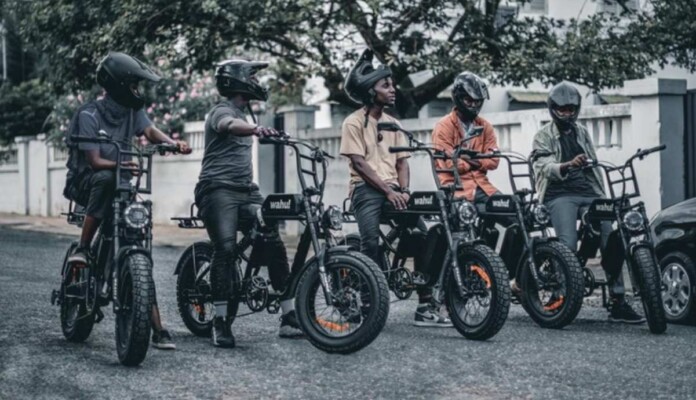
Delivery drivers on their Wahu! bikes - courtesy of Valerie Labi-Wahu Mobility
Delivery drivers on their Wahu! bikes – courtesy of Valerie Labi-Wahu Mobility
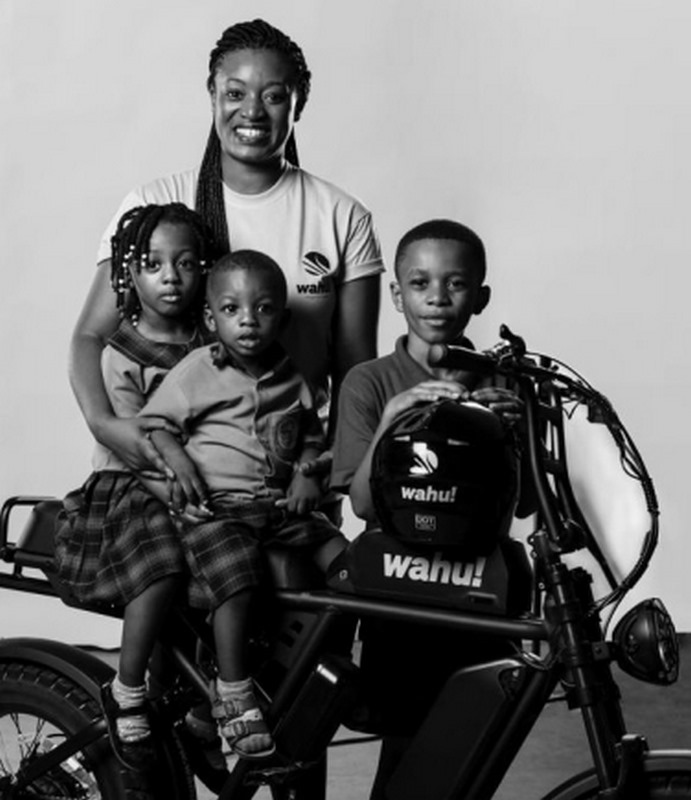
Early this year, GNN reported on the woman behind the wheels of Wahu!, an electric bicycle company and the only native electric vehicle manufacturer in Ghana, Valerie Labi.
From 100 bikes sold to delivery drivers on a pay-per-week basis, Wahu! has shifted another 200 units, driven down the cost of insurance, and is set in the coming months to unleash Africa’s first native 4-wheeled electric vehicle.
Valerie Labi, her three children, and the ebike – courtesy of Valerie Labi-Wahu Mobility
The bikes are sold under an affordable payment plan of around $23 per month for 18-24 months. They cost around $13.5 per month in electricity to charge, a huge drop from the $250 in gasoline that comparative petrol-powered delivery bikes cost.
All this adds up to significant savings for the riders who are plugged into Wahu!’s proprietary riding system through which they can access work immediately through companies like Glovo and Bolt.
“The average age of a vehicle in Ghana is 14 years,” Labi, of Ghanaian origin but brought up in England, told the Guardian. “We know there are going to be a lot of Amazon-type businesses needing last-mile mobility – do we really want them to be 14-year-old petrol vehicles?”
Anyone who’s visited Accra, Ghana, in the dry season will remember the incredibly poor air quality. Poor roads mean that cars are stuck in second and third gears, and old cars traveling in second and third gears mean plenty of extra car exhaust.
Poor roads also mean exposed dirt, and exposed dirt means fine-grained dust. Combined with a lack of rain, the smog, dust, and car exhaust make the air in parts of the capital unfit for human health.
To make matters even worse, cheap two-wheeled electric vehicles imported from Asian manufacturers are not built for the rigors of African roads. They often break down, require owners to constantly replace parts, and generate unnecessary waste.
By contrast, Wahu!’s bikes were designed with Africa in mind, and the earliest models are still running well. Additionally, GPS tracking of the bikes has meant that of the 300 units sold and running in Ghana, only one has been stolen—and was quickly located.
Should the notorious aggression of African drivers become too dangerous, Labi and her team can simply deactivate the e-bike from their headquarters. This, as mentioned earlier, has meant that insurance costs for the drivers are remarkably low for a brand-new, pioneering electric vehicle.
Another update from GNN’s January story is that Labi and Wahu! have just closed a funding round in which they received $8 million in capital to expand production at their plant on Spintex Road, Accra. In the coming months, they plan to launch a four-wheeled vehicle, as well as open new locations in Lusaka, Zambia, and Lagos, Nigeria.
SHARE This Amazing Entrepreneurial Woman With Your Friends…
Have you ever been in a sports stadium when the crowd is so loud it shakes the concrete skeleton of the stands? What if you could harness that passion and energy into a power source?
Gyeongyun Lily Min, a high school senior in Lake Charles, Louisiana, was inspired by Pixar’s Monster’s Inc. to design a collection system that could harness the soundwaves generated by sports fans and convert them into electricity to power the stadium.
If you’ve never seen the classic Pixar film, the plot centers around two monsters, who work as employees of a utilities company that powers a civilization of monsters through harnessing children’s screams.
“This imaginative concept sparked my curiosity about the potential of converting sound into usable energy,” explains Gyeongyun. “I began to wonder if, in reality, we could harness the abundant noise in environments like sports arenas and use it to generate electricity.”
The concept involves the piezoelectric effect, which allows certain mechanisms to generate electricity in response to applied pressure. The principle has been applied before to make electricity-generating roads, and was recently utilized to design an internal cochlear implant.
In 2021, another youth engineer, Jeremiah Thoronka, was honored with the Chegg.org Global Student Prize 2021 for a piezoelectric machine that delivers electricity to homes by absorbing kinetic energy from vehicles passing over roadways.
The device powers 150 small homes, doesn’t rely on changing weather patterns, and needs no battery or external power infrastructure.
Gyeongyun had another idea which was rather than absorbing direct kinetic force like that applied from a footstep or the movement of a car, she would arrange a series of harvester models that could absorb the kinetic force from soundwaves.
To test her theory she built a 22 by 12-inch scale model of a typical arena according to the NBA court size specifications. She then played sounds at either 70 decibels or 100 decibels to simulate crowd noise in the arena while experimenting with different placements of the harvester modules.
The experiment’s piezoelectric equipment wasn’t ideal or of high quality, unfortunately, and while able to generate and deliver electricity during the testing, the amounts gathered were small—measured in the milliwatts, rather than watts.
Gyeongyun hypothesizes that with more sophisticated equipment and on a larger scale, enough power could be generated to make a meaningful contribution to reducing the energy consumption of a typical sports arena, even if the sun isn’t shining and the wind isn’t blowing.
The harvesting of soundwaves to generate electricity lends itself to a variety of large-scale environments typical of modern cities. Gyeongyun explains to Smithsonian Magazine.
“In urban areas with heavy traffic, the constant noise from vehicles could be harnessed to generate electricity, contributing to the energy needs of city infrastructure,” Gyeongyun says. “Manufacturing plants, which often have continuous machinery noise, could integrate piezoelectric devices to capture and convert these sound vibrations into electrical energy, thereby reducing their overall energy consumption and improving sustainability.”
While coming up short of other young geniuses, Gyeongyun’s entry of her experiment in the latest run of the Regeneron International Science Fair, the oldest and most prestigious in the country, did secure her a spot among the finalists and a number of plaudits besides.
WATCH Gyeongyun explain her device…
SHARE This Great Idea To Turn Crowd Noise Into Crowdsourced Power With Your Friends…
Quote of the Day: “Pollution is the resources we are not harvesting. We allow them to disperse because we have been ignorant of their value.” – Buckminster Fuller
With a new inspirational quote every day, atop the perfect photo—collected and archived on our Quote of the Day page—why not bookmark GNN.org for a daily uplift?
Recently GNN reported that the world may be overestimating the amount of plastic entering the ocean by 3,000%.
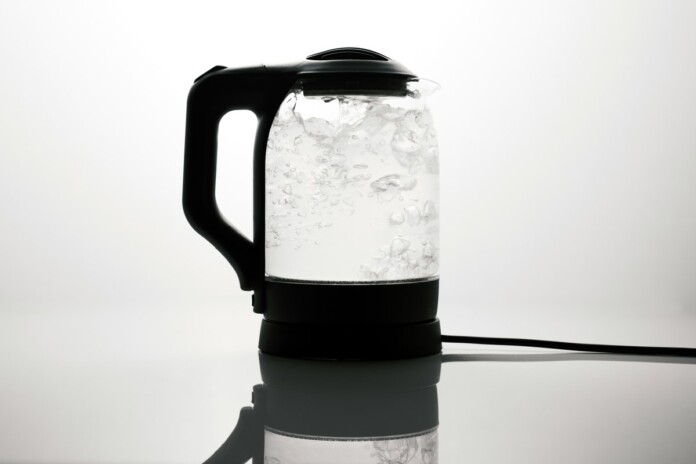
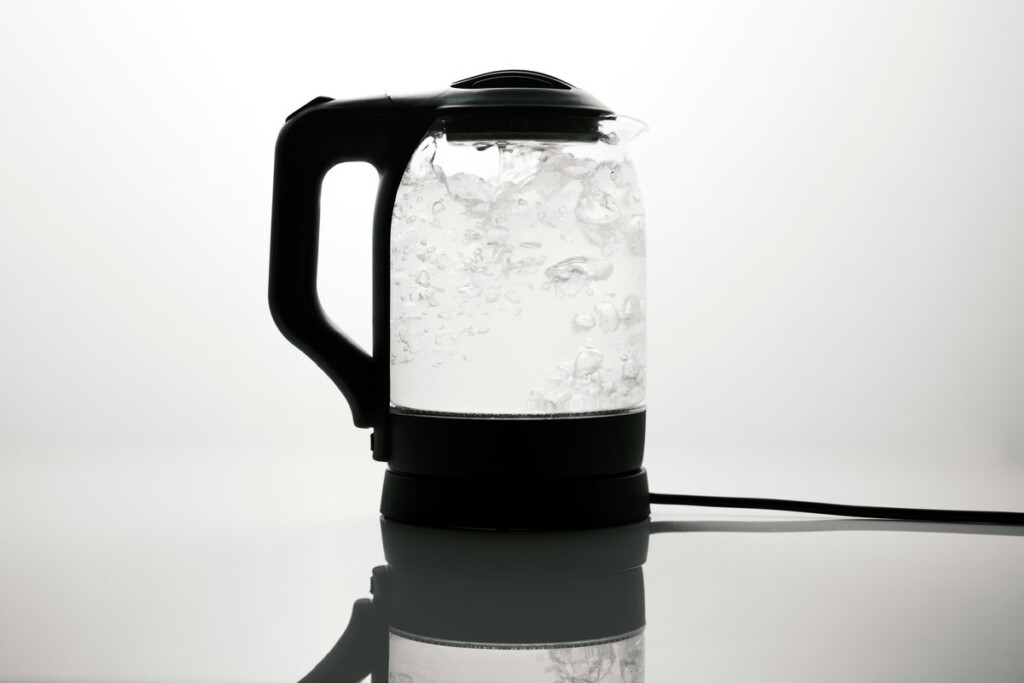
It also turns out that maybe there’s not such a danger of plastics in the water supply either, since a group of scientists found that simply boiling it first can remove between a quarter and 90% of all the microplastics therein.
It’s reminiscent of the revolution in sanitation that occurred after tea drinking was introduced into Western Europe. For the first time ever, societies were regularly consuming boiled water which had the added effect of purifying it of pathogens first.
A study from Guangzhou University tested two types of tap water, hard tap water and soft water. Aside from a discussion of industrial contaminants, the difference between the two is that so-called hard tap water is richer in minerals, particularly calcium carbonate, or limescale.
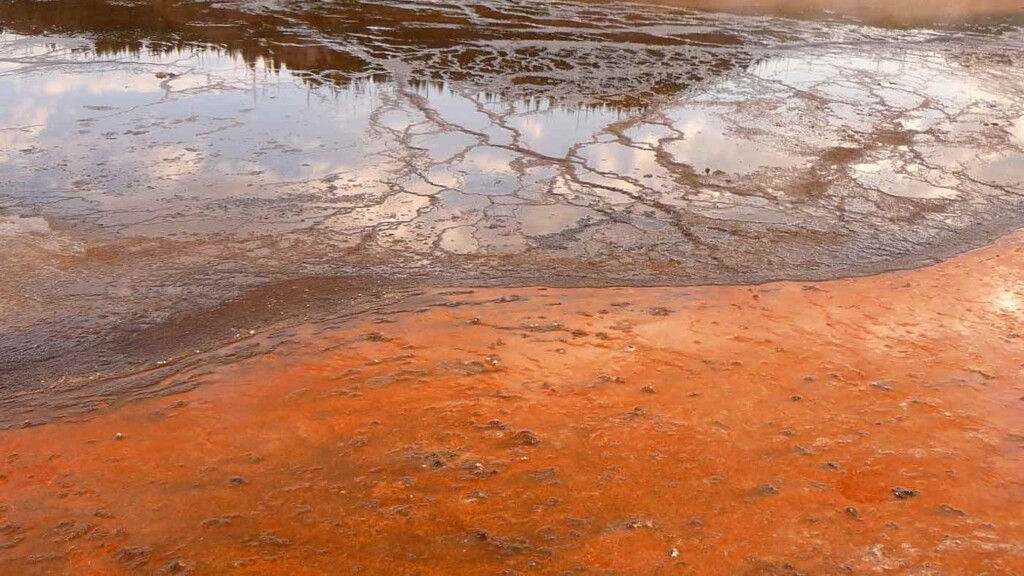
Anyone who uses an electric kettle or coffee maker knows that the limescale builds up and needs to be addressed every few months. When the scientists boiled the hard tap water, the pushing out of the calcium carbonate from the water solution effectively trapped a variety of plastic particles ranging from 5 micrometers to 10 micrometers in length.
90% of these components were trapped in the limescale layer.
“This simple boiling water strategy can ‘decontaminate’ [nano and microplastics] from household tap water and has the potential for harmlessly alleviating human intake of NMPs through water consumption,” write the researchers in their paper, published in February.
Even in soft water, where less calcium carbonate is dissolved, roughly a quarter of the plastic was snagged from the water. Most bottled water sold in the US is hard water because most tap water in the US is too.
Some brands use reverse osmosis or other methods to dissolve the minerals found in tap water. It’s either sold as soft water or ‘mineral water’ after re-adding minerals to it.
“Our results have ratified a highly feasible strategy to reduce human NMP exposure and established the foundation for further investigations with a much larger number of samples,” write the authors.
It’s believed that, even as you read this news story, there is around 7 credit cards worth of plastic circulating in your body. The broad, long-term effects of this contamination are unknown, but they’ve been found in every organ in mice studies, including brain, and even the placenta.
If you don’t feel like waiting for the government to gather evidence to put restrictions on microplastics in water, this study offers a key insight. Stick a water filter on your kitchen tap that is graded for 99.99% purity, and if you boil the water that comes out of that—removing 90% of whatever remains, you’re probably in the clear.
SHARE This Critical Discovery About Drinking Water With Your Friends…
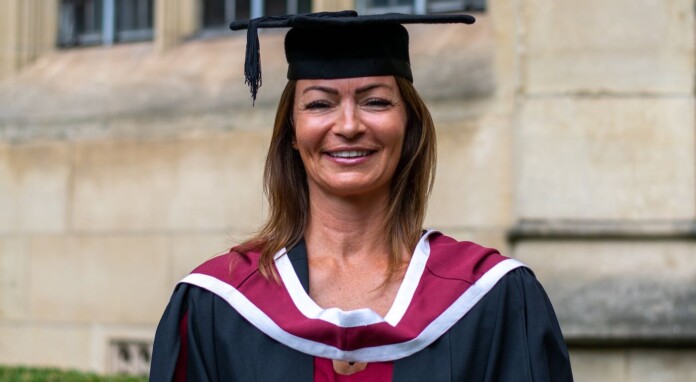
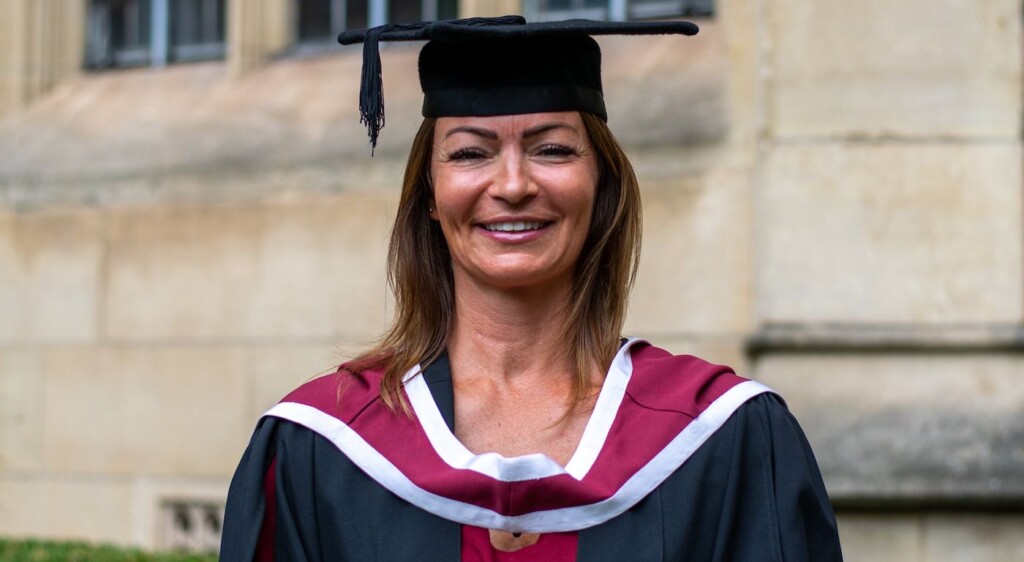
Dr. Becs Bradford graduates from the University of Bristol at 41 – SWNS
Dr. Becs Bradford graduates from the University of Bristol at 41 – SWNS
A woman who dropped out of school at age 15 finally studied for her GED (known in the UK as GCSE)—and now has graduated as a doctor at 41.
She recalls being sick and tired of people telling her she couldn’t do things because she dropped out of school. Now, Dr. Becs Bradford officially holds a degree in Medicine from the University of Bristol.
“I don’t know if I’m just a little delusional, but I really believe that if your heart is in it, you can 100% do the crazy things you’ve always dreamed of.
“When I was young I was constantly told I would amount to nothing, that I was stupid.
“I wanted to prove that people like me do deserve good things, that they can get jobs that are fulfilling and well paid.”
Becs’ father fell from a ladder and was left paralyzed when Becs was just 12 years old, and the family lost their home. Soon, Becs ended up in foster care.
Despite this rocky start, Becs became a hard worker in various fields as a flight attendant, a personal trainer, and in sales. But she knew there was something else waiting for her, and when she realized she wanted to be a doctor, she said ‘everything just fell into place’.
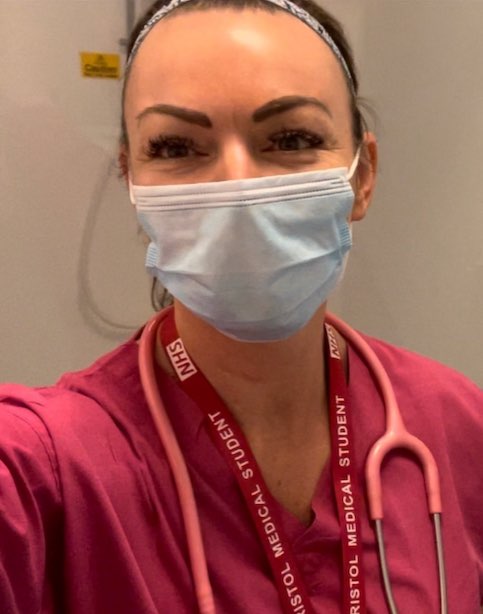
At 35, she bought the books needed to self-study for her high school math and science equivalencies and earned a place in a pre-med course to which she’d drive a six-hour round trip—all while working three jobs.
Becs aced the course but was devastated when she was rejected from all the universities she applied for—until she received an offer from the University of Bristol. Despite getting financial support from the University, she still taught gym classes seven days a week and worked 12-hour assistant nursing shifts on the weekends.
She would often get up at 4am to study, driven by her desire to help people. “I just had an inner knowing that this is what I’m meant to do with my life”.
Dr. Becs Bradford during her medical training – SWNS
Now Dr. Bradford uses her life experiences to better understand patients, and mentors people from ‘non-traditional backgrounds like me’ to strive for their own success.
“I want to be a role model for people like me. I want to show them that you are worthy, and that it doesn’t matter where you come from—that it can be done. People along the way will say it can’t, but you have to ignore them.
Professor Tansy Jessop, Vice-Chancellor for Education and Students at the University of Bristol, wants her to know her University is immensely proud of her.
“Becs has achieved so much, and so often against the odds. She is not only inspirational, but her story shows the transformative power of education.”
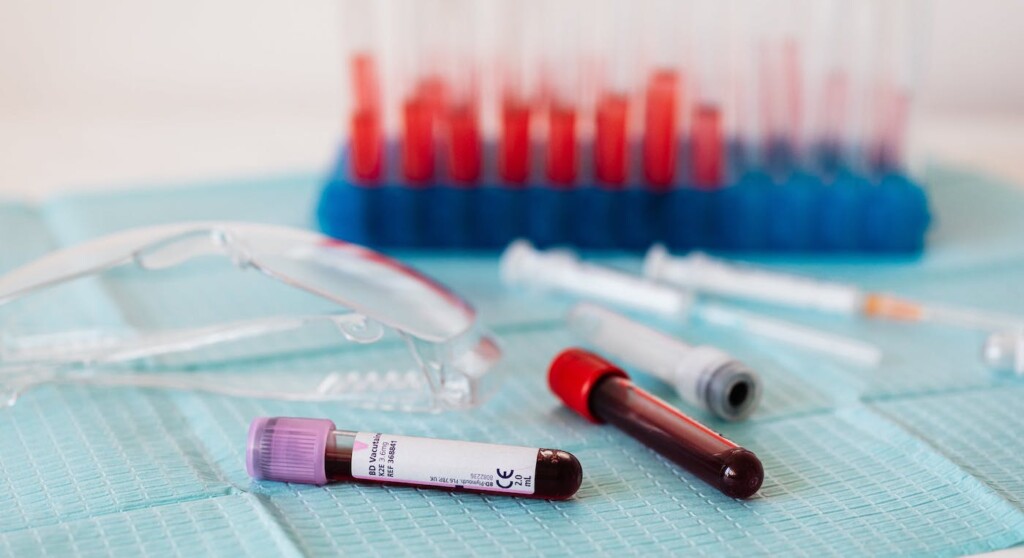
Routine blood tests could be used to more accurately diagnose cancer, even earlier, for people with stomach pain or bloating, according to a new study.
Most people who report such symptoms to their doctors are referred for blood tests, say scientists, but it was not known how well those tests, used to explore a range of possible causes of illness, can predict cancer risk.
But researchers found that, in 19 commonly used blood tests, abnormal results were linked to a higher risk of being diagnosed with cancer within a year.
The new study looked at data from more than 400,000 people in the UK aged 30 or older who had visited a GP due to stomach pain and more than 50,000 who had visited their GP due to bloating. Two-thirds of the group had blood tests following their appointment.
The research team, led by University College London (UCL) scientists, estimated that, if the abnormal results were taken into account, there would have been a 16% increase in the number of people with undiagnosed cancer who were given an urgent referral, compared to assessment based on symptoms, age and sex alone.
They say it translates to an extra six people with undiagnosed cancer being urgently referred out of 1,000 people who had visited the GP with stomach pain or bloating, on top of 40 people with cancer being urgently referred already, without using blood test results.
If any patient had one or more blood tests that increased their risk to above 3%—and they would not have been referred based on their age, sex and symptom alone— they were included as an extra urgent referral.
“Our study suggests we can improve cancer detection with blood tests that are already available and that are routinely given to patients with symptoms whose cause is unclear,” said Dr. Meena Rafiq, the study’s lead author. “This could be an efficient, affordable way to improve early cancer diagnosis and in some cases increase the likelihood of successful treatment.
“Given that in practice it may be challenging for GPs to interpret a range of blood test data, our study points to the need for an automated tool that could assess cancer risk based on multiple variables.”
The study published in the journal PLOS Medicine used anonymized patient data from the Clinical Practice Research Datalink (CPRD), collected from a network of general practitioner (GP) offices across the UK between 2007 and 2016.
The team found that just over one in 50 people (2.2%) who went to their GP reporting stomach pain were diagnosed with cancer over the next 12 months. Exactly the same proportion of people (2.2%) reporting bloating were also diagnosed with cancer within a year.
In the UK, guidelines from the National Institute for Health and Care Excellence (NICE) state that people should be given an urgent cancer referral, to a specialist or for tests, if their risk of cancer is higher than 3%.
The research team also found that people aged 60 or over who had gone to the GP with either stomach pain or bloating had a high enough risk to warrant an urgent cancer referral, regardless of blood test results.
Currently, over-60s with stomach pain or bloating are only given a cancer referral in the UK if they have an additional potential cancer signal such as weight loss.
Risk of cancer was estimated to be 3.1% for men in their 60s reporting stomach pain, rising to 8.6% for men in their 80s with the symptom. The risk for women in those age groups was 3.1%, rising to 6.1%.
The research team pointed out that the incidence of cancer was likely to be higher in the study sample than among a broader group of people experiencing stomach pain or bloating who would not necessarily go to their GP or have blood tests.
They found that among people aged 30 to 59 with abdominal pain or bloating, anaemia, low albumin, raised platelets, abnormal ferritin, and increased inflammatory markers strongly predicted a risk of undiagnosed cancer.
For example, in women aged 50 to 59 with abdominal bloating, pre-blood test cancer risk of 1.6% increased to 10% with raised ferritin, to 9% with low albumin, to 8% with raised platelets, to 6% with raised inflammatory markers and to 4% with anaemia.
Currently, only raised platelets and anaemia are included in guidelines for cancer referral.
The researchers noted that the UK guidelines focused on the presence of “alarm” symptoms and risk of cancer of a single organ, with limited guidance existing for vague symptoms that could be a sign of cancer in a number of different organs.
“Half of all people with as-yet-undetected cancer will first go to the doctor with vague symptoms that can be challenging to diagnose,” said Dr. Rafiq. “Many of these patients are investigated in primary care with commonly used blood tests that could help to identify which patients are most likely to have underlying cancer and should be prioritized for referral.”
The study also showed which types of cancer were most common for people with the symptoms. Overall, bowel cancer was most common, followed by prostate and pancreatic cancer in men, while bowel cancer was followed by breast and ovarian cancer in women.
Nine in 10 Americans have had a “Home Alone” moment—realizing they forgot something essential en route to their destination, according to new research.
While they aren’t forgetting their kids at home, over a third have forgotten a charger, and a third have forgotten their toiletries and beauty products. 27% have left behind their sunscreen and 18% even forgot to pack their medications.
That’s according to a survey of 2,000 U.S. adults that asked about the most inconvenient things they’ve forgotten—including socks (17%), water bottles (14%) and even their wallet (8%).
Nearly four in ten characterized themselves as more forgetful when traveling—with, on average, three items being left behind every trip, forcing one-quarter of them to spend money on purchasing alternate products.
Fortunately, 23% of respondents have a “mom friend” when traveling—someone who keeps the group together, happy, and healthy.
And one-quarter of respondents reported that THEY are usually “the mom” of the group.
“Mom friends” showcase their role by keeping supplies on hand, such as napkins or bandaids and reminding everyone to eat and stay hydrated (35%)—two good habits that the survey showed often get left behind when traveling.
Commissioned by Crystal Geyser Alpine Spring Water and conducted by Talker Research, the poll also found that two in five (40%) Americans find it difficult to stay hydrated while traveling. For 32%, this is mainly because they’re out of their usual routine or because they simply forget to drink. But others are more focused on having fun (31%) or are too busy doing other activities (31%).
“Everyone knows that summer brings travel and fun, but it also brings higher temperatures and a greater chance for dehydration,” said CG Roxane VP of Marketing Anne-Charlotte de La Porte.
She recommends monitoring how much water you are drinking every day (the survey revealed only 22% of Americans do that) and to set reminders so you can keep on track.
Or, you can always rely on your “mom friend” for help…
Credit: Shai Halevi / Israel Antiquities Authority via Austrian Academy of Sciences (OeAW)
Inside one of the most extensively researched historic sites—the Church of the Holy Sepulchre in Jerusalem, where Jesus was crucified and buried—researchers have discovered the largest known medieval altar, which had been considered lost for decades.
After its unveiling in 1149, the magnificently carved ‘high altar’ made a great impression on visitors for many centuries, until it abruptly disappeared from public view following a major fire in the Romanesque part of the church in 1808.
“Since then, the ‘Crusader’s altar’ was lost—at least that’s what people thought for a long time,” says Ilya Berkovich, historian at the Austrian Academy of Sciences (OeAW).
So Berkovich and archaeologist Amit Re’em from the Israel Antiquities Authority were shocked when they made their sensational discovery right in the middle of the Church of the Holy Sepulchre.
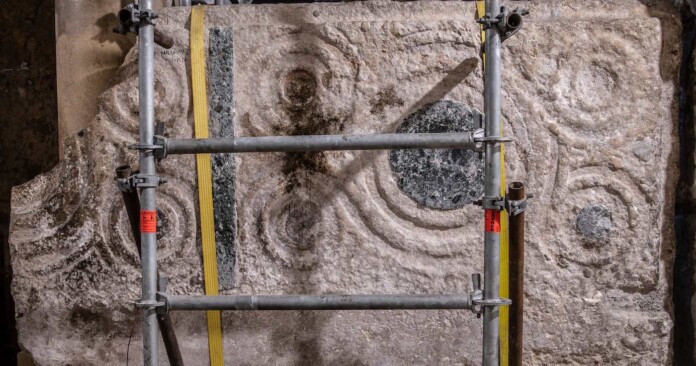
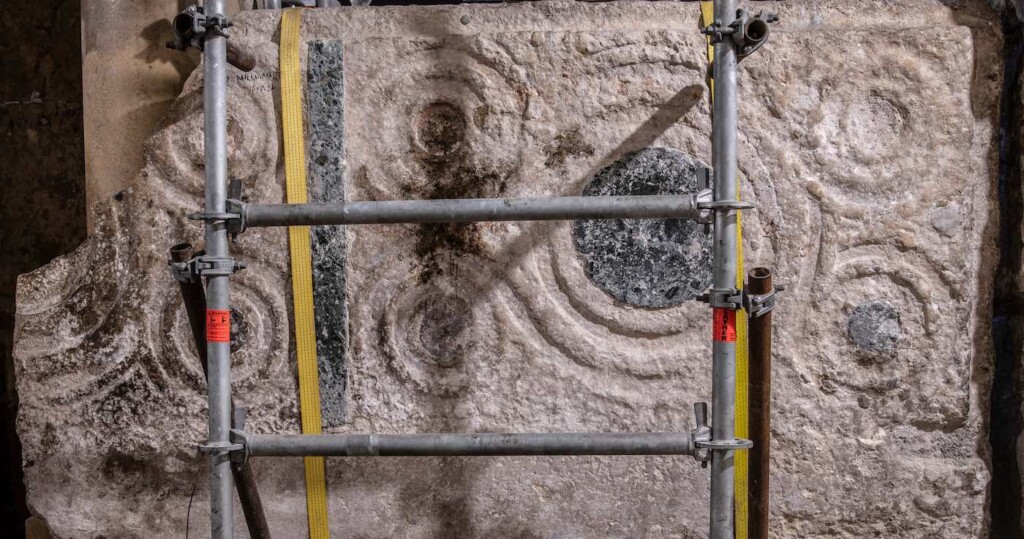
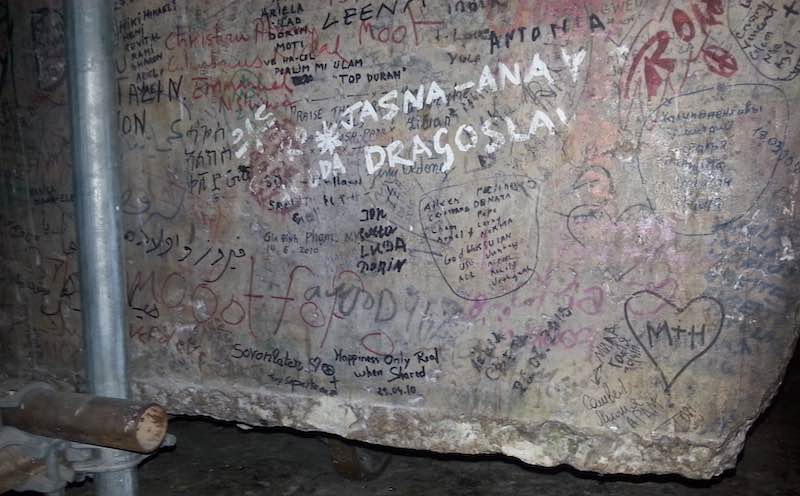
In a rear corridor of the publicly accessible church, a stone slab weighing several tons had been leaning against the wall for an unknown period of time. People even left graffiti all over the front side of the slab. When it was turned around due to construction work, it revealed its true, much older artistic heritage.
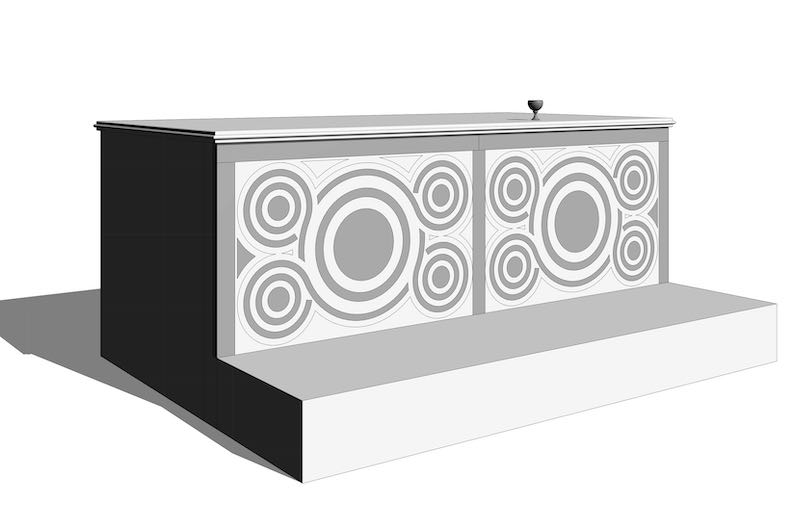
It was decorated with beautiful ribbon ornaments which enabled its identification as the once magnificent front panel of the medieval Crusader altar, which seemed to have been lost after the fire two centuries ago.
For historians, this find is “a sensation” in several respects. Firstly, the fact that the slab could have remained hidden for so long in such an intensively researched building—especially as it was in view of thousands of pilgrims and tourists every day.
Amit Re’em / Israel Antiquities Authority
“The fact that something so important could stand unrecognized in this of all places was completely unexpected,” said Berkovich, who co-authored a recently published article (in Eretz-Israel, Volume 35, 2024).
No less significant is the new information which the discovery provides about the medieval high altar’s origin—and the previously unknown connection between Rome and the Christian Kingdom of Jerusalem.
The unusual decorations are achieved by a special stonemason production technique for marble decoration called ‘Cosmatesque’.
This was practiced exclusively by guild masters who served papal Rome. They passed the skill down from generation to generation. A characteristic feature of this technique was its masters’ ability to decorate large surfaces with small quantities of precious marble. In medieval Rome marble was mainly scraped from ancient buildings, forcing the Cosmatesque masters to optimize whatever marble they could find.
Their solution was to put small marble pieces together with the utmost precision, attaching it in such a way as to create complex geometric patterns and dazzling ornaments.
For any Pope, the Cosmatesque art was a cherished status symbol. Only a few Cosmatesque works of art are known outside of Rome, and, so far, only one outside of Italy: in Westminster Abbey, where the Pope had sent one of his masters.
The Cosmatesque altar now rediscovered in Jerusalem must also have been created with the Pope’s blessing. By sending one of the Cosmatesque masters to the Kingdom of Jerusalem to make the new high altar in Christianity’s holiest church, the Pontif supported Christianity’s “claim” to the church.
Digital reconstruction of the Crusader high altar by Roy Elbag – Ilya Berkovich / Amit Re’em
The rediscovered high altar is proof of a previously unknown direct connection between Rome and Jerusalem, which is also important for European art history.
“With an original breadth of more than 3.5 meters (11 feet), we have discovered the largest medieval altar currently known,” said Berkovich.
He hopes that further research in the papal archives will reveal more details about the history of the altar, possibly even the identity of the Cosmatesque master who created the artwork.
Historians do know a lot about the exact day of the altar’s unveiling on July 15, 1149.
It was a celebration day in Jerusalem, marking the 50th anniversary of European Crusaders conquering the Holy City to establish a Latin Kingdom, after centuries of Muslim rule.
The highlight of the jubilee was the re-consecration of the Church of the Holy Sepulchre. In the middle of the church building, which had been magnificently extended in the Romanesque style in the preceding years, a special work of art saw the light of day: a newly created high altar that has been praised by pilgrim accounts from the 16th, 17th and 18th centuries as simply the “magnificent marble altar in Jerusalem”.
SHARE THE FIND With Art Lovers And All Your Christian Friends On Social Media…
Quote of the Day: “Practice until it becomes boring, then practice until it becomes beautiful.” – Harry Blackstone Jr. (magician)
Photo by: Adam Hoffman
With a new inspirational quote every day, atop the perfect photo—collected and archived on our Quote of the Day page—why not bookmark GNN.org for a daily uplift?
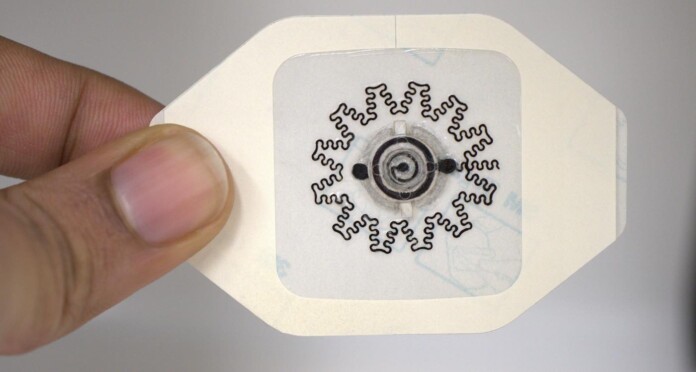
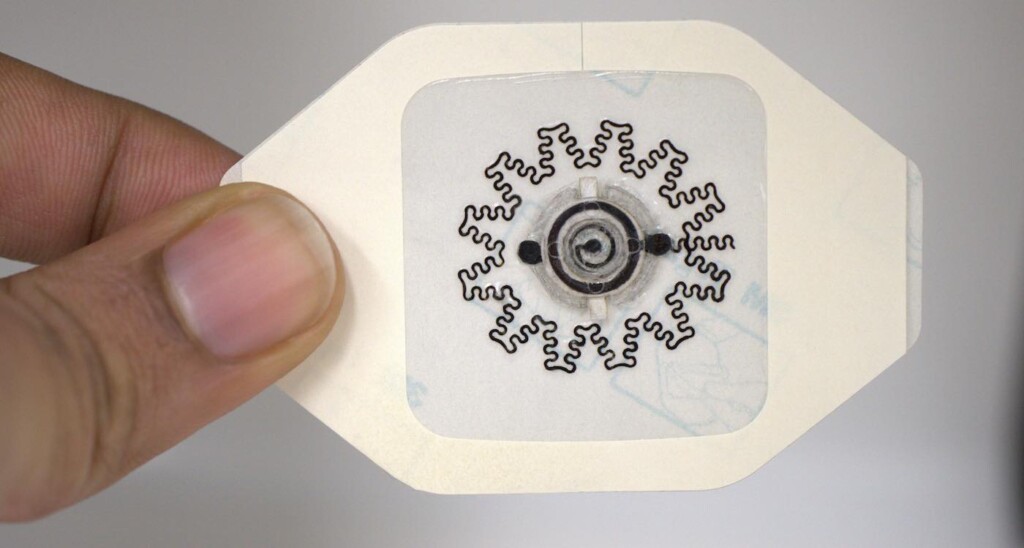
Water-powered electronics-free bandage (WPED) for electrical stimulation of wounds – Credit: Rajaram Kaveti (via SWNS)
Water-powered electronics-free bandage (WPED) for electrical stimulation of wounds – Credit: Rajaram Kaveti (via SWNS)
A water-powered electric bandage can heal serious wounds 30% quicker than conventional treatments, according to a new study.
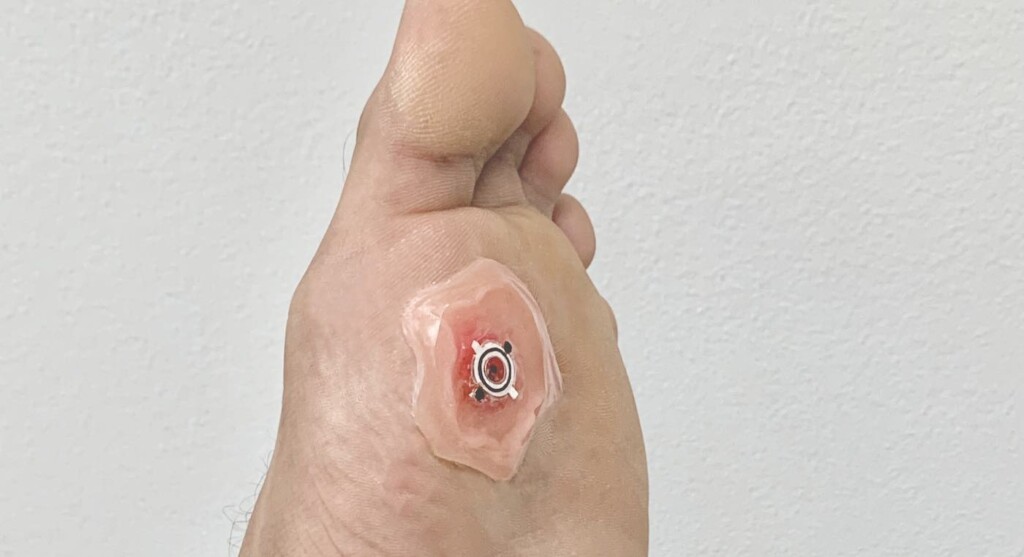
The inexpensive bandages use an electric field to promote healing in chronic wounds, which are slow to heal, if they heal at all—like sores that occur in some diabetes patients.
Doctors say such wounds are “particularly problematic” because they often recur after treatment and significantly increase the risk of amputation and even death.
They explained that one of the key challenges associated with chronic wounds is that existing treatment options are extremely expensive, which can create additional problems for patients.
In animal tests published this week in the journal Science Advances, the international research team evaluated their water-powered, electronics-free dressings (WPEDs), which are disposable bandages with electrodes on one side and a small, biocompatible battery on the other.
“Our goal was to develop a far less expensive technology that accelerates healing in patients with chronic wounds,” said study co-author Dr. Amay Bandodkar, of North Carolina State University.
“We also wanted to make sure that the technology is easy enough for people to use at home, rather than something that patients can only receive in clinical settings.”
Co-author Professor Sam Sia, of Columbia University, said the lightweight bandages provide electrical stimulation simply by adding water, and they work better than bulkier and more expensive wound treatments.
The dressing is applied so that the electrodes come into contact with the wound. A drop of water is then applied to the battery, activating an electric field for several hours.
The electric field is critical, explained co-author Dr. Rajaram Kaveti, who said it is “well established that electric fields accelerate healing in chronic wounds.”
The electrodes are designed so that they can bend with the bandage and conform to the surface of the chronic wounds, which are often deep and irregularly shaped.
(SWNS)
They tested the wound dressings in diabetic mice, which are a commonly used model for human wound healing.
“We found that the electrical stimulation from the device sped up the rate of wound closure, promoted new blood vessel formation, and reduced inflammation—all of which point to overall improved wound healing,” reported co-first author Maggie Jakus, a graduate student at Columbia University.
The mice who received treatment with WPEDs healed about 30% faster than mice who received conventional bandages.
“It is equally important that these bandages can be produced at relatively low cost – we’re talking about a couple of dollars per dressing in overhead costs,” said Dr. Bandodkar.
“There is urgent need for new therapeutic approaches, as the last one that was approved by the Food and Drug Administration was developed more than 25 years ago,” said co-author Professor Aristidis Veves, of Beth Israel Deaconess Center in Boston.
“Diabetic foot ulceration is a serious problem that can lead to lower extremity amputations. (This) may have the potential to revolutionize the management of diabetic foot ulcers.”
Once applied, patients can move around and easily take part in daily activities, after conveniently receiving treatment at home.
“Next steps for us include moving forward with additional testing that will get us closer to clinical trials and—ultimately—practical use that can help people.”
SHARE THE INNOVATION With Medical Staff on Social Media…