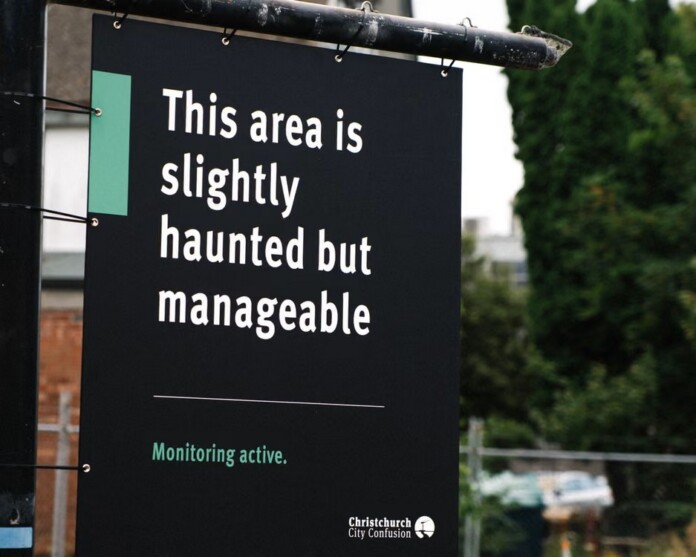
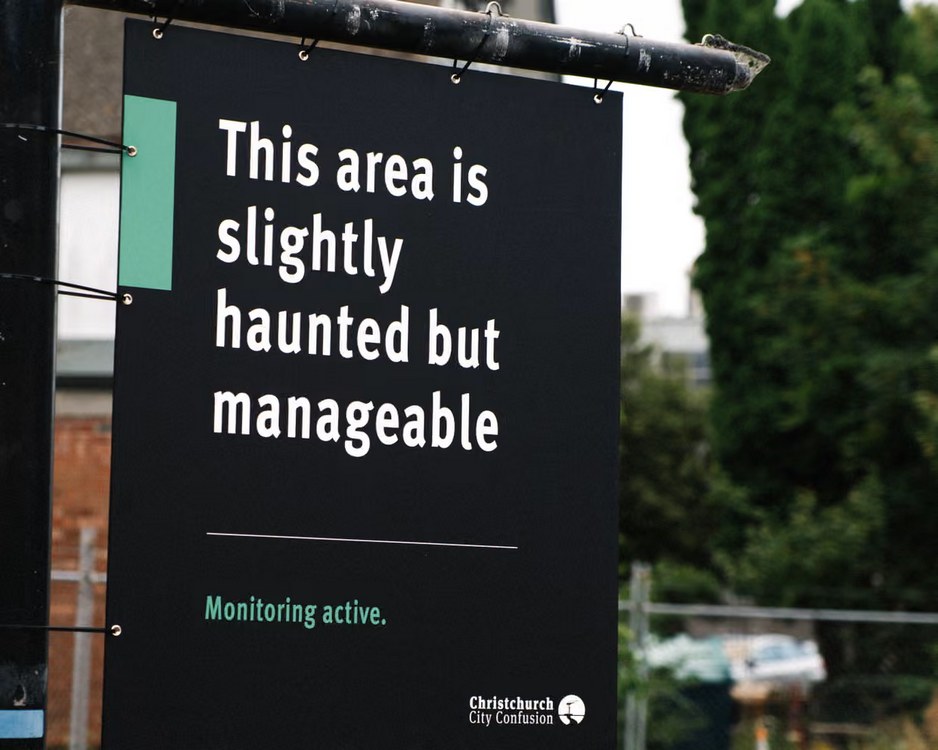
From New Zealand comes the story of a public art project in disguise—as official-looking signs with bizarre declarations.
One warns that an abandoned building is “slightly haunted,” while another one cheekily announces a walking speed limit of 2.83 kmh. Another simply reads “Don’t.”
Despite borrowing the font and color palate of official Christchurch signage, the 6 installations are meant to “play with the way we take authority and signage so seriously.”
Those were the words of the Cameron Hunt, who designed and mounted the signs as part of the Little Street art festival early this month.
“The idea was to make signs that look official, but with completely absurd messages, therefore creating moments of confusion, followed by little bursts of joy,” Hunt told the Guardian.
Kiri Jarden, the city council’s principal adviser for community arts, agreed.
“We totally support artists using humor to gently interrupt and engage passersby.”
The Guardian hunted down some online engagement, as in this era of digital media the signs quickly made their way onto social media. One, a self-described “fast walker” on Reddit, asked a community group if the signs were “for real?”
Another thought it some of the best “Guerilla art” he’d ever seen.
SHARE The Humor With Your Friends On Social Media…
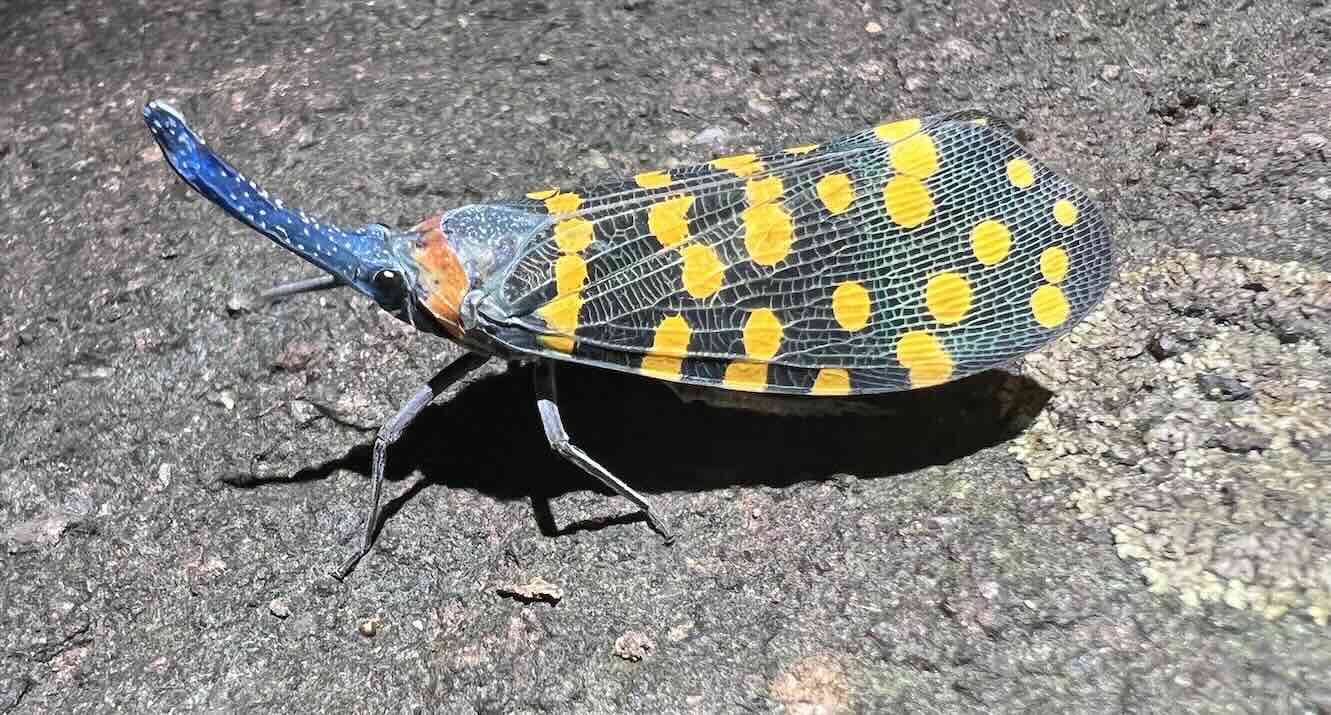
Among the approximately 16,000 new species described every year, roughly 6,000 are insects. Pictured here is a lanternfly from India. // New species are being discovered faster than ever before - at a rate of more than 16,000 every year, suggests a new study. And the trend shows no sign of slowing with scientists predicting that the biodiversity among some groups - such as plants, fungi, arachnids, fish and amphibians - is richer than originally believed. Around 300 years ago, Swedish naturalist Carl Linnaeus set out to identify and name every living organism on Earth. Now celebrated as the father of modern taxonomy, he developed the binomial naming system and described more than 10,000 species of plants and animals.
New lanternfly discovered in India – SWNS
New species are being discovered at a faster rate than ever, suggests a new study—more than 16,000 every year—and the trend shows no sign of slowing.
Scientists are predicting that the biodiversity among some groups, such as plants, fungi, arachnids, fish, and amphibians, is richer than previously believed.
Around 300 years ago, Swedish naturalist Carl Linnaeus set out to identify and name every living organism on Earth. Now celebrated as the father of modern taxonomy, he developed the binomial naming system and described more than 10,000 species of plants and animals.
Since then, scientists have continued to describe new species—and, now, researchers at the University of Arizona have shown that new species are being discovered at a quicker rate than ever.
In fact, 15% of all known species have been discovered within the last 20 years, according to the findings published in the journal Science Advances.
“Some scientists have suggested that the pace of new species descriptions has slowed down, indicating that we are running out of new species to discover—but our results show the opposite,” said study senior author Professor John Wiens.
The Arizona team analyzed the taxonomic histories of around two million species, spanning all groups of organisms. And, between 2015 and 2020, researchers documented an average of more than 16,000 new species each year, including more than 10,000 animals, dominated by arthropods and insects—plus 2,500 plants and 2,000 fungi.
“Our good news is that this rate of new species discovery far outpaces the rate of species extinctions, which we calculated to about 10 per year,” said Prof. Wiens.
“These thousands of newly found species each year are not just microscopic organisms, but include insects, plants, fungi and even hundreds of new vertebrates—more species per year than at any point in history.”
The team projected that there may be as many as 115,000 fish species and 41,000 amphibian species, even though there are only about 42,000 fish and 9,000 amphibian species described now—and the final number of plant species might be over 500,000.
“As the famous ecologist Robert May said, if visiting aliens asked us how many species live on our planet, we would have no definitive answer.
“Right now, we know of about 2.5 million species, but the true number may be in the tens or hundreds of millions or even the low billions.”
For now, the scientists predict that the discovery rate of new living things will continue to increase. For instance, scientists have currently identified around 1.1 million insect species, yet many scientists believe that the true number is somewhere around six million.
Prof Wiens suggested in a previous paper that it could even be around the 20 million mark.
“Right now, as molecular tools improve, we will uncover even more cryptic species. This is especially promising for revealing more unique bacteria and fungi.”
For better human health
Importantly, the discovery of new species also contributes to finding new natural products for human benefit.
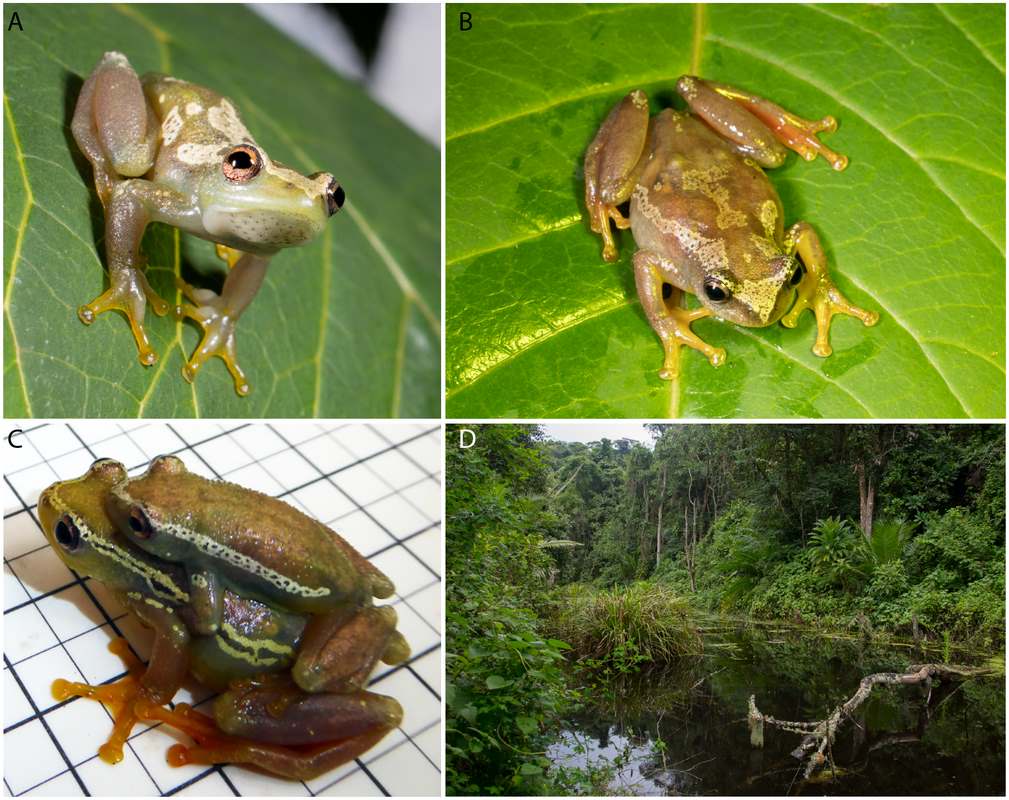
Photos of new frog species and their habitat – images courtesy of Christoph Liedtke via Lawson et al. (2023).
Some examples of natural products include popular weight-loss drugs such as Mounjaro, inspired by a hormone found in Gila monsters.
Spider and snake venoms, plus many plants and fungi, also contain natural products with potential medicinal applications, including treatments for pain and cancer.
Beyond medicine, Prof. Wiens says many species have adaptations that can inspire human inventions, such as materials mimicking the “super-clinging” feet that allow geckos to climb up vertical surfaces.
“We’re still just scratching the surface of what these species can do for humanity.”
“Even though Linnaeus’ quest to identify species began three centuries ago, 15% of all known species have been discovered in just the past 20 years,” said Wiens.
“So much remains unknown, and each new discovery brings us closer to understanding and protecting the incredible biodiversity of life on our planet.”
SPREAD SOME GOOD NEWS By Sharing the Optimism on Social Media…
Reprinted with permission and alterations from World at Large, an independent news outlet covering world news, conflicts, travel stories, conservation, and science news.
The smells of cinnamon, nutmeg, and clove have different uses around the world, but when the scent of these South Asian spices wafts through an American kitchen, it almost invariably means one thing—it’s the most wonderful time of the year.
Mulled wine, gingerbread cookies, and pumpkin spice lattes are just some of the holiday season treats that include these super aromatic spices, but where tradition has relegated them to seasonal cooking in Europe and North America, their historic use in Asia has been medicine.
Cinnamon, nutmeg, and cloves perfectly classify as “nutraceuticals,” a scientific shorthand for foods so rich in fitness-promoting compounds that they mirror the pharmacological potential of synthetic drugs and medicines. Multiple studies have looked at the effects of the cocktails of antioxidants and other nutrients present in these Christmas spices and found they demonstrate potent protection against pathogens through their antibacterial, antiviral, and antifungal effects.
They are commonly cited as potent antioxidants, which bears some explaining. Antioxidants get their name from their function of donating a spare electron to molecules produced as the billions of mitochondria in our bodies generate energy. These molecules are known as free radicals, or reactive oxygen species, and are one of the key drivers of aging, and numerous other diseases—a pathology known as oxidative stress.
However not all antioxidants are created equally, and the potency of some, for example oranges, pale in comparison to the potency of others, for example garlic.
Scientists at the National Institute for Aging at the NIH have developed a scale to measure the antioxidant potential of foods, known as ORAC Values. Looking among the highest-ranked compounds, caloric food is noticeably absent from the top 50. Ground clove is the 8th highest in the world, and is probably one of two or three ingredients in the top 10 you’ll have even heard of. Cinnamon sits at number 16, and nutmeg at 34.
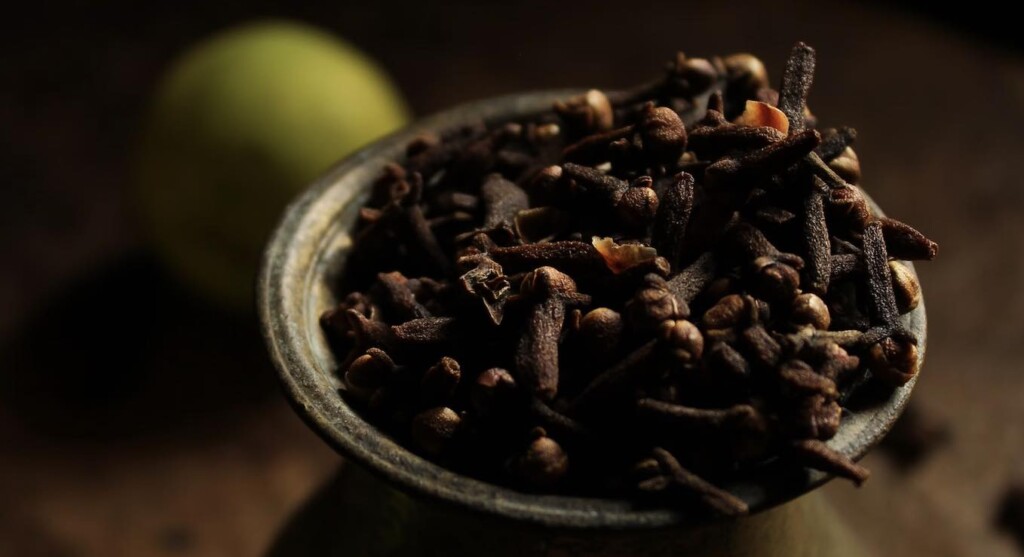
With an ORAC value of 290,000, ground clove is 10 times more potent than cranberries, nearly 19 times more potent than raspberries, and nearly 30 times more potent than an orange.
Cloves by Amitha A R
Oxidative stress was once believed to be the reason we aged at all, which highlights the tremendous importance of including high-quality antioxidants in the diet.
In a literature review published at the Osher Center for Integrative Medicine at Vanderbilt, spices were shown to have high value as functional medicines. Some of the items highlighted in the review, such as garlic or turmeric, aren’t universally enjoyed, which is where the Christmas spices come in.
Cinnamon, nutmeg, and cloves are roundly enjoyed for their pleasant smells and the warm sensation they confer, making them an easier suggestion for someone who doesn’t cook with herbs and spices quite often.
Cinnamon has been found to slow gastric emptying, reducing the rise in post-prandial blood glucose. The volatile oils in cinnamon, called cinnamic acid, show antifungal and antibacterial effects, and they can even help with type 2 diabetes patients after being shown to cause a .83% decrease in hemoglobin A1C levels. Cinnamon is a key ingredient in what is known in America as spicy chai tea, and makes for a perfect after-dinner drink for these reasons. Cinnamon is also a great to add to yogurt, sweet potatoes, squash, and baked bread.
Ground cloves are one of the most important spices in Ayurvedic medicine in India, and just a tiny amount of the oils contained within have been shown to kill B tuberculosis. The oils have been investigated for the potential similarities to the common drug paracetamol—to reduce inflammation via Cox-2.
Clove also acts as an iron chelator and is effective at clearing hydroxy radicals. It’s been theorized as a treatment for breast cancer and prevents the breakdown of the eye’s retina. As mentioned before, apart from sumac, a spice commonly eaten in Turkish cuisine, and a few other things you’ve probably never heard of, ground clove is the most powerful, edible, antioxidant we know of.
Nutmeg has been investigated, like the other two, for a variety of therapeutic effects. Essential nutmeg oil was found to clear gram-positive pathogenic bacteria species Staphylococcus aureus, Staphylococcus epidermis, and gram-negative bacteria Shigella Dysenteriae, and Salmonella Typhi. Continuing on the theme of medicine, nutmeg has been recorded as a constituent ingredient in treatments for rheumatism, sciatica, malaria, dysentery, nausea, and even the early stages of leprosy.
In India and China, nutmeg is an important and proven antidiarrheal agent, and has also been identified as a potential antidepressant, while another literary review found that nutmeg’s composition of phytonutrients contains compounds known to improve anabolic action in the metabolism of bone, allergenic reactions, and enhance the repressing of lipid peroxidation.
One study found that nutmeg alcohol extract remarkably decreased liver function indexes, blood glucose, lipid accumulation, cholesterol levels, and inflammation levels in mice.
Two studies also found that nutmeg can or might be able to aid in treating colon cancer, breast cancer, and skin papilloma, while a third found that in vitro non-small-cell lung cancer was suppressed with a multi-herb formula containing nutmeg.
SHARE the HEALTH TIPS With Foodies and Bakers on Social Media…
Quote of the Day: “I will honor Christmas in my heart, and try to keep it all the year.” – Charles Dickens
Image by: Klim Musalimov
With a new inspirational quote every day, atop the perfect photo—collected and archived on our Quote of the Day page—why not bookmark GNN.org for a daily uplift?
Millions today are celebrating Christmas around the world, the holiday that commemorates the birth of Jesus of Nazareth in Bethlehem, sometime around the year 1 BCE. Over a millennium later, St. Francis of Assisi enacted one of the first Nativity scenes, having been inspired by a visit to the Holy Land where he was shown Jesus’s traditional birthplace. (1223)
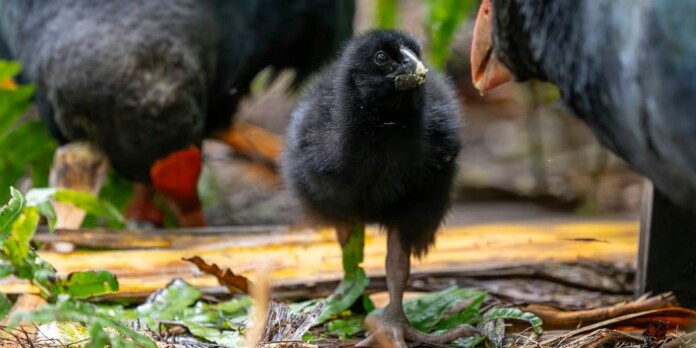
The takahē chick with its parents - credit Linten Miller.
The takahē chick with its parents – credit Linten Miller.
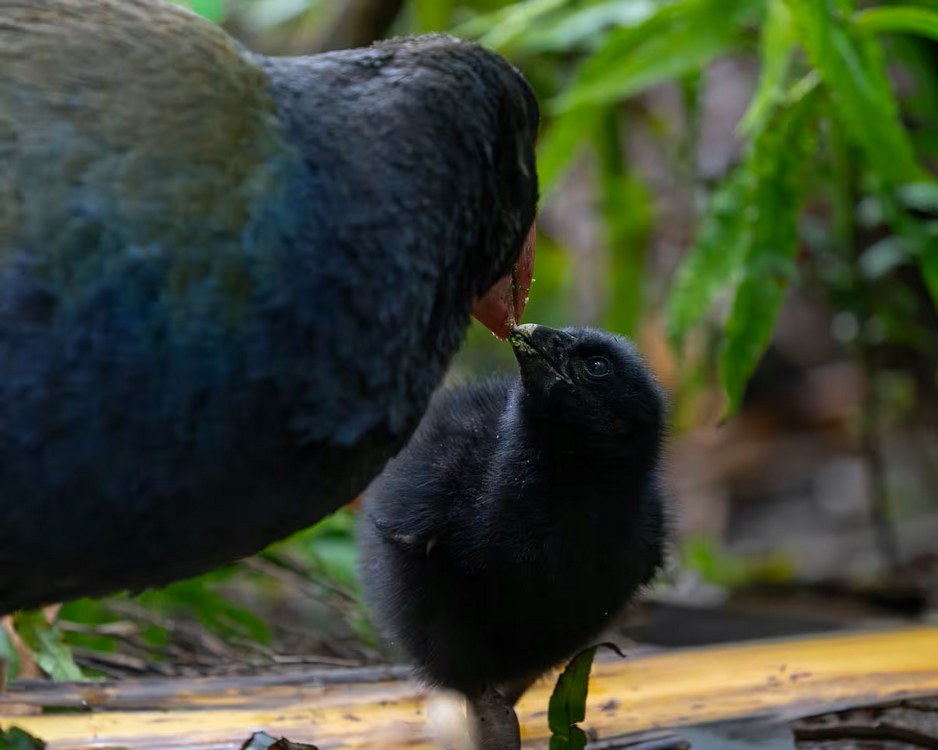
Described by park officials as a Christmas miracle, a breeding pair of endangered takahē birds in New Zealand were found to be rearing a chick, having previously been thought of as infertile.
With around 500 of these flightless birds left in the country, every chick counts.
The miracle happened in Zealandia, a fenced-in ecosanctuary 10 minutes’ drive from Wellington’s city center.
The sanctuary conservation team was searching for a nest in early November after a female bird named Waitaa hadn’t been seen at the feeders for some time.
They heard some high-pitched calls indicating the pair had—miraculously—produced a chick. Waitaa’s partner, Bendigo, was previously believed to be infertile.
Jo Ledington, General Manager of Conservation and Restoration, says the news was kept under wraps until the team was more confident the chick was doing well and the worst of the spring weather had passed.
“I’m thrilled that Zealandia can support national takahē recovery efforts not only by providing opportunities for hundreds of thousands of people to connect with this amazing species, but to also add more birds to the national population.”
credit – Linton Miller
The takahē is a relative of the rail, a ground-dwelling, amphibious family of birds with short wings, large feet and long legs. Breeding once a year, they were believed to be extinct on New Zealand’s South Island before being rediscovered in 1948. A fully-grown bird sports iridescent blue and green feathers and becomes quite fat—giving them the famous appearance, when viewed straight on, of the Earth.
At Zealandia, Bendigo and Waitaa arrived last year as a non-breeding paired couple, but after a failed nesting season, it was believed they were unable to conceive. Following Waitaa’s disappearance, Ledington and colleagues set up a trail camera in an area they thought she might be nesting in. Sure enough, the chick was discovered.
“Any chick that we can add to that population is just incredibly valuable,” Ledington told the Guardian.
It will be some time before they know the chick’s gender. It will eventually be banded and health checked, and in time, gifted a name and moved to a new home. “For now, we are delighted that Zealandia is its safe playground,” the sanctuary officials wrote in a statement.
SHARE These Three Takahēs, Along With Your Two Turtle Doves…
An illustraion of the lemon world - credit, NASA, ESA, CSA, Ralf Crawford (STScI)
An illustraion of the lemon world – credit, NASA, ESA, CSA, Ralf Crawford (STScI)
An exoplanet located 2,000 light years from Earth is so unusual it’s given astronomers the idea that it could be a totally new type of object.
That’s because it’s shaped like a lemon, with a small tip just like the fruit has, and a free-floating carbon atmosphere where rain might turn to diamonds in the planet’s extreme temperature.
The authors of the astrophysical analysis on the object have already spoken to a variety of science media outlets and the general consensus is this: there’s no object known that has similar conditions or characteristics.
“I’m open to the possibility that this is an entirely new type of object,” Michael Zhang, one of the authors, told Scientific American, and said to the New Scientist, “we don’t know of any other planetary atmosphere that looks anything like this.”
The exoplanet, or whatever it is, is called PSR J2322-2650b, and it orbits a pulsar at a distance of about 1 million miles, which is 100-times closer than the Earth is to the Sun. As dense as the Sun but as small as a city, a pulsar, which is the rapidly-spinning heart of an already collapsed star, has a strong gravitational field, and it’s believed to be the answer to the question of why PSR is lemon-shaped.
The belief is the intense gravity has literally elongated the sphere into a lemon shape. If you imagine the tip of a lemon, there is a point on the object where material is being drawn away and into the pulsar due to the intense gravity.
Of the 6,000 known exoplanets, this lemon planet is the only one reminiscent of a gas giant (with mass, radius, and temperature similar to Jupiter) that’s also orbiting a pulsar. Only a handful of pulsars are known to have planets, but none so close to it as this one.
“I remember after we got the data down, our collective reaction was ‘what the heck is this?’ It’s extremely different from what we expected,” said study co-author Peter Gao of the Carnegie Earth and Planets Laboratory in Washington.
The anomalies don’t stop with the shape, however. This Jupiter-mass object appears to have an exotic helium-and-carbon-dominated atmosphere unlike any ever seen before. Soot clouds likely float through the air, and deep within the planet, these carbon clouds can condense and form diamonds.
“In order to have molecular carbon in the atmosphere, you have to get rid of pretty much everything else—all of the oxygen, all of the nitrogen—and we just don’t know how to do that,” Zhang told New Scientist.
For reference, Smithsonian Magazine reports, the planetary temperatures can reach as high as 3,700 degrees Fahrenheit, but even at one-third of that temperature, pure carbon binds to other molecules. Free-floating, pure carbon, is just not compatible according to current theories with the atmosphere of the lemon world.
SHARE The Story Of This Bizarre Lemon World Of Diamond Rain…
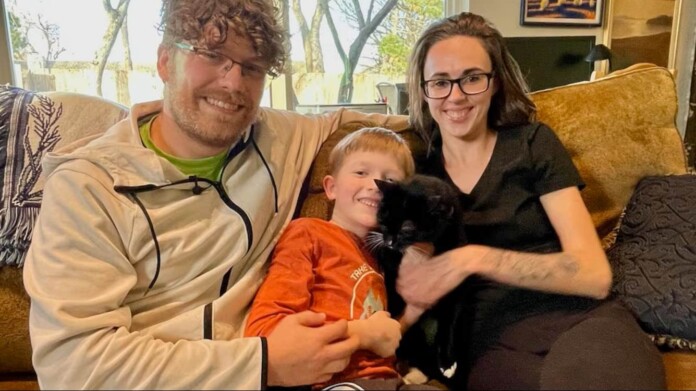
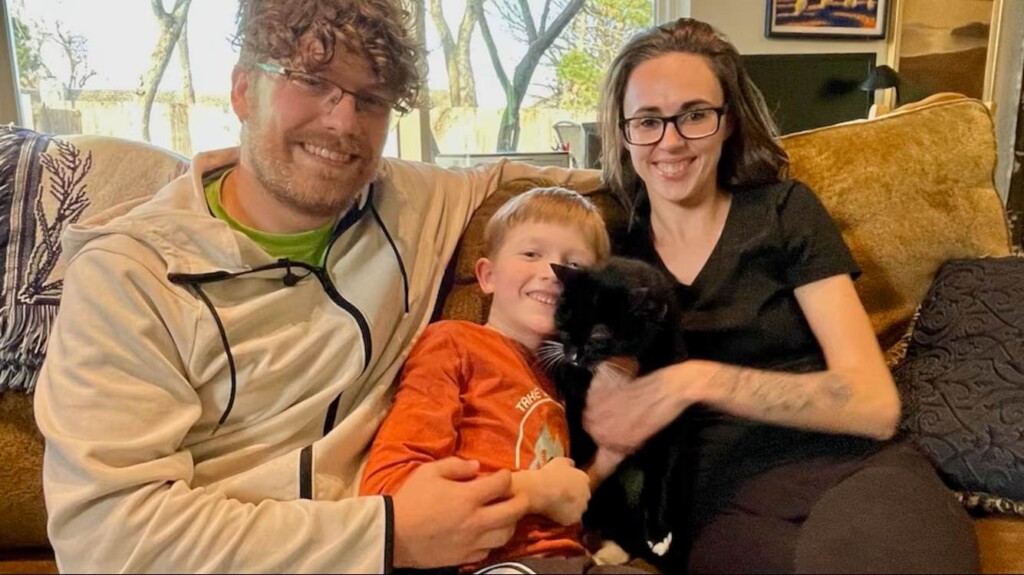
Family photo with Shadow the Cat - credit, Jeremy Barton
Family photo with Shadow the Cat – credit, Jeremy Barton
Was it bad luck to name a black cat Shadow?
The family cat, owned by Jeremy Barton, his wife, and their two sons, went missing while Barton was heading home from the far north of British Columbia, vanishing into the forest just like his namesake.
In a provincial park called Liard River Hot Springs, Shadow slipped out of the car and into the wild, forcing Barton into a frantic search effort in the remote northern Rocky Mountains to no avail.
The Oklahoma City native had to come home and tell his two sons that Shadow was gone, before spending an agonizing 5 months without any knowledge of his whereabouts.
“Everybody who’s a pet owner, like most people, their worst dream come true is not just losing their animal, but not knowing,” said Christine Sutherland, a Fort St. John resident in BC who would eventually help reunite Shadow with his humans. “The not knowing is horrible.”
Sutherland, and another native of the area named Bruce Kosugi, managed against the odds to find Shadow in Liard River Hot Springs after 5 months of the animal living off the land. Despite Kosugi being highly allergic to cats, the self-described “Rotarists” offered to drive the cat 8 hours back south to Fort St. John to their home.
CBC News spoke with Sutherland and Barton for two separate reports, but didn’t mention how they were connected. How ever it happened, Sutherland then offered to fly Shadow to Winnipeg, where Barton arrived last week after a 16-hour drive from Oklahoma.
“That woman is the closest thing to a saint that I’ve ever witnessed,” Barton said of Sutherland, while speaking to CBC Radio. Sutherland, for her part, said she was thinking of Barton’s two young boys, who had cried for days at the news their cat was lost.
“This cat meant a lot to those two boys. And it’s so neat that they’re going to see him before Christmas.”
For the hard-nosed Shadow, who’s crossed an extreme length of the North American continent, it ought to be a lesson about staying in the light where his family can see him.
SHARE This Christmas-Time Homeward Bounding Across Canada And America…
Quote of the Day: “There has to be at least one day of the year to remind us that we’re here for something else besides ourselves.” – Eric Sevareid
Image by: Getty Images for Unsplash+ (below) / Snowy scene by Roberto Nickson
With a new inspirational quote every day, atop the perfect photo—collected and archived on our Quote of the Day page—why not bookmark GNN.org for a daily uplift?
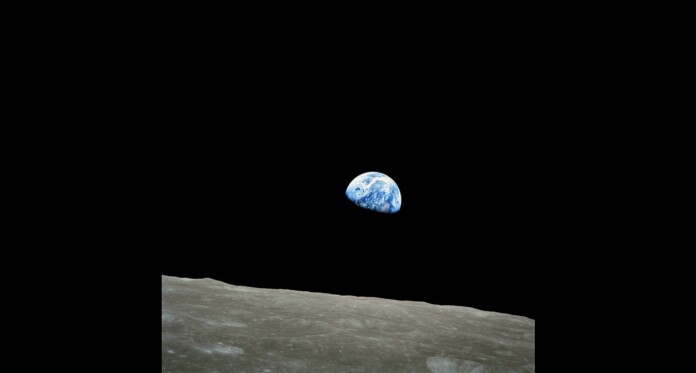
Earthrise, taken by Apollo 8 - credit, public domain
57 years ago today, the crew of Apollo 8 entered orbit around the Moon, the first humans to do so. While onboard, three astronauts—Frank Borman, Jim Lovell, and William Anders, saw the vaunted “far side” of the Moon, and took the Earthrise picture. The crew orbited the Moon 10 times over the course of 20 hours, during which they made a Christmas Eve television broadcast where they read the first ten verses from the Book of Genesis, which was slightly ironic because the voyage turned Anders into an atheist. At the time, the broadcast was the most watched TV program ever. READ more about the picture… (1968)
A woman given something like a terminal prognosis has responded with a simple request for what might be her last Christmas: a Christmas card.
Clare Jones from Swansea, Wales, was told her bowel cancer was no longer responding to chemotherapy. The mother of 3, who was diagnosed in 2022, described herself as a “simple person” who likes simple things, and asked through a post on Facebook for anyone filling out their Christmas cards to “pop one” in the mail for her too.
The response was more than she could have imagined. Her mail slot has been assaulted by hundreds of Christmas cards, containing show and movie tickets, vouchers for a camping holiday, chocolates and more.
“There has just been so much to read,” Jones told the BBC, adding, “the love has been amazing… genuine love.”
The original post was something she admitted she was hesitant to do—the 47-year-old was not sure if it would come off as “cheeky.” It was shared on Facebook over 10,000 times, and Jones plans to read each one of the hundreds of cards all while collecting the postage stamps and mailing them to a cancer charity in the UK that fundraises by reselling them.
“I don’t feel ill, I feel okay. But I’m not going to feel this way for much longer,” Jones said, per the BBC. “I have many people around me who care for me. If love could cure cancer, I would be cured.”
While the first few dozen comments on the Facebook post were from friends and family, scrolling down far enough witnesses a change of tone, with many beginning with “Even though I don’t know you…”
It’s a testament to the human spirit around the holidays. The Cambrian Flying Club offered a 30 minute flight, free of charge, while others said they’d be sending various gifts, and one offered a free Reiki session.
SHARE The World’s Compassion Enveloping This Single Mother From Wales…
On Friday, a Georgia fire department undertook an unusual Christmas tradition.
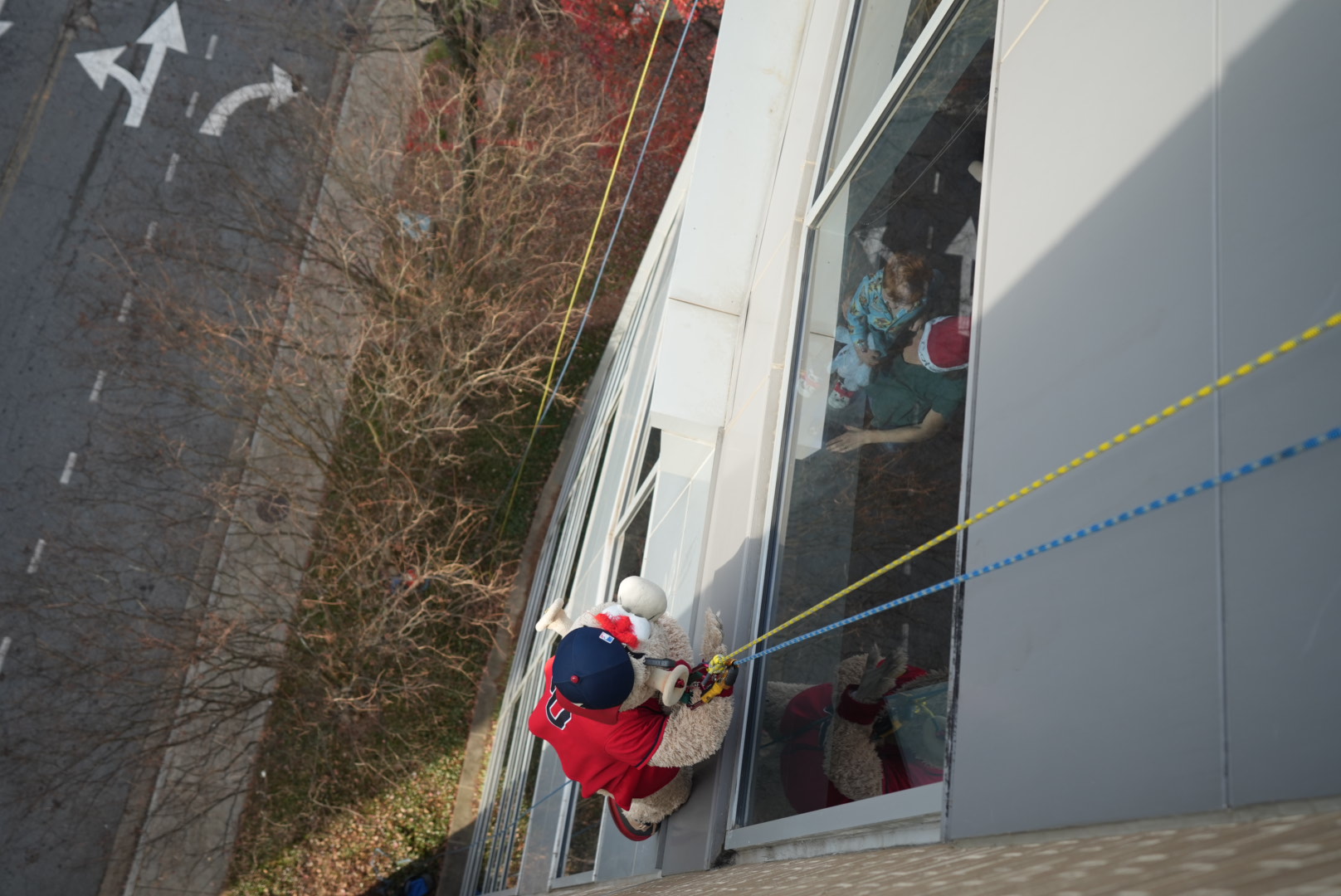
In place of decking the halls, the men and women of the Sandy Springs Fire Department (SSFD) link up with Santa, and rappel down the walls of Children’s Healthcare of Atlanta to surprise infirm kids who can’t leave their rooms.
The event is now in its third year, and this time they brought along Superman and Spiderman to ensure it was a moment the children would never forget.
In 2018, the department thought about doing something that would inspire the pediatric patients, since Children’s Healthcare of Atlanta serves the whole city, but was located so close to their fire station. Rappelling from the rooftop needed a bit of planning, but fortunately Department Section Chief Kyle Sweeney got in touch with the right people, and in 2022, it finally got off the ground, or rather, off the roof.
“It’s a simple interaction, but it has a huge impact,” Sweeney told GNN in an emailed statement.
“For many of us, it’s one of the most rewarding things we get to do all year. Firefighters are used to showing up on people’s worst days, so having the opportunity to bring joy instead is incredibly powerful. It reminds us why we chose this career in the first place.”
One of the team, Cody Minter, took part for the first time this year. His son was diagnosed with cancer in 2024, and though his treatment at the hospital mercifully didn’t last long enough for the family to see the event, they got to see the impact it had on the little patients when they saw Santa, or a local sports mascot, a firefighter, or national guardsmen, appear outside the window.
“Hearing all the stories about it and the impact and joy it brought to the children made me want to be a part of this event with SSFD,” Minter told GNN. “The amazing team at the Children’s hospital we like to call family inspired me to do more. Their dedication and the love they show do not go unnoticed. It inspired me to give back in any way I can.”
On December 19th, heroes real and mythical alike latched the ropes onto their harnesses and descended to the glass windows of the children’s rooms, waving, high-fiving through the glass.
Atlanta was fortunately far south enough so as not to bother Superman there in his tights on the windy rooftop—though he could have asked the impeccably-dressed Santa Claus for his warm winter coat.
“Those moments are unforgettable,” Sweeney said after the event. “You can see the surprise turn into excitement almost instantly. The high fives through the glass, the smiles, and the laughter make all the effort worth it.”
“One of the most memorable parts is bringing Santa along and walking through the hospital afterward to deliver gifts. Many of the gifts are donated by Sandy Springs citizens, which makes it even more special.”
“Over the past three years, seeing this event grow with support from organizations like the Georgia State Fire Marshal’s Office, the Georgia Sprinkler Association, Cherokee Fire Department, Atlanta Fire Department, Georgia Power, Mileshko Photography, The Atlanta Braves. The Atlanta Falcons, and The Atlanta Hawks has been incredible. Every year, it becomes more meaningful, and every year, the reactions from the kids remind us that even small moments can make a lasting difference.”
WATCH a bit of the action below…
SHARE The Effort And Organization To Give These Kids An Unforgeable Christmas…
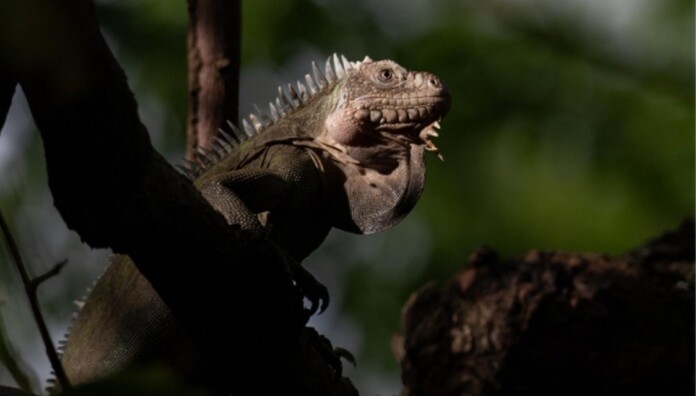
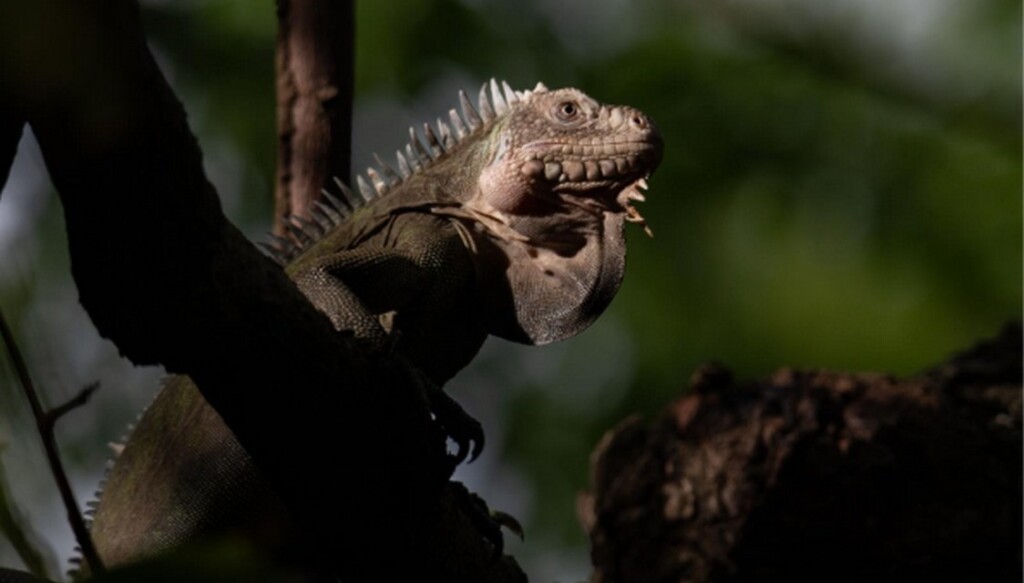
The small and uninhabited islet of Prickly Pear East is not what you might describe as a romantic holiday destination, but for the Lesser Antillean iguana, it has proved to be just that.
Thanks to an ambitious program of cross-Caribbean matchmaking, a new population has been successfully established on the island, with numbers now rapidly increasing.
The Lesser Antillean iguana is a Critically-Endangered species which has disappeared from much of its range across the Eastern Caribbean. The regional population of these lizards is less than 20,000 adults and falling.
Amongst the greatest threats are invasive alien species, particularly the common green or striped-tailed iguana, an imposing lizard that grows up to two meters long, that breeds fast, and that outcompetes the Lesser Antillean iguana.
Researchers have also linked the alien iguanas to the spread of diseases that debilitate and kill the native reptiles. In 2016, with the invasive iguanas multiplying rapidly across the main island of Anguilla, conservationists from the Anguilla National Trust began translocating the last Lesser Antillean iguanas from the mainland—23 in total—to an alien-free islet, Prickly Pear East.
Realizing that such a small population could suffer from inbreeding, the conservation team reached out to the Forestry, Wildlife & Parks Division in Dominica to request some young Lesser Antillean iguanas from Dominica to boost the genetic diversity of the iguanas on Prickly Pear East. The Government of Dominica agreed, and permits were secured.
10 young iguanas from Dominica, chaperoned by their supporting crew of conservationists, boarded a small plane in early 2021 and jetted off to Anguilla to find a mate. The love-hopeful iguanas were released on Prickly Pear East to start their new life and help save their species.
Less than 5 years on, new survey data has revealed that the efforts are paying off, with more than 300 adults and adolescents counted on Prickly Pear East. The island now represents one of only five sites in the world where Lesser Antillean Iguanas are thriving, safe from invasive alien iguanas.
“Thanks to the kind assistance from our friends in Dominica, as well as funding from the UK Government through Darwin Plus, the Lesser Antillean iguana is making a comeback in Anguilla,” said Jenny Daltry, Caribbean Alliance Director, Fauna & Flora and Re:wild. “Prickly Pear East has become a beacon of hope for these gorgeous lizards, and proves that when we give native wildlife the chance, they know what to do!”
With hopes of building on this success, a second reintroduction site for Lesser Antillean iguanas has been established by the Anguilla National Trust on mainland Anguilla with support from Fauna & Flora and Re:wild. Fountain National Park has been encircled by a pest-resistant fence to exclude harmful invasive species, including cats, dogs and common green iguanas. It is hoped that Lesser Antillean iguanas will be reintroduced to this sanctuary in 2026, with some of the founders to be translocated from Prickly Pear East.
The engagement of local communities has been essential to the success of this project from the outset. When the Anguilla National Trust first started its iguana conservation work, Anguillan residents assisted by reporting iguana sightings, allowing the field team to target their search efforts. Local volunteers also helped to care for the iguanas while they were being held in captivity for genetic testing pre-release, and they supported with the translocations in 2016 and 2021, alongside additional volunteers from Dominica.
“This is a love story not just of iguanas trying to re-establish their population, but of Anguilla’s people working to restore a part of our natural heritage,” said Farah Mukhida, Executive Director at the Anguilla National Trust.
SHARE This Iguana’s Romantic Getaway With Your Friends…
Quote of the Day: “Man becomes man only by his intelligence, but he is man only by his heart.” – Henri Frederic Amiel
Image by: Mayur-gala
With a new inspirational quote every day, atop the perfect photo—collected and archived on our Quote of the Day page—why not bookmark GNN.org for a daily uplift?
39 years ago today, The Voyager landed after 9 days, becoming the first airplane to fly non-stop around the world without refueling—setting a world record that remains unchallenged today. It was envisioned and sketched on the back of a napkin by brothers Dick and Burt Rutan, of the Rutan Aircraft Factory, and Dick’s girlfriend Jeana Yeager at lunch in 1981. READ more… (1986)
Burrowing bees generally prefer to make their nests in the open, but some 20,000 years ago their ancestors lived in a cave where they used the bones of prey animals rather than soft soil.
The groundbreaking discovery was made in a Caribbean cave that narrowly escaped being turned into someone’s toilet.
The island of Hispaniola, divided between Haiti and the Dominican Republic, is dotted with limestone caves. Evidence, including owl bones and eggshells, suggest that giant ancestors of the modern barn owl lived in the cave through many successive generations.
The researchers say that the owls would sometimes cough up pellets containing the bones of their prey, which landed on the cave floor. The bees would then use the bones’ empty tooth sockets as nests, according to study published in the journal Royal Society Open Science.
The American research team that published the study believe a lack of topsoil outside the cave and an abundance of accumulated silt within led to the anomaly.
Cueva de Mono in the southern Dominican Republic is a deposit of many fossils, and the study’s lead author Dr. Lazaro Viñola-López, of the Field Museum in Chicago, repeatedly explored the cave looking for them.
“If you go in at night, you see the eyes of the tarantulas that live inside,” he told the museum’s press. “But once you walk down a 10 meter-long tunnel underground, you start finding the fossils.”
There were multiple layers of fossils, separated by carbonate layers resulting from rainy periods in the distant past. Many of the fossils belonged to rodents, but there were also bones from sloths, birds, and reptiles, amounting to more than 50 different species.
Despite the scientific sensitivity and value, the team one day discovered, having studied the cave for several years, that a local had built a house near the opening and was preparing to use the cave as his septic tank.
The resident’s plans were thwarted, but the scientists decided they weren’t going to wait around for any other wiseguys to damage the layers of paleontological history.
“We had to go on a rescue mission and get as many fossils out as possible, and we got a lot of them,” said Dr. Viñola-López. “We think that this was a cave where owls lived for many generations, maybe for hundreds or thousands of years.”
“We find fossils of the animals that they ate, fossils from the owls themselves, and even some turtles and crocodiles who might have fallen into the cave.”
The discovery of the bees occurred when Viñola-López, who was primarily interested in the bones from the mammals that the owls ate, noticed that in the empty tooth sockets of the mammal jaws, the sediment didn’t look like it had just randomly accrued.
“I was like, ‘Okay, there’s something weird here.’ It reminded me of the wasp nest.”
Several years earlier, a paleontologist had shown him the ancient remains of wasp cocoons which looked a lot like smooth dirt lining the tooth sockets from the cave fossils.
– credit, Lazaro Viñola López via SWNS
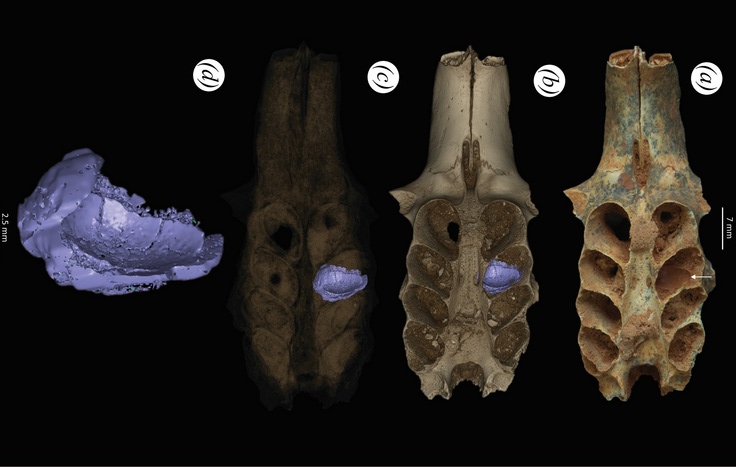
To better examine the potential insect nests present in the cave fossils, Dr. Viñola-López and his colleagues CT scanned the bones, X-raying the specimens from enough angles that they could produce 3D pictures of the compacted dirt inside the tooth sockets without destroying the fossils or disturbing the sediment.
The shapes and structures of the sediment looked just like the mud nests created by some bee species today. The researchers believe that the bees mixed their saliva with dirt to make tiny individual nests for their eggs.
“It’s possible that they belonged to a species that’s still alive today—there’s very little known about the ecology of many of the bees on these islands,” he said. “But we know that a lot of the animals whose bones are preserved in the cave are now extinct, so the bees that created these nests might be from a species that has died out.”
Viñola-López said it’s a perfect example of how bees can surprise you.
“Even if you’re looking primarily for fossils of larger, vertebrate animals, you should keep an eye out for trace fossils that can tell you about invertebrates like insects. Knowing about insects can tell you a lot about a whole ecosystem, so you have to pay attention to that part of the story.”
SHARE This Hidden Wonder Of Extinct Ecology, Rescued, And Revealed…
A mock-up design of Samsung SDI's solid-state battery - credit, Samsung, released
A mock-up design of Samsung SDI’s solid-state battery – credit, Samsung, released
In late October, Samsung announced that it was preparing to take its long-anticipated solid-state batteries to market with a trilateral agreement between itself, BMW, and American battery expert Solid Power.
It was January of last year that industry outlets began to get some of the promises that all-solid-state batteries (ASSBs) developed by Samsung SDI would bring. With an energy density of 500 watt-hours per kilogram, they’re twice as dense as conventional lithium-ion batteries.
Samsung claimed they were smaller, lighter, and safer, capable of driving 600 miles, and charging within 9 minutes. Typically, a lithium-ion battery pack in a modern EV charges from 10% to 80% in around 45 minutes, and has a limit of around 300 miles of range.
“Samsung SDI’s preparations for mass-producing next-generation products of various form factors such as an all-solid-state battery are well underway as we are set to lead the global battery market with our unrivaled ‘super-gap’ technology,” said Samsung SDI CEO Yoon-ho Choi.
ASSB cells use solid electrolyte instead of liquid electrolyte found in a lithium-ion battery. They offer superior safety, as they aren’t flammable, and last for 20 years, or 2,000 charge-discharges, equating to 1.2 million miles.
Under the trilateral agreement, Samsung will supply ASSB cells featuring the solid electrolyte developed by Solid Power to the German automotive group BMW, which will then develop modules and packs for ASSB cells to fit into their next-generation evaluation vehicles, expected in late 2026.
Metal Tech News reported in January that ASSBs will also debut in some smaller Samsung devices during 2026, including the Galaxy Ring fitness tracker, as a way of testing the new power supplies in the real world before incorporating them into smartphones, laptops, and other devices.
Samsung’s ASSBs use a silver-carbon layer as the anode and a nickel-manganese-cobalt material for the cathode. Silver is not only the most electrically conductive metal available, it’s also substantially more plentiful in the Earth’s crust than lithium.
SHARE This Revolutionary Technology That’s Right Around The Corner…
Vandalur Lake in Chennai before EFI restored it (top) and after (bottom) - credit, EFI, taken as screengrabs.
Vandalur Lake in Chennai before EFI restored it (top) and after (bottom) – credit, EFI, taken as screengrabs.
Recently, an Indian environmentalist and editor was invited to share his incredible work restoring hundreds of natural and man-made water sources all across India with a unique style of landscape engineering.
His nonprofit has cleaned and reshaped more than 600 bodies of water either to a state of nature or to a clean and functioning source for human use.
Often incorporating letters and designs made of soil in the middle of reservoirs, ponds, and spillways, their unnatural shapes fulfil very natural processes like cycling water to prevent stagnation and offering birds firm ground to nest on.
The Environmentalist Foundation of India (EFI) works hard to help water sources big or small, natural or manmade, not only because they often bear the brunt of India’s pollution problem, but because for millennia, water has been a sacred embodiment of spiritual and physical energy for the subcontinent and her people.
It’s easy to convince a nation which worships a river that all water is sacred—necessary to sustain the country’s huge population, rich agriculture, and priceless wildlands.
“Water and nature worship has been an integral part of our cultural evolution,” EFI’s founder, Arun Krishnamurthy, tells CNN.
“We understood that without water, there’s no life. For us, water is God, and water means energy, and thanking water is what most and all celebrations are about.”
EFI has successfully cleaned and restored nearly 75 water bodies just in and around Chennai, the capital of Tamil Nadu—1 of 19 Indian states EFI has worked in.
Their work incorporates a number of landscape engineering methods, like shallow-shored embankments to allow animals to easily descend to the river to drink without causing erosion. Recharge boxes are short innocuous pits dug into the landscape surrounding the water body to catch and funnel rainwater into the underground water table.
Islands are a common feature in the restored water bodies, many of which are shaped like the letter G, or like the constellation Pisces, or as a island surrounded by a moat upon an island in a lake. These attract nesting birds and help channel water from different sectors of the lake, which not only helps to oxygenate the water but prevent it from becoming too stagnant.
“How was the embankment laid? Where was the palm tree planted? How was the canal cut?” Krishnamurthy said, explaining how many of the strategies were taken from their ancestors’ designs. “So taking lessons from the past, adapting it to the present-day challenges is what we are implementing.”
Many of the restoration projects involve the clearing of both waterborne and bankside weeds, which often clump up in horrendous tangles that require hydraulic excavators. Desilting—the removal of the layers of topsoil and dust runoff from nearby roads and agricultural fields comes next, before a double embankment is dug and native vegetation planted around the water body.
This was how the 76-acre Vandalur Lake along the southern beltway road of the Chennai metropolis was restored to a natural paradise of green and blue. The layers of silt at the bottom led to a much lower water infiltration rate into the ground. This lack of water control saw flooding in the nearby towns, and because of the pollution in the lake, the floods brought many waterborne diseases.
That’s just one of 600 mini tragedies of the commons that EFI has helped relieve.
SHARE This Amazing Nonprofit Making A Huge Difference In The Lives Of Indians…
Bingham Canyon Mine in Utah, one of the world's largest mines, and supplier of half of US copper - Eric Prado Own work, CC BY-SA 4.0,
Bingham Canyon Mine in Utah, one of the world’s largest mines, and supplier of half of US copper – Eric Prado Own work, CC BY-SA 4.0,
Below the soil of a mining concession in Utah, a recent drill survey has discovered what might be North America’s largest-known deposit of so-called “critical minerals.”
Turning up evidence of elements like gallium, lithium, tungsten, and vanadium, the land is already permitted for mining, and extraction work would benefit from existing nearby infrastructure, an exploratory company executive said.
Also referred to as “rare-earth” minerals/elements or “battery metals,” these are periodic table bedfellows that power the highest forms of tech in society, from the computer chips capable of running large AI systems, to the magnets inside nuclear fusion reactors. They’re also critical for batteries in EVs and renewable energy systems like storage and solar panel.
Recently becoming all the rage in discussions about supply-chain independence, critical minerals are found all over the world, but only certain markets have spent the last 20-30 years investing in the infrastructure needed to extract and refine them at high levels.
Ionic Mineral Technologies—also known as Ionic MT—published the results of a drilling survey undertaken in their 4,000-acre Silicon Ridge project in Utah, finding substantial mineralization of a full spectrum of rare-earth elements.
That spectrum appears to be embedded in a geologic feature similar to the one which China has leveraged to become the world’s largest producer of several critical minerals—namely, a softer clay system from which the minerals are easier to extract than hard rock.
Andre Zeitoun, founder and CEO of Ionic MT, calls the discovery a “watershed moment” for America’s resource independence.
“For the first time, we have a domestic, shovel-ready source for a full spectrum of critical minerals, all extractable with a faster, cleaner process than traditional hard rock mining and extraction,” he said in a press release dated to December 12th.
Zeitoun expects a “rapid timeline to commercia production,” as the drill sites on Silicon Ridge sit just a few miles from the 74,000-square-foot processing facility in Provo, where the company is located and where the ores would be processed for sale.
Further, being that the land is already permitted for mining, the treasured wider Utah landscape would be under little additional threat, and existing infrastructure like roads, power lines, and water bodies are all present from previous operations.
The US has been expanding federal involvement in critical minerals under the current Administration, with trade agreements for cobalt and other elements signed with the Democratic Republic of the Congo in conjunction with an attempted peace negotiation between the country’s long-time warring factions.
Refinery capacity—concentrated enormously in China—is being subsidized, and even shares of certain mining operations have been directly purchased by various departments such as Commerce and Energy.
SHARE This Huge Step Towards Supply-Chain Independence In The USA…
Quote of the Day: “Civilization began the first time an angry person cast a word instead of a rock.” – Sigmund Freud
Image by: Timothy Eberly
With a new inspirational quote every day, atop the perfect photo—collected and archived on our Quote of the Day page—why not bookmark GNN.org for a daily uplift?