All News - Page 78 of 1695 - Good News Network
Home Blog Page 78

“Be brave enough to live life creatively. The creative place where no one else has been.” – Alan Alda

By Kseniya Lapteva

Quote of the Day: “Be brave enough to live life creatively. The creative place where no one else has been.” – Alan Alda

Photo by: Kseniya Lapteva

With a new inspirational quote every day, atop the perfect photo—collected and archived on our Quote of the Day page—why not bookmark GNN.org for a daily uplift?

By Kseniya Lapteva

Good News in History, May 6

Sheikh Zayed Al Nahyan (right) - public domain (Copy)

107 years ago today, Zayed bin Sultan Al Nahyan was born. He is called the Father of the Nation, and was indeed instrumental in several political hotpoints that culiminated in the foundation of the United Arab Emirates as a federation of 7 local ruling familes. If the best test of a leader is resisting the opportunity to seize total power, Zayed passed it—after the British announced suddenly in 1966 they were leaving the region to govern itself. READ more about this seminal figure in Arabian history… (1918)

NIH Funding Now Will Prioritize Research That Eschews Animal Testing to Push Innovation

Getty Images for Unsplash Plus

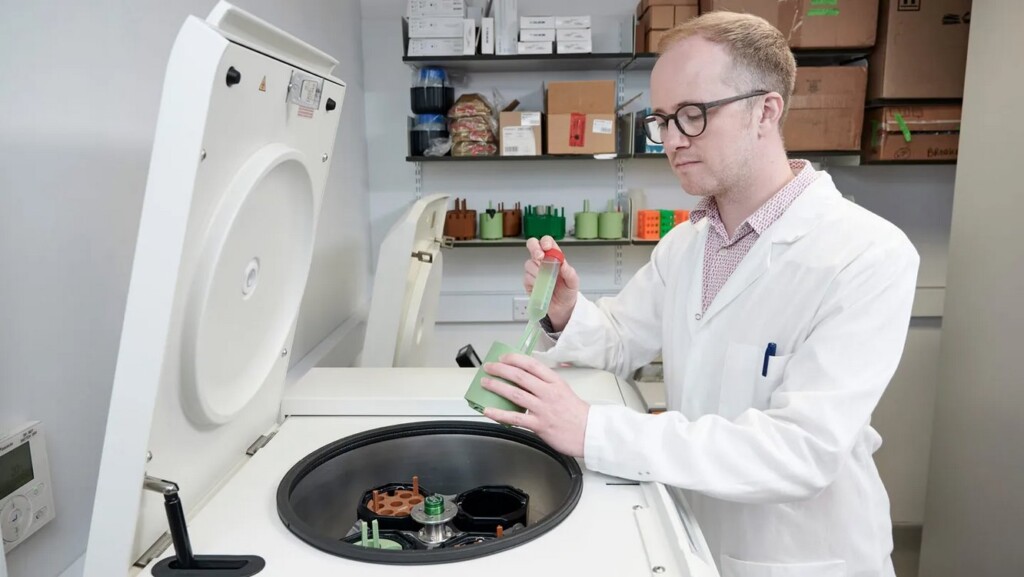
The National Institutes of Health recently announced that in order to improve the quality of science used in drug development, the agency would favor grant proposals that move away from animal testing.

The FDA, which had previously announced a similar change, described the decision as one that would move research towards using “a range of approaches, including AI-based computational models of toxicity and cell lines, and organoid toxicity testing in a laboratory setting.”

Despite the near-ubiquity of mouse models in scientific research, other animals, such as beagles and primates, are also used in drug trials that receive funding through NIH grants.

Under Director Jay Battacharya, the agency believes the decision will usher in “a new era of innovation.”

Some bodies of research have been inconclusive on the efficacy of translating the results of animal models to human diseases, such as Alzheimer’s disease and cancer, a statement from the NIH read.

These translational challenges to humans may be due to differences in anatomy, physiology, lifespan, and disease characteristics. While humans and animals may share genes, some studies have shown there could be functional differences between organ and body systems that may result in some translational limitations.

Indeed, many notably positive study results are delivered with a caveat that humans are different from mice.

To integrate innovative human-based science, the NIH intends to establish an Office of Research Innovation, Validation, and Application (ORIVA) within NIH’s Office of the Director. The new office will coordinate NIH-wide efforts to develop, validate, and scale the use of non-animal approaches across the agency’s biomedical research portfolio and “serve as a hub for interagency coordination and regulatory translation for public health protection,” the statement read.

NIH ON THE MARCH: NIH to Work with Food Companies to Get Harmful Synthetic Food Dyes, Approved for Decades, Out of US Grocery Stores

Animal rights advocates celebrate the decision

“An astonishing 90-95% of drugs that pass animal tests go on to fail in human clinical trials, driving up costs for drugs, harming millions of animals, and delivering too few tangible results for patients in life and death circumstances,” wrote Wayne Pacelle, President of Animal Wellness Action.

Pacelle lauded both the NIH and FDA decisions, claiming the consequences meant that perhaps in a few years, we’ll stop using millions of animals for testing. That includes thousands of primates and beagles every year.

NIH will also publicly report on research spending annually to measure progress toward reduction of funding for animal studies and an increase in funding for human-based approaches.

ANIMAL RIGHTS VICTORIES: Gucci to Go Fur-Free and Auction the Remaining Products to Benefit Animal Rights

FDA Commissioner Dr. Marty Makary was quoted in an agency release that the decision would be a “win-win for public health and ethics.”

“For too long, drug manufacturers have performed additional animal testing of drugs that have data in broad human use internationally. This initiative marks a paradigm shift in drug evaluation,” said Makary.

Makary too mentioned “human organ model-based lab testing” in the FDA release. This leverages the same techniques that allow companies to try to sell lab-grown meat to consumers—except growing semi-functioning organs that, when combined with technology, can provide a working replica of a human organ.

Such technologies have already been demonstrated—such as the Wyss Foundation’s “lung-on-a-chip” that combines modern tissue engineering with advanced microfabrication.

CHECK OUT: San Francisco Will Consider Ending All Prosecution of Psychedelic Drug Use

Similar to the Wyss Foundation, there are private sector enterprises already at work performing this kind of evaluative science. California’s Radicle Science sought to bring machine learning and crowdsourced data collection to provide gold standard-level rigor to real-world observations in order to help medicines and products without Big Pharma backing get the data they need for FDA-approval.

Susan J. Hewlings, Senior Vice President of Scientific Affairs at Radicle Science told GNN it was “exciting” to see NIH and FDA moving in the direction of collecting data that “only real-world methodologies can provide.”

“Our work has always centered on the belief that the most meaningful outcomes come from studying actual human experiences in real-life settings,” Hewlings told GNN.

“When regulatory agencies like the FDA and institutions like the NIH begin to embed that same philosophy into the future of research funding and guidance, it tells us we’re not just on the right path—we’re helping shape it.”

SHARE This Revolution In American Drug And Medicine Testing On Social Media…

Bystander Becomes ‘Lifesaver’ Leaping into Ocean When Bull Shark Bites Swimmer Off Deserted Beach

A bull shark in the Bahamas - public domain
A bull shark in the Bahamas – public domain

From Australia comes the story of a shark attack victim surviving to thank the man who saved her, face to face.

Blake Donaldson was enjoying Gunyah Beach in Bundeena, Australia, with his partner when he heard a shriek from 30 feet beyond the water’s edge.

Standing stock still in a pocket of red was 57-year-old Mangyon Zhang, though Donaldson couldn’t see it at the time.

A bull shark, one of three species that account for the majority of serious bites worldwide, had nibbled around 15 inches of Zhang’s leg, and though that would end up being the extent of the damage, she was “so scared.”

“I was so scared. I said, ‘Oh, what’s that?’ ” Zhang told 60 Minutes Australia. “And then I just saw… lots and lots of blood coming out, and the water just became too red and red and red. I was so scared by then.”

She didn’t want to alert the shark, and so she screamed for help to Donaldson, who was the only other person on the beach that day.

“I just [had] to jump in,” Donaldson told 60 Minutes. “The fight or flight kicks in, and I just made the decision, sure there could be a shark but my reaction was, ‘I just have to save this woman.’”

He succeeded, and once back on shore, Eileen Melchert, Blake’s partner, administered first aid. Paramedics would later describe Zhang as having lost a “catastrophic amount of blood,” and her consciousness did not hold up during the trip to the hospital as she passed through a field of “colors” thinking about her own loved ones.

ALSO CHECK OUT: Shark Attack App Uses AI to Forecast and Detect Risk for Swimmers at 89% Accuracy

But the bite was not fatal, and Zhang woke up to find that the surgeons had also saved her leg. While it’s difficult to know exactly how big the shark would have been just from the 15-inch scar, bull sharks have the most bite force in terms of pounds of pressure per square inch of any shark alive today.

MORE SHARK ATTACK SURVIVORS: After a Shark Attack Doctors Found a Tooth in His Arm–He Now Wears it as an Earring ‘Trophy’

After a month of recovery, Zhang and Donaldson were able to meet face-to-face through 60 Minutes. One is perhaps able to imagine the gratitude that the former lavished on the latter, who accepted, albeit reticently, that he was, perhaps, a hero.

19 of those 60 minutes were released by the series on YouTube, which you can watch below…

SHARE This Incredible Story Of Survival 

First Patient to Receive Gene Therapy ‘Cure’ for Beta-Thalassemia Living Pain-Free

Rahemeen Nabil - credit, Childrens Hospital of Philadelphia, released
Rahemeen Nabeel – credit, Childrens Hospital of Philadelphia, released

In 2020, GNN reported that CRISPR gene editing technology was being used to develop a medicine for beta-thalassemia, a genetically-inherited blood disorder.

Now though, another medicine—a ‘cure’—has already been used to treat a young girl, and more individuals are lined up for treatment.

Developed at the Children’s Hospital of Philadelphia (CHOP) and called Zynteglo, the medicine is much the same as other gene therapies that have arrived on the market: they use the patient’s own cells to create stem cells which can then be reprogrammed to take over for faulty genetic copies.

“To see a therapy like this move into being widely available for patients, this is why we do what we do,” said CHOP’s Dr. Timothy Olson, whose patient, 12-year-old Rahemeen Nabeel, boasts that she’s maybe “too energized.”

Energy, reports CBS, was something that was in short supply for Nabeel, who suffered from significant bouts of pain associated with her disease and required regular blood transfusions.

“So we took her to Paris, we took her to Italy, Rome, Switzerland, and then we took her to Turkey, Korea,” said Zainab Nabeel, the girl’s mother, who wouldn’t rest until some kind of effective treatment was found.

“It was a long, stressful journey, but we are really, really happy,” Zainab Nabeel said.

At CHOP, her daughter had to undergo chemotherapy for Zyntelgo to be successful, meaning yet more pain and the total loss of her hair.

But now on the other side, Dr. Olson has no problem saying Nabeel is cured. He has 17 other patients in various stages of treatment, and hopes he will be able to say the same for all of them.

CURING CHILDREN: 

Before CRISPR and Zynelgo, GNN reported that the only available cure for was a bone marrow transplant from a closely related donor, an option that is not available for the vast majority of patients because of difficulty locating matched donors, the cost, and the risk of complications.

Zynelgo, and many other similar treatments, use “Yamanaka factors” to transform normal cells into pluripotent stem cells, which hold the potential to become basically any cell in the body.

They are named after Shinya Yamanaka, the Nobel Prize-winning biologist who discovered them.

WATCH Rahemeen’s story below from CHOPS…

SHARE This Story Of Young Rahemeen And Her Road To A Cure… 

Perpetually-Smiling Endangered Amphibian Now Thrives in Artificial Wetlands in Mexico City

A captive-bred leucistic Axolotl - credit, LaDame Bucolique, via Pixabay
A captive-bred leucistic Axolotl – credit, LaDame Bucolique, via Pixabay

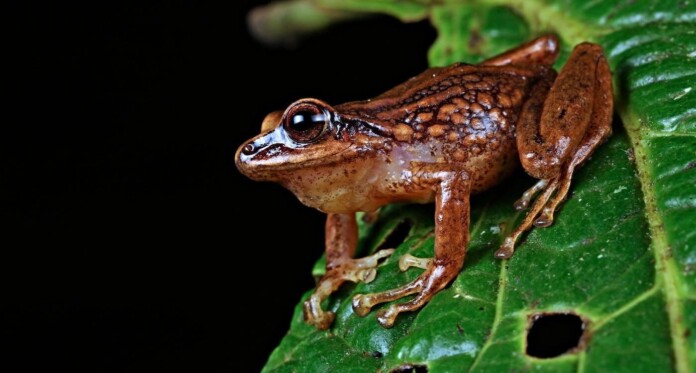
In Mexico, a captive-breeding program for one of the world’s most endangered amphibians has successfully released 18 individuals into a suitable habitat.

The scientists behind the project found that all 18 survived after being recaptured, and even gained weight and made friends with each other, offering hope that if enough habitat can be found, this wild and weird amphibian will take care of itself.

Latin America has many native and charismatic species that became endangered from poaching and habitat loss, but the axolotl suffered from a different history.

It was likely already endangered over 300 years ago, when the Spanish conquest of the Aztecs concluded and the lakes which underfed the area now called Mexico City were drained by the conquerors.

Those semi-underground lakes were the secret refuges of this bizarre salamander, which today is considered Critically-Endangered by the IUCN. That’s a slight exaggeration, though, because as one of the most fascinating species on Earth, the axolotl is found in thousands of aquariums around the world.

Like the octopus or platypus, there’s just nothing quite like the axolotl—which is perhaps why the Aztecs, who nonetheless ate them regularly, considered them the offspring of the fire god.

The axolotl displays a characteristic called “neoteny” in which the development of an organism from embryo to maturity is slowed and condensed, resulting in pedomorphism. They are also unusual among amphibians for reaching adulthood without any form of metamorphosis, such as in the case with frogs and toads.

Lastly, and perhaps most remarkably, the axolotl can regenerate any part of its body that it can lose without dying, and is the subject of scientific research to see if the ability could be harnessed for medicine.

But for Dr. Alejandra Ramos and Luis Zambrano, the scientists behind this recent reintroduction effort, the value is more intangible than future medicines: the axolotl is simply a Mexican symbol, an icon of the land and its heritage.

Dr. Ramos from the Autonomous University of Baja California told the BBC their trial produced an “amazing result”.

GOOD NEWS FROM MEXICO: No Alcohol, No Cover, No Judging: Inside Mexico City’s Free Dance Parties

“The amazing news is that they all survived, and not only that, but the ones that we recaptured had gained weight—so they’re hunting.”

The individuals were released into a mixture of artificially-created wetland, the remnant of historic Lake Xochimilco, and natural wetlands restored through a partnership with local farmers.

GOOD NEWS FOR AMPHIBIANS: Tiny ‘Frog Saunas’ Help Endangered Amphibians Fight off Fungal Disease

Mexico City is a megalopolis, and the murky waters of the five ancient and sacred spring-fed lakes where the axolotl live have a long road to recovery themselves. The scientists have showed though that if time is taken to provide even just a little help—they installed natural water filters in the artificial quarry wetland to clean the water—this little, perpetually-smiling fire god can continue on.

“If we can restore this [wetland] habitat and restore the axolotl’s population in a city of more than 20 million people,” Dr. Zambrano said BBC, “I feel that we have hope for humanity.”

SHARE This Great News In The Quest To Restore This Ancient Animal… 

“The miracle is that the honey is always there, right under your nose, only you were too busy searching elsewhere to realize it.” – Henry Miller

By Kai Hawes

Quote of the Day: “The miracle is that the honey is always there, right under your nose, only you were too busy searching elsewhere to realize it.” – Henry Miller

Photo by: Kai Hawes

With a new inspirational quote every day, atop the perfect photo—collected and archived on our Quote of the Day page—why not bookmark GNN.org for a daily uplift?

By Kai Hawes

Good News in History, May 5

Chanel No. 5 eau de parfum - credit, public domain, ARZ

104 years ago today, Coco Chanel debuted her “No. 5” perfume, as revolutionary a fashion-fragrance as was every made. Smelling unlike anything that until then had been sold, and hoping to appeal to the free-wheeling, flapper culture of the 1920s, the glass bottle, rather than appearing as an over-elaborate crystal vial, was inspired by a whiskey decanter. Andy Warhol chose to commemorate its iconic status in the mid-1980s with his pop art, silk-screened, Ads: ChanelREAD more about the famous fragrance… (1921)

Two Rare Albino Deer Spotted Together in Iowa–Like a Pair of Unicorns (Watch the Video)

Massimilla family video / SWNS

While driving through rural Iowa at dusk, Kurt Massimilla and his family experienced a once-in-a-lifetime wildlife encounter—spotting not one, but two rare albino deer.

The Dubuque-area residents witnessed a rare incident— with some estimates placing the odds of seeing two together at 1 in 400 million, said Kurt.

The sighting (see the video below) occurred five weeks ago as they were heading home from a birthday dinner for the family’s 13-year-old son.

“We were driving home just at dusk on this back road and all of a sudden, my wife was like, ‘Oh my God, an albino deer!’ Just the tone in her voice…she was like a giddy teenager,” the 56-year-old recalled.

“I actually saw it, and I thought it was like a white llama or something like that.

“So I put on the brakes and backed up, and there were two of them out in the field just hanging out,” he told SWNS news agency.

The genetic mutation that causes albinism in deer results in a lack of pigmentation, making them stand out starkly against their surroundings, so it’s illegal to hunt them in Iowa and other US states.

WILDLIFE KINDNESS FROM TEENS: Students Given $15,000 to Use AI to Prevent Deer From Running into Cars

Massimilla family video / SWNS

A pair were reportedly spotted elsewhere in the state previously in both 2020 and 2023 and estimates calculate that albinism occurs about once in every 30,000 deer births. Deer can also exhibit leucism, a condition that causes a lack of pigment, resulting in white patches or a fully white coat.

SWEET! LOOK:
Orphaned Deer Falls Head Over Hooves For Rescuer’s 11-Month-Old Daughter
Tiny ‘Mouse Deer’ Rediscovered in Vietnam After Being Lost to Science Since 1990
Daughter Surprises Her Deer–Loving Dying Mom With Visit from Bambi – Her Face Says It All

Kurt, who recently moved to Iowa from Arizona, has a deep appreciation for wildlife.

“We’re big wildlife enthusiasts, so it was kind of neat to see. We love seeing animals that you typically don’t see on the beaten trail.”

LISTEN to the excitement expressed in the car during their family video below…

SEND THE UNICORNS to Nature Lovers By Sharing on Social Media…

Preschool Teacher Spots Symptoms and Tells Parents, Leading to Child’s Early Diagnosis With Rare Disease

Hudson with pre-school teacher Twyla Pobuda

This week marks Teacher Appreciation Week, and we can’t think of a better role model than this preschool teacher who spotted a developmental quirk in a little boy who was then able to get early treatment for a serious and rare condition.

Every child is unique in terms of their development—but there are some milestones in childhood that, if delayed or missed, could be a warning sign of a deeper medical issue.

That was exactly the case for little boy named Hudson, whose parents consider his preschool teacher to be a blessing because she spotted a very early sign that Hudson might have a rare muscle disease.

The Arizona teacher noticed that he was not running as fast as the other children in class and – notably – was relying on something called the Gower’s maneuver to get himself up off the floor (a maneuver in which a person uses their arms to walk their body from a seated to standing position).

From her experience with other students Hudson’s age (3-4 years-old at the time), she knew that type of movement wasn’t normal and pulled Hudson’s parents aside to share her subtle observation with the advice that they should have him checked out by a specialist.

“Hudson would walk up to the classroom with a very large–gated, slow walk holding his mom’s or grandma’s hand for help,” recalled the Tucson-area teacher Twyla Pobuda.

“When getting up from the floor, sitting, or playing on the grass, he would have to get on all fours and push himself up with both of his hands, sometimes struggling to rotate his hips to a comfortable position to get up. Running was also hard for him to coordinate his muscle strength.”

“I decided that I needed to ask his mom if she had noticed any of these motor skill struggles at home. Little did we know or expect the diagnosis that was finally to come.”

A visit to a neurologist and subsequent testing led to the scary diagnosis: Duchenne muscular dystrophy, a muscle-wasting disease that affects a child’s ability to walk by the time they reached middle-school age.

“Mrs. Twyla is such a blessing to our family,” Hudson’s mom told GNN. “Without her I truly believe Hudson would have gone undiagnosed for a while and we would not have been able to receive early interventions.”

“We are forever grateful for her courage and her knowledge of preschoolers.”

Getting that early diagnosis proved invaluable because Duchenne is a progressive disease where muscle is lost every day. Twyla’s sharp eye ultimately enabled the boy in 2023 to become one of the first children in the country to receive Elevidys, the first and only FDA-approved gene therapy for Duchenne—giving the family hope for Hudson’s future.

“I truly believe that Mrs. Twyla was brought into our life for a specific reason, and she has changed the trajectory of Hudson’s life.”

MORE GOOD NEWS FOR DUCHENNE:
‘Wearable Muscles’ Restore Mobility in Those Who Have Trouble Moving Their Arms
Boy With Crippling ‘Suicide Disease’ Takes First Steps in a Year After Traveling to US for Pioneering Treatment

“Since we found out when Hudson was still fairly young, we were able to provide early intervention which is key to treating Duchenne… and he would not be doing as good as he is today.”

“Almost 4 years later, Hudson is able to enjoy his childhood, all because one teacher cared enough to make a difference.”

OVERCOMING MUSCULAR DYSTROPHY: The Steven Hawking of Drone-based Agriculture Overcomes Disability with Entrepreneurial Drive

Initially, the family had reported similar observations to their pediatrician, but he was not concerned—so they knew that something was off when they were approached by Mrs. Twyla, who now considers the outcome to be a bit of a miracle.

“I was relieved to have an answer,” she told GNN. “There surely was more to the plan for Hudson’s life and that was nothing but a miracle!

“It takes one voice of concern to make a difference and each child deserves that.”

HONOR YOUR FAVORITE TEACHERS By Sharing The Inspiration on Social Media…

Conductor with Parkinson’s Gets Brain Stimulation Device to Stop Shakes so He Can Lead Orchestra Once Again

Rand Laycock conducting orchestra – Courtesy of Cleveland Clinic

An Ohio music conductor dealing with Parkinson’s disease was fitted with a ‘pacemaker for the brain’ allowing him to control his tremors and lead his orchestra once again.

Rand Laycock was diagnosed with Parkinson’s just before his 60th birthday, after going to his doctor with a twitch in his thumb.

Rand’s symptoms progressed over the years and he started to experience a tremor in his right hand, which became more noticeable if he had a looming deadline with his 100 piece orchestra.

Unable to control his shaking with medications alone, Rand learned about deep brain stimulation (DBS) at the Cleveland Clinic, and underwent surgery last year to insert the stimulation leads and battery—and now his tremor has nearly disappeared.

“My tremor is almost all gone, except if I experience extreme anxiety or stress,” the conductor said in a media release. “And my dyskinesia is pretty well under control.” (See the remarkable difference in the video below…)

“When I was diagnosed 11 years ago, my doctor at the time told me this wasn’t a death sentence, and there would be advancements over the next few years to help with my treatment. And here I am today with adaptive deep brain stimulation – something we didn’t even know about at the time,” says Rand of Olmsted Falls, Ohio.

ALSO CHECK OUT: Man Living with Tremors for 30 Years Is Cured by Ultrasound Beam Paid by Medicare: ‘It’s unbelievable!’

“I know the thought of brain surgery can be intimidating, but it’s a life-changing procedure that allows you to become your own self again.”

Rand Laycock after surgery – Courtesy of Cleveland Clinic

Dr. Michal Gostkowski, DO, a neurologist at Cleveland Clinic explained that DBS involves implanting a device to deliver electrical currents to specific parts of the brain that control movement, which helps to modulate the abnormal brain signals caused by Parkinson’s.

He first underwent operations to insert the stimulation leads and implant the stimulator battery before having the device activated by programmer Erica Hennigs.

She explained, “When it comes to programming the device, we try different settings at first. We then adjust those during follow-up visits as we learn more about how his symptoms are being controlled.”

Rand saw success with DBS for nearly a year, and then he learned about a new advancement called adaptive deep brain stimulation (aDBS).

Although not everyone with DBS needs this adaptive technology, Rand was a good candidate for it because his symptoms fluctuated throughout the day.

MORE SUCCESS WITH PARKINSON’S:
Severe Shaking in Parkinson’s Patient Calms Down in Just 6 Days With New Drug –Watch the Transformation
This is the Gene That Could Prevent Parkinson’s Disease

Since his overall experience with DBS had been positive, Rand was eager to try the new adaptive technology.

“It sounded like it would make my life simpler – not having to worry about adjusting my device settings and medications as frequently.”

Erica confirmed that fine-tuning with aDBS would reduce the risk of him experiencing tremors if his medication were to wear off in the middle of a concert or performance.

AMAZING: Boy Invents Smart Spoon for His Uncle’s Trembling Hands that Is Affordable in India

In March, Rand started using aDBS and now his tremor is almost gone—and he looks forward to his 47th year of conducting.

“My symptoms are minimal compared to the way they were and a lot of that is due to the adaptive deep brain stimulation.”

WATCH the video from the Cleveland Clinic…

SHAKE UP EXPECTATIONS FOR PARKINSON’S By Sharing This On Social Media…

The Science of How Your Brain Forms Habits (and How to Take Control)

Dr. Tracey Marks YouTube video on the brain

The Lesson: Ever wonder why some habits stick so easily while others are nearly impossible to change? This video explains how your brain forms habits through a process called the habit loop—and how you can use that same process to change your behavior. You’ll learn the science behind automatic routines, why willpower isn’t enough, and practical strategies to build better habits that support your mental resilience.

Notable Excerpt: “Your brain doesn’t distinguish between good habits and bad habits. The process is exactly the same whether you habitually drink water all day or reach for a cigarette when you’re feeling stressed… It explains why certain habits—especially those involving dopamine-rich rewards like eating sweets—can be so hard to break. The reinforcement from dopamine (‘the pleasure chemical’) is why willpower alone is not enough to change your habits. One of the biggest insights from habit research is that habits are not eliminated—they are replaced… You need to swap it out for a better alternative, one that still gives your brain a sense of reward.” (She provides good examples of alternatives in the video.)

The Host: Dr. Tracey Marks is a psychiatrist with over 20 years of experience. She empowers people to take control of their mental health by understanding the mind-brain connection and how it is key to building resilience. She explores mental practices that influence your brain—and the neuroscience behind these practices, showing you how to optimize your brain for a fulfilling life.

The YouTube channel: Dr. Marks has over 2 million subscribers on her YouTube channel where viewers can find playlists featuring videos about depression, anxiety, bipolar disorder, willpower, sleep, and self esteem.

Books by Dr. Marks: Why Am I So Anxious?: Powerful Tools for Recognizing Anxiety and Restoring Your PeaceAND Master Your Sleep: Proven Methods Simplified

PASS On The Wisdom to Folks Trying to Kick Habits–SHARE This on Social Media…

“Nature is often hidden, sometimes overcome, but seldom extinguished.” – Francis Bacon (The same is true for ‘human nature’)

Quote of the Day: “Nature is often hidden, sometimes overcome, seldom extinguished.” – Francis Bacon (The same goes for human nature!)

Photo by: Morgane Le Breton

With a new inspirational quote every day, atop the perfect photo—collected and archived on our Quote of the Day page—why not bookmark GNN.org for a daily uplift?


Good News in History, May 4

The Natural Bridge, Virginia - Frederic Edwin Church in his 40s - Google Art Project, public domain

199 years ago today, Frederic Edwin Church, one of the foremost painters in the American landscape movement known as the Hudson River School, was born. His absolutely stunning depictions of North and South American wilderness put an emphasis on realistic detail, dramatic light, and panoramic views. In his pomp, Church was the most famous painter in New York City, and a wonderful selection of his works can be seen today at the National Gallery in Washington DC SEE some and read more about his life… (1826)

Pollen Replacement Food for Honey Bees Brings New Hope for Struggling Colonies and the Crops They Support

Beekeeper inspects hive with new bee food – Photo credit: College of Agricultural, Human, and Natural Resource Sciences, WSU

Scientists have unveiled a new food source designed to sustain honey bee colonies indefinitely without natural pollen.

The research from Washington State University and APIX Biosciences in Belgium details successful trials where nutritionally stressed colonies, deployed for commercial crop pollination in Washington state, thrived on the new food source.

The innovation resembles human “Power Bars” and contains all the nutrients honey bees need. It’s expected to become a potent strategy for combating the rate of colony collapse and safeguarding global farm crops that depend on bee pollination.

Placed directly into honey bee colonies where young bees process and distribute the essential nutrients to the larvae and adult bees, the breakthrough addresses the growing challenge of lack of adequate nutrition in their environment.

“Changes in land use, urban expansion, and extreme weather all negatively impact nutrition for honey bees and other pollinators,” Brandon Hopkins, WSU Professor of Pollinator Ecology, explained in a media release.

“Honey bees are generalists and do not get all their nutrition from a single source. They need variety in their diet to survive but find it increasingly difficult to find the continuous supply of pollen they need to sustain the colony.”

“Until this study, honey bees were the only livestock that could not be maintained on a man-made feed,” said Dr. Patrick Pilkington, CEO of APIX Biosciences US.

“The reported scientific work shows in commercial field conditions that providing nutritionally stressed colonies with our pollen-replacing feed results in a major measurable step change in colony health compared to current best practices. Our product has the potential to change the way honey bees are managed.”

POPULAR BUZZ: A Country of 2 Million is the World Leader in Beekeeping and Protecting Pollinators

‘Herculean’ effort by 3 teams

WSU Professor Brandon Hopkins places the newly developed bee food into a hive – Credit: College of Agricultural, Human, and Natural Resource Sciences, WSU

The research, published this month in the journal Proceedings of the Royal Society B, is a culmination of over a decade of work involving extensive collaboration.

“The newly published work is the result of a herculean scientific effort of three teams,” said Thierry Bogaert, lead author and chairman of APIX Biosciences.

“First, the founders and scientists of APIX Biosciences who tested thousands of combinations of ingredients on honey bees over more than 10 years to create this feed. Second, the WSU team with leading honey bee and field expertise, and, third, leading beekeepers in California together with extension teams. They made large scale and science-based field testing of feeds possible.” (Paper co-author Anne Marie Fauvel managed that third aspect.)

A critical discovery within the research is the role of isofucosterol, a molecule found naturally in pollen that acts as a vital nutrient for honey bees. Colonies fed with the isofucosterol-enriched food survived an entire season without pollen access, while those without it experienced severe declines, including reduced larval production, adult paralysis, and colony collapse. The new feed also contains a comprehensive blend of the other nutrients honey bees require.

To validate the efficacy of the new food source under real-world conditions, WSU conducted field trials with nutritionally stressed colonies in blueberry and sunflower fields, both known for poor pollen quality for bees. Compared to colonies receiving standard commercial feed or no supplementation, those fed the new food source thrived, demonstrating increased survival and colony growth.

MORE GOOD NEWS FOR BEES:
Bumblebees Increase by More than 100x in ‘Remarkable’ Scotland Rewilding Project–From 35 Bees to over 4,000
Beekeeper Finds Grandfather’s Long-Lost Hives Thriving in Quarry–and Turns Them into a Colony of Millions
California Governor Signs Law to Help Protect Pollinators From Toxic Pesticides
World’s First Vaccine for Declining Honeybees Approved By the US for Conditional Use

“Some beekeepers don’t pollinate blueberries anymore because colonies suffer or die and the pollination fees don’t cover the losses,” said WSU Prof. Hopkins, a co-author of the paper.

“Blueberry pollen isn’t very nutritious for honey bees, and they aren’t adapted well to pollinating that crop. But if they have this supplemental food source, beekeepers may return to pollinating those fields since they know their bees are more likely to survive.”

Pilkington summarized the team’s optimism saying they are working with the beekeeping community across the U.S. to develop the best way to make use of this new tool in agricultural settings.

“We are confident that the product will positively impact beekeepers and growers once it’s available to purchase in the U.S., which is targeted for mid-2026.”

CREATE A POSITIVE BUZZ By Sharing The Bee Breakthrough on Social Media…

Woman Hires Private Detective and Finds 2 Long-Lost Sisters After 44 Years and the Death of Adoptive Parents

Magda Berg with her two sisters Beata and Daria -via SWNS

An adopted woman met her two sisters for the first time in 44 years—after hiring a private detective to track down her birth family.

Magda Berg hired the detective after her own 20-year search hit a dead end. She paid $1,300 and had the names and addresses of her family members four months later.

The 44-year old and mother-of-one was able to meet her birth mother and discovered she had three half siblings, including two sisters. Now she feels a “real sense of family”.

“My sisters and I connected straight away, it was amazing,” said the receptionist from Buckinghamshire, England, who now has regular contact with Beata and Daria, both in their early 40s. “I am very, very happy.

“We have a lot in common. We all talk about life in the same way, like we were raised together, and we’re able to finish each others’ sentences.

“I now have that real sense of family that I had been missing.

Magda grew up in Poland and was told that she was adopted as a baby. She moved to the UK in 2005 but all she knew about her birth mom was her name, the village where she gave birth, and the location of the convent where she had been left.

Magda Berg as a child – via SWNS

She started to feel curious about her birth family at age 18 after her adoptive parents were killed in a car crash. However, the convent where she’d been left as an infant had closed and she couldn’t find out any more information about her origins.

A change in Polish law meant she could request her original birth certificate in January 2018, so she was able to discover her birth mother’s maiden name and the town she had lived in.

AMAZING: Two Sisters Put Up for Adoption at End of WWII Finally Reunite After 75 Years Apart

After struggling to get any further, Magda decided to hire a private detective who discovered the name and address for her mum and revealed she had three half siblings: two sisters and a brother.

The detective sent two letters of introduction to her birth mother on Magda’s behalf but got no answer. Then, Magda’s half sister Beata found one of the letters and contacted the detective and arranged to meet Magda.

They met up in a restaurant when Magda was on holiday in Warsaw just after Christmas.

“It was like meeting my other half,” Magda told SWNS news agency. “We talked like we’d known each other our whole lives.”

A year later Magda’s mother finally agreed to meet her in a café, and revealed that she was 20-years-old and unmarried when she became pregnant with Magda. She later married a different man, with whom she had the other three children.

A WILD DISCOVERY: Bakery Owner Discovers Her Longtime Customer Is Her Biological Son

Magda now also has a young niece who calls her ‘my auntie in the UK’.

Magda Berg with her sister – via SWNS

The three sisters get together twice a year and send long messages every month.

“It’s so lovely to have Daria and Beata. We look quite alike, and we all like reading, sight seeing, and going to the forest. I share interests with them that I did not share with my adoptive parents.

SWEET SOCIAL MEDIA SURPRISE: Woman Looking for Birth Parents Learns That Dad Was a ‘Friend’ on Facebook

“I have a whole new sense of belonging. We really love each other. I’ve never had such a great relationship.”

“It’s funny because I now talk about ‘my sisters,’ and when I hear myself say it I’m still really surprised.”

INSPIRE SOMEONE ELSE’S SEARCH By Sharing the Story On Social Media…

Revolutionary Antidote Neutralizes Venom of 19 of World’s Deadliest Snakes–Thanks to Man Who Immunized Himself

Credit - Glanville et al via Cell Press-CC BY-SA
Credit – Glanville et al via Cell Press-CC BY-SA

A revolutionary new antidote neutralizes the venom of 19 of the world’s deadliest snakes, including the black mamba, king cobra, and tiger snakes.

Researchers used antibodies from a human donor with a “hyper-immunity” to snake venom to develop the most broadly effective antivenom to date.

It combines protective antibodies and a small molecule inhibitor and opens a path toward a universal antiserum, according to new research.

How antivenom is made has not changed much over the previous 100 years. It usually involves immunizing horses or sheep with venom from single snake species and collecting the antibodies produced.

While effective, scientists say the process can result in adverse reactions to the non-human antibodies, and treatments tend to be region-specific and only for one species.

While exploring ways to improve the process, American researchers came across someone named Tim Friede who had self-induced a hyper-immunity in himself to the effects of snake neurotoxins.

“The donor, for a period of nearly 18 years, had undertaken hundreds of bites and self-immunizations with escalating doses from 16 species of very lethal snakes that would normally kill a horse,” said study first author Dr. Jacob Glanville, CEO of Centivax Inc, based in California.

After Friede agreed to participate in the study, researchers found that by exposing himself to the venom of various snakes over several years, he had generated antibodies that were effective against several snake neurotoxins at once.

“What was exciting about the donor was his once-in-a-lifetime unique immune history,” said Dr. Glanville in a media release.

“Not only did he potentially create these broadly neutralizing antibodies, it could give rise to a broad-spectrum or universal antivenom.”

LOOK: Animal New to Science is Named After Indiana Jones, ‘Why Did it Have to be Snakes!’ – Tachymenoides Harrisonfordi

To build the antivenom, the research team first created a testing panel with 19 of the World Health Organization’s category 1 and 2 deadliest snakes, a group which contains roughly half of all venomous species, including coral snakes, mambas, cobras, taipans, and kraits.

Western green mamba (Dendroaspis viridis) by Jon Sullivan, Phototeria Free photos – CC license

The researchers then isolated target antibodies from the donor’s blood that reacted with neurotoxins found within the snake species tested.

One by one, the antibodies were tested in mice envenomed from each species included in the panel.

Using that method, scientists could systematically build a “cocktail” comprising a minimum but sufficient number of components to render all the venoms ineffective.

The research team formulated a mixture comprising three major components: two antibodies isolated from the donor and a small molecule.

WOW, LOOK: ‘Fantastic Grandmas’ Have Been Spending Retirement Photographing Venomous Sea Snakes for Science

The first donor antibody, called LNX-D09, protected mice from a lethal dose of whole venom from six of the snake species. To strengthen the antiserum further, the researchers added the small molecule varespladib, a known toxin inhibitor, which granted protection against an additional three species.

Finally, they added a second antibody isolated from the donor, called SNX-B03, which extended protection across the full panel.

“By the time we reached three components, we had a dramatically unparalleled breadth of full protection for 13 of the 19 species and then partial protection for the remaining that we looked at,” explained Glanville. “We were looking down at our list and thought, ‘what’s that fourth agent?’ And if we could neutralize that, do we get further protection?”

SOCIAL MEDIA SCIENCE: Snake Photo Posted on Instagram Leads to Discovery of New Species From the Himalayas

Even without a fourth agent, he says the results suggest that the three-part cocktail could be effective against many other, if not most, snakes not tested in the study.

Since the antivenom cocktail proved effective in mouse models, the team is now looking to test its efficacy out in the field, beginning by providing the antivenom to dogs brought into veterinary clinics for snake bites in Australia.

The researchers also want to develop an antivenom targeting the other major snake family, vipers, to fully cover the more than a million snake bites annually worldwide.

The lead author of the study published in the journal Cell, Professor Peter Kwong of Columbia University, said: “We’re turning the crank now, setting up reagents to go through this iterative process of saying what’s the minimum sufficient cocktail to provide broad protection against venom from the viperids.”

“The final contemplated product would be a single, pan-antivenom cocktail or we potentially would make two: one that is for the elapids and another that is for the viperids because some areas of the world only have one or the other.”

ANOTHER NEW CURE: 13-year-old Successfully Undergoes World-First Treatment to Cure Rarer-Than-Rare Wild Syndrome

The other major goal of the team—which was funded by the National Institute of Allergy and Infectious Diseases of the National Institutes of Health, the National Institutes of Health Small Business Innovation Research program, and the US Department of Energy—is to approach foundations, governments, and pharmaceutical firms to support the manufacturing and clinical development of the broad-spectrum antivenom.

SLITHER THIS GOOD NEWS To Adventure-Seeking Friends On Social Media…

Your Weekly Horoscope – ‘Free Will Astrology’ by Rob Brezsny

Our partner Rob Brezsny, who has a new book out, Astrology Is Real: Revelations from My Life as an Oracle, provides his weekly wisdom to enlighten our thinking and motivate our mood. Rob’s Free Will Astrology, is a syndicated weekly column appearing in over a hundred publications. He is also the author of Pronoia Is the Antidote for Paranoia: How All of Creation Is Conspiring To Shower You with Blessings. (A free preview of the book is available here.)

Here is your weekly horoscope…

FREE WILL ASTROLOGY – Week of May 3, 2025
Copyright by Rob Brezsny, FreeWillAstrology.com
TAURUS (April 20-May 20):
Taurus author Nellie Bly (1864–1922) was a daring trailblazer. It was almost impossible for a woman to be a journalist in the 19th century, but she did it anyway. One of her sensational groundbreaking stories came when she did an undercover assignment in New York’s Women’s Lunatic Asylum. Her reporting on the neglect and brutality there prompted major reforms. I nominate Bly as your role model for the foreseeable future. You are, I believe, poised for epic, even heroic adventures, in service to a greater good. (PS: Bly also made a solo trip around the world and wrote 15 books.)

GEMINI (May 21-June 20):
Gemini painter Henri Rousseau (1844–1910) never saw a jungle in person. In fact, he never left his native country of France. But he painted some of modern art’s most vivid jungle scenes. How did that happen? Well, he visited zoos and botanical gardens, perused images of tropical forests in books, and heard stories from soldiers who had visited jungles abroad. But mostly, he had a flourishing imagination that he treated with reverent respect. I urge you to follow his lead, Gemini. Through the joyful, extravagant power of your imagination, get the inspiration and education you need. The next three weeks will be prime time to do so.

CANCER (June 21-July 22):
No, ruby-throated hummingbirds don’t hitch rides on airplanes or the backs of geese. They make their epic migrations completely under their own power. To get to their wintering grounds, many fly alone from the southern United States to the Yucatan Peninsula, crossing the 500-mile expanse of the Gulf of Mexico in 20 hours. I don’t recommend you attempt heroic feats like theirs in the coming weeks, Cancerian. More than usual, you need and deserve to call on support and help. Don’t be shy about getting the exact boosts you require. It’s time to harvest the favors you are owed and to be specific in articulating your wishes.

LEO (July 23-Aug. 22):
The golden pheasant is dazzling. Among the bright colors that appear in its plumage are gold, red, orange, yellow, blue, black, green, cinnamon, and chestnut. In accordance with astrological omens, I name this charismatic bird to be your spirit creature for the coming weeks. Feel free to embrace your inner golden pheasant and express it vividly wherever you go. This is a perfect time to boldly showcase your beauty and magnificence, even as you fully display your talents and assets. I brazenly predict that your enthusiastic expression of self-love will be a good influence on almost everyone you encounter.

VIRGO (Aug. 23-Sept. 22):
Virgo poet and visual artist Dorothea Tanning (1910–2012) had a few mottoes that endlessly nurtured her abundant creative output. Here’s one: “Keep your eye on your inner world and keep away from ads, idiots, and movie stars.” As excellent as that advice is, it’s a challenge to follow it all the time. If we want to function effectively, we can’t always be focused on our inner worlds. However, I do believe you are now in a phase when you’re wise to heed her counsel more than usual. Your soul’s depths have a lot to teach you. Your deep intuition is full of useful revelations. Don’t get distracted from them by listening too much to ads, idiots, and celebrities.

LIBRA (Sept. 23-Oct. 22):
Ribonucleic acid (RNA) is essential for the functioning of your body and every other animal’s. It carries instructions about how to build proteins, and your cells are full of it. We humans can’t edit this magic substance, but octopuses can. They do it on the fly, enabling them to adapt quickly to changing environmental conditions. Even though you Libras can’t match their amazing power with RNA, you do have a substantial capacity to rewrite your plans and adjust your mindset. And this talent of yours will be especially available to you in the coming weeks. Your flexibility and adaptability will not only help you navigate surprises but may also open up exciting new opportunities.

SCORPIO (Oct. 23-Nov. 21):
Is there a sanctuary you can retreat to? A relaxing oasis where you can slip away from the world’s colorful madness? I would love for you to be bold enough to seek the precise healing you need. You have every right to escape the rotting status quo and give yourself full permission to hide from pressure, demands, and expectations. Is there music that brings you deep consolation? Are there books and teachers that activate your profound soul wisdom? Keep that good stuff nearby. It’s time for focused relief and regeneration.

SAGITTARIUS (Nov. 22-Dec. 21):
The chemical element known as arsenic is notoriously toxic for humans, but has long been useful in small amounts. Ancient Chinese metallurgists discovered that blending it with copper and tin made the finest, strongest bronze. In modern times, arsenic fortifies the lead in car batteries. People in the 19th century sometimes ingested tiny doses as a stimulant. In this spirit, Sagittarius, I invite you to transform potentially challenging elements in your life into sources of strength. Can you find ways to incorporate iffy factors instead of eliminating them? I assure you that you have the power to recognize value in things others may neglect or reject.

CAPRICORN (Dec. 22-Jan. 19):
Renowned Capricorn author Henry Miller (1891–1980) had to wait far too long before getting readers in his home country, the United States. American censors regarded his explosive texts as too racy and sexy. They forbade the publication of his books until he was 69 years old! His spirit was forever resolute and uncrushable, though. In accordance with astrological omens, Capricorn, I recommend you adopt his counsel on the subject of wonders and marvels. Miller wrote, “The miracle is that the honey is always there, right under your nose, only you were too busy searching elsewhere to realize it.” Here’s another gem from Miller: He advised us “to make the miracle more and more miraculous, to swear allegiance to nothing, but live only miraculously, think only miraculously, die miraculously.”

AQUARIUS (Jan. 20-Feb. 18):
For now, everything depends on your foundation, your roots, and your support system. If I were you, I would devote myself to nurturing them. Please note that you’re not in any jeopardy. I don’t foresee strains or tremors. But your graduation to your next set of interesting challenges will require you to be snugly stable, secure, and steady. This is one time when being thoroughly ensconced in your comfort zone is a beautiful asset, not a detriment to be transcended.

PISCES (Feb. 19-March 20):
The coming weeks are a favorable time for you to build symbolic bridges. I hope you will link resources that aren’t yet linked. I hope you will work to connect people whose merger would help you, and I hope you will begin planning to move from where you are now to the next chapter of your life. I advise you to not model your metaphorical bridges after modern steel suspension bridges, though. Instead, be inspired by the flexible, natural, and intimate bridges made by the ancient Incas. Woven from ichu grass via community efforts, they were strong enough to span rivers and canyons in the Andes mountains.

ARIES (March 21-April 19):
To create microgardens, you plant vegetables and herbs in small containers placed on your porch, balcony, window sills, and kitchen counter. Lettuce, peas, spinach, and basil might be among your small bounties. I encourage you to use this practice as a main metaphor in the coming weeks. In other words, gravitate away from huge, expansive visions, and instead work creatively within existing constraints. For now, at least, “less is more” should be your operative motto. Meditate on how apparent limitations might lead to inviting innovations. Seek out abundance in unlikely places.

WANT MORE? Listen to Rob’s EXPANDED AUDIO HOROSCOPES, 4-5 minute meditations on the current state of your destiny — or subscribe to his unique daily text message service at: RealAstrology.com

(Zodiac images by Numerologysign.com, CC license)

SHARE The Wisdom With Friends Who Are Stars in Your Life on Social Media…

“A baby is born with a need to be loved… and never outgrows it.” – Frank Clark
By leg Sergeichik @kpebedko_o

Quote of the Day: “A baby is born with a need to be loved… and never outgrows it.” – Frank A. Clark

Photo by: By Oleg Sergeichik @kpebedko_o

With a new inspirational quote every day, atop the perfect photo—collected and archived on our Quote of the Day page—why not bookmark GNN.org for a daily uplift?

By leg Sergeichik @kpebedko_o

Good News in History, May 3

Rescue on the Pit River Bridge, Virginia Schau, public domain

72 years ago today, two men were rescued from a semitrailer that crashed over the side of the Pit River Bridge before it fell into the Sacramento River. At the same time, amateur photographer Virginia Schau photographed the effort and won the Pulitzer Prize for Photography as a result. She became the first woman to win the award. She captured the photo with a Kodak brownie. READ more… (1953)