













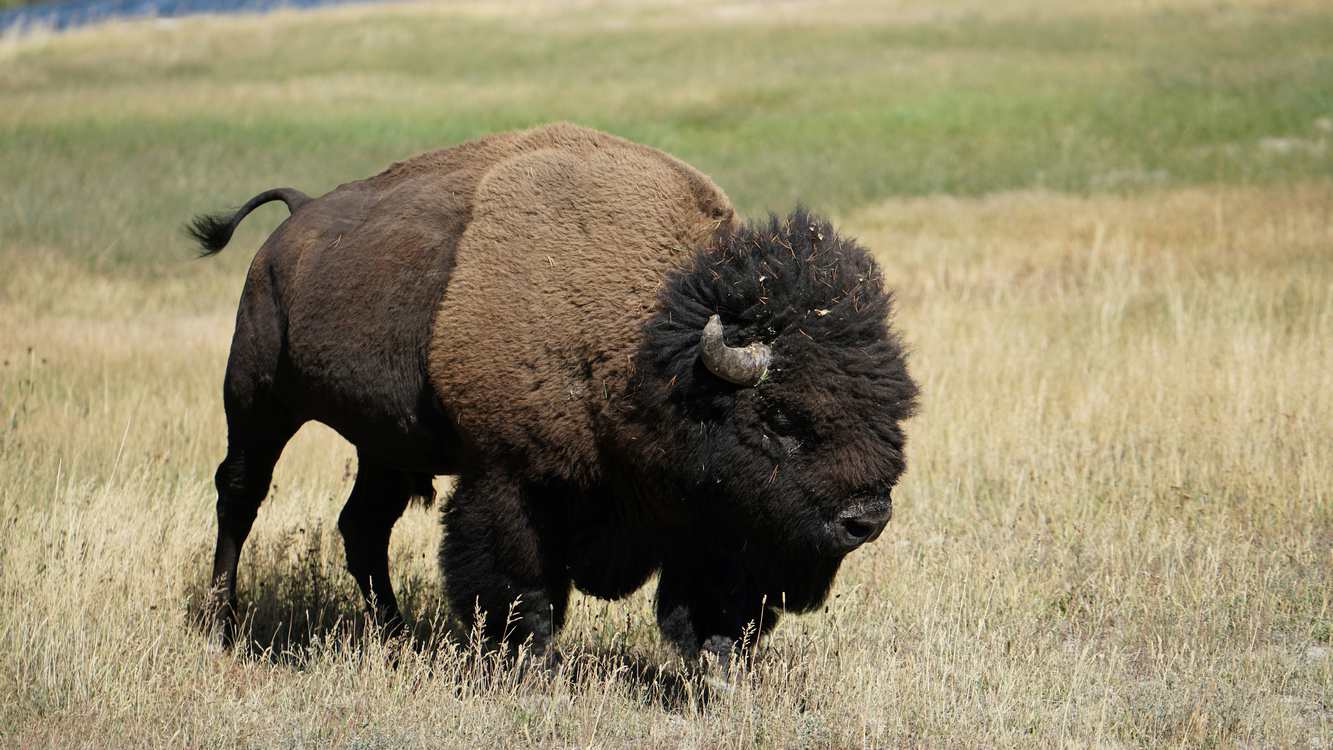
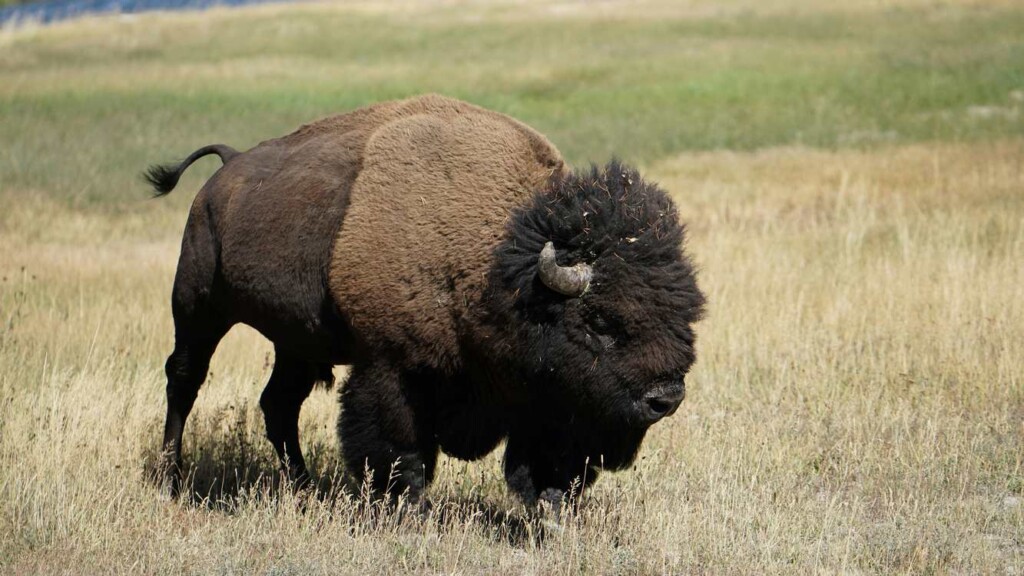
A herd of 6 American bison—3 males and 3 females—have been released onto native Illinois prairie.
There, to the sound of drumming, songs, and cheers, they began to acclimate to their new surroundings—surroundings that had missed them for 200 years.
A large crowd of Santee Sioux, herded together in their woven blankets and synthetic down jackets, had arrived at sunrise on Burlington Prairie Forest Preserve in Kane County, 60 miles northwest of Chicago, to witness something of a homecoming.
“It’s different when you’re welcoming them back home. That’s their home, not mine,” tribal elder Robert Wapahi told CBS News Chicago.
The 6 animals were released from a large trailer into a cattle enclosure to allow them to get used to the idea of the frozen prairie again, and come the spring, they’ll be moved onto a larger area, still fenced, where it’s anticipated they will improve native grasslands.
“It’s really important and awesome to see another herd that is hitting the ground in a good way,” one man said at the event, where drummers sang a song as the trailer arrived.
The American Indian Center, the oldest urban Native American cultural establishment in the United States, will look after the animals in partnership with Kane County Forests Persevere staff, and a designated herd manager.
The reduction in bison from 35 million to several thousand had a profound effect on the North American prairie even without the conversion of so much of it to farmland. Bison engineer grassland ecosystems with much the same impact as beavers on a stream.
BISON RETURNING ACROSS NORTH AMERICA:
- Bison Return to Manitoba First Nation Lands for First Time in 100 Years – (WATCH)
- Bison Ranchers Return Thousands of Animals to Native Lands and Witness Total Rejuvenation of Ecosystem
- Minnesota’s Largest Native American Reservation Celebrates First Home-Born Bison Calf
- Absolutely Epic: Watch the Release of a Wild Bison Herd onto Blackfeet Tribal Land
The millions of hooves stamped the grasslands flat, preventing any one species from over colonizing an area. Their wooly coats acted as an excellent seed dispersal vehicle. Their dung helped fertilized the plains and their digging of wallowing pits increased the landscape’s ability to resist drought and retain water.
In bits and pieces, fits and starts, bison are being reintroduced to native prairie when it can be found, and though 6 is a far cry from 35 million, all good things have to start somewhere.
Judging by the smiles and the cheers of the Santee Sioux—when the shaggy beasts rumbled out of the trailer—this is a very, very good thing.
WATCH the story below from CBS News Chicago…
CHEER The Return Of This American Icon With Your Friends…