












In South Africa, a coordinated series of projects has removed dangerous infestations of invasive species from 13,000 acres of important native habitat.
Between 2017 and 2025, groups working under the banner of the International Union for the Conservation of Nature (IUCN) embarked on a series of efforts targeting invasive alien species through a combination of habitat restoration, biological control, invasive-species management, and community-based conservation methods.
Invasive and alien species of plants and animals cost the African continent’s crop, fisheries, livestock, and eco-tourism industries some $65 billion annually. Summarized in a report on the 3-pronged assault on invasive trees and non-native fish, the IUCN found that the broader the approach, the better the results.
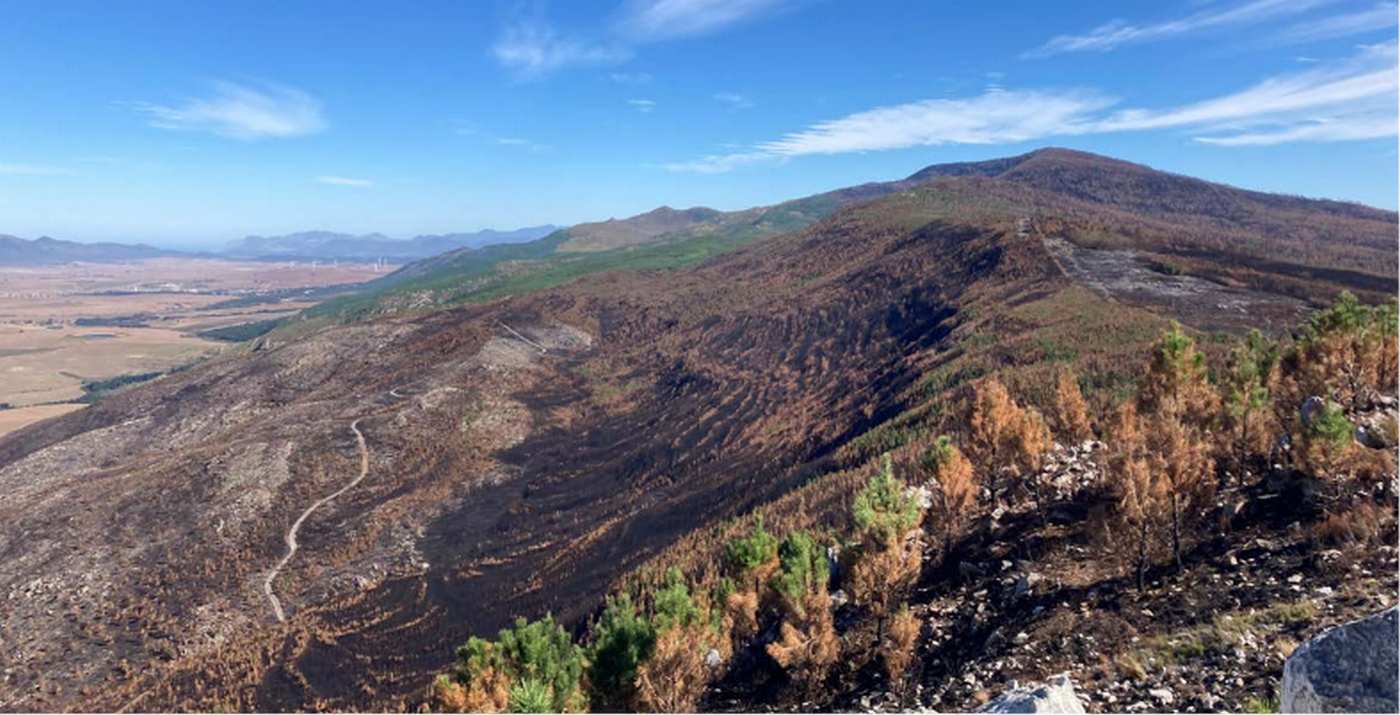
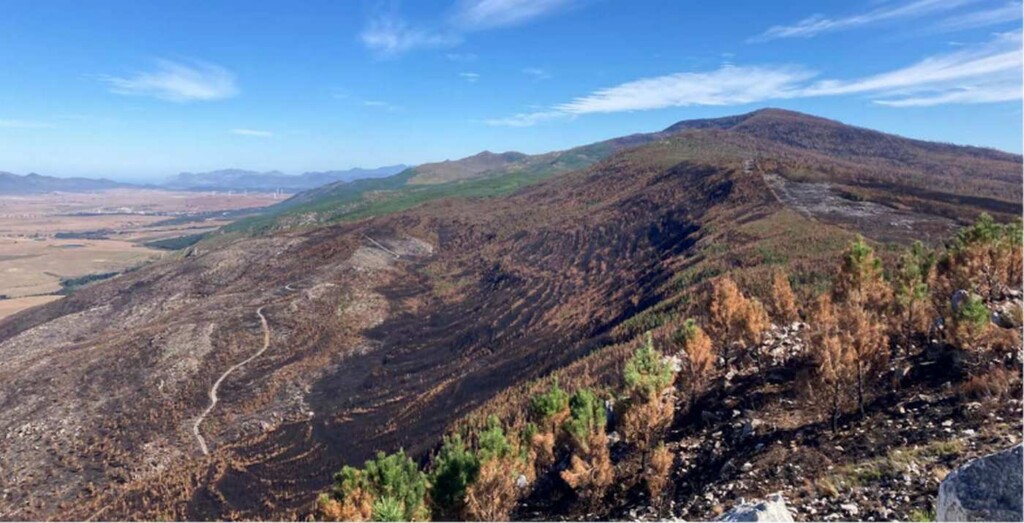
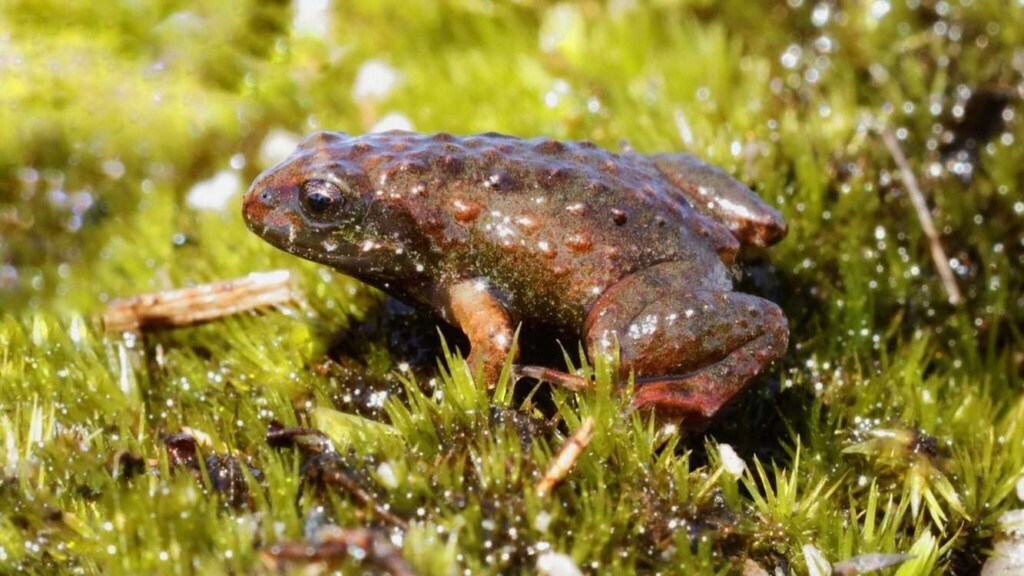
In the Western Cape region, the removal of invasive maritime pine trees through controlled burning and manual clearing on the Klein Swartberg Mountain restored over 8,500 acres of habitat for the Critically-Endangered rough moss frog (Arthroleptella rugosa). The thirsty pines’ ability to soak up water was rapidly depleting wetlands these frogs depended on.
The dense stands of pines also greatly increased the risk of catastrophic wildfires, which would ultimately prove to be their undoing, as conservationists from the IUCN-affiliated Endangered Wildlife Trust utilized a controlled burn that eliminated the pines. Post-burn field surveys uncovered 6 previously-unknown subpopulation strongholds for this frog.
In a similar story, manual clearing of invasive Eucalyptus and Acacia trees in Cape Town’s Tokai Park helped re-establish native fynbos vegetation needed for another amphibian, the western leopard toad, while providing hands-on ecological restoration training for young conservationists.
Just as the pines on Klein Swartberg disrupted the soil hydrology, these trees disrupted the soil microenvironment that the native trees had evolved to flourish in. The Tokai situation was critical because the loss of native vegetation threatened the Cape Flats Sand Fynbos ecosystem, a unique and highly biodiverse vegetation type found only in the Cape Floral Region.
Undertaken by Friends of Tokai Park, 12 acres were manually cleared of Eucalyptus and Acacia by a team of professionals and interns who then planted 4,500 native seedlings. The operation was a success, with invasive vegetation decreasing 22% and native vegetation recovering 28%.
The third story of triumph against invaders also came from the Western Cape. The Clanwilliam sandfish (Labeo seeberi) project applied a “rescue–rear–release” method combined with alien-fish removal to create predator-free freshwater sanctuaries, resulting in a doubling of spawning populations in the Biedouw River.
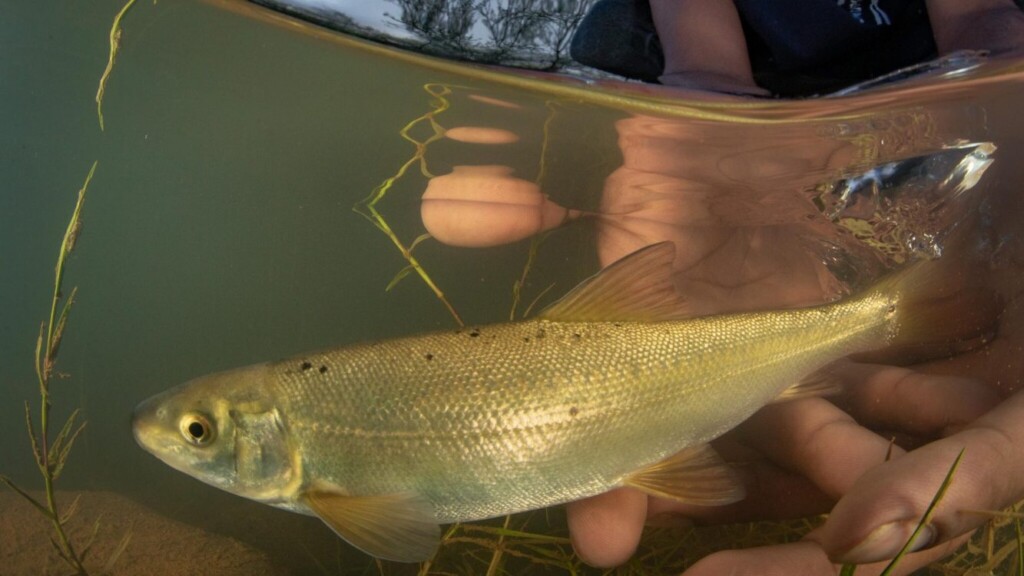
The Clanwilliam sandfish is South Africa’s most-endangered migratory freshwater fish, and predation by invasive species like bass and bluegill has severely diminished the survival rate of the juvenile sandfish.
MORE STORIES LIKE THIS: Planting 30,000 Trees Surpasses Goal for Regenerating a Rainforest on the Isle of Man
Because the animal lives its whole life on the move, it’s impossible to conserve it in-situ, as even beyond the reach of bass and bluegill, land-use changes, agricultural runoff, dams, and other hazards would simply put the sandfish at risk again further along its range.
Instead, animals were rescued from highest-risk wild areas and raised in controlled, predator-free environments managed by the Freshwater Research Center, where they could mature to a size that made them too big for the invasives to eat.
Later monitoring of spawning migrations in the Biedouw River recorded a substantial increase from 78 migrating individuals in 2020 to 180 in 2021, indicating a strong positive response to the approach that included eliminating bluegill and bass with nets whenever possible.
ALSO IN SOUTH AFRICA: Radioactive Isotopes Being Embedded in Rhino Horns Seen as ‘Magical’ Anti-Poaching Solution
Global conservation dollars towards combatting native species are often spent on islands, which are by nature contained systems that can easily be controlled. Continent-scale landscapes are at far greater threats from invasive species which can spread in all directions and beyond capable jurisdictions.
The report published by the IUCN was an attempt to show that combatting invasive and alien species is possible provided the effort involve as many stakeholders as possible, and employ the most comprehensive strategy of elimination, restoration, and control as can be afforded and implemented.
SHARE These Local Efforts To Combat Invasive Species…