













Drought is affecting the Great Hungarian Plain like never before, but a team of concerned citizens have hatched a clever plan to address it in the short term.
It’s arguable what the Eastern European country is more famous for, its grasslands and horse heritage, or its thermal baths. The capital of Budapest is filled with spas, a traditional part of Hungarian culture that relies on thermally heated water from deep underground.
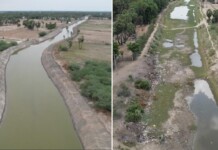
The citizens have successfully used this one part of their culture to ameliorate a problem with the other, pumping outflow water from a spa onto low-lying grasslands in the Great Plain to help raise the water table, irrigate cropland, and recreate natural wetland processes.
As in so many parts of Europe, the canalization of streams and rivers have removed a key ecosystem service these blue arteries had on the continent for ages—flooding. In flat areas, a simple stream bursting its banks can have far reaching consequences on the water retention and biodiversity of the surrounding ecosystem.
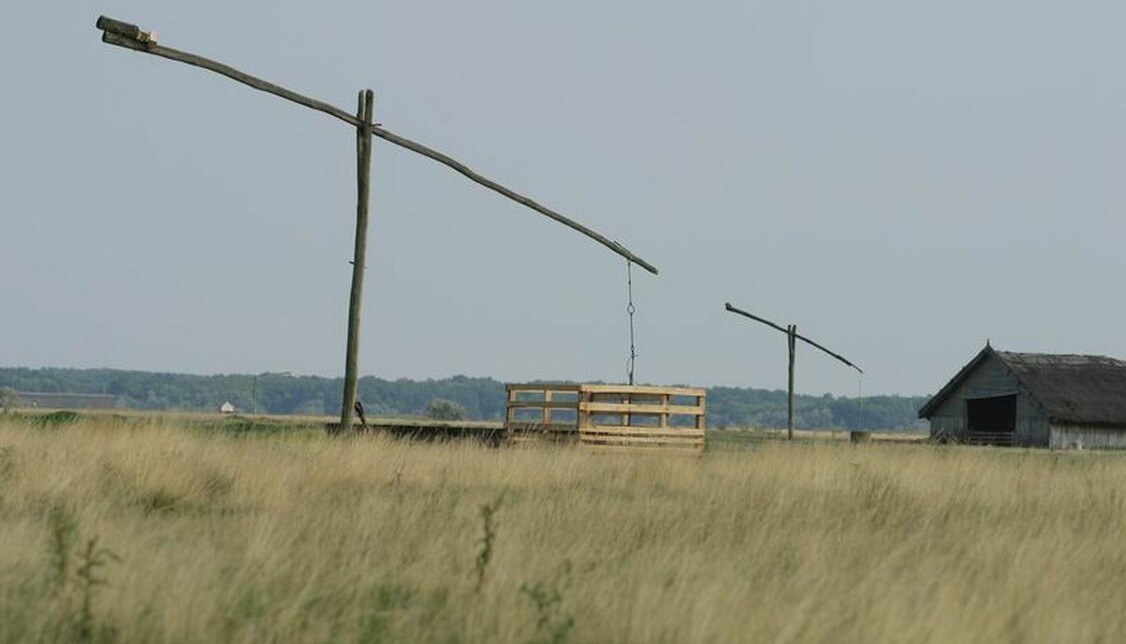
The region in the south of Hungary, known as the Homokhátság, has experienced an accelerated retreat in the groundwater table. Increasingly hot and dry summers have damaged this famous ag region’s production, and some studies have classified it as semiarid, a region more typical of Africa than Europe.
The Australian Outback, the American Southwest, or the African Sahel have been used as comparisons to the Homokhátság’s current state: one of little rain, depleted wells, and a retreating water table. Fields that used to receive floodwaters from as far off as the Danube and Tisza rivers, now bake in the sun, while storms passing over the plain pick up so little moisture as to remain rainless, blasting the grasslands with air and drying them out further.
Rainfall, because of this lack of moisture in the landscape, has become erratic. One of the great dangers in this cycle is that once a landscape dries out, at a certain point it becomes very difficult to reverse. Soils that were used to holding large amounts of water disaggregate, microbial populations die out, plants shrivel away, and wind blows topsoil hither and yon. The resulting sand, even if a deluge were to come, cannot hold the water long enough for good soil to regenerate.
That’s the bad news: the good news is that Hungarian farmers and citizens aren’t going to let that happen.
Oszkár Nagyapáti is a farmer and member of the volunteer “Water Guardians” who are working on regreening their lands through the repurposing of thermal water.
COMBATING DESERTIFICATION: She Used Nature to Transform Dry Stream Beds into Lush Oasis During USGS Study
“I was thinking about what could be done, how could we bring the water back or somehow create water in the landscape,” Nagyapáti told Euro News. “There was a point when I felt that enough is enough. We really have to put an end to this. And that’s where we started our project to flood some areas to keep the water in the plain.”
Typically, the thermal water outflow from a nearby spa would go into a canal and out eventually to the sea, but Nagyapáti has negotiated with authorities to channel it instead onto low-lying fields in an area called Kiskunmajsa.
ALSO CHECK OUT: Kazakhstan Efforts to Restore Last Wild Equine Species Receive Huge Boost of 150 Horses
Following 2025’s hot dry summer, the Water Guardians blocked several channel switches along a canal, and brought thousands of gallons of water streaming down onto the land. After months of emptying the spa’s outflow, the field—about 6 acres, was totally flooded.
Scientists working with the Guardians say that even though it was only the field that was flooded, the water should have an impact on some 4 square kilometers of area around it, helping raise the water table and keep the lands moisturized.
MORE HUNGARIAN NEWS: ‘PET Pirates’ Remove Seven Tons of Trash from Hungarian Lake in Plastic Picking Competition
“After the water guardians’ first attempt to mitigate the growing problem in their area, they said they experienced noticeable improvements in the groundwater level, as well as an increase of flora and fauna near the flood site,” Euro News reported.
“This initiative can serve as an example for everyone, we need more and more efforts like this,” Nagyapáti says. “We retained water from the spa, but retaining any kind of water, whether in a village or a town, is a tremendous opportunity for water replenishment.”
SHARE This Region-Saving Water Initiative, A Hungarian Solution To A Hungarian Problem…