













Native coastal Australians are experiencing a dramatic reversal of fortunes—from facing jail time over fishing to being trained to lead a whole new fishing industry.
Documented in a feature piece at Australia’s ABC News, young people from the Walbunja indigenous community are reconnecting to traditional fishing practices in order to suppress a very yummy plague of long-spined sea urchins devasting southern Australia’s reefs, seagrass, and kelp forests.
Months ago, it looked like Walbunja youth John Carriage was going to face jail time for diving for abalone and lobster, something his ancestors would have done for thousands of years.
It was the fourth time, he told ABC, he has been in court defending the right to practice his cultural heritage of free diving for dinner.
As it turns out, his was the most recent in a string of dropped charges against traditional fishermen, as the state of New South Wales has decided to close this chapter of indigenous prosecution.
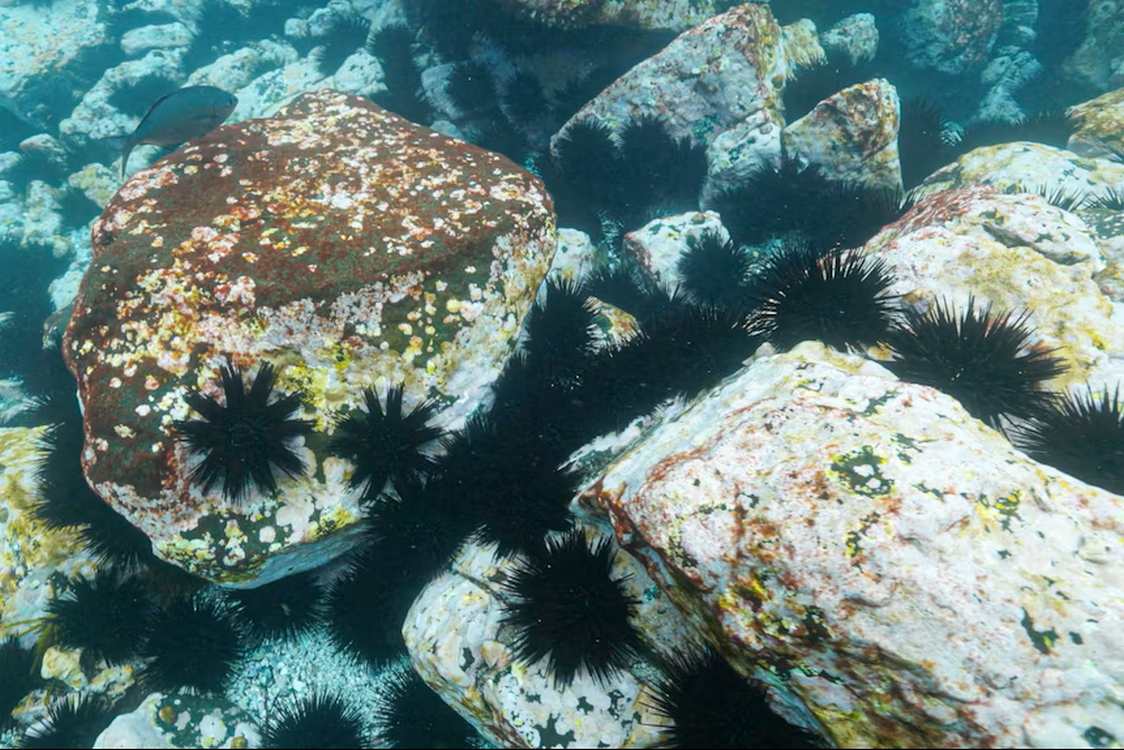
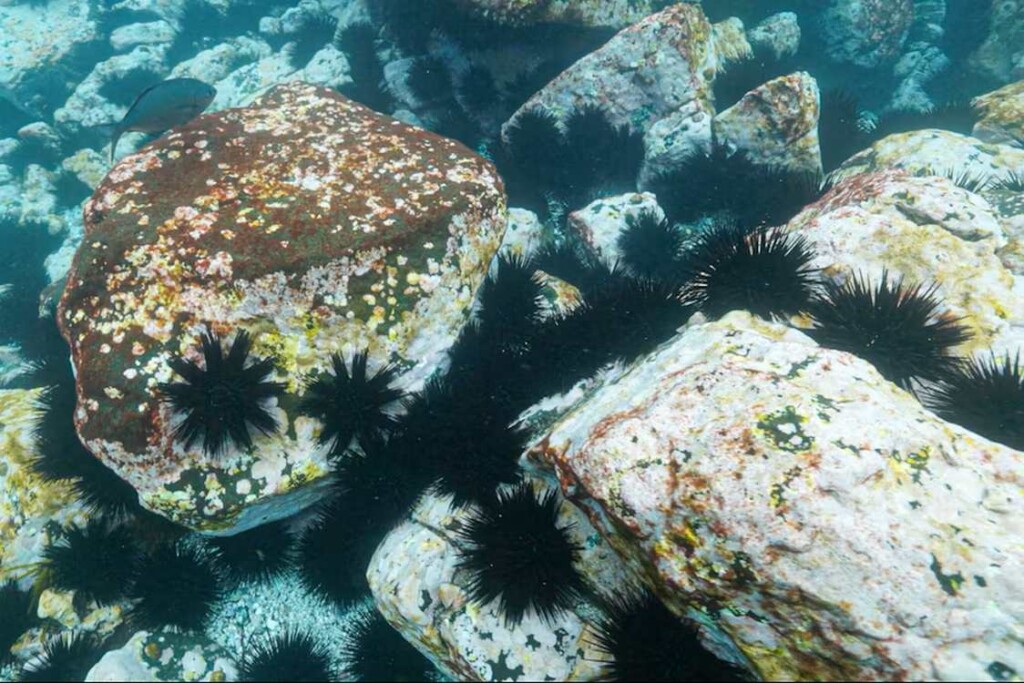
And for good reason: NSW needs their help. Decades of overharvesting predatory fish, and a rise in average sea temperatures have created a suite of unbalanced conditions that have proven to be like steroids for the long-spined sea urchin, an endemic species, but one whose destructive tendencies used to be kept under control by these other factors.
Today, legions of these little invertebrates march across the NSW seabed devouring any vegetation they find. Fortunately for human civilization that disrupted the balance in their ecosystem, a simple solution presents itself—lunch.
Now, Walbunja members are training to establish the first Aboriginal-led fishing industry in New South Wales by unleashing their traditional diving practices against the urchins to the end of harvesting thousands annually for the Australasian seafood markets.
John Carriage and his brother Denzel are among those training to dive for urchins professionally under a program organized by the Joonga Land and Water Aboriginal Corporation and helped by an AUD$1.48 million grant offered by the government that once sought to imprison them.
MORE INDIGENOUS STORIES: Salt Water Restores Native Queensland Ecosystems After Dozens of Tidal Gates Removed
“Every time we’re taking a sea urchin out, we’re allowing the weed to regrow,” Carriage told ABC. “We should be able to have more fish, more lobster, more abalone, and better quality sea urchins.”
“The urchin industry is relatively new in Australia, and there’s a real opportunity for traditional custodians to be at the center of this industry, rather than at the margins of it as we’ve seen with other fisheries in the past,” said marine biologist Cayne Layton, who explained that urchin gathering can have demonstrable, positive impacts on marine vegetation richness.
URCHIN CONTROL: Smashing 6 Million Sea Urchins with Hammers Saved a California Kelp Paradise Thanks to Volunteer Divers
As part of their training with Joonga Corp. the Denzels will learn how to pilot boats, dive with supplied oxygen, and select the best urchins for harvesting, cleaning, and export.
Elders are thrilled their youth are having the chance to forge a relationship with their “sea country” as they did when they were young—they called it a necessary step to healing the land, even if it’s land that’s underwater.
SHARE This Great News For Indigenous Australians…
Would be interesting to see a video on how urchins are harvested and processed, along with the nutritional value of the meat. I’m not a fan of eating urchins, just curious.