














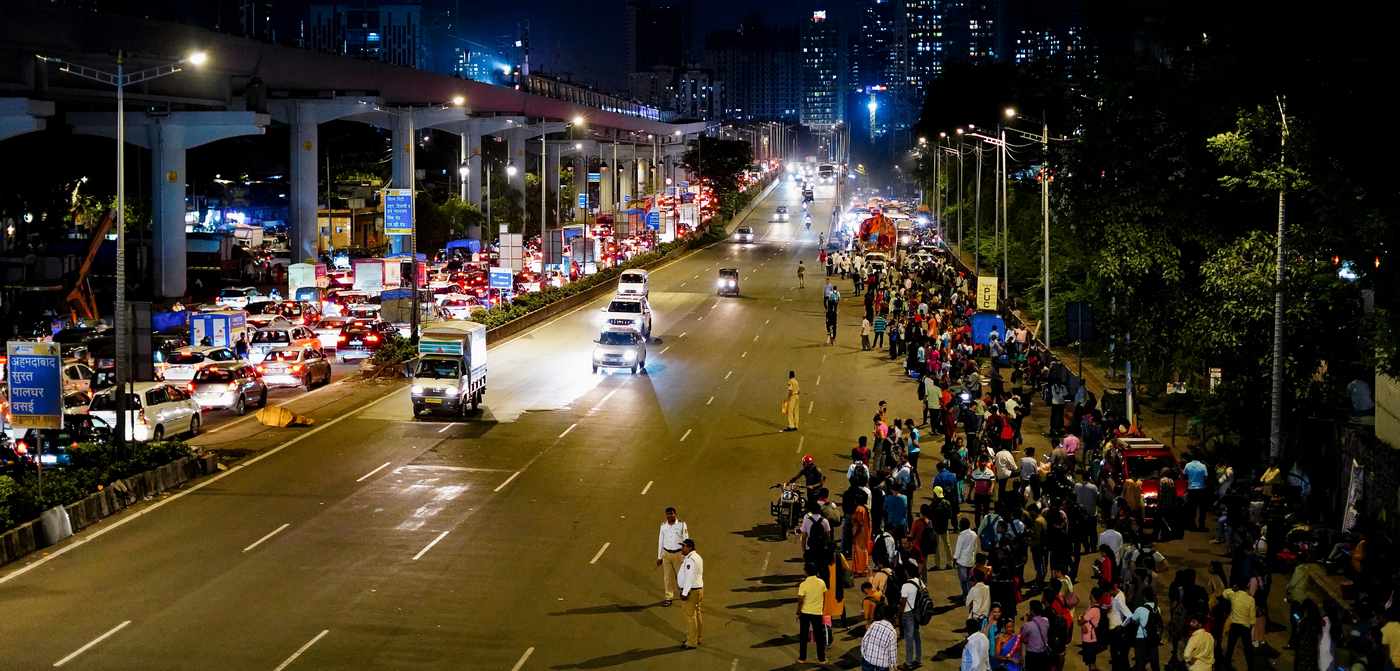
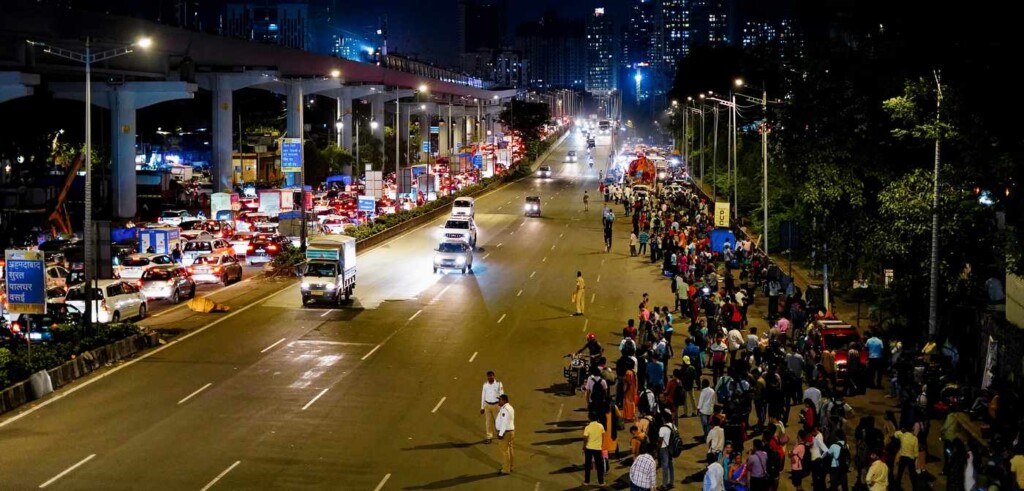
In India, where more people are injured or killed on the roads than almost anywhere else, a recently created program is aiming to save lives by leveraging the largest source of capital the country possesses: human capital.
The Rah-Veer program will reward Good Samaritans with 25,000 Indian rupees—about $250—for stopping to assist victims of road accidents during the first 60 minutes post injury.
First aid during this “golden hour” substantially improves the chances any patient will survive, but the problem is convincing people to get on their knees among the blood and bones and help.
In India, where traffic can be abominable, in particular on rural roads, ambulances are routinely required to cover large distances and may not arrive within this golden hour. In such circumstances, a badly injured motorist could fall beyond the point of no return if no one is there to apply a tourniquet, a splint, or even just to be placed in the recovery position.
Open to all citizens, those with medical training or not, Rah-Veer rewards will be given to anyone who stops to help, and will be shared if multiple stop.
The Ministry of Road Transport and Highways wrote that Rah-Veer ensures that citizens who help accident victims are shielded from legal complexities. There is no requirement to disclose personal information, and no one will be detained. Their privacy is protected, and if a statement is required, it is done quick, simply, and at a time and place of the witness’s choosing.
GOOD SAMARITAN STORIES:
- Hero Stranger Rescues Mom and 3 Kids After Car Flips into Canal Waters: ‘Nobody was around’
- Truck Driver Intervenes in Highway Shootout, Wins Goodyear Highway Hero Award
- Good Samaritan Dodges Cars to Clear Large Debris From Highway in Dubai, Video Goes Viral
Every year, the Ministry awards the 10 most vital or courageous Rah-Veer interventions with a bonus $1,000 and a certificate of appreciation.
In the same legislation that created the Rah-Veer program, a new tweak to hospital funding will ensure that no victim of a road collision will be refused due to the inability to pay upfront. Cashless treatment is guaranteed for the first 7 days; hospitals cannot demand upfront payment and cannot refuse admission.
The expenses are expected to be covered under a new payment stream from general insurance companies in insured cases, and by a government fund in the case of uninsured vehicles or hit-and-runs.
SHARE This Great Indian News With Your Friends…