














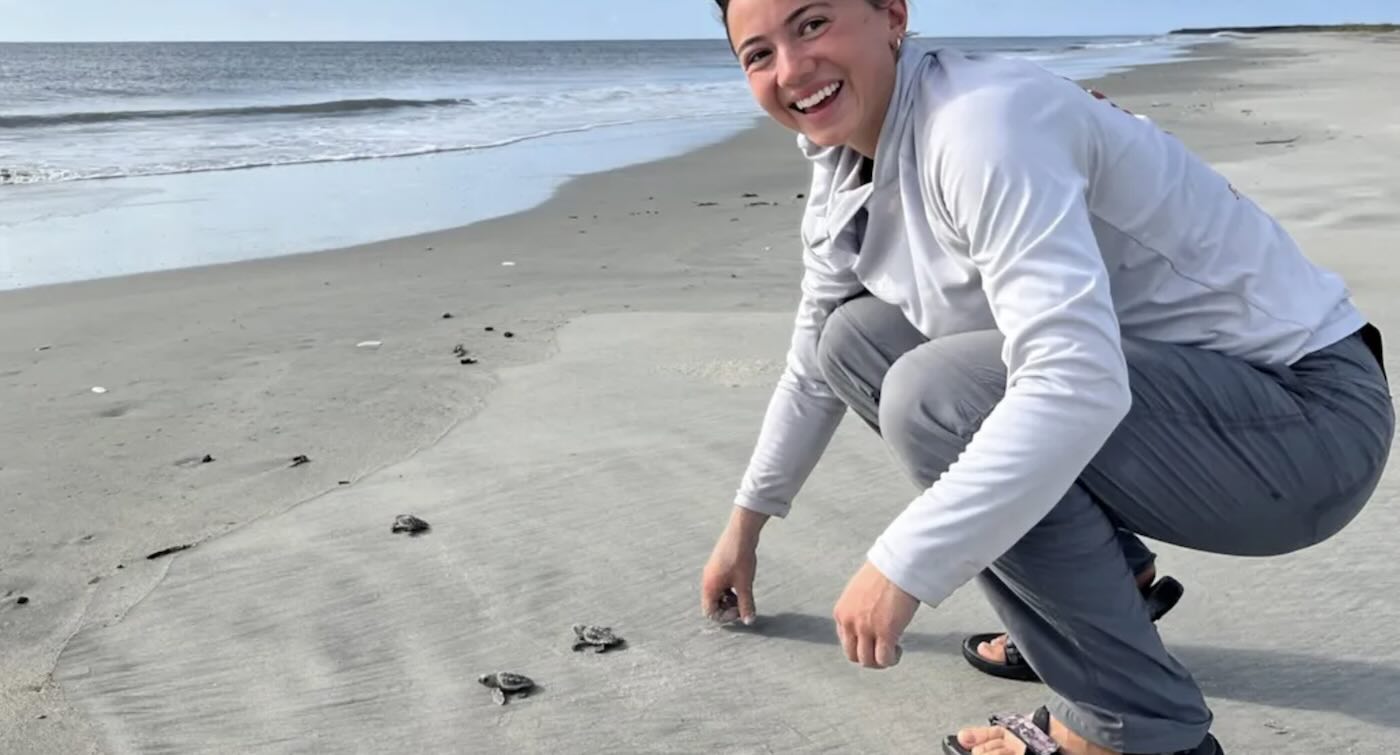
Loggerhead sea turtle nests along the Atlantic coast in the US have set a new 37-year record, topping every annual count for beaches in the state of Georgia, going back to 1989.
The state’s Department of Natural Resources calls it “a slow but steady rebound” for the animal listed as threatened under the Endangered Species Act in 1978.
According to the Georgia Sea Turtle Cooperative, the nest count passed 4,110 last week—the most since 1989, when that group of volunteers, researchers, and staffers, coordinated by the DNR, began counting nests all along the state’s barrier island beaches.
In the last five summers, the record has been broken twice. The previous high was 4,071 nests in 2022—which is almost double the goal originally set in a recovery plan hatched by humans for these beloved, big-headed reptiles.
Wildlife officials are ‘encouraged’ by the progress of the species’ restoration for a couple reasons. As big as they are—300 pounds—they develop very slowly.
“Loggerheads are a long-lived species and don’t reproduce until they’re 30-35 years old,” explained Mark Dodd, a senior wildlife biologist with DNR’s Wildlife Conservation Section and Georgia Sea Turtle Program Coordinator.

Furthermore, the region’s population fluctuates. 22 years ago, for instance, Georgia count totals were estimated at a record low of 358 nests in 2004.
But, overall, the Atlantic nest count in Georgia has increased at about 4% annually since the early 1990s—with Sea Turtle Cooperative members patrolling beaches each day at dawn, marking and protecting new nests.
Their work and the use of “turtle excluder” devices since 1990—to minimize the chances of turtles being scooped up by shrimp trawler nets—have been key to the resurgence of loggerhead populations.
EVEN BETTER: Sea Turtles Rebounding Worldwide as Nests and Habitat are More Protected, Says 2025 NOAA Study
Loggerheads spend almost their entire life at sea. But from May through mid-August, adult females—which can be more than 3 feet long—drag themselves onto Atlantic beaches at night to dig holes in sand dunes and lay clutches of about 100 ping-pong ball-sized eggs.
If current projections hold true, loggerhead numbers will now plateau. But, if protections remain in place, their numbers will begin to grow again.
Dodd said nesting could then reach levels not seen in the state since the 1950s.
MORE TURTLE LOVE: Sea Turtle Boom Astonished Volunteers in Florida With Best Nesting Season on Record
SHARE THE GOOD NEWS With Turtle-Lovers on Social Media…