













Centuries after they were made famous by Charles Darwin, and a century after they had become plagued by invasive rats and cats, the Galapagos Islands are well on their way to recovery.
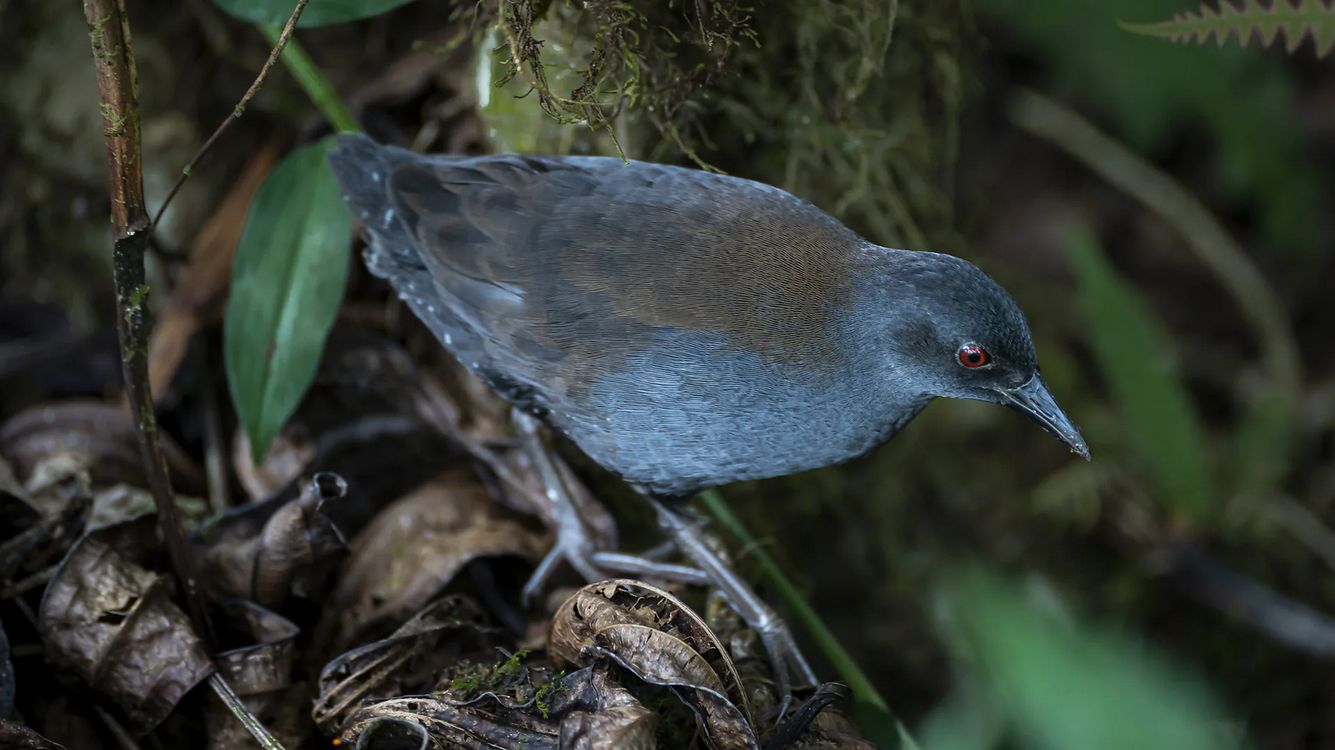
Few events could better capture that recovery than the recent reappearance of the beautiful blue Galapagos rail, a bird which hadn’t been seen on Floreana island for 200 years.
After almost a decade of preparatory work, invasive rats, avian vampire flies, and domesticated cats were eradicated from the island thanks to the close coordination of several conservation groups from around the world working alongside the Galapagos National Park Directorate.
The cleansing of the island has, to the delight of conservationists and scientists working on the project, resulted in a dramatic return for many of the islands persecuted endemic species like lava lizards, Galapagos doves, geckos, and dark-billed cuckoos,
“But the most exciting finding was the re-discovery of the Galápagos Rail,” said Birgit Fessl, principal investigator of landbird conservation at the Charles Darwin Foundation, part of the team restoring Floreana. “This bird had not been recorded on Floreana for centuries—the only historical proof of its presence [was] a specimen collected by Darwin himself.”
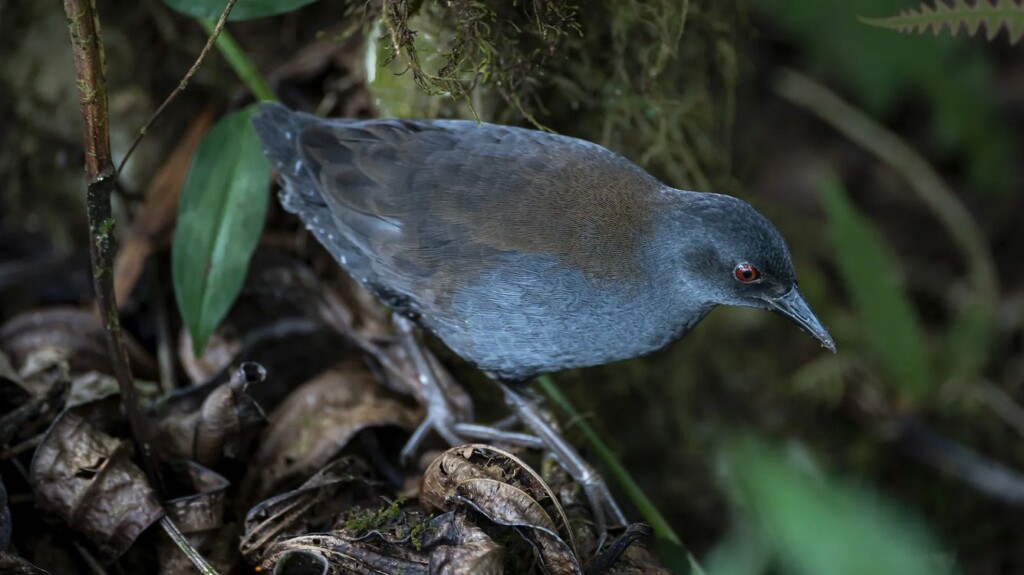
The rail is a beauty: boasting a range of blue feathers that begin in midnight blue around the cap to cobalt and powder blue at the wings and wingtips, two vibrant red irises, and a chocolate brown patch on its back.
This ground-dwelling bird was at a high risk of predation by cats, while rats routinely preyed on its eggs. They survived on other islands, but on Floreana, they were believed to have been extirpated.
Being that the fame of the Galapagos stems in no small part from their famous isolation from one another, which led the biologist Charles Darwin to develop the theory of Natural Selection by examining closely-related species island by island, one wonders where the rails even came from.
“[The rails] reappeared and now it’s very common to find these birds just walking around the island. You can hear it, you can see it, it’s unbelievable,” Paola Sangolquí, a marine biologist at the Jocotoco Conservation Foundation, told the BBC.
BEGUILING BIRDS: UK’s Rarest Breeding Birds Raise Chicks for First Time in Six Years
Whether a tiny number clung to existence in the shadows of the volcanic island, no one can say for certain. It’s as if the restoration of the balance of nature on the island led to its spontaneous resurrection.
Elsewhere on Floreana, the native finches have been documented greatly expanding their songs. Young birds will sing louder and longer. Some are creating new song patterns never-before-documented, and it’s all believed to be a result of shedding the need for secrecy.
MORE GALAPAGOS RETURNS: A Tiny Gecko Species Once Thought Extinct Just Made a Comeback in the Galápagos
A bold young bird, singing loudly on a branch to attract a female, would make himself easy prey for a waiting cat or rat, and with their removal, more than a century of pent up melody seems to have been released upon the island airwaves.
You can learn about the finches in greater detail by reading the BBC piece on the return to normalcy on Floreana.
SHARE The Long-Awaited Return Of Rail And Song On Floreana Island…