













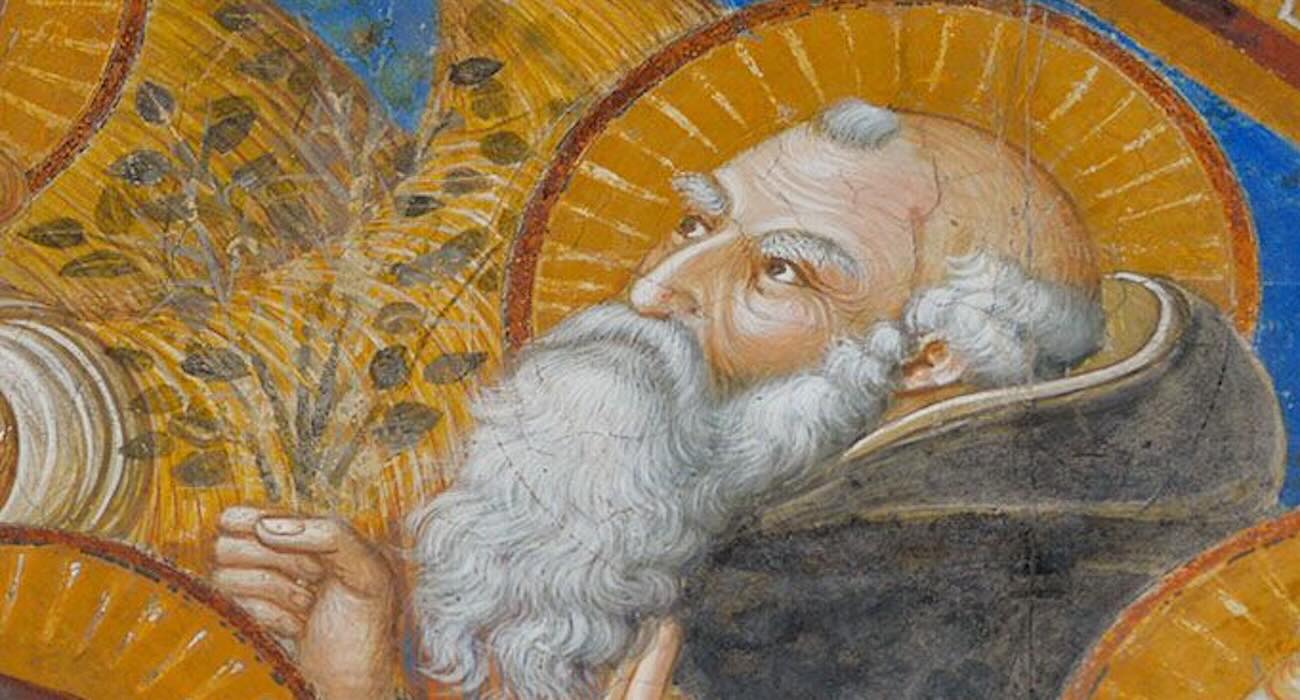
A scorched cherry twig miraculously sprouting; a diseased swamp restored to ‘peak fertility’; healing the broken leg of an ox; and multiplying cabbages.
These are just some of the forgotten medieval miracles of the Augustinian Order which Dr. Krisztina Ilko brings to light not long this 800-year-old organization found one of its members elected Pope for the first time.
“Bleeding hosts and stigmatizations are the best-known medieval miracles,” Dr. Ilko, a medieval historian at Queen’s College, told the Cambridge news team. But for these forest and mountain dwellers, miracles most often attributed to them are linked to agriculture and natural beauty.
“With Leo XIV becoming the first Augustinian Pope, it’s the perfect time to make the order’s astonishing history better known. There has been so much focus on Italian cities, we’ve lost sight of how important the countryside was to the Church and to the Renaissance,” Dr. Ilko said.
A decade of research took Dr. Ilko to two dozen archives and she trekked to more than sixty Augustinian sites, including some of the most inaccessible ruins in Italy. She made discoveries in frescoes, illuminated manuscripts, hagiographies, and letters. Some of the ancient documents she studied had been misdated and wrongly attributed, further denying the Augustinians their miraculous limelight.
The earliest collection of Augustinian life stories Dr. Ilko studied was written by a Florentine friar in the 1320s and has been largely overlooked until now because, she believes, scholars deemed its miracles too rural. Housed in Florence’s Biblioteca Medicea Laurenziana, the manuscript opens with the life of Giovanni of Florence who built the Augustinian hermitage of Santa Lucia in Larniano with the help of local farmers.
One of his greatest miracles was healing the broken leg of an ox. Another life story describes Jacopo of Rosia commanding an unreliable apple tree to produce fruit every year, as well as him multiplying cabbages.
“When people think about religious orders and their massive role in the Renaissance, they usually turn their attention to cities like Rome, Florence and Siena,” Dr. Ilko says. “The Franciscans and Dominicans, in particular, are credited for Italy’s rapid urban renewal from the 1200s onwards.
“Not many people realize that the Augustinians drew most of their power from the countryside. Their miracles were very green-fingered, agricultural. In a more eco-conscious world, the Augustinians deserve much more attention.”
The merit of attention, she argues, is well demonstrated by the popularity gap between Saint George and Guglielmo of Malavalle.
Saint George was the most famous Christian dragon slayer and appears in countless paintings as a lance-wielding military saint. Far less-famous is the 12 century hermit Guglielmo, who was venerated by the Augustinians for killing a dragon with a humble wooden staff shaped like a pitchfork.
In medieval Europe, disease suffered by livestock, crops and people was often blamed on dragons, and more specifically on their toxic breath which, it was thought, suffocated the countryside and those who lived there. Dragons were particularly associated with swampy areas.
MORE STORIES LIKE THIS: Students Decipher Title of Burnt Scroll from the Famous Library Buried by Vesuvius–Called ‘On Vices’
After hearing a voice from the sky, Guglielmo settled in Malavalle, ‘the bad valley,’ in Tuscany’s swampy Maremma region. Toxic air and terrible storms were thought to have left the valley barren, so ‘dark, and terrible’ that not even hunters dared to enter.
Ilko argues that Guglielmo was venerated for ‘defeating the dragon’ because he purified the putrid air and restored the valley to ‘peak fertility.’
“These achievements weren’t symbolic, Guglielmo provided a crucial public service, he helped country people survive in a really harsh natural environment,” Dr. Ilko says.
MIRACLE WORKERS: From No Cure To No Trace, Texas Girl’s Inoperable Brain Tumor Disappears
“Guglielmo was a pitchfork-wielding dragon slayer and divine gardener all at once. Commanding the weather, securing a good harvest, and restoring the health of livestock must have seemed the most desirable divine interventions in the late medieval countryside. They were matters of life and death.”
Lacking a compelling origin story or a charismatic founder, the Augustinians drew heavily on their wild power-bases—forests, mountains and the seaside—to prove their antiquity and authority to the Vatican.
YOU MAY ALSO LIKE: After More Than Three Centuries, a Geometry Problem That Originated with a Royal Bet Is Solved
“Direct contact with nature gave the friars legitimacy, special spiritual powers and access to valuable natural resources including timber, crops and wild animals.”
All these insights and more are found the book written by Dr. Ilko after this decade of research: The Sons of St. Augustine: Art and Memory in the Augustinian Churches of Central Italy.
SHARE The Story Of This Eco-Friendly Order Of Hermits And Their History…