












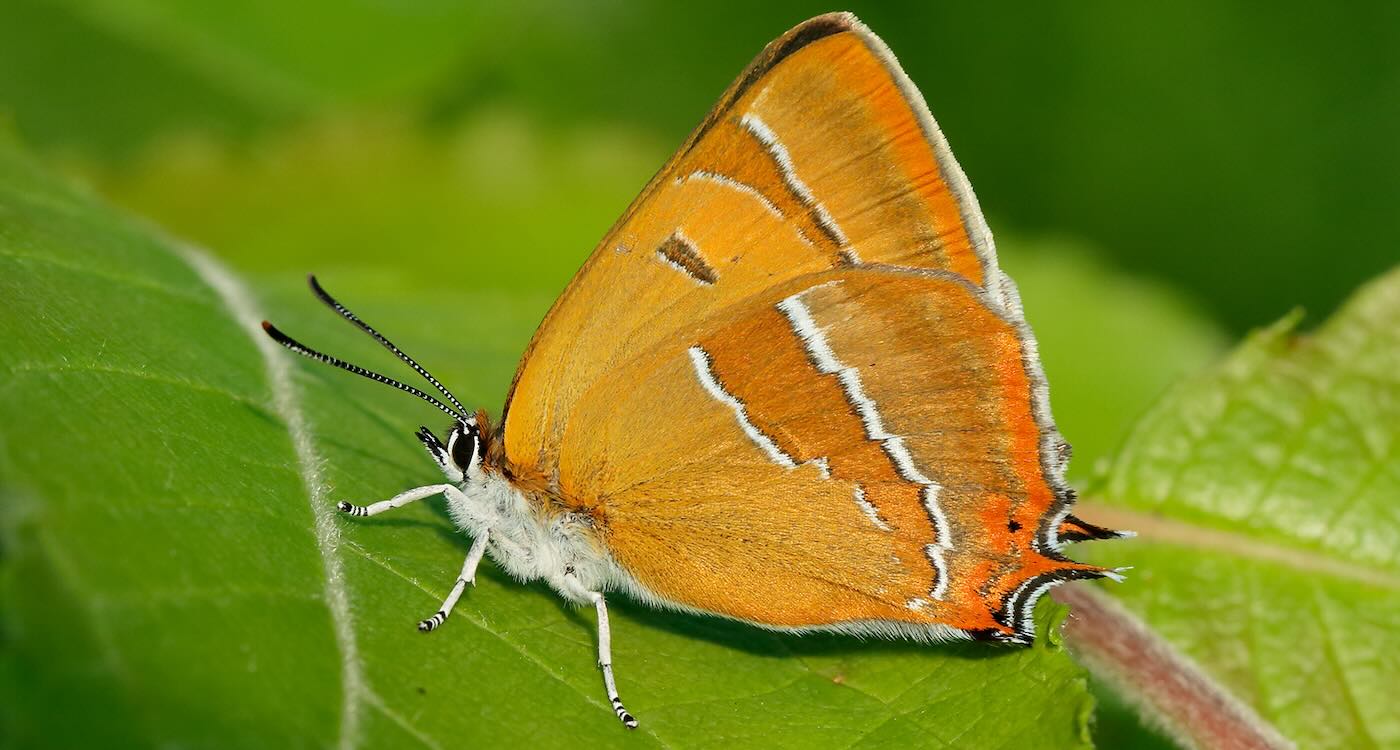
Numbers of rare butterfly eggs have skyrocketed in South Wales after landowners let their hedgerows grow wild.
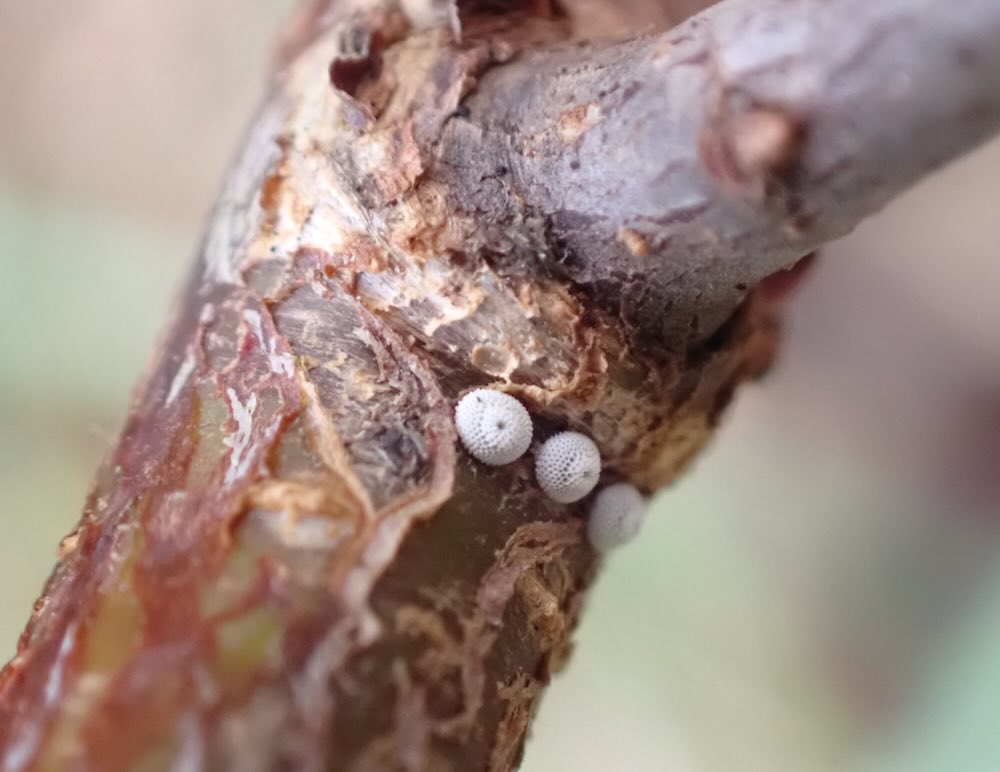
Volunteers for the UK nonprofit Butterfly Conservation have counted record tallies of Brown Hairstreak eggs this winter around the Welsh county of Carmarthenshire.
The success, they say, is down to two partner organizations that agreed to reduce the amount they cut back on their hedgerows, which has allowed the Brown Hairstreak to thrive.
“After a decade of heartache for Brown Hairstreaks in Carmarthenshire’s Tywi valley, there is at last signs of an upturn,” said Richard Smith, who has volunteered with Butterfly Conservation for more than 30 years.
Once abundant across the UK, the butterfly declined substantially due to farmers and landowners cutting back their preferred shrubbery, called ‘flailing’, which destroys young shoots of the spiky blackthorn bush.
The species will only lay its eggs on these green shoots, and since 2010, they—and the butterflies—had almost totally disappeared in the region.
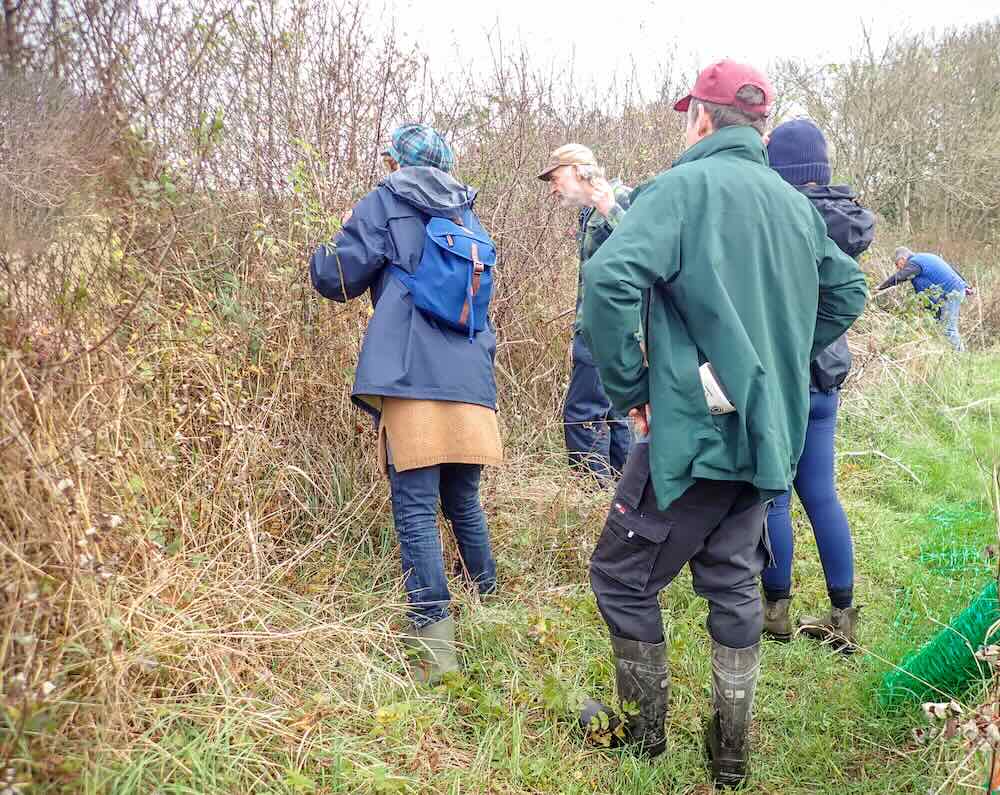
“When we found a small remnant population in 2021 just west of Llandeilo, we conducted annual egg counts after help from two key partners, the National Trust team at Dinefwr and the South Wales Trunk Road Agency, who both got more blackthorn planted on their respective estates and got those two sites completely protected from annual flailing,” said Smith.
“Results have been improving year on year, and this winter has seen 50% increases on such protected land.”
Butterfly Conservation volunteers went out each winter for years, armed with magnifying glasses, and spent hours hunting the hedges for the tiny white eggs.
This winter, their years of hard work have paid off.
MORE BUTTERFLY GOOD NEWS:
• Number of Monarch Butterflies Wintering in Mexico is Way Up–Doubling the Forest Acreage Over Last Year
• Efforts to Save Endangered Blue Butterfly Quadruples its Population–but Also Saves a Lupine from Extinction
“Small changes to the way we look after our hedges can help wildlife thrive and hedges function better for nature and people,” said Dan Hoare, Butterfly Conservation’s Director of Nature Recovery.
“We don’t want to stop anyone managing their hedgerows, but we would love more landowners to try cutting back on their cutting back.
“If hedgerows are only trimmed once every two years, or even every three years, it could make an enormous difference to the survival of the Brown Hairstreak and help many other species as well. The lovely Brown Hairstreak is an indicator of getting that balance right.”
FLY THIS GREAT NEWS to Nature Lovers on Social Media…