The world-renowned beauty of Italy’s Lake Como has been turned into a disaster area after a rainstorm pummeled the eponymous city and surrounding towns.
With tens of millions in property damage, the local soccer team—currently experiencing a fairytale season—announced ahead of their match on Wednesday night in the Italian Cup that all proceeds would be donated to flood relief.
Manager Cesc Fabregas made the announcement on Instagram Tuesday, while the team was preparing for a match against Sassuolo.
“My thoughts are with everyone in Como today. Seeing our beautiful lake flood and the damage it has brought is heartbreaking,” he added.
“Como is more than just a city to me, it is home, it is family, it is community. To all the people, families and businesses affected, please know you are not alone.”
In Europe, soccer teams move up and down divisions every season based on performance, with the worst teams dropping down a division, and the best teams being promoted to the division above.
After spending 2003-04 in Serie A, Italy’s top-flight competition, Como had a precipitous fall to the point that it had to be liquidated in 2005 after declaring bankruptcy. Almost two decades would go by before the team from George Clooney’s holiday town made it back to Serie A.
They did so in no small part thanks to Fabregas’ exceptional coaching, earning promotion in 2024, and with it an enormous increase in revenues stemming from their games being broadcast internationally rather than only in Italy.
That new found wealth hasn’t spoiled the ownership, however, who have opted to hand over the match day revenues to their community as it struggles to clean up the piazzas and roads from landslide debris and flooding.
SHARE This Lovely Display Of Community Connection From The Home Team…
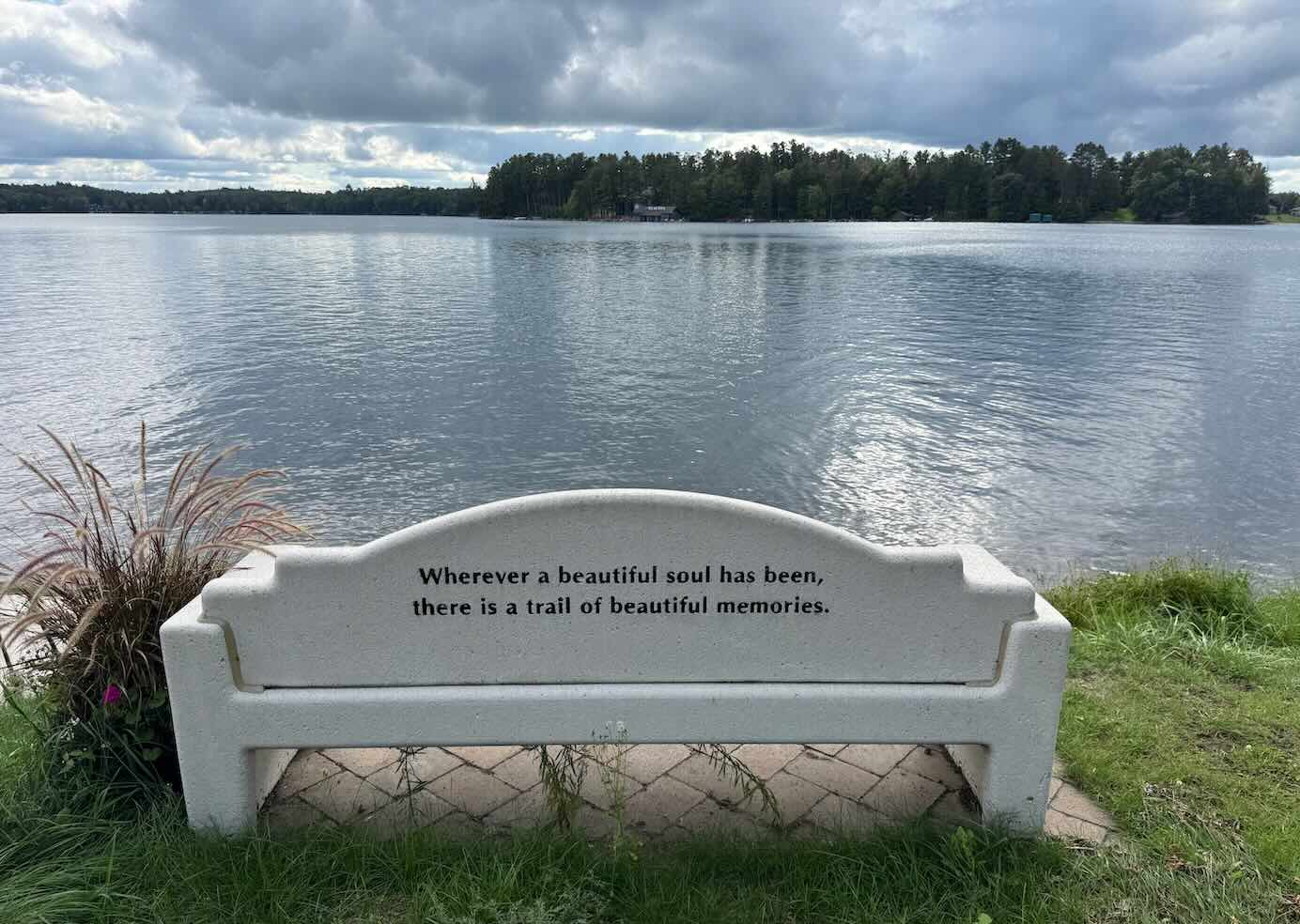
Quote of the Day: “Wherever a beautiful soul has been, there is a trail of beautiful memories.”
Photo by: JL (A random bench in Minocqua, Wisconsin)
With a new inspirational quote every day, atop the perfect photo—collected and archived on our Quote of the Day page—why not bookmark GNN.org for a daily uplift?
Illustration of spherical nucleic acid SNA nanoparticle carrying CRISPR cargo – Image by the Mirkin Research Group
Illustration of spherical nucleic acid SNA nanoparticle carrying CRISPR cargo – Image by the Mirkin Research Group
University scientists in Chicago have developed a new nanostructure that triples CRISPR’s ability to enter cells, potentially unlocking even more power to treat genetic diseases.
With the power to rewrite the genetic code that underlies countless diseases, CRISPR holds immense promise to revolutionize medicine.
Now, Northwestern University chemists have unveiled a new type of nanostructure that dramatically improves CRISPR delivery and potentially extends its scope of utility.
CRISPR machinery cannot enter cells by itself. It always needs a delivery vehicle. Called ‘lipid nanoparticle spherical nucleic acids’ (LNP-SNAs), these tiny structures carry the full set of CRISPR editing tools—like Cas9 enzymes.
They’re wrapped in a dense, protective shell of DNA that dictates which organs and tissues the nanoparticles travel to and makes it easier for them to enter cells.
In lab tests across various human and animal cell types, the LNP-SNAs entered cells up to three times more effectively than the standard lipid particle delivery systems used for COVID-19 vaccines, caused far less toxicity and boosted gene-editing efficiency threefold.
The new nanostructures also improved the success rate of precise DNA repairs by more than 60% compared to current methods.
Their study, published in the Proceedings of the National Academy of Sciences, paves the way for safer, more reliable genetic medicines and underscores the importance of how a nanomaterial’s structure—rather than its ingredients alone—can determine its potency.
This principle underlies structural nanomedicine, an emerging field pioneered by Northwestern’s Chad A. Mirkin and his colleagues and pursued by hundreds of researchers around the world.
“CRISPR is an incredibly powerful tool that could correct defects in genes to decrease susceptibility to disease and even eliminate disease itself,” said Mirkin, who led the new study.
“But it’s difficult to get CRISPR into the cells and tissues that matter. Reaching and entering the right cells—and the right places within those cells—requires a minor miracle.
“We aimed to maximize CRISPR’s efficiency and expand the number of cell and tissue types that we can deliver it to.”
Scientists sometimes use viral vectors as the as a delivery vehicle. Naturally good at sneaking into cells, viruses are efficient, but they can cause the human body to mount an immune response, leading to painful or even dangerous side effects.
LNPs, on the other hand, are safer but inefficient. They tend to get stuck in endosomes, or compartments within the cell, where they cannot release their cargo.
“Only a fraction of the CRISPR machinery actually makes it into the cell and even a smaller fraction makes it all the way into the nucleus,” Mirkin said in a media release.
To overcome this barrier, Mirkin’s team turned to SNAs, which are globular — rather than linear — forms of DNA and RNA previously invented in Mirkin’s lab at Northwestern.
The spherical genetic material surrounds a nanoparticle core, which can be packed with cargo. Roughly 50 nanometers in diameter, the tiny structures possess a proven ability to enter cells for targeted delivery. Seven SNA-based therapies are already in human clinical trials, including a Phase 1b/2 clinical trial for solid tumors being developed by Flashpoint Therapeutics, a clinical-stage biotechnology startup.
In the new study, Mirkin’s team started with an LNP core carrying the CRISPR machinery inside. Then, they decorated the particle’s surface with a dense layer of short strands of DNA. Because the DNA can interact with a cell’s surface receptors, cells easily absorb SNAs. The DNA also can be engineered with sequences that target specific cell types, making delivery more selective.
“Simple changes to the particle’s structure can dramatically change how well a cell takes it up,” Mirkin said. “The SNA architecture is recognized by almost all cell types, so cells actively take up the SNAs and rapidly internalize them.”
Boosted performance across the board
After successfully synthesizing LNP-SNAs with CRISPR cargo, Mirkin and his team added them to cellular cultures, which included skin cells, white blood cells, human bone marrow stem cells, and human kidney cells.
Then, the team observed and measured several key factors: how efficiently the cells internalized the particles, whether the particles were toxic to cells and if the particles successfully delivered a gene. They also analyzed the cells’ DNA to determine if CRISPR had made the desired gene edits.
In every category, the system demonstrated its ability to successfully deliver CRISPR machinery and enable complex genetic modifications.
Next, Mirkin plans to further validate the system in multiple in vivo disease models. The university’s biotechnology spin-out Flashpoint Therapeutics is commercializing the technology with the goal of rapidly moving it toward clinical trials.
“CRISPR could change the whole field of medicine,” Mirkin said. “But how we design the delivery vehicle is just as important as the genetic tools themselves.
“By marrying two powerful biotechnologies — CRISPR and SNAs — we have created a strategy that could unlock CRISPR’s full therapeutic potential.”
SHARE THE CRISPR NEWS With Science Geeks on Social Media…
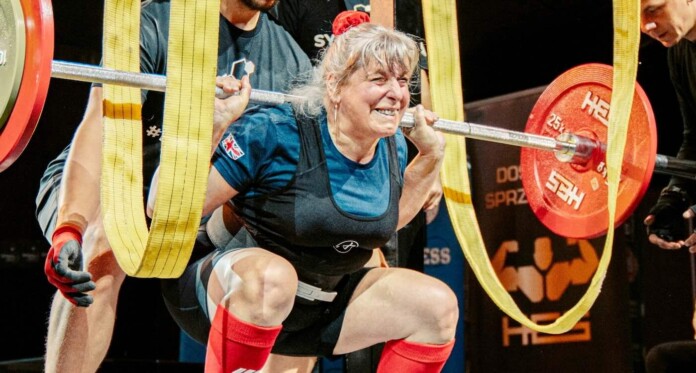
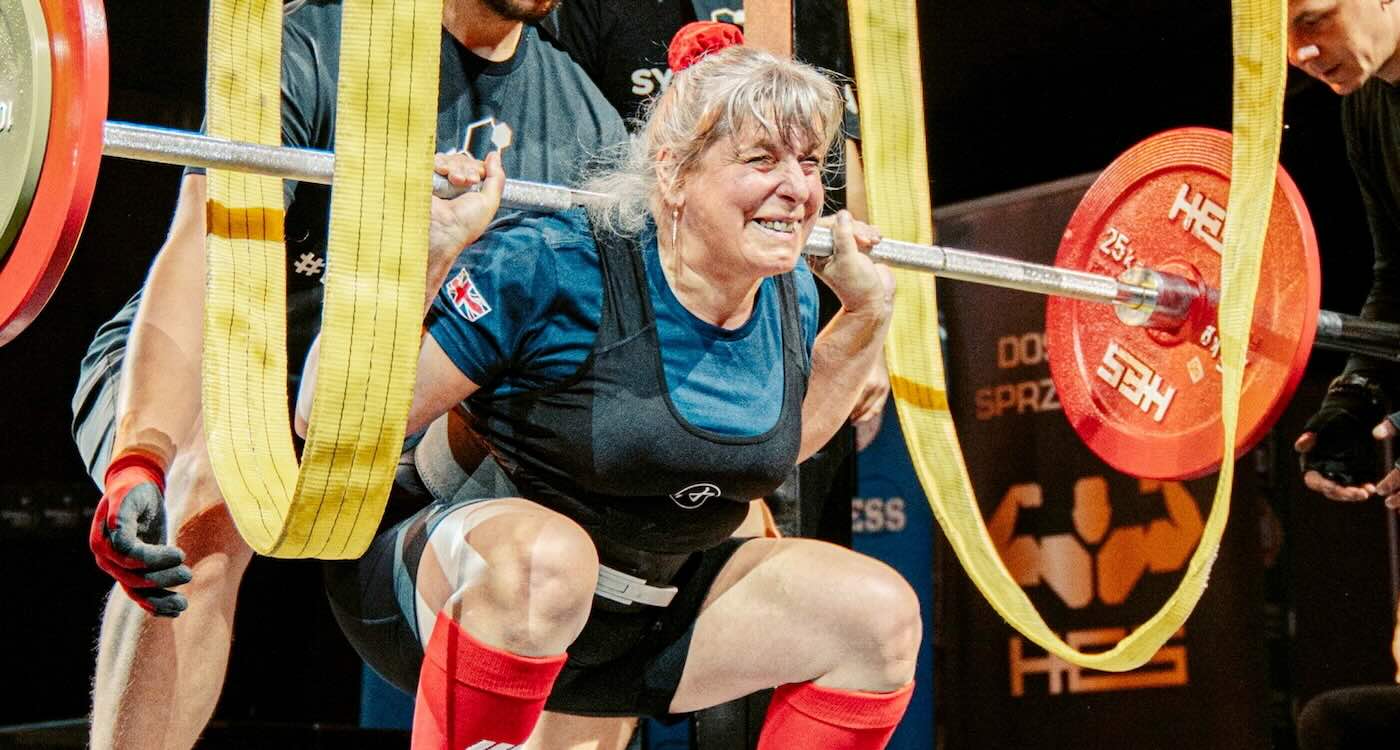
Powerlifter Martine Barons competing in Squat at the European Championships – SWNS
Powerlifter Martine Barons competing in Squat at the European Championships – SWNS
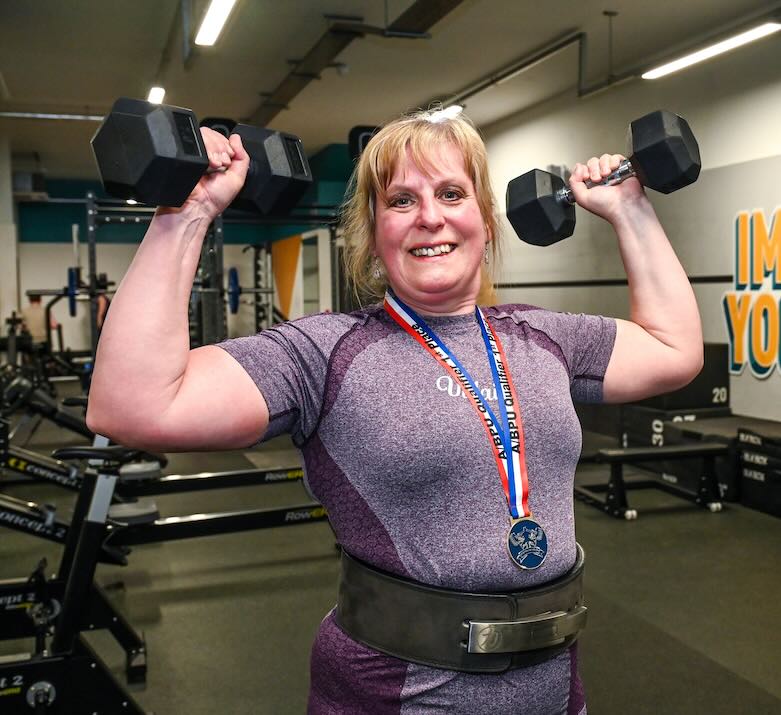
‘Britain’s strongest grandmother’ has broken four world records just 18 months after taking up powerlifting “by accident”.
At the age of 65, Martine Barons has become a four-time champion after lifting for Great Britain at the World and European Championships.
The 5-foot 6-inch mother-of-three with four grandchildren started lifting weights for fun back in December 2023 but soon realized she had a natural gift.
She’s since been training five times a week for two hours a day—all while working full-time as an academic researcher at Warwick University.
“I was surprised to find a talent for powerlifting at the age of 63 after being poor at sports all my life.
“I get enormous pleasure from training and competing—and the health benefits of increased strength and mobility are astonishing.”
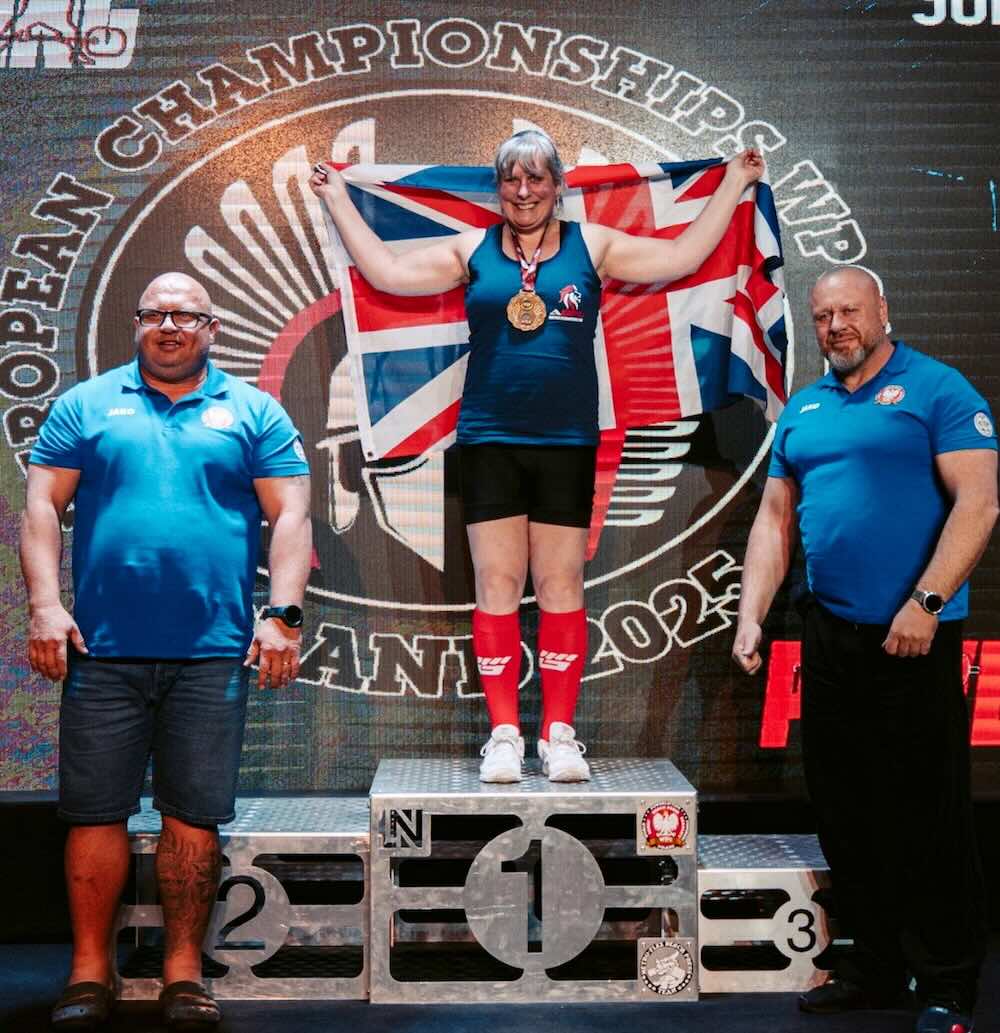
She first won the European Championships in Finland last June before successfully defending her title again this June in Poland.
Twelve weeks later, she continued her winning streak in the U.S. at the World Powerlifting championship in Idaho. She previously won the 2024 World Championships in Limerick, Ireland, so all together she’s won four major titles in her division since taking up the sport.
Powerlifter Martine Barons on winners platform at European Championships – SWNS
“It does make me happy and quite emotional to think about what I have managed to achieve. I never thought in the space of 18 months I could have achieved this.
“I have to pinch myself sometimes as I can’t believe it’s me. I’m still in shock, as it all started by chance, really.”
The married woman from Stratford-upon-Avon, in Warkshire, England told SWNS news agency it began as a fun gym session with a work colleague last April.
“I took up powerlifting by complete accident. I went to a gym with a friend of mine who is a physical training instructor and she showed me how to deadlift.
“She was impressed that I could pick up 60kg. Then I picked up 100kg a few weeks later.
“It must be good genetics. I’m unusually strong for my age and gender.”
SWNS
Martine added 10kg to the squat world record to lift 100kg (220 lbs) and 7.5kg to the deadlift world record by lifting 155kg (342 lbs).
She also bench pressed 57.5kg (127 lbs) and added 12.5 kg to the powerlifting total world record by lifting 312.5kg (689 lbs).
Her most recent success was becoming the 2025 world champion in powerlifting, deadlift, and bench press in the Masters 5, Raw, U90kg division.
“I’m a person who needs a goal, so when my friend said you should compete, it was ‘all hands on deck’.
“To be good at a sport for the first time is kind of nice,” she added. “I’ve found I’m good at something, so why not?”
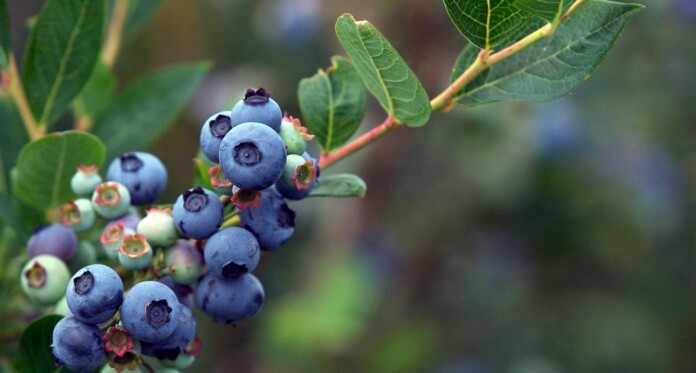
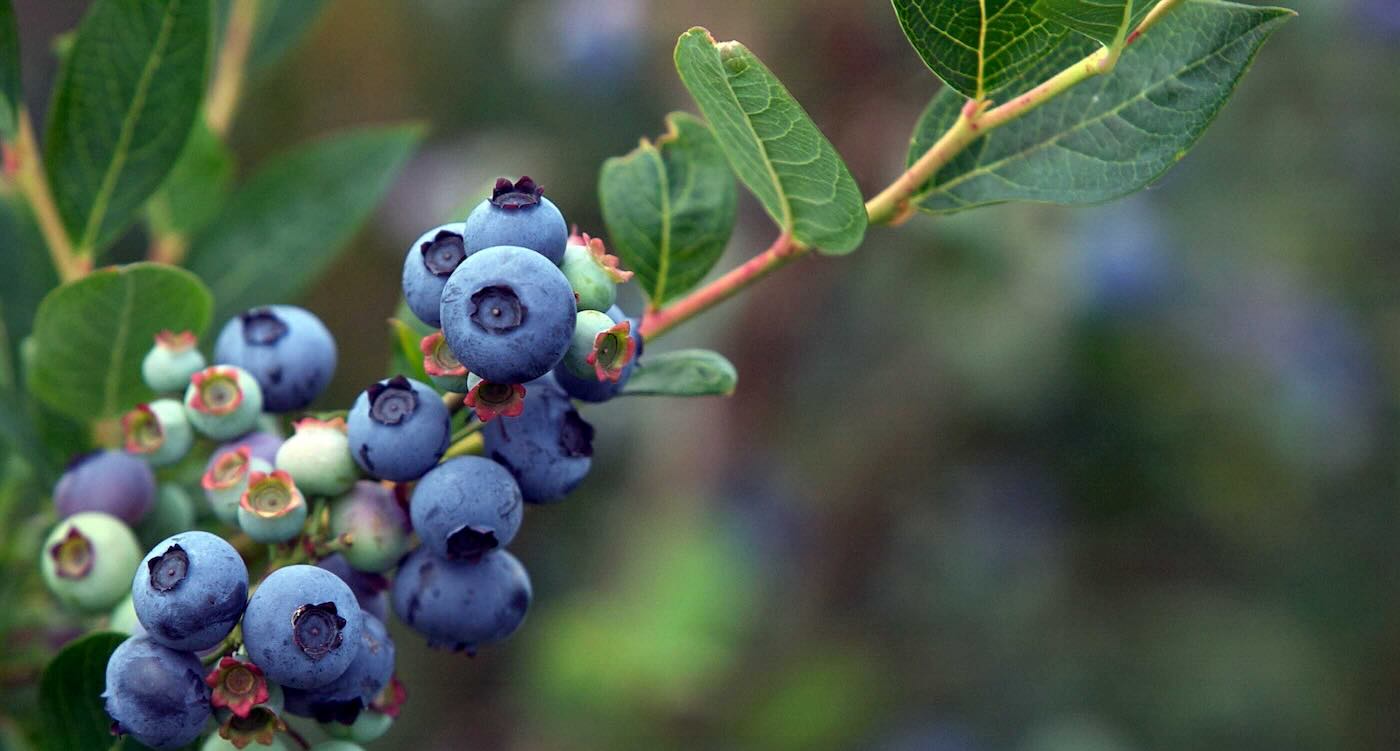
Feeding blueberries to babies may reduce allergy symptoms and improve their gut health, according to new research.
The ground-breaking clinical trial shows consuming the fruit early in life can improve immunity and support long-term health.
Feeding blueberries to babies as one of their first solid foods may help strengthen their immune systems, reduce allergy symptoms and support healthy gut development, says scientists at the University of Colorado.
To safely introduce the “superfood” to younger infants, the research team recommend pureeing them.
For older babies and toddlers, they say blueberries should be mashed or cut into small pieces to eliminate choking hazards.
The study, published in the journal Frontiers in Nutrition, is the first of its kind to rigorously test the effects of a specific food on infant health using a randomized, placebo-controlled clinical trial.
“For parents beginning to wean their infants, it’s incredibly difficult to find solid, research-backed advice on what foods to introduce,” said the study’s senior author Professor Minghua Tang, from the University of Colorado in Anschutz.
“This study is a critical first step in filling that gap by offering real data on how a specific food like blueberries can improve your infant’s health.”
The researchers followed 61 babies in the Denver area from five to 12 months of age.
Each day, participants consumed either freeze-dried blueberry powder, or a placebo powder with no blueberries.
Parents were free to feed their children as they normally would, simply adding the powder to their daily routine.
The research team collected stool and blood samples every two months to monitor changes in the infants’ gut bacteria, immune system biomarkers and allergy-related outcomes. They also tracked growth and dietary habits.
Key findings included improved allergy symptoms in babies who consumed blueberry powder, reduced inflammation and signs of a stronger immune response, and “positive” shifts in gut microbiota—with changes considered beneficial for immune health.
“This research supports the idea that blueberries are not only safe for infants but also offer meaningful health benefits,” added Professor Tang.
“Just a few blueberries a day could make a difference in supporting long-term health.”
“We view infancy as a critical window of opportunity and what we introduce during this time can have lasting effects as children grow.”
The research team is continuing to explore what other early foods might help support healthy gut bacteria and a strong immune system as babies grow to ensure there’s better guidance in place for parents.
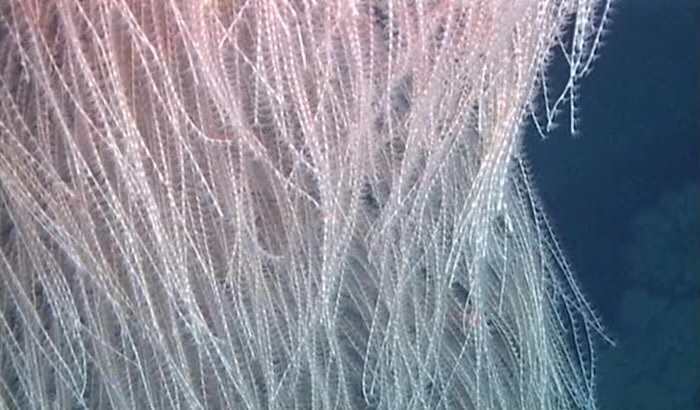
New coral species (Iridogorgia chewbacca) named after Chewbacca -SWNS University of Hawaii
New coral species (Iridogorgia chewbacca) is named after Chewbacca – SWNS University of Hawaii
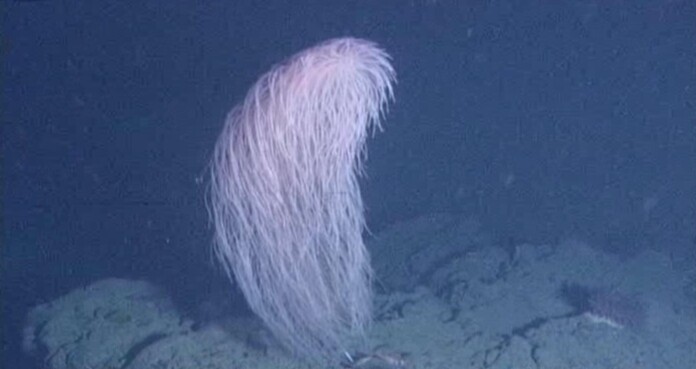
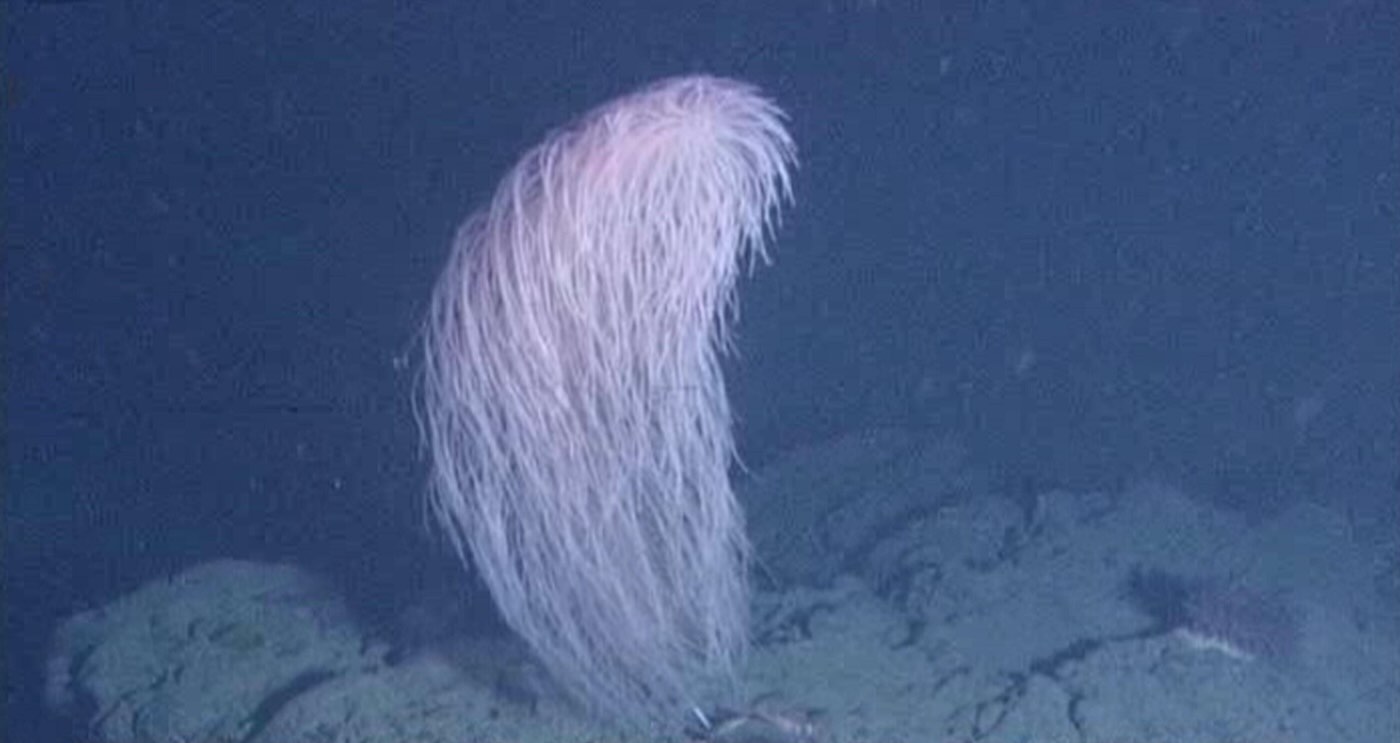
A new ‘hairy’ deep-sea coral species has been named after Chewbacca when researchers were reminded of the Star Wars character after the discovery in the tropical western Pacific.
The coral, named Iridogorgia chewbacca, is known for its long, flexible branches and shiny surface.
As seen in the photos, the nickname is well-earned due to the coral’s furry-looking branches standing upright, like an appearance of the furry Wookie seen in the sci-fi saga.
Les Watling, professor emeritus in University of Hawaiʻi Mānoa’s School of Life Sciences and co-author of the study published in Zootaxa, spotted the coral while reviewing research from colleagues in China.
His earlier work in Hawaiʻi waters and collaborations with NOAA expeditions helped confirm that it was a new species.
“Seeing this coral for the first time was unforgettable,” Watling said in a UH press release.
“Its long, flexible branches and shape immediately reminded me of Chewbacca. Even after years of deep-sea work, discoveries like this still make me stop and take notice.”
Closeup of coral named after Chewbacca U of Hawai’i / SWNS
The coral itself was first recorded in the wild in 2006, but at the time it was not officially described as a distinct species. Only after further research, including genetic analysis, did scientists confirm its uniqueness and formally recognize it as a new species in a peer-reviewed study.
The discovery adds to scientists’ understanding of the biodiversity hidden in the deep ocean and demonstrates that even long-studied regions like the Pacific still hold surprises.
LET YOUR FRIENDS CHEW ON THIS By Sharing The Fun on Social Media…
Quote of the Day: “The secret of business is to know something that nobody else knows.” – Aristotle Onassis
Photo by: Bruce Mars
With a new inspirational quote every day, atop the perfect photo—collected and archived on our Quote of the Day page—why not bookmark GNN.org for a daily uplift?
56 years ago today, the charter establishing the Organization of Islamic Cooperation was signed in Rabat, Morocco. The OIC consists of 47 members that are either Islamic by law, Arab by lingua franca, or which contain a large Muslim population like Uganda. The opening preamble states that “Muslim governments would consult with a view to promoting among themselves close cooperation and mutual assistance in the economic, scientific, cultural and spiritual fields, inspired by the immortal teachings of Islam.” READ more about the union’s progress over the years… (1969)
Jevon Castrillo and mother Cee Cee Lyles-family photo
Jevon Castrillo and mother Cee Cee Lyles – family photo
The mother’s letter survived four different moves and 24 years—it was destined to reach her son.
Jevon Castrillo’s mother, Cee Cee Lyles, first wrote the letter in March of 2001. Her son had just finished a book end-to-end and Lyles wanted to share the good news with Jevon’s kindergarten teacher, Tammy Thurman.
“Dear Ms. Thurman, Jevon read a book last night that he brought home from the library. He read it from cover to cover. I told him I would write you a note and tell you what an outstanding job he did,” Lyles wrote. “We are very proud of him and will continue to work with him at home. Again thank you for your dedication and courage for the job that you do.” – Cee Cee Lyles
The story took its tragic turn in the fall of 2001 when Lyles was one of the flight attendants aboard United flight 93 that was hijacked during the September 11 attacks. While in the air, Lyles called her husband at home and told him the passengers aboard were going to fight back.
Thanks to Lyles and other heroes on the plane, Flight 93 eventually crashed down in an empty field in Shanksville, Pennsylvania—likely saving thousands of lives at potential targets in Washington, DC.
Cee Cee Lyles in United Airlines uniform – family photo
Jevon lost his mother that day, but Ms. Thurman kept a close eye on the letter ever since. This year, she gave the letter to a news reporter, Jon Shainman, who works near Lyles’ hometown of Fort Pierce, Florida, and he promised to get the letter to her son.
The exchange took place this past September—24 years later. Thurman even sent along a class photo featuring 6-year-old Jevon.
“As a mom, I know you need to see those words from your mom,” Thurman told Jevon in the video below by WPTV in West Palm Beach… “She was a wonderful woman and you were a wonderful student.”
On camera, Jevon read the letter from his mother that praised his reading prowess so many years ago. A few decades worth of emotions overflowed.
Tears followed soon afterward, and a new connection was made between this life and the next one.
“It’s very touching…” Jevon said. “It seems very sweet and it seems like something she would definitely say, you know.”
Anton Lawrence has been playing golf for 40 years and never once had a hole in one. Then, he stepped onto the teebox for Hole No. 8 at Cobbossee Colony Golf Course near Augusta, Maine.
Lawrence was playing in a charity golf tournament with his youngest son, his brother who was in town from Louisiana, and his good buddy Mark. His swing on No. 8 felt pretty solid. The ball soared into the September sky and was soon bouncing on a perfect line toward the hole. And then, it dropped in.
Lawrence had his first-ever hole in one – but there were still 10 holes to play.
Magic arrived again on Hole No. 2. Lawrence was playing the course out of order thanks to the tournament’s format.
He teed off on No. 2 and once again, his swing and shot seemed perfectly in sync. The golf ball sailed forward on an optimal path to the hole. This time, it hit the pin and fell in.
Lawrence, who had played for four decades without once feeling the thrill of a hole in one, now had experienced it twice in the same round.
“It was just great,” Lawrence told WGME-TV in Portland, Maine in the video below… “It was a fun feeling.”
Clearly, it was Lawrence’s lucky day. Friends told him he had better play the lottery too. Otherwise, he’d be wasting an epic run of good fortune.
As it turns out, they were right. Lawrence didn’t win the Powerball drawing that night, but the two scratch-off tickets he purchased instantly paid $500, topping off his legendary luck.
And when the day finally ended, Lawrence had another win too.
“We ended up winning the tournament,” Lawrence said. “…So it was a good time.”
It was indeed quite a time and quite a day—and it certainly will be a tough one to beat.
BESTOW SOME LUCK On Friends By Sharing This On Social Media…
The 110-foot-long section near Hickman - credit, Turlock Irrigation District
The 110-foot-long section near Hickman – credit, Turlock Irrigation District
Californian power authorities have finished their first solar panel-covered canal project, that will generate 1.6 megawatts.
Overseen and built by and for the Turlock Irrigation District Water & Power overtop a curved section near the town of Hickman, the canal helps irrigate cotton, tomatoes, almonds, and other crops in California’s central valley.
The decision to install the panels was influenced by a landmark 2021 research paper, where scientists at Univ. of California Santa Cruz crunched the numbers and figured that the panels would save 63.5 billion gallons of water from evaporation annually by shading the flowing water.
It also found that for every megawatt of solar energy generated during Turlock’s 290 days of average sunshine, the pairing of panels over canals could replace 15-20 diesel generators used to pump water along the canals.
Called Project Nexus, the work began in October 2022 with funding of $20 million from the state’s coffers.
One of only a handful of arrays worldwide to be mounted over canals, and just the second in the US, Project Nexus will be monitored overtime to see how well the performance matches the earlier estimates.
The first canal-panel combo was installed last October on the Pima-Maricopa Indian Reservation near Phoenix, Arizona.
“Why disturb land that has sacred value when we could just put the solar panels over a canal and generate more efficient power?” said David DeJong, director of the Pima-Maricopa Irrigation Project, which is developing a water-delivery system for the Gila River Indian Community.
Along with preventing evaporation, reducing the land clearance needed for solar farms, and boosting the state’s green energy output, the canal-mounted panels are believed to benefit from longer functional lifespans, as the water underneath keeps the panels’ undersides cooler.
Yet further, without direct sunlight, harmful algae will not grow along the canals, removing the need to clear it by hand or with chemicals.
This idea actually began in the Indian state of Gujarat in 2014, when a pilot project covering 750 meters of canal space led to the creation of an entire canal-topped solar plant in Vadodara District, and another one totaling 100 megawatts off the Narmada River.
Researchers in India found that the water running beneath prevented overheating and resulted in an average efficiency increase of between 2-5%.
There are around 4,000 miles of canals in California, which could produce up to 13 gigawatts of power which would cover around 750,000 homes, or around half of Los Angeles.
SHARE This No-Brainer Of A Brilliant Idea In California’s Central Valley…
Carrie Edwards with her winnings - credit, Virginia Lottery, released
Carrie Edwards with her winnings – credit, Virginia Lottery, released
A Virginia lottery winner immediately donated the entire sum of her winnings to three personally-important charities.
Winning $150,000 after matching 4 of the 5 numbers plus the Powerball number, a $1 dollar Powerplay addition saw her standard $50,000 prize tripled.
Carrie Edwards won the September 8th drawing, but received her gift yesterday.
According to WISTV, the first $50,000 gift was made to the Association for Frontotemporal Degeneration, an organization supporting urgent research and family resources for those affected by early-onset dementia.
The donation was made under Carrie’s name and her late husband, Steve, who died of the disease.
“This cause is deeply personal,” she said, during what happened to be FTD Awareness Month. “I wanted this gift to shine a light on the families who are fighting this disease and on the researchers working toward a cure. God is blessing me so I can bless others through him.”
The second gift was made to Shalom Farms. Based in Richmond, this organization strives to create richer food opportunities to underprivileged residents and low-income earners.
The third $50,000 was given to the Navy-Marine Relief Society, providing several programs and services, such as educational support, to assist active duty and retired Sailors, marines and their families in financial need.
“These three organizations represent healing, service, and community,” Edwards said. “Shalom Farms heals through food and soil, AFTD brings hope through research, and the Navy-Marine Corps Relief Society carries forward the tradition of supporting military families in times of need.”
“All of us at the Lottery are delighted to see this prize being shared with worthy causes, due to the wonderful generosity of Carrie Edwards,” said Lottery Executive Director Khalid Jones.
Edwards hopes the donations make a difference to their respective causes, but also that they inspire similar acts of kindness and generosity among Virginians.
SHARE This Woman’s Inspiring, Selfless Act Of Generosity On Social Media…
Quote of the Day: “Life is best when you are in love.” – Michael Moriarty
Photo by: Clay Banks
With a new inspirational quote every day, atop the perfect photo—collected and archived on our Quote of the Day page—why not bookmark GNN.org for a daily uplift?
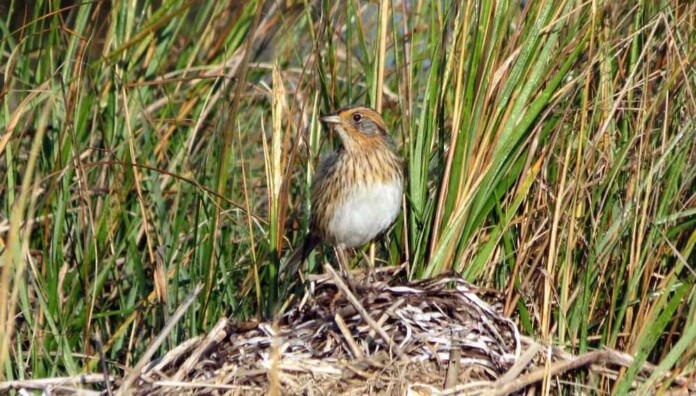
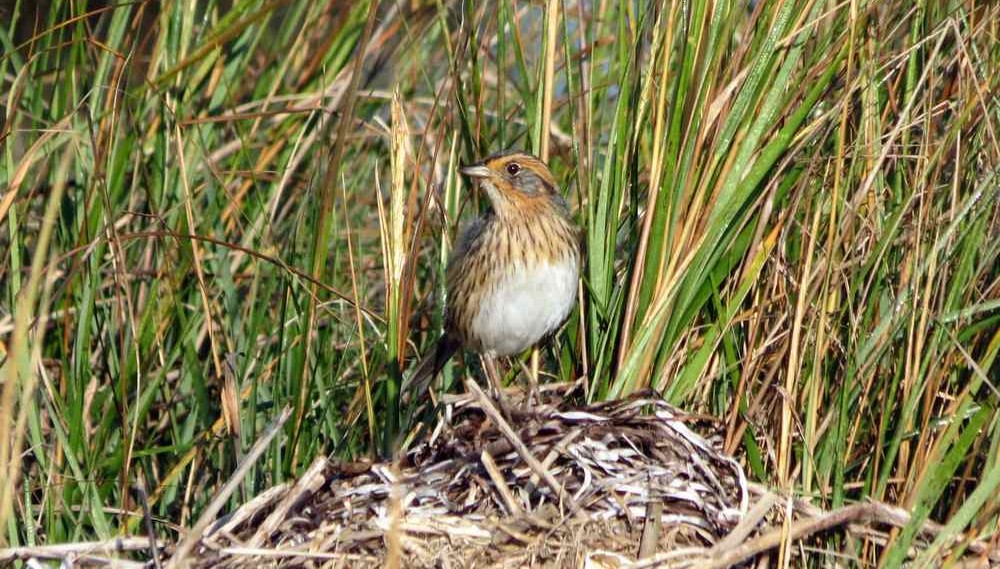
Saltmarsh Sparrow (Ammodramus caudacutus) at Great Bay Boulevard Wildlife Management Area - credit, Brian Henderson CC 2.0. via Flickr
Saltmarsh Sparrow (Ammodramus caudacutus) at Great Bay Boulevard Wildlife Management Area – credit, Brian Henderson CC 2.0. via Flickr
This is a saltmarsh sparrow, an Endangered species of bird that builds its nest in its eponymous habitat.
A collaboration of citizen scientists working in Jacob’s Point salt marsh in Rhode Island is attempting to save the animal—which they believe will go extinct by mid-century—from drowning in the marsh.
In a state of nature untouched by man, these birds would build their nests in higher-elevation marshes where the threat of flooding was rare. But coastal development over the last 200 years has seen most of the higher-lying marsh cleared, forcing the sparrows to move to lower-lying marshes like Jacob’s Point that are routinely flooded by high tides.
The citizen scientists, under the moniker Needle in a Haystack Society, have for the last 10 years conducted a monitoring/intervention project in Jacob’s Point that has seen them floodproof the sparrows’ nests.
By placing a rigid coffee filter under their conical nests of intricately woven grass, the whole thing, eggs or chicks and all, rises and floats until the high tide or flood recedes. Not everyone they’ve contacted about the project are enthusiastic about it, with one expert pointing out how sensitive the mother sparrows are to signs of nest tampering.
But only half of the Haystack Society’s work is intervening. The other half is monitoring, and unfortunately that has involved capturing footage of nests and chicks being drowned by both floods and the highest tides.
Featured in a documentary from the Guardian newspaper in England, the society have gathered findings that remain unpublished which show the coffee filter “arks” prevent nests from drowning, in all but 8% of instances, and not a single parent has abandoned a nest after the ark was installed.
By contrast, unsecured nests drowned 18% of the time during extreme tides.
The saltmarsh sparrow sits on something like a waitlist for Endangered Species Act protections, but the society is worried that after 9 years on the waitlist, the potential protections will come too late to save the bird.
Although, a previous critic of the society’s interventions, evolutionary biologist Chris Elphick at the University of Connecticut, Storrs, recently co-authored a paper in which he and his team presented findings which showed the decline in the saltmarsh sparrow had slowed, and the population actually increased.
The paper also concluded that sea-level rise, though seemingly more inevitable and apocalyptic than other factors like road density and habitat integrity, was not as good a predictor for the long-term population trends of coastal birds than the latter two factors.
In that sense, better habitat protections—like those that might prevail from an Endangered Species Act listing—could yet save this extremely specialized songbird from singing shanties in Davy Jones’ Locker.
And if that were the case, then the dozens of chicks who were made safe from rising tides by the coffee filter arks would be able to carry on building their curious nests long into the future, with the citizen scientists of the Needle in a Haystack Society to thank for it.
SHARE This Songbird Saga Up In Rhode Island’s Salt Marshes On Social Media…
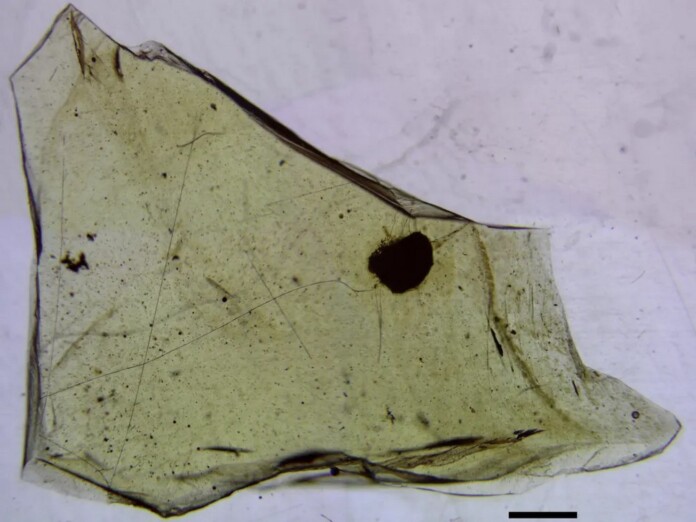
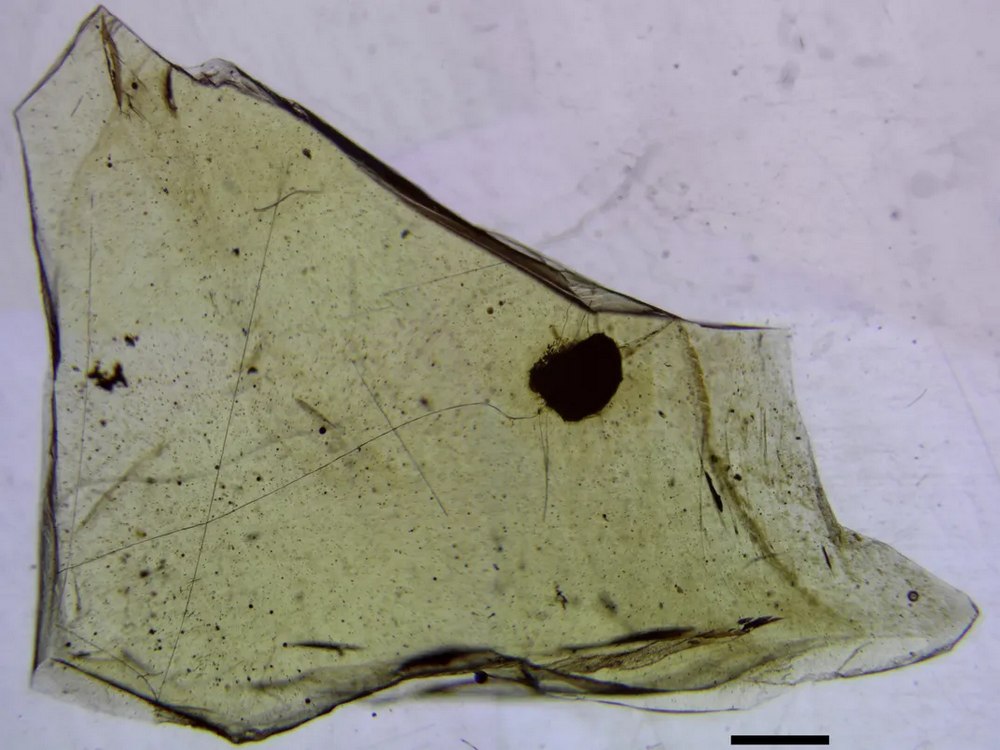
A portion of spider web in a studied amber sample. Enrique Peñalver
A beetle in amber sample – Credit: Senior Researcher Enrique Peñalver
In the blockbuster 1993 film Jurassic Park, Steven Spielberg’s screenwriters tell the story of scientists who recover dinosaur DNA from a mosquito entombed in amber and use it to clone the animals back into existence.
Today, a recent paleontological discovery comes to the very doorstep of that fictional tale, bringing much of the excitement, short of the impossibilities.
A fly trapped in a studied amber sample. Mónica Solórzano-Kraemer
Two amber samples: one from below ground and one from the limbs of an ancient tree, show incredible 3D snapshots of life from 112 million years ago. 6 orders of arthropods are seen inside, including beetles, flies, and spiders encased within.
This entomological time capsule is only possible because of amber, a tree resin that when exposed to millions of years will harden into a crystalline structure. Sold as jewelry today, it also sometimes contains “bio-inclusions.”
“Amber essentially preserves the exoskeletons of small organisms from the past. The preservation of these outer structures is so excellent that, under a microscope, they can look like freshly dead organisms, yet they are millions of years old,” Xavier Delclòs, a paleoentomologist from the University of Barcelona and first author on the study, told Reuters.
To be fossilized, an organism needs to be made of sterner stuff than chitin—the material that forms the exoskeletons of insects—and Delclòs would later tale Gizmodo that without amber we’d never have the opportunity of seeing these prehistoric invertebrates.
Discovered in Ecuador, the amber dates to the period when all the continents were joined together into the giant Gondwana super continent.
A portion of spider web in a studied amber sample. Enrique Peñalver
In the amber piece that was exposed to air, creatures that come from the orders of flies and mosquitoes, beetles, and wasps/ants were all identified, as well as the silken strands of a spider’s web, if it can be believed.
They are just the second-ever bio-inclusions found from an amber in the Southern Hemisphere. They date to a period when the eons-long relationship between the flower and the pollinating insect first began, and the scientists who published the study on the examinations of the ambers believe they may help reveal more about this relationship at the very dawn of its development.
In Jurassic Park, the one fiction in the premise is that DNA could remain stable inside a mosquito encased in amber for tens of millions of years. The blood-sucking bug found in these ambers will almost have certainly fed on dinosaurs, but don’t be fooled into thinking your children will get to go see T. rex at a zoo, the delicate DNA will have long turned to nothingness.
SHARE This Amber Time Capsule With Your Friends On Social Media…
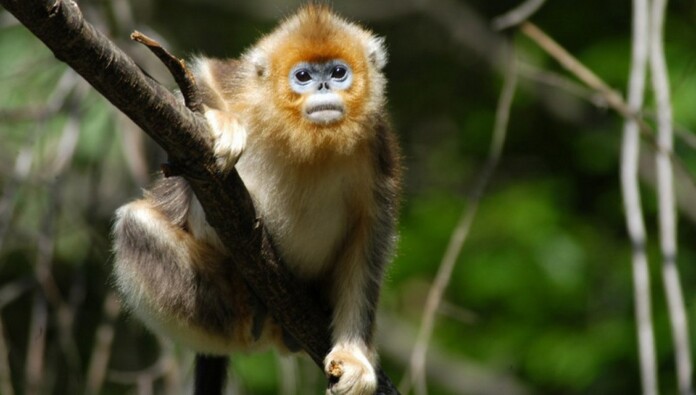
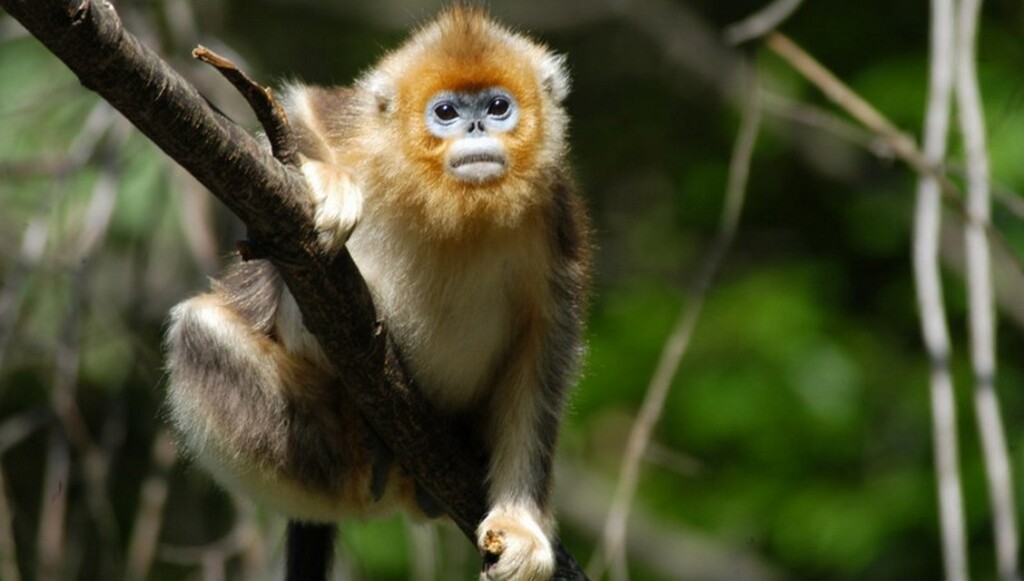
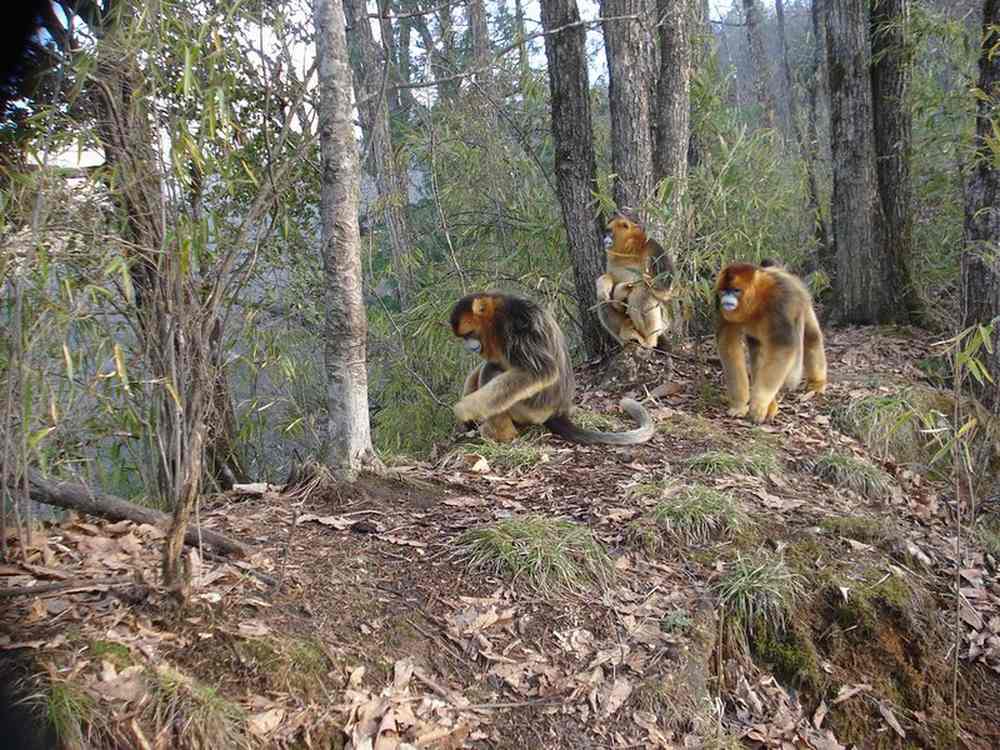
A golden snub-nosed monkey in Tanjiahe National Nature Reserve, Sichuan Province - credit, David Blank CC BY-NC-SA 3.0.
A golden snub-nosed monkey in Tanjiahe National Nature Reserve, Sichuan Province – credit, David Blank CC BY-NC-SA 3.0.
From the BBC comes the story of an intrepid and dedicated scientist who has spent decades working in China’s mountain forests in an effort to protect and understand one of the nation’s most amazing animals.
The golden sub-nosed monkey is revered alongside the giant panda as “national treasures” of Chinese wildlife, yet this couldn’t protect them from logging and hunting that followed in the wake of Mao’s Cultural Revolution.
Members of this sub-species located in the UNESCO-listed Shennongjia mountains of Hubei Province, were the subject of intense study by Professor Yang Jingyuan, a research ecologist who arrived in these mountains in 1991.
For Yang, the golden sub-nosed monkey was Jane Goodall’s chimpanzees. By the time Yang arrived in Shennongjia, the population had collapsed to just 500 or so individuals across 6 family groups. Years of illegal logging as a form of subsistence living had reduced forest coverage in the mountains to 63%.
But before Yang could protect the animals, he had to first learn to understand them. With his research colleagues, he began striking out into the newly-created Shennongjia Forest Reserve to study these incredible animals.
The monkeys were at first so wary of humans that Yang and his team had to stay half a mile away to be able just to observe the monkeys in their habitat. Eventually though, with repeated encounters, half a mile became and quarter mile, and a quarter mile became 200 yards, 100 yards, 20 yards—until Yang and whoever he brought with him were accepted by the troupes.
The BBC’s China Correspondent, Stephen McDonell, experienced this treatment as baby monkeys and curious juveniles climbed all over him on a visit to special, 100 square kilometer monkey zones hat are off-limits to the hundreds of thousands of visitors who come to enjoy a mountain ecosystem that is without exaggeration unique in the world.
“Even after logging was banned there were still people illegally felling timber. If they didn’t cut down trees, how would they have money?” Professor Yang, director of the Shennongjia National Park Scientific Research Institute, told McDonell.
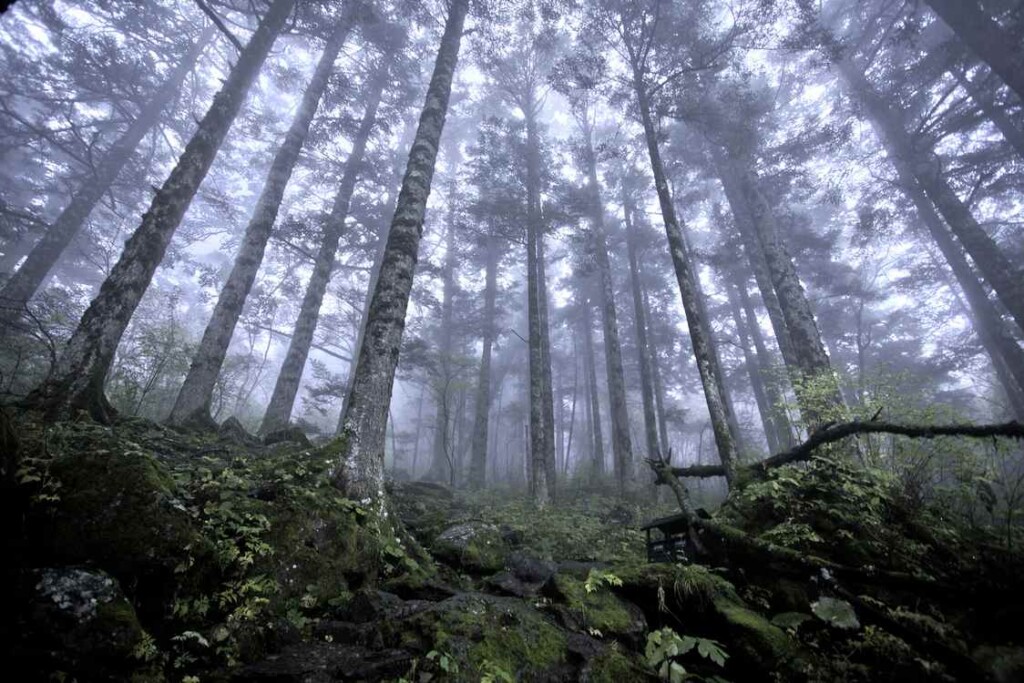
Golden snub-nosed monkeys in Tanjiahe National Nature Reserve, Sichuan Province – credit, David Blank CC BY-NC-SA 3.0.Shennongjia virgin forest – credit, Evilbish CC BY-SA 3.0
“There were also people secretly hunting here to survive. It was only after a long period of building awareness that the consciousness of local farmers changed.”
In the 1990s, with a shifting focus from forestry to forest conservation, local residents eking out this subsistence living were offered government money to relocate so that the forests could regrow. Many accepted the offer, and now benefit from the tourism boom the mountains are experiencing.
There is no place on Earth that has greater biodiversity of deciduous woody plants than Shennongjia, and a dizzying 3,400 higher-order plant species, and over 600 invertebrates have been recorded there. The golden snub-nosed monkey is very much a fuzzy golden cherry on top of a biodiverse cake ten layers-high.
“I’m very optimistic,” said Prof Yang. “Their home is now very well protected. They have food and drink, no worries about life’s necessities and, most of all, their numbers are growing.”
Golden snub-nosed monkeys captured via camera trap – credit, eMammal CC 2.0. via Flickr
Indeed, an archived report from Xinhua claimed that those 500 remnant individuals became 1,200 by 2013. This represents major progress since females give birth to only one baby at a time.
At the time McDonell visited, their numbers had jumped again to 1,600, and forest cover along the hills and valleys had increased to around 96% of the reserve’s total area.
Professor Yang can live freely among them like some character of fable. He speaks to them in their calls, having learned the meanings of each vocalization during his many years of observing them.
Like Goodall, his research has yielded incredible insights into their lives. For example, each monkey has an egg timer-like understanding of its lifespan, and when it’s time to pass away, they silently leave their families behind and visit special, secluded areas to die alone in the forest.
According to Yang, there hasn’t been a single successful attempt to find these sites, either by researchers or rangers.
Yang’s institute estimates that the monkeys will come to number 2,000 individuals in Shennongjia sometime over the next 10 years, a testament to the magnificent outcomes conservation can provide, providing there’s someone in the right place at the right time to make the effort to make a difference.
SHARE This Amazing Story Of A Man, A Monkey, And The Mountains…
The Seine featuring the Saint Alexander III Bridge and the Eifel Tower - CC 2.0. ilirjan rrumbullaku
The Seine featuring the Saint Alexander III Bridge and the Eifel Tower – CC 2.0. ilirjan rrumbullaku
The world’s most romantic river also helps prevent residents from getting all hot and bothered, cooling their offices and homes through a heat transfer system.
Currently, around 60 miles of piping channels water to and from the Seine in Paris, but it has nothing to do with plumbing. Rather, this network, which includes pumps and heat exchangers, naturally cool 800 Paris buildings.
The heat exchanger works by bringing the cool temperatures of the Seine’s undercurrent and using them to cool the air that circulates through the buildings. The water gradually absorbs the heat that was present in the air, and when it loses its cool, it returns to the Seine to deposit that thermal energy into the water.
Water is 800 times denser than air, so using it to store temperatures is much more efficient. It’s so efficient that the Seine’s district cooling services are set to more than double through ongoing expansion work.
Those 100 kilometers of pipes are set to become 245 kilometers, allowing the system to welcome an additional 2,200 buildings into the fold.
Another advantage district cooling has, and one reason why it’s so desired in central or downtown districts, is that there’s no heat discharge back out into the city. Air conditioners pump heat into the alleyways and streets they face, contributing to the urban heat island effect that is more intense the more buildings there are.
One of the system’s largest clients is none other than the world’s most famous museum. The Louvre uses 12 megawatts of cooling power—12-times more than the average building—to keep its countless galleries and halls at the ideal temperature and humidity for preserving artifacts and works of art. That means the only cost of cooling this massive underground building is the cost of pumping the water.
Compared to other district cooling systems that use deep, colder lakes rather than shallow, UNESCO-protected rivers, the capacity for the Seine to expand is minimal. The riverbed cannot be deepened, while excavating to lay new pipes is excruciatingly slow because of the layers of history in a city like Paris and the requirements for archaeological surveying.
But the city is experiencing extreme heatwaves routinely during the summers; each of the last 4 years included, and access to cooler spaces is becoming more and more of a priority; somewhat like how warm spaces were 100 years ago.
In the 19th century, one could go swimming in the Seine if it got too hot, a possibility that was gradually removed by rampant pollution. But with the clean-up of the Seine complete, Paris has now effectively doubled its cooling power—by refreshing those both in and out of river.
GNN has also reported on the brilliance of district heating systems, which, like the Seine’s cooler depths, utilize excess heat produced by factories and data centers to warm water that is transferred to office spaces. There, it heats the air that circulates through the building before being pumped back into reservoirs under the factories to be re-heated again.
SHARE This Brilliant Use Of A City River With Your Friends…
Quote of the Day: “That the birds of worry fly above your head, this you cannot change. But that they build nests in your hair, this you can prevent.” – Chinese proverb
With a new inspirational quote every day, atop the perfect photo—collected and archived on our Quote of the Day page—why not bookmark GNN.org for a daily uplift?
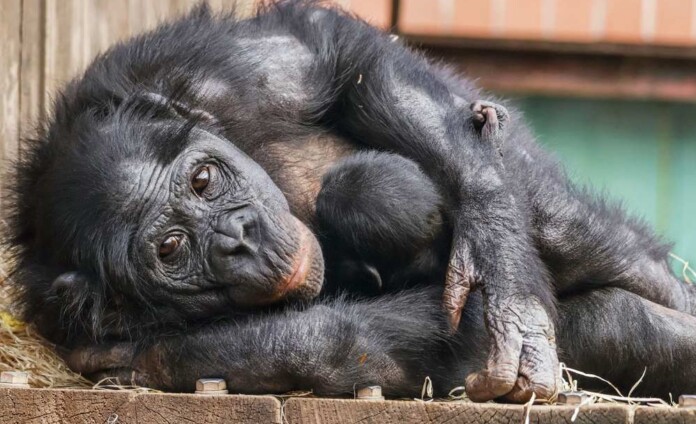
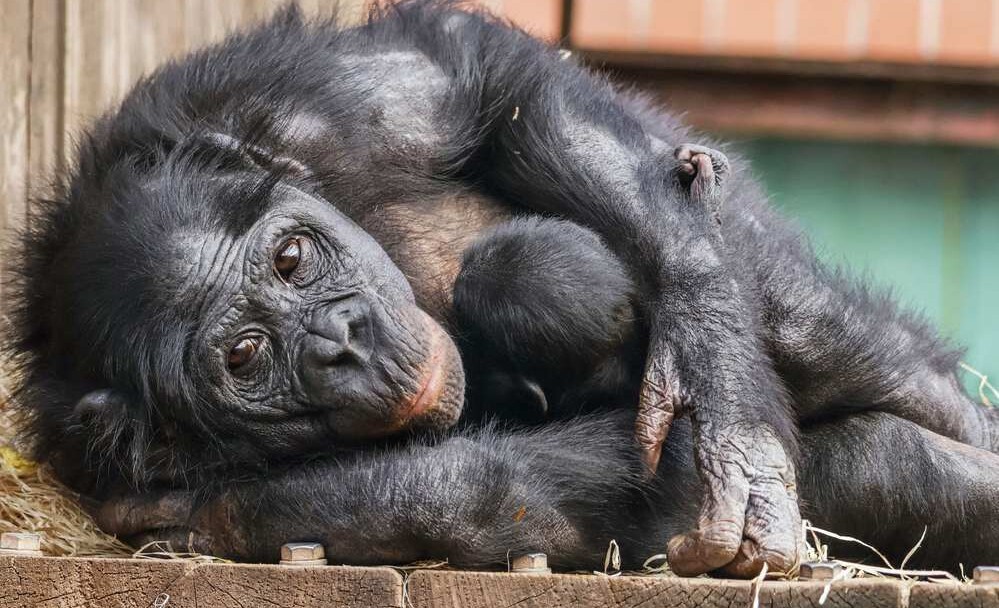
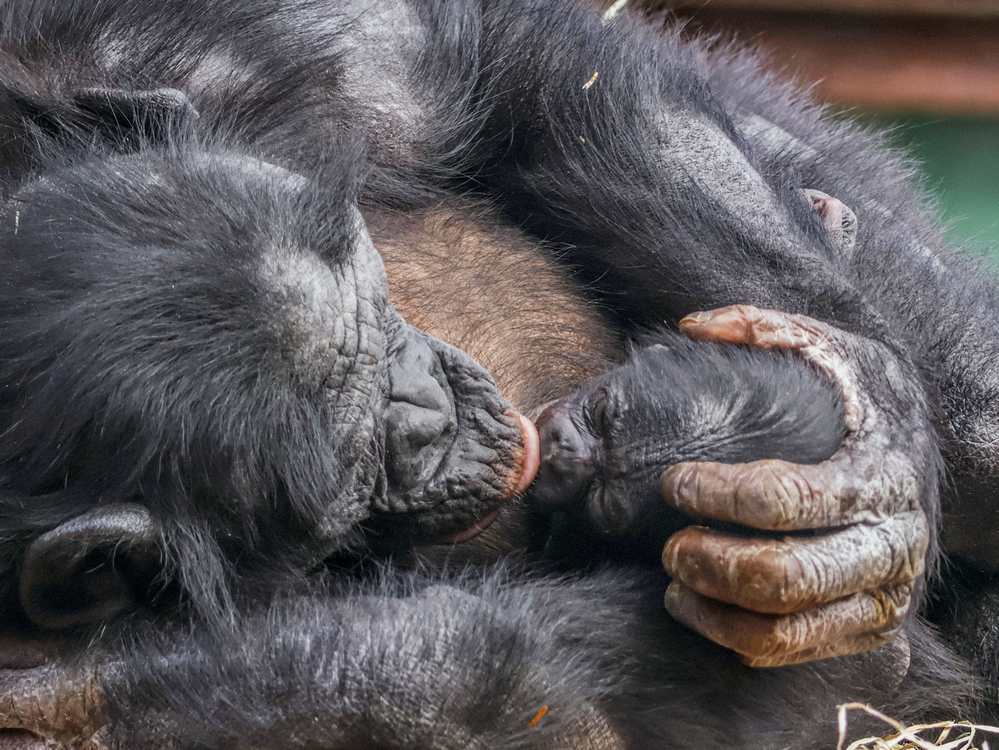
Conservationists and zookeepers are celebrating our closest living relative giving birth to a healthy baby.
Heart-tugging photos show the bonobo mother Yuli cradling her tiny newborn after it was born at Twycross Zoo in Leicestershire last Thursday.
Experts have hailed the birth as a ‘globally significant’ moment which could help save one of the world’s rarest apes and humanity’s cousin.
Twycross Zoo is the only UK zoo to care for the species, and says the new arrival has the distinguished status as the only baby bonobo in the whole country.
The infant’s mother Yuli arrived at Twycross Zoo from Vallée Des Singes in France as part of the European-led conservation program in 2023.
“Bonobos are human’s closest living relatives, yet they remain one of the most endangered and least understood apes on Earth,” said Dr. Rebecca Biddle, chief conservation officer at Twycross Zoo. “Every birth is a true milestone and a powerful reminder of what can be achieved when zoos work together.
“As the only UK zoo caring for bonobos, here at Twycross Zoo, we are immensely proud and feel a great responsibility to play our part in protecting this incredible species,” she added.
credit – Adam Kay, Twycross Zoo / SWNS
Bonobos, which are listed as “Endangered” on the IUCN Red List of Threatened Species, are indeed as Biddle says—Homo sapiens’ closest living relatives, sharing more than 98% of our DNA.
In the wild, their population is said to be decreasing due to many human-caused threats such as poaching and deforestation.
Found only in the wilds of the Democratic Republic of the Congo, the bonobo is a highly unique ape due to their matriarchal society. Typically, primate troops are led by a dominant male, but bonobos are one of few primate species, and the only great ape, to live in female-led societies.
The conservation program looks after 10% of all the bonobos in Europe, and is a key part of a collaborative effort between EAZA (European Association of Zoos and Aquaria) member zoos.
At the moment, neither mother nor newborn will be visible to the public as they enjoy a critical period of bonding and nurturing.
SHARE This Amazing Photo And The Even More Amazing Species In The Lens…
A team of deep-sea divers has recovered a slew of artifacts from the wreck of Titanic’s sister ship, a vessel sunk by a mine during the First World War.
Called the HMHS Britannic, it was one of three Olympic-class ocean liners built by the White Star Lines company in the early 20th century, with the others being HMS Titanic and HMS Olympia.
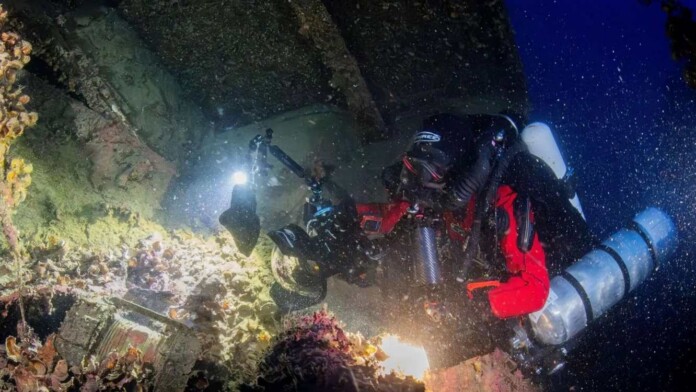
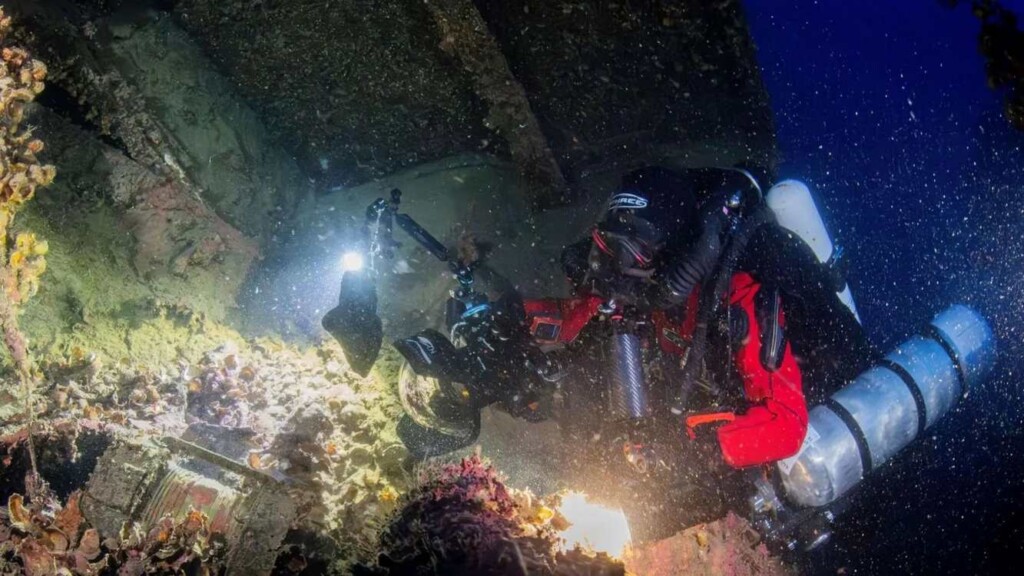
The dive was organized by British historian Simon Mills, founder of the Britannic Foundation and owner of the wreck, and saw 11 professional divers enter the Aegean Sea in May and conduct a survey of the ship for artifacts they might recover.
Details were kept secret until last Monday when images of what was recovered were published by the Greek Ministry of Culture.
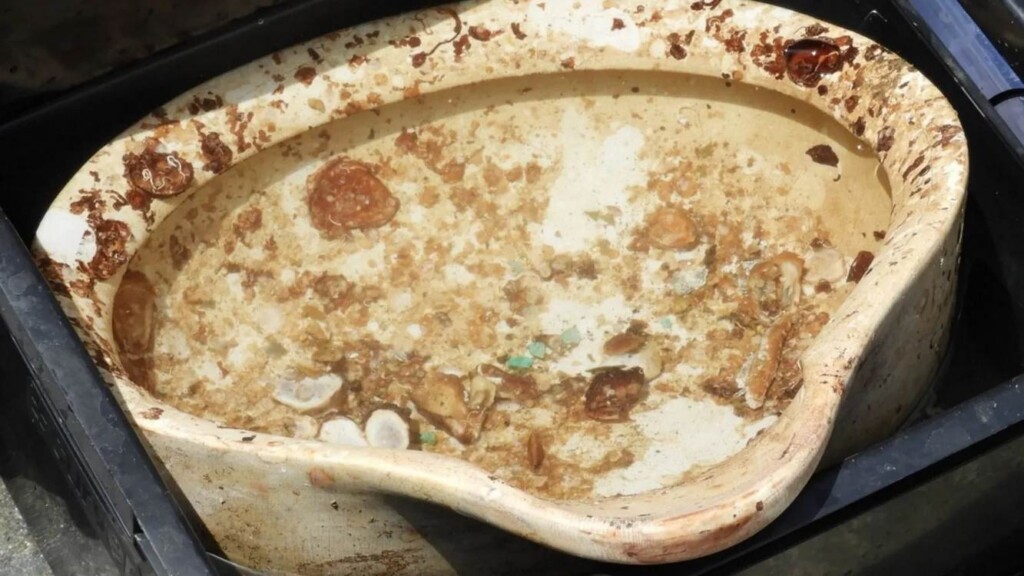
Included among the items were a porcelain wash basin, binoculars, a portside navigation lamp, tiles from Turkish baths, equipment from first and second-class cabins, and most excitingly, the lookout’s bell.
Connected to air balloons, they floated up from the depths to be secured by waiting crews who packaged them up for transfer to a conservation center in Athens.
A porcelain wash basin covered in marine life – credit Greek Ministry of Culture (2)
Once cleaned of marine organisms, they will go on display in the war section of the National Museum of Underwater Antiquities in Piraeus.
The loss of Titanic would have been a terrible one for the company’s fortunes, but was likely less than the confiscation and subsequent loss of HMHS Britannic by the British Government for use as a hospital ship in World War I.
With one sunk by an iceberg, and the other by a German mine, and with several other vessels lost during the war that had also been “requisitioned” for the war effort, the company had to conduct a post-war triage until three liners obtained from Germany as war reparations were given over to White Star Lines as something approaching compensation.
The HMHS Britannic
Thankfully, and quite unlike her more famous sister ship, the sinking of Britannic claimed only 30 of the more than 1,000 souls onboard; the others escaping via an adequate number of life boats.
Today, the vessel is the largest intact passenger ship on the seabed in the world.
SHARE This Underwater Effort To Resurface The History Of This Great Liner…