














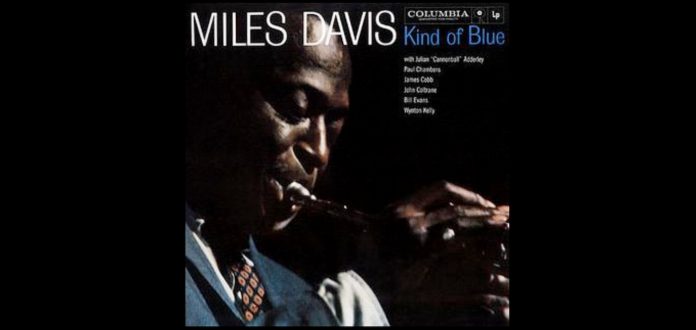
100 years ago today, jazz trumpeter and composer Miles Davis, was born. One of the most influential and innovative musicians of the 20th century, Davis broke long-held musical rules and helped popularize jazz fusion with his 4-time platinum 1959 album, Kind of Blue. From 1944 to 1948, Davis played in Charlie Parker’s revolutionary hard pop quintet, an undoubtedly strong influence on his career and music making for the following decade when he would be signed to a long-term deal with Colombia Records, where Kind of Blue was recorded. MORE more about the great man… (1926)
Helping Children Laugh Can Make Their Brains More Resilient and Learning Easier
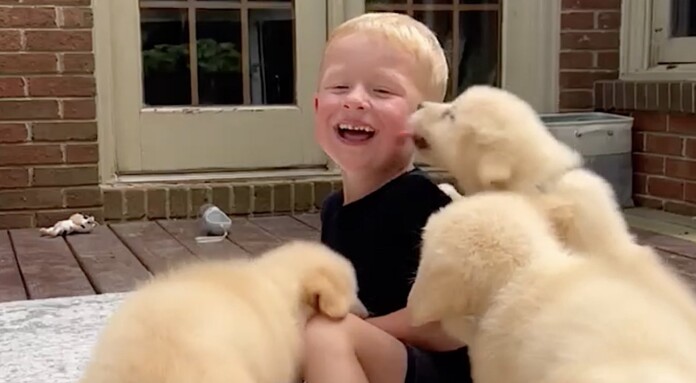
Laughter is the best medicine, according to an old adage. Now, new research suggests it also boosts child development.
Making children laugh can help make their brains more resilient and open to learning, according to scientists.
Laughter builds deep emotional connections and soothes youngsters’ nervous systems, making them more resilient—because laughter is not frivolous, but rather a complex biological phenomenon.
Dr. Jacqueline Harding conducted extensive studies into how laughter and play contribute to healthy brain growth, emotional well-being, and social bonding.
The early childhood expert at Middlesex University in northwest London, argues in her new book The Brain That Loves to Laugh says laughter can help children navigate life’s challenges and better handle stress.
“Hope and humor, it seems, are not just the seasoning of life, but foundational to a recipe for healthy development,” said Dr Harding.
“When we see children laugh, we witness the brilliance of the brain in action: learning, connecting, and growing.”
It precedes the neural development of speech, she explained. But it also engages a distributed network of brain regions, including motor areas and the prefrontal cortex.
Laughter also “influences heart rate, respiration and production of antibodies.”
“It decreases the stress hormones cortisol and epinephrine, and increases ‘happiness chemicals’ dopamine, serotonin and endorphins.
BOY GENIUS: Instead of Selling Lemonade, Boy Sets Up ‘Drive-By Joke Stand’ to Spread Laughter

“It can strengthen the immune system and improve memory.
“Neuroimaging studies suggest that laughter plays a significant role in brain activity, as humor is cognitively demanding and engages neuro-plasticity.
“It challenges the brain to predict and resolve tension between conflicting ideas, providing a mental workout that enhances creative thought and activates both the working memory and frontal lobes.
“On the other hand, prolonged stress negatively affects both physical and mental development. It can impair learning, increase adult stress risk, suppress immune function, and contribute to illness.”
“I believe that as we continue to wrestle with humor – this most intriguing human function – we must strive to shake off any dismissal of its frivolous nature and allow its serious contribution to human learning and life in general to shine.
HAPPINESS RESEARCH SAYS: If You Can’t Muster a Real Smile, Researchers Say ‘Fake it till you make it’
“In parents and their children, laughter can boost the levels of happy chemical oxytocin and enhance neural synchrony during parent-child interactions – in other words, build emotional bonds.
“These bonds are beneficial to the child and even contribute to a reduction in parental burnout and stress.”
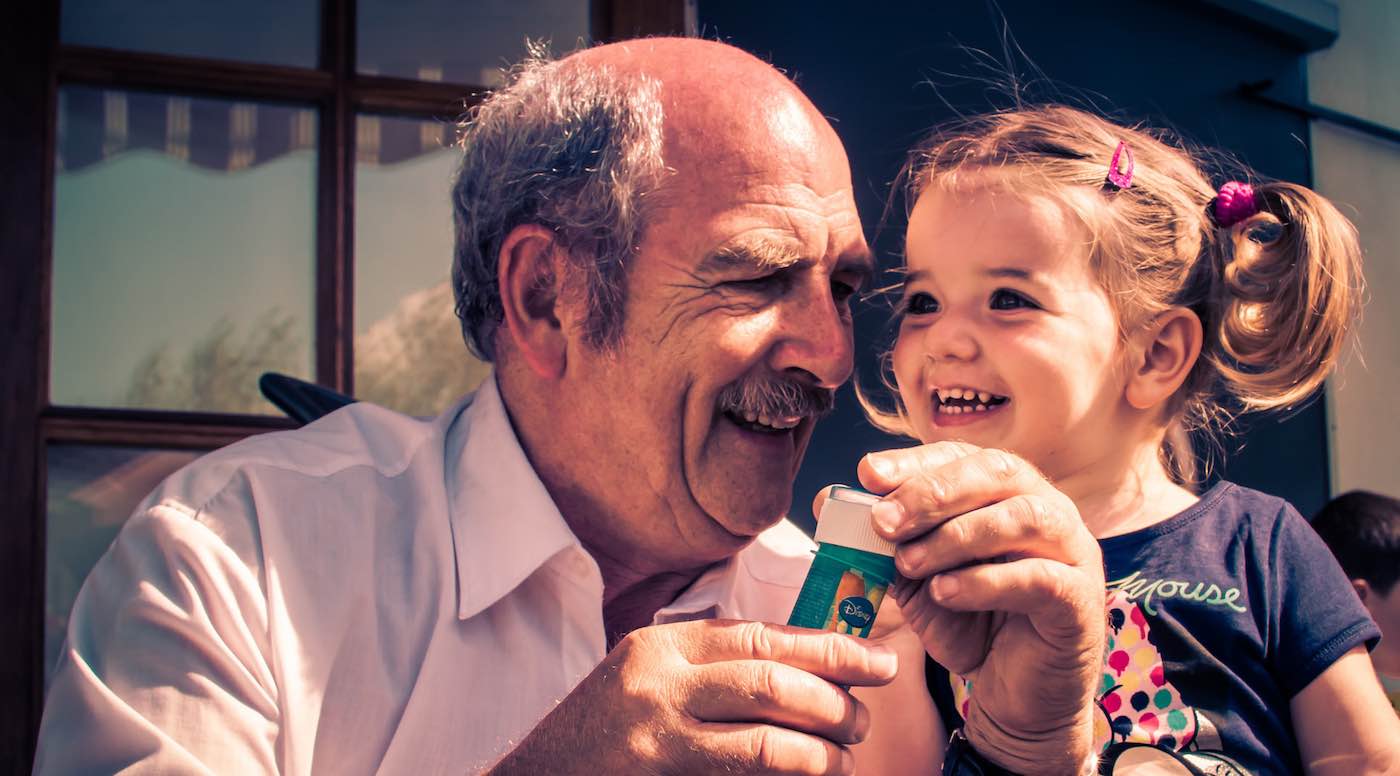
But parents don’t need to rattle off jokes
Instead of jokes, simple shared play and laughter between parents and children, with eye contact, smiles, and close proximity, can all foster connection.
“Creative, happy play does its most brilliant work at a molecular level, especially at a time when the human brain is at its most receptive,” explained Harding.
“Spontaneous joyful play is an antidote to stress, as it increases levels of endorphins released by the brain.”
As well as nurturing bonds, she suggests that “humor and hope” can improve a child’s resilience to stressful events.
“The link between co-regulation and self-regulation is now well established. Co-regulation means the way in which the baby is guided by a caring and supportive adult early in life, so that they have a working model to draw upon for their own self-regulation as they mature.”
“The immune system needs a store of positive experiences from which to draw.”
Her studies show that, in a child’s brain, the limbic system—which regulates functions such as emotion, behavior, and long-term memory—develops alongside the brain’s executive functions that help us plan, evaluate, and make decisions.
“Stated simply, the emotional state of young children directly influences how they navigate their way through the world.”
She says that carefully finding gentle ways to introduce joy and hope, and ease the burden on their nervous system, can even help youngsters who have already experienced extensive trauma.
Dr. Harding advocates integrating humor into educational settings to reduce the cognitive load, making complex information more digestible, and refresh the current educational paradigm.
HE KNOWS: Formerly Homeless Bus Driver Wins Awards Because He Never Stops Smiling – And His Passengers Love It
“Maybe, just maybe, one day the value of hope, humor, and human connection will be taken as seriously as it deserves.”
ENCOURAGE BRAIN BRILLIANCE BY Sharing the Humor on Social Media…
30 Years of Volunteering Has Kept This California Creek Pristine
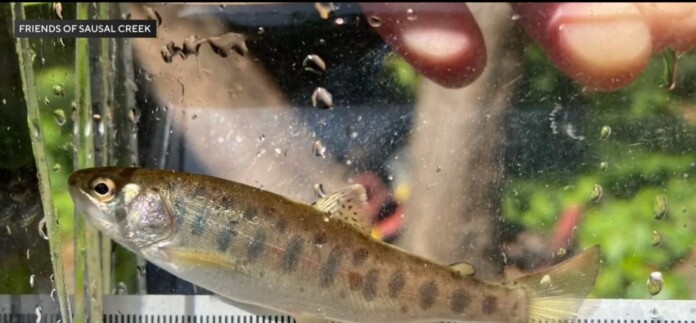
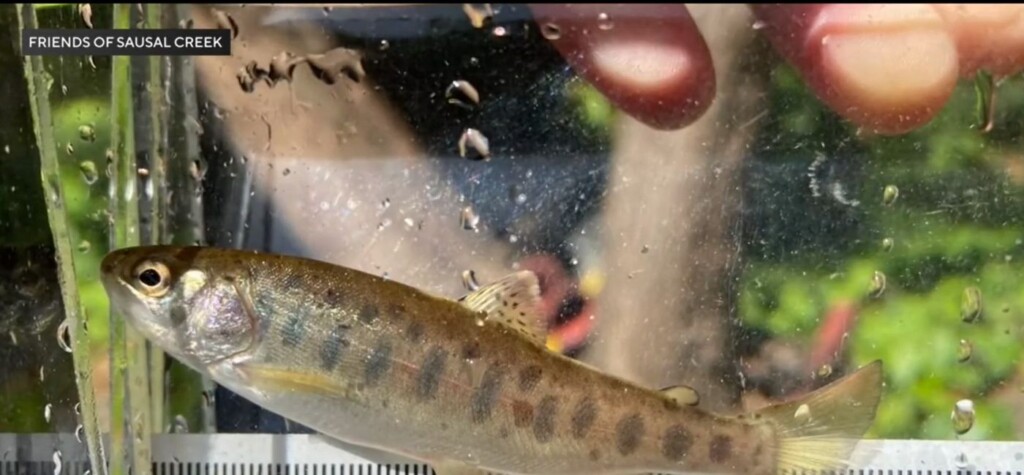
An important watershed in Oakland is now a thriving Eden of native species thanks to the work of two generations of volunteers.
30 years ago last week, Mr. Michael Thilgen and his neighbors formed the Friends of Sausal Creek nonprofit dedicating to restoring the waterway from its source in the Oakland Hills down to its terminus in the San Francisco Bay.
At 3 miles long, it’s hardly the most dramatic California water source, but one that’s nevertheless important for the local environment. Today it’s one of the only urban creeks in the state to host a wild population of rainbow trout, and also maintains a delicate population of pallid manzanita, a federally endangered species of shrub.
For 30 years, Friends of Sausal Creek has led all-volunteer efforts to keep the water course in the best possible shape, by de-weeding trails, clearing invasive vegetation, planting native plants, and even monitoring local wildlife health.
“Is the water clear? Does it look like something’s been dumped?” said volunteer and board member Kristy Brady to CBS News. “We monitor fish quality and so forth, making sure it stays healthy so everyone can enjoy it.”
The organization runs a native plant nursery and organizes seed collecting hikes to ensure they can continue to support reforestation long-term. They’ve introduced tens of thousands of native plants back into both the wild and less wild parts of the creek.
The group has also been part of a special long-term restoration project at Fern Ravine, where a second-growth coastal redwood forest meets Oakland’s own backyard. Here since 2010, Friends of Sausal Creek have been working to undo decades of disturbances.
Since 1920 when the city designated Fern Ravine a park, where a tributary of the Sausal Creek babbles away far from the sounds of car horns, high volumes of recreation traffic on trails and off them has resulted in substantial undergrowth loss.
MORE STORIES LIKE THIS: Camera Traps Reveal Beavers Have Finally Returned to the Bronx River After ‘a Very Long Time’
The lack of ground cover plants saw the soil dry out, followed by greater erosion and sedimentation, and the arrival of several invasive species which cemented control in Fern Ravine and began to outcompete the native vegetation.
Through the nonprofit’s tireless weeding and planting, “extraordinary progress” has been achieved there.
MORE FROM THE BAY AREA: California City Sees Explosion in Spawning Salmon Population in San Jose After 10 Years of Habitat Cleanup
“Oakland’s ancient redwoods are as unique and valuable as the old-growth redwood forests in California’s state and national parks,” said board member Dr. Robert Leidy in an organization document.
“Their ability to recover from centuries of abuse with proper management is a remarkable testament to their resilience. Oakland’s redwoods deserve the same reverence…”
COMMEND These Tireless Volunteers With Your Friends Near The Bay Area…
108-year-old Delaware Woman Renews Her Driver’s License to 2033, Works Out Thrice a Week


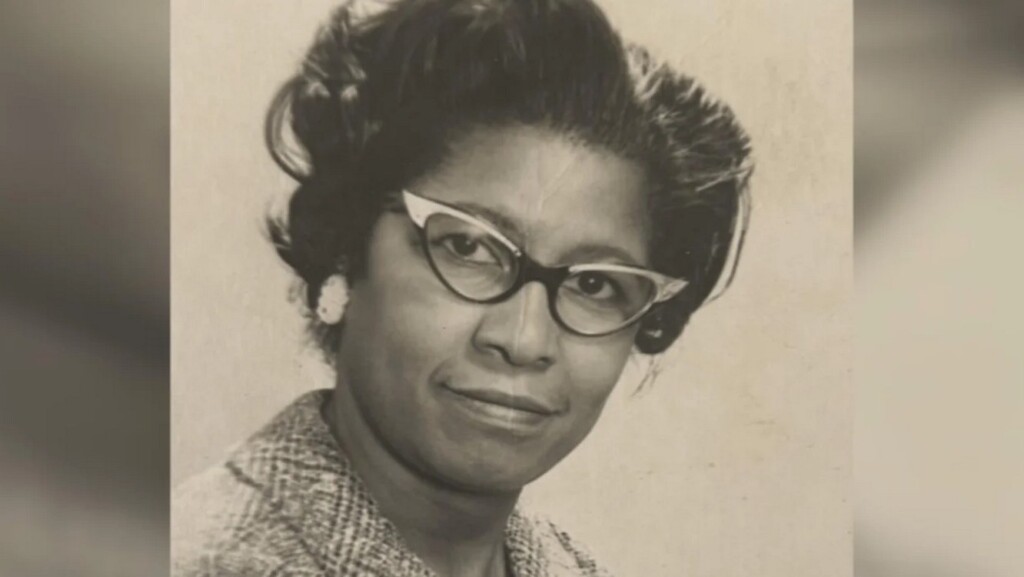
“I grow old gracefully,” said Susan Young Browne, who just received permission to keep driving until the age of 115.
That’s a testament to Browne’s enduring aptitude (and attitude) for life; having recently celebrated her 108th Birthday in Dover, Delaware.
Browne was in Delaware in 1918 during Segregation where she worked on a farm with her family—sans water or electricity. She would eventually attend Delaware State College for Colored Students, today known as Delaware State University, and graduate in 1945, going on to teach in a one-room schoolhouse (and elsewhere) for 30 years.
Married twice, she enjoys the company of a clan of children, grandchildren, and great-grandchildren.
Nowadays, she can be found three times a week at the Modern Maturity Center where she enjoys group exercise classes.
Staying active is a key to that graceful aging she talked about.
“When I get up in the morning, I have an exercise routine that I’ve been doing for the last 20 years,” she said. “When I retired—and I walked around that classroom for 30 years—I am not going to sit down.”
SPRITELY ELDERS:
• Grandmother Gets Help From Her Dog While Gardening: She Points and He Digs
• Watch London DJ Lead a Fabulous ‘Day Rave’ at Senior Center to Combat Loneliness
130 people attended her birthday party, including Delaware’s Governor Matt Meyer. Best of all, she was gifted a parking spot right in front of the building reserved especially for her.
That’s important, because as Ms. Browne told those assembled to celebrate her life, the state had just reissued her driver’s license until 2033.
WATCH the story below from CBS News…
SHARE Ms. Susan Brown With Your Friends Who Need a Little Inspiration…
Dog Saved from Pound Rescues New Owner from House Fire: ‘A genuine treasure’


From a New Zealand outlet comes the story of a man who saved a dog from the pound, and the dog who saved him from perishing in a house fire.
Even though her new forever home has turned to ashes, Hazel the dog managed to save the only thing that really mattered: a life.
With a well-placed bite she woke her sleeping owner who found to his surprise that his house was on fire.
The incident occurred in Whakatāne last Friday. Locals told Stuff that the blaze grew beyond anyone’s ability to control faster than any had imagined. Firefighters had been called early on, but for Hazel the dog, it wasn’t soon enough.
Hazel, who had been surrendered by two previous owners, was still only 9 months old at the time, and she wasn’t willing to let it be 3 from 3. Hazel woke him up in time to escape with only a case of smoke inhalation.
“His dog actually bit him and woke him up. If his dog wasn’t there, he wouldn’t be here,” Christina Eichler, the home’s property manager, told Stuff.
Dora Motateanu from JDC Rescue where Hazel was living, said the tenant’s decision to adopt Hazel had definitely saved her life, and that now she had returned the favor.
STORIES THAT MOVE YOU:
- Homeless Man Helps Find and Return Stolen Dog’s Ashes, Receives Thousands to Get Back on His Feet
- Cambodia Honors Minesweeping Hero Rat with Memorial Statue After He Cleared 100 Landmines
- Betta Fish Turns Vivid Blue When Happy Again–After Moving From Pet Shop Jar to Caring Home (WATCH)
“That’s amazing,” she said. “I mean this is why we do this, for those moments when we see dogs finding their families.”
“Despite the unfortunate circumstances she has faced, she remains the most gentle and loving girl you could ever meet,” JDC Rescue wrote online just last week before the man came to adopt Hazel, who was described as a “genuine treasure.”
“After being rescued as a small puppy, her hopes were high when she found a new home, only to be devastated once again when her owner decided to make a lifestyle change and dumped her.”
SHARE This Bittersweet Rescue Of A Pup Returning The Favor To Her Owner…
On Memorial Day: “Remember those who came out of the trenches as writers and poets, who started preaching peace (and) made this world a kinder place to live.” – Eric Burdon
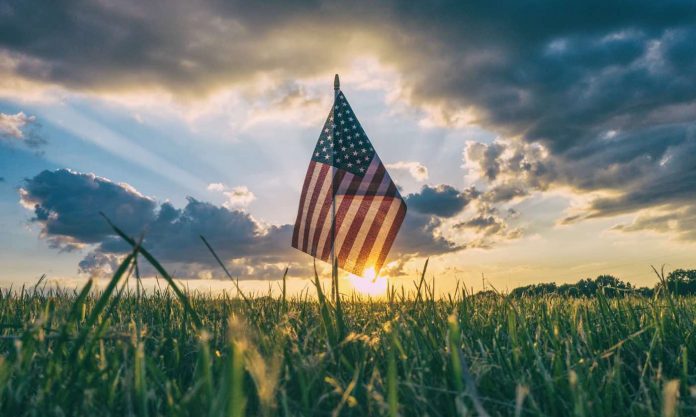
Quote of the Day: Remember on Memorial Day “those who came out of the trenches as writers and poets, who started preaching peace (and) made this world a kinder place to live.” – Eric Burdon
Photo by: Aaron Burden
With a new inspirational quote every day, atop the perfect photo—collected and archived on our Quotes page—why not bookmark GNN.org for a daily uplift?
Good News in History, May 25

40 years ago today, the Hands Across America fundraising event was held, hoping to create a human chain across the entire country. Hosted over Memorial Day weekend, the hope was to raise tens of millions to fight hunger and homelessness, with volunteers encouraged to donate for a space in the chain. This seemingly fanciful goal was feasibly possible by the time the numbers of participants was counted. READ how close they came… (1986)
Owl Found in Concrete Gets Feather Transplant So it Can Fly Silently Again into the Wild (WATCH)
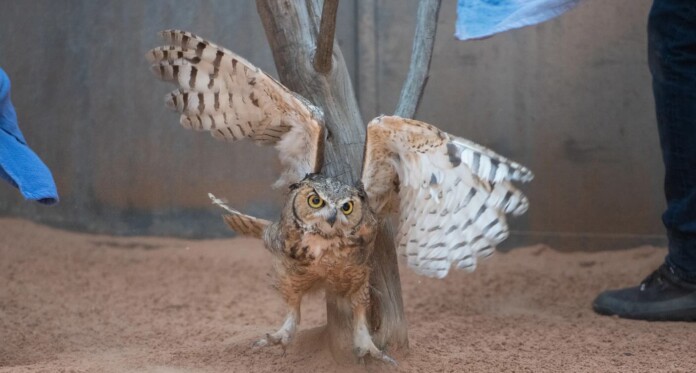
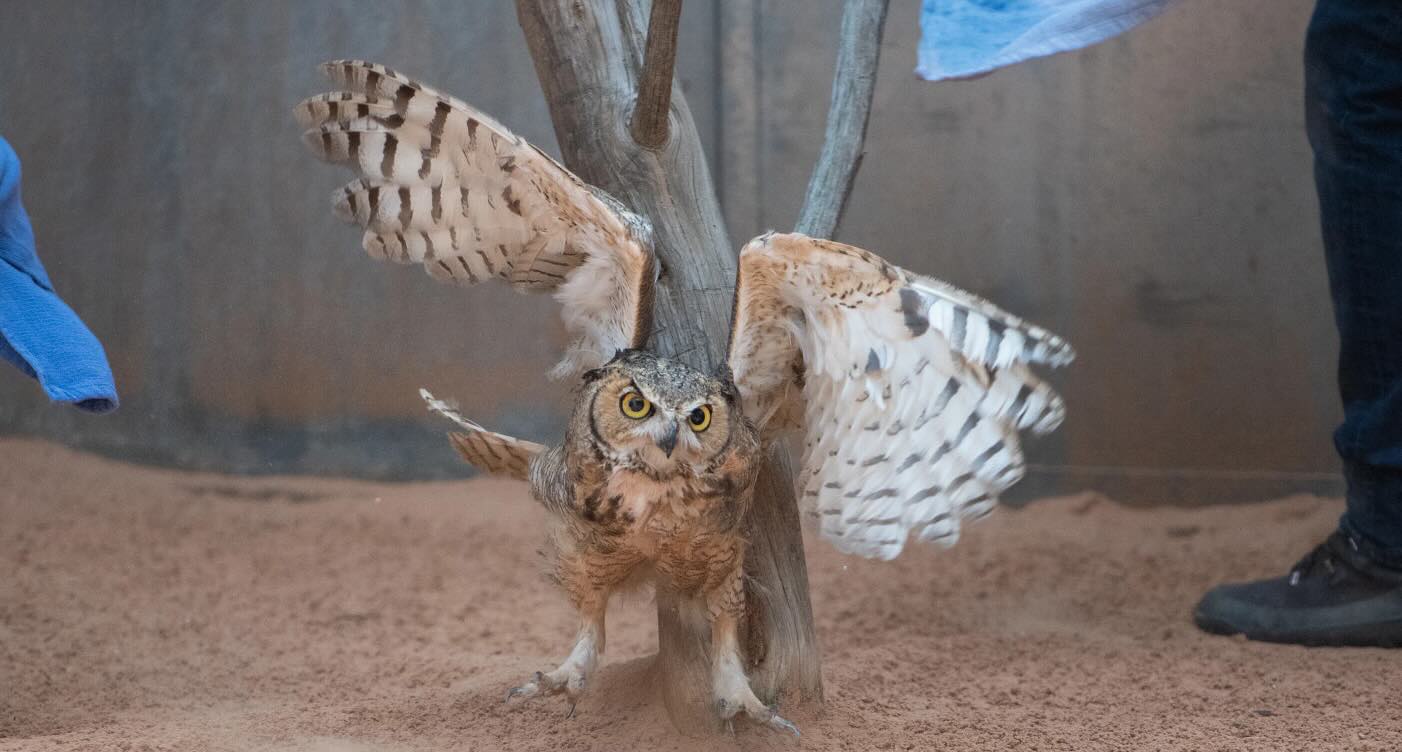
A great horned owl found covered in concrete has flown to freedom after six months of care at a Utah sanctuary.
A good Samaritan found him in a concrete mixer in October and called the Best Friends Animal Society headquarters 80 miles away in Kanab.
After removing the concrete, the team at the nonprofit’s wildlife refuge, Wild Friends, realized the young owl required new feathers to achieve silent flight, which is a necessity in the wild.
They waited patiently for the owl to molt, which would have replaced the damaged feathers naturally, but his spring molt was not going as predicted.
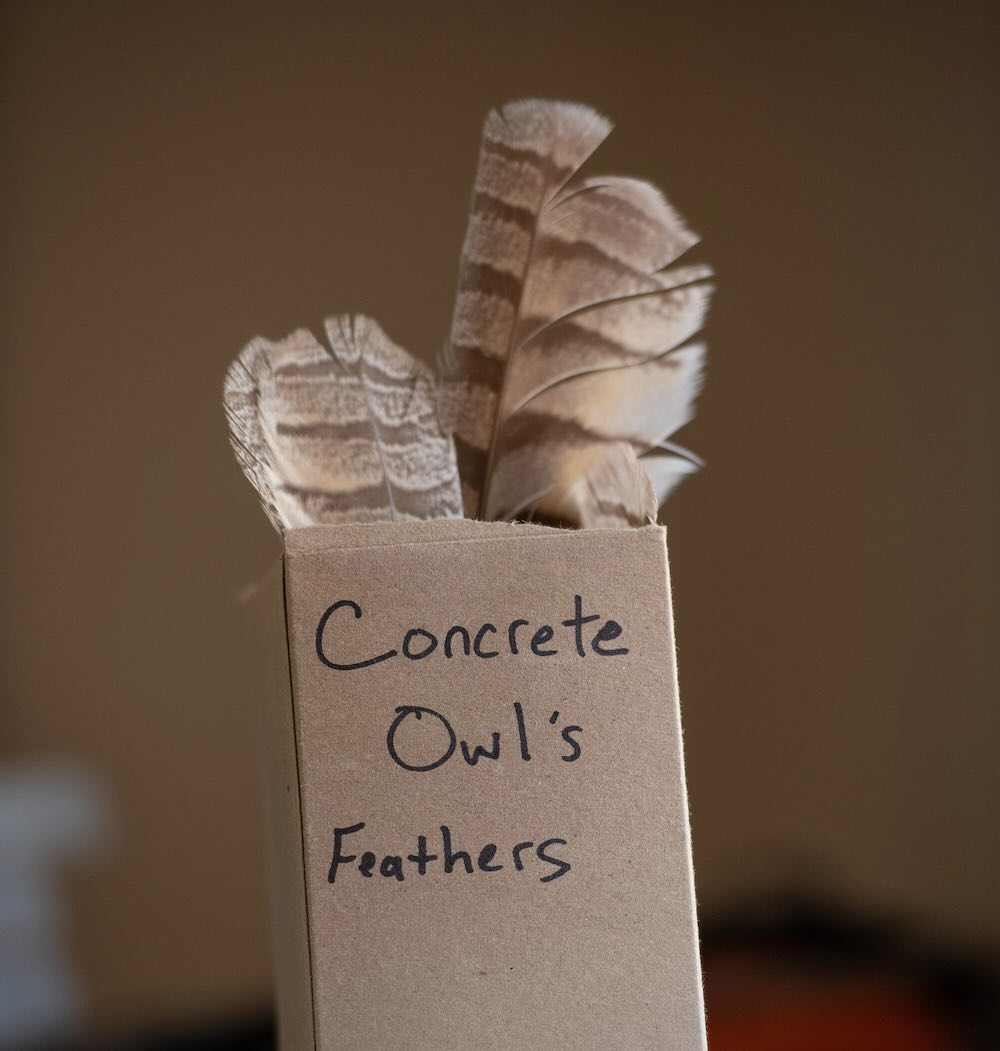
That led the Wild Friends team to take a training course about a procedure they had never done before: imping, which requires using donor feathers and adhesive to replace the raptor feathers.
Luckily, they found a donation from a wildlife rescue group in Northern Utah where a great horned owl of similar size had passed away.
To prepare for surgery, Supervisor Bart Richwalski kept track of the owl’s feather patterns.
“We looked at his feathers every few weeks so we knew which ones would have to be done, snipping damaged shafts in advance.”
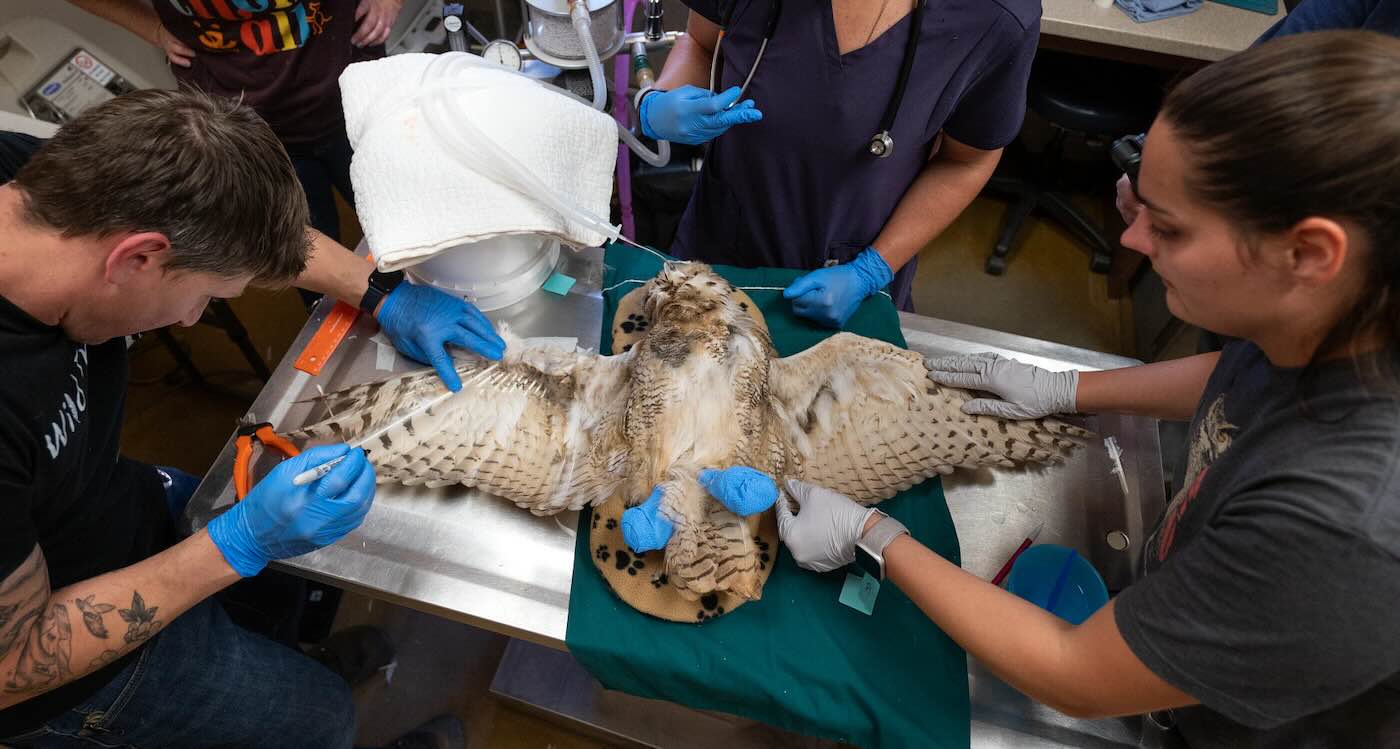
The imping finally took place on May 1, with Best Friends staff veterinarian Kelsey Paras joining three members of the Wild Friends team for the 90-minute procedure.
The donor feathers were laid out to replicate each wing, so the team could line up the replacement feather, cut it to the necessary length and adhere it, while the owl was under anesthesia. Ultimately, 10 primary and one second feather were replaced in the owl’s right wing, while the left wing didn’t require any replacements.
“The first few feathers were extremely nerve-wracking, but as we got into the groove, the imping became more comfortable, and everything went smoothly,” Richwalski said.
The team told GNN that the new feathers will come out naturally during future molts. “He’ll lose a couple of our imp feathers each year until he replaces that entire wing.”
After the successful imping, the owl was set to be released into the wild, after silent flight had been achieved inside the Wild Friends’ large aviary. (Watch the video below…)
OWL GOODIES: New Species of Owl Discovered on Tiny Island off African Coast – And it was Named After ‘Unflinching’ Park Ranger
Once the owl was seen flying to the highest perch, Richwalski measured the sound of its wingbeat using a decibel reader. He determined that the owl’s flight was quiet enough for safe release.
While the aviary roof slowly retracted, the owl hovered a bit before gaining speed, then flying straight up and out into the wild.
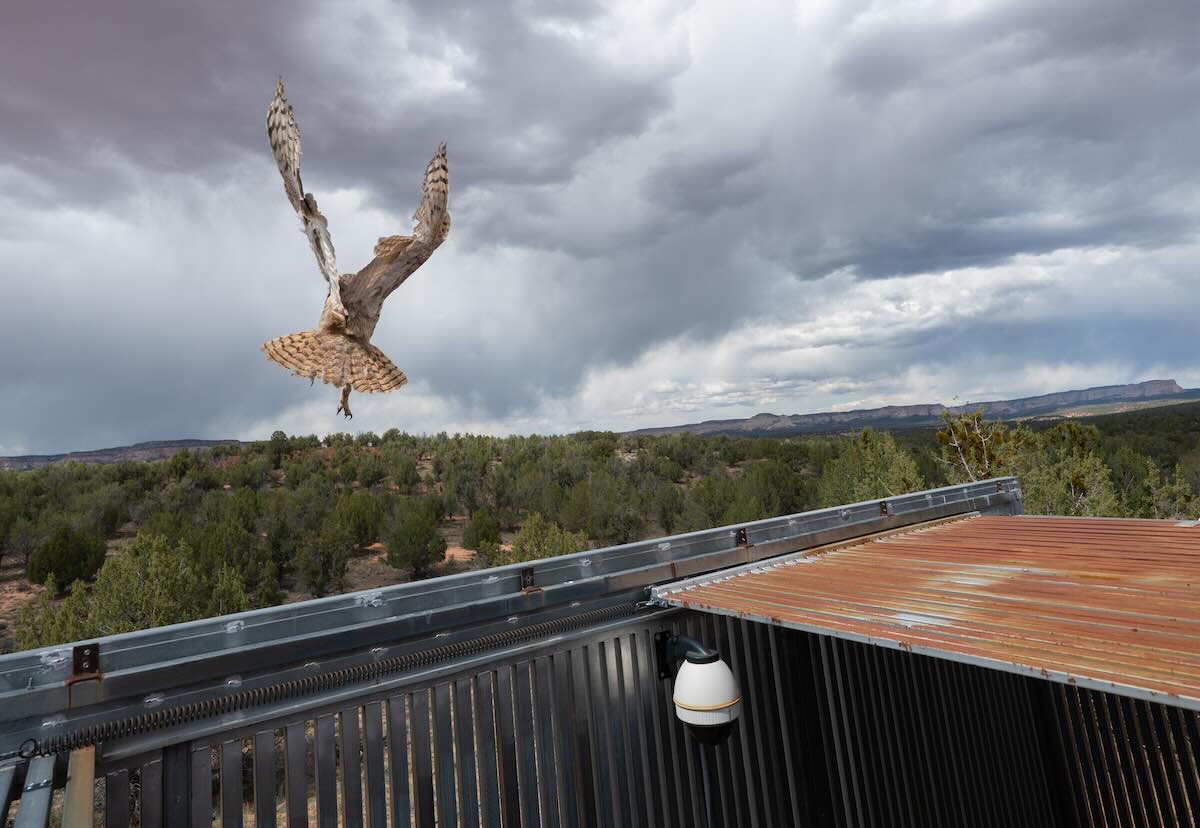
It was quite a full-circle moment for Richwalski, who had cared for the owl since picking him up in St. George.
“I don’t know that my heart was beating until I saw him leave. I was beside myself, knowing that after all this time, he was healthy and back in the wild. It was such a good feeling.”
The owl’s remarkable journey has touched every level of the organization.
GREAT OWL NEWS: Snowy Owls Are Kept Safe from Jets at Boston Airport, Thanks to Dedicated Researcher
“Best Friends Animal Society believes that every animal has intrinsic value and the care that our team took with this owl really reflects that belief,” said Judah Battista, the Society’s Chief Sanctuary Officer.
“I’m so proud of the Wild Friends team for their incredibly hard work to get this owl to freedom.” (Watch their video below…)
GIVE THIS AMAZING TALE SOME WINGS By Sharing it on Social Media…
Drug Used to Treat Asthma and Allergies May Also Help Fight Aggressive Cancers


A drug often used to treat asthma and allergies may also help fight aggressive cancers, according to new US research.
The study revealed how tumors hijack common white blood cells to evade immunotherapy.
Scientists say their findings in mice and human tissues point to a new way to improve treatment for tough tumors—like triple-negative breast cancer—on which immunotherapy often fails.
The best news is the breakthrough could quickly move into clinical testing because the drug—montelukast, commonly known by the brand name Singulair—is already approved by the US Food and Drug Administration.
The research team from Northwestern University in Illinois explained that at the center of the discovery is a molecule called CysLTR1, which is best known for its role in asthma and inflammation.
Drugs that block it, such as montelukast, have been prescribed for decades to treat asthma.
The Northwestern team learned that many cancers exploit CysLTR1 to resist treatment. Specifically, the tumors trick the immune system into helping them grow by increasing a group of white blood cells called neutrophils.
They discovered it’s controlled by the CysLTR1 molecule, which acts as an on/off switch.
“When we turned off this switch, either genetically or with existing drugs, we not only slowed tumor growth, but also helped the immune system recover its ability to fight the cancer,” said study senior author Professor Bin Zhang.
MORE GOOD CANCER NEWS:
• Groundbreaking Bowel Cancer Trial Had Zero Relapses for Patients After 33 Months
• Prostate Cancer Patients Offered Fresh Hope by Promising New Drug Combination
Prof. Zhang and his colleagues from Northwestern’s Feinberg School of Medicine combined experiments in mouse models, human immune cells, and human tumor samples with analysis of large patient cancer datasets.
The mouse studies included models with triple-negative breast cancer, melanoma, ovarian cancer, colon cancer. and prostate cancer. The researchers either genetically removed CysLTR1 or blocked it using drugs such as montelukast.
In several mouse models, blocking the pathway slowed tumor growth, improved survival, and restored response to cancer-killing immunotherapy.
That worked even in tumors that had already stopped responding to treatment.
Zhang’s team also analyzed human immune cells. The findings, published in the journal Nature Cancer, again showed that blocking CysLTR1 prevented the formation of immune-suppressing neutrophils.
“Importantly, instead of simply removing these harmful white blood cells, we were able to reprogram them into cells that support immune attack.
GREAT TIP: 10 Minutes of Intensive Workout Can Trigger Powerful Anti-Cancer Effects: New Study
“That means we’re not just targeting the cancer, we’re re-training one type of abundant immune cells in the body to fight the tumor again.”
In analyses of human tumor samples and public cancer datasets, the scientists found more evidence that CysLTR1 plays a crucial role in promoting cancer growth.
They discovered that patients with higher CysLTR1 activity tended to have worse survival and poorer response to immunotherapy across multiple cancer types.
Prof. Zhang says because drugs that block CysLTR1, such as montelukast, are already FDA-approved, the findings could quickly move into patient trials.
“We may be able to quickly and safely test it in cancer patients to improve immunotherapy, especially in aggressive cancers, like triple-negative breast cancer, where new options are urgently needed.
CHECK OUT: ‘Incredibly Encouraging’ Drug Trial Shrinks Tumors in Head and Neck Cancer Patients Within Six Weeks
“The next steps are to confirm this mechanism in patients, identify who will benefit most, optimize how we use these drugs especially in combination with immunotherapy, and begin carefully designed clinical trials.”
SPREAD SOME HOPE On Social Media…
Increased Sightings of the Two Largest Whale Species Decimated By Hunting Provides New Hope for Survival
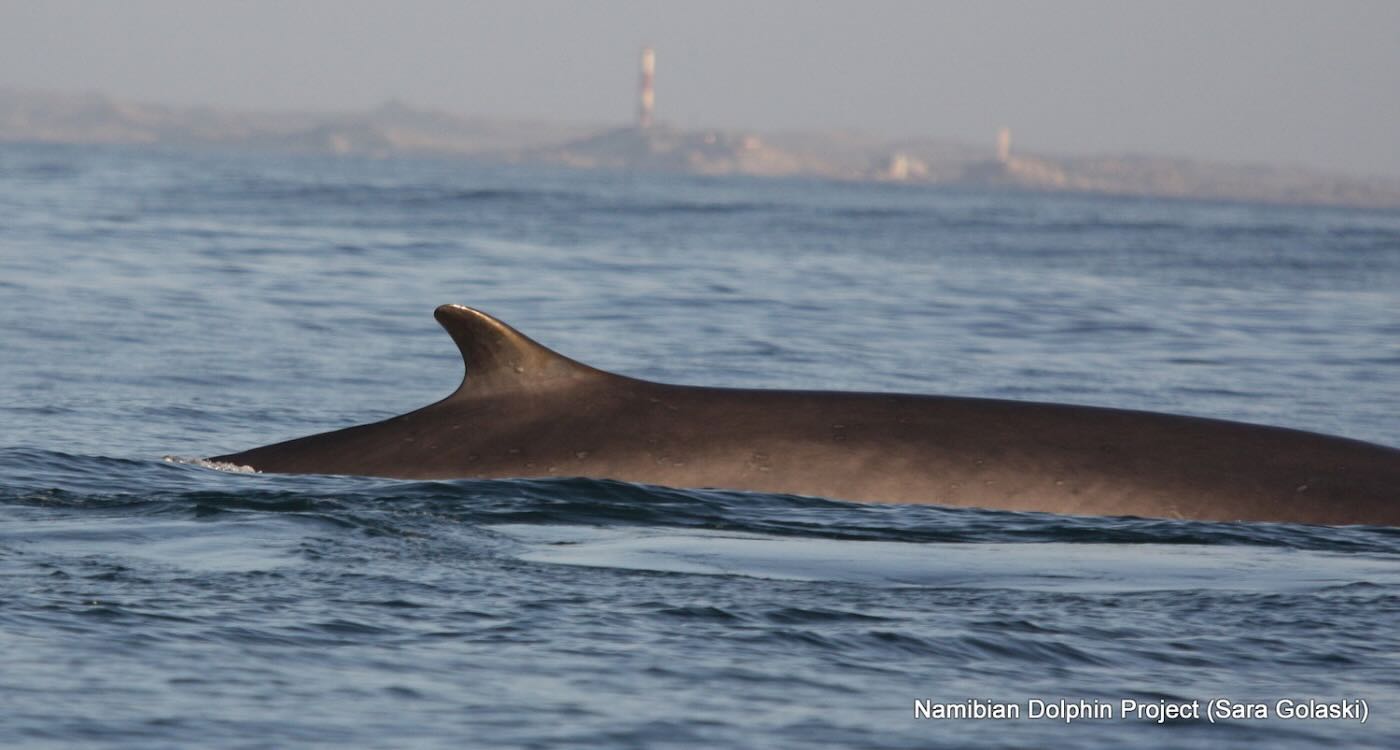
Increased sightings of the world’s two largest whale species offers fresh hope for the future of the endangered ocean giants.
More than 40 years since the end of commercial whaling, new research reveals a recent increase in sightings of blue and fin whales in the southeastern Atlantic.
Researchers compiled more than 60 years of confirmed sightings from Namibia and South Africa’s west coast, including any stranded animals.
Although overall numbers remain low, the findings showed sightings of both species have increased markedly in recent years—with 95% of observations recorded since 2012.
“Our results provide important evidence that these giants of the ocean are slowly recovering from the devastating impact of 20th century commercial whaling, which pushed them to the brink of extinction,” said study lead author Dr. Bridget James.
“Sightings remain rare, but they are becoming more frequent than in previous decades – and with sustained protection, there is reason to believe this recovery can continue.”
The study to be published in the African Journal of Marine Science focused on Antarctic blue whales and fin whales, both heavily targeted during the industrial whaling era.
Between 1913 and 1978, an estimated 350,000 blue whales and 725,000 fin whales were killed, causing dramatic global population declines.
Today, Antarctic blue whales are still listed as critically endangered on the International Union for the Conservation of Nature’s Red List.
Their population is currently estimated at around 3% of the pre-whaling numbers, but they’re increasing slowly at about 5-8% per year, according to the scientists.
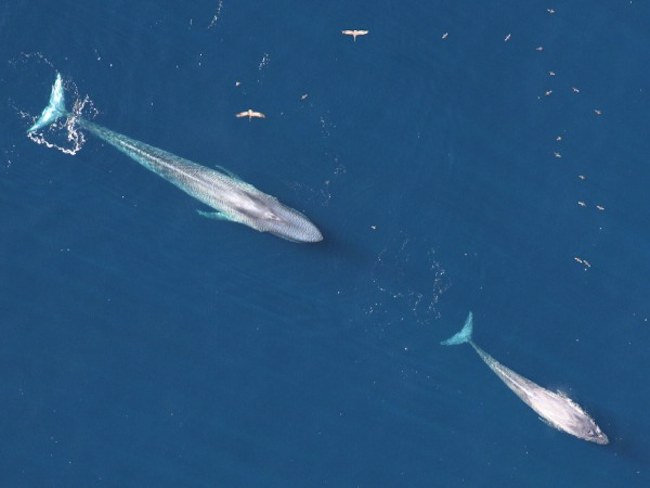
Fin whales are currently classified as vulnerable, with populations thought to have recovered to more than 30% of historical levels and growing at around 4-5% annually.
But, despite the signs of improvement, researchers say both species remain difficult to study as they roam vast distances and spend much of their lives in remote Antarctic waters.
Data from migration routes and potential breeding grounds—including the southeastern Atlantic—has been particularly limited.
“Historic whaling data suggests that the southeast Atlantic may once have been an important nursery area for both blue and fin whales,” said Dr. James, from the University of Cape Town, South Africa.
Until now, researchers have had very little information on their recent presence in the region. To address this gap, they compiled verified sightings and strandings recorded in the 60 years between 1964 and March 2025, focusing on the Benguela upwelling ecosystem—a nutrient-rich region off Namibia and the west coast of South Africa.
Blue whales were recorded infrequently, with 12 sightings, one stranding and five additional published records.
Fin whales were encountered more often, with 76 sightings documented along with six whales stranded.
MORE WHALE GOOD NEWS:
• Scientists Hail Record Number of Sightings in January as Auspicious for Endangered Right Whales
• Humpback Whale Population Now Well Above Pre-Whaling Levels in Australia
Blue whales were most often seen between late spring and autumn, while fin whales appeared to occur year-round.
“As populations slowly rebuild, we would expect to see these whales begin reoccupying parts of their historical range,” said study co-author Dr. Simon Elwen, from the University of Stellenbosch, South Africa.
“The increase in sightings and strandings is consistent with this gradual recovery, although increased offshore observation efforts may also contribute.”
Threats have not disappeared, however. Large whales remain at risk from ship strikes, entanglement in fishing gear, and pollution or climate-driven changes in ocean ecosystems.
“Even with more than 50 years of recovery since the end of commercial whaling, we could only compile 12 records of blue whales off our coast,” explained Dr. Elwen.
YOU MAY LIKE: These Rare Whales Had Never Been Seen Alive, Then Scientists Saw Two Near California
But the numbers point to the whales’ resilience.
The researchers recommend expanding passive acoustic monitoring, increasing trained observer coverage in commercial sectors, and incorporating whale distribution data into marine spatial planning to safeguard their slow but important recovery.
SHARE THE GOOD NEWS With Whale-Lovers on Social Media…
Good News in History, May 24

Happy 85th Birthday to Bob Dylan, the Bard of our ‘(Forever) Young’ generation. Born Robert Zimmerman in Minnesota, Dylan renamed himself after the Welsh poet, Dylan Thomas. The singer-songwriter-musician and visual artist, produced anthems for young Americans in the 1960s that chronicled the nation’s social unrest, like “Blowin’ in the Wind” and “The Times They Are a-Changin’”. WATCH a fascinating video tribute… (1941)
“Tears are the summer showers to the soul.” – Alfred Austin

Quote of the Day: “Tears are the summer showers to the soul.” – Alfred Austin
Photo by: Joshua Earle for Unsplash+
With a new inspirational quote every day, atop the perfect photo—collected and archived on our Quote of the Day page—why not bookmark GNN.org for a daily uplift?

Stunning Mosaics Made by Londoners with PTSD Offer Pieces of Healing in Community Artwork
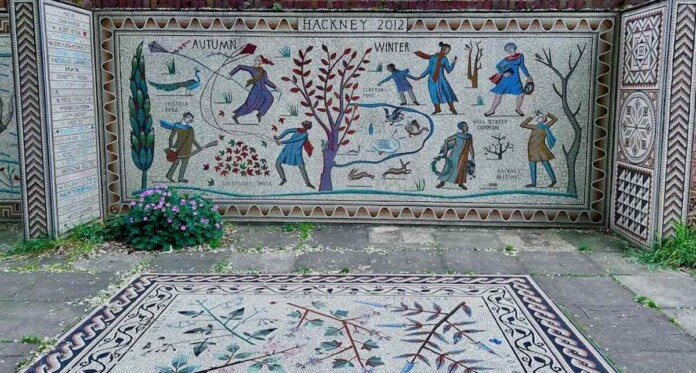

Tucked away in the parks and alleyways of East London lies one of the city’s most vibrant collections of public art.
What makes it all the more special is the mending of mental health maladies that transforms its volunteer artists.
The sometimes sprawling, Roman-inspired masterpieces are the work of the Hackney Mosaic Project and its founder Tessa Hunkin.
Her chance encounter with a mental health recovery group in Westminster sparked a realization: the meticulous, slow, and repetitive act of building a mosaic can offer profound therapeutic value.
Over the last 15 years, the project has not simply make colorful public murals out of broken fragments. It has restored pieces of lives broken by depression, PTSD, and addiction, while bringing together people of all backgrounds in a shared vision of beautifying corners of the community.
For the participants, sorting glass shards, nipping ceramic tiles, and carefully pressing each piece into mortar demands intense concentration.
Like embroidery or knitting, this steady rhythm offers a therapeutic calm, and helps interrupt negative thought patterns, quieting the internal noise of trauma and stress while building confidence.
“I spent a lot of time walking around Hackney, which has more parks than any other London borough,” Tessa recalled in an interview with Spitalfields Life. “A hidden little corner in Shepherdess Walk (park), off the City Road—that was the first.”
“Eventually, we had children running around, recovering addicts, some not-so-recovered people with quite serious mental health problems and people who lived close by, all sitting together making mosaics.
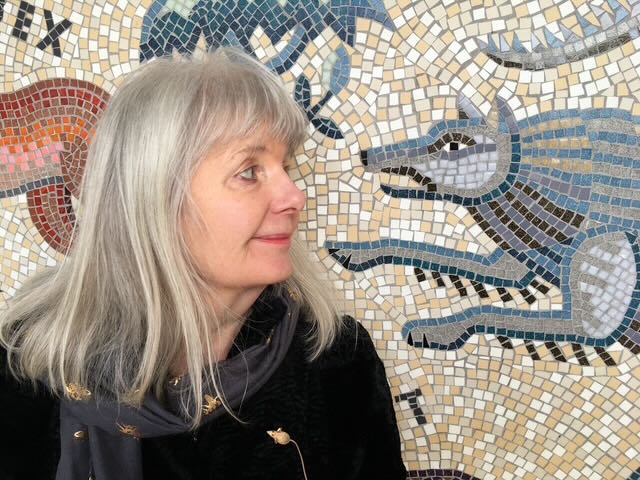
“They finished the mosaics much more quickly than I was anticipating and we have never stopped since.”
“It gives people a holiday from their head,” said the 72-year-old architect turned artist. “It is a simple task that requires concentration and produces something at the end, so it is never time wasted because you can see where your time has gone.”
One recent project was launched in 2023 following the COVID-19 pandemic to combat employee burnout for healthcare workers and staff at the River Place Health Centre.
The large new mural on the building showcased the name of the practice along with various plants and animals, like ducks, cats, and a fox.

In a second phase, the outdoor concrete benches of the health center were transformed with vibrant floral designs, with weekly workshops that also engaged the local patients in creating the artwork unveiled a year ago.

Where to Find the Mosaics
The Shepherdess Walk in Hoxton: These expansive, Roman-style mosaics cover both walls and pavement.

Several depict intricate details of East London life, from local flora and fauna in every season to modern figures with mobile phones.
All the parks in the borough are depicted on two of the huge walls (see top photo), as in this detail (below) listing Clissold Park.
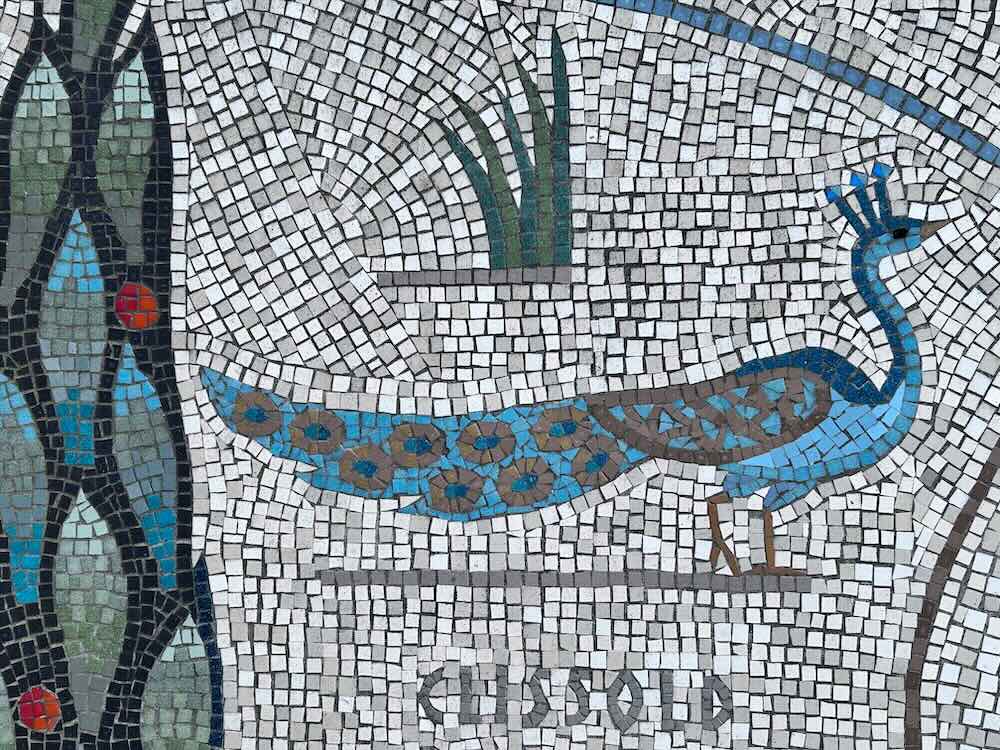
All the artists who helped create the panels designed their names to fit on a column of brick.

River Place Health Centre Benches in Islington: Situated right off Essex Road, over 100 local patients, including those recovering from mental health conditions, helped revamp drab concrete benches into vibrant floral mosaics (see the photo above).
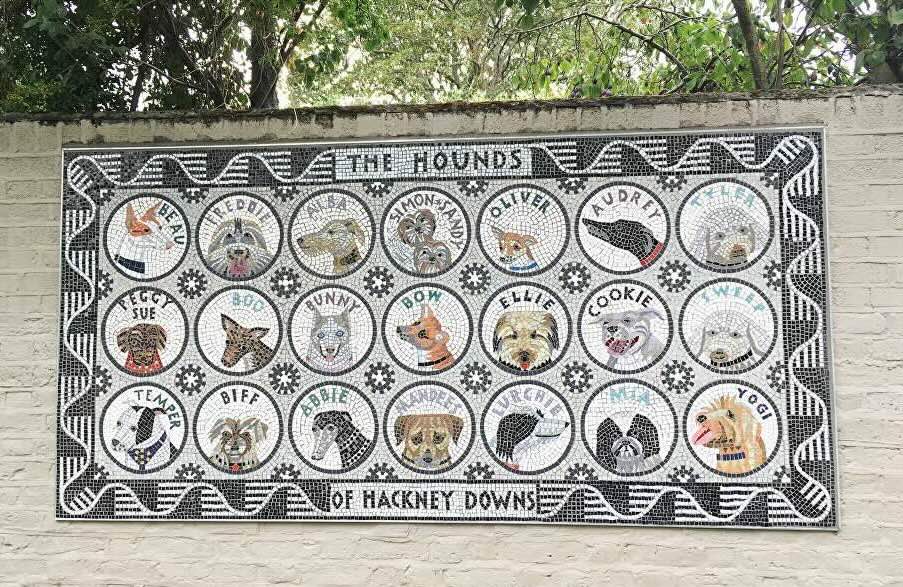
The Hounds of Hackney Downs in Hackney Downs Park: A spectacular collection of vibrant dog portraits in a wall mosaic features highly detailed portraits of local neighborhood dogs to celebrate the community’s daily life. The 50 whimsical dog portraits sit near further mosaics of native flowers that are in the park’s wildflower meadow.
Also in the same park are circular benches designed by Tessa and meticulously hand-tiled by the group’s volunteers, with vibrantly patterns topping the brick and concrete benches to provide a colorful gathering space.
Canalside Square along Arlington Avenue: A large circular mosaic decorated with animals is built into the pavement surrounded by the park benches and playground near a canal.
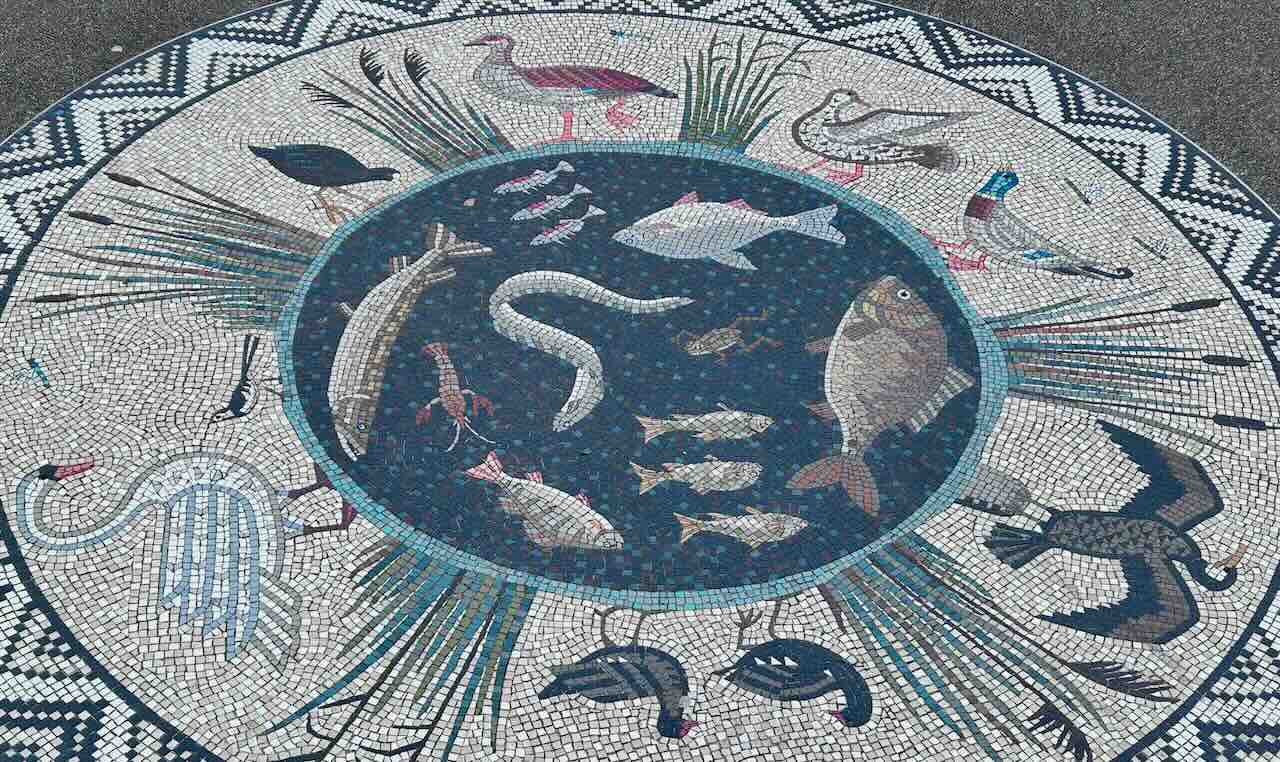
Building Markers in Hoxton: small circular markers have been installed into sidewalk cobblestones in Hoxton, too, outside the Shoreditch Library and the historic performing arts theater and community center called Hoxton Hall.

The website for the Hackney Mosaic Project offers a full map of all the installations.
The weekly workshops, normally held on Wednesdays and Fridays 2-5pm, and on alternate Saturday afternoons, are in flux this year due to changes facing their current home in the Pavilion on Hackney Downs, which may become a cafe.
But over the years, the assembling of thousands of broken pieces of tile into resilient works of art by Tessa Hunkin and her dedicated volunteers will forever offer a profound and lasting metaphor for the journey of healing within dozens of Londoners.
SHARE THEIR INCREDIBLE CREATIONS On Social Media…
Scientist Discovers New Species of Wildflower That Only Grows in New Jersey
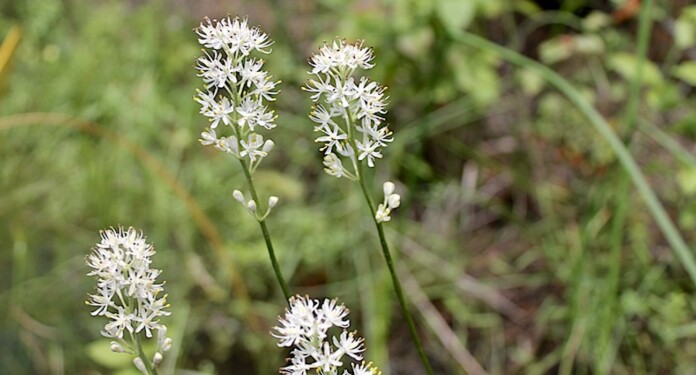
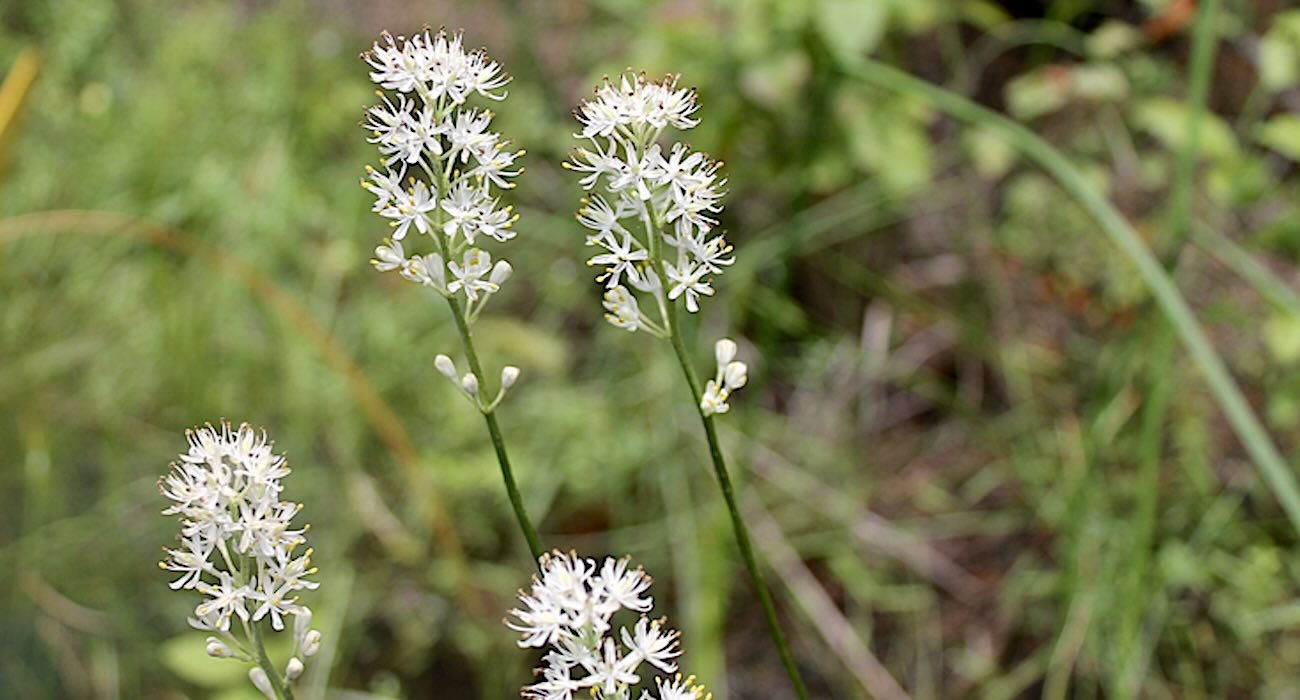
A researcher discovered a ‘rare’ wildflower that only grows in New Jersey—after studying a plant that everyone assumed to belong to another species.
In the Pine Barrens region of southern New Jersey, Temple University researcher Sasha Eisenman helped identify the long mistaken plant as unique to the state—a discovery that could help protect it for years to come.
In research published in Phytotaxa, Eisenman confirmed the plant is distinct from its closest known relatives, and formally named it Triantha × novacaesariensis—a Latinization of New Jersey.
“It’s very special, very rare (and) only exists in this one place in the entire world,” said Mr. Eisenman, an associate professor in horticulture.
That place is part of what makes the finding so compelling.
Stretching across nearly a million acres in southern New Jersey, the Pine Barrens National Reserve is one of the region’s most ecologically distinctive landscapes, home to rare habitats and plant life. Eisenman said the discovery is especially striking because the northeastern United States has been studied so extensively.
“To really identify something as new and unique is pretty rare these days,” he said.
For years, the plant, which features clusters of thin, strap-like leaves and white 6-petaled flowers that rise above the surrounding grasses, had been identified as Triantha racemosa, a species typically found much farther south or suspected to be a hybrid of Triantha racemosa and Triantha glutinosa.
To reach that conclusion, Eisenman combined genetics, fieldwork, and historical plant records, and studied plant samples preserved for long-term study, from across the US and Canada. He then compared them with field samples from New Jersey and related populations in Maine; New York; New Brunswick, New Jersey; Alabama; Georgia and Florida.
LOOK! Botanic Gardens Film Giant Lily Pads Holding Over 180 lbs. in Annual ‘Water Lily Weigh Off’
The study found that all three New Jersey plants carry a unique genetic signature and have distinct physical traits that set them apart from each other. The two previously known plants are also geographically isolated from the newly named wildflower.
“There’s genetic differences, there’s structural and morphological differences, and there’s also isolation,” Eisenman told Temple News.
That isolation is central to the story. According to the research, the nearest known populations of T. glutinosa and T. racemosa are hundreds of miles away. Eisenman said the evidence suggests the New Jersey plants likely originated long ago when the two species intermingled but have persisted on their own for thousands of years.
“It’s been a stable population or group of populations for a long time,” he said. “It’s not just a chance accident.”
PLANT NEWS: Quarter Century of Collecting Seeds From Around the World Safeguards Them From Extinction
The finding also carries real conservation value. Because the plant is now officially identified, researchers and land managers have a clearer basis for recognizing its significance and planning for its care.
“It’s really important to have a name on a plant in order for it to be conserved and protected,” Eisenman said. “Until it’s been identified as unique and named with a unique identification, it doesn’t have as much opportunity for protection and stewardship.”
The project began more than a decade ago and drew on support from a wide network of researchers, herbarium curators, and conservation partners across the U.S. and Canada.
For Eisenman, who studies naturally occurring and cultivated plants, the discovery reflects both a longstanding interest in plants and a broader commitment to sustainability.
SWEET SIZE: Perfect Weather Brought Britain’s Longest Wisteria Vine into Picturesque Bloom
The next step is for New Jersey to figure out how best to protect it.
“For a rare plant tucked into one of New Jersey’s most distinctive natural landscapes, being formally recognized and given a name could make all the difference,” he concluded.
SEND SEEDS OF THE DISCOVERY To Friends in NJ By Sharing on Social Media…
Animal DNA Samples Can Pinpoint Hotspots of Illegal Wildlife Trade Routes
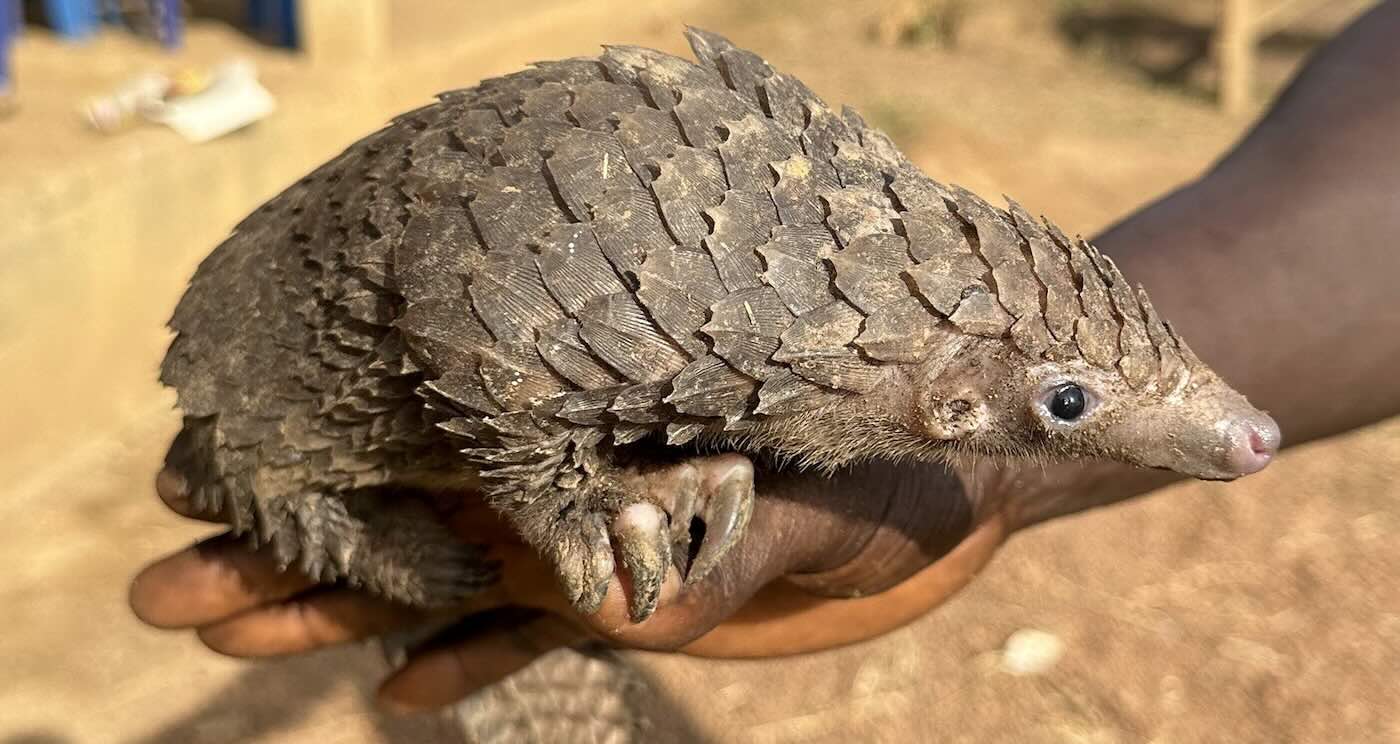
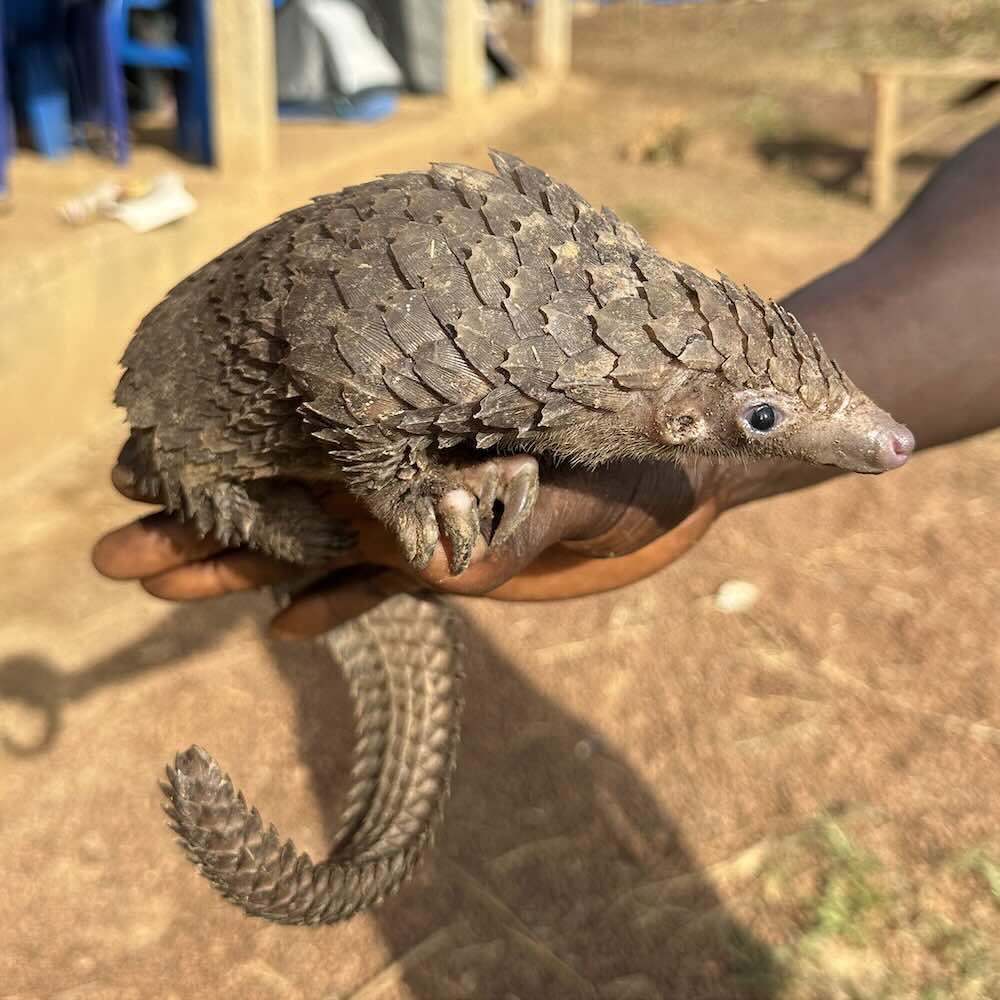
Tiny samples of DNA taken from a wide variety of animal sources can pinpoint hotspots of the illegal wildlife trade, utilizing a new research technique—and eventually lead to dismantling lucrative poaching networks.
The study focused on pangolins—with their scales prized for traditional medicine. One of the most poached species, they account for almost a third of recorded international seizures in recent years.
Genetic data can be valuable for tracing trafficked animals to their place of origin, but the method has been hindered by difficulties in obtaining genetic samples of pangolins.
In the new study, French scientists overcame that barrier by employing a gene-capture method to recover usable genomic information from degraded pangolin samples.
The team sequenced DNA from more than 700 samples of pangolins from international trade seizures, museum collections, bushmeat markets, and in the wild.
Using the genetic data from samples of known geographic origin in museum and field specimens, the researchers built a genomic “reference map” which helped them to trace each trafficked pangolin back to its likely origin.
“We’ve shown that it’s possible to trace trafficked pangolins back to their geographic origin with remarkable precision—sometimes to within just a few kilometers,” said Dr. Sean Heighton of the University of Toulouse.
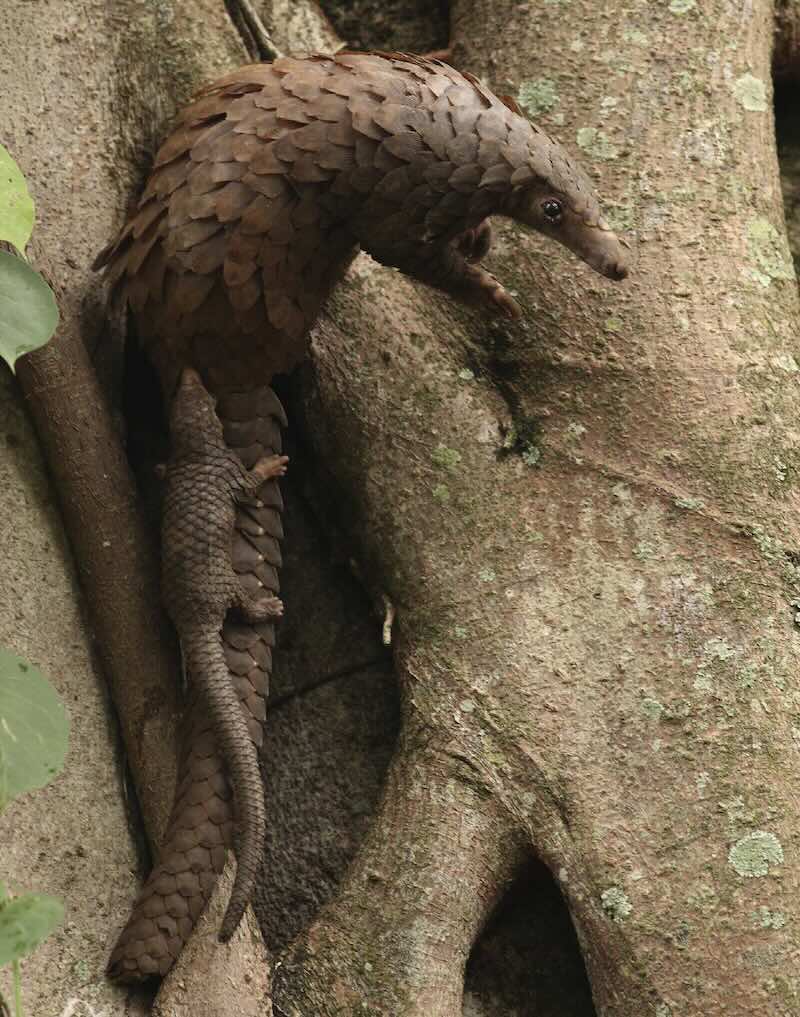
The data revealed several hotspot locations of illegal pangolin collection, including south west Cameroon, Myanmar, and several locations across Africa.
The genetic record also tracks major trade routes for the three pangolins types studied—Sunda, Chinese, and white-bellied—which cross the borders of China and between Indonesian islands.
The findings, published in the journal PLOS Biology, also pinpointed wild populations that are exploited for both domestic and international trade, revealing the interconnectedness of the markets.
The team says their sampling technique has “great potential” for tracking the illegal wildlife trade, but genetic material remains limited.
They propose that a more detailed DNA database of trafficked animals could be developed with the establishment of standardized genetic sampling protocols, shared tools, and greater data integration between wildlife trade tracing initiatives worldwide—for pangolins as well as other trafficked species.
MORE PANGOLIN GOOD NEWS:
• Chinese Pangolin Numbers Growing Steadily in the Wilds of Southern China for the First Time This Century
• The ‘Pangolin Men’ Are Protecting The World’s Most Trafficked Mammal
“Integrating archival museum material with newly collected field and seizure samples enabled us to bridge long-standing gaps in geographic coverage and strengthen the accuracy of pangolin trade tracing,” said the University’s Dr. Philippe Gaubert.
“This enables more efficient, intelligence-driven conservation by directing limited resources toward key poaching hotspots, whereby a range of targeted interventions can be employed to disrupt illegal trade networks.
“One of the most exciting aspects of this work is that we developed a single gene-capture kit that works across all eight pangolin species and on degraded museum specimens, making genomic tracing more accessible, scalable, and practical for real-world pangolin conservation and forensic use.”
Dr Gaubert added: “One of the most striking findings was that domestic pangolin trade is largely local, but it overlaps with the same sourcing regions that supply international trafficking—revealing a connected supply chain rather than separate markets.”
SEND SOME HOPE AROUND THE WORLD By Sharing on Social Media…
Your Weekly Horoscope – ‘Free Will Astrology’ by Rob Brezsny

Our partner Rob Brezsny, whose latest book is Astrology Is Real: Revelations from My Life as an Oracle, provides his weekly wisdom to enlighten our thinking and motivate our mood. Rob’s Free Will Astrology, is a syndicated weekly column appearing in over a hundred publications. He is also the author of Pronoia Is the Antidote for Paranoia: How All of Creation Is Conspiring To Shower You with Blessings. (A free preview of the book is available here.)
Here is your weekly horoscope…

FREE WILL ASTROLOGY – Week of May 23, 2026
Copyright by Rob Brezsny, FreeWillAstrology.com

GEMINI (May 21-June 20):
When many people reflect on their early years, they focus on the alienation and wounds they endured. Few recall, in vivid detail, the moments of joy, triumph, and breakthrough. It’s a symptom, I suppose, of our era’s compulsive cynicism, and not necessarily an accurate account of the past. So many good things happened, too! This isn’t to dismiss the real pain that shaped us in our tender years. Still, I want you to know that you are in a season when it’s essential to recognize and celebrate the blessings of your beginnings—the fun, guidance, and grace that helped you flourish. Update your gratitude!

CANCER (June 21-July 22):
Of all the zodiac signs, you have the most potential to cultivate robust emotional intelligence that’s helpful in practical situations. More than everyone else, your feelings are less likely to render you vulnerable and fragile and more likely to make you a powerhouse. The coming weeks will be prime time to deploy these talents to the max. I encourage you to summon gleeful exuberance as you provide your sensitive, heartful nurturing. Practice the ingenious art of keeping the world emotionally literate and spiritually alert.

LEO (July 23-Aug. 22):
I am pleased to predict that you will be less egotistical and narcissistic in the coming weeks than you have ever been in your life. In saying that, I don’t mean to imply that you’re any more egotistical and narcissistic than the rest of us. I’m simply saying you can get a liberating reprieve from the excessive pride and selfishness that regularly debilitates us all. Congratulations, Leo! This grace period should enable you to deepen your attunement with your soul’s blueprint, the design of destiny you chose before birth. I bet you will enjoy a period of vibrant, exciting tranquility.

VIRGO (Aug. 23-Sept. 22):
Consider this a friendly heads-up to your inner critic, your gloomy side, and any voice in your head that expects too little from life. Upcoming astrological omens are influencing me to predict a stream of auspicious omens and fortunate events. So if you’d rather cling to tired stories about not being good enough or strong enough, you might want to skip my forecasts for a while. But if you’re ready to vivify your faith in your power to eagerly create what you desire, stay tuned. Karmic blessings are coming.

LIBRA (Sept. 23-Oct. 22):
To be blunt, dear Libra, I think you need soul medicine that’s most available in frontiers, borderlands, and thresholds. Some of these might be bright, shiny places, and others may be akin to mazes and tunnels. Please keep in mind that your main motivation, as you seek adventures in the outskirts, should be the quest to have fun as you blow your own mind. For the sake of your lust for life and joie de vivre, you really must explore power spots untouched by trivia and pettiness: sanctuaries where vastness, freedom, and raw vitality can wash away at least some of your fixations and habits.

SCORPIO (Oct. 23-Nov. 21):
Giant Pacific octopus dens are identifiable by the “gardens” of debris outside. They include shells and bones, arranged like ornamentation around the entrance. Are the creatures trying to decorate? Scientists don’t know. But it’s clear they are leaving evidence of their appetites. The result is distinctive, artistic, and revealing. With this scenario as your metaphorical meditation, Scorpio, I invite you to look at what you have been pursuing and consuming in recent months. Contemplate the stuff piling up in your sphere. What do your finished experiences reveal about your quest for meaning? Does this pattern reflect your deepest intentions? Is this who you want to be? Make sure the story you’re teling about yourself is the right one.

SAGITTARIUS (Nov. 22-Dec. 21):
Advising a Sagittarius to be patient is like asking a bonfire to burn slowly and politely. Still, I will give it a try. Because I love you, I will dare to be frank. So here goes: If you want to align yourself with astrological currents, practice being reverently at ease with life’s madness as you watch and wait. See if you can take genuine pleasure in resting within a field of calm trust. Imagine, with fearless delight, the rewards that will find you as you nurture a steady, unhurried confidence in your intuition, which will ultimately tell you exactly what you need to do.

CAPRICORN (Dec. 22-Jan. 19):
In 1994, immunologist Polly Matzinger revolutionized her field with a radical theory. She discovered that our immune systems don’t focus on distinguishing “self” from “non-self,” but rather responding to threats. The body puts less emphasis on asking “is this me?” and more on “is this harmful?” Her breakthrough transformed our understanding of immunity, autoimmune disease, and transplant rejection. According to my analysis of the astrological riddles, you Capricorns could benefit from a similar adjustment. Don’t worry about whether any particular influence harmonizes with your identity or aligns with your history. Instead, ask, “Is it nourishing or harmful? Supportive or useless?” As you refresh your approach to guarding and protecting your precious self, new options will become visible.

AQUARIUS (Jan. 20-Feb. 18):
According to my interpretation of the astrological signals, you have run into an obstacle to your creative flow, or may soon do so. Though this could feel discouraging at first, I think it’s a promising sign. It indicates that a hidden bug is surfacing. An inner saboteur is no longer operating in the shadows. You’re being given the opportunity to repair an unseen energy leak that has been sapping your vitality. To illuminate this process, consider the wisdom of author Joyce Carol Oates. She says that writer’s block arises when a writer subconsciously believes that what they’re trying to create is false, misguided, or harmful to themselves, which results in a temporary creative paralysis. Be brave and relentless in hunting down the glitch in your self-love, Aquarius.

PISCES (Feb. 19-March 20):
Maybe you’ve been having thoughts like this: “I’m too scrambled to do what’s necessary to get unscrambled.” Here’s another snag that may be tangling your mind: “I’m too mixed up to know what questions to ask to sort out my confusion.” If this is true, Pisces, I’m here to offer advice. Imagine calling a timeout on the whole noisy world and slipping free of the habitual trance. Consider retreating to a sanctuary where time doesn’t oppress you and complications subside. Let your mind be empty, give your ambitions a rest, and immerse your tender attention in the deepest part of yourself you can find.

ARIES (March 21-April 19):
If you’re a professional photographer, now is an ideal moment to invest in the higher-end lens you know would expand your best work. If you’re a committed chef, it’s a perfect time to spring for a precision knife set that elevates your craft. If you’re a devoted yoga or meditation teacher preparing a new series, you might decide to purchase an upgraded sound system to share your vocal offerings more crisply. And if you are none of the above, consider this your sign to obtain a key instrument or tool that will help you move to the next level of professionalism in the work you’re called to do.

TAURUS (April 20-May 20):
When we hear people described as having fertile imaginations, we may assume they are artists, writers, or musicians. But the truth is that many creative visualizers are engineers, city planners, inventors, and the like: those who design and build functional wonders. Of this group, you Tauruses make up a disproportionately high percentage. Your tribe is often most imaginative when vitalizing concrete details and transforming practical matters. In the coming weeks, this will be a vibrant X-factor in your relationship with the world.
WANT MORE? Listen to Rob’s EXPANDED AUDIO HOROSCOPES, 4-5 minute meditations on the current state of your destiny — or subscribe to his unique daily text message service at: RealAstrology.com
(Zodiac images by Numerologysign.com, CC license)
SHARE The Wisdom With Friends Who Are Stars in Your Life on Social Media…
“Let the hurt open you instead of closing you.” – Bryant McGill

Quote of the Day: “Let the hurt open you instead of closing you.” – Bryant McGill
Photo by: Andrej Lišakov For Unsplash+
With a new inspirational quote every day, atop the perfect photo—collected and archived on our Quote of the Day page—why not bookmark GNN.org for a daily uplift?

Good News in History, May 23
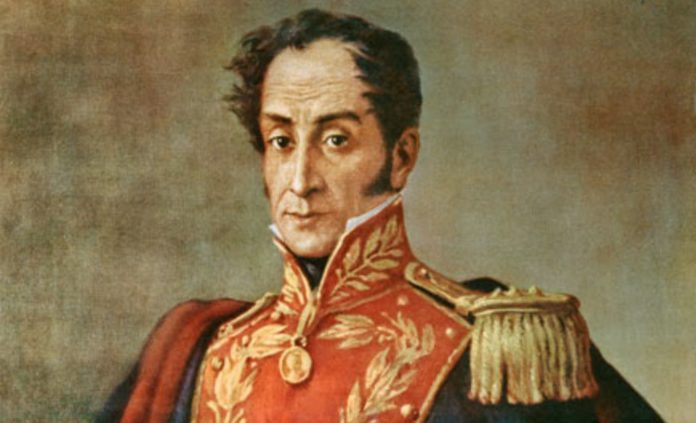
213 years ago today, South American revolutionary leader Simón Bolívar entered Mérida, leading the invasion of Venezuela, and was proclaimed El Libertador (“The Liberator”). Credited with leading the fight for independence in areas of Venezuela, Colombia, Ecuador, Peru, Panama and Bolivia, he is revered as a hero in these countries and throughout much of Latin America. A great admirer of the American Revolution (and a critic of the French Revolution), Bolívar described himself in his many letters as a classical “liberal” and defender of the free market economic system. READ more about his philosophy… (1813)
AI Used to Pinpoint Whale Heat Signatures to Prevent Ship Collisions in San Francisco Bay
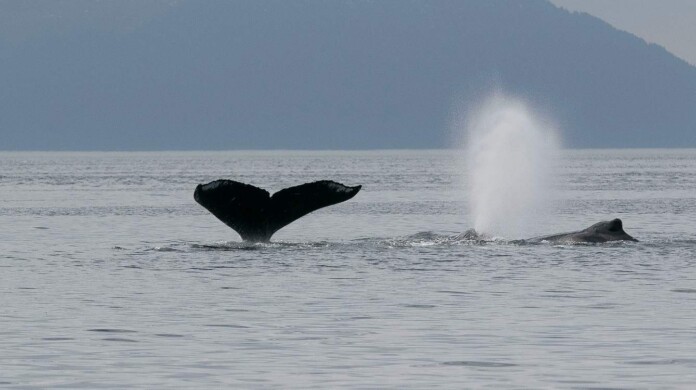
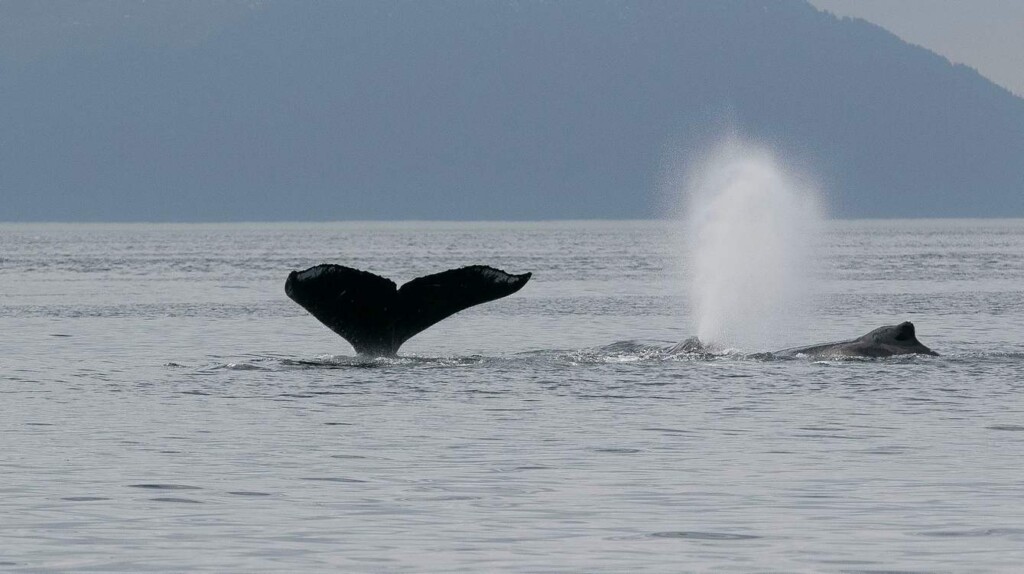
Scientists in California are using heat-sensing AI to save grey whales transiting through San Francisco Bay.
More and more sightings of grey whales, a medium size baleen that can grow to between 40 and 50 feet, are being recorded in the bay, and conservationists are eager to develop methods to more consistently keep them safe from ship strikes—one of the largest causes of whale mortality.
To that end they are employing artificial intelligence to instantly identify the animals’ heat signatures and broadcast that data to passing ships.
“The problem has been getting worse,” Dr. Douglas McCauley, the director of the Benioff Ocean Science Laboratory told CBS News. “This is a problem we can solve right now, that this new data and the community came around it can solve.”
CBS San Fran reported that a group of marine mammal experts gathered in the city to launch Whale Spotter. The first of these devices was put on Angel Island, and the second on a routine transit ferry to Vallejo
“About an hour after plugging it in, we saw 180 blows,” said Dr. McCauley. “That’s not 180 whales, but a handful of whales being active in the bay. It blows, it’s a warm breath so the thermal sensing system sees the heat of the breath against the cold ocean.”
Those heat signatures are then uploaded to a digital map which mariners can access almost immediately and ensure their path of navigation will miss the whales.
MORE STORIES LIKE THIS: Rather Than Taking Jobs in Tech, 2 Young Software Engineers Use Talents to Crush Poaching in India
The Benioff Laboratory should be able to know within a few months if the devices are leading to fewer whale deaths. Not every new method for preventing ship strikes does—as evidenced by the continuing need to advance methods of detection for humans and deterrence for whales.
GNN has previously reported on methods to reduce ship strikes, including through powerful imaging satellites in the North Atlantic, and a trio of buoys in the Mediterranean that alerts passing ships to the coordinates of sperm whale clicks.
SHARE This Great Use Of AI To Save These Stunning Marine Mammals…
Police Deputy Praised After ‘Run-of-the-Mill’ Call Turns into Emergency Baby Delivery
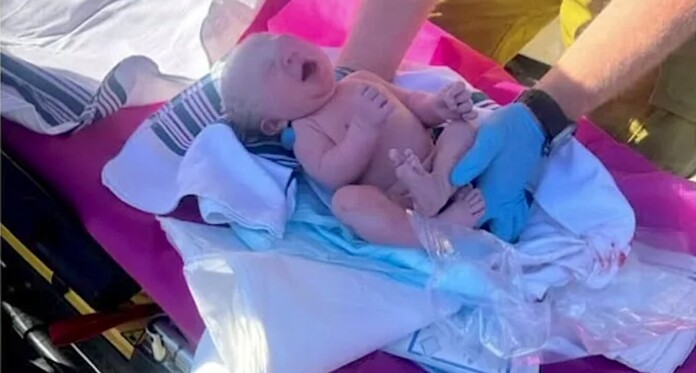
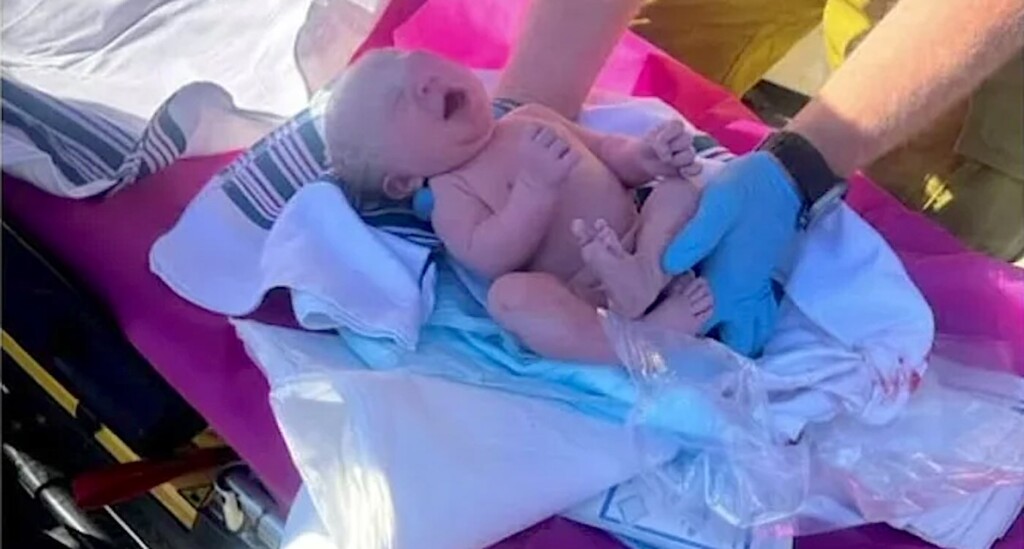
A call about suspicious activity saw a California police officer race to save a newborn’s life.
A woman was sitting between two bushes near a business in the Rancho Cordova, and Deputy Foster Tracy described the situation as “routine,” before it became anything but.
“It was zero to a hundred really fast. It was one of those calls you go to, run-of-the-mill,” Deputy Foster Tracy said. “This was definitely not something that I was prepared for at any part of the day.”
“‘Excuse me?'” Tracy remembers saying, as it didn’t really register, “‘you’re having a baby?'”
Indeed, the woman had been begging for help for “hours,” CBS News reported.
Calling for medical backup, Tracy got down on his knees and went to work as he realized there wasn’t time to waste: the baby’s head was already out.
Tracy’s partner arrived moments later and they both saw the problem as the umbilical cord was wrapped around the baby’s neck. “I was concerned the baby was deceased because it was purple and blue.”
“ROUTINE” CALLS: Little Boy Calls 911 After Mom Ate His Ice Cream: ‘Mommy Is Being Bad’–But Cops Solve the Case
Yet their persistence was rewarded with a healthy baby and a relieved mother, who were both taken to the hospital to recover from the ordeal.
The deputies have been credited with a life-saving intervention, and were praised by the mom, the police chief, and the surprised shop owners whose call had inadvertently saved a life.
WATCH the story below from CBS News…
SHARE These Officers’ Life Saving Work With Your Friends…