Quote of the Day: “I learned to conserve my anger. Once controlled it can be transmuted into a power that can move the world.” – Mahatma Gandhi
Photo by: Gabriel Lamza
With a new inspirational quote every day, atop the perfect photo—collected and archived on our Quote of the Day page—why not bookmark GNN.org for a daily uplift?
Sikhs parading on Vaisakhi in Birmingham - CC 2.0. Michael Clark.
Today is Vaisakhi, the second most important day of the year on the Punjabi calendar, on which Sikhs from around the world celebrate a triad of events. The first, dating back to before the consolidation of Sikhism, is the first harvest of crops for the year, and as such many Sikh communities hold harvest festivals either in India or in the diaspora nations. Second, it is the day that the 10th Guru of Sikhism, Guru Gobind Singh, created the Khalsa, an order of warrior-poet-holy men to defend to lands of Punjab, and which still marks out men as Sikh devotees today. READ about the third and more about the second below… (1699)
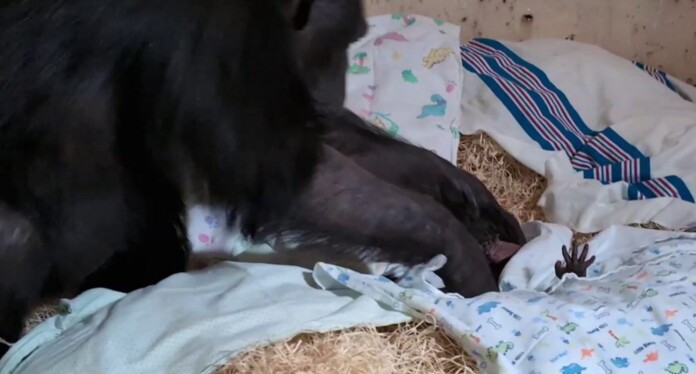
Chimpanzee reaches for baby - Sedgwick County Zoo / SWNS
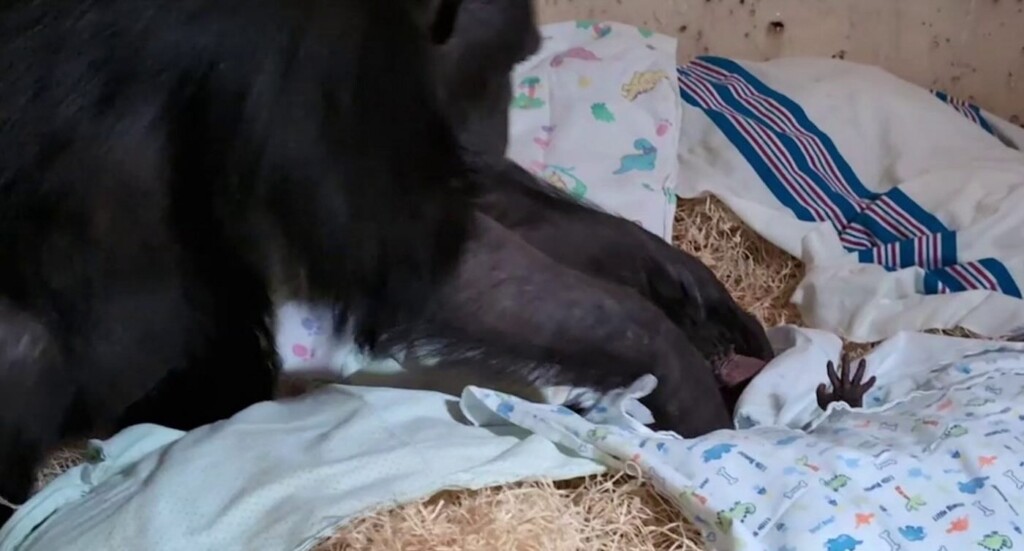
Chimpanzee reaches for baby – Sedgwick County Zoo / SWNS
A heartwarming union was captured at a Kansas zoo this week when a chimpanzee mother met her baby for the first time 14 hours after she gave birth via C-section.
Named Mahale, the 30-year-old primate at The Sedgwick County Zoo in Wichita gave birth to her first offspring since her last baby died accidentally two years ago when he was just five weeks old.
The new baby, a female called Kyansa, was named after a mountain in the Mahale National Park in Tanzania, and was featured in a video.
Watching how Mahale immediately pulled her new infant into her arms, cuddling her close, is proof of the strong “positive signs of bonding”, according to caretakers.
“The pair will remain behind the scenes to allow time for Mahale to heal from surgery and for mom and baby to further develop their bond.”
“Another surgical delivery was prescribed in order to reduce the risks sometimes associated with natural births after C-sections.”
Dr. Laura Whisler and Dr. Janna Chibry of College Hill OB-GYN in Wichita, Kansas, performed the cesarean section alongside the Zoo’s veterinary and animal care teams.
Chimpanzee reaches for baby – Sedgwick County Zoo
Mahale spent the night recovering from anesthesia before being reunited with baby the following morning. (WATCH the sweet moments below…)
The 30-year-old chimpanzee has remained a key figure at the zoo, forming bonds with younger troop members, and being a loving “auntie” to a 1-year-old chimp resident.
SHARE THE MOMENT With Loving Moms On Social Media…
The University of Maryland announced that the beloved Muppet, Kermit the Frog, will deliver the university’s 2025 commencement address to graduates and their families on May 21.
After a sold-out visit to campus last year as part of the Arts and Humanities Dean’s Lecture Series, the legendary frog returns from The Muppets Studio to share an inspiring message with this year’s graduates.
Kermit’s appearance honors the long history between UMD and Muppets creator Jim Henson, who graduated from the school in 1960.
Henson, a home economics major, invented Kermit by building the original frog puppet out of one of his mother’s coats and a ping-pong ball cut in half.
“I am thrilled that our graduates and their families will experience the optimism and insight of the world-renowned Kermit the Frog at such a meaningful time in their lives,” said UMD President Darryll Pines.
“Our pride in Jim Henson knows no bounds, and it is an honor to welcome Kermit the Frog to our campus, 65 years after Mr. Henson graduated from the University of Maryland.”
Kermit sent back a message in response:
“Nothing could make these feet happier than to speak at the University of Maryland. I just know the class of 2025 is going to leap into the world and make it a better place, so if a few encouraging words from a frog can help, then I’ll be there!”
Henson always said he wanted the Muppets to live on without him—and what better way than to speak to “the lovers, the dreamers” who are setting off on their adventures as adults.
The college released this cute video to unveil this year’s chosen speaker…
HOP THIS NEWS OVER TO MUPPET FANS By Sharing On Social Media…
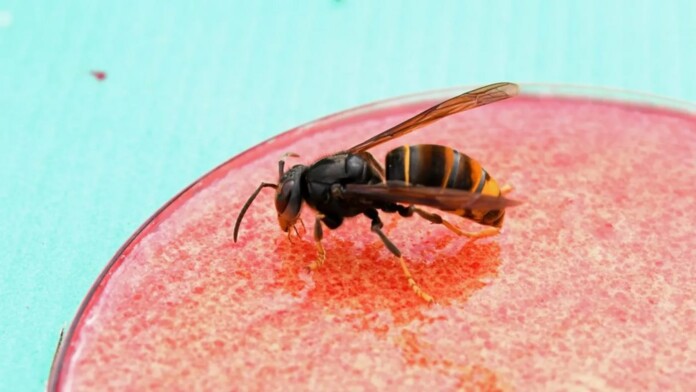
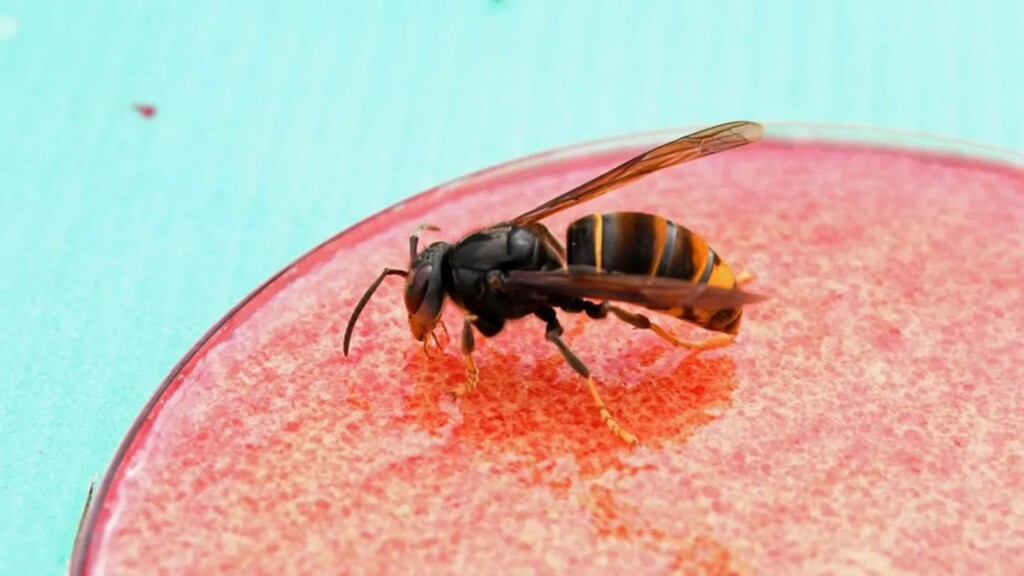
An English university has developed an AI-detection system that can identify a picture of an invasive Asian hornet in yet another innovative and positive application of the emerging technology.
Not quite the “murder hornets” that invaded America a half-decade ago, the Asian hornet is nevertheless an extremely bothersome pest for all the same reasons, including the bug’s ability to wipe out honey bee colonies and cause anaphylactic shock in humans from their stings.
VespAI, could identify the species with “almost perfect accuracy”, said University of Exeter, whose scientists developed the device.
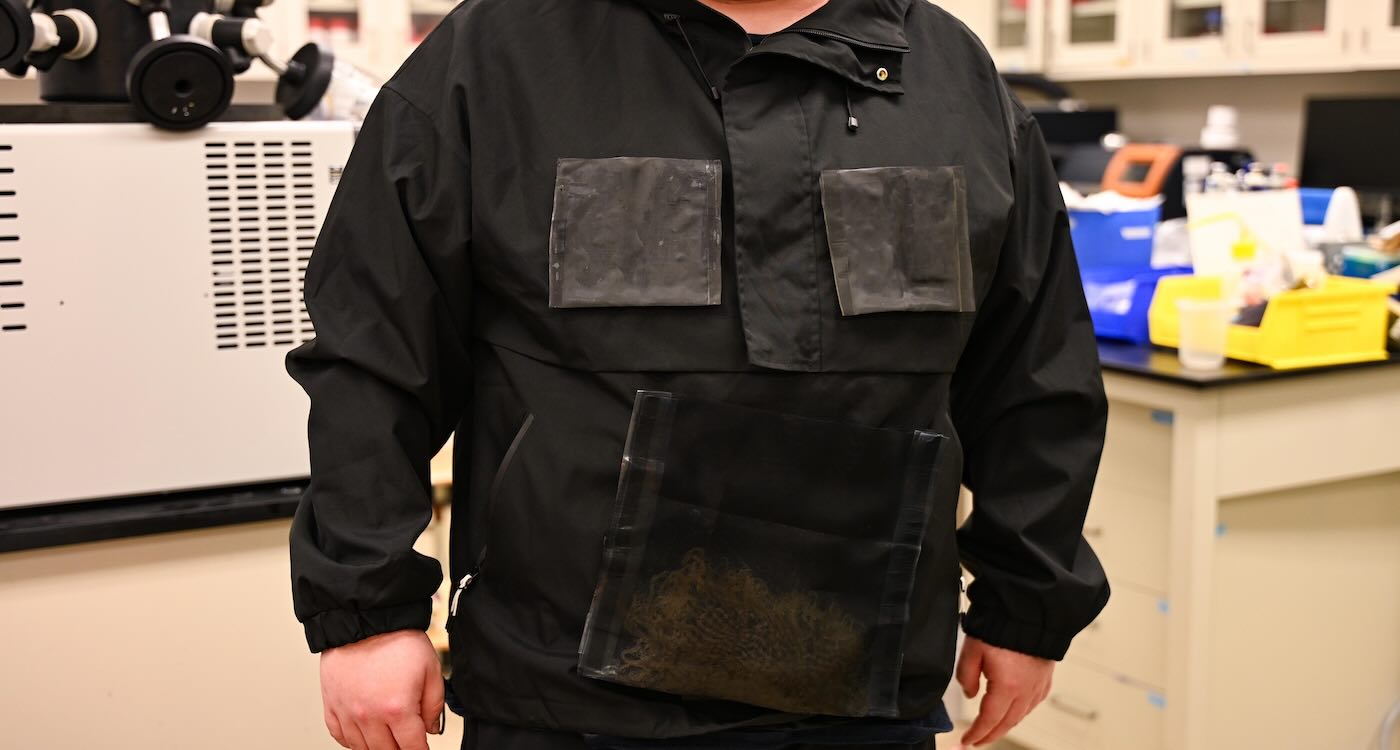
Looking like an upturned punch bowl with a small device mounted on top, it also attracts the insects, which gives a camera the opportunity to take an image and determine what species it is.
Since one single hornet can kill and eat 50 honeybees in a single day, the record-number of Asian hornet sightings in the UK in 2023 spurred the university into finding a way to combat them.
Nests have been found in East Sussex, Kent, Devon, and Dorset, and Dr. Peter Kennedy, who envisioned how AI might be used to defend English shores from the invader, told the BBC that the country’s first line of defense—citizen identification—was highly flawed, with many sightings being misidentified.
The VespAI module – credit, Peter Kennedy, supplied
“Our system thus aims to provide a vigilant, accurate and automated surveillance capability to remediate this,” he said.
“VespAI does not kill non-target insects, and thus eliminates the environmental impact of trapping, while ensuring that live hornets can be caught and tracked back to the nest, which is the only effective way to destroy them.”
Designed to be inexpensive and highly-versatile, the VespAI could be used by scientists and game wardens, but also beekeepers, who would receive an alert if the system detected a creature it believed to be an Asian hornet.
Though only a prototype, it has preformed very well in field tests.
Asian hornets have invaded countries across the European continent, and their stings have hospitalized and even killed residents in agricultural areas.
SHARE This Great Leveraging Of AI To Protect Honeybees…
FREE WILL ASTROLOGY – Week of April 12, 2025
Copyright by Rob Brezsny, FreeWillAstrology.com
ARIES (March 21-April 19):
Life is asking you to be a source of generosity and strength for the people and animals in your sphere. I hope you will exude maximum amounts of your natural charisma as you bestow maximum blessings. Soak up the admiration and affection you deserve, too, as you convey admiration and affection to others. Here’s a secret: The more you share your resources, help, and intelligence, the more of that good stuff will flow back your way.
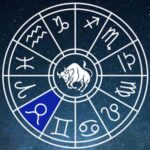
TAURUS (April 20-May 20):
Ceramicist Jun Hamada says that trying to force harmony into her art leads to sterile work. “The most beautiful pieces come from the moments I stop trying to make them beautiful,” she notes. “They emerge from embracing the clay’s natural tendencies, even when they seem to fight against my intentions.” I recommend her approach to you in the coming weeks. Your best results may emerge as you allow supposed flaws and glitches to play an unexpected part in the process. Alliances might benefit, even deepen, through honest friction rather than imposed peace. What will happen when you loosen your attachment to enforced harmony and let life’s natural tensions gyrate?
GEMINI (May 21-June 20):
Gemini-born Frank Lloyd Wright (1867–1959) was a prolific architect who orchestrated many daring designs. Among his most audacious experiments was a project to build a house over a waterfall in Pennsylvania. “It can’t be done!” experts said. But he did it. Before he was ready to accomplish the impossible, though, he had to spend months studying the site’s natural patterns. I bring this to your attention, Gemini, because I believe you are ready to consider your own equivalent of constructing a house over a waterfall. Prepare well! Do your homework!
CANCER (June 21-July 22):
In the early phase of his illustrious career as a photographer, Edward Weston (1886–1958) cultivated a soft-focus, romantic style. But he ultimately converted to stark, uncompromising realism. “The camera,” he said, “should be used for recording life, for rendering the very substance and quintessence of the thing itself.” If there is anything about you that prefers warm, fuzzy illusions over objective, detailed truth, I suggest you switch emphasis for a while. If you like, you can return to the soft-focus approach in June. But for now, a gritty, unsentimental attitude will be essential to your well-being.
LEO (July 23-Aug. 22):
Here’s my mini-manifesto about change, just in time for a phase when change is most necessary and possible for you. 1. Real change is often a slow and subtle process. There may be rare dramatic shifts, but mostly the process is gradual and incremental. 2. Instead of pushing hard for a short time, you’re more likely to change things by persistently pushing with modest strength for a sustained time. 3. Rather than trying to confront and wrestle with a big problem exactly as it is, it’s often more effective to break the seemingly insurmountable challenge into small, manageable pieces that can be solved one at a time through simple efforts.
VIRGO (Aug. 23-Sept. 22):
Textile artist Mei Zhang wondered if the synthetic dyes she used on her fabrics were limited. Might there be a wider variety of colors she could use in her creations? She discovered that her grandmother, using age-old techniques, had produced hues that modern dyes couldn’t replicate. “The most sustainable path forward,” Zhang concluded, “often involves rediscovering what we’ve forgotten rather than inventing something entirely new.” I recommend that counsel to you, Virgo. The solution to a current challenge might come from looking back instead of pushing forward. Consider what old approaches or traditional wisdom you might call on to generate novelty. Weave together fresh applications with timeless principles.
LIBRA (Sept. 23-Oct. 22):
The moon rises about 50 minutes later every day, and always at a slightly different place on the horizon. The amount of light it shows us is also constantly in flux. And yet where and how it will appear tomorrow or ten years from today is completely predictable. Its ever-changing nature follows a rhythmic pattern. I believe the same is true about our emotions and feelings, which in astrology are ruled by the moon. They are forever shifting, and yet if we survey the big picture of how they arise, we will see their overall flow has distinct patterns. Now would be a good time for you to get to know your flow better. See if you can detect recurring motifs. Try to develop more objectivity about how your precious emotions and feelings really work. If you do this correctly, you will deepen and enhance the guiding power of your precious emotions and feelings.
SCORPIO (Oct. 23-Nov. 21):
Research reveals that interludes of productive uncertainty may strengthen our brain’s neural pathways—even more so than if we consistently leap to immediate comprehension. The key modifier to this fortifying uncertainty is “productive.” We must be willing to dwell with poise in our puzzlement, even welcome and enjoy the fertile mystery it invokes in us. Neurobiologist Aiden Chen says, “Confusion, when properly supported, isn’t an obstacle to learning but a catalyst for understanding.” These ideas will be good medicine in the coming weeks, dear Scorpio.
SAGITTARIUS (Nov. 22-Dec. 21):
Persian American author Haleh Liza Gafori translates the poetry of 13th-century Sufi mystic Rumi. One of their joint books is titled Gold. She writes, “Rumi’s gold is not the precious metal, but a feeling-state arrived at through the alchemical process of burning through layers of self, greed, pettiness, calculation, doctrine—all of it. The prayer of Sufism is ‘teach me to love more deeply.’ Gold is the deepest love.” That’s the gold I hope you aspire to embody in the coming weeks, Sagittarius. You are in a resplendently golden phase when you have more power than usual to create, find, and commune with Rumi’s type of gold.
CAPRICORN (Dec. 22-Jan. 19):
The coming weeks will be an excellent time to reframe the meaning of “emptiness” in your life. To launch your quest, I will remind you that quiet interludes and gaps in your schedule can be rejuvenating. Sitting still and doing nothing in particular may be a good way to recharge your spiritual batteries. Relieving yourself of the pressure to be endlessly active could be just what you need to open up space for fresh possibilities.
AQUARIUS (Jan. 20-Feb. 18):
There was a time, many years ago, when I consulted a divinatory oracle every day of my life. Sometimes it was the Tarot or the I Ching. I threw the Norse runes, did automatic writing, used a pendulum, or tried bibliomancy. Astrology was always in the mix, too, of course. Looking back on those days, I am amused at my obsession with scrying the future and uncovering subconscious currents. But employing these aids had a wonderful result: It helped me develop and fine-tune my intuition and psychic powers—which, after all, are the ultimate divination strategy. I bring this to your attention, Aquarius, because I believe you now have an enhanced power to cultivate and strengthen your intuition and psychic powers.
PISCES (Feb. 19-March 20):
The fovea is the part of the eye that enables sharp vision. Humans have just one kind of fovea, which gives them the ability to see clearly straight ahead. Eagles have both a central and peripheral fovea. The latter gives them an amazing visual acuity for things at a distance. This extra asset also attunes them to accurately detect very slow movements. I suspect you will have a metaphorical semblance of the eagle’s perceptual capacity in the coming weeks, Pisces. You will be able to see things you wouldn’t normally see and things that other people can’t see. Take full advantage of this superpower! Find what you didn’t even know you were looking for.
WANT MORE? Listen to Rob’s EXPANDED AUDIO HOROSCOPES, 4-5 minute meditations on the current state of your destiny — or subscribe to his unique daily text message service at: RealAstrology.com
Quote of the Day: “Never forget the three powerful resources you always have available to you: love, hope, and forgiveness.” – H. Jackson Brown, Jr.
Photo by: Gabriel Lamza
With a new inspirational quote every day, atop the perfect photo—collected and archived on our Quote of the Day page—why not bookmark GNN.org for a daily uplift?
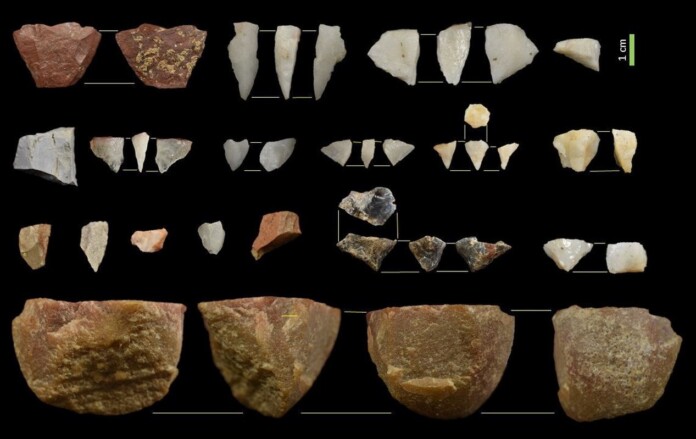
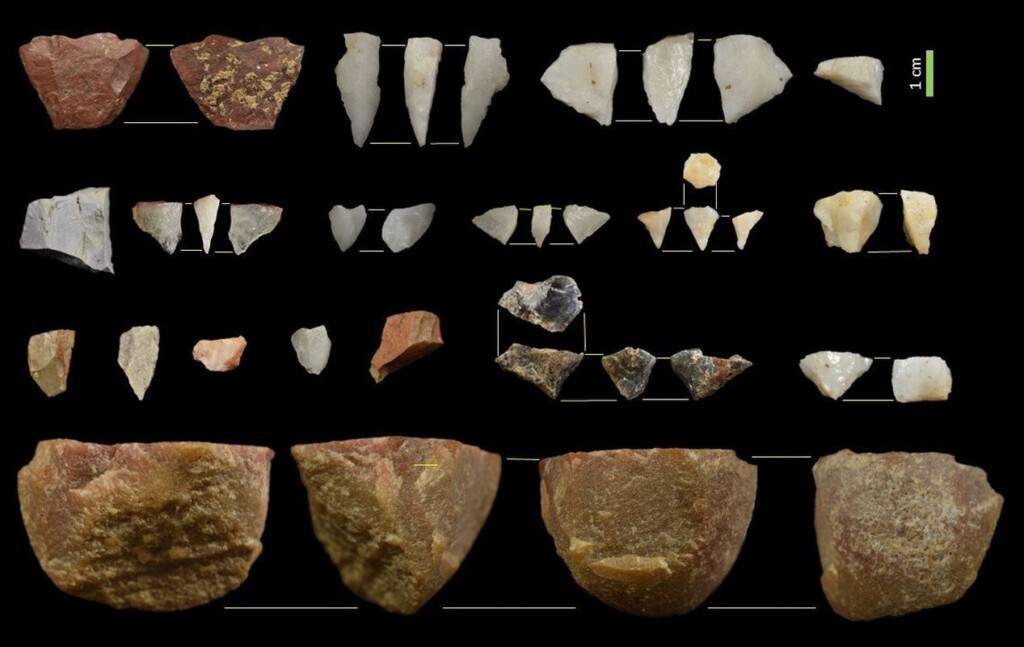
Prehistoric stone tool cores on display from the cave - credit, Sara Watson SWNS
Prehistoric stone tool cores on display from the cave – credit, Sara Watson SWNS
In a cave overlooking the ocean on the southern coast of Africa, thousands of stone tools made by early humans are revealing connections between prehistoric peoples of the continent.
Archaeologists that made the discovery called it an “important” find that hints at the ways in which prehistoric people traveled, interacted, and shared their craft.
The caves, part of what archaeologists call the Robberg technocomplex in South Africa, no longer overlook a plain, but are instead in a towering cliff face over a rocky beach, a result of sea level rise following the end of the last Ice Age.
Study lead author Dr. Sara Watson of the Field Museum in Chicago explained that during the period when the blades were made, between 24,000 and 12,000 years ago, the area would have been filled with antelope much like other inland regions of South Africa today.
“Instead of being right on the water like they are today, these caves would have been near vast, open plains with large game animals like antelope,” said Dr. Watson. “People hunted those animals, and to do that, they developed new tools and weapons.”
Dr. Watson and her team published their findings in the Journal of Palaeolithic Archaeology, and show they were able to tell how the tools were made by examining tiny details in the chipped edges of the blades and stones.
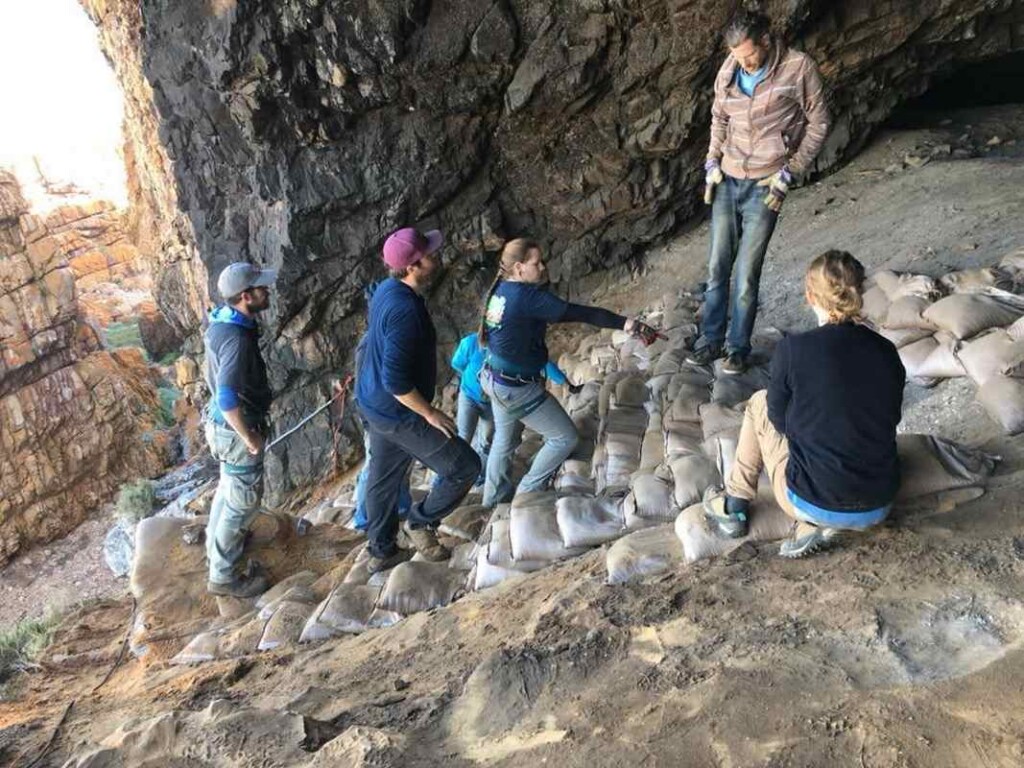
The team made the daily climb with all their excavation and photography equipment, weighing up to 50 pounds per person, up a very steep escarpment aided by ropes.
Inside, beneath ancient dust and dirt, they found thousands of stone tools—mostly small, sharp blades, as well as the larger pieces of rock from which the blades were broken off—called a “core.”
Archaeologists inside the cave in South Africa – credit, Sara Watson SWNS
“When your average person thinks about stone tools, they probably focus on the detached pieces, the blades and flakes,” Watson explained. “But the thing that is the most interesting to me is the core, because it shows us the particular methods and order of operations that people went through in order to make their tools.”
“Since these are extremely, extremely old sites, from before the end of the last Ice Age, we had to be very careful with our excavation. We used little tiny dental tools and mini trowels so that we could remove each little individual layer of sediment.”
She and her colleagues observed several “distinct” patterns in how the smaller blades had been separated from the cores, and that these patterns had been found throughout southern Africa.
“If we see specific methods of core reduction at multiple sites across the landscape, as an archaeologist, it tells me that these people were sharing ideas with one another.”
For example, one particular method of breaking tiny bladelets off of a core that Dr. Watson found in the Robberg caves is a style also found hundreds of miles away in locations including Namibia and Lesotho.
“The pattern is repeated over and over and over again, which indicates that it is intentional and shared, rather than just a chance similarity,” she said. “We have a very long and rich history as a species… People living around the last Ice Age were very similar to people today.”
SHARE This Wonderful Work On Prehistoric Africans With Your Friends…
In the Belgian town of Leuven, squads of “urban miners” pick through condemned buildings to ensure that any loads of lumber, bricks, tiles, or stones that may have a second life elsewhere are given that chance.
Trucked off to the “Materialenbank,” they await a buyer willing to give these salvaged materials a new home.
Leuven isn’t the frontier though, and a combination of strict building codes and energy efficiency standards mean the materials have to be up to the standards of a modern European economy that wants to be carbon-neutral by 2050.
In some cases, that’s fine—and little more than a coat of paint or lacquer is needed to prepare the material for resale. In other cases though, the urban miners at the Materialenbank will downgrade a material’s importance. A steel girder will lose its role holding up second floors to merely holding up the roof, while tiles that may have lined the roof will make their way to the basement flooring.
It’s all part of Materialenbank’s commitment to recycling. At the moment the firm is picking through a pair of homes that make up a group of 30 prewar houses and garages near the city’s train station it believes it will be “mining” in the next few years.
These 30 buildings were condemned for demolition in order to open up an additional traffic route to ease congestion and find room for a green space. Materialenbank will arrive with their tools, an expert will give the house a once-over, and then workers will commence picking out the best of what can be reused before carting it off to an airplane hanger-like space it owns on the outskirts of town.
There, all the materials are sorted, restored to whatever state is needed, and sold. A workshop also welcomes entrepreneurs and artisans who want to use the materials to make new products.
The Guardian reports that a group of housing flats close to the city’s De Bruul Park come with beds, kitchen cupboards, and flooring all made from recycled wood; just one example of how businesses and builders in the city are taking up the challenge set down by the local government of keeping whatever comes into the city, in the city.
GNN reported on the work of a Georgia nonprofit doing a very similar thing, and how their sales of salvaged wood thrived during the pandemic when government-enforced business closures meant that new lumber from Canada couldn’t be imported into the US for builders.
Re:purpose Savannah is a 501(c)3 that takes old, condemned buildings apart for their bricks, timber, door frames, metalwork, and other components and sells them to construction firms building new homes for discerning clients. They’ve taken apart beach houses, dairies, bungalows, cottages, and traditional homes in town.
Furthermore, much of the wood that Re:purpose pulls down comes from trees no longer used for lumber because they are endangered, or because there are better options for mass timber planting.
These include white and red oak, longleaf pine, sweetgum, walnut, and hickory. Longleaf pine in particular is a very high-quality wood with a tensile strength that’s higher than steel.
SHARE This Great Story Of Urban Recycling With Your Friends On Social Media…
Later this month, an exhibition will open at the Archaeological Museum of Pompeii where a brand-new discovery will play a starring role in communicating the lives of women in the Roman world’s famous buried city.
Found mounted against a wall inside a necropolis near Porta Sarno, one of Pompeii’s city gates, the statues of a man and a priestly woman have emerged from the ash in remarkable condition.
The laurels in the figure’s hand suggests she might have been a priestess – credit, Pompeii Archaeological Park
Flanking a carved niche where a funerary urn once sat, the male statue is wearing a toga and is rather simple, while the woman is bedecked in accessories around her cloak and tunic.
The area they were found in had been excavated for the archaeological park railway in 1998, when the presence of 50 cremation burials in the necropolis was recorded. However, these statues remained hidden until July of last year.
The man and woman could be a married couple, but without an inscription it’s impossible to know for sure. They were carved during the 1st or 2nd century BCE, known as the Late Republican period.
The woman sports amphorae-shaped earings, a wedding ring, a bracelet, and an amulet carved in the shape of a crescent moon, a Roman maiden’s traditional decoration before marriage, called a lunula.
In her right hand, the female figure holds laurel leaves, which Roman priestesses and priests once used to purify spaces, and has led the researchers to believe the figure was in fact a priestess—of Ceres, perhaps, since this goddess of fertility, harvests, and motherhood was connected with the Moon.
Being that a lunula was typically worn before marriage, but the figure also wears a wedding band, the Moon-shaped amulet very well could be connected to Ceres’ role in guiding farmers through planting and harvests.
“There is also this idea that she could have been a priestess of Ceres, holding these plants and what appears to be a papyrus roll,” Gabriel Zuchtriegel, the park’s director, told the Guardian referring to a cylinder-shaped object in the statue’s left hand.
Smithsonian’s Sonja Anderson writes that the funerary reliefs’ age and quality alone make them rare finds. However, the fact that the female figure may represent a priestess holding religious objects makes the discovery exceptional.
She is set to star alongside other discoveries in an April 16th exhibit “Being a Woman in Ancient Pompeii” which explores the social fabric of maidenhood, motherhood, and the priestess class in the famous city.
SHARE Yet Another Fantastic Discovery From The Famous Ancient City…
A simple blood test costing less than $10 could prevent hundreds of heart attacks and other adverse cardiac events per year.
Troponin is a protein found in heart muscle cells that if detected in the blood stream means the heart has been damaged in some way: a key indicator of cardiovascular disease risk with greater predictive power than cholesterol levels.
A troponin detection test that can be administered along with other simple blood tests could alert hundreds of patients to their higher risk of heart attack and stroke, allowing them to alter their lifestyle or even start taking statins, in advance of an adverse cardiac event.
The concept was demonstrated in a paper published in the Journal of the American College of Cardiology. The authors showed that adding cardiac troponin levels to existing risk factors such as smoking status, cholesterol, diabetes presence, and blood pressure increased the predictive powers of these screenings—done after CVD events or in advance of a statin prescription.
In fact, in their study of 62,000 Britons with a 15-year follow-up, one additional CVD event would be prevented for every 408 and 473 individuals screened when troponin was added, a result of troponin being a good indicator of so-called “silent” heart damage that could lead to a CVD event in the future.
The study also found adding troponin tests meant that up to 8% of people classified as intermediate risk were changed to high-risk.
“Troponin, even in the normal range, is a powerful indicator of silent heart muscle damage,” said Anoop Shah, a professor of cardiovascular medicine at the London School of Hygiene & Tropical Medicine and lead author on the study.
“As such, the test provides an extra layer of information that we can use to boost our accuracy when predicting people’s risk. We want to identify as many high-risk people as possible, so that no one misses out on the opportunity to get preventative treatment.”
SHARE This Evolution In Detection Strategies For The NO.1 Killer in Western Society…
Quote of the Day: “Assumptions are made and most assumptions are wrong.” – Albert Einstein
Photo by: Daniel Intodawoj
With a new inspirational quote every day, atop the perfect photo—collected and archived on our Quote of the Day page—why not bookmark GNN.org for a daily uplift?
An Indian ambulance in UP - Photo by Aman Chaturvedi on Unsplash
An Indian ambulance in UP – Photo by Aman Chaturvedi on Unsplash
In a gesture of goodwill and neighborliness, Indian officials transferred 88 ambulances to Sri Lanka counterparts back in 2016.
Now, ten years on, this gift has turned out to be a lifesaving one for 1.5 million Sri Lankans who have ridden and received urgent care in the back of those ambulances and the ones added to the fleet in the following years.
At the time, Prime Minister Narendra Modi handed over the ambulances and Sri Lanka was able to launch the nation’s first national emergency service—equivalent to our 911 or Britain’s 999.
“Today, the fleet size of ambulances has grown to 322. It is used to provide free emergency transportation services to the whole country day and night,” Sri Lankan Minister of Health and Media Nalinda Jayatissa told Modi in a communication last Saturday.
Jayatissa said that national statistics report that 2.44 million people have received care in these ambulances for things like cardiac arrest, stroke, and road accidents. 65% of these were in the “golden hour” where medical care within a few minutes can make the difference between life and death immediately.
“That is nearly 1.5 million lives saved up to now due to your generosity, and continues to save lives in Sri Lanka,” Jayatissa said.
Sri Lanka ranks well above other South Asian countries in the Human Development Index with an index score of 0.750, and out of 142 countries surveyed by the World Economic Forum, Sri Lanka cracked the top-third in terms of health industry. That was in 2011, before the ambulance donations arrived.
More modern estimates keep Sri Lanka ahead of other South Asian economies for health industry development, and the island has eradicated several infectious diseases ahead of established targets. Its life expectancy of 75.5 years at birth is 10% higher than the world average, and the country is ranked number 5 on the World Giving Index which ranks charitable behavior and gestures among the population.
SHARE This Great Story Of Kindness, Development, Health In South Asia…
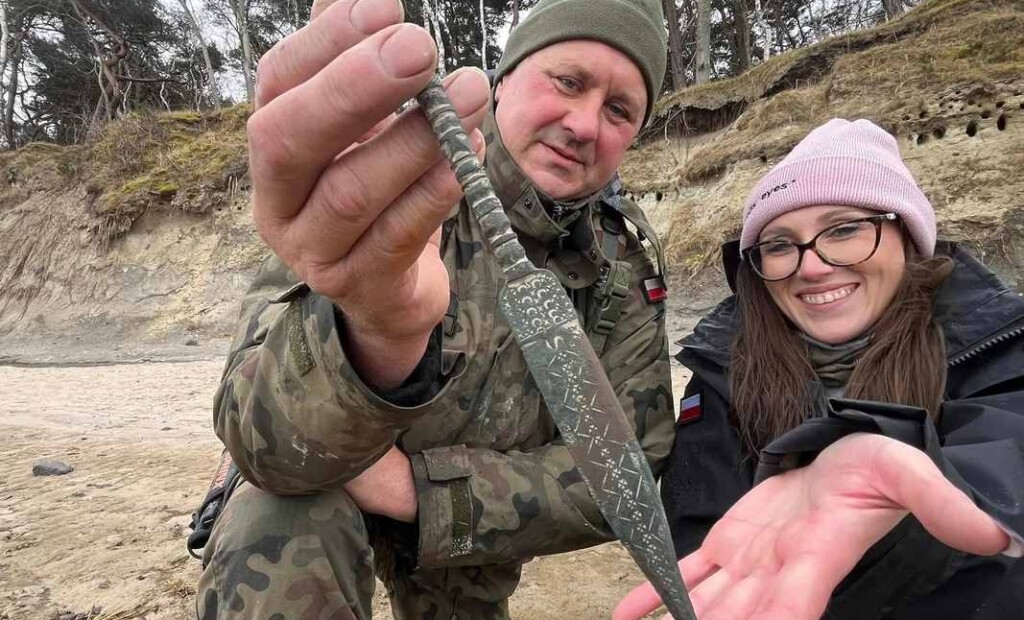
On a beach in Northern Poland, buried treasure has been found.
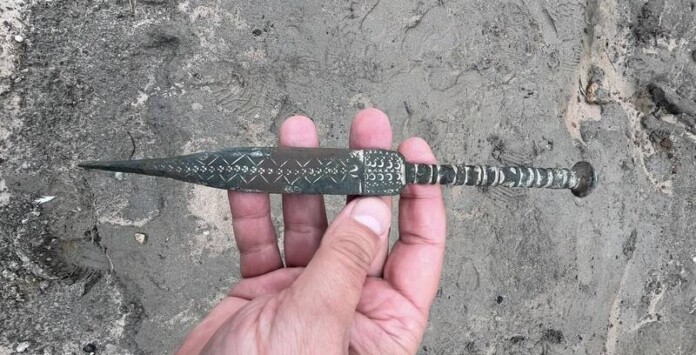
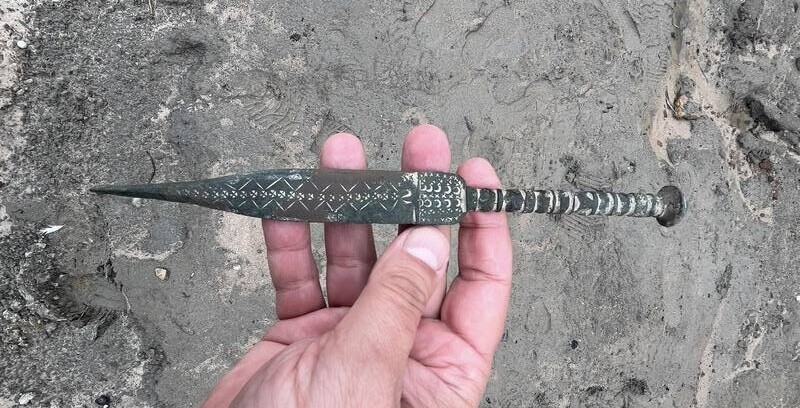
A beautiful intricately inlaid dagger from the Bronze Age, perhaps once used in a ceremony by a “solar cult”, was dug up by a pair of metal detectorists from the area.
Jacek Ulkowski and Katarzyna Herdzik immediately notified authorities at the Museum of the History of Kamien Land, whose director, archaeologist Grzegorz Kurka, met the duo at the beach to examine the artifact.
Jacek Ukowski and Katarzyna Herdzik, the metal detectives who discovered the dagger – credit, Museum of the History of Kamień Land
“A true work of art,” Kurka tells the Polish Press Agency. “I have not seen such a dagger in my experience with findings in Polish territories.”
In a statement released by the museum, the find was called “a true masterpiece of metallurgy,” with a blade approximately 10 inches long covered in “linear crescent moons and crosses resembling stars.”
Ulkowski and Herdzik went to the beach following a storm, knowing that artifacts can be disturbed from their sandy tombs under the rough seas. As it happened, they actually found it embedded in a layer of clay that had become dislodged from a nearby cliff face.
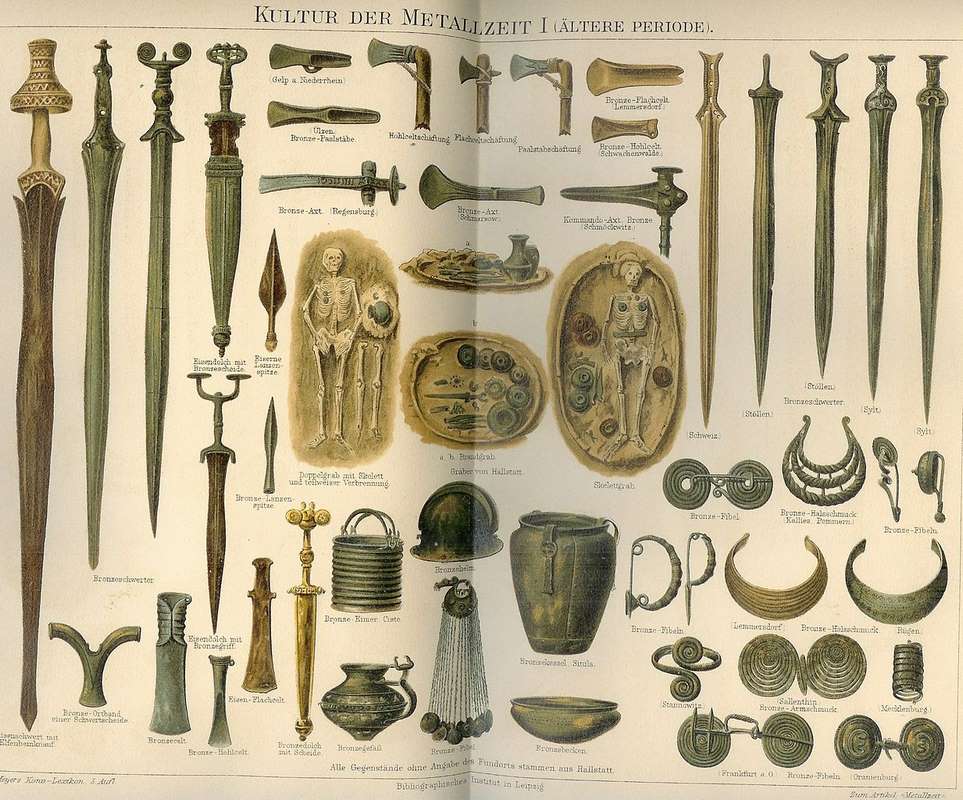
Perhaps dating to around 500 BCE, the dagger is likely connected to the Hallstatt Culture, arguably the most significant central European society during the Bronze Age. The Hallstatt heartland spanned an area between Switzerland, France, Austria, Germany, and the Czech Republic, but Hallstatt “type” settlements have also been identified as far east as Serbia and Bulgaria, and as far north as Poland.
A catalogue of Hallstatt Culture discoveries – credit Bibliographic Institute of Leipzig
Surface decorations may indicate connections to a solar cult and suggest that the dagger had a ritual significance, a statement from the museum read.
“It could also have equipped a rich warrior. This dagger is undoubtedly a true work of art and an example of a high level of metallurgy.”
The museum also hypothesized that the dagger could have been cast in the way daggers were made in Greece for example, and imported from southern Europe.
SHARE This Dazzling Dagger And The Mystery Of Its Ornamentation With Your Friends…
While many Americans have received valuable inspiration and information from motivational speaker Tony Robbins, millions more have received something more valuable—their next meal.
Admittedly always interested in solving food scarcity and hunger in America, Robbins recently celebrated providing his one-billionth meal to America through his Feeding America initiative by deciding to do it 100 times more.
The 100 Billion Meals Challenge aims to stem the global hunger pangs around the world, rather than just in America, and is working to unite nonprofits, philanthropists, and influential businesses to provide 100 billion meals to people in countries around the world suffering from hunger.
Incredibly, Robbins and the team behind the initiative have already secured commitments that will see the first 30 billion meals out to those that need them, according to a release from the organization.
For Robbins, hunger is a deeply personal cause. Having experienced food insecurity as a child, he understands the profound impact of a simple act of kindness—like the Thanksgiving meal his family received when he was 11. This pivotal moment inspired his lifelong dedication to combating hunger and expanding global access to food.
Having succeeded in providing 1 billion meals to Americans, Robbins has secured the assistance and expertise of David Beasley, the former Governor of the WFP, who helped win the organization the Nobel Peace Prize.
The technical goals of the challenge, beyond the romanticism of putting a plate of food in front of every hungry child, is to engage new partnerships with public and private sector entities by coordinating large-scale food donations, supporting innovative and sustainable agricultural efforts, and responding to emergencies in areas experiencing severe food shortages.
The current state of hunger is worse than ever before. In 2017, when Beasley was appointed executive director of the United Nations World Food Program, 80 million people were experiencing acute hunger. That number has now risen to more than 350 million.
In response, Robbins and Beasley have already secured commitments by a wide and diverse cohort of difference makers, from the American National Pasta Association to His Highness Sheikh Mohammed bin Rashid Al Maktou, the Ruler of Dubai, who has set up a state-funded endowment for feeding 2 billion people in this year alone.
Without zeroing in on charity, Robbins is also enlisting the help of agricultural industries that can ensure banner crops inside countries where calories are in short supply. For example, Uralchem, a Russian fertilizer company, has committed to work with Robbins in shipping out 55,000 metric tons of fertilizer to Sri Lanka ahead of the upcoming growing season.
SHARE This Heroic And Sorely Needed Assistance From Our Own Tony Robbins…
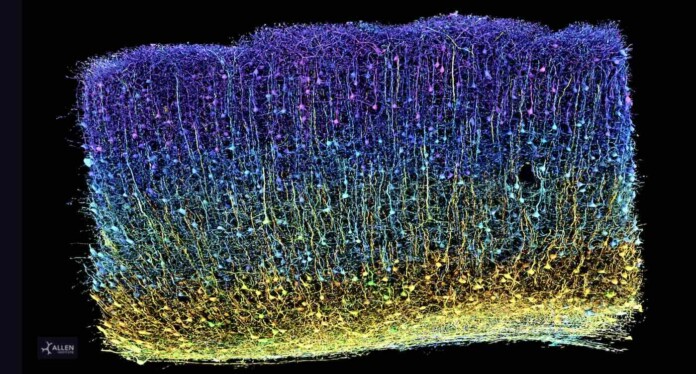
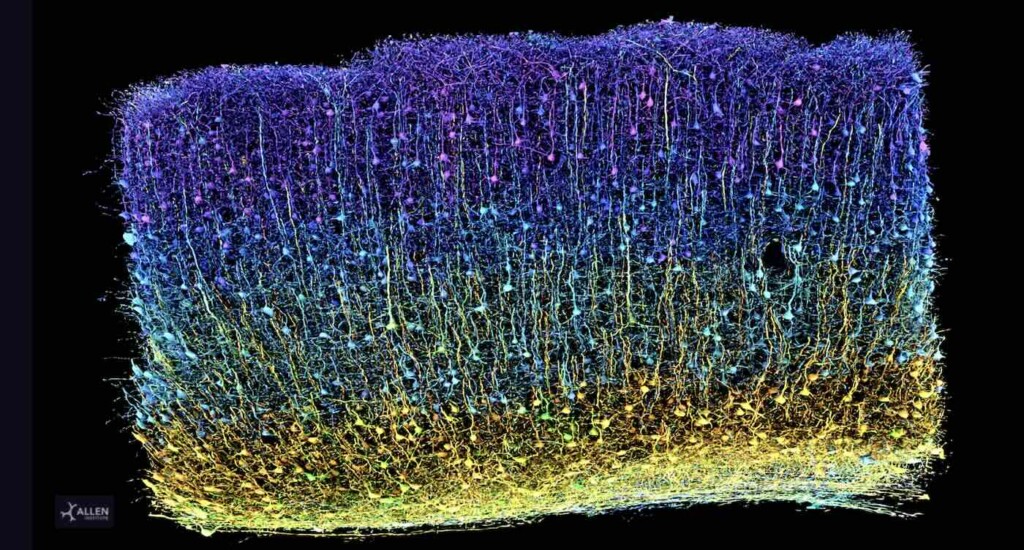
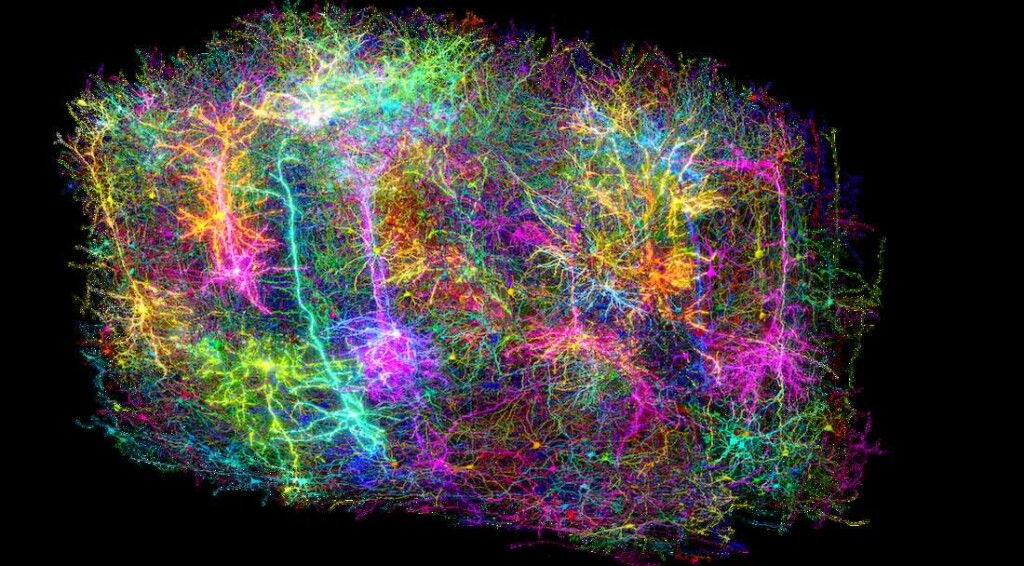
100k brain cells mapped by MICrONS Project – Allen Institute
100k brain cells mapped by MICrONS Project – Allen Institute
During the last seven years, a global team of more than 150 scientists collaborated on the most complicated neuroscience experiment ever attempted—and they’ve released their findings this week.
From a tiny sample of tissue no larger than a grain of sand, the MICrONS Project completed the first step toward the goal once thought unattainable: building a functional wiring diagram of a portion of the brain.
Now, they’ve published their findings in Nature with a collection of ten studies. The 3D wiring diagram and its data are massive—1.6 petabytes in size (equivalent to 22 years of non-stop HD video). They offer a never-before-seen insight into brain function and organization of the visual system.
The research started at Baylor College of Medicine where scientists used specialized microscopes to record the brain activity from a one cubic millimeter portion of a mouse’s visual cortex while the animal watched various movies and YouTube clips.
Afterwards, Allen Institute researchers took that same cubic millimeter of the brain and shaved it into more than 25,000 layers, each 1/400th the width of a human hair, and used an array of electron microscopes to take high-resolution pictures of each slice.
By the end, the MICrONS Project—Machine Intelligence from Cortical Networks—built the most detailed wiring diagram of a mammalian brain to date—and it’s freely available online.
“A watershed moment for neuroscience, comparable to the Human Genome Project” is the description from David Markowitz, Ph.D., who coordinated this work after leaving the IARPA, the US Intelligence Advanced Research Projects Activity, which partially funded it.
Another team at Princeton University used artificial intelligence and machine learning to reconstruct the cells and connections into a 3D volume. Combined with the recordings of brain activity, it contains 523 million synapses (the connection points between 200,000 cells) and a length of four kilometers of axons (the branches that reach out to other cells).
Subset of more than 1000 of the 120,000 brain cells reconstructed in the MICRONS project – Allen Institute
“Inside that tiny speck is an entire architecture like an exquisite forest,” said Clay Reid, Ph.D., senior investigator and one of the early founders of electron microscopy connectomics who brought this area of science to the Allen Institute 13 years ago.
“It has all sorts of rules of connections that we knew from various parts of neuroscience—and within the reconstruction itself, we can test the old theories and hope to find new things that no one has ever seen before.”
(WATCH the incredible 6 minute video below, by Tyler Sloan of Quorumetrix Studio…)
The findings from the studies reveal new cell types, characteristics, organizational and functional principles, and a new way to classify cells. Among the most surprising findings was the discovery of a new principle of inhibition within the brain.
Scientists previously thought of inhibitory cells—those that suppress neural activity—as a simple force that dampens the action of other cells. However, researchers discovered a far more sophisticated level of communication: Inhibitory cells are not random in their actions; instead, they are highly selective about which excitatory cells they target, creating a network-wide system of coordination and cooperation. Some inhibitory cells work together, suppressing multiple excitatory cells, while others are more precise, targeting only specific types.
“MICrONS will stand as a landmark where we build brain foundation models that span many levels of analysis, beginning from the behavioral level to the representational level of neural activity and even to the molecular level,” explained Andreas Tolias, Ph.D., one of the lead scientists who worked on this project at both Baylor College of Medicine and Stanford University.
Implications for brain diseases like dementia
Understanding the brain’s form and function and the ability to analyze the detailed connections between neurons at an unprecedented scale opens new possibilities for studying the brain and intelligence. It also has implications for disorders like Alzheimer’s, Parkinson’s, autism, and schizophrenia involving disruptions in neural communication.
“If you have a broken radio and you have the circuit diagram, you’ll be in a better position to fix it.” said Nuno da Costa, Ph.D., associate investigator at the Allen Institute. “We are describing a kind of Google map or blueprint of this grain of sand. In the future, we can use this to compare the brain wiring in a healthy mouse to the brain wiring in a model of disease.”
The multi-institution collaboration, which included Harvard scientists, was made possible by support from the IARPA and US National Institutes of Health’s BRAIN Initiative.
“Basic science building blocks—like how the brain is wired—are the foundation we need to better understand brain injury and disease, to bring treatments and cures closer to clinical use.”
“IARPA’s moonshot investment in the MICrONS program has shattered previous technological limitations, creating the first platform to study the relationship between neural structure and function at scales necessary to understand intelligence… and sets the stage for future scaling to the whole brain level,” adds IARPA’s Markowitz.
In 1979, famed molecular biologist Francis Crick stated that it would be “impossible to create an exact wiring diagram for a cubic millimeter of brain tissue and the way all its neurons are firing,” which inspired Allen Institute’s Senior Investigator Clay Reid to pursue the subject as his life’s work.
This map of neuronal connectivity, form, and function from a grain of sand-sized portion of the brain is not just a scientific marvel, but a step toward understanding the elusive origins of thought, emotion, and consciousness—and the “impossible” task first envisioned by Crick is now one step closer to reality.
TELEPORT THE AWE-INSPIRING NEWS By Sharing On Social Media…
Quote of the Day: “Success is never final, failure is never fatal. It’s courage that counts.” – John Wooden
Photo by: Getty Images for Unsplash+
With a new inspirational quote every day, atop the perfect photo—collected and archived on our Quote of the Day page—why not bookmark GNN.org for a daily uplift?
Elk frequently migrate across the property in herds of hundreds - credit, Dave Gottenborg, supplied to Colorado Sun
Elk frequently migrate across the property in herds of hundreds – credit, Dave Gottenborg, supplied to Colorado Sun
A Colorado rancher has signed a first-of-its-kind agreement that will see a conservation organization help pay for his land leases in exchange for letting wildlife access it.
America is a leader across many dimensions, few more so than in innovative conservation strategies.
From the concept of the ‘national park’ to the Federal duck stamp, America has never been short of good ideas for how to help man and the great nature of North America coexist in harmony.
From the Colorado Sun comes yet another good idea—helping cattle ranchers afford land leases provided they agree to allow migratory elk to pass through their land, even if it means they eat grass and forage the cattle otherwise would.
The reality is that the North American Prairie is home to millions of agriculturalists whose working of the land has disrupted the ancestral wandering of many native species, in particular to this story, elk.
In Colorado, the Property and Environment Research Center (PERC) is paying not more than two-thirds of the cost for land leases that state cattle ranchers sometimes negotiate with private landowners. The Sun reports that such private landowning agriculturalists may live adjacent to a cattleman’s ranch, and it’s easier when winter forage is scarce to pay a little to allow the cattle to roam and forage since nothing is being grown there.
PERC was started during the Cold War to find ways to use markets to incentivize and or commoditize conservation. Though often objected to as an immoral and low-brow way of looking at the natural world, economic science states that it’s impossible for anyone to know the true value of a good or service without the market’s supply and demand functions working in conjunction to determine a price.
Perhaps, the conservationists would say, that’s because there is no value that can be put on a natural ecosystem and the rights of the animals and plants to live there, but that’s mostly an impossible position in the eyes of, for example, a rancher or a congressman fighting for space in a budget. They, like everyone else in society, operate in an economic environment, and need prices to be able to make key spending and saving decisions.
Take Colorado rancher Dave Gottenborg for example, who spends days repairing fences that he needs to keep his cattle from running away that the elk which wander through his 3,000-acre Eagle Rock Ranch property destroy every summer. He’s happy to donate his time repairing fences because he loves the elk, but probably could not afford to allow them to out-graze his cattle if PERC weren’t helping him cover the cost of additional land leases.
By paying his lease fees in advance and over a period of years, PERC helps reduce the frustration and anxiety he and other ranchers feel “when 500 elk show up and eat 20 pounds of forage per day, per elk,” he told the Sun.
The Colorado Cattleman’s Agricultural Land Trust helped organize the money from PERC and the lease agreement with Gottenborg’s neighbor, an agreement which the trust says is the first of its kind, but just one method they’ve used to protect 800,000 acres of grazing land for cattlemen and wildlife.
As for what else is required of Gottenborg, the only addition is that he lays down his barbed wire fencing every winter so the elk don’t get caught in it. That way they can move through his ranch onto wherever it is they wish to roam.
SHARE This Unique Way Of Helping Restore Ancestral Elk Movements Across The Great Plains…
A Lightmatter photonic processor - credit Lightmatter, released
A Lightmatter photonic processor – credit Lightmatter, released
A tech firm has just demonstrated that a computer chip using light and the speed at which it moves for processing is capable of handling real-world computer workloads at revolutionary speeds and energy efficiency.
The firm’s CEO has called it a “technology marvel” that stands to change the future of computing to one in which the single path of innovation that started with the first integrated circuit is departed from, and a multipolar world of computing possibilities is entered.
Described in two papers published in the journal Nature, Lightmatter’s photonic computer chips that combine the use of light and electricity are shown to increase computational performance, while reducing energy consumption, compared with conventional electronic chips.
These photonic chips might address the growing computing demands driven by advancing artificial intelligence technology.
“Computing stands at an inflection point unlike anything we’ve seen since the transistor was invented,” Lightmatter Co-founder and CEO Nick Harris wrote in a blog post heralding the invention. “Artificial intelligence workloads are driving computational demands beyond what traditional scaling laws can deliver.”
The problem, Harris lays out, is that existing ability to scale up the performance of closed circuits is encountering diminishing returns, as the increase in physical size to match the needs for increased performance will make them cost-prohibitive, but also just too large for modern devices.
Photonic computing by contrast uses photons rather than electrons, and presents a potential solution to these challenges. Multiplication and accumulation—central computational operations for artificial intelligence—can be performed faster and more efficiently using photonic circuits.
Lightmatter’s photonic processor performs 65.5 trillion adaptive block floating-point 16-bit (ABFP) operations per second, consuming only 78 watts of electrical power and 1.6 watts of optical power.
This integration level represents the highest yet achieved in photonic processing, and was used in the study to power a variety of currently-available state-of-the-art AI systems such as the natural language processing model BERT and a neural network called ResNet (used for image processing) at parity with the best of what the conventional silicon closed-circuit chip can offer an average consumer.
The authors show that their photonic processor has a range of applications, including generating Shakespeare-like text, accurately classifying movie reviews, and playing classic Atari computer games such as Pac-Man.
“Photonic computing has been in the making for decades, but these demonstrations might mean that we are finally about to harness the power of light to build more-powerful and energy-efficient computing systems,” notes Anthony Rizzo at Dartmouth College in a commentary piece released alongside the studies.
The photonic processors were built in a currently existing facility for microprocessor manufacture, and with the same machines. They fit into a normal motherboard, demonstrating that this is a technology that could be available in years rather than decades.
Lastly, the processor was built using only monochromatic light in a single spatial waveguide mode. This leaves plenty of room for future improvements that could use many frequency and spatial modes in parallel.
“For the first time in computing history, we’ve demonstrated a non-transistor-based technology capable of running complex, real-world workloads with accuracy and efficiency comparable to existing electronic systems,” said Harris.
As Harris, a co-author on one of the two papers, points out, several other existing futures of computing are currently being investigated and developed, including quantum computing, computing systems based on DNA-RNA interactions or on human neurology, and traditional processors using carbon nanotubes rather than silicon.
Each has major hurdles to overcome, but Harris believes that together with Lightmatter’s photonic chips, they represent the future of computing— away from one in which the singular focus of making silicon chips smaller and more powerful, and into a new world where there are multiple methods of extreme-speed computation that are specialized to suit certain tasks.
“The invention of the integrated circuit, the microprocessor, or the transistor itself—none of
these innovations immediately replaced their predecessors, but each fundamentally changed what was achievable,” Harris writes.
“At Lightmatter, we’ve demonstrated that computing’s next chapter need not remain bound by transistor limitations. For an industry accustomed to continual reinvention, photonics represents an exciting and necessary new frontier.”
SHARE This Advance In The Future Of Computing With Your Friends…
In Zimbabwe, an Africa-born mobility startup is providing women with the catalyst they need to drive change in their community and society.
Called the Hamba, this durable electric tricycle is mobilizing a generation of working women and mothers, allowing them to perform arduous tasks with relative ease and comfort.
Manufactured in Africa and managed by the startup Mobility for Africa (MFA), a leasing program for women allowed one or several locals to lease a Hamba for $15 a month. This pilot program was a huge success, and now these electric tricycles are available to buy, on a lease-to-purchase agreement, and to rent—all on an ad-hoc basis.
It allows women to fetch water and firewood, take family members to medical facilities, or bring and buy produce at local markets, saving sometimes dozens of miles of walking each day.
“In the past transporting our produce to the market was a nightmare we would wake up at 3 am and travel a very long distance using an ox-drawn cart but now it is much easier we can reach the market on time,” a 34-year-old tomato farmer and mother of six, Hilda Takadini, told Africa News.
92% of female customers participating in the company’s pilot program noted an improvement in how safe they feel whilst traveling since they started using the Hamba compared with walking, and some have offered their services as couriers and drivers to other community members, sparking the spirit of entrepreneurialism.
Courtesy of Mobility For Africa
Among the women whose stories were changed by the appearance of the Hamba was Anna Bhobho, a 31-year-old housewife from rural Zimbabwe who was excluded from economic life.
Using EV 3-wheeler to transport crops in Zimbabwe – Courtesy of Mobility For Africa
Now, she’s the major bread winner in her house, and Takadini relies on her to bring tomatoes to market before they spoil.
“Even my husband and in-laws have more respect for me now. No one used to listen to me, but now I have a seat when important decisions are being made,” the mother of three told Africa News.
70% of the Hambas are reserved for women, and 300 are estimated to currently own or rent one. The solar-powered trikes have just one moving part in the motor, making them easy to maintain and fix. Batteries can be exchanged when depleted at a cost of $5.00 at one of Infraco Africa’s solar power stations, a partner with MFA on the initiative.
Each Hamba can carry 1,000 pounds or so of cargo, and have a top speed of 37 mph (you couldn’t go much faster on a rural Zimbabwe road anyway).
WATCH the story below from Africa News…
SHARE This Brilliant Africa-Made Innovation That’s Bringing Housewives Into The 21st Century…