Jupiter and Venus will appear in a line with the waning crescent Moon in mid-May, providing a perfect opportunity for some quality stargazing.
Jupiter, which has been shining brightly for months, and has been visible with both binoculars and the naked eye, will sit in the highest position of this stellar skewer.
Between May 18th and 20th when it lines up with Venus and Mercury, one will find our solar system’s largest planet in the western sky near the twin stars of Pollux and Castor, also known as Gemini.
Roughly one-third the way up from the western horizon to the top of the sky, the weak moon will permit dazzling views of Jupiter with a telescope, in which the planet’s cloud pattern and satellites like Io and Ganymede will be visible.
Lower in the western sky will be Venus, shining some 700% brighter than far away Jupiter. On May 18th, it will be positioned slightly higher and to the left of a slender crescent Moon.
Space.com’s Joe Rao writes of Venus that even with the naked eye, reflections of light off the Earth—known as Earthshine, “will make the view seem almost three-dimensional.”
All of this will be best viewed between sunset and midnight, meaning that one doesn’t even have to ruin their sleep schedule to enjoy the celestial show.
SHARE This Excellent Opportunity To See Our Planets
Quote of the Day: “Tell me and I forget. Teach me and I remember. Involve me and I learn.” – Benjamin Franklin
Photo by: Jackie Best (cropped/adjusted)
With a new inspirational quote every day, atop the perfect photo—collected and archived on our Quote of the Day page—why not bookmark GNN.org for a daily uplift?
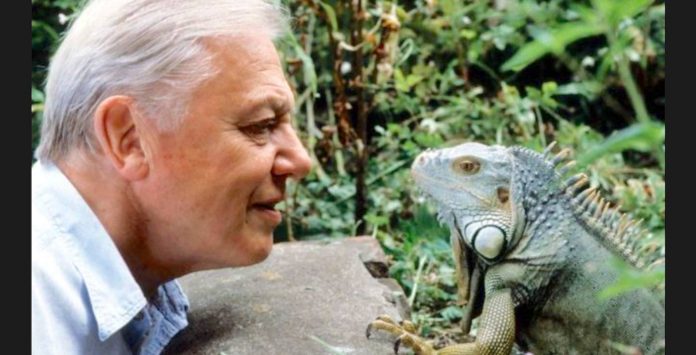
Happy 100th Birthday to Sir David Attenborough, the legendary naturalist, broadcaster and producer who created and wrote the influential documentaries Life on Earth(in 13 parts) and The Life of Birds, among many others. After studying Natural Sciences at Cambridge University, he launched his famous Zoo Quest BBC series in 1954. Life on Earth in 1979 led to The Living Planet (1984), The Trials of Life (1990), a celebration of Antarctica called Life in the Freezer (1993), and 1995’s epic The Private Life of Plants (1995). His services to television were recognized in 1985, when he was knighted as Sir David Attenborough. He is set to narrate one last documentary, which he says will be the most important of his career. READ his recent quotes about his new documentary releasing today and WATCH a trailer…(1926)
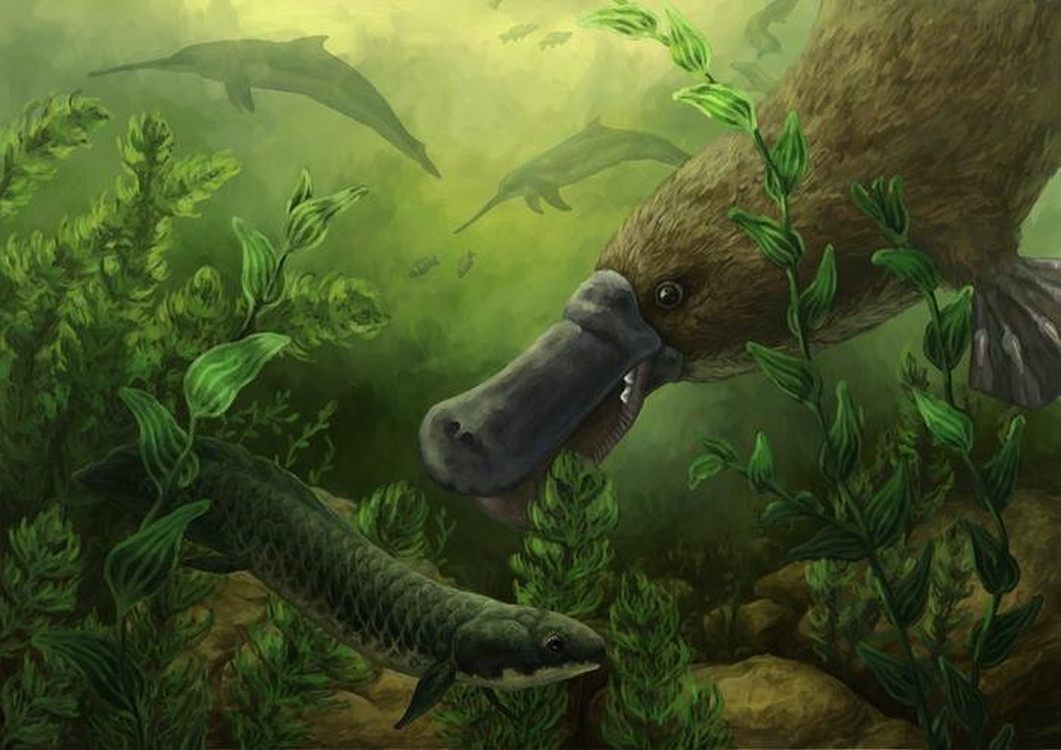
An artist's impression of the toothed platypus that swam with dolphins 25 million years ago - credit, Gen Conway, Flinders University via SWNS
An artist’s impression of the toothed platypus that swam with dolphins 25 million years ago – credit, Gen Conway, Flinders University via SWNS
Everyone knows that the platypus is the world’s strangest mammal, obeying conventions as well as Alice Cooper or Ozzy Osbourne ever did.
But an “exciting” new fossil is revealing more about this ancient lineage’s long history: namely some serious gnashers.
Paleontologists made the rare discovery east of the Flinders Ranges in the remote outback of South Australia.
“Platypuses are extremely rare in the fossil record and are often restricted to teeth, so it’s exciting to find new material and learn more about these unique mammals,” said Dr. Aaron Camens, of Flinders University, Adelaide.
The well-preserved fossils of the oldest known species, Obdurodon insignis, described in the journal Australian Zoologist, show that a toothed ancestor of the modern platypus lived during the late Oligocene period around 25 million years ago in the huge lakes, slow-flowing rivers, and forested lowlands of central Australia.
Dr. Camens said Obdurodoninsignis mainly differs from modern platypuses by having well-formed teeth—molars and premolars—while the modern platypus loses vestigial teeth shortly after birth, and uses only a small horny pad to chew its food as adults.
Previously, the ancient platypus was known only by one-and-a-half molar teeth, a jaw fragment and a pelvis fragment.
“The new premolar for Obdurodon insignis shows this species also had large, pointed front teeth, which with its large robust molar teeth could easily have crushed animals with shells or robust exoskeletons like yabbies,” (a freshwater shrimp) said sudy co-author Professor Trevor Worthy, from the Paleontology Lab at Flinders University.
A scapula showed that the animal swam and moved much like the modern platypus, and differed mainly by being slightly larger and having teeth.
The Flinders University team has organized expeditions to an outback desert location east of the Flinders Ranges for over 20 years to study rocks containing fossils.
More than a thousand fossils of non-fish vertebrate animals have been collected, including just three fossils of the toothed platypus.
Professor Worthy says the forests then were home to diverse communities of arboreal of tree-dwelling mammals, such as koalas and many types of possums.
“In the trees, numerous birds including the giant eagle Archaehierax lived,” he said. “Below, on the ground, sheep-sized marsupials browsed.”
“The lakes supported many kinds of lungfish and other smaller fish. Little known, is that a small dolphin also lived in these freshwater ecosystems. Its teeth and bones have been found at several places where the rocks expose this ancient community.”
“But as the new fossils show, another mammal swam with the dolphins: an ancient, toothed platypus.”
He says the rainforests and lakes have long gone, but platypuses have been swimming in Australian waterways ever since.
“I have studied this lost ecosystem for many years now,” said Worthy, “and it is for exquisite fossils like these that I return again and again to the desert; one never knows what erosion or one’s efforts will reveal next.”
SHARE This Interesting Biological History Of The Strangest Mammal…
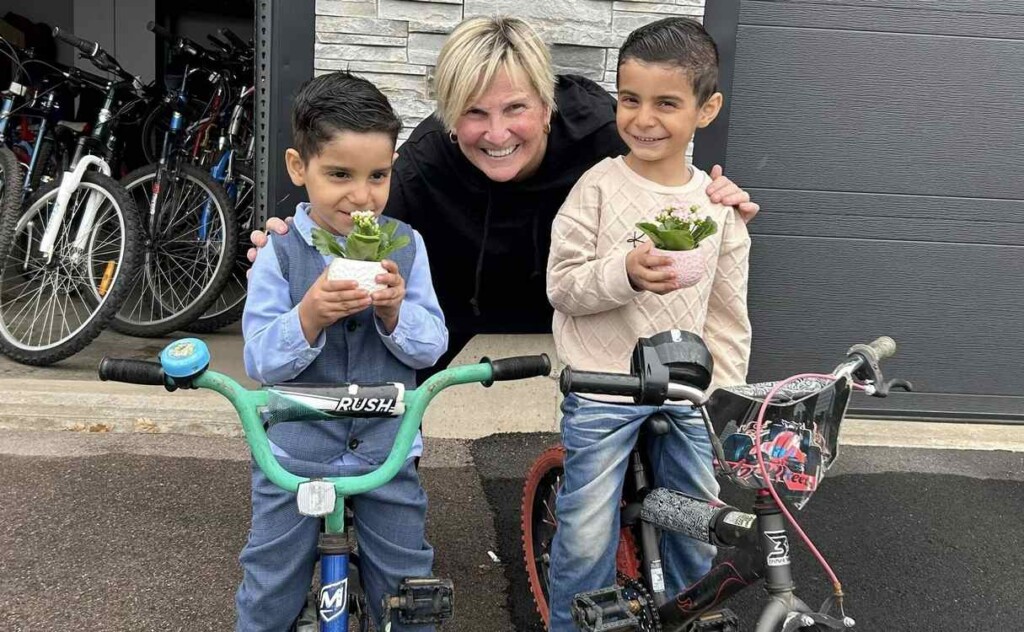
Krista Richard with Younis and Aws, two children who received one of her free bikes - credit, supplied by Richard to GNN
Krista Richard with Younis and Aws, two children who received one of her free bikes – credit, supplied by Richard to GNN
For 14 years, a generous soul in Moncton has been collecting donated bicycles and children’s tricycles and holding regular giveaways for families who can’t afford to buy one.
“The reward of seeing kids smile and ride off on their bikes is priceless,” said Krista Richard, organizer of the Bikes and Trikes for Everyone program.
Richard collects the bikes all year round and fixes them, while holding the giveaways between April and October. Last year, some 400 children were on her waiting list—like Younis and Aws, who put on their best Friday clothes and got their hair done for the big day when they’d ride off with their first real bikes.
Richard told CBC News that she’s given away thousands of bikes and trikes over the years, and says the fresh air and time spent outdoors has more benefits than just the health of the child.
“With all these video games, there’s no social contact and people don’t know who their neighbors are anymore,” Richard said.
“But if you get a bunch of kids on their bike, then they get to know each other and then the families get to know each other, and I think the more time you spend outside the better.”
Giveaways always take place on Sunday, and there’s a small team of volunteers who mostly go to collect the donated bikes, but Krista does much of the rest herself. She even started keeping adult bikes as well, in case parents want to go riding with their kids.
It’s reminiscent of a story GNN wrote last year. Working Bikes estimates it’s taken in, fixed up, and given away some 150,000 bicycles that would have been destined for landfills. Many are given away in Chicago, more still the US, but Working Bikes has collaborators in Mexico, Venezuela, Albania, Uganda, Angola, Egypt, Cuba, and many, many more countries besides where their bikes are shipped.
PEDAL This Story Over To Your Friends’ Social Media Pages…
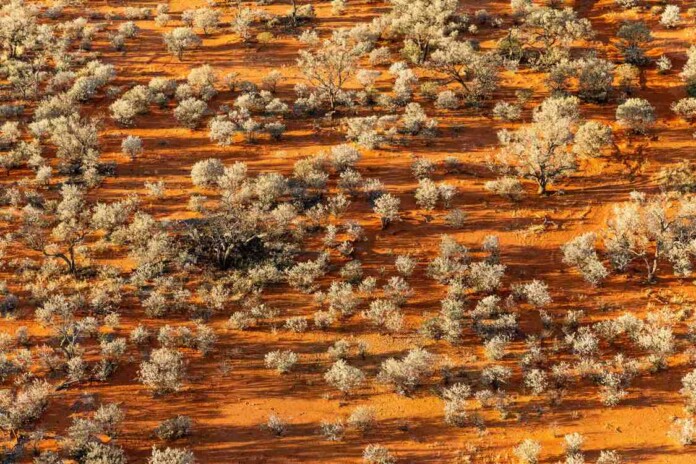
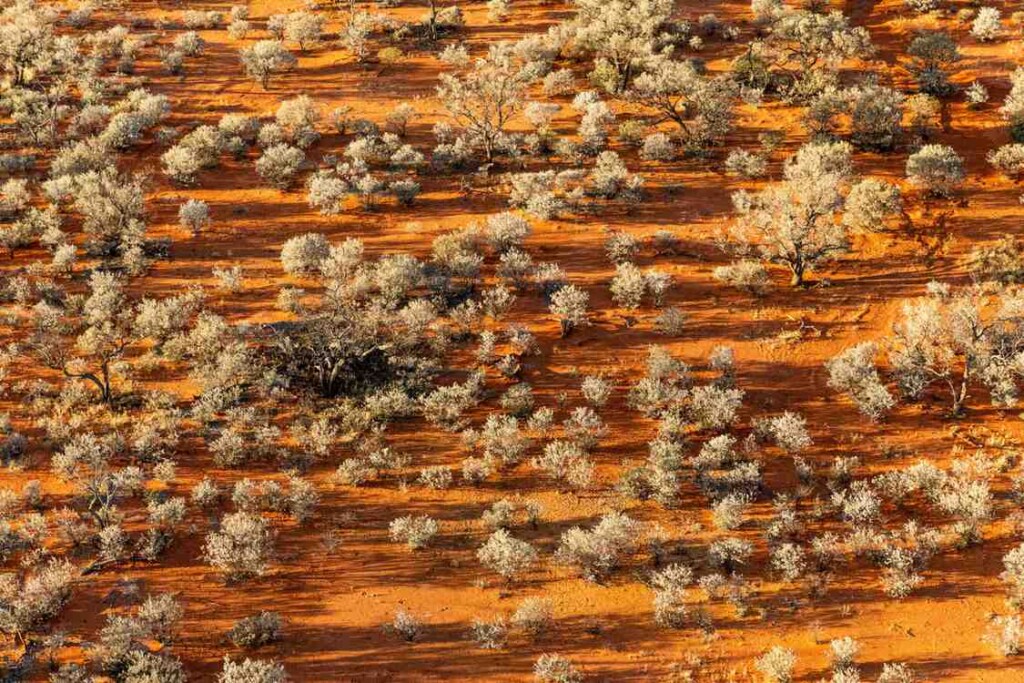
Gidgee trees on Pilungah Reserve - credit, Bee Stephens.
Gidgee trees on Pilungah Reserve – credit, Bee Stephens.
Australia now boasts one of the world’s largest acreage of private land set aside for conservation, and the Guardian recently reported that generous and wealthy citizens are to thank for it.
Leaving land to conservation purposes in wills, and making bequests of estates has made a big part in amassing 24 million acres of privately-conserved land.
Bush Heritage Australia manages some 3 million acres of these, and its CEO Rachel Lowry told the Guardian that these kinds of contributions play an outsized role in their work.
Last year, for example, the organization reported a total of 4,600 bequests of this kind, almost double from 2022. They believe it stems from people truly attempting to, as we’re often taught, leave the world in a better place than when they found in.
“Some of Australia’s most threatened and fragile ecosystems and wildlife sit outside of the national reserve system,” said Lowry “They’re found on private land or pastoral country, and they may have deep cultural and ecological values, but they’re not protected from threats such as land clearing, mining or invasive species.”
Several organizations in the country, such as the North East Tasmania Land Trust, are carrying out similar work, and the governments of the Australian states are taking notice. One of Bush Heritage’s protected areas, the Pilungah Reserve, was granted protections under Queensland state law equivalent to a federal National Park, demonstrating how valuable the work is seen by the public sector.
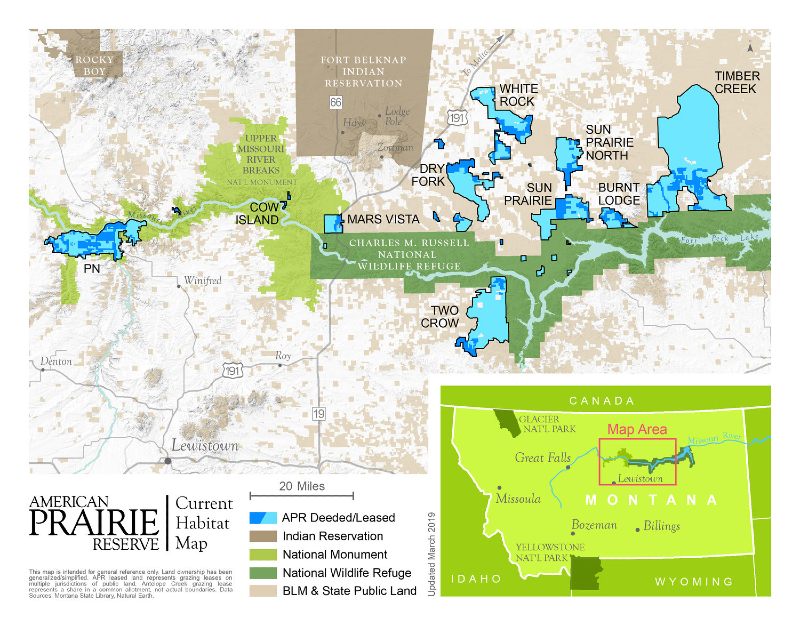
In the United States, one of the largest protected areas in the country is actually a private-public partnership called American Prairie.
American Prairie has spent over 2 decades buying and leasing land between the Charles M. Russel Nat. Wildlife Refuge and Upper Missouri Breaks Nat. Monument in Montana to create America’s largest assemblage of wild prairie for the purposes of conservation and recreation. It’s also received donations of land on the way to reaching its current size.
GNN has reported on several major milestones of this massive and constantly growing mosaic of grasslands, hills, woods, and wetlands, including a substantial 22,000 acre land purchase that had blocked public access to Missouri Breaks, and the clearance of over 100 miles of derelict fencing across their land.
The organization has accumulated 603,657 acres, which comprises 167,070 deeded acres and 436,587 leased public acres. Their goal is ultimately to protect and some cases rewild 2.3 million acres.
American Prairie Reserve
In 2024, American Prairie set a new visitation record for the seventh year in a row with more than 6,600 overnight visitors to its huts and campgrounds, and over 5,000 visitors at its National Discovery Center in Lewistown, Montana.
An American organization that helps connect and advocate for private conservation land in the US reports that 61 million acres—more than all the US national parks—are privately held for the purpose of conservation. This amounts to about 3% of the 60% of American lands that are privately owned.
Called the Land Trust Alliance, it aims to double this number by the end of the decade.
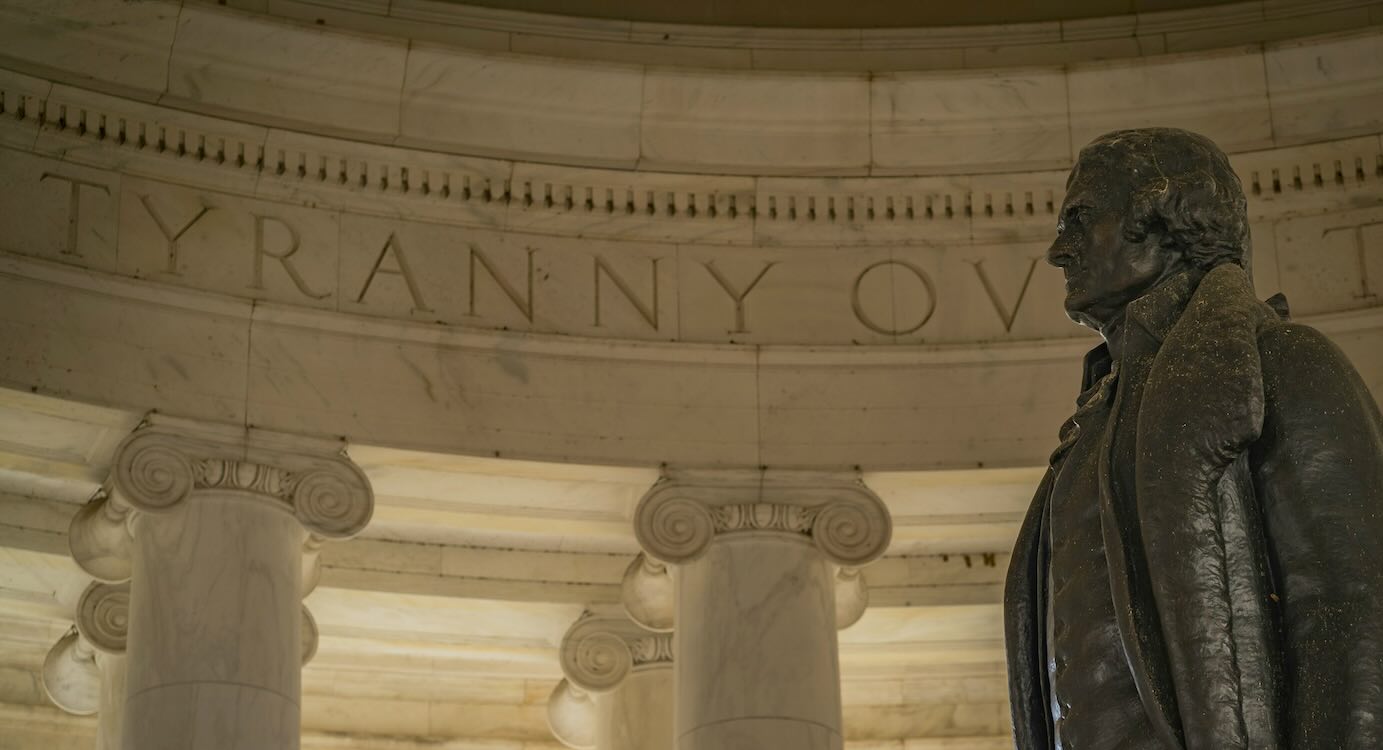
Quote of the Day: “Dig deep in our own history and our doctrine and remember that we are not descended from fearful men.” – Edward R. Murrow (pioneering broadcast journalist)
Photo by: J Amill Santiago
With a new inspirational quote every day, atop the perfect photo—collected and archived on our Quote of the Day page—why not bookmark GNN.org for a daily uplift?
80 years ago today, the innovative electronics company, Tokyo Telecommunications Engineering, co-founded by Akio Morita and Masaru Ibuka, first began operations. With 20 employees, and later taking the name Sony, they built Japan’s first tape recorder. In 1955, Sony’s transistor radio cracked open the US market, launching the new industry of consumer microelectronics–with teens being the biggest users. READ more about this remarkable company’s journey… (1946)
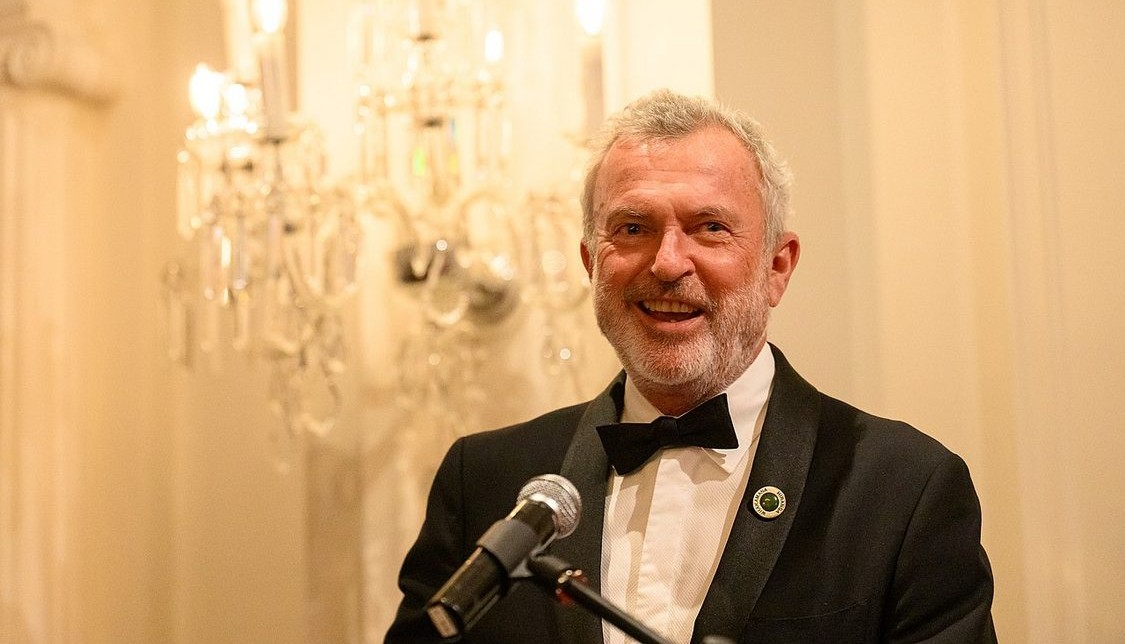
Sam Neill speaking in December 2022, 7 months after he began chemotherapy - credit, New Zealand Government, Photo by Mark Tantrum CC 4.0. BY-SA
Sam Neill speaking in December 2022, 7 months after he began chemotherapy – credit, New Zealand Government, Photo by Mark Tantrum CC 4.0. BY-SA
Jurassic Park star Sam Neill, who’s been battling lymphoma, has spoken out that he’s cancer free and that now “it’s time I did another movie.”
The international A-lister from New Zealand was diagnosed with angioimmunoblastic T-cell lymphoma, and immediately started chemotherapy as early as March, 2022.
The cancer had already progressed, and he said that it had likely been there since 2021. His chemotherapy was “pretty miserable business” but it was keeping him alive, he told Australia’s 7 News.
“Then the chemo stopped working. I was at a loss and it looked like I was on the way out, which wasn’t ideal obviously.”
That’s when Neill switched from chemotherapy drugs to Car T-cell therapy, a Nobel-Prize winning therapy that has changed the game for the treatment of several cancers.
“I’ve just had a scan just now and there is no cancer in my body, that’s an extraordinary thing,” he admitted.
Neill says it’s “beautiful” he gets to watch his grandchildren grow up, but as regards the fans of his many fantastic films, he also said he’s eyeing up a Hollywood return.
“It’s time I did another movie,” he said, adding that though the opportunity to work again was exciting, his battle with cancer changed his outlook on what remains of his life.
CELEBRATE Sam’s Battle Won On Social Media With Your Friends…
Colorado River - credit, San Diego County Water Authority
Colorado River – credit, San Diego County Water Authority
After years of suffering from drought, San Diego is using the resources it built up over that time to help neighboring states now facing their own water challenges.
Arizona and Nevada are pursuing agreements with the San Diego County Water Authority (SDCWA) to siphon off its share of the Colorado River. In exchange, the states would fund the quarterly costs of running San Diego’s Carlsbad Desalination Plant.
It’s the largest seawater desalination plant in North America, and supplies 54 million gallons of drinking water for the city and county every day.
It was built following a 5-year drought that pushed San Diego County to the absolute limit. By the time it ended in 1992, the county had lost one-third of its water resources, and imports, tanked and bottled, had to come in to make up the difference.
Following the drought, the SDCWA sought insurances against such a disaster, by building the desalination plant, but also increasing the height of a major dam wall to store more water, and acquiring the rights to a major Colorado River allocation that had been conserved for a farming district.
These strategies reduced the county’s reliance on imports from 95% to 10%. Such substantial investments mean the SDCWA now has the opportunity to help its neighbors. By relinquishing part of its share in the Colorado River, 500,000 people in Nevada and Arizona would have access to clean water in case of drought.
“This agreement could be a gamechanger for San Diego County and the entire Southwest because it creates the possibility of a new, collaborative path for moving water where it’s needed most while keeping reliability and affordability at the center for ratepayers,” said Water Authority Board Chair Nick Serrano in a statement.
“Leveraging existing resources like our Carlsbad desalination plant in this moment simply makes sense for everyone.”
SHARE These States Working Together To Ensure Everyone Has Water…
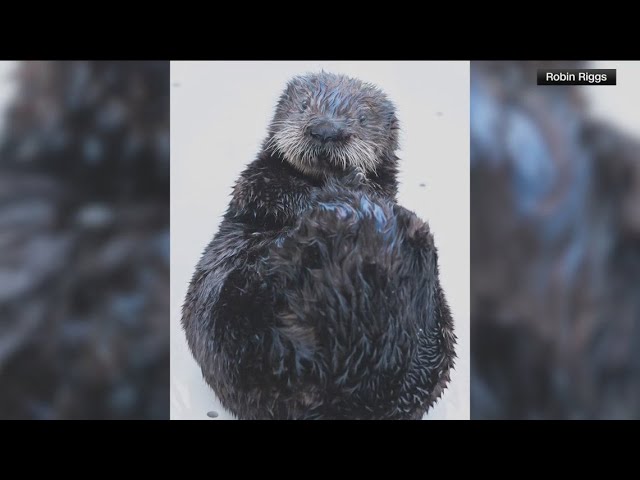
When rescuers found a 2-week-old otter pup alone on Asilomar State Beach on California central coast, they knew exactly what to do.
They took the pup, nicknamed Sunny, to the Aquarium of the Pacific, where a maternal-aged otter named Rey resided—who was also found orphaned alone on a beach as a juvenile.
It’s a full circle moment that saw Rey adopt Sunny through a pioneering surrogate initiative run by the Monterrey Bay Aquarium (MBA).
The 2 are bonding well having been transferred to the MBA’s otter rehabilitation center in Long Beach. Staff have been determined that it’s no longer possible to release the two otters back into the wild as they’re already too accustomed to humans, and lack the experience to avoid a sea otter’s main dangers.
Nevertheless, Sunny needs to learn how to be an otter, and the Guardian reports that Rey is teaching her vital skills like how to find, catch, and open food, irrespective of where her future home will be.
Though the two are destined for an aquarium enclosure, the otter program has successfully rehabilitated 9 southern sea otters and released them back into the wild, in part because of this surrogacy program that gives otter pups a chance to survive to adulthood when they had no hope of doing so otherwise.
Megan Smylie, the sea otter program manager at MBA, said that the two were seen manipulating false crab shells, an important foraging skill. Next up may be the use of tools, a skill that the ultra-intelligent sea otter is quite proficient in. They’ve been recorded opening doors and unscrewing nuts from bolts.
Rey isn’t neglecting the lovey-dovey part of motherhood either, and when it’s time for a nap, will pull Sunny onto her chest belly-up to relax her. It doesn’t matter what species you are, motherhood is hard work, but Rey seems to excel at it.
SHARE This Heartwarming Story Of Second Chances Among Otters…
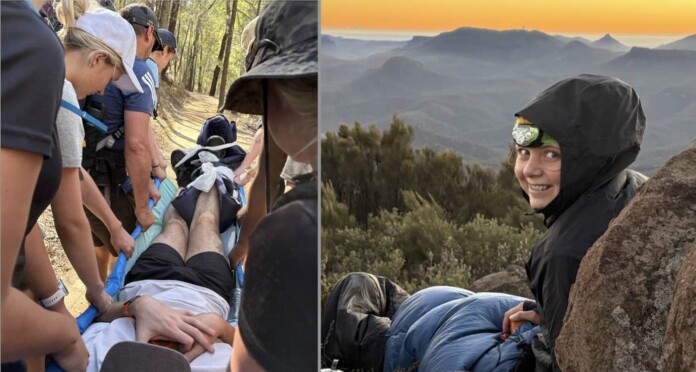
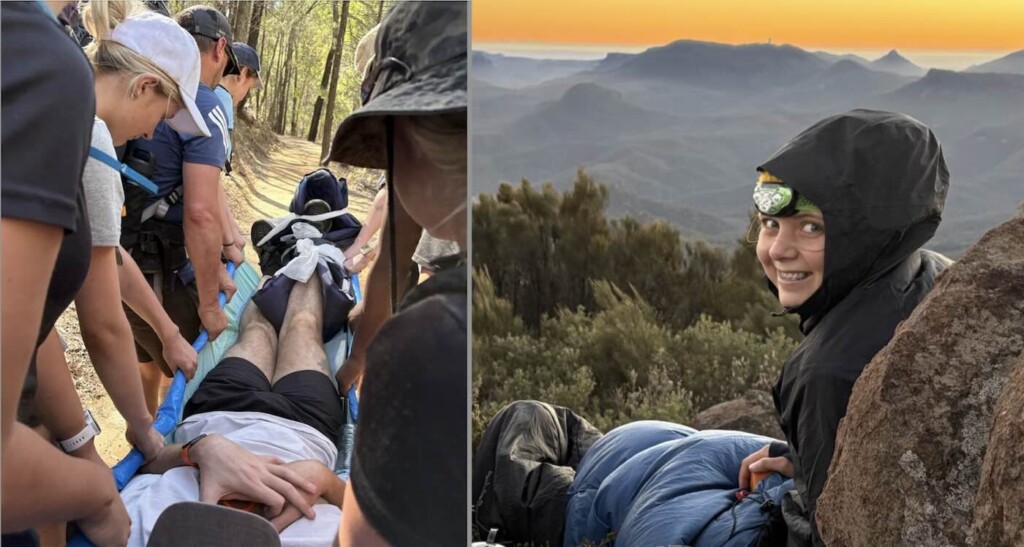
Students with makeshift stretcher and 11th grader Stephanie Blake (Supplied by Presbyterian Ladies' College, Armidale)
Students with makeshift stretcher and 11th grader Stephanie Blake (Supplied by Presbyterian Ladies’ College, Armidale)
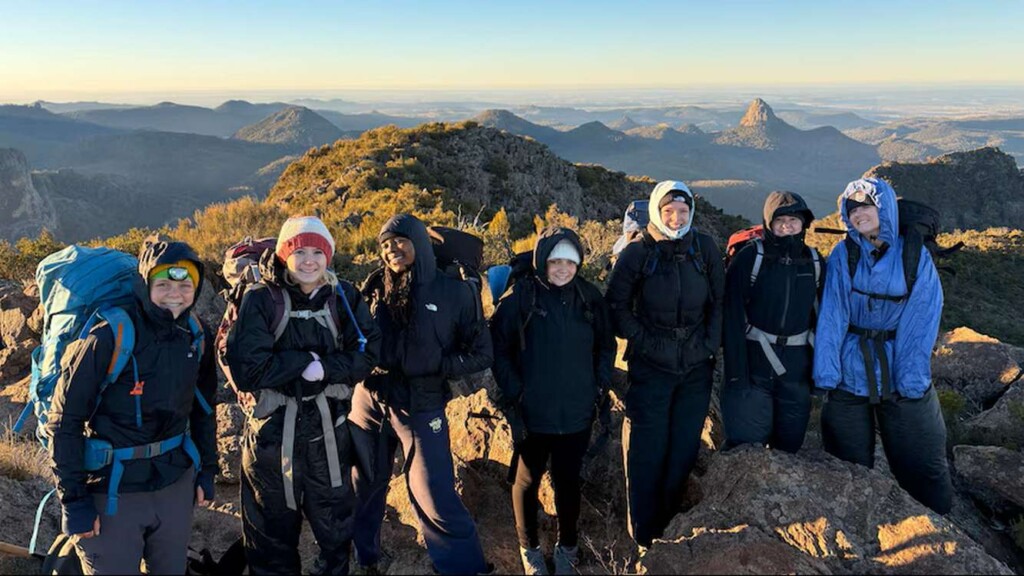
A high school women’s group rescued a hiker with a broken leg having trained for that exact situation.
It started when the students from the Armidale’s Presbyterian Ladies’ College (PLC) arrived at Warrumbungle National Park for a 4-day hike.
On day 3, they came across Thomas Wendland, a hiker who had broken his leg. Startled but excited, since they had prepared for this very scenario as part of their Duke of Edinburgh Award project, the students conferred with their leaders and then sprang into action.
Using tarp poles and a hammock, they created a gurney for Wendland to wriggle on to.
Then, 11th grader Stephanie Blake said, the team would count to 3 and hoist up the gurney which they would carry along the trail for 60 seconds. They’d put him down, rotate sides, take some deep breaths, and do another 60 seconds.
They continued like this for 2 hours until they could get Wendland to a location where medical teams could reach him.
The students and their program organizers – credit, supplied to ABC by the PLC
“The path just seemed to keep getting longer and longer,” Stephanie said. “You don’t realize how far [2.1 miles] is until you’re shuffling along carrying someone.”
Wendland is an experienced hiker, but said that he slipped and heard something snap that day. He wasn’t quite sure what had happened, only that something wasn’t right. It was a second fall that saw the pain really start.
“I felt quite useless while they got it all set up” Wendland told ABC News Australia. “It absolutely means the world that they were able to offer the assistance they did. I’m forever grateful for them.”
ABC wrote that the Duke of Edinburgh Award is a non-formal education program for young people that focuses on physical recreation, outdoor skills, voluntary service and “adventurous journey.”
Program organizers for the PLC, Amanda and Marty Burney, said that they had practiced the makeshift gurney strategy before, and that the students were excited and focused when they realized they’d be able to use it to help rescue someone for real.
Though the exertion was far more than what they’d imagined, Blake said to have that trick up their sleeve, and to have practiced it, provided “such a good sense of achievement.”
SHARE This Student Led Rescue In The Mountains Of Australia…
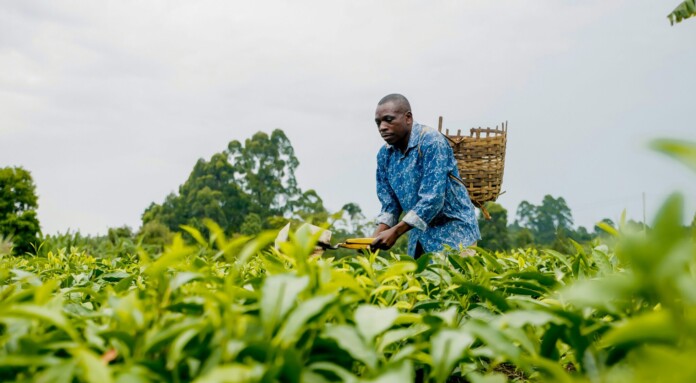
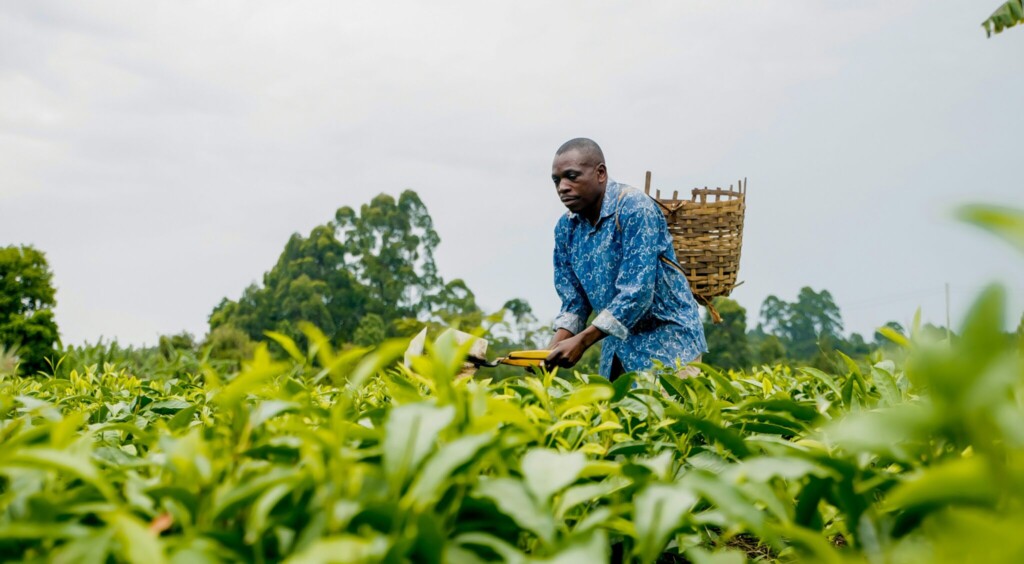
Kenya’s highest court recently struck down as unconstitutional a law that forbade seed sharing, a long practiced traditional means of diversifying crop production and resilience.
The law, whether inadvertently or by design, made Kenya another country within the network of those whose seed industry is virtually controlled by a small group of international conglomerates like Bayer—or Monsanto before it was bought out.
Advocates on behalf of small-scale farmers and indigenous communities in Kenya said the 2016 Seeds and Plant Varieties Act infringed on their rights to practice indigenous activities, while advocates for seed-saving and seed-sharing say that the practice produces drought-resistant, pest-resistant crops better suited to local areas that don’t require as many imported agrochemicals to grow.
In November, Kenyan High Court Justice Rhoda Rutto ruled that by limiting “access to traditional and indigenous seeds, contrary to the Constitution,” the law violated “the petitioners’ and small-scale farmers’ cultural rights” and eroded “the cultural distinctiveness of Kenya’s indigenous peoples.”
“This judgment rightly recognizes that seed sharing is not a crime, but a fundamental element of peasants’ identity, resilience and contribution to national food systems,” said the Working Group on Peasants and other people working in rural areas.
Like many traditional farming cultures, Kenyan farmers share and exchange seeds after the growing season, and over time this has led to millions of genetically distinct crops of all different shapes, sizes, and colors.
If it seems bizarre that a government would try to micromanage, through the arm of the law, such a small-scale and trivial activity in agriculture and economics, campaigners like Greenpeace, which joined the suit on behalf of the petitioners, argued that it stems from globalist industry-capturing.
On the global scale, plant-breeders and seed producers argue that counterfeit seeds cause a major loss for farmers, and that through controlled breeding of plants, seeds can be perfected for certain countries and conditions (and tolerant of the pesticides the companies also sell).
That was what the Seeds and Plant Varieties Act sought to regulate—it granted exclusive sale rights to companies whose seeds were certified by national inspectors.
As many laws do, it created a monopoly where only international seed conglomerates had the time and money to comply with the regulation, and suddenly the farmers who produce some 80% of Kenya’s food became criminals if they simply took the seeds that fell from their property (crops), onto their property (farmland), and gave them to another farmer. These laws exist in many countries, if it can be believed.
“This decision is a significant affirmation that the human rights of peasants and the imperatives of food security and biodiversity must prevail over overly restrictive intellectual property regimes,” the UN Working Group said.
“The Kenyan ruling sends a clear and timely message that human rights obligations cannot be subordinated to commercial seed monopolies or narrow interpretations of plant breeders’ rights.”
SHARE This Victory For The Little Guy And Indigenous Rights On Socials…
Quote of the Day: “The universe is full of magical things patiently waiting for our wits to grow sharper.” – Eden Phillpotts
Photo by: Getty Images for Unsplash+ (colorized)
With a new inspirational quote every day, atop the perfect photo—collected and archived on our Quote of the Day page—why not bookmark GNN.org for a daily uplift?
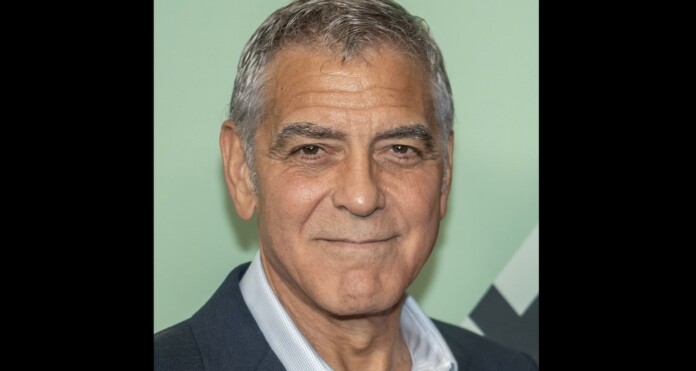
George Clooney in 2025 by Bryan Berlin (CC BY-SA 4.0)
Happy 65th Birthday to George Clooney, the actor, director, screenwriter, and producer who’s won two Academy Awards, four Golden Globes, as well as nominations for three Primetime Emmy Awards and a Tony Award. Born in Kentucky—with singer-actress Rosemary Clooney as an aunt—he rose to fame playing Dr. Doug Ross on TV’s ER. During a film role in Out of Sight, he first worked with director Steven Soderbergh, a long-time collaborator. Soderbergh’s heist comedy trilogy Ocean’s Eleven (and Ocean’s 12, and 13) became the star’s biggest commercial success. WATCH his moving speech after receiving the 51st annual Chaplin Award last weekend… (1961)
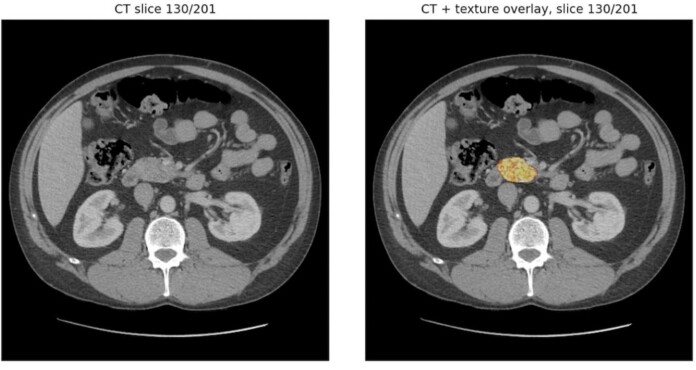
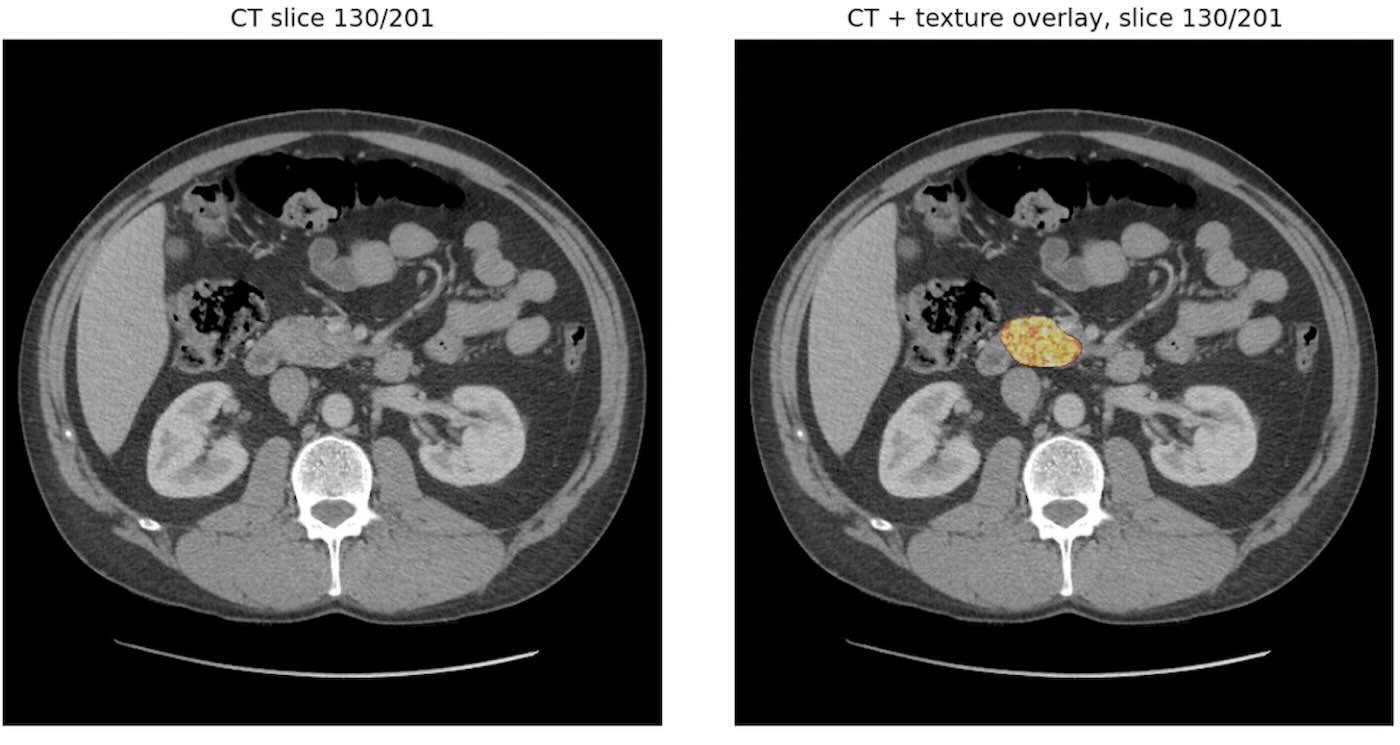
REDMOD AI model analyzed CT scan to detect early tissue changes from pancreatic cancer–Mayo Clinic
REDMOD AI model analyzed CT scan to detect early tissue changes from pancreatic cancer–Mayo Clinic
An artificial intelligence model developed by the Mayo Clinic can help specialists detect pancreatic cancer on routine abdominal CT scans up to three years before clinical diagnosis, according to a new study.
The AI can identify subtle signs of disease before tumors are visible, when curative treatment may still be possible. The findings, published last week in Gut, mark a milestone in Mayo Clinic’s multiyear research into earlier detection of one of the deadliest cancers.
Pancreatic cancer remains one of the deadliest cancers because it rarely causes detectable signs in its earliest stages. More than 85% of patients receive a diagnosis after the disease has already spread, with survival rates below 15%, according to the National Cancer Institute.
The study validates this AI model using data and workflows that mirror clinical practice, including CT scans from multiple institutions, imaging systems, and protocols.
Researchers used it to analyze nearly 2,000 CT scans, including scans from patients later diagnosed with pancreatic cancer — all originally interpreted as normal. The system, called the Radiomics-based Early Detection Model (REDMOD), identified 73% of those prediagnostic cancers at a median of about 16 months before diagnosis — nearly double the detection rate of specialists reviewing the same scans without computer assistance.
The advantage was even greater at earlier time points. In scans obtained more than two years before diagnosis, the AI identified nearly three times as many early cancers that would otherwise go undetected.
“The greatest barrier to saving lives from pancreatic cancer has been our inability to see the disease when it is still curable,” says Ajit Goenka, M.D., the study’s senior author, and a Mayo Clinic radiologist and nuclear medicine specialist.
“This AI can now identify the signature of cancer from a normal-appearing pancreas,” explained Dr. Ajit Goenka. “And it can do so reliably over time and across diverse clinical settings.”
REDMOD measures hundreds of quantitative imaging that describe tissue texture and structure, capturing faint biological changes as cancer begins to develop. The model is designed to analyze CT scans already obtained for other reasons—particularly in high-risk patients, such as those with new-onset diabetes—and flag elevated risk before any visible mass appears.
The team validated the model across CT scans from multiple institutions, imaging systems and protocols, demonstrating consistent performance.
In patients with multiple scans, the AI produced consistent results months apart, supporting its use for longitudinal monitoring and early detection.
Researchers are advancing this work into clinical testing through Artificial Intelligence for Pancreatic Cancer Early Detection, or AI-PACED. This prospective study evaluates how clinicians can integrate AI-guided detection into care for patients at elevated risk. The study combines AI analysis of routine imaging with long-term follow-up to assess false positives and clinical outcomes.
This research, supported by the National Institutes of Health, is part of Mayo Clinic’s Precure initiative, which aims to predict and prevent disease by identifying the earliest biological changes in the body before symptoms begin.
TELL FRIENDS AI STANDS FOR AMAZING INSTRUCTIONS–Share This on Social Media…
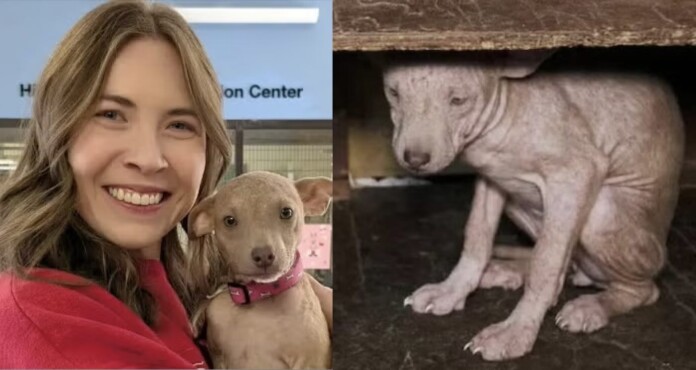
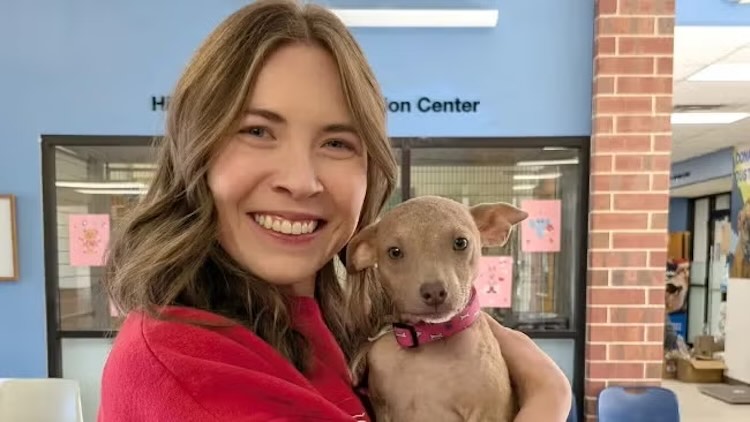
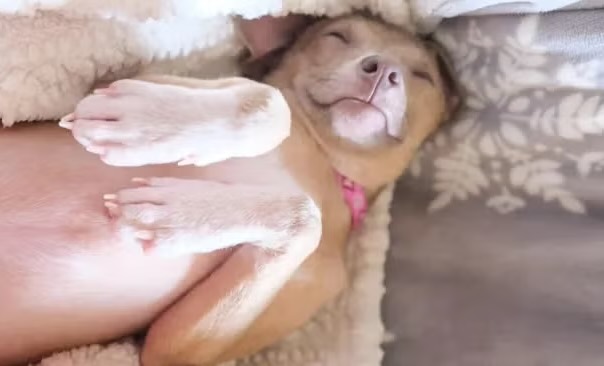
Haily and Misty (Before and after rescue) – Courtesy of Humane World for Animals
Credit: Kitty Block – Humane World for Animals / Runnels County Sheriff Office
Some rescue dog transformations are so profound that they restore your faith in second chances. Dobby’s journey from squalor to a new family home is one of those stories.
Found trembling in appalling conditions, the resilient pup now spends her days playing and soaking up love alongside a new best friend.
When Humane World for Animals and the Runnels County Sheriff’s Office arrived at a property in Ballinger, Texas, they found a heartbreaking scene. The air was thick with nonstop barking and the smell of feces and urine.
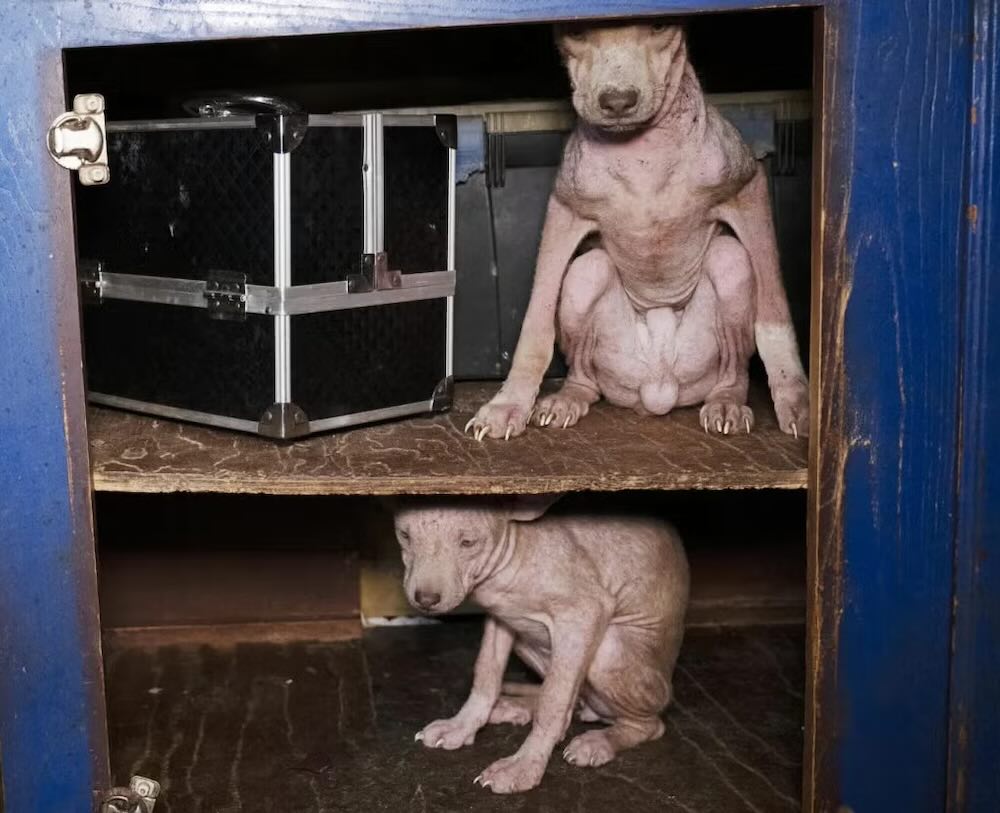
Among the many dogs inside, rescuers discovered a young pup that was completely hairless and crouched inside a kitchen cabinet, and they gave her a fitting nickname, “Dobby” (for the Harry Potter ‘house elf’ that was not allowed clothes).
In total, the team rescued over 70 animals from the property, including chickens, ducks, geese, and a cat—each being given a chance at a better life.
Dobby woke up the next morning in a clean and safe environment, her healing journey already underway.
Friendly with responders, she wagged her tail as she accepted gentle affection—along with treatment for her mange, which most of the animals also required.
Haily, a graphic designer for Humane World, soon heard Dobby’s story. The little hairless pup tugged at her heartstrings, and she drove two hours to meet her.
Haily and Misty –courtesy of Humane World for Animals
“I often joked that at some point while working at Humane World, I would likely fall in love with a pup and want to rescue one,” Haily said.
The connection was immediate, and Haily knew they were meant to be best friends.
After bringing her home, Haily renamed her “Misty” to give her a fresh start and leave her painful past behind. That first night, Misty surprised everyone by prancing with joy around the house and quickly bonding with Haily’s other dog Ozwald. The two have now become inseparable friends.
She began eating like a normal puppy, gaining weight, and where there had been only bare, irritated skin was now soft fur as her coat began growing in.
Misty’s transformation was incredible. The trembling, hairless dog from the kitchen cabinet became a confident, playful pup who knew she was loved.
Shelters always need families willing to provide homes for animals who have experienced neglect or abandonment, with each adoption creating space for another animal in need.
Volunteering at local shelters—for instance, walking dogs or assisting with events, or helping with administrative tasks—all support rescue efforts. Even a few hours a month can have a meaningful impact.
Formerly Dobby, Misty is free now – Credit: Haily House
Giving financial support helps these nonprofits provide medical care, shelter, and food: donate here to assist Humane World for Animals.
Misty’s journey shows the incredible resilience of animals made possible when people contribute time, money, and homes—and reminds us that we all can make a difference.
DOBBY’S FREE! Share Her Moving Before-And-After Pics On Social Media…
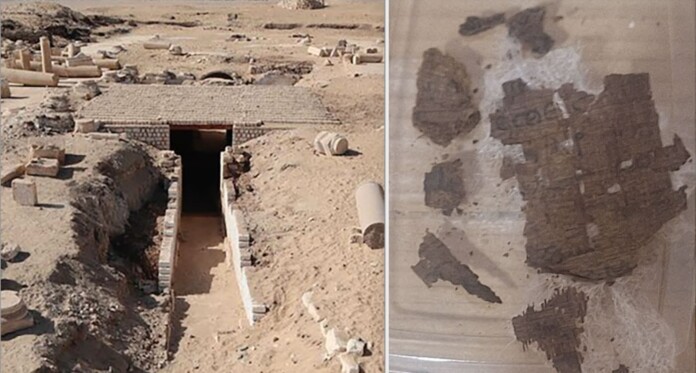
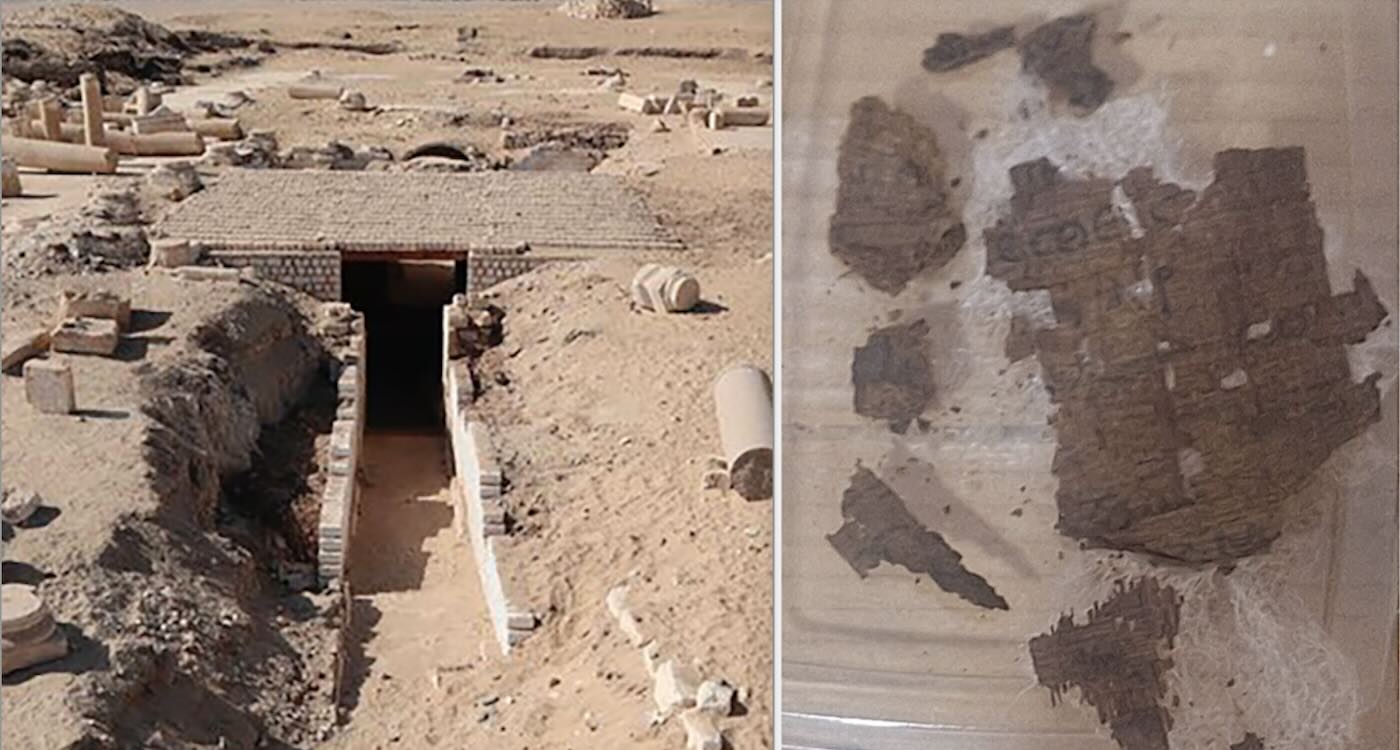
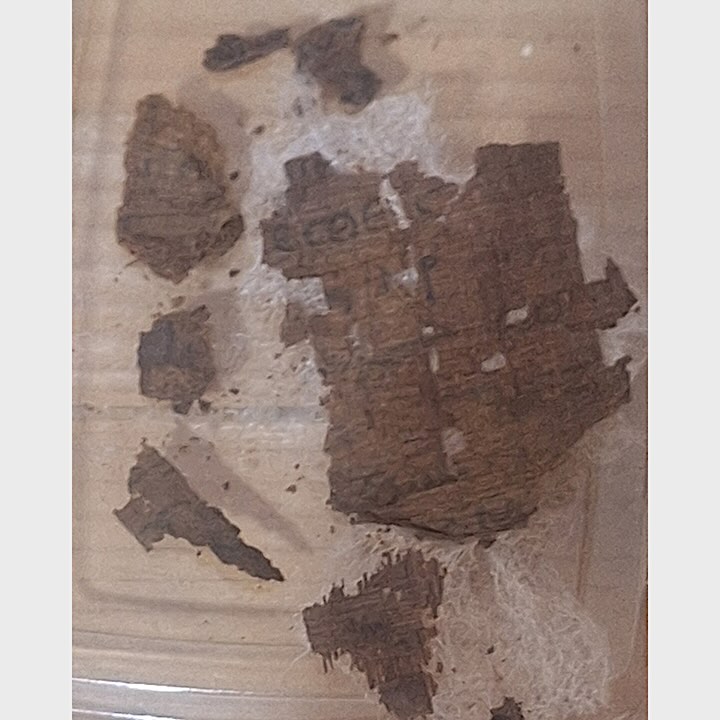
Oxyrhynchus necropolis and Papyrus fragment with Homer’s Iliad found in mummy – University of Barcelona (released)
Oxyrhynchus necropolis and Papyrus fragment with Homer’s Iliad found in mummy – University of Barcelona (released)
A 1,600-year-old Egyptian mummy was discovered buried with a fragment of papyrus that contained a short passage from Homer’s Iliad, marking the first time that literature—instead of a ‘magical or ritual text’—has been found incorporated directly into a burial.
This unique discovery, made by a University of Barcelona team, suggests new insights into the spread of Greek literature and its unexpected inclusion in funerary rituals.
The papyrus containing the Iliad fragment was atop the abdomen of a mummy inside a Roman-era tomb, in ancient Oxyrhynchus, now known as the Egyptian town of Al Bahnasa.
The discovery is exceptional, according to The Oxyrhynchus Archaeological Mission, run by the University’s Institute of Ancient Near East Studies, led by Maite Mascort and Esther Pons.
“It is the first time in the history of archaeology that a Greek literary text has been found deliberately incorporated into the mummification process.”
Several months ago, the team discovered the mummy in Tomb 65 of Sector 22 which featured an unusual element: a papyrus placed on the abdomen as part of the embalming ritual.
The Oxyrhynchus Mission had already documented papyri written in Greek in similar positions, but all contained magical or ritualistic content. A literary text such as the Iliad had never before been found in this context.
Papyrus fragment with Homer’s Iliad found inside 1600-year-old Roman-era tomb (University of Barcelona)
Early this year, the fragment was analyzed by papyrologist Leah Mascia, and Professor Adiego, in the Department of Classical, Romance and Semitic Languages. Based on Mascia’s reading, it was identified as text from the Catalogue of Ships in Book II of Homer’s Iliad—the famous passage listing the Greek forces before Troy—one of the most iconic texts in Western literature.
“This is not the first time we have found Greek papyri, bundled, sealed, and incorporated into the mummification process, but until now, their content was mainly magical,” explained Prof. Adiego.
“Furthermore, it is worth noting that, since the late 19th century, a huge number of papyri have been discovered at Oxyrhynchus, including Greek literary texts of great importance, but the real novelty is finding a literary papyrus in a funerary context.”
The discovery was made at the Al Bahnasa necropolis, the Egyptian site identified with ancient Oxyrhynchus, one of the most important cities of Greco-Roman Egypt, located approximately 190 kilometers south of Cairo, next to the branch of the Nile known as Bahr Yussef. There, the important necropolis was in use for over a thousand years.
The excavation has revealed a funerary complex comprising three limestone chambers in which Roman-era mummies and decorated wooden sarcophagi were found, many of them in a state of disrepair due to past looting.
Based on its findings, the University’s Oxyrhynchus Archaeological Mission, launched in 1992, will be conducting a number of lectures in Barcelona through May 11 to share the new discovery—the first time a Greek literary text has been found inside a mummy.
SHARE THE WORLD-FIRST With History Buffs on Social Media…
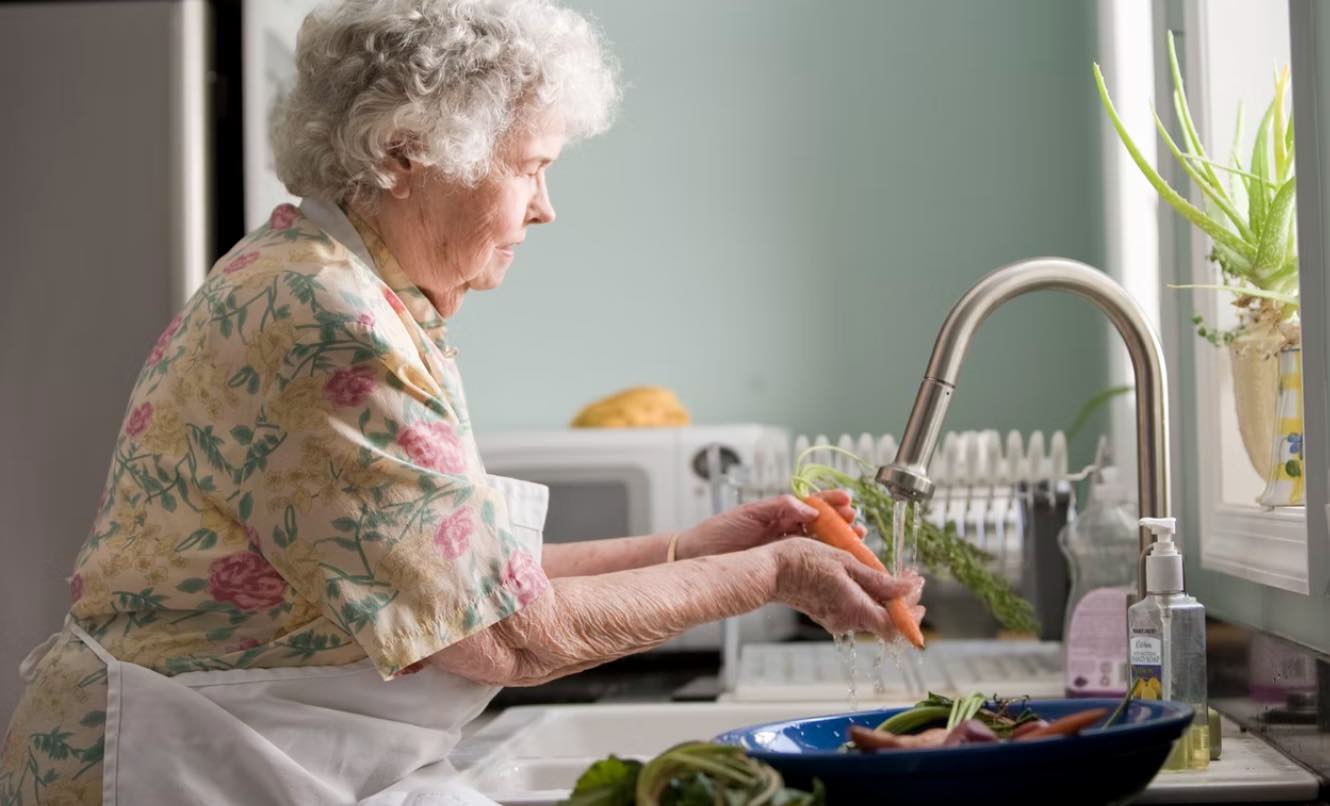
Preparing a home cooked meal at least once a week may cut the risk of dementia for seniors by 30%.
And the risk may be 70% lower in novice cooks with few culinary skills, suggested the study published in March in the Journal of Epidemiology & Community Health.
Over the past few decades, people have increasingly come to rely on restaurants, takeout, and frozen food rather than cooking their meals at home, said the Japanese researchers.
But, for older people, meal preparation is not only an important source of physical activity, but also cognitive stimulus.
As such, they wanted to find out if the frequency of home cooking might be associated with the incidence of dementia and if this might depend on the level of cooking skills.
They analyzed 10,978 participants age 65 and over, from the Japan Gerontological Evaluation Study, whose cognitive health was tracked for 6 years up to 2022.
20% of participants were over 80—with more than half retired—and 50% were women. A third had fewer than 9 years of education, and 40% had an annual income of less than $12,500 (under £10,000).
Participants filled in questionnaires on how often they cooked meals from scratch at home, ranging from never to more than 5 times a week, as well as the extent of their culinary competence. This was assessed on 7 skills, ranging from the ability/inability to peel fruit and vegetables to the ability/inability to make stews.
Around half of the participants cooked at least five times a week, while more than a quarter didn’t. Women and those who were experienced cooks tended to cook more meals at home than men, and more often than inexperienced cooks.
Cases of dementia were defined as functionally significant cognitive impairment requiring care.
Analysis of the data showed that greater cooking frequency was associated with a lower risk of dementia in both men and women, but differed according to the extent of culinary competency.
Cooking from scratch at least once a week was associated with a 23% lower risk of dementia in men, and a 27% lower risk in women, than cooking less than once a week.
And for those with few cooking skills, cooking a meal from scratch at least once a week was associated with a 67% reduction in the risk of dementia. (While a high degree of culinary competency was associated with a lower risk of dementia, the number of cooking sessions per week didn’t reduce the risk of dementia further.)
These findings held true after accounting for potentially influential factors, such as lifestyle, household income, and years of education, and they were independent of other activities positively associated with cognitive reserve, such as crafting, volunteering, and gardening.
This is an observational study, and as such, no firm conclusions can be drawn about cause and effect. Also notable, cases of mild dementia were not included and the classification of cooking skills may not have differentiated between those cooking simple meals—because they didn’t like cooking—and those unable to cook.
Researchers also noted the findings may not apply worldwide because the exact food eaten, and how it is prepared, vary from culture to culture.
Nevertheless, they concluded: “Creating an environment where people can cook meals when they are older may be important for the prevention of dementia.”
URGE SENIORS TO COOK By Sharing This on Social Media…
Quote of the Day: Be the still point of the turning world. – T.S. Eliot (from the poem Burnt Norton)
Photo by: Getty Images for Unsplash+
With a new inspirational quote every day, atop the perfect photo—collected and archived on our Quote of the Day page—why not bookmark GNN.org for a daily uplift?