














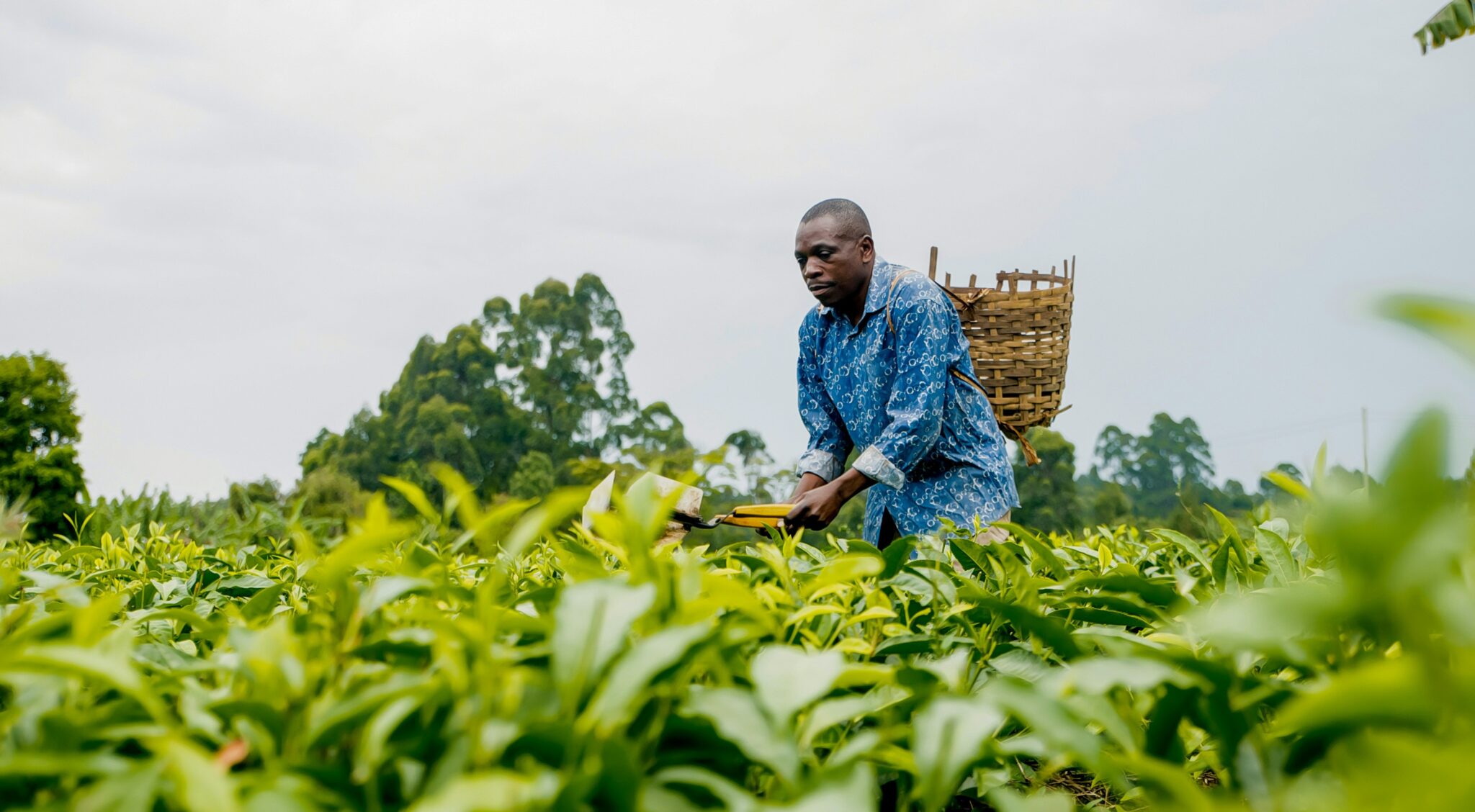
Kenya’s highest court recently struck down as unconstitutional a law that forbade seed sharing, a long practiced traditional means of diversifying crop production and resilience.
The law, whether inadvertently or by design, made Kenya another country within the network of those whose seed industry is virtually controlled by a small group of international conglomerates like Bayer—or Monsanto before it was bought out.
Advocates on behalf of small-scale farmers and indigenous communities in Kenya said the 2016 Seeds and Plant Varieties Act infringed on their rights to practice indigenous activities, while advocates for seed-saving and seed-sharing say that the practice produces drought-resistant, pest-resistant crops better suited to local areas that don’t require as many imported agrochemicals to grow.
In November, Kenyan High Court Justice Rhoda Rutto ruled that by limiting “access to traditional and indigenous seeds, contrary to the Constitution,” the law violated “the petitioners’ and small-scale farmers’ cultural rights” and eroded “the cultural distinctiveness of Kenya’s indigenous peoples.”
A press release from a UN working group applauded Rhutto’s decision.
“This judgment rightly recognizes that seed sharing is not a crime, but a fundamental element of peasants’ identity, resilience and contribution to national food systems,” said the Working Group on Peasants and other people working in rural areas.
Like many traditional farming cultures, Kenyan farmers share and exchange seeds after the growing season, and over time this has led to millions of genetically distinct crops of all different shapes, sizes, and colors.
If it seems bizarre that a government would try to micromanage, through the arm of the law, such a small-scale and trivial activity in agriculture and economics, campaigners like Greenpeace, which joined the suit on behalf of the petitioners, argued that it stems from globalist industry-capturing.
On the global scale, plant-breeders and seed producers argue that counterfeit seeds cause a major loss for farmers, and that through controlled breeding of plants, seeds can be perfected for certain countries and conditions (and tolerant of the pesticides the companies also sell).
OTHER LEGAL WINS: Uranium Mine Leased for Years Becomes Part of National Park in Historic Win for Native Activists
That was what the Seeds and Plant Varieties Act sought to regulate—it granted exclusive sale rights to companies whose seeds were certified by national inspectors.
As many laws do, it created a monopoly where only international seed conglomerates had the time and money to comply with the regulation, and suddenly the farmers who produce some 80% of Kenya’s food became criminals if they simply took the seeds that fell from their property (crops), onto their property (farmland), and gave them to another farmer. These laws exist in many countries, if it can be believed.
FARMING NEWS: ‘Grain Bank Accounts’ Free Indian Farmers from Middleman Through Online Marketplace
“This decision is a significant affirmation that the human rights of peasants and the imperatives of food security and biodiversity must prevail over overly restrictive intellectual property regimes,” the UN Working Group said.
“The Kenyan ruling sends a clear and timely message that human rights obligations cannot be subordinated to commercial seed monopolies or narrow interpretations of plant breeders’ rights.”
SHARE This Victory For The Little Guy And Indigenous Rights On Socials…
This observation and decree (one of several) from the High Court in Kenya is what justice is: Advocates on behalf of small-scale farmers and indigenous communities in Kenya said the 2016 Seeds and Plant Varieties Act infringed on their rights to practice indigenous activities, while advocates for seed-saving and seed-sharing say that the practice produces drought-resistant, pest-resistant crops better suited to local areas that don’t require as many imported agrochemicals to grow.