











All News - Page 2 of 1687 - Good News Network
Home Blog Page 2

Your Weekly Horoscope – ‘Free Will Astrology’ by Rob Brezsny

Our partner Rob Brezsny, who has a new book out, Astrology Is Real: Revelations from My Life as an Oracle, provides his weekly wisdom to enlighten our thinking and motivate our mood. Rob’s Free Will Astrology, is a syndicated weekly column appearing in over a hundred publications. He is also the author of Pronoia Is the Antidote for Paranoia: How All of Creation Is Conspiring To Shower You with Blessings. (A free preview of the book is available here.)

Here is your weekly horoscope…
FREE WILL ASTROLOGY – Week of December 13, 2025
Copyright by Rob Brezsny, FreeWillAstrology.com

SAGITTARIUS (Nov. 22-Dec. 21):
Leonardo da Vinci painted his iconic Mona Lisa on a thin panel of poplar wood, which naturally expands and contracts with changes in humidity. Over the centuries, this movement has caused a crack and measurable warping. One side of the classic opus is bending a bit more than the other.​ Let’s use this as a metaphor for you, Sagittarius. I suspect that a fine quality you are known for and proud of is changing shape. This should be liberating, not worrisome. If even the Mona Lisa can’t remain static, why should you? I say: Let your masterwork age. Just manage the process with grace and generosity. The central beauty may be changing, but it’s still beautiful.

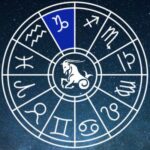
CAPRICORN (Dec. 22-Jan. 19):
“Apoptosis” is a word referring to programmed cell death. It’s a process by which your aging, damaged, or obsolete cells deliberately destroy themselves for the benefit of your organism as a whole. This “cellular suicide” is carefully regulated and crucial for development, maintenance, and protection against diseases. About 50-70 billion cells die in you every day, sacrificing themselves so you can live better. Let’s use this healthy process as a psychospiritual metaphor. What aspects of your behavior and belief system need to die off right now so as to promote your total well-being?

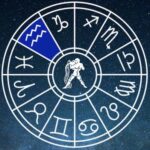
AQUARIUS (Jan. 20-Feb. 18):
Which parts of your foundations are built to strengthen with age? Which are showing cracks? The coming months will be an excellent time to reinforce basic structures so they will serve you well into the future. Don’t just patch problems. Rebuild and renovate using the very best ingredients. Your enduring legacy will depend on this work, so choose materials that strengthen as they mature rather than crumble. Nothing’s permanent in life, but some things are sturdier and more lasting than others.

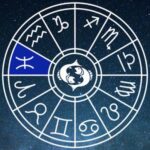
PISCES (Feb. 19-March 20):
Along the Danube River in Europe, migrating storks return each spring to rebuild massive nests atop church steeples, roofs, and trees. New generations often reuse previous bases, adding additional twigs, grass, roots, and even human-made stuff like cloth and plastics. Some of these structures have lasted for centuries and weigh half a ton. Let’s make this a prime metaphor for you in the coming months, Pisces. I see your role as an innovator who improves and enhances good traditions. You will bring your personal genius to established beauty and value. You will blend your futuristic vision with ancestral steadiness, bridging tomorrow with yesterday.

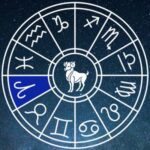
ARIES (March 21-April 19):
Home is a building you live in. It’s also a metaphor for the inner world you carry within you. Is it an expansive and luminous place filled with windows that look out onto vast vistas? Or is it cramped, dark, and in disrepair, a psychic space where it’s hard to feel comfortable? Does it have a floor plan you love and made yourself? Or was it designed according to other people’s expectations? It may be neither of those extremes, of course. My hope is that this horoscope will prod you to renovate aspects of your soul’s architecture. The coming months will be an excellent time for this sacred work.

TAURUS (April 20-May 20):
During the construction of the Brooklyn Bridge in 1872, workers made an uncanny discovery: They could detect approaching storms by observing vibrations in the bridge’s cables. The massive metal structure was an inadvertent meteorological instrument. I’m predicting that your intuition will operate with comparable sensitivity in the coming months, Taurus. You will have a striking capacity to notice subtle signals in your environment. What others regard as background noise will reveal rich clues to you. Hot tip: Be extra alert for nuanced professional opportunities and social realignments. Like the bridge workers, you will be attuned to early signs of changing conditions.

GEMINI (May 21-June 20):
Sloths are so energy-efficient they can survive on 160 calories per day: the equivalent of an apple. They’ve mastered the art of thriving on minimal intake by moving deliberately and digesting thoroughly. Life is inviting you to learn from sloths, Gemini. The coming weeks will be a good time to take an inventory of your energy strategies. Are you burning fuel frantically, or are you extracting maximum nourishment from what you already possess? However you answer that question, I urge you to experiment with being more efficient—but without depriving yourself. Try measuring your productivity not by speed and flash but by the diligence of your extraction. Dig deep and be thorough. Your nervous system and bank account will thank you.

CANCER (June 21-July 22):
The Danish concept of arbejdsglæde refers to the happiness and satisfaction derived from work. It’s the joy found in labor itself, not just in its financial rewards and prestige. It’s about exulting in the self-transformations you generate as you do your job. Now is an excellent time to claim this joy more than ever, Cancerian. Meditate with relish on all the character-building and soul-growth opportunities your work offers you and will continue to provide.

LEO (July 23-Aug. 22):
In the deep Pacific Ocean, fields of giant tube worms thrive in total darkness around hydrothermal vents, converting toxic chemicals into life-sustaining energy. These weirdly resilient creatures challenge our assumptions about which environments can support growth. I suspect your innovative approach to gathering resources in the coming months will display their adaptability. Situations that others find inhospitable or unmanageable will be intriguing opportunities for you. For best results, you should ruminate on how limitations could actually protect and nurture your development. You may discover that conventional sustenance isn’t your only option.

VIRGO (Aug. 23-Sept. 22):
For a long time, scientists didn’t understand why humans have an organ called the appendix. Most thought it was useless. But it turns out that the appendix is more active than anyone knew. Among other functions, it’s a safe haven for beneficial gut bacteria. If a health crisis disrupts our microbiome, this unsung hero repopulates our intestines with the helpful microbes we need. What was once considered irrelevant is actually a backup drive. With that in mind as a metaphor, here’s my question, Virgo: How many other parts of your world may be playing long games and performing unnoticed services that you haven’t understood yet? Investigate that possibility!

LIBRA (Sept. 23-Oct. 22):
In the coming months, you’ll be asked to wield your Libran specialties more than ever. Your allies and inner circle will need you to provide wise counsel and lucid analysis. For everyone’s sake, I hope you balance compassion with clarity and generosity with discernment. Certain collaborations will need corrective measures but shouldn’t be abandoned. Your gift will lie in finding equilibrium that honors everyone’s dignity. When in doubt, ask: “What would restore harmony rather than merely appear polite?” True diplomacy is soulful, not superficial. Bonus: The equilibrium you achieve could resonate far beyond your immediate circle.

SCORPIO (Oct. 23-Nov. 21):
The Hubble Space Telescope is a school bus-sized space observatory orbiting 320 miles above the Earth. There, it observes the universe free from atmospheric distortion. Its instruments and detectors need to be recalibrated continuously. Daily monitors, weekly checks, and yearly updates keep the telescope’s tech sharp as it ages. I believe it’s a good time for you Scorpios to do your own recalibrations. Subtle misalignments between your intentions and actions can now be corrected. Your basic vision and plans are sound; the adjustments required are minor. For best results, have maximum fun as you fine-tune your fundamentals.

WANT MORE? Listen to Rob’s EXPANDED AUDIO HOROSCOPES, 4-5 minute meditations on the current state of your destiny — or subscribe to his unique daily text message service at: RealAstrology.com

(Zodiac images by Numerologysign.com, CC license)

SHARE The Wisdom With Friends Who Are Stars in Your Life on Social Media…

“When you go in search of honey you must expect to be stung by bees.” – Joseph Joubert

Quote of the Day: “When you go in search of honey you must expect to be stung by bees.” – Joseph Joubert

Image by: Ezequiel Junoe

With a new inspirational quote every day, atop the perfect photo—collected and archived on our Quote of the Day page—why not bookmark GNN.org for a daily uplift?

Good News in History, December 13

By Coldplay (via Youtube)

Happy Birthday to beloved entertainer Dick Van Dyke, who turns 100 years old today. Known for his beaming smile, physical dexterity, impeccable comic timing, and unforgettable screen roles, the actor, comedian, writer, singer, dancer, and producer starred in films such as Bye Bye Birdie, Mary Poppins, and Chitty Chitty Bang Bang—and on television in The Dick Van Dyke Show. Last year, Coldplay released a music video of frontman Chris Martin playing a tune off their then-new album, to which Van Dyke dances and sings along. ‘All My Love’ extends for 7 minutes, and includes interviews with the great entertainer about his life as well. WATCH the video and read more… (1925)
Drop-Dead Gorgeous Road in Theodore Roosevelt Nat. Park Finally Repaired After 6 Years

A view from the South Unit Scenic Loop - credit, National Parks Service
A view from the South Unit Scenic Loop – credit, National Parks Service

One of the most beautiful drives in the Midwest, the South Unit Scenic Road in Theodore Roosevelt National Park (TRNP) has finally reopened after a 6-year closure.

The reconstruction required a $51 million investment from an important park fund and the Dept. of Transportation, as well as a level of engineering that a North Dakota Senator described as “remarkable.”

Built by the Civilian Conservation Corps in the 1930s, the South Unit Scenic Road passed through TRNP and allowed visitors to reach sites like the Scoria Point Overlook and Badlands Overlook.

It grew into one of the most popular attractions inside the park, which itself is the most popular attraction in North Dakota. Over time, however, the precarious terrain of the roadway began to break down.

The project repaired the section of the loop from the East River Road intersection to the Old East Entrance Station pull-off, about 6 miles in total. Due to rain damage and ongoing landslides along the road, the roadway was closed in 2019.

To reopen it again, crews had to enhance the old drainage systems, rebuild the road base, and conduct asphalt resurfacing along the 6-mile corridor. In addition to the restoration work, construction has improved emergency response capabilities on the park’s East side, enhancing both visitor and staff safety.

“It’s almost like building a bridge,” John Hoeven, US Senator for North Dakota, told the North Dakota Monitor. “You are building this stuff on the side of a butte, very steep, and it’s on sandstone, so the structural engineering that went into this is pretty remarkable.”

MORE NATIONAL PARK NEWS: 

Each year, approximately 100,000 vehicles explore the South Unit Road as part of their park visit. In 2024, the park’s 733,000 visitors contributed an estimated $56 million in local communities, according to the National Parks Service.

The ribbon cutting ceremony at the South Unit Scenic Loop – credit, National Parks Service

The Great American Outdoors Act Legacy Restoration Fund (GAOA) provided the bulk of the funding. Supported by revenue from energy development, it provided the NPS with up to $6.5 billion over five years to make address a massive backlog of deferred park maintenance across the country.

It was almost 2 decades before he became president that Theodore Roosevelt fell in love with the Badlands region of the Dakotas. He eventually credited the rugged landscape with restoring his health and building his rugged character.

SHARE This Great Reason To Visit The Theodore Roosevelt Park… 

London Soccer Team Switches Beef Burger for Sustainable Venison to the Fans’ Delight

The view over Brentford FC's East Stand - credit SWNS
The view over Brentford FC’s East Stand – credit SWNS

An English football team has replaced the beef patties in the stadium hamburgers with wild British venison, a change that’s proving popular with the fans, and better for the environment.

Some forms of cattle ranching produce significant greenhouse gas emissions among food supply chains, while others sequester more carbon than is emitted by the animals.

Living a wild or semi-wild existence though makes venison among the lowest-impact meats available, and Levy UK, the hospitality manager for some 20 stadiums and sports parks across the country, say it will slash an estimated 85% of the carbon emissions from their supply chains.

The venison was available already at the Women’s Rugby World Cup Final at the Twickenham ground in London in September, a month that saw 5,500 venison burgers sold.

At the home of the English Premier League soccer team Brentford FC, it could even be said the burger is doing better than the team.

“Our fans really like it,” James Beale, the Head of Sustainability and Community at Brentford, told Reuters. “It’s more popular than the beef burger from last year.”

Levy UK manages other major venues including London’s O2 Arena, the Tottenham Hotspur Stadium, the National Theater, and the Oval cricket ground, and is taking measures to reduce the carbon footprint of their menus. Aside from venison, they make condiments out of surplus or misshapen vegetables that would otherwise be sent to landfills to decay.

Some 2 million deer roam wild across the UK with no natural predators, just 20% or so less than the number of cattle, dairy and beef, in the country. The lack of natural predators presents a risk, as American readers will likely know or have heard, of disease.

With no major predator populations of any kind across most of their range, American mule and whitetail deer have been decimated by chronic wasting disease, a prion disease similar to Mad Cow, that poses substantial threat to the populations.

ALSO CHECK OUT: City’s Experiment with Reusable Cups at Chain Restaurants Is Smashing Success as Diners Return Them All Over Town

Excess deer numbers, at least in the US, have also been linked to increases in Lyme disease and traffic collisions, and the injuries and fatalities stemming from them.

The major environmental nonprofit Rewilding UK has for years been trying to return the lynx to Great Britain, a native predator that will prey on deer but which has never caused a human fatality.

HUNTING HELPING: Missouri Deer Hunters Donate 350,000 Pounds of Venison to Food Banks Across the State

Until then, venison presents as the perfect alternative to beef in UK restaurants, as it’s leaner than beef, richer in protein than poultry, supports rural economies, and is gathered sustainably from animals able to live their best life in the wilds of the UK rather than languishing on a feedlot.

WATCH the story below from Reuters… 

SHARE This Great Alternative Menu Item For Match Goers In London… 

‘Dancing Wheelchair’ Helps Paralyzed Teen Feel ‘Cool’ Being a Different Sort of Dancer (WATCH)

credit - Allyson Keiser
credit – Allyson Keiser

With a little ingenuity, and some modifications to an old piece of tech, 11-year-old Desa Kaiser is back where she belongs: on the dance floor.

Being paralyzed from the waist down is no impediment to the girl from Pennsylvania, who suffered the debilitating injury in a crash that saw her spend Thanksgiving of 2022 at the hospital.

She can spin around—just like she did in ballet, jazz, and funk dance classes before her injury. She can lean all the way back and touch the ground in this flexible “dancing wheelchair.”

Speaking with CBS News 3 Philadelphia, Kaiser said it’s cool to be different.

“It’s cool to be different from other people and more unique in different ways. It’s an amazing chair that’s different from others, because you can be more free in it and you can express a lot more in it.”

Following the car collision, Kaiser was treated at Shriners Children’s Hospital, where she still undergoes physical therapy for her trunk and arms. It takes a lot of puff to spin that chair around to the beat of the music, and physical therapist Maggie Reilly is helping her build up the strength for it.

MORE STORIES LIKE THIS: Dozens of Disabled Californians Sail for the First Time to Experience the Weightlessness of the Water

“We wanted to bring her a chair that would allow her to dance and do what she loves,” Reilly said. “One thing that we strive most to do here at Shriners is letting children achieve their goals in whatever way that may be possible.”

Kaiser’s parents said that unlike 3 years ago, this Thanksgiving they had a lot to be thankful for.

WATCH Desa go on CBS News below… 

SHARE This Girl’s Individuality Blossom Out Of A Disaster… 

Chopstick Robot Building Kit Delighting Underfunded STEM Classes Around the World

Stick 'Em Creations - credit, Stick 'Em, released
Stick ‘Em Creations – credit, Stick ‘Em, released

In Singapore, a pair of self-described “tinkerers” have made headlines around the world for their simple educational toy set to help low-income families introduce their children to robotics.

More than just robotics, the stick-in-socket building set encourages kids to manifest the wonders they create in their minds, so long as they can be made with chopsticks.

Called Stick ‘Em, the wildly-successful child STEAM playset consists of geometric connectors, chopsticks, and simple electronics that can be controlled by any phones, tablets or even the ancient computers that some schools might have.

“We started Stick ‘Em because we saw that traditional STEAM education wasn’t developing true problem-solvers and was inaccessible to many students worldwide,” the founders, named Adam Huh Dam and Chong Ing Kai explained in a press release.

“As builders and tinkerers growing up in Singapore, we had access to great resources, but realized that most schools, especially in underserved regions, lacked affordable, hands-on learning tools. With backgrounds in robotics and STEAM education, we created Stick ‘Em to provide a simple, low-cost solution that empowers students to learn through play and creativity, regardless of their background.”

For Kai and Dam, the mission wasn’t just to train the next generation of robotics engineers and coders, but to train the next generation of problem solvers. Witnessing the pace of technological advancement, they couldn’t say for sure what jobs will be needed in 20 years, but whatever they are, the ability to think creatively, to problem-solve, and to be adaptable in the face of change and limitation—these are evergreen skillsets that Stick ‘Em helps cultivate.

Seeking to offer something that anyone could afford, Kai, who came up with the original kit design, needed the cheapest, most logical components possible. Milling over the question of what materials could be used, Kai walked into his kitchen, opened a drawer, and found a pile of unused takeaway chopsticks—cue the eureka moment.

“What if we use chopsticks to build robots? These are everywhere, and they’re strong, and easy to cut and shape,” Kai told the Straits Times.

It was the images of the chopstick robots on social media that Adam Dam saw when he decided, immediately, that he wanted to be involved.

The start-up grew from a two-man job in 2020 to a 14-member strong venture, including employees, with offices at the Singapore University of Technology and Design (SUTD) and the National University of Singapore.

Stick ‘Em kits have become part of classroom STEAM activities in 90 schools across 11 countries, reaching an estimated 12,000 kids across mostly Southeast Asia, but also in Africa.

Stick ‘Em creations from around the world – credit, Stick ‘Em, released

They’ve been used as educational and enrichment tools in floating schools for stateless children in Sabah, a village 240 miles away from Uganda’s capital, military-run Thailand-Myanmar border schools, and a series of orphanage schools in Cambodia.

EDUCATIONAL STORIES: Walmart Heiress Opens Medical School with a Focus on Preventative Medicine

This year, Stick ‘Em won the prestigious Hult Prize for educational innovation, which Kai and Dam claimed over and above 15,000 other presenters and ideas.

Adam Dam and Chong Kai hold the Hult Prize aloft alongside their stick robots – credit, Stick ‘Em, released

“When our name was announced, we were in shock, but we immediately thought about how this prize could help us reach more schools, empower more teachers, and provide STEAM education to more children worldwide,” they wrote in the release.

MORE SINGAPORE STORIES: Resourceful Singapore Finds Perfect Place for 86 MW Solar Farm–its Biggest Reservoir

“This win is just the beginning, and with the $1 million prize, we’re excited to scale our impact, increase awareness, and build sustainable teacher communities.”

Visit the Stick ‘Em store here, and consider joining the movement.

WATCH the story below from The Straits Times

SHARE This Story

“It’s not what you pay a man, but what he costs you that counts.” – Will Rogers

Quote of the Day: “It’s not what you pay a man, but what he costs you that counts.” – Will Rogers

Image by: Javad Esmaeili

With a new inspirational quote every day, atop the perfect photo—collected and archived on our Quote of the Day page—why not bookmark GNN.org for a daily uplift?

Good News in History, December 12

162 years ago today, Edvard Munch was born. The greatest Norwegian painter, who blighted and delighted the world’s consciousness with The Scream, would live a long troubled life that manifested in dozens of breathtaking works in pastel, oils, canvases, and cardboards, one of which would command the highest figure ever summoned for a painting at auction when it moved for $119 million in 2012. His familiarity with death and tragedy and his inability to love a woman healthily were feelings that set themselves deep in his subconsciousness. They found their way out through his brush, and the world has recoiled and marveled at them ever since. READ more about Munch… (1863)

Textile Waste and Forgeries Cut from Indian Supply Chains with Brilliant Desk-Top Spectroscope

FibreSENSE - credit, courtesy of Kosha.ai
FibreSENSE – credit, courtesy of Kosha.ai

An Indian initiative is utilizing a scientific technique known as spectroscopy to prove the authenticity of traditional, handwoven silken garments over forgeries.

Often making headlines in the study of planets and nebulae in our galaxy, the spectroscopy device allows for quick and indisputable textile analysis at the molecular level—giving traditional weavers the authority to market their products with the premium their generational knowledge and renowned abilities deserve.

This unique story comes by way of Bengaluru, where two men working at the cutting edge of technology have set out to help a centuries-old technology.

For the sake of the unknowing, in the Indian fashion world, the Banarasi saree is the most valuable of its kind, and among those, the Kadwa saree, translating literally to “difficult,” stands as the most supreme example of the Indian silk-weaving artform.

A single Kadwa saree can take months to finish. They involve weaving the intricate patterns and images into each line of the handloom rather than stitching or embroidering them on after the fact. Done by hand on traditional looms, filaments of gold or silver are sometimes woven in, and unlike other forms of Banarasi sarees, there are no loose threads on the reverse face.

Vijaya Krishnappa and Ramki Kodipady—the former an software engineer, and the later and electronics engineer—met in 2020 and shared a unique sense of injustice: that weavers of Kadwa sarees were getting pushed out of the market by counterfeiters selling inferior knock-offs.

At the same time, each man on his own saw fast fashion and synthetic textiles as a major contributor of landfill waste, and sought to use technology to alleviate some of the problem.

Vijaya Krishnappa and Ramki Kodipady (left) and a traditional Kadwa saree maker – credit, courtesy Kosha.ai

They launched the start-up KOSHA.ai to market their first flagship device they saw as a solution to both problems.

Called “WeaveSENSE” the book-sized device uses near-infrared spectroscopy paired with AI-driven chemometric modelling to identify the fiber composition of the fabric placed atop it.

WeaveSENSE first bombards the fabric with near-infrared electromagnetic waves, then records how that fabric—and more importantly the materials made to construct it—react to the waves.

The device captures loom-specific signatures, weaving rhythms, and manufacturing timestamps which are together converted into “a tamper-proof digital provenance trail.” A QR code on the final product allows customers to view real-time clips of how their saree or fabric was woven.

“We saw Kadwa sarees being sold for nearly 50,000 [rupees, approximately $553] but the artisans who wove them struggled to earn even a fraction of that,” Krishnappa told the Better India. “Weavers told us that customers simply didn’t believe them anymore. And without trust, their livelihood collapsed.”

A BETTER INDIA: Man Revives Iconic Indian Lake by Converting Lake Weed Infestation into Organic Fertilizer Business

Krishnappa and Kodipady were satisfied with their attempt to prove authenticity, and turned their attention to how their new desk-top technology could aid in textile recycling.

FibreSENSE – credit, courtesy of Kosha.ai

Through an analysis of the light reflected off the material, WeaveSENSE can reveal exactly how the material was made, and how expensive it should be according to that method. The same tech—near-infrared spectroscopy—needed just a little tweak to become FibreSENSE, a parallel device designed specifically to detect with extreme detail the exact material composition of a fiber—either from a finished cloth or as yarn.

“Every fiber speaks a different language,” Kodipady told the Better India. “FibreSENSE is the interpreter. In seconds, it tells you whether a fabric is cotton, polyester, wool, silk, viscose, or a blend, and in what proportion.”

ALSO CHECK OUT: Officer Converts Old Train Car into ‘Hospital on Wheels’ to Bring Healthcare to Remote India

Non-destructive, cost-effective, and immediate, FibreSENSE would allow textile workers to do with 100% accuracy what they used to do just by sense of touch and an educated guess—to determine what kind of thread, yarn, or cloth they were actually using.

“FibreSENSE helps us supply exactly what recyclers or paper-makers need, like 80 to 90 percent polyester, or specific cotton–poly ratios for felt. It has made us more accurate and more confident in what we do,” said Gopika Santhosh at Green Worms Waste Management, in testimony of the project.

COOL USE OF SPECTROSCOPY: Greatest Spectroscope Ever Built Can Tell What 2,400 Cosmic Objects Are Made of Every 20 Mins.

It allowed recyclers and manufacturers to know exactly what they were holding, and therefore exactly what they could do with it. To date, this has saved some 22,000 pounds of textiles from being thrown away due to this confusion. For the saree makers, some 1,200 are now represented by merchants empowered by WeaveSENSE to demand the premium their weavers’ skills demand.

More impact and testimony regarding KOSHA’s products can be found at the Better India. 

SHARE This Great Invention Solving Two Problems With A Single Small Box…

Singing with Other People Improves Health More Than Singing Alone

Flaviu Costin on Unsplash

Singing has been linked to numerous benefits for health, wellbeing, disease resistance, and recovery from injury, but when singing in a group, these benefits are seen to be superior to those seen in solo singers.

The research, though not new, still makes for a pretty darn good reason to join a caroling group or church choir for the holidays, or to take New Year’s Eve as an opportunity for some karaoke.

In this era of research into health and wellbeing, with more information available than ever, and expert voices contradicting recommendations at every turn—even those long thought to be made up of ‘settled science,’ it pays to set down some first principles.

Here’s one that serves as an effective guiding light in almost all situations: human health is the most resilient when existing in accord with our species’ evolutionary history.

Homo sapiens is a social animal, with virtually every facet of his lifestyle dependent in nature on his fellow man. Given that social isolation is deadly to our species, it probably shouldn’t be a surprise that harmonizing our voices together makes us feel better than belting out a song on our own.

Some scientists believe humans actually sang before we could speak: that we gradually expanded our capacity for vocalizations by mimicking the tones of nature.

Singing activates the vagus nerve, which modulates our body’s ability to calm itself. The activation is done through long and slow expirations and inhalations needed to sing whole verses and long notes, which doubles up with a thorough activation of numerous neural pathways on both sides of the brain, and a release of feel-good endorphins.

David Cox, exploring this topic for the BBC, wrote that singing also produces other measurable physical effects, including regulation of the heart rate and blood pressure. Singing in groups or choirs, Cox says, has even been found to boost \immune function in ways that simply listening to the same music cannot.

Some of this might be explained by the demands singing puts on the pulmonary system, which has been calculated to be as demanding as a brisk intensity walk. Where there is cardiovascular exertion, there is health and greater physiological alignment, including in the immune system.

MORE EVERYDAY HEALTH: Parents Should Sing More to Their Babies For the Positive Impact on Infant’s Mood–And Their Own

However, science has also shown that complete strangers can forge unusually close bonds after singing together in a way not seen in team sports, for example. This is called the ice-breaker effect, and very much captures the fact that singing can reveal the interior character of a person more than chit-chat can.

“I can’t speak for all the cultures of the world, but in the West, singing seems very much an extension of speech,” said GNN’s managing editor Andy Corbley, who was trained as a singer and worked as a children’s vocal coach before entering journalism.

BETTER WITH FRIENDS: ‘Offline’ Trend Sees Thousands Attending Phone-Free Concerts, Dates, and Events Where You Can ‘Find Your People’

“In my work, I found the children who were most eager to tell me about their life outside of classes were also the ones who projected their voice the most in the studio. I had one student who was a selective mute, and who wouldn’t speak with me—couldn’t even say hello—but after 90 minutes of coaching was able to sing the words she ordinarily wouldn’t speak.”

“To my mind, it shows how singing begins with trust: trust in yourself that your words have value and power, and trust that those around you will listen to those words. That’s a very powerful, sort-of, social contract.”

SHARE This Story With Carolers You Know And Get The Band Back Together… 

Genetic Mutation Could Pave the Way for Self-Fertilizing Cereal Crops and a Revolution in Agriculture

Cphotos - via Unsplash+
Cphotos – via Unsplash+

Danish researchers have found a molecular switch that lets plants partner with nitrogen-fixing bacteria instead of fighting them, opening the way to self-fertilizing cereal crops like wheat and barley.

Their new research highlights an important biological clue that could help reduce agriculture’s heavy reliance on artificial nitrogen fertilizer.

Plants require nitrogen to grow, and most crop species can obtain it only through fertilizer. A small group of plants, including peas, clover, and beans, can grow without added nitrogen. They do this by forming a partnership with specific bacteria that turn nitrogen from the air into a form the plant can absorb.

In the industry, they’re known as nitrogen fixers, and crop-rotation methods dating as far back as the 17th century saw clover used to cover fields following harvests to replenish the nitrogen content of the soil.

Scientists worldwide are working to understand the genetic and molecular basis of this natural nitrogen-fixing ability. The hope is that this trait could eventually be introduced into major crops such as wheat, barley, and maize.

If achieved, these crops could supply their own nitrogen. This shift would reduce the need for synthetic fertilizer, which currently represents about 2% of global energy consumption and produces significant CO2 emissions.

That’s where the researchers at Aarhus University come in—who have now identified small receptor changes in plants that cause them to temporarily shut down their immune defenses and enter a cooperative relationship with nitrogen-fixing bacteria.

“We are one step closer to a greener and climate-friendlier food production,” said Kasper Røjkjær Andersen and Simona Radutoiu, professors of molecular biology at Aarhus University and part of the team behind the discovery.

Plants rely on cell-surface receptors to sense chemical signals from microorganisms in the soil. Some bacteria release compounds that warn the plant they are “enemies,” prompting defensive action. Others signal that they are “friends” able to supply nutrients.

Legumes such as peas, beans, and clover allow specialized bacteria to enter their roots. Inside these root tissues, the bacteria convert nitrogen from the atmosphere and share it with the plant. This partnership, known as symbiosis, is the reason legumes can grow without artificial fertilizer.

Aarhus University researchers found that this ability is strongly influenced by just two amino acids within the root protein.

“This is a remarkable and important finding,” says Radutoiu.

The root protein functions as a “receptor” that reads signals from bacteria. It determines whether the plant should activate its immune system (alarm) or accept the bacteria (symbiosis).

MORE ADVANCEMENTS IN FARMING: Potato Blight Warning App to Help Farmers Beat a Billion Dollar Pest

The team identified a small region in the receptor protein that they named Symbiosis Determinant 1. This region functions like a switch that controls which internal message the plant receives.

By modifying only two amino acids within this switch, the researchers changed a receptor that normally triggers immunity so that it instead initiated symbiosis with nitrogen-fixing bacteria in a way the plant’s natural behavior would never permit.

CUTTING EDGE IN AG: This Year’s Nice Rice Price Marks an 18-year Low Amid a Doubling of Per-Acre Yield

“We have shown that two small changes can cause plants to alter their behavior on a crucial point from rejecting bacteria to cooperating with them,” Radutoiu explains.

In laboratory experiments, the researchers successfully engineered this change in the plant Lotus japonicus. They then tested the concept in barley and found that the mechanism worked there as well.

“It is quite remarkable that we are now able to take a receptor from barley, make small changes in it, and then nitrogen fixation works again,” says Kasper Røjkjær Andersen.

ROOTING AROUND IN PLANTS: Man Cultivates a Giant Mango Tree with Each Branch Growing a Different Variety of Fruit–and There Are 300

The long-term potential is significant. If these modifications can be applied to other cereals, it may ultimately be possible to breed wheat, maize, or rice capable of fixing nitrogen on their own, similar to legumes.

“But we have to find the other, essential keys first,” Radutoiu notes. “Only very few crops can perform symbiosis today. If we can extend that to widely used crops, it can really make a big difference on how much nitrogen needs to be used.”

SHARE This Potential Revolution In Agriculture With Your Friends… 

“There’s a difference between a philosophy and a bumper sticker.” – Charles M. Schulz

Quote of the Day: “There’s a difference between a philosophy and a bumper sticker.” – Charles M. Schulz

Image by: Matthew Stevens (CC BY-NC-ND 2.0)

With a new inspirational quote every day, atop the perfect photo—collected and archived on our Quote of the Day page—why not bookmark GNN.org for a daily uplift?

Matthew Stevens (CC BY-NC-ND 2.0)

Good News in History, December 11

300 years ago today, the American Founding Father George Mason was born. The Virginia planter, politician, and neighbor to George Washington, refused to sign the US Constitution as a delegate to the Convention. His objections influenced lawmakers, like fellow Virginian James Madison, to write, and later include, a Bill of Rights. Mason wrote the Virginia Declaration of Rights which served as a model for the federal version, which is why he is known as the Father of the US Bill of Rights. It was ratified in 1791, a year before Mason died. READ more about this lesser known ‘FF’… (1725)

Engineer Powers Entire Home Using 500 Discarded Vapes–Documented in Fascinating Viral Video

Chris Doel with his home battery - credit, Anita Maric / SWNS
Chris Doel with his home battery – credit, Anita Maric / SWNS

A man has built a rechargeable battery pack big enough to power his whole home using just the batteries from discarded vapes.

British engineer Chris Doel thinks it’s “absolutely insane” that people use disposable vaping pens, as they come with a lithium-ion battery that can be recharged again and again; they’re literally powered with a technology that’s advertised as the alternative to disposable batteries.

The 26-year-old ended up stripping the lithium batteries from 500 thrown away vapes, some of which he collected, and some of which were given to him by a local shop, to create a single battery bank large enough to run his entire house for 8 hours, or his workshop for multiple days.

He kept wiring the batteries together until they totaled 2.5 kWh of capacity, before a test saw him run all electrical components entirely off-grid for eight hours, including the microwave, kettle, and all the lighting.

Doel, who works for Jaguar Land Rover, got the idea after watching friends just toss out the depleted vapes despite them all containing rechargeable batteries.

“Some of my mates were puffing on them. But as soon as they were empty, they’d have a little blinking light, and they’d throw it straight in the bin,” he told SWNS. “The engineer in me was thinking ‘that is just absolutely ridiculous.'”

“None of these components are disposable. They should never really be thrown just straight in the bin, so them being marketed as ‘disposable’ just seemed insane to me.”

Chris picked up several discarded vapes while volunteering at a festival in the city of Leeds, and opened them up. Inside, rather than a disposable battery, they all had fully rechargeable batteries, despite them being marketed as a single-use product.

Doel set up a YouTube channel and began building power banks with these vape cells.

In September 2024, he turned 35 recovered batteries into a portable charger capable of charging up phones and laptops. He then built a battery pack for his electric bike.

“People just wanted to see bigger and better stuff, so I thought ‘surely as big as I can physically get is powering my entire house?’ There’s no argument we are throwing away super valuable stuff if I can literally power my entire house for eight hours with it.”

Doel went to his local vape shop in May 2025 and asked if they would donate some of their returns for his project and walked away with bags containing 2,000 vapes.

Doel explained it was really awkward for them—they still have to pay for them to be recycled, “they were extremely happy for me to just load up thousands of them in a big bag and walk away with them.”

In order to quickly sort them, he used a pump from a C-PAC machine to mechanically vape the vapes and determine whether their batteries were damaged or not.

Chris Doel with his battery inventions – credit, Anita Maric / SWNS

It took him 6 months to extract the rechargeable lithium batteries from the devices before he used a 3D printed case to combine 500 cells wired in parallel into groups, connected in series, to make a massive battery pack.

RECYCLING HEROES: Discarded Plastic Fishing Nets Are Turned into Filament for 3D Printers

He soldered a fuse between each of the former vape batteries to prevent his creation from short circuiting, and is now working on converting it to solar power so he can recharge and run it constantly, or recharge overnight when electricity is cheaper.

His YouTube video documenting the process from creation to powering his house has already racked up over 4 million views.

Fortunately, it became illegal for businesses in the UK to sell or supply single-use vapes In June.

MORE STORIES LIKE THIS: Man Used 80 Discarded Vape Batteries to Power an Electric Scooter Proving the Importance of E-Waste

“I think the ban on disposable vapes, even though it’s not the best implementation, has definitely made an impact. There has certainly been a reduction in the waste. But I still think the devices themselves are built to be mass-consumed, and they’re still incredibly cheap,” Doel explained.

“These things last for years and years,” he said, suggesting that refillable vapes just seem to make so much more sense.

WATCH him power his home with batteries below… 

SHARE This Lad’s Good Engineering With Your Friends… 

‘Extinct’ Graceful Oryx Thriving in the Saharan Wilds Thanks to Decades of Captive Breeding

credit - Saharan Conservation
credit – Saharan Conservation

Even as the final scimitar-horned oryx was felled for meat and leather on the Saharan dunes, a network of zoos, hunting reserves, and even a royal menagerie, guaranteed they would live on in captivity.

Now, 9 years after these graceful antelope were first introduced back into the lands they once roamed, they have become one of the only species in history to go from being “Extinct in the Wild” to “Endangered.”

With reintroduced populations in Chad, Tunisia, and Morocco, the wild oryx has risen in number from a whopping zero to around 600 animals, each bearing a remarkably-high amount of genetic diversity for a species once considered Extinct in the Wild.

The secret to that genetic heritage was a small number of concerned, well-to-do citizens who took action during the antelope’s downfall. These include a group of West Texas ranchers who learned in the 1970s that these animals were going extinct and decided to front up what must have been not-insubstantial funds to transfer some to Texas where they have settled brilliantly, and grown to a larger number (some 12,000, it’s estimated) than ever even existed in Africa.

Other benefactors include the far-sighted Englishman John Knowles, who established Britain’s first zoological collection specifically for breeding endangered animals at the 400-acre estate of Marwell Hall. Here, despite their Saharan birth, the scimitar-horned oryx thrived in captivity.

Marwell is the keeper of the scimitar-horned oryx studbook, a sort of thoroughbred racehorse record for the oryx. As the animals shuffled around various zoos in Europe, the studbook ensured that inbreeding was avoided, and that it lineages with healthy and robust genetic heritage could be tracked.

Today, the studbook lists 3,295 animals in 182 zoos and institutions, and Marwell is now conducting some studies on the US-based oryx for the purpose of seeing how more genes could be introduced to the breeding pool.

Combined with those individuals in Texas and a small herd maintained by royal family of Abu Dhabi, the number and natural diversity meant it was only a matter of time before the species returned to the Sahara.

As it now has; and how. In March of 2016, in one of the world’s largest solitary conservation landscapes called the Ouadi Rimé-Ouadi Achim Faunal Reserve, a cargo plane touched down in Chad with 25 specially-chosen oryx from what the BBC described as a “World Herd”—individuals handpicked from the US, Europe, UK, and Abu Dhabi that would have the highest chance of surviving and breeding.

“The first phase of the operation has been a success. We’ve got the animals back into the wild, they’re breeding, they are pretty secure,” John Newby, who prepared a habitat assessment in the Republic of Ireland-sized Ouadi Rimé-Ouadi Achim Faunal Reserve, told the BBC.

MORE ON THIS ORYX: In World First, Horned Oryx Upgraded from Extinct in Wild to Endangered Owing to Decades of Zoo Work

“So far, 347 oryx have been released, mostly in herds of around 25,” the BBC reports. “In total, there are now somewhere between 550 and 600 oryx free-roaming in Chad, according to research by Sahara Conservation.”

Several dozen can also be found in disparate populations in Tunisia and Morocco, results of earlier reintroduction attempts that have had mixed success.

AN EXTREMELY SIMILAR STORY: Miracle Recovery for World’s Rarest and Strangest Deer – Just 39 Became 8,200

Phil Robbins, who manages antelopes and other ungulates at Marwell, says the “Wow” moment is always the moment of release: when workers standing atop 25 custom-built release crates lift the doors, and the sword-headed beasts charge out into their ancestral home. That’s the moment for celebration, the moment that turns heads and opens wallets, but it belies this incredible story’s true triumph, which were those few concerned parties who successfully acted in the face of onrushing disaster, and the decades of careful work to get them to that moment.

SHARE This Great Story Of Foresight, Hard Work, And Reward… 

Teens May Have Come Up with a New Way to Detect, Treat Lyme Disease Using CRISPR Gene Editing

Tick species that spread Lyme disease - credit CDC
Tick species that spread Lyme disease – credit CDC

From 60 Minutes comes the story of a Georgia science team that carried the Stars and Stripes to Europe for an international science competition and finished in the top ten by using genetic engineering to develop a superior testing and treatment method for Lyme disease.

If the competition were held in the USA—where the burden of Lyme disease is debilitatingly high—maybe they would have won, but as it is, they placed highest out of 14 American high schools, and finished above 390 schools worldwide.

Called the International Genetically Engineered Machine (iGEM), the competition was held in Paris and welcomed school teams from around the world to submit projects and innovations using synthetic biology—genetic engineering and modification.

There were projects for eliminating household mold, for designing crops to grow on Mars, and eye-drops to treat cataracts, but Lambert High School in suburban Atlanta sought to combat a problem very close to home.

“One of the biggest problems with Lyme is the lack of being able to diagnose it,” said Avani Karthik, a Lambert High senior and team captain of the project. “So a lotta’ people will go years. Like, we’ve met someone who went 15 years without a diagnosis.”

Lambert High is one of the highest achieving academic areas in the state of Georgia, and their big idea, which blew their teacher away with its ambition, was to create a reliable test for Lyme disease using CRISPR.

CRISPR really is one of the biggest innovations of the 21st century, and still is a full decade after it became commonly used in medical research. Using deactivated viruses to “snip” away genes, it’s provided the base for ongoing cures and treatments for disease of various kinds, including the always-fatal Huntington’s disease, type-1 diabetes, carbamoyl phosphate synthetase deficiency, aggressive leukemia, and more.

Karthik and her team aimed to use CRISPR as a way to identify and isolate a protein generated by the bacteria that cause Lyme disease. In a simulated model of blood infection, the team used CRISPR to target specific DNA strands where the protein hides, then gradually remove DNA material surrounding it until the protein is exposed. At this point, a simple at-home test could detect it.

The test strip showed they could detect Lyme as early as 2 days after infection—far sooner than the 2 weeks with existing tests.

YOU MAY ALSO LIKE: When Antibiotics Failed, She Found a Natural Enemy of Superbug Bacteria to Save Husband’s Life

Karthik led her team to Paris at the end of October. More than 400 teams, a third of them high schoolers, were competing in iGEM 2025, and despite not winning the grand prize, they finished in the top 10—the only American school to do so, and won a peripheral prize for best software tool

Many of their members put in all-nighters of coding, testing, and research to not only prepare the diagnostic tool with CRISPR, but also design a website that would present their idea—which would also be judged.

CBS News’ Bill Whitaker, leading the 60 Minutes interview, encountered an environment tense with competitive spirit, something that Lambert biology teacher Kate Sharer saw, but questioned.

MORE TEEN TRIUMPHS: 14-Year-Old Wins $25,000 for Origami That Can Hold 10,000 Times its Own Weight

“Like, this project in particular, I warned them, this is very high risk, high reward,” she said. “I can’t imagine any of this working, but I’m happy to help you as much as I can.”

Maybe they didn’t win the grand prize, but they came away with a superior diagnostic tool for a disease that can inflict a lifetime of suffering, and infects half a million Americans.

In that, they can hold their heads higher than most.

WATCH the 60 Minutes Piece below… 

SHARE This Impressive Story Of Teen Triumph With Your Friends… 

Boy Sent to Christmas Nativity Show as Elvis Instead of Elf After Family Mix-up

credit - Jade Smith / SWNS
credit – Jade Smith / SWNS

When 9-year-old Oscar Wilkins heard he’d been given the role of ‘Elvis the Elf’ in the nativity play at his primary school last week, the alliteration left him confused over what to tell his parents.

Coming home, Oscar’s sister said neither he nor the school had been able to communicate the ‘elf element’ to his bemused family; the boy simply told them he had been cast as Elvis.

They then sought out a costume of the Graceland star and only realized the error when he stepped out on stage.

But hardly letting it become an error, Oscar embraced his starring role and found the whole thing hilarious. His older sister Jade Smith said the audience couldn’t help falling in love with the absurdity of it all.

“We asked him if he was sure he meant Elvis and he said yes, ‘with a sparkly costume.’ He did not mention anything about an elf,” she told Southwest News Service, in England. “His letter said a sparkly Elvis costume. It did not say Elvis the Elf so we all just stupidly thought it was Elvis Presley.”

Jade said the family then looked online for a kid’s Elvis outfit and found one that fitted Oscar perfectly.

“We sent him to school in the wrong costume and they all saw the funny side. But did not say it was wrong.”

The two performances on Wednesday and Thursday last week at Penrhiwpeier Primary School in Wales were also in front of his parents Stephen and Sarah Wilkins.

Smith said they only realized their error during the first performance of the show.

FAMILY MISHAPS: Little Boy Calls 911 After Mom Ate His Ice Cream: ‘Mommy Is Being Bad’–But Cops Solve the Case

“We only found out the mistake when we were watching the show and they all walked out—out of 12 kids, they were all dressed as elves except for Oscar,” she said. “It was so funny. A week before they had all met up in costume for a dress rehearsal but didn’t tell us anything was wrong.”

“It was no drama though. Oscar embraced it all and loved that people were all laughing at him. He really enjoyed all the attention.”

“We thought Elvis might come into it somewhere in the storyline but there was no relation to him at all.”

CUTE CHRISTMAS STORIES FROM LAST YEAR: Owl Flies Down Chimney And Perches on Top of Family’s Christmas Tree (WATCH)

Smith said Oscar’s reaction to it all had meant everyone had seen the funny side,
“within seconds we realized what had happened.”

“You never want you child to feel awkward but Oscar totally embraced it and that helped us all see the funny side of it. He’s still got the outfit and has now been introduced to Elvis’ music. He loves older music anyway so we can see him becoming a bit of a fan.”

THANK You, Thank You Very Much For Reading, Now SHARE This Story With Your Friends… 

“Get up in the morning and look at the world in a way that takes nothing for granted.” – Abraham Joshua Heschel

Mathieu Odin for Unsplash+

Quote of the Day: “Get up in the morning and look at the world in a way that takes nothing for granted.” – Abraham Joshua Heschel

Image by: Mathieu Odin for Unsplash+

With a new inspirational quote every day, atop the perfect photo—collected and archived on our Quote of the Day page—why not bookmark GNN.org for a daily uplift?

Mathieu Odin for Unsplash+


Good News in History, December 10

63 years ago today, Lawrence of Arabiathe great film on the life of T. E. Lawrence, debuted at the Odeon Leicester Square. Widely regarded as one of the best films ever made, Peter O’Toole and Alec Guinness star in the struggles of rebellious Arabians during the First World War, in particular with the battles of Aqaba and Damascus. The film was nominated for ten Oscars at the 35th Academy Awards in 1963; it won seven, including Best Picture and Best Director. It also won the Golden Globe Award for Best Motion Picture – Drama and the BAFTA Awards for Best Film and Outstanding British Film. READ about the alumni of those inspired by this ten-time Academy Award Nominated film… (1962)