














All News - Page 21 of 1688 - Good News Network
Home Blog Page 21

Female-Led Arab Team Turn Coffee and Plastic Waste into Activated Carbon, Capturing CO2 in the Atmosphere

credit Haif Aljomard / SWNS

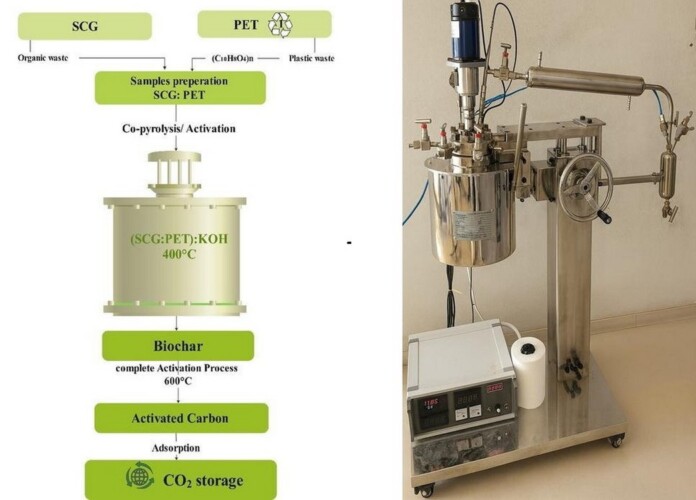
A new technology utilizing coffee and plastic waste is designed to capture carbon dioxide from industrial processes before it’s released into the atmosphere, and has been patented by scientists.

The highly novel and detailed method with promising potential to reduce environmental pollution utilizes a blend of spent coffee grounds, polyethylene terephthalate, (PET) and potassium hydroxide, a strong alkaline chemical.

The components together form an effective material for CO₂ adsorption, say the research team based in the United Arab Emirates.

Globally, an estimated eight million tons of spent coffee grounds are discarded annually, mostly ending up in landfills where they emit methane and other greenhouse gases. PET is a member of the polyester family and widely used in consumer packaging.

Potassium hydroxide serves as a powerful activating agent in the process, enhancing the material’s ability to trap carbon, and the researchers at the University of Sharjah combine the three to create activated carbon—a common component in many consumer and industrial products, which when used would trap the carbon.

“What begins with a Starbucks coffee cup and a discarded plastic water bottle can become a powerful tool in the fight against climate change through the production of activated carbon,” boasted study leader Dr. Haif Aljomard.

She says the process operates at an activation temperature of 600 °C, much lower than conventional thermal recycling methods for plastic, and emphasized that the patent presents “significant” findings in the synthesis of activated carbon from waste materials, and the waste-to-resource approach that underpins the technology.

SIMILAR STORIES TO THIS: Concrete Made 30% Stronger by Adding Waste Coffee Grounds–Cutting Emissions and Mining in the Process

“This invention repurposes two abundant waste streams—coffee and plastic—into a high-performance adsorbent,” Dr. Aljomard added. “The resulting activated carbon shows strong potential for capturing CO₂ from fossil fuel-based energy systems, contributing to the reduction of air pollution.”

Activated carbon is utilized in a broad spectrum of industrial and consumer product, including gas purification and drinking water filtration, as well as swimming pool, aquarium, wastewater, and sewage treatment systems.

SHARE This Female-Led Arab Research With Your Friends On Social Media…

Mushroom-Powered Outhouse in University Garden Composts Waste with No Smell

The MycoToilet - credit, Joseph Dahmen
The MycoToilet – credit, Joseph Dahmen

Scientists have used the root system of mushrooms to create a composting toilet that is odor absorbing, while creating over 2,000 liters of fertilizer and soil a year.

Separating solids from from liquids and processing each in different ways using fungal mycelia, the toilet can currently be found in the University of BC botanic gardens.

Called the MycoToilet, it was developed by Steven Hallam, a professor of microbiology at UBC, and Joseph Dahmen, the project’s lead and an associate professor at the university’s School of Architecture.

Together, they hope to rethink a product and system that many people take for granted, starting with their students, most of whom were unable to answer the question: what happens to human waste after the toilet is flushed, said Dahmen.

“We wanted to turn a daily routine everyone knows into a pleasant experience that reminds us of our connection to ecological cycles.”

The waterless toilet separates liquid from solid human waste, with the solids ending up an a mycelia-lined compartment where laboratory tests say 90% of the odor-causing compounds are eliminated. The feces are then converted, slowly but surely, into soil, 600 liters of which can be generated in a year of use, with the liquid waste creating some 2,000 liters of liquid fertilizer.

Not all wastewater treatment plants in the US or the world can produce fertilizer from the waste they collect. In many instances, it’s merely sanitized within the regulatory limits, and dumped into the sea or rivers in the form of one of the least-pleasant words in the English language: ‘effluent.’

NO MORE WASTING WASTE: A Melbourne Sewage Farm Has Become a Haven for 300 Species of Birds

“Waste is a function of our values, and if we can rethink what we value in this context, there’s lots of useful material in these effluents, and we can recover that, then we’re adding value back and creating a more circular model for the economy and our lives,” Hallam told CBC.

MUSHROOM STORIES: Packet of Fungi Inside New Diapers Breaks Them Down in Landfill Turning it to Mycelium

Hallam and Dahmen will be evaluating the performance of the various species of fungus they’ve used in the compartments to see which is able to compost or odor-eat the best during the 6-month trial run in the campus botanical garden where it looks right at home amid the woods with its ceder panels.

Mushrooms have been theorized as a way to break down virtually anything in our society, from nuclear waste to our own bodies, as the organisms work symbiotically with the whole soil microenvironment to disassemble even the most complex of molecules.

SHARE This Great Green Invention With Your Friends In BC… 

Scientists ‘Cultivate’ Metal Instead of 3D Printing it–and it’s 20x Stronger

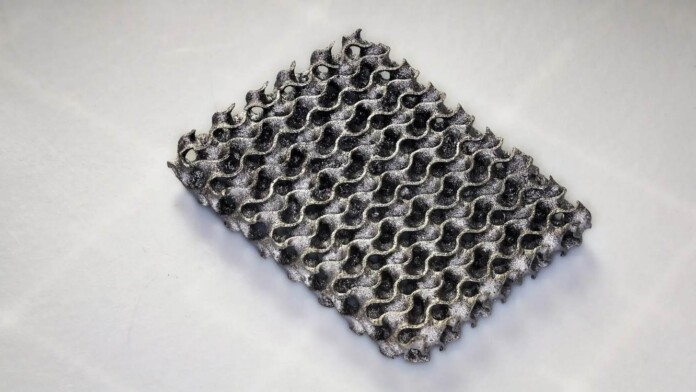
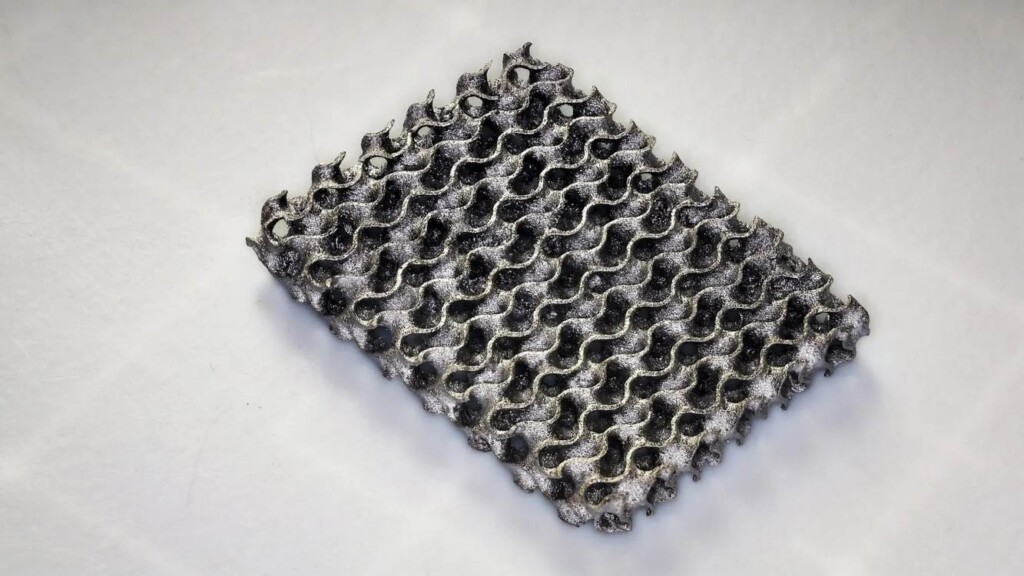
Large iron gyroid (1.3 x 1.0 cm). Credit ALCHEMY EPFL CC BY SA

Swiss researchers have pioneered a method of cultivating metal out of water-based gel, an innovation that promises valuable applications in energy technology.

The concept aims to power the production of unique sensors, biomedical devices, or energy conversion and storage components.

Scientists at the Ecole Polytechnique Fédérale de Lausanne, in Switzerland, have created dense, high-strength structures by injecting hydrogel with metal salts of various minerals like iron and copper. Early results show materials 20-times stronger with much less shrinkage than earlier methods.

As novel a concept as “cultivating metal” sounds like, it’s actually been done before, but challenges presented themselves which could not be overcome in these previous experiments.

They involved vat photopolymerization—a type of 3D printing that sees pouring a light-reactive liquid resin into a container and then solidifying specific areas with a laser or ultraviolet light to create a shape. However, because this method only works with light-sensitive polymers, its practical uses are limited.

Daryl Yee, who leads the Laboratory for the Chemistry of Materials and Manufacturing at EPFL’s School of Engineering, said these earlier approaches have major flaws.

“These materials tend to be porous, which significantly reduces their strength, and the parts suffer from excessive shrinkage, which causes warping,” he told his university press.

To address these issues, Yee and his team have introduced a new approach described in their paper published in Advanced Materials. Instead of hardening a resin already mixed with metal compounds, the researchers first 3D print a framework using a simple water-based gel known as a hydrogel. They then soak this “blank” structure in metal salts, which are chemically converted into tiny metal-containing nanoparticles that spread throughout the gel. Repeating this process multiple times allows them to create composites with very high metal content.

After 5–10 of these “growth cycles,” the remaining hydrogel is removed through heating, leaving behind a dense metal or ceramic object that precisely matches the shape of the original printed gel. Because the metal salts are added only after printing, the same hydrogel template can be used to make a variety of different metals, ceramics, or composite materials.

“Our work not only enables the fabrication of high-quality metals and ceramics with an accessible, low-cost 3D printing process; it also highlights a new paradigm in additive manufacturing where material selection occurs after 3D printing, rather than before,” Yee summarizes.

For their study, the team fabricated intricate mathematical lattice shapes called gyroids out of iron, silver, and copper, demonstrating their technique’s ability to produce strong yet complex structures. To test the strength of their materials, they used a device called a universal testing machine to apply increasing pressure to the gyroids.

NEWS FROM MATERIALS SCIENCES: Cement Supercapacitors Could Turn the Concrete Around Us into Massive Energy Storage Systems

“Our materials could withstand 20 times more pressure compared to those produced with previous methods, while exhibiting only 20% shrinkage versus 60-90%,” says PhD student and first author Yiming Ji.

The scientists say their technique is especially interesting for the fabrication of advanced three-dimensional forms that must be simultaneously strong, lightweight, and complex. For example, metal catalysts are essential for enabling reactions that convert chemical energy into electricity. Other applications could include high-surface area metals with advanced cooling properties for energy technologies.

3D PRINTING ADVANCES: 3D Printed Aluminum Alloy Sets Strength Record on Path to Lighter Aircraft Systems

Looking ahead, the team is working on improving their process by further increasing the density of their materials. Another goal is speed: the repeated infusion steps, while essential for producing stronger materials, make the method more time-consuming compared to other 3D printing techniques for converting polymers to metals.

“We are already working on bringing the total processing time down by using a robot to automate these steps,” Yee says.

SHARE This New Method For Growing Metal From Water On Social Media… 

4 Dams Set for Removal in Maine Will Open Hundreds of Miles of River for Salmon, Herring and Sturgeon

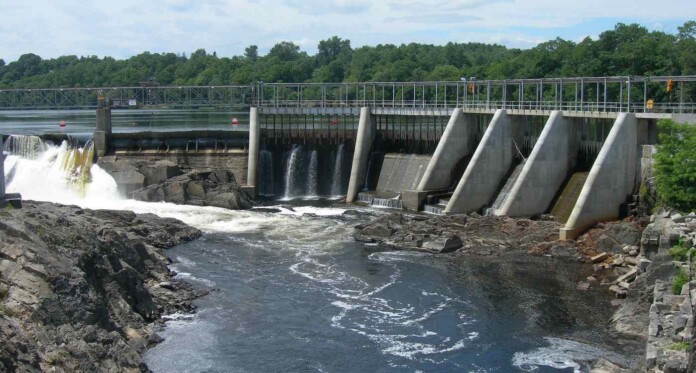
The Hydro-Kennebec Dam near Skowhagen - credit, Jimmy Emerson CC 2.0. via Flickr
The Hydro-Kennebec Dam near Skowhagen – credit, Jimmy Emerson CC 2.0. via Flickr

In Maine, ownership of 4 large dams has been transferred to The Nature Conservancy in a sale it hopes will return the river they operate on into prime habitat for salmon for the first time in a century.

Operated by Brookfield Renewables, the dams along the lower Kennebec River prevent ocean going, freshwater fish like salmon from accessing ancestral spawning grounds upriver.

On September 15th, 2025, The Nature Conservancy (TNC) and Brookfield signed a purchase and sale agreement for the four dams totaling $138 million.

The Kennebec River is fed by Sandy River in the heart of Maine before running down to the Gulf of Maine past the towns of Skowhegan and Waterville. The Weston, Shawmut, Hydro-Kennebec, and Lockwood dams are located in intervals along this stretch, called the lower Kennebec.

The federal regulatory process for decommissioning a dam, as seen in the recent parallel in California, where four dams were removed to make way for salmon, needed more than 5 years from start to finish. As a result, TNC will look to gather another $30 million in funding to create a nonprofit that will manage and oversee the decommissioning process, during which the dams could continue to generate power for 5 to 10 years.

That would include working with Sappi North America, whose Somerset Mill, located between the town of Skowhegan and the Shawmut dam, to find a solution to the company’s long-term water needs, which are currently met by this dam.

Their twin goals in the decommissioning project are to return free-flowing conditions to the lower Kennebec River to support regionally-endangered North Atlantic salmon, while doing so in collaboration with existing stakeholders in the dams’ activities, Sappi included.

“TNC and its partners are 100% committed to developing a solution with Sappi that fully addresses the Somerset Mill’s long-term water system needs,” the organization wrote in a statement. “We understand the vital role of the Somerset Mill for the forest products industry and the state’s economy.”

Atlantic salmon are considered near-threatened worldwide, but certain stocks in the North Atlantic have almost completely disappeared. Access to Sandy River via the lower Kennebec would open up hundreds of miles of prime habitat for spawning and coming of age.

Brookfield maintains dams higher up the river, but these areas are considered to be of poor habitat quality. Those dams also happen to produce substantially more electricity than the dams along the lower stretch of the river—those set to be removed.

RIVER RESTORATION IN CHINA: Key Yangtze Sturgeon Habitat Restored Following Removal of 600 Dams and Hydrostations

The Maine Monitor reports that fishing advocacy groups have argued for the dam’s removal for “decades.” River herring, the federally-protected Atlantic sturgeon, and American eel, all rely on Maine’s freshwater rivers to either spawn or feed before swimming out to sea.

The current predicament finds around one-twelfth of the historic spawning population of Atlantic salmon returning to the Kennebec via the gulf, where they’re captured at Lockwood Dam and actually trucked up the roads past the next three dams to spawn. During the reverse journey many do not survive the journey to the gulf past the industrial infrastructure.

MORE SALMON CELEBRATIONS: Before and After Photos of World’s Largest Dam Removal in Calif. Will Have You Cheering for Team Salmon (LOOK)

The removal of the Klamath River dams this time last year produced incredible results immediately, with fish finding their way back upstream far past the farthest dam to spawn within a single season, proving that ancestral instincts can remain intact despite generations of fish not being able to act on them.

But examples also lie closer to home, with dams removed years past along another Maine river, the Penobscot, resulting in long-term economic and environmental improvements.

WATCH a video report below from TNC…

SHARE The News From Maine That Has Salmon Jumping For Joy…

“The bluebird carries the sky on his back.” – Henry David Thoreau

By Misty Ladd

Quote of the Day: “The bluebird carries the sky on his back.” – Henry David Thoreau

Photo by: Misty Ladd

With a new inspirational quote every day, atop the perfect photo—collected and archived on our Quote of the Day page—why not bookmark GNN.org for a daily uplift?

By Misty Ladd

Good News in History, October 15

Official project image - NASA

28 years ago today, NASA and ESA’s Cassini Mission, meant to gather data on Saturn and its moons, was launched from Cape Canaveral. The Flagship-class robotic spacecraft comprised both NASA’s Cassini space probe and ESA’s Huygens lander, which landed on Saturn’s largest moon, Titan. Cassini was active in space for nearly 20 years, with 13 years spent orbiting Saturn and studying the planet and its system after entering orbit on July 1, 2004. READ about what it found… (1997)

New Airship-style Wind Turbine Can Find Gusts at Higher Altitudes for Constant, Cheaper Power

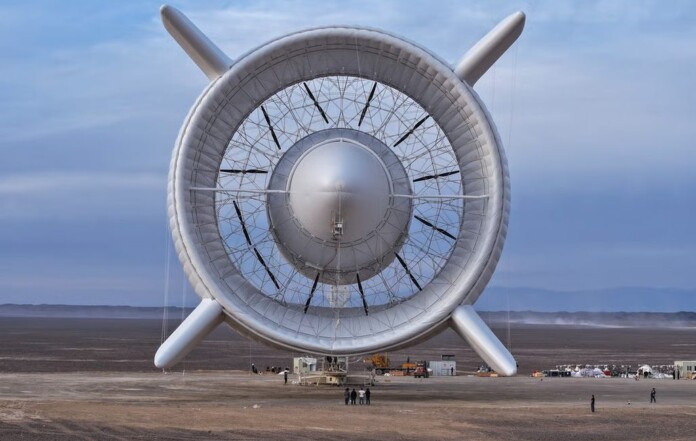
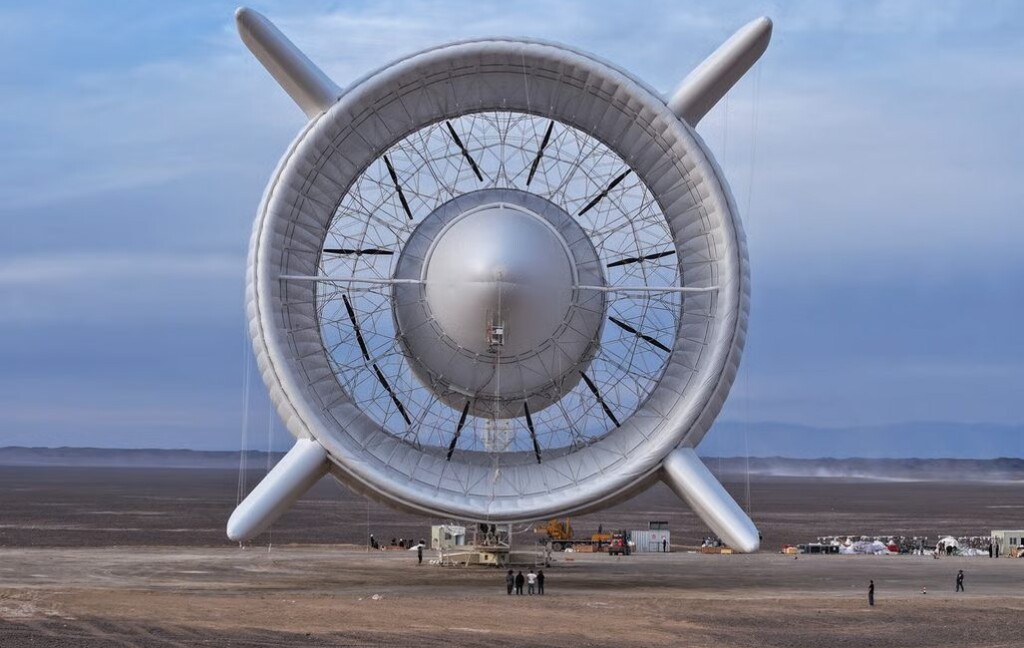
The S1500 from Sawes - credit, handout
The S1500 from Sawes – credit, handout

A new form of wind energy is under development that promises more consistent power and lower deployment costs by adapting the design of a dirigible, or zeppelin.

Suspended 1,000 feet up where the wind is always blowing, it presents as an ideal energy source for rural communities, disaster areas, or places where wind turbines aren’t feasible to build.

The design has grown through multilateral innovation by dozens of engineers and scientists, but an MIT startup called Altaeros, and Beijing-based start-up Sawes Energy Technology have taken it to market. Both have already produced prototypes that boast some serious performance.

In 2014, Altaeros’ Buoyant Air Turbine (or BAT) was ready for commercial deployment in rural Alaska, where diesel generators are still heavily relied on for power. Its 35-foot-long inflatable shell, made of the same materials as modern blimps, provided 30 kilowatts of wind energy.

As a power provider, though, Altaeros could never get off the ground, and now has adopted much of its technology to the provision of wireless telecommunication services for civil and commercial contracting.

Heir to Altaeros’ throne, Sawes has managed to greatly exceed the former’s power generation, and now hopes to achieve nothing less than contributing a Chinese solution to the world’s energy transition.

Altaeros’ BAT – credit, Altaeros, via MIT

During a mid-September test, Sawes’ airship-like S1500, as long and wide as a basketball court and as tall as a 13-storey building, generated 1 megawatt of power which it delivered through its tether cable down to a generator below.

Conducted in the windy, western desert province of Xinjiang, the S1500 surpassed the capabilities of its predecessor turbine by 10-times, which achieved 100 kilowatts in October of last year.

Dun Tianrui, the company’s CEO and chief designer, called the megawatt-mark “a critical step towards putting the product into real-world use” which would happen next year when the company expects to begin mass production.

BETTER TURBINES: World’s First All-Timber Wind Turbine Blades are Cheaper, Recyclable, Fire-Resistant and Stronger than Carbon Fiber

At the same time, the Sawes R&D team is looking into advances in materials sciences and optimization of manufacturing that will ensure the cost of supplying that megawatt to rural grids will be around $0.01 per kilowatt-hour—literally 100-times cheaper than what was theorized as the cost for Altaeros’ model from 10 years ago.

One of the major positives of the BAT is that by floating 1,000 to 2,000 feet above the ground, they render irrelevant the main gripe and failing of wind energy—that some days the wind doesn’t blow. A conventional turbine reaches only between 100 and 300 feet up, putting birds at risk as well as not collecting all the air that’s blowing over the landscape.

WIND POWER STORIES: Coastal Winds Not Only Ripen Grapes, They Power Vineyard’s Winemaking Sustainably

Sawes’ unit is about 40% cheaper to build and deploy than a normal turbine, presenting the opportunity for a 30% lower cost for buying the wind energy.

According to a piece in the Beijing Daily, reported on by South China Morning Post, challenges remain before commercial deployment can begin, including what to do during storms, and whether or not it will compete in communities with existing coal-power supply.

SHARE This Reimagination Of Wind Energy With Your Friends On Social Media… 
A Nation That’s 90% Rainforest Announces New Protections for Over 25 Million Acres

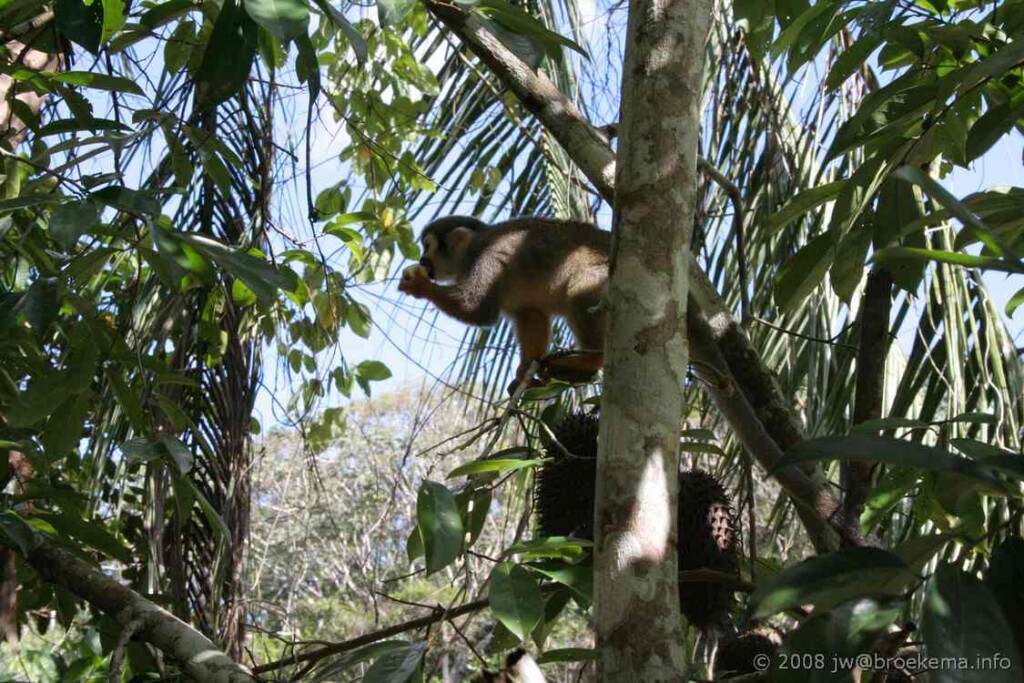
A monkey among Suriname's forests - credit Jan Van Broekema, via Flickr, CC 2.0.
A monkey among Suriname’s forests – credit Jan Van Broekema, via Flickr, CC 2.0.

Huge news broke recently when a country with more intact forests than any other on Earth decided that 90% of all forest cover would be preserved by law.

Made in New York in advance of a UN summit that will see the party members to the Framework Conference on Climate Change (UNFCCC) meet for the 30th time, the decision was heralded as a major step in the effort to protect 30% of all natural landscapes on Earth.

The nation in question was Suriname, the former Dutch colony located on the northern coast of South America, bordering Brazil to the south, and Guyana to the west. Famous for containing vast tracts of Amazon Rainforest, Minister of Foreign Affairs Melvin W. J. Bouva made the announcement on behalf of the recently-elected president.

“We understand and accept the immense responsibility of stewarding over 15 million hectares of tropical rainforest… said President Jennifer Geerlings-Simons. “And it is because of this responsibility that we are envisioning an economy that is powered by our rich forests and biodiversity.”

90% of the country is covered in rainforests typical of the Amazon Basin, the world’s largest rainforest and an ecosystem that spans 9 countries. As a result, it’s one of three states that register as carbon sinks, meaning they absorb more carbon dioxide than they emit.

The decision comes at a time when deforestation in Suriname is on the rise, but losses Basin-wide are falling substantially, particularly losses from forest fires. 

Re:wild, a conservation organization working actively in the Amazon and other South American landscapes, reports that more than 700 birds, 100 species of amphibians, and many charismatic mammals such as lowland tapirs, jaguars, giant river otters, and 8 different primates range throughout the country.

“I’ve worked in Suriname for 50 years and I am absolutely delighted that President Geerlings-Simons has made this historic and unprecedented commitment to maintain Suriname’s forest cover at this level within her first two months in office,” said Russell Mittermeier, chief conservation officer at Re:wild.

“This sets a new standard for the Amazonian region as a whole, which has suffered from serious deforestation in recent decades.”

The Amazon will be high in the minds of the parties to the UNFCCC when they meet in Belem, Brazil, for the summit known as COP 30.

SHARE This Huge Conservation Progress With Your Friends… 

Wichita ‘Taco Hero’ Gets Year of Free Tacos for ‘Mind-Blowing’ Kindness After Card Reader Went Down

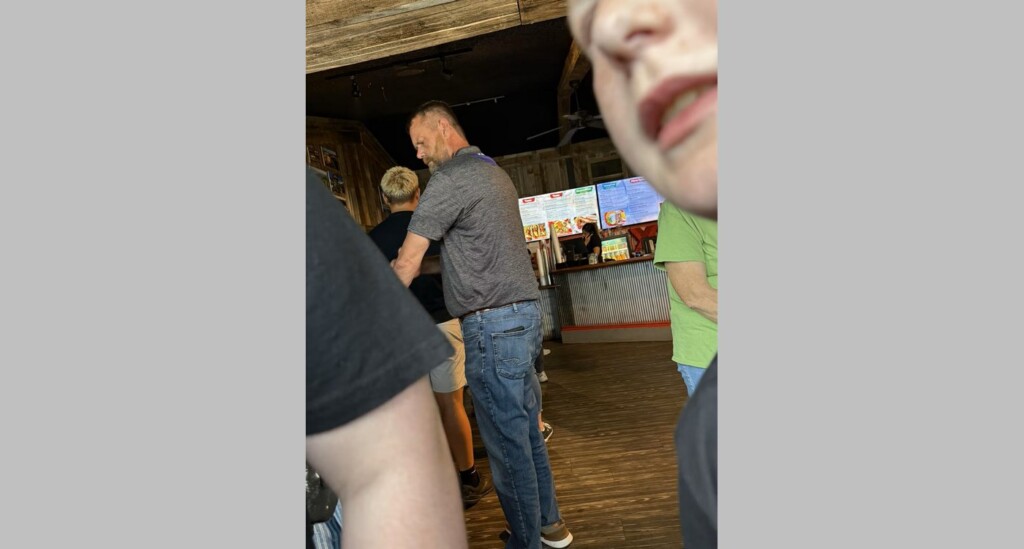
Wichita’s Taco Hero – credit, Calli Shears, supplied

When the sales and payment software went down at a Wichita taco restaurant, the staff were anxious, and the line for the register, long.

Tensions were high, and when the Shear family finally got through the out-the-door-wrap-around line, they were told that Tacos TJ 664 was only accepting cash.

They were craving the fresh shrimp tacos they had come to adore, but there was a problem—they didn’t have enough money.

Mother Calli Shear thought “oh well,” and went for the door, when a stranger—a man in jeans and a Nick Nolte-like voice, reached out an arm and stopped them.

He handed them a $100 dollar bill, rebuffed the immediate refusal, rebuffed the offer of Venmo, and then told the family that dinner was on him tonight.

“When we gave him the change back, he walked to the line and tipped the staff,” Calli’s son Travis said, with his mother saying that she “couldn’t believe that strangers like that exist anymore.”

After their meal, Calli posted a picture of the stranger on a Facebook foodie group, Wichita Food & Booze with a simple question: does anyone know this guy? Explaining the story, the post vent locally viral, and Jared, the “Taco Hero,” was found.

“There are some incredible people in this world. Seriously,” she wrote.

KWCH managed to get in touch with Jared for an interview to ask why he made the spur-of-the-moment decision to do a good deed.

ALSO CHECK OUT: Dry Cleaner Gives Away his Services to Unemployed Folks Headed to Job Interviews: ‘Just Pay it Forward’

“When I was a young man, I grew up poor,” Jerad told the news outlet. “A family took me in when I needed it the most. They ended up finishing raising me until I turned 18 and moved out on my own. If they wouldn’t have ever done that, I never would be in the place I am today, and I, frankly, wouldn’t be able to help somebody out like that. I owe everything to them.”

When Tacos TJ 664 got wind of what had happened, and presented Jared with an honorary certificate as the “Wichita Taco Hero” and awarded him free tacos for the rest of the year.

SIMILAR BIG LITTLE GESTURES: Teen Finds Woman’s Purse and is Rewarded With $17,000 After He Delivers it to Her Door

“We just wanted to thank him, really, cause I think he deserves it,” Priscila Camacho, the restaurant manager, said. “Even though he probably wasn’t intending for it to have the impact that it did.”

The story is a reminder that not all heroes wear capes—some just buy you tacos.

WATCH the story below from KWCH News… 

SHARE The Story Of The Taco Hero Of Wichita With Your Friends… 

First Antidote for Carbon Monoxide Poisoning ‘Cleans’ Blood in Minutes

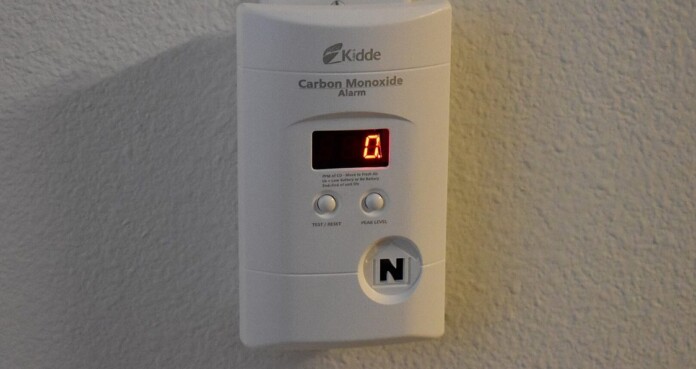
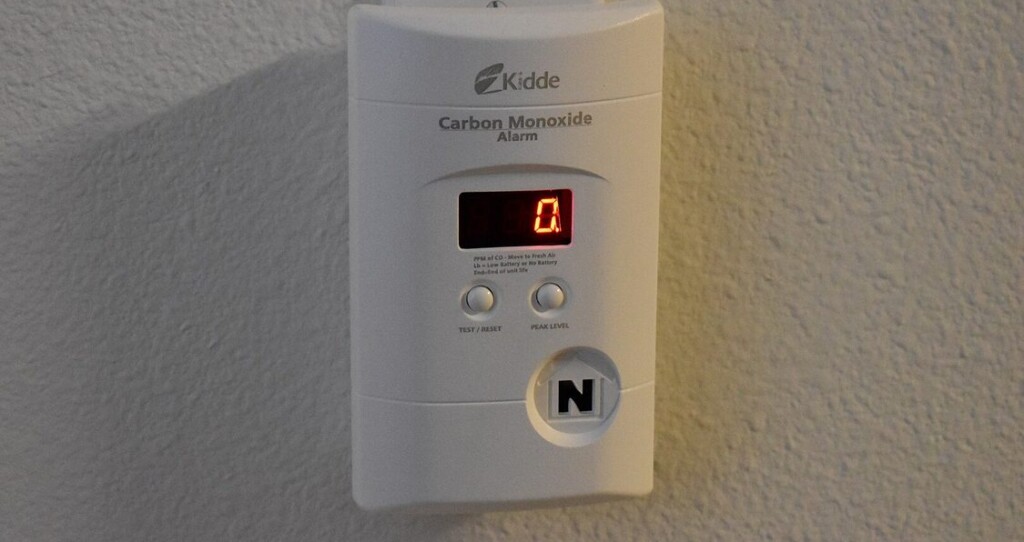
A plug-in carbon monoxide detector - credit Fastily CC 4.0. BY-SA
A plug-in carbon monoxide detector – credit Fastily CC 4.0. BY-SA

It’s invisible, it’s lethal, and it’s been with us for decades, but carbon monoxide poisoning can now be fought with the first-ever antidote that rapidly removes the toxic molecule from the bloodstream.

Carbon monoxide or CO, poisoning accounts for 50,000 emergency room visits in the US each year and causes about 1,500 deaths, each one being lamented as a shameful waste and tragic oversight.

Currently, the only treatments for CO poisoning are oxygen-based therapies, which help the body eliminate the toxic gas. However, even with treatment, nearly half of survivors suffer long-term heart and brain damage. This has created an urgent need for faster, more effective interventions.

In a study published by University of Maryland School of Medicine (UMSOM) in PNAS, the research team developed a new engineered protein-based therapy called RcoM-HBD-CCC, which acts like a sponge to soak up carbon monoxide from the blood.

RcoM (short for “regulator of metabolism”) is a natural protein isolated from the bacterium Paraburkholderia xenovorans which uses it to sense minute levels of carbon monoxide in its environment.

The researchers engineered a version that is highly selective, grabbing CO without interfering with oxygen or other important molecules in the bloodstream like nitric oxide, which is vital for the regulation of blood pressure.

In tests on mice, the new therapy worked quickly to remove CO from red blood cells and was safely flushed out of the body through urine.

CO is known commonly as the “silent killer,” because this odorless, invisible gas, typically released from combustion sources, including stovetops, propane heaters, car exhausts, and firewood, poisons in a gradual manner that isn’t immediately obvious to the victim.

MORE FIRST AID ADVANCES: Revolutionary Antidote Neutralizes Venom of 19 of World’s Deadliest Snakes–Thanks to Man Who Immunized Himself

In healthy bodies, oxygen inhaled from the air binds to the protein hemoglobin on the surface of red blood cells, which then ferry the oxygen to all the tissues of the body. CO however, competes with oxygen for hemoglobin. It enters the bloodstream and binds to hemoglobin with a 200 to 400-fold greater affinity than oxygen. That means CO hogs most of the hemoglobin seats, so not enough oxygen molecules can get a ride to the tissues that need them.

Currently, the only available treatments for carbon monoxide poisoning involve giving 100% pure oxygen, sometimes under pressure in a hyperbaric chamber.

All too often, patients are not transported, diagnosed, and treated in time to reverse the effects of CO poisoning, which can cause lasting cardiac and neurological injuries or even death.

MORE HOUSEHOLD TOXINS DEFEATED: Flint Finishes Replacing 11,000 Lead Pipes, Concluding Activists’ Decade-Long Effort to Secure Clean Water

Infused in the bloodstream, scavenger hemoproteins like RcoM-HBD-CCC rapidly bind to carbon monoxide molecules, reducing the time it takes to clear half of the carbon monoxide in the blood to less than a minute, compared to more than hour with pure oxygen therapy and five hours without any treatment.

A potential drawback the researchers were aware of is that so-called “scavengers” like RcoM also have an affinity for oxygen, and so may uptake the nitric oxide mentioned earlier. This can cause wild and potentially unsafe changes in blood pressure, but RcoM-HBD-CCC caused no such side effects.

“Unlike other protein-based treatments, we found the compound caused only minimal changes in blood pressure, which was an exciting finding and raised the potential for this new molecule to have clinical applications,” said study corresponding author Mark T. Gladwin, MD, Dean of UMSOM.

ALSO CHECK OUT: New Tuna Packaging Seen to Reduce Mercury Levels by 35%, Though it May Not Be Necessary

“This has the potential to become a rapid, intravenous antidote for carbon monoxide that could be given in the emergency department or even in the field by first-responders.”

Future studies will likely include more pre-clinical research to determine the safe and effective dosage range for RcoM-HBD-CCC in treating carbon monoxide poisoning. It could also form the basis for new research in other fields, including as an oxygen delivery therapy or blood substitute. This could include hemorrhagic shock, acute respiratory distress syndrome (ARDS), severe anemias, and the preservation of organs for transplantation.

SHARE The Story Of This Long-Awaited Cure For A Long-Suffered Toxin…

“Love grows more tremendously full, swift, poignant, as the years multiply.” – Zane Grey

Fotolia

Quote of the Day: “Love grows more tremendously full, swift, poignant, as the years multiply.” – Zane Grey (writer of American Westerns)

Photo: via Fotolia

With a new inspirational quote every day, atop the perfect photo—collected and archived on our Quote of the Day page—why not bookmark GNN.org for a daily uplift?

Fotolia

Good News in History, October 14

Masaoka Shiki - National Diet, Japan

158 years ago today, Masaoka Shiki, considered one of Japan’s four masters of haiku, was born. He wrote more than 20,000 stanzas of this famous Japanese short-form poetry, keeping the traditional ‘season words’ and the 5-7-5 syllable structure, but bringing in a dedication to realism that had seemed in through Western literature. Shiki may be credited with salvaging traditional short-form Japanese poetry and carving out a niche for it in the modern Meiji period. READ some of his verse… (1867)

Escaped Pet Tortoise Wanders onto Train Tracks But is Saved by Railway Staff After Passenger Spots it

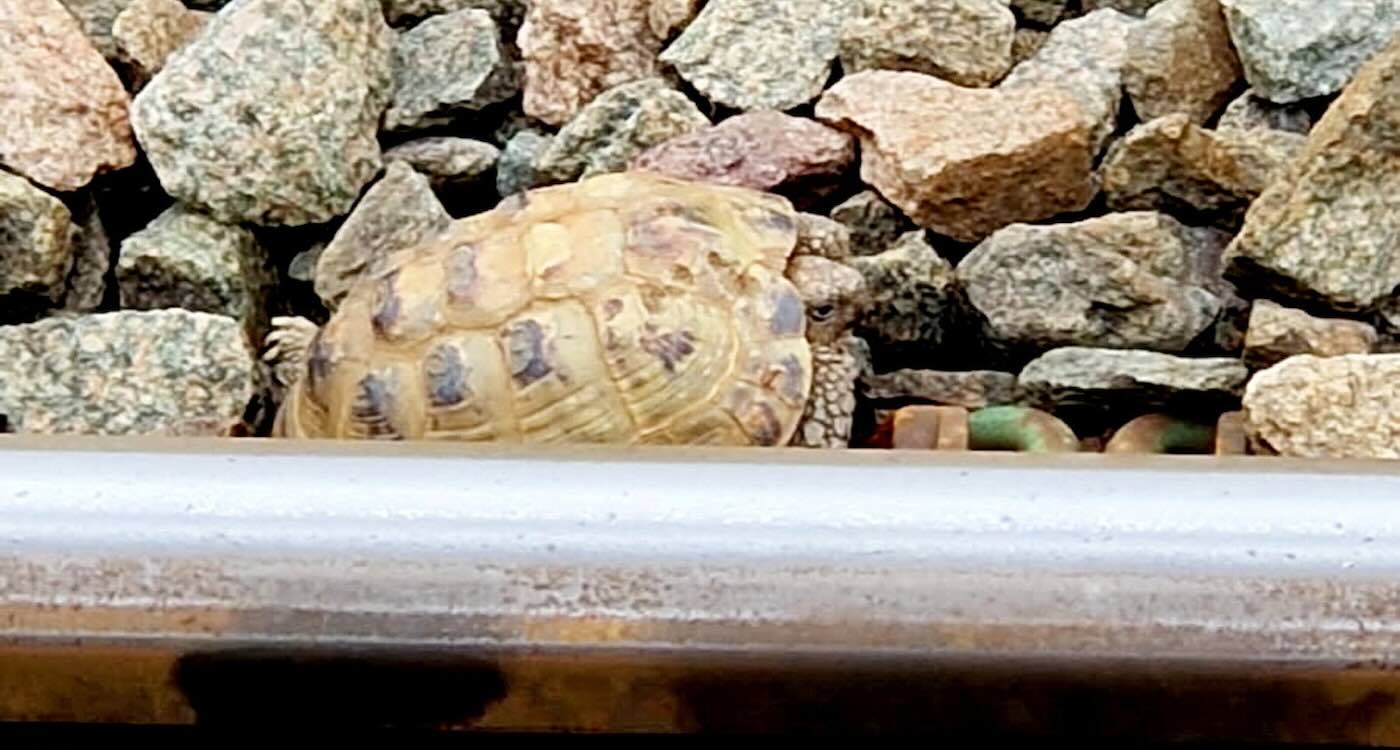
Escaped tortoise on train tracks – Chiltern Railways / SWNS

A runaway tortoise was saved after it wandered onto a busy railway line in South East England.

The pet named Mr T was spotted clambering onto the train tracks at Bicester North Station in Oxfordshire.

Passengers raised the alarm with the railway staff who rescued the tortoise last Tuesday.

The Chiltern Railway workers then fed it with lettuce and water in the station cafe.

The company posted photos of the reptile on social media looking for the owner.

Hours later, they came forward confirmed that Mr T had escaped from his home nearby before becoming a trespasser on the railway tracks.

Although facing danger, Mr T was left unharmed by his adventure and was returned home.

LOOK: Lovelorn Tortoise Found a Year After it Escaped in Search of a Mate at 0.00012mph

Escaped tortoise found – Chiltern Railways / SWNS

Area Manager at Chiltern Railways, Giles Conway, said, “I don’t think anyone could quite believe it when we were alerted by customers at the station that there was a tortoise on the tracks.

“I am grateful to our station staff who located the tortoise and worked with Network Rail to safely retrieve it from the tracks unharmed.”

The man who retrieved the turtle, Steve Gill, a Network Rail mobile operations manager, said, “In my 30 plus years on the railway, this is the first time I’ve ever had to save a tortoise.”

GREAT NEWS: Philadelphia Zoo’s 100-Year-old Galapagos Tortoises Hatch 4 Babies–to Help Ensure the Species’ Survival

“I’m glad we managed to get the pet safely away from the tracks and reunited with its owner.”

SLOW WALK THIS RESCUE To Turtle-Loving Friends on Social Media…

Beloved Lowe’s Store Cat is Finally Found in Neighboring State After Security Footage Reveals Clues

Francine with Lowe's employees (Credit: Lowe's)
Francine with Lowe’s employees (Credit: Lowe’s)

Francine’s tenure might be as long as any hardware store employee in Virginia—because this white, speckled stray cat wandered into the Lowe’s near Richmond in 2017, and has been a mainstay of the branch ever since.

“She’s the first stop for probably 75 percent of our customers,” Lowe’s store manager Mike Sida told the Washington Post.

“She’s extremely friendly, and she loves people. There’s a lot of people that come here just to visit Francine.”

But last month, the calico cat went missing and everyone was flooded with worry: Where’s Francine?

A missing pet poster was printed with her picture that advertised a $2,000 reward.

And Chas Nabi, who frequently visits Francine at the store, created a “Where’s Francine?” Instagram page that quickly went viral, attracting almost 35,000 followers.

(Below is an example of the poster art shared by followers…)

The first clue in the mystery of her disappearance came from store security cameras. Francine was spied in footage wandering into the back of a delivery truck headed to a regional distribution center in Garysburg, North Carolina.

More clues were gathered by workers at the warehouse who tried using thermal drones. Others tried to lure her into a number of humane traps, and routinely checked the 246 surveillance cameras for any sign of her in the vast distribution center (measuring over a million square feet).

But after nine years of hanging out at Lowe’s, Francine had plenty of friends willing to do whatever was necessary—and, on October 4, a familiar feline appeared on one of the security tapes (see the video below). It was Francine.

The Lowe’s employees who feed Francine every morning, Manager Sida and Wayne Schneider, immediately drove the 85 miles to the distribution center to retrieve their beloved four-legged friend. But even with some kibble and Francine’s favorite rattle, they couldn’t draw her out of hiding, so returned to Virginia.

Finally, 17 days after she first went missing, Francine walked into one of the traps to get some food at the distribution center. Mike and Wayne drove back to North Carolina, but this time, they wouldn’t be headed home empty-handed.

Francine returns home to the store – (Lowe’s)

“She was crying a little bit once we got her.” Wayne said. “Then she got in my arms and it just felt like pure joy.”

ANOTHER CUTE LOST AND FOUND:  Police Find Lost Plushie While Teaching Boy a Valuable Lesson: ‘There are great people in this world’

With all the social media attention surrounding her disappearance, Francine received something of a hero’s welcome upon her return. (See the video from ABC below…)

The mayor of Richmond, Danny Avula, even celebrated Francine’s return on Instagram: “Your compassion, dedication and community spirit remind me of why this city is so special,” he wrote.

Francine is back at work, but now she wears a harness and tracking tag to ensure she can always be found.

The cat’s adventure ended, but a few lessons beyond Francine remained.

Nabi, who started the Where’s Francine? page, continues to see a steady stream of traffic and positive posts in the aftermath of the cat’s return.

“During incredibly polarized times,” Nabi said, “It’s amazing to see everybody, no matter what their background is, come together over this little cat.”

SHARE THE HAPPY ENDING With Fur-Loving Friends On Social Media…

Biodegradable Plastic Made from Bamboo Is Stronger and Easy to Recycle

Bamboo forest - credit Bady Abbas, via Unsplash
Bamboo forest – credit Bady Abbas, via Unsplash

GNN has reported previously on how versatile bamboo is for construction and craft, so it maybe shouldn’t be a surprise that researchers in China have found a way to turn this miracle plant into plastic.

While many biodegradable materials have already been developed for replacing lighter, flexible plastic, durable or rigid plastic replacements are few. The kinds of plastic used for tools, car interiors, and appliance exteriors have few if any biodegradable replacements.

Enter Dawei Zhao at Shenyang University of Chemical Technology in China’s far northeast, who has developed a method for turning cellulose from bamboo into a rigid yet biodegradable plastic that outperforms not only alternative biodegradable options, but plastic itself for mechanical strength and thermo-mechanical properties.

“Bamboo’s rapid growth makes it a highly renewable resource, providing a sustainable alternative to traditional timber sources, but its current applications are still largely limited to more traditional woven products,” Zhao told New Scientist.

His method takes cellulose from bamboo and subjects it to zinc chloride and a simple acid to break up the complex polysaccharide bonds that hold this plant fiber together. Next they add ethanol into the soup of smaller molecules, and from that derive a plastic for use in injection, molding, and machining manufacturing techniques.

One major drawback is the bamboo plastic’s inflexibility, which limits its incorporation into the full gamut of products that petroleum-based plastics can fulfil. On the other hand, however, these are often the plastics that remain in the ecosystem longest, and are the hardest to recycle. Therefore replacing them still represents a valuable contribution to reducing the overall plastic burden in the environment and waste streams.

MORE BAMBOO HEADLINES: 

Zhao and his team published a paper on the process and properties of the bamboo plastic in Nature, including in which is a cost-analysis that finds the bioplastic’s recyclability emerges as a value that sees it attain cost-competitiveness with conventional plastic.

They also report that it fully breaks down in the soil in 50 days.

SHARE This Brilliant Bamboo Science With Your Friends On Social Media… 
Fires and Fire Deaths from Almost All Causes Fall by Two-Thirds Since 1980

File photo by Issy Bailey

One of the big problems with measuring progress in averting accidents is that you’re looking for nothing—because nothing happened.

But determined to show how nothing is a big something indeed, Vox’s Bryan Walsh set out to measure America’s progress in preventing fires and fireproofing homes after he himself heard of a fire ripping through a Brooklyn artist’s warehouse.

Deaths by fires have fallen by two-thirds since 1980, lead in part by advances in safety awareness and product safety.

Decades of updated building codes and public safety campaigns have led to the majority of US homes and apartments having smoke detectors—the single best defense against small room fires turning into conflagrations.

About 60% fewer deaths per recorded house fire occur when the house in question has a working smoke detector. Many buildings now have detectors that work as a part of a multi-room system, but battery-operated ones still work exceptionally well.

That 60% becomes 90% when talking about automatic sprinkler systems, which more buildings than ever in the United States now come equipped with. They have also made the leap from commercial, office, or parking buildings to multifamily homes and apartments.

In 2021, the Consumer Product Safety Commission passed a federal regulation that mandated furniture manufacturers to comply with code on smolder-resistant upholstered furniture. This is a major cause of house fires, often in conjunction with cigarettes and wood stoves, and representative of around 17% of the deaths from house fires—according to the CPSC.

In addition to aiding the falling rates of lung cancer, the reduction in smoking habits among Americans have also led to fewer house fires.

“In 1980 there were an estimated 70,800 smoking-related cigarette home fires leading to 1,820 deaths,” Walsh wrote. “By 2016, the number of smoking-related fires had fallen to 16,500.”

According to FEMA, heating and electrical malfunctions, like circuits arcing behind walls, are the least common of the leading causes of home fires, and that’s a result of many products and building code adding failsafe triggers and other features that cause heating to shut off if temperatures get too hot, or currents to cease if arcing is detected.

Heating and electrical-related fires fell by a third between 2010 and 2019.

Cooking is still far and away the most common cause of house fires. If a home or apartment has sprinklers, and smoke detectors, and some of the other features mentioned in Walsh’s article, then the best thing you can do to avoid home fires is to pay attention in the kitchen.

Common causes of fires in kitchens include grease fires, which can explode if you intuitively throw water on them. That explosion can set fire to surrounding objects, and turn a flash in a pan into a room fire.

FIRE SAFETY: California Developer Builds First Neighborhood Where All the Homes Are Resistant to Wildfires

But even here, there is improvement. Between 2019 and 2023, there were 11% fewer fires and 50% fewer deaths as a result, due to cooking fires.

It pays to be aware. The National Fire Protection Association writes that while ranges and stovetops were responsible a little over half of all cooking-related house fires, those fires led to 88% of the resulting deaths. This would be as opposed to ovens, toasters, or other appliances.

CONSUMER PROGRESS: Bite-Proof Wetsuit Fabric Almost Entirely Prevents Shark Bite Flesh Wounds

Counterintuitively, gas ranges were less-prone to causing fires than electric ranges. Unattended cooking was by far the leading factor in cooking fires and cooking fire casualties, while combustible materials left near cooking areas, such as wrappers, towels, paper, potholders, or clothing, was the second leading factor.

In other words, if there’s one place in the house you should put a fire extinguisher, it’s the kitchen.

SHARE These Great Positive Trendlines On Fires And Fire-Deaths With Your Friends…

“The love of gardening is a seed once sown that never dies.” – Gertrude Jekyll

By Carles Rabada

Quote of the Day: “The love of gardening is a seed once sown that never dies.” – Gertrude Jekyll

Photo by: Carles Rabada

With a new inspirational quote every day, atop the perfect photo—collected and archived on our Quote of the Day page—why not bookmark GNN.org for a daily uplift?

By Carles Rabada

Good News in History, October 13

Christ the Redeemer above Rio de Janeiro - credit Artyominc, CC 3.0.

94 years ago today, Cristo Redentor, or Christ the Redeemer, opened to the public in the hills above Rio de Janeiro. Standing 98 feet high, and with arms stretching 92 feet wide, the statue was built on top of Mount Corcovado by engineer Heitor da Silva Costa. Christ the Redeemer differs considerably from its original design, as the initial plan was a large Christ with a globe in one hand and a cross in the other. Although the project organizers originally accepted the design, it later changed to the statue of today, with the arms spread out wide. READ more about the famous statue… (1931)

3D Printed Aluminum Alloy Sets Strength Record on Path to Lighter Aircraft Systems

Aluminum (in brown) vs alloy with small particles (in blue and green) that impart exceptional strength when 3D printed- Credit Felice Frankel for MIT

Incorporating machine learning, MIT engineers have developed a way to 3D print alloys that are much stronger.

The new printable metal can withstand high temperatures and is five times stronger than traditionally manufactured aluminum.

It’s made from a mix of aluminum and other elements that the team identified using a combination of simulations and machine learning, which significantly pruned the number of possible combinations of materials to consider to 40—before identifying an ideal mix.

The team then printed the alloy and tested the resulting material, soon confirming that, as predicted, the aluminum alloy was as strong as any manufactured today.

The researchers envision that the new printable aluminum could be made into stronger, more lightweight and temperature-resistant products, such as fan blades in jet engines. Fan blades are traditionally cast from titanium — a material that is more than 50 percent heavier and up to 10 times costlier than traditional aluminum.

“If we can use lighter, high-strength material, this would save a considerable amount of energy for the transportation industry,” says Assistant Carnegie Mellon University Professor Mohadeseh Taheri-Mousavi, who led the work at MIT.

“Because 3D printing can produce complex geometries, save material, and enable unique designs, we see this printable alloy as something that could also be used in advanced vacuum pumps, high-end automobiles, and cooling devices for data centers,” adds John Hart, who was head of the Department of Mechanical Engineering at MIT.

AND GORGEOUS TOO: Wood Scraps Turned into Bulletproof, Fire-Resistant Superwood That’s ‘Stronger Than Steel’

Hart and Taheri-Mousavi provide details on the new printable aluminum design in a paper published in the journal Advanced Materials.

Micro-sizing

The new work grew out of an MIT class Taheri-Mousavi took in 2020 in the Department of Materials Science and Engineering where he learned to use computational simulations to design high-performance alloys using a mix of different elements.

His professor, Greg Olson, challenged the class to design an aluminum alloy that would be stronger than the strongest printable aluminum alloy, keeping in mind the smaller and more densely packed its microscopic constituents, the stronger the alloy would be.

Although the exercise failed to produce a winner in the class, it made Taheri-Mousavi wonder: Could machine learning do better?

“At some point, there are a lot of things that contribute nonlinearly to a material’s properties, and you are lost,” Taheri-Mousavi says. “With machine-learning tools, they can point you to where you need to focus, and tell you for example, these two elements are controlling this feature. It lets you explore the design space more efficiently.”

In the new study, she continued where Olson’s class left off.

The machine-learning approach revealed a recipe containing aluminum and five other elements that resulted in higher strength—even higher than what they could identify after simulating over 1 million possibilities without using machine learning.

MATERIAL GENIUS: World’s First All-Timber Wind Turbine Blades are Cheaper, Recyclable, Fire-Resistant and Stronger than Carbon Fiber

To physically produce this new strong, small-particle alloy, the team realized 3D printing would be the way to go instead of traditional metal casting, in which molten liquid aluminum is poured into a mold and is left to cool and harden.

“Here, 3D printing opens a new door because of the unique characteristics of the process—particularly, the fast cooling rate.”

The new alloy’s microstructure consisted of a higher volume fraction of small precipitates, and was stable at high temperatures of up to 400 degrees Celsius—a very high temperature for aluminum alloys.

“Our methodology opens new doors for anyone who wants to do 3D printing alloy design,” Taheri-Mousavi says. “My dream is that one day, passengers looking out their airplane window will see fan blades of engines made from our aluminum alloys.”

(Source: MIT News)

MacKenzie Scott Donates $42 Million to Expand College and Career Opportunities for Low-Income U.S. Students

10,000 Degrees students, Stephanie Fayette and Hanan D.J., celebrate their college graduation together (Courtesy of 10,000 Degrees)

A California-based nonprofit dedicated to advancing quality education and career opportunities for students from low-income backgrounds just received a “transformational gift” from philanthropist MacKenzie Scott.

She donated $42 million this week to the group ‘10,000 Degrees’ to assist in its mission of “supporting students to, through, and beyond college”.

In their history of nearly a half century, 10,000 Degrees has worked with more than 80,000 students and awarded more than $113 million in scholarships, trying to break the cycle of generational poverty in the U.S. and create a positive ripple effect in the lives of students and their communities for generations to come.

“We are deeply grateful for Ms. Scott’s confidence and investment in our mission and proven college success model,” said Kim Mazzuca, President and CEO of 10,000 Degrees.

“This extraordinary gift is not only a bold affirmation of the power of education, but it is a vital investment in our communities at a time when it’s needed most.”

Scott, who was formerly married to Amazon founder Jeff Bezos, has been giving away her fortune by the billions to charities and nonprofits worldwide.

MORE BILLIONS FROM SCOTT:
MacKenzie Scott Has Now Given Away $16.5 Billion with New Grants Announced
Big Brothers Big Sisters Receives $122 Million Donation From Mackenzie Scott
Girl Scouts Receive $84 Million Donation From MacKenzie Scott to Aid Recovery From Lack of Income During Pandemic

A media release said this new grant will allow 10,000 Degrees to address the educational opportunity gap by serving more students with college and financial aid advising, scholarships, and mentorship support from recent college grads, to help them navigate a pathway toward success.

“Our mission has always been to ensure that every student, no matter their background, has a real chance to achieve their potential and to live a healthy, happy and prosperous life,” said Mazzuca.

“Ms. Scott’s gift will have a profound and lasting impact – significantly increasing support for our students from their first step toward college through graduation and into meaningful careers,” said Guy Lampard, chair of the board of directors.

LEARNING THE LOST ARTS: Teens Learn the Lost Arts of Sewing and Ironing at New Summer Camp Taught By Local Grandmas Staving off Loneliness

“With this support, our students can build generational stability for themselves, their families and their communities, forever.”

REPORT ON THE GENEROSITY By Sharing The Amazing News on Social Media…