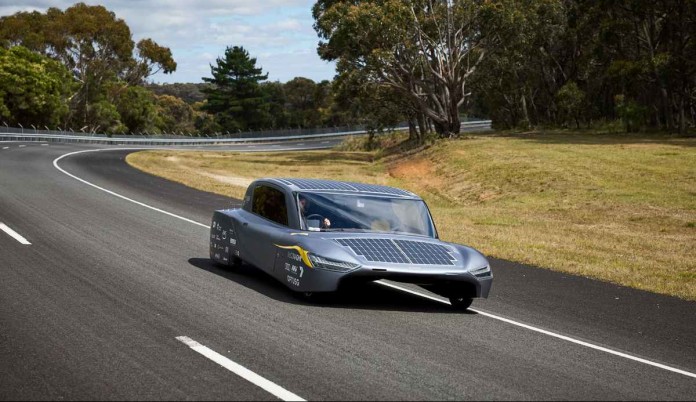
An electric car has made a record-breaking 621 mile (1,000km) trip on a single charge powered by the sun.
The solar-powered Sunswift 7 averaged nearly 53mph (85kph) in under twelve hours to set a Guinness World Record while completing 240 laps of a track to represent the distance from Sydney to Melbourne.
Sunswift 7 is the latest in a long line of successful solar-powered cars from the University of New South Wales, Sydney, since the first vehicle was produced in 1996.
It weighs just 1,200 pounds, (500kg)—about one quarter of a Tesla—and boasts impressive efficiencies thanks to its aerodynamic design, the efficiency of the motors and drive chain, and incredibly low rolling resistance.
The car is not road legal, as it is missing essentials like climate control and airbags. The cost is prohibitive as well, but a solid dataset is an important jumping off point for building future solar cars in a country like Australia that is blessed with almost year ’round sunshine.
For their World Record, the UNSW team put the car through the paces at the Australian Automotive Research Centre (AARC) in Wensleydale, Victoria. They now hold the record for the ‘Fastest EV over 1,000km on a single charge.’
“It feels very weird to think that we’ve helped to make something that’s the best in the entire world,” said Sunswift team manager Andrea Holden, a mechanical engineering student at UNSW.
“Two years ago, when we started to build this car, everything was going into lockdown and there were a lot of difficult moments. It was a lot of work and a lot of hours and a lot of stress, but it’s all been worth it. This world record is validation of all the effort everyone in the team has put in.”
As the car knocked out its 240 laps—greater than the distance to Melbourne from Sydney, the energy consumption was just 3.8 kWh/100km, a far more efficient rating than even the most efficient EVs on the road today, which average 15kWh-20kWh/100km.
“Let’s remember, these are not the best-paid professional car makers in Stuttgart working for Mercedes,” said team principal and four-time F1 world champion as Head of Operations at Red Bull, Professor Richard Hopkins.
“This is a bunch of very smart amateurs who have taken all the ingredients and put it together in a brilliant way.”
“This team has focused on ultimate efficiency in order to break this world record. They have shown what is ultimately achievable if you concentrate on aerodynamics, and rolling resistance and the use of smart materials.”
“I used to work in Formula One and nobody thinks we’ll be driving F1 cars on the road in five or 10 years. But the technology they use in F1 really pushes the boundaries and some of that filters down [to regular vehicles] and that’s what we are trying to do with Sunswift and what this world record shows is achievable.”
SHARE This Sunny Automotive Innovation With Your Friends…
Quote of the Day: “Blessed are the curious for they shall have adventures.” – Lovelle Drachman
Photo by: Eli Allan
With a new inspirational quote every day, atop the perfect photo—collected and archived on our Quotes page—why not bookmark GNN.org for a daily uplift?
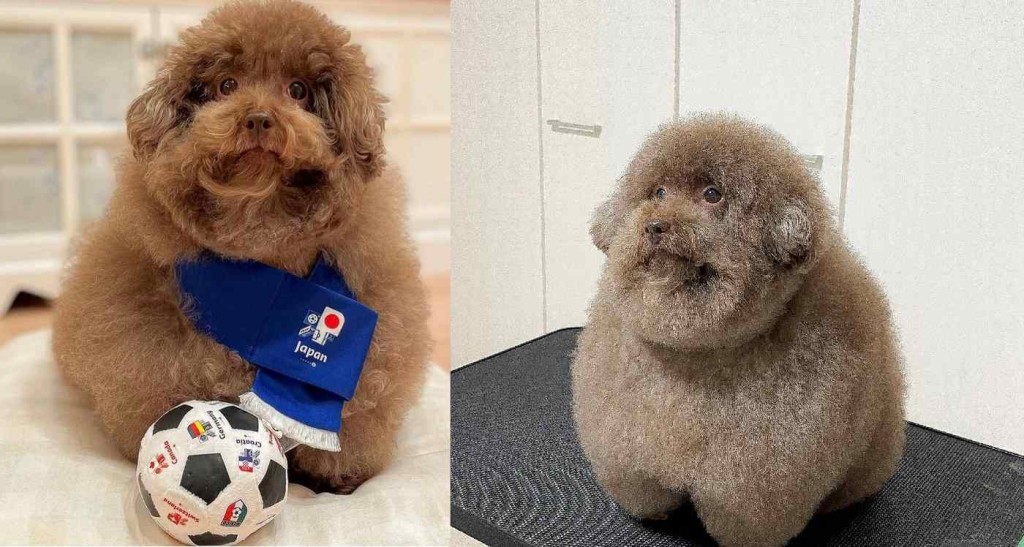
A dog is making the internet bounce with joy and virality, in part because she’s extremely cute, and in part because she has a peculiar shape.
Mohu is a spherical Toy Poodle and his nearly 100,000 follows on Intsagram all of whom obsessed with her unexplainably round shape.
The six-year-old from Osaka, Japan, has become such an internet sensation after her owner started sharing pictures of her online, and the enamored following could not get over the roundness of her coat.
“Her personality is mature and slow paced,” said Mohu’s owner, Nanae. ”I don’t know why she’s so popular, she always gets looked at on the street and I get asked all the time what breed she is.”
Mohu’s most popular post has almost 40,000 likes and hundreds of comments praising the unique look.
Many comments ask about the origin if the strange spherical dog. Nanae posted an artificial image of Mohu next to mohu as a puppy, and it’s obvious that she wasn’t born that way.
Recently the posts featured Mohu cheering on the Japanese soccer team as they made it into the knockout rounds of the World Cup.
SHARE This Spherical Snuggle Bug With Your Friends…
Union Island gecko-(Gonatodes daudini) Jeremy Holden – FFI / Re: Wild
Union Island gecko-(Gonatodes daudini) Jeremy Holden – FFI / Re: Wild
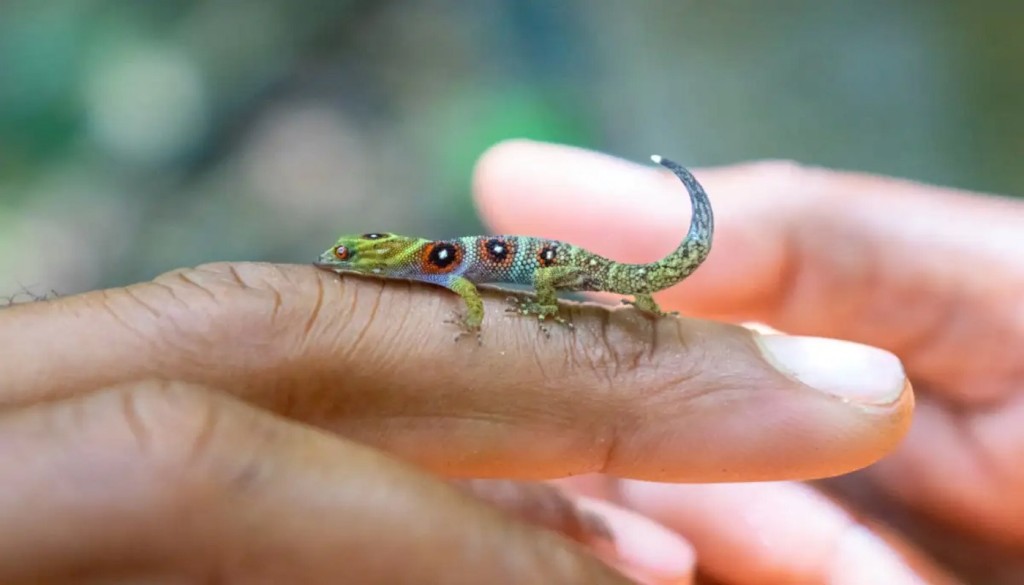
On St. Vincent and the Grenadines, a Critically Endangered gecko little bigger than a paperclip has been saved by diligent conservationists.
Known for jewel-like markings on its hide, the Union Island gecko has nearly doubled in numbers from 10,000 to 18,000 individuals in just four years.
Discovered in 2005 in a 123 acre swath of virgin rainforest on Union Island, the little gecko instantly became a target of illegal pet smugglers. By 2017 it was feared the animal would disappear entirely.
Conservation groups Fauna & Flora International, Re:Wild, and Union Island Environmental Alliance worked together with the country’s forestry department to develop a strategy to save the gecko utilizing camera surveillance and anti poaching patrols.
In 2019, the government of St. Vincent and the Grenadines also inscribed the Union Island gecko on Appendix I of CITES (the Convention on International Trade in Endangered Species of Wild Fauna and Flora), with I representing the highest standard of protection and enforcement.
Their efforts had an immediate effect, not only stopping the loss of animals, but rapidly expanding their tiny footprint on the small island.
Union Island gecko: Jacob Bock, Flora and Fauna International
“As a Unionite and a community leader, I am extremely proud to be a part of this success story,” Roseman Adams, co-founder of the local Union Island Environmental Alliance, said in a press release.
“Without a doubt, our shared, unwavering dedication and sacrifice has brought us this far. We now have to be entirely consistent with further improvements in our management and protection of the gecko’s habitat for this success to be maintained.”
SHARE This Little Guy’s Big News With Your Friends…
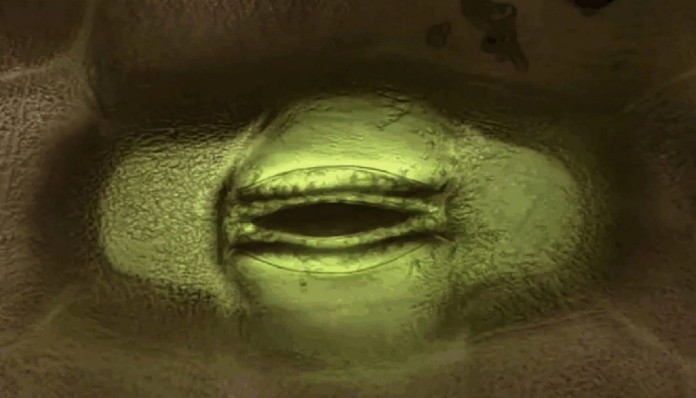
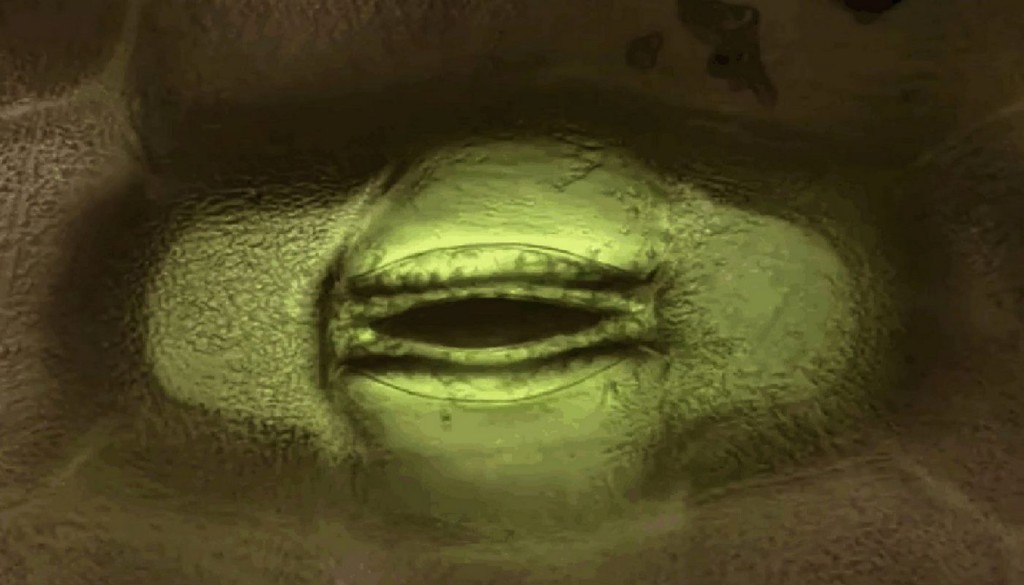
It looks like a scene from a horror movie, but eerie research shows plants breathing in close-up detail.
A new study reveals biologists are gaining new insight into the intricate process, with big implications for how to feed the world in the future.
Researchers from UC San Diego, Estonia, and Finland, funded by the U.S. National Science Foundation (NSF), have found an elusive molecular pathway that plants use to direct their ‘breathing’ of carbon dioxide.
Knowing how plants sense carbon dioxide to signal their ‘mouths’—stomata—to open and close in response to changing carbon dioxide levels could allow scientists to produce crops robust enough for a changing environment.
“The researchers hope that harnessing this mechanism could lead to future engineering of plant water use efficiency and carbon intake, critical as atmospheric carbon dioxide concentration continues to increase,” said Jared Dashoff, an National Science Foundation spokesperson.
“In fact, the researchers have filed a patent and are examining ways to translate their findings into tools for crop breeders and farmers.”
On the underside of leaves and elsewhere, depending on the plant, are tiny openings called stomata—thousands of them per leaf with variations by plant species.
Like little castle gates, pairs of cells on the sides of the stomatal pore known as guard cells, open their central pore to take in the carbon dioxide.
“However, when stomata are open, the inside of the plant is exposed to the elements and water from the plant is lost into the surrounding air, which can dry out the plant,” said Dashoff. “Plants, therefore, must balance the intake of carbon dioxide with water vapour loss by controlling how long the stomata remain open.”
If plants, especially crops like wheat, rice and corn, can’t strike a new balance, they risk drying out, farmers risk losing valuable output, and more people across the world risk going hungry.
As the climate changes, both atmospheric carbon dioxide concentration and temperature increase, affecting the balance between carbon dioxide entry and water vapor loss through the stomata.
“Scientists have long understood stomata and the balance between carbon dioxide intake and water loss. What they haven’t known, until now, is how plants sense carbon dioxide to signal stomata to open and close in response to changing carbon dioxide levels,” said Dashoff.
“Knowing this will now enable researchers to edit those signals—so plants can strike the right balance between taking in carbon dioxide versus losing water—and allow scientists and plant breeders to produce crops robust enough for the environment of the future.” (Watch the video below…)
Every year, the more than €1 million in coins thrown into the Trevi Fountain in Rome are hoovered up to feed, clothe, and house the city’s poor.
Completed in 1762, the marble marvel is one of the Eternal City’s most popular attractions. Commissioned in the 1730s by Nicola Salvi, it depicts the taming of waters.
Oceanus the sea god is pulled by a shell chariot of seahorses, all around which lie shells, coral, fishes, and other sea-things.
Normally it’s a tourist madhouse, taking up a third of the space in the already small Piazza di Trevi. Visitors arrive in throngs, and many hope to do more than see the spectacular artwork.
Tradition has it that tourists put their back to the fountain and toss a coin over their left shoulder with their right hand—an act which supposedly guarantees they shall return to the Eternal City.
The tradition was born from the 1954 film Three Coins in the Fountainabout three American women living in Rome who wish upon the Trevi for love in the city.
Three Coins in the Fountain. Fair Use.
Well over €1 million is thrown into its waters every year, which is collected by sweeping all the coins together and then using a suction machine to gather them up.
Caritas, a charity managed by the Catholic church, receives this massive windfall, for which they fund soup kitchens, homeless shelters, free supermarkets and other projects.
It also goes towards the upkeep of a complex on the outskirts of Rome housing a nursing home, canteen and dental office for city residents living in poverty.
WATCH a trailer for the old film with Sinatra on vocals…
SHARE This Charming, Charitable Story With Your Friends…
Quote of the Day: “December is letting go of all the past year’s fails, and starting anew in January, as time again chases its tail.” – Stewart Stafford
Photo by: Annie Spratt
With a new inspirational quote every day, atop the perfect photo—collected and archived on our Quotes page—why not bookmark GNN.org for a daily uplift?
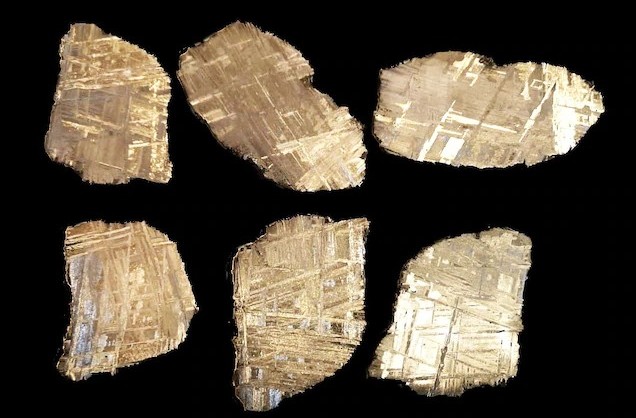
The weave-like pattern of the crystals seen in these slices of the El Ali meteorite is common for iron meteorites. But this meteorite contained a surprise: three new minerals never before seen in nature on Earth.
ABDULKADIR ABIIKAR HUSSEIN, ALMAAS UNIVERSITY.
The weave-like pattern of the crystals seen in these slices of the El Ali meteorite is common for iron meteorites. But this meteorite contained a surprise: three new minerals never before seen in nature on Earth. ABDULKADIR ABIIKAR HUSSEIN, ALMAAS UNIVERSITY.
In 2019, prospectors found a meteorite in Somalia while looking for opal which has now revealed three never-before-seen minerals that originated off-Earth.
Since minerals are a little like recipes, their formation can inform us as to the history of their making, and these are no exception; with scientists positing that they came from the surface of a planetary body near to a location that was struck by an ultra-fast impact which turned the rocks and metal nearby into liquid.
The El Ali meteorite is the ninth-largest ever found. Located near a watering hole in Somalia, generations of herders have made use of its high metallic content to sharpen their blades.
It was then moved to China for a potential sale, but before that samples were sent to Chris Herd, curator of the meteorite collection at the University of Alberta, who found 3 minerals with formationary patterns unknown from Earth’s processes.
Scientists have identified 5,800 minerals on our planet, and 480 that have come from elsewhere; 30% of which don’t form naturally on Earth.
Rather than being baked into the rock, the new minerals were formed in microscopic depressions around the surface of highly-metallic asteroids called inclusions.
Herd’s hypothesis for the formation of the new minerals, which he named elaliite, for the location, and elkinstantonite and olsenite after two other scientists from the field, is that when molten metal is cooling down, different minerals solidify at different times.
Configurations that are easier to make chemically or because the right components are nearby form first, pushing still-liquid leftovers into a dwindling puddle of incompatible components, which eventually cool themselves to form the inclusions, and stranger mineral configurations.
Herd believes this is less likely to have taken place in the center of an iron meteorite, than on the surface of a planetary body that was struck by an iron meteorite. At greater than 11,000 miles per hour, the collision would melt the rock, giving rise to the phenomenon of the inclusions.
Herd told National Geographic that studying the formation of minerals, particularly in meteorites, is a little like “armchair solar system exploration,” because it necessitates re-reading the recipes that made them.
SHARE This Fascinating Phenomenon With Your Friends…
In a gangland part of London, youth are being recruited into the revitalization of historic stone buildings to keep them from getting into trouble.
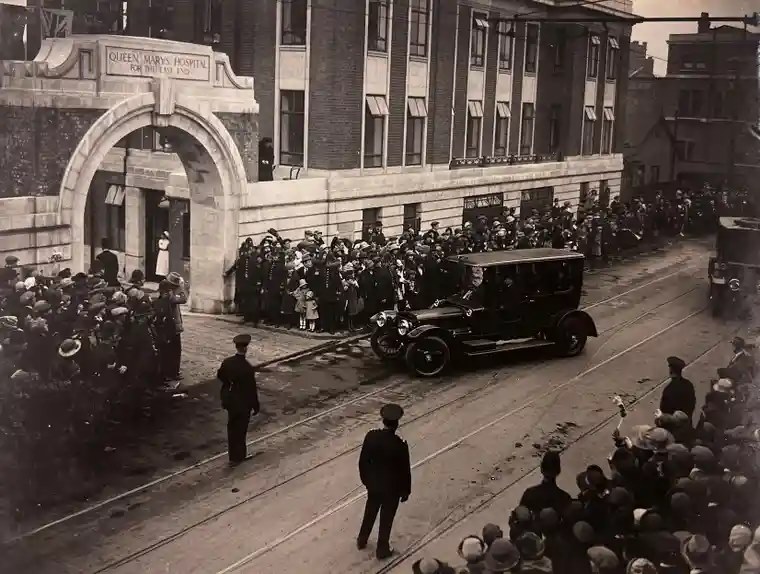
Queen Mary’s Hospital for the East End was built to serve some of the most deprived London boroughs, and saw its fair share of history before being demolished in 1983.
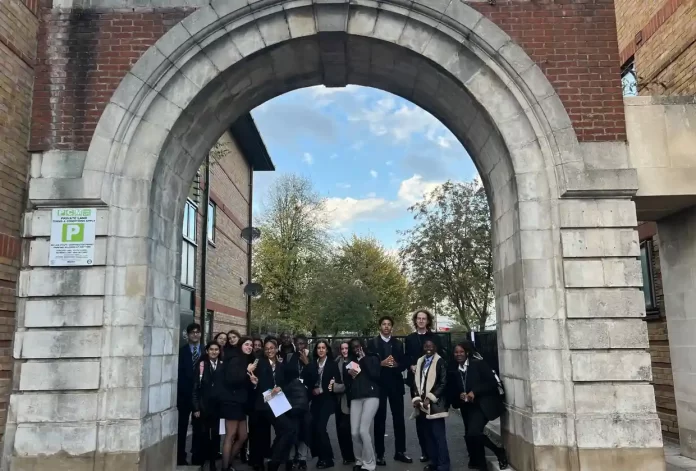
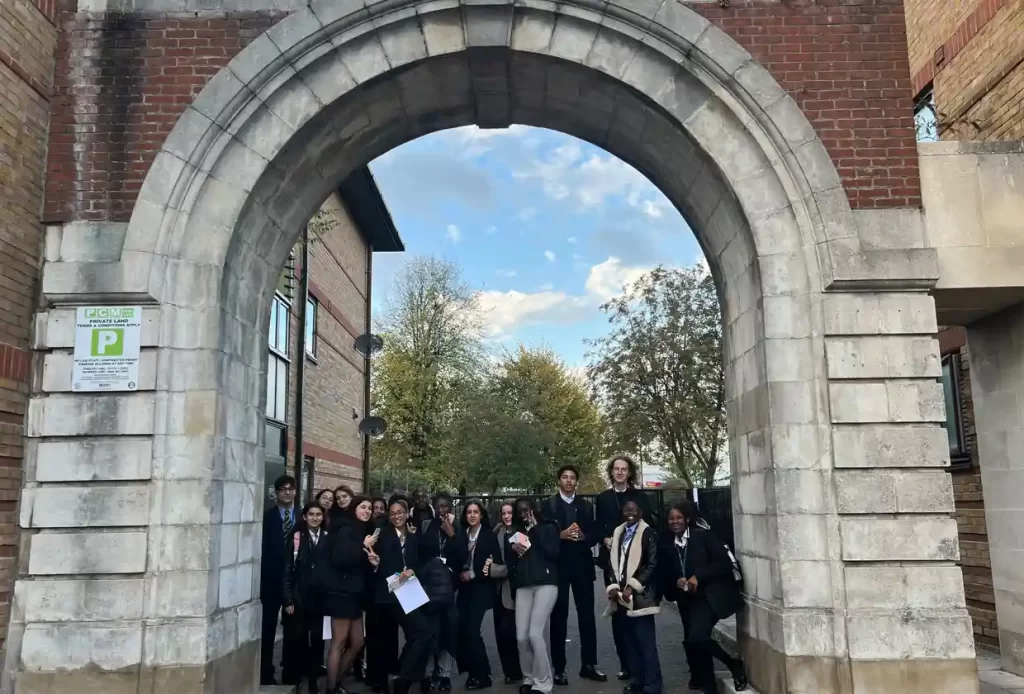
What remains is a stately classic-modern stone arch, which was completely neglected until a Heritage of London Trust program brought 110 kids and adolescents to work alongside stonemasons in a complete restoration of the arch.
The kids aged 9 to 17 gathered together with stonemason’s trowels and chisels to help re-carve the inscription, pave over the cracks, and yank out the plants growing on top of the solitary archway.
Seeing all the kids loitering together with tools in their hands brought over some police, such is the reputation of the neighborhood, but one young man told The Guardian the arch could give he and his compatriots a sense of pride in their community.
“It’s not the wealthiest of boroughs, so there’s a lot of stuff that goes on here,” said Ben Owen. “But being able to look at a place and be proud of it … brings that sense of community back and makes people feel proud to live here.”
Queen Mary’s Hospital for the East End was opened in 1861 by a local doctor, William Elliott, to serve West Ham and Stratford. Queen Mary visited the hospital regularly, becoming its patron.
Credit: Heritage of London Trust
“Nothing at all survives [of the building] but this arch, engraved with the lettering: ‘Queen Mary’s hospital for the East End,’” said Nicola Stacey, director of the Heritage of London Trust.
“The lettering was totally eroded and illegible; buddleia was growing out of the top; no one knew what it was until we started the restoration. It was in a terrible state. We’ve recarved the lettering. We’ve studied all the original archives and old newspapers. It now looks fantastic. It’s a spectacular piece.”
“The arch was designed in a modern classic art deco style with geometric scrolls, using newly fashionable cast-stone blocks. Its elegance perfectly conveyed the hospital’s order and authority.”
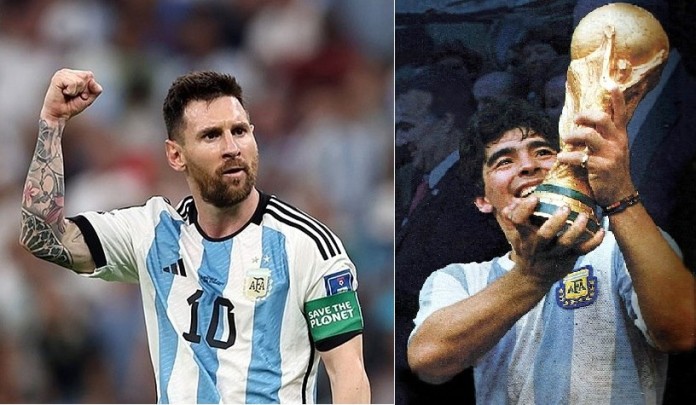
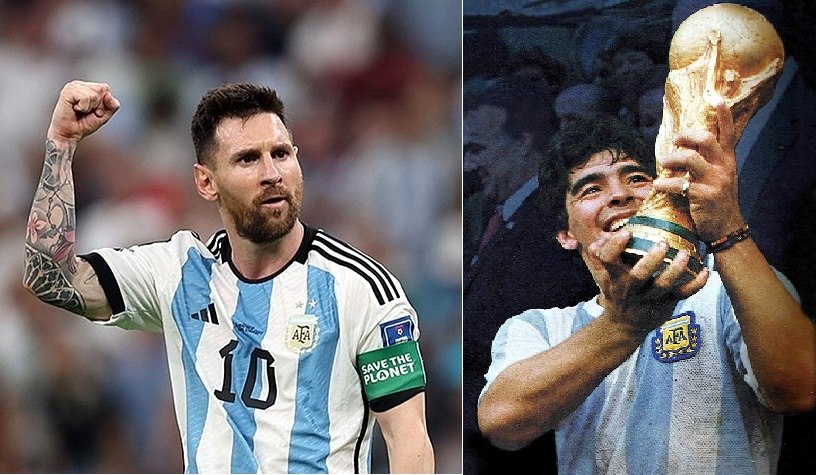
Lionel Messi at WC 2022 and Diego Maradona - CC 4.0. (2)
From Messi’s twilight triumph to bountiful showings of hospitality by the Qatari people, there was plenty to smile about during this year’s World Cup.
As the curtain came down on the 2022 FIFA World Cup in Qatar, most fans of the sport will immediately look forward to enjoying the return of the domestic leagues, which the tournament’s December placement interrupted.
But this World Cup brought a ton of positivity to a sporting event that had been scrutinized for years leading up to kick off.
It’s difficult to say it was somehow uniquely positive, since in sport there must always be a loser, but it’s hard to ignore that, all politics aside, there were moments of progress, of real-life script writing, and of humanity that make such a statement a convincing argument.
Lionel Messi at WC 2022 and Diego Maradona – CC 4.0. (2)
1: Messi Emerges from Maradona’s Shadow
For the man who most people are happy enough to designate as the greatest to ever play the sport, the 2022 World Cup was a crowning achievement on the most legendary of careers.
As with all sportsmen, it seemed the 35-year-old Lionel Messi would finish his career with a knock on him: that he never won a major trophy with Argentina. The legendary Argentine forward Diego Maradona took his nation to World Cup glory in 1986, and has carried a greater consideration in some ways to Messi.
There is now no easy argument to make that Messi isn’t the greatest of all time, not least because he didn’t merely play in a team that won the World Cup, he shined from the 1st match to the last, becoming the first player to score in a group stage match, round of 16, quarter-final, semi-final, and final. He netted his penalty in both shootouts Argentina played in, and scored two goals in the thrilling 3-3 final against France. He scored 8 goals this tournament.
It was telling that when Gonzalo Montiel stroked home the penalty which won Argentina the cup, the left back celebrated alone with the goalkeeper; every other player had jumped atop Lionel Messi.
2: The Atlas Lions Become African Heroes
For the first time in history, an African team made it to the semi-finals of the World Cup. Lead forward by standout performances from fullback Aschraf Hakimi, goalkeeper Yassine Bounou, and midfielder Sofyan Amrabat.
Finishing first in a group that contained previous World Cup finalists Croatia, and highly-ranked Belgium, beating the latter 2-0, Morocco then eliminated Spain on penalties in the knockout round of 16 before beating Christiano Ronaldo and Portugal 1-0 to reach the semi-finals.
They would be defeated by a 2-0 scoreline against France. Morocco had more foreign-born players in their squad than any other team, with 14 of the 25 choosing to play for Morocco rather than various other nations such as France, Germany, or Spain.
“Pinch me, I’m dreaming,” Morocco goalkeeper Yassine Bounou said. “Morocco is ready to face anyone in the world. We have changed the mentality of the generation coming after us. They’ll know Moroccan players can create miracles.”
3: The Rise of the World Game
Remaining on the topic of Africa, it was the most successful tournament for the continent: with 5 African teams all winning at least one group stage match, two emerging from the groups into the knockout rounds—a joint record—and a team making it to the semi-finals for the first time ever.
Furthermore, it was the first time ever that all 5 African teams were led by coaches born and raised in the same country as the squad. In other words, Africa trusted its own, and it paid off.
Huge strides were made in Asian football as well. Despite the elimination of Qatar, Iran, and Saudi Arabia in the group stage, three teams, South Korea, Japan, and Australia, made it into the round of 16 for the first time in the tournament’s history.
Japan finished 1st in their group which contained Euro-giants Germany and Spain, Australia finished 2nd in their group, beating both Denmark who were hopeful of a deep tournament run after a strong showing in the last EURO Championships, and Tunisia. South Korea needed a win or draw against Portugal in the final group match to advance, which they got at 2-1.
When Japan came from behind to beat Germany 2-1, Jose Mourinho said “it was not a big surprise.”
“I think at this moment in European football, there is a big focus on the individual, a big focus on egos… I have never coached Japanese players, but I’ve coached Asian players,” he said, perhaps chidingly. “In my case, I was lucky because I’ve coached the best Asian player, (Son Heung-min) and I understand that the mentality is really special.”
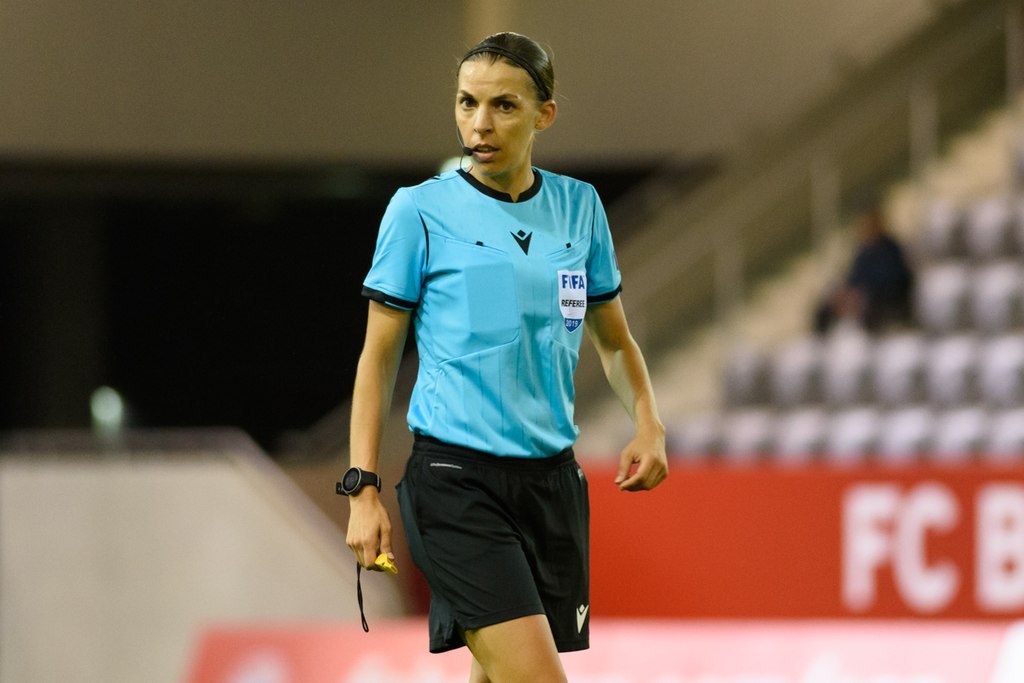
Stéphanie Frappart during the UEFA Women’s Champions League match FC Bayern vs Göteborg FC. Credit: El Loko Foto. CC 4.0.
4: Stéphanie Frappart’s Perfectly Normal Match
Stéphanie Frappart, Neuza Back, and Karen Diaz made history as the first all-female officiating team for a men’s association football match. And everything was completely normal.
It’s not particularly surprising, Frappart is very experienced, and like all great referees, is a bit cold and hard.
“The men’s World Cup is the most important sporting competition in the world. I was the first referee in France and in Europe, so I know how to deal with it,” Frappart, who also made history this year officiating a men’s UEFA Champions League match, told reporters.
While the fourth official was a man, the video assistant offside ref was a woman as well. It’s noteworthy this occurred before the eyes of a host nation where the de-facto places in society of men and women are not necessarily equal.
5: The Qatari People
Qatar is a conservative nation, and restrictions on activities which infringe on religious customs were enforced. That didn’t stop the average people from recognizing that as hosts of the biggest event in the “World Game” it was their responsibility to provide warmth and welcome to all.
Early on in the tournament, videos were constantly surfacing on social media of locals helping visiting fans adjust or tie the traditional Qatari headdress, called the shayla, which was often being improvised out of a national flag of the visitor’s nation.
The government told fans not to wear Arabic headdresses or robes, but just before the opening match of the tournament, Qatar vs Ecuador, a video surfaced of a Qatari police officer helping none other than an Ecuadorian fan tie a headdress made of the Ecuadorian flag.
By all accounts they were a credit to their nation, and the sport’s international community.
Understandably dour Frenchmen will be rightfully excused from agreeing it was an excellent World Cup, but for neutrals there were so many positives to take away from a sporting event which could have been crushed by negativity.
SHARE This Cheery Listicle With Your Soccer Loving Friends…
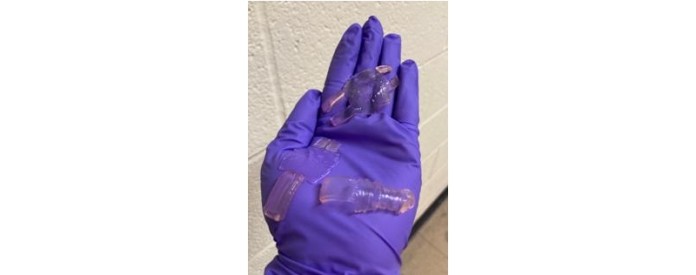
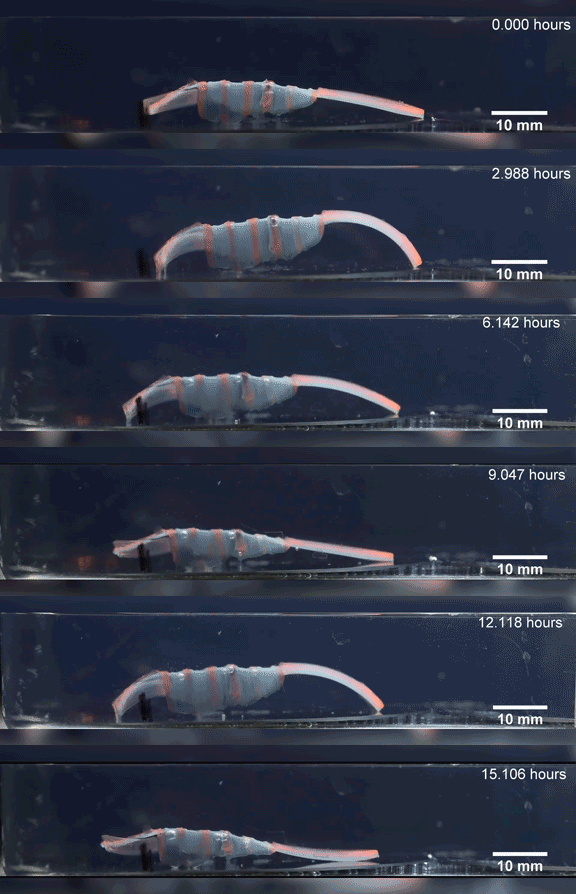
A “soft robot” can move its way through the human body solely by the changing of temperatures, and could be an excellent way to deliver precision doses of key medications.
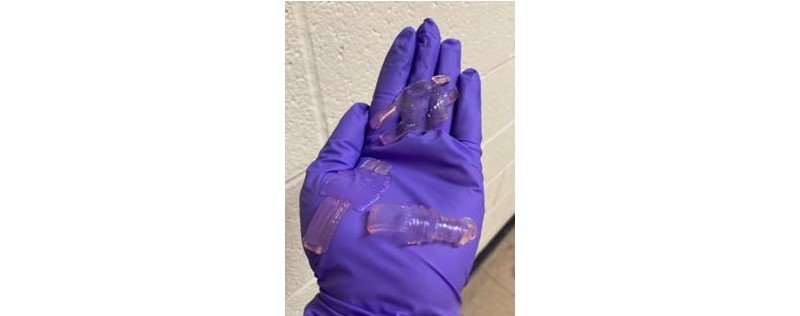
These “gelbots” aren’t really robots at all, but little capsules filled with a water-based gel that through expansion and contraction, pushes the tiny robot along like an inchworm.
Robots are made almost exclusively of hard materials like metals and plastics, a fundamental obstacle in the push to create robots ideal for human biomedical advancements.
Water-based gels, which feel like gummy bears, are one of the most promising materials in the field of soft robotics. Researchers have previously demonstrated that gels which swell or shrink in response to temperature can be used to create smart structures.
Here, the Johns Hopkins University team demonstrated for the first time, how swelling and shrinking of gels can be strategically manipulated to move robots forward and backward on flat surfaces, or to essentially have them crawl in certain directions with an undulating, wave-like motion.
“It seems very simplistic but this is an object moving without batteries, without wiring, without an external power supply of any kind—just on the swelling and shrinking of gel,” said senior author David Gracias, a professor of chemical and biomolecular engineering at Johns Hopkins University.
“Our study shows how the manipulation of shape, dimensions and patterning of gels can tune morphology to embody a kind of intelligence for locomotion.”
As well as potentially delivering targeted medications inside the human body, the development team considers them ideal for oceanfloor monitoring.
Made of little more than simple stuff, the team 3D-printed all their gelbots, and posit it as another advantage of soft robotics over hard robotics.
Gracias hopes to train the gelbots to crawl in response to variations in human biomarkers and biochemicals, although skin surface temperature manipulation with hot and cold objects could also work to inch it along.
He also plans to test other worm and marine organism-inspired shapes and forms and would like to incorporate cameras and sensors on their bodies.
Locamotive robots, even until recently, have remained pretty near to human and other animal forms. Softer robotic configurations allow engineers to stretch their mind out, such as another inchworm inspired robot from MIT.
It uses 12-sided hollow cubes as both its own body parts and as a flexible building material. Allowing it to construct more robots and dissassemble them in relation to the job on hand.
Quote of the Day: “It is during our darkest moments that we must focus to see the light.” – Aristotle
Photo by: freestocks
With a new inspirational quote every day, atop the perfect photo—collected and archived on our Quotes page—why not bookmark GNN.org for a daily uplift?
The Lesson: What if donanting to charity was as simple as walking your dog? Oftentimes when things become easier, more people can participate, but it also drives greater enthusiasm among those already impassioned.
Notable Excerpt: “One member didn’t just go across the United States, but he started in Key West and went to the northwest tip of Washington state, diagonally, 4,5000 miles and he was 11-years-old. When you have things like that, and not just people doing incredible feats, but people who walk their dogs every day and tell me what that means to them, we’ve had people lose over 100 pounds, we have parents who do it with their kids… it’s been an incredible honor to be a part of this community”
The Guest: Gene Gurkoff is the founder of Charity Miles, an app that enables people to earn money for Charity when they walk, run or bike. Charity Miles is regularly featured as one of the top health and fitness apps, and is the #1 charity app. It has won several awards, including a Webby and the People’s Choice award at SXSW. Gene is also a marathoner, avid Bruce Springsteen fan, husband and father.
The Podcast: Livin’ Good Currency explores the relationship of time to our lives. It focuses on learning how super-successful people align their purpose with their passions to do good for themselves and others daily, and features a co-host who knows better than anyone the value of time (see below). How do you want to spend your life? This hour can inspire you, along with upcoming guests, to be sure you are ‘Livin’ Good Currency’ and never get caught running out of time.
The Hosts: Good News Network fans will know Tony (Anthony) Samadani as the co-owner of GNN and its Chief of Strategic Partnerships. Co-host Tobias Tubbs was handed a double life sentence without the possibility of parole for a crime he didn’t commit. Behind bars, he used his own version of the Livin’ Good Currency formula to inspire young men in prison to turn their hours into honors. An expert in conflict resolution, spirituality, and philosophy, Tobias is a master gardener who employs ex-felons to grow their Good Currency by planting crops and feeding neighborhoods.
Are you ready to start your health journey today? Go to viome.com/goodcurrency to get $50 off Viome’s Full Body Intelligence test or bundle, the most advanced at-home health test currently available to consumers. Use Promo Code: CURRENCY50
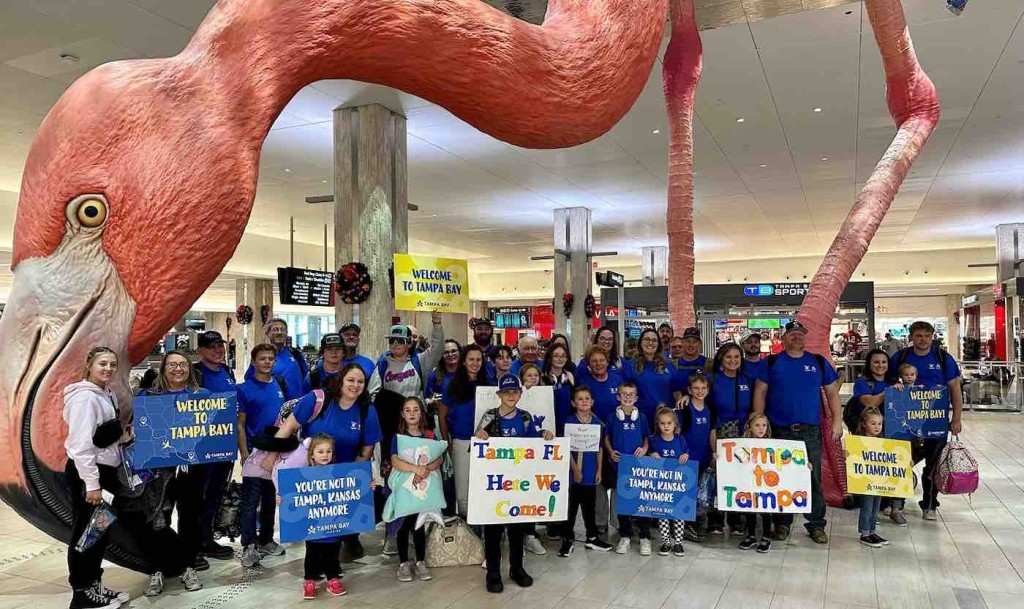
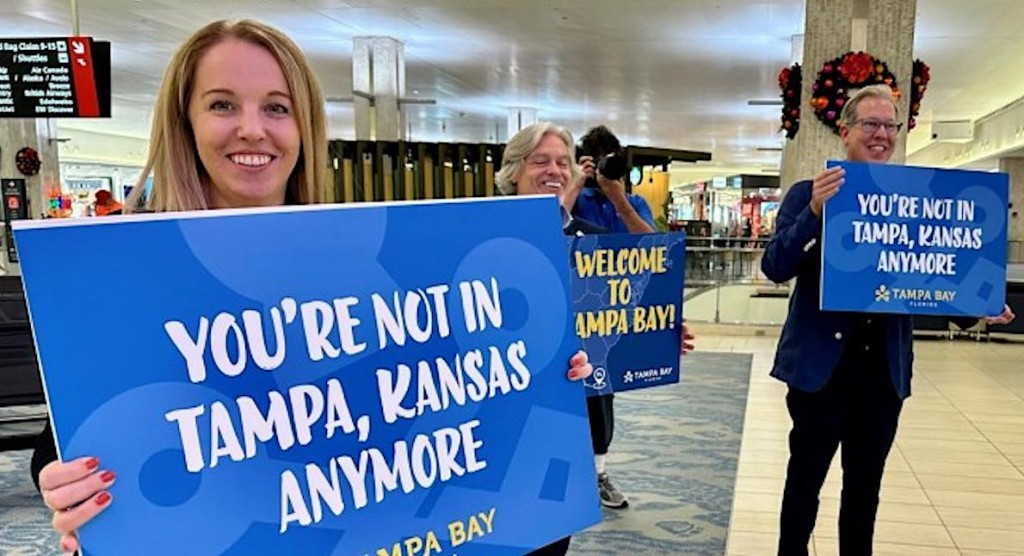
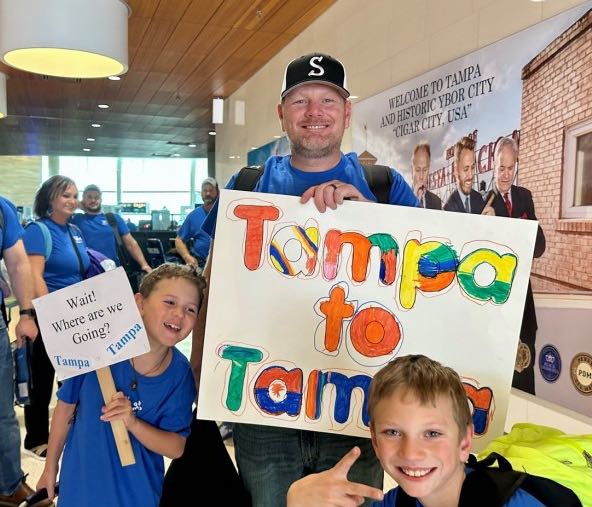
Every one of the 105 Kansas residents in a town called Tampa were invited on a free trip to visit the sunny city with the same name in Florida—so they can experience ‘the other Tampa’.
Most of the group of 95 Kansans had never been to Florida, and most of the children had never flown in a plane.
The surprise vacation came courtesy of Visit Tampa Bay and Southwest Airlines and almost the entire town’s population arrived at the Tampa International Airport last week for their quick holiday vacation.
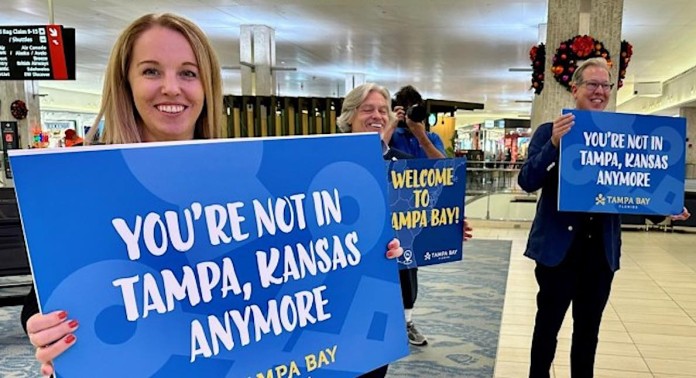
The welcoming contingent of Floridians waved blue signs reading, ‘You’re not in Tampa, Kansas anymore,’ adopting a famous line from The Wizard of Oz.
The Midwestern contingent included about 30 children, who were treated to excursions to Busch Gardens, ZooTampa, and the Florida Aquarium.
“We want to welcome our Kansas cousins for what is sure to be the trip of a lifetime,” said TPA Executive Vice President for Marketing and Communications Chris Minner.
“TPA is proud to be able to give this group its first impression of the entire Tampa Bay region.”
The group stayed for three nights in the Floridan Hotel, and had passes to the Tampa Museum of Art and the Glazer Children’s Museum, before heading back on a nonstop flight to Kansas City.
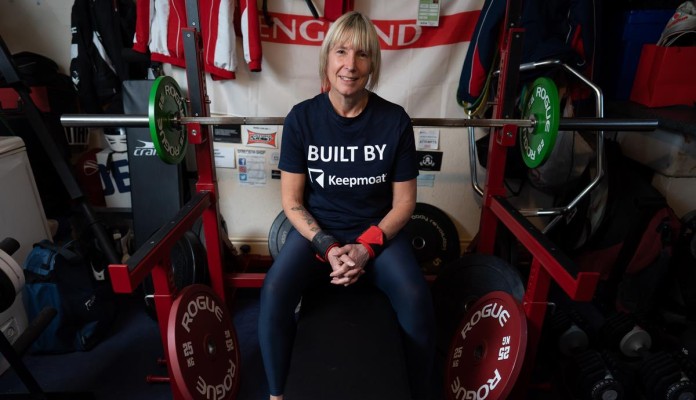
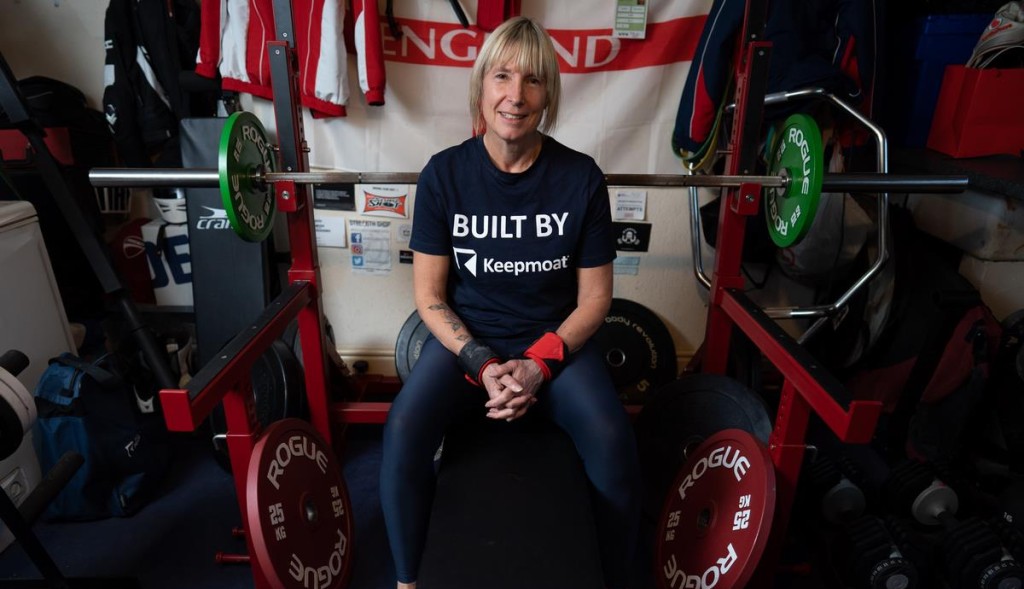
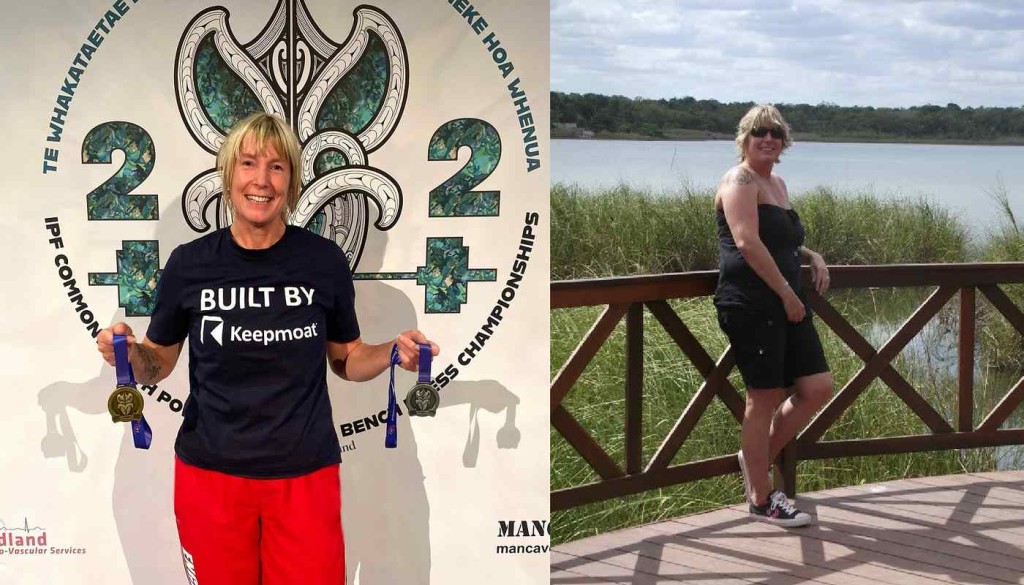
A woman who hated exercise took up powerlifting to help combat her arthritis and is now slaying it as a commonwealth gold medalist in the sport.
She says she’s now fitter than when she was in her 20s, and has now won gold, silver, and bronze medals in weightlifting.
Arthritis prevented 58-year-old Kelly Clark from doing so much as close the trunk of her car. Her obesity worsened the condition, and facing both severe joint inflammation and a “cocktail of drugs” prescribed for it, she took up weightlifting instead.
Clark first visited doctors when she was 49 for a pain in her side and the inability to complete simple tasks around the house.
They diagnosed her with osteoarthritis, an agonizing condition which leaves sufferers with stiff and sore joints.
But 9 years later, Clark lost a third of her body weight. Her bench is at 165 lbs. (75 kg), and she was able to get off all her medications.
“I couldn’t close my car boot. I couldn’t have a shoulder bag on one shoulder, and I couldn’t reach into kitchen cupboards if they were above my head,” said Clark, from South Yorkshire. “It’s changed my life in so many different ways. I’ve gone from totally unfit on arthritis medication to coming off it and lifting.”
“I was traveling around for work a lot, so not having a routine of any sort of exercise,” said Clark. “That meant staying in hotels and eating the wrong stuff and living out of the glove box.
“But when I was put on medication, that was really the trigger, like I don’t want to carry on being like that,” she added, saying that it interfered with her sleep.
The weightlifting cured it all, but her recovery also inspired her to take up the competition side of it.
In 2017 she was volunteering as a referee at a Special Olympics event when she decided she wanted to try it out.
By 2019, she had qualified to compete in the World Powerlifting Championships for Team Great Britain, before going on to the World Bench Press Championships in 2021. After that she was hooked.
She kept going and claimed gold and silver medals for England in the bi-annual Commonwealth Championships in New Zealand last month after lifting a record weight in ‘equipped bench press’ event in her weight category.
She came home with a gold medal in the ‘equipped bench press’ and a silver medal in the ‘classic bench press’—her best results at a world competition to date.
“Both competitions took place on the same day, which was quite difficult. You have to keep your body weight within a certain limit, so I had to do two weigh-ins,” said Clark. “I was running between the weighing room for the second competition and the podium. If you miss the time slot for weighing in, you’re in a bit of trouble.”
Kelly, who bagged her gold with a winning lift of 132 lbs. (60kg), said it was a “dream” to take part in world competition, which was funded by her employer, Keepmoat.
“If someone had told me I would be this mobile, let alone competing in international competitions ten years ago I would never have believed them.”
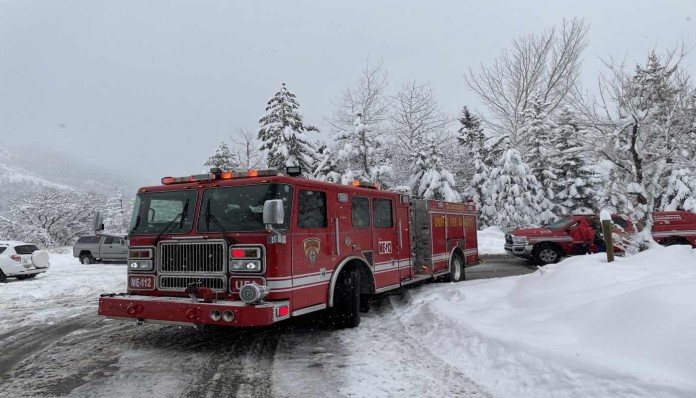
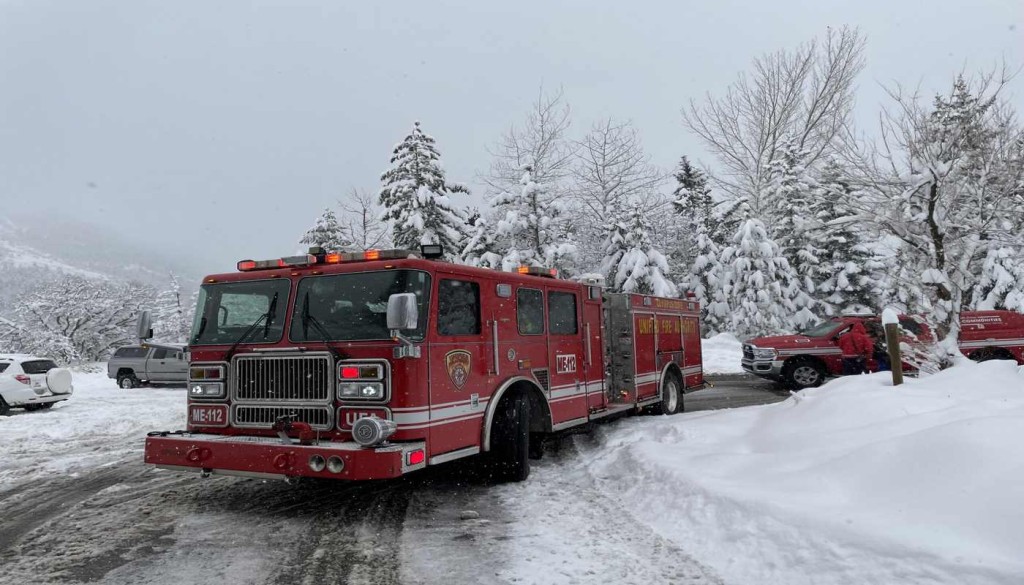
An EMT continued his heroic work into his day off, when during a ski trip he located a man buried by an avalanche, dug him out, and spent 8 hours by his side on the mountain waiting for search and rescue.
Wild amounts of Utah snowing last week left the slopes in Neffs Canyon ripe for an avalanche. Experienced backcountry skier Travis Haussener took it “one tiny step too far” by passing through a loose snow pack and triggering one.
Hearing the “Wumpf,” he realized he was probably a goner. After it overtook him he was buried entirely but for a single arm, breaking his femur and hurting his arm in the process.
After about 45 minutes of pain, digging, and shouting for help, an EMT with the Unified Fire Authority, passing by on his own skiing trip, heard his cries for help.
The as-yet unidentified EMT called search and rescue, but weather conditions prevented a helicopter from getting there. Equipment issues caused further delays, and it wasn’t until 7pm—8 hours later, that they got Haussner off the mountain.
“He was off-duty, just out enjoying some recreation time when he spotted someone in trouble and responded and has been up there all day and the reality is he could have come down at any point,” added Sgt. Melody Cutler with Unified Police Department.
WATCH local news coverage below…
BRIGHTEN Up A Snow Day And Share This Story With Your Friends…
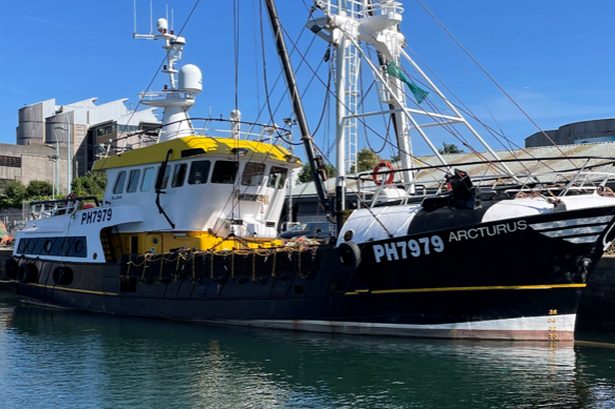
The skipper of a scallop trawler became an unlikely hero after a dinghy filled with refugees attempting to cross the English channel in wintertime broke apart.
His vigilance and mariner skill saved 31 lives of men and children that night from the freezing water.
It was dark and cold in early December after a cold snap fell over the Channel, dropping the water temp to just above freezing. Around 4AM Ben Squires, the owner of Oceanian Drifter Fishing, got a call from the captain of one of his boats, the Arcturus.
The captain said that migrants in a flimsy inflatable dinghy had managed to make a distress call to a charity, and that he was close enough to affect some kind of rescue in what was a fairly-small fishing vessel.
“The bottom of their boat had gone so they were all in the water in the freezing cold, panicking and extremely scared,” Squire told the Plymouth Herald.
Thousands of migrants try to cross the channel every year in unseaworthy vessels.
Most of the 43 onboard the dinghy were men, but 4 children were also rescued. The French and British coastal guards, as well as the navies and police assisted in the efforts after the Arcturus had done all it could.
“He’s a really professional skipper… he kept calm… and his training obviously kicked in,” Squire said in another interview. “Amazingly he got right in next to the sinking boat and managed to come alongside and safely get 31 people on board the boat as it unfolded.”
SHARE The Story Of This ‘Really Professional Skipper’ On Social Media…
Quote of the Day: “I’m not going to continue knocking that old door that doesn’t open for me. I’m going to create my own door and walk through that.” – Ava DuVernay
Photo by: Edgar
With a new inspirational quote every day, atop the perfect photo—collected and archived on our Quotes page—why not bookmark GNN.org for a daily uplift?
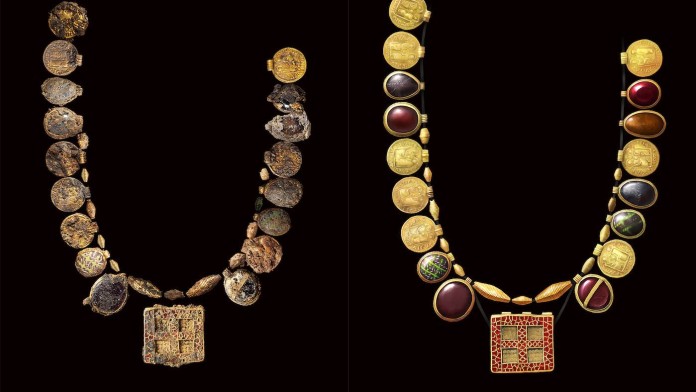
Archaeologists have uncovered an “astonishing” 1,300-year-old necklace in Northamptonshire, England, discovered during excavations for a housing development.
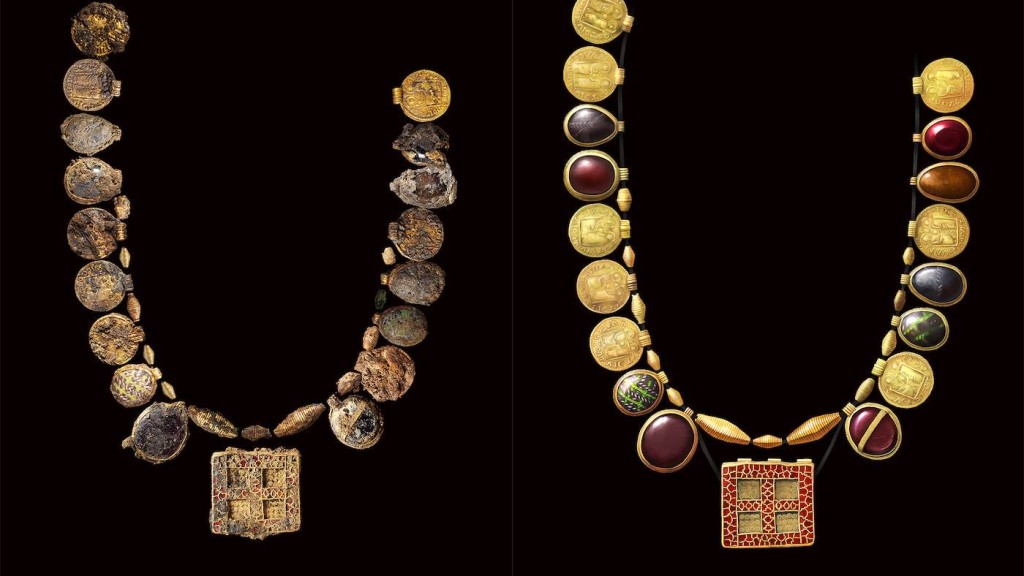
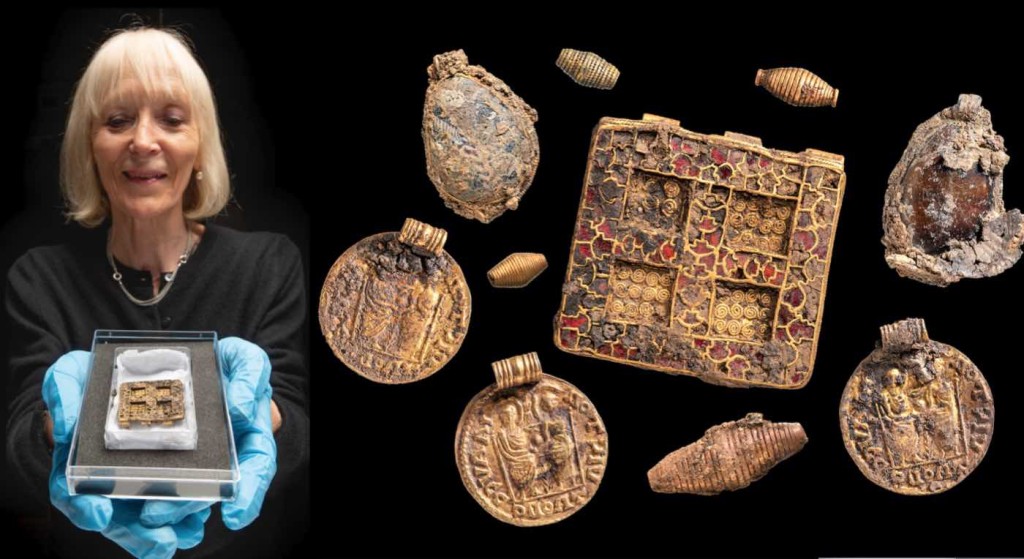
Researchers from the Museum of London Archaeology (MOLA) say the necklace is the richest of its type ever uncovered in Britain—with a staggering 30 pendants and beads made of Roman coins, gold, garnets, glass and semi-precious stones.
It was found in a high-status female burial containing other intriguing items that are still being investigated. The collection has been dubbed the ‘Harpole Treasure’, based on the name of the local parish. Experts believe this is the most significant female burial from the era ever discovered in Britain.
“When the first glints of gold started to emerge from the soil we knew this was something significant,” said MOLA Site Supervisor, Levente-Bence Balázs. “However, we didn’t quite realize how special this was going to be.”
A rectangular pendant with a cross motif forms the centerpiece of the necklace and is the largest and most intricate element. Made of red garnets set in gold, MOLA specialists believe it was originally half of a hinged clasp before it was re-used.
X-rays taken on soil revealed a further tantalizing find—a striking and elaborately decorated cross, featuring highly unusual depictions of human faces cast in silver.
The soil blocks are currently being micro-excavated by MOLA Conservators, but this large and ornate piece suggests the woman may have been an early Christian leader.
The skeleton itself has fully decomposed (with the exception of tiny fragments of tooth enamel). However, the Harpole Treasure suggests that this was a very devout high status woman such as an abbess, royalty, or perhaps both.
“We are lucky to be able to use modern methods of analysis on the finds and surrounding burial to gain a much deeper insight into the life of this person and their final rites.”
“This find is truly a once-in-a-lifetime discovery—the sort of thing you read about in textbooks, and not something you expect to see coming out of the ground in front of you,” said an RPS Archaeology consultant, Simon Mortimer, who was involved with the excavation for the planned development and accorded a unique opportunity to investigate the site.
“Had they not funded this work this remarkable burial may never have been found.”
Painstaking work is being undertaken by MOLA Conservators to examine and conserve the finds. This includes identifying and recording traces of organic remains within the burial and on the surface of the artifacts. It is possible the deceased was placed on a bed within the grave and traces of soft furnishings may be found. Analysis could also detect residues that show how artifacts were used in life or in the burial ritual.
Surprisingly, the area surrounding the elite burial was completely unremarkable. One other burial was present nearby but did not contain any high-status grave goods nor has been firmly dated.
A handful of similar necklaces from this time have previously been discovered in other regions of England, but none are as ornate as Harpole.
The Harpole Treasure will be featured in BBC Two’s Digging for Britain, where Professor Alice Roberts will be getting an exclusive look at this extraordinary find and delving deeper into the ongoing conservation and analysis. The new series of Digging for Britain starts on BBC Two in early January 2023.
The discovery also serves as a reminder of the importance of archaeology in the planning and development process.
BRING Some Royalty to Social Media By Sharing This…
Nothing says ‘Happy Holidays’ like a healthy dose of nostalgia—and what better way to feel the spirit of the season than watching a holiday classic.
A new poll of 2,000 Americans who celebrate the festive season found it was the top tradition—with 72% choosing the tradition of watching Christmas movies, beating out decorating the tree (66%) and baking cookies (55%).
Among the top-watched shows during the season are A Charlie Brown Christmas (42%), Home Alone (42%), How the Grinch Stole Christmas (35%), The Polar Express (32%), A Christmas Story (31%), and White Christmas (30%).
But, the most beloved holiday movie to watch during the holiday? It’s a Wonderful Life.
Their favorite holiday character was Kevin McCallister in Home Alone (30%) and Tim Allen who plays the jolly toymaker in The Santa Clause (29%).
Commissioned by global streaming media platform Plex and conducted by OnePoll, the random double-opt-in survey found that 52% believe that watching holiday movies helps them bond with their family.
The top TV favorites of the festive season are Rudolph the Red-Nosed Reindeer (60%), Santa Claus Is Comin’ to Town (37%), Friends “The One With the Holiday Armadillo” (19%), and South Park “Christmas Snow” (14%).
Four in 10 binge-watch movies during the holiday season more than any other time of year. Over half of women surveyed said they go out of their way to make sure they can watch their favorite holiday movies and shows each and every holiday season.
A third of respondents said they would even download and/or subscribe to a new streaming service that has their favorite holiday movie just to scratch their festive watching itch.
Although 63 percent say the holidays are stressful, the nostalgia of holiday movies provides comfort and joy. Over half (52%) believe the holidays would feel “incomplete” if they weren’t able to watch their favorite movies.
“There’s a certain sense of charm in holiday movies—especially the older classics,” said Jason Williams, Product Director at Plex. “Seeing these top choices all grouped together is a reminder of how timeless some of these movies are and how long-lasting their impact is on how we celebrate the holiday season.”
Respondents also shared their favorite movies they consider holiday films, without explicitly being so, including Die Hard (25%), Frozen (23%), The Sound of Music (21%), Harry Potter and The Sorcerer’s Stone (12%).
In addition to the abundance of holiday-themed content, 29% said they go further to create a cozy ambiance during the holiday season by streaming virtual Yule Logs.
“Pouring yourself a mug of hot chocolate and streaming your favorite content can truly bring out the magic of the holidays.”
TOP 10 HOLIDAY MOVIES
-It’s a Wonderful Life – 43%
-A Charlie Brown Christmas – 42%
-Home Alone – 42%
-How the Grinch Stole Christmas – 35%
-The Polar Express – 32%
-A Christmas Story – 31%
-White Christmas – 30%
-National Lampoon’s Christmas Vacation – 29%
-The Santa Clause – 27%
-Elf – 27%