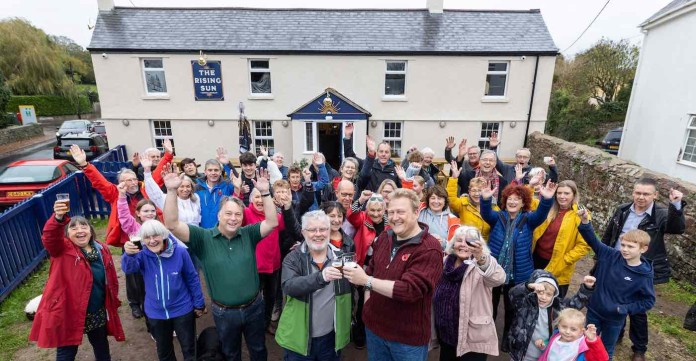
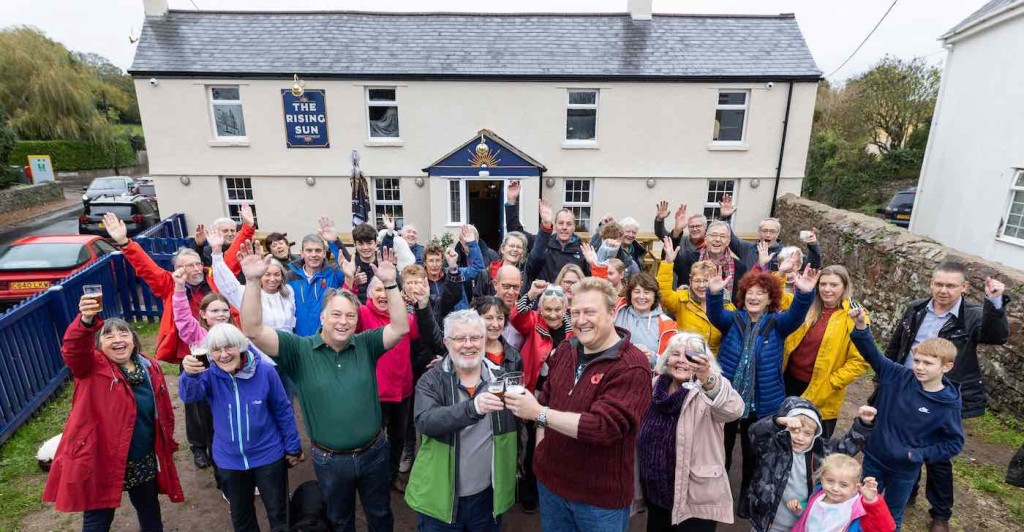
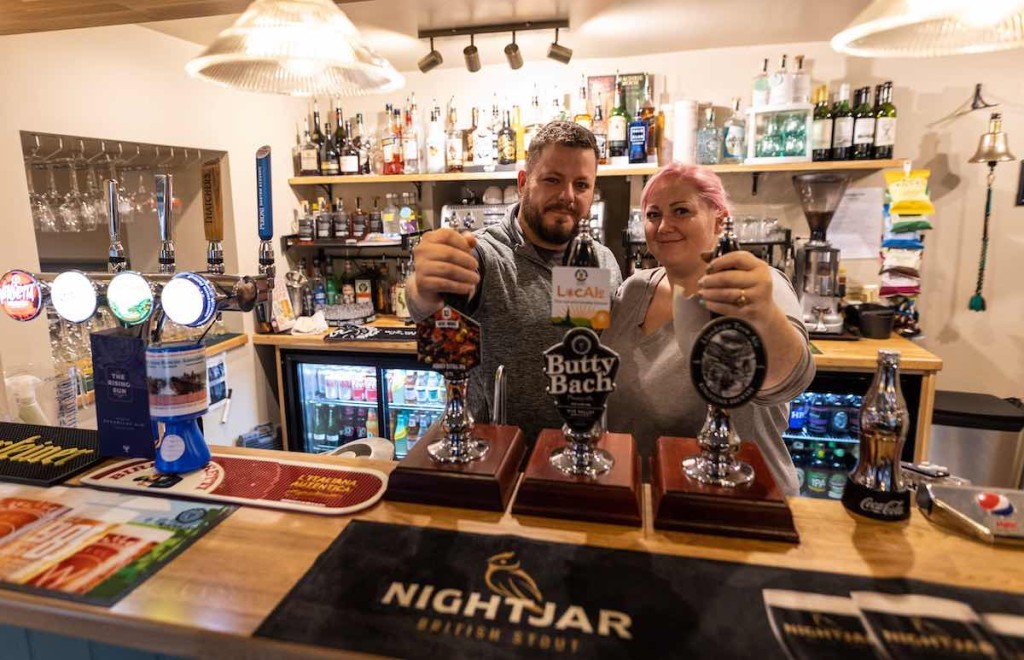
Pictured Villagers are celebrating reopening their local pub The Rising Sun pub. Villagers are celebrating reopening their local pub after spending ten years raising 500K to buy it - and stop developers turning it into flats. See SWNS story SWLSpub. Locals have spent a decade fighting to save The Rising Sun from being converted into homes. The community group 'Save Our Sun' worked tirelessly with fundraisers and events to raise half a million pounds to buy it. They eventually raised the cash and bought it and renovating it themselves as it had lain empty for a decade and fallen into disrepair. The pub in Woodcroft in the Forest of Dean in Gloucestershire has now opened its doors as a boozer - and community hub. GP Michelle Hayes, chair of 'Save Our Sun' said: "The community is absolutely thrilled to see The Rising Sun open its doors again. "This is a testament, not only to the hard work of the committee and community who have come together to help with renovations. "They had belief in this project and are supporting the pub, making it something really special now it is open as a vital community hub."
– SWNS
Villagers are celebrating the reopening of their local pub after spending ten years raising 500K to buy it.
Locals have spent a decade fighting to save The Rising Sun from being converted by property developers into new homes.
The community group ‘Save Our Sun’ worked tirelessly with fundraisers and events to raise half the half million pounds to buy it, before beginning marathon renovation work themselves, as it had lain empty for a decade and fallen into disrepair.
The pub in Forest of Dean, Gloucestershire, has now been reborn as a boozer but also a community hub.
“This is a testament, not only to the hard work of the committee and community who have come together to help with renovations,” said Michelle Hayes, chair of Save Our Sun, their fundraising non-profit.
“They had belief in this project and are supporting the pub, making it something really special now it is open as a vital community hub.”
The pub had closed in October 2011 and was purchased by a developer in 2012.
Resident Lynne Fletcher, who lived around 60 yards away from the pub at the time of its closure, said that the real estate agents said it was being sold as a pub, and so the community at first wasn’t worried.
“The first indication something was wrong was when a neighbor asked a workman how long before it would be before it re-opened again,” said Fletcher. “He told him ‘It’ll never open as a pub again mate’.”
Residents began battling with planning applications and appeals and the Forest of Dean District Council declared The Rising Sun as a community asset in 2013.
– SWNS
After years of battling, the new owners, who had bought the pub to convert into two semi-detached houses, eventually agreed to sell it to the Save Our Sun group at the end of last year.
The community sold shares at £100 each and managed to raise over £300,000 through fundraising events with a grant from the government of £175,000 topping it up so they could buy the pub earlier this year.
Volunteers then worked for months to restore the pub, which had fallen into disrepair after being closed for over a decade, and The Rising Sun finally opened this week.
The villagers have been celebrating the success of their hard work and have already enjoyed an open mic night at the pub.
“It was a great little pub and it’s where everybody got to know each other,” said Fletcher.
“The pub will also be a community hub for volunteer groups, such as collecting the isolated and elderly for coffee mornings, parent and toddler groups, and job skills and clubs. We also have a community room upstairs,” added Hayes.
SHARE This Piece Of Hard Work And Dedication With The Community…
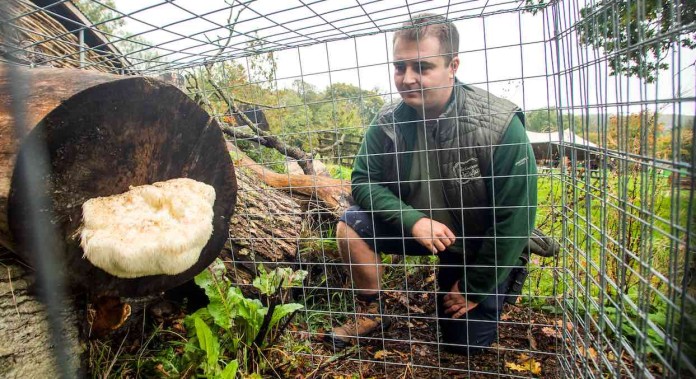
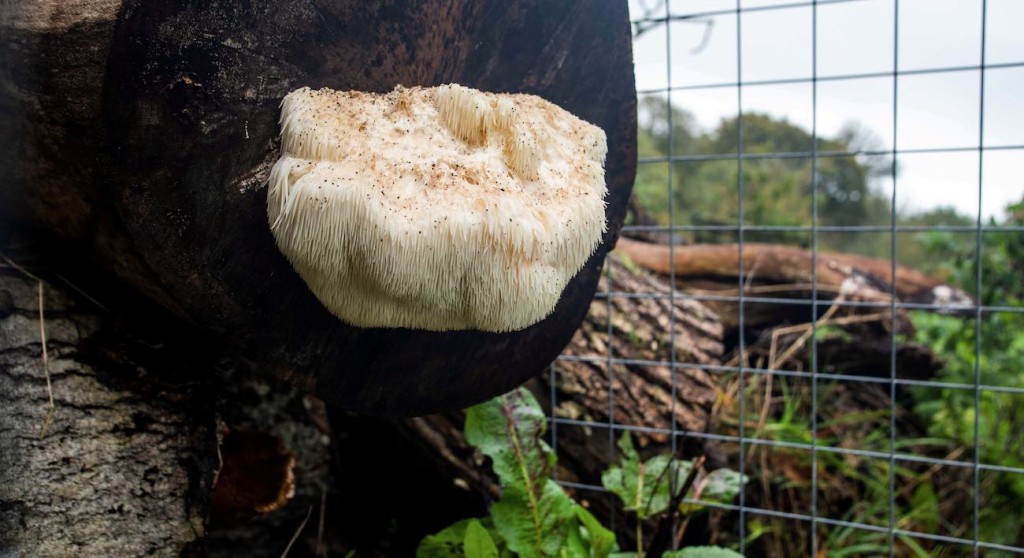
Wildlife Co-ordinator Toby Davies, with the Bearded tooth fungi - SWNS
Wildlife Co-ordinator Toby Davies, with the Bearded tooth fungi – SWNS.
A historic English garden recently became home to a fungus so rare in the UK that a gardener erected a cage to protect it from knowledgeable foragers who claim it can help fight dementia and cancer.
Spotted by a volunteer at The Lost Gardens of Heligan in Cornwall, they identified the big shaggy ball as a “bearded tooth fungus” (Hericium erinaceus).
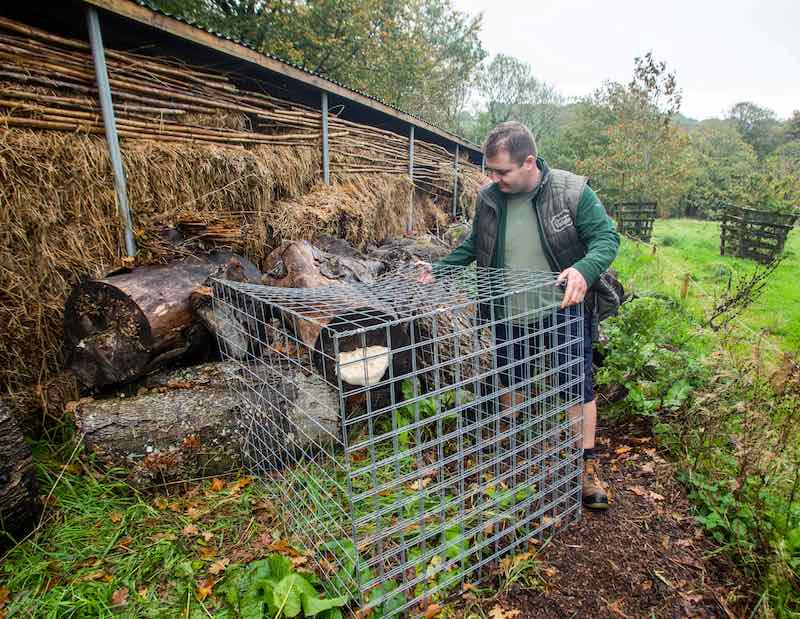
They then discovered another example of the fungus in the gardens’ bug hotel known as “Buggingham Palace.”
Staff received advice from local and national fungi experts on the mushroom and of its potential for both culinary and medicinal use, as the bearded tooth is none other than the now well-researched lion’s mane mushroom.
Common in many popular supplements, lion’s mane contains dozens of useful nutrients. Studies on lion’s mane have shown they are particularly beneficial for the activity of the brain due to their contents of amycenone.
In 2015, Japanese researchers used amycenone to restore healthy cognitive function in three patients with mild neurocognitive disorders resulting from neuromedical treatment, and several other research teams have used lion’s mane to restore nerve function in brain-damaged mice.
Furthermore, lion’s mane is often marketed as being able to aid in the treatment of depression. At least in regards to inflammation-related depression, this claim has been demonstrated in mice that were poisoned with an endo-lipopolysaccharide. The LPS induced inflammatory cytokines like IL-10 and TNF-A, both of which the mushroom suppressed.
SWNS
In addition they, like many medicinal mushroom species, contain compounds that have been shown to have anti-cancer, antiviral, and anti-inflammatory properties. They also contain beta-glucans as their principal carb component—the most therapeutic kind of dietary fiber we know of.
Back at The Lost Gardens, the football-sized lion’s mane has been caged off to protect it from people who may want to forage the mushroom for these properties.
“Usually this mushroom is found in dense woodland where members of the public wouldn’t see it,” said Toby Davies, the wildlife coordinator at the gardens. “I put the cage up—the main emphasis was partially because Buggingham Palace borders a playground and the other thing is that it’s edible.”
“Nine out of ten people wouldn’t know what it is, but the cage is mainly there to prevent people from tampering,” he said.
In the wild, it’s so rare in Britain that it’s protected under Schedule 8 of the Wildlife and Countryside Act, making it illegal to intentionally pick, uproot or destroy. Schedule 8 is the highest level of protection.
“Most of the time, when there’s these fungi around, there’s only 15 reports across the whole country—here we’ve got two within the same vicinity of one another.”
“We saw it initially maybe a week and a bit ago, it was spotted by one of our volunteers and he was the first to spot it and show it to me and at that point we didn’t know how significant it was.”
SHARE This Super Rare Find And Nutraceutical Knowledge With Your Friends…
Quote of the Day: “If responsible people don’t address real problems in a straight forward way irresponsible people are going to exploit them.” – Richard Reeves (It’s election day in the U.S. tomorrow. Find your polling place.)
Photo by: Element5 Digital
With a new inspirational quote every day, atop the perfect photo—collected and archived on our Quotes page—why not bookmark GNN.org for a daily uplift?
Youtube - University of Cambridge / Inoculation Science
Youtube – University of Cambridge / Inoculation Scienceresea
Briefly exposing social media users to the tricks behind misinformation boosts awareness of harmful online falsehoods, says new research—and Google is set to deploy an anti-disinformation campaign based on the findings.
Short animations placed in YouTube’s Ad slot gave viewers a taste of the strategies behind misinformation, according to the huge online experiment led by the University of Cambridge.
Working with Jigsaw, a unit within Google dedicated to tackling threats to open societies, a team of psychologists from the universities of Cambridge and Bristol created 90-second clips designed to familiarize users with manipulation techniques such as scapegoating and deliberate incoherence.
This “pre-bunking” strategy preemptively exposes people to tropes at the root of malicious propaganda, so they can better identify falsehoods online—regardless of subject matter.
Researchers behind the Inoculation Science project compare it to a vaccine: by giving people a “micro-dose” of misinformation in advance, it helps prevent them falling for it in future — an idea based on what social psychologist’s call “inoculation theory.”
The findings, published in Science Advances, come from seven experiments involving a total of almost 30,000 participants—including the first “real world field study” of inoculation theory on a social media platform.
The team reports that even a single viewing of one of the film clips increased awareness of misinformation.
The videos introduce concepts from the “misinformation playbook,” illustrated with relatable examples from film and TV such as Family Guy or, in the case of false dichotomies, Star Wars (“Only a Sith deals in absolutes”).
“YouTube has well over 2 billion active users worldwide. Our videos could easily be embedded within the ad space on YouTube to ‘pre-bunk’ misinformation,” said study co-author Prof. Sander van der Linden, Head of the Social Decision-Making Lab at Cambridge, who led the work.
“Our research provides the necessary proof of concept that the principle of psychological inoculation can readily be scaled across hundreds of millions of users worldwide.”
Watch their video about ‘scapegoating’, then see another one below…
Lead author Dr. Jon Roozenbeek from the Cambridge Lab describes the team’s videos as “source agnostic,” avoiding biases people have about where information is from, and how it aligns—or not—with what they already believe.
“Our interventions make no claims about what is true or a fact, which is often disputed. They are effective for anyone who does not appreciate being manipulated,” he said.
“The inoculation effect was consistent across liberals and conservatives. It worked for people with different levels of education, and different personality types.”
YouTube’s parent company, Google, is already harnessing the findings. At the end of August, Jigsaw will roll out a pre-bunking campaign across several platforms in Poland, Slovakia, and the Czech Republic to get ahead of emerging disinformation relating to Ukrainian refugees. The campaign is designed to build resilience to harmful anti-refugee narratives, in partnership with local NGOs, fact checkers, academics, and disinformation experts.
“Harmful misinformation takes many forms, but the manipulative tactics and narratives are often repeated and can therefore be predicted,” said Beth Goldberg, co-author and Head of Research and Development for Google’s Jigsaw unit.
“Teaching people about techniques that manipulate them, like ad-hominem attacks, can help build resilience to believing and spreading misinformation, before harmful narratives take hold,” Goldberg said.
The team argue that ‘pre-bunking’ may be more effective at fighting misinformation than fact-checking each untruth, which is impossible to do at scale—and has the potential to feed conspiracy theories.
“Propaganda, lies and misdirections are nearly always created from the same playbook,” said co-author Prof. Stephan Lewandowsky from the University of Bristol. “We developed the videos by analyzing the rhetoric of demagogues, who deal in scapegoating and false dichotomies.”
“Fact-checkers can only rebut a fraction of the falsehoods circulating online. We need to teach people to recognize the misinformation playbook, so they understand when they are being misled.”
Six initial controlled experiments featured 6,464 participants, with the sixth experiment conducted a year after the first five to ensure earlier findings could be replicated.
Data collection for each participant was comprehensive, from basic information—gender, age, education, political leanings—to levels of numeracy (the ability to understand and work with numbers), conspiratorial thinking, hours spent on news and social media, gullibility, and a personality inventory, among other variables.
Factoring all this in, the team found that inoculation videos improved people’s ability to spot misinformation, and boosted their confidence in being able to do so again. The clips also improve the quality of “sharing decisions”: whether or not to spread “damaging” content.
Two of the animations were then tested as part of a vast experiment on YouTube, with clips positioned in the pre-video advert slot that provides an option to skip after five seconds.
Google Jigsaw exposed around 5.4 million American YouTubers, and almost a million watched for at least 30 seconds. The platform then gave a random 30% of users that watched a voluntary test question within 24 hours of their initial viewing.
The clips aimed to inoculate against tactics such as hyper-emotive language and use of false dichotomies—and the follow-up questions were based on fictional posts made to test for detection of these tropes. YouTube also gave a “control” group of users who had not viewed a video the same test question. In total, 22,632 users answered a question.
Watch the emotive language clip below, then continue reading…
Despite the intense distractions on YouTube, ability to recognize manipulation techniques at the heart of misinformation increased by 5% on average.
“Users participated in the tests around 18 hours on average after watching the videos, so the inoculation appears to have stuck,” said van der Linden.
Researchers say that such a recognition increase could be game changing if dramatically scaled up across social platforms— which would be inexpensive to do. The average cost for each view of significant length was the tiny sum of $0.05.
Added Roozenbeek: “If anyone wants to pay for a YouTube campaign that measurably reduces susceptibility to misinformation across millions of users, they can do so, and at a minuscule cost per view.”
Using research from 18 countries, a new study concludes that adults with better mental health are more likely to report having spent time playing in and around coastal and inland waters, such as rivers and lakes as children.
The findings were replicated in each of the 18 countries, say the authors studying ‘blue spaces’.
Mounting evidence shows that spending time in and around green spaces such as parks and woodlands in adulthood is associated with stress reduction and better mental health. However, we know far less about the benefits of blue spaces, or the role childhood contact with these waters has in later life.
The team used data from over 15,000 people across 14 European Countries and 4 other non-European regions (Hong Kong, Canada, Australia and California)—all gathered from the BlueHealth International Survey, a cross-sectional survey co-ordinated by the University of Exeter’s European Centre for Environment and Human Health.
Respondents were asked to recall their blue space experiences between the ages of 0-16 years including how local they were, how often they visited them, and how comfortable their parents/guardians were with them playing in these settings, as well as more recent contact with green and blue spaces over the last four weeks, and mental health over the last two weeks.
The research found that individuals who recalled more experiences in childhood around blue spaces tended to place greater intrinsic value on natural settings in general, and to visit them more often as adults—each of which, in turn, were associated with better mental wellbeing in adulthood.
“In the context of an increasingly technological and industrialized world, it’s important to understand how childhood nature experiences relate to wellbeing in later life,” said Valeria Vitale, Lead author and PhD Candidate at Sapienza University of Rome, lead author of the paper published in the Journal of Environmental Psychology, and funded by the European Union’s Horizon 2020 program.
“Our findings suggest that building familiarity and confidence in and around blue spaces during childhood may stimulate an inherent joy of nature and encourage people to seek out recreational nature experiences, with beneficial consequences for adult mental health,”
Dr Leanne Martin, Co-author and Postdoctoral Research Associate at the University of Exeter acknowledges that water settings can be dangerous for children, and “parents are right to be cautious”.
“This research suggests, though, that supporting children to feel comfortable in these settings and developing skills such as swimming at an early age can have previously unrecognized life-long benefits.”
“The current study is adding to our growing awareness of the need for urban planners and local bodies responsible for managing our green and blue spaces to provide safe, accessible access to natural settings for the healthy mental and physical development of our children,” said Dr Mathew White, Co-author and Senior Scientist at the University of Vienna.
One of the most popular posts this week on the massive Reddit community website evoked all the feels that come with a simple act of kindness—especially when the compassion is shown by a homeless man.
The spontaneous helping hand was captured in a photo by a Reddit user who described the incident for folks on the MakeMeSmile sub-reddit, who gave her 86,000 thumbs up.
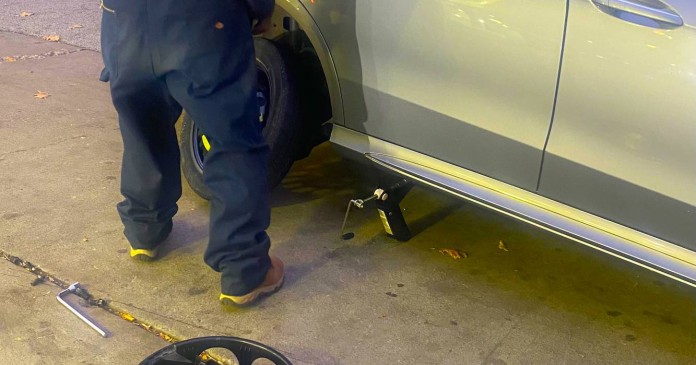
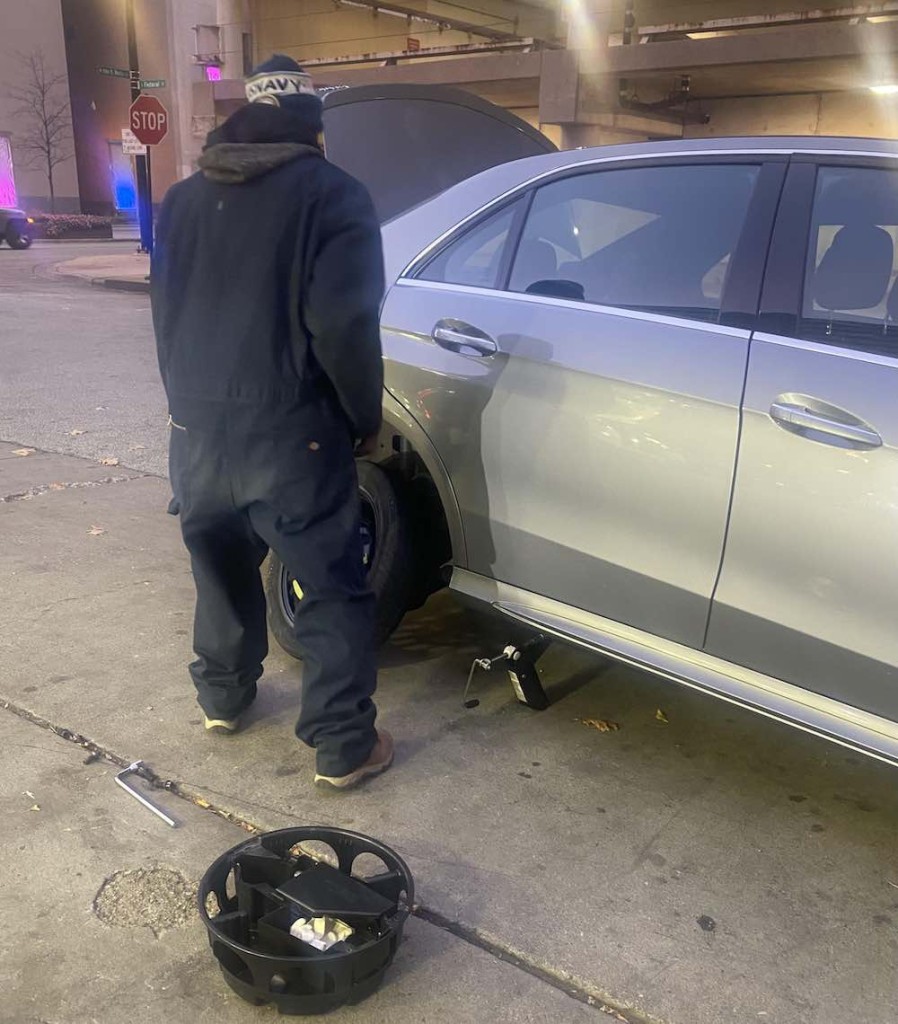
She was stranded in Chicago with a flat tire, wearing a skirt and heels, when a homeless man came to her rescue and changed her tire.
“I only had $60 on me, but I very gratefully gave it to him for saving me,” she said.
She was going to be late for an important dinner, and surely would have missed it if she had to wait for a service to arrive at the corner of Federal St & Ida B. Wells Dr.
“He really saved me,” 💜 she stressed, adding, “I’m no mechanic…”
“Those lug nuts were on so tight. I really don’t think I could have done that. He really struggled with them himself.”
By user on Reddit
“He was really sweet. Called me “a lady” and even opened my car door for me.
He was very much a gentleman.”
In the 500+ comments that followed, people talked about similar experiences where homeless citizens stepped in to help.
Dwoodruf commented, “Had a blow out in the not-so-nice area in Oakland and the homeless were thrilled to help me out. This memory makes me smile.”
Itsyounotmeithink recalled, “I was driving in the snow years ago and slid into a snowbank a homeless guy came over and asked if he could help me get out. He pushed my car out of the snowbank—it was very hard to do and he spent a long time helping me get out… I was so grateful i gave him my last 20 dollars he didn’t even want it but i insisted he take it.”
One suggested there was “a solid chance the dude didn’t even expect anything. Humans love feeling useful and it’s really really hard to feel anything but worthless when you’re homeless.”
Stryker511 suggested that she should “spin by that location again with some food, gift certificates, & socks,” and she loved the idea.
“That is such a good idea. You are absolutely right… I’m a chef, and have given train conductors, homeless people, and Uber drivers stuff I was bringing home from work.”
She summed it up by saying, “It was an experience I won’t ever forget.”
DO YOU HAVE Any Similar Stories About Homeless Helpers? Tell us in the Comments, and Share the Love on Social Media…
Just in time for Halloween, NASA released a photo of the sun “smiling”.
Their Solar Dynamics Observatory captured the cheery image, sharing it in a Tweet in late October.
The ‘smile’ we see here are made up of three coronal holes, solar fluctuations during which fast bursts of solar wind are released, NASA explained.
“Seen in ultraviolet light, these dark patches on the Sun are known as coronal holes and are regions where fast solar wind gushes out into space.”
It reminds us of the image captured by the Hubble telescope that captured a giant smiling emoji made of stars.
Found by an amateur astronomer, the unique picture was submitted the image in NASA’s Hidden Treasures of Hubble competition. She zoomed into a galaxy cluster that appeared to smile down on Earth, with the grin formed by the distortion of light from strong gravitational lensing.
Say cheese! 📸
Today, NASA’s Solar Dynamics Observatory caught the Sun "smiling." Seen in ultraviolet light, these dark patches on the Sun are known as coronal holes and are regions where fast solar wind gushes out into space. pic.twitter.com/hVRXaN7Z31
Quote of the Day: “I must think, question, seek facts, and not trust blindly.” – Anais Nin
Photo by: Brian McGowan
With a new inspirational quote every day, atop the perfect photo—collected and archived on our Quotes page—why not bookmark GNN.org for a daily uplift?
The Lowe’s hardware chain presented an Angel Award to employees in California who rallied around a customer that took a bad fall in the parking lot.
Deborah Hayes told GNN that her elderly mother was shopping in the Modesto store when the accident occurred, and called the incident a “wonderful story of people helping others.”
The 80-year-old lost her balance and fell on the concrete, hitting her head.
“There was blood everywhere,” she wrote in a thank-you letter to Lowes.
“I was immediately surrounded by a truly wonderful group of people, largely your staff and another wonderful shopper.”
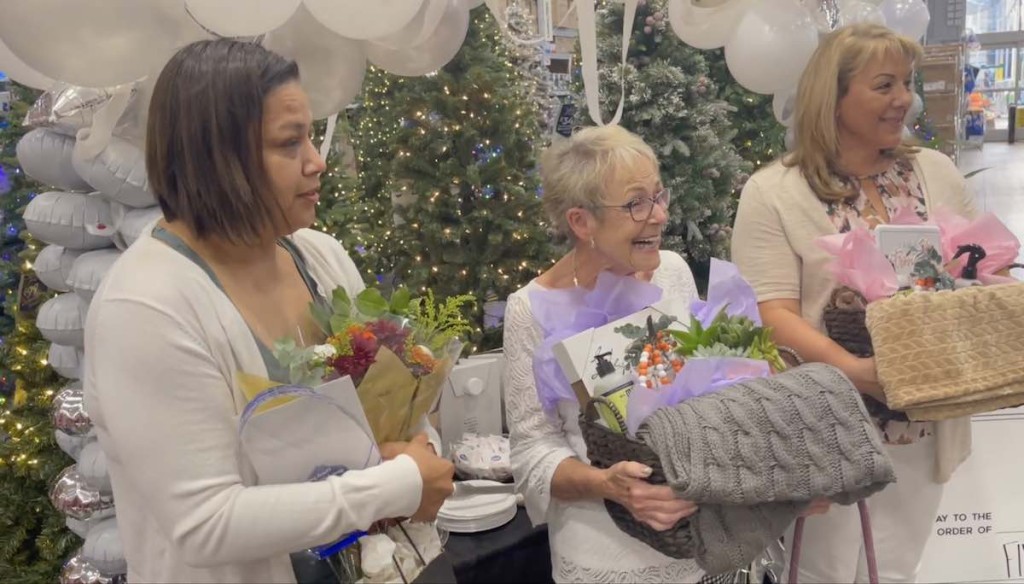
The unnamed Good Samaritan was invited back to Lowe’s some time later for a surprise Angel Award ceremony where she was presented with a lovely gift basket from the staff. She had taken the senior’s house keys, volunteering to bring her shopping bags home and take care of her dog.
Under an arch of white balloons employees gathered to recognize one of their co-workers whose kindness also went above and beyond.
The company presented Belia Villa with flowers, a crystal plaque, and a $500 check.
Belia Villa (left) and unnamed Good Samaritan (right)
Deborah’s mother, who had fully recovered after getting stitches, was also on hand and given a gift basket. She voiced her gratitude to the two women who came to her aid—especially Belia—while store workers applauded.
Shopping in actual stores is en vogue again as 43% of Americans admit they miss the chaos of picking up in-person Black Friday deals.
A poll of 2,003 U.S. adults found 95% plan to participate in Black Friday and/or Cyber Monday events this year, with a third planning to shop both online and in stores.
Not having to wait in lines makes online sales for both days appealing, but the survey showed that a 63% majority consider in-person Black Friday shopping to be a tradition.
More Gen Z respondents than millennials cited immediate fulfillment as their primary driver to shop these events in person (81% vs. 49%).
Overall, 42% said in-store Black Friday shopping holds more importance for them than it did before the pandemic, including nearly half (49%) of male respondents.
But the poll revealed there are some parts of e-commerce that people wish they could bring into a brick-and-mortar store—such as being able to see what aisle an item is in (51%) and using promo codes or digital coupons (47%).
There are still barriers to in-store shopping though, like lack of convenience due to weather conditions and long lines (34%), seeing better deals online (34%), and health and safety concerns (33%).
“The pandemic has certainly made many people nostalgic for the in-person Black Friday experience, but it’s also heightened their expectations,” said Janelle Estes, Chief Insights Officer at UserTesting, which commissioned the random double-opt-in survey conducted by market research company OnePoll.
Despite ongoing inflation, nearly a third (31%) expect to spend more money on Black Friday and Cyber Monday than in previous years. The average person spent $440 three years ago and are ready to buy $557 worth of on-sale items in 2022.
“With 42% saying they plan to shop in the metaverse this year, brands must continuously work to become more ‘phygital’, bridging the gap between the physical and digital customer experience,” Janelle added. “That includes maintaining consistent quality both in-store and online.”
BLACK FRIDAY 2022: IN-STORE SHOPPING MOTIVATORS
-Instant gratification (i.e. avoiding backorders and shipping delays) – 46%
-Being able to secure items ahead of time – 42%
-Better customer experience in-store than online – 39%
-Better deals in-store than online – 37%
-Not having to fight over items with other people – 37%
-Not having to wait in a long line of people – 37%
-Having better sales or deals in person – 36%
-Having it organized better – 36%
-Curbside shopping – 28%
DO YOU Plan on Shopping Thanksgiving Weekend? Share Your Comments Below or on Social Media…
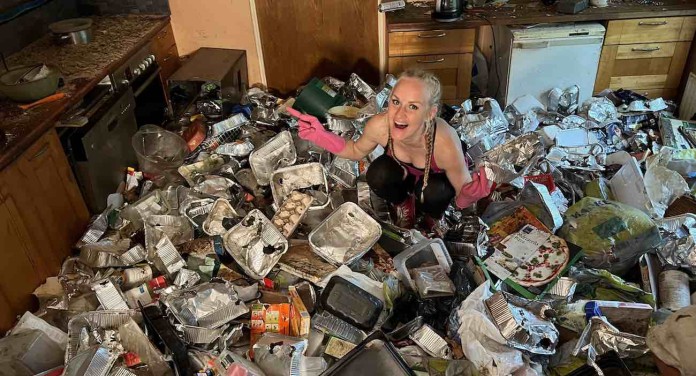
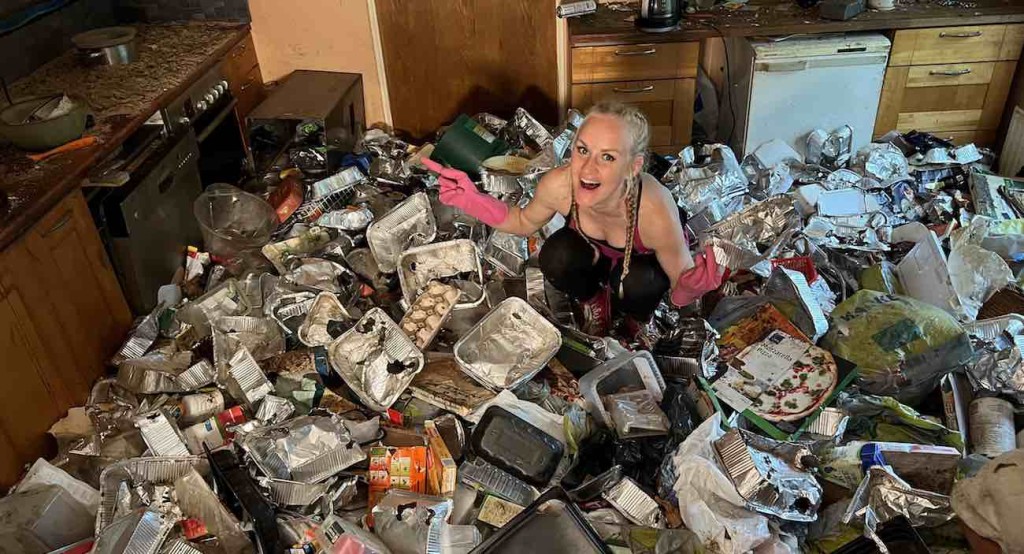
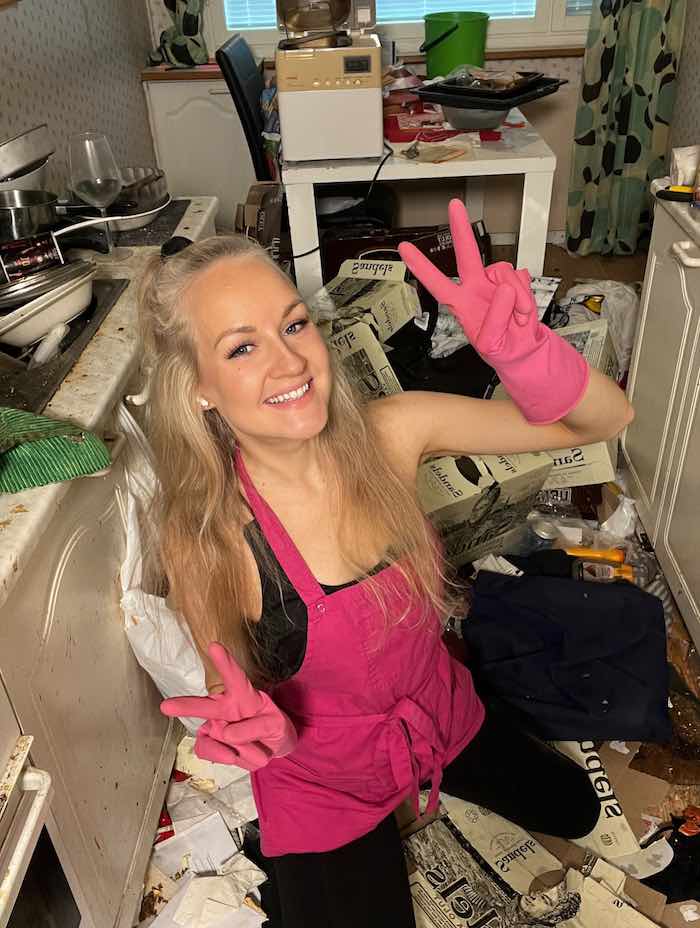
A woman loves cleaning so much that she gave up her job and is now traveling the world scrubbing homes for free, helping women who need a huge hand.
Auri Katariina was a service manager at a cleaning company in Finland in the summer of 2021, when she decided to quit and follow her unique passion.
“My dream is to clean for free all over the world, and help people whilst doing something I absolutely love,” said the 29-year-old, who has become a bit of a social media sensation, by sharing her cleaning tips.
“I’ve always loved cleaning, and I began posting videos online of me just cleaning my family and friends home’s two years ago.
“Then one day, a woman asked me for help because she was struggling so much and her home was so messy. She had three kids and her husband had just taken his own life, so she was finding it really difficult.”
Auri, who says she’s “in heaven” whenever she cleans, was more than happy to help—in fact, she was “excited” to help.
“I went on a weekend and cleaned her home for two days. By the end she was crying and her kids were hugging me and thanking me. I could see the transformation in the house and how happy they were and it was the best feeling ever.”
The young woman from Tampere has gone as far as the USA and UK to help people who are in desperate need of decluttering and cleaning.
Auri Katariina / SWNS
Now, thanks to her huge TikTok following of 7.8 million fans, and the 2.1Mil on Instagram who watch her viral videos that share cleaning tips—and, before-and-after photos—a corporate sponsor has reached out to cover her expenses.
She decides where to clean from reading requests she gets online, but chooses only the dirtiest, grimiest homes belonging to people most in need.
“I only clean for free. You can’t buy my services and I won’t ever charge anyone to clean their home.
For the first six months she covered all travel and product expenses herself, about 300 euros per visit. Then Scrub Daddy, a cleaning sponge brand, became a sponsor.
Now, Auri goes to clean strangers’ homes once a week, for two days, and creates content for her social media channels, including lists of some of her top tips—some of which have racked up 24 million views.
“When I go in, I always start with just taking all the rubbish out and decluttering all the surfaces. From there, I usually clean the hallways first so I can walk through, but honestly it doesn’t matter where you start—just start!”
Some of her viral cleaning tips
Her biggest trick when cleaning ovens or stoves is to use cling film: “It’s absolutely magical.”
“If you have a dirty stove, put oven cleaner and cling film on it, wait overnight and the stains will melt away – the same goes for inside your oven.”
“A lot of the time, it’s not about a fancy product that you use, it’s about the time and the tools. If you have limescale in your bathroom, a lot of people ask what product is best to use, but really the most important thing is a strong tool like a scraper and a metal scourer.
Most of the cleaning agents she recommends are simple and natural.
“I wash my toilet and shower with just dish soap—it’s the best product ever. It removes grease, and in the shower you of course have grease from your body so it can remove all of that.
For your home office, Auri says less is more. “All you need for dust is a microfiber cloth and water, it removes 99% of everything, you don’t need any product.”
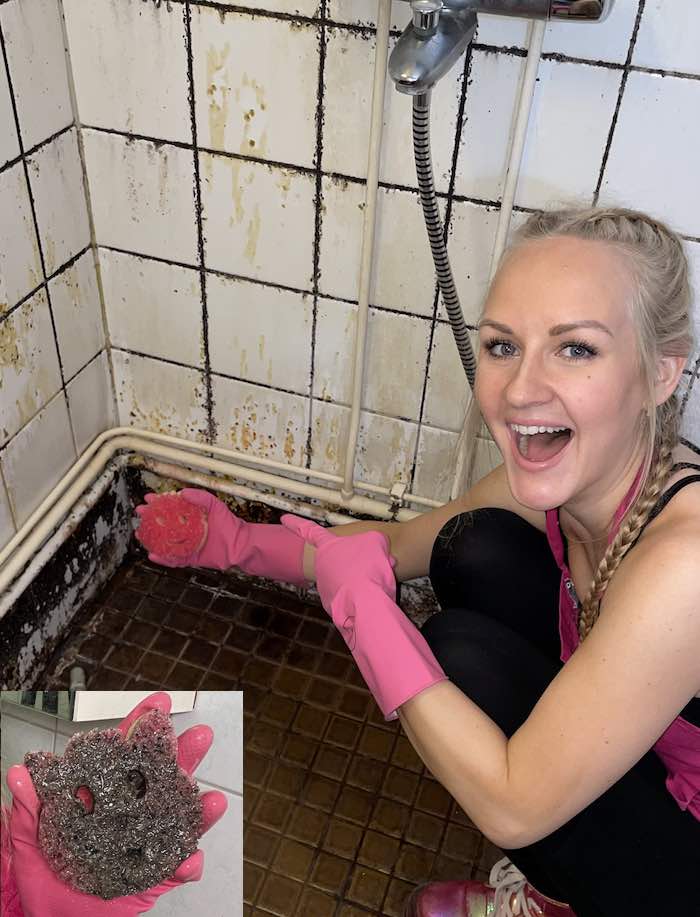
Her tool kit mostly just contains only a few basic things: vinegar, dish soap, oven cleaner, power paste from Scrub Daddy, a scourer, a scraper, a dish brush (or old tooth brush)—which is fantastic for tiny crevices—a duster, microfibre cloth, and a Scrub Daddy Sponge, which appropriately is in the shape of a smiley face.
She said that some jobs take longer than the usual two days. “There was one home which took four days because the girl had lived there for six years, but was just too depressed to clean.
“She was such a lovely girl, but she was so depressed she had even shaved her head so she didn’t have to take a shower. Her bathroom was totally black, but I cleaned all day and it was so great by the end.
“People that I help are often really struggling, but they want to change, so I come and help them take the first step. Many people send me messages after six months or a year, showing me their homes that are still clean, which is great.
Auri feels passionately that cleaning should be a fun activity, rather than a chore. Watch her perform some magic in this video of a hideous bathroom mess:
Advice if you don’t like cleaning
“When I clean, I start with looking around the house and just seeing what’s dirty – I don’t do the same thing every time, because then it gets boring, and then during the week if I see something that needs cleaning I’ll do it then. What I recommend is to put a 15 minute timer on and do as much as you can. It’s okay to clean poorly, you don’t always have to vacuum the whole floor, just do the living room.
“People stress too much about cleaning, it’s not that serious if you have stains or have forgotten to clean something—your house doesn’t always need to be extremely clean like it is in magazines.”
1. Put clingfilm over cleaning products and leave it overnight to remove tough dirt.
2. Use dish soap to clean your toilet and shower.
3. Clean little and often—don’t feel pressured to clean everything at once.
4. First job is to always take out the rubbish then go from there
5. Focus on using good tools rather than fancy products
CLEAN UP Your Social Media Newsfeed by Sharing the Kindness and Tips…
FREE WILL ASTROLOGY – Week of November 5, 2022
Copyright by Rob Brezsny, FreeWillAstrology.com
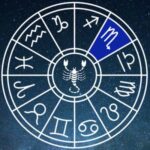
SCORPIO (Oct. 23-Nov. 21):
“Fear is the raw material from which courage is manufactured,” said author Martha Beck. “Without it, we wouldn’t even know what it means to be brave.” I love that quote—and I especially love it as a guiding meditation for you Scorpios right now. We usually think of fear as an unambiguously bad thing, a drain of our precious life force. But I suspect that for you, it will turn out to be useful in the coming days. You’re going to find a way to transmute fear into boldness, bravery, and even badassery.
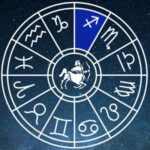
SAGITTARIUS (Nov. 22-Dec. 21):
For decades, the Canadian city of Sudbury hosted a robust mining industry. Deposits of nickel sulphide ore spawned a booming business. But these riches also brought pollution. Sudbury’s native vegetation was devastated. An effort to re-green the area began in the 1970s. Today, the air is among the cleanest in the province of Ontario. In the spirit of this transformation, I invite you to embark on a personal reclamation project. Now is a favorable time to detoxify and purify any parts of your life that have been spoiled or sullied.
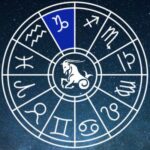
CAPRICORN (Dec. 22-Jan. 19):
The literal meaning of the ancient Greek word aigílips is “devoid of goats.” It refers to a place on the earth that is so high and steep that not even sure-footed goats can climb it. There aren’t many of those places. Similarly, there are very few metaphorical peaks that a determined Capricorn can’t reach. One of your specialties is the power to master seemingly improbable and impassable heights. But here’s an unexpected twist in your destiny: In the coming months, your forte will be a talent for going very far down and in. Your agility at ascending, for a change, will be useful in descending—for exploring the depths. Now is a good time to get started!
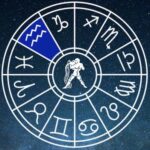
AQUARIUS (Jan. 20-Feb. 18):
Evolved Aquarians are often blessed with unprecedented friendships and free-spirited intimacy and innovative alliances. People who align themselves with you may enjoy experimental collaborations they never imagined before engaging with you. They might be surprised at the creative potentials unleashed in them because of their synergy with you. In the coming weeks and months, you will have even more power than usual to generate such liaisons and connections. You might want to make a copy of this horoscope and use it as your calling card or business card.
PISCES (Feb. 19-March 20):
I surveyed the history of literature to identify authors I consider highly intuitive. Piscean-born Anais Nin was my top choice. She used language with fluidity and lyricism. She lived a colorful, unpredictable life. No one better deserves the title of Intuition Champion. And yet she also had a discerning view of this faculty. She wrote, “I began to understand that there were times when I must question my intuition and separate it from my anxieties or fears. I must think, observe, question, seek facts and not trust blindly to my intuition.” I admire her caution. And I suspect it was one reason her intuition was so potent. Your assignment, Pisces, is to apply her approach to your relationship with your intuition. The coming months will be a time when you can supercharge this key aspect of your intelligence and make it work for you better than it ever has before.
ARIES (March 21-April 19):
In the coming weeks, I encourage you to work as hard as you have ever worked. Work smart, too. Work with flair and aplomb and relish. You now have a surprisingly fertile opportunity to reinvent how you do your work and how you feel about your work. To take maximum advantage of this potential breakthrough, you should inspire yourself to give more of your heart and soul to your work than you have previously imagined possible. (PS: By “work,” I mean your job and any crucial activity that is both challenging and rewarding.)
TAURUS (April 20-May 20):
Here’s my weird suggestion, Taurus. Just for now, only for a week or two, experiment with dreaming about what you want but can’t have. And just for now, only for a week or two, go in pursuit of what you want but can’t have. I predict that these exercises in quixotic futility will generate an unexpected benefit. They will motivate you to dream true and strong and deep about what you do want and can have. They will intensify and focus you to pursue what you do want and can have.
GEMINI (May 21-June 20):
Your most successful times in life usually come when all your various selves are involved. During these interludes, none of them is neglected or shunted to the outskirts. In my astrological opinion, you will be wise to ensure this scenario is in full play during the coming weeks. In fact, I recommend you throw a big Unity Party and invite all your various sub-personalities to come as they are. Have outrageous fun acting out the festivities. Set out a placemat and nametag on a table for each participant. Move around from seat to seat and speak from the heart on behalf of each one. Later, discuss a project you could all participate in creating.
CANCER (June 21-July 22):
A Cancerian reader named Joost Joring explained to me how he cultivates the art of being the best Cancerian he can be. He said, “I shape my psyche into a fortress, and I make people feel privileged when they are allowed inside. If I must sometimes instruct my allies to stay outside for a while, to camp out by the drawbridge as I work out my problems, I make sure they know they can still love me—and that I still love them.” I appreciate Joost’s perspective. As a Cancerian myself, I can attest to its value. But I will also note that in the coming weeks, you will reap some nice benefits from having less of a fortress mentality. In my astrological opinion, it’s PARTY TIME!
LEO (July 23-Aug. 22):
Leo poet Antonio Machado wrote, “I thought my fire was out, and I stirred the ashes. I burnt my fingers.” I’m telling you this so you won’t make the same mistake, Leo. Your energy may be a bit less radiant and fervent than usual right now, but that’s only because you’re in a recharging phase. Your deep reserves of fertility and power are regenerating. That’s a good thing! Don’t make the error of thinking it’s a sign of reduced vitality. Don’t overreact with a flurry of worry.
VIRGO (Aug. 23-Sept. 22):
Virgo author Siegfried Sassoon became renowned for the poetry he wrote about being a soldier in World War I. Having witnessed carnage firsthand, he became adept at focusing on what was truly important. “As long as I can go on living a rich inner life,” he wrote, “I have no cause for complaint, and I welcome anything which helps me to simplify my life, which seems to be more and more a process of eliminating inessentials!” I suggest we make Sassoon your inspirational role model for the next three weeks. What inessentials can you eliminate? What could you do to enhance your appreciation for all the everyday miracles that life offers you?
LIBRA (Sept. 23-Oct. 22):
You Libras have a talent that I consider a superpower: You can remove yourself from the heart of the chaos and deliver astute insights about how to tame the chaos. I like that about you. I have personally benefited from it on numerous occasions. But for the next few weeks, I will ask you to try something different. I’ll encourage you to put an emphasis on practical action, however imperfect it might be, more than on in-depth analysis. This moment in the history of your universe requires a commitment to getting things done, even if they’re untidy and incomplete. Here’s your motto: “I improvise compromises in the midst of the interesting mess.”
WANT MORE? Listen to Rob’s EXPANDED AUDIO HOROSCOPES, 4-5 minute meditations on the current state of your destiny — or subscribe to his unique daily text message service at: RealAstrology.com
Quote of the Day: “Our goals are the same as those of the UN’s founders, who sought to replace a world at war with one where the rule of law would prevail… where conflict would give way to freedom from violence.” – Ronald Reagan (Excerpt from an address by President Reagan to the United Nations General Assembly)
Photo by: Colin Lloyd
With a new inspirational quote every day, atop the perfect photo—collected and archived on our Quotes page—why not bookmark GNN.org for a daily uplift?
By splitting a single laser beam into different wavelengths of light, engineers have been able to transmit data at a rate of almost twice the combined internet traffic of the world per second.
This head-scratching achievement was made with just a laser and single optical chip.
Engineers from Chalmers University of Technology and the Technical Univ. of Denmark fired an infrared laser through a splitter called a “frequency comb” which divided the light into many different colors.
Each of the colors, or frequencies, can carry data by modulating their amplitude, phase, and polarization. The total amount of data that can be encoded is 1.8 petabits per second, or 1.8 million gigabytes; 800,000 more than the average global bandwidth of the whole internet.
A single optical chip designed by Chalmers was easily able to carry 1.8 Pbit/s, which—with contemporary state-of-the-art commercial equipment—would otherwise require more than 1,000 lasers.
The work of Leif Katsuo Oxenløwe et al. showed also that the technology is scalable.
“Our calculations show that—with the single chip and a single laser—we will be able to transmit up to 100 Pbit/s.”
“The reason for this is that our solution is scalable—both in terms of creating many frequencies and in terms of splitting the frequency comb into many spatial copies and then optically amplifying them, and using them as parallel sources with which we can transmit data,” said Professor Oxenløwe, who added it bodes well for emissions targets, of all things.
“In other words, our solution provides a potential for replacing hundreds of thousands of the lasers located at Internet hubs and data centers, all of which guzzle power and generate heat. We have an opportunity to contribute to achieving an Internet that leaves a smaller climate footprint.”
In May this year, New Atlas reports that a 1.04 Pbits/s transmission record was made in Japan with different technologies. Oxenløwe noted that there are people all over the world working to make these kinds of internet capacities a reality.
USE Up Some Bandwidth And Beam This Story Over To Your Friends…
Data collected by mobile phones could be used to assess the structural integrity of bridges, suggests a new study, informing potential maintenance requirements and keeping them in action for 30% longer.
Using the Golden Gate Bridge in San Francisco as an example, researchers showed that smartphones can capture the same kind of information about bridge vibrations picked up by stationary sensors
The findings suggest that crowdsourced monitoring could be a cheap and convenient way to monitor the structural integrity of transportation infrastructure worldwide, and could potentially increase the lifespan of bridges by up to 30%.
There is a global need for infrastructure monitoring to improve the resilience and longevity of bridges, buildings, and other structures—it’s pretty much a guaranteed applause-grabber in political debates in America, because the need is so great.
The structural health of bridges is usually visually assessed by engineers on-site, which is often time consuming and infrequent, or measured using static sensors incorporated into the bridge, which are expensive.
Measuring the vibrational frequencies of bridges has previously been used to identify bridge damage and deterioration, but the data to support this approach have been limited.
Publishing their work in the journal Nature Communications Engineering, a team at MIT developed an Android-based app that collects data while travelling across a bridge which they compared with traditional bridge-based sensors.
“As data from multiple trips over a bridge are recorded, noise generated by engine, suspension and traffic vibrations, [and] asphalt, tend to cancel out, while the underlying dominant frequencies emerge,” said Dr. Paulo Santi.
In the case of the Golden Gate Bridge, the researchers drove over it 102 times with their devices running and they used 72 trips by Uber drivers with activated phones as well.
They then compared the resulting data to what had been collected by 240 sensors that had been placed on the Golden Gate Bridge for three months.
Results showed that data from the phones converged with that from the bridge sensors. For 10 particular types of low-frequency vibrations the engineers measured, there was a close match, and in five cases there was no discrepancy between the methods at all.
However, because most bridges are not suspension bridges the researchers decided to test their method on smaller and more common concrete span bridges.
To do so, they studied a bridge in Ciampino, Italy, comparing 280 vehicle trips over the bridge to six sensors that had been placed on the bridge for seven months.
Here there was a 2.8% divergence between what was recorded with the stationary sensors and the smartphone data, while shorter trip numbers created more divergence, suggesting more trips would create less.
Architecture Professor at MIT Carlo Ratti said there are ways to refine and expand the research, for example by accounting for the effects of the smartphone mount in the vehicle and the influence of the vehicle type on the data.
“We still have work to do, but we believe that our approach could be scaled up easily — all the way to the level of an entire country,” said Ratti.
“It might not reach the accuracy that one can get using fixed sensors installed on a bridge, but it could become a very interesting early-warning system. Small anomalies could then suggest when to carry out further analyses.”
SHARE This Clever Trick With Your Friends On Your Own Smartphone…
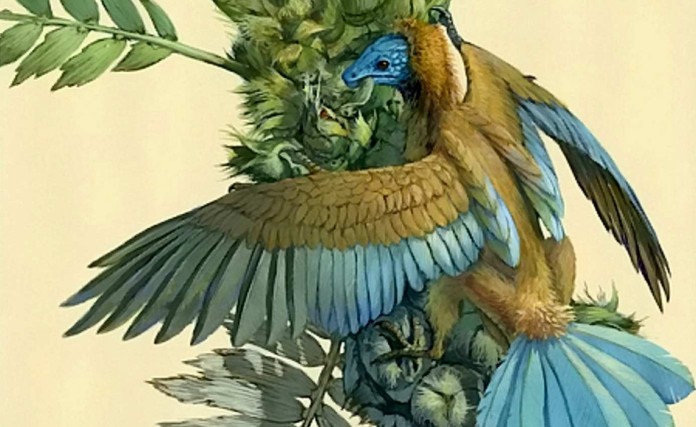
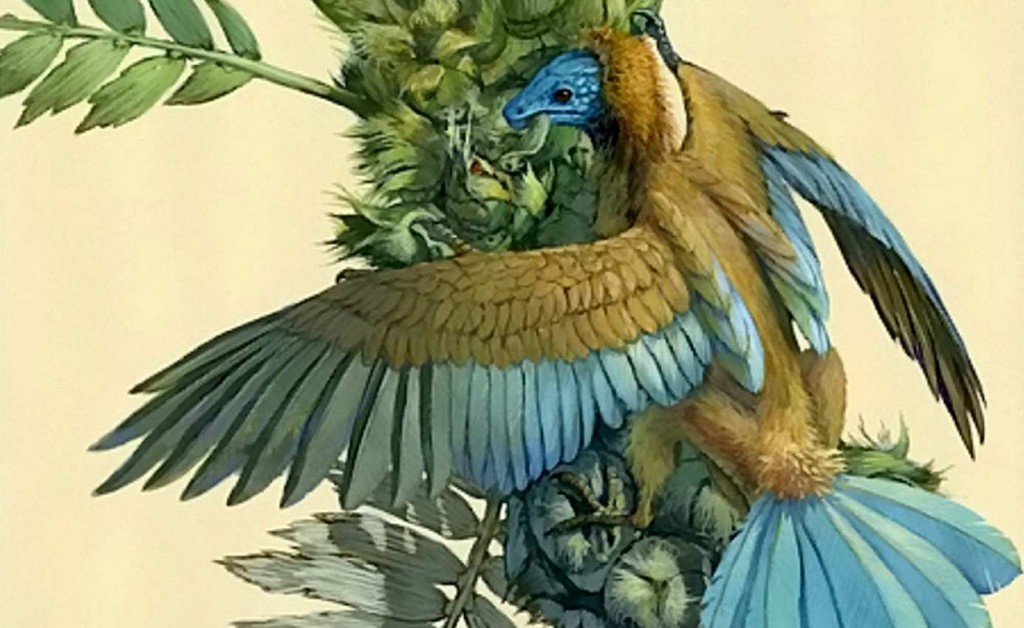
A bizarre cross between a bird and a dinosaur had blue, brown and grey feathers, a long tail, and small teeth.
What’s more, their brain morphology is perfectly transitional between bird and reptile, with a brain likely built to smell like reptiles, but also to see well in daylight like birds.
Jeholornis lived 120 million years ago, and recently scientists have digitally-reconstructed its skull for the first time at the Field Museum in Chicago.
“If you look at the skulls of dinosaurs, what you see is a spot for a very reptile-like brain,” said co-author Professor Matteo Fabbri at the museum, “meaning they have very large olfactory bulbs, and the optic lobes in the midbrain are reduced.”
“They probably had a very good sense of smell and not great sight, which is very reptilian. And on the other hand, if you look at modern birds, they do the reverse. They have small olfactory bulbs, and very large optic lobes. Jeholornis falls in the middle.”
Raven-sized Jeholornis is the earliest known animal to eat fruit. The international team selected the best specimen unearthed from prehistoric graveyards in China.
It was finely preserved and intact but a little flattened by layers of sediment deposited across the ages.
“It is very difficult to find the right skull among around 100 fossils, since we won’t know if one skull will provide us the information we want before the scanning,” said co-author Han Hu, from Oxford University, who added high-quality screening costs were also quite high.
“However, I chose one [that] at least from the exposed surface, it is relatively complete. What is also important is this skull is isolated from other parts of its body. [An] isolated skull will reduce the size of the scanning area, which will increase the scanning quality a lot.
“Luckily, the specimen we chose here for this project is nearly a perfect one – it provided us so much unknown information after the digital reconstruction.”
The study, published in the Zoological Journal of the Linnean Society provides the first accurate depiction of Jeholornis—showing it was among the earliest examples of dinosaurs evolving into birds.
“Jeholornis is my favorite Cretaceous bird,” said co-author Prof Jingmai O’Connor candidly, also from the Field Museum. “This study is the first time we are really getting at what this bird’s skull looked like, what its brain must have been like, which is really exciting.”
Knowing the shape and dimensions of a fossil bird’s skull tells us a lot about its brain—like how a glove gives a decent approximation of a hand.
What’s more, brain structures are conserved across species over time. Olfactory bulbs and the cerebellum are in the same general spots in a frog, a human or a fossil bird.
Jeholornis had bigger olfactory bulbs than most modern birds with a few exceptions such as vultures, meaning it probably relied more on smell.
Dr. Fabbri said the story of Jeholornis is “not just different from dinosaurs and modern birds, it is different from other early birds too. It is not a straightforward evolutionary story.”
“Its special position as one of the most primitive birds during the dinosaur-bird transition determines completing its story will reveal the true scenery of that critical evolutionary period, and also, tell us why and how the modern birds—the only living dinosaurs—evolved to be what we see now.”
SHARE This Fascinating Research On Your Social Media Platforms…
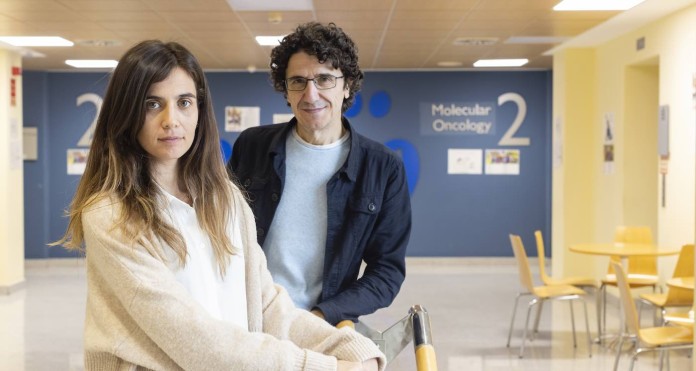
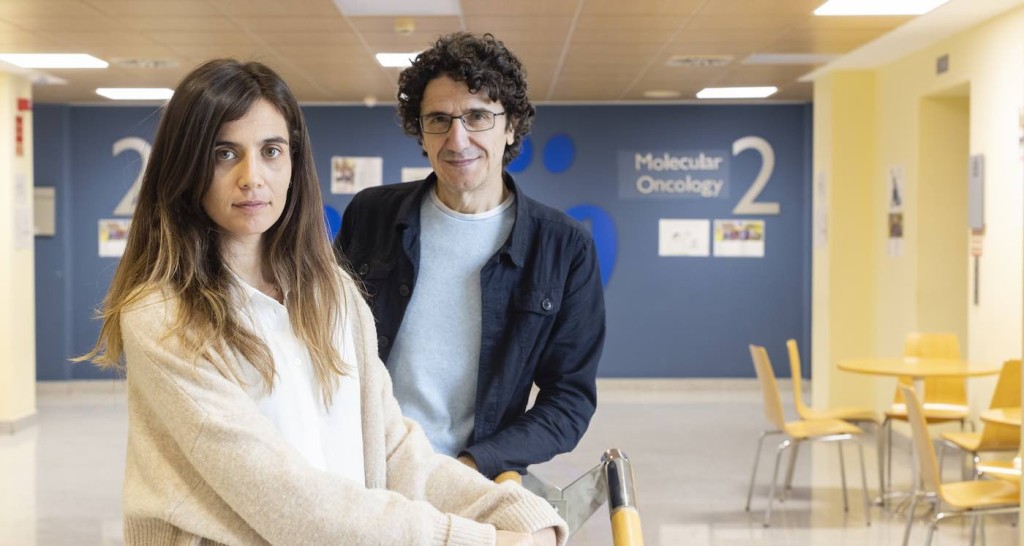
CNIO researchers Marcos Malumbres and Carolina Villarroya
CNIO researchers and lead authors Marcos Malumbres and Carolina Villarroya
A unique patient who has survived a dozen different types of cancer tumors over a lifetime could provide the key for researchers to develop new early detection and immunotherapy treatments, say scientists.
A cancer diagnosis can change someone’s life, but 12 is nothing that any of us could probably comprehend.
The course of this individual’s life has been nothing short of extraordinary. They first developed a tumor when almost still a baby, followed by others every few years. In less than forty years of life, the patient has developed twelve tumors, at least five of them malignant, each in a different part of the body.
Despite this death sentence as most would see it, the patient’s immune system seems to be supercharged, and capable of producing anti-inflammatory responses strong enough to fight off all these various cancers.
When the patient first came to Spain’s National Center for Investigative Oncology (CNIO), a blood sample was taken to sequence the genes most frequently involved in hereditary cancer, but no alteration was detected in them. The researchers then analyzed the individual’s entire genome and found mutations in a gene called MAD1L1.
This gene is essential in the process of cell division and proliferation. CNIO researchers analyzed the effect of the mutations detected, and concluded that they cause alterations in the number of chromosomes in the cells—all cells in the human body have 23 pairs of chromosomes.
In animal models, it has been observed that when there are mutations in both copies of this gene—each coming from one parent—the embryo dies. To the astonishment of the researchers, the person in this case has mutations in both copies but has survived—something that has simply never been seen before.
“Academically we cannot speak of a new syndrome because it is the description of a single case, but biologically it is,” said co-author of the study, Miguel Urioste from CNIO.
“Other genes whose mutations alter the number of chromosomes in cells are known, but this case is different because of the aggressiveness, the percentage of aberrations it produces and the extreme susceptibility to a large number of different tumors.”
It is the hypothesis of the reporting authors that the constant production of these double-mutated copies has created a chronic immune system defense to these types of cells, which helps tumors disappear more quickly.
The discovery that the immune system is capable of unleashing a defensive response against cells with the wrong number of chromosomes is, according to the authors, “one of the most important aspects of this study, which may open up new therapeutic options in the future.” Seventy percent of human tumors have cells with an abnormal number of chromosomes.
Furthermore, this literally one-of-a-kind person could pave the way for better diagnoses.
An individual cell by cell analysis of the patient and some relatives who have single mutations of the MAD1L1 gene revealed, among other anomalies, that the blood cells contained several hundred chromosomally identical lymphocytes, thus coming from a single, rapidly proliferating cell.
Lymphocytes are defensive cells that attack specific invaders; sometimes, however, a lymphocyte proliferates too much and spreads to form a tumor. That is the process which in this work the single-cell analysis would be capturing: the earliest stages of a cancer.
Based on this finding, the researchers propose in their paper that single-cell analysis can be used to identify cells with tumor potential long before the appearance of clinical symptoms or markers observable in analytical tests.
Quote of the Day: “I love the man that can smile in trouble, that can gather strength from distress and grow.” – Thomas Paine
Photo by: J W @bakutroo
With a new inspirational quote every day, atop the perfect photo—collected and archived on our Quotes page—why not bookmark GNN.org for a daily uplift?
Architectural features of the unearthed operating room (left) share considerable similarities to the scene depicted in Joel Babb’s painting (right) of the first successful human organ transplant, which took place at the Peter Bent Brigham Hospital in 1954. (Right image credit: Harvard Medical Library collection, Center for the History of Medicine in the Francis A. Countway Library, Harvard University)
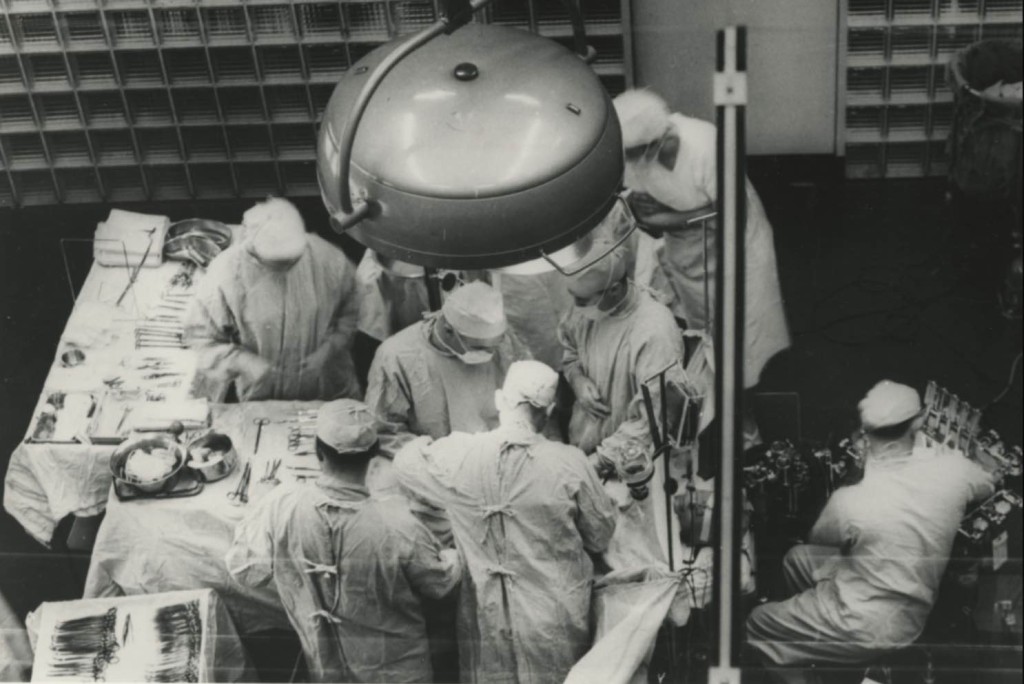
In this iconic 1954 photo, shot from the balcony above the operating theater, Joseph Murray (center) and his colleagues perform the first successful human organ transplant. – Courtesy of Harvard University
During recent renovations to a clinic and office space in the second largest teaching hospital at Harvard Medical School, construction crews uncovered remnants of a historical operating room—the OR believed to have hosted the world’s first successful human organ transplant.
While removing walls, workers at the Brigham and Women’s Hospital were surprised to find what appeared to be an old operating room with an adjacent balcony for watching surgical cases.
Brigham faculty members had heard over the years that an old OR from the predecessor institution (Peter Bent Brigham Hospital) was in the vicinity of this location, but they thought it was one floor below.
But, when photos of the abandoned space were compared to historical images in the hospital’s archives, the architectural features of the room suggest it was likely the OR where Dr. Joseph Murray transplanted a kidney from one identical twin to another 68 years ago.
After the procedure in 1954, Murray would go on to win the Nobel Prize in Physiology or Medicine for his groundbreaking work—and the subsequent development of immunosuppressive drugs.
A painting by Joel Babb, The First Successful Kidney Transplantation depicted a wide view of what Murray’s operating room looked like, before undergoing many renovations over the years which prepared the space for other uses.
While the artist took some artistic liberties in recreating the scene on canvas, there are striking similarities between details in the painting and rediscovered room, such as the upper arches in the balcony, explained Catherine Pate, hospital archivist.
Architectural features, like the balcony arches, of the unearthed operating room (left) share considerable similarities to the scene depicted in Joel Babb’s painting (right) of the first successful human organ transplant, which took place at the Peter Bent Brigham Hospital in 1954. (Right image courtesy of: Harvard Medical Library collection, Center for the History of Medicine in the Francis A. Countway Library, Harvard University)
“The most requested picture of all the many thousands in the Brigham and Women’s Hospital Archives is the one we have of the kidney transplant between brothers Ronald and Richard Herrick on Dec. 23, 1954, in a Brigham operating room. From the evidence, it is likely this room,” Pate told the Brigham Bulletin.
“The achievement of the first-ever successful human organ transplant was comparable in the field of medicine to the first moon landing in the field of aerospace. The bravery of this step into the unknown, especially by the first donor, Ronald Herrick, and the physician/scientists of the Peter Bent Brigham transplantation team, takes your breath away when you stop to think about it.”
The room itself was part of the original Peter Bent Brigham building in Boston at 15 Francis St., dating back to 1912. And while features of the room such as the balcony were retained in later reconfigurations, the original fixtures and furnishings were updated over the years and, subsequently, have been lost to history, explained Sonal Gandhi, vice president of Real Estate, Planning and Development.
“Although no original parts of the original operating room were found during this latest renovation, plans are underway to ensure this discovery is acknowledged and commemorated,” Gandhi said.
The historic OR also appears to be the operating room favored by legendary American surgeon Dr. Harvey Cushing—the father of neurosurgery.
From 1912 to 1932, the Harvard Medical School professor and founding surgeon-in-chief at the hospital was a pioneer in surgical technique, including electrocautery, and developed basic techniques and procedures still used in neurosurgery.
The same OR was also used by Dwight Harken, MD, the chief of Thoracic Surgery from 1948 to 1970. He demonstrated early cardiac surgery and is often considered one of the founding fathers of heart surgery and credited as the creator of intensive care units for critically ill patients.
(Source: Brigham and Women’s Hospital, Brigham Bulletin)
SHARE This Amazing Discovery With Friends on Social Media…
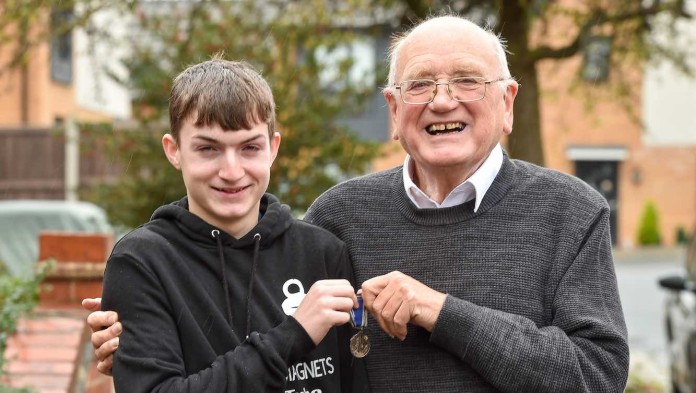
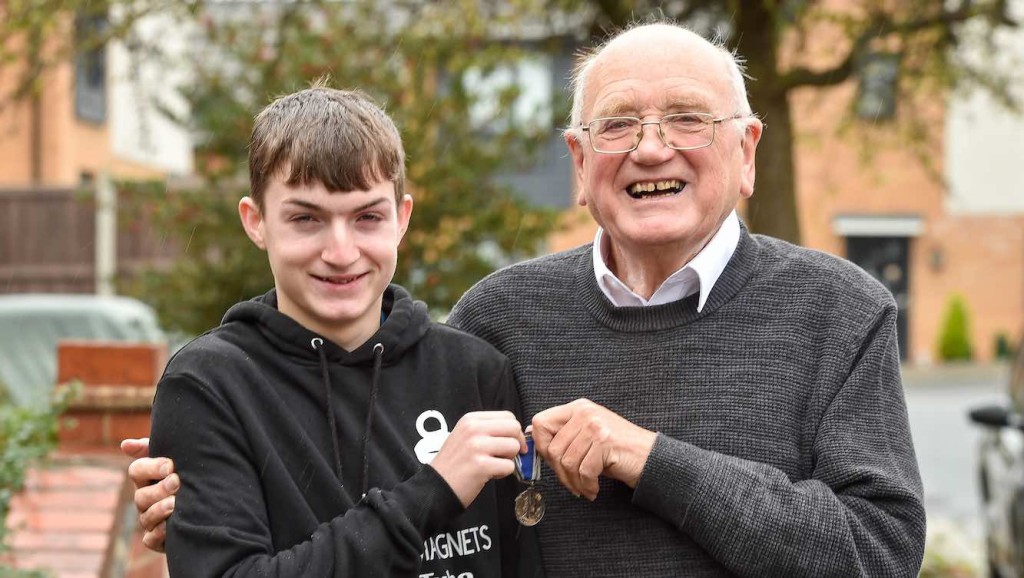
Ryan Davenport presents medal to Geoffrey Barron - SWNS
Ryan Davenport presents medal to Geoffrey Barron – SWNS
A retired police officer who was heartbroken when thieves stole his Exemplary Service Medal last year was stunned when kind strangers tracked him down after they pulled it from a river in a “one-in-a-million” catch.
82-year-old was devastated when burglars entered his home to steal valuables—and took the treasured medal that he’d been awarded when he retired 28 years ago.
He believed the medal, given for 32 years of service with the Northamptonshire Police, was lost forever.
But the grandfather was overjoyed when he received a call last week saying the medal had been found in a river, still in its metal box.
Dave Jordan who uses a large magnet to fish junk out of rivers had organized another litter clean-up and was joined by a teenage fan of his YouTube channel, who brought along his dad to trawl for treasures in the River Nene.
The 45-year-old Jordan said they had been pulling things out of the river in Northampton for just 30 minutes when Ryan Davenport fished out a small blue metal box.
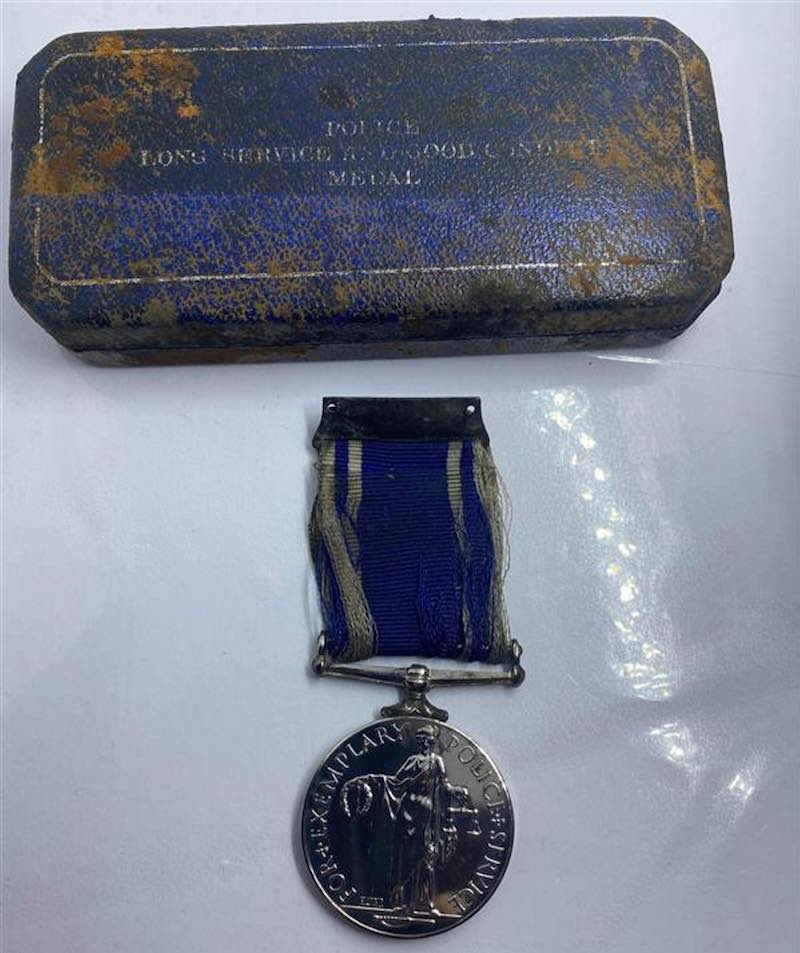
“We would have never of found the medal if we hadn’t tackled all the rubbish in the river first,” said Jordan. “At first, we found old bits of shopping carts and other metal items but about 30 minutes into our fish, Ryan pulled out the box, and it’s got ‘police long service medal’ written on it.”
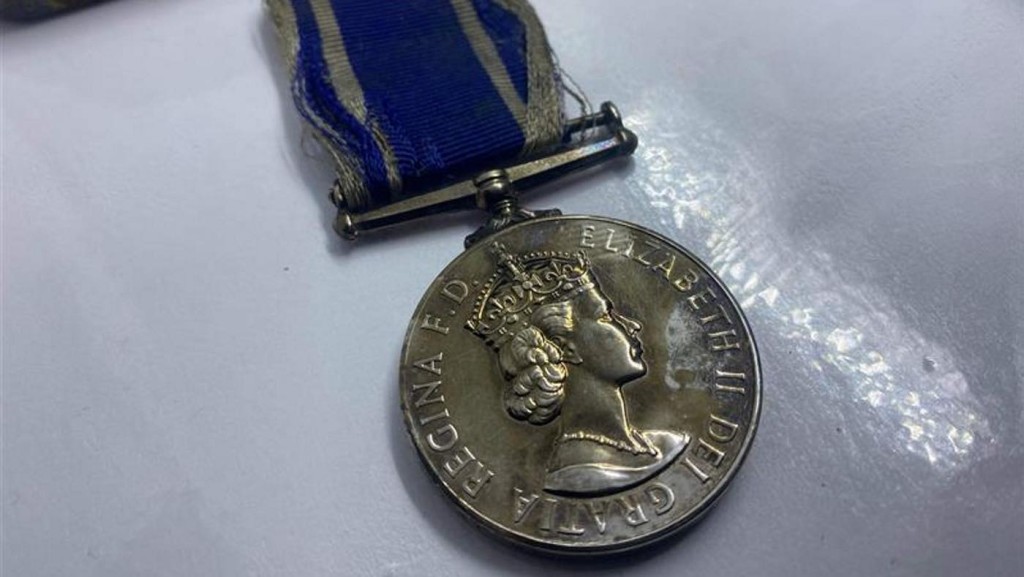
Pictured Geoffrey’s medal and box found by Ryan and Dave Jordan in the River Nene / SWNS
“It really was like finding a needle in a haystack,” exclaimed Jordan who is followed by hundreds of fans who subscribe to his magnet fishing channel on YouTube.
The medal was engraved with Geoffrey’s name and badge number, which they used to track the senior’s phone number online.
“When I told Geoffrey’s wife Maureen we had found the medal over the phone, she was over the moon, because they never thought it would be found.
“This was truly the best reward for cleaning up that rubbish… It’s amazing.”