All News - Page 339 of 1714 - Good News Network
Home Blog Page 339

Wolves Likely Were Already Man’s Best Friend Before Dogs, Reveals New Study

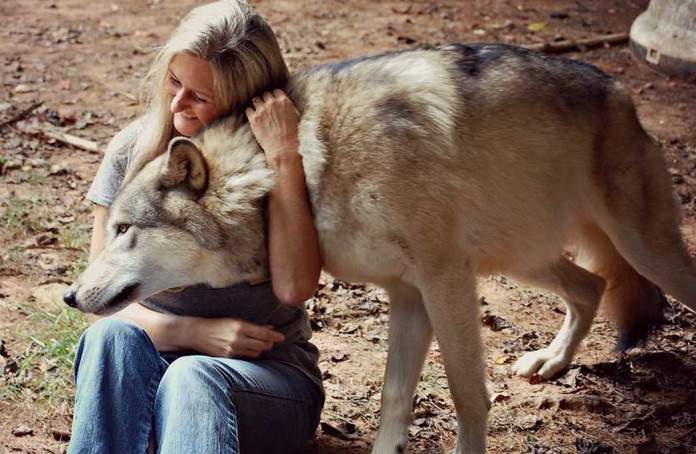
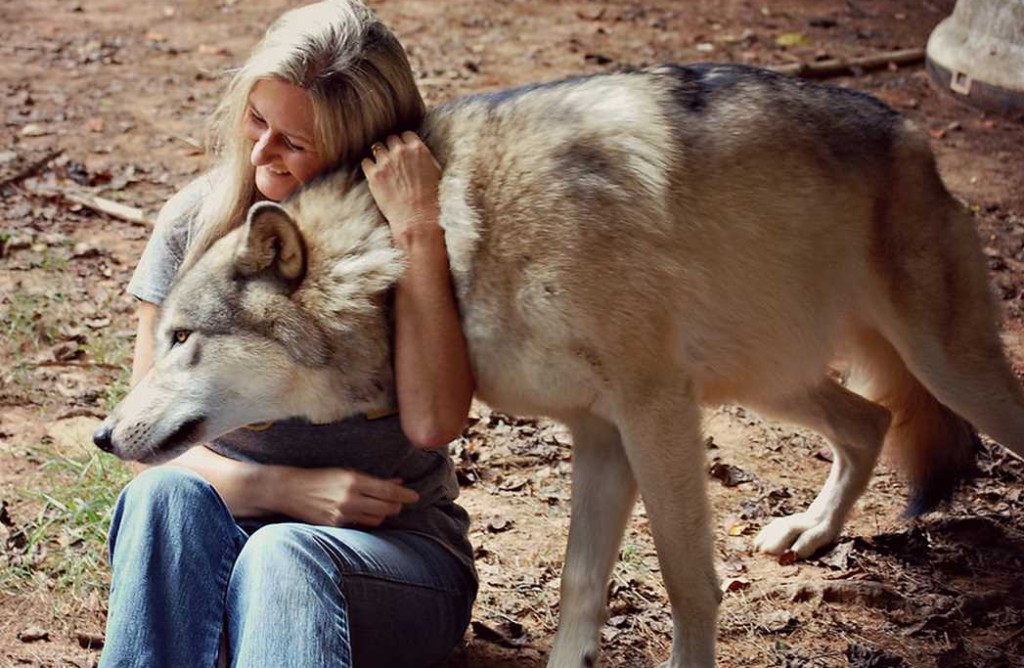
Wolves could be man’s best friend too, a new study reveals, or at least that wolves were man’s best friend before we turned them into dogs.

Scientists from the cold north proved that wolves can distinguish between strangers and people they know, and show much more affection to those familiar to them.

What’s more, the familiar person can help calm them down in stressful situations.

Their reactions show that an attachment prior to domestication 15,000 years ago could have led to the dogs we have today.

Scientists tested 10 wolves and 12 dogs to see how they behaved in strange and stressful situations.

The wolves showed the person they knew more affection by getting closer to them and spending a longer time greeting them.

“It was very clear that the wolves, as the dogs, preferred the familiar person over the stranger,” said Dr. Hansen Wheat, a behavioral ecologist from Stockholm University, Sweden, and lead author of the study.

“But what was perhaps even more interesting was that while the dogs were not particularly affected by the test situation, the wolves were. They were pacing the test room.”

“However, the remarkable thing was that when the familiar person, a hand-raiser that had been with the wolves all their lives, re-entered the test room the pacing behavior stopped, indicating that the familiar person acted as a social stress buffer for the wolves.”

This finding contradicts the idea that dog’s attachment to humans only developed after humans domesticated them.

The study, published in the journal, Ecology and Evolution, shows that this connection to humans did not evolve specifically in dogs.

SIMILAR: Your Dog’s Guilty Look May Come From Wolves

“I do not believe that this has ever been shown to be the case for wolves before and this also complements the existence of a strong bond between the animals and the familiar person,” said Dr. Wheat.

The team have been raising the wolf and dog puppies from the age of ten days, with the test taking place when they were 23-weeks-old.

“Wolves showing human-directed attachment could have had a selective advantage in early stages of dog domestication.”

“Together with earlier studies making important contributions to this question, I think it is now appropriate to entertain the idea that if variation in human-directed attachment behavior exists in wolves, this behavior could have been a potential target for early selective pressures exerted during dog domestication.”

RELATED: Therapy Wolves Become Guides for Troubled Teens (WATCH)

The similarities between dogs and wolves can tell us something about where the behavior we see in our dogs come from.

Dr. Hansen Wheat and her team at Stockholm University are continuing their work to learn even more about the behavioral similarities and differences between wolves and dogs.

SHARE This Cool News With Your Pack On Social Media…

“Henceforth, I seek not good fortune. I am myself good fortune!” – Walt Whitman

Quote of the Day: “Henceforth, I seek not good fortune. I am myself good fortune!” – Walt Whitman

Photo by: Johan Godínez

With a new inspirational quote every day, atop the perfect photo—collected and archived on our Quotes page—why not bookmark GNN.org for a daily uplift?

Doctors Hail New Era for Cancer Screening as Single Blood Test Spots Multiple Cancers in Early Stages

A new cancer blood test is being described by British physicians as a “game changer” and “a new era” as a trial has turned up dozens of early-stage, undiagnosed cases.

It’s called the Galleri test, and it looks for multiple different kinds of cancer DNA in the blood, which can not only identify cases in much earlier stages, but even where to look in the body to find it.

In the recently-completed Pathfinder Trial, 6,621 adults over 50 took the Galleri blood test, which came back positive in 92 patients, 35 of which already had solid tumors, and none of whom had any early symptoms.

The tumors, found in the liver, colon, breast and blood, were mostly either too small to have been detected normally, or in the case of some others, not of the kind that are routinely tested for, including ovarian and pancreatic, which tend to be diagnosed late and have high mortality.

“Blood tests for multiple types of cancer used to belong in the realm of science fiction, but now they are an area of cancer research that is showing promise for patients,” said Naser Turabi, the director of evidence and implementation at Cancer Research UK.

RELATED: Screening For Breast Cancer Might Soon Use Simple Blood Test Following Milk Discovery

“Research like this is crucial for making progress against late-stage cancers and giving more patients the chance of a good outcome. The Pathfinder trial results give us a better understanding of how frequently cancer is found by this blood test in people who haven’t been previously diagnosed.”

SIMILAR: Simple Blood Test That Can Detect 50 Types of Cancer is Now Accurate Enough to Be Rolled Out

Next year, a second trial with participants numbering 165,000 are expected to come into the NHS

Say Hello to ‘Home Reef Island’ – Newly Made Last Week by a Volcano

- SWNS
– SWNS

It’s time to come together as humanity and welcome the newest island on the face of the Earth.

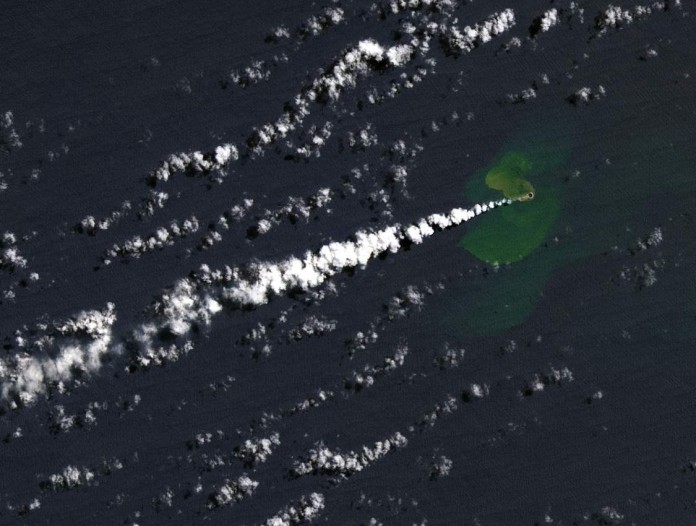
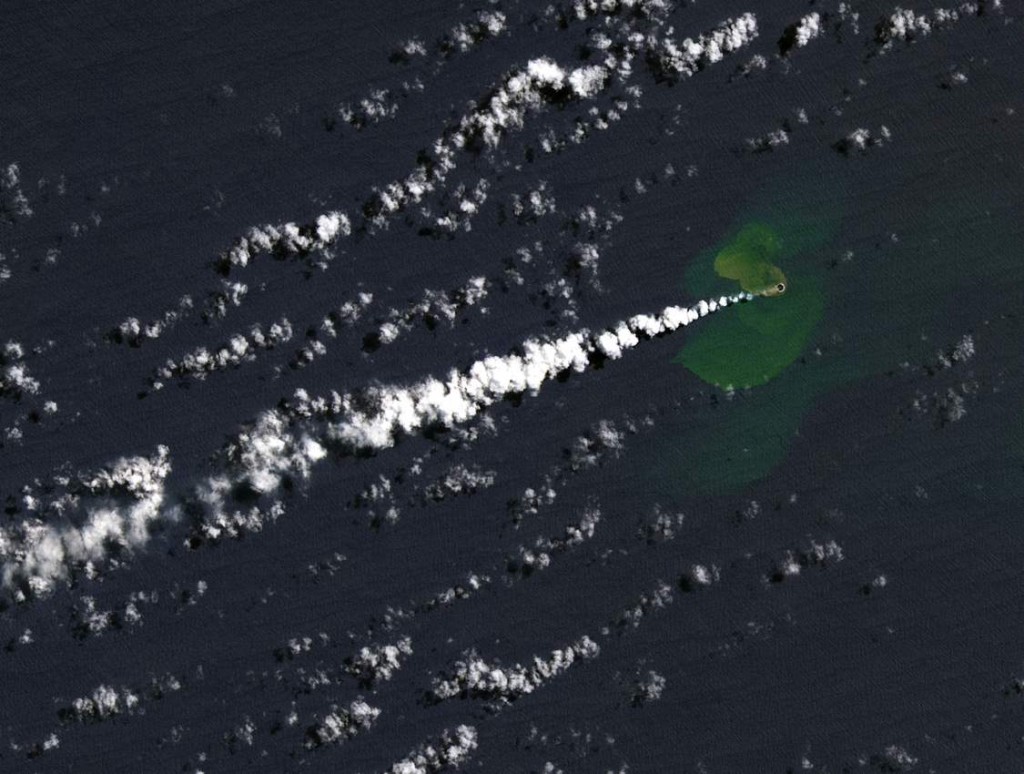
After an underwater volcano in the southwest Pacific Ocean awoke on September 10th and began oozing lava out of its cone, the new land slowly built up until 6 acres of volcanic rock had solidified.

Home Reef Island is situated on a seafloor ridge stretching from New Zealand to Tonga that has the highest density of underwater volcanoes in the world.

The eruption of the Home Reef seamount volcano, located in the Central Tonga Islands ejected plumes of steam and ash that discolored the surrounding water.

The Operational Land Imager-2 (OLI-2) on NASA’s Landsat 9 satellite captured a natural-color view of the young island four days after the eruption.

Researchers with Tonga Geological Services estimated the area of the island to be 1 acre, or around 4,000 square meters, with an elevation to be a dry 33 feet above sea level.

By September 20th, the island had grown to cover to 6 acres, or around 24,000 square meters. By September 23rd, it was reported to have reached 8 acres in size.

“The volcano poses low risks to the aviation community and the residents of Vava‘u and Ha‘apai,” the Tonga Geological Service said in an update issued on September 20th. “All mariners are, however, advised to sail beyond 4 kilometers away from Home Reef until further notice.”

Landsat 9 is an Earth observation satellite launched on 27 September 2021 from Vandenberg Space Force Base.

Since record keeping began on such things, 30 islands have appeared through a mixture of submarine volcanism, glacial retreat, and storms. The earliest such record was Ferdinandea Island off the coast of Sicily, which emerged in 1831, but which sunk beneath the waves again by 1832.

READ ALSO: Spontaneous Spirit of Humanity Takes Center Stage Around Erupting Iceland Volcano—WATCH

Tonga and Japan are tied for each having gained 4 islands since that time. However due to the volatile nature of their birth, some of these islands have, like Ferdinandea, since disappeared.

Home Reef has erupted three times in modern volcanology, each time building an island. The first washed away, the second made a tiny spit of land, but this new one seems more permanent.

Let Your Friends SAY Hello To Home Reef Island On Social Media…

Jet Fuel Derived From Used Cooking Oil Certified Airworthy for Large-Scale Production in China

- released
– released

A Chinese petroleum company just obtained an airworthiness certificate for their new biological jet fuel made of used cooking oil.

It will be the first time that large scale production of bio jet fuel will serve the aviation industry in China after the first patch was sent to Airbus Tianjin on September 19th. 

The airworthiness certificate means that Sinopec can sell the bio-jet fuel produced at Sinopec Zhenhai Refinery to aviation operators nationwide.

Aviation is one of the last remaining transportation sectors that still has no decisive alternative to fossil fuels. Western companies are also trialing bio-based fuels, including cooking oil.

“With the airworthiness certificate, Sinopec can now sell bio-jet fuel to the entire civil aviation market, we will continue to expand the market and supply chain to build a full industry chain of bio-jet fuel,” said Mo Dingge, CEO of Sinopec Zhenhai Refinery.

The refinery has an annual designed processing capacity of 100,000 tons and adopts Sinopec’s bio jet fuel production technology (SRJET) to produce the fuel. The plant’s first batch in June produced around 600 tons.

MORE GOOD AVIATION NEWS: United Airlines Pre-Orders 200 Flying Taxis With Vertical Takeoff for 4 Passengers

Compared to traditional petroleum-based aviation kerosene, bio jet fuel can reduce carbon emissions by up to 50% throughout the entire lifecycle.

China has strict standards for airworthiness certification, as in order to operate in the air space and runways of other countries, they must reach the same standards of safety as the other major air traffic bodies like FAA in the U.S., or EASA, in Europe.

Beforehand, experts from the Airworthiness Certification Center of the Civil Aviation Administration of China (CAAC) conducted on-site evaluations at the Refinery that covered all stages of operation, including production, quality assurance, and testing.

RELATED: An Airbus Jumbo Jet Just Completed Two Flights Powered by Cooking Oil

Sinopec was testing used cooking oil jet fuel back in 2011, and the refinery has already obtained Asia’s first global sustainable aviation fuel certification issued by the Roundtable on Sustainable Biomaterials, a key pass for China’s bio jet fuel to enter the international market.

FLY This Good News Over To Your Friends… 

Ancient Cultures May Hold the Key To Keeping Buildings Cool in a Changing Climate

Yazd Wind Catchers CC 2.0. Ivan Mlinaric

While the summers may be getting hotter, there have always been people living in the deserts and the tropics, and some of their architectural designs from eras past could hold the key to keeping cool in today’s changing climate.

Emissions from buildings are the largest sources of anthropogenic CO2 in society, and a large chunk of that comes from air conditioning. Prior to electricity however, India under the Mughal Empire, or the Ancient Persians had ways of keeping cool that combined simple physics with beautiful architectural design.

Today, these cultures are providing inspirations to building managers and architects who want to design buildings that stay cool without as much reliance on air conditioning.

One such method is the wind catcher, which if you fancy a drive through Andalusia’s new housing units, or the ancient Persian city of Yazd, or even past the Royal Chelsea Hospital in London, may appear like chimneys.

In reality, they are ingenious structure that make use of the desert winds, and the basic differences between the properties of hot and cold air, to cool building interiors. Stretching up from the roof, the openings in the towers catch the breeze which is channeled via a series of curved walls down into a chamber below.

The Iranian town of Dasht-e-Kavir with its Modern wind catchers. CC 2.0. Jeanne Menj

Dust or debris is traditionally left by the breeze at the bottom of the tower, which would simply be a room inside the house. Then the density of the cold air, which naturally means it will sit lower than hot air which rises, disperses throughout the interior while using that density to push the hot air out through another tower.

The ancient Persians perfected this art, and the grandiose result of this is found in the ancient city of Yazd on the hot, dry, Iranian plateau, recognized by UNESCO as a World Heritage Site for its wind catchers.

SIMILAR: Eco-friendly Chinese ‘Amateur’ Wins Most Prestigious Architecture Prize

In some of the larger structures, they would pair their wind catchers with sophisticated aqueducts. The towers once deposited the captured breeze in subterranean chambers of water, cooling it yet further.

These wind catchers can be found all over the Islamic world, but they are believed to have reached their creative, decorative, and functional pinnacle in Iran. But other cultures have contributed non-mechanical cooling methods as well, and to see them one needs look no further than the Taj Mahal.

Taj Mahal – CC 2.0. Steve Evans

Simple physics

The traditional lattice-work marble screens, or jaali, on the windows of the Taj Mahal and other ornate Indian buildings are gorgeous to behold, and cool to stand behind. The intricately-carved lattice actually prevents around 70% of thermal energy of the sun from entering the palace rooms.

Normally carved from red sandstone or marble, it defuses lighting, provides necessary privacy, lets in breeze, but keeps out direct heat, making them ideal for façade that face the sun’s path.

Relying on simple physics, the jaali of the Mughal period are now being widely adopted today to reduce the cooling burden on air conditioning.

The Venturi effect shows that as air moves from a large space into and through a narrow space, it must not only cool, but also speed up. The holes in the jaali not only let in air, but actively cool and push it into the interior. Wooden jaali can be used in dryer climate to improve humidity in buildings. At night, air passing through the cooled holes deposits small amounts of moisture that is later expressed into the interior during the following day.

READ ALSO: Architecture Built 1,000 Years Ago to Catch Rain is Being Revived to Save India’s Parched Villages

Like the wind catchers, many architects today are using these jaali as a method of adapting modern buildings to climate change. Often called a building’s “envelope” meaning a super-structure that separates the interior façade from direct sunlight, many of the design principles replicate the Indian jaali. These can be found at the Nakâra Residential Hotel on Agde, Greece, the Cordoba Hospital in Cordoba, Spain, and the Al Bahr towers in Abu Dhabi.

Jaali have been found to reduce the reliance on air conditioning by 35% in some cases, and like the wind catchers of Ancient Persia, show us that not all problems need modern solutions. Sometimes the accomplishments of the past are enough for the challenges of the future.

SHARE These Innovative Cultures’ Solutions With Your Friends…

“Love your mistakes and foibles. They aren’t going away. (But) you may be able to fix them or improve them with panache.” – William Sebrans

Quote of the Day: “Love your mistakes and foibles. They aren’t going away. (But) you may be able to fix them or improve them with panache.” – William Sebrans

Photo by: Abigail Keenan

With a new inspirational quote every day, atop the perfect photo—collected and archived on our Quotes page—why not bookmark GNN.org for a daily uplift?

Dog Owner Shocked to Discover Her Pet is the Brother of One of The Queen’s Corgis

Wilbur the Corgi. See SWNS story SWLNcorgi. A woman who discovered that her dog is the brother of one of the Queen's corgis has paid her respects to the Monarch. Nadia Smith, 28, got her corgi puppy, Wilbur, in February of 2021 - and learnt Wilbur had a special connection to the Queen. After spotting a post on a Facebook group about the Queen's new corgi, Muick, Nadia quickly realised they had come from the same breeder. Nadia and her partner, who live in Yorkshire, had toyed with the idea of adopting Wilbur's brother too, but had decided against it.
Nadia Smith / SWNS

A dog owner recalled her shock after finding out that her beloved pet is the brother of one of the Queen’s corgi dogs.

Nadia Smith got her corgi puppy, Wilbur, in February of 2021—and learned later that he had a special connection to Queen Elizabeth II.

She spotted a post on a Facebook group about the Queen’s newest dog named Muick and quickly realized they had come from the same litter.

The 28-year-old who lives in Yorkshire had toyed with the idea of adopting Wilbur’s brother too, but had decided against it.

After seeing pictures, it became clear that Wilbur and Muick were brothers, the only two from the litter.

“I was in shock when I realized,” said Nadia, who works in social media marketing. “You never think anything like this will happen to you. It’s such a strange way to be connected to her.

“We loved corgis because of The Queen. From seeing her with all her corgis, we thought if they’re good enough for her, they’re good enough for us!

LOOK: Corgis Dressed in Royal Attire Gather to Honor the Late Queen, Who was a Corgi Mum of Five

“When we went to get Wilbur, we picked up and cuddled the other puppy too.

“We held the Queen’s actual corgi—and we own his brother!”

She added, ”‘The Queen’s dog chewed my shoelaces’ is not something you ever expect to say!”

When they realized who Wilbur’s brother was, Nadia and her partner had sent a letter and photos to the Queen to inform her.

She received a letter back from Paul Whybrew, the Queen’s loyal Page of the Backstairs, thanking her.

The letter said it was good to know that Wilbur is happy and doing well.

RELATED: The Queen Broke a 450-Year-old Palace Tradition to Honor Americans After 9/11

Nadia Smith with Wilbur the Corgi / SWNS

Nadia added: “I felt quite bad that his brother is in a palace and Wilbur is not!

“But he really is the best. He’s so funny, and has so much personality.

WATCH: Sneaky Corgi Taught Itself to Ride a Woman’s Pony–and the Video Has Gone Viral

“He’s kind and sweet but also quite sassy. He makes people earn his trust, and teases people before letting them pet him.

“But everyone loves him – he has more friends than me!”

“With the Queen’s passing, it’s so surreal.”

BARK on Social Media if You Love Corgis! …

World’s Largest Corn Maze Immortalizes James Bond Movies with 10-Mile Masterpiece in Illinois -LOOK

Richardson Adventure Farm -SWNS

Even super spy James Bond might need British Intelligence help to escape this Quantum of corn.

An incredibly-detailed maze was planted on an Illinois farm to celebrate the 60th anniversary of the iconic agent’s first film, Dr. No—and it’s quite the SPECTRE.

Hailed as the world’s largest corn maze, the trail stretches 10 miles and spans over a 28-acre area at the Richardson Adventure Farm in Spring Grove.

The five main Bond actors who appeared in more than one film, are perfectly immortalized in the planting—Roger Moore, Timothy Dalton, Sean Connery, Daniel Craig, and Pierce Brosnan.

The design also features a Bond girl, a Monaco casino, and Aston Martin car driven by 007.

“We are Bond fans. We love all the films,” explains George Richardson, 69, who operates the farm along with wife, Wendy, son George, and brother, Robert.

“Every winter we are thinking about what the corn maze theme will be,” he continues. “If the Chicago sports teams did something spectacular, we celebrate that because it’s popular with the customers and media. But, that didn’t happen, so we searched for anniversaries of great things.

“Several good ideas came to light, but themes also have to have the potential to make a great giant picture.

“That’s when James bond came to the front of the list. It has broad customer appeal, the media will have fun with it, and it will make a spectacular picture.

The Bond films seem to have just the right amount of action, romance, intrigue, and plot twists, without being brutally bloody. They are always enjoyable.”

Cutting edge design and planting technology was needed to create the maze.

RELATED: What We Can Learn From James Bond About Living a Meaningful Life (007 Tips)

“Faces are challenging for us to rototill, but our maze designer, Mazeplay.com, does a great job of “drawing them” for a wow factor, explained George.

“GPS is hooked into a computer which tells the planter units when to plant corn. Very neat.

“After the corn is around 4’ tall, we rototill the trails with our own tractor to smooth the lines of the trails and leave nice smooth walking trails.”

LOOK: Genius Scarecrows Win Competition and Attract Thousands to Village

The family previously immortalized the Fab Four in one of their designs.

Richardson Adventure Farm / SWNS

“One of our favorite mazes from the past is the Beatles maze we did in 2013, celebrating 50 years since their first recorded song, Love, Love Me Do—and the notes of the song were in the design.”

Find all the information you need in order to visit on their website.

SHARE The Man With the Golden Corn With Bond Fans on Social Media…

Boy With Crippling ‘Suicide Disease’ Takes First Steps in a Year After Traveling to US for Pioneering Treatment

A young boy with a crippling condition that is so painful it’s dubbed the ‘suicide disease’ has taken his first steps in almost a year after traveling across the pond for pioneering treatment in the USA.

Dillon Wilford was in so much pain from Complex Regional Pain Syndrome (CRPS) that he even begged his mother Melanie to let him have his leg amputated.

But after their family spent almost $20,000 to travel from the UK for specialized treatment, the 11-year-old became pain free for the first time in months.

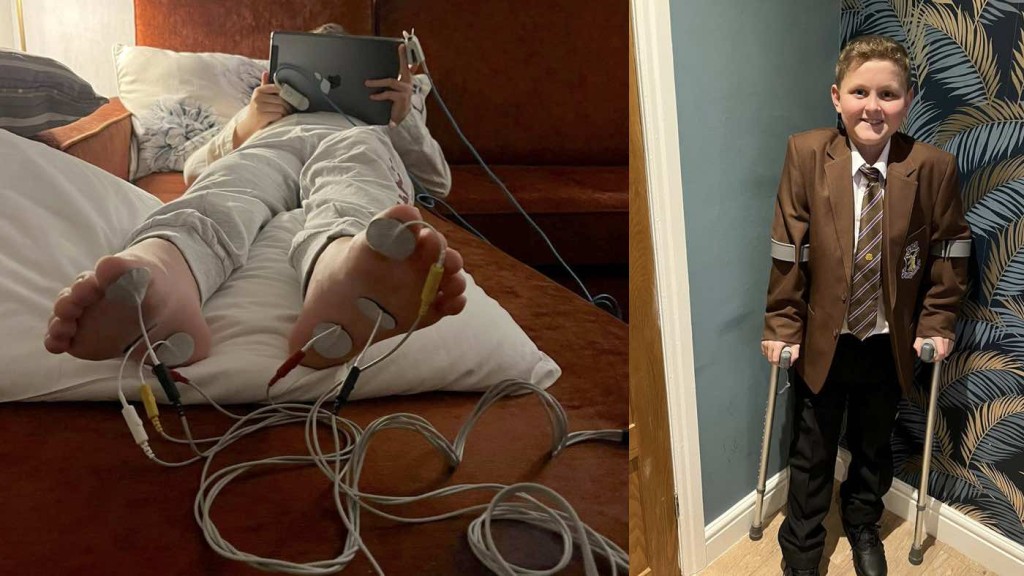
Doctors in Houston, Texas, treated Dillon with a VECTTOR machine, which delivers a form of electro-stimulation to nerves to reduce pain.

Ecstatic with the news, Melanie said it has reduced his pain level to a zero the majority of the time, compared to an eight or nine, which he would routinely rate it.

“Honestly it’s just unbelievable, absolutely unbelievable, and all of that was in the space of a couple of days.

“The first night in the States, he said it was the comfiest night’s sleep he has ever had. He laid on his side, which he couldn’t do (before); he had long pajamas on, which he couldn’t do; and he had the covers over him, which he couldn’t do—so, it’s just amazing.”

Dillon first started showing symptoms almost a year ago in November 2021, when he woke up with a limp and by the evening he was left debilitated by pain.

CHECK OUT: Yale Researchers Develop LYME Disease Vaccine Based on mRNA

He was diagnosed with CPRS in January after months of trying to find the cause of the pain which left medical professionals stumped. The condition was so agonizing that even the slightest touch to the affected area caused severe discomfort.

Dillon and his family originally wanted to raise £100,000 to send him to America for a 16-week treatment course which included light therapy and oxygen treatment. But, then they discovered the VECTTOR machine.

Cleared by the American FDA for the treatment of chronic, intractable pain and for the treatment of post surgical/trauma pain, the company’s website explains how the process works: “Based upon acupuncture, physiology, cellular physiology, and anatomy, VECTTOR is designed to stimulate the nerves to produce certain neuropeptides essential for optimal functioning of the body. These neuropeptides are vital for increasing circulation to the skin, bones nerves, muscles, and for reducing oxidative stress.”

RELATED: First Effective Treatment for Back Pain Changes How Brain and Back Communicate

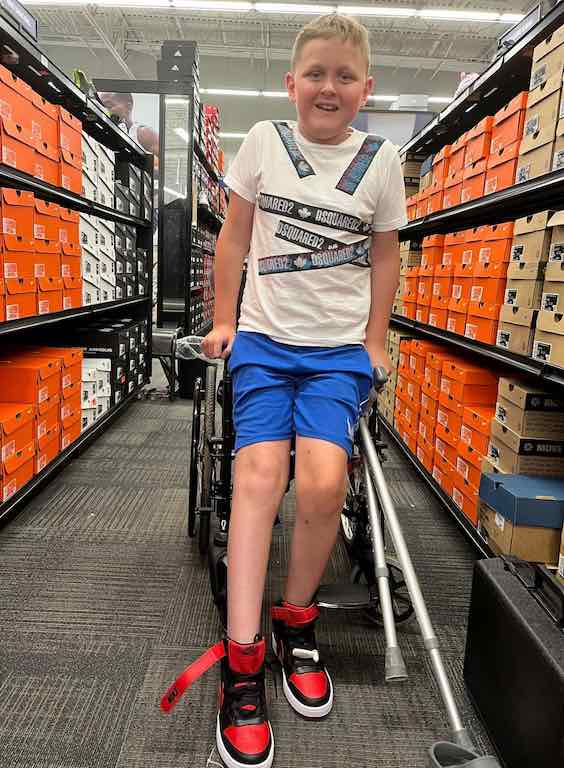
After just three days of treatment, he was able to wear socks for the first time in a year and on day four of treatment, he was able to wear shoes for the first time.

POPULAR: Light Therapy is Harnessed to Target and Kill Cancer Cells in This World First

“Now he’s smiling, again,” said the joyous mom. “He’s not smiled like this for months and months.”

SWNS

The family was allowed to take the $5,400 machine home with him, which means he will be able to manage his pain back home in Manchester, England. The treatment, which takes 80 minutes, is given twice daily, but some patients are able to drop back to once a day after the first few weeks. The company says the therapy is easy to administer, and causes no pain or discomfort, and was studied in a small double-blind, randomized, placebo controlled clinical trial for children with Duchenne Muscular Dystrophy.

Dillon’s new reality supports these claims. He is now back at school after almost a year of absence. The single mother-of-four who is a student nurse reports that he is “loving it.”

LOOK: Doctor’s ‘Miraculous’ Remedy for Nonstop Coughs is Curing People With a YouTube Video

Now she wants to help raise awareness for other families who are going through this and let them know that there is another option.

“As a parent, you go through this horrendous and traumatic event that kind of takes your child’s life away from them and you will do anything to put that right.

She and other families are trying to get the National Health Service to offer the machines locally, but she fears the NHS is not open enough to many new treatments.

“This is a holistic way of keeping a child healthy—a way of getting Dillon off the massive amount of drugs that he was on… and far healthier and cheaper for the NHS, as well.”

SHARE The Breakthrough Treatment for Other Families on Social Media…

Police Dog That Saved 38 Lives During 8-year Career is Honored for Bravery–And Now Gets to Play on the Beach

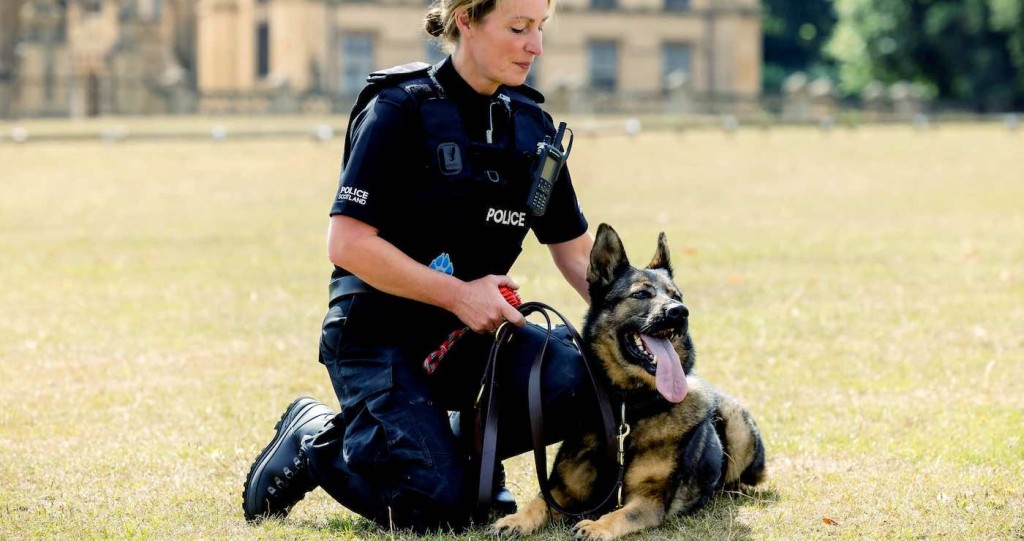
PC Linda McBride with Luna - SWNS
PC Linda McBride with Luna – SWNS

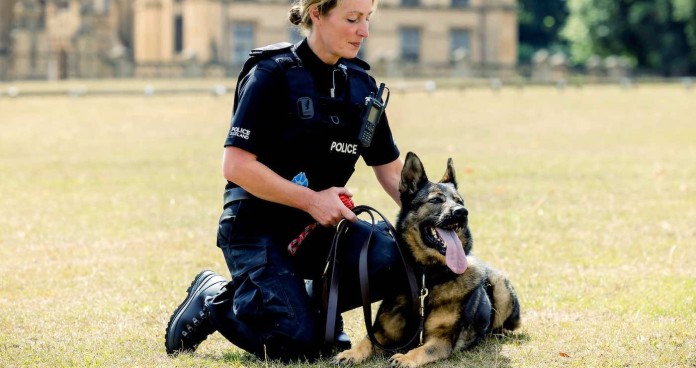
A police dog that saved 38 lives during an eight-year career has been honored at the Thin Blue Paw Awards gala last week.

The 10-year-old German Shepherd retired in June—and celebrated with her handler by going on her first-ever vacation, enjoying playtime on the beach and swimming in the sea.

Scottish police officer Linda McBride first partnered with Luna in December 2012 when the pup was just 12-weeks-old—and, since then, the duo has always looked out for each other.

Based at Larbert in the Central Division of Police Scotland, the 55-year-old officer said the bond between the pair will never be broken. Luna lives with Linda and a pair of active police dogs—a German Shepherd and cocker spaniel—as well as her 91-year-old mother, who has a great relationship with all the dogs.

“Luna would continue to work if the choice was hers,” said PC McBride. “She was an exceptional police dog to work alongside and when I found out she’d won the Lifesaver Award I was blown away; I even cried.”

“Saying I’m proud of Luna at how much she has achieved is an understatement.”

Luna was skilled in searching and tracking high-risk missing people—with 38 successes achieved during her career.

LOOK: Stray Dog Crashes Couple’s Wedding – and Becomes Part of Their New Family

In December 2019, Luna was sent to search for a vulnerable man who had gone missing from his home. She located him hidden in some bushes, suffering from hypothermia and needing immediate hospital care.

In 2015, the pooch managed to find a fingertip that had been bitten off during a fight so that it could be taken to a hospital and doctors could attempt to reattach it for the victim.

Linda believes it is Luna’s intuitive nature that made her so good at searching for missing people too, because she wanted to help—and Thin Blue Paw agrees.

“It’s astounding to read all the stories in which Luna has quite literally saved someone’s life,” said the Foundation’s trustee Kieran Stanbridge. “She’s a true inspiration.”

PC Linda McBride and RPD Luna with Thin Blue Paw Award – SWNS

Linda says Luna has also gained respect from dog handlers, frontline colleagues, and management over the years.

RELATED: Tiny Bomb-Sniffing Jack Russell is a National Hero, Sporting a Presidential Medal

“It’s due to her incredible natural ability to locate people quickly; many of whom would have perished due to their injuries or the elements, without her help.”

“She has a wonderful temperament, particularly when dealing with vulnerable and high-risk people; she seems to know they need her help and shows such compassion towards them.

“But she still had the ability to switch when dealing with a dangerous criminal or anyone who would show violence towards her or me.”

WATCH: Dog That Was Stuck in a 30-Foot-Deep Cavern For Two Weeks is Rescued and Joyfully Reunited

HONOR This Paw-some Dog’s Retirement By Sharing Her Story on Social Media…

“Saying things you do not have to say weakens your talk. Hearing things you do not need to hear dulls your hearing.” – William Stafford

Quote of the Day: “Saying things you do not have to say weakens your talk. Hearing things you do not need to hear dulls your hearing.” – William Stafford

Photo by: Erik Mclean

With a new inspirational quote every day, atop the perfect photo—collected and archived on our Quotes page—why not bookmark GNN.org for a daily uplift?

Beautiful City of Savannah Wins Survey of Top 5 Most Underrated Places to Visit in USA – LOOK

By Frank Kehren Photography, CC license (cropped)

Three in four Americans are usually stuck in their ways and always go on vacation to the same places, according to a new poll—but these suggestions might encourage them to step outside of their vacation comfort zones.

The survey of 2,000 adults found many who are willing to change up their vacation pattern, however, with 78% saying that they would be likely to take a chance on visiting an entirely new destination if persuaded.

And nearly three in four agree that those who aren’t willing to try somewhere new are missing out.

Strikingly, of the 62% of people who have visited somewhere they did not think they would enjoy, a whopping 89% ended up being pleasantly surprised.

Similarly, two in three have chosen a vacation destination based on a recommendation from family or friends and have almost always ended up enjoying it (92%). This may be why 79% agree that it’s important not to judge a vacation spot before you’ve been there yourself.

When it comes to the most “underrated” cities they’d like to visit, Savannah, Georgia (35%) came out on top, with St. Petersburg, Florida (33%) and Harpers Ferry, West Virginia (32%) close behind.

LOOK: He Quit His Job to Offer Scottish Highland Trips in New York School Bus – A ‘Hostel on Wheels’

Savannah

Savannah is a centuries-old city lumbering along the Savannah River where it meets the Atlantic Ocean. Crucial during the American Revolution and Civil War, the small seaport city features cobblestone streets, Victorian buildings, and notable historical sites.

Savannah sites by Photoartel (left) and and Fgrammen (right) – CC license

St. Petersburg

With an average of 361 days of annual sunshine and a World Record for most consecutive sunny days (768), St. Petersburg, Florida, is surrounded by warm waters on a peninsula between Tampa Bay and the Gulf of Mexico, as part of the Tampa–St. Pete–Clearwater metro area. (Watch out for hurricane season in this location, though, and the one above.)

St Petersburg park by Calmuziclover, CC license (cropped)

Harpers Ferry

Harpers Ferry is a historic town of only 300 people where the Potomac and Shenandoah rivers come together, joining Maryland, Virginia, and West Virginia, most known for its Civil War role as “the best strategic point in the whole South”—and it’s where anti-slavery vigilante John Brown raided the U.S. Armory in 1859.

By Frank Kehren Photography, CC license (cropped)

Conducted by OnePoll for the West Virginia Department of Tourism, the survey found a variety of vacation goals. Some respondents view vacations as an educational experience, with 37% saying they enjoy learning about the history/culture of a destination. More people, however, believe the best vacation activities are simply relaxing (46%) or trying new food (42%).

RELATED: Plan a Precise Fall Foliage Road Trip With This Interactive Map

Millennials are more likely to create a detailed itinerary (54%), but most others think that creating an itinerary limits what you can do with your time.

Additionally, a majority of those who make itineraries admitted that when they’ve strayed from it, they had a better time than they could have imagined (80%).

Overall, the lesson here might be that taking a chance on the unexpected destination or new experience, may end up being the perfect vacation for everyone.

“UNDERRATED” US VACATION SPOTS PEOPLE WANT TO VISIT

Savannah, Georgia – 35%
St. Petersburg, Florida – 33%
Harpers Ferry, West Virginia – 32%
Mendenhall Glacier, Alaska – 31%
Greenpoint, Brooklyn, New York – 30%

SHARE the Vacation Destinations With Friends and Family on Social Media…

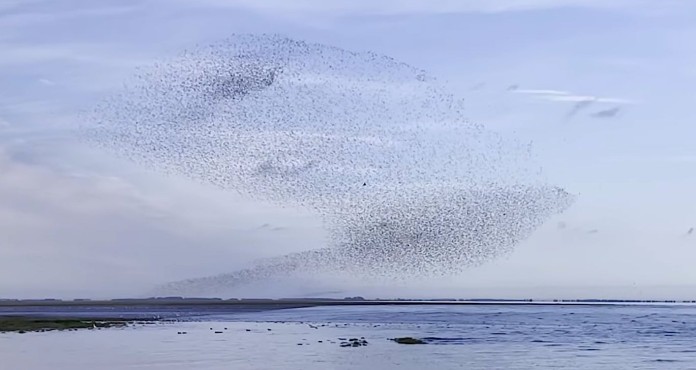
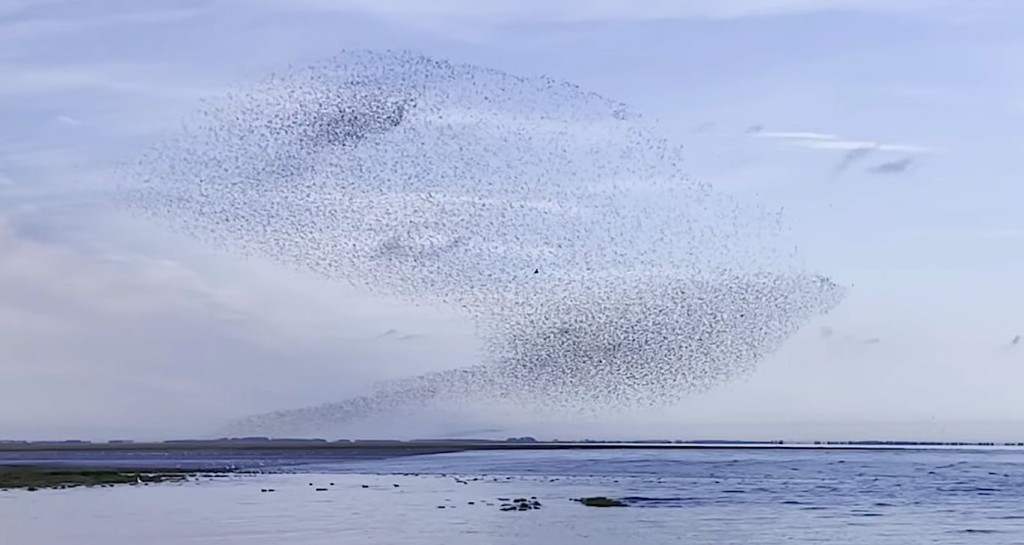
Watch the Mesmerizing Video of Thousands of Birds Swerving in Murmurations Over the Sea

Paul Goldstein via SWNS

A photographer has captured the mesmerizing sight of thousands of birds flying in Britain.

Photographer and guide Paul Goldstein says he has visited Snettisham Nature Reserve literally hundreds of times, yet is always intoxicated by the spectacle.

The Wimbledon-based cameraman says several times a year “vast murmurations of waders, particularly knots,” perform magical formations and patterns over the Wash estuary along the east coast of England in Norfolk.

“When the early light catches thousands of wings simultaneously, combined with the haunting rustle of countless wingbeats, it is pretty close to avian witchcraft.”

MORE: Watch the Magical Murmurations of Half a Million Starlings at Dusk 

The location is a flagship of RSPB, the UK’s largest nature conservation charity, and draws birdwatching tourists especially in autumn and spring.

And it’s easy to see why.

Watch the video below (to see more, go back to the beginning which we skipped over…)

FLY Some Heavenly Delight to Your Friends on Social Media..

New Scoliosis Brace that Grows With Patients Wins Dyson Award For Grad Student Who Wants to Make a Difference

2022 James Dyson Award

A University of Cincinnati grad student has invented an adjustable brace for young patients who need to reposition their curved spines—winning a prestigious award for her design genius.

Impacting 7 million Americans every year, scoliosis is a curvature in the spine that often occurs before puberty. Despite the large number affected, advancements in braces that treat this medical condition have not been changed since the late 1950s.

Common braces are bulky, inflexible and—most importantly to teenagers—very noticeable, which can deter many youth from wearing the device as often as they should.

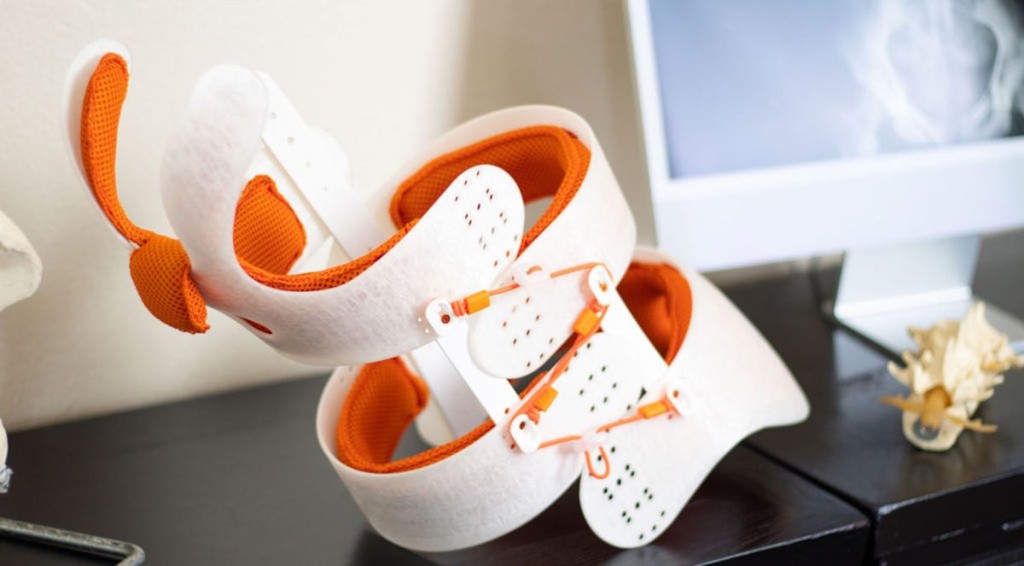
That’s why Sangyu Xi won the American James Dyson Award for creating a novel prototype called Airy, a breathable, comfortable, and adjustable brace that can accommodate a patient’s growth for up to three years.

Airy is even recyclable and includes an app to track wear time and healing.

LOOK: Bionic Leg Wrap Uses AI to Correct Walking Patterns For Cerebral Palsy, MS, and Stroke Patients

The exterior color of Airy can also be modified or padding can be removed to make it translucent, allowing young patients to wear the brace confidently. After treatment, patients can donate the brace to third-world peers, or the brace can be recycled up to 10 times since no glue is used in the manufacturing process. (Watch the video below…)

Airy – 2022 James Dyson Award

The app also allows physicians to communicate with patients in real-time on any adjustments to treatment plans.

Since creating Airy, the prototype has been tested on four teen patients at Cincinnati Children’s Hospital, where feedback was extremely positive.

The engineering and design student from China always knew she wanted to use her skills to create something that could help someone “have a different life.”

RELATED: ‘Off the Charts’ Hydrogel Outperforms Cartilage and May Be Inside Human Knees Next Year

“Winning this national award really means something to the scoliosis patients who are trying to call to people ‘we want something new that we want to wear and that can help us fight against scoliosis,’” said Sangyu.

In the future, she hopes to continue patient trials so she can perfect the prototype’s design. She plans to use the Dyson Award prize to hire a machine learning engineer to further develop the Airy app, and an orthopedic mentor to help bring Airy to market. (Watch the video below…)

HELP Patients Stand Tall – Share This Breakthrough on Social Media…

Your Inspired Weekly Horoscope From Rob Brezsny: A ‘Free Will Astrology’

Our partner Rob Brezsny provides his weekly wisdom to enlighten our thinking and motivate our mood. Rob’s Free Will Astrology, is a syndicated weekly column appearing in over a hundred publications. He is also the author of Pronoia Is the Antidote for Paranoia: How All of Creation Is Conspiring To Shower You with Blessings. (A free preview of the book is available here.)

Here is your weekly horoscope…

FREE WILL ASTROLOGY – Week of September 24, 2022
Copyright by Rob Brezsny, FreeWillAstrology.com

LIBRA (Sept. 23-Oct. 22):
Tips for making the most of the next three weeks: 1. Be proud as you teeter charismatically on the fence. Relish the power that comes from being in between. 2. Act as vividly congenial and staunchly beautiful as you dare. 3. Experiment with making artful arrangements of pretty much everything you are part of. 4. Flatter others sincerely. Use praise as one of your secret powers. 5. Cultivate an open-minded skepticism that blends discernment and curiosity. 6. Plot and scheme in behalf of harmony, but never kiss ass.

SCORPIO (Oct. 23-Nov. 21):
Poet Mary Oliver wrote, “There is within each of us a self that is neither a child, nor a servant of the hours. It is a third self, occasional in some of us, tyrant in others. This self is out of love with the ordinary; it is out of love with time. It has a hunger for eternity.” During the coming weeks, Scorpio, I will be cheering for the ascendancy of that self in you. More than usual, you need to commune with fantastic truths and transcendent joys. To be in maximum alignment with the good fortune that life has prepared for you, you must give your loving attention to the highest and noblest visions of your personal destiny that you can imagine.

SAGITTARIUS (Nov. 22-Dec. 21):
Tips to get the most out of the next three weeks: 1. Use your imagination to make everything seem fascinating and wonderful. 2. When you give advice to others, be sure to listen to it yourself. 3. Move away from having a rigid conception of yourself and move toward having a fluid fantasy about yourself. 4. Be the first to laugh at and correct your own mistakes. (It’ll give you the credibility to make even better mistakes in the future.) 5. Inspire other people to love being themselves and not want to be like you.

CAPRICORN (Dec. 22-Jan. 19):
Capricorn poet William Stafford wrote, “Saying things you do not have to say weakens your talk. Hearing things you do not need to hear dulls your hearing.” Those ideas are always true, of course, but I think it’s especially crucial that you heed them in the coming weeks. In my oracular opinion, you need to build your personal power right now. An important way to do that is by being discriminating about what you take in and put out. For best results, speak your truths as often and as clearly as possible. And do all you can to avoid exposing yourself to trivial and delusional “truths” that are really just opinions or misinformation.

AQUARIUS (Jan. 20-Feb. 18):
You are an extra authentic Aquarius if people say that you get yourself into the weirdest, most interesting trouble they’ve ever seen. You are an ultra-genuine Aquarius if people follow the twists and pivots of your life as they would a soap opera. And I suspect you will fulfill these potentials to the max in the coming weeks. The upcoming chapter of your life story might be as entertaining as any you have had in years. Luckily, imminent events are also likely to bring you soulful lessons that make you wiser and wilder. I’m excited to see what happens!

PISCES (Feb. 19-March 20):
In a poem to a lover, Pablo Neruda wrote, “At night I dream that you and I are two plants that grew together, roots entwined.” I suspect you Pisceans could have similar deepening and interweaving experiences sometime soon—not only with a lover but with any treasured person or animal you long to be even closer to than you already are. Now is a time to seek more robust and resilient intimacy.

ARIES (March 21-April 19):
Even when your courage has a touch of foolhardiness, even when your quest for adventure makes you a bit reckless, you can be resourceful enough to avoid dicey consequences. Maybe more than any other sign of the zodiac, you periodically outfox karma. But in the coming weeks, I will nevertheless counsel you not to barge into situations where rash boldness might lead to wrong moves. Please do not flirt with escapades that could turn into chancy gambles. At least for the foreseeable future, I hope you will be prudent and cagey in your quest for interesting and educational fun.

TAURUS (April 20-May 20):
In 1946, medical professionals in the UK established the Common Cold Unit. Its goal was to discover practical treatments for the familiar viral infection known as the cold. Over the next 43 years, until it was shut down, the agency produced just one useful innovation: zinc gluconate lozenges. This treatment reduces the severity and length of a cold if taken within 24 hours of onset. So the results of all that research were modest, but they were also much better than nothing. During the coming weeks, you may experience comparable phenomena, Taurus: less spectacular outcomes than you might wish, but still very worthwhile.

GEMINI (May 21-June 20):
Here’s a scenario that could be both an invigorating metaphor and a literal event. Put on rollerblades. Get out onto a long flat surface. Build up a comfortable speed. Fill your lungs with the elixir of life. Praise the sun and the wind. Sing your favorite songs. Swing your arms all the way forward and all the way back. Forward: power. Backward: power. Glide and coast and flow with sheer joy. Cruise along with confidence in the instinctive skill of your beautiful body. Evaporate thoughts. Free yourself of every concern and every idea. Keep rambling until you feel spacious and vast.

CANCER (June 21-July 22):
I’m getting a psychic vision of you cuddled up in your warm bed, surrounded by stuffed animals and wrapped in soft, thick blankets covered with images of bunnies and dolphins. Your headphones are on, and the songs pouring into your cozy awareness are silky smooth tonics that rouse sweet memories of all the times you felt most wanted and most at home in the world. I think I see a cup of hot chocolate on your bedstand, too, and your favorite dessert. Got all that, fellow Cancerian? In the coming days and nights, I suggest you enjoy an abundance of experiences akin to what I’ve described here.

LEO (July 23-Aug. 22):
For 15 years, Leo cartoonist Gary Larson created The Far Side, a hilarious comic strip featuring intelligent talking animals. It was syndicated in more than 1,900 newspapers. But like all of us, he has had failures, too. In one of his books, Larson describes the most disappointing event in his life. He was eating a meal in the same dining area as a famous cartoonist he admired, Charles Addams, creator of The Addams Family. Larson felt a strong urge to go over and introduce himself to Addams. But he was too shy and tongue-tied to do so. Don’t be like Larson in the coming weeks, dear Leo. Reach out and connect with receptive people you’d love to communicate with. Make the first move in contacting someone who could be important to you in the future. Be bold in seeking new links and affiliations. Always be respectful, of course.

VIRGO (Aug. 23-Sept. 22):
“Love your mistakes and foibles,” Virgo astrologer William Sebrans advises his fellow Virgos. “They aren’t going away. And it’s your calling in life—some would say a superpower—to home in on them and finesse them. Why? Because you may be able to fix them or improve them with panache—for your benefit and the welfare of those you love.” While this counsel is always relevant for you, dear Virgo, it will be especially so in the coming weeks.

WANT MORE? Listen to Rob’s EXPANDED AUDIO HOROSCOPES, 4-5 minute meditations on the current state of your destiny — or subscribe to his unique daily text message service at: RealAstrology.com

(Zodiac images by Numerologysign.com, CC license)

SHARE The Wisdom With Friends Who Are Stars in Your Life on Social Media…

“A healthy ego is not the enemy of the sacred. It’s the foundation that it stands upon.” – Jeff Brown

Quote of the Day: “A healthy ego is not the enemy of the sacred. It’s the foundation that it stands upon.” – Jeff Brown

Photo by: Pe_Wu, CC license

With a new inspirational quote every day, atop the perfect photo—collected and archived on our Quotes page—why not bookmark GNN.org for a daily uplift?

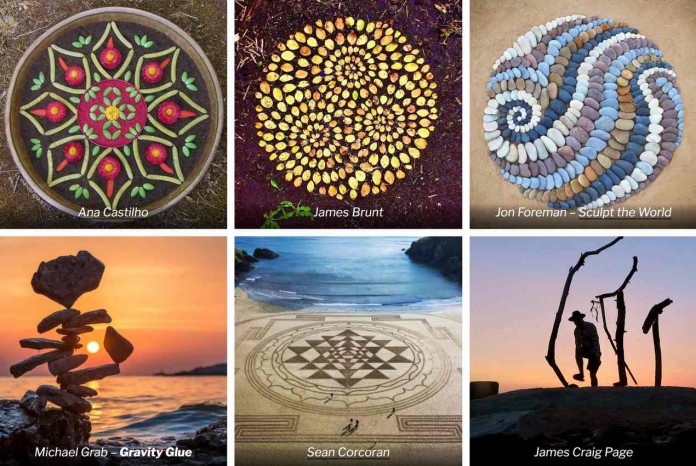
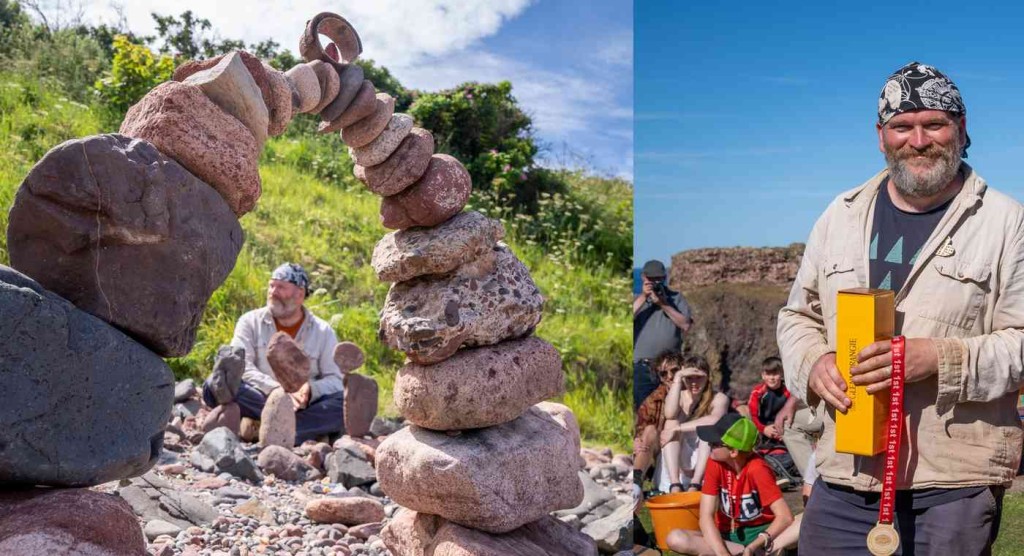
Check Out the Winners of the Stone-Stacking Championship in Europe – LOOK

- credit Laurence Winram Photography
– credit Laurence Winram Photography

Every year, a wonderful event celebrating the beauty of component nature and humanity’s connection with it takes place over a weekend in Scotland.

The European “Land Art” Festival and Stone Stacking Championships were held for the fifth time in Dunbar on the shores of Scotland, and the photos are something to behold.

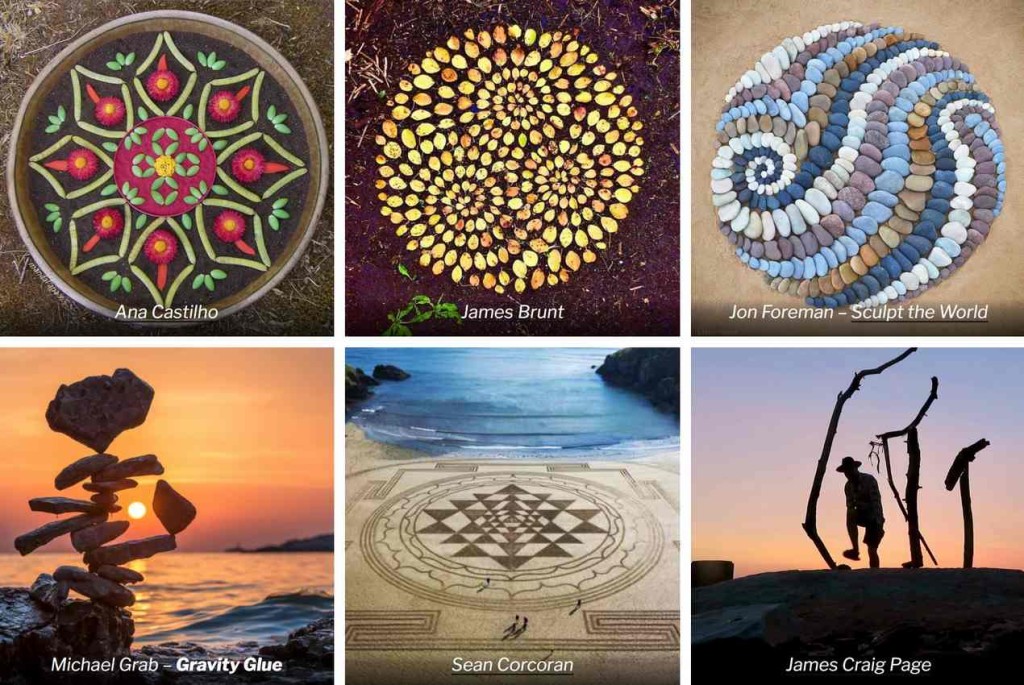
Organized originally as the “John Muir Stone Stacking Challenge,” taking the name of the famous Scottish-American naturalist who was born in Dunbar, the event was founded by local artist James Craig Page in 2016.

Then in 2022, after 5 successful years, albeit with 2020 off for obvious reasons, the festival’s stone stacking competition came under the umbrella of the European Land Art Festival, ELAF, and is now running for a full week each July.

“We want to introduce it to as many people as we can, especially to children who despite the wealth of digital distractions can still readily enjoy getting back to what so many of us took for granted as children; playing freely in nature,” writes Page on their website.

“Many people struggle to calm their racing minds… this is where land art is such a powerful tool, as not only is it enjoyable but it’s the ultimate mindful practice. If you are stacking stones there’s no way to do this without focusing the mind completely.”

Below are the photos from this year’s champions…

Tim Pugh from Wales took the overall competition prize, and was the winner of the 30 Minute Artistic Challenge…

Artistic winner Tim Pugh – credit Laurence Winram Photography

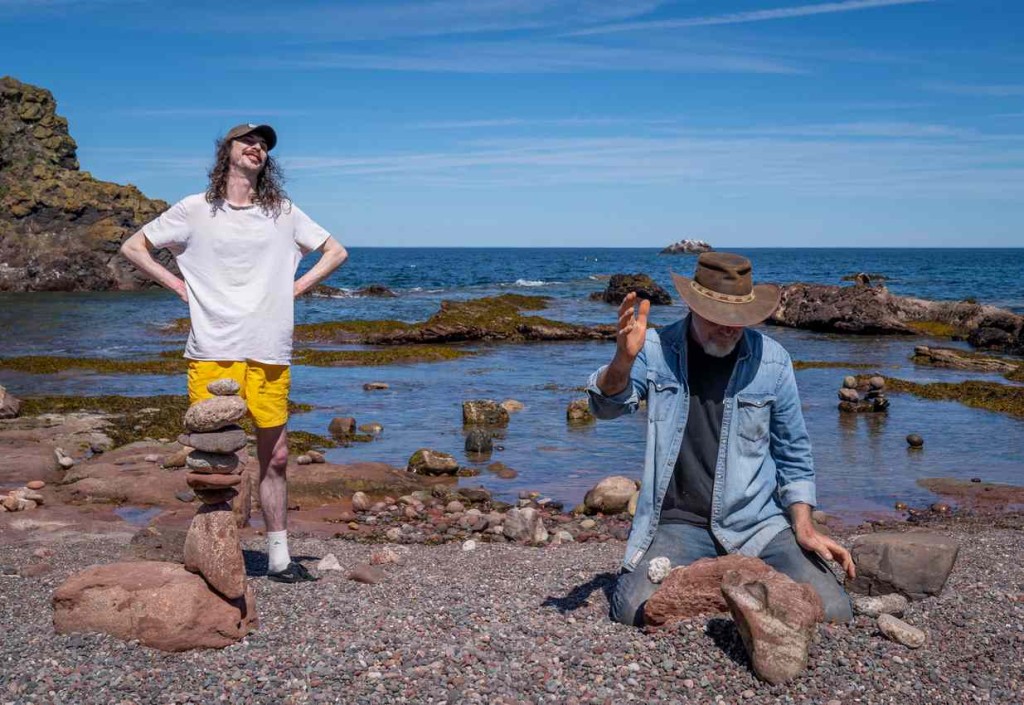
Ben Ambrozevich won the award for best job with 2 minutes and 7 stones…

Delighted and distraught – credit Laurence Winram Photography

James Brunt won the Best Artistic Arch competition with this beautiful balancing act…

James Brunt – Best Artistic Arch – credit Laurence Winram Photography

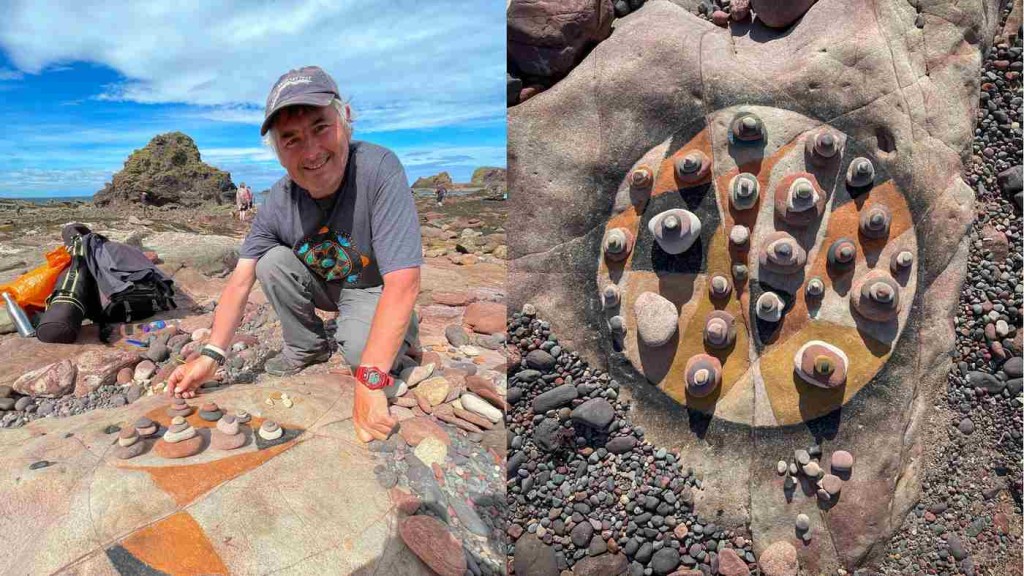
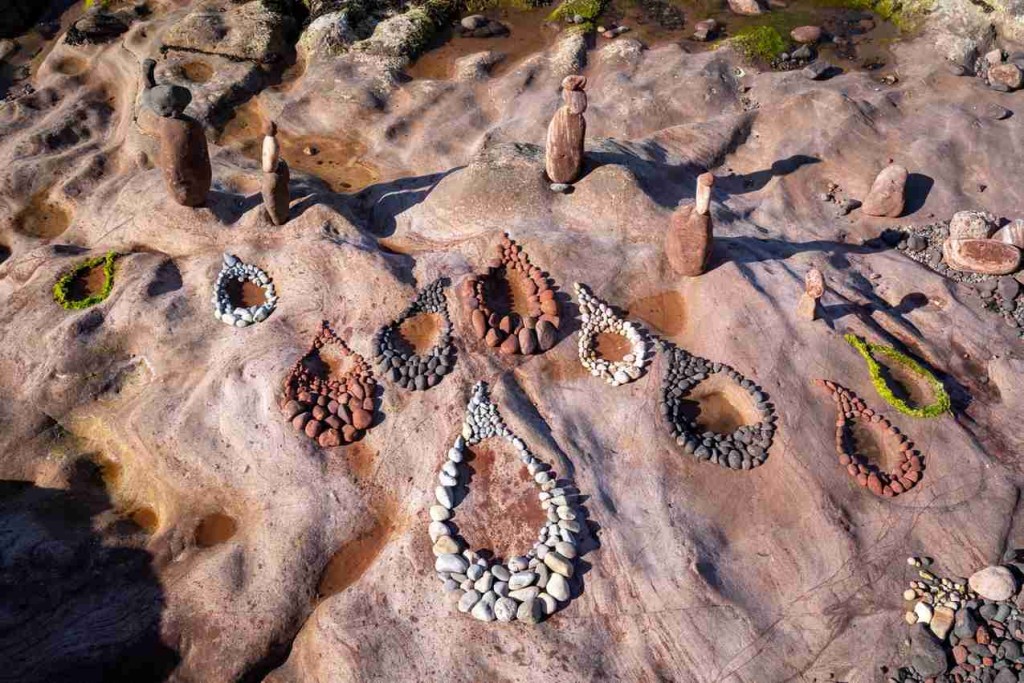
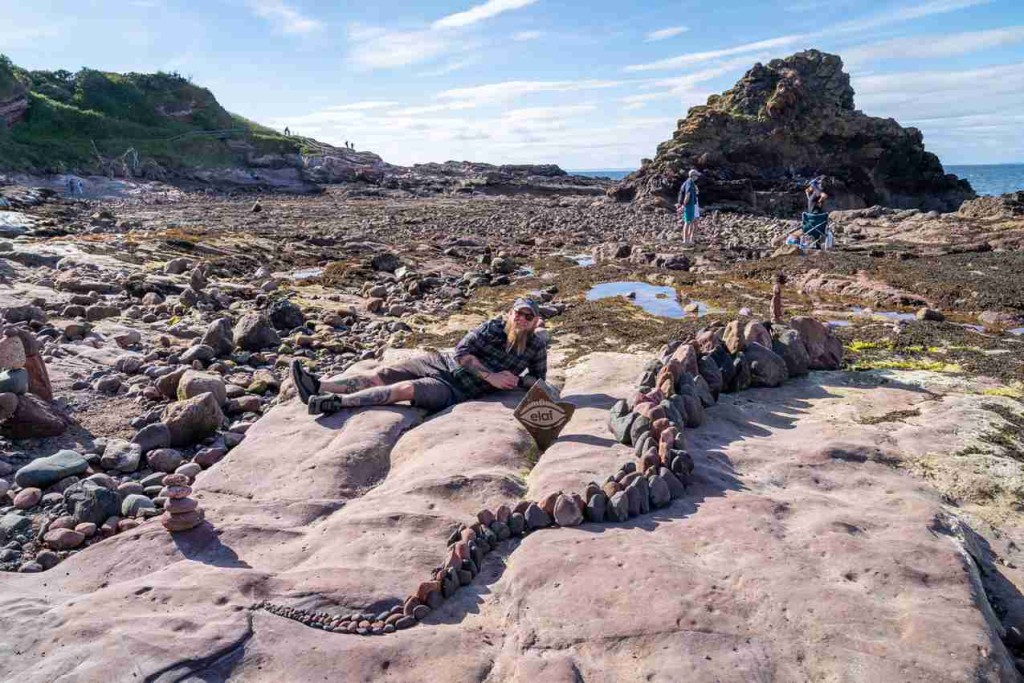
Then there were the non-competition sculptures, labors of love and concentration.

– credit Laurence Winram Photography

Stacking responsibly

Stacking stones is an ages old human activity. The old word in English is “cairn”, signifying the stacked stones that mark something like a trail. Archeologists have found cairns on all inhabited continents, some of which date back to our earliest hunter-gatherer societies.

Nevertheless there are more of us now than there once were, and mass-stone-stacking, particularly in sensitive ecosystems like creeks, riverbeds, streams, or steep mountainsides, can have detrimental effects over time.

Removing stones embedded in streambeds seriously impacts habitat for nesting fish, salamanders, tadpoles, and more, with scientific research from the National Parks Service showing it can actually contribute to habitat loss in impactful ways.

READ MORE: Artists Use Hundreds of Miles of Colored Yarn to Create Breathtaking Installations of ‘Outer Space’

On hills and mountainsides, moving stones around to build cairns can expose the soil to water erosion, increasing the risk for landslides during heavy rains.

All humans have a right to cairn building and stone stacking as much as we have a right to do anything in nature. But that right comes with the responsibility to know when it’s appropriate to stack stones, and when the activity is harming the ecosystems that nature-lovers treasure.

– credit Laurence Winram Photography

SIMIALR: Design Students Use Art to Reimagine Plastic Recycling – Creating Lamps, Seat Covers, and More

ELAF understands this, and only uses rocks and stones that have already completed their journeys from the mountains and hills in which they were born, to the sea where they will slowly be ground into sand.

If you want to stack stones in the wild, select stones that are already dislodged from the ground. Don’t move stones underwater, or where there are signs of animal life on or around them.

SHARE This Beautiful Nature Artwork With Your Friends… 

Mom Says Her Baby Boy’s Sight Was Saved by Message from a Stranger Who Spotted Abnormality on TikTok

- SWNS
– SWNS

New mother Lily Fleet posted a cleverly-edited video dressing her son Ari that happened to be spotted by optometrist Laura Brown.

Noticing Ari’s left eye had a cloudy appearance and an outward squint during a short few seconds of the video, she messaged Fleet suggesting she get the eight-week-old checked out.

The tests revealed he had congenital glaucoma, which required an urgent operation to open a tube in his eye so fluid could drain out.

Lily had been to the doctors already, but had been turned away, until she went armed with Brown’s advice.

“When we saw the specialists they said this isn’t often picked up before seven months so we’re very lucky,” said Fleet, from East London. “I wasn’t surprised because I had noticed his eye and been to the doctor but Laura encouraged me to make sure I saw a specialist which made all the difference.”

“I’m so grateful to her for reaching out. It’s something I’ll never forget. It would be lovely to have an impact on someone’s life like that,” she added.

RELATED: ‘Mind-blowing’ Surgery in Mothers’ Wombs Spared Dozens of Babies From Spina Bifida Paralysis

Untreated, glaucoma can eventually lead to blindness. Fleet said she had noticed Ari’s eye wasn’t focusing properly and had been reassured it was fine by her doctor at his six week check up.

She was told to come back if the squint hadn’t self-corrected by three months. The cloudiness, which is caused by the undrained fluid, appeared a week later.

“I was in two minds about reaching out,” Brown, herself a mother of two, admits. “I worried about being the crazy lady on the internet. But you don’t always get specialists looking at a baby that young so I decided to go for it.”

SIMILAR: Hockey Fan Spots Cancerous Mole on a Staffer, Gets $10,000 Medical School Scholarship from Grateful NHL Team

“He would 100% have lost all or most of the vision in that eye in a couple of months, if it had been left untreated,” Brown said, adding that parents shouldn’t ignore their instincts about their child’s health.

“If you think there’s anything with the eyes that you’re not sure about, get it checked out by an optometrist: they are the ones who do eye tests.”

Volvo Launches 3 New Massive Electric Truck Models for Heavy Duty Uses, Representing 2/3 of Company’s Sales

- Volvo, released.
– Volvo, released.

Imagine a truck that only emits water vapor, produces its own electricity onboard and has a range of up to 600 miles.

Volvo have made it possible with fuel cells powered by hydrogen, and during this summer they started to test a new line of trucks using this technology.

Volvo Trucks is beginning series production of the electric versions of the company’s most important product range, its heavy-duty trucks: Volvo FH, Volvo FM and Volvo FMX. These trucks can operate at a total weight of 44 tons and the three models represent around two-thirds of the company’s sales.

“We have been developing this technology for some years now, and it feels great to see the first trucks successfully running on the test track,” said Roger Alm, President of Volvo Trucks division.

“The combination of battery electric and fuel cell electric will enable our customers to completely eliminate CO2 exhaust emissions from their trucks, no matter transport assignments. This is a milestone and proves that we are leading the transformation of the industry.”

The fuel cell electric trucks will have an operational range comparable to many diesel trucks—up to 600 miles (1,000 km)—and a refueling time of less than 15 minutes. The total weight can be around 65 tons or even higher, and the two fuel cells have the capacity to generate 300 kW of electricity onboard.

SEE ALSO: New Design for Solid-State Hydrogen Fuel Cell Significantly Reduces Charging Times and Improves Safety

Hydrogen fuel cells are much more practical for freight or high-tonnage transport for several reasons. First, a regular passenger sedan would be over-weighted by the addition of the fuel cell apparatus, so any theoretical 4-door model would have to be much bigger and heavier.

Secondly, pure hydrogen is not something most citizens can easily get their hands on, and it requires much more time to refuel than normal gasoline or diesel.

Production at the Volvo Tuve plant begins – released by Volvo

For freight vehicles or trains that run on schedules and stop at designated facilities, all three of these problems are easily surmounted.

MORE GOOD HYDROGEN NEWS: World’s First 100% Hydrogen-Powered Trains Now Running Regional Service in Germany to Replace Diesel

Volvo Trucks’ electric portfolio could cover around 45% of all goods transported in Europe today, mostly because European trucking routes are much smaller than in the U.S., (averaging 160 miles, or 300 km), so the need to arrive at a special refueling station doesn’t become an issue.

“We have sold around 1,000 units of our heavy electric trucks and more than 2,600 of our electric trucks in total. We expect volumes to increase significantly in the next few years. By 2030, at least 50 percent of the trucks we sell globally should be electric,” says Alm.

SHARE This Major Milestone On Social Media…