All News - Page 349 of 1733 - Good News Network
Home Blog Page 349

Astronomers Find A Fluffy Planet With the Density of a Marshmallow

Artist impression of ultra fluffy gas giant orbiting a cool red dwarf.

Astronomers have found a planet with the average density of a marshmallow.

Along with being a big softie, scientists found that the Jupiter-sized exoplanet would also float if it were hypothetically put in a giant cosmic bathtub.

Astronomers using the Kitt Peak National Observatory telescope in Arizona, observed an unusual planet in orbit around a cool red dwarf star (more on that later).

Located approximately 580 light-years from Earth in the constellation of Auriga the Charioteer, this planet, identified as TOI-3757 b, is the lowest-density planet ever detected around a red dwarf star.

TOI-3757 b’s average density was calculated as being 0.27 grams per cubic centimeter (about 17 grams per cubic feet), which would make it less than half the density of Saturn (the lowest-density planet in the Solar System), about one quarter the density of water, or in fact, similar in density to a marshmallow.

NASA’s Transiting Exoplanet Survey Satellite observed the crossing of this planet TOI-3757-b in front of its star, which allowed astronomers to calculate the planet’s diameter to be about 100,000 miles (150,000 kilometers) or about just slightly larger than that of Jupiter.

The planet finishes one complete orbit around its host star in just 3.5 days, 25-times less than the closest planet in our Solar System—Mercury—which takes about 88 days to do so. One might think this would be enough to “roast” our marshmallow planet.

However red dwarf stars can also be cool, or an M dwarf star.

Red dwarf stars are the smallest and dimmest members of so-called main-sequence stars—stars that convert hydrogen into helium in their cores at a steady rate. Though “cool” compared to stars like our Sun, red dwarf stars can be extremely active and erupt with powerful flares capable of stripping a planet of its atmosphere, making this star system a seemingly inhospitable location to form such a gossamer planet.

“Giant planets around red dwarf stars have traditionally been thought to be hard to form,” says Shubham Kanodia, first author on a paper published in The Astronomical Journal.

“So far this has only been looked at with small samples… which typically have found giant planets further away from these red dwarf stars. Until now we have not had a large enough sample of planets to find close-in gas planets in a robust manner.”

There are still unexplained mysteries surrounding TOI-3757 b, the big one being how a gas-giant planet can form around a red dwarf star, and especially such a low-density planet. Kanodia’s team, however, thinks they might have a solution to that mystery.

SIMILAR: Gigantic Planet Found Hidden in Plain Sight

They propose that the extra-low density of TOI-3757 b could be the result of two factors. The first relates to the rocky core of the planet; gas giants are thought to begin as massive rocky cores about ten times the mass of Earth, at which point they rapidly pull in large amounts of neighboring gas to form the gas giants we see today.

TOI-3757b’s star has a lower abundance of heavy elements compared to other M-dwarfs with gas giants, and this may have resulted in the rocky core forming more slowly, delaying the onset of gas accretion and therefore affecting the planet’s overall density.

RELATED: Huge Black Diamond Sold for $4.3 Million–and No One Knows Where it Came From or How it Was Formed

The second factor may be the planet’s orbit, which is tentatively thought to be slightly elliptical. There are times it gets closer to its star than at other times, resulting in substantial excess heating that can cause the planet’s atmosphere to bloat.

“Potential future observations of the atmosphere of this planet using NASA’s new James Webb Space Telescope could help shed light on its puffy nature,” says Jessica Libby-Roberts the second author on the paper.

“Finding more such systems with giant planets, which were once theorized to be extremely rare around red dwarfs, is part of our goal to understand how planets form,” adds Kanodia.

SHARE This Fascinating Discovery With Your Science-Loving Friends…

Delicious Cancer Breakthrough: Pomegranates Found to Significantly Fuel Tumor-Fighting Immune Cells

Margarita Zueva
Margarita Zueva

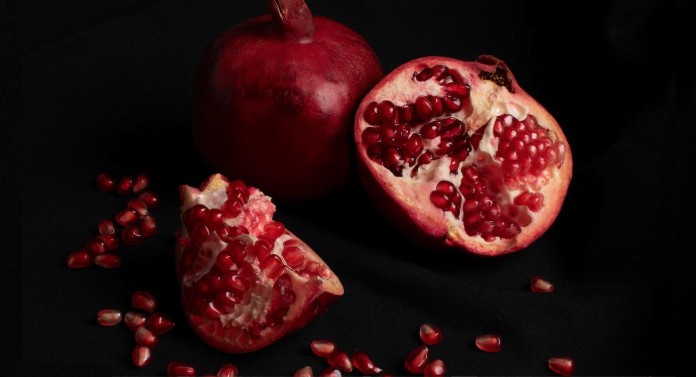
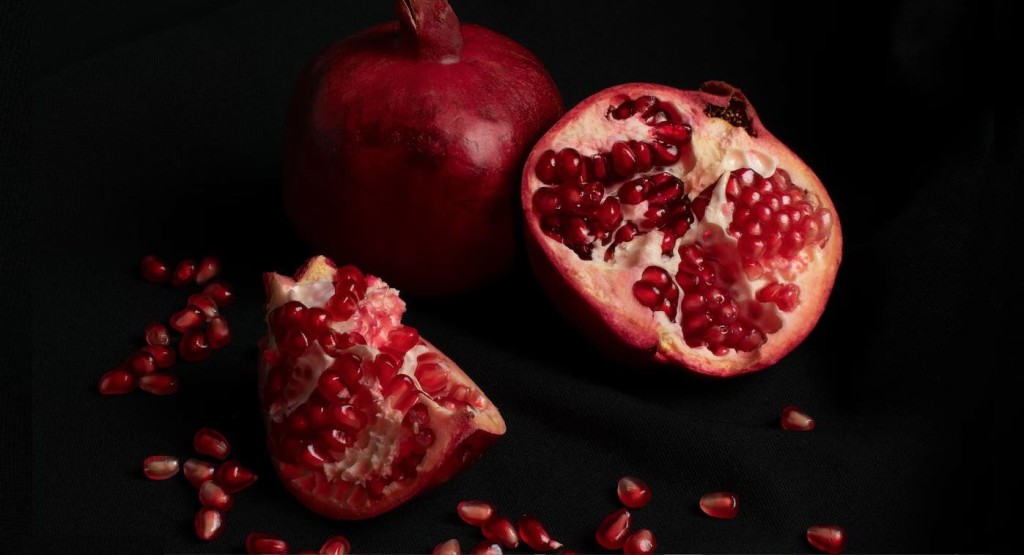
A new study shows that a substance found in pomegranates significantly boosts the immune system to fight cancer—triggering a constant supply of endless rejuvenated T cells.

German scientists studying therapies for colorectal cancer discovered that a metabolite in the red fruit, known as urolithin-A, rejuvenates immune T cells to make them better at fighting tumors.

Early diagnosis and treatment for colon cancer has improved in recent years but not all patients respond well to new treatments—so it remains a disease with high mortality rates in advanced stages.

Current research suggests that immune cells that are supposed to fight the tumor are suppressed by the surrounding tissue of the tumor. As a result, T cells, which are the body’s natural immune response agains cancer, are restricted and the tumor is allowed to grow and spread uncontrollably.

A team in Frankfurt led by Professor Florian Greten is now closer to solving the problem. Their discovery shows that urolithin A recycles and renews mitochondria—the so-called power plants inside T cells—through a process known as mitophagy.

When the pomegranate agent is introduced, old and damaged mitochondria in the T cells are removed and replaced by new, functional ones. This changes the genetic make up of the T cells, which are then more capable of fighting the tumor.

RELATED: Study Discovers ‘Hero’ Protein That Helps Repair DNA and Prevent Cancer Like a ‘Guardian of the Genome’

“Our findings are particularly exciting because the focus is not on the tumor cell but on the immune system—the natural defense against cancer,” said Dr. Dominic Denk of the Frankfurt University Hospital and first author of the study.

“This is where reliable therapeutic approaches are still lacking in the reality of colorectal cancer patients. By improving the combination therapy with existing immunotherapies, the study opens up meaningful possibilities.”

“We hope to use this to sustainably improve the therapy of colorectal cancer, but also of other cancers.”

LOOK: 8 Under-Appreciated Autumn Veggies and Fruits You Should Be Eating

The researchers demonstrated the therapeutic potential of urolithin A in two ways: On the one hand, urolithin A can be ingested using pomegranates directly as a food in the preclinical model, which limits tumor growth and even acts synergistically with existing immunotherapy. On the other hand, the benefits of urolithin A were also observed on human T cells in the laboratory. In vitro treatment with urolithin A “rejuvenates” human T cells, producing T memory stem cells—potent immune stem cells that, due to their ability to divide, constantly supply the immune system with rejuvenated, non-exhausted T cells.

Building on these findings, which were published in the journal Immunity, the researchers plan to apply urolithin A in clinical trials in treatments for people with colon cancer.

“We are very pleased that we can now quickly transfer our results to the clinic and look forward with excitement to the upcoming clinical trials,” concluded Prof. Greten of Georg-Speyer-Haus.

FEED This Cancer Food to Friends and Family on Social Media…

‘Important Message of Hope’ Made by Re-Planting Extinct Tree Species on Hawaii

Discovering Delissea argutidentata – Kamehameha Schools

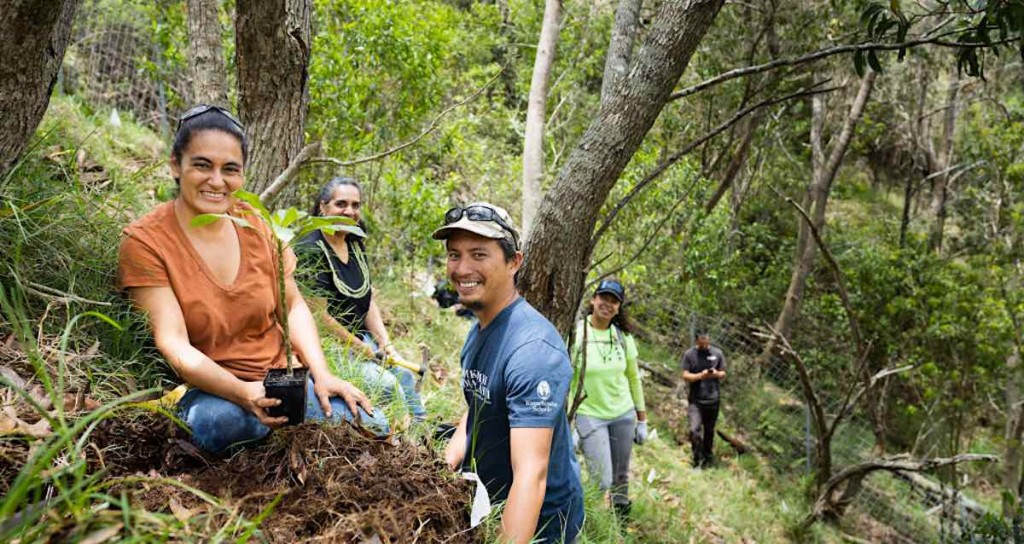
While on a seed gathering trip atop a Hawai’ian mountain in 2021, conservationists found a tree species believed extinct in the wild since since 1992.

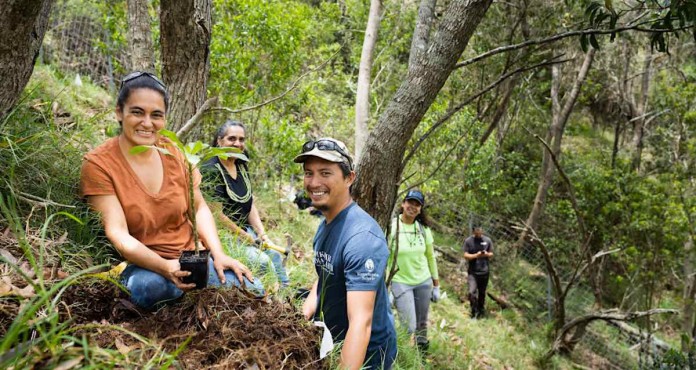
This month, teams from the organizations that found it went up to the same area and planted 30 seedlings born from the fruits of the plants they found, growing hope that this species can recover to repopulate the Hawai’ian Islands.

Delissea argutidentata is just one of two remaining species of the Delissea genus, a Hawai’i native that has lost 14 other species.

Palm-like in its appearance, it belongs to a family known as Hawai’ian lobelioids, and can grow to 35-feet (10.2 meters) with a thick head of long narrow leaves. They used to be found growing under the shade of giant koa trees in volcanic craters.

Three Mountain Alliance, an organization that works to repopulate endangered Hawai’ian plant species, found the individual on a survey on Kamehameha Schools land, and later propagated 30 seedlings at their Volcano Rare Plant Facility.

They fenced off the area until February of 2022, when they returned to harvest the fruit a second time, which they shipped off to cold storage for additional security. They also found two new wild-growing seedlings.

SIMILAR: World’s First Ocean-Assisted Carbon Removal Plant Launched in Hawaii

“Kamehameha Schools has been successful at stewarding native ecosystems as a whole but what’s really exciting is that this is the first step toward a much bigger focus on rare species recovery,” KS Senior Natural Resources Manager Amber Nāmaka Whitehead said.

“We need both—healthy native ecosystems and every one of our rare species. They are critically important to our Hawaiian cultural identity and our health and well-being as a people.”

READ ALSO: Hawaii’s State Bird Soars Back From Brink of Extinction After Only 30 Birds Left on Islands

Maui Now reports that there is no Hawai’ian name for the plant, although given their similarity to another of the Hawai’ian lobelias, the Cyanea, they could also have been called Hāhā.

“Rediscovery of Delissea is such an important message of hope,” TMA Coordinator Colleen Cole said. “In Hawaiʻi, there is often much focus on loss: loss of species, forest, sacred places—and maybe that is human nature but the Delissea reminds us to always nurture and make room for hope and discovery.”

WATCH the story below… 

SHARE This Hawai’i News On Social Media…

“Everyone shines, given the right lighting.” – Susan Cain

Quote of the Day: “Everyone shines, given the right lighting.” – Susan Cain

Photo by: Leon ellDOT

With a new inspirational quote every day, atop the perfect photo—collected and archived on our Quotes page—why not bookmark GNN.org for a daily uplift?

Birds Have Self Control Just Like Humans–And Some Have a Lot of It

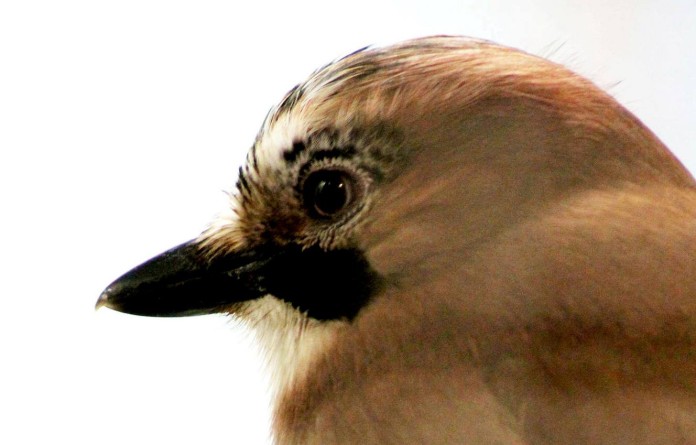
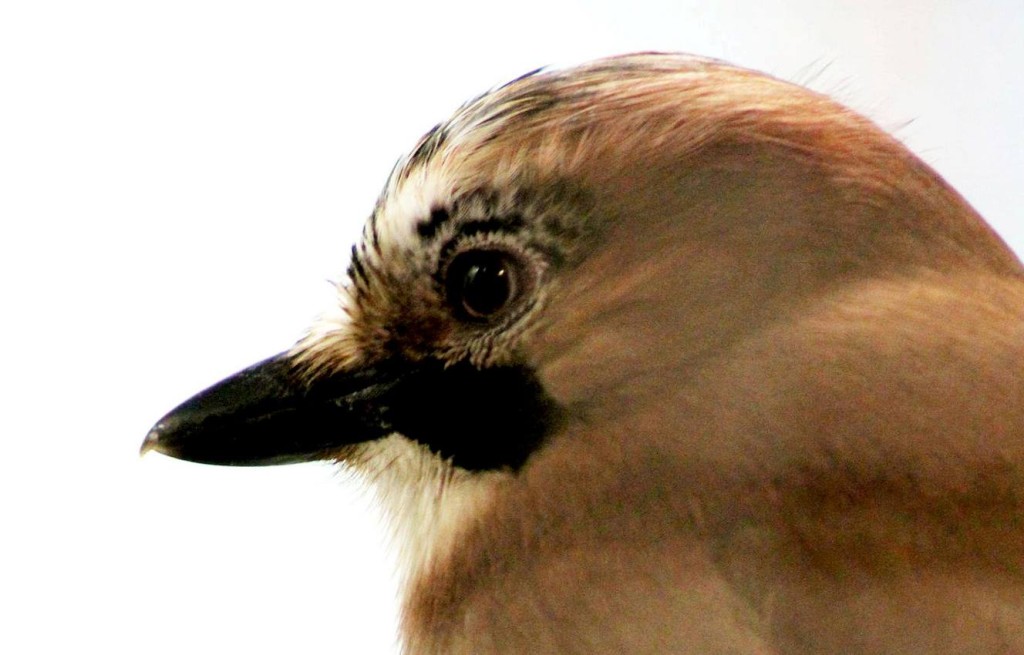
JayLo the smart jay - SWNS
JayLo, the smart jay – SWNS

Birds have self control—just like humans, according to new research that found Eurasian jays can resist a tempting snack when they know waiting will bring an even better one.

The study was actually inspired by the 1972 ‘Stanford Marshmallow’ test in which a US psychologist offered children a choice of one immediately—or two if they waited.

All kinds of unique human cognitive traits have been demonstrated in birds. From tool use to understanding the concept that zero can represent something and nothing at the same time (more on that rather complex explanation here).

These are particularly found in corvids, which include crows, jays, magpies, and ravens, a group sometimes called “feathered apes.”

This time, when the jays in the study were presented with mealworms, cheese, or bread, their first, second, and third favorite foods, all the birds tested passed the challenge by ignoring the immediately available treat until a screen was raised to allow access to the preferred choice.

One particularly bright bird ‘JayLo’, ignored a piece of cheese and waited a full five-and-a-half-minutes for a mealworm.

RELATED: After Using Tools, Crows are Happier and Behave More Optimistically: ‘The pleasure of accomplishment’

“In multiple trials, I sat there watching JayLo ignore a piece of cheese for over five minutes. I was getting bored, but she was just patiently waiting for the worm,” said Dr. Alex Schnell, of the University of Cambridge. “It is just mind-boggling that some jays can wait so long for their favorite food.”

The most intelligent birds, determined by separate intelligence tests, did best when a range of delay times tested their perseverance, linking their self-control to brainpower in the authors’ minds.

The worst performers, ‘Dolci’ and ‘Homer’ could only manage a maximum of 20 seconds.

The authors detail that the birds looked away from the bread or cheese when it was presented, as if to distract themselves on purpose. Similar behavior has been seen in chimpanzees and children.

SIMILAR: New Research Shows Why Crows Are So Intelligent and Even Self-Aware—Just Like Us

The jays also adjusted behavior according to circumstances. When the worm was visible but always out of reach, they always ate the bread or cheese.

And the length of time they were willing to wait for the worm fell if it was pitted against their second most preferred food as the immediate treat, compared to their third.

This flexibility shows jays only delay gratification when it’s warranted.

There’s good evolutionary biology to back this behavior up, and it’s not just a case of general brainiacsmanship.

READ ALSO: Magpies Outwit Scientists, by Helping Each Other Remove Tracking Devices

Corvids hide, or ‘cache’, food to save it for later. In other words, they need to be able to delay immediate gratification to plan for meals. It may have driven self-control in these birds, as well as underpinned decision making and planning, and fueled intelligence in other animals that cache and plan such as humans, chimpanzees and fish.

The results, published in Philosophical Transactions of the Royal Society B, show the link exists across distantly related animal groups—suggesting it has evolved independently several times.

SHARE This Inspiring Bird Brained Story With Your Friends…

Stunning Ancient Artwork Found at Site Sacked by ISIS: Assyrian Depictions Not Seen For 2,600 Years–LOOK

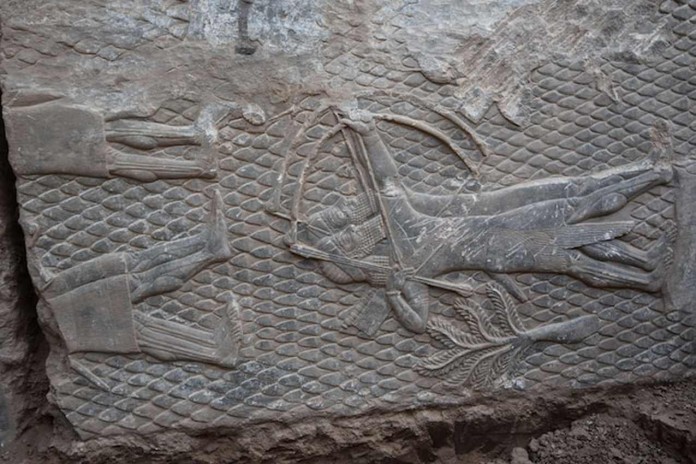
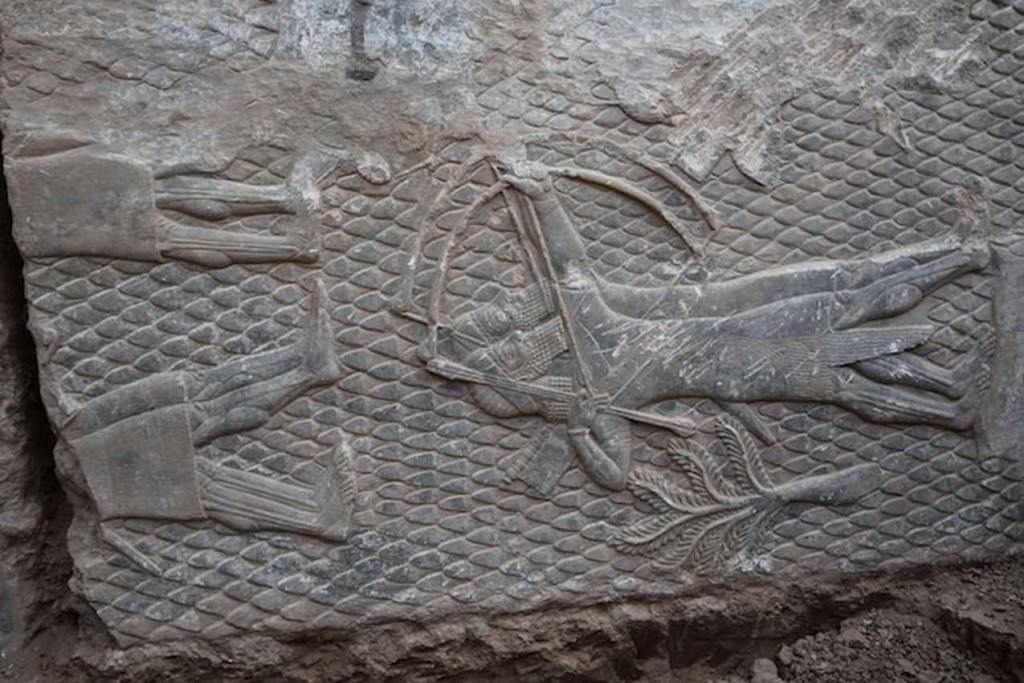
A slab buried on its side depicts Assyrian archers; the conical pattern in the background indicates they are in a hilly or mountainous environment - by Prof. Michael Danti
A slab buried on its side depicts Assyrian archers; the conical pattern in the background indicates they are in a hilly or mountainous environment – by Prof. Michael Danti

In April, archeologists working in the ancient Assyrian city of Nineveh which had been destroyed by the Islamic State, uncovered a pulse-quickening discovery—a sealed gateway unknown in any previous excavations or surveys of the site.

Carefully opening the door, the archeologists’ eyes fell on a hallway lined with dust that had not been disturbed for 2,634 years. Their discovery yielded incredible works of sculptural art—depictions of military camps and soldiers documenting the conquests of Mesopotamia by Assyrian king Sennacherib.

They remain stunning in their clarity and precision, and depict a change in Neo-Assyrian relief sculpting, when artists began to use every inch of space to depict lands, natural features in the background, and the various tribes that made up the Assyrian imperial population, not just the Assyrians themselves.

“They’re better than the ones in the British Museum,” said Michael Danti, professor of archeology at the University of Pennsylvania and member of the excavations, referring to similar reliefs found from excavations of Nineveh from the 19th century.

“They really show the high-relief carving, the detail of Sennacherib’s sculptures which were revolutionary at the time,” he told Nat Geo.

These marvels were discovered when two groups, the Iraq Heritage Stabilization Program at the Univ. of Pennsylvania, and the Nineveh Inspectorate of Iraq’s State Board of Antiquities and Heritage, began restoring the Mashki Gate, one of 18 that dotted the walls of Nineveh.

The architectural layer they found beyond the sealed gateway dated to the sack of the city by the Medes and Babylonians during the tail-end of the Iron Age Neo-Assyrian Empire in the 600s BCE, when the exceptionally-cruel Assyrian dominance of the Fertile Crescent had become so intolerable the inhabitants sought all means to be rid of it.

The Biblical prophet Nahum, who described the sack of the city, concluded with “woe to the bloody city, full of lies and robbery. Desolate Nineveh, who shall bewail her?”

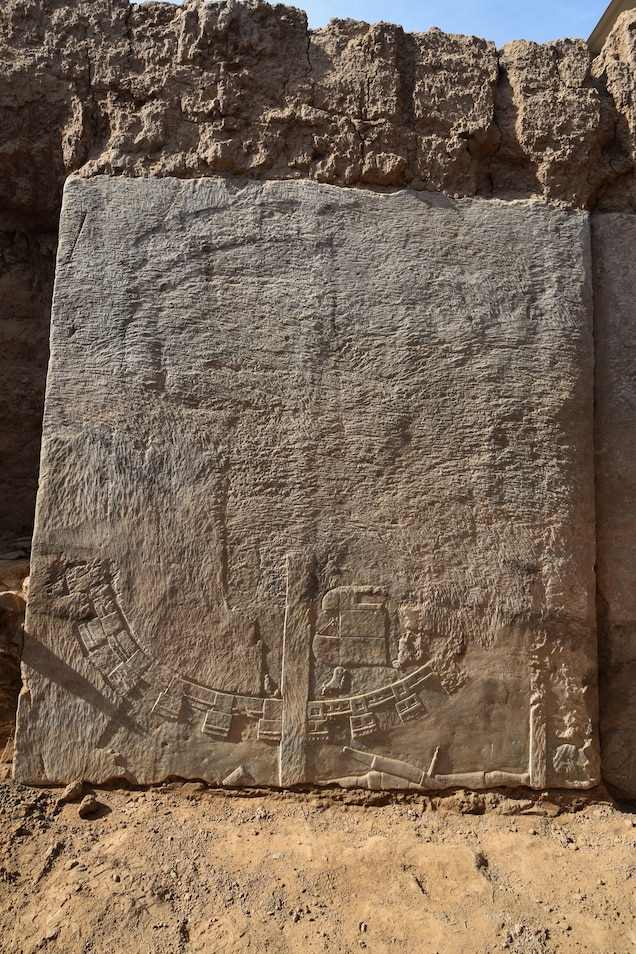
A depiction of a military camp – Photograph by Michael Danti

As restorers and archeologists began to excavate, they found human remains from this then-world-changing siege. Ironically, the panels depicting the breathtaking sculptures had been flipped upside down and reused as building material. The roughly 5-by-6.5-foot panels were set sideways against the mud brick walls of the gate.

“It’s something none of us expected,” said Ali Al-Jobouri, a retired professor of archeology who is nevertheless part of the excavations. “When you discover such things and you’re able to touch them with your hand, this is something very, very exciting,” he told Nat Geo.

Along with an overhead schematic of an Assyrian military camp, one relief depicts what is clearly an easterner—likely someone from Iran based on their hair and beard styles. As no one has presented a clear hypothesis what the battles were that are thusly depicted, one professor suggested the Iranian could represent a clue—campaigns eastward toward the Zagros Mountains.

These reliefs, unlike so much of the material from the Near East will remain in Iraq.

Spend the Night in a Giant Flower Pot – AirBnb is Funding The Most Off-Beat Lodgings

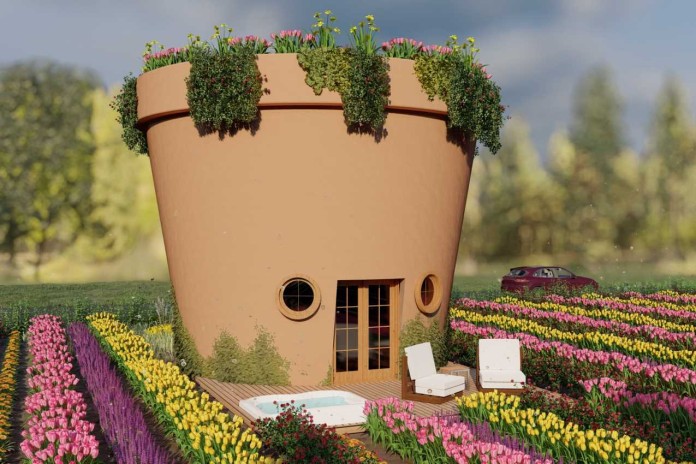
Would you ditch the Courtyard Marriot in order to sleep inside a giant flower pot? What about a nuclear missile bunker, a giant triceratops skull, or a pig sleeping under a quilt of grass and flowers?

These are just some of the ideas that came out of the $10 million OMG! Fund from AirBnB, a contest to find the craziest, most out of the world and innovative designs for unorthodox vacation rentals imaginable.

From a pool of more than 10,000 submissions, 100 super creative builders and designers will receive $100,000 to bring their vision to live.

After the contest was announced in June, the contest was flooded with entries, each more crazy than the last, but recurring motifs did begin to reveal themselves.

AirBnB’s data shows that more than 400 listings involved stargazing, 680 concepts were wine-inspired, almost 8,000 included solar panels, nearly 1,000 involved music in some way, and 1,500 included either a treehouse, or suspended structure.

In Mexico, Diego A. designed a livable giant snail fossil, while Haylee M. in the USA designed an adobe-clay hut shaped like a triceratops skull, with guests beckoned to enter through its beaked, gaping mouth.

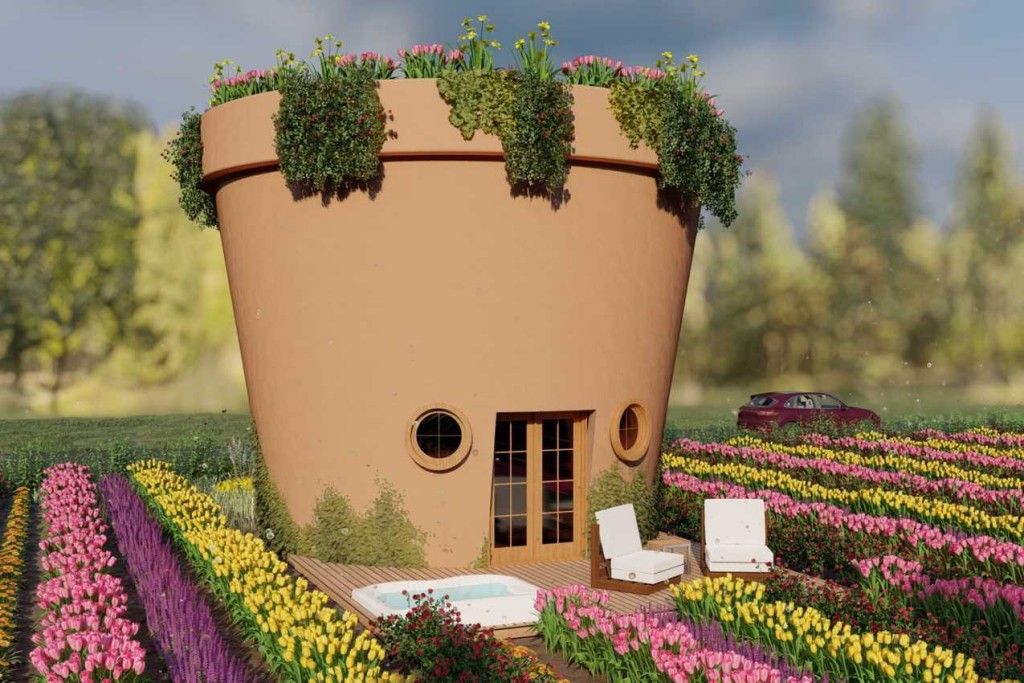
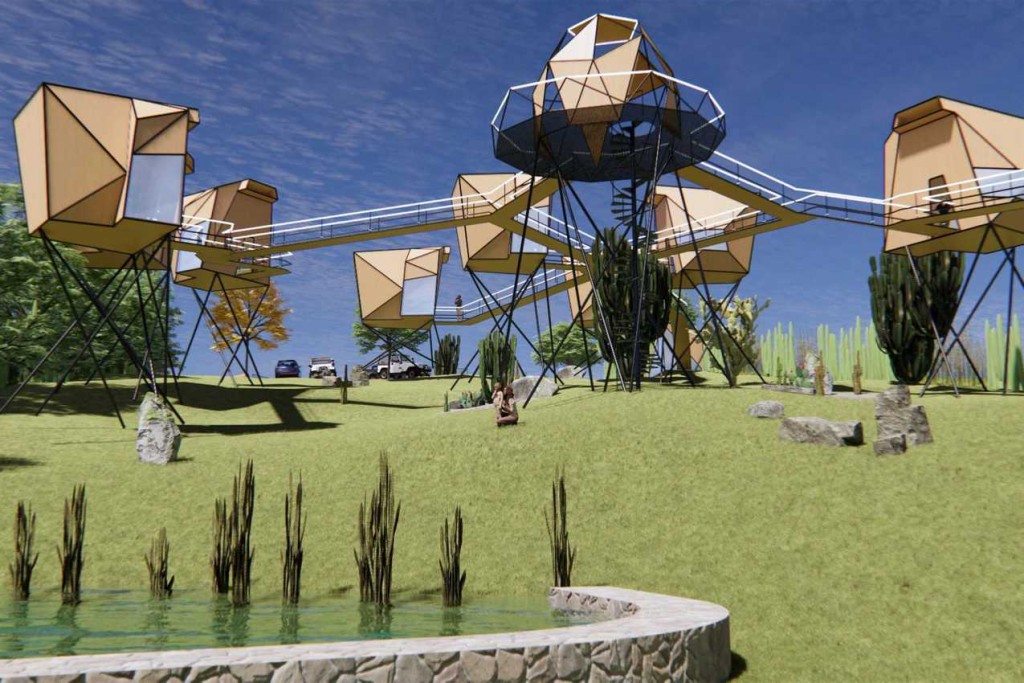
Another Mexican entrant came up with the design for a series of ten, interlinked room pods on stilts arranged in constellation of Orion, and Whitney H. designed a giant terracotta flower pot surrounded by beautiful blooms.

For music fans, a yellow submarine surrounded by tranquil woods, or the prism from Pink Floyd’s Dark Side of the Moon becomes a comfortable room, the latter welcoming guests up a rainbow spectra ramp.

“What an incredible journey it has been to be a part of the OMG! Fund judging process. There were so many inspiring stories and destinations that I had never heard of before that I’m now eager to visit,” said Kristie Wolfe, who herself previously won the contest by building a giant potato in Idaho.

Orion Constellation by Edmundo – Released.

“As a builder myself, I can’t wait to watch these ideas come to life. These are more than just places to spend the night—each one offers an entire experience!”

AirBnB saw 30,000 unique rentals enter their listings in 2021, and their data suggests that properties like yurts, treehouses, castles, and other such places tend to receive very high revenues, saying that globally, the median earnings for an OMG! Category Host active between January 2018 and May 2022 was just over $48,000.

As part of the contest, the winners will try to have the property rental-ready by summer of 2023.

For a full list of the winners, or to see more crazy images, visit their website here.

WOULD Your Friends Want To Plan A Trip To One Of These? Let Them Know…

Adult Elephants React to Birth in the Herd Just Moments After Adorable Baby is Born (WATCH)

- Sheldrick Wildlife Trust. Released.
Sheldrick Wildlife Trust – Released.

For the first time in 8 years, the orphan-elephant heard in Kenya’s Sheldrick Wildlife Trust is welcoming a new infant, and the response was inspiring to witness.

All elephants celebrate a new baby with great fanfare, but Sheldrick’s herd of former orphans took it to the next level.

It has become a time-honored tradition for mothers to return ‘home’ to the elephant stockades from the wilds within days or even hours of giving birth, bursting with pride and eager to show off their new addition to the people who raised them.

Sheldrick’s staff have only witnessed a birth once before. Days before Christmas 2014, a mother returned to the Trusts’ stockade at Voi and delivered her second daughter just outside.

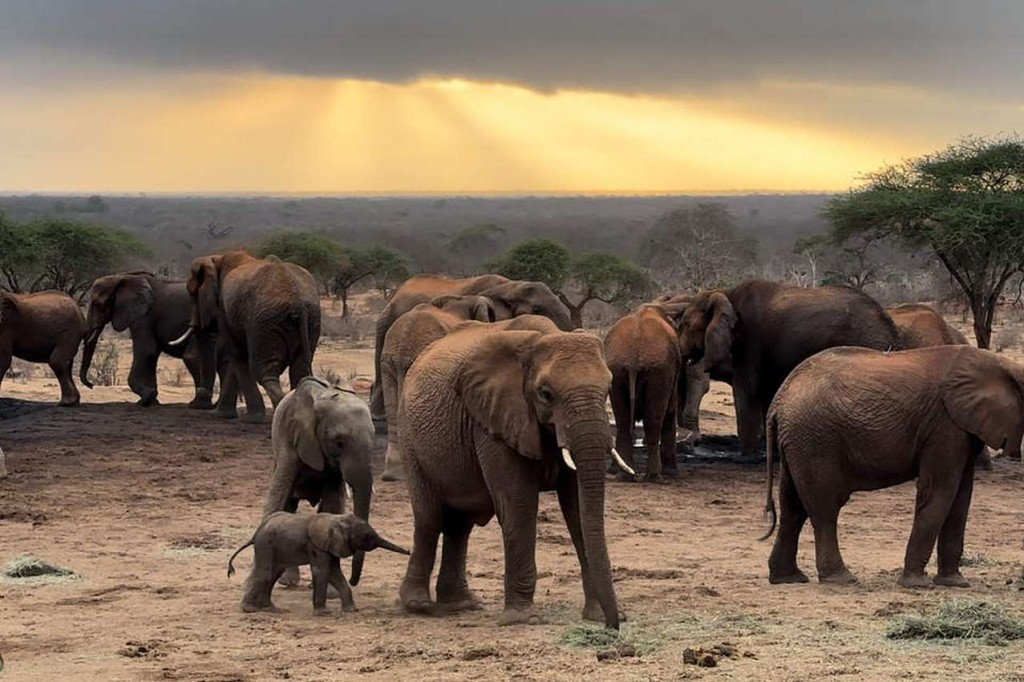
In the early morning hours of 29th October, wild elephants and the Trusts’ orphans began congregating outside the Ithumba stockades, as has become their habit during the dry season. Just after sunrise, Head Keeper Benjamin heard a great commotion, followed by a flurry of movement.

Amidst all the elephants, something had fallen on the earth. Its arrival sent the wild bulls running for the hills, ears flapping and trumpets blaring in consternation.

RELATED: Incredible Birth of Endangered Baby Rhino is Captured on Zoo’s Cameras, and Galloping Within Minutes (WATCH)

In fact, all the elephants seemed startled about whatever had landed in their midst. Even the older females, who are usually quite placid, made themselves scarce.

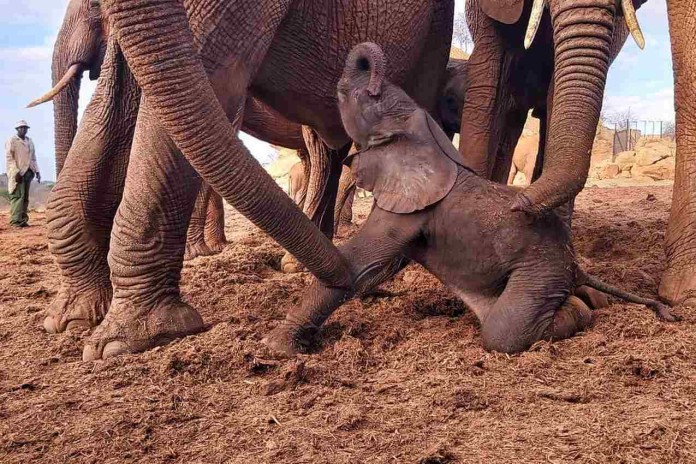
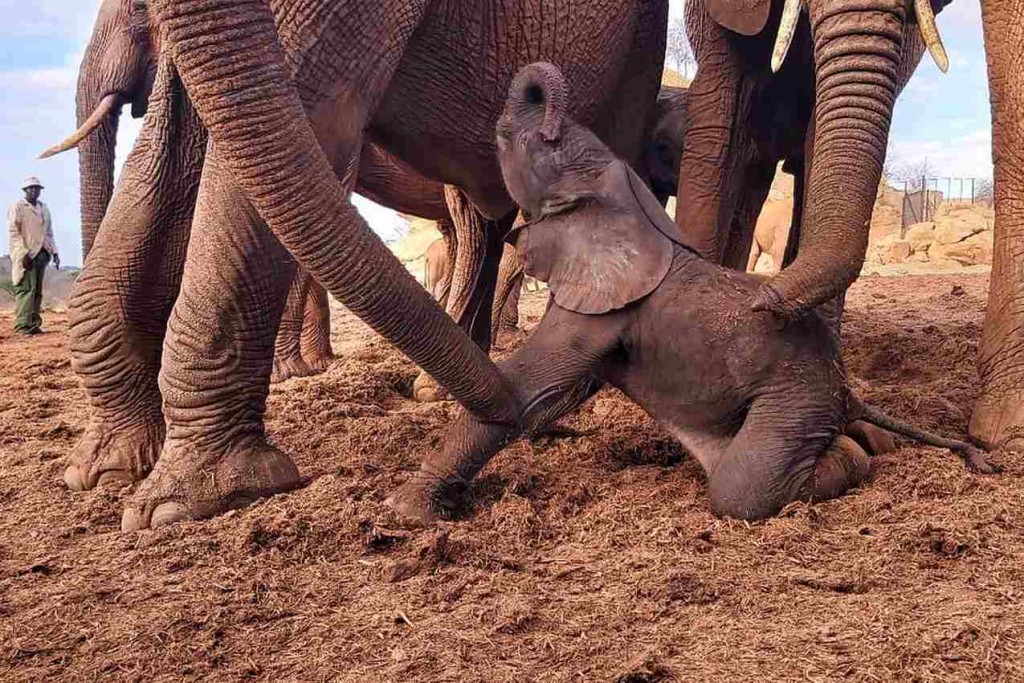
Before Benjamin could register what had happened, the females Melia, Loijuk, Kinna, Kitirua, Kalama, and Olare came running back over. He realized that the surprise delivery was a newborn elephant, still partially ensconced in a white placenta. With no preamble, Melia had given birth.

Sheldrick Wildlife Trust – Released.

Melia was found orphaned at 11-months-old in the vast Kenyan park of Tsavo East. Taken into the orphan herd at Sheldrick, she has flourished over the last 11 years both among the Trusts’ keepers and in the wild.

“In fact, Melia was as surprised as we were to find herself a mother!” Sheldrick stated on their website. “Initially, she seemed flummoxed by the tiny baby lying before her. That’s where her more experienced friends stepped in, helping the first-time mum come to grips with the situation.”

SIMILAR: Herd of Elephants to be Moved from UK to Kenya in Rewilding ‘World First’

A mother named Loijuk took charge and used her front legs to lift the baby to his feet. While the bulls couldn’t take their eyes off the scene, completely bewildered by what had just unfolded.

Loijuk’s initiative seemed to jolt Melia into action. She embraced her baby with her trunk and guided him over to nurse. It took some practice, but she figured out that she needed to prop her front foot forward, lowering herself so he could reach her breast. As the day unfolded, Melia seemed to become increasingly comfortable with motherhood.

“Just like us, some elephants are innately more nurturing than others. Melia has never shown much interest in babies,” the Trust continues. “As a dependent orphan at the Nursery and later at Ithumba, she showed no aspirations of becoming a mini matriarch. Even once she transitioned to the wild and her friends started having babies, she was never one of the girls jockeying to be a nanny.”

The newborn was given the name Milo, which means beloved, and is the 53rd elephant born to the orphan herd at Sheldrick. In all likelihood, Milo will soon be available for “adoption” on Sheldrick’s website, where there are dozens of orphans that rely largely on donations for their care and feeding.

WATCH the elephants welcome their new family member…

SHARE These Inspiring Scenes With Your Friends…

“October, baptize me with leaves! Swaddle me in corduroy. O autumn! Tuck tiny candy bars in my pockets and carve my smile in a thousand pumpkins.” – Rainbow Rowell

Quote of the Day: [The above quote was edited for length. Full version is below.]

“October, baptize me with leaves! Swaddle me in corduroy and nurse me with split pea soup. October, tuck tiny candy bars in my pockets and carve my smile into a thousand pumpkins. O autumn! O teakettle! O grace!”
Rainbow Rowell

Photo by: Joseph Gonzalez

With a new inspirational quote every day, atop the perfect photo—collected and archived on our Quotes page—why not bookmark GNN.org for a daily uplift?

Growth in Carbon Capture Projects This Year is Dramatic, Showing Global Determination to Cut Emissions

CARBFIX carbon capture and storage plant in Iceland

The number of carbon capture and storage projects in the pipeline is exploding, thanks to worldwide efforts to cut emissions.

A new report from the Global CCS Institute, which studies carbon capture and storage-(CCS), shows an impressive growth of 44 percent over the past 12 months.

The CEO of the climate change think tank, Jarad Daniels, believes the outlook for climate action “has never been more positive”.

The record-high total comes from 196 commercial CCS facilities in the project pipeline, including 30 in operation, 11 under construction, and 153 in development.

With 61 new facilities added to the project pipeline in 2022 alone, the CO2 capture capacity of all facilities under development has grown to 244 million tons per annum (Mtpa)—an increase from 169 last year.

Carbon capture and storage is used to filter emissions from power generators, steel mills, cement plants, and other industrial sites, and then bury the sequestered carbon underground.

RELATED: UK’s Largest Carbon Capture Project Will Turn 40,000 Tons of CO2 into Baking Soda

Daniels believes that CCS is essential for reaching national climate goals—and is noticing that as CCS continues to scale-up, prices are going down while efficiency is going up.

“CCS is increasingly commercially competitive,” said Daniels in a statement. “We anticipate even more strategic partnerships and collaboration driving deployment, particularly through CCS networks.”

CHECK OUT: World’s Biggest Factory to Suck Carbon from the Sky and Store it For Millions of Years Turns on in Iceland

The Inflation Reduction Act legislation passed by the US Congress provides tax credits for CCS, and early analysis suggests it could increase the growth by 13-fold, or well over 110 Mtpa, by 2030.

CCS projects also offer economic and social benefits because they can bring local jobs to communities that once relied on carbon-intensive industries, like coal mining.

In Europe, the Danish government has committed €5 billion for CCS over 10 years and the Dutch government has more than doubled its pledge to €13 billion. Australia saw new project announcements in Victoria and Western Australia, and notable progress in the Northern Territory.

MORE: Engineers Developed a Way to Convert Harmful CO2 Emissions into Chemical Building Blocks For Fuel

“Government policy must be met with private capital to unlock the full potential of CCS and limit global warming,” says Daniels, who see the next decade as an “absolutely critical time to move from ambition to action.”

View the Global Status of CCS 2022 report at the Institute’s website.

SHARE The Climate News to Show Your Green Support on Social Media…

50-Year White House Groundskeeper is Surprised With Elm Tree Planted To Honor Him For 200 Years–Watch

C-Span video
C-Span video

Presidents come and go from these grounds outside the White House, but the beloved members of their staff—like Dale Haney—stay behind to serve the next First Family.

The Bidens this week surprised this longtime groundskeeper who has cared for the White House Rose Garden, hundreds of trees, and more, for a half century.

Befitting Haney’s legacy, the Bidens chose a tree planting ceremony and together the trio planted an American Elm, which has a life expectancy of up to 200 years.

Jill Biden described Haney as “one of the most beloved people here.”

Over his 50 years he has served 10 American presidents, starting with Richard Nixon, and has become the keeper of the president’s pets—from Nixon’s King Timahoe to George W. Bush’s Barney, to Obama’s Bo, and Biden’s German Shepherd, Commander.

Haney told the President the elm will eventually provide shade so “Commander and I can sit out there this summer.”

RELATED: A Love Letter to America From a Village in Bangladesh on the 20th Anniversary of 9/11

Haney, who helped Michelle Obama start her Kitchen Garden, which is still in operation today.

He helped supervise fifty years of the White House Easter Egg Roll, and every year he chooses the evergreen that will become the official White House Christmas tree.

CHECK OUT: Ancient Tomb Found Beneath Notre Dame is ‘Remarkable Scientific Discovery’ of Sealed Sarcophagus

When questioned by the Associated Press, many past presidents and their wives praised his care for their animals and the passionate manner with which he helped their staff.

“Indeed, you have made and lived history,” the Clintons wrote in a note to Haney.


HAIL The Horticultural Hero By Sharing the Good News on Social Media…

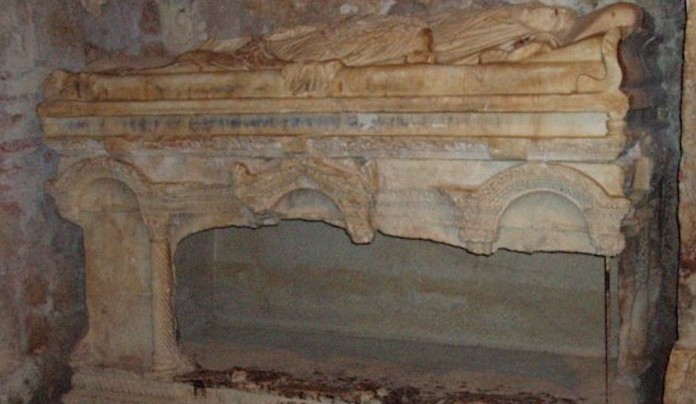
Location of St. Nicholas Tomb Discovered–the Inspiration For Santa Claus Who Left Gifts Inside Shoes and Helped the Poor

Sarcophagi in St. Nicolas Church in Myra (aka Demre) Turkey
Photograph of the desecrated sarcophagus in the St. Nicholas Church where Saint Nicholas’s bones were kept before they were plundered in 1087.

The exact location of the tomb of the Roman-era saint who inspired the gift-giving of Santa Claus has been uncovered by archeologists in the town of Myra in southern Turkey.

Saint Nicholas (‘Santa’ is Italian for saint) was an early Christian bishop of Greek descent who was beloved for his legendary habit of secret gift-giving.

He lived between 270 and 343 AD, and the mosaic floor on which he walked was discovered beneath the modern floorboards of the newer St. Nicholas Church.

The original building was submerged with the rise of the Mediterranean Sea and fewer than 200 years after Nicholas’s death, a new St. Nicholas church was built over the site of the one where he had served as bishop.

“In fact, this is the floor of the period he lived in, and we are talking about the floor on which St. Nicholas’ feet stepped,” Prof. Dr. Osman Eravşar told DHA News. The Antalya Cultural Heritage Preservation President says this is “an extremely important discovery, the first find from that period” within the excavation.

St. Nick’s reputation for secret gift-giving included placing coins in the shoes of those who left them outside for him—a practice still celebrated around the world on his feast day of December 6th.

fresco-dionisius-stnicholas.jpg
St. Nicholas depicted in fresco

LOOK: Stunning 4th Century Mosaic Depicting Trojan War Unearthed in Syria Beneath a War-Torn City

One written account describes Saint Nicholas caught in the act of charity toward three daughters. The bishop, who came from a wealthy family, placed three bags of gold—one each night—inside the home of their poor father. When he was caught in the act, Nicholas ordered him not to tell anyone about the gifts.

Saint Nicholas Church excavation in Myra (aka Demre) – Photo by Dosseman CC license, Wikipedia

The saint’s remains were moved from the flooded church and reinstalled in the new building inside a sarcophagus. Though the bones were later stolen, this new discovery uncovered the original tomb—and researchers hope to unearth more clues to his early life.

RELATED: 2,000-Year-Old Roman Road Uncovered in British Field is Like No Other–And of ‘Global Importance’

The site is being prepared to eventually be “made ready for display,” said Eravşar.

See the collection of photos from the recent archaeology at the DHA website.

DON’T Keep This Secret – Share the Discovery With Friends on Social Media…

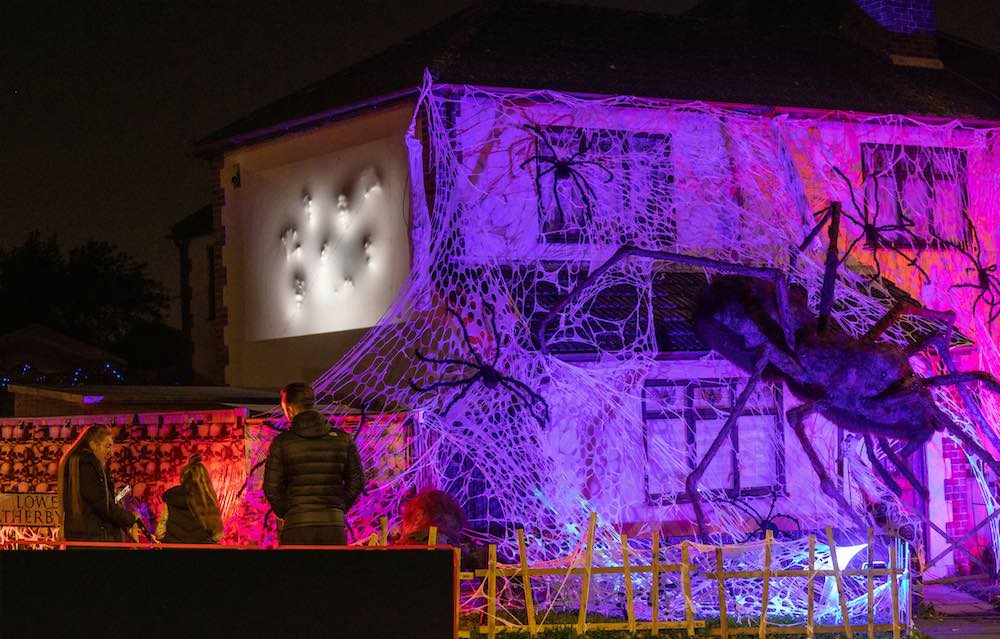
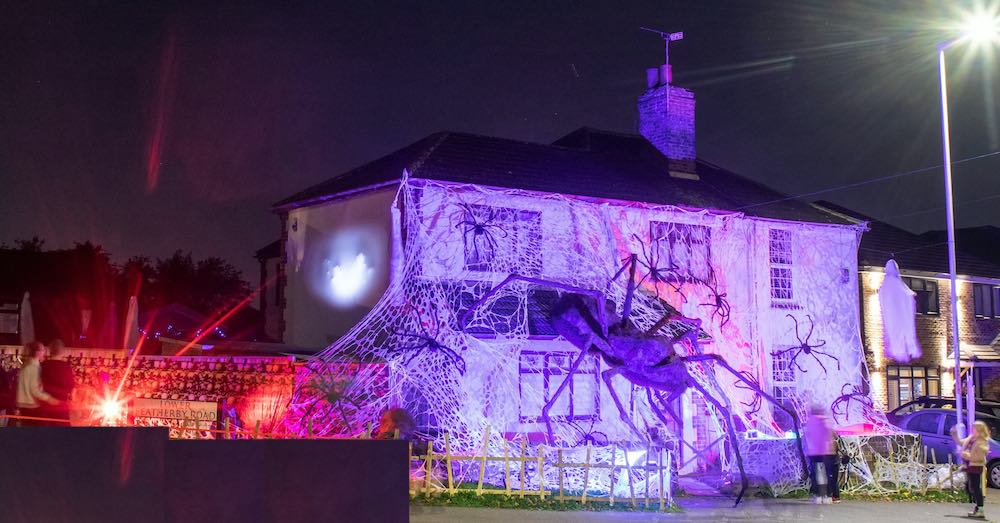
Dad Makes Epic Halloween Yard With Giant Spider and Horror Movie to Raise Thousands For Local Hospice (LOOK)

Kieron King as Hagrid alongside his handmade spider - SWNS
Kieron King’s projection on the house – see more in the video below. (SWNS)

A crafty dad has transformed his family’s home in England with epic Halloween decorations, all handmade, including a lifelike giant spider—all to raise cash for charity.

Kieron King has packed the outside of the house with massive spiders, demons, and webs, to create the ultimate spooky and memorable experience.

The Halloween cogs start turning each summer, when the engineer and carpenter gets started on the display with his partner and their two kids.

“Every year I build on the last and it just gets bigger and bigger. This year we have different skeletons which I made, some rotting flesh. The giant spider is new and we’ve added an 8-foot demon.”

The idea to raise money for charity came last Halloween when people started offering money after visiting the display in Gillingham, Kent.

He could have pocketed the cash, because the extravagant creation costs a lot of money.

“The big spider probably cost me about £1000 to make ($1,100).”

Last year the family raised around $3,100 in three days for the local children’s hospice called Demelza. This year they are determined to do even better—and have set up a Just Giving page hoping to beat last year’s total.

Kieron King and his family (SWNS)

And, this year, free of COVID fears, the staff plans on bringing some of the children from Demelza to visit the spooky house.

LOOK: One-Legged Man Ties His Disability Into the Best Halloween Costumes Ever

As well as dressing up the house, the 37-year-old always wears a costume, and he chose the iconic Hagrid character this year—going ‘above’ and beyond.

“The outfit is 100 percent handmade. The trousers and the waistcoat are made of curtains I found in the loft.”

Even more impressive, he is also wearing two-foot stilts, so he is Hagrid’s height of 8’2″—and he started practicing walking on them in the garden over the summer.

“My sister is coming up tomorrow and is dressing as Bellatrix Lestrange, so all the Harry Potter fans are going to love it.”

Kieron King as Hagrid alongside his handmade spider (SWNS)

He says the whole thing is really an activity for the kids.

RELATED: For Halloween You Can Rent the 3-Story Ghostbusters Headquarters in Portland–And Even Wear the Suits

“I have always enjoyed fancy dress parties and stuff, so I have lots of outfits, so when Halloween came around at the time my kids were at the right sort of age, we all got together and started decorating the house.”

“Everything I have made here the kids have helped out with.”

If you visit the destination, watch out for King’s nephew who is on ‘scare duty’, hiding in plain sight, ready to jump out at unsuspecting visitors.

“We have a scream counter. Last year we had 13 people cry out and that includes adults. We are currently up to four and we are hoping for a few more. I think we can definitely beat 13.”

(SWNS)

LOOK: World’s Largest Corn Maze Immortalizes James Bond Movies with 10-Mile Masterpiece in Illinois

The family hopes that the house can provide some joy, excitement—and screams—for Halloween.

“I really enjoy it. It’s what I look forward to every year. When I see all the kids come round—and my kids helping out—it’s so worth it.”

Mr King is already thinking about the next gruesome surprise he can come up with for next year, and he is open to suggestions.

WATCH: Nebraska Man Makes World’s Longest Journey by Pumpkin Boat on 60th Birthday

See the video below…

SCARE-Up Some Donations By Sharing the Good Fun With Friends on Social Media…

“No spring nor summer beauty hath such grace as I have seen in one autumnal face.” – John Donne

Credit: Rula Sibai

Quote of the Day: “No spring nor summer beauty hath such grace as I have seen in one autumnal face.” – John Donne

Photo by: Rula Sibai

With a new inspirational quote every day, atop the perfect photo—collected and archived on our Quotes page—why not bookmark GNN.org for a daily uplift?

Drinking Black Tea May Reduce the Risk of Early Death From Heart Disease, Says Study of Half-Million Brits

Photo by Manki Kim
Photo by Manki Kim

Drinking black tea may reduce the risk of dying young from heart disease, according to a new observational study that used data on nearly half a million people, ages 40-69.

People who drank two or more cups of per day were found to have a nine to 13 percent lower risk of an early death from cardiovascular disease or stroke, compared with non-tea drinkers.

The link was found regardless of whether participants also drank coffee, added milk or sugar to their tea, their preferred tea temperature, and the effect of demographics, lifestyles, as well as genes that determine how fast people metabolize caffeine.

Previous studies have shown an association between green tea drinking and reduced mortality in Asian populations, including from cancer, but the few studies that have been done on black tea-drinking populations have produced mixed results.

A research team in the U.S. led by Dr. Maki Inoue-Choi of the National Institute of Health’s National Cancer Institute investigated the association between tea drinking and mortality in the United Kingdom, using data on the 500,000 people enrolled in the nation’s Biobank study in the early 2000’s.

RELATED: Coffee and Tea Drinking May be Associated With Reduced Rates of Stroke and Dementia

The participants completed questionnaires covering demographic, lifestyle, and health-related information. This included the number of cups of tea they drank each day. The researchers followed participants for the 14-year study period, until early 2020. For those who died during this time, the researchers obtained date and cause of death from the UK National Health Service.

The researchers found a 9-13% lower risk of death among people who drank at least 2 cups of tea per day than among non-tea drinkers. Tea drinking was associated with reduced mortality from cardiovascular diseases and stroke—but not any reduction from cancer or respiratory disease than non-tea drinkers.

CHECK OUT: This Tea Has 10 Times More Antioxidants Than Green Tea

The team controlled for demographic, health, and lifestyle factors in their analysis. Genetic data were available for most participants, allowing the researchers to assess whether the associations they found varied with genetic variants that affect how fast people metabolize caffeine. They found that these variants did not affect the associations, nor did drinking coffee.

“The results reinforce that tea, including black tea, can be part of a healthy diet,” says senior author Dr. Erikka Loftfield of NCI, who published the results in the September 2022 issue of Annals of Internal Medicine.

But the researchers caution that the study is observational and cannot prove that tea drinking lowered the risk of death directly. They also did not assess some aspects of tea drinking, such as cup size and tea strength, which may be important. Further study will be needed to determine if and how tea reduces the risk of death.

ALSO: Coffee is Now Linked to Reduced Risk of Many Ailments, Including Liver Disease, Parkinson’s, Melanoma, Even Suicide

But, Inoue-Choi concluded, “If you drink tea already, you may be getting benefits from it.”

It’s TEA TIME: Pass This ‘Cuppa’ Good News to Friends on Social Media…

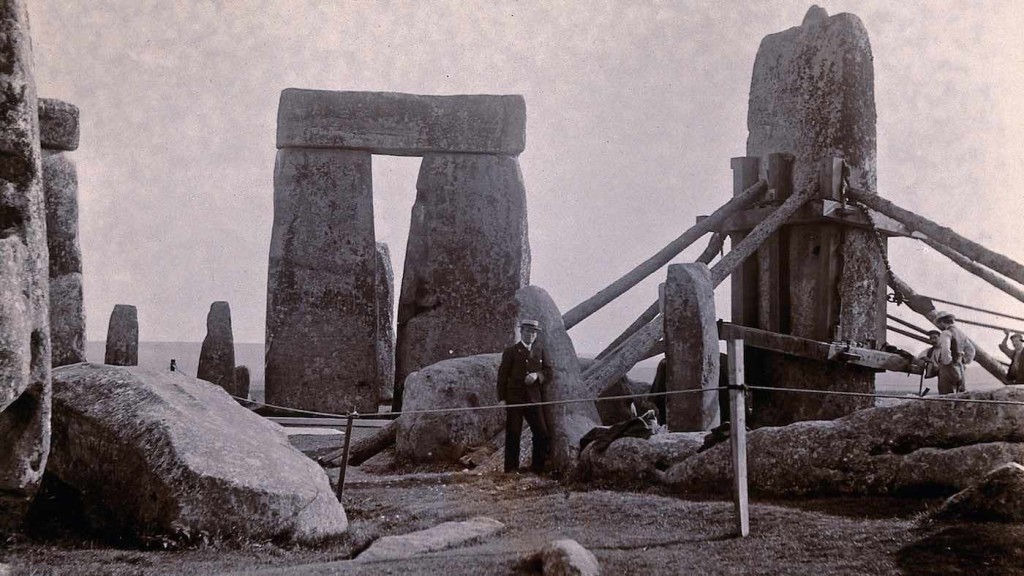
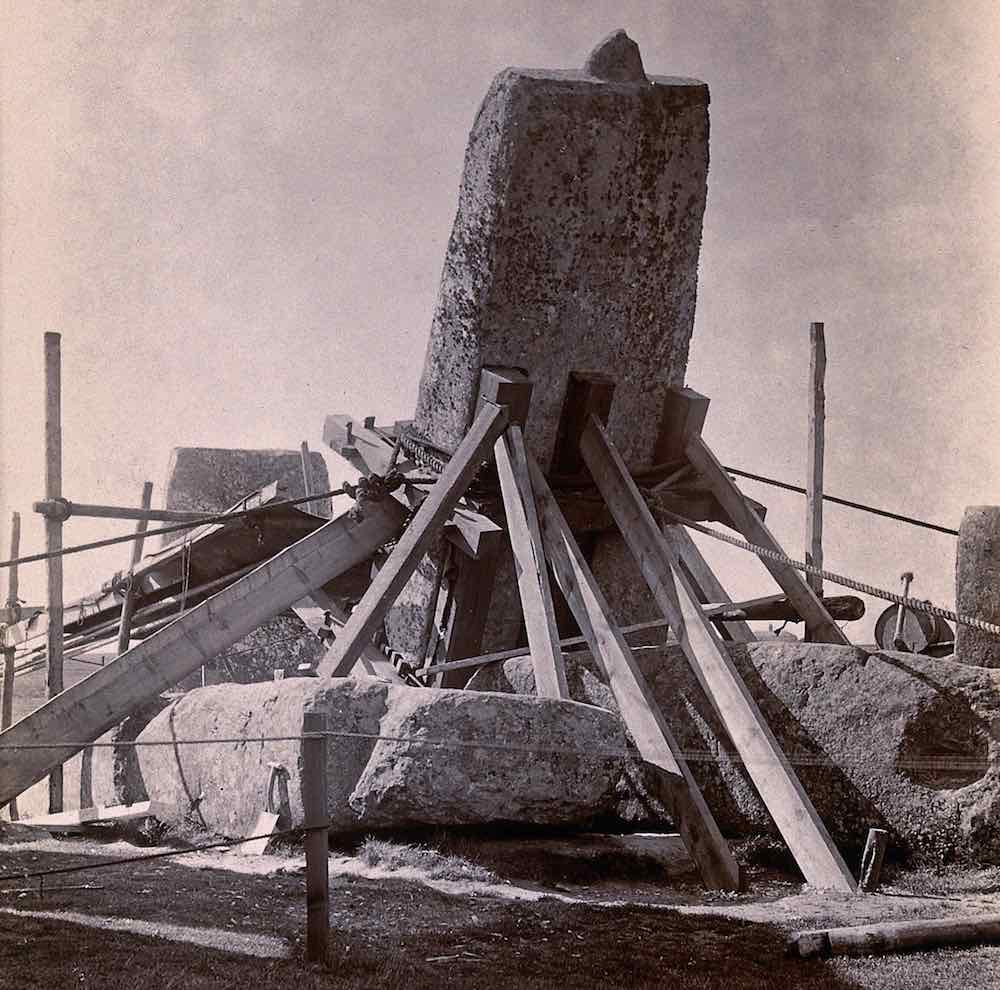
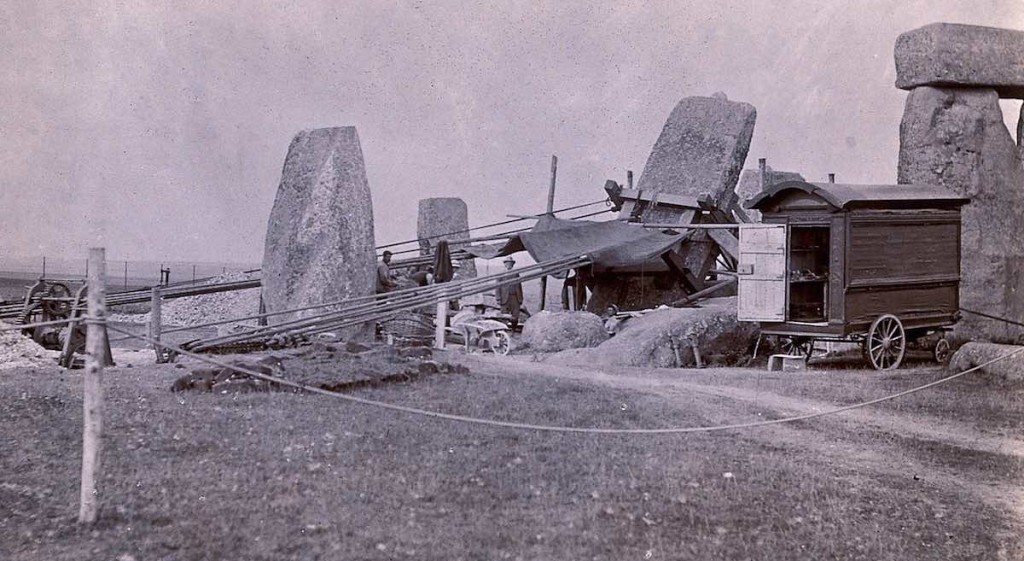
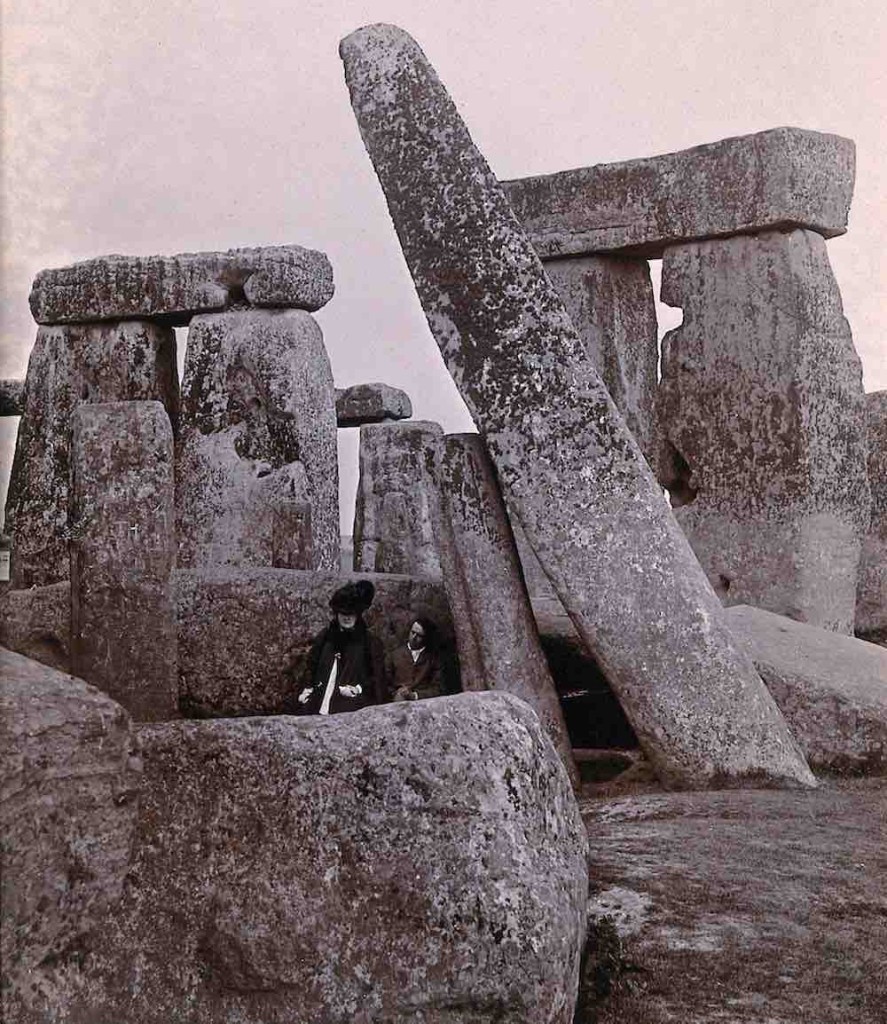
Photos Showing Victorians Painstakingly Rebuilding Stonehenge in 1901 Are Rewriting the Guidebooks

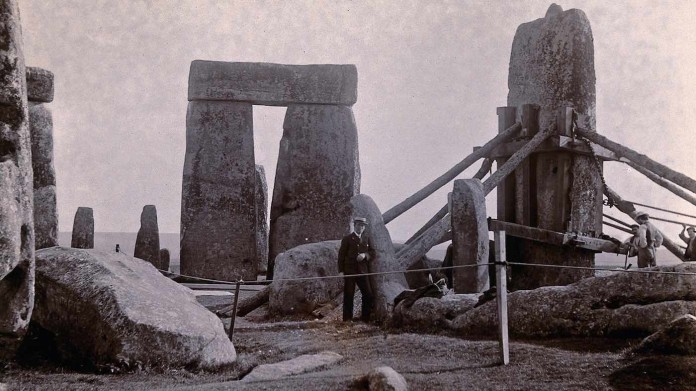
Straightening a leaning stone at Stonehenge in 1901 – SWNS

Photos are shedding light on the painstaking rebuilding of Stonehenge by Victorians in 1901—depicting engineers trying to move the tallest stones back into their intricate prehistoric positions.

Britain’s most famous ancient monument on the Salisbury Plain in Wiltshire was built around 2500 BC, but after thousands of years some of the stones had fallen out of place.

Most guidebooks since the 1970s had made no mention of the facelift provided during the Victorian era—or other restorations completed around 1920, 1959, and 1964.

But the fascinating photos found by a researcher of history at the University of the West of England show the repairs in 1901.

The photo above shows stone #56, one of the tallest of them all, at 21 feet-6 inches.

It had fallen over, and work was undertaken to push it back up into its original position using pulleys and ropes.

1901 photo shows the tallest stone, and a dimple in one of the horizontal lintela on the ground. – SWNS

A ‘bobble’ called a tenon in the upright stones fit into holes made in the horizontal lintels.

It is believed that 14 of the stones were also set in concrete during these early renovations, and concealed under the turf—and only seven are in their original sockets.

RELATED: British Museum Unveils Ancient Artifacts Illuminating the World of Stonehenge in New Exhibit

Straightening a leaning stone at Stonehenge using pulleys, ropes and a wooden frame attached to the stone in 1901 – SWNS

English Heritage, which oversees Stonehenge, vowed 20 years ago to rewrite the official guidebooks to make sure the rebuilding is part of the story told to the one million visitors each year who come to marvel at the engineering prowess of our early ancestors.

“The work is a very important part of the history of Stonehenge and when people are told about it they are fascinated,” said English Heritage senior archaeologist Dave Batchelor.

View of leaning stone prior to straightening; with two members of the Society of Antiquaries in 1901 – SWNS

RELATED: A New Henge Was Discovered Near Stonehenge

But, he believes that most people, above all, are interested in why it was built in the first place.

SHARE the Fascinating Photos With History-Lovers  on Social Media…

Woman Discovers Exact Replica of Grandfather’s WWII Plane and Recreates 1942 Photo Before Getting a Special Ride

Courtney Dohnt / SWNS

An Australian woman got the ride of a lifetime after discovering a replica of her grandfather’s World War II plane—and traveling 9,000 miles to recreate her favorite photo.

Courtney Dohnt was never able to meet her Australian grandfather who fought alongside the Brits and Allied Forces, flying in a Hawker Hurricane.

The plane—called Pegs after his beloved wife Peggy—was shot down during a raid on German-occupied territory in 1942. Her grandfather, Charles Bryce Watson, survived, but passed away twenty years before Courtney was born.

His stories lived on through Courtney’s family, and a photo of him alongside the plane had a prominent place in their home Down Under in Geelong, Victoria.

They heard about a Hawker Hurricane being restored in Berkshire, England and got in touch in a bid to learn more about the plane.

They were astonished when they discovered restorers had coincidently used the ‘Pegs’ tag on the paintwork, along with the kangaroo logo from his original model.

“I was so excited when I heard about the plane. I jumped at the chance to see it,” said the 38-year-old. “That picture was on our wall at home as I grew up so this experience hit me like a ton of bricks.”

RELATED: Couple’s Love Still Blooms 40 Years On, As They Recreate First Photo Posing Alongside 12ft Sunflower (LOOK)

WWII RAF pilot Charles Bryce Watson with his Hawker Hurricane, ‘Pegs’ -SWNS

Courtney flew to the UK this month to see the plane, which is used for commemorative flights in the UK, and cleverly recreated her favorite photo.

“It was so overwhelming to be able to see that plane, with ‘Pegs’ painted on the side for my grandmother, just like in the photo of Charles.”

The restoration company, Hurricane Heritage, told her the plane was an identical model to her grandfather’s, which featured an image of a boxing kangaroo to represent his Australian background. It was part of the RAF Squadron no. 174 and flew out of Manston in northeast Kent.

“They were thrilled to hear from me,” Courtney told SWNS news agency.

She only expected to be able to view the plane and take her photos, but when she got there, to her amazement, they offered to take her up in Pegs 2.0.

LOOK: Nursing Home Residents Recreate Famous Portraits From History – And They’re Amazing

Courtney Dohnt / SWNS

“I jumped at the chance,” Courtney said.

“A pilot flew me out, and a spitfire pilot even flew out with us in formation. He flew beside us like cat and mouse.

“We were doing barrel rolls, loops and going upside down!”

CHECK OUT: 98-Year-old D-Day Veteran Recreates Photo With Belgian Boy Who Befriended Him During WWII

“But it was the most amazing experience as soon as I got there and saw ‘Pegs’ on the side.

“I got to not only see but fly in my grandfather’s RAF plane—how many people get the chance to do that?!”

MORE: D-Day Hero’s Lost Postcard Finally Delivered to his Family 77 Years After Being Sent

Watch the vintage planes take off and fly in tandem…

SHARE the Amazing Story With WWII Historians on Social Media…

Your Halloween Horoscope From Rob Brezsny: A ‘Free Will Astrology’

Our partner Rob Brezsny provides his weekly wisdom to enlighten our thinking and motivate our mood. Rob’s Free Will Astrology, is a syndicated weekly column appearing in over a hundred publications. He is also the author of Pronoia Is the Antidote for Paranoia: How All of Creation Is Conspiring To Shower You with Blessings. (A free preview of the book is available here.)

Here is your weekly horoscope…

FREE WILL ASTROLOGY – Week of October 29, 2022 (Halloween Edition)
Copyright by Rob Brezsny, FreeWillAstrology.com

SCORPIO (Oct. 23-Nov. 21):
I guess it would be difficult to create a practical snake costume for Halloween. How would you move around? You’d have to slither across the floor and the ground everywhere you go. So maybe instead you could be a snake priest or snake priestess—a magic conjurer wearing snake-themed jewelry and clothes and crown. Maybe your wand could be a caduceus. I’m nudging you in this direction because I think you will benefit from embodying the mythic attributes of a snake. As you know, the creature sheds its old skin to let new skin emerge. That’s a perfect symbol for rebirth, fertility, transformation, and healing. I’d love those themes to be your specialties in the coming weeks.

SAGITTARIUS (Nov. 22-Dec. 21):
“I need my sleep,” proclaimed Sagittarian comedian Bill Hicks. “I need about eight hours a day and about ten at night.” I don’t think you will need as much slumber as Hicks in the coming nights, Sagittarius. On the other hand, I hope you won’t scrimp on your travels in the land of dreams. Your decisions in the waking world will improve as you give yourself maximum rest. The teachings you will be given while dreaming will make you extra smart and responsive to the transformations unfolding in your waking life. Halloween costume suggestion: dancing sleepwalker; snoozing genius; angel banishing a nightmare; fantastic dream creature.

CAPRICORN (Dec. 22-Jan. 19):
Recently, my mom told me my dad only spoke the Slovakian language, never English, until he started first grade in a school near Detroit, Michigan. Both of his parents had grown up in the Austro-Hungarian Empire, but immigrated to the United States in their youth. When I related this story to my Slovakian cousin Robert Brežny, he assured me it’s not true. He met my dad’s mother several times, and he says she could not speak Slovakian. He thinks she was Hungarian, in fact. So it’s unlikely my dad spoke Slovakian as a child. I guess all families have odd secrets and mysteries and illusions, and this is one of mine. How about you, Capricorn? I’m happy to say that the coming months will be a favorable time to dig down to the roots of your family’s secrets and mysteries and illusions. Get started! Halloween costume suggestion: your most fascinating ancestor.

AQUARIUS (Jan. 20-Feb. 18):
My Aquarian friend told me about a dream, “A demon turned me into a monster who had to devour human beings to get my necessary protein…” What about you, Aquarius? If you woke up one morning and found you had transformed into a giant wolf-dragon that ate people, who would you put on your menu? I think it’s a good time to meditate on this hypothetical question. You’re primed to activate more ferocity about determining who you want inside your life. Halloween costume suggestion: a giant wolf-dragon with good friends.

PISCES (Feb. 19-March 20):
Do you value the feeling of wildness? Is that an experience you seek and cultivate? If so, what conditions rouse it? How does it feel? When it visits you, does it have a healthy impact? Are you motivated by your pleasurable brushes with wildness to reconfigure the unsatisfying and unwild parts of your life? These are questions I hope you will contemplate in the coming weeks. The astrological omens suggest you have more power than usual to access wildness. Halloween costume suggestion: whatever makes you feel wild.

ARIES (March 21-April 19):
Of all the rich philanthropists in the world, Aries author MacKenzie Scott is the most generous. During a recent 12-month period, she gave away $8.5 billion to nonprofits addressing racial inequality, pandemic relief, social services, and the climate emergency. She disburses her donations quickly and without strings attached, and prefers to avoid hoopla and ego aggrandizement. I suggest we make her your inspirational role model in the coming weeks. May she motivate you to gleefully share your unique gifts and blessings. I think you will reap selfish benefits by exploring the perks of generosity. Halloween costume suggestion: philanthropist, Santa Claus, compassion freak.

TAURUS (April 20-May 20):
What animal best represents your soul? Which species do you love the most? Now would be a good time to try this imaginative exercise. You’re in a phase when you’ll thrive by nurturing your inner wild thing. You will give yourself blessings by stoking your creature intelligence. All of us are part-beast, and this is your special time to foster the beauty of your beast. Halloween costume suggestion: your favorite animal or the animal that symbolizes your soul.

GEMINI (May 21-June 20):
During the tyrannical reign of Spain’s fascist government in the 1930s, Gemini poet Federico García Lorca creatively resisted and revolted with great courage. One critic said Lorca “was all freedom inside, abandon and wildness. A tulip, growing at the foot of a concrete bulwark.” I invite you to be inspired by Lorca’s untamed, heartfelt beauty in the coming weeks, Gemini. It’s a favorable time to rebel with exuberance against the thing that bothers you most, whether that’s bigotry, injustice, misogyny, creeping authoritarianism, or anything else. Halloween costume suggestion: a high-spirited protestor.

CANCER (June 21-July 22):
If the trickster god Mercury gave you permission to do one mischievous thing today and a naughty thing tomorrow and a rascally thing two days from now, what would you choose? Now is the perfect time for you Cancerians to engage in roguish, playful, puckish actions. You are especially likely to get away with them, karma-free—and probably even benefit from them—especially if they are motivated by love. Are you interested in taking advantage of this weird grace period? Halloween costume suggestion: prankster, joker, fairy, elf.

LEO (July 23-Aug. 22):
Everyone’s mind constantly chatters with agitated fervor—what I call the ever-flickering flux. We might as well accept this as a fundamental element of being human. It’s a main feature, not a bug. Yet there are ways to tone down the inner commotion. Meditation can help. Communing with nature often works. Doing housework sometimes quells the clamor for me. The good news for you, Leo, is that you’re in a phase when it should be easier than usual to cultivate mental calm. Halloween costume suggestion: meditation champion; tranquility superstar; gold medalist in the relaxation tournament.

VIRGO (Aug. 23-Sept. 22):
“Education is an admirable thing,” said author Oscar Wilde. “But it is well to remember that nothing worth knowing can be taught.” What?! That’s an exasperating theory. I don’t like it. In fact, I protest it. I reject it. I am especially opposed to it right now as I contemplate your enhanced power to learn amazing lessons and useful knowledge and life-changing wisdom. So here’s my message for you, Virgo: What Oscar Wilde said DOES NOT APPLY to you these days. Now get out there and soak up all the inspiring teachings that are available to you. Halloween costume suggestion: top student.

LIBRA (Sept. 23-Oct. 22):
To celebrate Halloween, I suggest you costume yourself as a character you were in a past life. A jeweler in first-century Rome? A midwife in 11th-century China? A salt trader in 14th-century Timbuktu? If you don’t have any intuitions about your past lives, be playful and invent one. Who knows? You might make an accurate guess. Why am I inviting you to try this fun exercise? Because now is an excellent time to re-access resources and powers and potentials you possessed long ago—even as far back as your previous incarnations.

WANT MORE? Listen to Rob’s EXPANDED AUDIO HOROSCOPES, 4-5 minute meditations on the current state of your destiny — or subscribe to his unique daily text message service at: RealAstrology.com

(Zodiac images by Numerologysign.com, CC license)

SHARE The Wisdom With Friends Who Are Stars in Your Life on Social Media…

“Moderation of your temper is always a virtue; but moderation of principle is always a vice.” – Thomas Paine

Quote of the Day: “Moderation of your temper is always a virtue; but moderation of principle is always a vice.” – Thomas Paine

Photo by: Mark Leishman

With a new inspirational quote every day, atop the perfect photo—collected and archived on our Quotes page—why not bookmark GNN.org for a daily uplift?

Being Around Birds Boosts Our Mental Well-Being Even 8 Hours After Hearing Them


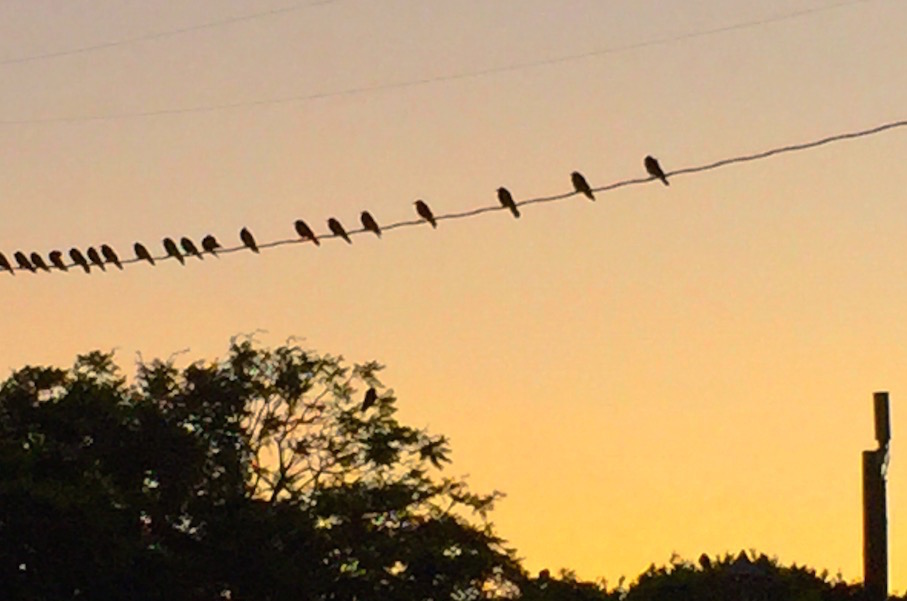
Being around birds make people feel ‘chirpy’ boosting mental well-being, according to a new study.

Seeing or hearing birds provides a lift to mental health—with the boost lasting for up to eight hours, according to the findings.

Researchers used a phone app called Urban Mind. People were asked three times a day whether they could see or hear birds, and afterwards they responded to questions about their mental wellbeing.

“There is growing evidence on the mental health benefits of being around nature and we intuitively think that the presence of birdsong and birds would help lift our mood,” said lead author Ryan Hammoud of King’s College London.

“However, there is little research that has actually investigated the impact of birds on mental health in real-time and in a real environment. By using the Urban Mind app we have for the first time showed the direct link between seeing or hearing birds and positive mood.”

The 3-year study involved more than 1,200 participants who completed over 26,800 assessments using the Urban Mind app. These participants were mainly based in the UK, the EU and the US.

The study also collected information on existing diagnoses of mental health conditions such as depression. Through their findings they found that hearing and seeing birdlife improved the mental health of people with and without depression.

RELATED: Urban Forests Create a Birdlife Boom in New Zealand Cities – Even Species Absent for Generations

An interesting data point showed that the birds’ habitat, such as the sun-dabbled wood or the babbling brook, were not required for this improvement in mood.

“The term ecosystem services is often used to describe the benefits of certain aspects of the natural environment on our physical and mental health. However, it can be difficult to prove these benefits scientifically,” said senior author Professor Andrea Mechelli, of King’s College London.

“Our study provides an evidence base for creating and supporting biodiverse spaces that harbor birdlife, since this is strongly linked with our mental health.”

READ ALSO: Being Around Birds Makes Us Much Happier Says New Science

“In addition, the findings support the implementation of measures to increase opportunities for people to come across birdlife, particularly for those living with mental health conditions such as depression,” he said.

The finds aren’t particularly surprising, in 2021, GNN reported that German scientists has  found that being surrounding by a wide variety of birds can offer increasing life satisfaction equivalent to $150 per week of added income.

CHIRP Or TWEET About This Inspiring News With Your Friends…