A drought-proof weed may hold the key to feeding the world, according to new research.
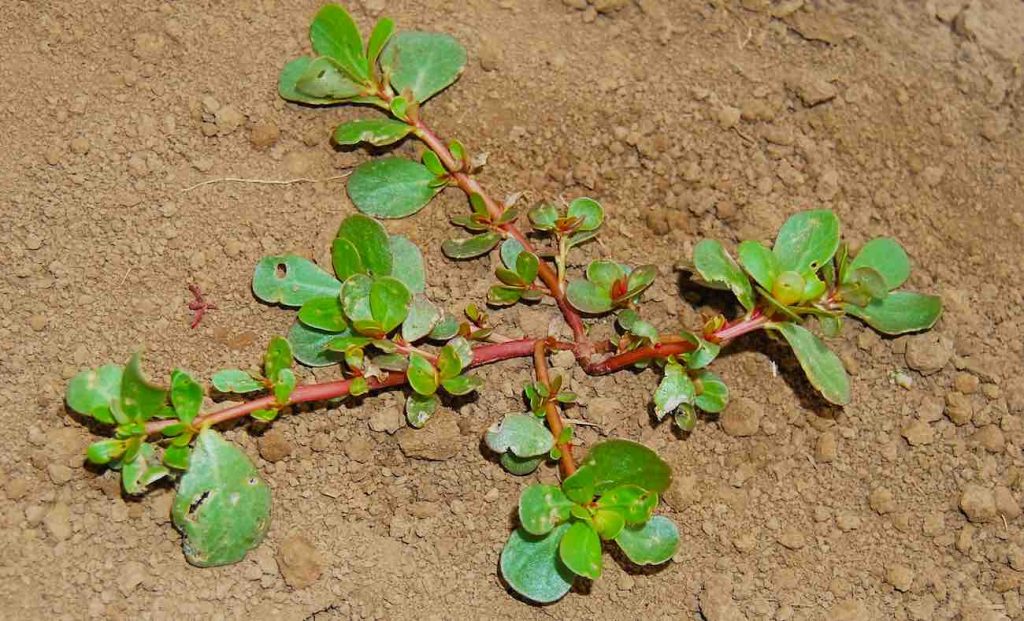
The common plant known as purslane, harbors important clues about how to create valuable drought-resistant crops.
Yale scientists describe how Portulaca oleracea integrates two distinct metabolic pathways to create a novel type of photosynthesis that enables the weed to endure drought while remaining highly productive.
“This is a very rare combination of traits and has created a kind of ‘super plant’ — one that could be potentially useful in endeavors such as crop engineering,” said Erika Edwards, Yale professor of ecology and evolutionary biology and senior author of the paper published today in the journal Science Advances.
Plants have independently evolved a variety of distinct mechanisms to improve photosynthesis. For instance, corn and sugarcane evolved what is called C4 photosynthesis, which allows the plant to remain productive under high temperatures.
Succulents such as cacti and agaves possess another type called CAM photosynthesis, which helps them survive in deserts and other areas with little water. Both C4 and CAM serve different functions but recruit the same biochemical pathway to act as “add-ons” to regular photosynthesis.
What makes the purslane plant unique is that it possesses both of these evolutionary adaptations — which allows it to be both highly productive and also very drought tolerant, an unlikely combination for a plant. Most scientists believed that C4 and CAM operated independently within leaves of purslane.
But the Yale team, led by co-corresponding authors and postdoctoral scholars Jose Moreno-Villena and Haoran Zhou, conducted a spatial analysis of gene expression within the leaves of purslane and found that C4 and CAM activity are totally integrated. They operate in the same cells, with products of CAM reactions being processed by the C4 pathway. This system provides unusual levels of protection for a C4 plant in times of drought.
(The plant is also one of the most nutritious greens you can eat, according to the National Institute of Health, which reported on its Omega 3 content. It is available in farmer’s markets, and Hispanic stores in the US by the name of Verdolaga. It’s also a delicacy in certain Middle Eastern cuisines. In Afghanistan, the leaves of the plant are cooked together with mung beans for a heart-healthy and delicious dish.)
The researchers also built metabolic flux models that predicted the emergence of an integrated C4+CAM system that mirrors their experimental results.
Understanding this novel metabolic pathway could help scientists devise new ways to engineer crops such as corn to help withstand prolonged drought, the authors say.
“In terms of engineering a CAM cycle into a C4 crop, such as maize, there is still a lot of work to do before that could become a reality,” said Edwards. “But what we’ve shown is that the two pathways can be efficiently integrated and share products. C4 and CAM are more compatible than we had thought, which leads us to suspect that there are many more C4+CAM species out there, waiting to be discovered.”
MAKE This Good News Spread Like a Weed By Sharing on Social Media…
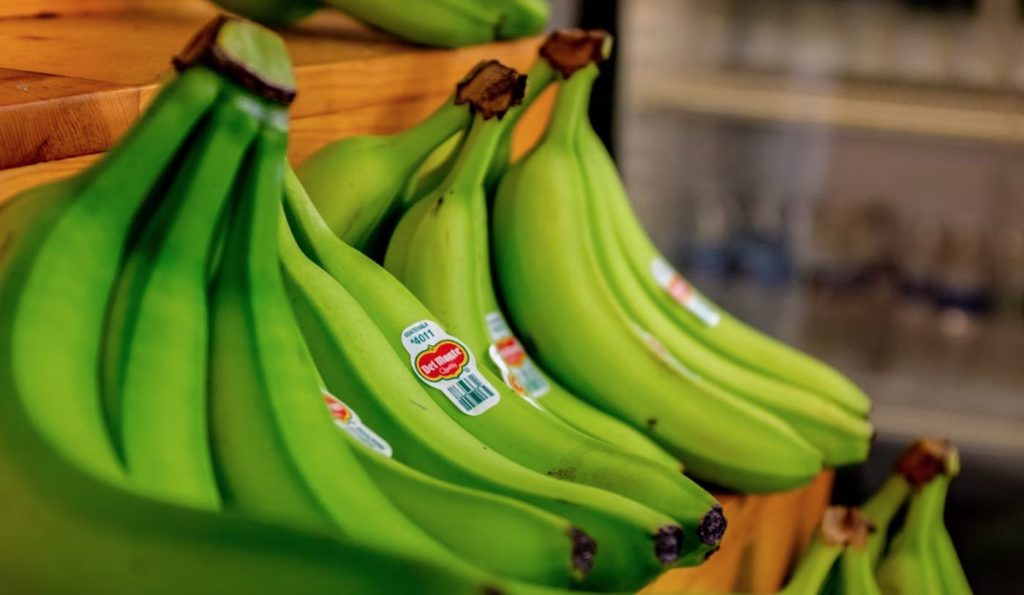
A study has identified a starch in unripe bananas that can reduce the risk of some cancers by more than 60 percent—and scientists say it’s the first trial that points to a diet supplement that may be able to prevent hereditary cancer.
The research involving people with high hereditary risk of a wide range of cancers has shown a major preventive effect from resistant starch, found in a range of foods such as oats and slightly green bananas.
The international trial—known as CAPP2—involved almost 1000 patients with Lynch syndrome from around the world. It revealed that a regular dose of resistant starch, also known as fermentable fiber, taken for an average of two years, reduced cancers anywhere except in the bowel by more than half.
This effect was particularly pronounced for upper gastrointestinal cancers including oesophageal, gastric, biliary tract, pancreatic, and duodenum cancers.
The astonishing effect was seen to last for 10 years after stopping taking the supplement, which can also be found in breakfast cereal, cooked and cooled pasta and rice, peas and beans.
“We found that resistant starch reduces a range of cancers by over 60%. The effect was most obvious in the upper part of the gut,” explained Professor John Mathers, professor of Human Nutrition at Newcastle University. “This is important as cancers of the upper GI tract are difficult to diagnose and often are not caught early on.”
The study, led by experts at the Universities of Newcastle and Leeds, was a planned double blind 10 year follow–up, supplemented with comprehensive national cancer registry data for up to 20 years in 369 of the participants.
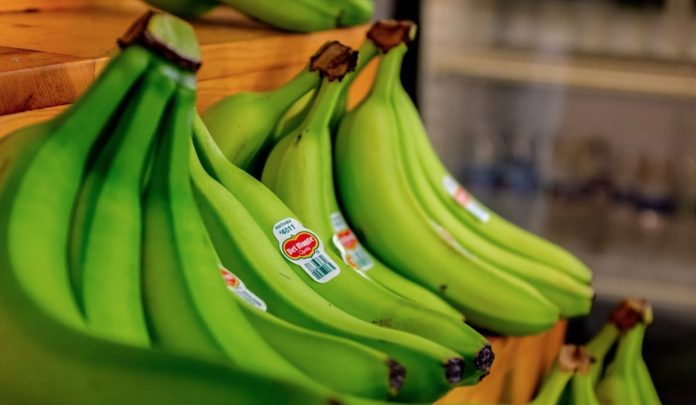
Resistant starch can be taken as a powder supplement and is found naturally in peas, beans, oats and other starchy foods. The dose used in the trial is equivalent to eating a daily banana; before they become too ripe and soft, the starch in bananas resists breakdown and reaches the bowel where it can change the type of bacteria that live there.
“Resistant starch is a type of carbohydrate that isn’t digested in your small intestine, instead it ferments in your large intestine, feeding beneficial gut bacteria – it acts in effect, like dietary fibre in your digestive system,” says Mathers. “This type of starch has several health benefits and fewer calories than regular starch. We think that resistant starch may reduce cancer development by changing the bacterial metabolism of bile acids and to reduce those types of bile acids that can damage our DNA and eventually cause cancer. However, this needs further research.”
Previous research published as part of the same trial, revealed that aspirin reduced cancer of the large bowel by 50%.
Professor Sir John Burn, from Newcastle University and Newcastle Hospitals who ran the trial with Mathers, says, “When we started the studies over 20 years ago, we thought that people with a genetic predisposition to colon cancer could help us to test whether we could reduce the risk of cancer with either aspirin or resistant starch.
“Patients with Lynch syndrome are high risk as they are more likely to develop cancers so finding that aspirin can reduce the risk of large bowel cancers and resistant starch other cancers by half is vitally important.
“Based on our trial, NICE now recommend Aspirin for people at high genetic risk of cancer, the benefits are clear – aspirin and resistant starch work.”
Between 1999 and 2005, nearly 1000 participants began either taking resistant starch in a powder form every day for two years or aspirin or a placebo—a powder which looked like resistant starch but was inactive.
At the end of the treatment stage, there was no overall difference between those who had taken resistant starch or aspirin and those who had not. However, the research team anticipated a longer-term effect and designed the study for further follow-up.
In the period of follow-up, there were just 5 new cases of upper GI cancers among the 463 participants who had taken the resistant starch compared with 21 among the 455 who were on the placebo.
“The results are exciting but the magnitude of the protective effect in the upper GI tract was unexpected, so further research is required to replicate these findings,” said University of Leeds Professor Tim Bishop, who also ran the trial.
The team are now leading the international trial, CaPP3, with more than 1,800 people with Lynch syndrome enrolled to look at whether smaller, safer doses of aspirin can be used to help reduce the cancer risk.
The paper, published this week in the journal Cancer Prevention Research, was funded by Cancer Research UK, the European Commission, Medical Research Council and the National Institute for Health Research.
SHARE This Health Tip With Banana Lovers on Social Media…
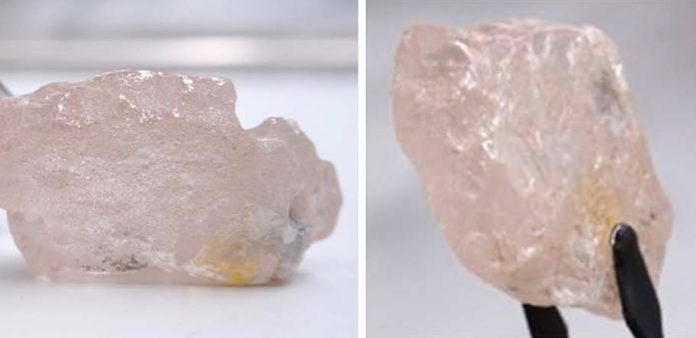
Miners in Angola have uncovered another giant pink diamond just seven years after they opened the mine in 2015.
The 170-carat stone is a historic find because it is believed to be the largest pink diamond recovered in the last three hundred years.
The diamond has been given the name “The Lulo Rose”, named for the mine itself, which has been extraordinary in its revelations.
So far, the Lulo mining project has uncovered 27 diamonds weighing more than 100 carats, including the largest diamond ever found in Angola: the 404-carat ‘4th February Stone,’ which sold for $16 million in 2016.
This historical pink diamond is the 5th largest diamond found in the Southern African nation.
The Lulo Rose will be sold by Sodiam E.P, the Angolan State Diamond Marketing Company.
“Lulo is truly a gift,” said Lucapa Diamond Company Managing Director Stephen Wetherall. “We are once again made very proud by yet another historic recovery.”
Quote of the Day: “It’s the people who never learn the word impossible who make history, because they’re the ones who keep trying.” – Leigh Bardugo
Photo by: Grégoire Hervé-Bazin
With a new inspirational quote every day, atop the perfect photo—collected and archived on our Quotes page—why not bookmark GNN.org for a daily uplift?
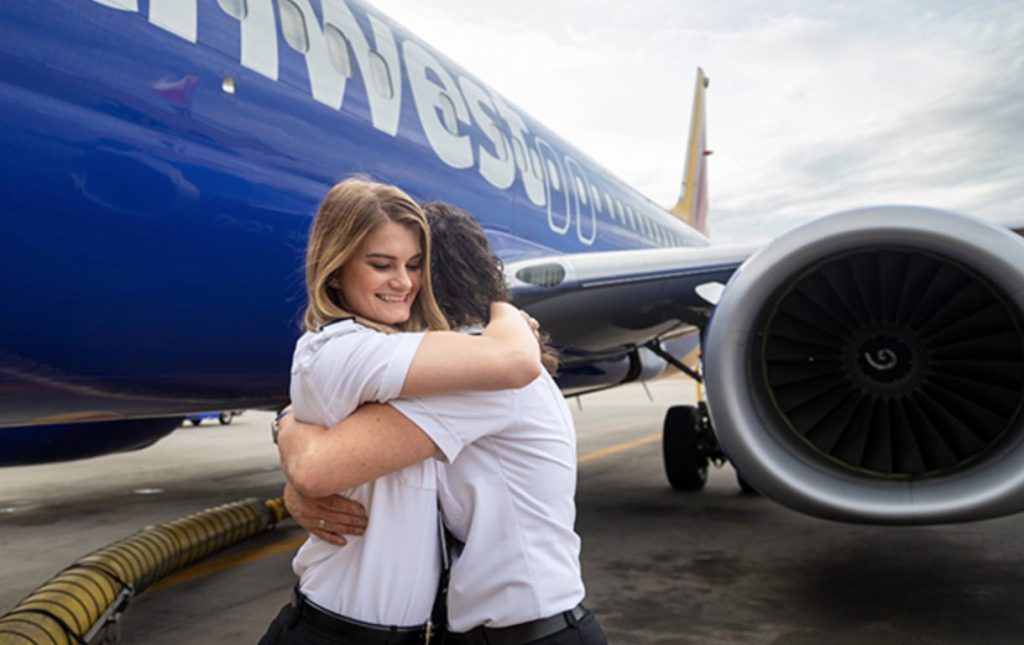
Southwest Airlines announced its first-ever mother/daughter pilot duo, after Captain Holly Petitt joined First Officer Keely Petitt in the cockpit.
Mother Holly Petitt started her aviation career fresh out of college as a flight attendant working for another carrier. After riding the jumpseat in the flight deck, she realized she wanted to learn to fly planes. She then got to work training and obtaining her certifications.
Holly also took care of her three kids while taking flight lessons. With the help of her husband and mom, she was able to pursue her dream of being a pilot.
Holly’s daughter, Keely, grew up around the Southwest Airline Family and later became an extension of it. At 14, Keely realized she wanted to follow in her mom’s footsteps and become a pilot. She earned her pilot’s license, and even landed an internship at Southwest in fall 2017—a runway for Keely to learn more about an aviation career.
“Southwest was always the end goal for me,” said Keely. “There was really never any other option.”
After working hard as the second generation, she and her mother became Southwest’s first mother/daughter Pilot duo.
“It’s been a dream come true,” said Holly. “First, I found this career and fell in love with it, and then that one of my kids fell into this and in love with this career too. It’s surreal.”
Not only are Holly and Keely making Southwest history, but also they’re breaking barriers and empowering women of all ages to pursue their dreams in aviation to reach for the skies.
UPLIFT People on Social Media With This Inspiring Duo…
Australian Institute of Marine Science 2022 Report
Australian Institute of Marine Science 2022 Report
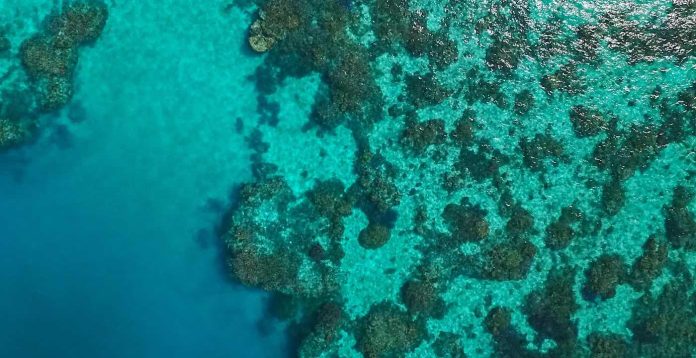
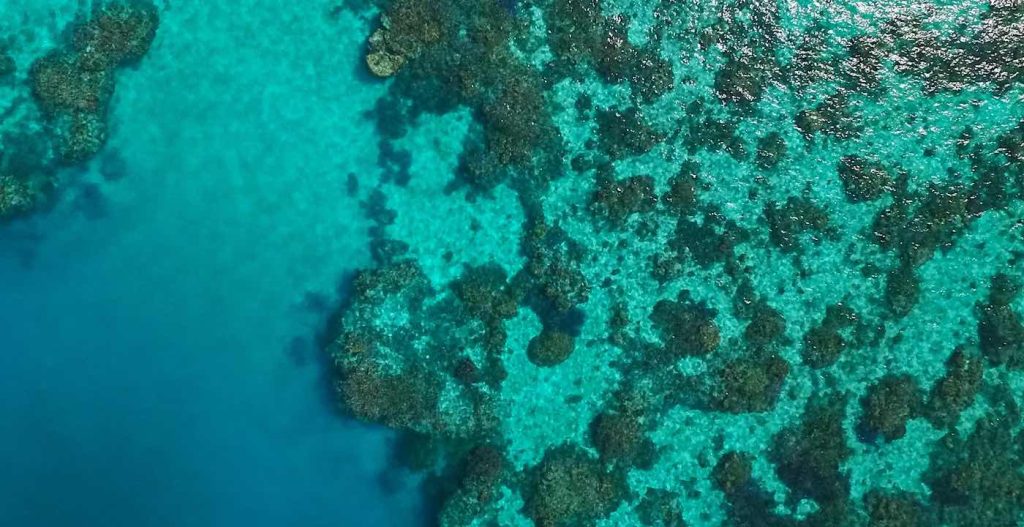
The northern and central Great Barrier Reef have recorded their highest amount of coral cover since the Australian Institute of Marine Science began monitoring 36 years ago.
Published today, the group’s Annual Summary Report on Coral Reef Condition for 2021/22 shows another year of increased coral cover across much of the Reef—with increases of 7-9 percent in several areas.
In the 87 representative reefs surveyed between August 2021 and May 2022 with a Long-Term Monitoring Program, average hard coral cover in the region north of Cooktown increased to 36% (from 27% in 2021) and to 33% in the central Great Barrier Reef (from 26% in 2021).
However, average coral cover in the southern region was down 4% in that same period.
AIMS CEO Dr. Paul Hardisty said the results in the north and central regions were a sign the Reef can recover, but warns about the increased frequency of coral bleaching events, which are a coral’s response to stressful conditions such as heat. A condition from which they still can survive.
Dr. Hardisty said their understanding of how the ecosystem responds to bleaching is still developing.
“The 2020 and 2022 bleaching events, while extensive, didn’t reach the intensity of the 2016 and 2017 events and, as a result, we have seen less mortality,” he said in a release.
These latest results demonstrate the Reef can still recover in periods free of intense disturbances.
AIMS monitoring program team leader Dr Mike Emslie said the 2022 results built on the increases in coral cover reported for 2021, with most of the increase continuing to be driven by fast-growing Acropora corals.
A third of the gain in coral cover recorded the previous year in the south was lost last year due to ongoing crown-of-thorns starfish outbreaks, according to the report, which is the largest, longest, and most comprehensive information source on the health of the Great Barrier Reef.
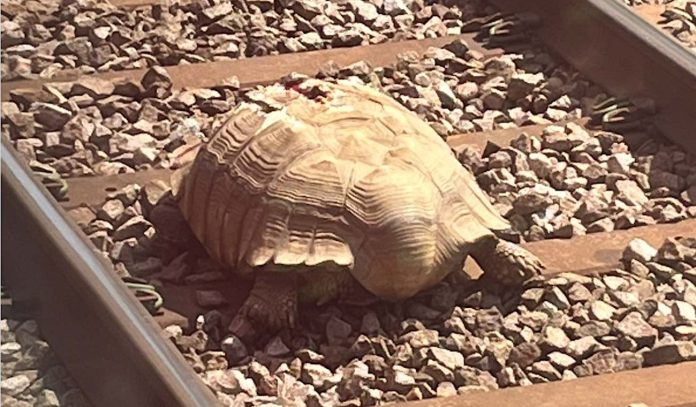
The August 1st incident caused four rail lines to be affected—with two trains being terminated early and another starting 20 minutes behind schedule.
The 140-pound animal was checked out by vets, but was only superficially affected when a 4-5 inch piece of its shell broke off. They said it should grow back over time, but all its organs are fine.
Quote of the Day: “This is the only perfection there is, the perfection of helping others. This is the only thing we can do that has any lasting meaning.” – Andre Agassi
Photo by: Sebastián León Prado
With a new inspirational quote every day, atop the perfect photo—collected and archived on our Quotes page—why not bookmark GNN.org for a daily uplift?
Just a small portion of Jarlsberg can help stop bones getting weaker without boosting cholesterol, according to new findings.
Researchers say health benefits are unique to the Nordic dairy product and aren’t found in other types of cheese.
Jarlsberg is a nutty, mild and semi-soft cheese with holes in that is made from cow’s milk.
It comes from a town of the same name in Eastern Norway.
The researchers hope that in future the cheese could stop osteoporosis and help prevent diabetes, but say more research is needed.
Earlier research had suggested it boosts levels of osteocalcin, a hormone that gives us strong bones and teeth.
It had not been clear whether this link was specific to Jarlsberg cheese or applied to all types of cheese.
To find out, the researchers studied 66 healthy women who were either given a 0.12 pound piece of Jarlsberg (57 grams) or a 50-gram portion of Camembert cheese every day for six weeks.
Participants were all healthy, of healthy weight and had an average age of 33.
Afterwards the group who had been munching on Camembert were told to nibble on Jarlsberg for six weeks.
Both cheeses have similar levels of fat and protein but Jarlsberg is also rich in vitamin K2 while Camembert is not.
One form of vitamin K2 is found in animal products such as liver while others come from bacteria and are found in fermented foods such as cheese.
Blood samples were taken from participants to check for important proteins, osteocalcin and a peptide (PINP)—which helps bones renew themselves and stay young.
Blood samples showed key signs of bones renewing themselves and of vitamin K2 had increased after six weeks among people who ate Jarlsberg.
Among people who ate Camembert, PINP levels stayed the same while those for other indicators of bone health fell slightly.
Levels of both PINP and the chemical and biological indicators rose significantly after they switched to Jarlsberg.
Blood fats increased slightly in both groups but cholesterol levels tumbled in people once they made the switch from Camembert to Jarlsberg.
The amount of glucose in red blood cells fell by three per cent in people who had eaten Jarlsberg but rose by two per cent in people who are Camembert.
Once they had switched to Jarlsberg the glucose levels fell again.
Calcium and magnesium levels which can weaken bones fell in people who ate Jarlsberg but remained unchanged in people who ate Camembert.
Bacteria in the cheese produce the substance DNHA which earlier studies have suggested could reduce bone thinning and increase bone tissue formation. They say this could explain the rise in osteocalcin.
“Daily Jarlsberg cheese consumption has a positive effect on osteocalcin, other markers of bone turnover, glycated haemoglobin, and lipids,’’ says author Dr. Helge Elnar Lundberg from the Skjetten Medical Centre in Norway, whose study was published in the journal BMJ Nutrition, Prevention and Health.
Professor Sumatra Ray, Executive Director of the NNEdPro Global Centre for Nutrition and Health which co-owns the journal said, ‘’This study shows that while calcium and vitamin D are known to be extremely important for bone health, there are other important factors at play such as vitamin K2, which is perhaps not as well known.
‘’Different methods of preparation mean there are key differences in the nutrient composition of cheese, which has often been regarded as a homogenous food item in dietary research to date.”
He cautioned that this is a small study in young and healthy people (and) the findings need to be interpreted with caution—not taken as a specific recommendation.
GET OUT the Cheese Board and Share the News With Friends on Social Media…
A sunken crown jewel hidden in The Bahamas since 1656—the shipwrecked remains of the Spanish galleon Nuestra Señora de las Maravillas (Our Lady of Wonders)—goes on display this week for the first time.
By BRENDAN CHAVEZ / ALLEN EXPLORATION
The huge ship was part of a fleet headed back to Spain from Cuba, loaded with royal and private consignments. Also onboard was a former Spanish cargo wrecked off Ecuador a year and a half earlier. The Maravillas ended up colliding with its fleet flagship, hitting a reef 30 minutes later and sinking.
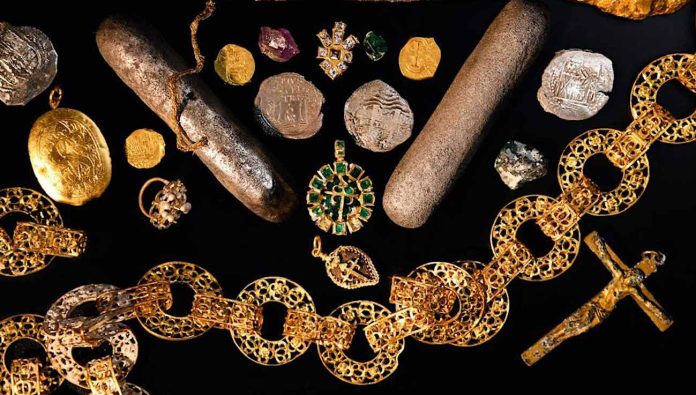
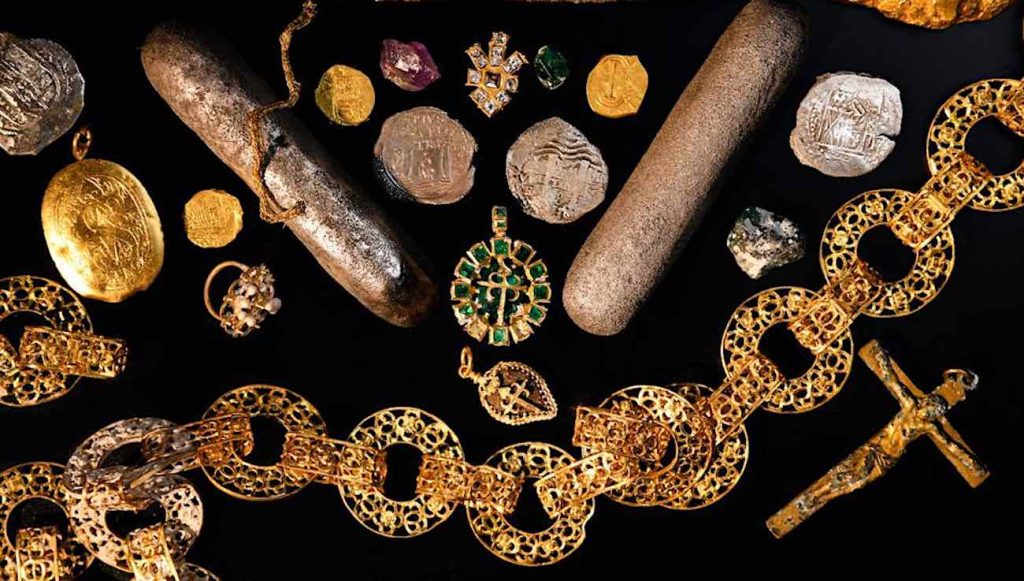
Treasure-seeking divers from Allen Exploration are currently exploring a trail of debris left behind by the ship, uncovering remarkable finds. Along with Spanish olive jars, Chinese porcelain, iron rigging, and gold and silver coins, the team has discovered a silver sword handle that belonged to the soldier Don Martin de Aranda y Gusmán.
Three gold chains have been saved, as well as four pendants worn by members of the sacred Order of Santiago, a religious band of knights deeply active in Spanish maritime trade. All these finds are unique among the world’s three million shipwrecks. “The Maravillas is an iconic part of The Bahamas’s maritime history,” says Carl Allen, entrepreneur, explorer, philanthropist, and founder of AllenX. “Some say the remains were ground to dust (but) using modern technology and hard science, we’re now tracking a long and winding debris trail of finds.”
The company was licensed by the Bahamian government to explore the Maravillas scientifically and share its wonders with everyone by sponsoring the first maritime museum in The Bahamas.
“The galleon was stuffed with contraband illegally greasing the palms of Spanish merchants and officials,” said Allen. Because contraband was rampant, nobody knows what actually went down on the Maravillas. “That’s part of its legend.”
Two years of fieldwork has exceeded expectations: “Sparkling finds: olive jars, the spikes that held the Maravillas together, the odd cannon and anchors. And then there are the lucky strikes. Scatters of emeralds and amethysts mined in Colombia, not registered on the manifest, are tell-tale proof of contraband trafficking.”
A stunning AllenX discovery is a 2-pound gold filigree chain (887 grams), 70 inches long, made up of 80 alternating circular flat and tubular links measuring 176 centimeters. They are decorated with four-lobed rosette motifs. No exact parallels exist from other excavations, in museum collections or are seen in Spanish portrait art. The Maravillas chain was intended for a wealthy aristocrat or even royalty. It was probably crafted in the Philippines from local gold, using Chinese craftsmen, and then exported to Spain by way of Mexico on a Manila galleon.
Jewels from Maravillas shipwreck – Carl Allen Explorations / Youtube
The star finds from AllenX’s exploration so far are the Order of Santiago jewels. A golden pendant with the Cross of Santiago (St. James) at its center, just 3.5 centimeters long, was designed in the form of a scallop shell. The pendant is reinforced on its back edge by what is seemingly an Indian bezoar stone, famous in Europe for its powerful healing properties.
(Scallops were picked up along the coast of Galicia and carried home by pilgrims who had visited the shrine of Santiago de Compostela, one of Europe’s most important pilgrimage centers, built by King Alfonso III in AD 899. The Basilica of St. James supposedly held the apostle’s bones. Knights of the Order of Santiago were charged since medieval times with protecting from attack the 800-kilometer pilgrim’s route stretching from the Pyrenees to Galicia.)
Emerald and gold pendant from Maravillas shipwreck, by NATHANIEL HARRINGTON / ALLEN EXPLORATION
A second golden pendant found on the Maravillas’ debris trail is oval in shape and 1.7 inches long (4.7 cm). At its center a gold Cross of St. James overlies a large green oval Colombian emerald. The outer edge is framed by 12 more square emeralds, perhaps symbolizing the 12 apostles. To these can be added the team’s discovery of a 2.2-inch (5.3 cm) majestic oval gold locket with an elaborate cross of St. James framed by swirling foliage incised on the back, and a tiny golden cross, probably fallen out of another pendant. All these artworks were crafted to an exquisite standard and are again unique among excavated remains, museum collections and portrait art.
“When we brought up the oval emerald and gold pendant, my breath caught in my throat,” says Mr. Allen, who built a highly successful plastics business over 35 years. “I feel a greater connection with everyday finds than coins and jewels, but these Santiago finds bridge both worlds. The pendant mesmerizes me when I hold it and think about its history. How these tiny pendants survived in these harsh waters, and how we managed to find them, is the miracle of the Maravillas.”
Unlike former projects that had a commercial focus, Allen Exploration is committed to keeping its entire collection together for public display in The Bahamas Maritime Museum. Nothing is being sold. Quite the opposite. Carl Allen is buying back past shipwreck material to return it to The Bahamas.
While searching for the missing Maravillas, Allen Exploration has so far discovered around 18 wrecks. There are hundreds more on the Little Bahama Bank and thousands spread across The Bahamas.
The new exhibit opens on August 8, in Allen Exploration’s Bahamas Maritime Museum in Freeport, Grand Bahama. In 2016, Carl sold his companies and went pro with Allen Exploration, eventually buying Walker’s Cay in 2018, the nearest island to the wreck site of the Maravillas, which he is revitalizing as a must-see tourist destination.
Allen Exploration’s team, made up of marine archaeologists, operations’ directors and local Bahamian divers, has plotted over 8,800 magnetometer targets across a search area measuring around 7.5 x 5 miles (12 x 8 km). The finds fit the profile of personal property that drifted miles away from the central wreck on broken sections of the wooden hull.
The 891-ton capacity ship featured two decks and three bilge pumps. The superstructure included three cabins with two galleries, two poop decks, a chapel for mass and an upper cabin. The Maravillas cut through the waves protected with a fearless golden lion as a figurehead. Devotional oil paintings adorned the stern. The ship’s crew was composed of seven officers, 100 soldiers, 71 marines, 35 gunners, 30 seamen and 11 apprentice seamen.
The 1654 fleet reached Cartagena in August 1654, but the following year received orders to return rapidly to Spain, only to be heavily delayed again by a strong presence of English warships. On January 4, 1656, the Maravillas’ navigator realized the water depth was getting increasingly shallow. In the darkness, the flagship, the Nuestra Señora de la Concepción, tried to turn, but smashed into the side of the Maravillas’ bows. In less than 30 minutes after the collision, the Maravillas violently struck a reef and sank. Enormous waves broke the ship into pieces. The majority of the 650 people on the galleon were never to be seen again. By sunrise, only 45 people had survived.
In 1992 the Government of The Bahamas enacted a moratorium on the issuance of licenses for shipwreck salvage. The seas stayed closed until 2019, when Carl Allen was awarded a new license to conduct exploration of a scientific and archaeological nature. Allen Exploration submits monthly written scientific reports to the government, presenting aims and results, including illustrations, distribution maps of finds and lists of discoveries.
SHARE the Jewels and Mystery With Treasure Hunters on Social Media…
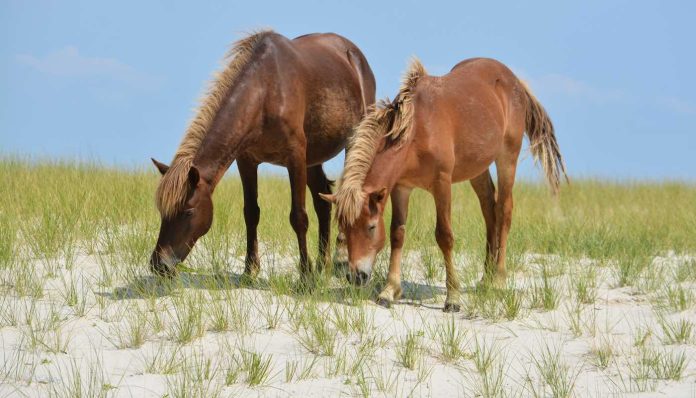
Chincoteague wild ponies: PHOTO BY THE NATIONAL PARK SERVICE-CCO (via UFL.edu)
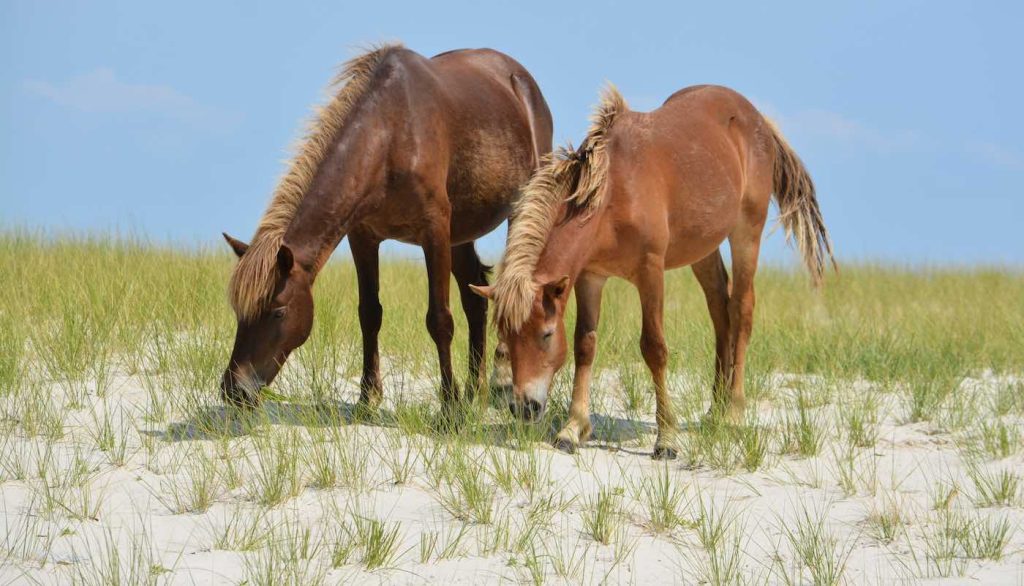
Chincoteague wild ponies: PHOTO BY THE NATIONAL PARK SERVICE-CCO (via UFL.edu)
Wild feral horses have roamed freely across an island off the coast of Maryland and Virginia for hundreds of years, but exactly how they got there has remained a mystery. Now, in a new study, ancient DNA extracted from a 16th century tooth suggest that the old folk tales claiming that horses were marooned on Assateague following a Spanish shipwreck are likely true.
An abandoned Caribbean colony unearthed centuries after it had been forgotten and a case of mistaken identity with the tooth—long thought to be from a cow—have conspired to rewrite the history of that barrier island 1,000 miles away.
Those seemingly unrelated threads were woven together when Nicolas Delsol, a postdoctoral researcher at the Florida Museum of Natural History, set out to analyze ancient DNA recovered from cow bones found in archaeological sites. Delsol wanted to understand how cattle were domesticated in the Americas, and the genetic information preserved in centuries-old teeth held the answer. But they also held a surprise.
“It was a serendipitous finding,” he said. “I was sequencing mitochondrial DNA from fossil cow teeth for my Ph.D. and realized something was very different with one of the specimens when I analyzed the sequences.”
The specimen in question, a fragment of an adult molar, wasn’t a cow tooth at all but instead once belonged to a horse. According to a study published last week in the journal PLOS ONE, the DNA obtained from the tooth is also the oldest ever sequenced for a domesticated horse from the Americas.
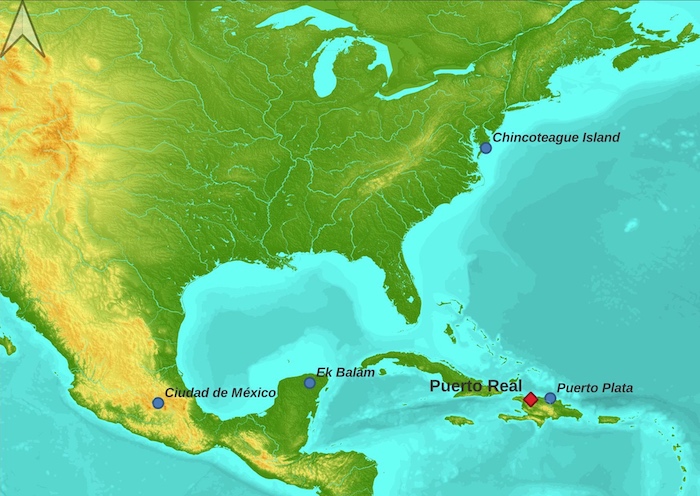
The tooth was excavated from one of Spain’s first colonized settlements. Located on the island of Hispaniola, the town of Puerto Real was established in 1507 and served for decades as the last port of call for ships sailing from the Caribbean. But rampant piracy and the rise of illegal trade in the 16th century forced the Spanish to consolidate their power elsewhere on the island, and in 1578, residents were ordered to evacuate Puerto Real.
The remnants of the once-bustling port were inadvertently rediscovered by a medical missionary in 1975 and archaeological excavations of the site led by the Florida Museum were carried out until 1990.
Horse fossils are incredibly rare from the time period, primarily due to the way Spanish colonialists valued their livestock.
“Horses were reserved for individuals of high status, and owning one was a sign of prestige,” he said. “There are full-page descriptions of horses in the documents that chronicle the arrival of Cortés in Mexico, demonstrating how important they were to the Spanish.”
In contrast, cows were used as a source of meat and leather, and their bones were regularly discarded in communal waste piles called middens. But one community’s trash is an archaeologist’s treasure, as the refuse from middens often confers the clearest glimpse into what people ate and how they lived.
The specimen’s biggest surprise wasn’t revealed until Delsol compared its DNA with that of modern horses from around the world. Given that the Spanish brought their horses from the Iberian Peninsula in southern Europe, he expected horses still living in that region would be the closest living relatives of the 500-year-old Puerto Real specimen.
IMAGE BY DELSOL IN PLOS ONE-CC
Instead, Delsol found its next of kin over 1,000 miles north of Hispaniola, on the island of Assateague off the coast of Maryland and Virginia. Feral horses have roamed freely across the long stretch of barrier island for hundreds of years, but exactly how they got there has remained a mystery.
According to the National Park Service, which manages the northern half of Assateague, the likeliest explanation is that the horses were brought over in the 1600s by English colonists from the mainland in an attempt to evade livestock taxes and fencing laws. Others believe the feral herds descended from horses that survived the shipwreck of a Spanish galleon and swam to shore—a theory popularized in the 1947 children’s novel Misty of Chincoteague. The book was later adapted to film, helping spread the shipwreck legend to an even wider audience.
Until now, there has been little evidence to support either theory. Proponents of the shipwreck theory claim it would be unlikely that English colonists would lose track of valuable livestock, while those in favor of an English origin of the herds point to the lack of sunken vessels nearby and the omission of feral horses in historical records of the region.
The results of the DNA analysis, however, unequivocally point to Spanish explorers as being the source of the horses on Assateague.
The feral herds on Assateague weren’t the only horses to revert back to their wild heritage after arriving in the Americas. Colonists from all over Europe brought with them horses of various breeds and pedigrees, some of which bucked their bonds and escaped into the surrounding countryside.
Today, the U.S. Bureau of Land Management estimates there are roughly 86,000 wild horses across the country, most of which are located in western states, such as Nevada and Utah. Delsol hopes that future ancient DNA studies will help decode the complex history of equine introductions and migrations that occurred over the last several centuries and offer a clearer understanding of today’s diversity of wild and domesticated horses.
GALLOP This Mystery Story to Horse Lovers By Sharing on Social Media…
Quote of the Day: “Be strong, saith my heart; I am a soldier; I have seen worse sights than this.” – Homer, The Odyssey
Photo by: Miguel Bruna
With a new inspirational quote every day, atop the perfect photo—collected and archived on our Quotes page—why not bookmark GNN.org for a daily uplift?
Douglas Robert and Tamíris Muzini were ready for their big day, when they would commit to celebrating happily ever after together, but Tamíris didn’t know there was someone else.
As the blushing bride arrived at the church, she noticed a wedding crasher had come by—a stray blonde dog that was mingling gently with guests.
Not putting paw nor tail out of place, the ceremony eventually commenced with the dog sitting down by the doorway to watch, as if he knew what was happening.
After it was all said and kissed, the beautiful couple made for the exit. That’s when the dog suddenly became excited.
“When he greeted us at the end, he asked: ‘Take me home. Take me,'” Muzini told The Dodo.
They decided in that very moment to make their happily ever after fit for three, adopting and naming the scrawny pooch Braiá Caramelo.
When Paul McCartney wrote “Get Back,” he never would have predicted how useful or relevant the song would become for music therapists.
The song’s refrain—“Get back to where you once belonged”—might as well be a therapist encouraging a dementia patient to recall a distant memory. In new research, Psyche Loui, an associate professor of music, is attempting to do exactly that.
Loui found that for older adults who listened to some of their favorite music, including The Beatles, connectivity in the brain increased. Specifically, Loui—and her multi-disciplinary team of music therapists, neurologists and geriatric psychiatrists—discovered that music bridged the gap between the brain’s auditory system and reward system, the area that governs motivation.
“There’s something about music that is this functional connectivity between the auditory and reward system, and that’s why music is so special and able to tap into these seemingly very general cognitive functions that are suddenly very engaged in folks with dementia who are hearing music,” said Loui, who directs the Music Imaging and Neural Dynamics Lab, and whose paper was published in Nature’s Scientific Reports.
The original idea for this research came out of Loui’s own experiences playing music in nursing homes. She recalled how people who couldn’t finish a sentence or thought would suddenly harmonize and sing along to a song she was playing.
“[Music] seems to engage the brain in this way that’s different than everything else,” Loui said.
The researchers had a group of older adults between the ages of 54 and 89 from the Boston area listen to a playlist for an hour every day for eight weeks and journal about their response to the music afterward.
Loui and the team would scan the participants’ brains before and after listening in order to measure their neurological response.
Playlists were highly personalized and featured a combination of the participants’ self-selected songs, which ranged from The Beatles to Bruce Springsteen, and a preselected mix of classical pieces, pop and rock songs and new compositions created by Hubert Ho, an associate teaching professor of music at Northeastern. Participants would then rate each song based on how much they liked it and how familiar it was.
“The most important lesson that we learned from the music therapist was that there is no one-size-fits-all for what kind of music works best,” Loui said.
What the researchers found was striking: music was essentially creating a channel directly between the auditory center and the medial prefrontal cortex, the brain’s reward center and one of the areas to lose its activity and functional connectivity in aging adults, especially in folks with dementia, Loui said.
Music that was both familiar and well-liked tended to activate the auditory and reward areas more. However, the music that participants selected themselves provided an even stronger connection between these two areas of the brain.
“This might be the central mechanism for what changes happen in the brain when you’re listening to music and when you’re consistently, persistently and mindfully listening to music over the course of an intervention,” Loui said.
Loui hopes this study, which is one of the first to document neurological changes from extended exposure to a music-based intervention, could have a significant impact in a field that has quickly risen in prominence.
The National Institute of Health is currently pushing initiatives around music therapy, and AARP’s Global Council on Brain Health recently convened a panel, which Loui served on, to examine evidence of music’s influence on brain health. The panel ultimately formed recommendations for how people ages 50 and over can incorporate music into their lives to promote mental wellness.
Music’s ability to calm older adults and people with mental illness is well-documented, Loui said; but what’s less known is how and to what extent music can help improve memory, cognition and executive function.
“That’s something we’re working on right now, and I think there might be something about the fact that music is an art that unfolds over time,” Loui said. “For example, you’re listening for a beat and then you can tap your toes to the beat. That kind of process engages the brain’s reward systems and cognitive systems in ways that might be beneficial for long-term cognitive functions.”
Moving forward, Loui hopes to extend her study to older adults who have cognitive and neurodegenerative disorders, people who might benefit even more from the effects of music therapy.
“We’re trying to design these new therapies to take advantage of the rhythmic properties of music and the rhythmic properties of the brain,” Loui said, “and the tuning of neural populations towards the acoustic signals of the music might be useful for improving cognition.”
/ Scottish Highlands. Dan Molter (shroomydan) at Mushroom Observer /
The rare violet coral fungus – Dan Molter (shroomydan) at Mushroom Observer. CC 2.0.
What happens when you take 216 teaspoons of dirt from 55 remote Scottish mountains? Discovery, that’s what.
Scientists doing a survey of soil-born microorganisms in Scotland’s Cairngorms National Park found a bounty of notable DNA strands, including a species of fungi that is entirely new to science, and two that are new to the UK.
In 2021 a team of volunteers working with conservation charity Plantlife, and the UK’s James Hutton Institute took soil samples from 55 of the 58 “Munros” or mountains, in the Cairngorms to see what effects climate change and air pollution was having on the soil life in these remote highlands.
DNA extracted from the soil revealed it contained 2,748 fungal taxa, including 2 which have never been found in the UK.
The pair were remarkable because Amanita groenlandica is found in Greenland or as far south as Scandinavia, and Acrodontium antarcticum, is from Antarctica. It’s the highlands’ unique cold and snowy weather that allows this circumpolar pair to live outside the polar regions.
Additionally, the team found an entirely new species from the fungal genus squamanita, and a super rare violet coral fungus—an superb indicator of grasslands health.
Yet the mystery for the team goes far deeper than a few cool notables to share with the public; their survey identified fungal DNA from which only 10% could be identified with a named species, so the work continues and more surprises may come-a-springing.
“Fungi are crucially important to the functioning of our alpine ecosystems, but because they are mostly hidden below ground, and because alpine ecosystems are remote and difficult to access, we know very little about the distribution and diversity of fungi in this iconic habitat,” said Andrea Britton, Ecologist at the James Hutton Institute.
“Thanks to the hard work of volunteers and scientists coming together, the data from this survey will add significantly to our knowledge of this vital group and can be used to start identifying which habitats and locations are particularly important for conservation of fungal diversity.”
HIKE This News Of Rare Fungi To Your Friends On Social Media…
Playing sports at school makes people “grittier” and harder working, boosts the chances of achieving long-term goals, and having successful careers, say scientists.
Oftentimes old fashioned notions about people arose from a collected experiential wisdom, and in this case, Teddy Roosevelt’s notion that sports hardens a young man seems correct.
A study looked at adults who took part in organized sports as children—such as football, baseball and basketball, and measured them for “grit.”
The trait was defined as a combination of passion, perseverance, courage, endurance, resilience, and conscientiousness.
How does one measure grit without Navy Seal training?
The Ohio State University team analyzed National Sports and Society Survey data on almost 4,000 men and women across the US and asked study participants to rate themselves on a scale of 1-5 on eight statements.
They included “I am diligent. I never give up” and “I am a hard worker.” None of the statements was directly related to sports.
34% of those who did sports as a youngster scored high on the grit scale, compared to 23% of peers who opted out or gave up. One in four of those who never played sports ranked low, compared to just 17% of those who did.
Lead author Dr. Emily Nothnagle said practicing drills on the field can improve pupils’ lives for decades, adding “the grit they develop playing sports can help them the rest of their lives.”
True grit
Those who participated in sports during the past year showed more grit than those who didn’t, said co-author Professor Chris Knoester.
“Adults who played youth sports but dropped out did not show higher levels of grit,” Prof. Knoester “They actually demonstrated lower levels of grit after we included a proxy measure of how sports mattered for the development of grit while growing up.”
The findings, published in the journal Leisure Sciences, were supported by more sophisticated statistical analyses that accounted for respondents’ demographic characteristics.
But it appears only children who keep at it—and play continually—get the benefit, say the researchers. Some may just be born with the grit to help them succeed at sports as a young person and then continue to benefit from that trait as an adult.
“Quitting could reflect a lack of perseverance, which is a crucial component of grit,” said Knoester. “It could also make quitting an activity, and not persevering, easier the next time.”
Adults who played sports as kids generally perceived the experience helped improve their work ethic, and that perception was linked to their grit scores as adults even though the researchers said people can gain or lose grit throughout life.
For instance adults who said they participated in sports regularly within the last year exhibited higher levels of grit.
“This additional finding about sports participation in adulthood suggests that you can build and perhaps lose grit during different points in your life,” said Knoester. “It is not a static quality.”
Prof. Knoester added that sports offer a valuable place in society where one can work hard and practice and take it really seriously, but wherein it’s also not real life to some extent.
“Typically, sports are thought of as a separate sphere of life and the stakes in sports are not as far-reaching and extreme,” he said. “But you can take those lessons you learn and practice in sports, such as building grit, and apply them in your life outside of sports in very useful ways.”
Quote of the Day: “Good ideas are elusive and must be captured in flight…. Jot down a good thought the moment after it lights up your mind.” – Henry Hazlitt
Photo by: Miquel Parera
With a new inspirational quote every day, atop the perfect photo—collected and archived on our Quotes page—why not bookmark GNN.org for a daily uplift?
A 7-year-old from Sacramento was the unlikely savior of a 3-year-old toddler who would have certainly drowned without help.
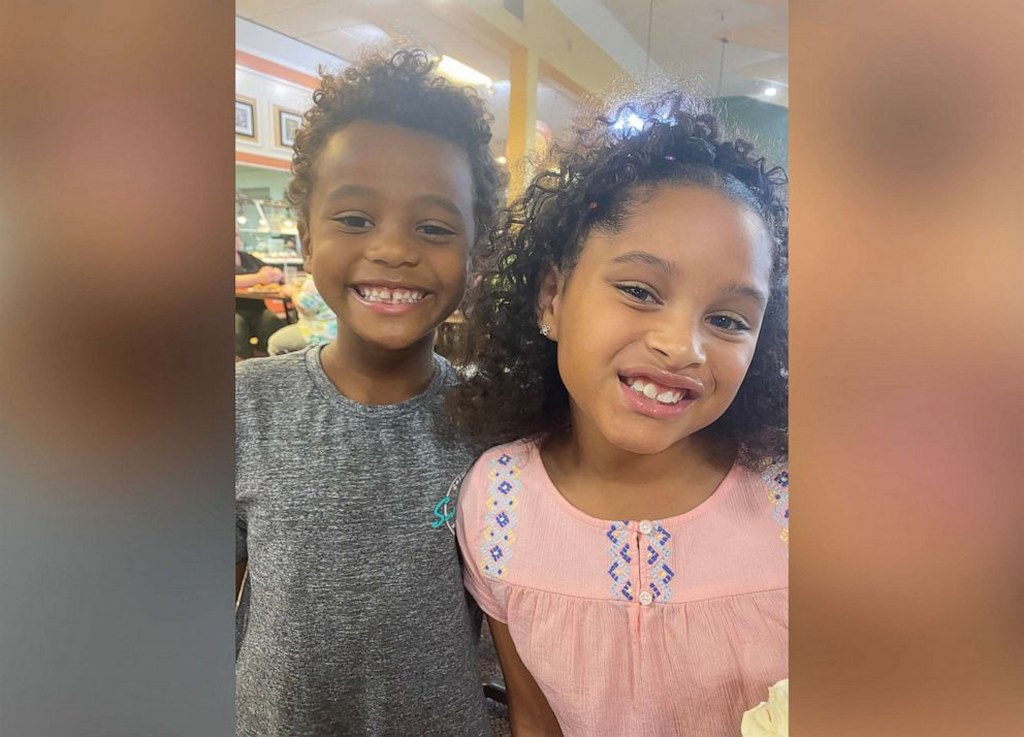
Last week 7-year-old Massiah Browne went down to enjoy the pool at the apartment complex where he lives when he noticed out of the ordinary.
“I was just playing in the pool and then I saw a boy at the bottom of the pool,” Massiah, a second-grade student, told “Good Morning America.” “And I went to go get him.”
Swimming down into 6 feet of water, he grabbed the arm of a 3-year-old toddler whose eyes and mouth were open, and managed to pull him to the surface, where a relative of Massiah’s, 9-year-old Savannah, helped them both out onto solid ground.
Adults who had caught wind of what was happening had called 911 and raced down to help. According to ABC, Savannah’s mom performed CPR on the child who was helped to breathe again by the same Fire and Rescue arrived.
Massiah Browne and relative Savannah – released by Tiara Delvalle
“The child was transported in critical condition with advanced life support efforts provided by Sacramento firefighters,” a spokesperson for Sacramento Fire Department said.
Massiah’s father Marcus, an Olympic boxer who represented the United States at the 2012 Olympics in London, said his son loves the water and swims like “a fish,” but that despite the surprise, it really typed who Massiah is.
“He’s super empathetic so for him to do something like that, I mean, it’s really nothing out of the norm it’s just crazy that he’s 7-years-old and he’s doing something like that.”
WATCH Fox report on the story and hear from the family…
CELEBRATE This Kid Hero Who Acted Before Anyone Else…
A study found that, despite being a 1-week wonder-kind-of-habit, people who study languages on Duolingo perform as well as University students with years under their belts.
The most popular language-learning platform on Earth, Duolingo offers courses on more than 20 languages, but whether or not they materialize as useful is difficult to ascertain.
The experiment, published in Foreign Language Annals, demonstrated that Duolingo learners who completed five units in the Spanish or French courses performed as well on reading and listening tests as students who had completed four semesters of university language instruction.
What’s more is that Duolingo learners achieved four semesters of proficiency in reading and listening in less than half the time as their college counterparts.
“Our results indicate that learners who use Duolingo as a tool for self-directed study show substantial proficiency development,” said Dr. Xiangying Jiang, lead learning scientist at Duolingo and first author on the publication.
“We hope to have shed light on the potential effectiveness and comparability of Duolingo, as measured through standardized tests.”
Further research has shown no sign of plateauing, since Duolingo learners who completed seven units of the Spanish or French courses earned reading and listening scores comparable to five university semesters.
“It’s important for us to develop courses and teaching tools that deliver the highest-quality language education to all learners,” said Dr. Cindy Blanco, senior learning scientist at Duolingo. “This research represents real progress towards achieving our mission of providing high-quality education for everyone.”
As far as free apps go, it’s hard to top Duolingo. There’s a million ways to learn Spanish or French, but Duolingo includes courses on languages that may be harder to find free instruction for but that one might need for a vacation, such as Ukrainian, Vietnamese, Indonesian, or the Scandinavian languages.
Condividi Questa Notizia Buona Alle Vostre Social…
The Lesson: Having her own children, encouraging better work—family life balance in the office, and understanding the difficulties and urgency parents go through when they need a service related to their toddler, Jen Saxton knows that you don’t become one of the most successful enterprises in the baby industry by ignoring the human element of the job. In fact, Saxton details that the more she went through as a parent, the more she realized that the baby industry needed a change to reflect the stress and difficulty of being a parent.
Notable Excerpt: “My second company now is more like an Angie’s List or a Care.com, so we’re like a tech platform or a marketplace that connects mom with all these services, lactation consultants, sleep consultants, car seat installers, night nannies, you can find them all on Tot Squad. And it’s about helping moms. Like when I was a new mom as I was going into Facebook groups like ‘can anyone recommend a sleep consultant?’ and then I got like 80 comments. Now I’ve got to go Google these 80 people, and then you’ve got to like call and email them to see when they’re available, and then, what’s the difference between the $300 and the $3,000 lady, and by the way I’m going on two hours of sleep because I’ve got a newborn at home, and it was just a horrible experience!”
The Guest: Jen Saxton is the Founder & CEO of Tot Squad, a baby services marketplace that connects new parents with health, wellness and safety services like car seat installation, babyproofing, doulas, sleep consultants and more.
Jen is a serial entrepreneur with 10 years experience in the baby industry. In 2020, she successfully exited her baby gear cleaning business with an acquisition by BabyQuip, where she continues to serve as an advisor. Credited by The New York Times as having created a new industry, Tot Squad has raised $3M+ with its “juggernaut aspirations” to transform the baby world. Jen’s work with Tot Squad has also been featured in The Wall Street Journal, CNBC, NY Times and more. Jen serves as a regular contributor on parenting topics for CBS The Doctors and for New York Magazine / The Strategist.
The Podcast: Livin’ Good Currency explores the relationship of time to our lives. It focuses on learning how super-successful people align their purpose with their passions to do good for themselves and others daily, and features a co-host who knows better than anyone the value of time (see below). How do you want to spend your life? This hour can inspire you, along with upcoming guests, to be sure you are ‘Livin’ Good Currency’ and never get caught running out of time.
The Hosts: Good News Network fans will know Tony (Anthony) Samadani as the co-owner of GNN and its Chief of Strategic Partnerships. Co-host Tobias Tubbs was handed a double life sentence without the possibility of parole for a crime he didn’t commit. Behind bars, he used his own version of the Livin’ Good Currency formula to inspire young men in prison to turn their hours into honors. An expert in conflict resolution, spirituality, and philosophy, Tobias is a master gardener who employs ex-felons to grow their Good Currency by planting crops and feeding neighborhoods.