The mural on Louise Whapshott's living room wall. - SWNS
The mural on Louise Whapshott’s living room wall. – SWNS
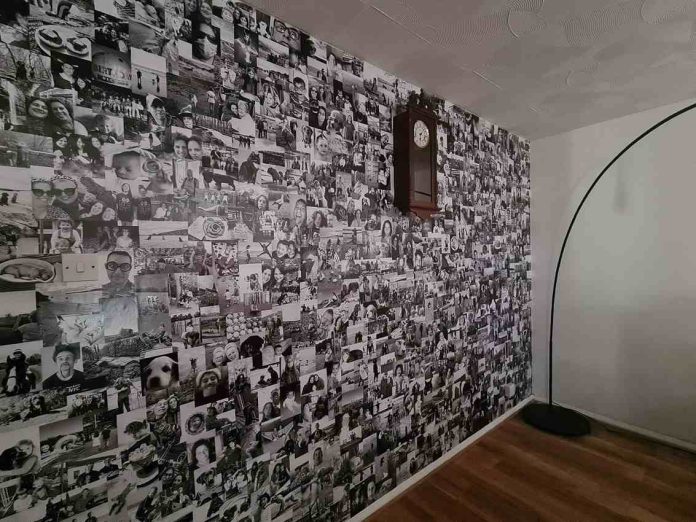
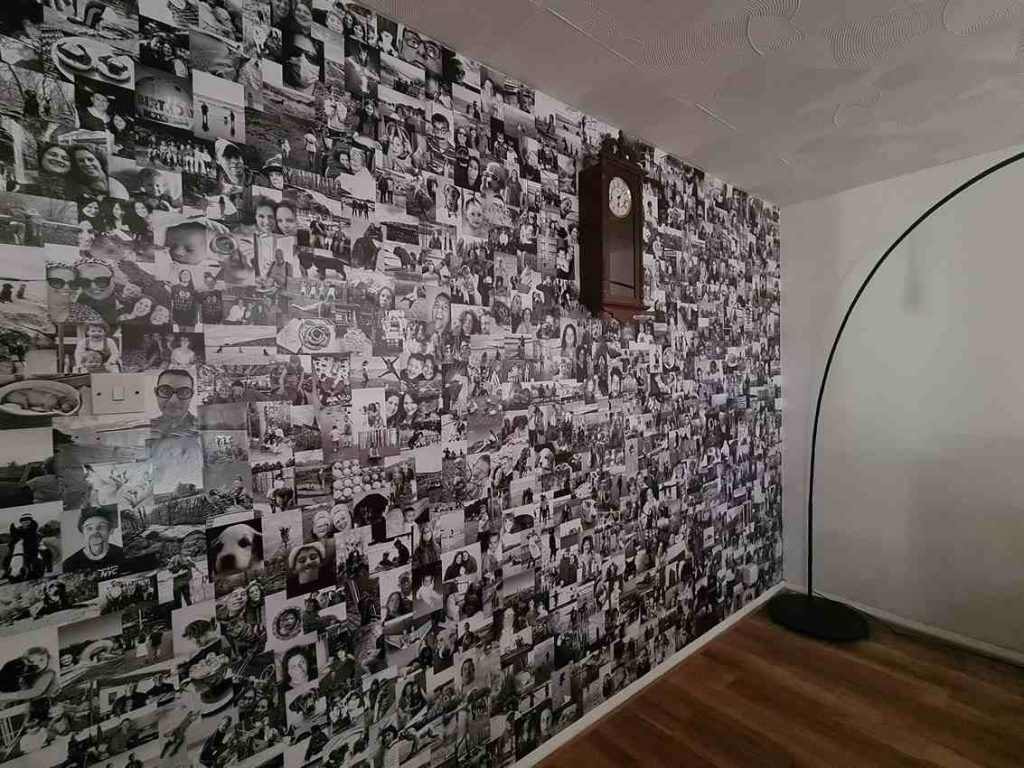
An English mom has turned her entire living room wall into a photo montage to remind her family of happier times in a bid to help them cope with COVID trauma.
Louise Whapshott, 46, wanted to celebrate decades of special memories the family made together before the pandemic to remind them all better days are coming, and spent six hours covering an entire wall of her East Hampshire home with 700 black and white photos of special memories.
She and her family had a tough time during the pandemic. Her 49-year-old husband Martin ended up in the ICU from the virus back in April 2020, while his father Jim died at age 77 after catching it in his care home the same month.
Her teenage children Corbin and Eva both still suffer with long COVID and chronic fatigue since catching the virus at school in late 2020.
“I am always capturing our fun times on camera and COVID has reminded us of how short life can be and how quickly it can change,” said Whapshott, a mental healthcare worker. “I wanted to remind ourselves of all the amazing things we have done and look forward to making more memories.”
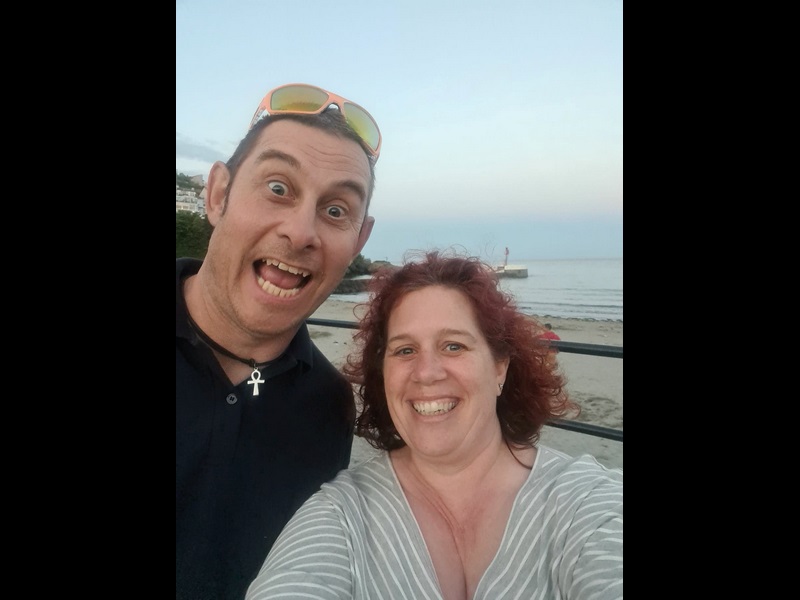
Louise and her husband Martin – SWNS
Whapshott said she had been planning the activity for months, and after getting all of the photos printed, she organized them into categories for each member of the family, plus one for Jim, one for friends and holidays, and plus another for the dogs and cats.
“We have too many good memories to be locked in a phone or computer,” she added. “It took two evenings of pasting, so around six hours. My daughter pasted and I stuck.”
“I love my photo wall and now I get to look at all these lovely, happy memories that make me chuckle. Life isn’t quite normal for us at the moment with the kids but I am loving laughing about all the random memories we have made so far.”
Help Friends Remember Better Times With This Heartwarming Story…
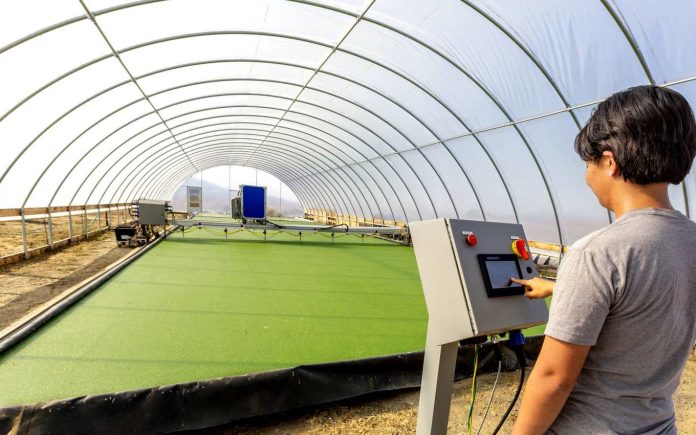
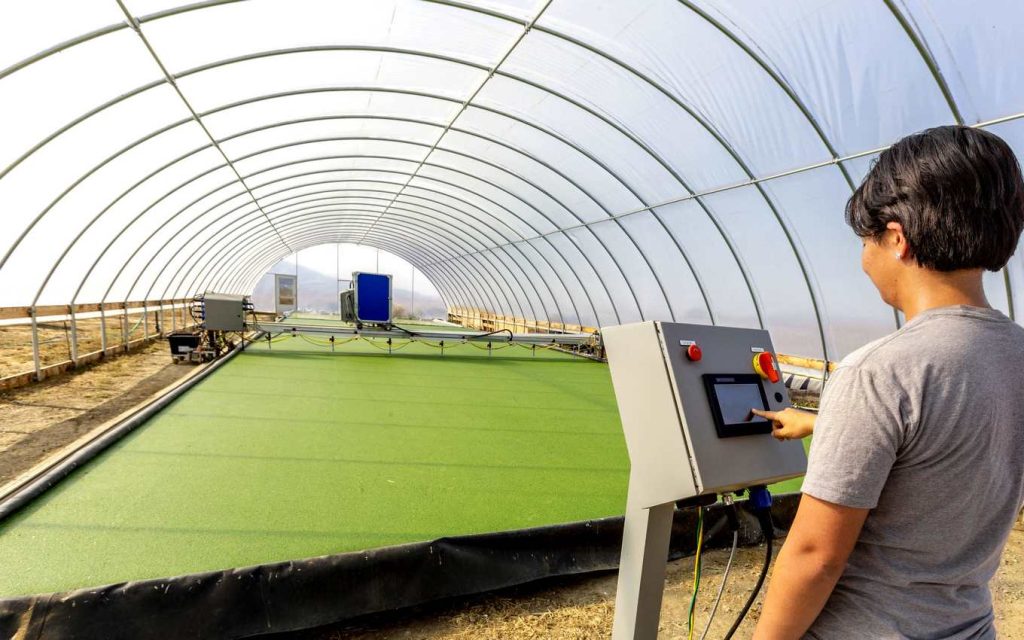
Using a water-born crop that grows at breakneck speed, an innovative cattle feed startup could reduce livestock emissions in a variety of ways.
By reducing methane emissions from the bovine’s digestion, growing the plants on smaller lots than traditional feed, and using the farm’s manure to cover input costs, the aquatic feed offers protection to the invaluable beef industry from zealous politicians and activists who aren’t willing to wait for innovation to improve the carbon footprint of livestock.
Called Fyto, the startup boasts of a “library” of aquatic crop varieties that offer superior nutrition compared to other feeds like alfalfa.
Relatives of a common pond vegetation called duckweed are grown in installed greenhouses on the farm. In a pool of water, which they ironically consume in far less amounts than terrestrial crops, the duckweed can double in size every three days, which is among the fastest growing speeds for any crop for any purpose, expect for some species of bamboo.
The greenhouses’ speed and efficiency is believed to be able to support large herds of beef and dairy cattle on less land than herds from Brazil, where forest is cleared for soybean plantation to feed the cattle, generally need.
Cattle ranching, like a lot of things in agriculture, is all about input costs—feed, land, antibiotics, manure management, there’s a lot that goes into it unless the cattle are pastured on public land like National Forest land. Some pilot projects using Fyto have cut certain input costs like water and manure management by half.
Further still, the plants reproduce “vegetatively,” meaning there are no seeds; the female plants simply sprout the next generations as a kind of second limb.
Best of all, explains Jason Prapas, founder and CEO of Fyto, it’s cheap.
“This won’t have any impact if it can’t be cost competitive with what people need to feed their animals,” Prapas told Fast Company.
“So that’s been key from the first notebook sketches, let alone to the first production units. I’m happy to say that this actually can compete on costs with commodity products. And that’s largely owing to the plant science team helping us get yields that are really an order of magnitude higher than other crops.”
Plus, Prapas says, the cows absolutely love to eat it.
“I’ve never known a cow could gallop until we started to do our pilot feedings last summer,” Prapas says. “And we saw them consistently running over to us when we brought the Fyto feed over.”
Fyto just recently closed a $15 million Series A financing round, including investment from Google.
It’s Monday morning. GNN has your inspiration fuel for the week.
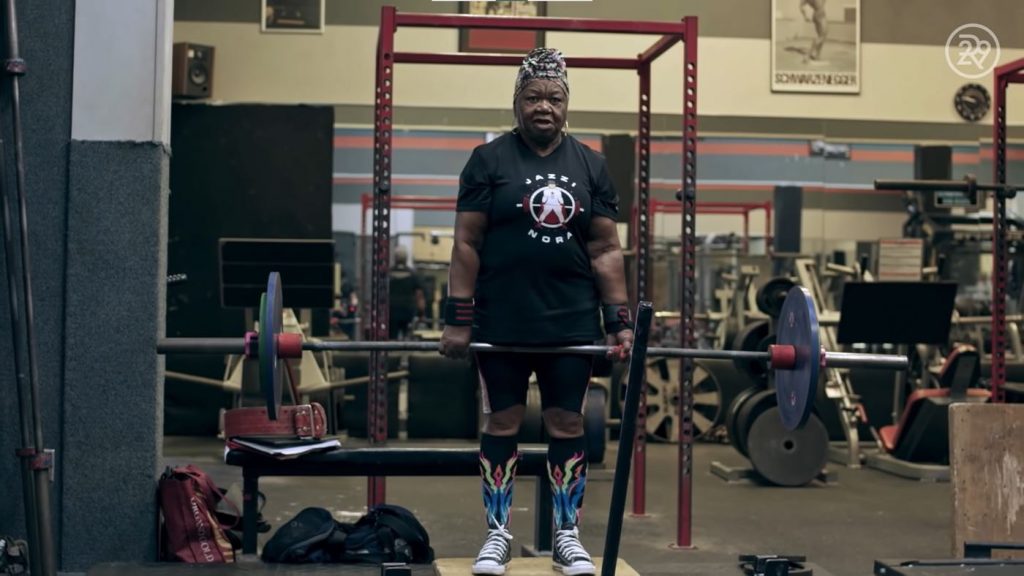
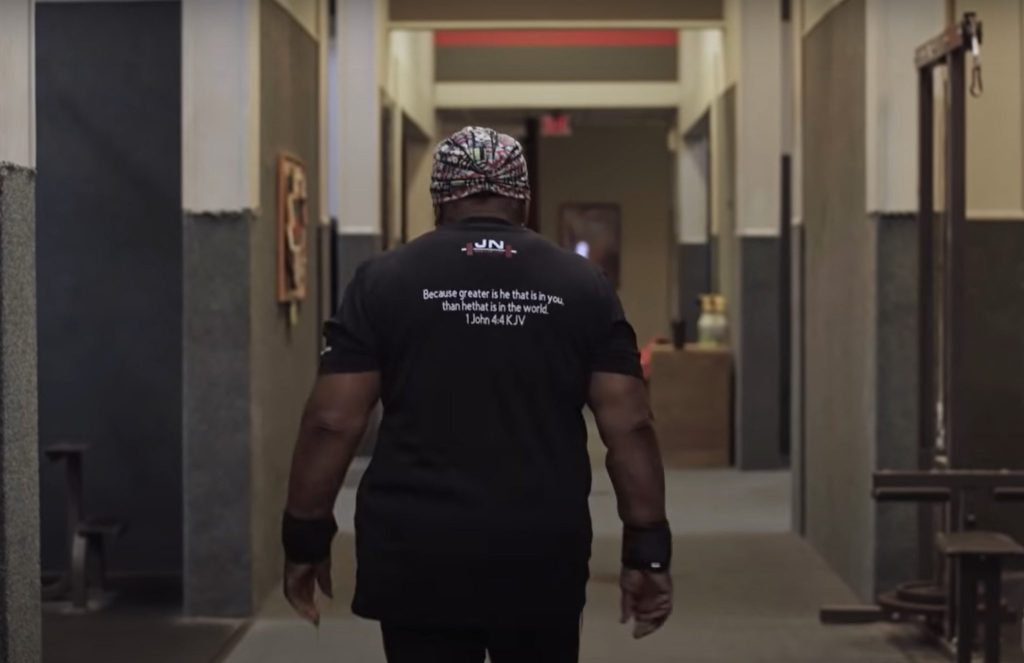
Nora Langdon is a world champion powerlifter at 78-years-young, holding 19 world records, with personal records of 413 pounds in the squat, 381.4 pounds in the deadlift, and a 203.9 pound bench press.
If that wasn’t already enough to get you up off your bum and into your favorite workout, Langdon started when she was already 65, and too out of shape to walk up the stairs in the houses she was selling as part of a 35-year career in real estate.
Celebrating a birthday party, a friend introduced her to Art Little, a personal trainer at Royal Oak Gym, in Michigan. She came to watch a powerlifting meet, and asked Little if she could do the same eventually. Little was hesitant, but started her off with the basics.
“Langdon estimates that she has 20-25 medals in her trophy room,” reports Barbend. “She has competed in 25 sanctioned meets and won 23 of them.”
In the two outliers she failed to post totals, meaning that it wasn’t that anyone out-lifted her.
“When I squat, this is what I say, I say ‘Holy Spirit, fall on me, and I just do it—come right on up,'” she told Fox News.
“I feel strength when I powerlift,” says Langdon in Refinery 29’s doc—a voice over comment as she prepares to rip a deadlift in a pair of pristine Chuck Taylors. “Because it means I can beat the world. I want to inspire other women to take care of themselves.”
The most decorated powerlifter in her weight class, Langdon competes in powerlifting three times a year, at the State Championships, the Nationals, and the Worlds. She has set up a GoFundMe to finance her career beyond her very meager sponsorship money.
White blood cells have been made into a kind of micro-robot that could treat and prevent life threatening illnesses, according to scientists in China.
The tiny, laser-guided machines are made from white blood cells called neutrophils—and are set, the scientists think, to revolutionize medicine.
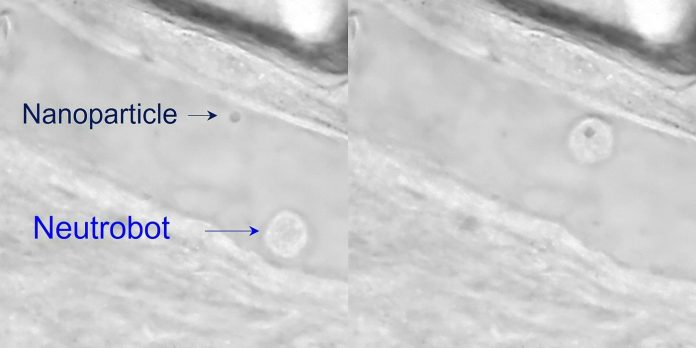
Named ‘neutrobots’, they can deliver drugs to precise locations in the body after being directed by laser beams. Other devices developed to perform similar tasks contain synthetic materials which in several instances have triggered serious immune responses and biological rejection.
“The neutrophil microcrafts can be remotely activated by light and then navigated to the target position along a designated route,” said project leader Dr. Xianchuang Zheng, of the Institute of Nanophotonics at Jinan University, China.
In experiments on the tails of zebrafish, the Chinese team used an incredibly impressive and precise laser called a scanning optical tweezers (SOTs) to perform three potential applications with the neutrobots.
SOTs point a highly focused beam to hold and move microscopic and sub-microscopic particles in a manner similar to tweezers, and were used with the help of the neutrobots for cell therapy, targeted nanomedicine, and removal of debris or organic waste that can trigger disease.
Additionally, the neutrobots could carry payloads directly to a tumor, blood clot, or infection.
“By integrating the non-invasive manipulation of optical tweezers and innate immunologic function of neutrophils, the proposed microcraft provides new insight for the construction of native medical microdevices for precision medicine,” Dr. Zheng said. “The neutrophil microcraft can be activated or recovered in a controlled manner and the migration is fully steerable—just like driving a vehicle.”
The zebrafish have high blood circulation to their tails, allowing the neutrophils to be clearly identified through fluorescence labelling.
Au natural
It’s significantly less scary than other nanobot medical applications being developed elsewhere, like these miniscule crabs theorized as agents to dispose of tumors, clear clogged arteries, or stop internal bleeding.
Ordinary neutrophils are often slow and go in the wrong direction, part of why the development of micro-robotics has steered more towards artificial solutions.
Maneuvers of the neutrobots include remote activation by SOTs at a desired time and location—precisely navigated to achieve a designed route and speed.
Not only do medical microrobots currently in development require injections or the consumption of capsules to get them inside an animal or person, but researchers have found the objects trigger immune reactions in small animals, resulting in their removal before they can perform their jobs.
The study in the journal ACS Central Science is the first time they have been guided with lasers in living animals. The light-driven microrobot could be moved up to a velocity of 1.3 microns a second—three times faster than a neutrophil naturally moves.
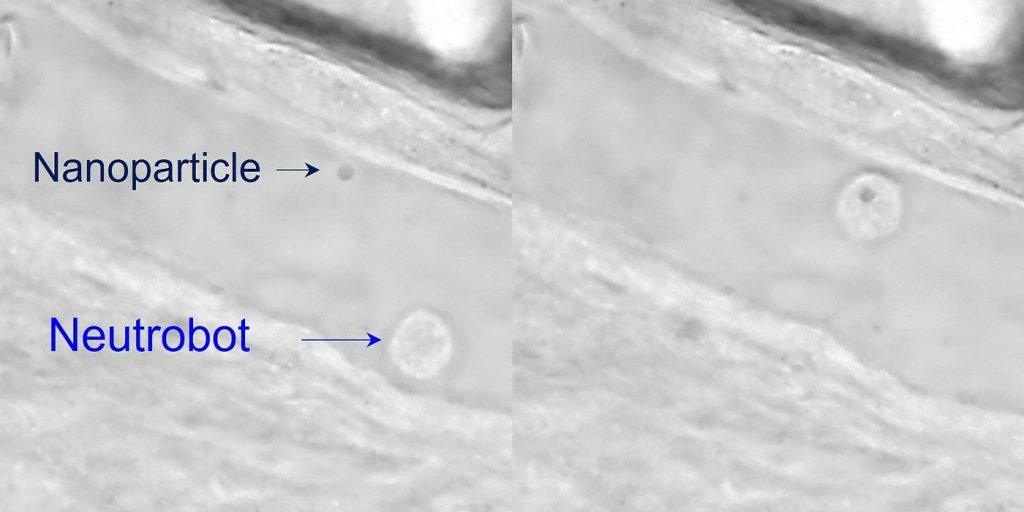
In one test, a neutrobot was moved through a blood vessel wall into the surrounding tissue. Another picked up and transported a plastic nanoparticle, showing its potential for carrying medicine. When one was pushed toward red blood cell debris, it engulfed the pieces.
It seems pure science fiction, but could become standard of care.
SHARE This Medical Miracle With Your Friends On Social Media…
Quote of the Day: “To write is to influence. To influence is to change. To change is to live.” – Jane Evershed
Photo by: lilartsy
With a new inspirational quote every day, atop the perfect photo—collected and archived on our Quotes page—why not bookmark GNN.org for a daily uplift?
On Friday and Saturday, a hotel in Orlando came alive with vibrant colors and breathtaking flair after more than 400 balloon artists from around the world constructed a wonderland to benefit sick children.
The ballroom in the Hyatt hotel became a life-sized replica of Give Kids The World Village—a 90-acre, whimsical nonprofit resort in Kissimmee, Florida which provides critically ill children and their families with magical week-long vacations at no cost.
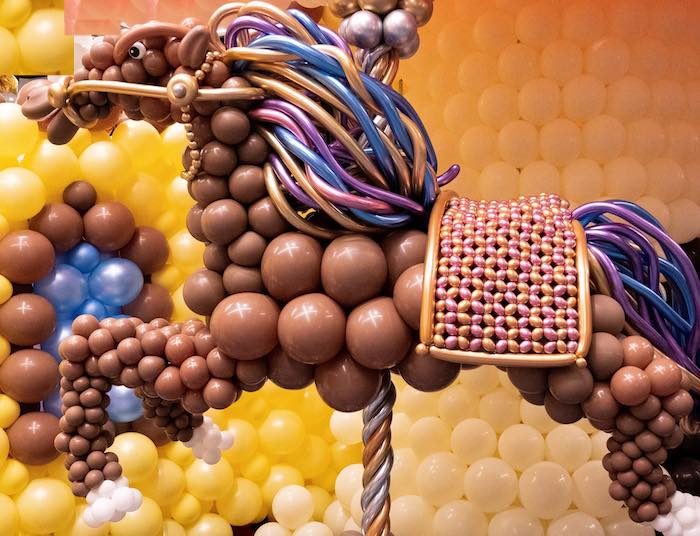
Balloon artisans from 22 countries built life-sized replicas of the Village’s seven iconic ‘neighborhoods’ using a half-million biodegradable balloons to recreate Under the Sea, Candy Land, Dinosaur Land, and more.
Sponsored by Pioneer Balloon Company, all the proceeds from the $20 tickets go towards fulfilling the wishes of critically-ill children and their families.
“We are very excited about bringing the wonder and excitement of balloon artistry to Orlando while raising funds for such an impactful nonprofit,” said a spokesperson of Pioneer Balloon Company founded in 1917.
The beautiful event (pictured in the video below) raised $52,000, all of which will be used to fulfill the wishes of critically ill children and their families.
Give Kids The World also raises millions of dollars for its charity work with an annual Christmas lights spectacular, covered by GNN each of the last two years.
Give Kids The World
The mission of Give Kids The World Village is to create happiness for wish families during all-inclusive, customized dream vacations that include visits to Disney World.
Give Kids The World
Every family is treated to transportation; accommodations; all meals; donated theme park tickets; nightly entertainment; and more. Since 1986, Give Kids The World has welcomed 177,000 families from all 50 states and 76 countries.
WATCH the video below of the event which ended Saturday…
DON’T Pop the Dream–Share This With Creative Kids and Artists on Social Media…
A 17-year-old teen in San Diego returned a purse left in a grocery store parking lot—and although he expected nothing in return, hundreds of strangers have offered him a big reward.
Adrian Rodriquez found the green handbag in Ralph’s parking lot in Chula Vista, California, two weeks ago. Instead of bringing it inside the store, he decided to deliver it himself to the woman’s front door.
Although the owner, Eliana Martin, wasn’t there, the purse was left with the roommates, and the home’s surveillance video was later used to track down the high school graduate to show him some love.
“I looked into the Ring camera, and I was like, ‘Oh my God. He’s such a young kid’,” recalls Melina Marquez. “We need to find him and just give him a little piece of gratitude.”
She and Martin posted the striking image on social media, and found the young man who returned the bag, which contained $20 and a wallet full of credit cards.
“My mom always told me since I was little to always do the right thing when nobody’s around,” Adrian told NBC News. “I didn’t expect nothing back, honestly.”
“If someone found my stuff, I’d want them to bring it back to me,” said the humble youth.
But the good news didn’t stop there. Marquez organized a GoFundMe campaign as a way for friends and new admirers to reward Adrian’s honesty.
A recent survey polled 2,000 U.S. adults to see how they’re staying active as their routines and lifestyles have undergone a drastic change over the past two years.
73% are eager to increase their physical activity and to change their habits, with 70% making more of an effort to move more, compared to when the pandemic began.
Whether due to working from home or lack of motivation, 42% said they struggle to stay physically active during the day.
Yet the survey found that people are renewing their commitment to an active lifestyle through activities like stretching at home (43%), at-home workouts (38%) and taking mental health walks (31%).
But people are also getting active in new ways, with 81 percent saying that exercising puts them in a better mood. Over half want to exercise more with their family, as well as be a good influence on their children.
Conducted by OnePoll, the survey shows that people are trying a number of tricks or “shortcuts” to sneak in movement throughout the day, such as walking around the house when on the phone (54%) and doing exercises such as crunches and squats while watching TV (42%).
Engaging in movement that brings joy—such as gardening, swimming, dancing, or bike riding—is one way to try to incorporate more exercise—but many are thinking outside of the box.
“There are tons of ways you can get creative to get up and move,” said Rishi Mulgund, Brand Director of Voltaren Arthritis Pain Gel, which sponsored the study.
MOST UNIQUE WAYS PEOPLE HAVE INCREASED THEIR PHYSICAL ACTIVITY
“I go bowling several times a week.”
“I carry my grandkids on my back.”
“I ride my bicycle to work about once a week instead of driving. About 2 miles each way.”
“I do squats while on the phone.”
“I dancercise.”
“I use a trampoline.”
“I use a hula hoop.”
“Doing exercises while watching Netflix.”
“I do steps using a step stool whenever I’m heating things in the microwave.”
“Every time I eat something, I jog around my kitchen island for 5 minutes.”
“I march while brushing my teeth.”
“I play Wii Sports Resort.”
“I play with five dogs daily multiple times a day then I do stair reps.”
“When I’m doing housework I try to do as much as physically possible.”
SHARE The Ideas With the Couch Potatoes on Social Media…
Photos by Kassandra Mayor Anastasia Chalkia / Facebook
Photos by Kassandra Mayor Anastasia Chalkia / Facebook
Strong currents swept a 30-year-old man out to sea while he was on a beach vacation—but reminiscent of the movie Castaway, he now has a soccer ball to thank for his survival.
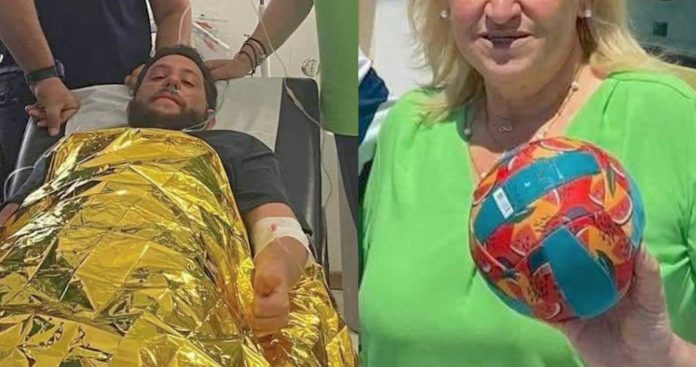
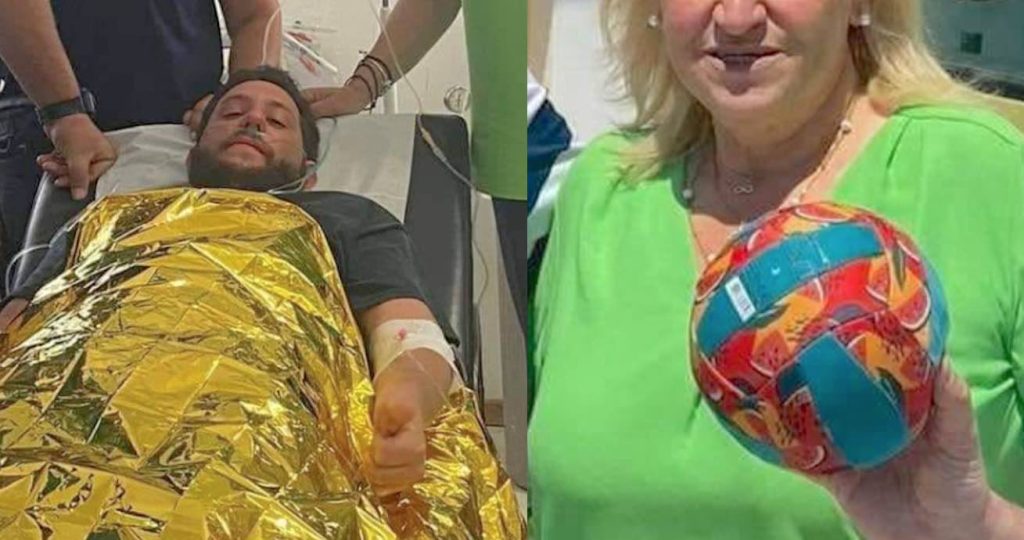
The Macedonia man spent 18 hours holding on to the partially-deflated leather ball in the Aegean Sea before he was rescued 15 miles away.
Though a good swimmer, Ivan was growing tired when his luck changed, and the rainbow-colored ball came floating toward him, reports Serbian news site, Telegraf.
When news broke about Ivan’s real-life ‘Wilson!’ experience, a pair of Greek children reported that the colorful ball ended up in the sea 10 days earlier when they were playing football on the island of Lemnos—80 miles away.
Ivan was spotted by a Greek Air Force helicopter involved in the search team that was also looking for Ivan’s friend, who hasn’t been found, according to Global News.
Kassandra Mayor Anastasia Chalkia shared a photo posing with the ball alongside Ivan’s father outside a hospital in the northern peninsula municipality.
“I had constant information on the course of the rescue and am very happy about the smooth ending of the young man’s adventure.”
VOLLEY This Amazing Story of Luck Over to Friends on Social Media…
Quote of the Day: “You are not here merely to make a living. You are here to enrich the world, and you impoverish yourself if you forget the errand.” – Woodrow Wilson
Photo by: David Cashbaugh (cropped)
With a new inspirational quote every day, atop the perfect photo—collected and archived on our Quotes page—why not bookmark GNN.org for a daily uplift?
A 90-year-old owner of multiple McDonald’s franchises has done an extraordinary good deed for his employees, who were at risk of losing their livelihoods.
When news broke that Tony Philiou was set to close, remodel, and rebuild a brand-new restaurant in Mayfield Heights, Ohio, there was obvious concern among workers.
But, the staff had nothing to worry about.
Philiou flipped his first burger as an employee at this exact location 60 years ago; now he’s the boss who chose to continue paying all 90 employees, even though they would not be able to work for him during renovations.
“I have people here that make a living here and go from week-to-week pay,” he told WKYC News. “How can I tolerate for them to not have a paycheck?”
“You’re going to sit home. You’re going to get paid,” said Philiou, recalling his words in the speech he delivered to workers.
Courtesy Tony Philiou (pictured with his wife) / McDonald’s
“Employees were floored,” the store’s General Manager Ed Kocsis told the Washington Post.
FREE WILL ASTROLOGY – Week of July 16, 2022
Copyright by Rob Brezsny, FreeWillAstrology.com
CANCER (June 21-July 22):
Your memory is SUBSTANTIAL. Your sensitivity is MONUMENTAL. Your urge to nurture is DEEP. Your complexity is EPIC. Your feelings are BOTTOMLESS. Your imagination is PRODIGIOUS. Because of all these aptitudes and capacities, you are TOO MUCH for some people. Not everyone can handle your intricate and sometimes puzzling BEAUTY. But there are enough folks out there who do appreciate and thrive on your gifts. In the coming weeks and months, make it your quest to focus your urge to merge on them.
LEO (July 23-Aug. 22):
I love these lines by Leo poet Conrad Aiken: “Remember (when time comes) how chaos died to shape the shining leaf.” I hope this lyrical thought will help you understand the transformation you’re going through. The time has come for some of your chaos to expire—and in doing so, generate your personal equivalent of shining leaves. Can you imagine what the process would look and feel like? How might it unfold? Your homework is to ponder these wonders.
VIRGO (Aug. 23-Sept. 22):
A British woman named Andie Holman calls herself the Scar Queen. She says, “Tight scar tissue creates pain, impacts mobility, affects your posture, and usually looks bad.” Her specialty is to diminish the limiting effects of scars, restoring flexibility and decreasing aches. Of course, she works with actual physical wounds, not the psychological kind. I wish I could refer you to healers who would help you with the latter, Virgo. Do you know any? If not, seek one out. The good news is that you now have more personal power than usual to recover from your old traumas and diminish your scars. I urge you to make such work a priority in the coming weeks.
LIBRA (Sept. 23-Oct. 22):
Ancient Roman philosopher Seneca wrote, “Luck is what happens when preparation meets opportunity.” But a Spanish proverb suggests a different element may be necessary: “Good luck comes by elbowing.” (Elbowing refers to the gesture you use as you push your way through a crowd, nudging people away from the path you want to take.) A Danish proverb says that preparation and elbowing aren’t enough: “Luck will carry someone across the brook if they are not too lazy to leap.” Modern author Wendy Walker has the last word: “Fortune adores audacity.” I hope I’ve inspired you to be alert to the possibility that extra luck is now available to you. And I hope I’ve convinced you to be audacious, energetic, well-prepared, and willing to engage in elbowing. Take maximum advantage of this opportunity.
SCORPIO (Oct. 23-Nov. 21):
Many Scorpios imagine sex to be an unparalleled celebration of sacred earthiness. I endorse and admire this perspective. Here’s another thing I love about Scorpios: So many of you grasp the value of sublimating lust into other fun and constructive accomplishments. You’re skilled at channeling your high-powered libido into practical actions that may have no apparent erotic element. The coming weeks will be an excellent time for you to do a lot of that.
SAGITTARIUS (Nov. 22-Dec. 21):
A Sagittarius reader asked, “What are actions I could take to make my life more magical?” I’m glad she asked. The coming weeks will be a favorable time to raise your delight and enchantment levels, to bask in the blessed glories of alluring mysteries and uncanny synchronicities. Here are a few tips: 1. Learn the moon’s phases and keep track of them. 2. Acquire a new sacred treasure and keep it under your pillow or in your bed. 3. Before sleep, ask your deep mind to provide you with dreams that help generate creative answers to a specific question. 4. Go on walks at night or at dawn. 5. Compose a wild or funny prayer and shout it aloud it as you run through a field. 6. Sing a soulful song to yourself as you gaze into a mirror.
CAPRICORN (Dec. 22-Jan. 19):
Being able to receive love doesn’t come easy for some Capricorns. You may also not be adept at making yourself fully available for gifts and blessings. But you can learn these things. You can practice. With enough mindful attention, you might eventually become skilled at the art of getting a lot of what you need and knowing what to do with it. And I believe the coming weeks will be a marvelous time to increase your mastery.
AQUARIUS (Jan. 20-Feb. 18):
A musician once said, “If I don’t practice one day, I know it; two days, the critics know it; three days, the public knows it.” It’s a fundamental principle for everyone who wants to get skilled at any task, not just for musicians. To become a master of what you love to do, you must work on it with extreme regularity. This is always true, of course. But according to my astrological analysis, it will be even more intensely true and desirable for you during the coming months. Life is inviting you to raise your expertise to a higher level. I hope you’ll respond!
PISCES (Feb. 19-March 20):
In May 2021, Jessica and Ben Laws got married on their dairy farm. The ceremony unfolded smoothly, but an unforeseen event interrupted the reception party. A friend who had been monitoring their herd came to tell the happy couple that their pregnant cow had gone into labor and was experiencing difficulties. Jessica ran to the barn and plunged into active assistance, still clad in her lovely floor-length bridal gown and silver tiara. The dress got muddy and trashed, but the birth was successful. The new bride had no regrets. I propose making her your role model for now. Put practicality over idealism. Opt for raw and gritty necessities instead of neat formalities. Serve what’s soulful, even if it’s messy.
ARIES (March 21-April 19):
With a fanciful flourish, Aries poet Seamus Heaney wrote, “I ate the day / Deliberately, that its tang / Might quicken me all into verb, pure verb.” I’d love for you to be a pure verb for a while, Aries. Doing so would put you in robust rapport with astrological rhythms. As a pure verb, you’ll never be static. Flowing and transformation will be your specialties. A steady stream of fresh inspiration and new meanings will come your way. You already have an abundance of raw potential for living like a verb—more than all the other signs of the zodiac. And in the coming weeks, your aptitude for that fluidic state will be even stronger than usual.
TAURUS (April 20-May 20):
According to Arthurian myth, the Holy Grail is a cup that confers magical powers. Among them are eternal youth, miraculous healing, the restoration of hope, the resurrection of the dead, and an unending supply of healthy and delicious food and drink. Did the Grail ever exist as a material object? Some believe so. After 34 years of research, historian David Adkins thinks he’s close to finding it. He says it’s buried beneath an old house in Burton-on-Trent, a town in central England. I propose we make this tantalizing prospect your metaphor of power during the coming weeks. Why? I suspect there’s a chance you will discover a treasure or precious source of vitality. It may be partially hidden in plain sight or barely disguised in a mundane setting.
GEMINI (May 21-June 20):
I’m pleased to authorize you to be extra vast and extensive in the coming weeks. Like Gemini poet Walt Whitman, you should never apologize and always be proud of the fact that you contain multitudes. Your multivalent, wide-ranging outlook will be an asset, not a liability. We should all thank you for being a grand compendium of different selves. Your versatility and elasticity will enhance the well-being of all of us whose lives you touch.
WANT MORE? Listen to Rob’s EXPANDED AUDIO HOROSCOPES, 4-5 minute meditations on the current state of your destiny — or subscribe to his unique daily text message service at: RealAstrology.com
Astronomers at MIT—and universities in Canada and the US—have detected a strange and persistent radio signal from a far-off galaxy that appears to be flashing with surprising regularity.
The signal is classified as a fast radio burst, or FRB — an intensely strong burst of radio waves of unknown astrophysical origin, that typically lasts for a few milliseconds at most. However, this new signal persists for up to three seconds, about 1,000 times longer than the average FRB. Within this window, the team detected bursts of radio waves that repeat every 0.2 seconds in a clear periodic pattern, similar to a beating heart.
The source of the signal lies in a distant galaxy, several billion light-years from Earth. Exactly what that source might be remains a mystery, though astronomers suspect the signal could emanate from either a radio pulsar or a magnetar “on steroids”. Both are types of neutron stars — extremely dense, rapidly spinning collapsed cores of giant stars.
“There are not many things in the universe that emit strictly periodic signals,” says Daniele Michilli, a postdoc in MIT’s Institute for Astrophysics and Space Research. “Examples that we know of in our own galaxy are radio pulsars and magnetars, which rotate and produce a beamed emission similar to a lighthouse. And we think this new signal could be a magnetar or pulsar on steroids.”
The team hopes to detect more periodic signals from this source, which could then be used as an astrophysical clock. For instance, the frequency of the bursts, and how they change as the source moves away from Earth, could be used to measure the rate at which the universe is expanding.
The discovery was reported this week in the journal Nature, and is authored by members of the CHIME/FRB Collaboration, including MIT co-authors Calvin Leung, Juan Mena-Parra, Kaitlyn Shin, and Kiyoshi Masui, along with Michilli, who led the discovery first as a researcher at McGill University, and then as a postdoc at MIT.
The researchers have labeled the signal FRB 20191221A, and it is currently the longest-lasting FRB, with the clearest periodic pattern, detected to date.
“Boom, boom, boom”
Since the first FRB was discovered in 2007, hundreds of similar radio flashes have been detected across the universe, most recently by the Canadian Hydrogen Intensity Mapping Experiment, or CHIME—an interferometric radio telescope consisting of four large parabolic reflectors located at the Dominion Radio Astrophysical Observatory in British Columbia, Canada.
CHIME continuously observes the sky as the Earth rotates, and is designed to pick up radio waves emitted by hydrogen in the very earliest stages of the universe. The telescope also happens to be sensitive to fast radio bursts, and since it began observing the sky in 2018, CHIME has detected hundreds of FRBs emanating from different parts of the sky.
The vast majority of FRBs observed to date are one-offs — ultrabright bursts of radio waves that last for a few milliseconds before blinking off. Recently, researchers discovered the first periodic FRB that appeared to emit a regular pattern of radio waves. This signal consisted of a four-day window of random bursts that then repeated every 16 days. This 16-day cycle indicated a periodic pattern of activity, though the signal of the actual radio bursts was random rather than periodic.
On Dec. 21, 2019, CHIME picked up a signal of a potential FRB, which immediately drew the attention of Michilli, who was scanning the incoming data.
“It was unusual,” he recalls. “Not only was it very long, lasting about three seconds, but there were periodic peaks that were remarkably precise, emitting every fraction of a second — boom, boom, boom — like a heartbeat. This is the first time the signal itself is periodic.”
In analyzing the pattern of FRB 20191221A’s radio bursts, Michilli and his colleagues found similarities with emissions from radio pulsars and magnetars in our own galaxy. Radio pulsars are neutron stars that emit beams of radio waves, appearing to pulse as the star rotates, while a similar emission is produced by magnetars due to their extreme magnetic fields.
The main difference between the new signal and radio emissions from our own galactic pulsars and magnetars is that FRB 20191221A appears to be more than a million times brighter. Michilli says the luminous flashes may originate from a distant radio pulsar or magnetar that is normally less bright as it rotates and for some unknown reason ejected a train of brilliant bursts, in a rare three-second window that CHIME was luckily positioned to catch.
“CHIME has now detected many FRBs with different properties,” Michilli says. “We’ve seen some that live inside clouds that are very turbulent, while others look like they’re in clean environments. From the properties of this new signal, we can say that around this source, there’s a cloud of plasma that must be extremely turbulent.”
The astronomers hope to catch additional bursts from the periodic FRB 20191221A, which can help to refine their understanding of its source, and of neutron stars in general.
“This detection raises the question of what could cause this extreme signal that we’ve never seen before, and how can we use this signal to study the universe,” says Michilli.
SEND a Radio Heartbeat to Astronomy Lovers on Social Media…
An English family was left stunned when their dog escaped only to return later that day with a ribbon won at a local dog show.
Peter and Paula Closier became sick with worry when their five-year-old beagle-mix vanished on Sunday morning.
They called the police, the dog warden, and looked all over their house in West Sussex—and their neighbors also joined in the search for little Bonnie.
When Peter saw that the gate had swung open, he thought ‘oh no’.
Little did they know that John Wilmer had spotted Bonnie by the side of the road while on his way to a dog show in Surrey where he was entering his own two dogs.
Soon after, the family’s fears were eased when Paula spotted a Facebook post by John hoping to locate the pet’s owners. He was running late for the dog show and asked, ‘does anyone know this dog’?
John then decided to enter Bonnie into the competition. He thought “I might as well enter her into the ‘best rescue dog’ category”.
And she returned to her family with a third place ribbon!
When she was just one-year-old, the couple rescued Bonnie from the streets of Crete, in Greece, but they had never entered the pup into any competitions.
“We never pursued it with Bonnie, but we should now.”
Quote of the Day: “Happiness is not about gaining something… It’s all about getting rid of the darkness you accumulate.” – Carolyn Crane
Photo by: Craig ONeal, CC license
With a new inspirational quote every day, atop the perfect photo—collected and archived on our Quotes page—why not bookmark GNN.org for a daily uplift?
GNN Managing Editor, Andy Corbley, in his garden in Vergiate, Italy
GNN Managing Editor, Andy Corbley, in his garden in Vergiate, Italy
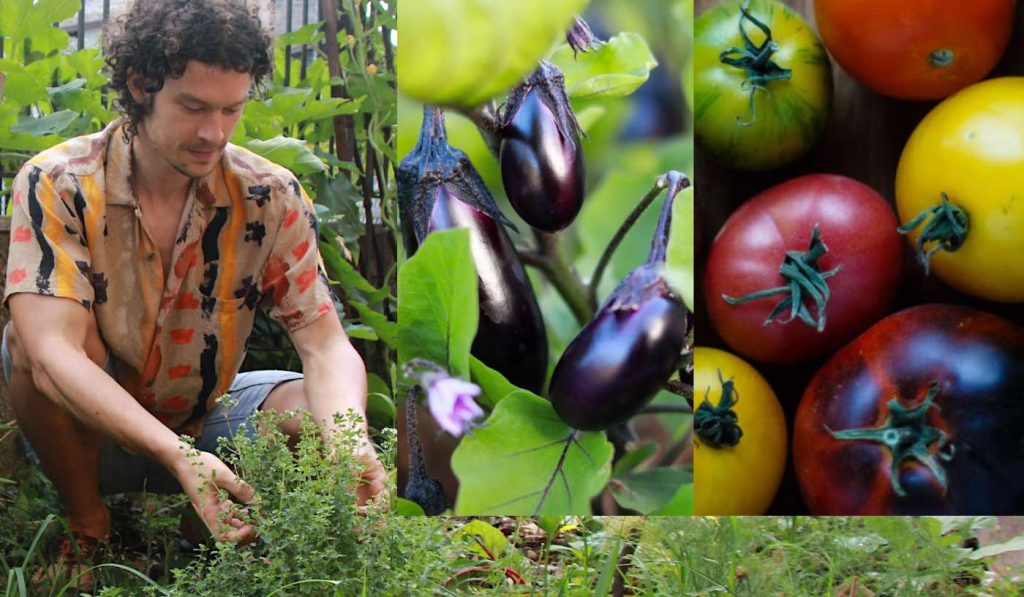
Welcome back to Good Gardening! In our Week 1 discussion thread we discovered what readers are using in their soil to boost production in the garden. They joined us on Facebook and sent in emails to share their secrets:
Smith Edward Bruce makes compost to fertilize and amend his soil and offered a suggestion if you are mixing in large amounts of dried brown material, such as fall leaves: Use the leftovers from comfrey and stinging nettle tea, to speed up the decomposition.
Deborah Gillespie has become interested in native plant gardens, and their “shocking resilience”…
“I was involved in planting a native community garden this spring in Pennsylvania,” she shared with GNN. “The leader of the project encouraged us to plant on a rainy day, in heavy, wet, clay soil, packing plants tightly into the mud, and walking all over the bed as we worked. Every “rule” I’ve ever learned about soil amendments, composition and compaction was broken, and I was convinced we were laboring in vain. Two months later, the garden is thriving.”
Llyn and Chris from The Sharing Gardens wrote in about their experience using coffee grounds in their community garden. “Coffee grounds provide generous amounts of phosphorus, potassium, magnesium, and copper. They also release nitrogen into the soil as they degrade. When we have it, we spread it about 1/4″ thick on beds before we plant.”
Some of Chris and Llyn’s neighbors helping out.
“For some reason, worms love coffee grounds! By sprinkling grounds in your garden beds, you will attract worms to come into your soil and, since coffee grounds also contain many nutrients on their own, we also recommend adding them to your greenhouse paths and compost bins. They will attract worms and speed up the process of decomposition.”
And, finally, Dianna Palermo reports that she planted clover everywhere: “It protects the soil from erosion, fixes nitrogen and suppresses weeds. I’ve restored compacted soils using Dutch clover and planted crimson clover around my vegetable garden.”
“Gardens are not made by singing ‘Oh, how beautiful,’ and sitting in the shade,”
— Rudyard Kipling.
Good Gardening Week 2: What Are You Growing this Year?
Question 1: What’s blooming, fruiting, or growing in your garden this year?
Question 2: Is your preference for flowers, vegetables, fruit, or a mixture?
Question 3: Why did you choose the species or varieties you did?
Tell Us Here in The Comments… or, send your questions, tips, and photos to [email protected]. Join our Facebook Good Gardens thread every Friday on the GNN Facebook Page…
Little Bella and Adri helping out! Submitted by The Sharing Gardens
Remember that your green thumbs can help novice greenhorns—and garden jargon is encouraged! And Please SHARE This with Gardeners on Social Media…
See SWNS story SWBRdolphin.
All white, what a sight!
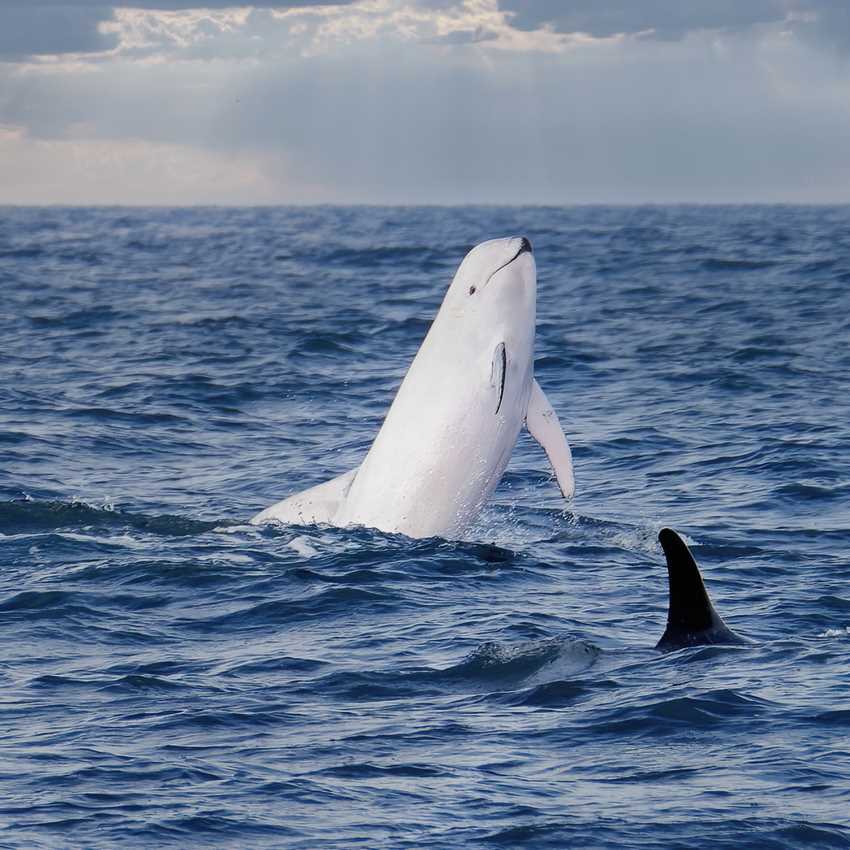
A wildlife photographer captured an amazing spectacle when a rare WHITE Risso's dolphin flipped out of the water.
Jay Spring was enjoying a Californian boat tour last month when he found himself lucky to be facing the right way as the distinctive creature breached.
He explains: "I could not believe what I was seeing and luckily I was looking the right way at the right time and was able to get some pictures of him.
"I later learned this is "Blanco", the rare leucistic Risso's dolphin."
"This dolphin has a form of leucism, which gives this individual its completely white colouring, outlined with thin black piping along with the head, pectoral fins, and fluke.
– SWNS
A wildlife photographer captured an amazing spectacle when a rare white Risso’s dolphin flipped out of the water.
Jay Spring was enjoying a Californian boat tour last month when he found himself lucky to be facing the right way as the distinctive creature breached.
“On 22 June, I was out on a whale watching boat with Captain Dave’s Whale Watching out of Dana Point, when we came across a pod of about 30 to 40 Risso’s dolphins just cruising around the boat,” said Spring.
“This is unusual as Risso’s dolphins are not known to be boat friendly like other dolphin species. Thunderstorms had just moved through the area when suddenly a rare, almost all white individual started breaching.”
“I could not believe what I was seeing and luckily I was looking the right way at the right time and was able to get some pictures of him,” he said.
As it turns out the whale watchers have a name for this individual, “Blanco”. He has leucism, a condition separate from Albinism, that results in an irregular distribution of melanin pigments. Spring was told there are no existing photographs of Blanco, and that his are the first ones on the internet.
– SWNS
“I have been photographing wildlife since 2016 as a retirement hobby. I primarily photography birds but in the past year have gotten into whales and dolphins.
“I am a technical person by nature and never thought I would enjoy photography so much.”
Risso’s dolphins usually have a distinctive grey body which over time becomes covered in scars. They are named after Antoine Risso, whose study of the animal formed the basis of the recognized description by Georges Cuvier in 1812.
Leucism is found in other animal species, and recently a sperm whale with leucism, literally Moby Dick, was seen in Jamaica.
Help This Dolphin BREACH Onto Your Friends Social Media Feeds…
Dominic Holguin, CEO of Chronic Kings Gas Station / KOB4 news. YouTube.
Dominic Holguin, CEO of Chronic Kings Gas Station / KOB4 news. YouTube.
Last Saturday, an Albuquerque gas station treated the city to a customer appreciation day, by cutting their gasoline prices in half between 10:00 AM and noon.
The staff at Chronic Kings Dispensary and Gas Station on Lomas and Arnold street were tired of seeing neighbors struggle with record high gas prices, so with 5,000 gallons waiting in the tanks, they decided to help out.
“It’s mainly just to give back to the people and try to help them out just for a few hours,” says Chronic Kings CEO Dominic Holguin, who mentioned to local news he expected the whole city to show up.
“They’re upset about it, we’re upset about it, that’s kind of the reason we’re doing this event.”
Years of falling investment in oil drilling and refining in the West had, by January of 2022, placed the global oil market on course for record-high profits as developing-world demand continued growing while production lagged behind.
Then after the War in Ukraine started, gas prices rose to their highest levels in Europe and North America in history.
But the United States has seen a few gas station owners rejecting their own margin requirements and offering gas at cut rates as a way of giving their communities a break.
GNN reported in June that a Sikh man in Phoenix was losing hundreds of dollars a day by selling gasoline at 50 cents cheaper than what he buys it for.
“If you have something, you have to share it with other people,” said Jaswiendre Singh at the time.
Researchers believe vitamin D could be key in preventing ovarian cancer, one of the most lethal, as they found it stopped a key transformation in the metastasis of the cancer.
Furthermore, vitamin D actively reversed a process by which ovarian cancer turns the host’s defenses against them, suggesting it could also be key as part of a treatment plan for early stage diagnosis.
Ovarian cancer often undergoes a process called peritoneal metastasis, whereby its cells detach from their primary site in the ovary and travel to a secondary site such as the peritoneal wall or diaphragm.
The peritoneum defends itself a barrier consisting of mesothelial cells, which prevent the adhesion of cancer cells and limit their spread. However, ovarian cancer gets around this defense by transforming the protective mesothelial cells into cancer-associated mesothelial cells. This creates an environment that helps metastasis, assisting the spread of cancer around the body.
For this reason, ovarian cancer has been dubbed ‘a silent killer’ as it often causes few distinct symptoms until it is advanced. Nine-in-ten women with an early-stage diagnosis survive. If it’s picked up late just one-in-ten live more than five years.
Now researchers from Nagoya University School of Medicine, led by Dr. Masato Yoshihara found that vitamin D not only counteracted this process but also reverted the cancer-associated mesothelial cells to their original state. This process strengthened the barrier effect of mesothelial cells and reduced further spread of the cancer.
“We showed the potential of vitamin D for normalizing cancer-associated mesothelial cells, which is the first study of this kind,” said Dr. Kazuhisa Kitami, the first author of the study.
“This study’s most interesting point is that in situations where early detection of ovarian cancer is still extremely difficult, we showed that the peritoneal environment can be restored to its normal state where it prevents the adhesion and growth of cancer cells.”
The sunshine vitamin accomplishes this by interrupting the pathway for a tumor growth-factor protein called TGF-B1 to produce changes in gene expression that specialize in the process of peritoneal metastasis mentioned earlier.
It’s another reason why women should seriously consider a vitamin D supplement of between 2,000-4,000 IUs unless they spend time outside for work. Some estimations put 42% of Americans at deficiency for vitamin D, though deficiency depends on what a given researcher decides to use as the minimum level, and that’s often not agreed upon.
If one considers what some recent work considers optimum vitamin D levels not just for preventing illness, enhancing health and fitness, then deficiency in America could be more than half the population.
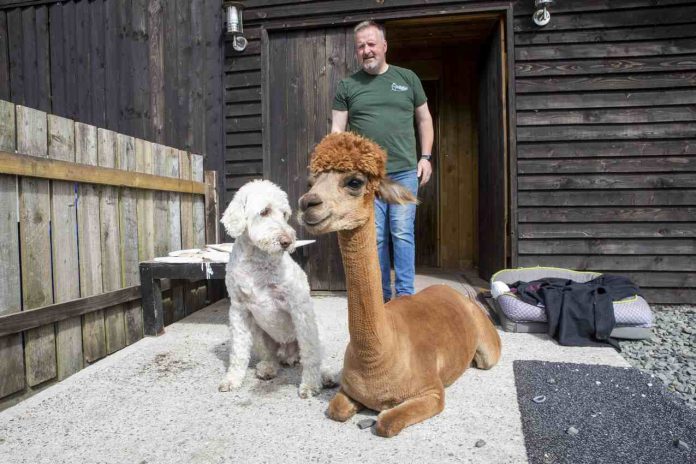
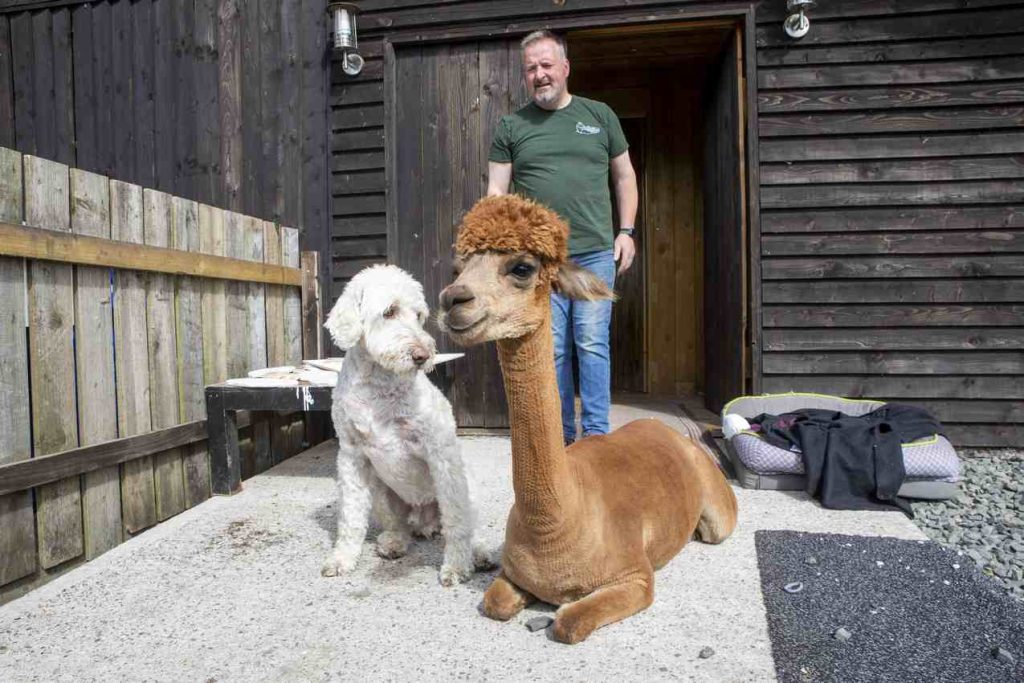
Meet the alpaca who thinks she’s a dog—and even travels round in a Vauxhall estate car bought especially for her.
Spoiled two-year-old Annie the alpaca was rejected by her mum and had to be bottle-fed every two hours by owner Dannie Burns.
This strange story begins when Burns first bought two alpacas on a whim 14 years ago after losing his job. Dannie described keeping them as an “addiction” and has ten staff on hand at The Alpaca Trekking Centre in Stirling to look after alpaca, cows, sheep, and even a golden eagle.
Annie grew up living a luxurious life as a family pet and wanders around doing what she wants.
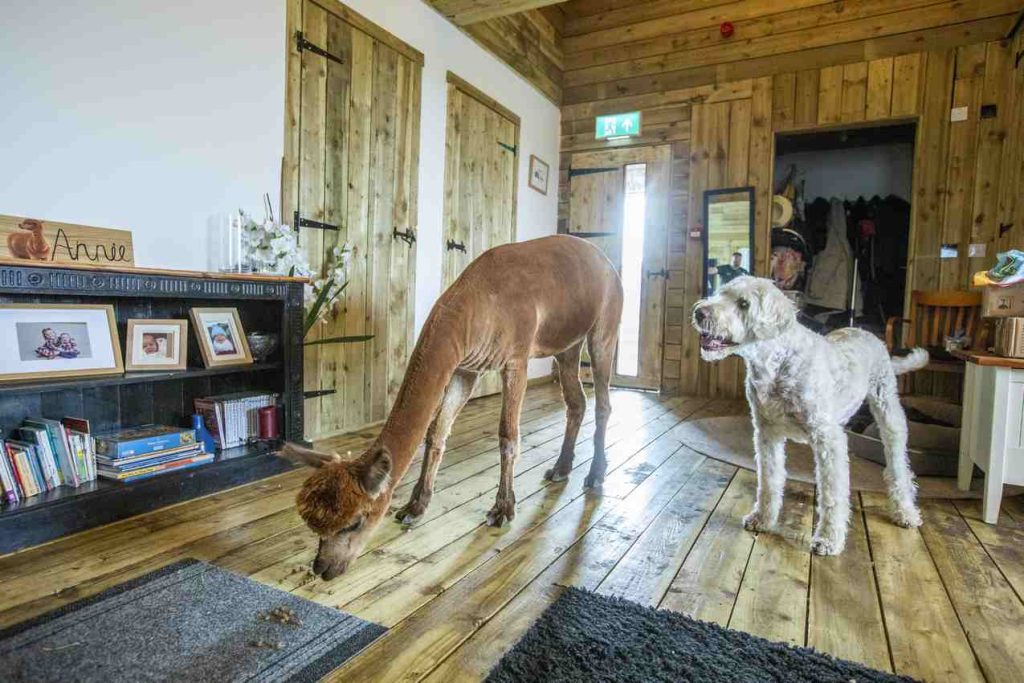
In the beginning, father-of-three Dannie brought her with him everywhere he went as Annie needed a strict feeding routine, and she lived in his house in Stirling along with three dogs and two cats.
– SWNS– SWNS
However she has since been barred from the house due to chewing through cables, raiding profiteroles at Christmas, and even opening doors with her mouth.
She prefers to socialize with the three Labradoodle dogs and believes she is one, and loves to relax on car journeys in the back of the big Vauxhall Zafira station wagon bought to accommodate her. She loves to stretch her head out the window and recently charmed traffic cops who stopped to take pictures with her.
“She was in our house for six months, getting bottlefed every two hours,” Burns remembers. She was eating everything—toy soldiers, ribbons, bits of plastic, she’s a nightmare.”
“She was with us the last two Christmases but she is very naughty, she ate profiteroles and pulled lettuce out the bowl. She sleeps on the porch now.
Annie is currently expecting her own baby and Dannie is not sure how she will take to motherhood, as she has rejected mixing with the herd of 75 alpacas which roam around in fields.
“We are hoping she will go back with the herd once she has her baby,” he explains. “She wants nothing to do with the other alpacas, she hides when she sees them [or maybe] has a superiority complex over them.”