










All News - Page 422 of 1715 - Good News Network
Home Blog Page 422

Amateurs Claim to be ‘On the Verge’ of Uncovering Long Lost Treasure Horde Worth Over $20 Billion

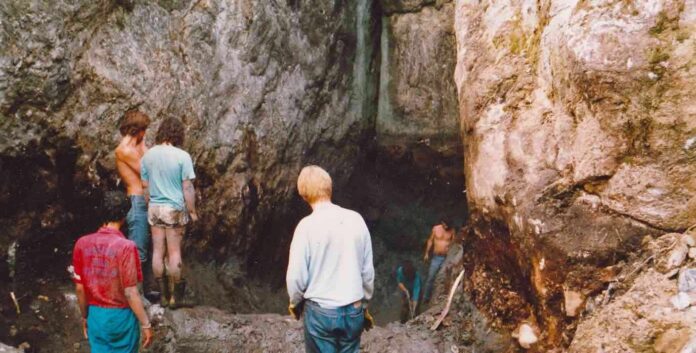
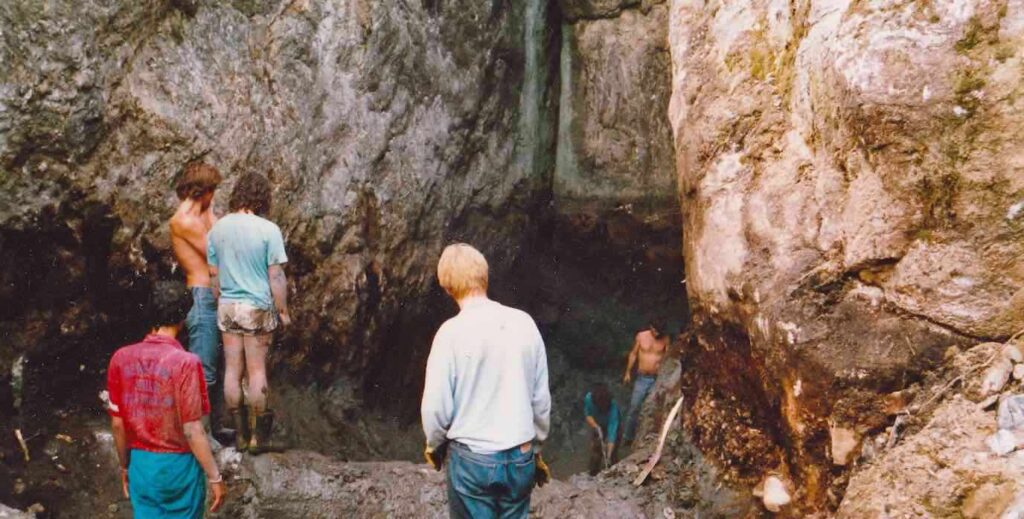
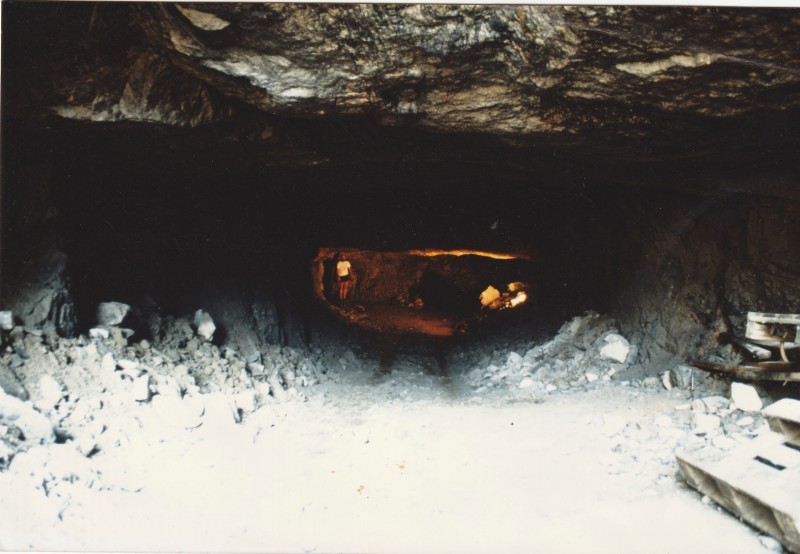
Original members of the Temple Twelve at the cave entrance. See SWNS story SWBRtreasure. A team of treasure hunters are “on the brink” of unearthing the ‘Lemminkäinen Hoard’ - a hidden stash of gold, jewels and ancient artefacts thought to be worth up to £15 BILLION. The hoard would represent the largest and most valuable trove ever discovered and is believed to contain over 50,000 gemstones including rubies, sapphires, emeralds and diamonds, and at least 1,000 artefacts dating back thousands of years. It is thought to include several 18-carat gold life-size statues in human form, supposedly all lying within the massive Sibbosberg cave system 20 miles east of Finland’s capital, Helsinki. The hoard, said to be entombed in an underground temple in Sipoo, has remained illusive for three decades despite countless official explorations and the efforts of more than 100 professional prospectors from across the world.
SWNS

A team of treasure hunters are “on the brink” of unearthing the Lemminkäinen Hoard—a hidden stash of gold, jewels, and ancient artefacts thought to be worth up to £15 billion ($20.4 billion).

The hoard would represent the largest and most valuable trove ever discovered and is believed to contain over 50,000 gemstones including rubies, sapphires, emeralds, and diamonds, and at least 1,000 artefacts dating back thousands of years.

It is thought to include several 18-carat gold life-size statues in human form, supposedly all lying within the massive Sibbosberg cave system 20 miles east of Finland’s capital of Helsinki.

The hoard, said to be entombed in an underground temple in Sipoo, has remained elusive for three decades despite countless official explorations and the efforts of more than 100 professional prospectors from across the world.

But now, after 34 years and more than 100,000 hours of painstaking excavation, a group of 12 ‘penniless’ friends believe they are only meters away from the treasure, and expect to get into the cave next summer.

The pals, dubbed the ‘Temple Twelve’, began searching in 1987 and have dedicated their summers to finding the treasure ever since, dedicating six hours a day, seven days a week, to digging through the labyrinthine cave complex near Helsinki.

SWNS

Made up of members from Finland, Sweden, Norway, the Netherlands, Australia, Russia, America, and Germany, the team is a truly international group with zero archaeological experience.

LOOK:  Diver Finds 900-Year-old Sword Wielded in the Crusades Off the Coast of Ancient Israeli Town (LOOK)

Historian and author Carl Borgen, the world’s leading authority on the Lemminkäinen Hoard, has chronicled the lives of the Temple Twelve and their bounty in his book Temporarily Insane.

Speaking from his home in Amsterdam, he said, “I understand that significant progress at the temple has been made and that the crew are feeling especially excited about the months ahead.

“There is now talk in the camp of being on the brink of a major breakthrough, which in real terms could be the discovery of the world’s largest and most valuable treasure trove.

“So far, the Temple Twelve, as they have become known, have been able to remove several huge square granite rocks blocking the entrance to the cave, and have cleared the cave of hundreds of tonnes of smaller rocks and sediment.”

The treasure’s alleged existence first emerged in 1984, when local landowner Ior Bock claimed that his family were direct descendants of Lemminkäinen, a prominent figure in Finnish pagan mythology.

According to Bock, who was murdered by a personal assistant in 2010, the chamber on his large estate was sealed up with huge stone slabs in the 10th century to protect the treasures within from invading Swedish and Swiss armies.

Ior Bock, SWNS

His family had been keepers of the secret and ‘guardians of the cave’ since then, prompting Bock to reveal the temple’s existence to ensure its untold story would not die with him, beginning the ‘Bock Saga’.

MORE: A Lost Sunken City of Gold and Jewels Found in the Mud of Indonesian River

The original team of 24 “like-minded strangers”—12 men and 12 women—joined forces with Bock in 1987 to become the site’s first and only permanent, self-funded excavation team.

Remarkably, 34 years after excavations first commenced, two of the original 24 remain despite at least half of the group having died or retired.

No hard evidence of the hoard has yet been found, but the Temple Twelve believe they have the tenacity to locate and remove the giant granite slabs from the temple door.

SWNS

Using rudimentary tools including spades and buckets, the group has so far removed several four-tonne blocks from the cave’s entrance and have excavated around 400 tonnes of sediment below it.

The remaining sediment, and the granite slabs covering the temple door, could be removed within a matter of months thanks to a recent ‘donation’ of dynamite, they say.

CHECK OUT: Almost 500 New Mesoamerican Structures Discovered By Using Lasers

Finnish weather means the digging season is confined to the summer months before the cave starts filling with freezing rainwater.
SWNS

The group has to pump out more than 1.5million litres of water annually at the start of every season.

When digging resumes next year, the team is confident they will get into the cave entrance between May and September. We’ll keep you posted on what they find.

COULD You Dedicate Your Life to a Saga Like This? Share This Story…

New Antibodies Could Slow Down Aging by Destroying Old Cells With Pioneering Treatment

Researchers have developed a new method to remove old cells from tissues, thus slowing down the aging process.

No-one knows why some people age worse than others and develop diseases—such as Alzheimer’s, fibrosis, type-2 diabetes, or some types of cancer—associated with this aging process. One explanation for this could be the degree of efficiency of each organism’s response to the damage sustained by its cells during its life, which eventually causes them to age.

That’s why scientists at the Universitat Oberta de Catalunya (UOC) and the University of Leicester have embarked on their recent work.

Specifically, they have designed an antibody that acts as a smart bomb able to recognize specific proteins on the surface of these aged or senescent . It then attaches itself to them and releases a drug that removes them without affecting the rest, thus minimizing any potential side effects.

The results of this work open the door to the development of effective treatments to delay the progress of age-related diseases and even the aging process itself in the longer term, with the aim of increasing the longevity and, above all, the quality of life of people at this stage of their lives.

“We now have, for the first time, an antibody-based drug that can be used to help slow down  in humans,” noted Salvador Macip, the leader of this research and a doctor and researcher at the UOC and the University of Leicester.

MORE: The Lifestyle of This Amazonian Tribe May Hold a Key to Healthy Aging

“We based this work on existing cancer therapies that target specific proteins present on the surface of cancer cells, and then applied them to senescent cells,” explained the expert.

All  have a mechanism known as “cellular senescence” that halts the division of damaged cells and removes them to stop them from reproducing. This mechanism helps slow down the progress of cancer, for example, as well as helping model tissue at the embryo development stage.

However, in spite of being a very beneficial biological mechanism, it contributes to the development of diseases when the organism reaches old age. This seems to be because the immune system is no longer able to efficiently remove these senescent cells, which gradually accumulate in tissues and detrimentally affect their functioning.

RELATED: Researchers Discover Intermittent Fasting is Effective at Promoting Long-Term Memory in Mice

Laboratory experiments previously carried out with animal models showed that eliminating these cells with drugs successfully delayed the progress of the disease and the decline associated with age itself. This was done using a new type of drug, known as senolytics. However, they lack specificity and have side effects, hindering their use in humans.

The drug designed by Macip and his team is a second-generation senolytic with high specificity and remote-controlled delivery. They started from the results of a previous study that looked at the “surfaceome,” the proteins on the cell’s surface, to identify those proteins that are only present in senescent cells. “They’re not universal: some are more present than others on each type of aged cell,” said Macip.

LOOK: Drinking This Juice Could Help Promote Healthy Aging, Scientists Find

In this new work, published in Scientific Reports, the researchers used a monoclonal antibody trained to recognize senescent cells and attach to them. “Just like our antibodies recognize germs and protect us from them, we’ve designed these antibodies to recognize old cells. In addition, we’ve given them a toxic load to destroy them, as if they were a remote-controlled missile,” said the researcher, who is the head of the University of Leicester’s Mechanisms of Cancer and Aging Lab.

Treatment could start to be given as soon as the first symptoms of the disease, such as Alzheimer’s, type-2 diabetes, Parkinson’s, arthritis, cataracts, or some tumors, appear. In the long term, the researchers believe that it could even be used to achieve healthier aging in some circumstances.

Source: Universitat Oberta de Catalunya

HELP This Research Reach More People—Share It…

‘Genetic Goldmine’ Unearthed in the Desert Could Help Crops Survive Global Warming

SWNS
SWNS

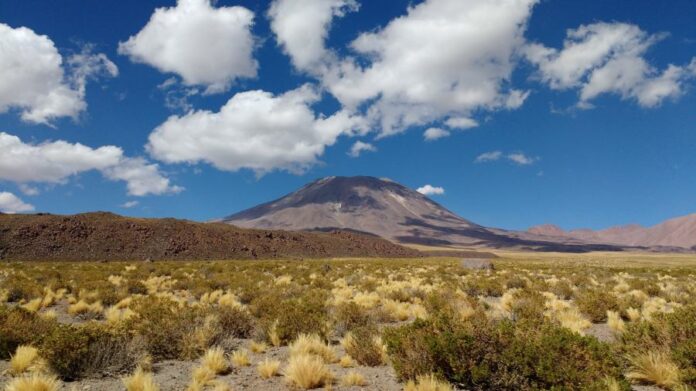
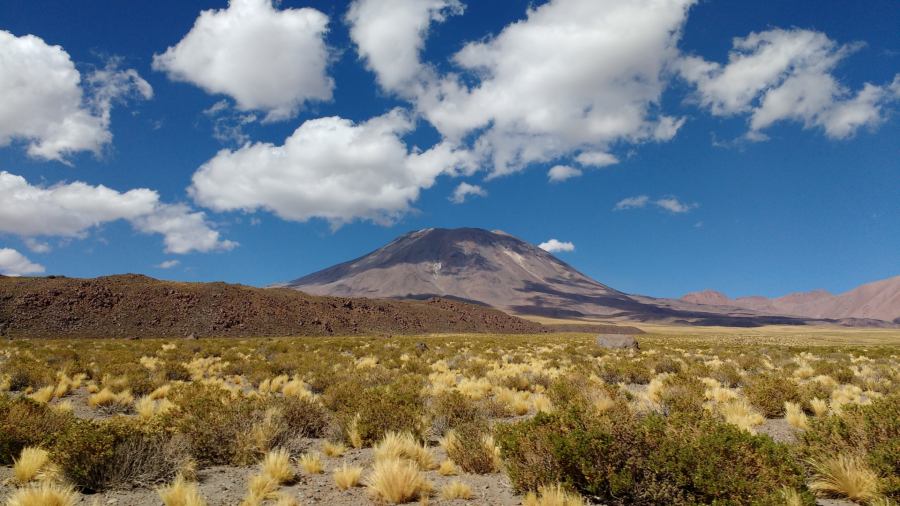
A “genetic goldmine” that could help crops survive global warming has been unearthed—in the driest desert in the world.

Plants growing in the Atacama Desert in northern Chile hold the key to coping with climate change, according to new research.

They have evolved genes that enable them to thrive in the most Mars-like region on Earth.

Most are closely related to staple foods such as grains, legumes, and potatoes.

It opens the door to engineering hardier fruit and vegetables, say scientists.

Lead author Professor Gloria Coruzzi, of New York University, said, “In an era of accelerated climate change, it’s critical to uncover the genetic basis to improve crop production and resilience under dry and nutrient-poor conditions.”

The coastal desert—sandwiched between the Pacific coast and the Andes mountains—is an arid plateau. Yet at springtime, a little corner is covered in a carpet of flowers. The purple pata de guanaco and yellow ananuca are among more than 200 species of plants that bloom.

They thrive in an inhospitable environment that averages just 0.01 centimeters of rainfall a year.

Other varieties include grasses, annuals, and perennial shrubs.

Mesquite trees, buckwheat bush, ferns ,and black sage have deep roots and fleshy leaves that retain the moisture.

The toughest plants on Earth

SWNS

Now an international team is getting to the bottom of a phenomenon that has baffled scientists for decades.

They established an unparalleled “natural laboratory” that identified specific genes and microbes that power the toughest plants on the planet.

It is hoped the findings in Proceedings of the National Academy of Sciences will help feed the world in the coming decades.

Co-lead author Prof Rodrigo Gutierrez, of The Pontifical Catholic University of Chile, said, “Our study of plants in the Atacama Desert is directly relevant to regions around the world that are becoming increasingly arid, with factors such as drought, extreme temperatures, and salt in water and soil posing a significant threat to global food production.”

MORE: The Search Engine That Plants Trees With Every Search Has Just Planted its 100-Millionth Tree

The plants must also cope with high altitude, low availability of nutrients in the soil and extremely high radiation from sunlight.

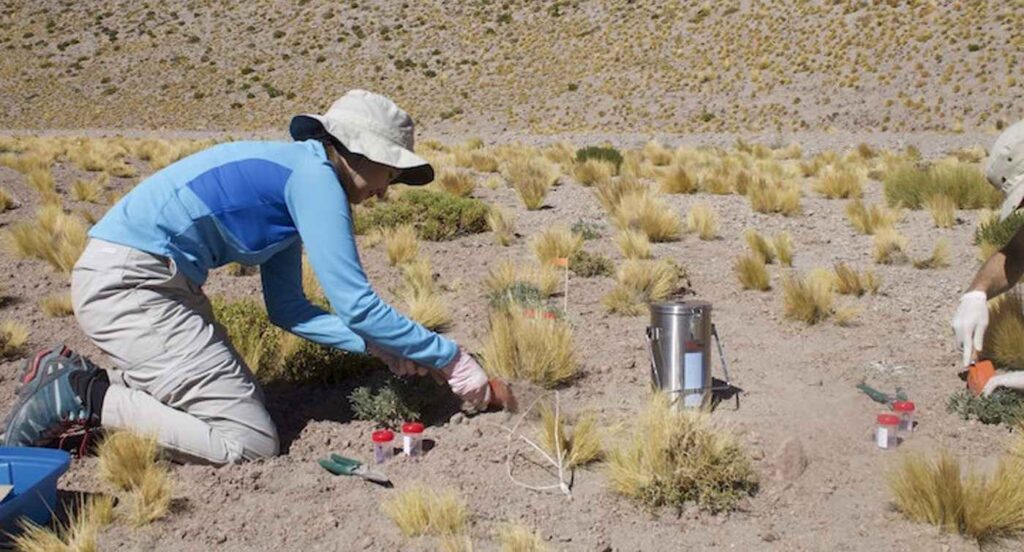
Over a ten-year period the researchers collected, labelled, and froze the 32 most dominant plants.

They were taken from 22 sites across the desert in different vegetational areas and at every 100 metres of altitude.

The samples were kept in liquid nitrogen and sent 1,000 miles kept under dry ice to Prof Gutierrez’ lab in Santiago where staff mapped their DNA.

Some grew where temperatures fluctuated more than 50 degrees from day to night—or there was very high radiation.

Others were found in soil that was largely sand and lacked nutrients—with the only annual rain falling over a few days.

RELATEDPeru is Protecting Machu Picchu By Planting One Million Trees to Guard Against Mudslides and Fires

Analysis showed some species developed growth-promoting bacteria near their roots.

The adaptive strategy optimizes the intake of nitrogen—critical for growth—in the nutrient-poor soils of the Atacama.

Genes whose protein sequences were adapted were then identified by comparing the plants with 32 similar ‘sister’ species.

This was done through a technique called phylogenomics that reconstructs an organism’s family tree.

Prof Corruzi said, of the findings, published in Proceedings of the National Academy of Sciences, “The goal was to use this evolutionary tree based on genome sequences to identify the changes in amino acid sequences encoded in the genes that support the evolution of the Atacama plant adaptation to desert conditions.”

Some of the riverbeds in Atacama have been dry for about 120,000 years.

Daytime temperatures are around 25 degrees Celsius—dipping to minus two at night. NASA has investigated it for clues to potential life in the Martian sub-surface.

Co-author Dr Gil Eshel, of NYU, said, “This computationally intense genomic analysis involved comparing 1,686,950 protein sequences across more than 70 species.

“We used the resulting super-matrix of 8,599,764 amino acids for phylogenomic reconstruction of the evolutionary history of the Atacama species.”

LOOKFirst Drone Project of Its Kind in Canada is Aiming to Plant 1 Billion Trees by 2028

The study identified 265 candidate genes whose protein sequence changes were selected by evolutionary forces.

These mutations could underlie plant adaptation to the desert conditions.

They include genes involved in response to light and photosynthesis, which may enable plants to adapt to the extreme radiation.

Similarly, the researchers uncovered genes involved in the regulation of stress response, salt, detoxification and metal.

They may be related to withstanding a nutrient-poor environment.

Most studies on plant tolerance have been based on lab experiments using a few model species – missing the ecological context.

Co-author Dr Viviana Araus, a member of Prof Gutierrez’ lab, said: “By studying an ecosystem in its natural environment, we were able to identify adaptive genes and molecular processes among species facing a common harsh environment.”

The surprising blossom in the Atacama is known locally as the “flowering desert.”

Prof Gutierrez said: “Most of the plant species we characterised in this research have not been studied before.

MOREScientists Use Recycled Sewage Water to Grow 500-Acre Forest in the Middle of Egyptian Desert

“As some Atacama plants are closely related to staple crops, including grains, legumes, and potatoes, the candidate genes we identified represent a genetic goldmine to engineer more resilient crops, a necessity given the increased desertification of our planet.”

The desert is also an astronomer’s paradise. With its crystal clear skies and bone dry air, some of the most powerful telescopes in the world are housed there.

PLANT a Little Good News in Those Social Feeds…

Watch Sheep Fill the Streets of Madrid On Annual Migration of Shepherds

YouTube
YouTube

Spain is a country rich in history, and so perhaps it’s not surprising to see pastoral and agricultural traditions carried on in the face of modernization.

How they are carried on though will give someone a start, like seeing thousands of sheep clog the roads of the capital of Madrid, en route to winter pastures.

As sure as Pamplona has the Running of the Bulls, Madrid has its own traditional day. Spanish law allows farmers to use ancient migration routes regardless of how those routes have changed overtime, and in 1994 it became clear that meant putting rush hour on hold to cross animals from the north down to the warmer south of the country.

The roads were alive, writes Reuters, with the sound of bells, as thousands of onlookers snapped photos and brought their city-dwelling kids to see the yearly spectacle, which was cancelled last year due to COVID-19.

Shepherds guided their flocks in traditional dress, while some played music and others danced.

MORE: Rugby Player Rescues Sheep From Barbed Wire in Viral Video (WATCH)

Children used to seeing traffic jams and hearing car horns got a joyful reminder of the sights and sounds of the countryside during the event, where it’s easy to stand close enough to touch the sheep as they go by.

(WATCH the video below.)

HERD the Good News Over to Your Flock of Friends…

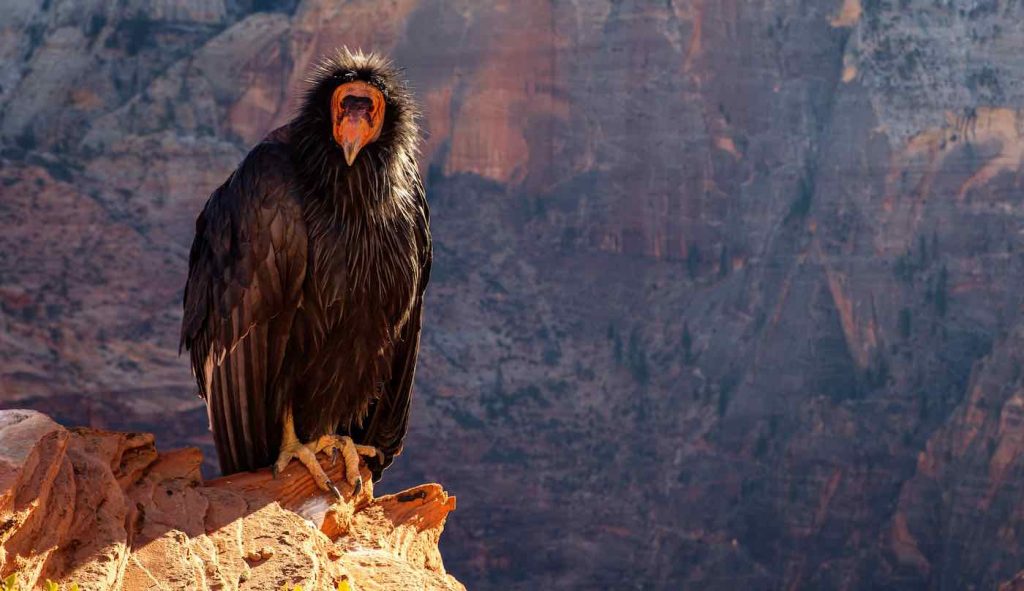
Virgin Births Have Been Documented in Rare Bird Population – The Endangered California Condor

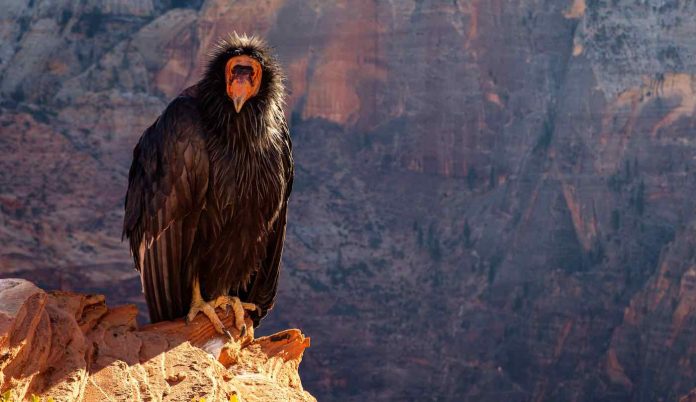
The temptation to quote Jurassic Park must have been irresistible for conservation scientists at a San Diego Zoo breeding program for critically-endangered California condors, when it was discovered that two females had conceived through “parthenogenesis,” also known as a virgin birth.

The scientists looked around at the 467 males to see who might have mated with the birds, and announced the first virgin birth ever observed in condors only after every male in the breeding program was tested.

Furthermore, it was the first time asexual reproduction was ever recorded where a female of any species was known to have access to a mate.

Only around 500 California condors live in the southwestern United States and in Mexico.

Several breeding programs, established for decades, are returning them to other parts of the country. The Yurok Tribe and the U.S. Fish and Wildlife Service announced two years ago they’d be returning the bird to the Pacific Northwest, including to Redwood National Park.

The phenomenon of parthenogenesis is extremely rare, but has been documented several times in other species, such as sharks, rays, snakes, lizards, and some others.

It’s a natural form of asexual reproduction in which an embryo that is not fertilized by sperm continues to develop, containing only genetic materials of the mother, usually when a cell fuses with the embryo and begins to act like sperm.

MORE: Substantially More Monarch Butterflies Have Arrived in California to Overwinter Bringing Hope For Species

“This is truly an amazing discovery,” said Oliver Ryder, Ph.D., Director of Conservation Genetics at San Diego Zoo Wildlife Alliance, who co-authored the study.

“We were not exactly looking for evidence of parthenogenesis, it just hit us in the face. We only confirmed it because of the normal genetic studies we do to prove parentage.”

The chicks, both male, hatched in 2001 and 2009, and both mothers had previously raised chicks in the traditional way and would go on to do so again.

Parthenogenesis in avians has only been observed in turkeys in 1965 and 1968 and again in 1924 and 2008, in finches and domestic pigeons respectively, though the latter two eggs never survived to hatch.

RELATED: Giant Eagle-Owl Unseen For 150 Years Just Caught on Camera

It really captures what Jeff Goldblum’s character in Jurassic Park meant when, upon learning the scientists had cloned only female dinosaurs, he warned that “Life, uh, finds a way.”

LET Hopeful News Soar–Share This News With Others…

“In the absence of willpower, the most complete collection of virtues and talents is worthless.” – Aleister Crowley

Quote of the Day: “In the absence of willpower, the most complete collection of virtues and talents is worthless.” – Aleister Crowley

Photo: by Sinitta Leunen

With a new inspirational quote every day, atop the perfect photo—collected and archived on our Quotes page—why not bookmark GNN.org for a daily uplift?

The Joys of Solitude – Thousands of People Found New Appreciation During Enforced Alone Time in Lockdown

Alexandra Fuller

Time spent alone during the pandemic led to positive effects on well-being across all ages, new research has found.

The study of more than 2,000 teenagers and adults found that most people experienced benefits from solitude during the early days of the global Covid-19 pandemic.

All age groups experienced positive as well as negative effects of being alone. However, the researchers found that descriptions of solitude included more positive effects than negative. On average, well-being scores when participants were alone were 5 out of 7 across all ages, including adolescents aged 13-16.

Some study participants talked about worsening mood or wellbeing, but most described their experiences of solitude in terms of feeling competent and feeling autonomous. 43% of all respondents mentioned that solitude involved activities and experiences of competence—time spent on skills-building and activities, and that was consistent across all ages. Meanwhile, autonomy—self-connection and reliance on self—was a major feature particularly for adults, who mentioned it twice as often as teenage participants.

Working age adults recorded the most negative experiences with more participants mentioning disrupted well-being (35.6% vs 29.4% in adolescents and 23.7% in older adults) and negative mood (44% vs 27.8% in adolescents and 24.5% in older adults). Experiences of alienation, or the cost of not interacting with friends, were twice as frequent among adolescents (around one in seven, or 14.8%) as when compared to adults (7%) with older adults mentioning it most infrequently (2.3%).

Dr Netta Weinstein, Associate Professor of Psychology at the University of Reading and lead author of the paper said, “Our paper shows that aspects of solitude, a positive way of describing being alone, is recognized across all ages as providing benefits for our well-being.

RELATED: Deeply Empathetic People Process Music Differently in Their Brains

“The conventional wisdom is that adolescents on the whole found that the pandemic was a negative experience, but we see in our study how components of solitude can be positive. Over those first few months of the pandemic here in the UK, we see that working adults were actually the most likely to mention aspects of worsening well-being and mood, but even those are not as commonly mentioned as more positive experiences of solitude.”

Weinstein said, “We know that many people reconnected with hobbies and interests or increasingly appreciating nature on walks and bike rides during that time, and those elements of what we describe as ‘self-determined motivation’, where we choose to spend time alone for ourselves are seemingly a critical aspect of positive wellbeing.” She explained that the findings suggest that “casual inferences about loneliness based on age and stage miss the reality of our nuanced lived experiences.”

The results, published in Frontiers in Psychology today, come from a series of in-depth interviews where participants from the UK answered open questions about their experiences of solitude. The team of researchers coded the answers to find shared experiences and measured quantitative data about two aspects of wellbeing associated with solitude, self-determined motivation (the choice to spend time alone) and peaceful mood.

MORE: Study Finds Small Acts of Kindness Can Bolster Students’ Health and Wellness

The researchers note that the findings were taken from one phase of the Covid-19 pandemic during the summer of 2020, and recommend that follow-up data looks at experiences of solitude during challenging periods such as this one, and also more commonplace periods where daily solitude may look and feel different.

Source: University of Reading

FIND Time For Yourself—and Share This Finding With Others…

Lifeboat Volunteers Rushed From Crew Member’s Wedding to Rescue Six People in 7 Minutes

SWNS
SWNS

Lifeboat volunteers in the UK rushed from their crew member’s wedding to rescue six people—and took just seven minutes to get from venue to boat.

The lifesavers were lined up the aisle creating an arch for newlyweds Ashley Witcombe, a shorecrew volunteer, and his wife Cheryl.

Moments later their pagers went off, and they raced to rescue a group stranded on a small beach near Ilfracombe in Devon.

Wedding photographer 39-year-old Becky Payne said, “They’d literally just got married.

“We went outside and just after we took a couple of pictures they had to run. It was pretty exciting.”

Royal National Lifeboat Institution lifeboatman Leigh Hanks said, “We hope the pagers didn’t disrupt Ashley and Cheryl’s special day too much, although I’m sure it’s something they’re both used to.

“It’s not the first time the pagers have gone off at a crew wedding, and I’m sure it won’t be the last.”

MORE: Groom’s Autistic Brother Has Wedding Crowd in ‘Happy Tears’ with Emotional Speech That Went Viral (WATCH)

Leigh added that the conditions for the rescue were “challenging” but the crew rescued all three adults and three children, who got stranded on a paddleboarding trip in the southwest of England.

The group were uninjured and taken back to the shore following the rescue on October 28.

RELATED: He Saved a Stranger From Drowning in India, Now They’re Married in the Netherlands

Later in the afternoon, the lifeboat crew drove past the seaside wedding venue again while on a training exercise—and were pictured giving a wave to the newlywed couple. Here at GNN, we’re so glad the day worked out for everyone.

RESCUE These Volunteers’ Awesome Story—Share This….

Luxembourg Becomes the First European Country to Legalize Growing and Consuming Cannabis

David Gabric

Joining Canada in North America and Uruguay in South America, Luxembourg became the first European country to legalize the growing of cannabis for recreational use.

Some nations, such as the Netherlands and Portugal, allow medicinal use and other specifics, but this small country has agreed that it’s time to let adults make their own decisions about what substances they want to consume.

Under a new suite of legislation, adults in Luxembourg will be able to cultivate up to four plants for personal use, and carry up to three grams on their person. It is still illegal to consume in public, though fines will be drastically reduced.

Limits on the THC content of the cannabis will be abolished. Sales and distribution will also be unregulated, opening new avenues of taxable income for the government to use on “addiction prevention, education, and health care,” officials said.

“We thought we had to act, we have an issue with drugs, and cannabis is the drug that is most used and is a large part of the illegal market,” said Justice minister Sam Tanson.

RELATED: Trying to Stop the Epidemic of Veteran Suicides, Plant Medicine Company Builds Mental Wellness Value Chain

“We want to start by allowing people to grow it at home. The idea is that a consumer is not in an illegal situation if he consumes cannabis and that we don’t support the whole illegal chain from production to transportation to selling where there is a lot of misery attached. We want to do everything we can to get more and more away from the illegal black market.”

As has been the case with 11 of the 50 U.S. states, each progressive decision to decriminalize and deregulate has made it easier for subsequent legislative bodies to take the plunge. As such, Luxembourg’s neighbor, Germany, who’s welcoming a new government that includes the Green Party, is thought to be a likely follower, as they have supported recreational use of cannabis in the past.

MORE: U.S. DEA is Finally Allowing Companies to Grow Their Own Cannabis for Scientific Research

Now, as DW reports, members of the new coalition the Social Democrats and the Free Democrats, are also favoring legalization.

GROW the News of the New Legislatlon—Share This Stpry

The Best Selling Car in All of Europe is Electric – And Hertz Just Bought 100,000 Teslas For its New Fleet

Tesla Model 3
Tesla Model 3

This September in Europe, the Tesla Model 3 became not only the best-selling electric car, but the best-selling automobile on the continent.

Extraordinarily, the popular electric 4-seater beat out a true European staple of people-movers, the Renault Clio, by 6,000 sales, and bettered the number-two selling electric car by about 15,000 sales.

Having largely debunked the old claim that the manufacture and electricity consumption of electric cars created as much if not more emissions than internal combustion vehicles, the electric vehicle industry is speeding forward into the wider automotive field.

Last Monday, Hertz, the second-largest rental firm in the U.S, announced that it had placed an order for 100,000 Tesla cars for its fleet, an announcement which caused the Tesla stock to explode in value to levels higher than companies that make and sell thousands more cars per year than Tesla does.

“The new Hertz is going to lead the way as a mobility company,” Hertz’s interim CEO, Mark Fields said in a release, “starting with the largest EV rental fleet in North America and a commitment to grow our EV fleet and provide the best rental and recharging experience for leisure and business customers around the world.”

RELATED: Ford Announces ‘Transformative’ $11.4 Billion Investment in New Electric Vehicle Plants in Tennessee and Kentucky

To this end, they hope to have all 100,000 cars by next December, and to have one-fifth of their fleet electrified by the same date. They have also announced plans to install tens of thousands of charging points—we can assume there will be at least one for every Hertz office—to make it more feasible to rent outside major cities.

It’s a big gamble, as Hertz had to file for bankruptcy during the pandemic, and was only saved by a large investor bailout.

MORE: Full Battery Charge in 15 Minutes: World’s Fastest Electric Car Charger is Launched

With investors coming in from both the tech and growth-oriented buyer class, Tesla has been able to expand at a rapid pace, and their sales are up 77% in Europe in 2021 compared with the same period last year. The American company is currently constructing a Tesla “Gigafactory” in Germany—where they will be able to increase production for the hungry European market.

DRIVE Over These Soaring Sales Numbers to Social Media…

Dramatic Boom in Nesting Sites of Sea Turtles As Conservation in West Africa Pays Off

Damien du Toit, CC license

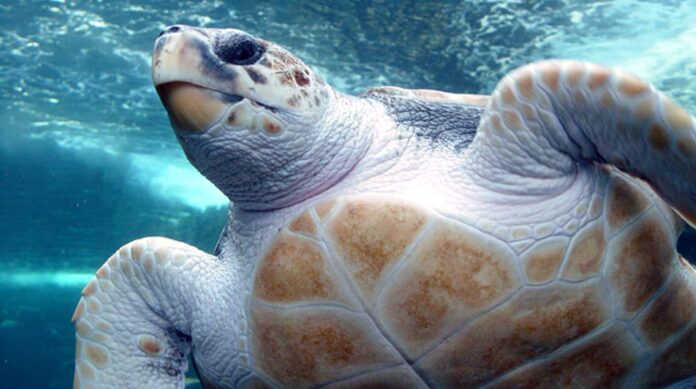
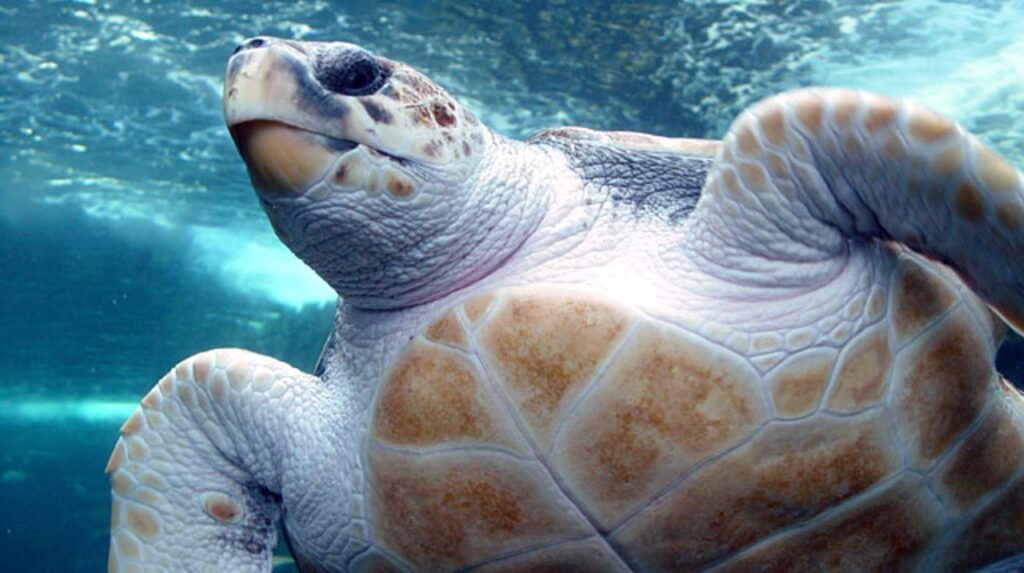
The West African nation of Cape Verde has seen a dramatic increase in the number of loggerhead sea turtle nests on its beaches.

Increasing nearly 2,000% from 2015 to 2020, it places the archipelago as the world’s second-most visited nesting spot for the large marine reptiles.

Boots-on-the-ground work and a changing of economic fortunes have allowed the islanders of Cape Verde to see the turtles as a much-needed part of their marine ecosystem, rather than a slow-moving lunch box as had been the case in leaner times.

During the last six years, nest counts on the islands of Sal, Maio, and Boa Vista have risen from 10,725 to nearly 200,000, while poaching has also significantly fallen.

“With environmental education, watching over 180 kilometers of beaches and applying new legislation that criminalizes hunting and consumption of turtles, the catch rate has decreased significantly, from 8.25% in 2015 to 1.54% in 2020,” said Gilberto Silva, Cape Verdean Minister of Agriculture and Environment.

During nesting season, hundreds of members from local NGOs patrol the beach, counting nest sights under the light from the stars, and guarding the turtles from potential poachers. They will also measure them and secure a tracking chip so their nesting patterns and movements can be studied.

RELATED: Rare Turtles Known For Their Permanent Smiles Saved From Extinction in Myanmar

Another feature of the dramatically successful conservation program is the punishment for poachers. The Guardian reports that after new environmental laws passed in 2018, they are often sentenced to long hours of community service during which they have to follow around the NGO workers, and aid in the loggerhead conservation program.

This offers the chance for poachers to see the sea turtles as a natural treasure rather than a profitable one.

MORE: New Technology for Saving Endangered Sea Turtles Uses Decoy GPS Eggs to Catch Poachers – And it Works

Cape Verde, like Thailand and Florida, noticed that COVID-19-related restrictions led to increases in sea turtles from multiple species, however experts believe the rise is more down to conservation work.

“Conservation efforts in Cape Verde began 20 years ago—that’s the time it takes for baby turtles to come back as adults,” Albert Taxonera, founder and co-director of one of the turtle-protecting NGOs, Project Biodiversity, told The Guardian. What is for certain—these new numbers are good news indeed.

SWIM This Hopeful Finding Over to All Your Pals…

“Sometimes, being true to yourself means changing your mind. Self changes, and you follow.” – Vera Nazarian

Quote of the Day: “Sometimes, being true to yourself means changing your mind. Self changes, and you follow.” – Vera Nazarian

Photo: by Aaron Burden

With a new inspirational quote every day, atop the perfect photo—collected and archived on our Quotes page—why not bookmark GNN.org for a daily uplift?


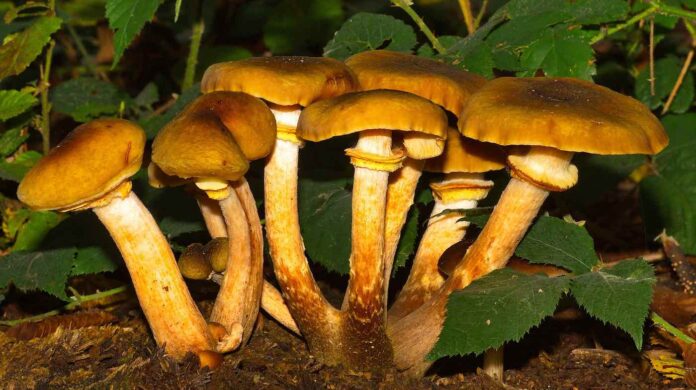
The Many Health Benefits of Eating Mushrooms That Are Wild – And Picking Them Doesn’t Deplete Supply

Philippe Rouzet, CC license

Reprinted with permission from World At Large, a news website of nature, politics, science, health, and travel.

Philippe Rouzet, CC license

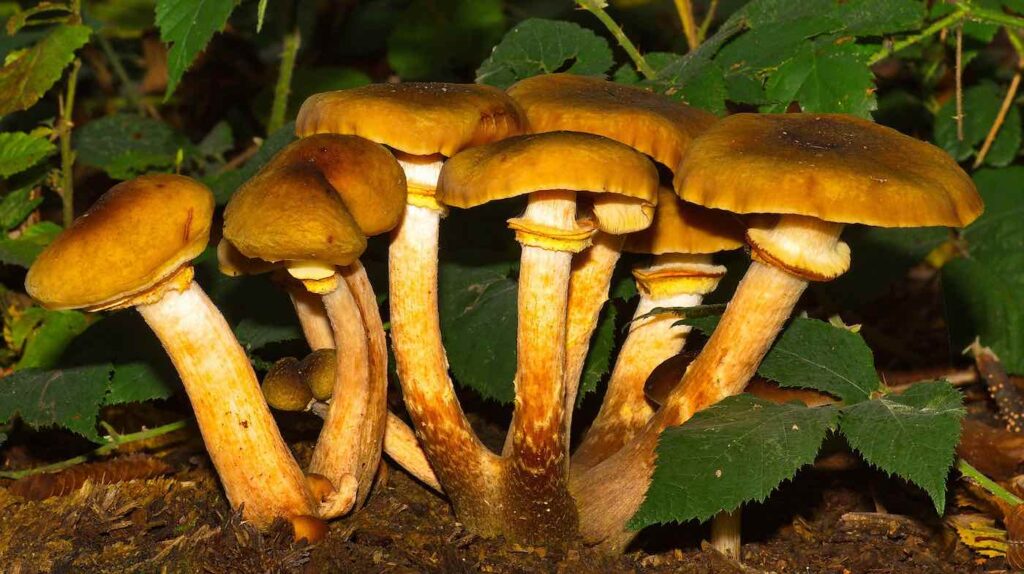
A pair of anthropological forces are driving humans towards the consumption of wild mushrooms, a trend that deserves both examination and celebration as wild mushrooms not only represent a nutrient-dense food source, but also a connection to forests and ancestral traditions.

The first is that regardless of the fact that during the 19th and 20th centuries, 12 crops and 14 animal species came to provide what is today around 98% of the world’s dietary content, reported incidence of wild mushroom foraging has increased globally by about 2100% over the last 56 years.

The second is that forest ecosystems are beginning to be preserved for their roles as centers of production for nutrient dense foods that are often difficult to cultivate, or are at minimum easier to do so in a forest system. The International Union of Forest Research Organizations estimates that a third of the global population rely on forested biomes for their food, fuel, and medicine.

Mushrooms are one of these foods, and the 90 species that are commercially cultivated in a $50 billion-a-year industry, pale in comparison to recent catalogues of edible mushrooms which total 2,000 that can be picked up and eaten—and an additional 200 that are nutritious but which require pretreatment of some kind.

With this wild mushroom harvesting boom comes the advice of every father in America about how “80% of mushrooms are poisonous”. On the bright side, many edible mushrooms have a poisonous doppelganger, and so the differences between them are normally well-documented.

In his book, Wild Edible Fungi author Eric Boa details how the vast majority of recognized edible mushrooms cannot be cultivated, and must therefore be gathered from the woods by hand, making it prized as food and an income source for locals in Northern Italy and the hills of China alike.

Nutrient dense and unique

Furthermore, long-term studies of mushroom picking in the mountains of Switzerland have shown that picking wild mushrooms has no impact on future harvests. That’s partly because mycelial structures are dramatically resilient.

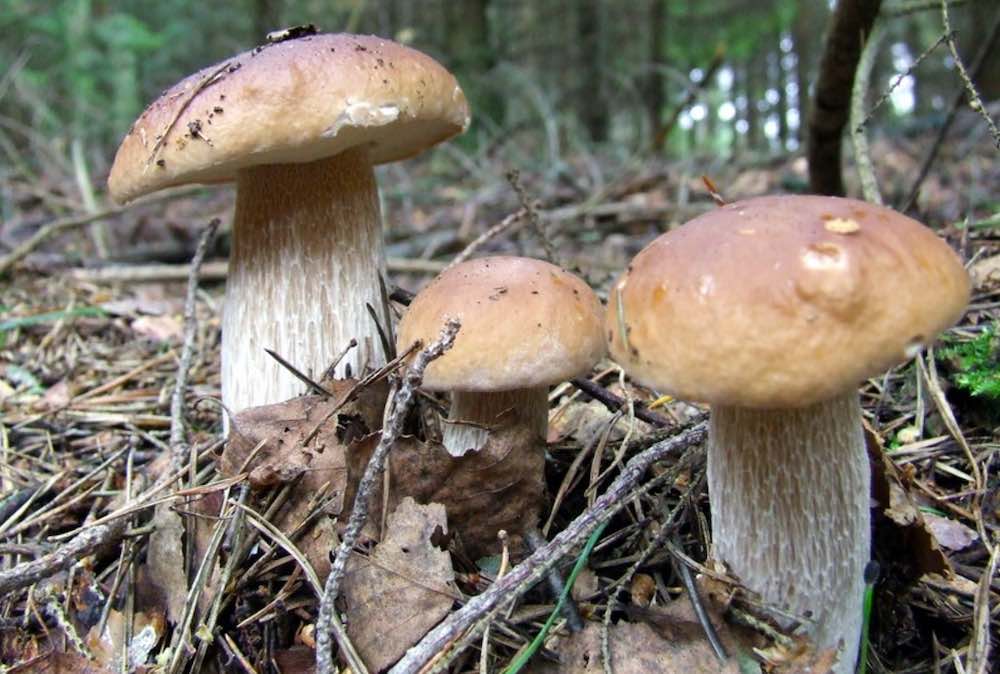
Boletus edulis -Tocekas, CC license

Like a bio-internet, mycelial networks represent the main bulk of the biomass of the fungal kingdom, one of the six kingdoms of life. They weave through the soil and connect trees, soil microbes, and other plants to the animals above through the deployment of the mycelium’s fruiting body, that which we call the mushroom.

This incredible form of life has been shown to transfer information and nutrients between plants, taking payment in the form of carbohydrates from trees in order to protect them from pests and bacteria.

As a food item they are excellent sources of many important micronutrients and phytonutrients such as vitamin B2, 3, and 5, a host of minerals like copper and selenium, and a variety of carotenoids, indoles and polyphenols, which serve as anticancer, antioxidant, and anti-inflammatory agents.

Mushrooms cultivated for the supermarket likely contain negligible amounts of vitamin D, but due to the fungal presence of a substance called ergosterol, a wild mushroom which has exposure to UV light can contain up to 1,500 IUs of vitamin D3 and D2, something which is very rare in most unfortified foods.

Medicinal effects

A study of 663 elderly Chinese found that those who consumed two servings of mushrooms per week had a reduced risk of mild cognitive impairment, while two epidemiological studies found a prevention in the growth of amyloid proteins in the brains of older people which cause Alzheimer’s.

That’s only what Harvard decided to note on their website, but the depth of medical studies on mushrooms is breathtaking.

Studies have shown that Reishi mushroom, which is considered a valuable remedy in Chinese medicine, protects the liver, significantly inhibits allergic reactions, and activates immune cells, particularly ones which kill tumor cells.

A South Korean study found that white blood cells treated with the chaga mushroom showed 40% less DNA damage than those which didn’t. Like the scratching of a disk, DNA damage drives many of the chronic diseases in our society.

In the journal Agriculture and Food Chemistry Lion’s Mane mushroom, commonly sold as a supplement in stores, was shown to confer too many protective effects to list, and was described as having exceptional nutritional and health-promoting aspects.

These are just some of the species cultivated for commercial sale and consumption. Like animals, fungi evolved special defense mechanisms against pathogens, like penicillin, and those which live in a wild environment—rather than a controlled one—are likely to be far-richer in these health-promoting compounds.

Gathering mushrooms is a wonderful excuse to go walking in the forest—and joining local community foraging groups to learn first hand from experts about mushroom species is a wonderful way to start foraging, instead of looking at a guidebook.

SHARE This to Organize a Mushroom Hike With Friends and Local Experts…

Poll Ranks ‘Goal-getters’ Top 40 ‘Everyday Goals’ – Including Being More Positive About Life and Cutting Screen Time

Do you find yourself complaining too much or spending too much time glued to your devices? If so, you are not alone.

A new survey of 2,000 adults in Britain revealed the top 40 ‘everyday goals’ toward which people are striving.

With Brits often having a reputation for being unfriendly, 23 percent of those polled set themselves the daily goal of being nice to other people, and one in five want to be kinder to their partners.

Not surprisingly though, three of the top five goals are related to health: Drinking more water, eating better, and going for more walks. 19 percent chose cutting down on the weekly booze, as well.

Despite setting such aspirations, only 10 percent achieve the goals on any each day. And, 37 percent acknowledged they gave up on their goals.

The survey by OnePoll, sponsored by protein snack brand Jack Link’s, also found 24 percent intend to follow a healthier diet.

Wellbeing expert and coach, Miriam Akhtar, suggests there are many advantages to setting small targets to aim for every day.

“People set daily tasks in an attempt to make the most out of every day and feel like they’re making progress with their lives.”

RELATED: 8 in 10 Americans Have Taken Steps to Improve Their Health Since the Pandemic Started, Poll Says

“As winter is looming, achieving these tasks can feel more tricky than normal as the urge to hibernate grows, but we need to cut ourselves some slack after the tough year we’ve had and aim for progress rather than perfection.

“You could try “gamifying” the tasks on your list, treating them like a video game, striving for a new high score and achieving a personal best on any given day or week.

“It is important to make sure your tasks are manageable, so that you get a sense of satisfaction from achieving the everyday tasks.”

Other small goals Brits try and tick off on a daily basis include going a whole day without eating cake (15 percent), folding clothes properly instead of shoving them in drawers (21 percent) and going to bed earlier (35 percent).

Many are also setting fitness-related goals such as going to the gym (17 percent), heading outside for a long walk (37 percent), or even trying to take part in a team sport (10 percent).

MORE: People Are Optimistic the End of the Pandemic is Near—And They’ve Laid the Groundwork For a Better Future

Respondents estimated they achieve less than half of their goals each day—and for one-third of these folks, this comes as a result of setting the bar too high—but 83 percent believe it’s still important to set goals on a daily basis.

Six in 10 of those polled use food as a reward if they manage to stay on target.

BRITS’ TOP 40 EVERYDAY GOALS:

1. Drink more water
2. Eat healthier
3. Save money in general
4. Clean the house
5. Go for a long walk
6. Don’t buy unnecessary things you don’t need
7. Be more positive
8. Go to bed early
9. Any form of household chore
10. Be more organised with in general life
11. Cook a healthy meal instead of getting a takeaway
12. Strip the bedding and wash it
13. Wake up earlier
14. Moan less
15. Follow a diet
16. Empty the bin as soon as it’s full instead of cramming more into it
17. Be nicer to people
18. Take the stairs instead of the lift
19. Read a certain amount of a book
20. Fold clothes properly and put them away instead of shoving them in drawers
21. Finish work on time
22. Spend less time on social media
23. Don’t go on your phone as much
24. Be more polite/ nicer to people
25. Be nicer to your other half
26. Don’t get a takeaway
27. Don’t drink alcohol
28. Go for a walk outdoors during work hours
29. Stop scrolling on your phone after a certain time
30. Complete a sudoku / crossword / puzzle of some kind
31. Go for a run
32. Go to the gym
33. Spend more time with the kids/dog/cat
34. Dress a bit smarter (instead of opting for comfort)
35. Drink less coffee
36. Go a whole day without eating some cake
37. Don’t snooze your alarm
38. Take public transport instead of driving
39. Drink more green tea
40. Iron your clothes for work

Jack Link’s are giving Brits a chance to win a month’s supply of beef jerky to help power through their goals, by entering a competition on its Instagram page, @JackLinksUK.

Heroic Dog Gets Award for Saving Over 100 Koalas From Australia’s Bushfires

BearTheKoalaDog - Instagram, USC/IFAW

An intrepid 6-year-old dog helped rescue over 100 injured koalas from the Australian bush fires in 2019–2020.

BearTheKoalaDog – Instagram, USC/IFAW

Now, the Australian Koolie named Bear has been named a hero, winning an award from the International Fund for Animal Welfare (IFAW).

Bear was trained in Australia at the University of the Sunshine Coast, where their Detection Dogs for Conservation team taught the former rescue dog to use his heightened sense of smell to hunt out the injured koalas among the ashes.

Research Fellow Dr Romane Cristescu, who leads the USC team, said Bear received “extra pats and extra play” after he was honored via video during the IFAW Animal Action Awards event in London’s House of Lords.

She said Bear’s sense of smell, along with his enthusiasm for play, made him ideal for research projects such as recognizing the scent of koala fur in the bush.

IFAW, which sponsors Bear, said the dog had been “a ray of hope” as he searched burned habitat to help the USC/IFAW team and their partners to rescue over 100 koalas.

LOOK: Doberman Dog Nurses Tiny Abandoned Kitten Alongside Her Pups – the Adorable Photos Will Melt Your Heart

His heroics earned him worldwide renown via his Instagram page, BearTheKoalaDog.

Previously, he had found himself in an animal shelter after his former owners gave him up due to behavior issues caused by his “boundless energy and obsessive enthusiasm for play.”

Dr Cristescu, an ecologist and former veterinarian, said the USC/IFAW koala detection dog is continuing to contribute to wildlife rescues and research with the team’s other canine colleagues.

RELATED: Italian Dogs Trained as Lifeguards Save 20 Lives Every Year – With New Teams Headed to Germany and US

“Bear and our team are studying the effects of the 2019-20 bushfires on koala health and habitat density in collaboration with IFAW,” she said.

In addition, Bear has an ongoing day job of locating koalas for welfare rescue missions, in collaboration with local rescue groups.

“He is always happy to give a paw to find koalas as part of the Detection Dogs for Conservation’s other research activities.”

Below is a PBS video of Bear at work…

WATCHDevious Dog Fakes a Coma to Avoid Toilet Duty in the Rain –And it’s So Cute

Introduce Your Friends to Bear, the Fantastic Koala Dog–SHARE on Social Media…

“Those who cannot change their minds cannot change anything.” – George Bernard Shaw

Quote of the Day: “Those who cannot change their minds cannot change anything.” – George Bernard Shaw

Photo: by Timothy Eberly

With a new inspirational quote every day, atop the perfect photo—collected and archived on our Quotes page—why not bookmark GNN.org for a daily uplift?


Substantially More Monarch Butterflies Have Arrived in California to Overwinter Bringing Hope For Species

Monarchs in Pismo Beach, CA by Steve Corey, CC license

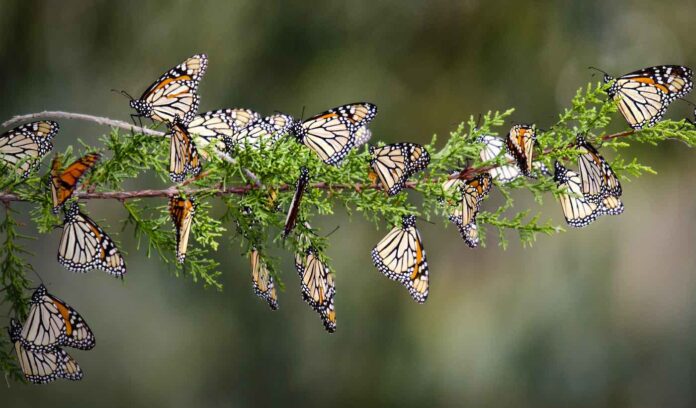
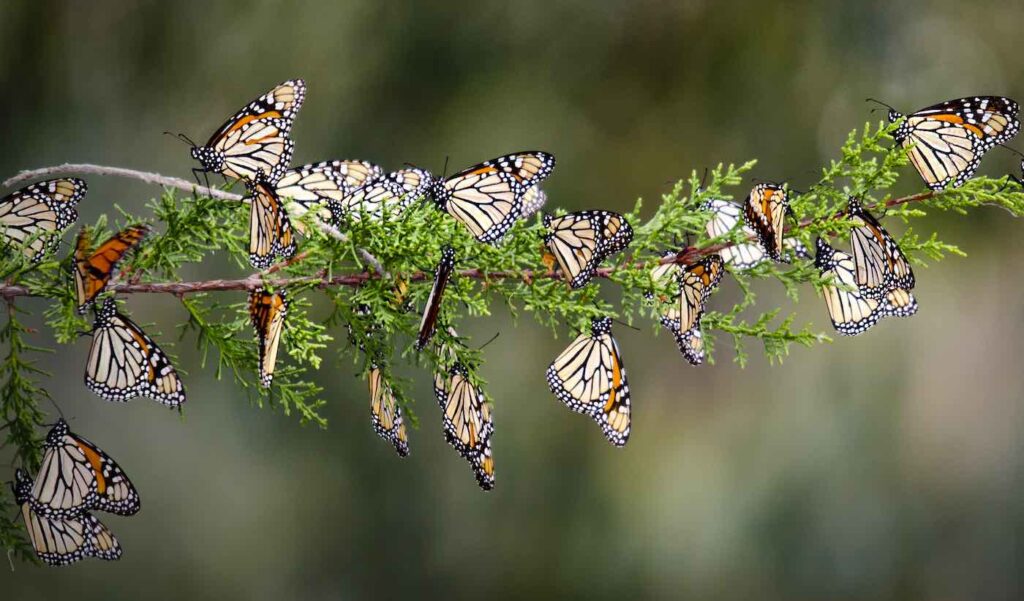
Migratory western monarchs are showing up at their overwintering sites in coastal California in far greater numbers—a sign of hope for the struggling population.

Monarchs in Pismo Beach, CA by Steve Corey, CC license

These reports are particularly welcome after the population reached an all-time low last year.

This year’s official count has not yet begun. That will take place with the help of over 100 community scientists during the 25th annual Western Monarch Thanksgiving Count, beginning on November 13. Yet these early reports signal the possibility of a rebound in numbers.

On October 16th, 2021, over 1,300 monarchs were counted at the Pacific Grove overwintering site; this site did not have a single monarch butterfly during last year’s count.

The same week, Pismo State Beach Monarch Butterfly Grove and an adjacent site tallied roughly 8,000 monarchs—up from less than 300 butterflies last year.

Additional smaller estimates and observations from volunteers and the public have started to pour in from the Bay Area, Santa Cruz, Monterey, Big Sur, Ventura, Los Angeles and elsewhere.

So far, there appear to be over 10,000 monarchs easily accounted for at the overwintering sites.

The low count of fewer than 2,000 monarchs in 2020 followed two years which produced tallies of under 30,000 butterflies each year.

POPULAR: Listen to Millions of Monarch Butterflies Make One of the Rarest Sounds on Earth: ‘Just like a waterfall’

“We are overjoyed that migratory monarch butterflies have not disappeared from the western U.S.,” said Emma Pelton, a senior conservation biologist and western monarch lead for the Xerces Society for Invertebrate Conservation. “These early counts give us hope that, if we all work together, we can still bring western monarchs back.”

The annual volunteer Western Monarch Thanksgiving Count is coordinated by the Xerces Society for Invertebrate Conservation and Mia Monroe, founder of the count and longtime volunteer coordinator. It is funded in part by the U.S. Fish and Wildlife Service.

It is the primary way that we know the status of the western monarch migratory population.

Why are numbers looking better this year?

Like other insects, populations can fluctuate from year to year, in response to the temperature, rainfall, the availability of food, and other factors.

It is likely a combination of all these factors including favorable conditions at their breeding grounds.

RELATED: Historic Deal to Protect Millions of Monarch Butterfly Habitat Acres is Unprecedented

Western monarchs continue to lack the legal protection that would usher in resources to help recover the population, but there are many things that can be done to improve their chances.

The Xerces Society and partners work to ensure there are plenty of floral resources. They encourage Californians to plant nectar species, especially flowers that bloom in the early spring (February–April) but also in the fall (September–October)—especially native plant species, but particularly native milkweed. Xerces provides more details here.

There are many habitat restoration projects in progress right now to enhance and restore monarch breeding and overwintering habitat in California, but more are needed.

LOOK: Farms in UK Saved This Beautiful Duke of Burgundy Butterfly From Extinction

Legislation proposed in Congress including the Monarch and Pollinator Highway Act (now part of the infrastructure bill) and the Monarch Act (which focuses on western monarchs) could provide critical funding for habitat restoration and research, if passed.

FLY This Nectar of Good News Over to Social Media – Share it!

This Week’s Inspiring Horoscopes From Rob Brezsny’s ‘Free Will Astrology’

Our partner Rob Brezsny provides his weekly wisdom to enlighten our thinking and motivate our mood. Rob’s Free Will Astrology, is a syndicated weekly column appearing in over a hundred publications. He is also the author of Pronoia Is the Antidote for Paranoia: How All of Creation Is Conspiring To Shower You with Blessings. (A free preview of the book is available here.)

Here is your weekly horoscope…

FREE WILL ASTROLOGY – Week beginning October 22, 2021
Copyright by Rob Brezsny, FreeWillAstrology.com

SCORPIO (Oct. 23-Nov. 21):
Mardi Gras is a boisterous festival that happens every February all over the planet. One hotspot is New Orleans. The streets there are filled with costumed revelers who enjoy acting in ways that diverge from their customary behavior. If you want to ride on a float in the parade that snakes down Royal Street, you must, by law, wear a festive mask. I invite all of you Scorpios to engage in similar festivities for the next three weeks—even if you’re not doing much socializing or partying. It’s a favorable time to experiment with a variety of alternate identities. Would you consider adopting a different persona or two? How could you have fun playing around with your self-image?

SAGITTARIUS (Nov. 22-Dec. 21):
Jungian psychotherapist and storyteller Clarissa Pinkola Estés reminds us, “In fairy tales, tears change people, remind them of what is important, and save their very souls.” I hope you’re open to the possibility of crying epic, cathartic, catalytic tears in the coming weeks, Sagittarius. According to my analysis, you have a prime opportunity to benefit from therapeutic weeping. It could chase your fears and cure your angst and revivify your soul. So please take advantage of this gift from life. Be like a superhero whose superpower is to generate healing by crying.

CAPRICORN (Dec. 22-Jan. 19):
Filmmaker Wim Wenders said, “Any film that supports the idea that things can be changed is a great film in my eyes.” I’ll expand upon that: “Any experience, situation, influence, or person that supports the idea that things can be changed is great.” This is a useful and potentially inspiring theme for you to work with right now, Capricorn. In accordance with astrological rhythms, I hope you will be a connoisseur and instigator of beneficial, beautiful transformations.

AQUARIUS (Jan. 20-Feb. 18):
Fitness buff Jack LaLanne was still doing his daily workout when he was 95. He was also famous for performing arduous feats. At age 65, for example, he swam a mile through Japan’s Lake Ashinoko while towing 65 boats filled with 6,500 pounds of wood pulp. I think you’re currently capable of a metaphorically comparable effort, Aquarius. One way to do it is by mastering a psychological challenge that has previously seemed overwhelming. So meditate on where your extra strength would be best directed, and use it wisely! If you do Halloween, here are costume suggestions: fitness buff, bodybuilder, marathon runner, yoga master.

PISCES (Feb. 19-March 20):
When birdwatchers describe a bird, they speak of its “jizz.” This term refers to the distinctive character of its habitual movements, flying style, posture, vocal mannerisms, and coloring. One aficionado defines jizz as the bird’s “indefinable quality,” or the “vibe it gives off.” I’ve got a theory that right now you’re as bird-like as you’ve ever been. You seem lighter and freer than usual, less bound to gravity and solemnity, and more likely to break into song. Your fears are subsiding because you have the confidence to leave any situation that’s weighing you down. If you do Halloween, here’s a costume suggestion: the bird that has your favorite kind of jizz.

ARIES (March 21-April 19):
Aries philosopher Emil Cioran wrote, “When I meet friends or people I know who are going through a difficult period, I usually have this advice for them: ‘Spend 20 minutes in a cemetery, and you’ll see that, though your worry won’t disappear, you’ll almost forget about it and you’ll feel better.'” I don’t think you’re weathering a terribly difficult phase right now, Aries, but you may be dealing with more riddles and doubts and perplexities than you’re comfortable with. You could be feeling a bit darker and heavier than usual. And I think Cioran’s advice would provide you with the proper stimulation to transform your riddles and doubts and perplexities into clarity and grace and aplomb. If you do Halloween, here’s a costume suggestion: the spirit of a dead ancestor.

TAURUS (April 20-May 20):
According to some spiritual teachers, desire interferes with our quest for illumination. It diverts us from what’s real and important. I know gurus who even go so far as to say that our yearnings deprive us of freedom; they entrap us and diminish us. I strongly disagree with all those ideas. I regard my longing as a primary fuel that energizes my drive to free myself from pain and nonsense. How about you, Taurus? In alignment with astrological omens, I authorize you to deepen and refine and celebrate the yearning in your heart. Your title/nickname could be: 1. Yearning Champion. 2. Desire Virtuoso. 3. Connoisseur of Longing.

GEMINI (May 21-June 20):
Author Jessamyn West confessed, “I am always jumping into the sausage grinder and deciding, even before I’m half ground, that I don’t want to be a sausage after all.” I offer her testimony as a cautionary tale, Gemini. There’s no astrological reason, no cosmic necessity, that decrees you must become like a sausage anytime soon. Such a fate can be easily avoided. All you must do is commit yourself to not jumping into the sausage grinder. Also: In every way you can imagine, don’t be like a sausage.

CANCER (June 21-July 22):
Our fellow Cancerian, author Franz Kafka, told us, “It is often safer to be in chains than to be free.” And yes, some of us Crabs go through phases when we crave safety so much that we tolerate, even welcome, being in chains. But the fact is that you’re far more likely to be safe if you are free, not in chains. And according to my reading of the astrological omens, that’s extra true for you now. If you celebrate Halloween, here are costume suggestions: runaway prisoner, escape artist, freedom fighter.

LEO (July 23-Aug. 22):
Some of us yearn for allies who can act like saviors: rescue us from our demons and free us from our burdensome pasts and transform us into the beauties we want to become. On the other hand, some of us do all this hard work by ourselves: rescue ourselves from our demons and free ourselves from our burdensome pasts and transform ourselves into the beauties we want to become. I highly recommend the latter approach for you in the coming weeks, Leo. If you do Halloween, here is a costume suggestion: your own personal savior.

VIRGO (Aug. 23-Sept. 22):
“One of the reasons people are so unhappy is they don’t talk to themselves,” says author Elizabeth Gilbert. “You have to keep a conversation going with yourself throughout your life,” she continues, “to see how you’re doing, to keep your focus, to remain your own friend.” Now is a favorable time to try such an experiment, Virgo. And if you already have skill in the art of carrying on a vibrant dialog with yourself, now is a perfect moment to upgrade and refine it. Try this experiment: Imagine having a conversation with the Future You.

LIBRA (Sept. 23-Oct. 22):
“In the absence of willpower, the most complete collection of virtues and talents is worthless.” Libran occultist Aleister Crowley wrote that, and I agree. But let’s phrase his idea more positively: To make full use of your virtues and talents, you must develop a strong willpower. And here’s the good news, Libra: The coming weeks will be a favorable time to cultivate your willpower, along with the assets that bolster it, like discipline, self-control, and concentration. If you do Halloween, here are accessories I recommend for you to carry with you, no matter what your costume is: a wand, a symbolic lightning bolt, an ankh, an arrow, a Shiva lingam stone, or crystal.

WANT MORE? Listen to Rob’s EXPANDED AUDIO HOROSCOPES, 4-5 minute meditations on the current state of your destiny — or subscribe to his unique daily text message service at: RealAstrology.com

(Zodiac images by Numerologysign.com, CC license)

SHARE The Wisdom With Friends Who Are Stars in Your Life on Social Media…

French Farmers Growing Zero-Emission Tropical Produce in France – Producing Heat Without the Smoke

Eco-conscious consumers in France may be shocked when they walk into their local grocer and see the words “Made in France” under a pineapple, or guava fruit.

It’s thanks to a growing number of French growers who are cutting back on CO2 emissions from food imports by adapting their cultivation methods to the tropical requirements of fruit that the country would normally ship in from thousands of miles away.

Who doesn’t love a banana? They’re the world’s most eaten fruit; or the mango, also known as “the best fruit.” Is there anything better to compliment a piece of grilled fish or chicken than grilled pineapple? Tropical fruit is hard to beat, but getting it to northern Europe presents a 12,000 pound problem.

Importing two tons of produce can produce 6 tons in carbon-dioxide and its greenhouse gas equivalents. That’s a lot of emissions, for as lovely as France is for growing food, they are net-importers, and in 2019 they brought in 3.4 million metric tons of fruit: the majority of which were bananas.

This has not gone unnoticed by growers like Frederic Morlot, who maintain a greenhouse in the Torreilles in the east Pyrenees under the name Les Arts Verts, The Green Arts. In this windswept mountain range, he grows bananas, turmeric, kaffir limes, passionfruit, “mango ginger” from Madagascar, guava, pineapple, and more exotic species like jamrosat, a kind of rose-scented apple.

LOOK: Towering Over the City, This ‘Farmscraper’ Will Produce 270 tons of Food from Hydroponics on 51-Stories

The trick, Morlot tells France24, is to find the species that, despite growing in the tropics, can handle colder conditions.

“Scientists have discovered that plants can create antifreeze,” says Morlot. “They create a sap that contains this antifreeze and they are able to protect themselves during winter.”

“We are able to collaborate with the greatest French chefs on exotic products, products that won’t travel for months or hours by boat or plane, and this will ultimately result in a zero-carbon impact,” he said.

And he is proud to count a Michelin-starred chef among his buyers.

POPULAR: In World First, Top Beef Supplier Approves Methane-Busting Feed Additive That Reduces Climate Change Gas by 55%

SHARE This Sweet Climate Story With Friends on Social Media…

Yuengling Beer Delivers Truckload of Lager to 106-Year-old Woman Who Drinks a Can Every Day (WATCH)

Yuengling
Yuengling

They call themselves the oldest brewery in America after David Yuengling arrived from Germany in 1829 and decided to make beer in the coal-mining town of Pottsville, Pennsylvania.

This month, they made a special delivery to a woman who might be the oldest beer-drinker in America.

The brewery drove up with a big truck to Margaret Dilullo’s home in Spring Township to deliver an early birthday gift of 20 cases of her favorite beverage.

Soon, she will turn 107 years old, and the silver haired churchgoer has famously attributed her longevity to drinking a can of Yuengling Lager every day.

Now she has a free stash for the next 480 days.

RELATED: When Toronto Pub Admits it Needs Rent Money, Neighborhood Swoops In to Buy its Entire Stock of Beer

“There’s five generations of her family,” said Debbie Yuengling, who works at her family’s business, D.G. Yuengling & Son—just like six generations of Yuenglings have done.

WATCH the cute local news coverage below…

RAISE a Toast to Merry Margaret By Sharing on Social Media…