All News - Page 465 of 1735 - Good News Network
Home Blog Page 465

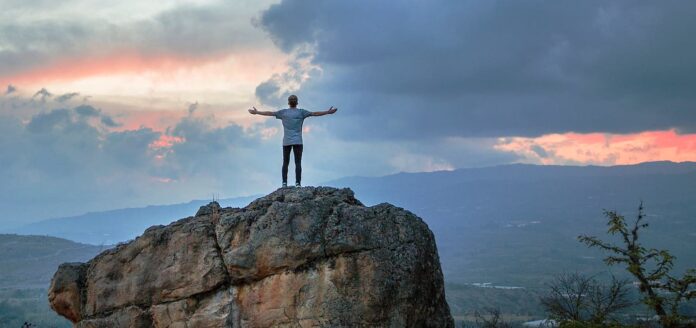
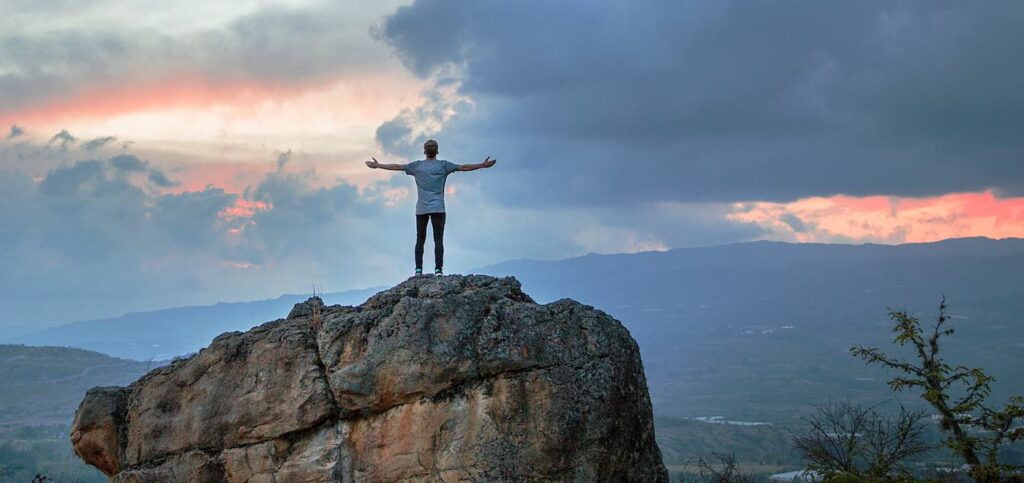
“Walk with the dreamers, the believers, the courageous, the cheerful, the planners, the doers, the successful people with their heads in the clouds and their feet on the ground.” – Wilferd Peterson

Quote of the Day: “Walk with the dreamers, the believers, the courageous, the cheerful, the planners, the doers, the successful people with their heads in the clouds and their feet on the ground.” – Wilferd Arlan Peterson

Photo: by Joshua Earle

With a new inspirational quote every day, atop the perfect photo—collected and archived on our Quotes page—why not bookmark GNN.org for a daily uplift?


Remarkable 10-Year-old Inspires the World to Donate Half a Million Books For Kids: ‘A Catalyst’ For Kindness

Orion Jean/Family photo

One boy is on a big mission to share the joys of reading with hundreds of thousands of other kids.

Orion Jean is only 10 years old, but after winning a student kindness contest in 2020, he’s caught the generosity bug: The number of books he’s currently hoping to pool in donations for other kids in Texas? Half a million.

“Kindness is a virtue we can all possess. If we are willing to,” he said, according to CBC. “So why not start today. Because right now, it’s what we need more than ever.”

CHECK OUT: Teen Raised $38,000 By Cutting Off His 19-inch Afro – And Gave the Money to Help Kids With Cancer

Given that he’s already collected 120,000 books so far, we think he might just manage his ambitious goal.

(Watch the video below – *INTERNATIONAL VIEWERS CAN VIEW it at CBS.)

SHARE the Generosity and Send This Story to Your Friends…

94-Year-old Grandmother Wears Dream Wedding Dress, 70 Years After Being Denied Entry to Bridal Shop

YouTube/GMA
YouTube/GMA

A dream deferred doesn’t necessarily mean a dream denied, even if it takes seven decades to come true.

In 1952, Martha and Lehman Tucker became man and wife. Although the marriage was a true romance, the wedding was missing one element the bride would have dearly loved to have—a traditional white lace wedding gown.

But in those days, Martha was unable to make the purchase in the racially segregated bridal shops of Birmingham, Alabama.

For years, Martha kept those memories to herself, but recently the 94-year-old revealed her long-held hopes to her granddaughter, Angela Strozier.

Knowing the sacrifices the Black women of Martha’s generation faced day-to-day—being denied many of life’s customs, courtesies, and basic rights that others simply took for granted—Strozier decided it was time to make her grandmother’s wedding dress wish come true.

Angela Strozier

This past July, after a fortifying brunch and a preparatory makeup session, the bridal party made their way to David’s Bridal in Hoover, Alabama, where the wedding gown Martha had always dreamed of—complete with full-length lace sleeves, matching veil, and even a cheeky, charming thigh-high lace garter—awaited her.

Angela Strozier

“When I first put on that dress, I was just so very excited,” Martha told CNN. “It was like I was getting married all over again. When I saw myself in the mirror, I was shocked. I said to myself, ‘Who is that?’ I can’t even explain the feeling I got seeing myself in the wedding dress.”

CHECK OUT: See Couple Adorably Recreate Their Wedding Album 50 Years Later, at the Same Church in the Same Dress

“Happy doesn’t really paint the picture of how this made me feel,” Strozier added. “My grandma has always been a giver, so to be able to finally give her an experience so dear to her was priceless. Happy is an understatement.”

Sadly, Lehman Tucker passed away in 1975. On the day she married him, Martha promised herself that one day, she’d wear the dress worthy of those vows.

MORE: Muddy Bride Sacrifices Dress to Deliver Calf During Wedding Reception

Although it took her 70 years, it’s a promise she kept—and if there is an afterlife, we’re sure her beloved groom was smiling down on his beautiful bride when she finally did.

(MEET Martha in the GMA video below.)

VOW to Share More Good News With Your Pals…

Researchers Identify a ‘Fearsome Dragon’ With 23-ft Wingspan That Soared Over Australian Outback

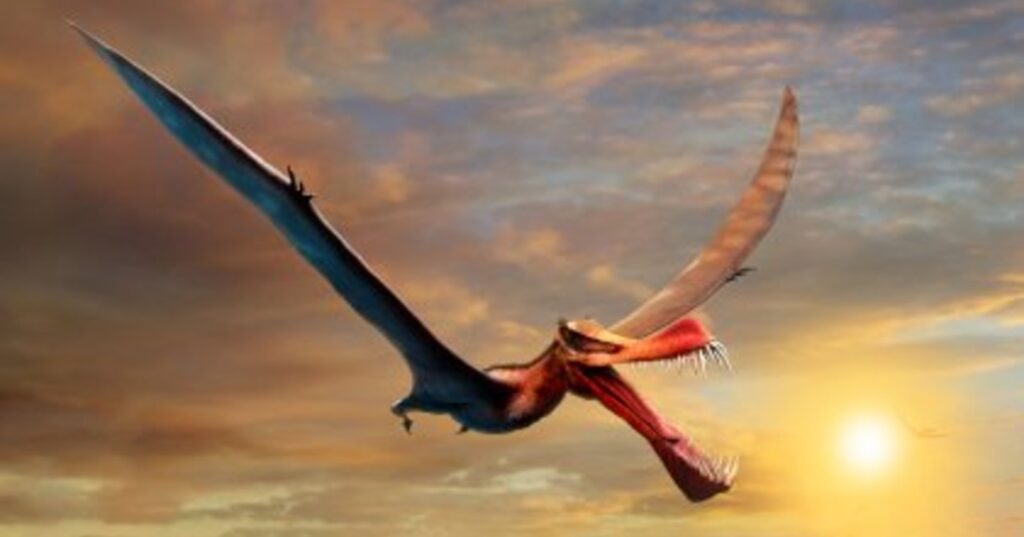
Artistic reconstruction of Thapunngaka shawi/University of Queensland Media

Australia’s largest flying reptile has been uncovered, a pterosaur that had a wingspan stretching 23 feet and soared like a dragon above the ancient inland sea that once covered the Queensland outback.

University of Queensland PhD candidate Tim Richards led a research team that analyzed a fossil of the creature’s jaw.

“It’s the closest thing we have to a real-life dragon,” Richards said.

“The new pterosaur, which we named Thapunngaka shawi, would have been a fearsome beast, with a spear-like mouth and a wingspan around seven meters.

“It was essentially just a skull with a long neck, bolted on a pair of long wings.

“This thing would have been quite savage. It would have cast a great shadow over some quivering little dinosaurs who wouldn’t have heard them coming until it was too late.”

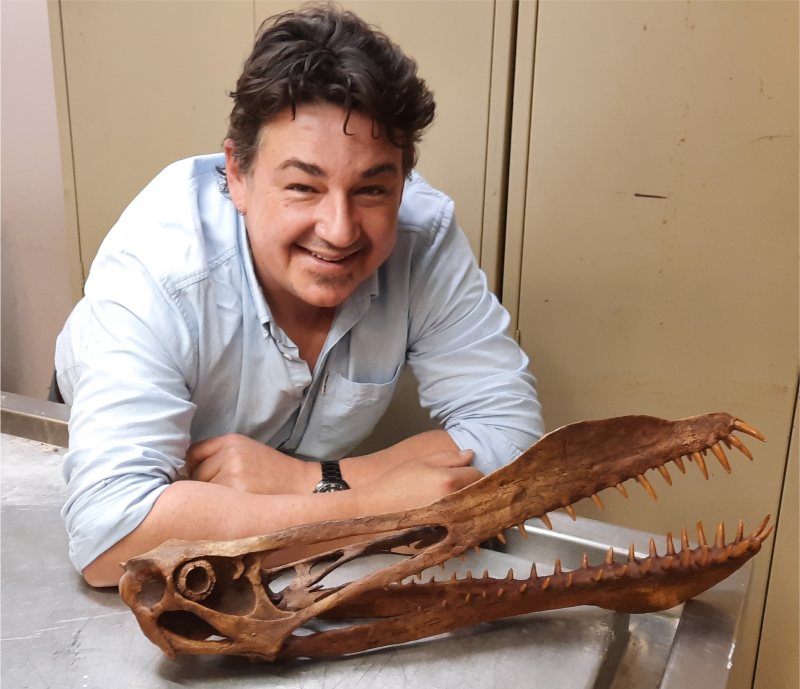
Richards said the skull alone would have been just over one meter long, containing around 40 teeth.

POPULAR: 100-Year-Old Galápagos Giant Tortoise Found on Fernandina Island is Indeed Member of ‘Extinct’ Species

Tim Richards/ University of Queensland Media

“Even though pterosaurs could fly, they were nothing like birds, or even bats,” he said. “Pterosaurs were the very first back-boned animals to take a stab at powered flight.”

A reptile species in the anhanguerians group, these pterosaurs were perfectly adapted to powered flight because of their thin-walled, hollow bones—making their fossilized remains very rare and often poorly-preserved.

“It’s quite amazing (that) fossils of these animals exist at all,” Richards said.

RELATED: Dinosaur Unearthed in Argentina Could Be the Largest Animal That Ever Walked the Earth

Dr. Steve Salisbury, co-author of the paper published in the Journal of Vertebrate Paleontology, noted what was particularly striking about this new species of anhanguerian: the massive size of the bony crest on its lower jaw, which it presumably had on its upper jaw as well.

The fossil was found in a quarry by a local man, Len Shaw, who has been ‘scratching around’ in the area for decades.

The name of the new species honors the First Nations peoples of the area, incorporating words from the now-extinct language of the Wanamara Nation. “The genus name, Thapunngaka, incorporates thapun [ta-boon] and ngaka [nga-ga], the Wanamara words for ‘spear’ and ‘mouth’, respectively,” Dr Salisbury said.

“The species name, shawi, honours the fossil’s discoverer Len Shaw, so the name means ‘Shaw’s spear mouth’.”

Source: University of Queensland

BREATHE This Discovery Into Pals’ Feeds—Share the Story on Social Media…

Ditch That Hard-to-Grow Lawn And Start Cultivating Moss, Instead

Across the country, soft, cushiony moss could be the cure to the struggling homeowner’s case of a balding lawn. Growing faster, more easily, and with less effort than normal grass, it has been the landscaper’s choice in Japan for centuries.

If one is struggling with patchy, dry, or weed-ridden grass lawns, it could be the moment to throw in the towel with a plant that in reality is quite fragile, almost always non-native, and offers little to the environment or the animals that live in the area.

Moss gardens and moss lawns are becoming more and more popular in the United States. In so many ways, moss is superior to any species of grass—except perhaps for the purpose of serving as a volleyball court or soccer pitch.

Moss grows fast, and is difficult to kill after it takes hold, and while psychologists note that green is a color that induces positive emotions, there’s no shade of green more vibrant or powerful than moist emerald moss. There are species that are perfect for sun, growing in between stepping stones, others which can climb over rocks or other objects, and carpet-like, or even edible moss.

Starting a moss garden or lawn

If you have an area of bare or patchy lawn or earth, clear it of as much grass, leaves, and debris as you can until you have a firm soil bed.

Next, lightly rake the top level of dirt and press the pieces of moss down firmly onto it. If the moss pieces seem dry, soak them in water for a few minutes before laying them down.

After watering thoroughly, it should be 4-6 weeks for the moss to completely take hold, after which regular watering during dry summers is all one needs do—which leads to the next major benefit of a moss lawn or garden: the lack of maintenance needed.

Keeping your moss healthy

One blogger alludes to the sheer volume of searches online for how to kill moss, a testament, she says, to its resilience even in the face of determined anthropogenic attack.

MORE: 9 Unique Ways to Use Rosemary – Backed by Mom and Science

However moss grows well in sun and shade, and doesn’t need water any more often than normal grass does—and often needs much less. Furthermore, moss grows about four inches high at most, meaning the lawnmower can look for employment elsewhere, and it never needs fertilizer.

The only thing one must look for are signs of weeds poking up between the moss patches; they must be removed by hand as moss is not immune to herbicide. And leaves must be cleared if they fall on the moss in autumn, as they can cause the moss underneath to rot.

Moss lawns can be expensive compared to grass seed, but expect to save way more in associated costs down the line.

In any case, rights permitting, one can simply go to whichever nearby forest in which they know moss grows, and pull up strips or patches, and repeat the steps needed to fasten the moss to its new habitat.

RELATED: 8 Cheap Gardening Hacks For Plants – Using Wine and Plastic Bottles, Orange Peels and Coffee Grounds

Traditional moss gardens and lawns are paired to stone gardens, water gardens, and flower or herb gardens to create serene beauty, and tranquil stillness, as the tradition for Zen gardening has done for centuries.

America has a long history of adopting aspects of Japanese culture, and it’s about time we did the same with moss gardens.

GROW the Good News in Friends’ Feeds by Sharing This Story…

“We should not judge people by their peak of excellence; but by the distance they have traveled from the point where they started.” – Henry Ward Beecher

Quote of the Day: “We should not judge people by their peak of excellence; but by the distance they have traveled from the point where they started.” – Henry Ward Beecher

Photo: by Clay Banks

With a new inspirational quote every day, atop the perfect photo—collected and archived on our Quotes page—why not bookmark GNN.org for a daily uplift?


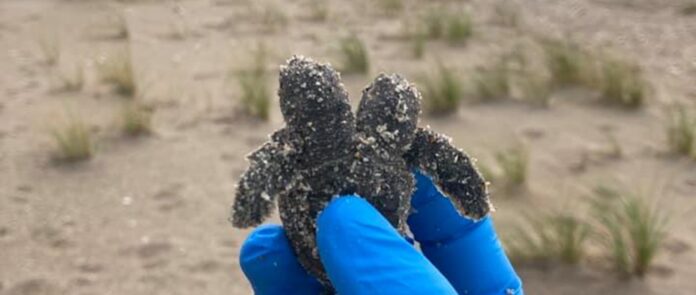
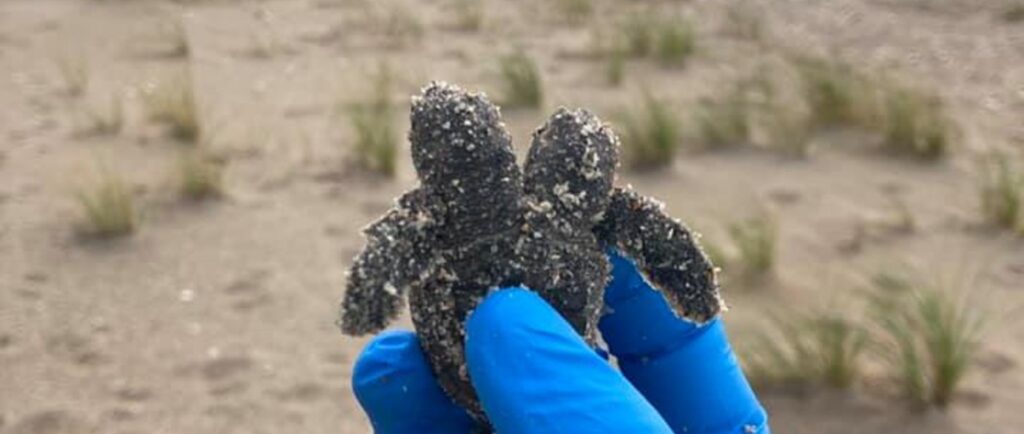
Two-Headed Turtle Discovered Hatched on South Carolina Beach Gives Conservationists a Big Surprise

South Carolina State Parks/Facebook

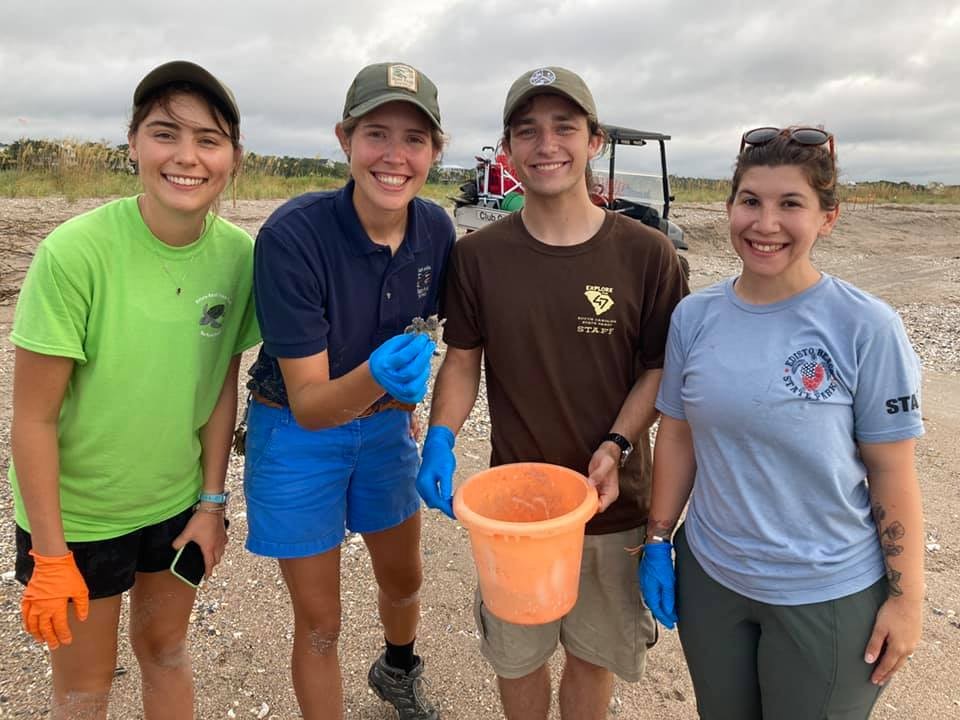
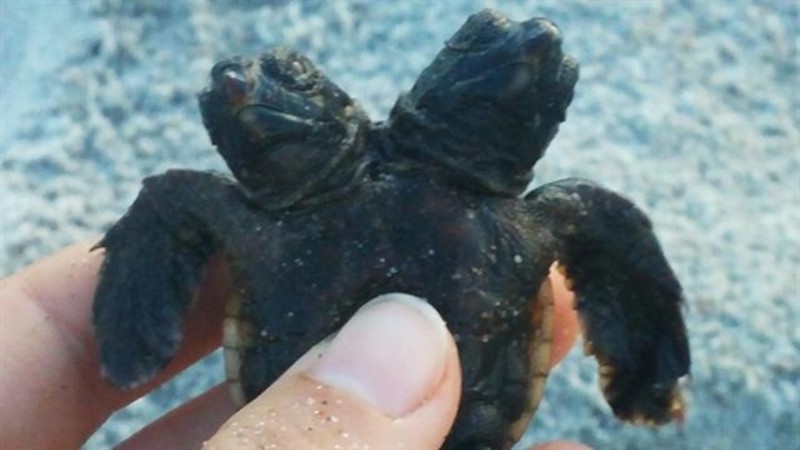
Wildlife volunteers inspecting nests at a South Carolina beach stumbled upon an unexpected surprise: a two-headed baby sea turtle.

South Carolina State Parks/Facebook

According to South Carolina State Parks, this two-headed loggerhead hatchling is the result of a genetic mutation.

South Carolina State Parks/Facebook

The find wasn’t as rare as you might expect: News reports of other two-headed turtle hatchlings appeared in both 2017 and 2019, with photos being taken in Atlantic breeding grounds on Hilton Island in South Carolina:

And in Florida, by a university intern.

Leah Rittenberg/UCF Marine Turtle Research Group

Like a very cute version of the Greek legend of Hydra—where for every head chopped off, the serpentine creature would regrow two more—the hatchling from Ediston Beach has now been released into the ocean.

CHECK OUT: The Last Known Swinhoe’s Turtle on Earth Was Alone Until This Female Was Found – Researchers Hope for Babies

It will now swim off in new directions, to the next stage in its fascinating, two-headed life.

SCALE Up the Good News in Friends’ Feeds—Share This Fun Story…

Thirsty Butterfly Fleeing Wildfire Drinks Water Straight From Aid Worker’s Hand –WATCH

Several charities have set up field hospitals in the areas affected by wildfires where they have rescued turtles and other small animals.

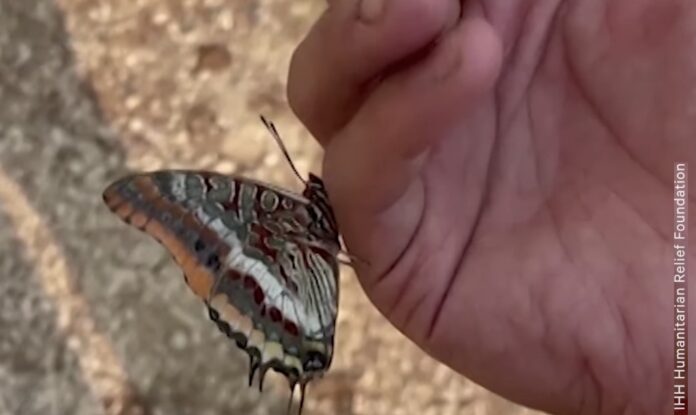
After flying away from a nearby wildfire in the south of Turkey, watch this butterfly drink water from the palm of one aid worker.

(WATCH the Now This video of the moment below.)

FLUTTER This Footage of Hope Over to Friends…

Falcons Have Natural ‘Eye Makeup’ to Improve Hunting Ability, Scientists Discover

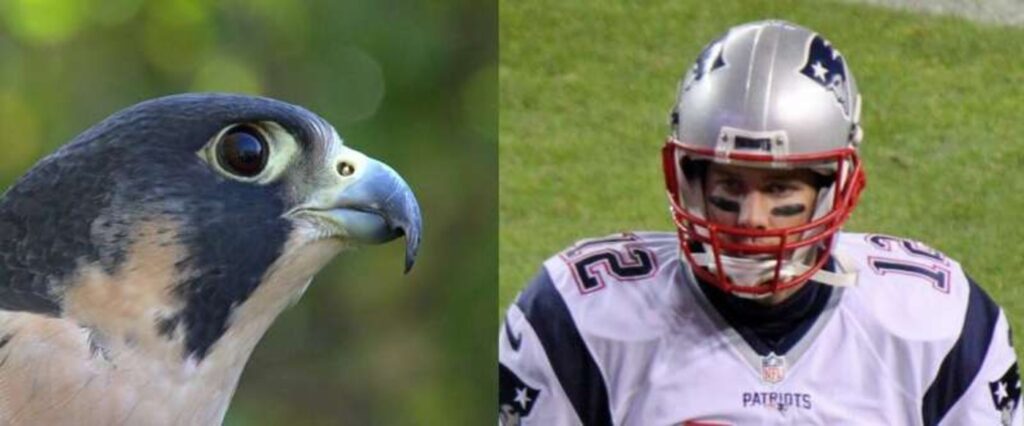
falcon cc license Greg Hume (Greg5030); brady cc license jeffrey beale wikimedia commons
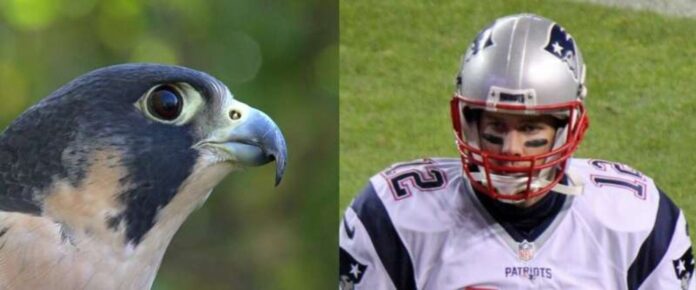
(L) Greg Hume (Greg5030)/CC license; (R) Jeffrey Beale/CC license

Dark ‘eyeliner’ feathers of peregrine falcons act as sun shields to improve the birds’ hunting ability, a new scientific study suggests.

Scientists have long speculated that falcons’ eye markings improve their ability to target fast-moving prey, like pigeons and doves, in bright sunlight.

Now research suggests these markings have evolved according to the climate; the sunnier the bird’s habitat, the larger and darker are the tell-tale dark ‘sun-shade’ feathers.

The distinctive dark stripes directly beneath the peregrine falcon’s eyes, called the malar stripe or ‘moustache’, likely reduce sunlight glare and confer a competitive advantage during high-speed chases. It’s an evolutionary trait mimicked by some top athletes who smear dark makeup below their eyes to help them spot fast-moving balls in competitive sports.

Until now, there had been no scientific study linking solar radiation levels to the dark ‘eyeliner’ plumage, which is common to many other falcon species.

The scientists used photos of peregrine falcons from around the world posted on the web by bird watchers and scored the size of the malar stripe for each bird.

They then explored how these malar stripes varied in relation to aspects of the local climate, such as temperature, rainfall, and strength of sunlight.

The study, published in the journal Biology Letters, was conducted by researchers from the University of Cape Town (UCT) and the University of Witwatersrand in South Africa.

CHECK OUT: Don’t Worry, Birds Won’t Become Dependent on You Feeding Them, Says Study

It involved comparing malar stripe characteristics, including width and prominence, of individual peregrine falcons, by using over two thousand peregrine photographs stored in online citizen science libraries.

Researchers examined samples from 94 different regions or countries. Results showed that peregrine falcon malar stripes were larger and darker in regions of the world where sunlight is stronger.

“The solar glare hypothesis has become ingrained in popular literature, but has never been tested empirically before,” said Michelle Vrettos, an MSc student from UCT who carried out the research.

MORE: Man is Stunned After He Sets Up Camera Inside Bird Box and Attracts 41 Million Fans Worldwide

Vrettos added: “Our results suggest that the function of the malar stripe in peregrines is best explained by this solar glare hypothesis.”

Associate Professor Arjun Amar from the UCT FitzPatrick Institute, who supervised the research, said: “The peregrine falcon represents the ideal species to explore this long-standing hypothesis, because it has one of the most widespread distributions of all bird species, being present on every continent except Antarctica—it is therefore exposed to some of the brightest and some of the dullest areas around the globe.”

RELATED: Scientists Studying Crows Get Big Surprise –They’re So Smart They Understand the Concept of Zero

Amar added: “We are grateful to all the photographers around the world that have deposited their photos onto websites. Without their efforts this research would not have been possible.”

Source: University of Cape Town

Massive Balloon the Size of a Soccer Stadium to Launch Telescope to Edge of Space to Study How Stars Form

SWNS
SWNS

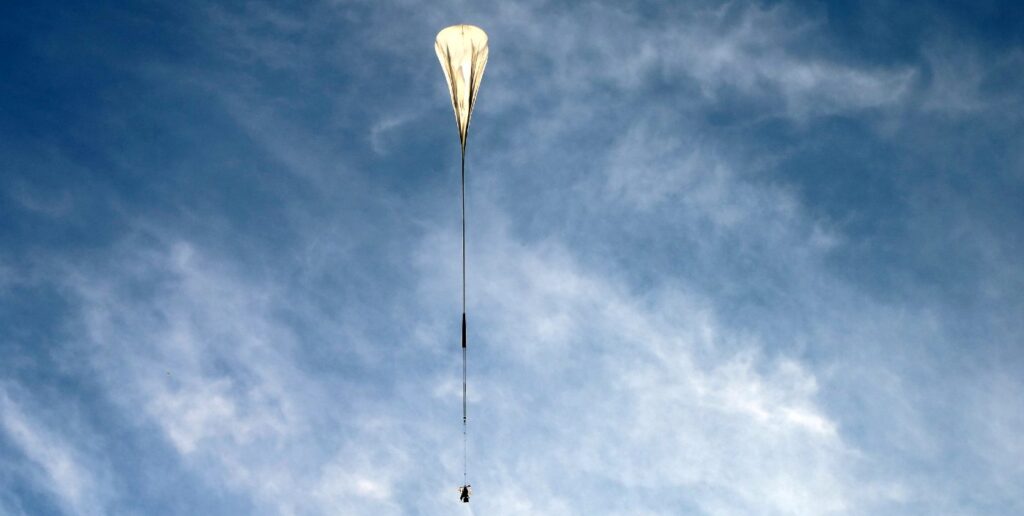
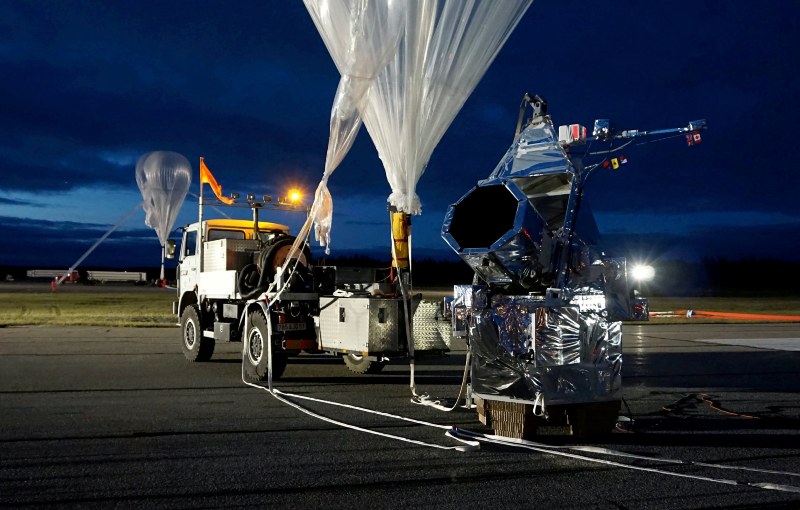
The world’s biggest balloon, the size of a soccer stadium, is to be sent to the edge of space.

The instrument—named Superpressure Balloon-borne Imaging Telescope, or SuperBIT—will fly above 99.5% of Earth’s atmosphere next April and will carry a wide field telescope to rival Hubble, but at a fraction of the cost. That’s according to the British scientists behind the ambitious project.

SuperBIT will study dark matter, the invisible ‘glue’ that makes up 80 percent of all the stuff in the universe, which astronomers map by the way it bends rays of light, in a technique known as gravitational lensing.

Professor Richard Massey of Durham University, said: “Cavemen could smash rocks together to see what they’re made of. We are going to use SuperBIT to look for the ‘crunch’ of dark matter. It is the same experiment. You just need a space telescope to see it.”

A collaboration between NASA, the Canadian Space Agency, Durham, Toronto, and Princeton universities, SuperBIT cost £1.5 million ($2 million) to build compared to the £3.6 billion ($5 billion) for NASA’s Hubble.

And the international team are confident SuperBIT’s high-resolution images will be just as impressive.

Light from a distant galaxy can travel for billions of years before reaching our telescopes. In the final fraction of a second, it has to pass through Earth’s swirling, turbulent atmosphere—and our view of the universe becomes blurred. Observatories on the ground are built at high altitude sites to overcome some of this. But only placing a telescope in space fully escapes the effect. SuperBIT changes that.

It has a mirror half a meter in diameter and is carried to an altitude of almost 25 miles (40km) by the huge helium balloon. The mission will also be much less expensive than a typical machine-based alternative, and doesn’t take as long to plan.

SWNS

A final test flight in 2019 demonstrated the telescope’s extraordinary pointing stability. And NASA recently developed ‘superpressure’ balloons that can contain helium for months.

In April 2022, SuperBIT will take off from Wanaka on New Zealand’s South Island—carried seasonally stable winds.

It will circumnavigate the Earth several times, imaging the sky all night, then using solar panels to recharge its batteries during the day.

MORE: Listen to the First Eerie Sounds From Mars: China’s Rover Films Itself Driving on Red Planet, Making History

Mohamed Shaaban, a PhD student at the University of Toronto, said: “New balloon technology makes visiting space cheap, easy, and environmentally friendly.

“As well as building a space telescope, our team has successfully tested all sorts of electronic and mechanical systems that could be used in future satellites.”

Its relatively cheap cost could even make it possible in the future to have a fleet of space telescopes offering time to astronomers around the world.

SWNS

CHECK OUT: NASA Helicopter Sends Stunning Photos of Martian Landscape from 33 Feet Up – LOOK

One thing the instrument will test is whether dark matter slows down during collisions. No particle colliders on Earth can accelerate dark matter. But this is a key signature predicted by theories that might explain recent observations of strange-behaving sub-atomic particles called muons.

SHARE This Far-Out News With Pals on Social Media…

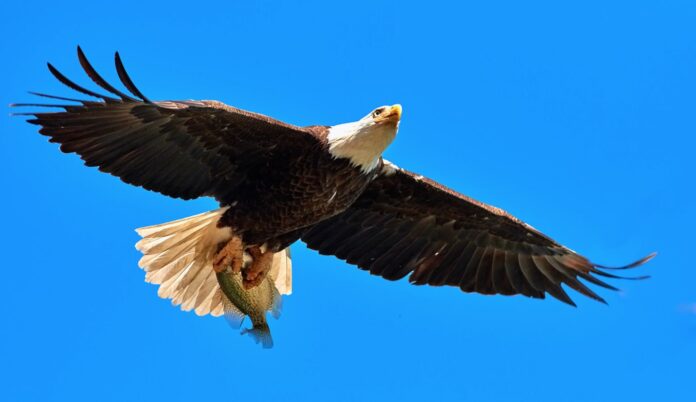
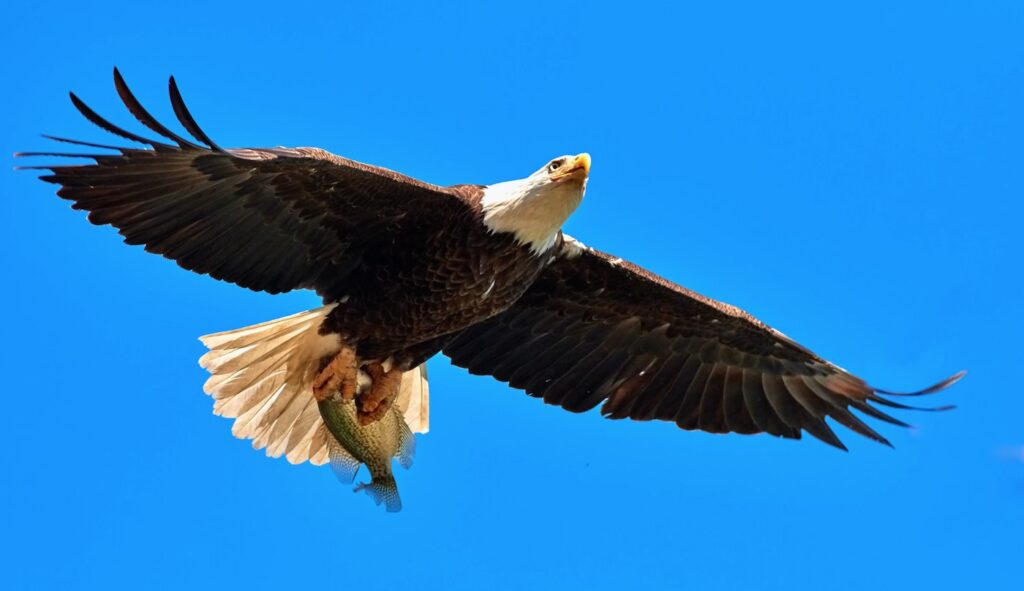
“If you run with wolves, you will learn how to howl. But, if you associate with eagles, you will learn how to soar to great heights.” – Colin Powell

Credit: Jongsun Lee

Quote of the Day: “If you run with wolves, you will learn how to howl. But, if you associate with eagles, you will learn how to soar to great heights.” – Colin Powell

Photo: by Jongsun Lee

With a new inspirational quote every day, atop the perfect photo—collected and archived on our Quotes page—why not bookmark GNN.org for a daily uplift?


Over Half of Americans Have Had Some of the Best Moments of Their Lives in a Car

Olga Kay, CC license, via Flickr

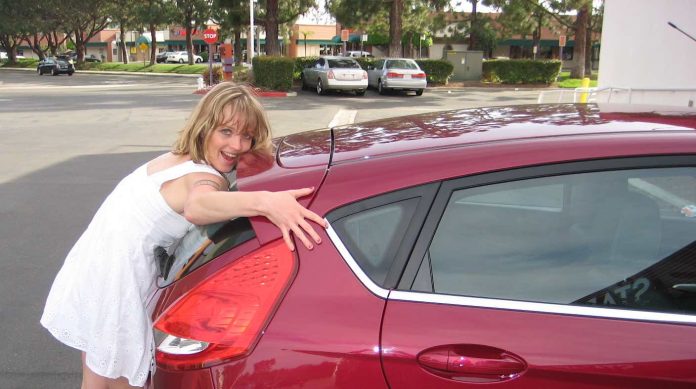
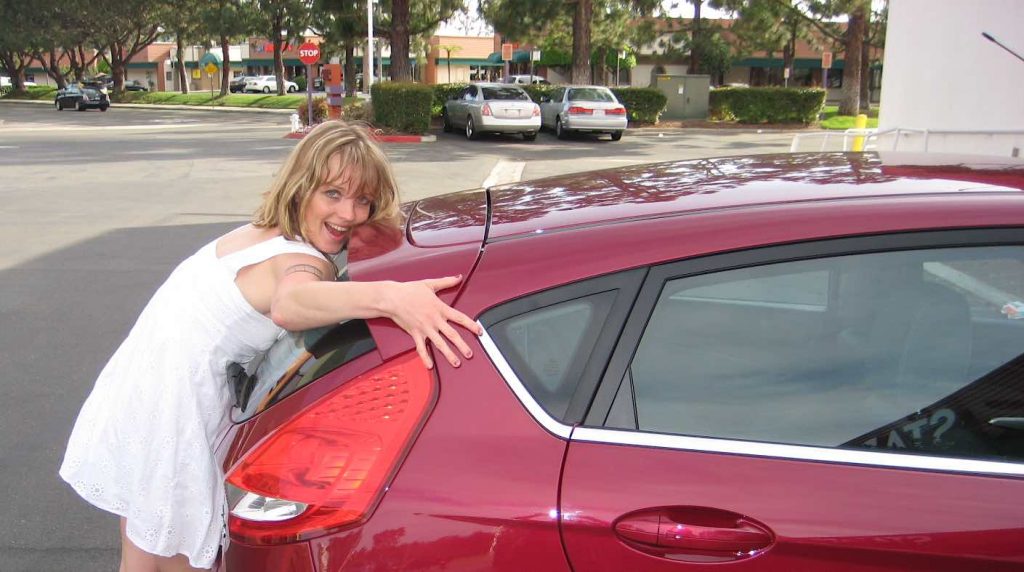
Americans have a nostalgic appreciation for their car since the pandemic, according to a new poll—and it’s no wonder. 40% of them have experienced epiphanies or “eureka” moments while sitting in those cars.

Olga Kay, CC license, via Flickr

A survey of 2,000 American drivers and car owners explored the relationships that people have with their vehicles.

It found that there’s no shortage of life-altering moments happening behind 2-or-4 doors, from making a commitment to positive change to coming up with a business idea or figuring out an invention.

The survey, conducted by OnePoll, was commissioned by Metromile, a digital insurer: “While many Americans reduced their driving during the pandemic, our study shows that cars remain an essential part of our lives.”

The study also showed that cars had become extensions of one’s home—operating as everything from a de facto office to a video call studio for work.

48% said their car is a perfect space to talk to themselves, a perfect place to cry (42%), to shop online (37%), or to take a photo of themselves (21%).

The study also revealed the type of conversations respondents have had in their cars. The average driver said they’ve had at least six awkward talks in their car. More specifically, 46% said they’ve experienced some of the worst moments of their lives in their car.

But, many people view their vehicles as a refuge, with 40% of respondents saying that their vehicle is the only space they have to themselves.

RELATED: More Americans Now Consider Themselves to be ‘Thriving’ Than at Any Point in 13 Years: Gallop

58% said they’ve had some of the best moments of their lives sitting inside their ride—and two of every five people surveyed said they are ready to hit the open road again.

MOST INTERESTING EPIPHANIES THAT PEOPLE HAD IN CARS

Figured out a great chess move
Came up with an invention
Figured out how to make amends to my best friend after an ugly argument
Realized how to tell something important to someone
Encountered a spirit
Realized that I need to love more and show it
Figured out how to make a bookcase that lights up with motion
Caught someone in a lie
Realized I could invest the money I spend on fast food
Found the best way to get rid of a pimple
Realized that frogs are amphibians and not reptiles
Found a road behind Mount Diablo in Concord, California

RELATED: Americans Choose the Best Road Trip Tunes Of All Time — For Your Summer Playlist

After Covid and Cancer, Couple Finally Gets to Be Married – Thanks to Speedy Robotic Surgery

The Christie cancer center

After the COVID-19 pandemic and cancer delayed a young couple’s wedding day twice, the third time will surely be a ‘lucky’ charm, thanks to an innovative robotic surgery.

The Christie cancer center

Paul Hutchinson is tying the knot with fiancée Lisa Bamforth at St. John’s church in Lancashire today following an innovative procedure performed at a Manchester cancer center, The Christie.

Thought to be the first of its kind in the UK, it allowed the groom diagnosed with testicular cancer to make it to the church—finally.

The traditional treatment for his cancer which spread to his abdominal lymph nodes, would have involved major abdominal surgery necessitating intensive care, a seven day stay in hospital and a recovery time of several months.

LOOK: Man Gives His Terminally-Ill Dog One Last Walk Up Their Beloved Mountain in a Wheelbarrow

Paul was considered a good candidate for the pioneering robotic treatment which involves keyhole surgery, directed by a surgeon and performed by the intricate robotic machinery.

His hospital stay of just 48 hours and a home recovery of just a few weeks let Paul prepare for the big day with his fiancée and his two daughters.

“I genuinely didn’t think we could go ahead with the wedding as I was convinced I would not be well enough,” Paul told The Christie. “The incredible robotic operation has dramatically reduced my recovery time and left me feeling fit and well.”

The veteran can also get back to his job as an engineer within weeks—making a honeymoon the only other consideration.

RELATED: New Prostate Cancer Test Makes Diagnosis from Urine in 20 Minutes With Near 100% Accuracy, Researchers Say

Lisa says she fought back the tears when the surgeon rang to tell her about the procedure’s success.

“I am so relieved that Paul’s surgery is complete and that he had the opportunity to be treated in this incredible way. The news that he needed this operation, after successfully undergoing chemotherapy and surgery in 2014, came completely out of the blue and we thought we would have to cancel the wedding again.

“It is going to be the most special day ever and can’t wait to celebrate at the reception with our family and friends.”

“This will be actually be our third attempt at getting married as COVID has played its part in us having to rearrange everything.”

POPULAR: Texas Couple Married for 46 Years Beats COVID-Cancer-Chemo Crisis And Returns Home with Clean Bills of Health

Aziz Gulamhusein, consultant urological and robotic surgeon at The Christie, said: “This was a first for The Christie as we engaged our state of the art robotic equipment to aid us with the precision required for an intricate procedure as needed for Paul’s cancer.”

“To be involved in such a highly specialized procedure using the latest technology is an amazing achievement for the team.”

Retroperitoneal lymph node dissection for metastatic testicular cancer is a commonly performed procedure at The Christie. Due to the position of these lymph nodes deep within the abdomen, the operation is traditionally done via a large open incision with the associated side effects.

The Christie has one of the largest robotic centres in the UK and the aim is to use that experience and expertise to allow more patients to potentially undergo this minimally invasive surgery to treat metastatic testicular cancer. The robot offers a highly magnified, 3D view with intricate instrument dexterity to ensure careful removal of cancerous nodes whilst preserving nerves and offering an enhanced recovery with much shorter convalescence.

SHARE the Good News on Social Media…

New Film Tells Inspiring Story of the Fastest Blind Man in the World – WATCH ‘Untethered’ Trailer

By Jasmine Safaeian

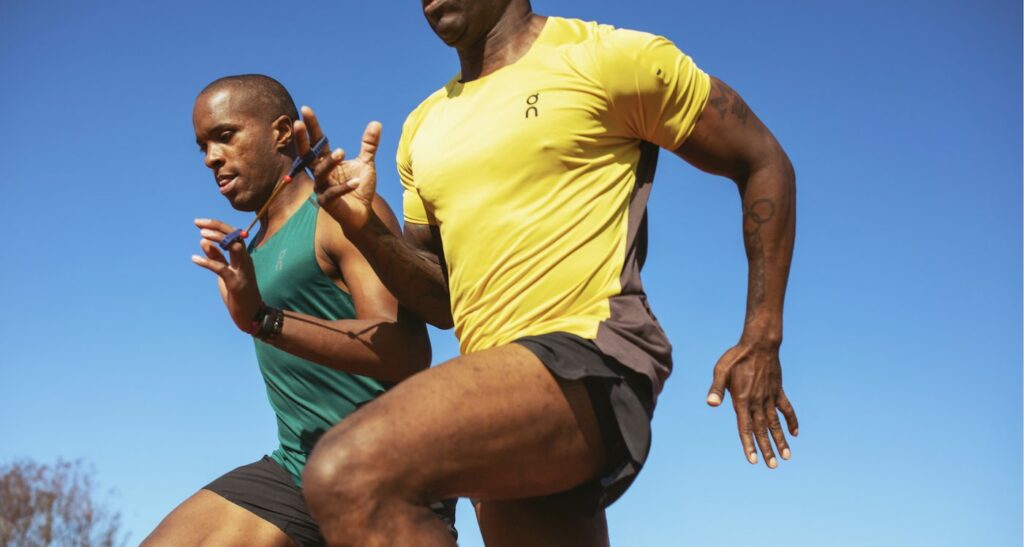
How does the world’s fastest blind man run 100 meters in under 11 seconds without the ability to see a starting block, lane, or curvature of the track? A new documentary called Untethered provides the moving answer.

By Jasmine Safaeian

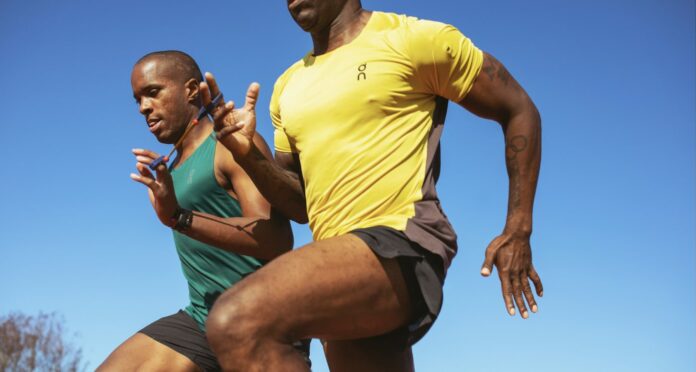
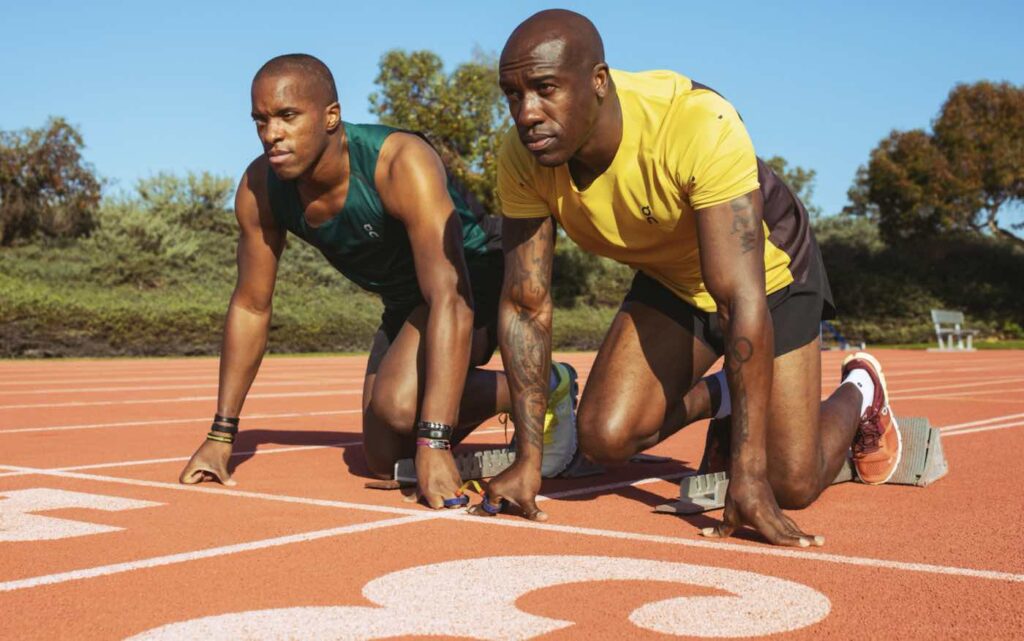
After being diagnosed with Kawasaki disease as a toddler, David Brown was robbed of his sight by the time he was 13. A natural athlete, David eventually found a running guide to partner with—and became the Paralympic champion and world-record holder in 2014 as the only blind person ever to run the 100-meter in under 11 seconds.

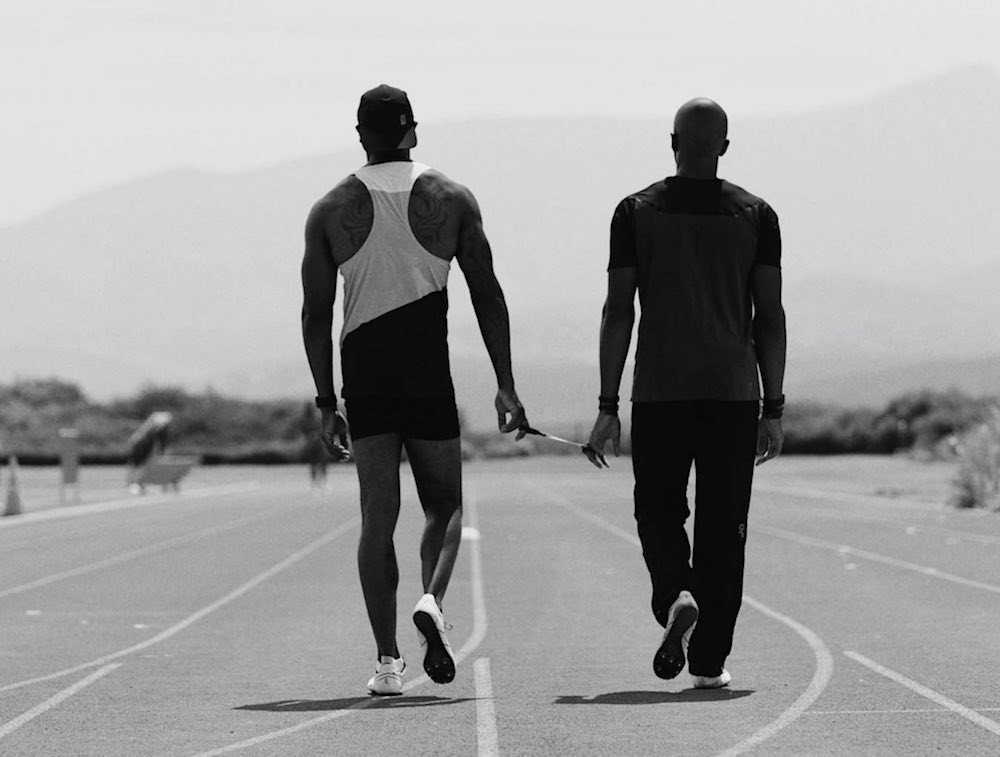
The 30-minute film portrays the unique brotherhood that Brown formed with Jerome Avery, while the two were ‘tethered’ in training for 15 years. Their inspiring story of companionship and abiding trust transcends the world of sport.

RELATED: Five Classy Olympic Moments That Should Win a Gold Medal For Inspiration

When David ran the world-record race with Jerome seven years ago, they were connected by an eight-inch cord. In the new film, you can see how it had been cut in half—to just four-inches—as their partnership and trust evolved with almost perfect synchronicity.

Written by award-winning creative director Andy Fackrell, Untethered was filmed in the run-up to the Paralympic Games in Tokyo, which will be the first time that Brown will be untethered from his long-time running companion, after Jerome was injured in early 2021.

“Being able to let go of all fears when deprived of sight and have faith in another human being, David puts his complete confidence in Jerome and strives to live without restraint,” says Feliciano Robayna, Head of Sports Marketing for On, the Swiss company that made the film.

Jasmine Safaeian

“When you see Jerome and I run, it’s like one person,” says David.

“I hope people can relate to Untethered when they see it and maybe even gain greater understanding of Paralympic sport when they watch the competitions at Tokyo this year.”

The fact that Avery will not be running alongside David on September 1 in Tokyo, makes the film and its title even more compelling.

WATCH: An Archer With No Arms Aims to Win Gold at Summer Paralympic Games Joining Team USA – VIDEO

Now, the star sprinter becomes ‘Untethered’ to his longtime running guide, after training with a new one.

Untethered features two headline entertainers, who surprise David for conversations in New York City, as well as an interview with his mother, Francine Brown, who recounts a 500-word winning essay that allowed him to attend the 2008 Paralympic Games in Beijing—and propelled his athletic career forward.

Produced by an award-winning creative team assembled by On, and with music by BAFTA nominated composer, Peter Raeburn, the film can now be viewed at UntetheredFilm.com.

WATCH the inspiring trailer…

Tether Your Friends to Some Olympic Inspiration—Share This on Social Media!

Friendly Humpback Whale Gives Woman the Experience of a Lifetime – WATCH

Humpback whales are among the largest, but most gentle and intelligent creatures on the planet.

Humpback whales come to Tonga to breed and give birth because the waters are free of sharks and orcas that prey on the baby whales.

The Polynesian island nation is also one of the few places on earth where humans can get in the water with humpbacks.

Although there are strict rules about approaching whales, the mammals will, out of curiosity, approach humans.

RELATED: 2 Beluga Whales Are Free for the First Time Since 2011 With New Life On Icelandic Coast

Their massive bodies dwarf our own, but they seem to know their own strength, as there are many cases of whales intentionally showing their gentle side by avoiding inflicting injury.

This very lucky swimmer was visited by a playful male humpback, who seemingly was rolling over for a belly rub.

WATCH: Humpback Whales Herd Salmon With Their Fins in Never-Before-Filmed Feeding Behavior

It repeatedly rolled on its back, exposing its underside and swimming close to her—and the encounter went on for a full 18 minutes.

Their meeting was caught on film, along with the woman’s ecstatic screams of joy when it was all over…

SHARE This Whale of a Joyous Moment With Friends on Social Media…

“The only limits for tomorrow are the doubts we have today.” – Pittacus Lore

By Timothy Meinberg

Quote of the Day: “The only limits for tomorrow are the doubts we have today.” – Pittacus Lore, The Power of Six

Photo: by Timothy Meinberg

With a new inspirational quote every day, atop the perfect photo—collected and archived on our Quotes page—why not bookmark GNN.org for a daily uplift?


Life-saving Treatment for Heart Attacks Discovered Inside Protein of Deadly Spider Venom

Victor Chang Cardiac Research Institute

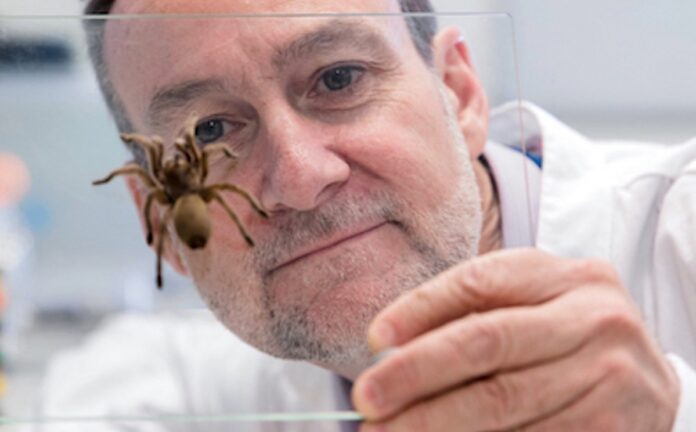
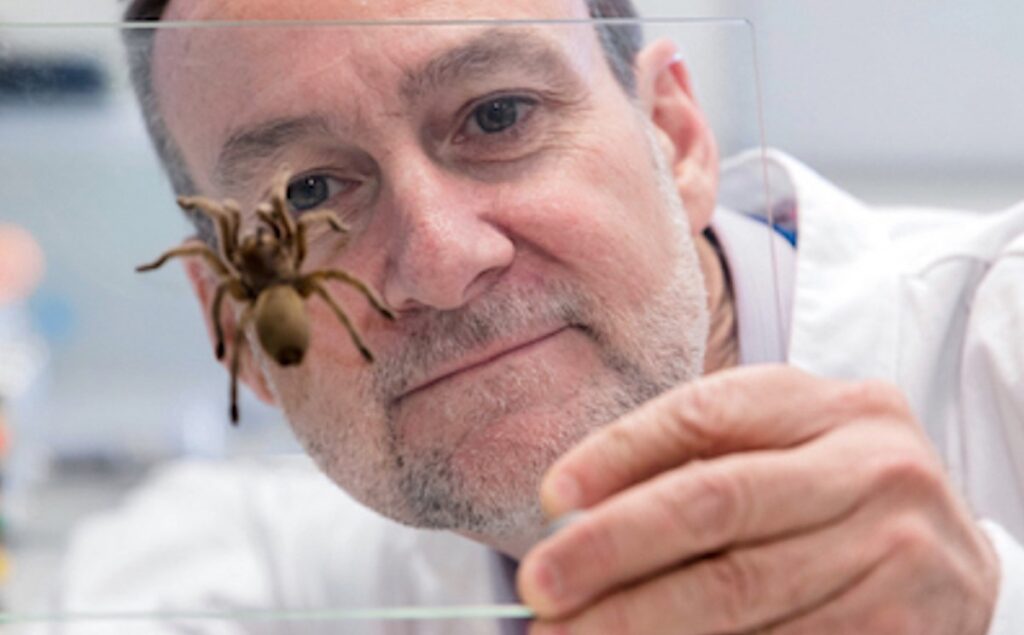
Australian researchers discovered a potentially life-saving treatment for heart attacks inside a very unlikely source–the venom of one of the world’s deadliest spiders.

Victor Chang Cardiac Research Institute

A drug candidate developed from a molecule found in the venom of the Fraser Island (K’gari) funnel web spider can prevent damage caused by a heart attack, as well as extend the life of donor hearts for organ transplants.

The discovery was made by a team led by Professor Peter Macdonald from the Victor Chang Cardiac Research Institute in Australia and colleagues at The University of Queensland.

Macdonald said this incredible result had been decades in the making:

“This will not only help the hundreds of thousands of people who have a heart attack every year, it could also increase the number and quality of donor hearts, which will give hope to those waiting on the transplant list.”

Dr Palpant, from UQ’s Institute for Molecular Bioscience (IMB), said the drug candidate worked by stopping a ‘death signal’ sent from the heart in the wake of an attack.

“After a heart attack, blood flow to the heart is reduced, resulting in a lack of oxygen to heart muscle. The lack of oxygen causes the cell environment to become acidic, which combine to send a message for heart cells to die.”

“Despite decades of research, no one has been able to develop a drug that stops this death signal in heart cells, which is one of the reasons why heart disease continues to be the leading cause of death in the world.”

RELATED: Venom From Extremely Poisonous Caterpillar May Hold Healing Tonic That Saves Lives

Dr. Palpant tested the drug candidate, a protein called Hi1a, using beating human heart cells exposed to heart attack stresses to see if the drug improved their survival.

“The Hi1a protein from spider venom blocks acid-sensing ion channels in the heart, so the death message is blocked, cell death is reduced, and we see improved heart cell survival.”

There are currently no drugs in clinical use that prevent the damage caused by heart attacks.

“The survival of heart cells is vital in heart transplants—treating hearts with Hi1a and reducing cell death will increase how far the heart can be transported and improve the likelihood of a successful transplant,” said Macdonald.

“Usually, if the donor heart has stopped beating for more than 30 minutes before retrieval, the heart can’t be used – even if we can buy an extra 10 minutes, that could make the difference between someone having a heart and someone missing out. For people who are literally on death’s door, this could be life-changing.”

RELATED: Scientists Use ‘Holy Grail’ Gene Therapy to Heal Damage Caused By Heart Attacks and it Could Save Millions

The small protein in the venom of this spider was shown to markedly improve recovery from stroke, “amazingly reducing damage to the brain even when it is given up to eight hours after stroke onset,” said UQ Professor Glenn King.

“For heart attack victims, our vision for the future is that Hi1a could be administered by first responders in the ambulance, which would really change the health outcomes of heart disease.”

This would particularly important in rural and remote areas where patients are far from hospitals—when every second counts.

This could also allow donor hearts to be transported over longer distances and therefore increasing the network of available donors and recipients.

Dr. Sarah Scheuer says their research, published in the journal Circulation, initially just looked just at the effect of venom but moved down a whole new path of discovery when they identified a specific pathway that played a key role in damaging the heart tissue after oxygen loss.

“We found that an acid-sensing ion channel played a significant role in causing injury to the heart. By blocking that channel, we were able to prevent some of the injury that usually occurs.”

POPULAR: Stem-Cell Based ‘Cure’ for Type-1 Diabetes Draws Nearer, With FDA Trials Launched

The protein has been tested in human heart cells, and the team is aiming for human clinical trials, for both stroke and heart disease, to begin within two to three years, possibly leading to a new way of reversing the damage from heart attacks by using a potent, spider-derived antidote.

(Source: Victor Chang Cardiac Research Institute)

SHARE the Healing Heart News With Friends on Social Media…

This Week’s Inspiring Horoscopes From Rob Brezsny’s ‘Free Will Astrology’

Our partner Rob Brezsny provides his weekly wisdom to enlighten our thinking and motivate our mood. Rob’s Free Will Astrology, is a syndicated weekly column appearing in over a hundred publications. He is also the author of Pronoia Is the Antidote for Paranoia: How All of Creation Is Conspiring To Shower You with Blessings. (A free preview of the book is available here.)

Here is your weekly horoscope…
FREE WILL ASTROLOGY – Week beginning August 6, 2021
Copyright by Rob Brezsny, FreeWillAstrology.com
LEO (July 23-Aug. 22):
The next two months will be a propitious time for you and your intimate allies to grow closer by harnessing the power of your imaginations. I urge you to be inventive in dreaming up ways to educate and entertain each other. Seek frisky adventures together that will delight you. Here’s a poem by Vyacheslav Ivanov that I hope will stimulate you: “We are two flames in a midnight forest. We are two meteors that fly at night, a two-pointed arrow of one fate. We are two steeds whose bridle is held by one hand. We are two eyes of a single gaze, two quivering wings of one dream, two-voiced lips of single mysteries. We are two arms of a single cross.”
VIRGO (Aug. 23-Sept. 22):
Virgo spiritual author Don Miguel Ruiz urges us not to take anything personally. He says that if someone treats us disrespectfully, it’s almost certainly because they are suffering from psychological wounds that make them act in vulgar, insensitive ways. Their attacks have little to do with what’s true about us. I agree with him, and will add this important caveat. Even if you refrain from taking such abuses personally, it doesn’t mean you should tolerate them. It doesn’t mean you should keep that person in your life or allow them to bully you in the future. I suspect these are important themes for you to contemplate right now.
LIBRA (Sept. 23-Oct. 22):
“People who feel deeply, live deeply, and love deeply are destined to suffer deeply,” writes poet Juansen Dizon. To that romanticized, juvenile nonsense, I say: NO! WRONG! People who feel and live and love deeply are more emotionally intelligent than folks who live on the surface—and are therefore less fragile. The deep ones are likely to be psychologically adept; they have skills at liberating themselves from the smothering crush of their problems. The deep ones also have access to rich spiritual resources that ensure their suffering is a source of transformative teaching—and rarely a cause of defeat. Have you guessed that I’m describing you as you will be in the coming weeks?
SCORPIO (Oct. 23-Nov. 21):
Professor of psychology Ethan Kross tells us there can be healthy, creative forms of envy. “Just as hunger tells us we need to eat,” he writes, “the feeling of envy could show us what is missing from our lives that really matters to us.” The trick is to not interpret envy as a negative emotion, but to see it as useful information that shows us what we want. In my astrological opinion, that’s a valuable practice for you to deploy in the coming days. So pay close attention to the twinges of envy that pop into your awareness. Harness that volatile stuff to motivate yourself as you make plans to get the very experience or reward you envy.
SAGITTARIUS (Nov. 22-Dec. 21):
Poet Walt Whitman bragged that he was “large.” He said, “I contain multitudes.” One critic compared him to “a whole continent with its waters, with its trees, with its animals.” Responding to Whitman, Sagittarian poet Gertrud Kolmar uttered an equally grandiose boast. “I too am a continent,” she wrote. “I contain mountains never-reached, scrubland unpenetrated, pond bay, river-delta, salt-licking coast-tongue.” That’s how I’m imagining you these days, dear Sagittarius: as unexplored territory: as frontier land teeming with undiscovered mysteries. I love how expansive you are as you open your mind and heart to new self-definitions. I love how you’re willing to risk being unknowable for a while as you wander out in the direction of the future.
CAPRICORN (Dec. 22-Jan. 19):
Poet Ezra Pound wrote a letter to novelist James Joyce that included the following passage: “You are f**king with my head, and so far I’ve been enjoying it. Where is the crime?” I bring this up, Capricorn, because I believe the coming weeks will be prime time for you to engage with interesting souls who mess with your head in enjoyable ways. You need a friendly jolt or two: a series of galvanizing prods; dialogs that catalyze you to try new ways of thinking and seeing; lively exchanges that inspire you to experiment.
AQUARIUS (Jan. 20-Feb. 18):
Blogger Mandukhai Munkhbaatar offers advice on the arts of intimate communion. “Do not fall in love only with a body or with a face,” she tells us. “Do not fall in love with the idea of being in love.” She also wants you to know that it’s best for your long-term health and happiness if you don’t seek cozy involvement with a person who is afraid of your madness, or with someone who, after you fight, disappears and refuses to talk. I approve of all these suggestions. Any others you would add? It’s a favorable phase to get clearer about the qualities of people you want and don’t want as your allies.
PISCES (Feb. 19-March 20):
I gave my readers homework, asking them to answer the question, “What is your favorite rule to break?” In response, Laura Grolla sent these thoughts: “My favorite rule to break is an unwritten one: that we must all stress and strive for excellence. I have come up with a stress-busting mantra, ‘It is OK to be OK.’ In my OKness, I have discovered the subtle frontier of contentment, which is vast and largely unexplored. OKness allows me not to compete for attention, but rather to pay attention to others. I love OKness for the humor and deep, renewing sleep it has generated. Best of all, OKness allows me to be happily aging rather than anxiously hot.” I bring this to your attention, Pisces, because I think the coming weeks will be a favorable time for you to investigate and embody the relaxing mysteries of OKness.
ARIES (March 21-April 19):
Filmmaker Federico Fellini had an unexpected definition of happiness. He said it was “being able to speak the truth without hurting anyone.” I suspect you will have abundant access to that kind of happiness in the coming weeks, Aries. I’ll go even further: You will have extra power to speak the truth in ways that heal and uplift people. My advice to you, therefore, is to celebrate and indulge your ability. Be bold in expressing the fullness of what’s interesting to you.
TAURUS (April 20-May 20):
“Look for a long time at what pleases you, and longer still at what pains you,” wrote the novelist Colette. What?! Was she making a perverse joke? That’s wicked advice, and I hope you adopt it only on rare occasions. In fact, the exact opposite is the healthy way to live—especially for you in the coming weeks. Look at what pains you, yes. Don’t lose sight of what your problems and wounds are. But please, for the sake of your dreams, for the benefit of your spiritual and psychological health, look longer at what pleases you, energizes you, and inspires you.
GEMINI (May 21-June 20):
If you deepen your affection for butterflies and hummingbirds, I will love it. If you decide you want the dragonfly or bumblebee or lark to be your spirit creature, I will approve. You almost always benefit from cultivating relationships with swift, nimble, and lively influences—and that’s especially true these days. So give yourself full permission to experiment with the superpower of playful curiosity. You’re most likely to thrive when you’re zipping around in quest of zesty ripples and sprightly rhythms.
CANCER (June 21-July 22):
Life is showing you truths about what you are not, what you don’t need, and what you shouldn’t strive for. That’s auspicious, although it may initially feel unsettling. I urge you to welcome these revelations with gratitude. They will help you tune in to the nuances of what it means to be radically authentic. They will boost your confidence in the rightness of the path you’ve chosen for yourself. I’m hoping they may even show you which of your fears are irrelevant. Be hungry for these extraordinary teachings.

WANT MORE? Listen to Rob’s EXPANDED AUDIO HOROSCOPES, 4-5 minute meditations on the current state of your destiny — or subscribe to his unique daily text message service at: RealAstrology.com

(Zodiac images by Numerologysign.com, CC license)

SHARE The Wisdom With Friends Who Are Stars in Your Life on Social Media…

“You don’t have to see where you’re going, you don’t have to see your destination or everything you will pass along the way. You just have to see two or three feet ahead of you.” – Anne Lamott

Brian Mann

Quote of the Day: “You don’t have to see where you’re going, you don’t have to see your destination or everything you will pass along the way. You just have to see two or three feet ahead of you.” – Anne Lamott

Photo: by Brian Mann

With a new inspirational quote every day, atop the perfect photo—collected and archived on our Quotes page—why not bookmark GNN.org for a daily uplift?


NASA Helps Firefighters By Sending Pics From International Space Station to Show Key Spots of Moving Wildfires

NASA/JPL-Caltech

A NASA instrument on the International Space Station is uniquely positioned to provide firefighters with valuable intel regarding wildfire progression and hotspots over time.

NASA/JPL-Caltech

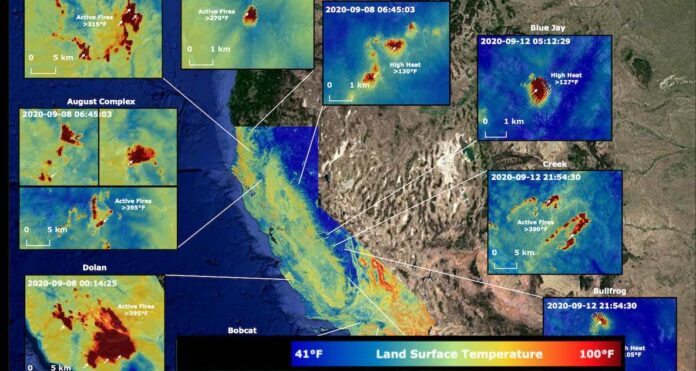
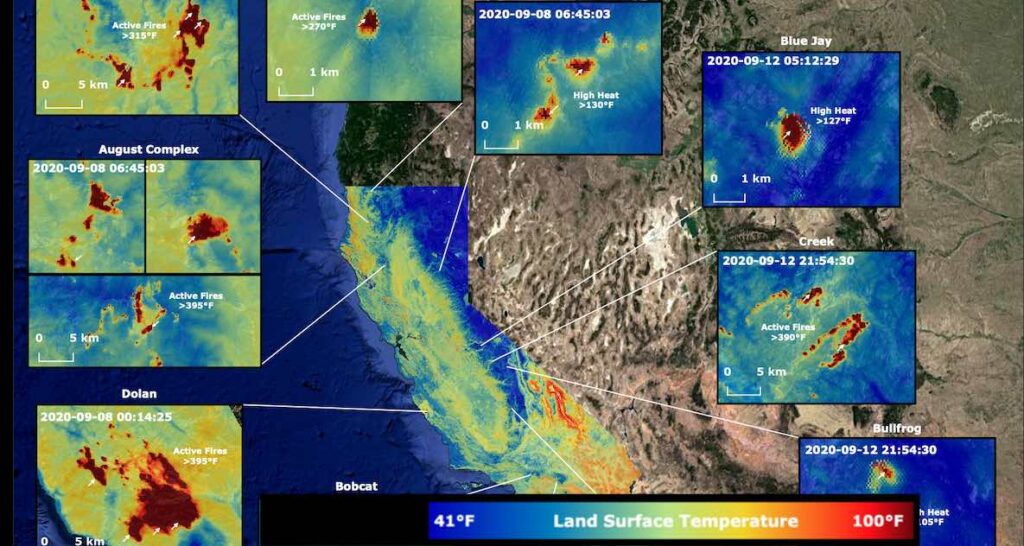
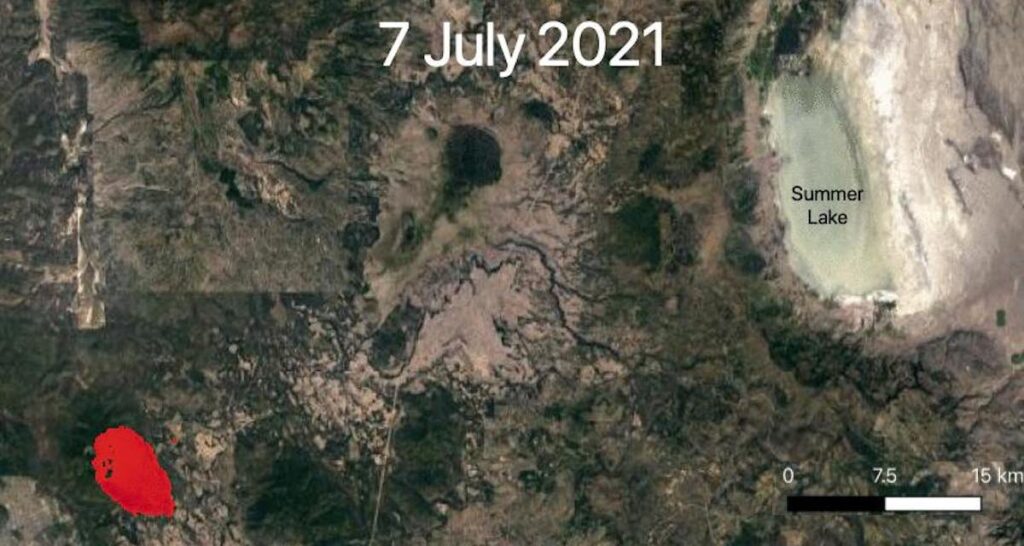
Data from the thermal maps produced by ECOSTRESS has helped frontline responders contain about 53% of the Bootleg Fire in southern Oregon, which two weeks ago was the largest wildfire burning in the U.S.

ECOSTRESS —ECOsystem Spaceborne Thermal Radiometer Experiment on Space Station— is measuring surface temperature from the vantage point of space, with the ability to observe fires at a high spatial resolution (around 70 meters), making it ideal for tracking fires.

Researchers on the RADR-Fire team at Pacific Northwest National Laboratory have been experimenting with ECOSTRESS data as part of a new tool now being implemented for first responders like the U.S. Forest Service.

In one instance, ECOSTRESS was tracking the movement of the Bootleg Fire and identifying its proximity to critical infrastructure. Areas in red represent the hottest pixels ECOSTRESS can detect. The extreme heat in the red areas indicate the fire front, or where resources are most needed.

The capabilities of ECOSTRESS are unique. Most satellites don’t have high-enough resolution to track the fine line of the fire front, but when they do achieve higher resolution than ECOSTRESS, they require 5–16 days to return to the same area again, while the space station crosses overhead twice in one day.

RELATED: Teen Invents Clever Fire Extinguisher to Save Your Home While You’re Away

NASA/JPL-Caltech

ECOSTRESS also captured data over Northern California’s Dixie Fire, which had doubled in size to more than 220,000 acres in a few days.

CHECK OUT: After Massive Wildfires, DroneSeed is Replanting Trees 6x Faster By Using Special Drones

More than 7,000 personnel at the end of July were involved in the wildfire response to the two fires. Although they have a variety of tools at their disposal, the use of spaceborne high-resolution data like that provided by ECOSTRESS serves as a good example of the versatility and real-world impact satellite data can provide.

Follow all the ECOSTRESS News on the Jet Propulsion Lab website.

MORE: PG&E Says It Will Bury 10,000 Miles of Power Lines to Reduce California Fire Risk

SHARE the Wildfire Innovation With Your Western Friends on Social Media…