














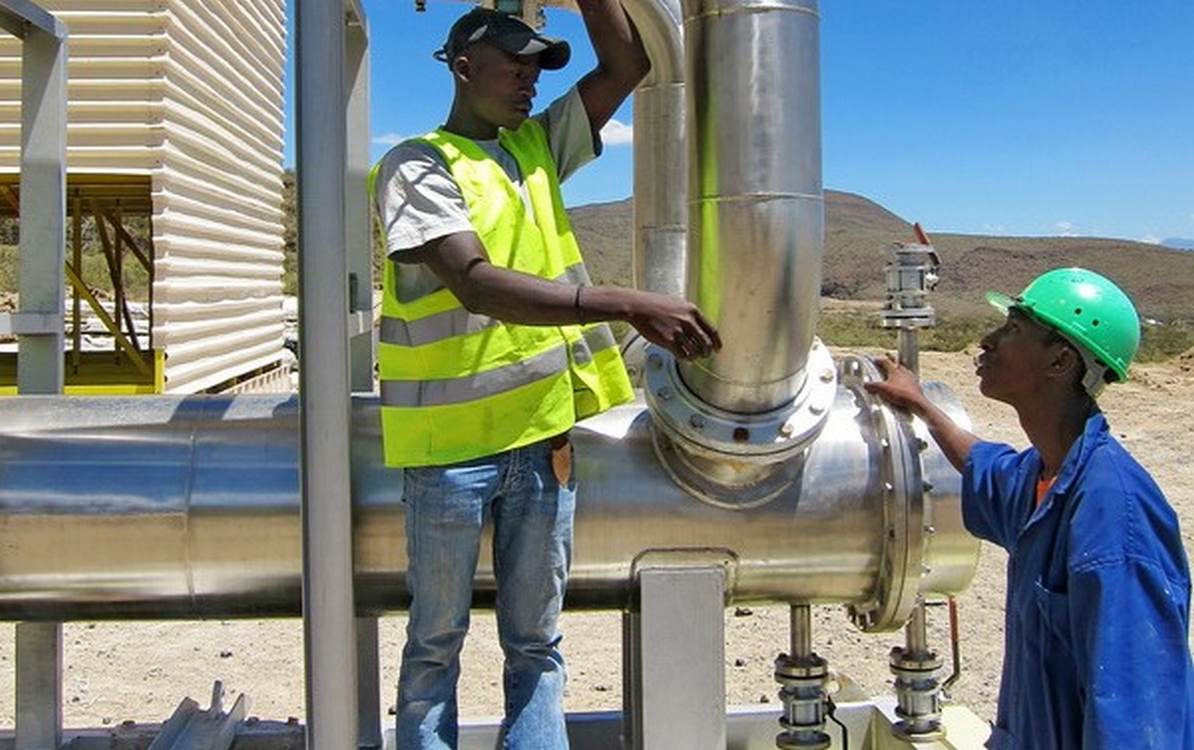
50 million Africans living in 40 countries now have access to electricity for the first time thanks to a $15 billion development initiative by the World Bank and African Development Bank Group (ADB).
Called Mission 300, it aims to halve the number of people living without reliable electricity by 2030 by pioneering and working to finance and implement National Energy Compacts—fixed agendas for public ministries, commercial operators, and investors to coalesce around.
African development has been a mixed story since the end of colonialism, with shining examples of Botswana and post-war Rwanda clashing with others like Zimbabwe or Sierra Leone.
It’s a testament to these earlier failures that 600 million people could still be living without electricity on the continent. There’s nothing mysterious about why economies grow and why they don’t, in the same way that there’s nothing mysterious about how to finish an ultra-marathon: that doesn’t make it any easier.
Mission 300’s National Energy Compacts may finally be the ticket, at least regarding electrification. Indeed, households are receiving their first stable power supplies twice as frequently now as when Mission 300 began in 2024, and more than 30 countries have now created or are already working under a National Energy Compact.
In Tanzania, for example, 7.5 million people have gained access to power under Mission 300—a five-fold increase in the average annual pace of electrification prior to the initiative.
In Ethiopia, 4.6 million people have been connected, supported by reforms that made grid connections more affordable.
MORE AFRICAN DEVELOPMENT: African Continent Gains 10 Years of Life Expectancy Since 2000 Despite Wars, Famine, and Instability
“50 million people connected is a milestone—but the bigger story is the pace and the partnership behind it,” said Ajay Banga, President of the World Bank Group.
“Mission 300 is helping countries move faster, connect more people, and build a platform that will last well beyond this effort — one others can use, build on, and scale for years to come. At the end of the day, electricity is not just about power. It is about what it enables: jobs, business, health care, education, and opportunity.”
ALSO CHECK OUT: Tunisian Solar-Powered Cars Leverage African Sunshine to Charge 30 Miles for Free Everyday
To date, the African Development Bank Group and the World Bank Group have committed nearly $15 billion in financing and attracted about $4.5 billion in co-financing for Mission 300-related projects, while additional development partners have pledged more than $7 billion in support of Africa’s energy sector.
SHARE This Great New For Africa With Your Friends…