














Happy Birthday to director-screenwriter George Lucas who turns 81. Receiving 5 Oscar nominations (including Best Picture) for his 1973 debut film American Graffiti proved that he could write and direct, and producing the groundbreaking science fiction franchise Star Wars proved he could create a cultural phenomenon worth billions of dollars. He also dreamed up Indiana Jones, played by Harrison Ford in the blockbuster 1980’s trilogy that opened with Raiders of the Lost Ark. READ about his surprising background… (1944)
EU Passes Animal Protection Law for Keeping, Breeding, and Selling


The European Parliament has agreed on the bloc’s first set of rules governing animal welfare that will cut out harmful breeding and ownership practices.
The vote came in with 558 in favor, 35 against, and with 52 abstentions. It has already been green lit by the European Council, and will enter into effect for breeders and organizations that sell or adopt animals after the next 4 years.
The law will ban all breeding practices that result in physical deformation for aesthetic appeal, including for “exaggerated traits.” As for which breeds that might involve, the law did not make any stipulations.
It states that “breeding strategies motivated by marketing objectives can result in certain types of dogs and cats developing ‘excessive conformational traits.'”
“Since such excessive conformational traits can lead to significant health problems for the dogs and cats concerned, breeders should exclude them from breeding programs.”
Whether that means the pug or the bulldog, or frankly most domesticated purebred cat breeds for that matter, are now illegal to breed, may very well be something for the courts to determine over the next decade.
Additionally as regards breeding, any inbreeding practice either of first order relatives or those once removed, as well as hybridization with non-domestic animals, will be prohibited.
Beyond breeding, substantial text was given in the law to laying out all the documented situations through which cats and dogs enter the European Union market through channels where animal welfare is not the priority, and where future exchanges will be regulated through welfare requirements.
This includes coming from ex-Union countries that have no established animal welfare rules, from unscrupulous breeders posing as private owners simply putting their animals out for adoption, or very scrupulous breeders who take in animals from breeders, shelters, or persons, where animal welfare standards were not observed.
Regarding animal welfare and exactly what that term means, the Union adopted the “five domains” concept of nutrition, physical environment, health, behavioral interactions, and mental state when determining welfare conditions. The objective is not only the elimination of detrimental conditions, but the guarantee of enriching conditions.
BUSINESS ON THE BLOC: Austria and Italy Finish Digging World’s Longest Rail Tunnel–Ready to Reshape Travel Maps
The law also prohibits tethering a dog or a cat to an object, except when necessary for medical treatment, and the use of prong and choke collars without built-in safety mechanisms.
It also includes common-sense provisions, such releasing citizens from responsibility for dogs and cats that live “symbiotically” on farms or in other rural areas and which generate value through pest control or other means but which do not live domestically, as well as in cases of scientific research for the purposes of testing veterinary medicine.
WELFARE DONE WELL: New Elephant Ambulance Marks Inaugural Rescue, Bringing 27-year-old to Hospital with Leg Injury
US law regarding these practices vary wildly, but will generally conform or at least acknowledge the USDA Animal Welfare Act which includes requirements for licensing based on the number of breeding females or for selling dogs “sight unseen.”
22 states actually have laws on the books to prevent legislation being created that target individual dog breeds for any purpose, though this is generally advocated by those seeking to protect breeds considered “dangerous” from legal discrimination, and who may dispute the nature of any dog as dangerous when it enjoys a proper upbringing and domestic life.
SHARE This Major Advancement Towards Better Animal Welfare In Europe…
Shanghai Achieves 98% Industrial Recycling Rates After 2019 Waste Management Plan


In 2019, the Chinese megalopolis of Shanghai began a full-steam-ahead approach to reducing solid waste generation in the city.
In that year, some 26,000 metric tons of waste was produced every day, but after 6 years of intensive investment, messaging, and habit-forming, the household recycling rate is up 10%, with 35 to 45% of all waste now finding its way to the proper collection facilities.
45% may not seem like much compared to some European successes—like that of Romania—but Shanghai is home to 25 million people, big enough to accommodate the Romanian capital of Bucharest 11 times over.
Other successes in this effort to reduce waste are more noteworthy, for example solid industrial waste has been reduced 98% in a triumph of efficiency.
Leading the way are firms like CSMET, a new materials enterprise in the city’s Jinshan district where the firm combines extra aluminum cuttings churned out by the manufacturing sector with household aluminum waste to create new aluminum products.
“We practice the concept of ‘solid waste in, resources out,’ turning waste aluminum into new resources,” said Chen Nan, vice-president of the company, who estimated that 36 million tons of CO2 and its equivalents have been prevented by the company, which use 130,000 tons of aluminum scraps and recycled items every year.
CSMET is outside the city center where much of the fabrication and manufacturing occurs, so collection is simple. Shanghai’s authorities have relied on sometimes small, “in-the-area operations” to reduce the logistical strain of moving waste around the city that’s more than thrice the area of Houston Texas.
In the district of Hongkou, a pilot composting operation is turning 220 pounds of organic household waste per day into fertilizer using microbial digestion. Lei Guoxing, a local community leader, spoke with China Daily on how it’s performing.
“Now, with kitchen waste being transformed into fertilizer for plants at their doorsteps, residents can directly experience how waste is turned into treasure… reinforcing their habit of waste sorting,” Lei said.
When the changes were being rolled out in 2019, fines for improperly sorted waste increased 10-fold for businesses, while residents could find their trash still sitting on the roadside if the collection workers determined it wasn’t sorted.
GREENER CHINA: How Beijing Restored its Aquifer and Reversed its Groundwater Depletion
Four simple categories of recyclables, hazardous waste, organic waste, and residual waste were established and new bins and vehicles were commissioned to help differentiate these.
Various restrictions on single-use, nonrecyclable objects like disposable slippers in hotels and disposable tea cups in offices came into place. This resulted in a boom for companies specializing in manufacturing eco-friendly disposable products.
One, Bluepha, utilizes used kitchen oil or “gutter oil,” a disgusting and rather unique source of urban pollution from street food vendors, as a source of carbon for the production of polyhydroxyalkanoates, or PHAs, which can then be used to make disposable tableware like take-away containers and flatware. The oils in this case are replacing petroleum products.
TACKLING GARBAGE: 6 Million Pounds of Compost Given to NYC Gardeners in 2025 in Ongoing Organic Waste Collection Effort
Each metric ton of kitchen waste oil can produce 0.67 to 0.8 tons of PHA, generating about $4,360 in value, or 4-times as much as if the oil went to make biodiesel. China Daily reported that the company claims replacing 1 ton of traditional plastic with 1 ton of PHA can reduce 1.54 tons in pollutant emissions, and their products are catching on worldwide, including in McDonald’s global packaging supplier TMS.
It’s not surprising then that out of a national waste management score of 100, Shanghai scored 86.9—the highest for a city of its size in the country.
SHARE This Impressive Effort To Get Waste Production Under Control In A Megacity…
Vital Island Home for Endangered Monk Seals Gains Marine Protections from Greece


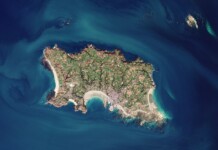
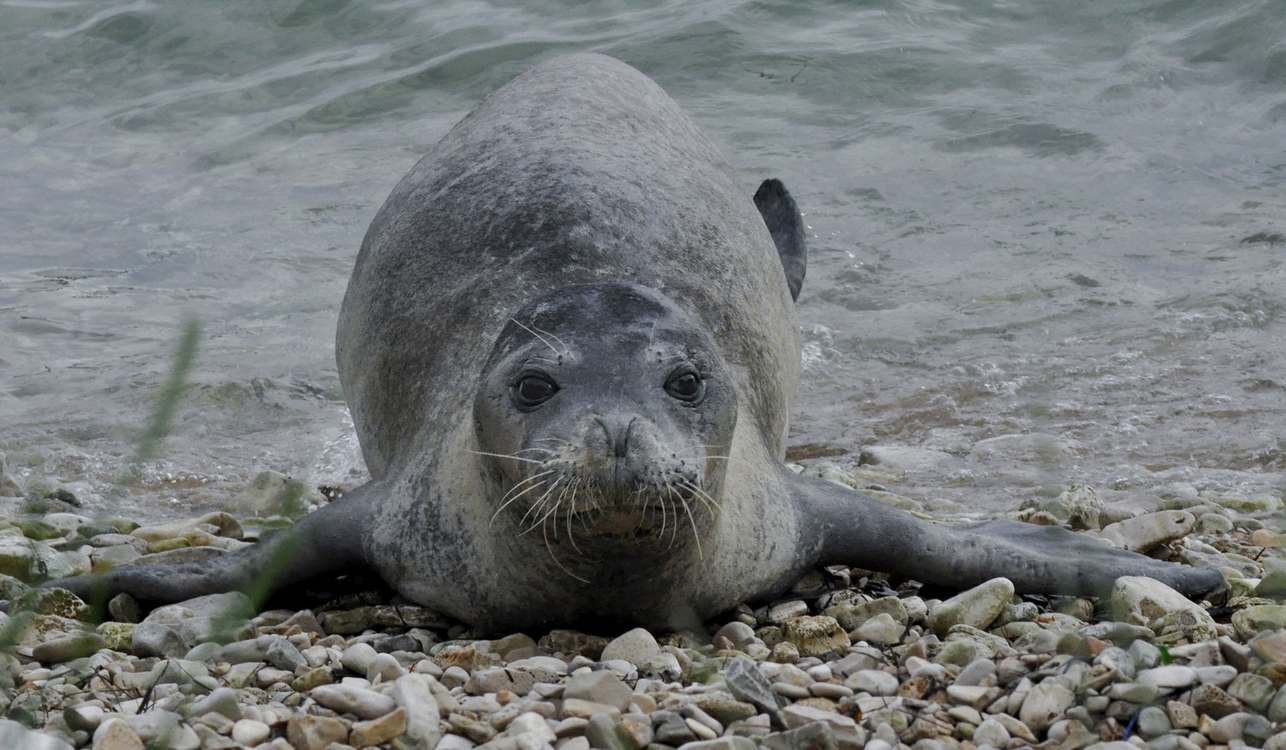
With the flourish of a pen, the President of Greece recently signed into law a new marine protected area at the national level around Gyaros, an uninhabited island in the Cyclades that hosts the world’s largest colony of Mediterranean monk seals.
These seals are among the most endangered marine mammals in the world, and despite Gyaros being used as a naval targeting range by the post-independence Greek navy, they continue to breed and thrive on the island.
Until now, protections thereupon have been provincial in scope, with limited enforcement power. Under the new marine protection law, authority over Gyaros will come under the cooperation of the coast guard and the Ministry for Environment and Climate Change.
Beyond monk seals, Gyaros is recognized as a biodiversity hotspot in the Aegean, with threatened shearwaters and ample pelagic life.
Gyaros was used as a place of exile since Roman times, and in the Satires, the Roman poet Juvenal references it in a piece dedicated to Alexander of Macedon.
One globe was not enough for the youth from Pella,
He seethed within the narrow confines of the world,
as if he were hemmed in by the cliffs of Gyara…
This reputation for inhospitable confines proceeded up until the 20th century when a detention center was built to house political prisoners. Gyaros’ fortunes changed when starting in 2013, the Greek City Times wrote, the World Wildlife Fund Greece began extensive ecological work the protect endemic species and restore habitat.
GREEK BITES:
- Sweltering Athens Finally Plants Thousands of Trees and Renovates Iconic Acropolis Hills with Greenery
- Honey Added to Yogurt Bolsters its Bacterial Benefits–a Classic Greek Dessert Turned Medicine
WWF Greece applauded the decision to create the marine protected area, calling it a “decisive milestone.”
“This ensures the long-term preservation of the island’s natural wealth, while also supporting local communities in the Northern Cyclades,” the organization said.
SHARE This Great Greek Effort To Protect These Seals With Your Friends…
Butterfly That Went Extinct in Britain a Century Ago Set for Return to Famous Rewilded Estate Land

As GNN has reported before, Britain loves her butterflies, and this black-veined beauty is getting special attention as it prepares to re-establish itself across the island.
Extinct in the UK since the early 20th century due to land-use changes, habitat loss, and harsher weather due to climate change, the black-veined white butterfly seems set for a return thanks to a reintroduction project.
The work has been organized by the Knepp Wildland Foundation, the nonprofit arm of Britain’s most famous rewilding project on Knepp Estate in West Sussex, where a struggling landowner turned his family’s failing ancestral farm into one of the most biodiverse places in England.
The mosaic of newly-naturalized wooded grasslands teems with animals, including large concentrations of endangered birds like nightingales, and insect species like the purple emperor butterfly.
The black-veined white butterfly is still widespread across continental Europe, and for the reintroduction program larvae were flown from France in special containers. They overwintered in flight cages in Devon where they’ve been monitored by Knepp’s partner Ambios Ltd.
The work is an ongoing collaboration between Ambios, Butterfly Conservation, The Zoological Society of London, and Natural England.
Early signs suggest the insects are doing well, growing as would be expected on hawthorn and blackthorn shrubs that make up their diet and habitat.
This is especially encouraging since, according to Bird Guides UK, several attempts to reintroduce this butterfly have failed.
INSECT INTRIGUE:
• Beautiful Tortoiseshell Butterfly Recolonizes England Decades After Elm Disease Had Eliminated it
• European Orchard Bee is Now a Valuable Pollinator in UK–As Weather Warmed
• Scientist Discovers New Bee Species with ‘Devil-like’ Horns–Names Her ‘Lucifer’
Prior to the importation, Knepp Wildland Foundation carried out extensive climate and environment studies to ascertain whether conditions across Southern England, and Britain more broadly, would be appropriate for these Lepidopterans after such a long absence.
If all goes the plan, future operations will try to connect the population to ancestral hotspots like Devon and the south coast, where Knepp is already hard at work restoring the butterfly’s homeland.
SHARE This Great Work To Recover Britain’s Butterfly Species…
“Let the hurt soften you instead of hardening you.” – Bryant McGill

Quote of the Day: “Let the hurt soften you instead of hardening you.” – Bryant McGill
Photo by: Jacki Drexler
With a new inspirational quote every day, atop the perfect photo—collected and archived on our Quote of the Day page—why not bookmark GNN.org for a daily uplift?

Good News in History, May 13

Happy 70th Birthday to Sri Sri Ravi Shankar, the spiritual leader and founder of the Art of Living Foundation. Born in India, he traveled with his teacher Maharishi Mahesh Yogi, giving talks on Vedic science, and setting up Transcendental Meditation and Ayurveda centers. Emphasizing that joy is only available in the present moment, he tries to create a world free of stress and violence. In 1992, he started a practical prison program to rehabilitate inmates and help them reintegrate into society. He has worked for peace in more than six countries, including the Kashmir-India region. LEARN more and WATCH his video: ‘Don’t analyze yourself too much’… (1956)
Conservationists Successfully Tackle Invasive Trees and Fish in Vital South Africa Ecosystems

In South Africa, a coordinated series of projects has removed dangerous infestations of invasive species from 13,000 acres of important native habitat.
Between 2017 and 2025, groups working under the banner of the International Union for the Conservation of Nature (IUCN) embarked on a series of efforts targeting invasive alien species through a combination of habitat restoration, biological control, invasive-species management, and community-based conservation methods.
Invasive and alien species of plants and animals cost the African continent’s crop, fisheries, livestock, and eco-tourism industries some $65 billion annually. Summarized in a report on the 3-pronged assault on invasive trees and non-native fish, the IUCN found that the broader the approach, the better the results.
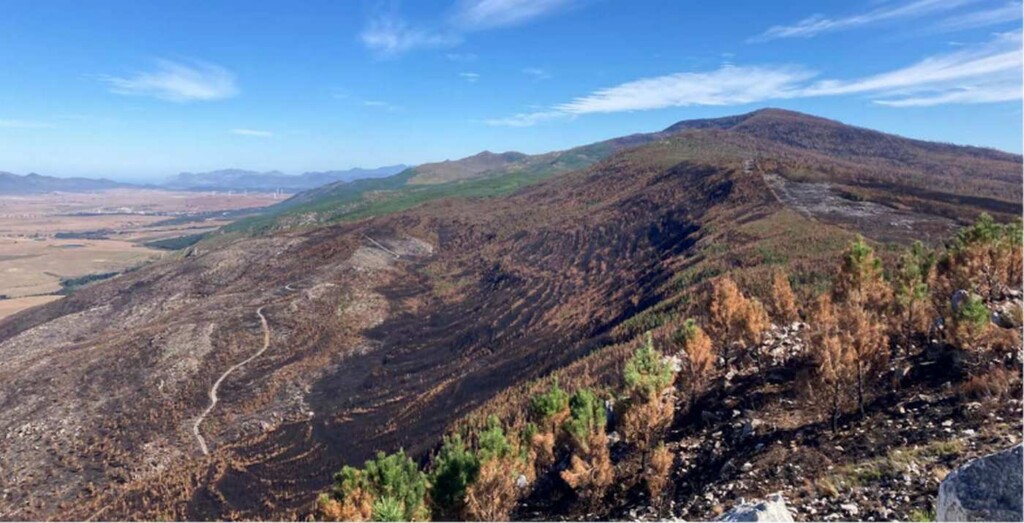
In the Western Cape region, the removal of invasive maritime pine trees through controlled burning and manual clearing on the Klein Swartberg Mountain restored over 8,500 acres of habitat for the Critically-Endangered rough moss frog (Arthroleptella rugosa). The thirsty pines’ ability to soak up water was rapidly depleting wetlands these frogs depended on.
The dense stands of pines also greatly increased the risk of catastrophic wildfires, which would ultimately prove to be their undoing, as conservationists from the IUCN-affiliated Endangered Wildlife Trust utilized a controlled burn that eliminated the pines. Post-burn field surveys uncovered 6 previously-unknown subpopulation strongholds for this frog.
In a similar story, manual clearing of invasive Eucalyptus and Acacia trees in Cape Town’s Tokai Park helped re-establish native fynbos vegetation needed for another amphibian, the western leopard toad, while providing hands-on ecological restoration training for young conservationists.
Just as the pines on Klein Swartberg disrupted the soil hydrology, these trees disrupted the soil microenvironment that the native trees had evolved to flourish in. The Tokai situation was critical because the loss of native vegetation threatened the Cape Flats Sand Fynbos ecosystem, a unique and highly biodiverse vegetation type found only in the Cape Floral Region.

Undertaken by Friends of Tokai Park, 12 acres were manually cleared of Eucalyptus and Acacia by a team of professionals and interns who then planted 4,500 native seedlings. The operation was a success, with invasive vegetation decreasing 22% and native vegetation recovering 28%.
The third story of triumph against invaders also came from the Western Cape. The Clanwilliam sandfish (Labeo seeberi) project applied a “rescue–rear–release” method combined with alien-fish removal to create predator-free freshwater sanctuaries, resulting in a doubling of spawning populations in the Biedouw River.
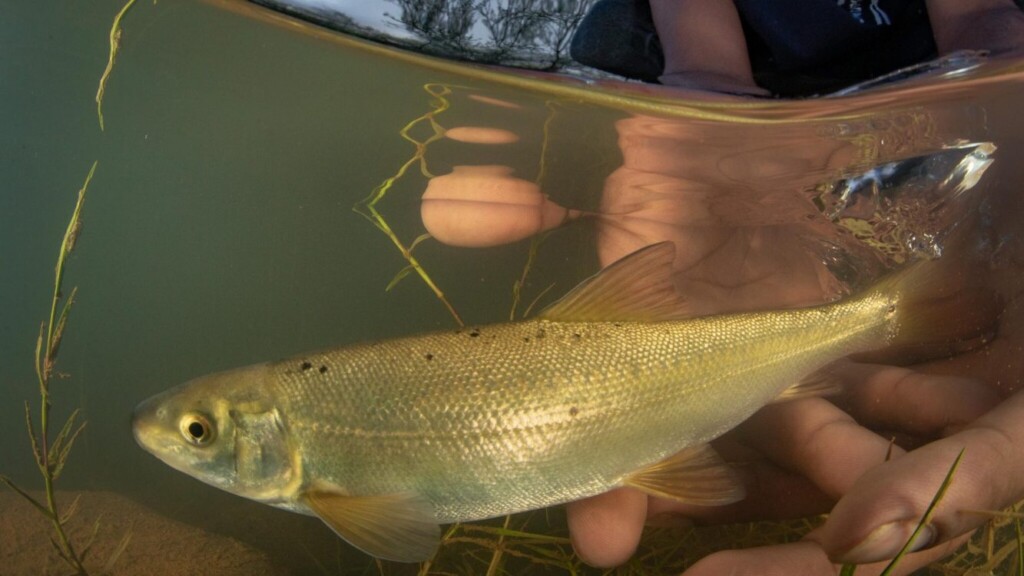
The Clanwilliam sandfish is South Africa’s most-endangered migratory freshwater fish, and predation by invasive species like bass and bluegill has severely diminished the survival rate of the juvenile sandfish.
MORE STORIES LIKE THIS: Planting 30,000 Trees Surpasses Goal for Regenerating a Rainforest on the Isle of Man
Because the animal lives its whole life on the move, it’s impossible to conserve it in-situ, as even beyond the reach of bass and bluegill, land-use changes, agricultural runoff, dams, and other hazards would simply put the sandfish at risk again further along its range.
Instead, animals were rescued from highest-risk wild areas and raised in controlled, predator-free environments managed by the Freshwater Research Center, where they could mature to a size that made them too big for the invasives to eat.
Later monitoring of spawning migrations in the Biedouw River recorded a substantial increase from 78 migrating individuals in 2020 to 180 in 2021, indicating a strong positive response to the approach that included eliminating bluegill and bass with nets whenever possible.
ALSO IN SOUTH AFRICA: Radioactive Isotopes Being Embedded in Rhino Horns Seen as ‘Magical’ Anti-Poaching Solution
Global conservation dollars towards combatting native species are often spent on islands, which are by nature contained systems that can easily be controlled. Continent-scale landscapes are at far greater threats from invasive species which can spread in all directions and beyond capable jurisdictions.
The report published by the IUCN was an attempt to show that combatting invasive and alien species is possible provided the effort involve as many stakeholders as possible, and employ the most comprehensive strategy of elimination, restoration, and control as can be afforded and implemented.
SHARE These Local Efforts To Combat Invasive Species…
Jamaica Celebrates 40% Drop in Murders Driven by 94% Increase in Police Tip-Offs
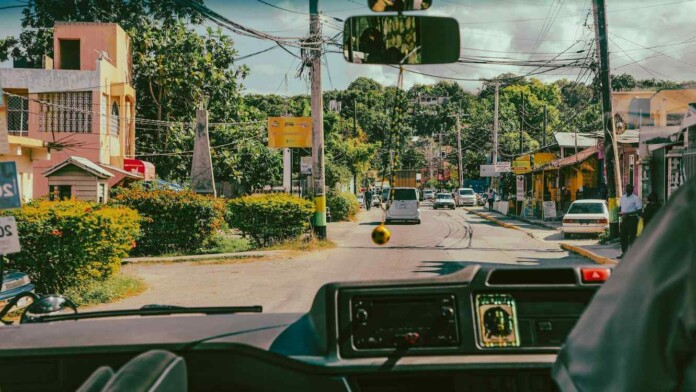
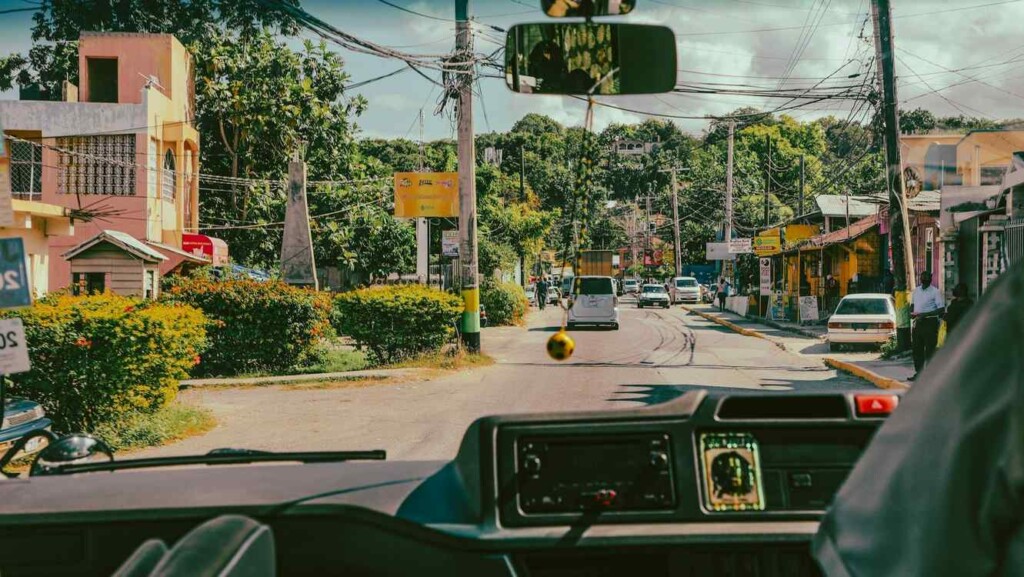
After a major drop in violent crime, Jamaicans should be set to earn something of a “peace dividend” said the island’s Minister of National Security and Peace, Dr. Horace Chang.
The drop was much of the island’s own making, as it was characterized by record numbers of police tips, many of which were submitted without request for posted rewards.
Tips increased by 94% last year while homicides fell 40%. Jamaica is famously violent, and 2024 saw over 1,100 murders. The 2025 total of 673 is the first time since 1993 that total annual murders came in at below 700.
Dr. Chang was addressing the 2026 Sectoral Debate in Parliament, and said that the flood of tips shows that islanders are standing up for their communities, leaving the tip reward money on the table for reasons of “patriotism.”
“This shows that it is not about money. It is about patriotism. It is about trust. It is about citizens taking a stand for their communities. This is something we must celebrate,” said Chang, who is also the deputy prime minister.
“This partnership between citizens and law enforcement is one of the strongest signals that Jamaica is not only becoming safer, but that Jamaicans themselves are leading that change.”
The peace dividend he mentioned will be safer streets, better opportunities for children and businesses, and stronger, intact families.
MORE STORIES LIKE THIS: Number of London Homicides Falls to 11-year Low Equating to Record Lowest Homicide Rate Ever
According to Chang, a major cause for the decline in homicides has been advancements in port and border control, featuring enhanced cargo screening to ferret out illicit firearms and ammunition.
With a homicide rate of 23 per 100,000 residents, Jamaica has majorly improved from its position as one of the most violent countries in the world, and while it still ranks among the more violent nations of the world, it’s now one of the safer countries in the region—Central and South America and the Caribbean—where national murder rates are the highest anywhere on the planet.
SHARE This Positive Step In A Peaceful Direction With Your Friends…
Offshore Wind Turbine Prototype Powers an Onboard Data Center, While the Sea Disperses the Heat


An offshore wind power firm has developed a prototype turbine that hosts a 12-megawatt data center within its ballast tanks.
The demands of AI computing have driven data center developers to seek creative solutions when building these incredibly power-hungry installations.
One is to build them into floating offshore installations where renewable energy can be gathered to power them, and where the cold ocean waters can disperse the heat generated by the data banks.
Wind power company Aikido has developed a novel data bank/wind turbine product that will be deployed in the North Sea as a prototype in 2027. With 100 KWh of computing power, it will test whether or not Aikido’s design can work effectively to disperse heat and resist the famously corrosive marine environment.
“We have this power from the wind. We have free cooling. We think we can be quite cost competitive compared to conventional data-center solutions,” Aikido CEO Sam Kanner told IEEE Spectrum.
“This crunch in the next five years is an opportunity for us to prove this out and supply AI compute where it’s needed.”
If the prototype works, a full-scale device could be deployed by 2028. The design piggybacks off of state-of-the-art, floating, offshore wind turbines. Rather than being drilled into the seabed, the installation will float on the waves supported by a tripod of ballast tanks that extend 60 feet down into the sea.
The bottom two-thirds of the tanks will be filled with freshwater to keep the structure upright, while the top third will be where the data banks are stored. Fresh water is pumped up to a combination safety-cooling chamber that divides the two units, where it will quickly absorb the heat from the devices.
Afterwards the water will be pumped back to the bottom of the ballast tank and disperse the heat into the colder marine environment.
Data centers currently suffer from a “not-in-my-backyard” phenomenon on land. Their incredible rate of energy consumption has been found to drive up local electricity costs, while they also require substantial amounts of land and cooling power. There is noise pollution complaints as well.
As a result of these obstacles, developers are looking more and more at how to build a data center without community input—far offshore is one solution, another one is even crazier: outer space.
Orbital is a space startup looking to transfer humanity’s computing power into Earth’s orbit where the frigid vacuum of space would deal with the cooling issue, and unlimited power from the Sun would generate the electricity.
Orbital’s first satellite is set for a 2027 launch aboard a SpaceX Falcon 9 rocket, aiming to validate GPU operations in space and support AI inference workloads with no demand for real estate or grid-level power demand.
COMS AND COMP: NASA Sends Data Over 10 Million Miles for the First Time Using a Laser
Current data center footprints in just the US consume 75 gigawatt hours of electricity, and this is expected under economic conditions without a recession to grow to 135 gigawatt hours by the end of the decade. Only nuclear power, it’s believed, is dense and modular enough to satisfy these requirements.
In space, the solar constant of 1,361 Watts/m² is uninterrupted by Earth’s reflection, particle scattering, and weather conditions. That power is limitless, predictable, and guaranteed, allowing for precise, deliverable computing without any interruption.
The idea seems to reflect the early stage of the “Dyson sphere” concept put forward in the 1960s by renowned British American physicist Freeman Dyson.
MORE BIG DATA STORIES: Maryland to Become First US State to Ban Surveillance Pricing That Charges More After Mining Personal Data
His idea was that, similarly to how metal smelting marked the end of the Stone Age and the start of the Bronze Age, all advanced civilizations would eventually harness the power of the star at the center of their home star system.
They would likely build a sphere, Dyson wrote, consisting of “a loose collection or swarm of objects traveling on independent orbits around the star.”
SHARE These Great Alternatives To Land-Based Data Centers…
44 Miles of Major Balkan River Freed from Wartime Concrete Obstruction – LOOK
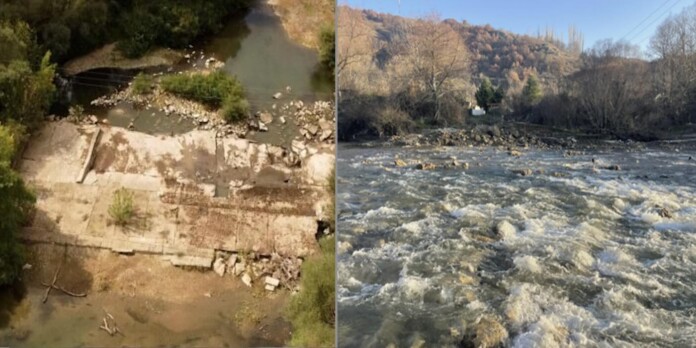
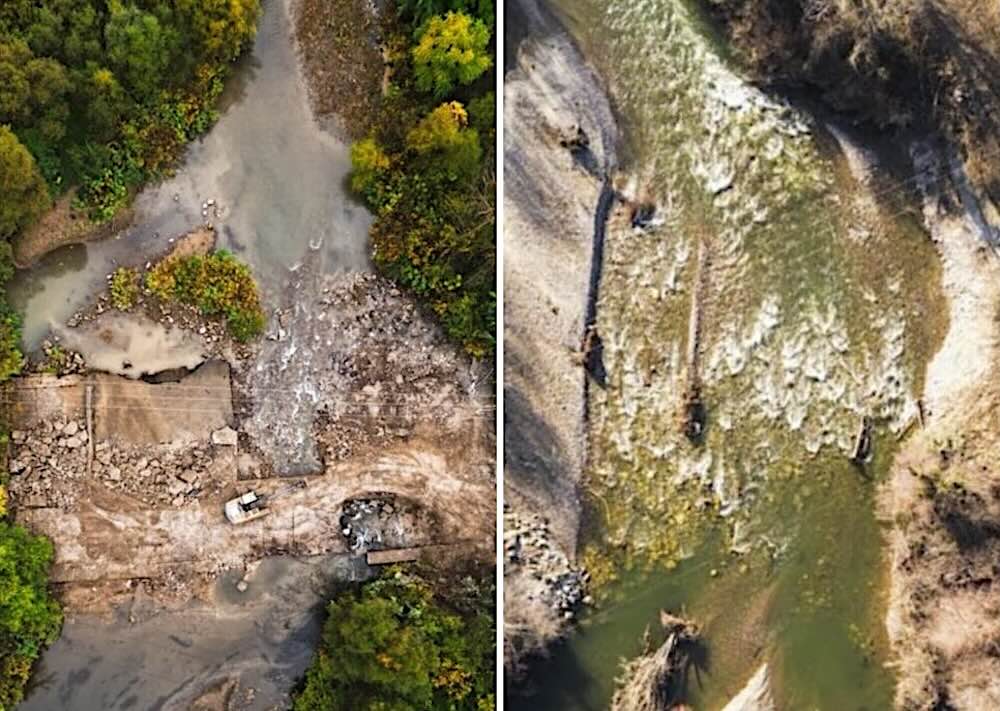
In a small slice of good news from a far corner of Europe, native fish are swimming freely on an important river after conservationists removed a wartime concrete obstruction.
The Pchinja River runs 80 miles through North Macedonia and into Serbia, but more than 40 miles of its path were interrupted by a mound of concrete built to allow battle tanks to cross the river during World War II.
Located in the Northeast corner of the country near its second largest city of Kumanovo, the barrier had slowed the water flow such that stagnation, depletion of oxygen, and buildup of pollutants and garbage had significantly degraded the water quality.
According to local environmental group Eco Awareness, the Kumanovo Municipality finally began work to remove the obstacle last October with the help of the national environmental authorities.
“This is the largest obstacle that has been removed so far in Macedonia, but also in Europe,” says Ana Čolović Lesoska from Eco-awareness.
“The public opinion poll conducted by the Brima agency in October 2025 shows that 91% of the population supports the removal of unnecessary river barriers. This shows a strong awareness of the health of rivers and the need to preserve them.”
MORE RIVER STORIES:
- China’s Yangtze River Rebounds After Fishing Ban and Investment to Reemploy 200,000 Fishermen
- Young Atlantic Salmon Seen in Three English Rivers for First Time in a Decade
- Primeval Sturgeon Swim Again in Sweden After Scientists and Anglers Unite to Bring Them Back
As a result of the removal, 40 miles of the Pchinja River have been released to flow freely once again into the larger river systems downhill before the Pchinja meets the Vardar River in Greece.
Eco Awareness wrote that it had identified some 45 dams and other obstructions on the river that are no longer fit for purpose and should probably be removed. The group added that across Europe, derelict and redundant dams are being removed constantly, with some 525 demolished over the past few decades.
Under the banner of the Open Rivers Program supported by the EU, Eco Awareness aims to receive support in a campaign to remove all of these barriers and return the Pchinja River to a free-flowing and wild state.
SHARE These Local Activists Making North Macedonia Greener…
“We may achieve climate, but weather is thrust upon us.” – O. Henry

Quote of the Day: “We may achieve climate, but weather is thrust upon us.” – O. Henry
Photo by: Tom Barrett
With a new inspirational quote every day, atop the perfect photo—collected and archived on our Quote of the Day page—why not bookmark GNN.org for a daily uplift?

Good News in History, May 12
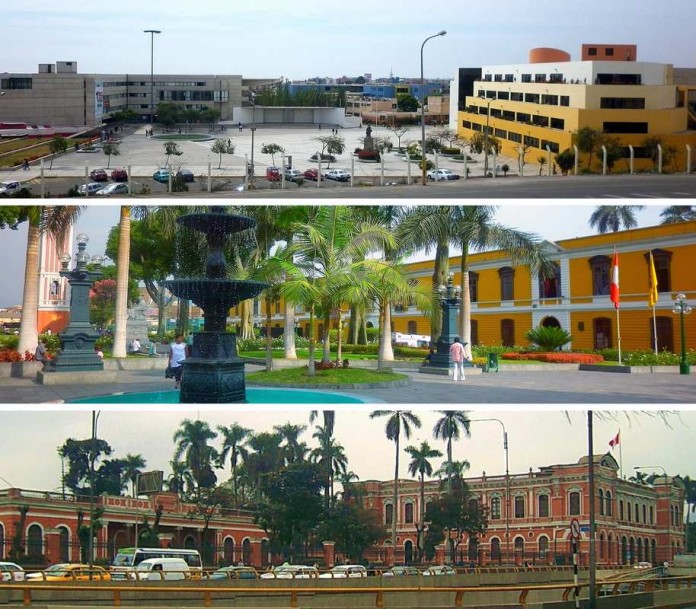
475 years ago today, the National University of San Marcos was founded in Lima, Peru. It is considered the most prestigious center of learning in the country, and is the oldest continually operating university in the Americas. Hardly existing as a relic, and much like Oxford and Cambridge, this antique institution leads the country’s education sector in scientific papers published, and twenty-one presidents, five candidates for Nobel Prizes of Physics, Literature, and Peace—of the total of six Peruvians nominated between 1901 and 1964, and a Nobel Prize winner—Mario Vargas Llosa, have been graduates and/or professors at San Marcos. READ more about what this special university contains… (1551)
Homeless Man Helps Find and Return Stolen Dog’s Ashes, Receives Thousands to Get Back on His Feet


A Seattle man homeless for 7 years is getting a fresh start after he found and returned the priceless memorial relics of a deceased family dog.
When Holly and Brandon Dunn’s car was broken into in Seattle’s University District, the thief made off with the most irreplaceable items they owned: the ashes, ceramic paw prints, and a memorial stuffed animal of their late Chihuahua, Tia.
Thieves rarely look at anything they take. With time being squarely of the essence, they just grab everything that’s not bolted down and go through it later. This was exactly what happened with Holly and Brandon’s car, as the thief would later deposit the (to him) worthless remembrances in a bag in a dumpster.
The homeless man, named Chris, came across the bag and, knowing it mattered to someone, held onto it until he spotted a flyer which the Dunns had put up. He didn’t hesitate to reach out, and didn’t ask for anything in return.
Now, as Chris moves into his very first apartment after 7 years on the streets, hundreds are rewarding him for his good deed through a GoFundMe organized by Kathryn Michie, who helped post flyers in the search for Tia’s remains.
It has so far raised than $5,600 toward his rent, furniture, and care for Reo, a dog he rescued from the street.
“I just got off the phone with Chris and he’s absolutely floored with the support from this community!” Michie wrote in a May 6th update. “Thank you to everyone who is changing his life for the better. He is such an angel and deserves all the help!”
There are still $1,000 dollars left before the fundraiser reaches its 7-grand goal. Donations can be made on the GoFundMe page.
SHARE This Uplifting, Heartwarming Happening Among Kind-Hearted Seattlites…
Dancer with ALS Performs on Stage Again Through Digital Avatar–WATCH


Brain interface technology allowed a dancer suffering from ALS to project her imagination onto the stage in the form of a mixed reality avatar that pranced around a theater in Amsterdam as part of a first-of-its-kind performance.
Whether tense or free, timid or morose, the avatar encapsulated all the long years of training that saw Breanna Olson become a successful dancer before the disease confined her to a wheelchair.
The incredible moment gave Olson a chance to dance again, something she had not been able to do for years after being diagnosed with amyotrophic lateral sclerosis, the most common form of motor neuron disease.
“I never dreamed that I would be able to dance on stage again,” she said. “It was just a beautiful and memorable moment I will remember for the rest of my life.”
ALS affects the nerves, brain, and spinal cord, weakening and stiffening them over time which can lead to difficulty talking, breathing, and swallowing. There is no known cure and the disease is fatal.

A subsidiary of the Japanese conglomerate Dentsu, Dentsu Lab gave Olson the opportunity to become involved in its “Waves of Will” project that sought to use advanced brain interface technology to help those living with disabilities recapture their personal expression and identity.
Their new brain interface which the Lab developed in concert with a data tech firm NTT uses an electroencephalogram headset that captures the brain activity of Olson, and translates certain electrical signals into dance moves. Olson envisions how she would execute a movement, and the interface delivers it through normal computer instructions to a projected avatar which then performs the motion.
MORE STORIES LIKE THIS:
Olson told the BBC that it requires extreme focus and concentration to imagine the precise details of any particular movement for the avatar. She said that it did exactly what the project’s aim was: to give personal expression back to someone like her who had lost that freedom.
In December, at the OBA Theater in Amsterdam, Olson and her Avatar danced around the stage as part of a Waves of Will performance, which Dentsu Labs called the first of its kind anywhere in the world.
WATCH the avatar move below…
SHARE This Inspiring Interface Between Technology And Talent…
Australia Becomes 30th Country to Eliminate Trachoma, Leading Cause of Infectious Blindness


Australia has become the 30th nation worldwide to eliminate trachoma as a public health concern according to multiple statements.
The leading cause of blindness due to infectious disease, Aboriginal and Torres Strait Islander communities were still at risk of trachoma where the bacteria which causes it has persisted for years despite its earlier disappearance from the rest of the country.
Indeed from the center of Melbourne or Sydney, one could never imagine that Australia could continue to suffer from a neglected tropical disease that can be treated with simple hygiene procedures and antibiotics.
But the remoteness of these indigenous communities has left them vulnerable to continuous transmission for decades until Australia implemented the National Trachoma Management Program in 2006.
Trachoma is caused by the bacterium Chlamydia trachomatis and spreads through close contact with infected individuals, contaminated surfaces, and flies that carry eye and nose discharge. Repeated infections can lead to scarring of the eyelids, turning eyelashes inward, and ultimately causing blindness if untreated.
It can be eliminated comprehensively through the use of antibiotics to treat infection, promotion of facial cleanliness, and environmental improvement, as well as surgery for trichiasis if necessary.
Over time, sustained screening, treatment, and prevention activities, including improvements in housing, water, sanitation, and hygiene, led to a steady decline in trachoma prevalence in rural Australia. The country’s approach included adaptations to reflect its context, such as targeted treatment based on community-level data rather than mass drug administration.
TROPICAL DISEASES NEGLECTED NO MORE:
- Key Discovery Could Be a ‘Valuable Starting Point’ To Saving Children from Deadly Disfiguring Condition
- First African Nation to Eliminate River Blindness Treated Millions with Ivermectin to Achieve Great Success
- WHO Declares Kenya Free of This Deadly Tropical Parasite After Decades of Suffering
“Elimination of trachoma is a win… for those whose lives have been impacted by a disease that is entirely preventable,” said Mark Butler, Minister for Health and Ageing, Australia. “This major milestone is thanks to Aboriginal and Torres Strait Islander leadership, community commitment, and sustained investment over many decades.”
“The lessons from this work will inform how we approach other preventable health conditions in remote and regional Australia. Aboriginal Community Controlled Health Organizations and local health workers have been central to this success, delivering culturally safe care and community-led solutions.”
Australia is the 30th country to eliminate trachoma as a public health concern. GNN reported on Myanmar eliminating trachoma in 2020, which at the time made it the 12th country to achieve this. 18 more have achieved the same milestone since, including Egypt.
CELEBRATE Australia’s Success In Catching Rural Health Up To Urban Health…
Asiatic Wild Ass Returns to Eastern Mongolia After 65-year Isolation from Landscape Fencing
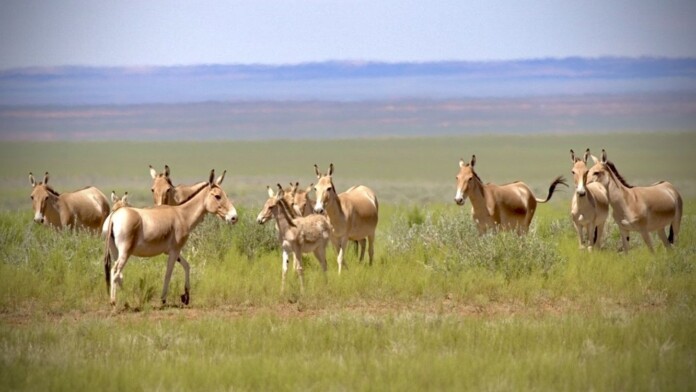
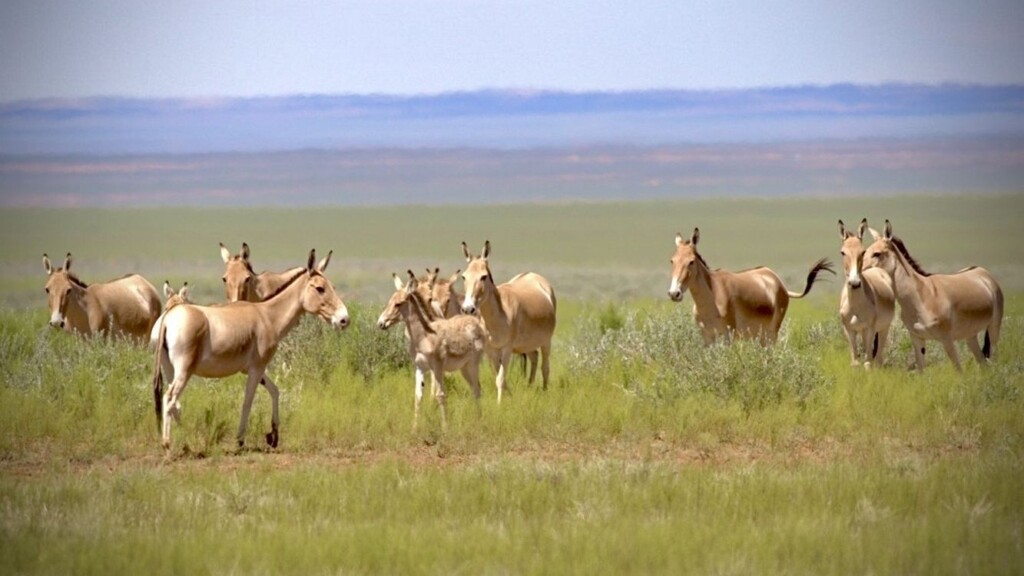
The Asiatic wild ass, known locally as the khulan (Equus hemionus), has returned to eastern Mongolia and is showing clear signs of re-establishing a population after more than 65 years of absence from the region.
For decades, fencing along the Trans-Mongolian Railway (TMR) has restricted movement of khulan and other migratory species. Recent efforts to create safe crossing points are now allowing animals to move more freely across this barrier and recolonize their ancestral lands.
Collaborative efforts between Wildlife Conservation Society, the Mongolian government, and in-country private partners have seen the fencing taken down along several stretches of the railway, while also designating a monitored, “safe passage” zone last May near the China–Mongolia border—also free of fencing.
Findings published this Month in the journal Oryx show that the interventions are working, the animals are responding to them, and that the khulan are now regularly present in multiple groups east of the TMR.
Monitoring shows that crossings occurred in recent years, and follow-up surveys have since recorded hundreds of khulan on the eastern side. This suggests that khulan are not only passing through, but beginning to re-establish in the region.
“Documenting khulan crossing this long-standing barrier and beginning to re-establish in their former range represents an extraordinary conservation breakthrough,” said Buuveibaatar Bayarbaatar, a senior scientist at the Wildlife Conservation Society who lead the study.
“It demonstrates that restoring connectivity in fragmented landscapes can support population recovery for wide-ranging species.”
The Mongolian Gobi supports the world’s largest khulan population—approximately 91,000 animals, more than 84% of the global total. The species nevertheless faces ongoing threats from habitat fragmentation, competition with livestock, illegal hunting, and climate change.
As one of the most wide-ranging terrestrial mammals, maintaining connectivity across this landscape is critical for khulan, allowing them to move between seasonal grazing areas and water sources in a highly variable and arid environment, and supporting the broader functioning and resilience of Mongolia’s steppe ecosystem.
“The return of khulan to eastern Mongolia reflects years of collaborative work with provincial authorities, border protection agencies, and railway managers, as well as careful testing of temporary fence gaps that showed wildlife could cross safely without increasing train collisions,” said Justine Shanti Alexander, WCS Mongolia Country Director.
MORE STEPPELAND STORIES: 100 Miles of Derelict Fencing Removed by Rewilders Across the Great Plains in Montana
WCS has advanced wildlife connectivity and khulan recolonization in eastern Mongolia through the vital support of several key partners, not least of which was the Mongolian government.
Plans are advancing for a new local protected area east of the railway to support long-term habitat security and khulan recolonization.
YOU MIGHT ALSO LIKE: Chinese Pangolins Growing Steadily in the Wilds of Southern China for the First Time This Century
An unsubstantiated claim on Mongolia’s Wikipedia page suggests that after gaining independence, there was “enthusiasm to declare 100 percent of the country as a national park,” but that the country eventually settled on 30%—a marker that recently became an international standard.
The country currently protects 13% of its land and water, but a recent agreement with the Nature Conservancy will see that taken to 30% if all goes to plan.
SHARE This Animal’s Encouraging Trot Towards Recolonizing Eastern Mongolia…
“The self is not something one finds, it is something one creates.” – Thomas Szasz

Quote of the Day: “The self is not something one finds, it is something one creates.” – Thomas Szasz
Photo by: Ben Iwara for Unsplash+ (cropped)
With a new inspirational quote every day, atop the perfect photo—collected and archived on our Quote of the Day page—why not bookmark GNN.org for a daily uplift?

Good News in History, May 11

122 years ago today, Salvador Dali was born. Known for his striking and bizarre images, he is one of, if not the most famous surrealist painter in history. Inspired by the Renaissance masters, Dali nevertheless gravitated to the surrealist movements in the early 20th century. He would live in France for the duration of the Spanish Civil War, before moving to America and achieving commercial success. SEE a Couple of His Most Famous Works… (1904)
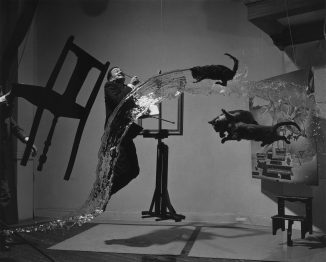
After returning to Spain in 1941, Dali described his style as “nuclear mysticism” containing elements of major scientific discovery, mysticism, and the classics. His most famous work came before this, The Persistence of Memory which depicts soft, melting wristwatches on a seashore, and is generally considered an ode to Einstein’s Theory of Relativity.
The Burning Giraffe is another perfect example of Dali’s nuclear mysticism. A tall woman, supported by crutches (a mainstay in Dali’s works,) is covered in drawers, an inspiration from Sigmund Freud’s pioneering theory of psychoanalysis. Dali said that “the only difference between immortal Greece and our era is Sigmund Freud who discovered that the human body, which in Greek times was merely neoplatonical, is now filled with secret drawers only to be opened through psychoanalysis.” Meanwhile the burning giraffe in the background is a “masculine apocalypse monster” and is a recurring motif in his paintings.

There are two museums devoted solely to Dali, one of which is in St. Petersburg, and the other in the town of his birth of Figueres, Spain.
MORE Good News on this Day:
- Minnesota (a native Dakota word, meaning ‘clear blue water’) was admitted as the 32nd US state, calling itself The Land of 10,000 Lakes and being among the best-educated and wealthiest in the nation (1858)
- Andrew Carnegie donated $1.5 million to build the Peace Palace, near the Hague and home to the Permanent Court of Arbitration, peace library and grounds (1904)
- The Academy of Motion Picture Arts and Sciences was founded, with the goal of advancing the arts and sciences of movies, by funding student scholarships, maintaining film libraries, and celebrating its annual “Oscar” awards (1927)
- Charges were dismissed against Daniel Ellsberg for releasing the Pentagon Papers to the press, with the government citing misconduct (1973)
- The rock group Queen wrapped up their 46-date ‘News Of The World’ tour by playing the first of three sold-out nights at Wembley Arena in London (1978)
- More than 170 countries decided to extend the Nuclear Nonproliferation Treaty indefinitely and without conditions (1995)
And, 1,696 years ago today, Constantinople was dedicated as the capital of the Eastern Roman Empire by Emperor Constantine the Great. It would go on to become one of the world’s greatest cities, everlasting and constantly evolving. In 324 CE, after the Western and Eastern Roman Empires were reunited, the ancient Greek city of Byzantium was selected to serve as the capital of the east, and was renamed “Nova Roma.” It would outlast the Romans, as well as the Byzantines to come after them, and the Ottomans who came after them.
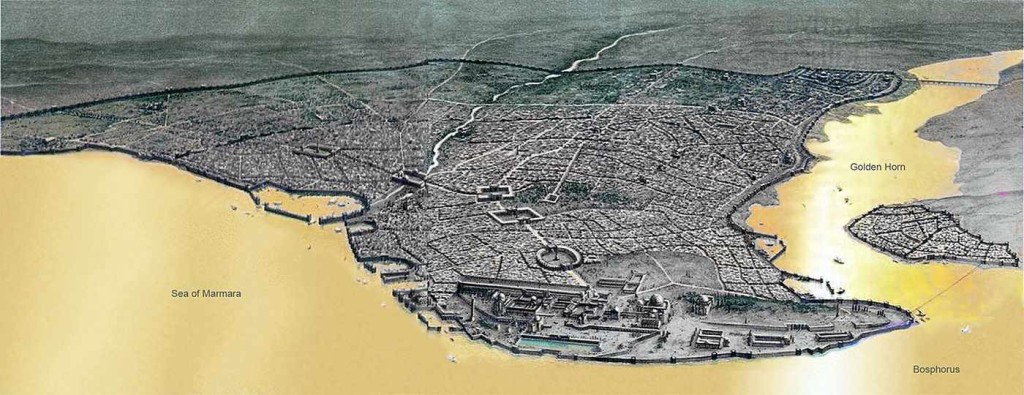
Its original incarnation was home to extraordinary splendor, including the Hagia Sophia, the Hippodrome, the University of Constantinople which contained the remains of the Library of Alexandria’s collection, the Imperial Palace, the Golden Gate, and the Theodosian Walls—considered the most impressive fortifications in the Classical Age.
After the various barbarians overran Rome and other areas in the West, Constantinople became the seat of the empire. In the decades following the rise to power of Justinian I, many of those iconic monuments were built. By the time of the Plague of Justinian, the city’s inhabitants may have numbered 500,000.

Emerging from a dark age of Persian, Avar, and Bulgar, and eventually Arab attacks, a series of emperors, starting in the year 717, definitively gave birth to the Byzantine Empire as a completely distinct historical entity that would last another 650 years.
Throughout all this time of war and peace, wealth and want, the city was a center of so much of world affairs and influence across all the lands west of India. The markets of Constantinople were the richest in the region, the architectural marvels spawned knock-offs around Europe, with St. Mark’s Basilica in Venice copying the Hagia Sophia, and Caernarfon Castle in Wales copying the Theodosian Walls.

Writer N. H. Baynes in his book on the great city, described the influence of art from this period thusly: “Princes of Kiev, Venetian doges, abbots of Monte Cassino, merchants of Amalfi, and the kings of Sicily all looked to Byzantium for artists or works of art. Such was the influence of Byzantine art in the twelfth century, that Russia, Venice, southern Italy, and Sicily all virtually became provincial centers dedicated to its production.” (330)
255 years ago today, Laskarina Bouboulina, a heroine of the Greek War of Independence, was born. A naval commander, she was born in a Constantinople prison to a captain from the island of Hydra and his wife, who had been imprisoned by the Ottomans for being revolutionaries.

Bouboulina joined the underground organization that was preparing Greece for revolution. She bought arms and ammunition at her own expense and brought them secretly to Spetses in her ships, to fight “for the sake of my nation.”
When construction of the ship Agamemnon was finished in 1820, she bribed Turkish officials to ignore the ship’s size; it later became one of the largest warships in the hands of Greek rebels. She also organized her own armed troops composed of men from Spetses—and used most of her fortune to provide food and ammunition for the sailors and soldiers under her command.
On March 13th, 1821, Bouboulina raised her own Greek flag upon the mast of Agamemnon and the people of Spetses staged one of the earliest revolts several weeks later. She joined forces with ships from other Greek islands to begin a naval blockade of the port of Nafplion near Athens. She also became the first woman-admiral of the Imperial Russian Navy, which was assisting the Greeks until their victory nine years later. Bouboulina was killed in battle against Algerian pirates mid-way through the war, but she—and her ship—were later memorialized on a coin by the Hellenic Republic. (1771)
And, 116 years ago today, the US Congress established Glacier National Park in Montana.

Along the Canadian border, the park encompasses over 1 million acres, two mountain ranges, 130 lakes, more than 1,000 different plants, and hundreds of animal species, including the threatened grizzly bear and Canadian lynx. (1910)
Also, Happy 85th Birthday to Eric Burdon, the lead singer of The Animals who sang House of the Rising Sun.

The Rock and Roll Hall of Fame inductee also sang on Don’t Let Me Be Misunderstood and We Got to Get Out of the Place. Burdon has often toured in the last decade and reunited with The Animals in Newcastle–the English city where the band formed in 1963, before becoming part of the British Invasion that took America by storm. Burdon also joined the band WAR to help create such hits as Spill the Wine, Paint it Black, and Why Can’t We Be Friends? (1941)

66 years ago today, the US Food and Drug Administration approved of birth control as an additional use for the G. D. Searle drug Enovid, making it the first approved oral contraceptive pill following the largest drug trials ever run. The FDA had already reviewed the issue of safety when it approved Enovid’s use for menstrual disorders in 1957, but at last they relented when John Rock, the renowned Catholic obstetrician and gynecologist petitioned to let it be given to healthy women for long-term use for a social purpose—to control their own pregnancies. (1960)

And, 138 years ago today, American composer and lyricist Irving Berlin, who was considered one of the greatest songwriters in American history, was born in Imperial Russia. The composer of hits like White Christmas, Blue Skies, Puttin’ On the Ritz, I’ve Got My Love to Keep Me Warm, There’s No Business Like Show Business, Cheek to Cheek, and God Bless America, arrived in New York City with his Jewish family at age five escaping discrimination, poverty and brutal pogroms.
Berlin never learned to read music, but played his songs entirely by ear in the key of F-sharp (keeping all five notes of the pentatonic scale on the “black keys”) WATCH him demonstrate the unusual piano that helped him learn this, playing one of his humorous love songs, and interviewed by Dinah Shore and Tony Martin. (1888)
SHARE the Milestones, Memories, and Music…
Garish Parcel Locker Plunked in Cul-de-sac is Removed After Residents’ Complaints, CEO Admits it was ‘Wholly Unsuitable’

A bright green parcel locker plunked right in the middle of a quiet cul-de-sac has been removed after less than a month in response to complaints from residents.
Locals were left baffled when they discovered the huge locker had been erected yards from their homes in Coventry, England.
The company behind it has now admitted the location was “wholly unsuitable” and dismantled the 8ft structure after hearing about the outrage.
Homeowner John Davies, who lives just a few doors down from where the locker appeared in Arne Road, Walsgrave, said residents were “overjoyed” following the u-turn.
But they are questioning why it was ever put there in first place. It wasn’t even used once—and its location was a half mile from the nearest shops.
“Thankfully it’s been removed,” 77-year-old John told SWNS news. “Some men came and took it away.”
“I hope it makes them think about where they put these things in the future, they can’t just be putting them anywhere. It was an awful shock for us.”

“The residents were all overjoyed, we were all thankful that it’s gone from the street. It was such an extreme eyesore for so many of us.
“Apparently, they had been given 28 days to take it down, but to get it gone this quick is amazing.
“Now there’s just the concrete block there now, which needs to go as that’s bad in itself.”
Neighbors had expressed their anger after Yeep! installed the garish solar-powered delivery lockers, randomly in early April.
“We were on holiday and when we got back it was there, plunked in the middle of the neighborhood,” John’s wife Suzanna recalled. “It’s outrageous.”
MAKES A DIFFERENCE: Man Climbs Everest to Install Defibrillator—Three Weeks Later it Saves a Young Life

“We all care for where we live. There’s pretty flowers and we all help with the mowing, which will make it a bit hard to do.
“It’s all resident parking only. (Now) there’s more risk of traffic and a danger to kids. Who wants to live near that?”
Lynda Congrave, 79, who has lived on the street for 40 years, was fuming. “I can’t believe it’s right outside my living room window. It’s disgusting.”
CEO of Yeep! Jamie Dickinson, put out a statement saying, “Yeep! would like to apologize unreservedly to the residents of Arne Road in Walsgrave, Coventry.
“We have investigated the circumstances surrounding the installation and acknowledge that the location was wholly unsuitable.
THE YOUNGEST ACTIVIST: Girl Claims Victory in Campaign to Urge Department Store to Include Pockets in Girls Pants
“We have also reviewed our internal procedures and are implementing strengthened controls and additional improvements to prevent a similar experience occurring.”
HAIL THE POWER OF COMMUNITY By Sharing the Teachable Example on Social Media…