










All News - Page 494 of 1735 - Good News Network
Home Blog Page 494

Gardening Just Twice a Week Improves Wellbeing and Prunes Your Stress, Says New Study

– NeONBRAND

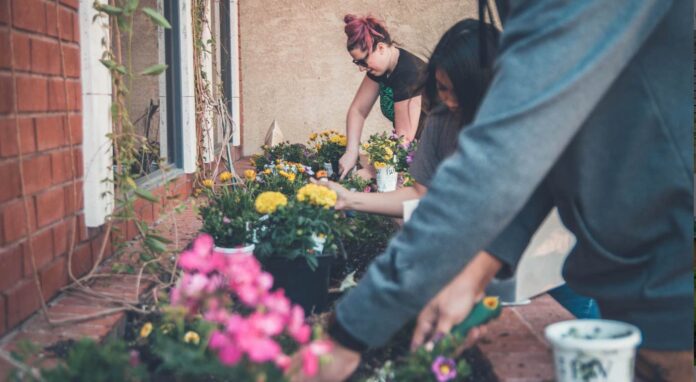
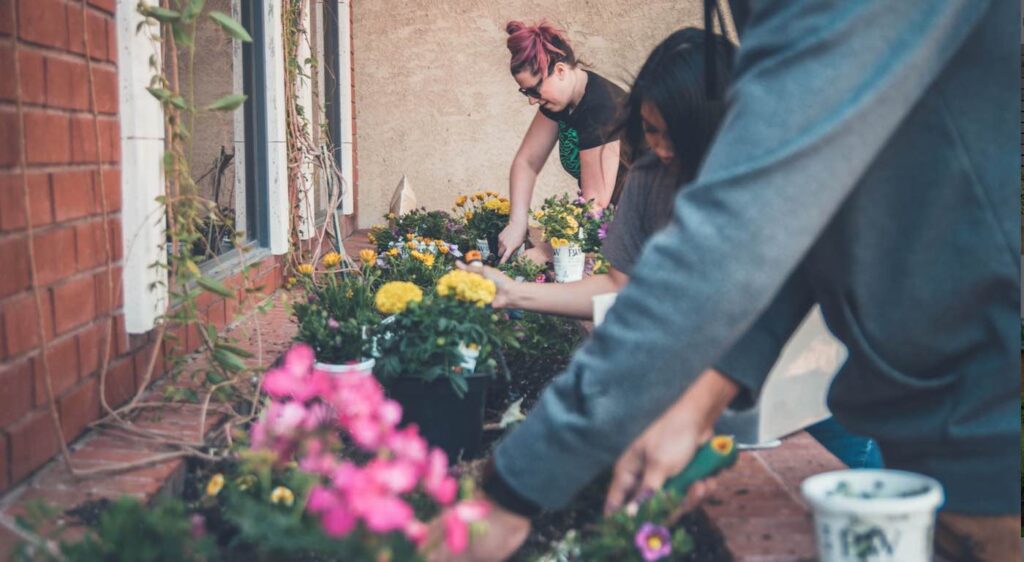
A new study reveals a significant association between gardening more frequently and improvements in wellbeing, perceived stress and physical activity.
– NeONBRAND

The study from Britain’s Royal Horticultural Society (RHS) surveyed more than 6,000 people, and results indicate that those who garden every day have wellbeing scores 6.6% higher and stress levels 4.2% lower than people who don’t garden at all.

RHS Wellbeing Fellow and lead author, Dr Lauriane Chalmin-Pui says; “This is the first time the ‘dose response’ to gardening has been tested and the evidence overwhelmingly suggests that the more frequently you garden—the greater the health benefits.

“In fact gardening every day has the same positive impact on wellbeing than undertaking regular, vigorous exercise like cycling or running.

“When gardening, our brains are pleasantly distracted by nature around us. This shifts our focus away from ourselves and our stresses, thereby restoring our minds and reducing negative feelings.”

Respondents who gardened 2-3 times a week had a 4.1% higher wellbeing score and 2.4% lower stress levels compared to people who don’t garden at all. However, gardening fewer than 3 times a month has less of a positive impact.

The study, conducted by the RHS in collaboration with the University of Sheffield and the University of Virginia, and published in Cities journal, found that more frequent gardening was also linked with greater physical activity supporting the notion that gardening is good for both body and mind.

Dr Chalmin-Pui adds; “Gardening is like effortless exercise because it doesn’t feel as strenuous as going to the gym, for example, but we can expend similar amounts of energy.

RELATED: Female Entrepreneurs Tend Community Gardens While Growing Their Small Businesses, Too

“Most people say they garden for pleasure and enjoyment so the likelihood of getting hooked to gardening is also high and the good news is that from a mental health perspective—you can’t ‘over-dose’ on gardening!

‘Pleasure and enjoyment’ is the reason why 6 in 10 people garden. Nearly a third say they garden for the ‘health benefits’; 1 in 5 say ‘wellbeing’ is the reason they garden, and 15% say it makes them feel calm and relaxed.

Co-author, Dr Ross Cameron of the University of Sheffield, commented: “This research provides further empirical data to support the value of gardening and gardens for mental restoration and ‘promoting a calmness of mind’.

“We also found a greater proportion of plants in the garden was linked with greater wellbeing, suggesting even just viewing ‘green’ gardens may help.”

It was not just able gardeners who benefited. Those with health problems stated gardening eased episodes of depression (13%), boosted energy levels (12%), and reduced stress (16%).

MORE: How to Germinate Your Seeds Using an Instant Pot—WATCH

The report adds to a mountain of evidence showing the positive health benefits of gardening. One study from Harvard University found that calories burnt from 30 minutes of gardening is comparable to playing a social game badminton, volleyball, or practicing yoga.

Last year, an RHS science paper found that adding a few plants to a bare front garden can make you feel happier, more relaxed and has the same impact as eight mindfulness sessions every week.

So if you can? It certainly sounds like it’s time to get your Vitamin ‘G’ on.

Source: RHS

PLANT Some Good News in Your Friends’ Feeds—Share This Story…

Phenomenal 6-yo Skateboarder Performs in Pink Party Dress and Leopard Print Helmet

@PaigeTobin/Instagram

What’s 6 years old, zips through the air with gravity-defying ease, and wears a pink princess dress with her crash helmet? Australian skateboarding phenomenon Paige Tobin.

For this mighty girl, dizzying 12-foot drops are a piece of cake. The pint-sized powerhouse recently beat out the competition in the 9-and-under category to win the King of Concrete skateboard contest in Melbourne.

After finding her mom’s old skateboard in the family garage at age 2, Paige was fast on her way to becoming “the wheel deal.”

“Paige is definitely skating exceptionally well, not just for the age but for skateboarding in general,” Neftalie Williams, an adjunct professor of sociology at the University of Southern California’s Annenberg School of Communication and Journalism told CNN.

Williams, who studies race and gender diversity through the lens of skateboarding, says Paige’s achievements are noteworthy not only as a measure of athletic prowess but also for their impact on cultural boundaries.

“One of the most important things about seeing Paige skating is how it’s a reminder that there has been an explosion in women, girls, and gender non-conforming skaters,” he told CNN. “That has really shaped and changed the way people perceive skateboarding culture.”

Paige cites British skateboarder Sky Brown—who at age 12 has bounced back from major injuries sustained in a fall and is slated to become the youngest female skateboarder in Olympic history—as inspiring her “never give up” attitude.

MORE: 6-Year-Old Boy’s Dream Comes True After FedEx Driver Helps Him to Exchange Gifts With Tony Hawk

While she’s yet to master a “Blunt Fakie” herself (stalling at the top of the ramp, maintaining balance on the ledge, and then popping off the ramp for the downhill ride), Paige has landed several endorsement deals and along with her mom, plans a U.S. tour this summer where she hopes at some point to eventually hook up with skateboard legend Tony Hawk.

In the long term, Paige’s legacy of dismantling stereotypes may be what defines her career in sports history books, but one look at her and it’s clear she loves what she’s doing.

RELATED: Girls in War Zone Find Their Power On Skateboards; Documentary About Them Takes Home the Oscar (Watch)

At 6, the driving momentum that keeps this little girl in flight is simple: “It makes me happy,” Paige says.

(WATCH Paige go in the viral video below.)

RAMP UP the Good News in Friends’ News Feeds—Share This Story…

North Carolina-based writer Judy Cole has a new rom-com murder mystery debuting at Amazon: And Jilly Came Tumbling After (from Red Sky Presents).

Giant Storms on Jupiter Captured By Incredible NASA Images Sent From Juno Spacecraft

NASA/JPL-Caltech/SWRI/MSSS/Brian Swift, CC license
NASA/JPL-Caltech/SWRI/MSSS/Brian Swift, CC license 
NASA’s Juno space probe has taken some incredible photos of the Red Planet’s super-storms on a recent flyby of the gas giant.

With its host of science instruments, the mission of the Juno spacecraft—launched in 2011—is to “investigate the existence of a solid planetary core, map Jupiter’s intense magnetic field, measure the amount of water and ammonia in the deep atmosphere, and observe the planet’s auroras,” says the U.S. space agency.

This data will provide a huge leap forward into helping scientists understand how giant planets are formed.

It will also help them find out just what role giant planets played in putting the rest of our solar system together.

CHECK OUT: NASA’s Rover Makes Oxygen on Mars for the First Time

That’s exciting stuff, and the images that have been released are mesmerizing.

Take a look at Jupiter’s swirling storms in the photos below.

These images were taken as raw data by ‘JunoCam’.

NASA/JPL-Caltech/SWRI/MSSS/Brian Swift, CC license

Citizen scientist Brian Swift enhanced their colors and contrast to highlight storms.

NASA/JPL-Caltech/SWRI/MSSS/Brian Swift, CC license

The images were captured 5,333 miles above Jupiter’s surface.

NASA/JPL-Caltech/SWRI/MSSS/Brian Swift, CC license

Juno will complete its mission in September 2025, when it deorbits into the atmosphere of the Red Planet.

NASA/JPL-Caltech/SWRI/MSSS/Brian Swift, CC license

SHARE These Far-Out Images From NASA on Social Media…

Affordable Reef-Safe Sunscreen on Horizon as Scientists Create More Sustainable Way to Make Zinc Oxide

A new, more sustainable way to make zinc oxide—a key ingredient in many high end health and beauty products such as sunscreens—has been developed by British researchers. The new technique has the potential to revolutionize the raw materials industry.

Many high end personal care products, such as moisturizers, shampoos, soaps, and sunscreens, are made with zinc oxide as they appeal to consumers who are keen to avoid chemical-based products.

However, the cost of these products puts them out of reach for most; and as such, globally most people opt for cheaper products, many of which contain chemicals that are hugely damaging to the environment.

In the case of sunscreens, the cheaper products often contain chemicals that have a devastating impact on marine life, such as the bleaching of corals. The high end products, even though they don’t contain chemicals that are damaging to marine life, are still bad for the environment as the current method to produce zinc oxide requires a huge amount of energy.

Leader researcher Dr Kyra Sedransk Campbell, at the University of Sheffield, said: “The reality is that existing chemical-based sunscreens are damaging our fragile marine ecosystems, effectively killing coral reefs.

“Bans are already being put in place—but not fast enough. Whilst zinc oxide is a known alternative, in fact it was the original UV-blocker, it currently is a high-end option you might struggle to find in your local chemist.

RELATED: Airline is Protecting Hawaiian Coral Reefs By Giving Free Non-Toxic Sunscreen to Tourists

“The challenge is cost without sacrificing consumer expectations. The new process we have developed has the potential to hit those points, and more. Our process is a sustainable, green, low energy method that can make zinc oxide. What’s more is that we are cost competitive. Taken all together it is about using our know-how in the lab to protect our planet.”

A new way of making zinc oxide

Zinc oxide is produced in two ways. Firstly, in mass, using extremely energy intensive processes creating generic materials. Secondly, using specialty smaller scale manufacturing that creates specific materials at a high cost and a large environmental footprint. There is a £4 billion ($5.6 billion) zinc oxide market which continues to grow because of its ubiquity in products ranging from personal care products, to batteries, tyres, and sensors.

The research team, from the University of Sheffield and Imperial College London, has discovered a new way to make the zinc oxide particles using far less energy and a flexible manufacturing method that can enable production of a wide range of particle types. This is very unusual for a wet-chemistry method in which analyzing is done in the liquid phase.

MORE: Scientists Discover How to Make Eco-Friendly Sunscreen From a Source of Food Waste: Cashew Shells

The team has now launched a spin out company to commercialize the technique; the company’s first target is developing the active ingredient to make reef-safe and affordable sunscreen. The spinout, Nanomox, is looking for an industrial partner to help bring the product to market. That’s hopeful news for coral reefs, and the planet, indeed.

Source: University of Sheffield

Share the Good News With Your Friends On Social Media…

“We are often sad and suffer a lot when things change, but change and impermanence have a positive side. Thanks to impermanence, everything is possible.” – Thich Nhat Hanh

Quote of the Day: “We are often sad and suffer a lot when things change, but change and impermanence have a positive side. Thanks to impermanence, everything is possible.” – Thich Nhat Hanh

Photo: Madison, Wisconsin by Dave Hoefler

With a new inspirational quote every day, atop the perfect photo—collected and archived on our Quote of the Day page—why not bookmark GNN.org for a daily uplift?


She’s Starting College at Age 12, With Plans to Be a NASA Engineer

Over the course of the pandemic, the landscape of education has drastically changed, but that hasn’t kept one brilliant girl whose dreams have never been earthbound from reaching for the stars.

While most pre-teens are navigating the challenges of middle school, at age 12, Alena Analeigh has already earned her high school diploma and is set to attend Arizona State University via remote learning in May.

With a planned double major in astronomical/planetary science and chemistry, Alena’s goal is to become a NASA engineer by the time she’s 16, where she hopes to employ her extraordinary skills to build rovers like the ones sent to Mars on missions.

“I’ll be driving one of those future space mobiles by the time I graduate college,” she told ABC News.

A heady goal, perhaps, but according to Alena’s mom Daphne McQuarter, her daughter had already set her sights on a career with the space agency when she was a little girl.

“She would always say, ‘Mommy, I’m going to work for NASA,’” McQuarter told Good Morning America. “Then she would start saying, ‘I’m going to be the youngest Black girl to ever work for NASA—watch!’”

Alena’s space odyssey began with her early passion for Lego building toys, from which she’s built intricate models of everything from the Taj Mahal, the Disney castle, and the Millennium Falcon, to the Apollo 11 rover and a NASA rocket.

Designing things and bringing her visions to fruition is the core of what makes this genius tick, but her astute scientific mind has led Alena to be a keen observer in other facets of life as well.

MORE: She Came to the US to Study With Only $300 in Her Pocket — Now She’s a NASA Director For the Mars Rover

Seeing the disparity in STEM (science, technology, engineering, and math) opportunities for women and people of color, Alena wanted to become an engine for social change as well.

With her mom’s help and encouragement, Alena launched the Brown Stem Girl website to encourage other girls with similar interests to focus on fields from which they’d been historically excluded.

Along with her college curriculum, Alena has several projects in the works: One, a children’s book she plans to title Brainiac World (putting a positive spin on the nickname kids used to tease her with), and a STEM-centric podcast—for which she hopes to land an interview with space pioneer, Dr. Mae Jemison.

It’s an impressive list of accomplishments but more than anything else, Alena hopes to serve as an example to other girls not to let the preconceived notions of others keep them from defining their own destinies.

“It doesn’t matter what your age or what you’re planning to do,” she told ABC. “Go for it, dream, then accomplish it.”

RELATED: The Inspiring and Playful Hidden Message in the Mars Perseverance Rover’s Parachute

While no specific announcements have been made, NASA has already reached out to the 12-year-old Texas prodigy. Our guess is Alena’s future is going to be out of this world.

SHARE The Story of Reaching for the Stars With Friends on Social Media…

North Carolina-based writer Judy Cole has a new rom-com murder mystery debuting at Amazon: And Jilly Came Tumbling After (from Red Sky Presents).

Artist Takes Twigs and Turns Them Into Dancing Figures—Creating New Images Every Day

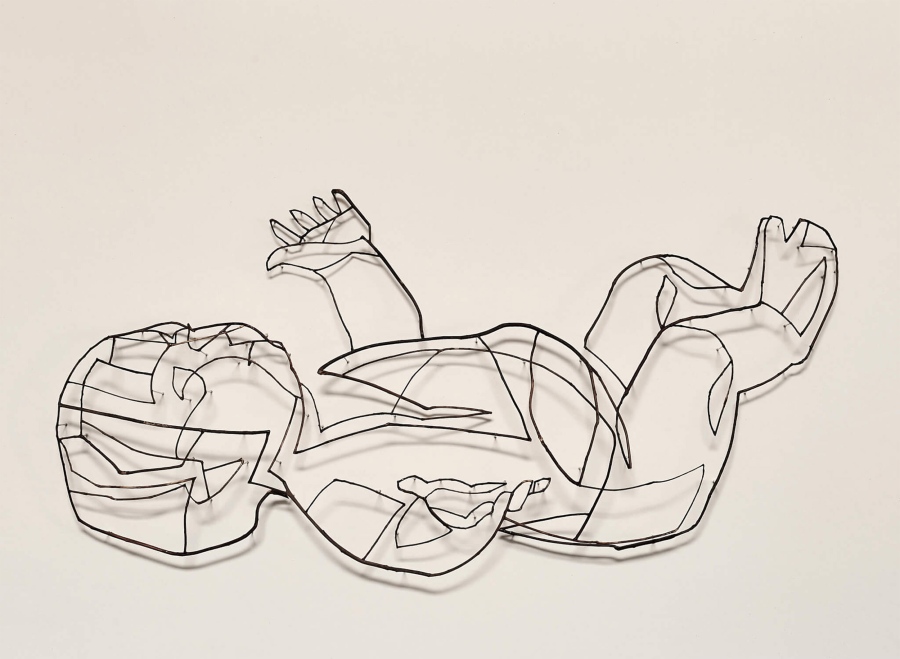
Twigs are good for starting fires, roasting marshmallows—and it turns out—making art. Using found twigs , London-born Chris Kenny makes dancing figures, famous and not-so-famous saints, even a baby.

The Great Morning, copyright Chris Kenny

Kenny is invested in his art. For the past 5 years, he’s been making playful twig portraits daily and posting them on Instagram @twigsaints.

In Chris’s words, “These frail little figures writhe in agony or ecstasy and come together as a portrait of humanity with all our energy and sensuality, our hubris and delusion.”

You’ll definitely want to check more of his work out—especially as it’s not just twigs Kenny works with, but various humble materials: “fragments excised from books or maps, discarded photographs or books.”

CHECK OUT: Art Historians Discover Place Where Van Gogh Painted His Last Masterpiece

For now though, let’s take a look at some of those singular twig figures he’s been creating.

Copyright Chris Kenny

All images copyright Chris Kenny

FOR the Love of Art—Share This Story…

Lost and Desperate Hiker Saved by Man’s ‘Very Weird’ GPS Hobby

Benjamin Kuo enjoys looking at photos and figuring out precisely where they’ve been taken. He happily admits that being a satellite mapping enthusiast is a “very weird hobby. But recently, his quirky interest may just have saved a California man’s life.

Rene Compean was hiking alone in Angeles National Forest when he realized he no longer knew where he was.

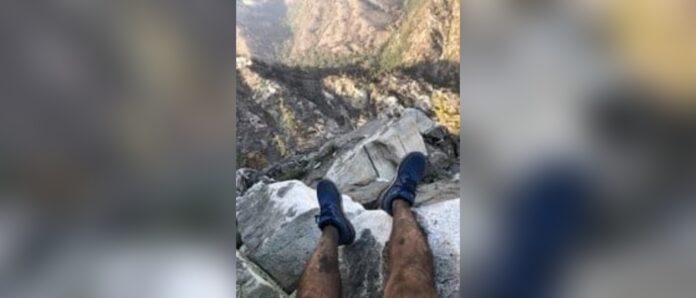
According to the Los Angeles County Sheriff’s Department, the 45-year-old texted a photo of his legs dangling over the edge of a canyon to a pal. In the message, he said he was lost and his phone battery was dying.

The police department released the image to the public, hoping someone might recognize the scenery and know where Compean was.

Luckily, Kuo saw the report. And he had a hunch—notifying the police with what he thought were the correct GPS coordinates for Kuo’s location.

MORE: Hero Trucker Ignores Own Safety to Save Utility Worker Stuck in a Bucket With Fire Blazing Below

“I was hoping I didn’t send them on a wild goose chase, and then they’d get mad at me,” Kuo said to KCBS-TV in LA.

Kuo didn’t have to worry about leading anyone on wild goose chases for long. A rescue helicopter was sent out to the canyon, and Compean was found on a ridge less than a mile away from the coordinates Kuo had given.

Compean was found safe and in no need of medical care. And he couldn’t have been more grateful for Kuo’s unique hobby, saying to him, “I crazy appreciate what you did… I really don’t know if I could make it there another day. It was just so cold.”

SHARE This Mountain Rescue Story With Your Friends…

How to Germinate Your Seeds Using an Instant Pot—WATCH

From rice to ragu, maybe you thought you’d cooked up every possible must-try recipe in your Instant Pot. But how about cooking up seeds? Or more accurately, how about germinating everything from tomatoes to peppers and eggplants?

In the short video below, watch government scientist and keen Canadian gardener Lyanne Betit show you how to get your seeds going in an Instant Pot on the yogurt setting. It’s a pretty neat hack—and we’d love to know if you try this one at home.

(WATCH the CBC video below to learn this gardening hack.)

HELP Your Friends Grow Beautiful Gardens This Year—Share This Story…
Couple Spends Nearly $100k Turning School Bus Into Dream Home — Now They’re Raffling It Off

SWNS
SWNS

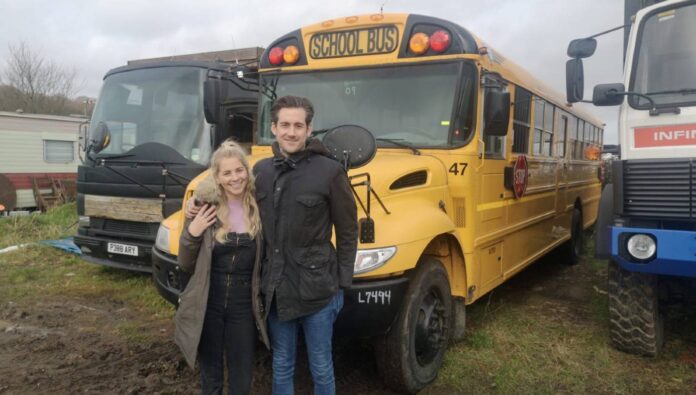
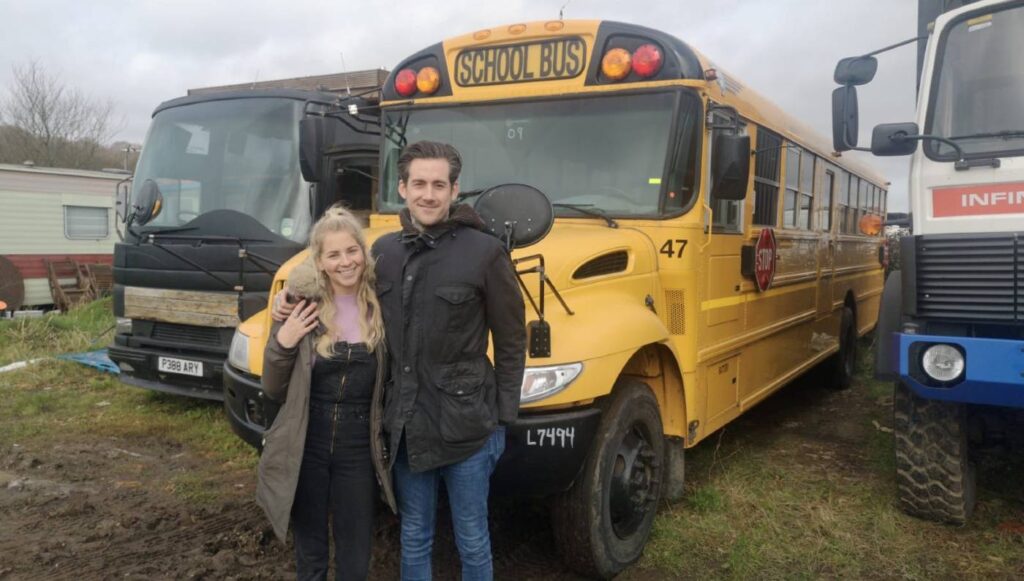
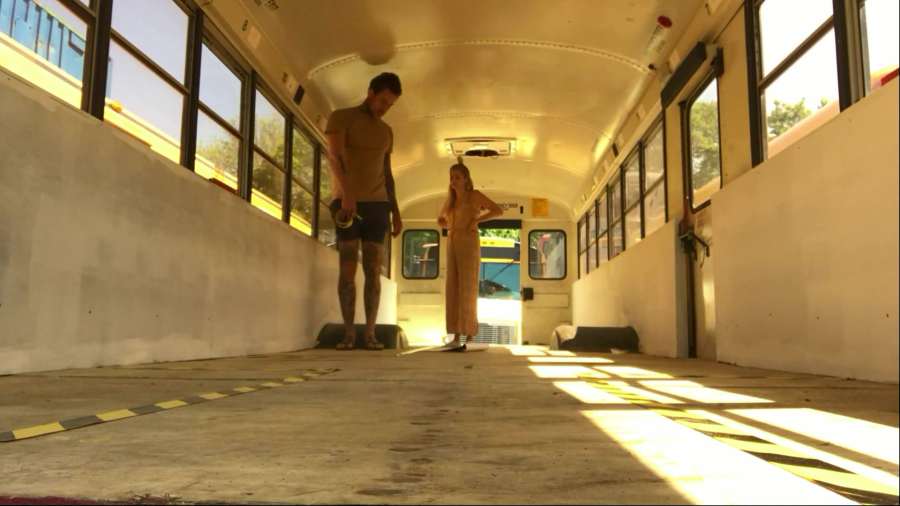
A British couple who spent nearly $100,000 converting a massive American yellow school bus into a luxury home are now offering the unique dwelling for sale through a raffle.

Lucy Stevens and Glen Carloss bonded over their love of American cars on their first date, and even spoke about a shared dream of converting a big bus.

Just a few months later, they shipped a 36ft x 8ft yellow bus from New York to Southampton in the south of England.

SWNS

It still contained kids’ toys, discarded school jumpers, and sick notes, and they spent nearly a year converting it into a luxe mobile home.

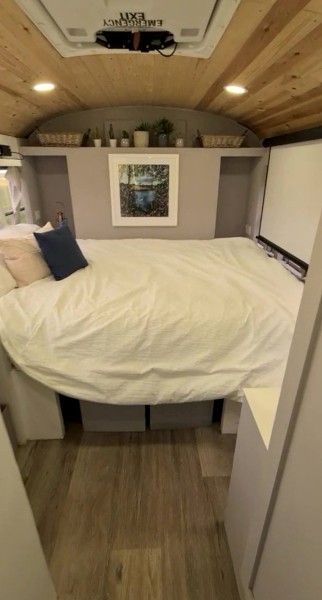
Out came the seats and in went heating, a ‘cinema room’, a bathroom, a fireplace, and a king size bed, but crucially the iconic yellow exterior remains untouched.

Videos on Instagram show their entire process, and the work that went into the transformation.

Lucy said: “We both shared the same dream of owning a big vehicle to do a road trip for a year or longer.

“We worked so hard on it, it’s been blood, sweat and tears just because we’d never taken on anything like that before.. and how we achieved the look we wanted to achieve, I’m really proud of it.”

Lucy, who’s a nanny, went on her first date to a rooftop bar in London with tattoo artist Glen in July 2019.

SWNS

When their bus arrived from the States? “It was huge,” Lucy says. “It’s so much more daunting in real life but I absolutely loved it, I couldn’t actually believe I owned it.”

RELATED: Man Mailed Himself Home in a Box From Australia—Now He’s Looking for the Pals Who Helped Him

The couple got to work with a full renovation, tearing out the seats and flooring before installing electrics, plumbing, and heating, and partitioning off the bathroom and bedroom.

Then they added things like a sofa bed, dining area, compostable toilet, indoor shower, fridge, hob, oven, work desk, shower, and even a garage space for outdoor equipment.

SWNS

The bus enthusiasts have now nearly completed another second school bus renovation, which they plan to take on a road trip around American and Canada before leasing it out as an Airbnb.

MORE: Two Dogs Rescued From the Streets Now Live Their Best Life on the Road—Seeing the Sights of Europe

As for that first bus that you can see in the photos above? Lucy and Glenn have decided to sell their first American bus in a raffle, with tickets costing £20 ($28).

They’re offering the motorhome, along with £1,000 ($1,390) towards the category-C license required to drive it, as well as six months of free storage. If you’d like to enter the raffle for the big school bus, just head here.

SHARE This Sweet Set-Up With Your Pals Who’d Love to Own It…
“Long live the rose that grew from concrete.” – Tupac Shakur

Quote of the Day: “Long live the rose that grew from concrete.” – Tupac Shakur

Photo: copyright GWC

With a new inspirational quote every day, atop the perfect photo—collected and archived on our Quote of the Day page—why not bookmark GNN.org for a daily uplift?


230,000 Acres of Tropical Rainforest Protected as Biodiversity Hotspot For Jaguars in Belize

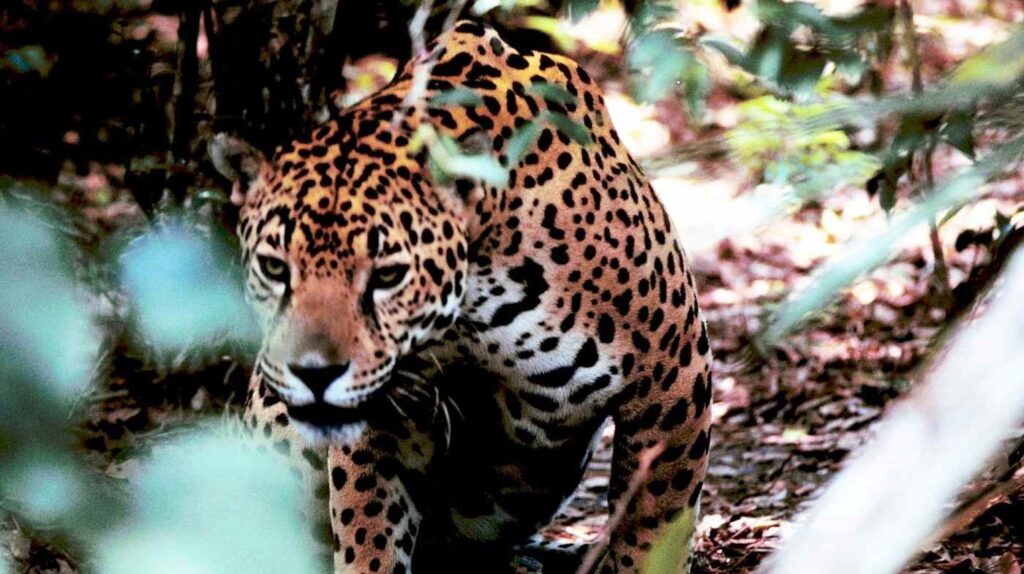
Belize jaguar, USFWS

Decades ago, a radical idea was born to protect the Maya Forest in Belize. What if NGOs, the government, community leaders, and businesses could form a coalition to conserve one of the world’s last remaining pristine rainforests?

Now that dream is a reality, with more than a dozen organizations coming together to protect 236,000 acres of land that represents an irreplaceable linchpin in the conservation of the largest remaining tropical forests in the Americas, outside the Amazon.

This new protected area is contiguous with and nearly doubles the size of the adjacent Rio Bravo Conservation Management Area previously protected through efforts led by The Nature Conservancy. Combined, it represents 9% of the landmass of Belize and secures a vital wildlife corridor in Central America’s dwindling forests.

Together, these new protections will fill a critical gap in a vast forest network called the Selva Maya—38 million acres of forest that includes 11 million acres of parks and protected areas across Central America.

A new dawn

Since 2011, the Maya Forest Corridor that connects Belize’s Maya Mountain Massif to the Belize Maya Forest has faced deforestation rates almost four times the national average, driven primarily by clearing land for industrial-scale agriculture. That was the fate that seemed very likely for this tract of land as well.

Securing protection for this climate and nature-critical ecosystem means preserving habitat for some of the world’s most iconic wildlife species like jaguars and ocelots, as well as preserving a significant living carbon reserve that represents a natural solution to climate change.

RELATED: Sustainable Seagrass High in Omega-6 and Protein is Better Than Rice For This Master Chef

This project is a premier example of this sort of solution, preserving significant amounts of sequestered carbon, that would otherwise be lost due to deforestation, while offering valuable co-benefits, especially to biodiversity.

“In a warmer, more crowded world, the last best places to protect nature for biodiversity and climate solutions are mission critical,” said Dr. Jeffrey Parrish, Global Managing Director for nature protection at The Nature Conservancy. “Innovative and collaborative protection of nature is essential not only for the survival of species like jaguars, but also for sustainable livelihoods, clean air, water security, and for addressing the climate crisis.”

Natural climate solutions are conservation, restoration, and improved land management actions that increase carbon storage or avoid greenhouse gas emissions in landscapes and wetlands across the globe. Combined with innovations in clean energy and other efforts to decarbonize the world’s economies, natural climate solutions offer some of our best options in the response to climate change.

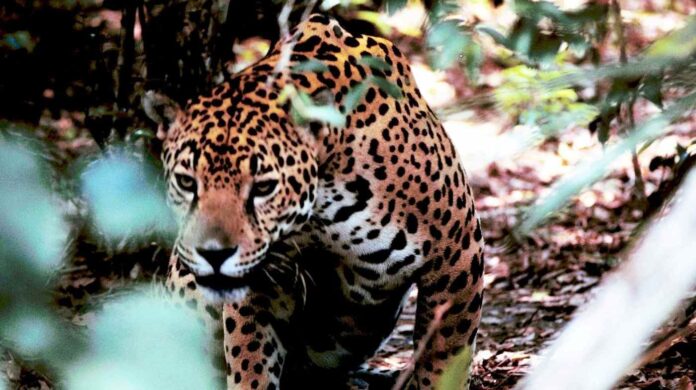
The Belize Maya Forest is a tropical biodiversity hotspot, home to 200 species of trees across a patchwork of forest, savanna, and wetland, as well as over 400 species of birds, over 100 of them migratory.

MORE: The World’s Oldest-Known Wild Bird—Named Wisdom—Hatches Another Chick at 70 (WATCH)

Charismatic megafauna that depend on this precious ecosystem include tapir, howler monkeys, and spider monkeys—together with some of Central America’s largest surviving populations of jaguar, puma, margay and other native cats.

According to a statement, partners who made the Belize Maya Forest conservation project possible through years of effort include the Cornell Lab of Ornithology, International Tropical Conservation Fund, Global Wildlife Conservation, Mass Audubon, The Nature Conservancy, Rainforest Trust, and many others.

“This enormous forest tract is a linchpin for large scale conservation of the Mayan Forest, but its future hanged in the balance for decades,” John Fitzpatrick, director of Cornell Lab of Ornithology said. “Permanent protection of this huge parcel contributes all-important connectivity and scale for preserving the largest tropical forest ecosystem in Central America.” This win for the rainforest in Belize is hopeful indeed, and it’s especially welcome during Earth Month.

SHARE The Good Conservation News From Belize With Friends…

Family Builds Giant Dinosaur From Take-Out Containers During Hotel Quarantine: Naming It ‘Bagasaurus’

Carly Catalano
Carly Catalano

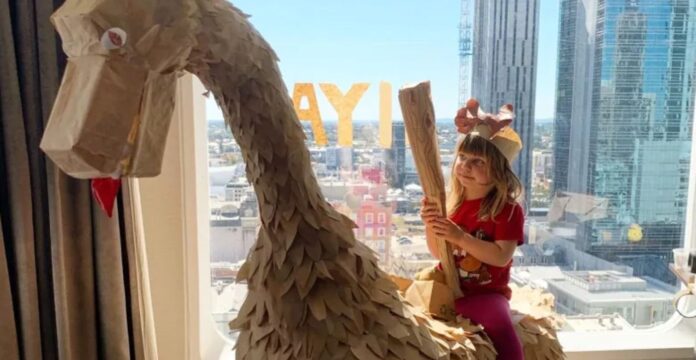
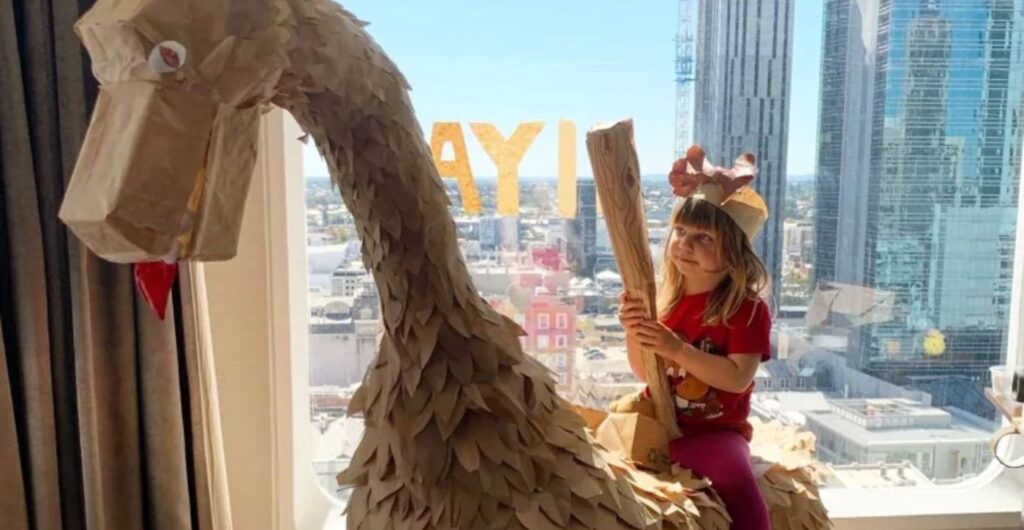
A new species of dinosaur was recently discovered in a hotel room in Perth, Australia. While the origins of most recognizable dino specimens date back to the Mesozoic Era, the “Bagasaurus” is entirely the product of parental ingenuity in the Age of COVID.

Carly Catalano knew that moving from British Columbia to Australia with her partner, Sam, and their 3-year-old daughter Florence during the pandemic would mean undergoing a mandatory 14-day hotel-room quarantine.

Facing two weeks in tight quarters with an active toddler was a situation that demanded creative thinking, so Carly and Sam came up with a strategy to keep their precocious offspring engaged.

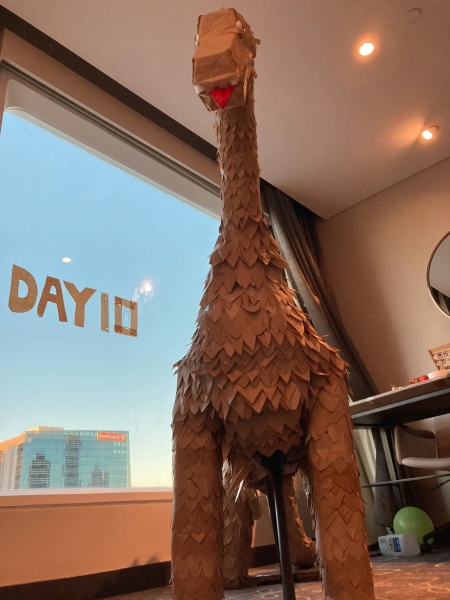
Working with takeout bags and containers, some disposable cutlery, an ironing board, and a few other miscellaneous items, the family began construction of its very own DIY dinosaur.

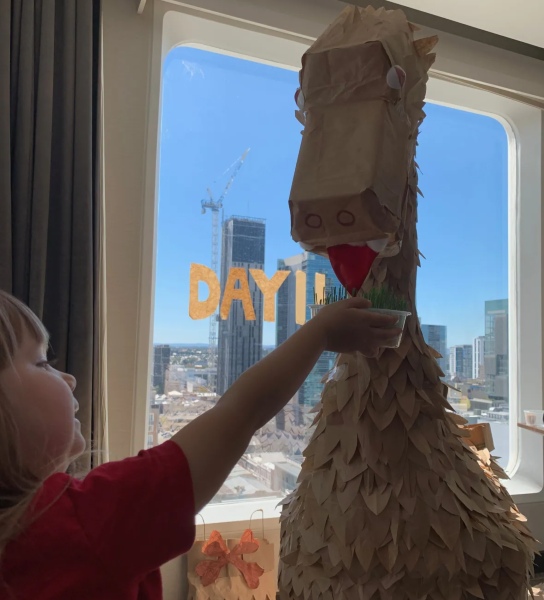
Should those in the scientific community wish to take note: The Bagasaurus stands 1.5 meters (about 5 feet) tall, adores little girls who dress up in matching paper-bag-scaled outfits, and is an herbivore—or would be if it actually ate the home-grown sprouts Florence offers her papier-mâché pet on a regular basis.

Carly Catalano

“We’ve been growing wheatgrass,” Carly explained in an interview with CBC Radio West. “So she’s been wanting to… feed the dinosaur wheatgrass—as well as eat most of it herself.”

RELATED: Great Things to Do at Home While Quarantined: Let’s Be Pandemic-Positive

In addition to its other commendable qualities, while the Bagasaurus has some big claws, its carbon footprint is eco-friendly.

Rather than having the fossil’s remains consigned to a museum (or trash bin) when the family departs the hotel, they plan to recycle the entire beast, keeping only the head as a souvenir of their prehistoric adventure.

Carly Catalano

(WATCH a time-lapse video video to see how they did it…)

ROAR Your Approval of This Fun Story—Share It With Pals…

North Carolina-based writer Judy Cole has a new rom-com murder mystery debuting at Amazon: And Jilly Came Tumbling After (from Red Sky Presents).

Irish Farmer Stumbles Onto ‘Untouched’ Ancient Underground Tomb of Stone Near Dingle

Slongy, CC license
Slongy, CC license

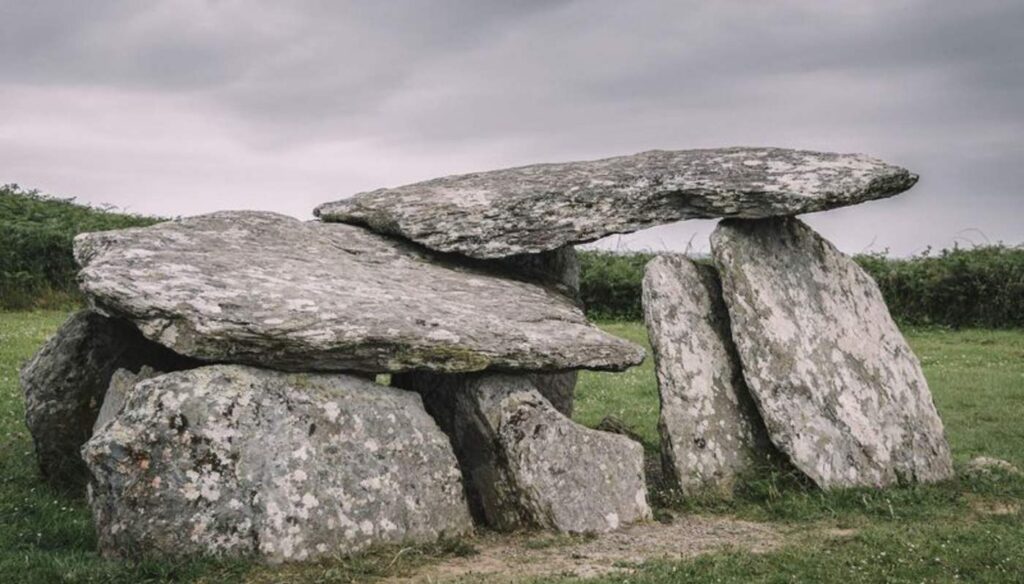
A farmer on Ireland’s Dingle Peninsula was surprised to find a stone-lined passageway beneath a rock he had turned over in his fields.

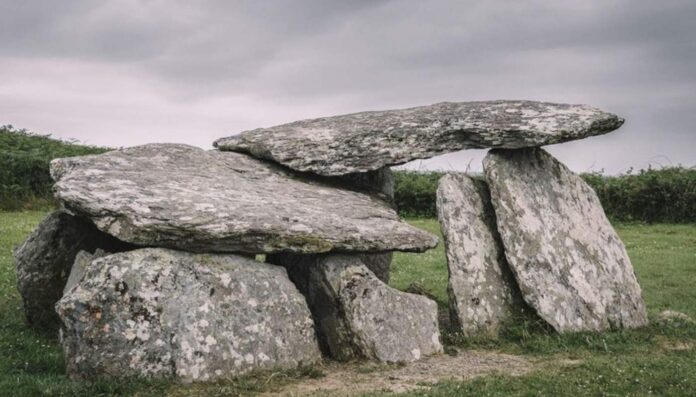
Many stone tombs called “dolmans” are scattered across the peninsula, and this one seemed different. It appeared to pass under the ground and was in pristine condition.

The tomb is lined with standing stones and consists of a long central chamber and an adjacent nook. An oval-shaped stone that may have been rubbed smooth by human hands was recovered inside, while human remains were also found—these important finds have led the Museum of Ireland and the National Monument Service to keep the tomb’s location a secret.

Dingle-based archaeologist Mícheál Ó Coileáin has told the Irish Times this is a “highly unusual tomb.” “It is very well built and a lot of effort has gone into putting the large cap stone over it,” he added. The farmer was only able to dislodge it because he was operating a digger.

While the urge to date the tomb to the Irish Bronze Age, between 2,000 BCE and 500 BCE, was there at first, the uniqueness of the tomb has archaeologists second-guessing themselves, offering that it could also come from Ireland’s early Christian age.

RELATED: Down the Rabbit Hole: Bunnies in Wales Dig Up Treasure of 9,000-Year-old Artifacts

Smithsonian reports there are nearly 2,000 ancient monuments in the Dingle Peninsula, which has been inhabited for 6,000 years. In the Bronze Age the area may have been on average 2 °C warmer, allowing for greater human habitation.

“It is an extremely significant find as the original structure has been preserved and not interfered with, as may have occurred in the case of other uncovered tomb,” said Dr Breandán Ó Cíobháin, another archaeologist familiar with the region. We’ll let you know of any treasures Irish farmers might dig up next.

SHARE This Impressive Irish Find With Friends…

Chernobyl Guards Have Befriended Abandoned Dogs, Feeding Them and Bringing Medical Care

Chernobyl Guards/Jonathon Turnbull

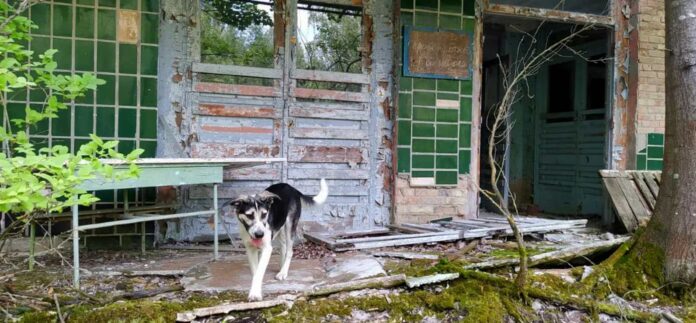
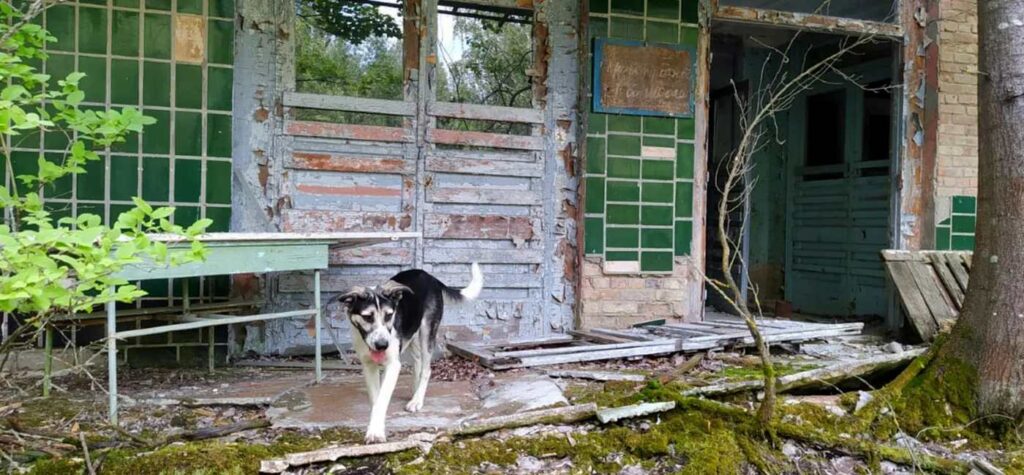
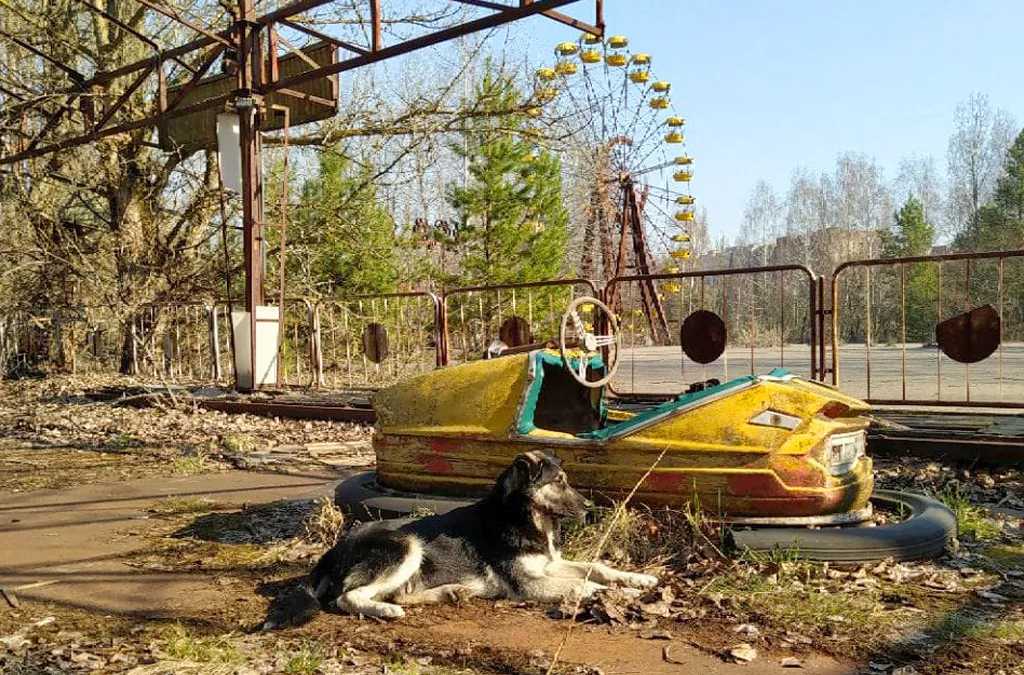
In the Chernobyl Exclusion Zone, guards watching for human trespassers are befriending and even caring for the descendants of dogs abandoned when tens of thousands of people had to abandon their entire lives and flee when reactor 4 exploded in 1986.

Their interactions, collected and documented through work from the BBCtell a story of a spark of humanity returning to a place long void of it.

When reactor 4 went 34 years ago, the residents of Pripyat were told to leave everything behind including their pets. Jonathon Turnbull, a Ph.D. candidate at the University of Cambridge, lives in Kyiv and has visited the 1,000 square mile Exclusion Zone many times.

There he met a variety of guards very unique in the world, those charged with ensuring no one sneaks into a contaminated wasteland. These guards, he learned, had formed complex relationships with the semi-wild dogs that inhabited the Exclusion Zone.

Their stories of feeding, naming, caring for, or altogether avoiding various dogs based on temperament and personality fascinated Turnbull. For his research in geography, he asked if the guards would be wiling to carry disposable cameras and photograph the dogs in their day-to-day lives.

A snapshot of history(ies)

Chernobyl Guards/Jonathon Turnbull

“If I wanted to know the dogs,” Turnbull told BBC Future, “I needed to go to the people who know them best—and that was the guards.”

Their photographs are intriguing, as they capture so many interesting sides to the lives of millions of ownerless canines around the world. Not quite wild, not quite domesticated, they roam cities and settlements looking for food. Here in the Exclusion Zone however, the personalities of the dogs are similar, but the environment is totally different.

While having total freedom, even in roaming within and without the Exclusion Zone, their lives are difficult. Beset as they are by radiation, there are also hungry wolf packs, bears, wildfires, and manmade hazards left behind.

The guards give them names, sometimes. Some dogs linger too far from patrol routes and guard posts to reveal themselves. There’s Arka, who should not be pet, sausage, who warms herself by napping one heating ducts, Tarzan, who allegedly does tricks for food, and Alpha, which the guards explain is named after a kind of radiation.

MORE: Three Decades After Nuclear Disaster, Historic New Solar Farm is Launched in Chernobyl

Their relationships with the guards, who give them food, remove ticks, and will even administer rabies vaccines, are as varied as they are. In some cases they just want food, but the more talkative guards, who officially aren’t allowed to interact with the dogs for fear of contamination, explain they act as assistants in a way that’s reminiscent to early man’s domestication of wolves.

Chernobyl Guards/Jonathon Turnbull

Barking in different tones to different things can warn guards of potential objects of interest, whether it be a wild animal, a human trespasser, or a tour vehicle.

“They give us joy,” said one of the guards. “For me personally, this is a kind of symbol of the continuation of life in this radioactive, post-apocalyptic world.”

GNN has reported on the men who live in the Fukushima Exclusion Zone in Japan in order to look after animals. There, like in Pripyat, thousands of animals were left behind.

While one of is the single-most irradiated man in Japan, scientists have told him that the radioactive mutations that would end his life won’t arrive for another 30-40 years, at which point he would be in his mid-’80s.

RELATED: After Fatal Disease Arrives, Zoo Calls in the Only Team of Turtle-sniffing Dogs in the World to Help Out

Caring for the animals gives him immense joy, and he can make a living from donations and from former pet owners sending him contributions over the internet.

These Heroes Deserve Recognition—Share Their Story on Social Media…

Monkeys Unite and Form Unlikely Alliances After Hurricane Maria Ravaged their Island

Lauren Brent
Lauren Brent

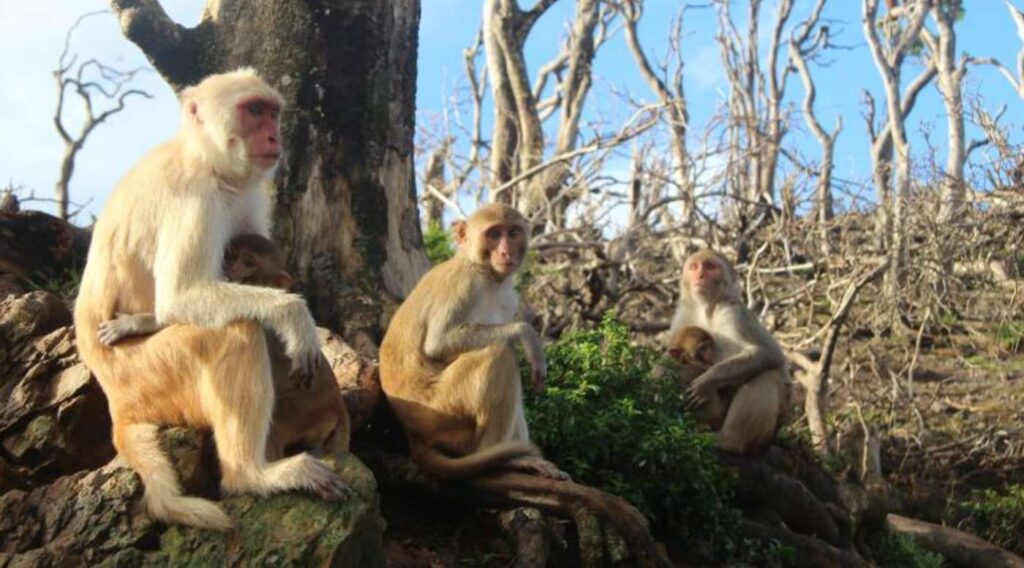
An interesting new study seems to indicate that monkeys increase the size of their social circles during times of strife or resource scarcity.

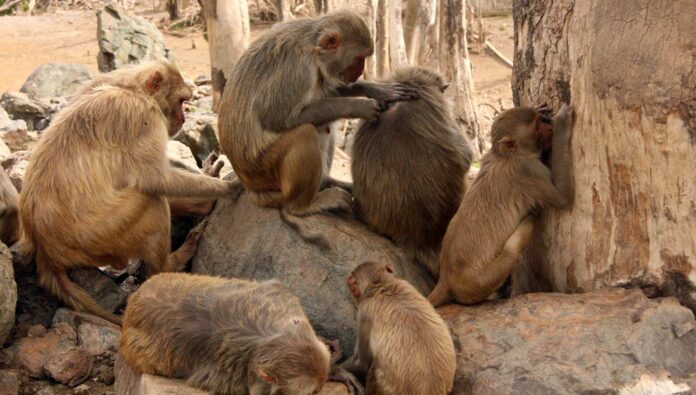
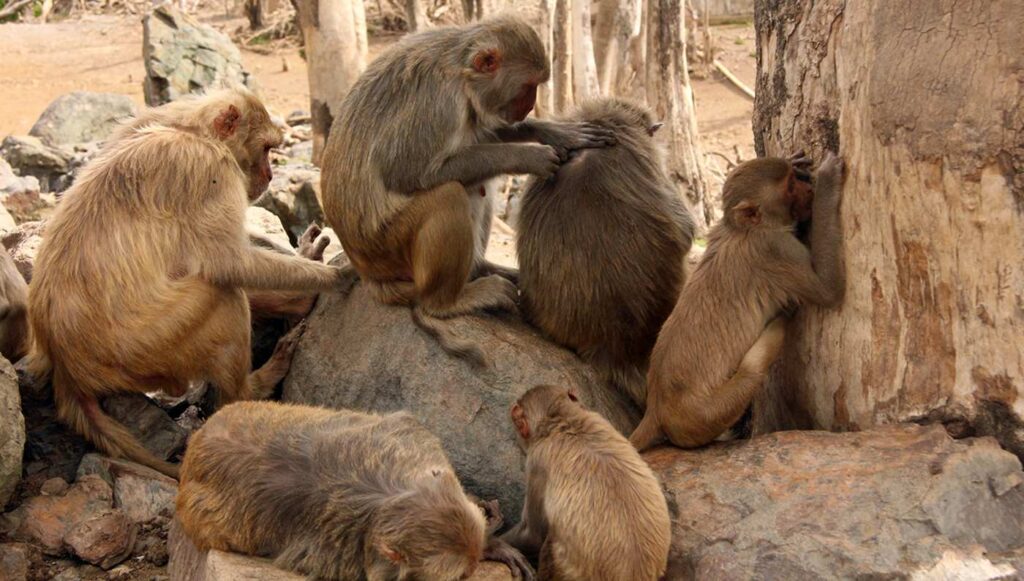
Researchers observed Puerto Rico’s rhesus macaque populations on Cayo Santiago in the aftermath of 2017’s Hurricane Maria, and observed each individual increase the amount of grooming activities, as well as the number of other monkeys groomed, following the disaster.

By the numbers, there was a greater than 50% increased chance that the monkeys would be seen grooming after the hurricane when compared to before, and they were four times more likely to be sitting close to another monkey.

Rhesus macaques are more closely related to humans than other monkeys, and the results speak a little about how humans band together during disasters.

Destroying 63% of the island’s green vegetation, Hurricane Maria took apart the infrastructure of normally deeply protective and competitive primate habitat.

Resources that were once plentiful enough to be guarded by small troupes of monkeys were now rare, and instead of transforming into the monkey-version of the Mad Max: Road Warrior wasteland, groups expanded their social circles.

The increase in social connections was measured by the monkey’s grooming habits, as well as sitting down within two meters of each other—metrics which could be compared with friends having lunch or a coffee, explains the study’s lead author. The most common bridge into other groups was friends of friends.

Lauren Brent

The results fit squarely within the “Social Buffering” hypothesis that says social animals will surround themselves with more members of their species during or after difficult times. This was true for extroverted macaques, but even more so for introverted, isolated ones, who increased their social bonding much more than the extroverts.

MORE: Baboon, Bear, or Bison: Find Out Which Animal Personality Best Matches Yours in a Free Fun Quiz

They also found that there was no additional effort to strengthen bonds between kin, or with the most powerful individuals in the group, only efforts to increase the size of each monkey’s social network.

The researchers postulate that the nature and specifics of the findings suggest that by expanding their social network, they are potentially getting access to resources known or controlled by another monkey, and the more monkeys, the more resources.

RELATED: Performing Acts of Kindness Can Boost Both Physical Health and Happiness Levels, Study Finds

It’s a hopeful image—monkeys banding together in times of crisis, something we should think about the next time a crisis buffets our shores.

SHARE This Story With Your Tribe on Social Media…

“It never ceases to amaze me: we all love ourselves more than other people, but care more about their opinions than our own.” – Marcus Aurelius (born 1,900 years ago today)

Credit: Ishan Gupta

Quote of the Day: “It never ceases to amaze me: we all love ourselves more than other people, but care more about their opinions than our own.” – Marcus Aurelius (born 1,900 years ago today)

Photo: by Ishan Gupta

With a new inspirational quote every day, atop the perfect photo—collected and archived on our Quote of the Day page—why not bookmark GNN.org for a daily uplift?


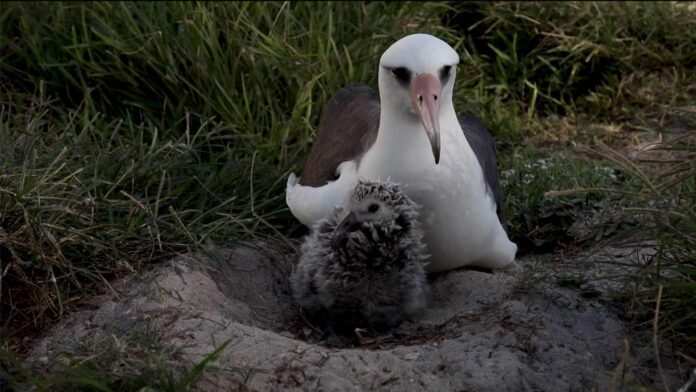
The World’s Oldest-Known Wild Bird—Named Wisdom—Hatches Another Chick at 70 (WATCH)

Photo Credit: Jon Brack/Friends of Midway Atoll National Wildlife Refuge

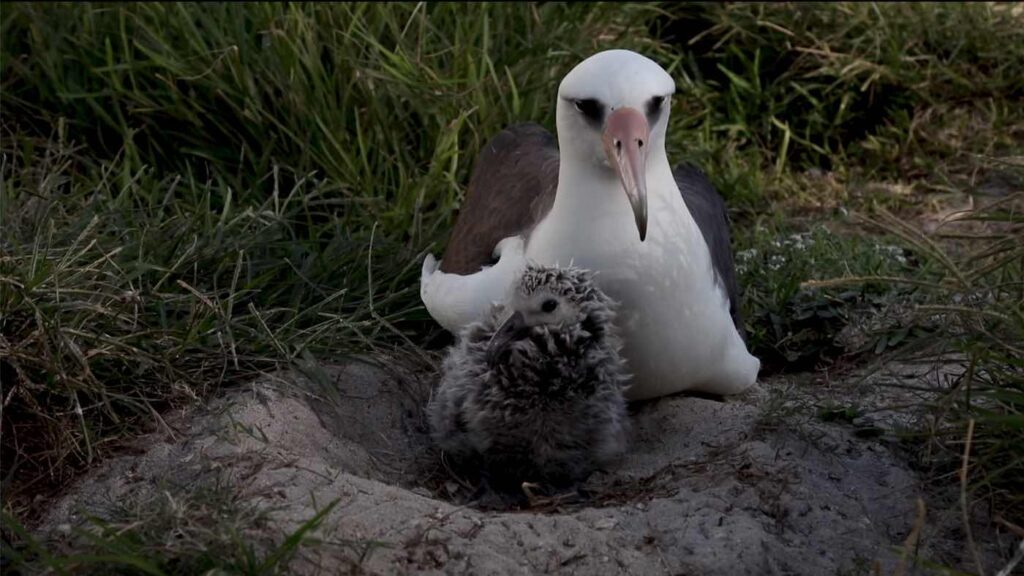
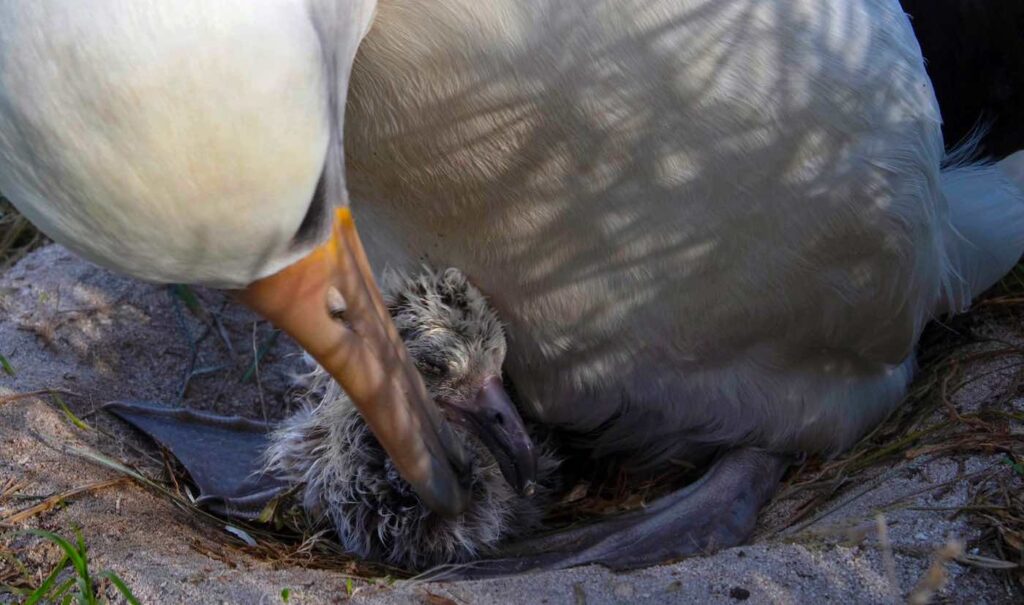
The world’s oldest known wild bird, a Laysan albatross named Wisdom, hatched another chick this season at age 70.

Wisdom with chick – Photo Credit: Jon Brack/Friends of Midway Atoll National Wildlife Refuge

Every year, millions of albatrosses return to Midway Atoll National Wildlife Refuge to their same nesting site—and reunite with the same mate.

In the world’s largest colony of albatrosses, Wisdom and her mate, Akeakamai, have been hatching and raising chicks together since at least 2012, when biologists first banded the male.

“At least 70 years old, we believe Wisdom has had other mates,” said U.S. Fish and Wildlife Service biologist Dr. Beth Flint. “Though albatross mate for life, they may find new partners if necessary—if they outlive their first mate.”

Albatross don’t typically lay eggs every year and when they do, they lay only a single egg.

Biologists estimate that Wisdom has hatched at least 30–36 chicks in her lifetime. In fact, in 2018, biologists observed the chick that she fledged in 2011 returning to the spot just a few feet away from her current nest.

POPULAR: ‘Like a Beautifully-tuned Instrument’: 2000 Microphones Unlock the Mystery of Why Hummingbirds Hum

Almost as amazing as being a parent at 70 is the number of miles Wisdom has flown—by the time she was 60 she’d logged at least 2-3 million miles since she was first banded in 1956. That’s 4-6 trips from the Earth to the Moon and back again with plenty of miles to spare.

One reason for all these frequent-flyer miles is that every Laysan albatross spends their first 3 to 5 years fledging at sea, never touching land.

“Each year that Wisdom returns, we learn more about how long seabirds can live and raise chicks,” said Flint. “Her return not only inspires bird lovers everywhere, but helps us better understand how we can protect these graceful seabirds and the habitat they need to survive into the future.”

RELATED: One Simple Change Cut Accidental Albatross and Seabird Deaths by 98%: ‘Absolutely amazing’

Wisdom has likely flown 50,000 miles every year as an adult, and countless generations of albatrosses have a similar long-distance family reunion at Midway Atoll each year.

Wisdom and her chick – Photo Credit: Jon Brack/Friends of Midway Atoll National Wildlife Refuge

Albatross parents share incubation duties for 65 days and once the chick hatches, they share feeding duties. Chicks fledge, and fly for the first time, in the months of June and July.

Nearly 70% of the world’s Laysan albatross and almost 40% of black-footed albatross—as well as the endangered short-tailed albatross—all rely on Midway Atoll. 20 other bird species breed here, totaling over three million individual birds calling the Refuge home.

MORE: Birds in San Francisco Started Singing Differently in the Silence of the Pandemic Shutdown

The refuge, on the far northern end of the Hawaiian archipelago, is cooperatively managed by the U.S. Department of Commerce, Department of the Interior, and the State of Hawaii. To date over 275,000 albatrosses have been banded at the Refuge. Thus, biologists can make more informed management decisions that ensure seabirds have the habitat and resources they need in the future.

To support the conservation work of volunteers and staff working to restore the habitat and remove invasive species, you can donate on the website of Friends of Midway Atoll here:

WATCH some amazing video of Wisdom taking care of her chick…

FLY This Cuteness to Your Brood of Friends on Social Media…

Amazon, Unilever, and Nestlé join the UK, US and Norway in New $1Billion Initiative to Preserve Tropical Rainforests

Maggie Collins

This week, during the international Climate Summit, three governments and nine giant corporations announced a groundbreaking coalition, called LEAF, which is mobilizing to raise at least $1 billion this year, alone, for large-scale forest protection and sustainable development.

Maggie Collins

The coalition already includes the governments of the UK, US, and Norway, and international companies, including Airbnb, Amazon, Bayer, GlaxoSmithKline, Nestle, and Unilever.

Known as LEAF, for Lowering Emissions by Accelerating Forest finance, the global initiative represents by far the single largest private-sector investment to protect tropical forests.

The goal is for governments, businesses, and NGOs to pay for high-quality emissions reductions from tropical forests, verified against an independent standard.

The LEAF Coalition offers an important new approach that can help protect swaths of trees by offering the financial assurance needed for countries to start prioritizing policies that reduce deforestation.

RELATED: Tribe in Panama Wins Landmark Case Granting Them Stewardship of 400,000 Acres of Pristine Ancestral Forests

“With local-level involvement, this approach can be a triple-win: for the climate, tropical forests and for people that depend on them.” said Manish Bapna, Interim President and CEO of World Resources Institute.

More participants are expected to join in coming months.

“This is a game-changer in the fight to save tropical forests—a new model for catalyzing finance, at a scale that is truly up to the challenge,” said Environmental Defense Fund Senior Vice President, Nathaniel Keohane.

POPULAR: Ex-Coal Man Flips the Script By Rallying Appalachians to Plant 187 Million Trees on Abandoned Mines

“The LEAF Coalition sets a high standard for how companies can supplement deep cuts in their own emissions by investing in additional emission reductions from tropical and subtropical forests and also by ensuring that the rights of indigenous peoples who have and who continue to protect these forests are respected and fulfilled,” added Keohane.

This pioneering model of forest finance could channel tens of billions of dollars per year into ensuring the protection of trees on the scale needed to address the climate crisis and meet world‘s climate goals.

Plant This Positivity in Your Friends’ Gardens on Social Media…

After Fatal Disease Arrives, Zoo Calls in the Only Team of Turtle-sniffing Dogs in the World to Help Out

Saint Louis Zoo

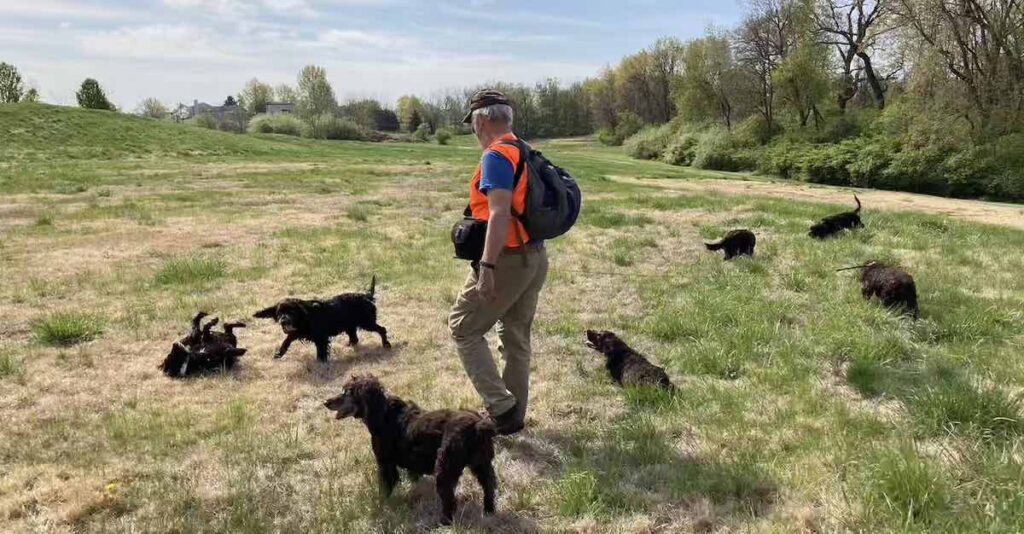
In order to preserve a species threatened by an infectious disease, Saint Louis Zoo scientists have hired an elite team of sleuths—turtle-hunting dogs.

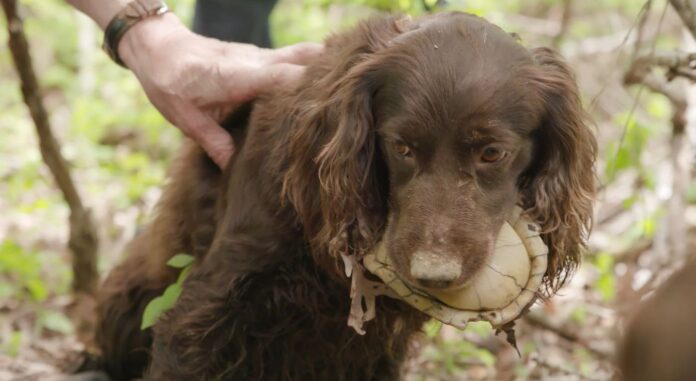
John Rucker with 7 Boykin spaniels tracking box turtles – Saint Louis Zoo

Saint Louis Zoo WildCare Park is a 425-acre site christened last year to be used as part of the zoo’s extensive conservation programming. Last week, seven Boykin spaniels began sniffing for three-toed box turtles, a species that has been in decline due to development—but, recently, due to an emerging pathogen called Ranavirus.

Not much is known about the disease. It affects turtles, fish, and amphibians, but is particularly fatal in box turtles—about 80% fatal.

That’s why the zoo called the man known as the “Turtle Whisperer.” John Rucker trained these dogs and says they are the “only dogs anywhere that do this kind of work.”

Like they have done in Iowa and Illinois, the spaniels helped the Missouri research team track and retrieve box turtles with their strong sense of smell, which allows them to find animals in a matter of hours, where it would take researchers weeks.

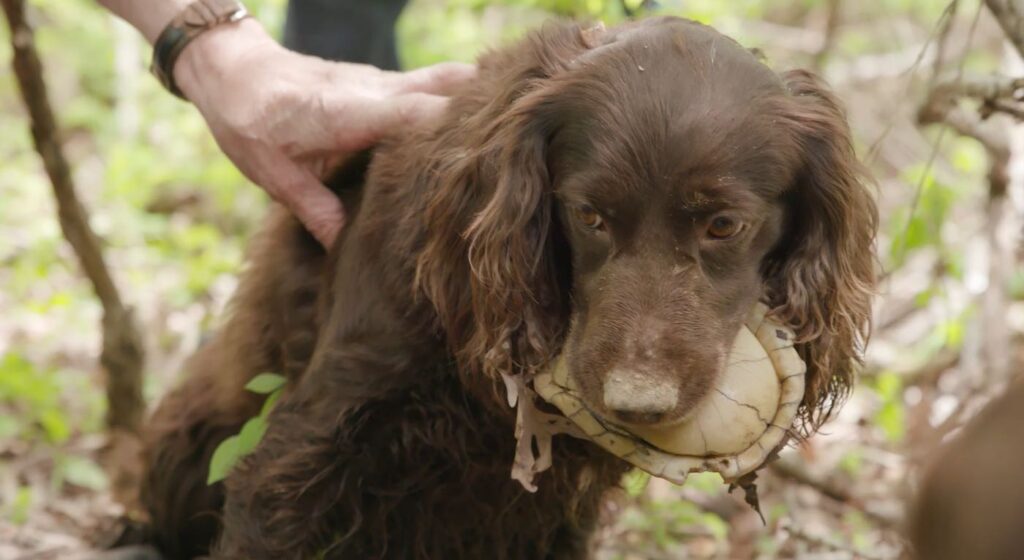
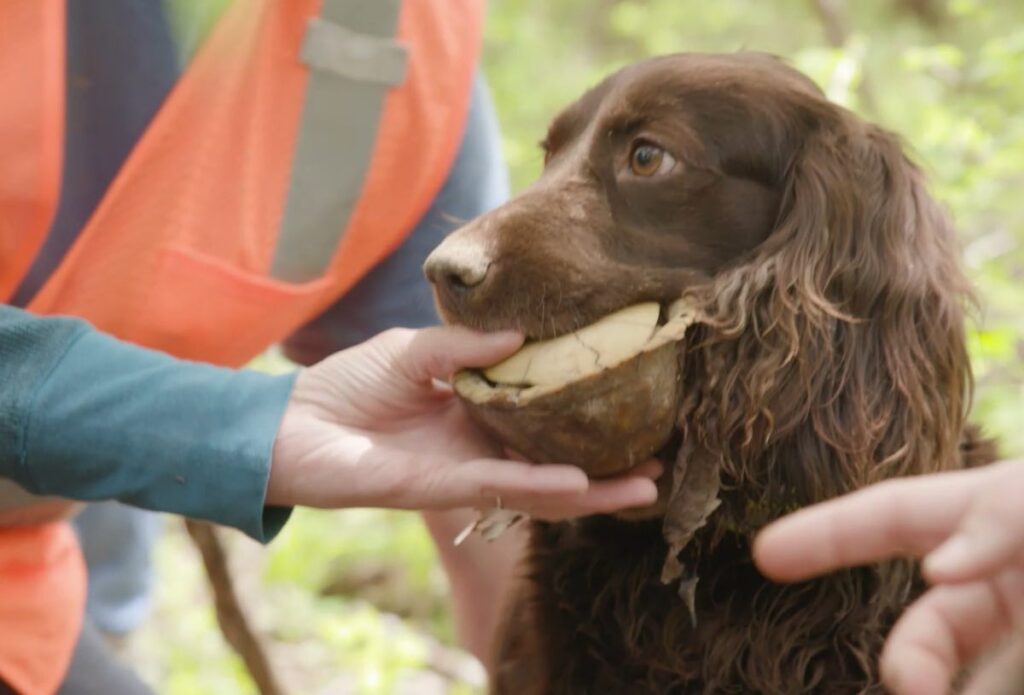
The soft-mouthed dogs gently pick up the turtles and bring them to John and the researchers, who swab the turtles’ mouths and tag them, to follow them for one year, until they hibernate again.

Saint Louis Zoo

The dogs’ assistance comes at a crucial time: Saint Louis Zoo scientists discovered a positive Ranavirus case in box turtles in the area, and this research is important to learning more about the virus.

RELATED: New Technology for Saving Endangered Sea Turtles Uses Decoy GPS Eggs to Catch Poachers–And it Works

They are tagging them to be proactive, doing infectious disease testing at their lab—and don’t worry, the dogs cannot pick up the disease, or spread it to other turtles.

“Every year we do annual health assessments of our turtles at our field sites. We spread out in a line and just walk the woods, eyes to the ground—and we don’t do it well because they’re good at hiding,” explains Jamie Palmer, of the St. Louis Zoo Institute for Conservation Medicine.

Saint Louis Zoo

“There’s so much error in humans, and we’ve spent hundreds of hours. But dogs, their noses are better than ours…and we’ve seen them find a lot of turtles.”

LOOK: Rare Turtles Known For Their Smiles Saved From Extinction in Myanmar

What better way to combat an invisible threat to the ‘state reptile of Missouri’, but to use a pack of gorgeous and gentle dogs?

WATCH the local news coverage…


SHARE This With Your Pack of Dog-Loving Friends on Social Media…

POPULAR: City Gets First Ever ‘Turtle Crossing’ Signs After Concerned Second Grader Writes Letter to the Mayor