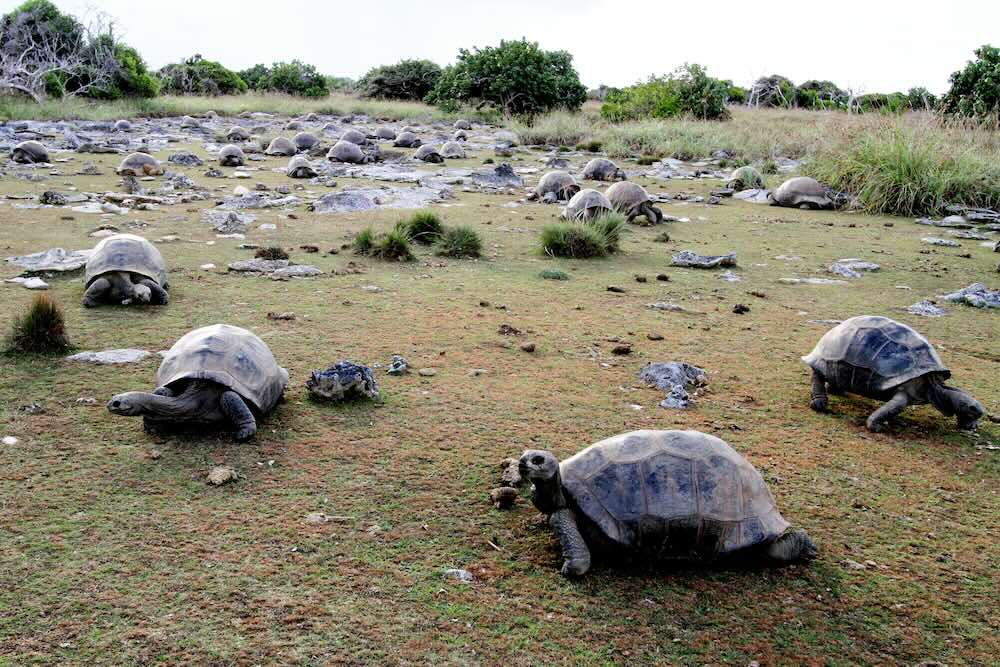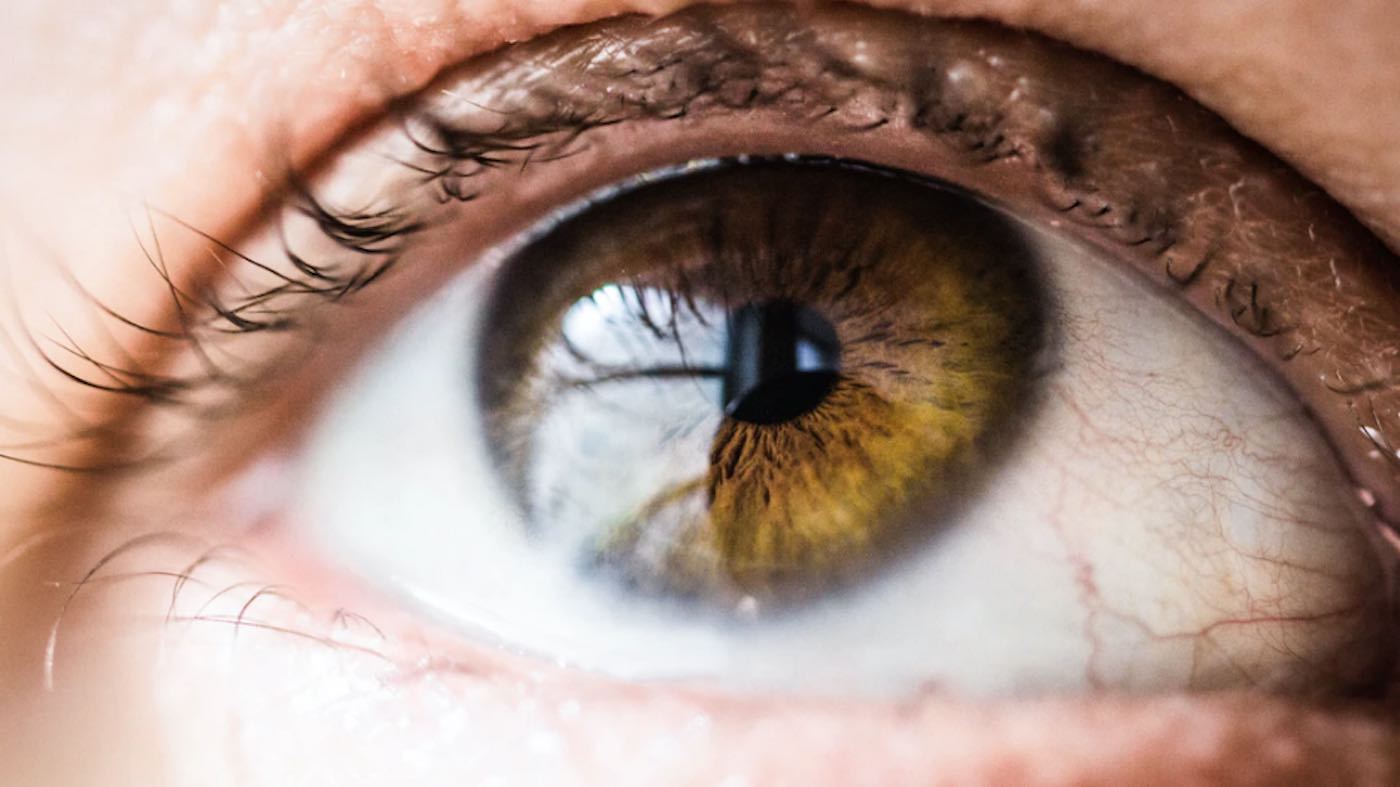












Quote of the Day: “To live is like to love – all reason is against it, and all healthy instinct for it.” – Samuel Butler
Image by: A. C. for Unsplash+
With a new inspirational quote every day, atop the perfect photo—collected and archived on our Quote of the Day page—why not bookmark GNN.org for a daily uplift?
Feng Youlan from the China Weekly Review's "Who's Who in China" column. 3rd Edition.
130 years ago today, Feng Youlan was born. This Chinese academic and philosopher was instrumental in reintroducing the Chinese classics of philosophy to the world. Critically for this form of Intangible World Heritage, as UNESCO describes it, he did so during a time of enormous upheavel, stretching from the fall of the imperial Qing Dynasty to after the Cultural Revolution, when the fervor for tearing down the old to build the new was at a fever pitch. READ more about what he accomplished… (1895)
The Goldenstein Castle, in Elsbethen, Austria - credit, CC BY-SA 3.0. Arne Müseler
The Goldenstein Castle, in Elsbethen, Austria – credit, CC BY-SA 3.0. Arne Müseler
From Austria comes the story of 3 ‘rebel’ nuns who left an elderly care home and broke into the historic abbey where they had lived their entire adult lives.
While doing so they made headlines worldwide, amassed a captivated and supportive following on social media of over 100,000 people who cheered them on as they attempted against the will of their spiritual superiors to return to the life they loved.
Sisters Rita, 82, Regina, 86, and Bernadette, 88, had spent a life of spiritual discipline and seclusion in the Goldenstein Castle Abbey near Salzburg, until the head of the religious order under which their nunnery was controlled determined they were no longer physically and medically fit to live alone in the historic, multi-story stone building.
But watching the videos on social media shows the dynamic trio are anything but helpless.
In September, supporters of the sisters, which included a locksmith, helped them move back into Goldenstein Castle. Former pupils have helped them settle back into their old lives, including by bringing them food, bedding and other supplies. Supporters even installed of an expensive chairlift to the convent’s third-floor living quarters.
Their cheerleaders also include legal counsel offering help with ongoing litigation between them and the religious authorities headed by Provost Markus Grasl from Reichersberg Abbey, who initially made the decision to move the sisters into a nursing home.
“We had the right to stay here until the end of our lives and that was broken. I have been obedient all my life, but it was too much,” Sister Bernadette said, according to the Female Quotient. Sister Rita added, “I was always homesick at the care home. I am so happy and thankful to be back.”
Litigation outside of court has gone on since the nuns broke into Goldenstein in September, but came to something of a tentative conclusion on Friday when Abbot Grasl agreed that the nuns could remain in the convent, and offered to furnish them with a full-time caregiver, an on-call doctor, and a priest to offer regular mass, per the New York Times.
But he demanded that the trio return to the discipline demanded by their religious vows, give up their popular social media activity, and stop letting laypeople onto the convent grounds.
The dispute is ongoing, with the sisters’ legal counsel arguing that the agreement lacks legally-binding authority.
Their Instagram feed continues, and features clips like Rita, in her black and white shift, running a morning 3 kilometers after breakfast.
“These sisters are the most positive message the Catholic Church has! Commitment, dedication and character!” said one commenter on Rita’s video.
Whatever happens next in their wild journey, their physical capacities seem well maintained, and they’re a sterling example of how it’s never to late to take control of your life and stand up for yourself.
A photo of a male forest elephant captured near the site where some of the gunshot recordings were taken - credit, Anahita Verahrami / SWNS
A photo of a male forest elephant captured near the site where some of the gunshot recordings were taken – credit, Anahita Verahrami / SWNS
Wildlife poachers can now be located and arrested across the central African forests thanks to state-of-the-art AI listening technology.
A network of microphones has been deployed across the rainforests to detect gunshots from illegal poaching of elephants and other animals, and American scientists are using AI to ensure the network can distinguish gunshots over the din of the jungle environment.
The web of acoustic sensors was deployed in Gabon, Congo, and Cameroon, creating the possibility of real-time alerts to the sounds of gun-based poaching.
But the belly of the rainforest is loud, and scientists say sorting through a constant influx of sound data is computationally demanding. Detectors can distinguish a loud bang from the whistles, chirps, and rasps of birds and bugs, but they often confuse the sounds of branches cracking or trees falling with gunshot noises, resulting in a high percentage of false positives.
Project leader Naveen Dhar at Center for Conservation Bioacoustics at Cornell University aimed to develop a lightweight gunshot detection neural network that can accompany sensors and process signals in real-time to minimize false positives.
He worked alongside colleagues at the Elephant Listening Project to create a model that will work through autonomous recording units (ARUs), which are power-efficient microphones that capture continuous, long-term soundscapes.
“The proposed system utilizes a web of ARUs deployed across the forest, each performing real-time detection, with a central hub that handles more complex processing.”
An initial scan filters all audio for “gunshot likely” signals and sends them to the ARU’s microprocessor, where the lightweight gunshot detection model lives.
If confirmed as a gunshot by the microprocessor, the ARU passes the information to the central hub, initiating data collection from other devices in the web.
By determining if other sensors also hear a “gunshot likely” noise, the central hub then decides whether the event was a true gunshot or a potential false positive.
If it determines a true positive, the central hub collates audio files from each sensor, allowing it to pinpoint the location of the gunshot and alert rangers on the ground with coordinates for immediate poaching intervention.
“Down the road, the device can be used as a tool for rangers and conservation managers, providing accurate and verifiable alerts for on-the-ground intervention along with low-latency data on the spatiotemporal trends of poachers,” Dhar said.
He plans to expand the model to detect the type of gun that fires each gunshot and other human activities, such as chainsaws or trucks, before field-testing the system, which is currently under development.
“I hope the device can coalesce with Internet of Things infrastructure innovations and cost reduction of materials to produce a low-cost, open-source framework for real-time detection usable in any part of the globe.”
He is due to present his findings at a joint meeting of the Acoustical Society of America and Acoustical Society of Japan, in Honolulu, Hawaii.
SHARE This Very Positive Use Of AI With Your Friends Who Fear It…
In a Louisiana state penitentiary, incarcerated men were able to dance with their daughters for one special night: many of whom had not seen each other for years.
The tear-jerking occasion was organized by the brilliant God Behind Bars, a nonprofit that partners with churches and ministries on behalf of jailed men and women, in Angola Louisiana.
“When I turned around and saw my baby in that dress and she busted out crying… I sobbed, man, and I ain’t no crier,” said Leslie, an incarcerated father in Angola, who participated in the dance.
It’s potentially fair to say that the United States prison system and its population have been the victim of an overly-intense focus on punitive justice rather than restorative justice. While every society will have people that must be taken out of it for the good of the community, the focus of any prison system has to be the point at which the inmate reenters society.
To that end, and pursuant to the best of Christian values that all men are created in the image of the Lord, God Behind Bars went above and beyond to put on an unforgettable night in one of the most notorious of all Louisiana’s prisons.
37 daughters attended the dance, aged between 5 and 20, with 29 fathers, each one of whom wore a suit donated by Amor Suits.
Other donations included the time and expertise of hair and makeup estheticians, a beauty product bag courtesy of T3 Micro, and decorations and floral arrangements by God Behind Bars.
A Thanksgiving dinner was prepared before the dance, which included pieces choreographed by the fathers.
“We’re supposed to be the worst of the worst and the hardest of the hardest… and we walk around like that sometimes,” said one of the inmates, named Kevin. “Seeing all of us together with our kids, the loves of our lives, with no masks… that was cool.”
“It’s hard to put into words what took place at the first ever Daddy Daughter Dance inside Angola prison,” said Jake Bodine, founder of God Behind Bars, in a statement sent to Newsweek.
“I watched a group of men stand with pride and dignity, shedding every label the world had ever put on them. For one night they were not inmates. They were Dad. And the empty places in every heart were filled with joy, laughter, and a love only God can author.”
SHARE This Good Kind Of Sob Story With Your Friends…
South Korean scientists recently determined that patients with restless legs syndrome (RLS) showed approximately double the Parkinson’s disease incidence.
If that doesn’t sound like good news, it’s because you haven’t heard what they found next.
Researchers from Korea University Ansan Hospital and collaborators then found that among those RLS patients, those who were treated with a recently-developed dopamine agonist treatment experienced a protective buffer against Parkinson’s disease onset.
The findings were gathered from a nationwide cohort of nearly 20,000 people, involved Ansan Hospital, Pohang Stroke and Spine Hospital, and National Health Insurance Service Ilsan Hospital, and were published online in the journal JAMA Network Open on October 6th, 2025.
Restless legs syndrome (RLS) is a common neurological sleep disorder characterized by an uncontrollable urge to move the legs, often worsening at night. Parkinson’s disease, a progressive neurodegenerative disorder, is marked by tremor, rigidity, and slowed movement. Both conditions are associated with dysfunction in the brain’s dopaminergic system, but their causal relationship has remained unclear.
This retrospective cohort study, led by Professor Jong Hun Kim from the Department of Neurology, Ansan Hospital, analyzed data from the Korean National Health Insurance Service Sample Cohort (2002–2019). The researchers identified 9,919 individuals with RLS and compared them with an equal number of matched controls without the condition.
Over a median follow-up of 15 years, Parkinson’s developed in 1.6% of RLS patients compared with 1.0% of controls, confirming a heightened risk. When analyzed by treatment status, the results revealed a striking divergence.
Patients with untreated RLS showed the highest Parkinson’s incidence (2.1%) and an earlier onset of the disease, whereas patients given a dopamine agonist treatment showed a markedly lower Parkinson’s incidence (0.5%) and a delayed onset compared with controls.
“These findings indicate the existence of ‘heterogeneity within RLS’ which allows for multiple interpretations,” Professor Kim explained. “One of the interpretations is that restless legs syndrome may serve as an early clinical marker for Parkinson’s disease, particularly among untreated individuals.”
SOUTH KOREAN STORIES:
“Our results also indicate that dopamine therapy, used for symptom control, may confer protective benefits to the brain’s motor pathways.”
To strengthen the validity of their conclusions, the team employed target-trial emulation methods, an advanced analytical approach that reduces bias in observational research. This methodological rigor reinforces the biological plausibility of a link between RLS and PD rather than a mere overlap in symptoms.
PARKINSON’S
The authors propose that beyond dopamine dysfunction, other factors—such as sleep disruption, iron deficiency, and immune or metabolic pathways—may mediate this association. The protective trend observed with dopamine therapy could reflect neuroprotective mechanisms or improved identification of genuine RLS cases that are distinct from early-stage Parkinson’s.
“This dual pattern underscores the importance of recognizing and managing restless legs syndrome early,” adds Professor Kim. “Monitoring and treating RLS may not only improve sleep quality but could also influence long-term neurological health.”
SHARE This Story With Anyone You Know With RLS, It Could Save Their Brains…
Quote of the Day: “The ear is the avenue to the heart.” – Voltaire
Image by: Pedro Ribeiro Simões (CC license)
With a new inspirational quote every day, atop the perfect photo—collected and archived on our Quote of the Day page—why not bookmark GNN.org for a daily uplift?
60 years ago today, the sixth album by The Beatles was released—Rubber Soul. With the 14 new songs, the British band expanded their sound using a wide range of instruments. Influences included African-American soul music and the new folk-rock of Bob Dylan. George Harrison’s use of a sitar on “Norwegian Wood” sparked a craze for the Indian instrument that lasted beyond the 60s. WATCH The Making of Rubber Soul, and buy books or music about it here. (1965)
A fall from a 10 foot ladder triggered a cascade of neurological problems that might have left an Ontario man paralyzed on his right side for life.
But working with a device that delivers an electrical shock through the tongue has allowed him to recover movement and speech, and even has him looking towards a future where he can return to work.
Combined with traditional speech and movement therapy, Mark Foster uses a portable neuro-modulation stimulator, or PoNS device, to deliver a very small electrical current through his tongue to the brain. The current, controlled via a collar worn around the neck, helps form new pathways for existing skills, and can help increase the efficacy of existing therapies.
Foster has been truly impressed, and made more progress in 6 months with the PoNS device than in 4 years of traditional therapy.
“I would say that it has helped an immense amount with confidence,” Foster told London Free Press. “It hasn’t been perfect, don’t get me wrong… but I’m having an easier time getting around.”
Foster, from London, Canada, was laying electrical wire on a build site in Paris (also in Canada), when he fell onto the cement below. He stood up, dusted himself off, and after a moment, concluded he was fine.
Then, at the urging of a coworker, he went to the hospital for a CT scan and MRI. They concluded he had extensive swelling, but also an unusual formation of cells in his brain called a cavernoma that would have pre-dated the fall. A week later, unable to sleep, Foster went for a warm shower, which increased his blood pressure and led to a stroke.
Interestingly enough, he was recovering well from the stroke itself, before his wife Sonia noticed him slurring his speech and having trouble with balance. They returned to the hospital and found the swelling in his brain’s cavernoma area so extreme that the determination was to perform brain surgery immediately, as he was bleeding and experiencing something like a mini-stroke.
It erased both the progress Foster had already made, and most of the hope he had left.
“It took a long time to go from absolutely nothing,” Foster said. “It broke my heart, but at the same time, it gave me a reason to kind of push myself trying to get back into the swing of things.”
The PoNS device, built by Helius Medical Technology, was originally designed to assist in multiple sclerosis recovery, but also, recently and successfully underwent an FDA-overseen Phase 3 clinical trial for stroke rehabilitation.
Over 100 patients undergoing a double-blinded, placebo-controlled trial found significantly increased benefit from physical rehabilitation for both balance and gait when using the PoNS device.
In June, CignaHealth became the fifth major payer to authorize a claim for the PoNS mouthpiece and controller at out-of-network adjusted negotiated list price of $19,161. The average in-network contracted payment rate is $18,350.
GNN has reported on these togue-zapping therapies before, with another such device being designed for use in the curing of tinnitus.
WATCH the company press release below…
SHARE This Man’s Incredible Results With An Intriguing Piece Of Medical Tech…
Hazaa Alabdullah handing out food via @shreakumar5 TikTok
This screenshot maybe be blurry, but what isn’t blurred is this immigrant’s instincts of the legendary hospitality of Syria.
Attending an English-language and integration class run by volunteers in Ohio, Hazaa Alabdullah brings food to each class and feeds everyone there out of the goodness of his heart.
He’s now the subject of a viral TikTok video taken by Shea Kumar, who volunteers as one of the English teachers at the school.
“I teach refugees English and every week this students brings in food for the entire class,” wrote Kumar, adding in the caption to the video, “things like this make me love humanity.”
The comments were filled with teachers and volunteers who had previously or still worked with immigrant-related agencies, and they all could relate, or share a story of a similar gesture from a similar kind of man to Alabdullah.
Alabdullah immigrated to Ohio four years ago from Syria along with his wife, and four of his six children. He has already gone on to create some cherished memories of his new life here in America, including a visit to the Neil Armstrong Air and Space Museum in Ohio.
“Neil Armstrong stood on the Moon, you remember?” Alabdullah asks TODAY, who interviewed him briefly. He proceeded to tell the story of how he listened to the 1969 broadcast over a radio in his village.
It took him 6 months of searching newspaper stalls and magazine racks before he finally got to see a black and white photo of Armstrong on the Moon.
“Now, I’m here in Ohio, I go visit his museum,” he said cheerily.
Kumar thinks the reason the video went to viral is because “it shows how good humanity can be,” she tells TODAY.com, adding that the students, from places like Eritrea, Somalia, and Lebanon, are uplifted by the gesture.
SHARE The Story Of This Brilliant Budding American And His Generosity…
A recycling depot operated by RetuRO, Romania's plastic return system organizer - credit Eduard Voicu / RetuRO
A recycling depot operated by RetuRO, Romania’s plastic return system organizer – credit Eduard Voicu / RetuRO
If you had to guess where in the EU you would find the most sophisticated and effective recycling system for beverage containers, how long before you’d say Romania?
Beating out Scandinavia, Belgium, Germany, and the Netherlands, the Romanian government’s private-public partnership with the logistics firm RetuRO, has led to an incredible 94% collection rate of plastic, glass, and metal containers in just two years.
The method is simple, but a RetuRO executive said that its secret to success comes from the fact that there was no existing recycling system already working that had to be overwritten: it was a fresh idea.
Fresh, but not new. Each retailer that sells products which come in recyclable containers are given a tax credit for the cost of installing return infrastructure like reverse vending machines and other installations. Then, the customer, when they buy each item, are charged a deposit that is returned with a few cents extra when they return the items.
With all the extras, one Transylvanian woman was able to buy food for her cats for the whole week.
“We are the largest fully integrated deposit return system globally,” said Gemma Webb, the chief executive of RetuRO, the company running the system in a public-private partnership.
Even though product return rates are as high as 94% in some months, those products as a proportion of the country’s total recyclable waste remains small; less than 15%. As far as that is from seeing the recyclability of all waste, it’s still awfully far from where the country has come.
Between 2011 and 2021, recycling rates for plastic, glass, and metal beverage containers hovered around 11-12%, and rarely changed. Only 1% of all materials recycled or thrown away eventually made it back into the economy, according to the Guardian.
Romanians returned some seven-and-a-half billion beverage containers between November 2023 and the end of September 2025, 4 billion of which were polyethylene terephthalate, the ubiquitous “PET” plastic that permeates world society. One study found that 90% of surveyed Romanians had used the system at least once.
The Guardian reported that the plastic contained in a single PET plastic beverage container can produce 25 more over the materials lifespan if properly recycled.
SHARE Romania’s Strong Progress In Recycling Beverage Containers…
Julia Stults gets treatment from Pile of Puppies – Courtesy of Dina Stults
Even if cancer can survive chemotherapy, it’s no match, at least for a moment, for the smile that shines from underneath a pile of puppies.
Pile of Puppies is a Portland-based nonprofit that brings large litters of puppies to the homes of chronically or terminally-ill children.
It was founded by Jennifer Trepanier, a woman who grew up with a chronic inflammatory condition and developed an autoimmune disorder while pregnant, who experienced the uncontainable joy of a puppy pile-on.
Her coworker had brought a litter of Swiss mountain dog puppies into work as a surprise, and the resulting exhilaration brought Pile of Puppies to life.
Managed through donations, fundraising activities, and grant money, the $55,000-a-year nonprofit works by identifying a child in need of the pick-me-up potential of a puppy patdown before sending a team of volunteers to set up a play pen and line it with absorbent pads.
The child is positioned inside, and the litter is released.
Pile of Puppies has organized 2,000 such visits, among which was a visit to Julia Stults’ house. The now-16 year old high school junior was in the depths of a struggle against ulcerative colitis, and didn’t have many reasons to smile. She remembers getting the puppy treatment as a bright spot in a childhood marred by pain and dulled by medication.
“It’s those little, tiny special things that are like, ‘Yeah, having (ulcerative colitis) sucks, but then I wouldn’t get all the puppies.’”
Her mother, Dina Stults, was so affected by the experience that she’s gone on to help Trepanier organize other events, and told the Oregonian that watching your child regain some of the joy lost to illness is an incomparable relief.
“It’s about them as humans and how they interact with the puppies — which things they like and don’t like,” Stults said. “They just open up. They’re chatty, and they brighten up. It’s a very enriching experience for a volunteer.”
For a $100 donation, you can give a Pile of Puppies experience to a child in pain, while another $25.00 will memorialize the special day with a Pile of Puppies plush puppy to stay by their side when pain or fatigue begin to take their toll.
WATCH little Zinnia get a Pile of Puppies Experience…
SHARE This Cuteness Overload And The Important, Meaningful Mission Underneath…
Quote of the Day: “Nature is never finished.” – Robert Smithson
Image by: Kiya Golara
With a new inspirational quote every day, atop the perfect photo—collected and archived on our Quote of the Day page—why not bookmark GNN.org for a daily uplift?
Aaron Rodgers going down the tunnel at Lambeau in 2008 - CC 2.0. SA CPacker
Happy 42nd Birthday to Aaron Rodgers, the sensational NFL QB best known for his consistency, accuracy, and completions in the end zone. Playing almost his entire career with the Green Bay Packers, Rodgers led all NFL quarterbacks in touchdown-to-interception ratio with the lowest passing interception percentage for six seasons, and led four seasons in touchdown passing percentage. He is the first hurler to ever have a career passing rating of over 100. READ more… (1983)
Their mother often boasted to her three sons that she had very valuable comic books upstairs, but they never sought to verify or explore her claim.
Now, her Superman No.1 comic book has become the most valuable one ever auctioned, after hauling in $9.1 million on November 20th.
Found where treasures often are—in the attic of a deceased family member—it was kept in excellent condition by the cool San Francisco climate, maintaining its crisp corners, vivid colors, and sturdy spine.
Superman No.1 was released by Detective Comics Inc. in 1939. It followed the introduction of the Man of Steel in a previous comic series that existed as an anthology, with the first print running 500,000 copies.
A small topical in-page advertisement helped identify it as coming from the first print run.
When the brothers put her house up for sale following her death, they finally began to clean it out, and they found the comic book in a box along with other rare, and potentially valuable editions.
“It was just in an attic, sitting in a box—could have easily been thrown away, could’ve easily been destroyed in a thousand different ways,” said Lon Allen, vice-president of comics at Heritage Auctions, who handled the sale.
“A lot of people got excited, because it’s just every factor in collecting that you could possibly want, all rolled into one.”
As part of its journey to the auction block, the comic was brought to Certified Guaranty Company (CGC), where it was authenticated and graded CGC 9.0 out of 10 for quality of preservation, the highest rating ever for an issue at auction.
Indeed, another edition of Superman No.1 sold in May 2024 for around $160,000 having been certified CGC 1.8 out of 10.
The previous record comic book sale was also a Superman No.1 with graded CGC 8.0, which sold privately in 2022 for $5.3 million. Action Comics No.1, the anthology that introduced Superman to the world, has also cracked the 7-figure threshold.
Superman’s first appearance in Action Comics was such a watershed moment in the popularity of the mythology-inspired character that Detective Comics decided to launch his own issue.
SHARE This Story Of Stunning Valuation For Comic History With Your Friends…
Pope Francis in 2015 rides in Popemobile in Washington DC Parade – Credit Tami Heilemann / U.S. Department of the Interior - CC BY-SA 2.0
Pope Francis in 2015 rides in Popemobile in Washington DC Parade – Credit Tami Heilemann / U.S. Department of the Interior – CC BY-SA 2.0
The global Catholic charity organization Caritas, asked Pope Francis in the final years of his life if he would like to see his old ‘popemobile’ used as a mobile hospital for children.
Blessing the idea, the back of the vehicle was converted under the auspices of the Swedish Caritas chapter into a children’s clinic, capable of treating 200 kids a day in Gaza—where it is set to hopefully be deployed.
The vehicle in question started out its life as a Mitsubishi pickup truck, and had actually been converted into a popemobile-style vehicle and given to the former Pope on the occasion of his visit to Bethlehem by the President of the PA, Mahmoud Abbas.
Pope Francis was known to call the small Christian communities in Gaza every evening during the siege of the last 2 years. He had called for an end to the war, a return of all hostages, and an immediate end to the humanitarian aid blockade imposed by Israel.
“This vehicle stands as a testimony that the world has not forgotten the children of Gaza,” said Cardinal Anders Arborelius of Stockholm, who had approached Francis before his death about Caritas’ idea of converting the former popemobile into a mobile pediatric clinic.
It’s unclear if the Israeli agency will permit the vehicle to enter Gaza, where a ceasefire has failed to hold, even as the staged military withdrawal of the IDF and release of the remaining Israeli hostages has. The agency declined to comment on the matter.
“We know how much Pope Francis loved the people of the Holy Land, the people of Bethlehem, and especially the people of Gaza,” said Father Ibrahim Faltas, representative of the Franciscan Friars to the State of Palestine.
SHARE This Last Act Of The Late Pope Toward The People Of Gaza…
The Butterfly Nebula, taken by the Gemini South Telescope - credit, Noirlab / NSF
The Butterfly Nebula, taken by the Gemini South Telescope – credit, Noirlab / NSF
There are a lot of nebulae in the universe, and they often get given catchy names like the Crab Nebula or Cat’s Paw Nebula.
There needs no explaining the name of this nebula—seen in an image taken from the Gemini South Telescope in Chile.
Located between 2,500 and 3,800 light years away in the constellation Scorpio, the Butterfly Nebula is made up of a really rather unique white dwarf star that around 2,000 years ago began pushing away its outer layers into a hot shell of ionized gas.
This is how what are known as planetary nebulae form: the shell of gas is expelled from a host star and creates a rough sphere of ejected stellar material. This star however, is casting out the gas and dust of its exterior into these long, butterfly wing shapes.
The rich red in the image are areas of energized hydrogen gas, while the stark blue traces areas of energized oxygen gas. The star at the center is actually one of the hottest objects ever recorded, according to the National Science Foundation, which owns 70% of the telescope in Chile, and its cousin, Gemini North, in Hawai’i.
Its surface temperatures reach 450,000 degrees Fahrenheit. The heat from the star causes the gaseous “wings” to glow as we see it in the picture, taken in a blend of infrared and optical light that, at some 30,000 degrees Fahrenheit.
This picturesque object was chosen as a target for the 8.1-meter telescope by students in Chile as part of the Gemini First Light Anniversary Image Contest. The contest engaged students in the host locations of the Gemini telescopes to celebrate the legacy that the International Gemini Observatory has built since its completion, marked by Gemini South’s First Light in November 2000.
SHARE This Beautiful And Aptly-Named Nebula With Your Friends Who Love Space…
Tony James bids farewell to his pig, Roscoe - credit, courtesy of Gwen Jakubisin
Tony James bids farewell to his pig, Roscoe – credit, courtesy of Gwen Jakubisin
A Portland man found himself homeless at 44 years of age, along with his dog and a 250-lbs. pet pig.
But the fire department’s special homeless assistance team got the man and arranged for a trip home to his family in Chicago, and for the Roscoe the pig, a spot in the state’s largest farm animal rescue sanctuary.
A burst appendix, an inability to work, a mortal heart attack: Tony James suddenly found himself a jobless widower living out of his car. His only shelter was his car, which he shared with his dog Elvis a fully grown Göttingen breed pig that his deceased wife had adopted 3 years before.
Amid the tragedy, Portland Fire & Rescue’s Community Health Assess and Treat (CHAT) team identified James as someone on the brink, and stepped in to help, offering him transport to his family’s home in Chicago, and to find a sanctuary for Roscoe.
Within a day, CHAT had contacted the Lighthouse Farm Sanctuary in Scio, Oregon, the largest of its kind in the state, and home to some 300 farm animals.
Driving Roscoe to his new home, executive director of Lighthouse Farm Sanctuary‘s executive director Gwen Jakubisin got to watch the man bid farewell to a pig he had cared for even without a roof over his head.
“It was actually quite emotional because the bond between Tony and Roscoe was very apparent,” Jakubisin told Samantha Swindler at Oregon Live. “They love each other very much. We were all crying.”
Roscoe entered into a quarantine period in advance of joining the sanctuary’s 132 pigs, but it was clear by his eyes, tusks, and trotters, that there was nothing wrong with him—James had cared for him excellently.
“We have a big oak forest, and so in the fall he’ll have acorns to munch on,” said Jakubisin. “He’ll have wallows, which is something he had never really had before. Tony said that he found a mud puddle in a park once and went wild with it.”
The 250-lbs. Roscoe got cozy in his new home just in time to celebrate thanksgiving with an all-natural pumpkin pie fit for a pig set to live high on the hog until, said Jakubisin, James can get back on his feet, at which point she’d be happy to arrange a reunion.
SHARE This Story Of A Man And His Pig, And Those Willing To Help Them Out…
Quote of the Day: “Love is all we have, the only way that each can help the other.” – Euripides
Image by: Kira auf-der-Heide
With a new inspirational quote every day, atop the perfect photo—collected and archived on our Quote of the Day page—why not bookmark GNN.org for a daily uplift?
70 years ago today, the seamstress Rosa Parks refused to obey an order from a bus driver to give up her seat to a white man and was arrested for violating Montgomery, Alabama’s racial segregation laws. Although Parks was not the first person to ‘stand up’ in order to stay seated on a bus, her act of defiance sparked a yearlong city bus boycott that galvanized the Civil Rights Movement. READ more… (1955)