All News - Page 504 of 1736 - Good News Network
Home Blog Page 504

Step Inside the Magical World of An Ancient Tradition: Growing Rhubarb by Candlelight

SWNS

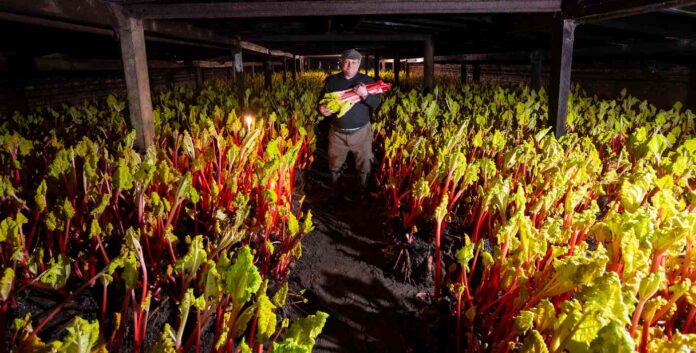
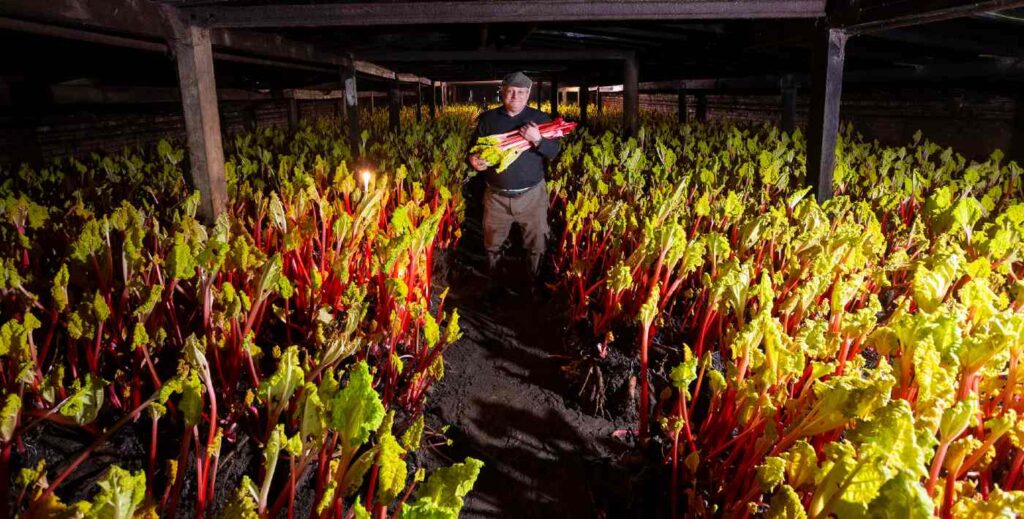
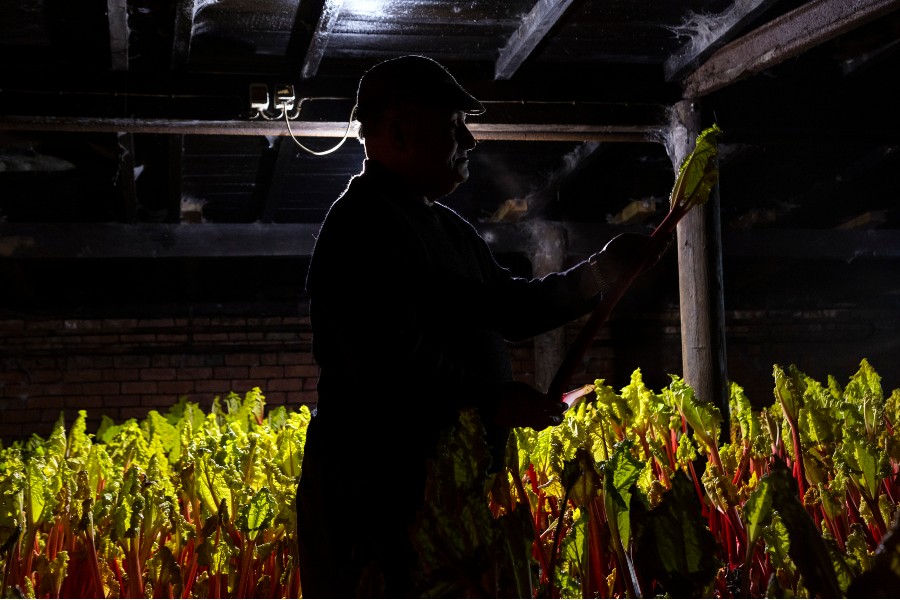
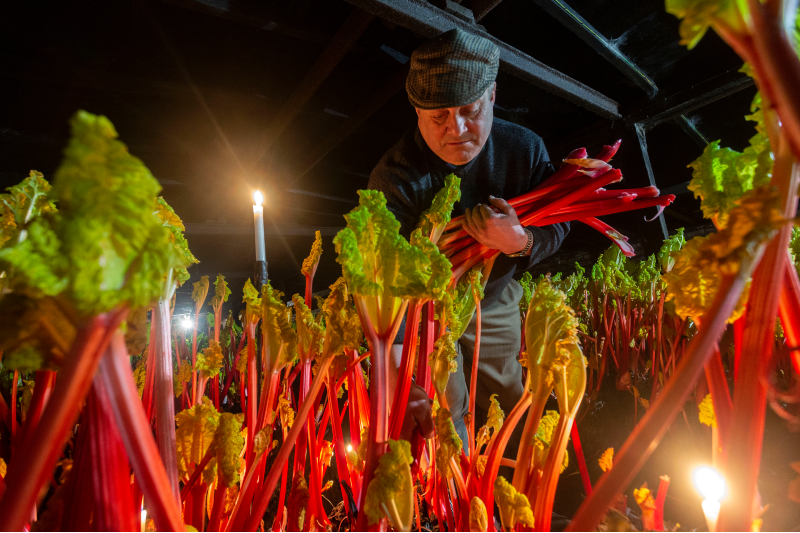
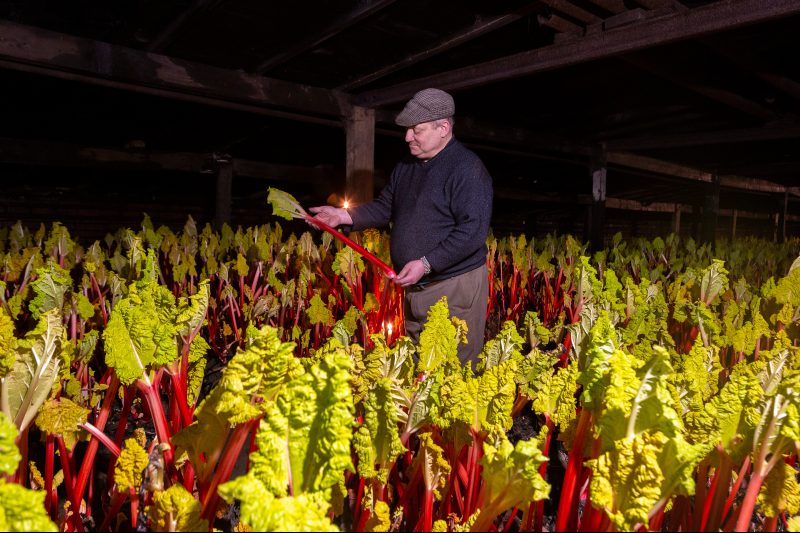
A centuries-old tradition of harvesting rhubarb by candlelight has been captured in this series of otherworldly photographs.

SWNS

Farmer Jonathan Westwood’s great-great-uncle started the tradition of harvesting winter-forced rhubarb in the north of England in 1870.

Now 59-year-old Jonathan is the latest in his family to grow rhubarb in a nine-mile-squared area dubbed Yorkshire’s ‘Rhubarb Triangle’.

He took over the reigns of the business from his father 15 years ago and painstakingly picks the vegetables by hand, in candlelight, after a unique growing process.

The rhubarb is left in fields for two years without being harvested—with all sugars kept within the root.

MORE: Man Hasn’t Been to the Grocery Store in 8 Months Thanks to Tiny Pandemic Garden Inspired By Grandfather

The farmer then moves the crop into pitch-black sheds. In such conditions, all of the energy of the plant is aimed into the stalk—creating a much sweeter taste than usual.

SWNS

To ensure they’re unable to photosynthesize, the rhubarb gets picked using the very lowest lighting conditions—by candlelight, with the doors closed.

SWNS

Few farms continue to grow rhubarb is this time-honored way, but the method is much-esteemed by foodies, with over 300 tonnes of the rhubarb being sent to high-end grocery stores each season—and even to Buckingham Palace, and potentially, the Queen’s plate.

RELATED: Gardener Grows Britain’s Biggest Tomato… Using Pantyhose

It’s believed that West Yorkshire once produced 90% of the world’s winter-forced rhubarb from the forcing sheds within the Rhubarb Triangle.

SWNS

What’s produced at those farms today is protected under the European Commission’s Protected Designation of Origin (PDO), just as other regional delicacies—such as French Champagne and Italian Parma ham—is.

SHARE The Candlelit Rhubarb Method With All the Cobbler Fans in Your Life…

After Illegally Bulldozing Historic London Pub, Developers Were Ordered to Rebuild it ‘Brick by Brick’

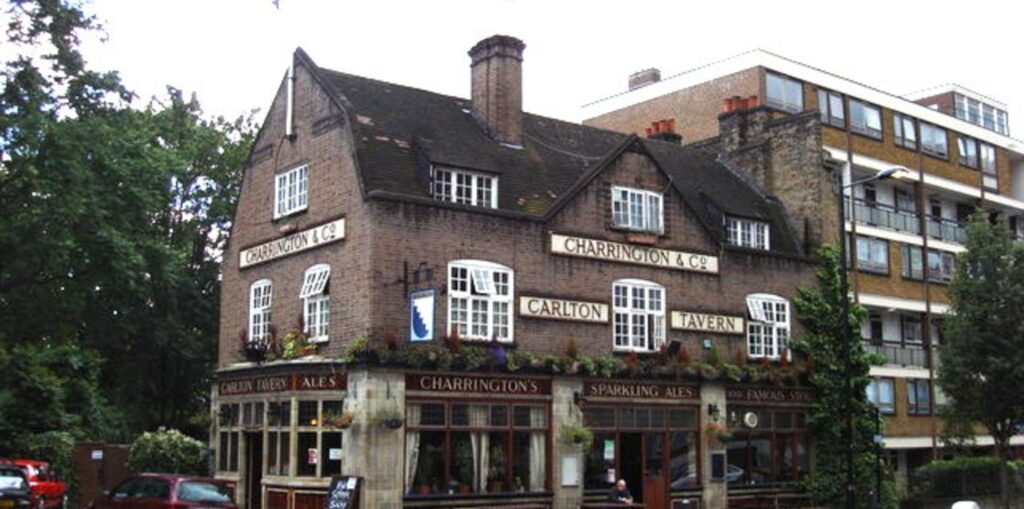
Carlton Tavern/Oxyman, CC license

Six years of legal trench warfare has given every reason for West London residents to raise a pint in victory.

Carlton Tavern/Oxyman, CC license

A favorite neighborhood pub, which seemed set by to be turned into a block of apartments by developers, has been saved by a council ruling that designated the old watering hole as a historic building.

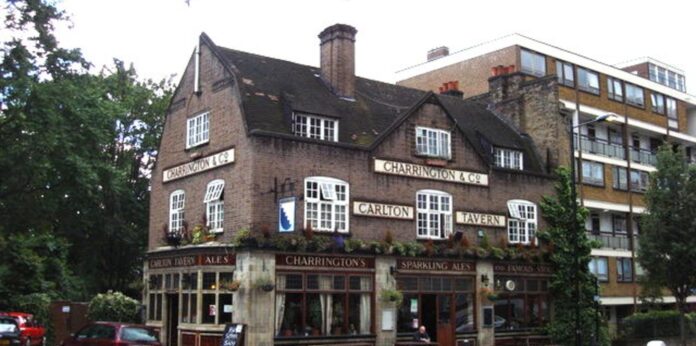
Built in Maida Vale in the 1920s, the Carlton Tavern, with its distinctive tiled sign, had one of its walls sheared clean off by bulldozers. Reporting on the story, James Tapper at the Guardian explains this is a classic trick played by real estate developers—to intentionally damage buildings in order to have them condemned.

This time however, the culprits have been ordered to rebuild the Carlton’s wall “brick by brick” to its original state, something which has left the campaigners who fought for the rights of their tavern “flabbergasted.”

The pub last served up a drink in April 2015. After developers CTLX received a big fat ‘no’ to turn the building into apartments, they ordered the demolition of the building just two days before Historic England was to recommend the Carlton be given Grade-II listed status for its historic nature.

MORE: Company Projects Smiley Face On London’s Parliament Across From A Hospital

Chief campaigner Polly Robertson was the piston behind a community movement that included persuading 5,300 local people to go and petition the Westminster council, who would eventually set “an extraordinary precedent” by ordering the wall’s reconstruction with the same bricks—and even the same small tiles used in the pub sign.

RELATED: After Musician Launches National Plea, He is Finally Reunited With His Beloved 310-Year-old Violin

“We had a suspicion before the demolition that they would do something, so we asked Historic England to think about listing it,” Robertson told the Guardian. “They took a plaster cast of every tile, they took pictures and documented everything.”

Brick by brick

“We want it to be a great little boozer where you can come and have some pints of cask any day of the week, but we’ll also have a nice dining area out the back,” said Tom Rees, one of the Carlton’s new owners. “We hope we can be everything to everyone.”

Much of the fittings and original structure was reclaimed from the rubble, and nearly all of it that’s useable has been employed in fixing the wall, which Rees and his business partner see as lending a little more uniqueness to the place. This includes parts of the bar, the banister, and the fireplace.

“And to be fair to [CTLX], they have done amazing work,” Robertson added. “It looks fantastic.”

CHECK OUT: Taxing Empty Apartments Could Be the Solution to Affordable Housing in Expensive Cities, New Study Says

The much-loved tavern—and the only building in the area to survive the Blitz bombings of World War II—is set to open again to the public on April 12, when the current COVID-19 lockdown measures in England are set to ease.

SHARE the Great Legal Win With Pals You’d Love to Share a Pint With…

In World First, Key African Species Will be Relocated to Another Continent After it Became Extinct in India

Charl Durand

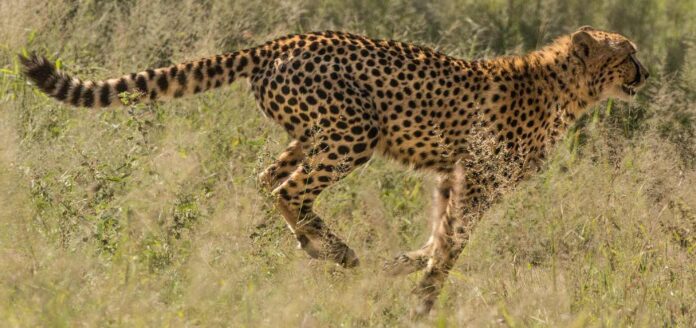
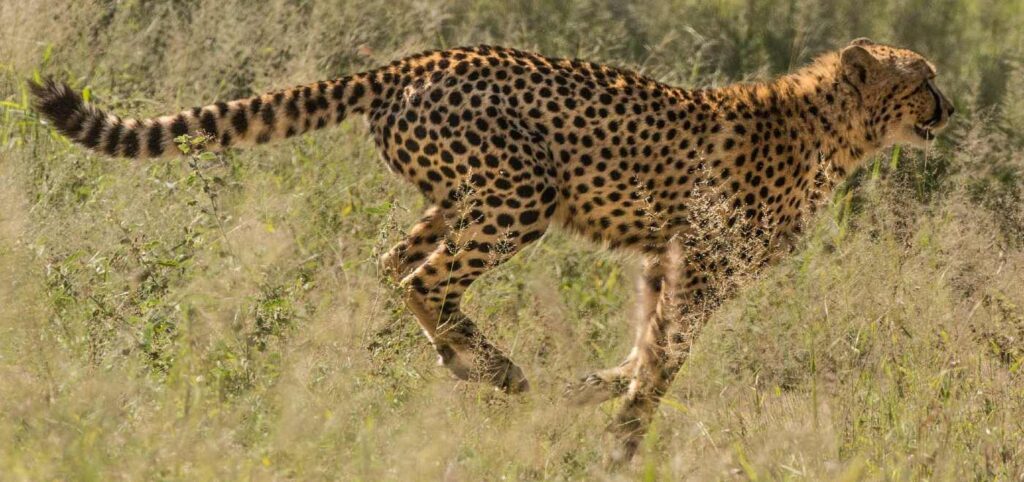
A team of experts from South Africa and Namibia are helping to relocate a population of cheetahs to India in an ambitious restoration program that just got the go-ahead.

Charl Durand

It would be the first time ever that a major predator was moved inter-continentally to reestablish a population where it had once been, and India is working hard to make sure it goes well.

The majestic cheetah, iconic of the African bush, once roamed an area from the steppes of Turkey all the way to the dry forests and grasslands of India’s western and central regions.

Now critically endangered, perhaps fewer than 50 Asiatic cheetahs are alive today, and are found only in Iran, with Indian monarchs hunting the animal to extinction in the subcontinent by the 1950s. 20 years later, a significant reintroduction effort was made with the Asiatic cheetah from Iran, but successes never materialized.

“Indira Gandhi was very keen on bringing back the cheetah,” said Dr. M. K. Ranjitsinh, to the Indian Express. “The negotiations went well and Iran promised us the cheetah, but our potential release sites needed to be upgraded with an increase in prey base and greater protection. Moreover, during the process, the Emergency was declared in the country and soon after the Shah of Iran fell.”

“As a flagship species, the conservation of the cheetah will revive grasslands and its biomes and habitat, much like Project Tiger has done for forests and all the species that have seen their numbers go up,” he added.

CHECK OUT: Two Cheetah Cubs Born to Surrogate Mother in World’s First Successful IVF Operation to Save the Big Cats

Chair of the Wildlife Trust of India, and former Director for Wildlife of the Indian Government—essentially the Indian version of David Attenborough—Ranjitsinh is working with a national private-public-non-profit team that’s assessing and building a comprehensive plan for the arrival of the spotted sprinter.

Hope for grasslands

Ranjitsinh explains how the forests of India receive an enormous amount of conservation support, while the grasslands, subject to clearance for decades because of a strong focus on agriculture, get very little.

LOOK: McDonalds is Turning Dozens of Roadside Billboards into ’Bee Hotels’ in Sweden

In fact, many of the animals that make their home among India’s forests and grasslands, such as the Chital deer, evolved to escape cheetahs. Furthermore, often the species that are under the strictest national protection are actually animals of the plains, that merely wander into the forests occasionally, or who have had their grassland homes replaced with forests to make room for tigers and leopards.

Ideally, the reintroduction program will involve the transfer about 35-40 animals from the two African nations to between four and five sites to ensure natural disasters or poaching can’t ruin the project all at once.

MORE: Top 10 Species Discovered in 2020 Include a Harry Potter Snake and Desert-Dwelling Broccoli

Six sites are being considered for the reintroduction program. The first four, Kuno and Madhav National Parks, and Gandhi Sagar and Nauradehi Wildlife Sanctuaries, are in the state of Madhya Pradesh. Mukundara Hills Tiger Reserve and Shergarh Wildlife Sanctuary are also being considered—both of which are located in the state of Rajasthan, in which the Taj Mahal can also be found.

MOVE FAST—Share The Groundbreaking Good News With Friends…

Senior Takes Hundreds of Thank-you Cards to Truck Stops During Pandemic to Show Drivers Her Gratitude

CBC

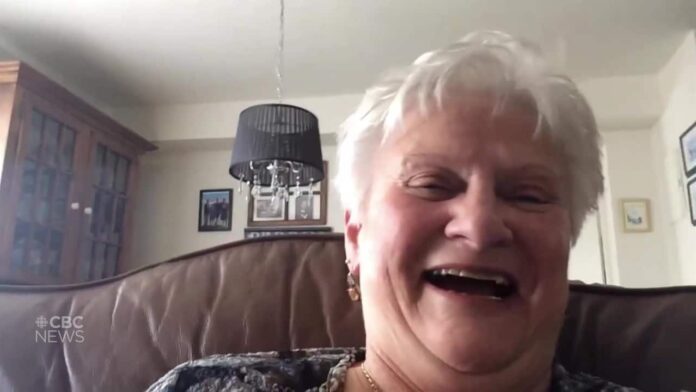
A little kindness can go along way, and that’s certainly true for one Canadian senior who’s getting a lot of mileage by handing out personalized thank-you cards to long-haul truckers.

CBC

When the pandemic hit in 2020, supply shortages quickly followed. Caught in the middle were the men and women responsible for transporting the goods in their big rigs.

After viewing several news stories in which drivers detailed some of the harsh realities of trucking in the age of COVID-19—like not being allowed to use restrooms or being forced to stay in their cabs for hours at a time after crossing the border—Beverly Perrin decided these unsung essential workers deserved some kudos.

Last April, Perrin and her husband, Dick, began delivering batches of between 75 to 100 personalized thank-you cards every three to four weeks to a truck-stop near their Chatham home in Ontario. To date, they’re up to a grand total of about 1,000 cards.

“When I first started doing it, they just kind of looked at me like, ‘Really?’” Perrin told CBC news. “One trucker asked me, ‘How much do I pay you?’ [I told him] it’s just from me to you, as a senior—that we so appreciate you.”

RELATED: Coronavirus Patient Who Couldn’t Talk Thanked Hospital Staff With Violin Serenade – WATCH

Each one of Perrin’s notes contains the same message: “Thank you so much for bringing supplies to our stores. Even though it is sometimes under harsh circumstances. Take care. Stay safe. God’s blessing on you always. Love Beverly Perrin, a very grateful senior.”

Friends acquainted with the Perrins say even though Bev’s massive missive gesture is somewhat unusual, it’s totally in keeping with her outgoing character. “My husband and I do service for other people,” she told CBC. “I get more out of it than they get from me.”

MORE: Town Surprises UPS Driver With $1,000 to Thank Him For Being Essential During Pandemic

We guess you could say that when it comes to acts of pure, unadulterated kindness, for this inveterate thank-you note writer, “the truck stops here.”

(WATCH the CBC video with Beverly below.)

SHARE This Sweet Story of Gratitude With Pals on Social Media…

“The largest part of what we call ‘personality’ is determined by how we’ve opted to defend ourselves against anxiety and sadness.” – Alain de Botton

Quote of the Day: “The largest part of what we call ‘personality’ is determined by how we’ve opted to defend ourselves against anxiety and sadness.” – Alain de Botton

Photo by: Max Bender

With a new inspirational quote every day, atop the perfect photo—collected and archived on our Quote of the Day page—why not bookmark GNN.org for a daily uplift?

Bike Tires That Need No Air Are Made From NASA Rover Tech –But Soon Will Be Available to Any Cyclist

SMART Tire Company

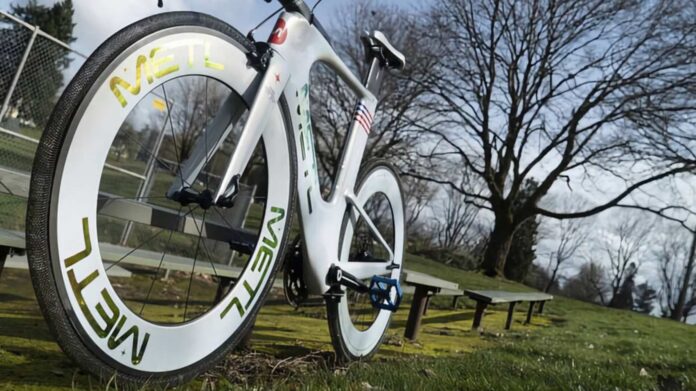
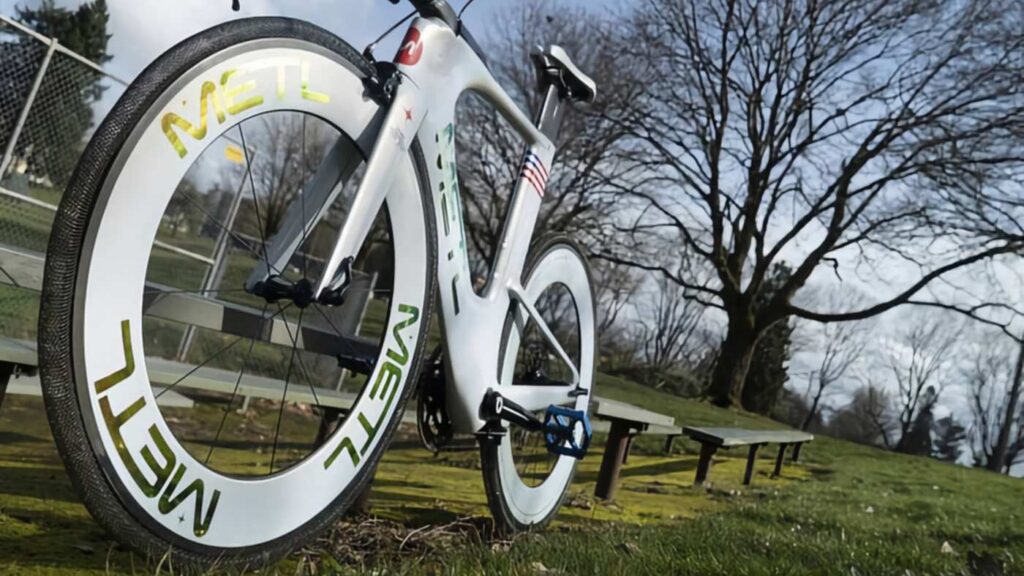
Originally invented by NASA for use on lunar and Mars rover missions, there’s a new kind of bicycle tire that’s elastic like rubber yet strong like titanium. It exhibits perfect shape memory without ever going flat. Essentially, it’s the tire of dreams.

SMART Tire Company

Made in gold, silver, and metallic blue, METL tires are made from advanced, lightweight materials known as NiTinol+.

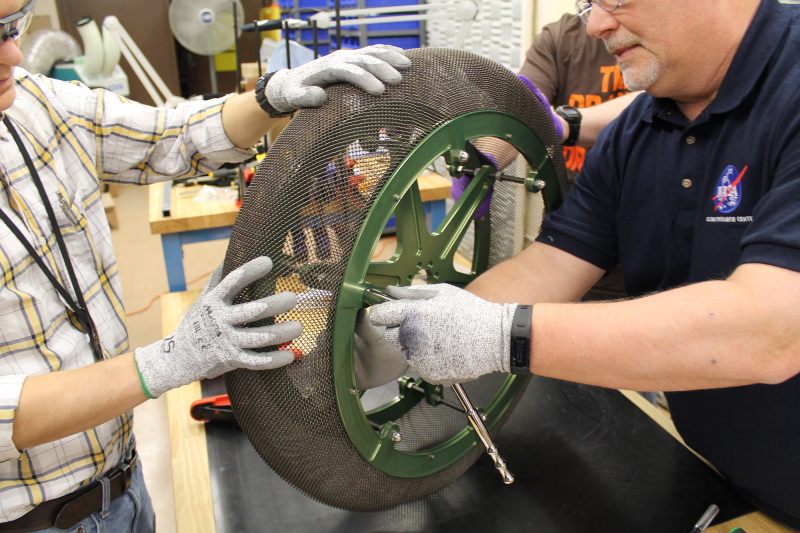
They’re the first-ever consumer application of the alloy tire technology NASA will use to get future rover missions out on rough terrain without a hiccup (or puncture). And they’re being developed as a partnership with the startup SMART Tire Company.

“Cyclists will not be able to wait to get their hands on these cool-looking, space-age tires that don’t go flat,” says Earl Cole, former Survivor: Fiji champion and CEO of SMART, in a statement.

“The unique combination of these advanced materials, coupled with a next generation, eco-friendly design make for a revolutionary product.”

SMART was founded in 2020 by Cole and blockchain engineer Brian Yennie. Together with former NASA engineering intern Calvin Young, the SMART team has consulted with inventors at NASA Glenn Research Center to bring the power of shape memory alloy tire technology to the general public.

NASA

Thanks to their ability to undergo phase transitions at the molecular level under strain, these alloys are unlike any other material, exhibiting thirty times the recoverable strain of ordinary steel.

In other words, according to Darrell Etherington at TechCrunch, NASA’s key development has been in “creating an alloy that can return to their shape at the molecular level, meaning they can deform to adapt to uneven terrain, including obstacles like gravel and potholes, and return to their shape without losing structural integrity over time.”

MORE: This Clever Attachment Makes Any Bicycle an E-Bike in Just Seconds – And it’s a Much Cheaper Method

What’s more, SMART’s METL tires are good for the planet, utilizing long-lasting materials that reduce rubber waste. The ultimate plan? For these tires to become established as the premier high-tech component for the modern cyclist across road, gravel, mountain, and e-bike applications.

“Shape memory alloys look extremely promising in revolutionizing the entire terrestrial tire industry,” says Santo Padula, Materials Science Engineer at NASA, “and that’s just the tip of the iceberg.”

METL tires will be available for the cycling community in early 2022 before hopefully reaching the car industry and beyond. And SMART has also partnered with the leading micro-mobility provider, Spin, to develop SMA tires for e-scooters.

RELATED: Insert This On Your Bike Wheel to Filter the Air Pollution While You Cycle

Bicycle tires that are immune to punctures even on the most pot-holed roads? Hands up if you can’t wait to take this new tech out for a spin.

(WATCH the Mashable video about this innovation below.)

BIKE the Good News Over to Your Friends on Social Media..

Watch the Lifesaving Moment a Man Topples Backwards Off a Balcony—But a Bystander Catches His Foot

SWNS

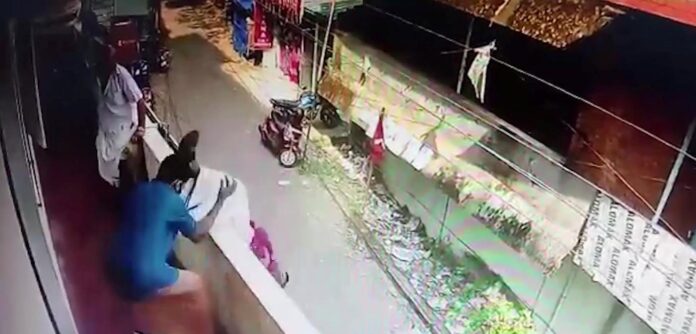
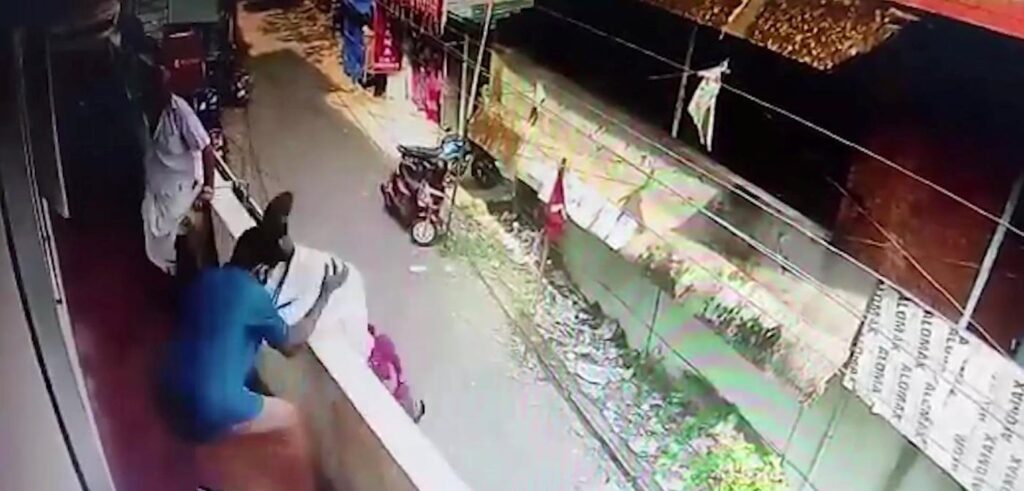
This is the incredible moment a man escaped almost certain death when he toppled backwards off a balcony—but gets saved when a bystander catches his foot.

SWNS

CCTV footage shows a group of men lining up to collect their labor pensions on the second-floor balcony of a bank in Kerala, South India.

In the video, one of the men can be seen slowly swaying back and forth before leaning backwards and tumbling off the concrete balcony ledge.

A quick-thinking bystander springs into action—grabbing his foot as he goes over.

Others can be seen rushing over to the aid of the unconscious man, eventually pulling him back to safety.

CHECK OUT: Trucker Hero Pulls Over When He Sees ‘Frantic’ Man Running Up Highway After Wreck Flings His Toddler into the Dark

The man, known locally as Binu, was later taken to the nearest hospital. It’s reported that he did not sustain any injuries and is now safe—with his black-out having been caused by an unexplained medical episode.

Here at GNN, we’re wishing him the best of health.

(WATCH the SWNS video of Binu being saved below.)

SHARE This Harrowing Rescue Story With Your Pals…

Chimps From Two Czech Zoos are Zooming Each Other Every Day

Sheku Koroma
Sheku Koroma

If there was anyone in our society who didn’t know how to use Zoom, they do now. The demand for the superior video call platform has obliterated all others over the course of the pandemic, and its popularity is even crossing the species boundary.

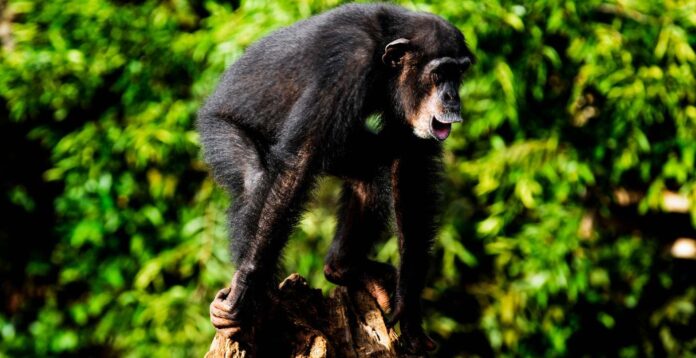
Chimpanzees at two Czech zoos are, like the rest of us, staying in contact via Zoom, as the zoo staff seek to give them some company and stimulation during the long hours of isolation.

Chimp gang Dingo, Babeta, Bonnie, Suzi, Chispi and Mat at Safari Park Dvur Kralove have had their lives Zoom-displayed on giant screens in front of the simians at a Brno Zoo enclosure 90 miles away, and vice versa.

There are no confusions over whether the default speaker is selected, or if the mute button is on, as the sound off entirely, but that hasn’t stopped the two groups from enjoying the company of their cousins.

MORE: Nat Geo Series Follows Rescued Chimpanzees in Sanctuary Where High Jinx is Job One

Reuters reports that it didn’t always seem like a family reunion. “At the beginning they approached the screen with defensive or threatening gestures,” said Gabriela Linhartova, one of the ape keepers at Dvur Kralove Zoo east of Prague.

“It has since moved into the mode of ‘I am in the movies’ or ‘I am watching TV’. When they see some tense situations, it gets them up off the couch, like us when we watch a live sport event,” she said.

CHECK OUT: Jane Goodall Gets Tender Hug From Chimp Before its Release

While observing the others’ day-to-day lives, the chimps have taken to other human behaviors, such as shoveling things like peanuts into their mouths while they watch— reminding this author of the “junk food movie nights” of his childhood.

READ: Adorable Pictures Show A Critically Endangered Female Chimpanzee Cradling Her Newborn Baby

There is a live stream on the zoo’s website where the calls—streamed daily from 8AM to 4PM CET—will continue until the end of this month at least.

(WATCH the Arirang News segment about the chimp friends below.)

GO APE for the Good News—Share This Sweet Webcam Feed With Pals…

Just One Day After Completing CPR Training, a Teen Saves Her Friend’s Life Using Procedure She’d Just Learned

A'zarria Simmons left; Torri'ell Norwood right/Torri'ell Norwood

Even though CPR is one of the most important lessons we can learn, it’s also something we hope we’ll never have to use. Can you imagine just completing a life-saving training course and then having to test out your skills the very next day—on your best friend?

A’zarria Simmons left; Torri’ell Norwood right/Torri’ell Norwood

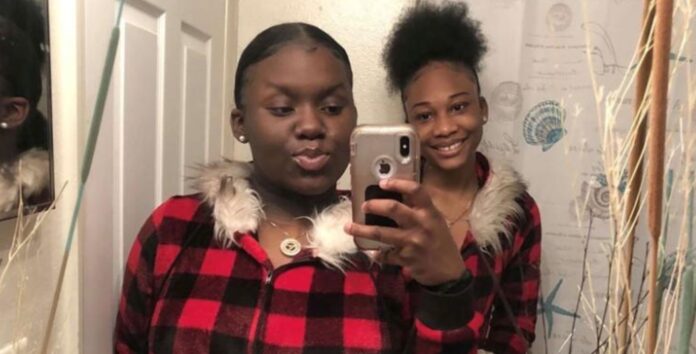
St. Petersburg teen Torri’ell Norwood was behind the wheel of her car when it was T-boned by a speeding driver. The crash hurled the car containing 16-year-old Norwood and her three passengers across someone’s front lawn, where the car barreled into a tree.

After the force of the impact crushed Norwood’s door, she was forced to climb through her window to get out. Two of her passengers, both unhurt, were also able to extricate themselves from the vehicle.

The crashed car/Torri’ell Norwood

But as they started to make their way clear of the wreckage, Norwood realized that her friend A’zarria Simmons was still in the car.

“When I turned around, I didn’t see A’zarria running with us,” Norwood told CNN. “So, I had to run back to the car as fast as I can. She was just sitting there unresponsive.”

Simmons had hit her head on a rear passenger window. The blunt-force trauma resulted in life-threatening injuries.

After pulling Simmons from the car, Norwood checked her vital signs. Unable to detect a pulse, she immediately began employing the CPR techniques she’d so recently learned on Simmons.

MORE: Teen Collects 30,000 Pairs of Shoes to Donate ‘Dignity’ to LA Homeless

Norris had administered 30 compressions and two rescue breaths when Simmons regained consciousness. Paramedics arrived shortly thereafter and transported Simmons to the nearest Florida hospital.

Norwood learned her lifesaving skills at Lakewood High School’s Athletic Lifestyle Management Academy. Her instructor, Erika Miller, was both awed and astonished by her student’s stellar performance.

Miller noted that most of her former students never have cause to use their CPR training until they’re studying to become nurses or EMTs. “But not while they were still a student of mine or definitely not within 24 hours,” she told CNN, adding proudly: “This is what every teacher dreams of, you know, that somebody listens, pays attention, learns something.”

CHECK OUT: Teen from Wildfire-Hit Town Wins $250k Scholarship for Awesome Explanation of Quantum Tunneling

When Simmons woke up in the hospital, she didn’t remember the accident, but there’s little doubt she’ll ever forget the BFF who’d paid attention in class—and saved her life.

SHARE This Story of Teen Serendipity With Pals…

“When everything seems to be going against you, remember that the airplane takes off against the wind, not with it.” – Henry Ford

Quote of the Day: “When everything seems to be going against you, remember that the airplane takes off against the wind, not with it.” – Henry Ford

Photo by: David Vilches

With a new inspirational quote every day, atop the perfect photo—collected and archived on our Quote of the Day page—why not bookmark GNN.org for a daily uplift?

How to Turn Plastic Waste From Your Recycle Bin Into Profit

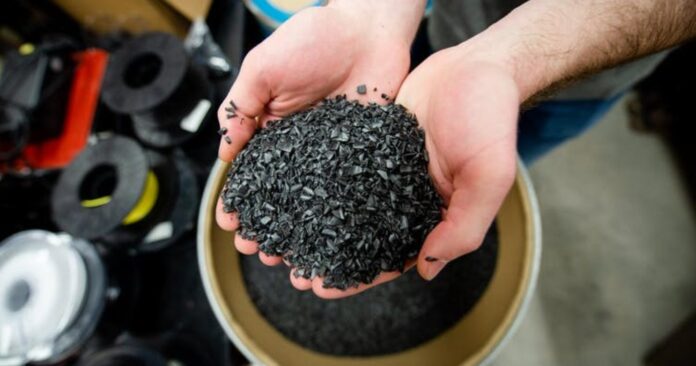
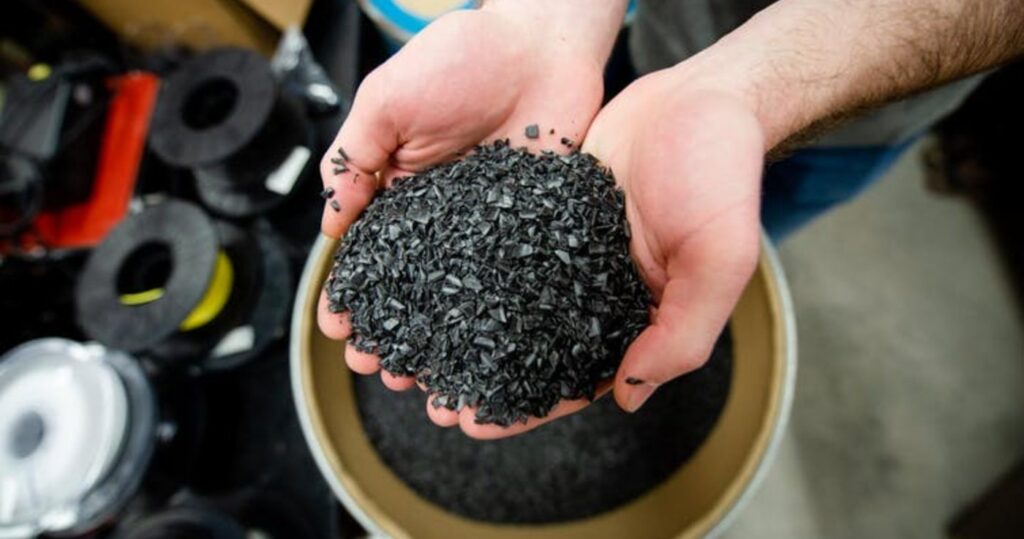
Nathan Shaiyen/Michigan Tech, CC license

This article, by Joshua M. Pearce of Michigan Technological University, has been republished from The Conversation under a Creative Commons license.

Nathan Shaiyen/Michigan Tech, CC license

People will recycle if they can make money doing so. In places where cash is offered for cans and bottles, metal and glass recycling has been a great success. Sadly, the incentives have been weaker for recycling plastic.

But now, several technologies have matured that allow people to recycle waste plastic directly by 3D-printing it into valuable products, at a fraction of their normal cost. People are using their own recycled plastic to make decorations and gifts, home and garden products, accessories and shoes, toys and games, sporting goods and gadgets from millions of free designs.

This approach is called distributed recycling and additive manufacturing, or DRAM for short.

As a professor of materials engineering at the forefront of this technology, I can explain—and offer some ideas for what you can do to take advantage of this trend.

How DRAM works

The DRAM method starts with plastic waste—everything from used packaging to broken products.

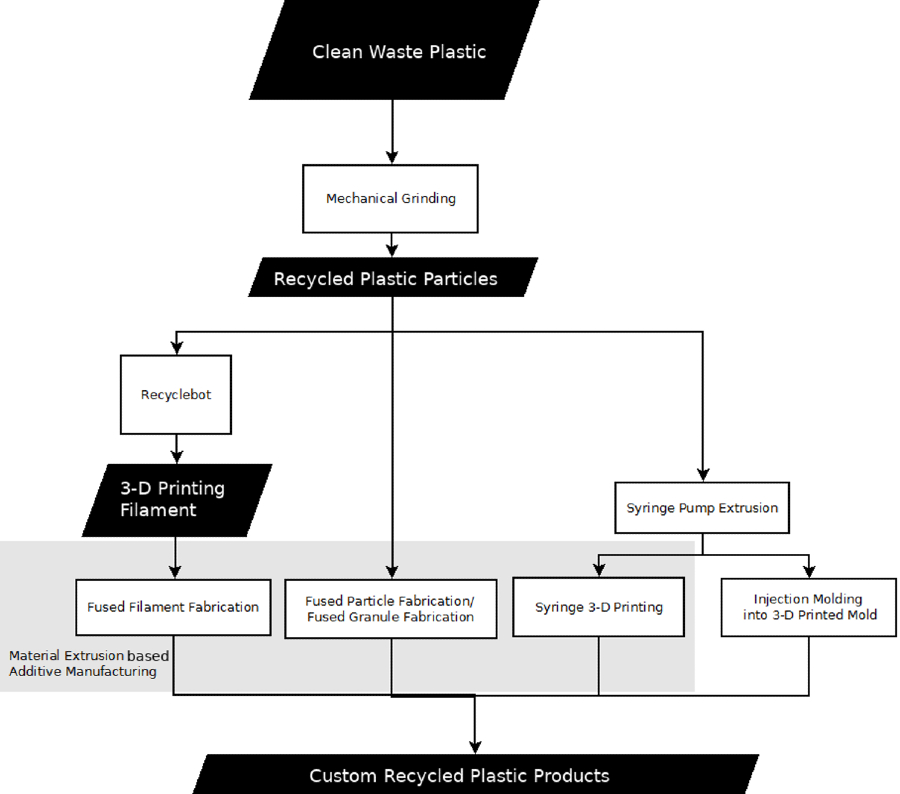
From trash to treasure – the DRAM flowchart. Joshua M. Pearce, CC license

The first step is to sort and wash the plastic with soap and water or even run it through the dishwasher. Next, the plastic needs to be ground into particles. For small amounts, a cross-cut paper/CD shredder works fine. For larger amounts, open-source plans for an industrial waste plastic granulator are available online.

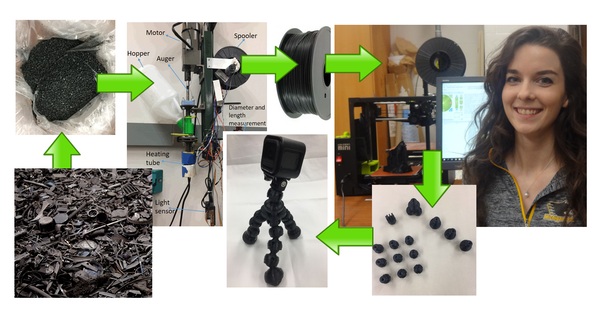
Next you have a few choices. You can convert the particles into 3D printer filament using a recyclebot, a device that turns ground plastic into the spaghetti-like filaments used by most low-cost 3D printers.

Filament made with a 3D-printable recyclebot is incredibly cheap, costing less than a nickel per pound as compared to commercial filament, which costs about US$10 per pound or more. With the pandemic interrupting global supply chains, making products at home from waste is even more appealing.

CHECK OUT: We Use 6 Billion Face Masks a Day—But Scientists Have a Genius Way to Turn Them Into Roads

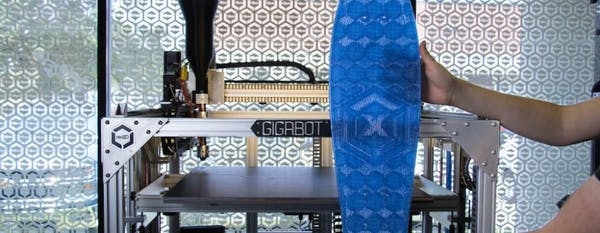
The second approach is newer: You can skip the step of making filament and use fused particle fabrication to directly 3D-print granulated waste plastic into products. This approach is most amenable to large products on larger printers, like the commercial open source GigabotX printer, but can also be used on desktop printers.

Granulated plastic waste can also be directly printed with a syringe printer, although this is less popular because print volume is limited by the need to reloading the syringe.

My research group, along with dozens of labs and companies throughout the world, has developed a wide array of open source products that enable DRAM, including shredders, recyclebots and both fused filament and fused particle 3D printers.

RELATED: Scientists Turn Plastic Waste Into Valuable Commodities, to Create a Bigger Market for Waste Materials

These devices have been shown to work not only with the two most popular 3D printing plastics, ABS and PLA, but also a long list of plastics you likely use every day, including PET water bottles. It is now possible to convert any plastic waste with a recycling symbol on it into valuable products.

Furthermore, an “ecoprinting” initiative in Australia has demonstrated DRAM can work in isolated communities with no recycling and no power by using solar-powered systems. This makes DRAM applicable anywhere humans live, waste plastic is abundant and the Sun shines – which is just about everywhere.

Toward a circular economy

Research has shown this approach to recycling and manufacturing is not only better for the environment, but it is also highly profitable for individual users making their own products, as well as for small- and medium-sized businesses. Making your own products from open source designs simply saves you money.

From waste to filament to a camera tripod. Joshua M. Pearce, CC license

DRAM allows custom products to be made for less than the sales tax on conventional consumer products. Millions of free 3D-printable designs already exist—everything from learning aids for kids to household products to adaptive aids for arthritis sufferers. Prosumers are already 3D-printing these products, saving themselves collectively millions of dollars.

One study found MyMiniFactory users saved over $4 million in one month alone in 2017 just by making toys themselves, instead of purchasing them. Consumers can invest in a desktop 3D printer for around US$250 and earn a return on investment of over 100% by making their own products. The return on investment goes higher if they use recycled plastic. For example, using a recyclebot on waste computer plastic makes it possible to print 300 camera lens hoods for the same price as a single one on Amazon.

Individuals can also profit by 3D-printing for others. Thousands are offering their services in markets like Makexyz, 3D Hubs, Ponoko, or Print a Thing.

The Gigabot X 3D printer makes larger items. Samantha Snabes/re:3D, CC license

Small companies or fab labs can purchase industrial printers like the GigabotX and make returns by printing large sporting goods equipment like snowshoes, skateboard decks and kayak paddles from local waste.

Scaling up

Large companies that make plastic products already recycle their own waste. Now, with DRAM, households can too. If many people start recycling their own plastic, it will help prevent the negative impact that plastic is having on the environment. In this way DRAM may provide a path to a circular economy, but it will not be able to solve the plastic problem until it scales up with more users. Luckily we are already on our way.

3D printer filament is now listed in Amazon Basics along with other “everyday items,” which indicates plastic-based 3D printers are becoming mainstream. Most families still do not have an in-home 3D printer, let alone a reyclebot or GigabotX.

MORE: The Ever-Growing Pile of Electronic Waste is Now On the Decline, Study Finds

For DRAM to become a viable path to the circular economy, larger tools could be housed at neighborhood-level enterprises such as small local businesses, makerspaces, fabrication labs or even schools. France is already studying the creation of small businesses that would pick up plastic waste at schools to make 3D filament.

I remember saving box tops to help fund my grade school. Future students may bring leftover plastic from home (after making their own products) to help fund their schools using DRAM.

The ConversationWritten by Joshua M. Pearce, Wite Professor of Materials Science & Engineering, and Electrical & Computer Engineering, Michigan Technological University. Read the original article here.

DON’T WASTE the Good News—Share This Story With Pals…

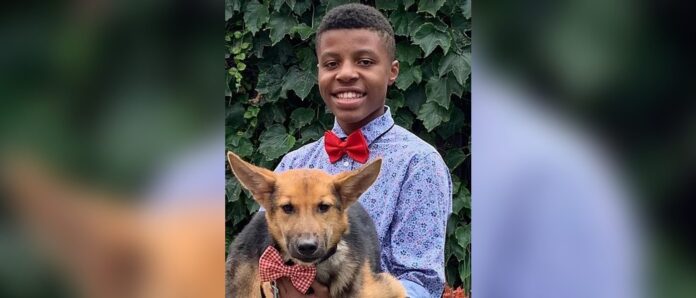
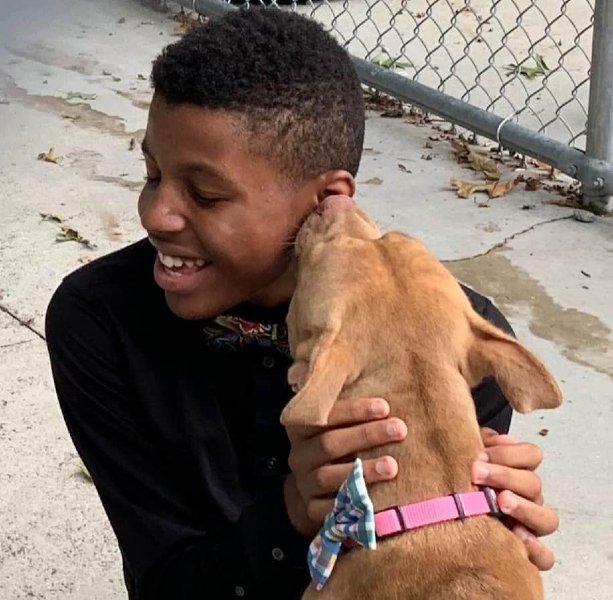
This Teen Makes Tiny Bow Ties for Shelter Dogs to Help Them Look Spiffy and Get Adopted

For rescue pups to get adopted, they need to stand out from the pack. One teenage boy has made it his mission to make sure they do—and he does it by providing his canine pals with slews of adorable bowties that he sews himself.

Joy Brown

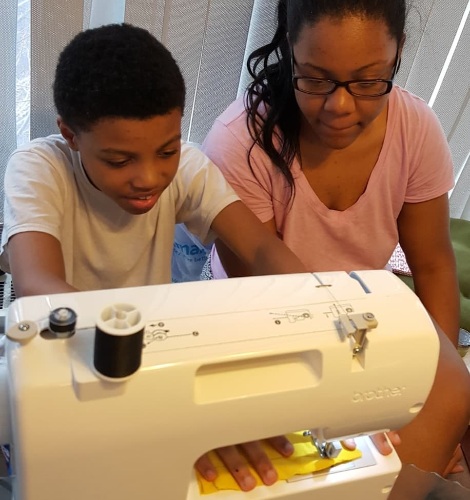
Darius Brown’s sister, Dazhai, taught him to sew when he was 8. The youngster’s first project, a Teenage Mutant Ninja Turtle-themed bowtie, proved so popular with his peers, Darius knew he’d found his niche.

Darius with his sister in 2015/Joy Brown

According to his mom, Joy, her son’s new passion was something of a godsend. Diagnosed at an early age with speech and fine-motor skills disorders, she noticed Darius’s abilities steadily improve as he painstakingly pursued his new craft.

“He was so determined. He sat and watched Dazhai for months and took it all in,” Joy told The Washington Post. “He started out cutting fabric and pretty soon, he was running the sewing machine by himself.”

When Darius learned about all the family pets left homeless by 2017’s Hurricane Irma, he was inspired to invest his emerging talent in helping them get adopted.

He soon delivered his first batch of 25 rescue bowties to New York City’s ASPCA animal shelter, which had become a refuge for a large influx of dogs and cats displaced by Irma.

“I saw how happy the people at the shelter were to get the bowties and how much the dogs liked them, and I decided to make more,” he told the Post. “I came up with a goal to give bowties to an animal shelter in every state.”

The young haberdasher to the furry set estimates he’s sewn in the neighborhood of 600 bowties for rescue animals since he started out. Pets in Washington D.C.-area shelters and eight U.S. states—so far—have been the beneficiaries of Darius’s paw-inspiring handiwork.

MORE: Labradoodle Has Incredible Bond With 7-Year-old Who Was Adopted Into the Family at the Same Time – LOOK

Darius especially likes to focus his attentions on older animals and pets with disabilities, since he knows they’re often the hardest to find homes for. Shelter directors acknowledge that Darius’s bowties have made a huge difference in getting more of their low-profile pets adopted.

With a little help from his mom, Darius brought his Beaux and Paws brand to life on Facebook and Instagram. The Browns also set up a GoFundMe campaign to help defray the cost of Darius’s sewing supplies.

RELATED: Teen Collects 30,000 Pairs of Shoes to Donate ‘Dignity’ to LA Homeless

As demand for his “collar-ful” wares grew, Darius broadened his operations by starting up his own entrepreneurial website, Sir Darius Brown. He earmarks a portion of all profits to the ASPCA.

As much of a dog lover as Darius is, the apartment complex in which the Brown family currently lives doesn’t allow them. So, for now, his dreams of having a canine companion of his own to keep him company will have to remain on hold.

CHECK OUT: Boys Make $250,000 From Genius nvention—And Donate Thousands to Animal Shelters

One day, however, Darius hopes to captain his own foster facility and surround himself with tail-wagging love. He also plans to expand the Beaux and Paws inventory to include brightly colored and boldly patterned doggie sweaters and vests for the well-heeled hound, taking his bowties for bow-wows to the big-time, all while showing off adoptable pets to their best advantage.

Featured image: Dazhai Brown Shearz

PAW This Good News About a Great Kid Over to Your Friends…

Trying to Stop the Epidemic of Veteran Suicides, Plant Medicine Company Builds Mental Wellness Value Chain

As GNN and others have reported, the effectiveness of plant medicines like cannabis and psilocybin to treat chronic anxiety, treatment-resistant depression, and PTSD is no longer deniable.

Now a Canadian former-hospital administrator has pounced on that evidence, founding a company that specializes in utilizing plant medicines to give veterans, police, paramedics, ambulance staff, and firefighters the treatment they need to get back on the path to mental health and wellness.

Allied Corporation is utilizing the legalized state of cannabis in Canada, and in 14 U.S. states, to get quality-tested cannabis and CBD products for mental health and wellness into the hands of these heroes who are, tragically, some of the most commonly afflicted cohorts in society.

According to reports from the American Psychiatric Association, depression causes a $200 billion loss in workplace productivity every year, while the CDC finds 200 million work days are lost to mental health-related sick days. The statistic that Callum Hughes, CEO of Allied, is interested in, however, is 17 suicides a day according to the Canadian Department of Veterans Affairs.

Hughes calls it 22—which may include Canadian veteran suicides in addition to those from south of the border. Call it 17 or call it 22, it’s between 17 and 22 too many in Hughes’ opinion.

Hughes had 10 years within the administrative and QA centers of hospital infrastructure when he came to learn about cannabis for treating things like PTSD in the run-up to the country’s eventual legalization of the drug.

“Myself and the Chief Operating Officer, he’s a Canadian veteran, we really started to realize along with some of the peer positions that I was in contact with that cannabis was very effective for chronic pain and getting off medication like morphine, oxycodone—drugs like this—but also for trauma survivors in the veteran cohort,” Hughes told GNN. 

In founding Allied Corp, Hughes looked to create a total supply-chain, from wide-scale production and quality testing, to bringing different products to market through vendors selling direct to veterans or first responders, to cutting-edge research in Israel and Austria looking to expand the field of applied plant medicine even further.

“We’re right in the corner for commercial scale-up, so it’s a real exciting time for the company’s journey,” Hughes explained.

Colombia’s green hills

Allied Corp

Allied’s primary production occurs in a country one would never associate with wide-scale legalized production of cannabis due to its traumatic history with other drugs: Colombia.

Why there? “The special nature of the temperate climate in Colombia, the strains that we have registered… and the cannabinoid profile tested as higher in the Colombian climate as opposed to in North America,” said Hughes.

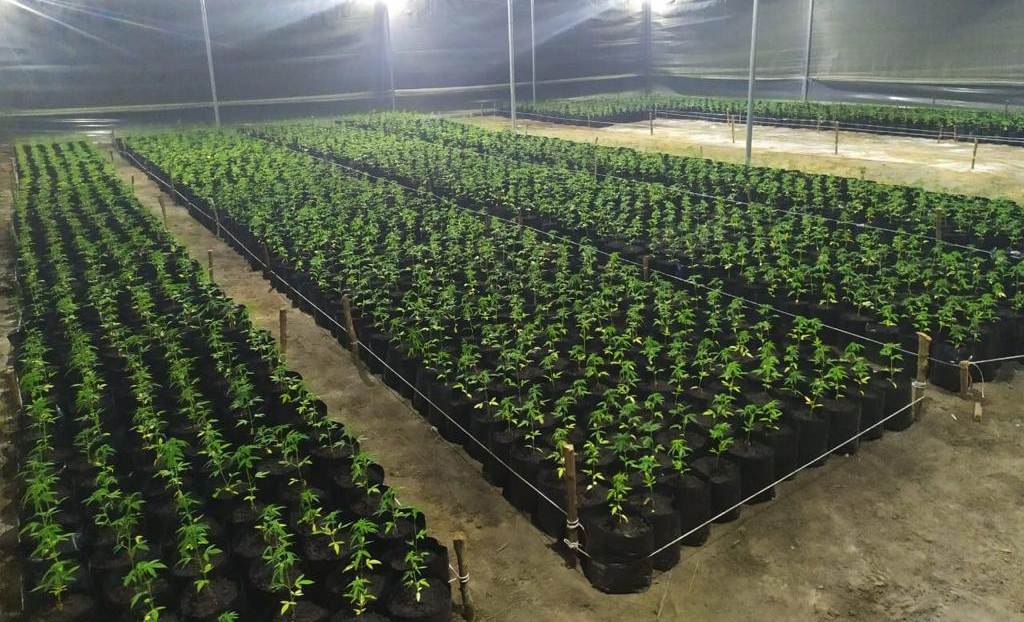
Allied’s production in Colombia is vast and cost-effective—producing 10 psychoactive strains and 10 non-psychoactive at around ten cents per gram.

“We traveled to Colombia in 2019 and acquired a large-scale farm down there. We entered out genetics to the Ministry of Agriculture and proceeded in what they called ‘seed evaluation,'” he continued. “[It was] the first time ever, as it was communicated to us, that a company presented to the Ministry… passed all 20 out of 20 strains that were submitted.”

This has allowed the company to launch a line of several CBD-infused products in addition to their pharmaceuticals.

“Tactical Relief is a CBD-infused tincture targeted at the veteran cohort,” explains Hughes, adding that the CBD content in the Colombian-grown cannabis is much higher than equivalent strains in the U.S. “Equilibrium Bio is an athlete-focused brand, we have an electrolyte rehydration drink as well as a tincture and athletic rub… all infused with CBD.”

Changing times

Allied Corp

Allied also does a variety of charity events to help veterans, police, and first responders get on the path back to mental health and wellness, including regular healing retreats that offer traditional therapy, and also supplementary activities like meditation and yoga.

Oms, colorful cushions, and breathing exercises maybe aren’t what people associate with veterans, but Allied’s website is smattered with hyperlinks to studies proving the effectiveness of things like meditation for helping recovery from trauma.

“One of our brand ambassadors was a 17-year Green Beret and United States veteran who has really overcome his story with PTSD, so it’s an authentic message brought to market by authentic people,” explains Hughes.

MORE: Cannabis Compound Inhibits COVID-19 Replication in Human Lung Cells, Study Says

Now a publicly traded company on various stock exchanges, Allied’s waves of success crests during a period where the mental health and wellness of many in the United States has perhaps never been poorer.

As government-mandated travel restrictions and business closures continues to spike mental health problems across the country, like gold in a recession, demand in plant medicine is trending the opposite direction.

“We’ve seen an increase in demand on the people level. And if you look around the whole COVID thing, people’s mental health was generally affected by that,” said Hughes. “The increase in cannabis and CBD sales has been reported to us from our distributor partners from the U.S.”

RELATED: Georgia Lab Experiments Shows CBD Reduces Plaque And Improves Cognition in Early Onset Alzheimer’s

Recently, GNN reported the success of another cannabis and psilocybin-based corporation. It’s a growing field, and the advantage of having access to public funding is that companies like Allied Corp allow the average person’s interest and belief in plant medicines to be channeled into investments.

Featured image: Kat Geb, CC license

GROW the Good News In Your Friends’ News Feeds—Share This Story…

11-Year-Old Boy Stumbles Upon 2,500-Year-Old Fertility Amulet In Israel

Facebook/Israel Antiquities Authority

That kids love rock collecting is a given. Finding an unusual stone is every junior geologist’s dream. But turning up an ancient relic? Now, that’s pretty amazing.

Facebook/Israel Antiquities Authority

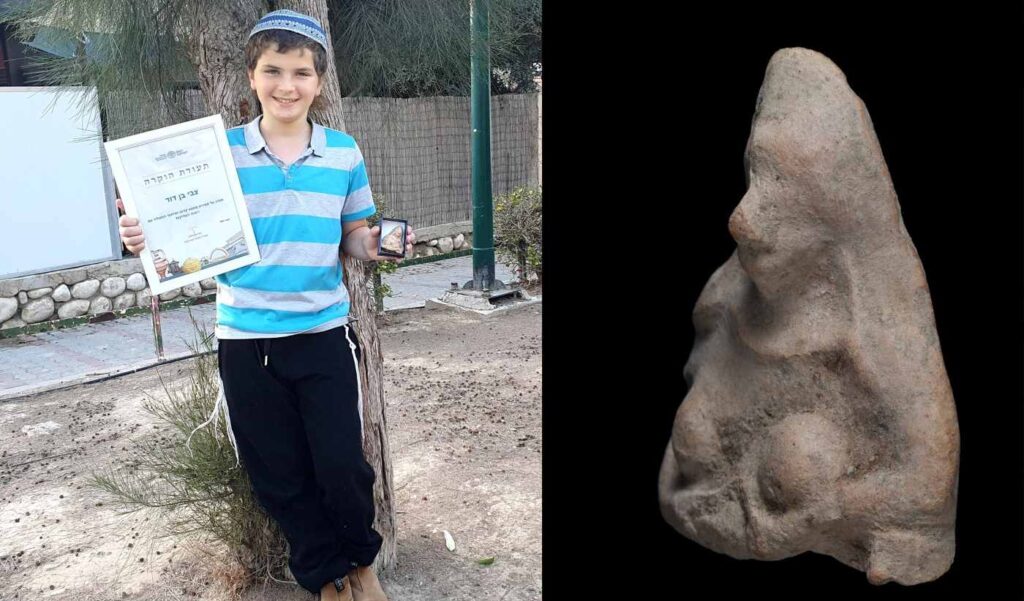
Zvi Ben-David was on a family hike near Israel’s Besor River when something out of the ordinary caught his eye. When the 11-year-old snapped the artifact up, he likely had no idea he was in for an Indiana Jones moment.

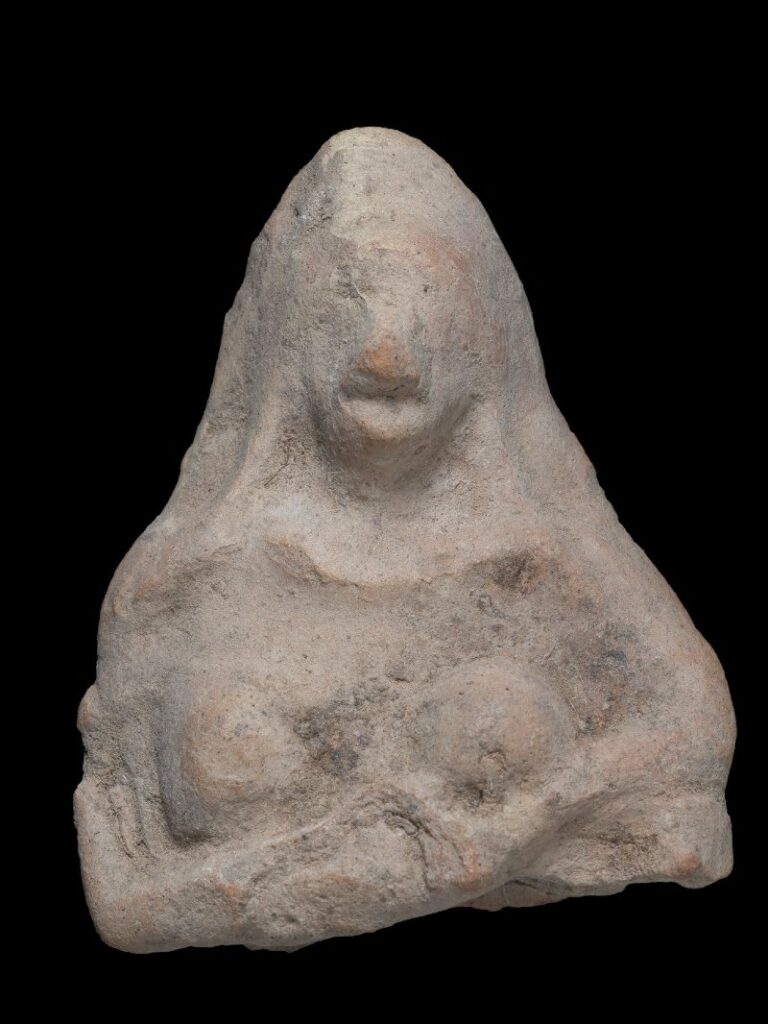
The small object he’d unearthed was in fact a 2,500-year-old fertility amulet. “The figurine that Zvi discovered is so rare that only one such example exists in the National Treasures collection,” the Israel Antiquities Authority (IAA) posted on their Facebook page.

Worn smooth over centuries, the diminutive statuette depicting a bare-breasted woman is just 2.75 inches tall and 2.36 inches wide (7 centimeters by 6 centimeters).

MORE: Ancient Biblical Scrolls and Rare Coins of ‘Immeasurable Worth for Mankind’ Discovered in Desert Cave

Considered a good-luck icon during the late First Temple Period (the era between the time King Solomon’s Temple was built circa 957 BCE and destroyed circa 587 BCE), such amulets were thought to bring prosperity and protection.

Facebook/Israel Antiquities Authority

Though a small country in area, Israel is home to 37 registered archaeological sites. Thanks to its being the location of the Bronze Age settlement of Tel Gamma, as well as its mention in The Book of Samuel, Nahal Besor is steeped in both historic and biblical meaning. For decades, archeologists have steadily striven to uncover the region’s hidden secrets.

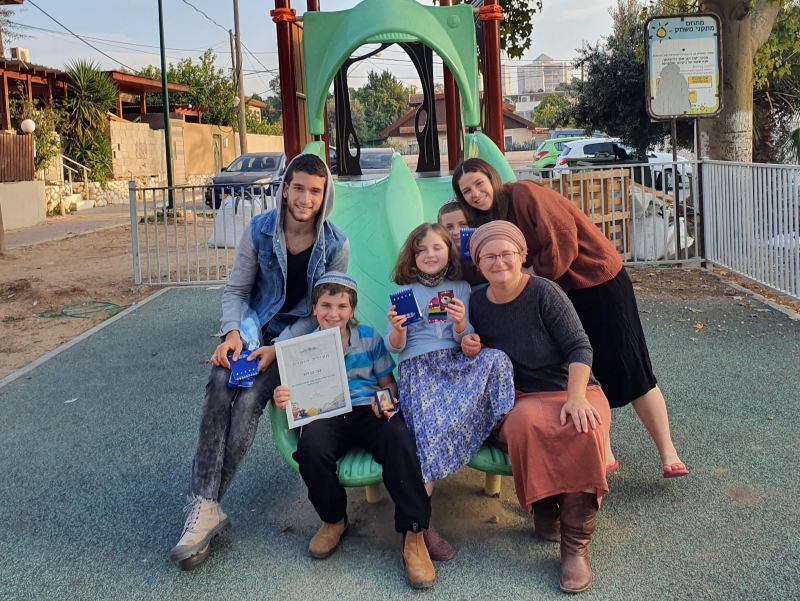
Ben-David’s mom, Miriam, is a professional tour guide. Immediately realizing the item’s historic significance, she alerted the IAA to her son’s discovery. The organization was delighted by the find and the finder as well.

RELATED: When 8-Year-old ‘Queen’ Finds Authentic Ancient Sword in a Lake, Her Fans Rally to Forge Her a Replica

“The exemplary citizenship of young Zvi Ben-David will enable us to improve our understanding of cultic practices in biblical times, and man’s inherent need for material human personifications,” the IAA stated on Facebook. “The whole Ben-David family deserves a huge shoutout. Don’t you agree?”

Facebook/Israel Antiquities Authority

Indeed, we do. “Mazel tov!”

SHARE This Lucky Find of a Story With Friends…

Growing Mushrooms at Home is Everyone’s New Pandemic Hobby

Oyster muhsrooms grown in coffee grounds, phạm Lộc

Home-grown mushroom kits are seeing an explosion in demand, giving people something to do, watch, and cheer on while they’re stuck at home.

Oyster muhsrooms grown in coffee grounds, phạm Lộc

Lockdown and travel restrictions has led to a resurgence in the popularity of crafts, gardening, baking, and other at-home hobbies. Remarkably, half of Canadians grew their own food to some degree last year—17% of whom did so for the first time.

For many of these beginner horticulturalists, mushrooms represented a super-easy way to start things off with, especially if they didn’t have any soil to utilize. The Guardian reports that some companies are seeing 300%-400% increases in sales of starter kits for genera like oyster mushrooms, a beautiful gilled fungi that grows horizontally on logs, trees, and hills in nature.

People like Willoughby Arevalo, a mycologist from Vancouver, have noted the stratospheric rise in mushroom kits sales. Author of DIY Mushroom Cultivation, he credits their fast daily growth, compared to the slow plodding of windowsill herbs, as one of their strongest appeals.

MORE: Stanford Designer is Making Bricks Out of Fast-Growing Mushrooms That Are Stronger than Concrete

“It’s relatively low-barrier. They’re more expensive than making your own once you have the system set up to do so, but they’re not that expensive,” said Arevalo to the National Post (starter kits typically range from $25-$35). “And it can really bring a sense of amazement to be able to share space with these mushrooms as they fruit.”

Some have taken it farther than simply something to marvel at. The Guardian reports on one Australian man and his wife using the pandemic time to transform their laundry room into an environment for growing almost $500 worth of blue, tan, white, and Queensland oyster mushrooms every few months.

“Sharing them is such a nice thing, and we’ve been swapping them with people for backyard eggs or sourdough bread,” George Clipp from Melbourne told the Guardian. “They’re like an alternative currency, which is pretty cool.”

RELATED: Dutch Man Invents Coffin That Turns Bodies Into Mushrooms: ‘We are nutrients, not waste’

Fears of food shortages, as found in Canadian home growers, drove on the cultivation of produce for some during the pandemic, so Clipp’s remark about currency isn’t far off the mark. If the pandemic were worse, and supply chains were impossible to maintain, having so many pieces of food, rich in various minerals and B vitamins, becomes far more than just a home-hobby.

SHARE the News With Pals Who Need a New (Delicious) Hobby…

“Vitality shows in not only the ability to persist, but the ability to start over.” – F. Scott Fitzgerald

Quote of the Day: “Vitality shows in not only the ability to persist, but the ability to start over.” – F. Scott Fitzgerald

Photo: Istanbul, Turkey, by ZEKERIYA SEN

With a new inspirational quote every day, atop the perfect photo—collected and archived on our Quote of the Day page—why not bookmark GNN.org for a daily uplift?


Georgia Lab Experiments Shows CBD Reduces Plaque And Improves Cognition in Early Onset Alzheimer’s

Bret Kavanaugh

A two-week course of high doses of CBD helped restore the function of two proteins key to reducing the accumulation of beta-amyloid plaque, a hallmark of Alzheimer’s disease, and improved cognition in an experimental model of early onset familial Alzheimer’s—a form of Alzheimer’s that doctors know for certain is linked to genes—investigators report.

The proteins TREM2 and IL-33 are important to the ability of the brain’s immune cells to literally consume dead cells and other debris like the beta-amyloid plaque that piles up in patients’ brains—and levels of both are decreased in Alzheimer’s.

The researchers report for the first time that CBD normalizes levels and function, improving cognition by more than seven-fold as it reduces levels of the immune protein IL-6 in mice, which is associated with the high inflammation levels found in Alzheimer’s, says Dr. Babak Baban, immunologist and associate dean for research in the Dental College of Georgia and the study’s corresponding author.

He joined colleagues at the Medical College of Georgia, writing in the Journal of Alzheimer’s Disease.

“Right now we have two classes of drugs to treat Alzheimer’s,” says Dr. John Morgan, neurologist and director of the Movement and Memory Disorder Programs in the MCG Department of Neurology. One class increases levels of the neurotransmitter acetylcholine, which also are decreased in Alzheimer’s, and another works through the NMDA receptors involved in communication between neurons and important to memory.

“But we have nothing that gets to the pathophysiology of the disease,” wrote the coauthor.

The DCG and MCG investigators decided to look at CBD’s ability to address some of the key brain systems that go awry in Alzheimer’s.

CHECK OUT: Archive of GNN Stories on Cannabis, Here

They found CBD appears to normalize levels of IL-33, a protein whose highest expression in humans is normally in the brain, where it helps sound the alarm that there is an invader like the beta-amyloid accumulation. There is emerging evidence of its role as a regulatory protein as well, whose function of either turning up or down the immune response depends on the environment, Baban says.

In Alzheimer’s, that includes turning down inflammation and trying to restore balance to the immune system. That up and down expression in health and disease could make IL-33 both a good biomarker and treatment target for disease, the investigators say.

RELATED: Cannabis Compound Inhibits COVID-19 Replication in Human Lung Cells, Study Says

CBD also improved expression of triggering receptor expressed on myeloid cells 2, or TREM2, which is found on the cell surface where it combines with another protein to transmit signals that activate cells, including immune cells. In the brain, its expression is on the microglial cells, a special population of immune cells found only in the brain where they are key to eliminating invaders like a virus and irrevocably damaged neurons.

Low levels of TREM2 and rare variations in TREM2 are associated with Alzheimer’s, and in their mouse experiments, supported by the National Institutes of Health, TREM2 and IL-33 were both low.

Increasing Helpful Proteins By 7 and 10 Fold

They found CBD treatment increased levels of IL-33 and TREM2—sevenfold and tenfold, respectively.

MORENew Alzheimer’s Treatment Shows Real Promise in Slowing Cognition Decline Using Antibody in Human Trials

Both are essential to a natural, ongoing housekeeping process in the brain called phagocytosis, in which microglial cells regularly consume beta amyloid, which is regularly produced in the brain, the result of the breakdown of amyloid-beta precursor protein, which is important to the synapses, or connection points, between neurons, and which the plaque interrupts.

CBD’s impact on brain function in the mouse model of early onset Alzheimer’s was assessed by methods like the ability to differentiate between a familiar item and a new one, as well as observing the rodents’ movement.

People with Alzheimer’s may experience movement problems like stiffness and an impaired gait, says Dr. Hesam Khodadadi, a graduate student working in Baban’s lab. Mice with the disease run in an endless tight circle, behavior which stopped with CBD treatment, says Khodadadi, the study’s first author.

ALSO: New Study Says Infrared Lasers Destroy Harmful Plaques in Alzheimer’s Brains

Next steps include determining optimal doses and giving CBD earlier in the disease process. The compound was given in the late stages for the published study, and now the investigators are using it at the first signs of cognitive decline, Khodadadi says. They also are exploring delivery systems including the use of an inhaler that should help deliver the CBD more directly to the brain. For the published studies, CBD was put into the belly of the mice every other day for two weeks.

A company has developed both animal and human inhalers for the investigators who also have been exploring CBD’s effect on adult respiratory distress syndrome, or ARDS, a buildup of fluid in the lungs that is a major and deadly complication of COVID-19, as well as other serious illnesses like sepsis and major trauma. The CBD doses used for the Alzheimer’s study were the same the investigators successfully used to reduce the “cytokine storm” of ARDS, which can irrevocably damage the lungs.

Familial disease is an inherited version of Alzheimer’s in which symptoms typically surface in the 30s and 40s and occurs in about 10-15% of patients.

ALL NATURAL: Possible Breakthrough in Alzheimer’s Research: ‘Love Drug’ Oxytocin Found to Reverse Damage in Mice Brains

CBD should be at least equally effective in the more common, nonfamilial type Alzheimer’s, which likely have more targets for CBD, Baban notes. They already are looking at its potential in a model of this more common type and moving forward to establish a clinical trial.

Plaques as well as neurofibrillary tangles, a collection of the protein tau inside neurons, are the main components of Alzheimer’s, Morgan says. Beta-amyloid generally appears in the brain 15-20 years or more before dementia, he says, and the appearance of tau tangles, which can occur up to 10 years afterward, correlates with the onset of dementia. There is some interplay between beta amyloid and tau that decrease the dysfunction of each, Morgan notes.

The Food and Drug Administration is scheduled to make a ruling by early June on a new drug aducanumab, which would be the first to attack and help clear beta amyloid, Morgan says.

(Source: Augusta University media)

SHARE the News With CBD Communities on Social Media…

Dr. Patch Adams Known For Wearing a Clown Nose Has a Foot Amputated—And He Says He’s Thrilled—Watch

Facebook

For those unfamiliar with the iconic physician Patch Adams, he has for the last 50 years devoted his life to giving free medical care to thousands of patients.

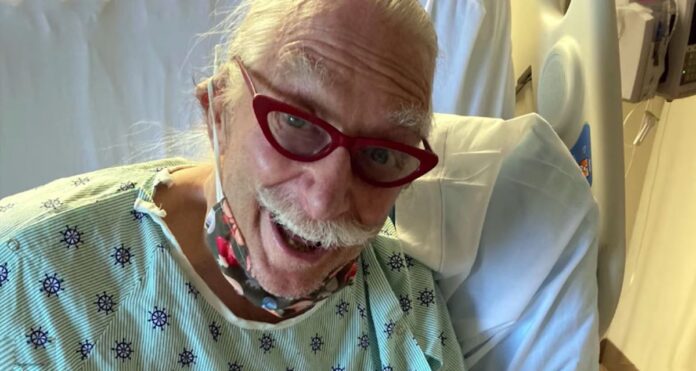
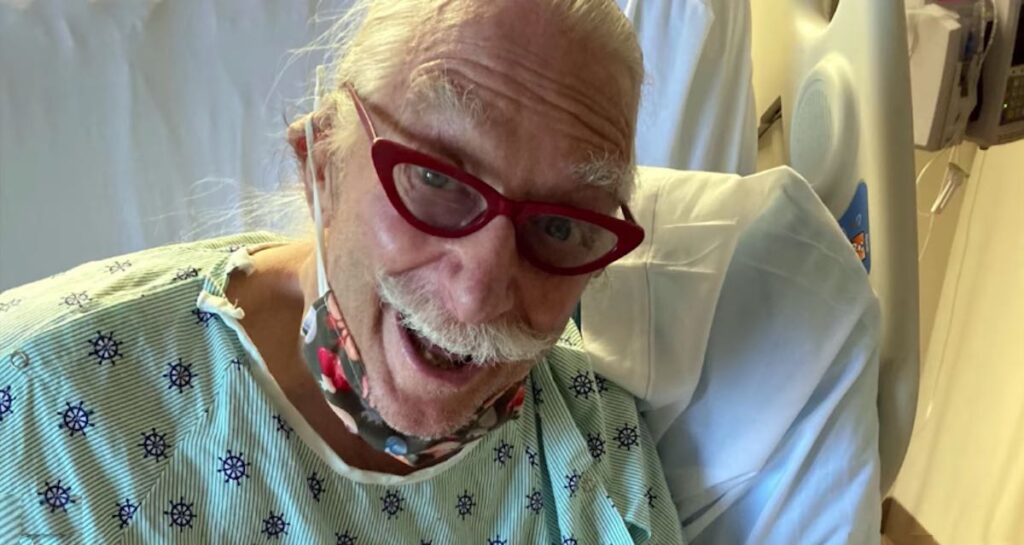
Robin Williams was chosen to play him in the movie Patch Adams, which was perfect for a doctor who often wears a clown nose and jokes relentlessly when he meets with patients, because he knows the healing power of laughter.

This week, the doctor himself was wearing a hospital gown when he made a video announcing that he had his lower leg amputated—and was thrilled with the idea that he could have a new nickname, ‘Stumpy.’

The founder of a healthcare center, Gesundheit! Institute in West Virginia, he was stricken six months ago with a nasty recurring case of MRSA (methicillin-resistant staphylococcus aureus). After three operations on his foot, he realized “it was time to amputate.”

“With the MRSA in there, I would not have a foot healthy enough to dance or to clown, which are two of my favorite things.”

The 75-year-old cheerfully described the miracle of today’s prosthetics, which allow people to run and do anything that anyone else does. Plus, he now has a new prop in his comedy toolkit.

Facebook

“What’s beautiful is, it looks like a little TV screen on the end,” he said, describing his new shorter leg. “And, I’ve been thinking of all kinds of opportunities for clowning.”

“I can have hiding little characters that sit on that screen… like a nice ‘mooning’ picture.”

He realized, “there’s all this “negativity” around amputation,” so he has already begun joking with the hospital staff, calling his new schtick ‘Fun With Amputation’.

In a way, this has been his message for health care providers all along: lighten the mood and you will lighten the struggle.

WATCH his engaging and inspiring message below….

If you’d like to write to him, his address is PO BOX 307, URBANA, IL 61803 — and check out his Facebook page to follow his weekly videos about his joyous recovery. If you want to donate to his hospital you can do so on his website, www.patchadams.org.

DON’T Clown Around – Share His Uplifting Message About ‘Ability’ on Social Media…

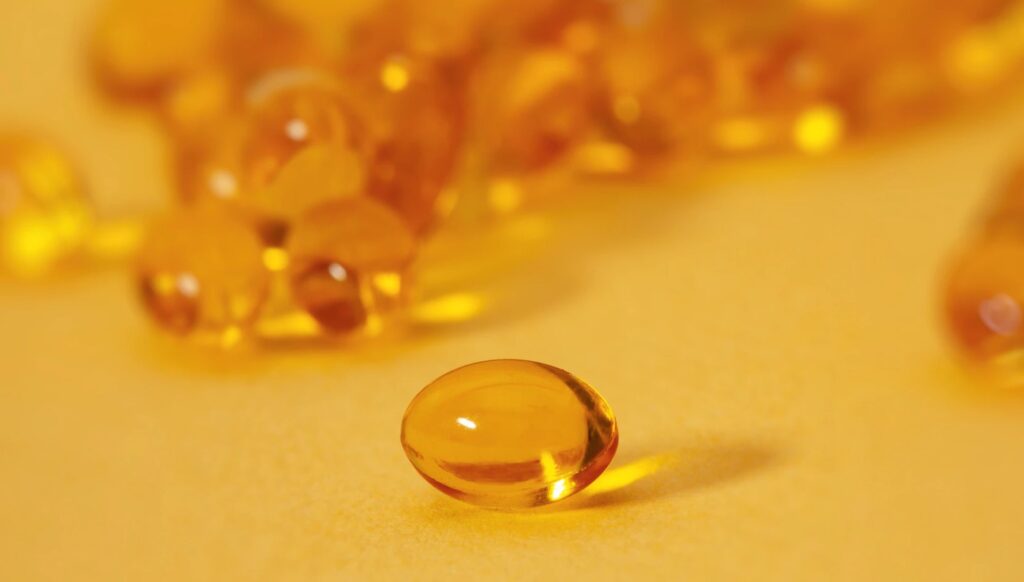
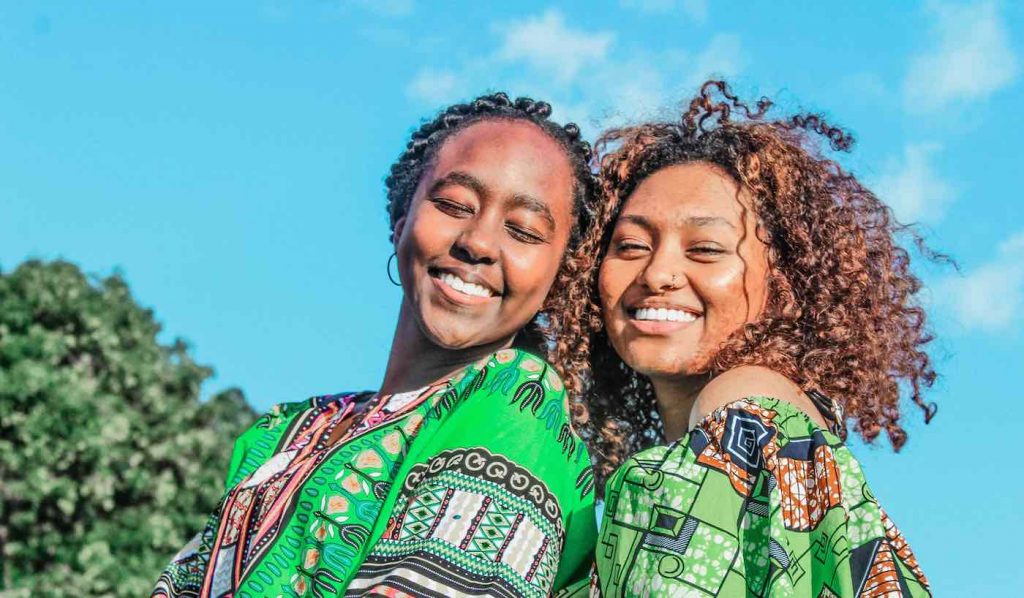
Vitamin D Supplements Protect Black Population Against COVID-19, According to New Research

Michele Blackwell

Having higher levels of ‘the sunshine vitamin’ was shown to reduce the risk of infection in the Black population, a new study has revealed.

Michele Blackwell

Almost half of Americans are vitamin D deficient, according to David O. Meltzer, MD, PhD, the chief of hospital medicine at University of Chicago Medicine. But more than three quarters of people with darker skin have low levels of this crucial nutrient.

He was inspired to examine the data on Covid-19 cases, after seeing an article more than a year ago reporting that people taking vitamin D supplements had much lower rates of viral respiratory infections.

The study analyzed over 3,000 patients in the city who had had their vitamin D measured within two weeks of a Covid-19 test.

Levels of at least 30 ng/ml (nanograms per milliliter) are usually considered “sufficient”, but black participants with that level of vitamin D had more than two and half times greater risk of catching Covid than those who had 40 ng/ml or more.

RELATED: Anyone in These States Can Get a Covid-19 Vaccine, Thanks to Several Native Tribes

They had a 7.2 percent chance of testing positive for the virus—2.64 times higher than the general population.

Vitamin D can be obtained through eating egg yolks, salmon, or meat or taking supplements, but it is also produced naturally by the body when skin is exposed to to sunlight.

People with darker skin, are more often deficient because having more melanin in their skin reduces their ability to synthesize vitamin D from the sun.

The findings published in JAMA Open Network build on an earlier trial suggesting less than 20 ng/ml of vitamin D raise the risk of Covid.

Another recent study showed over eight in ten coronavirus patients were vitamin D deficient.

“This supports arguments for designing clinical trials that can test whether or not vitamin D may be a viable intervention to lower the risk of the disease, especially in persons of color,” said Dr Meltzer, the study’s lead author.

POPULAR: Cannabis Compound Inhibits COVID-19 Replication in Human Lung Cells, Study Says

The supplements are relatively safe to take—and currently, the adult recommended dietary allowance for vitamin D is 600 to 800 IUs per day (15 to 20 micrograms). The NHS in Britain recommends taking 10 micrograms of vitamin D every day in the winter—the equivalent of one salmon fillet—to keep bones and muscles healthy.

But they have updated their advice since lockdowns are driving Britons indoors.

“The National Academy of Medicine has said that taking up to 4,000 IUs per day is safe for the vast majority of people,” adds Meltzer.

MORE: The Ultimate Guide to Flu Prevention: 4 Micronutrients You Should Eat This Winter to Stay Healthy

One of the challenges of the current study is it is difficult to determine exactly how vitamin D may be supporting immune function.

Dr Meltzer said: “This is an observational study. We can see there is an association between vitamin D levels and likelihood of a Covid-19 diagnosis.

“But we don’t know exactly why that is, or whether these results are due to the vitamin D directly or other related biological factors.”

Prompted by the fresh evidence, the researchers are now conducting two studies to learn if taking a daily supplement can help prevent Covid-19 or decrease the severity of its symptoms—and British Health Secretary Matt Hancock has reversed his previous beliefs and asked Public Health England to “re-review the existing evidence on the link between Covid-19 and Vitamin D.”

SHINE a Light on COVID Prevention – Share This on Social Media…
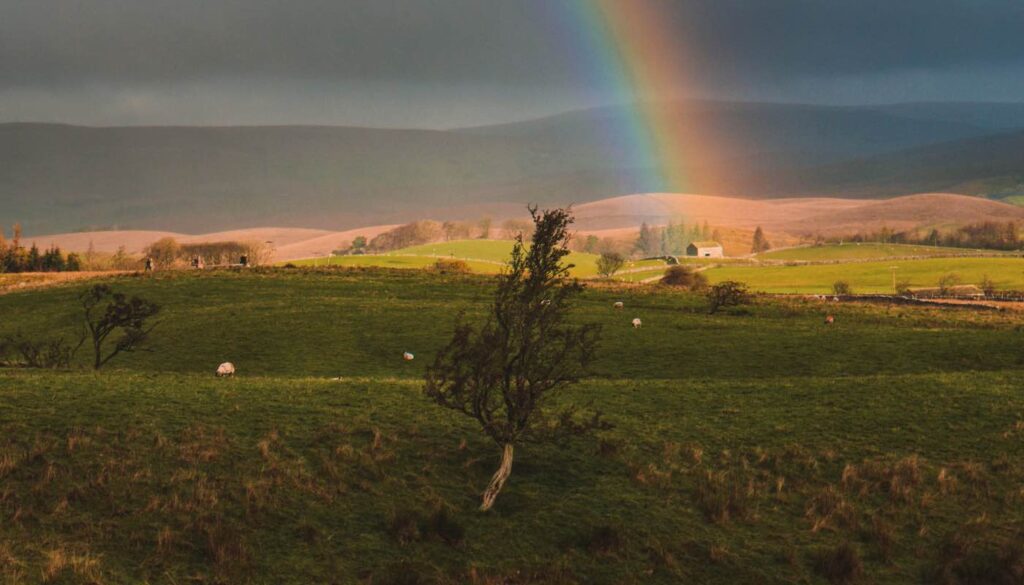
“Remember that not getting what you want is sometimes a wonderful stroke of luck.” – Dalai Lama

Quote of the Day: “Remember that not getting what you want is sometimes a wonderful stroke of luck.” – Dalai Lama

Photo by: Illiya Vjestica

With a new inspirational quote every day, atop the perfect photo—collected and archived on our Quote of the Day page—why not bookmark GNN.org for a daily uplift?