Military Order of the Purple Heart, San Antonio 1836/Facebook
Alfred Guerra never faltered when it came to proudly serving his country in World War II. Now, in his time of need, his community is stepping up to proudly serve the war hero.
His family tried to keep up with the repair and maintenance on the old house, but it became uninhabitable after his son, who had torn out much of the interior during the remodel, suddenly passed away from cancer.
Hoping to harness the power of social media, his daughter, Maria, reached out via Facebook to ask for help. It wasn’t long before a variety of veterans groups heard about the man who had earned a Bronze Star and Purple Heart for acts of bravery in the Philippines.
First to answer the call was the Military Order of the Purple Heart, followed soon after by Broken Warriors’ Angels, a local nonprofit serving San Antonio veterans and their families, along with the VFW Post 76, and the city’s Department of Human Services and Department of Military Affairs..
“As combat warriors, we leave nobody behind. And as veterans, we leave no veteran behind,” Tony Roman, of the Military Order of the Purple Heart, told KSAT-News.
Mr. Guerra had moved in with Maria and was thrilled that the repairs underway once again—but then the COVID-19 lockdown put the project on hold.
Thankfully, this month, the hammers, saws, and nail guns, were singing once again. Veteran volunteers who had served in three foreign conflicts—Iraq, Afghanistan, and Vietnam—arrived on the scene and worked as a team to gut the home’s interior and prep it for the next phase of the home makeover. (Watch the inspiring video below…)
A new roof had been donated by the SRS Raise the Roof Foundation, and the electrical and plumbing systems are on their way to being updated.
One thing lacking is an HVAC system. The family is hoping for another guardian angel to come through there as well. In the meantime, they’ve set up a GoFundMe page with a modest $5,000 goal to help finance further much-needed fixes.
It may take another month or so to complete the project but more than anything else, Guerra yearns to move back into his home. He longs to tend the roses he named in honor of his wife, Emma, in their garden. He’s so eager in fact, he told his family he’d live there in a tent.
Life-sized cutout by Portland artist Mike Bennett – SWNS
The weather for President Joe Biden’s inauguration ceremony was blustery, with snow flurries and a wind chill making the temperature drop to near-freezing. But, never let it be said that a Vermonter like Senator Bernie Sanders doesn’t know how to dress for winter weather.
Along with Amanda Gorman’s stirring poem, Senator Sanders’ now-iconic mittens was one of the highlights of the day. Within 24 hours, the casual look had launched more memes than anyone could count and, like Elf on the Shelf, it was pretty much everywhere.
Bernie’s hunkered-down image—captured by the decorated photographer Brendan Smialowski—was soon Photoshopped into classic paintings like Edward Hopper’s ‘Nighthawks’ and Botticelli’s ‘Birth of Venus’. He’s been inserted into contemporary pop culture with winks and nods to Sex and the City, Twilight, Game of Thrones, and Where’s Waldo? He’s even been swapped into Sharon Stone’s infamous cross-legged hot seat pose from Basic Instinct.
Apart from injecting some much-needed humor onto our social feeds, Sanders’ sartorial tour-de-force injected some much needed cash into a few charities, thanks to the Senator, himself, who seized the moment.
He quickly added the image to a line of merchandise on his website—with all proceeds benefitting Vermont-based charities, including Meals on Wheels and senior citizen advocacy groups.
The sweatshirts, tees, and stickers sold out in less than 30 minutes. Additional supplies were similarly snapped up faster than you can say ‘Jack Frost.’ In all, Sanders reported raised around $1.8 million in the span of five days.
“We’re glad we can use my internet fame to help Vermonters in need,” Sanders said in a statement.
Jen Ellis, the Vermont elementary school teacher responsible for making the world’s most famous mittens from a repurposed sweater reported via social media that Sanders called to let her know “the mitten frenzy” had raised big bucks for a number of worthy causes.
Ellis, who was inundated with requests for the mittens, which she doesn’t have time to make, set up a new philanthropic website called Generosity Brings Joy. She will be collaborating with businesses to design and create “Bernie Mitten Themed” products to benefit charity, hoping the “joyful, high-quality” items make up some of the shortfalls of nonprofits during the pandemic.
Ellis wasn’t the only Bernie meme fan to use her crafty talents to raise money for charity. Tobey King, a woman from Corpus Christi Texas, put a crocheted Sanders doll she’d conceptualized up for sale on eBay to benefit Meals on Wheels—and raised an amazing amount. Listed at a modest opening price of 99 cents, 167 bids later, the “Bernie Mittens Crochet Doll” sold for a gobsmacking $20,300.
Meanwhile, the Portland, Oregon artist Mike Bennett has made a life-size cutout of Bernie in his now iconic pose for a charity auction. Through his creative genius, over $3,000 has been raised in donations for Meals on Wheels.
Life-sized cutout by Portland artist Mike Bennett – SWNS
“This is the lesson life has taught me again and again,” said Jen Ellis, who had gifted the original mittens to Sanders. “If you give of yourself—not just material gifts, but your time, your goodwill, your kindness—you receive joy. It’s that simple. You don’t have to be rich to care; you just have to be human. We all have so many gifts, and the world is a better place when we share them.”
Share the Joyful Good News to Pals on Social Media…
Marcus Wernicke, Porpoise.org, Porpoise-Conservation, Society, CC license
After decades of use, ‘gillnets’ and the fishing strategies that employed them have been banned by California law—and that has provided a boon for seabirds, sharks, and the shy harbor porpoise.
California coastline/ Joseph Plotz, CC license
The years between 1987 and 2002 saw many gillnet bans enacted in counties along the California coast, where dead marine animals would wash up on beaches entangled in nets, causing outrage among locals.
Used literally for thousands of years, the gillnet easily catches fish when the fibers snag on the fishes’ gills, but it is also liable to snare other animals like sharks, otters, and seabirds.
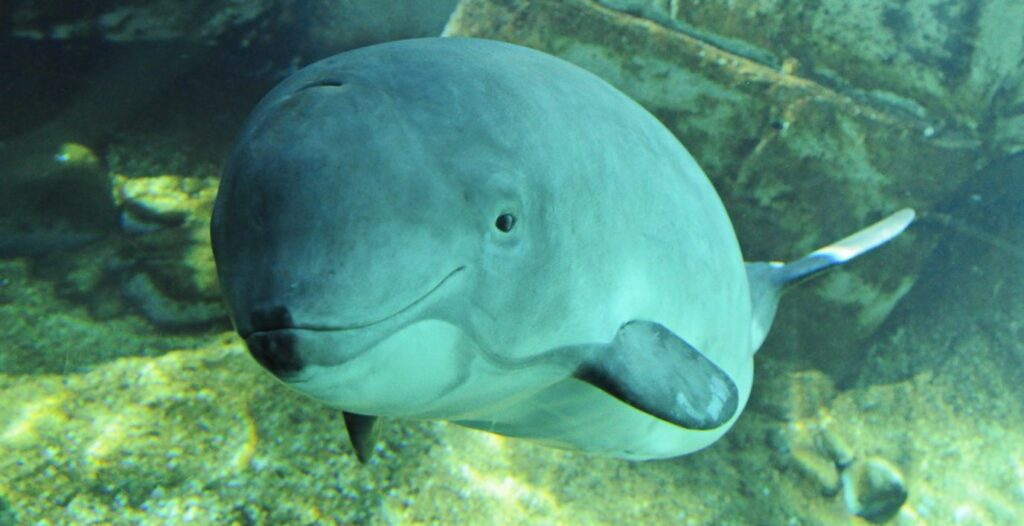
The harbor porpoise, which is actually one of the smallest toothed whales on Earth, is a very secretive animal and difficult for marine biologists to count—but there’s been such a marked increase that the success is obvious.
Karin Forney, a marine biologist at the National Oceanic and Atmospheric Administration, has been studying them for three decades.
“They’re capable of recovering,” Forney told the LA Times. “They have a resilience and they will rebound if we just let them.”
Rebounding could almost be considered an understatement. Since bans were introduced, harbor porpoise populations have added around 8,200 new members—in Monterrey Bay, Morro Bay, Santa Barbara, and the San Francisco and Russian River systems
Marcus Wernicke, Porpoise.org, Porpoise-Conservation, Society, CC license
It’s a significant triumph for the under-the-radar sea mammal, which in Morro Bay alone grew from 570 individuals in 1990 to over 4,000 by 2012.
Another species that will have benefited from the gillnet ban is great white sharks, which used to be caught by all manner of nets. Since the Marine Resources Protection Act of 1990, which was implemented in 1994 and banned drift and set gillnets, very few great white sharks have been incidentally caught.
That’s great news because, with the sharks being relatively unknown to science, the fewer members of the species that perish accidentally the better, since it is difficult to ascertain population levels.
A discovery nine years in the making may have yielded the largest land animal in our planet’s history.
Nobu Tamura, CC license
The bones, found in 2012 in Argentina, consisted of 24 humongous tail vertebrae as well as parts of the pectoral girdle and pelvis which indicate they could be a new member of the species titanosauria, a group of sauropod dinosaurs that just wouldn’t stop growing.
60-20 million years before a meteor ended their reign, gigantic dinosaurs were really hitting their stride. In the landmass which formed modern-day South America, titanosauria were reaching heights and lengths never before or since seen on Earth, as members such as Patagontitan, named after Patagonia where it was found, could reach up to 76 tons and grow to 122 feet from nose to tail.
Now a titanosaur from 98 million years ago, unearthed in the Candeleros Formation in Argentina’s Neuquén Province, is threatening to take the crown of biggest sauropod dinosaur ever found.
“It is a huge dinosaur, but we expect to find much more of the skeleton in future field trips, so we’ll have the possibility to address with confidence how really big it was,” Alejandro Otero, a paleontologist with Argentina’s Museo de La Plata, told CNN via email.
CTyS-UNLaM Science Outreach Agency
Load-bearing bones such as the femur or humerus would really help to shed light on just how big this plant-eating monster was, but while scientists are normally reserved in their writings, the corresponding study of the discovery reads that it “probably exceeds Patagotitan in size.”
The other titanosaur from the Candeleros Formation is Andesaurus, which is only a small-fry by comparison with the new discovery, reaching a mere 49-59 feet long. It is helpful though, for the scientists to be able to say for sure that during this particular period 98 million years ago, there was more than one titanosaur walking around.
As large as this new dino may be, it can’t hold a candle to the largest phyla in Earth’s history, which amazingly is still here today with us—the good ole’ blue whale, which can weigh up to 173 tons.
SHARE the Jurassic News With Your Friends on Social Media…
Quote of the Day: “True swagger is owning your inner essence. It’s a mindset.” – Aaron Rodgers
Photo by: Toa Heftiba
With a new inspirational quote every day, atop the perfect photo—collected and archived on our Quote of the Day page—why not bookmark GNN.org for a daily uplift?
Thursday night, look up at the sky just as the sun begins to set—and you’ll see the Moon glowing orange as it rises above the eastern horizon.
As January’s full Moon continues to rise on Thursday evening, that tangerine glow will fade to yellow, then to a white so bright it’ll hurt to look at with the naked eye.
While in 2020 there were 13 full Moons, this year there’ll be 12 in total: including three supermoons—the Full Pink Moon in April, the Full Flower Moon in May, and the Full Strawberry Moon in June.
The Full Flower Moon will actually be a “Total Super Blood Flower Moon Eclipse.” That means, on May 26, if you’re on the west coast you should see the lunar surface turn a deep crimson for around 15 minutes.
January’s Wolf Moon—a name thought to originate among the Algonquin people—isn’t known as such to all cultures. According to NASA, around the world it’s also known as Candles Moon, Thaipusam festival Moon, the Ananda Pagoda Festival Moon, Duruthu Poya, and the Full Moon of Tu B’Shevat.
To new beginnings
To many, a full Moon can be seen as a chance to start afresh—to look back on our choices and make out on a new path.
If you miss out on seeing the full Moon on Thursday itself? Not to worry. The Moon will actually appear to be full for about three days, from Wednesday morning through early Saturday morning.
(WATCH the Farmer’s Almanac video below to learn more about the Wolf Moon.)
HOWL the News of January’s Wolf Moon Over to Your Friends…
One of the surest ways to keep history from repeating itself is to shine a light in its darkest corners, and that’s exactly what this 67-year-old reverend has set out to do in the town of Laurens, South Carolina.
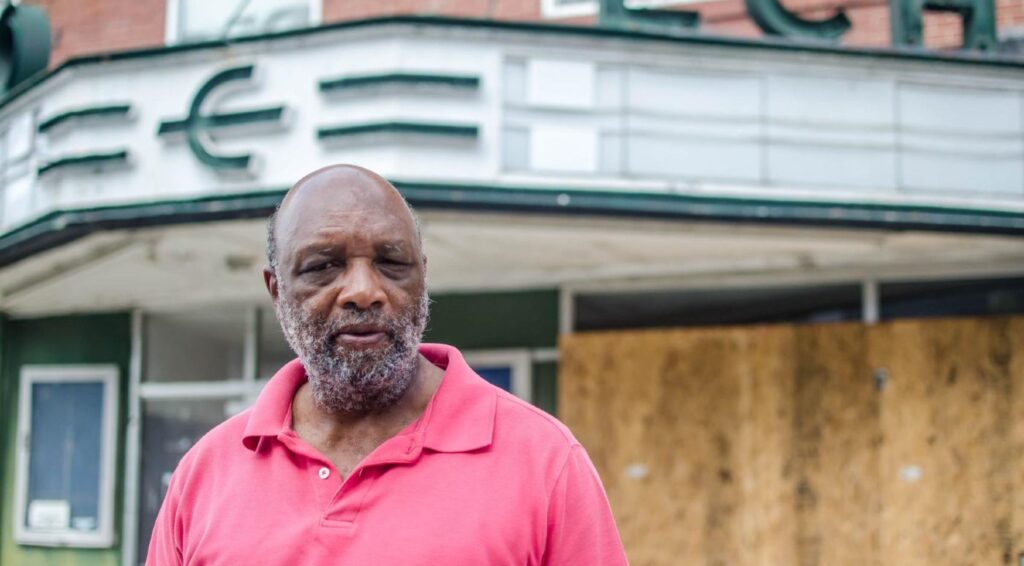
Reverend David Kennedy outside the Echo Theater
In 2019, Rev. David Kennedy and local historian Regan Freeman established the Echo Foundation. Its mission: transforming a symbol of racial inequality into an opportunity for reconciliation and education. Their target: the Echo Theater which, at one time, was a whites-only hall and later a storefront, museum, and recruitment center dedicated to glorifying white supremacy.
“To be a Black person in America, I have too many stories to share that people wouldn’t believe,” Reverend Kennedy, told CNN.
Kennedy was instrumental in the lengthy legal battle that closed The Redneck Shop. His story may seem familiar to you, because part of his saga, the outreach to a former foe, was chronicled in the 2018 film Burden.
John Howard and Michael Burden were co-owners of the Redneck Shop. When Burden broke from the ranks of the KKK, Rev. Kennedy offered sanctuary and spiritual support to him and his family.
After the store was closed by the courts in 2012, rather than destroy its contents, many of the artifacts were saved, to be used as teaching points to engage in meaningful, transformative conversation about racial history.
So far, the Echo Project has raised close to $375,000 toward its goal of restoration and renaissance for the Echo Theater. In addition to the museum, the space will house community classrooms.
“We don’t want to just have a museum to tell this story… we also want to detail what happened here to make sure it never happens again,” Freeman added, “and it is about to become a place for reconciliation, justice, and healing.”
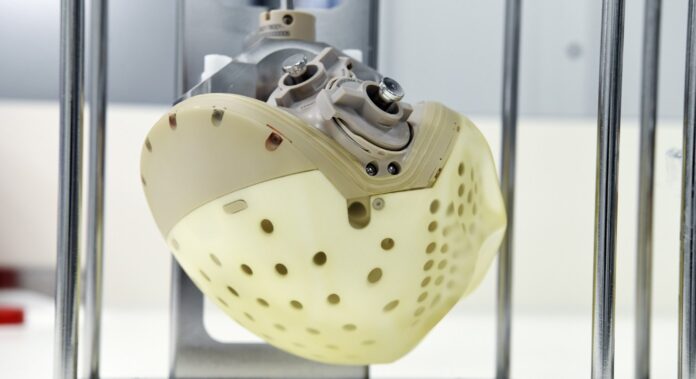
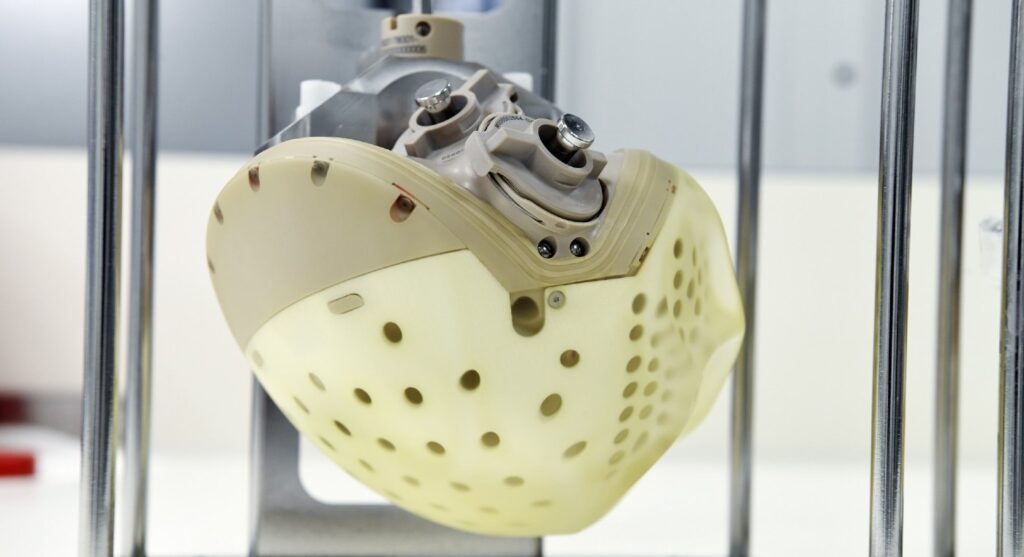
A French firm that has long been testing and refining an artificial heart is ready to begin sale of the device in the second quarter of 2021.
Aeson, by Carmat
Called the Aeson, the 900-gram device is powered by batteries and relies on sensors and biological materials to detect exactly which function it must perform at any given time.
The firm Carmat has been working on the Aeson for decades in response to rising rates of heart disease in France and across the world, which it estimates claims 26 million lives every year.
Organ donor rates in Europe are not enough to meet demand, and so the Aeson will really come into its own as another option for those on waiting lists for new hearts: helping a European demographic of about 2,000 people, estimates Carmat.
“The idea behind this heart, which was born nearly 30 years ago, was to create a device which would replace heart transplants, a device that works physiologically like a human heart, one that’s pulsating, self-regulated and compatible with blood,” Stéphane Piat, Carmat’s CEO, told Reuters, according to France24.
A second chance
An Aeson will function for several years in patients. It works by attaching biological bits to its mechanical ones, and using batteries and actuator fluid to power the functions of a normal heart.
A small discreet bag would contain a controller with lithium-ion batteries, as well as the fluid container, all weighting less than five kilograms.
One gentleman who received the Aeson in 2015 told reporters at the time that he “never felt so good.”
“I walk, I get up and I bend over 10 to 15 times a day, without any problem. I keep my balance. I’m not bothered. I don’t even think about it,” the 69-year old father of two told the JDD weekly.
Indeed the surgeon even said that the man had resumed riding bikes, and as a black belt judoka, even asked permission to resume martial arts.
“As part of his rehabilitation, we made him do a number of physical activities such as riding an exercise bike, and when we last met, he told us ‘of course, I have a bike, a traditional bike and I ride but… don’t worry, I avoid big hills’,” he said.
SHARE This Fascinating Innovation With Pals on Social Media…
If you find yourself doing double-takes at faces in crowds, you may have a strange and unique ability possessed by one person in three million—that of being a super-recognizer.
Like comic books superheroes, super-recognizers live among us, and a simple online test from the University of Greenwich can reveal whether or now you are one of them.
While admitting there is no single test that determines whether or not you’re a super-recognizer, researcher Dr. Josh P. Davis has at least made one that anyone can do, and that’s free and easy to take.
Trialists will see an image of a man for a few seconds, then they must select that his face from a lineup of people. The angle and the time when the two pictures were taken won’t always be the same, so it relies on a unique kind of memorization developed in the fusiform face area, part of the visual cortex.
If you score 10 of 14 or higher, you may be a super-recognizer, and additional tests are available if you want to pursue them.
Davis hopes to find these people in order to study their ability further, as they can have implications for law-enforcement curriculums.
Indeed, Andy Pope, a West-Midlands police officer is a super-recognizer, and his talents have led to 2,100 arrests for perpetrators of various crimes, including 16 in one day, and of those wearing face masks. He has earned the nickname “Memory Cop” for obvious reasons.
The super-recognizer, who says his skill is “impossible to explain” but credits “instinct” for usually being right, spotted 1,000 offenders between 2012 and 2018.
A weather observatory on the International Space Station has recorded a set of startling interactions between lightning and the different layers of the planet’s atmosphere.
ESA/Daniel Schmelling
“Elves,” “Blue Jets,” and “Sprites,” don’t immediately raise interest in astro-meteorology, but these three different dazzling light discharges are what is seen above the storm clouds at the same moment we see lightning striking the Earth.
The problem for us Earth-dwellers trying to see these events is that unless we are so far away as to be able to see above a storm cloud, that storm must also be large enough to produce these powerful lightning flashes.
The Atmosphere-Space Interactions Monitor (ASIM) isn’t limited in that way, and the state-of-the-art weather observatory docked at the ISS is helping scientists get to know this space lightning better.
As recently as 2015, red sprites and blue jets were known to astronomers, as ESA astronaut Andreas Mogensen explains in a video from 2016. His was a 10-day project on space lightning aboard the ISS Cupula observatory called, naturally, “Thor.”
Just recently, ASIM managed to record blue jets in uninterrupted process. The final blue cone of lightning arced up 31 miles (50 kilometers) from the stratosphere, and upon reaching the ionosphere, triggered “ELVES,” an elegant acronym for a rather cumbersome designation: Emission of Light and Very Low Frequency perturbations due to Electromagnetic Pulse Sources.
Elves are expanding halos of ionospheric UV emissions and electrons triggered, as their name suggests, when the electromagnetism of the blue jets streak up into the stratopause, the space between the stratosphere and the ionosphere.
Unable to capture the blue jet-elf combo on footage for our eyes, artists at the European Space Agency have used existing footage to render a small video of what it would look like to the naked eye, 273 miles (440 kilometers) above the Earth.
“Congratulations to all the scientists and university teams that made this happen as well as the engineers that built the observatory and the support teams on ground operating ASIM—a true international collaboration that has led to amazing discoveries,” said Astrid Orr, ESA’s Physical Sciences Coordinator for human and robotic spaceflight.
Sprites, blue jets, and elves were recently observed by NASA’s Juno orbiter to be taking place in the polar regions of Jupiter.
Scientists had predicted these phenomena would be present in the roiling atmosphere of Jupiter, and found them exactly where one might find them on Earth.
“Now that we know what we are looking for, it will be easier to find them at Jupiter and on other planets,” said Rohini Giles, a Juno scientist and the lead author of their corresponding paper published last October.
Quote of the Day: “The task is not so much to see what no one has yet seen; but to think what nobody has yet thought, about that which everybody sees.” – Erwin Schrödinger (published his quantum theory 95 years ago)
Photo: Limestone in New Zealand by Kerin Gedge
With a new inspirational quote every day, atop the perfect photo—collected and archived on our Quote of the Day page—why not bookmark GNN.org for a daily uplift?
He just reached #1 in the UFC lightweight rankings, after knocking out famed mixed martial artist Conor McGregor over the weekend—but Dustin Poirier is also #1 in the hearts of kids and their parents in Lafayette, Louisiana.
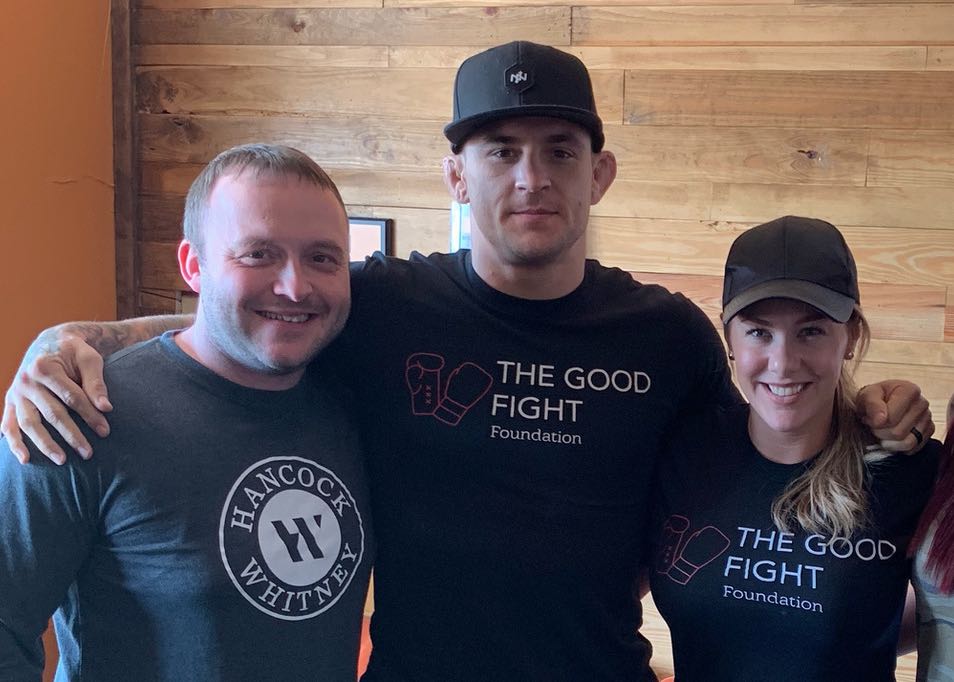
The Good Fight
When the 32-year-old former Interim UFC Lightweight Champion wanted to give back to his hometown, he and his high-school-sweetheart-turned-wife Jolie only had to travel to their closet for inspiration.
They began auctioning off the shorts, jackets, and wraps that Poirier used in dozens of storied fights—selling the memorabilia through a new nonprofit called “The Good Fight” dedicated to helping underserved communities in their local Acadiana region.
The foundation has raised thousands of dollars since 2018 to impact others, including the young family of fallen LPD officer Michael Middlebrook, and disabled children who didn’t have a playground.
The first auctioned kit was from the Poirier vs Eddie Alvarez fight, with proceeds providing 3,000 meals for their local Second Harvest Food Bank.
In August 2019, a playground for children, but specially-built for kids with special needs, became the fulfillment of a dying wish by a young boy in a wheelchair, after Jolie heard the story.
Poirier says it makes him feel “really proud” and really happy—especially as a father to a young 4-year-old daughter.
“I can be the tough guy, travel all around the world, get in bloody fights.” he told KLFY News. “(But) I can come home, and I’m still dad. I can play barbies. It really balances me out.”
Selling fight kits provided over 100 women experiencing homelessness with care packages, and 500 children with school supplies & backpacks at Acadian Middle School. “We were also able to provide the shelter with brand new furniture for their residents, too,” reports The Good Fight website.
Donations to The Good Fight also supported former UFC fighter Justin Wren who now champions long-suffering Pygmy tribes in Africa—providing new water wells, solar power, and 43 acres of purchased land for the Uganda Batwa tribe.
And, even the COVID outbreak hasn’t knocked this family off their giving game. They organized a Thanksgiving Food Drive, and prepared feasts for all the surrounding shelters.
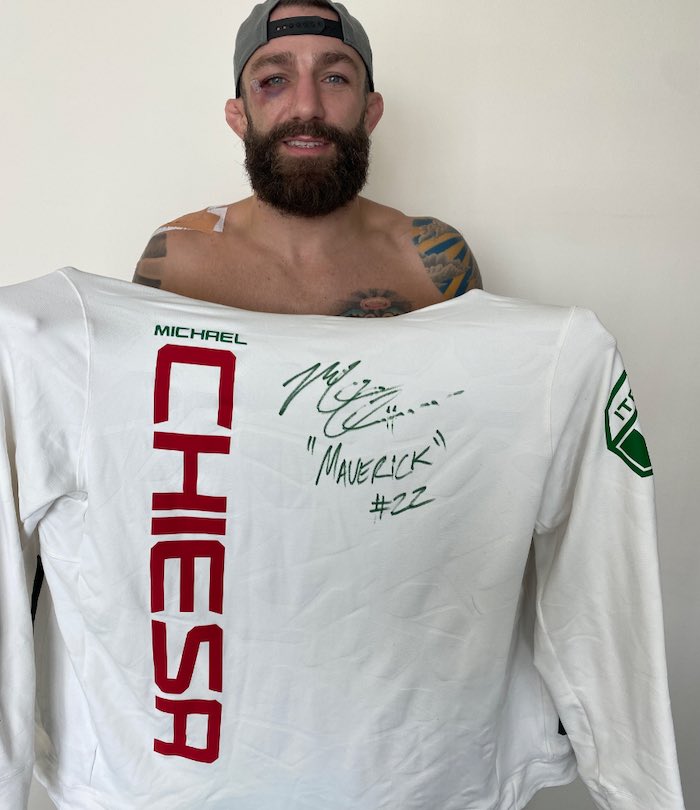
Now, other fighters are donating parts of their kits for auction, including the winner of the UFC main event fight on Wednesday, Michael Chiesa, from Spokane, Washington.
Michael Chiesa – The Good Fight
Until February 15, sweepstakes tickets can be purchased for $10 for the chance to win the autographed Reebok Walkout Jacket worn by the welterweight fighter during the event, along win a private Zoom Call—with 100% of the proceeds benefitting The Good Fight Foundation.
The Good Fight’s first 2021 goal is to fully fund transportation and tutors for all 6 locations of The Boys & Girls Clubs of Acadiana. Currently, the kids have transportation from school to the clubs, but do not have a ride home in the evening—which cuts attendance dramatically.
A slew of donations came in after Dustin’s January 24 fight, but their crowd-funding page has reached just 10% of their $100,000 goal, so join the funding if you can.
Paul Acron, a fan who donated $105.00 wrote: “Congratulations Dustin… Great fight against Conor but even greater fight to try and make things even for these deserving young boys and girls.”
“I am a fighter. It’s what I do. Now I want to fight the good fight—for those who can’t,” says Poirier. “I have created a platform for fellow athletes and fans to join together, fight for underserved communities and answer the call of those in need.”
WATCH a video from July, 2020 when The Good Fight launched…
KNOCK Out Your Friends – By Sharing This Celebrity Fighting For Good…
An Appalachia-based company that’s building the world’s largest indoor farms just delivered their first harvest—beefsteak tomatoes—to grocery stores like Walmart and Kroger.
AppHarvest
The Kentucky-based company known for its focus on restoring economically-suffering communities in former coal country recently went public, and gained home economics legend Martha Stewart as a board member.
With several facilities already producing fruits and vegetables, AppHarvest is set to become a national leader in alternative farming through their cutting edge indoor technology that saves space, recycles water, and produces 30 times more food than a conventional farm.
Their Morehead Kentucky headquarters can grow 45 million pounds of non-GMO, chemical pesticide-free tomatoes annually, while the indoor facility—which uses recycled rainwater—allows them to grow year-round, unimpeded by the burden of the seasons.
“AppHarvest’s high-tech, sustainable approach is the future of food, and this first harvest allows us to provide consumers with chemical pesticide-free, nutrient-rich, flavorful produce that’s making a difference they can feel good about,” said Martha Stewart in a press release.
“I’ve been testing the early sample tomatoes, which are delicious, and I’m already looking forward to integrating them into my kitchen and recipes this year.”
Tomatoes in the hills
AppHarvest
‘Proudly’ rooted in Appalachia, their three farms are all in Kentucky, one day’s drive from the doors of 80% of the American population by their estimate, allowing them to keep their commitment to Appalachian communities, while ensuring their produce reaches markets fresh.
AppHarvest also collaborates with eastern Kentucky high schools to introduce and incorporate an Agricultural tech curriculum. The company has invested hundreds of thousands of dollars providing high-tech container farms, in the form of retrofitted shipping containers, to offer students the opportunity to grow their own food and learn about the importance of nutritious fruits and vegetables.
“We are determined to build a climate-resilient infrastructure to offer folks a delicious tomato that is sustainably grown right here in Appalachia with 100% recycled rainwater and zero chemical pesticides, making it better for both them and the environment,” said Jonathan Webb, founder and CEO.
When George Floyd was killed in May last year by a police officer in Minneapolis, footage of the homicide went viral, sparking Black Lives Matter protests across America.
Floyd may have left in his wake a lasting legacy of activism, but he also left behind a 7-year-old daughter named Gianna. Fortunately, the world is now looking after her welfare.
An NBA professional basketball star learned what the family needed most and stepped up to provide it. Kyrie Irving, the point guard for the Brooklyn Nets, bought them a house.
Erik Drost
Irving, who felt he was just doing the right thing, tried to downplay his generosity.
“I just want to keep continuing to fulfill our purpose in serving a lot of the underserved communities. Those don’t necessarily get the same attention,” he said in a statement. “So just trying to do my part with service, that’s all.”
Former NBA player Stephen Jackson, who was a friend of George Floyd’s, gave Kyrie full props. “He wanted to help George’s family and I let him know that a house was what they needed at that time and he made it happen in a heartbeat,” Jackson revealed on his podcast, The Rematch.
Irving is not the only celebrity to reach out to Gianna and her family. “Lil Wayne’s manager bought them a Mercedes-Benz. Barbra Streisand gave them stock in Disney, so I think God has definitely blessed her and right now. She’s doing the best she’s ever done, she’s happy,” Jackson said.
In addition, Kanye West donated $2 million to help Gianna and the families of Ahmaud Arbery, the 25-year-old victim of a racially motivated murder in Georgia, and 26-year-old Breonna Taylor, who was killed during a botched drug raid by police who showed up at the wrong apartment.
Ordinary citizens, too, are donating to help little Gianna. A GoFundMe campaign that has raised more than $2.3 million, providing a fund when she’s ready to attend college—if she doesn’t want to take advantage of a full scholarship offered by Texas Southern University.
SHARE This Story of Giving With Others on Social Media…
The major pharmaceutical company Eli Lilly has just demonstrated efficacy of their Alzheimer’s drug donanemab in phase 2 clinical human trials.
The results are a major development for the treatment of a disease that currently affects six million Americans, but that has almost no methods of alleviation.
Alzheimer’s is caused by the buildup of tau protein structures called plaques. One such plaque, called beta-amyloid, is the major culprit of the neurodegenerative disease.
The investigational antibody Donanemab was shown in a trial of 272 patients with mid-stage Alzheimer’s to significantly reduce clinical decline by 32% over 18 months by targeting a type of beta-amyloid known as N3pG.
Various markers, such as cognition and better brain function, were found to be positive, though others showed no improvement.
Patients were switched from donanemab to a placebo after the levels of beta-amyloid returned to those of a healthy person, a process which took only a few months in some participants.
“We are extremely pleased about these positive findings for donanemab as a potential therapy for people living with Alzheimer’s disease, the only leading cause of death without a treatment that slows disease progression,” said Mark Mintun, M.D., vice president of pain and neurodegeneration, Eli Lilly and Company.
A brain-swelling side effect, known as ARIA-E, occurred in 27% of patients treated with donanemab, the company said. However Alzheimer’s has no cure and is fatal, so generally such side effects are more tolerated by FDA regulations, since there aren’t other options for patients.
“Alzheimer’s disease is uniformly fatal… I think this safety profile matched with this efficacy profile is something that we can be excited about,” Daniel Skovronsky, Lilly’s chief scientific officer, told Reuters.
The Yangtze, one of China’s two “Mother Rivers,” is about to receive a salve of environmental protections aiming to restore the polluted waterway and its tributaries.
Shane Young
With 96 separate provisions for the river system spread across nine chapters of legislation passed by a Standing Committee meeting, it is the largest environmental protection bill the rivers of China have ever seen, and will enter into force on 1 March.
Plastic and chemical pollution, chronic overfishing, siltation, and damming have all taken their toll on the banks and waters of one of the world’s great rivers, and the provisions will attempt to give years of respite and see if the Yangtze can recover.
Government departments from the largest to the smallest levels must incorporate the ecological protection of the Yangtze into their social and economic development plans, reports Reuters.
Fishing on all natural waterways of the river, as well as its tributaries, estuaries, and feeder lakes, will be banned.
All proposed chemical projects within one kilometer of the river will be banned, and existing ones are barred from expanding. Other polluting industries will be forced to move, while sand mining on the banks of the Yangtze will be severely restricted.
The Yangtze by numbers
Along with the Yellow River, the Yangtze makes up the two Mother Rivers of Chinese civilization, along which there has been evidence of rice cultivation going back to 5,000 BCE.
Starting high in the Tibetan Plateau, the Yangtze flows 3,900 miles (6,300km) to its famous river delta. It is the third longest in the world, sixth largest by water volume, and the longest to move through a single country.
The Yangtze River Delta generates 20% of the nation’s GDP, and its drainage basin is home to a fifth of the country’s people. The Three Gorges River Dam is the largest hydroelectric station in the world.
The Yangtze is one of the Three Parallel Rivers of Yunnan, a UNESCO World Heritage Site, and after leaving the mountains, passes through perhaps the most iconic Chinese landscape of all, the karst rock gorges of the Yangtze, depicted in countless Chinese paintings.
From an environmental perspective, the Yangtze is home to charismatic aquatic species like the Chinese alligator, the Yangtze sturgeon, and the narrow-ridged finless porpoise, which may recover if the new laws work to their fullest extent.
SHARE the Good Green News From China With Pals on Social Media…
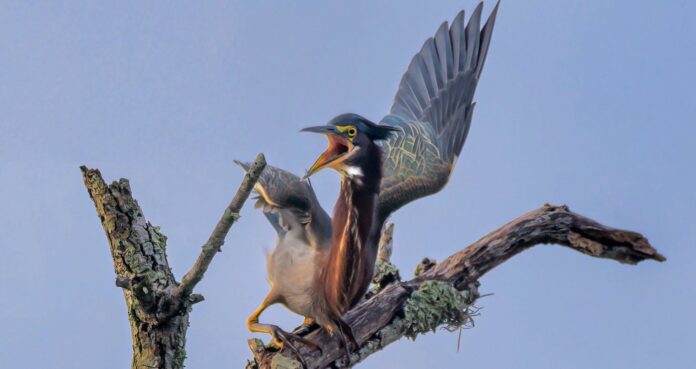
Green Heron and Blue Jay argue over a perch in Powell Creek Preserve, Southwest Florida - Diana Robinson, CC license
Quote of the Day: “The aim of an argument or discussion should not be victory, but progress.” – Joseph Joubert
Photo by: Diana Robinson, CC license (Green heron reacts to blue jay)
With a new inspirational quote every day, atop the perfect photo—collected and archived on our Quote of the Day page—why not bookmark GNN.org for a daily uplift?
82% of parents are making a daily, concerted effort to raise their children to be confident, according to a new survey.
A poll of 1,000 parents of school-aged children found 47% said they make sure they themselves are a good example of confidence for their children.
And 54% inspire confidence in their kids by allowing them to do things themselves.
The study, conducted by OnePoll in conjunction with Stokke, aimed to determine how parents approach their child-rearing habits and discovered 73% said seeing their children exhibit confidence makes them feel like they’ve mastered their parenting skills.
Additionally, 74% said having a close relationship with their children is vital to their kids’ confidence.
Parents also hope to boost their kids’ overall confidence by celebrating milestones. However slight, 78% of parents make an effort to celebrate all those little “firsts.”
From a baby’s first time eating solid food, to their first lost tooth, to middle and elementary school graduation, parents want to make sure they acknowledge all the moments in their kids’ lives.
At five years old, the average parent pushes their kids to brush their teeth on their own and pick up their toys without any assistance.
Then, at six years old, the average parent will allow their kids to make their own bed and also assist with meal preparation.
Upon seeing their children show confidence for the first time, 62% found themselves incredibly happy while 47% couldn’t help but be proud parents.
From hearing their child give a speech in front of a large crowd with boldness and assuredness to doing their homework all by themselves, parents will always remember the times their child showed confidence and independence.
However, for one in seven, having their children gain independence was bittersweet.
Beyond raising independent children, parents are encouraging their children to think critically. 79% of those surveyed said they encourage their child to think critically and use logic on a daily basis.
“Confidence is one of the best gifts a parent can give a child. A child that grows up having faith in their abilities is fearless and ready to take on the obstacles life will bring on,” stated a spokesperson for Stokke. “They feel free to pursue their passions. They believe in their dreams, big or small, and have the courage to follow them.
“When a child is closely connected to their parent, the security they feel enables them to push beyond their comfort zone. This allows children to give in to their natural sense of curiosity, explore and learn.”
SHARE The Results of This Fascinating Poll With Your Parenting Pals…
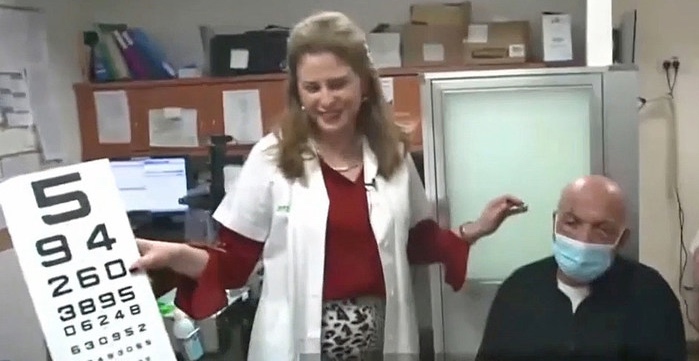
Things are looking up for the first patient ever to receive an artificial cornea implant, after he was able to see his family upon waking up.
The 78-year-old man could even pass the classic eye exam test of identifying numbers and letters from a distance.
CorNeat
Developed by an Israeli firm called CorNeat, the KNet implant actually merges with natural human tissue, meaning it can integrate directly with the eye wall and replace scarred or damaged cornea through injury or disease.
“The surgical procedure was straight forward and the result exceeded all of our expectations,” said Professor Irit Bahar, director of the Ophthalmology Department at Rabin Medical Center.
10 more people are currently signed up to receive the implant.
“The moment we took off the bandages was an emotional and significant moment. We are proud of being at the forefront of this exciting and meaningful project which will undoubtedly impact the lives of millions,” said Bahar.
The cornea is a clear shield that protects the frontal part of the eye, and can be damaged or degenerate for various reasons. Implants already exist that partially replace the cornea under such conditions, but the surgeries are often complex.
The KNet features biomimetic technology comprised of a skirt of special material that actually receives colonizing collagen and fibroblast cells, gradually and permanently embedding them within the eyeball.
“After years of hard work, seeing a colleague implant the CorNeat KPro with ease and witnessing a fellow human being regain his sight the following day was electrifying and emotionally moving, there were a lot of tears in the room,” said CorNeat Vision co-founder Dr. Gilad Litvin.
SHARE This Story So Pals Can See the Good News, Too…
All manner of subtle detriments can befall those who eat late at night, or even merely after the sun goes down.
These can include heightened blood sugar, decreased insulin sensitivity, inflammation, and shallow sleep—a situation that if occurring in a chronic sense can build the foundation for all manner of disease including Alzheimer’s.
The science behind this seemingly impossible-to-prevent, universal human behavior is not so much breakthrough research, but logical conclusions about human biology and evolution.
Whatever you call the class of researchers that translate medical and nutritional sciences into articles for us laymen, they’re beginning to combine information about exercise, weather exposure, sleep and eating patterns, dietary content, and more to form a comprehensive template on how to build a functional medicine base that will itself serve to stave off many of the chronic diseases that plague our society.
Avoiding eating late at night is certainly part of this panoply of habits, one which is most often researched by sleep scientists.
The windows of the sun
Damian Markutt
In understanding why the timing of meals is important, it’s useful to explain the relationship between us and the sun.
Distilled to the most basic sentence, sunlight governs our metabolic functions. Here’s how.
Circadian rhythms is a term that describes how our organs align themselves with the day-night cycle of our environments. Many people imagine they have one clock, which we come to know in stark detail when we are jet-lagged. However different cells and organs have their own clocks, which would suggest that different clocks function differently at different times.
The eyes serve as the master clock’s attenuator to the movements of the day and night. Through light-sensing proteins known as melanopsin, they communicate the blue-spectrum (sunlight) intensity to the master clock—a part of the brain known as the suprachiasmatic nucleus, to which all other clocks align.
Unlike our houses, bathed as they are in artificial light, the weald on which walked our early ancestors was dark at night, and as our melanopsin begin to sense the end of the day, their correspondences with the brain are the catalyst for all manner of biological functions.
The smoking gun
In 2009, people examining the entire recorded human genome for the most frequently correlated genetic variants with type-2 diabetes found melatonin receptor 1-b, in the pancreas, as being more present than any other protein in our species.
A melatonin receptor gene simply receives melatonin, also known as the “Sleep Hormone,” and scientists at first couldn’t understand why the gene and the disease were related.
What they found was that as the melanopsin in our eyes alerts our brain that darkness is approaching, the pineal gland began producing more melatonin. The increased melatonin is sent to various organs to prepare them for sleep, activating and deactivating thousands of different genes throughout our body.
When melatonin arrived at the pancreas, the receptor gene inhibited, that is, prevented, blocked, stopped, the secretion of insulin into our bloodstream.
Insulin alerts our body to suck up excess carbohydrates from the bloodstream into the muscle tissues. Excess circulating glucose in the bloodstream for short periods of time is benign, but chronically, such as might happen if someone eats dinner hours after the sun goes down and an hour before bed, can cause major long-term health complications, not least of which is diabetes.
Going with or against the grain
Suhyeon Choi
Lifestyle changes to prevent this unfortunate hallmark of the American diet/lifestyle are many and often easy.
For starters, try and make a simple promise to yourself not to eat once the sun goes down. It’s easily identifiable, and is something which we can’t bargain with; when the sun is gone, it’s gone.
Align you and your family’s meal schedules with the progression of the sun across the sky, and with the changing of the seasons. A later dinner in summer is possible while one in winter isn’t. This could also help improve sleep quality, since most literature suggests that sleep quality will improve the longer you wait after eating dinner.
If you do have to eat after dark, eat a low glycemic-load meal consisting of far fewer carbohydrates, and more fiber coming from things like vegetables. A series of meta-analyses of different dietary studies on type-2 diabetics found that several types of dietary fiber improved whole-body insulin response, and lowered post-prandial blood glucose.
Another small study looking only at healthy individuals found that high-fiber dinners improved glucose tolerance, lowered inflammation levels which rise when sugars are circulating freely in the blood, and even increased the satiety of breakfast the following morning.
A cup of white tea, along with containing valuable phytonutrients like catechins, has been shown to work as an appetite suppressant, and if taken with better-tasting herbs and spices, can be a great post-dinner drink to help stave off hunger until bedtime.
Once one understands that eating after dark, biologically, simply doesn’t make the body work right, it becomes far easier a habit to stop. Picturing beige globs of sugar slipping and sliding through your bloodstream like a waterslide while laying in bed trying to sleep is not a nice image.