











All News - Page 525 of 1736 - Good News Network
Home Blog Page 525

Air Pollution Laws May Have Saved Over 1.5 Billion Birds in American Skies, Finds New Cornell Study

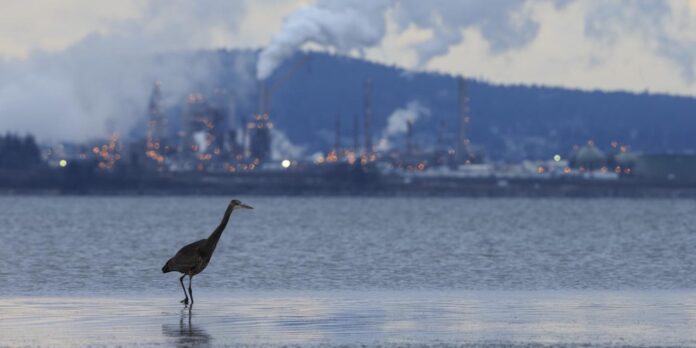
Photo by Gerrit Vyn, Cornell

Countless human lives have been saved in the last forty years since pollution regulations were signed into U.S. law—but tackling dirty air has also been saving the birds.
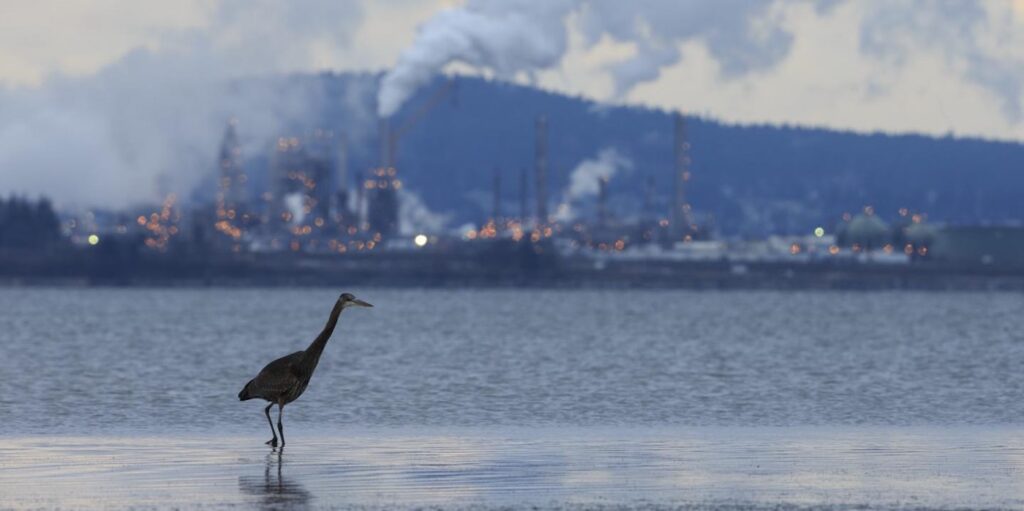
Photo by Gerrit Vyn, Cornell

A new large-scale study conducted by scientists at Cornell University and the University of Oregon found that improved air quality under a federal program to reduce ozone pollution may have averted the loss of 1.5 billion birds during the past four decades.

That’s nearly 20% of birdlife in the United States today.

“Our research shows that the benefits of environmental regulation have likely been underestimated,” says Ivan Rudik, the study’s lead author and Ruth and William Morgan Assistant Professor at Cornell’s Dyson School of Applied Economics and Management. “Reducing pollution has positive impacts in unexpected places and provides an additional policy lever for conservation efforts.”

RELATED: Birds in San Francisco Started Singing Differently in the Silence of the Pandemic Shutdown

Ozone is a gas that occurs in nature but is also produced by power plants, factories, and car emissions. It can be good or bad. A layer of ozone in the upper atmosphere protects the Earth from the harmful ultraviolet rays of the sun. But ground-level ozone is hazardous and is the main pollutant in smog.

To examine the relationship between bird abundance and air pollution, the researchers used models that combined bird observations from the Cornell Lab of Ornithology’s eBird program with ground-level pollution data and existing regulations.

They tracked monthly changes in bird abundance, air quality, and regulation status for 3,214 U.S. counties over a span of 15 years. The team focused on the NOx (nitrogen oxide) Budget Trading Program, which was implemented by the U.S. Environmental Protection Agency to protect human health by limiting summertime emissions of ozone precursors from large industrial sources.

POPULAR: Research Shows Why Crows Are So Intelligent and Even Self-Aware—Just Like Us

The study, published in The Proceedings of the National Academy of Sciences, suggests that ozone pollution is most detrimental to the small migratory birds (such as sparrows, warblers, and finches) that make up 86 percent of all North American land bird species. Ozone pollution directly harms birds by damaging their respiratory system, and indirectly affects populations by harming their food sources.

“Not only can ozone cause direct physical damage to birds, but it also can compromise plant health and reduce numbers of the insects that birds consume,” explains study author Amanda Rodewald, Garvin Professor at the Cornell Department of Natural Resources and the Environment and Director of the Center for Avian Population Studies at the Cornell Lab of Ornithology.

CHECK OUT: New Bird Song That ‘Went Viral’ Across This Species of Sparrow Was Tracked by Scientists For the First Time

“Not surprisingly, birds that cannot access high-quality habitat or food resources are less likely to survive or reproduce successfully. The good news here is that environmental policies intended to protect human health return important benefits for birds too.”

FLY This Good News to Birdwatching Friends on Social Media…

“Only you and I can help the sun rise each coming morning. If we don’t, it may drench itself out in sorrow.” – Joan Baez (turns 80 today)

Quote of the Day: “Only you and I can help the sun rise each coming morning. If we don’t, it may drench itself out in sorrow. You special, miraculous, unrepeatable, fragile, fearful, tender, lost, sparkling ruby emerald jewel, rainbow splendor person. It’s up to you.” – Joan Baez (turns 80 today)

Photo by: bruno costa

With a new inspirational quote every day, atop the perfect photo—collected and archived on our Quote of the Day page—why not bookmark GNN.org for a daily uplift?

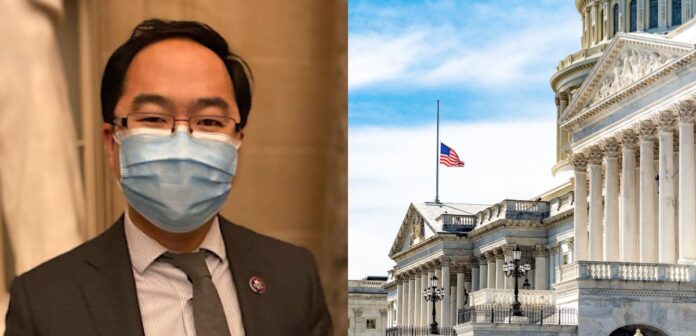
NJ Congressman Andy Kim Began Cleaning Up Litter Inside the Capitol at 1:00 in the Morning: ‘I‘m honored…’

It was late. It had been a long day, filled with surreal events.

In the wake of an ill-contained siege that left the U.S. Capitol building littered with broken furniture and debris from an unruly mob, New Jersey Representative Andy Kim was finally heading home after taking part in the vote to certify Joe Biden as the next U.S. President.

Walking down the halls of his beloved democratic institution, he saw officers assigned to the grim duty of cleaning up.

He felt a “heightened, supercharged kind of patriotism” and was stirred to join them.

The two-term Democrat who represents New Jersey’s 3rd District, grabbed a trash bag and—still dressed in his suit and tie—began picking up trash.

“I think it was 1 in the morning,” said his fellow New Jersey Rep. Tom Malinowski, in an interview with AP. “I noticed somebody on his hands and knees leaning under a bench to pick something up and it was Andy all by himself, just quietly removing debris and putting it in a plastic bag…. It was, for me, the most poignant moment of the long night.”

The son of Korean immigrant parents, Rep. Kim’s credentials are impressive. He’s the first Asian American to represent New Jersey in Congress. He’s also a University of Chicago graduate and Rhodes Scholar who was tapped by President Obama to serve as Iraq director for the National Security Council. (He’d previously held a similar role with the Pentagon.)

MORE: Protest Sign Made by Third Grader Inspires the Nation When it Mysteriously Travels to Protests

But in the middle of the night, in the aftermath of the unthinkable, Rep. Kim’s resume was irrelevant. For him, the imperative was making something right; restoring something that truly mattered. It was a small gesture perhaps, but one that symbolized something so much larger.

CHECK OUT: When Black Man Was Afraid to Walk in His Upscale Community, 75 Neighbors Walked With Him

“When you see something you love that’s broken you want to fix it. I love the Capitol. I’m honored to be there,” Rep. Kim said. “This building is extraordinary and the rotunda, in particular, is just awe-inspiring. How many countless generations have been inspired in that room? It really broke my heart and I just felt compelled to do something…

“What else could I do?”

Featured images: Twitter @AndyKimNJ / Ted Eytan, CC license

Pass on the Act of Kindness and Share This Story With Friends… 

COVID-19 Vaccine Distribution Tracker Lets You See Where U.S. Doses Are Going

If you’d like to see how quickly vaccinations are progressing in your state, the COVID Data Tracker from the Centers for Disease Control and Prevention has an interactive map that includes state-by-state tallies.

On the site, you’ll see data for the total number of vaccines distributed, as well as the total number of people who have received their first dose. Another data panel shows the distribution in long-term care facilities, which are prioritized under current US vaccination guidelines.

As of Thursday, you can see from the CDC’s map that the states that have received the most doses per capita so far are: New Hampshire, Connecticut, D.C, Alaska, West Virginia, Kentucky, Tennessee, Oklahoma, New Mexico, Colorado, Iowa, Nebraska, South Dakota, North Dakota, and Montana.

All in all, according to the CDC more than 21 million doses have been distributed.

CHECK OUT: ‘Saint’ Dolly Parton Partly Funded Moderna’s Promising New Coronavirus Vaccine

Data comes from healthcare providers, and the data on the CDC site is expected to be updated thrice-weekly: on Mondays, Wednesdays, and Fridays.

Family Farm in Maine Couldn’t Make it After Restaurants Close – Until the Neighbors Showed Up

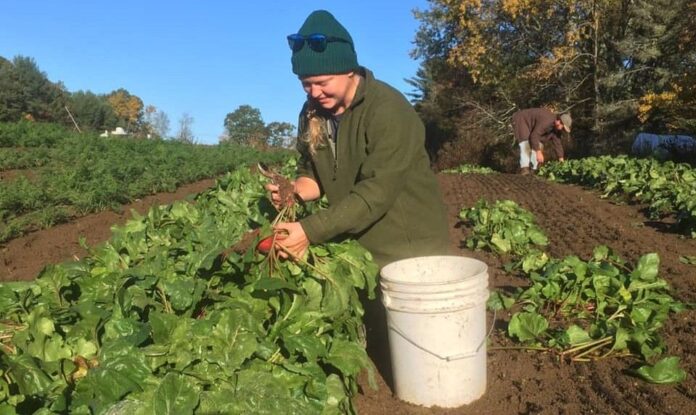
A worker at Laughing Stock Farm

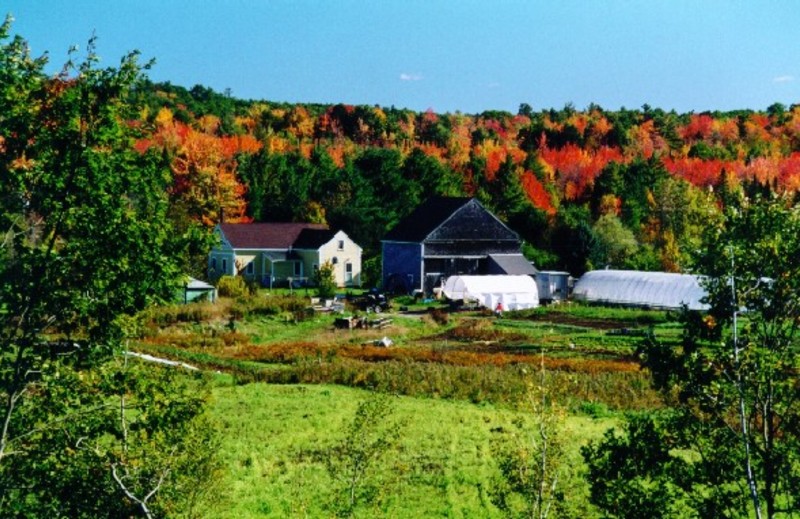
In 1996, organic farmers Ralph and Lisa Turner launched Laughing Stock Farm on one-fifth of an acre in Freeport, Maine. With trial and error eventually came success, a steady customer base, and 12-and-a-half more acres.

Laughing Stock Farm/Facebook

“Our quality produce coupled with your commitment to purchasing fresh local vegetables has built our business into a sustainable family-owned farm that will be able to serve you for years to come,” their website proudly states.

When the pandemic hit last year, as suppliers to Portland area restaurants forced to close, that future seemed very much in jeopardy. Their main source of income was suddenly gone. Left behind, eight overflowing greenhouses plus 10 tons of veggies in cold storage of supply—and zero demand.

Zero sales translated to zero cash flow.

With money already invested in produce they couldn’t sell, a loss seemed inevitable and breaking even only a pipe dream. But rather than ditch the harvest, the Turners, who are both trained engineers, went back to the blackboard and came up with a Plan B.

The couple opened a farm stand, selling pre-bagged produce at $3 a pop, and sent out word via their company newsletter.

“We bagged up stuff as if we were going to have maybe 10 people a day come,” Lisa told The New York Times. “We sent it out to probably 450 email addresses—and then people just started sharing it and sharing it and sharing it. The first day it was like, wow, that was a lot of people… The eggs were flying out of here… We went through 130 dozen eggs in two and a half days. It was insane.”

MORE: Barber Shop Swoops in to Help Run Restaurant When Staff Gets COVID: ‘We couldn’t ask for better neighbors’

Realizing they were on to something, Lisa contacted a local beef farmer and set up a delivery. She says with customers clamoring for steak left and right, the initial 40-pound delivery never even made it to the freezer.

Even more astonishing was that customers started leaving generous tips from folks who wanted to show their support and keep the farm solvent until the next planting season.

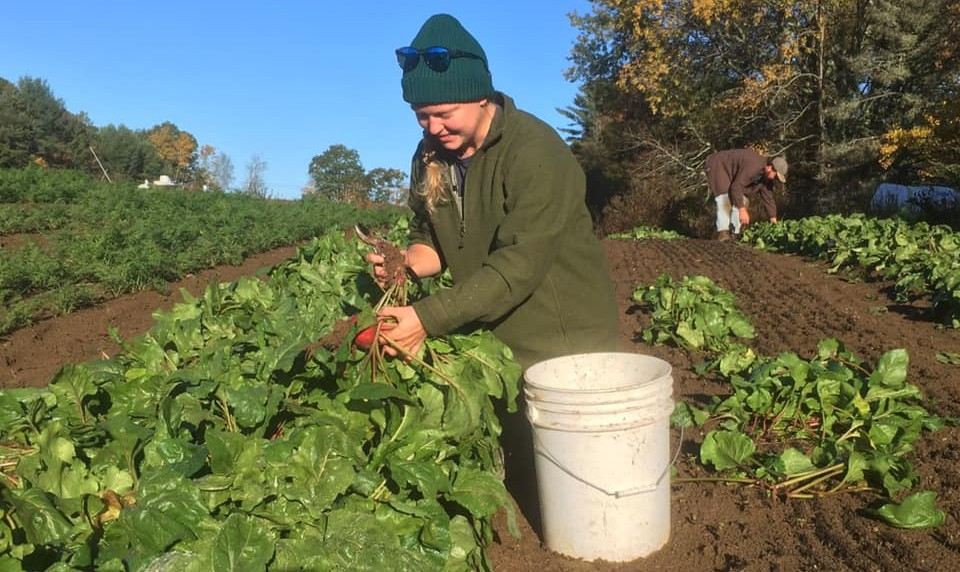
A worker at Laughing Stock Farm/Facebook

Lisa likened the experience to the climactic scene in Frank Capra’s 1946 Christmas classic It’s a Wonderful Life when a parade of thankful townspeople show up to shower George Bailey (played by Jimmy Stewart) with enough cash to stop his beloved family Building & Loan company from going under.

RELATED: A Security Guard Cycled for an Hour to Return Woman’s Lost Wallet—Now the Community’s Buying Him a Car

When all was said and done, the Turners didn’t make a huge profit, but they were able keep themselves in the black financially. In the coming year, they’ve pivoted their business model. In addition to growing and selling their own crops, they’ll be running a farm store featuring their own organic wares along with goods from other local meat and dairy distributors.

CHECK OUT: Customers Jump Up to Help Run Restaurant When Chef is Left Alone After Staff Emergency: ‘Beautiful to witness’

While they can’t be sure they’ll succeed in their new endeavor, they do have cause for cautious hope. Of all the Christmases she’s lived through, the one just past has truly put things in perspective for Lisa. The support and kindness she and her husband received from friends and strangers was both a blessing and an affirmation.

“There’s a lot to be thankful for,” Lisa said. “And it’s an antidote to fear.”

SHARE in the Neighborly Acts of Kindness and Send This Story to Pals…

UK Debuts Geothermal Plant Using Heat From the Earth to Power 10,000 Homes

Geothermal Engineering Ltd.

In Cornwall, the UK’s first-ever geothermal power plant has just put pen to paper on a 10-year deal to sell its supply of electricity to 10,000 local homes.

Geothermal Engineering Ltd.

The plant creates power by mixing water down two wells, one of which is three miles deep, that pass through the Porthtowan fault zone and the red hot water and granite rocks within.

The United Downs Deep Geothermal Power Project was funded throughout the 2010s by a mixture of private and public support. Now set to be fully operational in 12 months’ time, Ecotricity, the world’s first renewable energy company, has signed a deal to buy three megawatts of geothermal power for the area.

“Geothermal is a really exciting form of energy that is currently untapped in the UK. We’re pleased to be part of this project and to add the power to our customer’s energy mix,” said Dale Vince, founder of Ecotricity. “It has a big role to play in our plans to decarbonize the country.”

Another buyer came in the form of a local rum distillery, which is preparing a £10 million ($14 million) contract to mature nearly half a million liters of their rum using a geo-heated/powered biome.

But why would someone go through all the trouble of digging a three-mile deep hole when solar panel and wind turbine technologies are advancing as fast as they are?

It’s because geothermal is always running and doesn’t rely on the weather, and while there may be plenty of wind in Cornwall, the sun is not, by any means, a constant.

MORE: Just Add Water—New Salt Battery Could Help Spell the End of Fossil Fuels

Geothermal Engineering Limited, owners of the United Downs plant, responded to a Sunday Times feature on the construction, saying that while exciting it’s still very much early days for the plant and any future geothermal developments.

“There’s a huge amount of energy below the surface of the Earth,” Ryan Law, the firm’s managing director, told the Times of London. “The limiting factors are the drilling costs and the connections to National Grid on the surface.”

Even still, Ecotricity predicts a growth in the geothermal capacity of the island nation, suggesting in a statement that perhaps as much as 10% geothermal energy in the national power supply could, and maybe should be looked at as possible.

RELATED: ‘First of its Kind’ Zero-Emission Geothermal Energy System in Canada May Soon Be in Your Town

Yet sites must be looked at beyond just Cornwall, such as the northeast of England, or the South Downs in Hampshire.

Power Up With Positivity By Sharing The Good News To Social Media…

Japan is Building Wooden Satellites to Cut Down on Space Junk

Sumimoto Forestry

A wooden satellite will be launched into space in 2023 to study how the organic material holds up in the vacuum outside our atmosphere.

Sumitomo Forestry

Wooden satellites would create a harmless alternative to metal ones, and significantly cut down on space junk orbiting the Earth which is expected to become a serious problem for spacefarers in the near future.

Researchers and space experts from Kyoto University, including a former Japanese astronaut, are working with the Sumitomo Group, a nearly 400-year old company, on the development and testing of special kinds of wood that can survive in the harsh environment of space.

A translation of a press release regarding the innovation, known as the LignoStella project, explains some of the benefits of using wood.

“Since wood transmits electromagnetic waves and geomagnetism, if the artificial satellite is made of wood, an antenna and attitude control device can be installed inside the satellite, and the satellite structure can be simplified.”

“The wooden artificial satellites that enter the atmosphere after the operation is completed will be completely burned out. This will lead to the development of cleaner and environmentally friendly artificial satellites that do not generate minute substances (alumina particles) that can be a source of [air pollution] during combustion.”

CHECK OUT: These Comfy T-Shirts Made From Wood and Algae Can Be Composted Once You’re Done With It

These particles can float in the air for many years, and Takao Doi, a visitor to the International Space Station and a researcher at the Kyoto University Space Research Unit, where he founded a new field called the “Basic Research on the Practicality of Wood Resources in Space,” has some worries about their effects on life down below.

“We are very concerned with the fact that all the satellites which re-enter the Earth’s atmosphere burn and create tiny alumina particles which will float in the upper atmosphere for many years,” Takao Doi told the BBC.

There are about 6,000 satellites orbiting the Earth now, and many thousands more will be launched over the 21st century, including over 1,000 from Elon Musk’s universal internet access program, Starlink, alone.

Rendering of space junk, Miguel Soares, CC license

LignoStella holds hope for Kyoto University scientists of leading to the development of unique building materials that, as so many space technologies beforehand have, can eventually move back down to Earth to create more sustainable societies.

READ: These African Nations Used Satellite Monitoring to Cut Deforestation by 18 Percent

Wood has been used in every conceivable way for thousands of years, and so it’s perhaps appropriate that we should be employing its versatility in space now too.

SHARE the Far-Out Satellite News With Friends on Social Media… 

“Let us fight for a world of reason, a world where science and progress will lead to all men’s happiness… In the name of democracy, let us all unite!” – Charlie Chaplin

Quote of the Day: “Let us fight for a world of reason, a world where science and progress will lead to all men’s happiness… In the name of democracy, let us all unite!” – Charlie Chaplin

Photo by: Atanas Dzhingarov

With a new inspirational quote every day, atop the perfect photo—collected and archived on our Quote of the Day page—why not bookmark GNN.org for a daily uplift?

Charity Staff at St. Vincent de Paul Organizes a Funeral For 82-year-old Who Died Alone on City Streets

82-year-old Arpad Kiss might not have known he was dying when he made his way into a Darwin St Vincent de Paul charity shop, but he knew he was in trouble. After asking the staff to call an ambulance for him, Kiss collapsed.

Volunteers brought him outside and stayed with him. Some who knew CPR tried to revive the elderly man—to no avail.

“That left a huge impression for our volunteers and me, to hear that story and know he came to Vinnies because he knew we would help,” store manager Fay Gurr told ABC News Canberra.

Though Kiss had been a stranger, Gurr felt a connection she couldn’t ignore. Tasking herself to find out more about the man she’d met so briefly, she sought information from the hospital where he’d been taken.

Medical records and recollections from those who’d dealt with him in the past revealed his name.

MORE: Muslim Young Men Protect Catholic Church After Deadly Attacks in France: ‘We will protect churches ourselves’

Gurr learned that Arpad Kiss had lived in the territory for quite some time, sometimes homeless and sometimes not. He’d had a long history of illness. She also learned that he was Hungarian, a Catholic… and that he had no next of kin.

Realizing that Kiss died without family or any known friends to mourn him, Gurr felt compelled to see that his passing would not go by unacknowledged: He may have been a stranger, but his life mattered.

At Gurr’s behest, arrangements were made by St Vincent de Paul for Kiss’s cremation and funeral service. Kiss was buried on what would have been his 83rd birthday.

The service was conducted, with full honors, by Bishop Charles Gauci at St Mary’s Cathedral in Darwin.

“I asked those present to imagine their own funeral one day and what they would like people to say about them, and how that really affects how we live now,” Bishop Gauci said.

“We choose to do what is good and loving and virtuous, rather than the opposite.

“It was a good reflection for all of us, but also an expression of love and care for a fellow brother.”

RELATED: Church Opens Up Its Doors to Muslim Worshippers So They Can Have a Place to Pray During Quarantine

While Gurr hadn’t known what to expect when the day arrived, she and the other volunteers attending the solemn ceremony were determined to see their initial act of compassion through to the end—certain that those they serve with their mission deserve nothing less.

SHARE the Generosity and Send This Story of Kindness to Friends…

New Study Shows Spending a Long Time on Your Phone Isn’t Bad for Your Mental Health

General smartphone usage is a poor predictor of anxiety, depression, or stress say researchers, who advise caution when it comes to digital detoxes.

The study published in Technology, Mind, and Behavior was led by Heather Shaw and Kristoffer Geyer from Lancaster University with colleagues from the universities of Bath and Lincoln.

They measured the time spent on smartphones by 199 iPhone users and 46 Android users for one week. Participants were also asked about their mental and physical health, completing clinical scales that measure anxiety and depression symptoms. They also completed a scale which measured how problematic they perceived their smartphone usage to be.

Surprisingly, the amount of time spent on the smartphone was not related to poor mental health.

Lead author Heather Shaw of Lancaster University’s Department of Psychology said: “A person’s daily smartphone pickups or screen time did not predict anxiety, depression, or stress symptoms. Additionally, those who exceeded clinical ‘cut off points’ for both general anxiety and major depressive disorder did not use their phone more than those who scored below this threshold.”

Instead, the study found that mental health was associated with concerns and worries felt by participants about their own smartphone usage.

This was measured through their scores on a problematic usage scale where they were asked to rate statements such as “Using my smartphone longer than I had intended”, and “Having tried time and again to shorten my smartphone use time but failing all the time”.

Heather Shaw said: “It is important to consider actual device use separately from people’s concerns and worries about technology. This is because the former doesn’t show noteworthy relationships with mental health, whereby the latter does.”

Previous studies have focussed on the potentially detrimental impact of ‘screen time’, but the study shows that people’s attitudes or worries are likely to drive these findings.

Dr David Ellis, from the University of Bath’s School of Management, explained in a statement: “Mobile technologies have become even more essential for work and day-to-day life during the COVID-19 pandemic. Our results add to a growing body of research that suggests reducing general screen time will not make people happier.

“Instead of pushing the benefits of digital detox, our research suggests people would benefit from measures to address the worries and fears that have grown up around time spent using phones.”

Source: University of Lancaster

This Film Festival is Looking for a Person to Spend 7 Days Alone Watching Movies in a Remote Lighthouse

Gothenburg Film Festival

Does locking yourself up somewhere all alone for a week and just watching movies sound like your idea of bliss? Then have we got a film festival for you.

Gothenburg Film Festival

The Gothenburg Film Festival is conducting a “pandemic cinema experiment” in the form of a contest. One candidate chosen from applicants around the globe will be treated to a week’s stay at the site of the historic Pater Noster Lighthhouse located on the craggy island of Hamneskär off the west coast of Sweden.

While there, the winning cinephile will get free room and board along with unlimited access to this year’s festival roster of films. “They are totally isolated. They are not allowed to bring anyone, of course, but also no phone and not even a book,” artistic director Jonas Holmberg, told CBC’s As It Happens. “…It will be only this person and the sea, the waves, the sky and the 60 different premieres that we are screening at the festival.”

Inspired by the pandemic, Holmberg says the experiment aims to examine how social distancing has transformed the movie-watching experience. The most obvious change is the shift from in-person to online and at-home movie viewership.

While traditionally, going to the movies has been something of a communal experience shared with other members of an audience, the trend now is to view films either alone or in small groups. Where once people went to the movies for company, more and more, the films themselves are what provide communal connection.

According to the festival website, “Göteborg Film Festival 2021 will be anything but conventional. No crowds, no parties, no sold-out cinemas. This year’s festival focus, Social Distances, explores the new world that has emerged in the wake of the pandemic. What does film mean to us when we are isolated from everything else? To investigate, we are opening a brand-new cinema. In the middle of the ocean.

“No phone, no family, no friends. Just you, the sea and the festival’s film program with 60 film premieres. For seven days.”

READ: Real-Life Willy Wonka Gives Away Candy Factory In Giant Treasure Hunt

Requisites for the winner, according to Holmberg, are number one: the person must be a true film fan; number two: he or she must either enjoy or tolerate solitude well; number three: since they’ll be expected to document the experience with a video diary, it’s crucial for them to be an adept communicator.

“They will talk about how life is on the island and how these special conditions have affected the relationship to the films that they have seen,” Holmberg says.

CHECK OUT: 91-Year-Old Lands Her Dream Job as a Designer in Silicon Valley

The immersive solo movie experience takes place from January 30 through February 6. The winner will live in the lighthouse keeper’s home but all movies will be air in a purpose-built, one-person cinema inside the lighthouse. Interested film lovers should apply at the festival website ASAP.

We’re not sure if popcorn is included.

SHARE This Opportunity With Friends Who’d Love This Experience

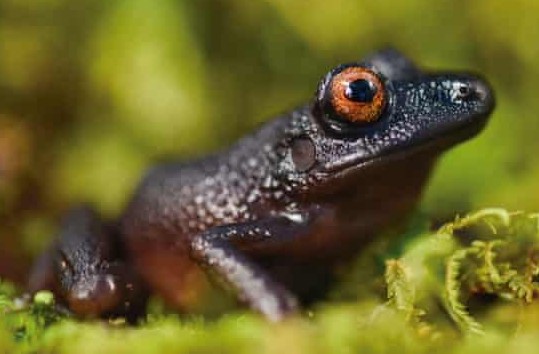
New Species, Devil-eyed Frog, and Satyr Butterfly Not Seen For a Century Found in Forests 30 Miles From the Capital

The devil-eyed frog and satyr butterfly, species that had not been seen for 30 and 100 years, join a plethora of never-before-seen creatures for field guides in a recent expedition into the Bolivian jungles.

Devil-eyed frog, Steffen Reichle/Conservation International

At a time when most journals are writing about the number of species disappearing, a sort of rapid-response team for biodiversity assessment found the trove of new creatures only 30 miles from the capital city of La Paz.

High in the Andean cloud forest, researchers from Conservation International began a Rapid Assessment Program (RAP) to scout for new insect species. However, the two-week expedition uncovered far more, including the 10mm-long lilliputian frog, two metalmark butterflies, the adder’s mouth orchid, and even a new species of pit viper which thankfully no-one on the team stepped on.

Cup orchid, Trond Larsen/Conservation International

Their search took them up the slopes which flank the Zongo Valley, where steep mountains and pristine forests conceal small ecosystems shrouded in mist which locals are said to refer to as “sky islands.”

Arizona contains features described in the same words, micro-mountain chains where the drastic difference in conditions and the inability to easily relocate creates specially adapted animals.

The RAP, co-led by Trond Larsen from Conservation International, noted to the Guardian that they had not imagined finding new vertebrate species at all, but that the frog and viper were both tremendously exciting.

MORE: Howling With Joy: After 45 Years, the Gray Wolf Has Successfully Been Lifted Off the US Endangered Species List

“What’s so amazing is that you could hear the distinctive call of the little frog throughout the forest, but you get close and they stop calling,” Trond said. “Trying to spot it when it’s not making a sound and is hidden in the moss was a tremendous task.”

Among the other rarities were a new species of bamboo and cup orchid, as well as a snake whose body sported the green, yellow, and red colors of the Bolivian flag. A species of arrowroot logged but one time in 125 years was also recorded. It closed its petals at night, which the scientists described as “like hands in prayer.”

Snake, Trond Larsen/Conservation International

“This truly beautiful and diverse landscape has become a safe haven for amphibians, reptiles, butterflies, and plants that haven’t been found anywhere else on Earth,” said Larsen.

RELATED: Wild Persian Leopards Make a Roaring Comeback in Russia’s Mountains

All this biodiversity is a sign that there is no reason to give up trying to save species, and the RAP in the Zongo Valley was actually aimed at underpinning a new conservation area that will protect not only wildlife, but forest resources like timber and Indigenous food sources, as well as waterways.

SHARE The Great Wild News With Your Pals on Social Media…

Plastic Straws and Single-Use Bags Vanish From China as Ban Kicks In

In China, 2020 was bid farewell with a flurry of fireworks and the scratching off of 200 million metric tonnes of plastic straws from the nation’s pollution inventory.

The anticipated ban comes into effect first with two items, plastic straws and single-use shopping bags, with other single-use plastics to follow. They are one of fewer than 10 nations to ban plastic straws outright.

The ban was announced in the Party’s new Five-Year Plan in January 2020, and aims to reduce plastic pollution while moving to integrate biodegradable alternatives, starting with plastic straws.

But there is something unique that makes a plastic straw ban in China more impactful than other countries, and it isn’t the fact they are the most populous nation.

It’s that paper and polylactic acid compound straws will replace plastic ones in the people’s favorite drink—tapioca pearl tea, also known as milk or bubble tea.

Chinese consumers love bubble and milk tea. These treats, often taking the place of the West’s morning coffee, are drank through plastic straws larger and thicker than those we would recognize from a McDonald’s, as they must be able to accommodate the movement of the “bubbles” of tapioca pudding.

In 2018, an estimated 500,000 chains sold bubble tea in China, and the to-go beverage market in the country rose 9.3% in 2020 to $80 billion.

MORE: Island Province in China Bans All Disposable Plastics – And Rallies to Ramp Up Biodegradable Substitutes

Milk tea chains like Nayuki in Shanghai have already been using paper straws for most of the year in anticipation of the first phase of the plastic ban scheduled to start in 2021.

Supermarkets like Careful and RT Mart are also tightening their fiscal belts as single-use plastic shopping bags are banned as well, with replacements in the form of biodegradable bags, rentable baskets, or for-purchase reusable bags taking the form as the major alternatives.

CHECK OUT: Scientists Turn Plastic Waste Into Valuable Commodities, to Create a Bigger Market for Waste Materials

One Chinese news agency reports that while prices for biodegradable alternatives to straws and bags are more expensive, the ban has seen the market share for bio-plastics skyrocket to an expected $7.3 billion in 2025, and a further doubling to $13.9 billion by 2030, suggesting the cost will rapidly decrease as more entrepreneurs enter the market with new technologies.

SHARE This Positive Trend in Plastics With Pals on Social Media…

“Let us begin by committing ourselves to the truth to see it like it is, and tell it like it is, to find the truth, to speak the truth, and to live the truth.” – Richard Nixon

Quote of the Day: “Let us begin by committing ourselves to the truth to see it like it is, and tell it like it is, to find the truth, to speak the truth, and to live the truth.” – Richard M. Nixon

This quote comes from Nixon’s presidential nomination acceptance speech at the Republican National Convention in 1968, eight years before he resigned in disgrace during the Watergate scandal, after lying and committing crimes.

Photo by: Eric Vega, cropped

With a new inspirational quote every day, atop the perfect photo—collected and archived on our Quote of the Day page—why not bookmark GNN.org for a daily uplift?

To Protect the Heart From Breast Cancer Treatment, Study Finds Statins Could Help

Statins, common cholesterol-lowering medications, may protect women’s hearts from damage caused during chemotherapy for early-stage breast cancer, according to new research published today in the Journal of the American Heart Association.

“Two types of cancer medications, anthracyclines and trastuzumab, are effective treatments for many women with breast cancer, however, the risk of heart muscle damage has limited their use, particularly in women who are at higher risk for heart problems because of their age or other medical issues,” said Husam Abdel-Qadir, lead author of the University of Toronto study.

“The mechanisms for these medications are essential to kill breast cancer cells, however, these processes can also damage the cells of the heart muscle, leading to weakening of the heart,” he said.

Previous small studies have suggested that women taking statins may have less heart muscle damage from these types of chemotherapy. The exact mechanisms of how statins protect against the cardiac cell damage remains unknown. It is believed that statins have antioxidative and anti-inflammatory actions.

RELATED: Fasting-Mimicking Diet Shown to Be ‘Safe and Effective Supplement’ to Chemotherapy in Breast Cancer Patients

For the current study, researchers used several administrative health databases in Ontario, Canada, to review the occurrence of heart failure in women ages 66 and older who received anthracyclines or trastuzumab for newly diagnosed early-stage breast cancer between 2007 and 2017.

Each woman already taking statins was matched with a peer who was not taking statins as well as a variety of medical and social background factors. The two groups were compared to understand how many required hospitalizations or an emergency room visit for heart failure within the five years after chemotherapy. None had previously been diagnosed with heart failure.

Researchers found:

  • In the 666 pairs of women (median age 69) treated with anthracyclines, those taking statins were 55% less likely to be treated at the hospital for heart failure (1.2% vs. 2.9%).
  • In the 390 pairs of women (median age 71) treated with trastuzumab, those taking statins were 54% less likely to be treated at the hospital for heart failure (2.7% vs. 3.7%), a trend that did not reach statistical significance.

“Our findings support the idea that statins may be a potential intervention for preventing heart failure in patients receiving chemotherapy with anthracyclines and potentially trastuzumab,” Abdel-Qadir said.

This observational study found an association but cannot conclude that there is a cause-and-effect relationship between taking statins and a lower risk of heart failure.

CHECK OUT: Tulane Researchers Find a Switch to Turn Off Aggressive Form of Breast Cancer Growth

“This study does not conclusively prove statins are protective,” Abdel-Qadir said. “However, this study builds on the body of evidence suggesting that they may have benefits. For women with breast cancer who meet established indications for taking a statin, they should ideally continue taking it throughout their chemotherapy treatment.

MORE: Common Weed Stops the Growth of Breast Cancer Cells, Scientists in London Report

“Women who do not have an indication for a statin should ask their health care team if they can join a clinical trial studying the benefits of statins in protecting against heart muscle damage during chemotherapy. Otherwise, they should focus on measures to optimize their cardiovascular health before, during, and after chemotherapy.”

READ: Teen Makes ‘Armor’ That Blocks Radiation During Cancer Treatments, Reducing Exposure By Whopping 75%

Findings from this study in older women may not be generalizable to younger women or to those at low cardiovascular risk who do not meet current indications for a statin. Because the populations are similar in terms of demographics, these results from Canada are likely generalizable to women in the United States.

Source: Heart.org

SHARE This Interesting Breakthrough on Social Media…

These African Nations Used Satellite Monitoring to Cut Deforestation by 18 Percent

Captureson Photography

Deforestation dropped by 18 percent in two years in African countries where organizations subscribed to receive warnings from a new service using satellites to detect decreases in forest cover in the tropics.

The carbon emissions avoided by reducing deforestation were worth between $149 million and $696 million, based on the ability of lower emissions to reduce the detrimental economic consequences of climate change.

Those findings come from new research into the effect of GLAD, the Global Land Analysis and Discovery system, available on the free and interactive interface Global Forest Watch.

Launched in 2016, GLAD provides frequent, high-resolution alerts when it detects a drop in forest cover. Governments and others interested in halting deforestation can subscribe to the alerts on Global Forest Watch and then intervene to limit forest loss.

The research was led by Fanny Moffette, a postdoctoral researcher in applied economics in the Nelson Institute for Environmental Studies and the Department of Agricultural and Applied Economics at the University of Wisconsin–Madison. Moffette collaborated with Jennifer Alix-Garcia at Oregon State University, Katherine Shea at the World Resources Institute, and Amy Pickens at the University of Maryland.

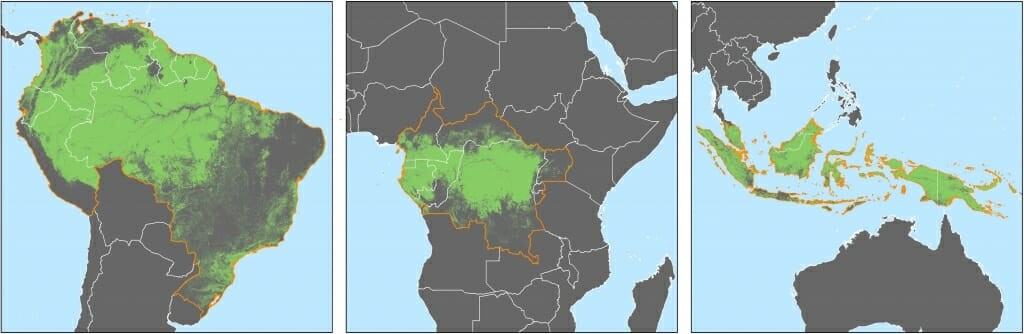
They studied deforestation in 22 tropical countries across South America, Africa, and Asia from 2011 to 2018.

The research covered 22 tropical countries, outlined in orange, across South America, Africa and Asia. Forest cover in 2010 is indicated in green. Fanny Moffette

Moffette and her co-authors set out to understand whether these kinds of automated alerts could achieve their goal of reducing forest loss, which has global climate implications. Land-use changes like deforestation account for 6 percent to 17 percent of global carbon emissions. And avoiding deforestation is several times more effective at reducing carbon emissions than regrowing forests.

“The first question was to look at whether there was any impact from having access to this free alert system. Then we were looking at the effect of users subscribing to this data to receive alerts for a specific area,” says Moffette.

Simply being covered by GLAD did not help a country combat deforestation. Only those African countries in which organizations had actually subscribed to receive alerts saw a decrease in deforestation. Intuitively, this finding makes sense, says Moffette. Having access to information is good. But what you need to change the course of deforestation are people committed to using that information and acting.

However, deforestation did not decrease in South American or Asian countries, even where organizations subscribed to receive warnings. There are multiple potential causes for this continental discrepancy.

READ: Indigenous Group in Brazil Wins Decades-Long Battle Against Illegal Loggers in the Amazon

“We think that we see an effect mainly in Africa due to two main reasons,” says Moffette. “One is because GLAD added more to efforts in Africa than on other continents, in the sense that there was already some evidence of countries using monitoring systems in countries like Indonesia and Peru. And Colombia and Venezuela, which are a large part of our sample, had significant political unrest during this period.”

The GLAD program is still young, and as more governments and organizations sign on to receive warnings, and decide how to intervene at sites of deforestation, the system’s influence may grow.

Developed by a team at the University of Maryland that includes one of Moffette’s collaborators, GLAD made several improvements over its predecessors. It has very high spatial resolution, roughly 900 square meters, which is orders of magnitude more precise than older tools. And it can provide alerts up to every eight days if the skies are cloud-free when satellites re-image a section of Earth. Users can define custom areas to monitor. They then receive weekly emails, available in six languages, that contain geographic coordinates of the alerts within the monitored areas.

RELATED: Amazon Tribes Are Excited to Use Drones to Detect Illegal Deforestation in Brazilian Rainforest

Going forward, the team is looking to evaluate the effect of new features of the monitoring platform, such as data that can inform forest restoration, while supporting efforts of organizations that try to intervene to halt deforestation.

MORE: 14 Years Ago the Amazon Was Being Bulldozed for Soy – Then Everything Changed As Corporations Joined Activists

“Now that we know subscribers of alerts can have an effect on deforestation, there’s potential ways in which our work can improve the training they receive and support their efforts,” says Moffette.

Source: University of Wisconsin-Madison

Plant Some Positivity By Sharing The Exciting News With Your Friends On Social Media…
To Keep Pain in Check, Scientists Say ‘Count Down’

Is the heat still bearable, or should I take my hand off the hotplate? Before the brain can react appropriately to pain, it must evaluate and integrate sensory, cognitive, and emotional factors that modulate the perception and processing of the sensation itself. This task requires the exchange of information between different regions of the brain.

New studies have confirmed that there is a link between the subjective experience of pain and the relative levels of neural activity in various sectors of the brain.

However, these investigations have been carried out primarily in contexts in which the perception of pain was intensified either by emotional factors or by consciously focusing attention on the painful stimulus.

Now, LMU neuroscientist Enrico Schulz, in collaboration with colleagues at the University of Oxford, has asked how cognitive strategies that affect one’s subjective perception of pain influence the patterns of neural activity in the brain.

In the study, 20 experimental subjects were exposed to a painful cold stimulus. They were asked to adopt one of three approaches to reducing the pain: (a) counting down from 1000 in steps of 7, (b) thinking of something pleasant or beautiful, and (c) persuading themselves, by means of autosuggestion, that the stimulus was not really that bad.

During the experimental sessions, the subjects were hooked up to a 7T magnetic resonance imaging (MRI) scanner to visualize the patterns of neural activity in the brain, which were later analyzed in detail.

CHECK OUT: First-of-its-Kind Clinical Study Finds That Microdosing THC Can Reduce Chronic Pain

In order to assess the efficacy of the different coping strategies, participants were also asked to evaluate the subjective intensity of the pain on a scale of 0 to 100. The results revealed that the countdown strategy was the most effective of the three methods.

“This task obviously requires such a high level of concentration that it distracts the subject’s attention significantly from the sensation of pain. In fact, some of our subjects managed to reduce the perceived intensity of pain by 50%,” says Schulz. “One participant later reported that she had successfully adopted the strategy during the most painful phase of childbirth.”

MORE: Doing Something Nice For Others Can Immediately Relieve Sensations of Physical and Mental Pain, Says New Study

In a previous paper published in the journal Cortex in 2019, the same team had already shown that all three strategies help to reduce the perception of pain, and that each strategy evoked a different pattern of neural activity.

In the new study, published in eLife, Schulz and his collaborators carried out a more detailed analysis of the MRI scans, for which they divided the brain into 360 regions.

RELATED: Learn What 370 Schools Are Now Teaching in a Massive New Mental Health Research Trial

“Our aim was to determine which areas in the brain must work together in order to successfully reduce the perceived intensity of the pain,” Schulz explains. “Interestingly, no single region or network that is activated by all three strategies could be identified. Instead, under each experimental condition, neural circuits in different brain regions act in concert to varying extents.”

READ: First Treatment for Pain Using Human Stem Cells is a Success; Now Moving Towards Human Trials

The reduction of pain is clearly a highly complex process, which requires a cooperative response that involves many regions distributed throughout the brain. Still, next time you hurt yourself, it’s certainly worth trying to count down from 1000 in steps of 7.

Source: Ludwig-Maximilians-Universität München

HELP Your Friends Out and Share This Research With Them on Social Media…
This City’s Police Force Says No Officer Fired a Single Shot in 2020, Citing Successful De-escalation Training

Newark police and city officials say their de-escalation training program is working, with not one officer firing his or her weapon while on duty in 2020.

The New Jersey police force faced huge challenges this year, with officers being exposed to COVID-19 on the job, and protestors marching against police brutality in the summer.

While 2020 was stressful, Public Safety Director Anthony Ambrose says the staff utilized their de-escalation training to keep the peace.

Ambrose said in a statement: “Our officers… are actively employing this resource when engaging with the community.

“Our training also played a huge role in Newark having zero violence during this year’s protests of the murder of George Floyd. The community and police worked together to ensure that non-Newark residents, who came here to protest, didn’t initiate any violence in our City.”

CHECK OUT: Kindness in West Virginia: Police Give Traffic Violators Gift Cards Instead of Tickets

Overall crime was also down 6% in the city in 2020, with police officers recovering 496 illegal firearms—a 7% increase over last year.

MORE: Selfless Cop Picks Up Smelly Hitchhikers, Drives Them 40 Miles – And Stops For BBQ

“Removing 496 illegal firearms from our streets equals at least 496 fewer victims of violence and fewer funerals,” Ambrose said.

This kind of success might become a trend, as de-escalation training programs roll out in other police forces across the country.

SHARE This Positive Police News With Pals on Social Media… (File photo by Jan Gottweiss)

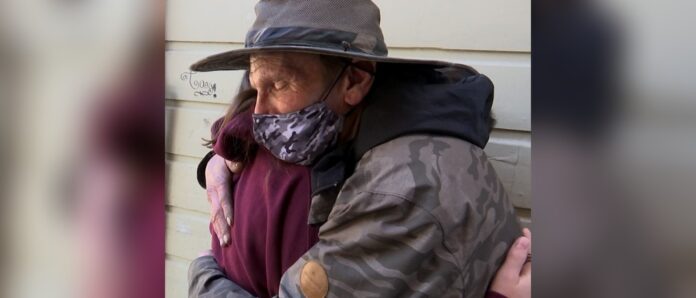
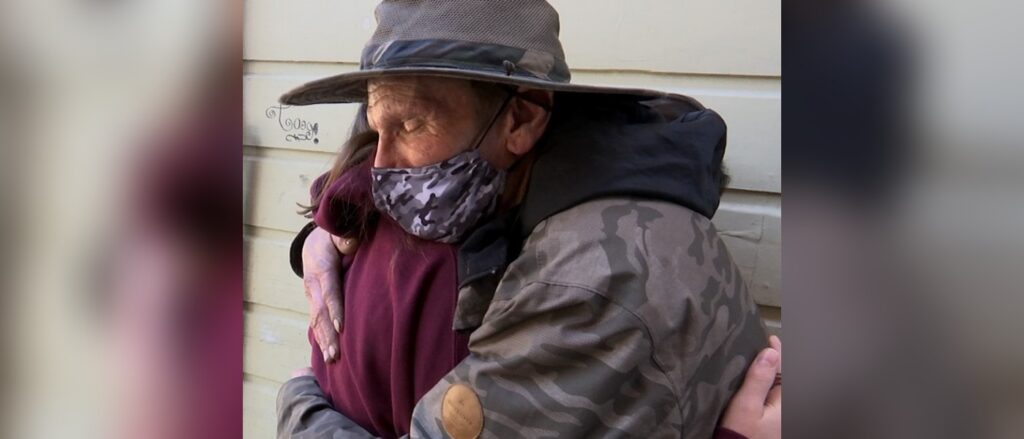
Girl Donates All Her Birthday Money to Homeless Man Who Returned Her Grandma’s Wallet

NBC Bay Area video

In Jewish tradition, a mitzvah is a good deed that’s performed with a good heart simply because it’s the right thing to do. And that’s just how Evelyn Topper described the kind act of a homeless stranger who’d gone out of his way to return her lost wallet.

Topper likely dropped the wallet when she and her granddaughter, Mikayla Gounard, were leaving a local coffee shop in San Rafael, California that they’d just patronized, but Topper didn’t realize it was missing until she got home. With her credit, debit, and medical cards gone, she was understandably upset.

The next day, however, Topper got a call that put her worries to rest.

Sean Curry had found the wallet in a dumpster behind the coffee shop. Except for the cash, its contents were intact. Even though he’d been homeless for five years, rather than take advantage, Curry reached out to make arrangements to return Topper’s property.

While Topper lauded his behavior and declared it a mitzvah, Curry didn’t believe he’d done anything out of the ordinary. He’d done it, he explained in an interview with NBC, because he “[had] a heart” and “that’s the way I was brought up.”

MORE: Canadian Researchers Gave Homeless People $7,500 Each and the Results Are So Uplifting

While a true mitzvah is performed without expectation of recognition or reward, sometimes the powers that be—with the help of a determined young girl—take matters into their own hands.

Mikayla Gounard had already planned a socially distant “drive-by” party for her upcoming 12th birthday. Rather than presents, she’d decided to ask for contributions to be donated to charity in her name.

Gounard hadn’t yet chosen which charity the money would go to, but after learning more about the man who’d so selflessly returned her grandmother’s wallet, the choice seemed obvious.

It was Gounard’s turn to set her own mitzvah in motion. On the day of her party, the newly-minted 12-year-old placed a photo of Curry and a collection basket next to balloons and party favors on an outdoor table in her driveway. By the end of her “Happy Birthday!” processional, she’d raised several hundred dollars.

RELATED: Kroger Gave a Job to Homeless Woman Who Slept in Their Parking Lot: ‘I Wish We Had 120 Like Her!’

When Gounard and her mom met up with Curry the next day to give him the money, he admitted to feeling truly humbled by the heartwarming gesture.

NBC Bay Area video

Rather than merely giving lip service to the idea that “one good turn deserves another,” like Curry, Gounard chose to make that good turn happen—because she knew it was the right thing to do.

CHECK OUT: After Cancer She Started Driving Uber, Using Tips to Make Sandwiches For the Homeless–Now a 24-yo Rider is Her BFF

“I think it’s really important that people who think that because you got pushed down you can never get back up again,” Gounard said.

We think so too.

(WATCH the video of this story from NBC Bay Area below.)

SHARE the Generosity and Pass This Story on to Friends…

“It is never too late to be what you might have been.” – George Eliot

Quote of the Day: “It is never too late to be what you might have been.” – George Eliot

Photo by: Rod Long

With a new inspirational quote every day, atop the perfect photo—collected and archived on our Quote of the Day page—why not bookmark GNN.org for a daily uplift?