16-year-old Stefan Perez began marching into downtown Detroit with 15 people. More and more joined him until he became an unwitting leader of a large crowd. Above all else, the Michigan teen vowed to keep everyone in line, and get them back home safely.
At the end of the march, after no looting or fights, he urged the protesters to comply with the city’s 8 p.m. curfew so that no one would get hurt.
With a megaphone thrust into his hand, he kept the protesters calm, even though he said “they were scared,” and some of them tried to defy his peaceful intentions.
“I tried to keep everybody together, I tried to keep everybody as a collective group, and we marched,” he told The Detroit Free Press. “I’m surprised people listened to me. I’m glad they did because they’re not hurt right now, ‘cause they could be.”
While the reporter was interviewing the young activist, Mayor Mike Duggan called on someone’s phone and the call was broadcast via speakerphone on Facebook Live.
“Son, I was watching the video and I saw your leadership. I have tears in my eyes, said the mayor. “You are everything that’s special about the city of Detroit… We’re going to fight this injustice because of people like you.
Stefan replied, “Some police officers walked with us in uniform who stand united with us today, and I’m glad that you do, too.”
The mayor, who asked the teen to meet with him this week, isn’t the only one who’s proud of Stefan.
If it weren’t for his grandmother, he said, he wouldn’t be where he is today. “As a teenager, I have put her through a lot of stuff, but she stuck by my side when I needed it the most—and she’d be proud of what we accomplished tonight.”
“The fact that I was able to put my hand up and stop everybody from causing trouble here tonight, I look back and smile at that moment,” said the sophomore from the Communication and Media Arts High School. “The people followed me into battle and I’m glad that I was able to get them home safely.”
The previous evening, the first night of the curfew, things had became tense in the Motor City as police fired tear gas and rubber bullets when protesters refused to disburse.
Stefan, whose ancestors are African-American, Mexican, Puerto Rican and Nicaraguan, was more interested in taking a knee in peaceful solidarity when the crowd reached Michigan Avenue on Monday.
WATCH the LIVE interview (and hear the mayor’s call at around 5:00)…
SHARE the Inspiring Teen Leadership on Social Media…
Major American corporations are not only voicing solidarity with communities of color during this time of upheaval, they are putting a little money behind the sentiment.
Bank of America announced yesterday that it is committing $1 billion over four years in additional support to help local communities address economic and racial inequality, especially in the wake of the COVID-related economic downturn and health care needs.
“The events of the past week have created a sense of true urgency that has arisen across our nation, particularly in view of the racial injustices we have seen in the communities where we work and live,” said CEO Brian Moynihan. “We all need to do more.”
The money will flow to economic programs involving jobs, training, small business support, and housing, but will add a new emphasis on health services for communities of color. $100 million will support its nonprofit partners across 90 communities, and $250 million will assist with lending to the smallest and minority-owned businesses through its support to community development financial and minority depository institutions.
Meanwhile, Apple, Facebook, and Verizon are promising millions of dollars to support civil rights groups.
In a memo to Apple employees, CEO Tim Cook promised action with $10 million: “Apple is making donations to a number of groups, including the Equal Justice Initiative, a non-profit committed to challenging racial injustice, ending mass incarceration, and protecting the human rights of the most vulnerable people in American society.”
Facebook CEO Mark Zuckerberg said in a Sunday post that the social network is “committing an additional $10 million” to groups working on racial justice—and deciding which ones to donate to by engaging its civil rights advisors and employees to identify organizations locally and nationally that could most effectively use this right now.
“I know that $10 million can’t fix this,” he wrote. “It needs sustained, long term effort.”
Verizon will donate $10 million to various groups, said CEO Hans Vestberg on Monday:
The Verizon Foundation has committed $10 million to social justice organizations, shared equally between these organizations: The National Urban League, the NAACP, National Action Network, Leadership Conference for Civil and Human Rights, Rainbow Push Coalition, National Coalition on Black Civic Participation, and the NAACP Legal Defense and Educational Fund.
SHARE Some Good News During Hard Times — Post This on Social Media…
A Bellevue, Washington man who knows what it’s like to grow up without a father has been doing his part to make a difference in the lives of kids today who are in the same boat—and from the surging popularity of his YouTube channel, it’s clear he will be among the dads most showered with love this Father’s Day.
Rob Kenney wanted to step in to fill the void whenever a kid needed to learn how to do something—like change a car’s oil, put up a shelf, use a stud-finder, and even iron a shirt or shave your face.
His YouTube channel, called ‘Dad, How Do I?’, aims to teach youth the valuable lessons a father is meant to teach. Launched only two months ago, his DIY channel already has more than two million subscribers. Fans can now count on Mr. Kenney whenever they get into a jam, using his step-by-step instructions for jumpstarting a car or unclogging a sink.
His most recent videos were posted simply to express his astonishment and gratitude over the number of fans that have been piling up since news outlets like Good Morning America and People magazine featured him in stories. His loyalest fans began telling him to monetize his good fortune.
“I didn’t start this to make money,” Rob told his viewers. “I started simply enough and thought I was going to help a few people . . . 30 or 40 subscribers . . . it’s turned into way more than that. And please don’t think I am only aiming this at young men. It’s for young women, anybody who feels that they need to learn something or be empowered to learn something.”
Now that his channel has had such unexpected success, Rob told fans in a thank-you video that he plans to give his earnings to a number of international charities.
Many viewers have been touched by the kind and heartfelt words Rob shares in his videos. Such simple words, like ‘I love you’ and ‘I’m proud of you’ that so many children don’t get to hear from a father figure, can have a profound impact, even into adulthood. He starts each video with an enthusiastic ‘Hey kids!’—but Keiha Danaher commented that she was a 33 year-old woman, and she answered back with a sobbing “Hi dad.”
Rob’s awkward charm in evident in each video that includes a (bad) dad joke like, “When is a good time to go to the dentist? 2:30.”
He playfully teases his audience in his ‘How to tie a tie’ video, letting them know that a short tie will make them look ‘dorky’, and taking the time to really show them how to do it right.
Rob‘s challenging childhood story makes him a role model of resilience for the kids who watch his channel. By the age of 14, his parents had divorced and decided they were done with parenting. He had to move in with his older brother and learn the tough lessons of adolescence without parents in his life. But that did not deter him from marrying, having a son and daughter, and being a devoted father to his children.
The downtime the coronavirus lockdown provided was the impetus for him to finally start his YouTube channel, a long-held dream. This, in itself, shows his viewers that there is always opportunity in the face of adversity.
In a video where he manages to change a tire in just 13 minutes, Trisha Wells commented, “This man deserves an award for the internet’s best dad.” Of course, Rob is not interested in awards, just doing his part to be there for kids who need a father figure.
Impressive as his car maintenance skills may be, his dedication to showing kids some encouragement these days means far, far more.
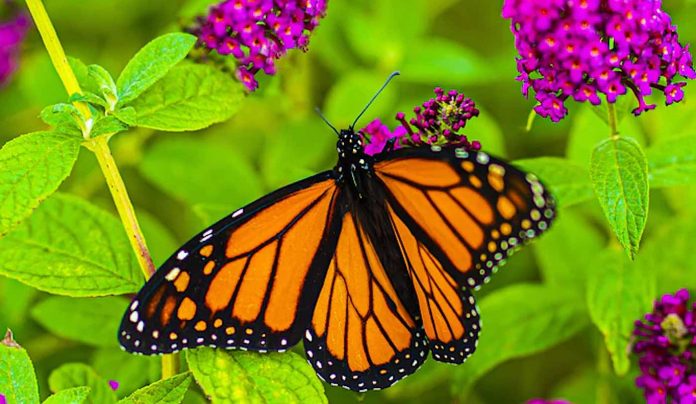
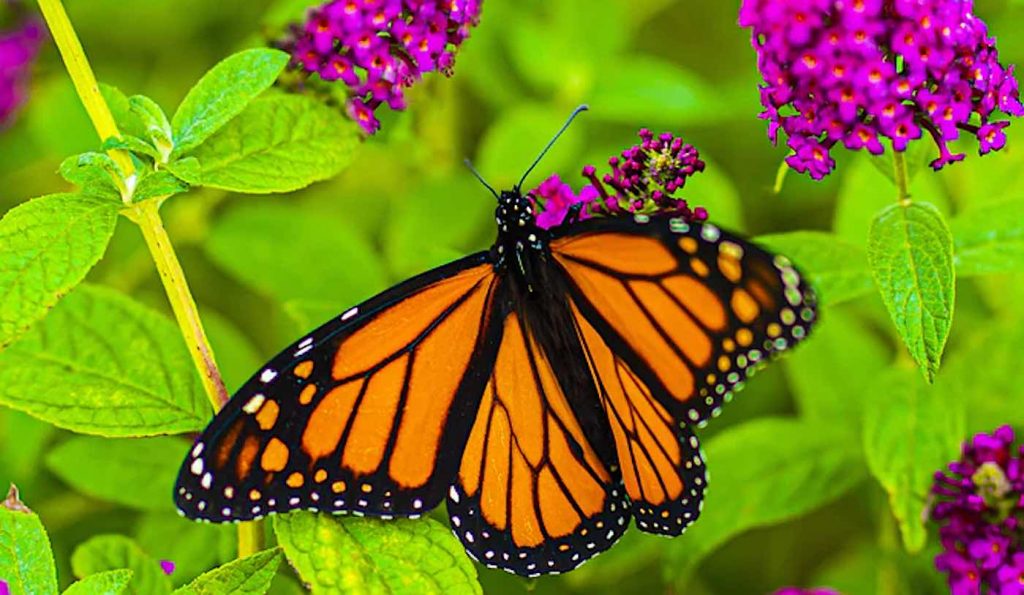
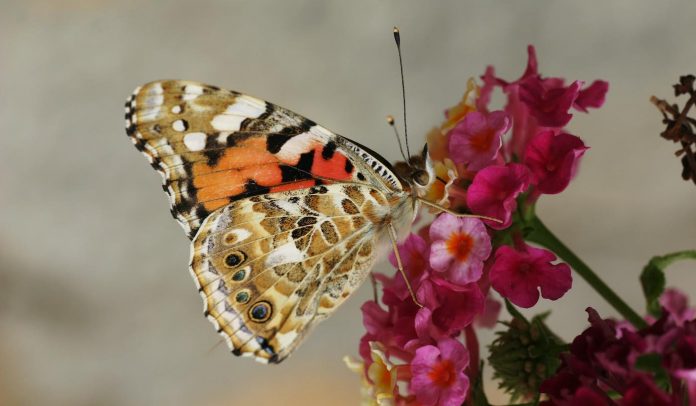
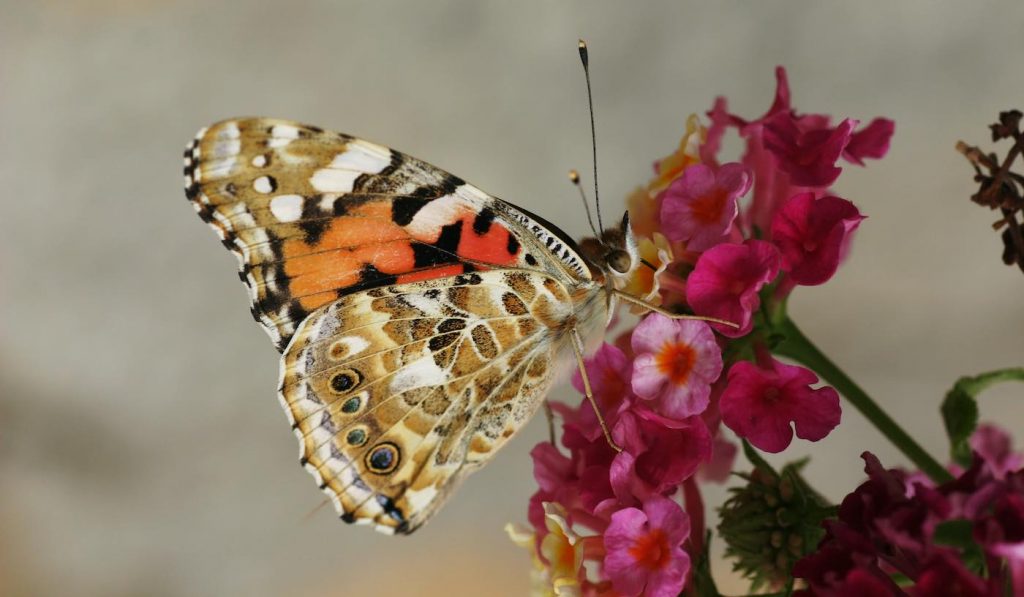
A new public-private partnership that includes 45 companies and the U.S. Fish and Wildlife Service (FWS) will proved “a huge boost” to stem the loss of monarch butterfly habitat in North America.
Of the great animal migrations on our planet, most people imagine the wildebeest in Africa, the Caribou of the Arctic, or perhaps the salmon run in the Pacific Northwest, but the fantastic 3,000-mile flight of Monarch butterflies is surely one of the most astonishing displays of nature on the move.
Yet, recent decades of development along their migration corridors have impeded the ability of these fragile creatures to complete their journey to and from Mexico through the western United States and Canada.
A recent effort by the FWS in partnership with the University of Illinois-Chicago has created a program for protecting habitat along vital migration corridors for the charismatic insects, which leave their summer breeding ground in the northwest U.S. and Canada to travel all the way to central Mexico before resting on the peaks and summits of mountains.
“Completing this agreement is a huge boost for the conservation of monarch butterflies and other pollinators on a landscape scale,” said Aurelia Skipwith, Director of the U.S. Fish and Wildlife Service.
A Preemptive Strike
Participants to the agreement which include landowners, farmers, transportation and energy companies, and more, will carry out conservation measures to reduce or remove threats to the species and create and maintain habitat annually. Although this agreement specifically focuses on monarch habitat, the conservation measures will also benefit several other species, especially pollinating insects.
Much of this work will take place along the sides of highways and other roads, as well as under hydro lines, and around other energy infrastructure; which may not seem like prime wildlife habitat but can actually be extremely useful both for wildflowers and other plants which pollinators rely on, and for linking fractured habitat zones.
Officials estimate that as many as 2.3 million acres of roadsides and utility lands may be involved in the agreement, becoming habitat for monarchs and other pollinators.
The agreement itself is a movement in response to an approaching decision by the FWS regarding a potential Endangered Species Act listing for the monarch butterfly, a legal status of protection that has been known to be notoriously frustrating for sectors big and small, public and private.
By Freddy G
By involving 45 various companies across sectors like transportation and energy, and by engaging public landowners in monarch conservation, a potential listing can be avoided.
“By engaging early in voluntary conservation, utilities and departments of transportation can avoid increased costs and operational delays as a result of a potential listing. This provides tremendous value to industry and will also yield big benefits to the monarch butterfly,” said Iris Caldwell, program manager of the University of Illinois-Chicago’s Energy Resources Center, which will administer the agreement.
The monarch agreement, known as a Candidate Conservation Agreement with Assurances (CCAA), is structured so that energy and transportation partners and private landowners can provide conservation seamlessly throughout their properties, where there may be a mix of non-federal and federal lands.
The ‘with Assurances’ coda refers to assurances that nothing further will be asked of them if the species continues to decline and receives listing under the Endangered Species Act.
“The effort is unprecedented in terms of its cross-sector participation and geographic extent,” reads the monarch CCAA page of the Rights-of-Way as Habitat Working Group who specialize in developing land adjacent to energy and transportation infrastructure into prime habitat – usually for pollinators.
“The agreement spans the entire contiguous 48 states and is expected to encompass millions of acres of habitat.”
A Grand Journey
Once monarchs arrive in Mexico they huddle together on the trunks and branches of oyamel fir trees, also known as sacred firs, where the filtering of the sunlight and insulation of the surrounding foliage makes for the perfect monarch-microclimate.
“The tree canopy and ecosystem provide a blanket effect for the monarchs, so the temperatures don’t go too high or too low,” said Pablo Jaramillo-López, a research scientist at the National Autonomous University of Mexico speaking with Nat Geo.
After winter the monarchs head back north, laying eggs on the branches of the milkweed plant, one of the species the new conservation agreement must absolutely work to protect if monarchs are to avoid listing and extinction.
“Interestingly, the waves of monarchs heading north will complete their entire life cycles in just five to seven weeks each,” saysJaramillo-López.
“But when fall rolls around again, a special ‘super generation’ of monarchs that can live up to eight months will make use of air currents to wing all the way back to Mexico—a seemingly impossible feat for such a delicate-looking insect.”
FLY This Historic Agreement Over to Your Social Media Feed to Share With Friends…
Quote of the Day: “In early June the world of leaf and blade and flowers explodes, and every sunset is different.” – John Steinbeck
Photo: by Ray Hennessy, public domain
With a new inspirational quote every day, atop the perfect photo—collected and archived on our Quote of the Day page—why not bookmark GNN.org for a daily uplift?
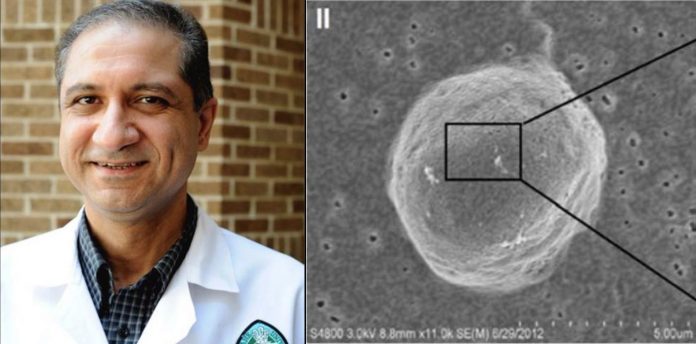
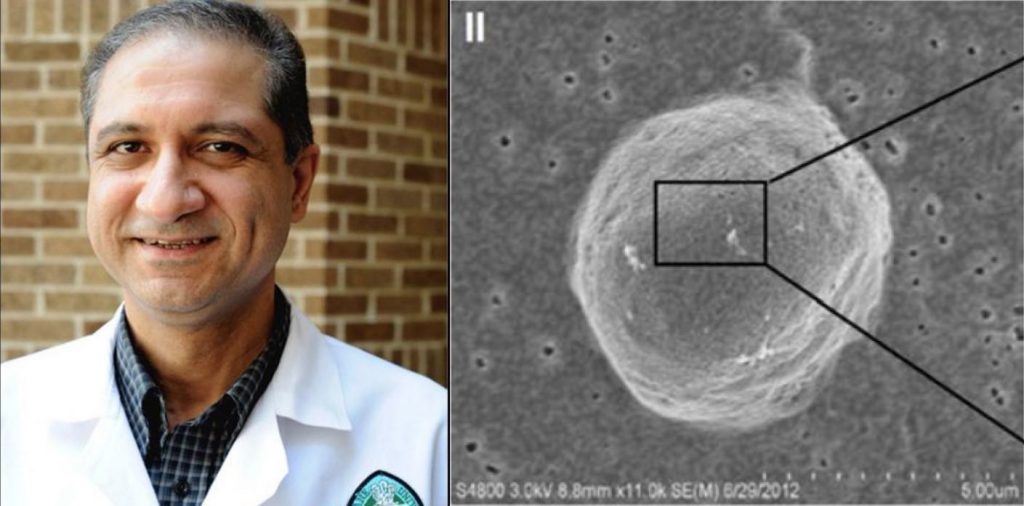
Dr. Reza Izadpanah and breast cancer screen from research – Tulane University
Researchers at Tulane University School of Medicine have identified a gene that causes an aggressive form of breast cancer to rapidly grow. More importantly, they have also discovered a way to “turn it off” and inhibit cancer from occurring.
The animal study results have been so compelling that the team is now working on FDA approval to begin clinical trials and has published details in the journal Scientific Reports.
The team led by Dr. Reza Izadpanah examined the role two genes play in causing triple negative breast cancer (TNBC). TNBC is considered to be the most aggressive of breast cancers, with a much poorer prognosis for treatment and survival. Izadpanah’s team specifically identified an inhibitor of the TRAF3IP2 gene, proven to suppress the growth and spread (metastasis) of TNBC in mouse models that closely resemble humans.
In parallel studies looking at a duo of genes—TRAF3IP2 and Rab27a—which play roles in the secretion of substances that can cause tumor formation, the research teams studied what happens when they were stopped from functioning.
Suppressing the expression of either gene led to a decline in both tumor growth and the spread of cancer to other organs. Izadpanah says that when Rab27a was silenced, the tumor did not grow but was still spreading a small number of cancer cells to other parts of the body. However, when the TRAF3IP2 gene was turned off, they found no spread of the original tumor cells for a full year following the treatment. Even more beneficial, inhibiting the TRAF3IP2 gene not only stopped future tumor growth but caused existing tumors to shrink to undetectable levels.
Dr. Reza Izadpanah and breast cancer screen from research – Tulane University
“Our findings show that both genes play a role in breast cancer growth and metastasis,” says Izadpanah. “While targeting Rab27a delays progression of tumor growth, it fails to affect the spread of tiny amounts of cancer cells, or micrometastasis. On the contrary, targeting TRAF3IP2 suppresses tumor growth and spread—and interfering with it both shrinks pre-formed tumors and prevents additional spread. This exciting discovery has revealed that TRAF3IP2 can play a role as a novel therapeutic target in breast cancer treatment.”
Dr. Bysani Chandrasekar of the University of Missouri has joined in the Tulane research efforts and found that targeting TRAF3IP2 can stop the spread of glioblastoma, a deadly brain cancer with limited treatment options. The team is now working on getting FDA approval and hopes to begin clinical trials soon.
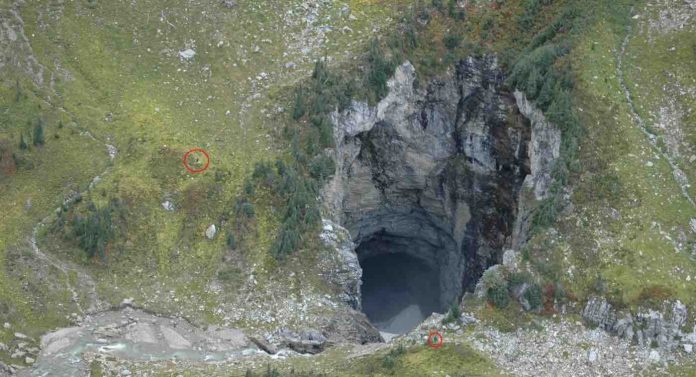
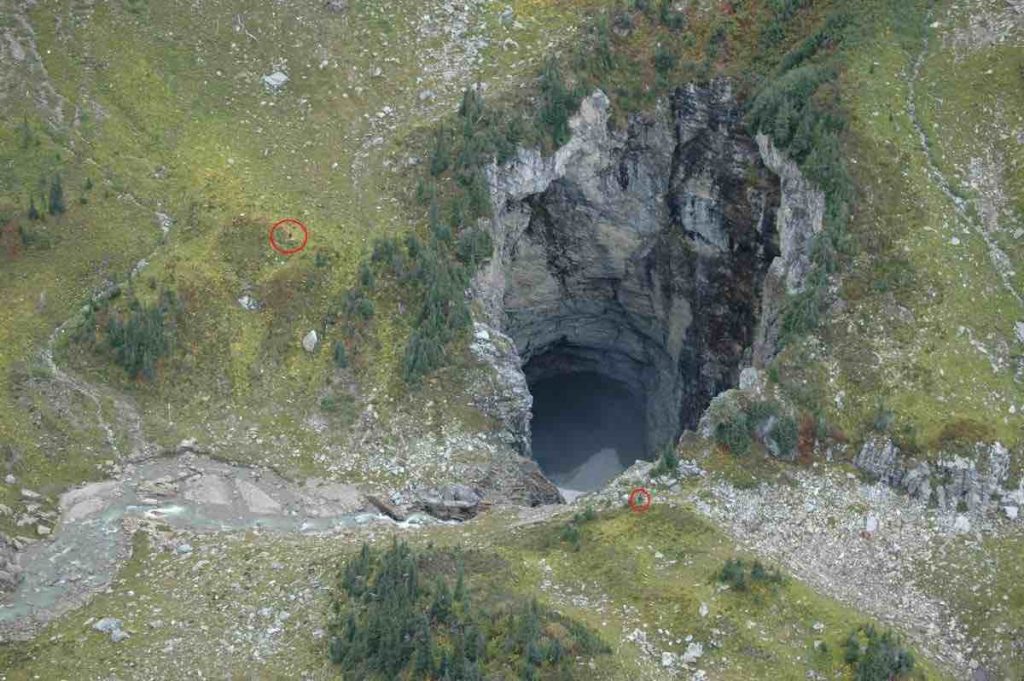
Just south of Alaska in British Columbia, Canada, amid the rugged countryside of Wells Gray Provincial Park, the entrance to a cave was discovered in 2018 that was so vast it could comfortably fit the entire Statue of Liberty in the antechamber.
Reporting on the discovery at the time, GNN covered an interview with John Pollack, an archeological surveyor and governor of the Royal Canadian Geographical Society. He explained to Canadian Geographic the enormity of his expedition’s find.
“The opening is 100 meters long by 60 meters wide, and when you’re standing on the edge looking down into it, your line of sight is nearly 600 feet [183 meters],” added Pollack. “You don’t get lines of sight of 600 feet in Canadian caves — it just doesn’t happen. And this is a shaft. It goes down quite precipitously, it had a large amount of water flowing into it and is wide open for as far down (as) we’ve gone.”
“The scale of this thing is just huge.” he added.
Despite its entrance ranging 330 feet wide and 200 feet deep, it went undetected for so long, geologists believe, because a plug of ice had formed underneath a significant pile of snow. The steadily warming climate since the 1940’s, as confirmed by geological survey and satellite imagery, eventually caused the ice to collapse, revealing the scope of the massive feature.
Since its discovery in 2018, scientists have had very little opportunities to study the cave—which they nicknamed the Sarlacc Pit after the iconic monster in Star Wars: Return of the Jedi—due to the small window of time it can be safely explored. The snows must be gone and the water level of the river running down into it has to be sufficiently low—phenomena that only occur during September and some of October.
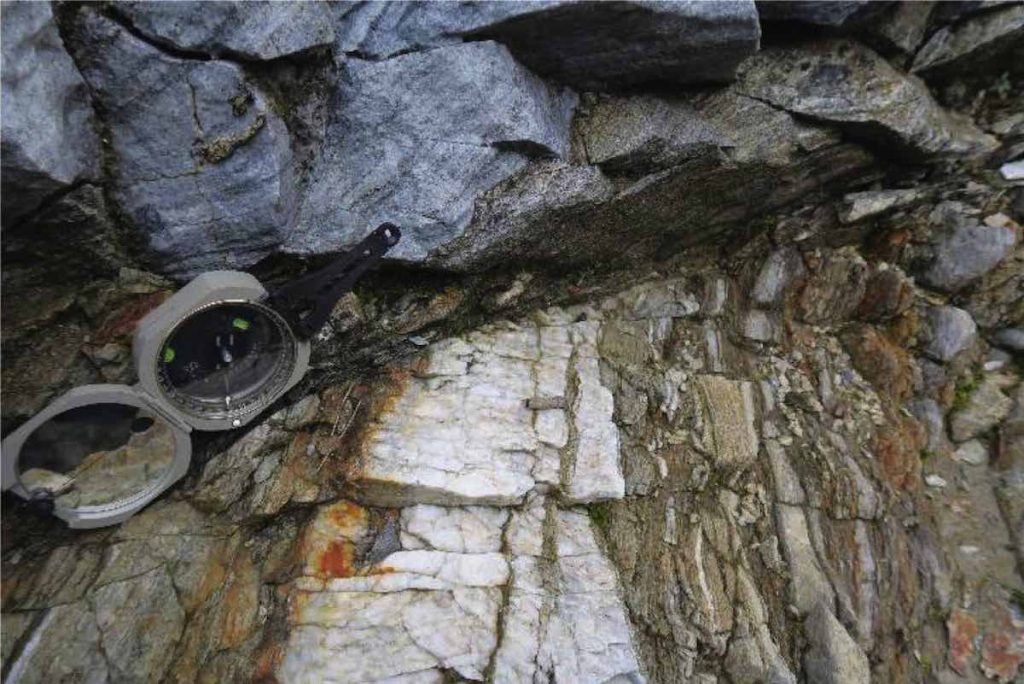
The shaft at the opening consists of layers of recumbent folds of marble and garnet mica schist, with minor quartzite. In places, the marble has distributed quartz grains that stand out in relief against the calcite and sandy limestone. The scientists used a helicopter, camera, and later, software, to produce a spatially correct 3D model of the visible portions of the entrance.
Catherine Hickson
“The Disappearing River,” near the Hare Indian River Plateau in NWT, is one of the finest examples of a sinking river in Canada, but this Wells Gray cave’s flow is significantly larger, with a uniquely dramatic, vertical shaft of huge proportions.
For now, to ensure the cave can be examined in a pristine condition, authorities have placed fines in excess of $1,000,000 for trespassing to deter rock climbers, plunderers, and Instagram travel influencers.
“We think it may connect to a much more ancient cave system,” Catherine Hickson, one of the scientists who discovered the cave, told CBC.
Catherine Hickson
Unfortunately according to Hickson, the warming of the climate is almost certainly responsible for the cave’s unveiling, an umbral stain on the otherwise sunny news of the discovery.
“This collapse is likely related to climate change as evidenced by the gradual recession of glaciers in the immediate area,” read the paper, published in February, 2020, in the Canadian Journal of Earth Sciences.
But Hickson and other geologists admit the melt has “opened up a tantalizing opportunity” to explore what might be the largest cave entrance of its kind in Canada.
The paper concluded that the cave has an unknown depth and lateral extent, but based on the suspected resurgence feature it is expected to be at least 500 yards deep (460m) and 1.34 miles in long (2.16 km).
Official naming of the cave has been postponed, even now 2 years after its discovery, until First Nations cultures can be consulted.
“What we don’t know is the state of those open passages, how far they go,” she said. “We know that in other caves around the world, there’s life that has been adapted to that extreme environment,” says Hickson.
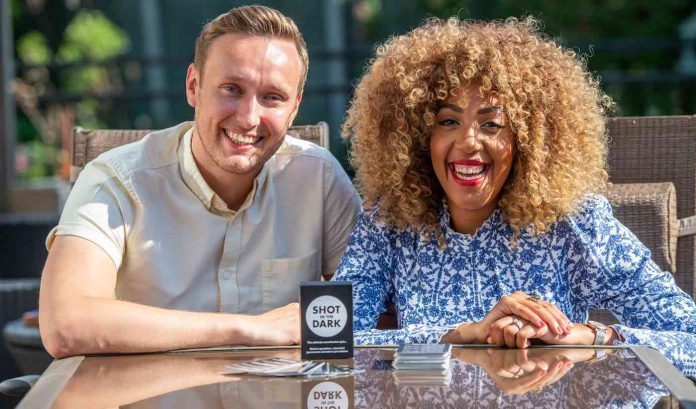
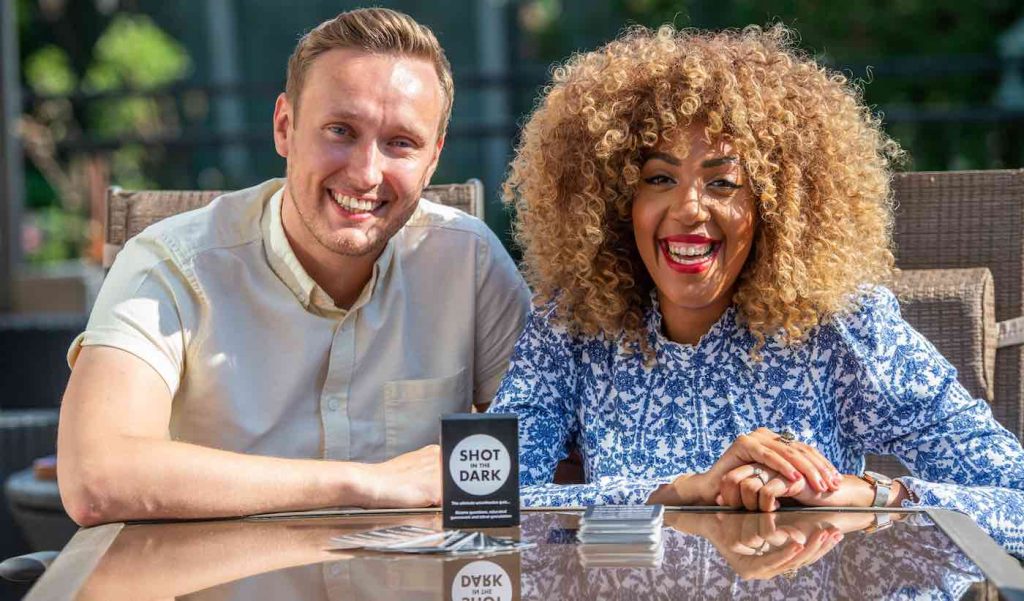
The British couple who created a brand new quiz card game is celebrating their success after sales have 9rocketed during lockdown, earning them over $180,000 (£150K).
Grant and Jordanna Sanderson were shocked to notice their tally of units sold had jumped 1,000% as soon as Covid-19 restrictions were announced in mid-March—maybe because the game is actually enjoyable for family members of any age.
The pair came up with the concept at Christmas in 2016, after a tense family game of Trivial Pursuit.
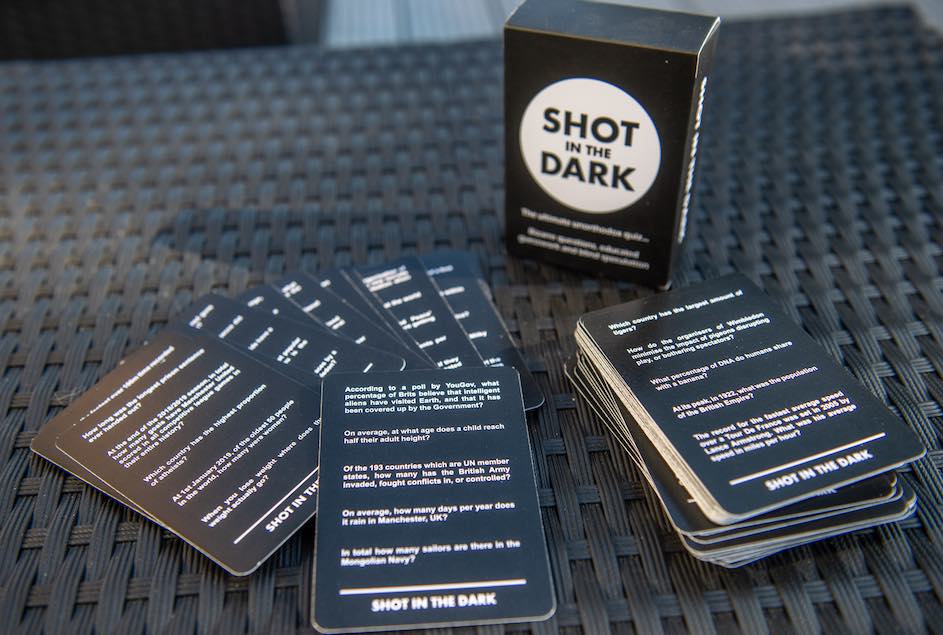
Unlike the famous trivia game, Shot In The Dark involves asking completely random questions—to which nobody would really know the answer—so all players can have a fair shot at guessing, and so the brainiest at the table won’t always win.
For instance, questions in the quiz include, ‘How many liters of paint did it take to paint the Whitehouse?’ and ‘On average, at which age does a child reach half their adult height?’
Grant and Jordanna, from Leeds, England, had been selling around five card games a day since the product’s launch at the beginning of 2019, but this figure has now jumped to a massive 200 a day—that’s 13,000 packs since lockdown began.
It is being played on family Zoom sessions all over the UK.
Grant, a 30-year-old accountant, attributes the success to Amazon browsing. “We’d already been selling the game on Amazon and got some great reviews so when people started looking for quiz games it just went mental.”
All photos by SWNS
“No way in a million years would we have ever anticipated this would be a side effect.”
“It is strange that our success has come on the back of such an unusual situation, but we are also pleased that we are able to provide a bit of relief from what is going on.”
Unfortunately, the game, which currently sells for £11.99 on Amazon in the UK, does not ship to the United States.
After Grant came up with the idea four years ago, he spent the next couple of years formulating questions by keeping a look-out for facts and noting them whenever he saw something interesting.
“I was just plodding along doing this when I realized I actually had enough questions to make this happen.”
Jordanna, 29, who works at a call center, came up with the perfect name, and together they created a prototype by printing out questions on bits of paper.
Grant and Jordanna Sanderson with their Shot in the Dark card game –SWNS
They got a few copies printed up and gave them to friends, who loved laughing over the useless information, such as, ‘How much vodka does the average Russian drink?’
“I’m so pleased we have created such a good product that brings people together and can make people laugh,” Grant told SWNS.
“This game is a great leveler—you can be beaten by your seven-year-old sister or 90-year-old gran.”
Navajo code talker Thomas Begay-2017-JASON JIMENEZ/U.S. MARINE CORPS
Navajo code talker Thomas Begay-2017-JASON JIMENEZ/U.S. MARINE CORPS
When the South Korean government realized that the Navajo Nation had been suffered infection rates of COVID-19 rivaling that of New York City, it shipped them 10,000 masks and other PPE to honor their service seven decades years ago to the East-Asian nation.
During the Korean War around 800 members of the Navajo Nation used their native language as an unbreakable code for radio messages, ensuring complete secrecy around any military movements by the United States, an ally to South Korea.
While this little-known story in the famous ‘police action’ that was the Korean War often goes untold, the South Koreans have never forgotten the Native American contributions.
According to the Ministry of Patriots and Veterans Affairs in South Korea, around 130 of these “Code Talkers” are still alive today.
“We hope our small gifts will console the veterans in the midst of the COVID-19 crisis,” said committee co-chairman Kim Eun-gi.
“The government remembers those who made a noble sacrifice to defend a strange country 70 years ago, and we hope they will proudly tell their posterity about the choice they made so many years ago.”
South Korea, which has so far handled the COVID-19 pandemic quite well by essentially testing anyone and everyone, has sent masks all over the world—including one half million to the Department of Veterans Affairs in honor of American soldiers who fought and died on the Korean peninsula, and those who serve their country today.
WATCH the news video coverage…
Need more positive stories and updates coming out of the COVID-19 challenge? For more uplifting coverage, click here.
SHARE This Paying-it-Forward Story to Brighten Your Social Media Feeds…
Quote of the Day: “And, from the midst of cheerless gloom, I will pass to a bright unclouded day.” – Emily Bronte
Photo: by Jason Wong, public domain
With a new inspirational quote every day, atop the perfect photo—collected and archived on our Quote of the Day page—why not bookmark GNN.org for a daily uplift?
Reprinted with permission from World At Large, a news website of nature, science, health, politics, and travel.
There are currently over 100 COVID-19 vaccines going through trials, most of which focus on the use of antibodies, a powerful immune-system weapon.
A new paper published in Nature from Swiss, French, and American scientists identified an antibody taken from a patient infected with the SARS (severe acute respiratory syndrome) virus during the outbreak in 2003 that seems to neutralize COVID-19’s infection potential.
Antibodies are produced by the immune-system in response to foreign material in the body. 25 antibodies were identified as potentially competent in detecting the COVID-19 virus and binding to its spike protein, the docking mechanism that allows the virus to infiltrate our cells. Eight of these were found to be able to bind both to free viruses and already infected cells.
One candidate, named S309 was shown to have particularly strong neutralizing activity against COVID-19, and by solving the crystal structure of S309, the authors demonstrated how the antibody binds to the viral spike protein while working in combination with another, less potent, antibody that targets a different site on the spike.
This synergistic activity could enhance neutralization while reducing the chance of resistant mutations emerging, the authors suggest.
Another weapon in the immune-system’s arsenal are killer T-cells. These compounds help us fight some viruses, but throughout the COVID-19 pandemic their role as potentially helpful or benign has been unclear.
Two studies, according to Science, have found that the killer T-cells of COVID-19 positive patients have the potential to both identify and destroy the now famous virus. Moreover, the studies revealed that some people who have never been exposed to COVID-19 also harbor these T-cells—most likely because they were infected with another form of coronavirus in the past.
Immunologists at the University of La Jolla note that epidemiological estimations on conferred immunity depend heavily on two factors. The first is whether infection with COVID-19 confers some kind of immunity, and the second is whether immune responses developed from exposure to other coronaviruses like the seasonal flu have cross reactive properties.
“There is an urgent need to understand the magnitude and composition of human (T-cell) response,” reads the study, published in Cell.
“If natural infection with SARS-CoV-2 (COVID-19) elicits potent […] T cell responses commonly associated with protective antiviral immunity, COVID-19 is a strong candidate for rapid vaccine development”.
Helpers and Killers
Examining 10 patients that had recovered from mild symptoms of COVID-19, the team from La Jolla identified the presence of a Helper T-cell that identified the COVID-19 spike protein in all ten individuals.
Helper T-cells work by sounding an alarm that identifies the target cell and sends biological signals to other immune cells like B-cells and antibodies.
They also found the presence of a killer T-cell that identified the COVID-19 spike protein in 7 out of 10 infected individuals. “The immune system sees this virus and mounts an effective immune response,” said Alessandro Sette, one of the La Jolla immunologists.
The results of their analysis correspond with a study posted as a preprint (an article yet to go through peer-review) on medRxiv in April by University Hospital in Berlin which found that 15 out of 18 patients hospitalized with COVID-19 had helper T-cells targeting COVID spikes.
Andreas Thiel who was involved with the Berlin paper also found 34% of the blood samples of 68 uninfected people had these same helper and killer T-cells, which Thiel suggests might be because they’ve been exposed previously to some form of coronavirus.
“It is encouraging that we are seeing good helper T cell responses against SARS-CoV-2 in COVID-19 cases,” said Shane Crotty, another of the La Jolla immunologists.
If these collections of findings can be replicated, then, as the scientists from the Cell paper point out, COVID-19 is a strong candidate for vaccine development.
(Photo: novel coronavirus SARS-CoV-2 (COVID-19) by NIAID, CC 2.0)
SHARE Some Hope on Your Social Media Feeds…
Need more positive stories and updates coming out of the COVID-19 challenge? For more uplifting coverage, click here.
After discovering that his hometown was entirely absent from Google Street View, one man from Zimbabwe decided things had to change.
When Tawanda Kanhema moved to the United States in 2009 from Harare, the capital of his country Zimbabwe, he might have looked forward to showing people what his hometown looked as a major African city. However the self-described tech enthusiast discovered none of the streets and quarters of Harare were visible on Google Street View.
If you can imagine the disappointment of noticing your home city of 1.6 million people somehow didn’t exist on one of the world’s largest collection of digital maps, Kanhema also realized that his entire country was absent from street view.
He further learned that a bunch of other African countries were absent as well.
“When you look at Street View, you’re looking at this mosaic of images that show how people live across the world, how people conduct commerce, how people get around,” Kanhema told National Public Radio. “I found it quite jarring that a lot of the countries in the region were not on the map.”
A New Hobby
Currently working in Silicon Valley, the Berkeley resident volunteered to help Google get eyes and boots on the ground in some of what Kanhema considered Africa’s techno-neglected countries. After all, travelers from around the world might like to better plan their routes through these diverse states by seeing what they look like.
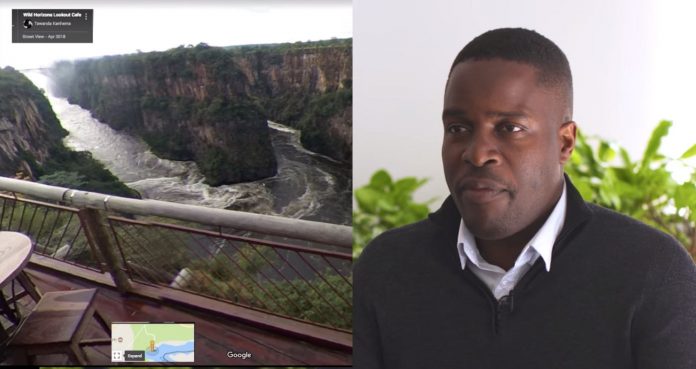
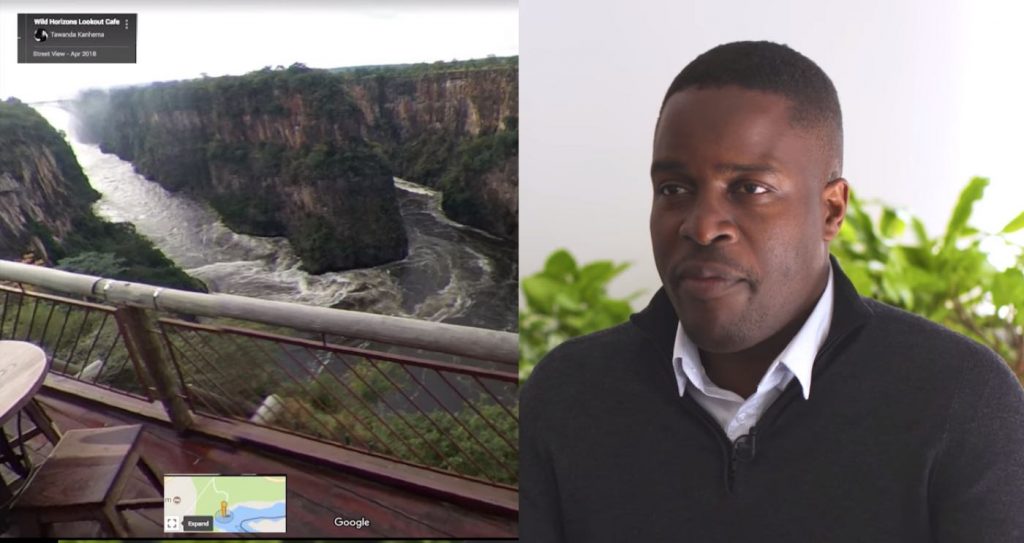
He wound up borrowing a 360-degree camera through Google’s Street View Loan Program and using it in a car as well as on the end of a 4-foot rod attached to his clothing. His trip in 2018 included a safari through a national park, boating down the Zambezi River, shooting Victoria Falls (below), and traversing over 2,000 miles of roads in Harare and other cities—it put Zimbabwe on the map.
“It’s so conspicuous to have a 4-foot contraption attached to the roof of your car,” Kanhema told NPR. “People are walking up and asking questions about, ‘Is that a camera? What are you recording? What are you filming? It is for Google Maps? Will my house be on the map? Will my face be on the map?”
Atlases, globes and maps are an incredibly important part of how we conceptualize the world. Google Maps can confer a tremendous amount of information quickly, from the names, addresses and contact information of businesses, to local landmarks, to customer reviews and also grid patterns and street names to help plan commuting routes.
“We should do more to make sure that those communities are represented,” Kanhema says. “We should do more to showcase the businesses, the local businesses in those areas and also the tourist attractions.”
Having spent $5,000 of his own money on the project, Kanhema sees it as a sort of documentary, with the gigabytes worth of sometimes stunning, sometimes quaint, sometimes informative photographs possessing the potential to connect people to his homeland from across the globe, perhaps contributing to her historically-troubled economy by adding tourist revenue.
“Imagine being able to lend a ticket to get on a helicopter tour of one of the seven natural wonders of the world and being able to bring at least a million other people with you by creating these images that people can look at and feel as though they were there,” he says.
WATCH an interview…
Map This Remarkable Story By Putting it on Social Media…
Wildlife in France, by
Martina Misar-Tummeltshammer
The European Commission (EC) has made a concrete pledge to enshrine 30% of the EU’s land and oceans as protected zones by 2030. To reach this end they plan to raise 20 billion euro ($22 billion) every year for the next 10 years from private and public sources—both the EU climate fund and national budgets.
The EC believes that recovery from COVID-19 with biodiversity in mind will be key to restoring the health of both the environment and the economy.
The proposed strategy focuses on establishing binding targets to restore damaged ecosystems and rivers and bringing back pollinators to agricultural land, while reducing pollution, greening its cities, enhancing organic and biodiverse farming.
In its effort to improve forest health, part of the plan is to implement stricter protections and restoration projects for the remaining primary and old growth forests of Europe as early as next year.
This is especially important when researchers suggest that 60% of species assessed on the continent are in decline.
Farming for the Future
Biodiversity will receive another boost as the EC proposes changes to the agricultural landscape of Europe in a way that supports wildlife and pollinators. Such changes would include creating “high-diversity landscapes” in 10% of Europe’s farming acreage by hosting features like ponds, hedgerows, buffer strips between fields, and fallow land.
Some experts are skeptical, but hopeful, the changes are implemented.
“It’s a big if, but then you are starting to look at healthy agriculture that can provide habitats for farmland birds and butterflies but also agriculture that can actually provide food at the end of the century,” Ariel Brunner, senior head of policy at Brussel’s BirdLife International said to the Guardian.
Wildlife in France, by Martina Misar-Tummeltshammer
The 2030 strategy would reinforce Europe’s natural resilience by dealing with agriculture and fisheries using the Farm to Fork strategy.
“The strategy sets concrete targets to transform the EUs food system, including a reduction by 50% of the use and risk of pesticides, a reduction by at least 20% of the use of fertilizers, a reduction by 50% in sales of antimicrobials used for farmed animals and aquaculture, and reaching 25% of agricultural land under organic farming,” reads the report.
The European Commission, which possesses authority to enforce European law, concludes finishes by calling on the European Parliament and Council to adopt the Farm to Fork and Biodiversity measures by 2021.
GROW Some Support by Sharing this Good Earth Story on Social Media…
Every May, the Waldorf school in Santa Fe, New Mexico, brings their eighth grade students on a class trip—a trip that the kids have all worked toward, by raising the money selling burritos and pizzas.
But when they were denied their reward this spring because of the pandemic, students decided to show compassion to those in need by donating $2,800 worth of supplies to the Navajo Nation, which is suffering from one of the highest per-capita COVID-19 infection and death rates in the US.
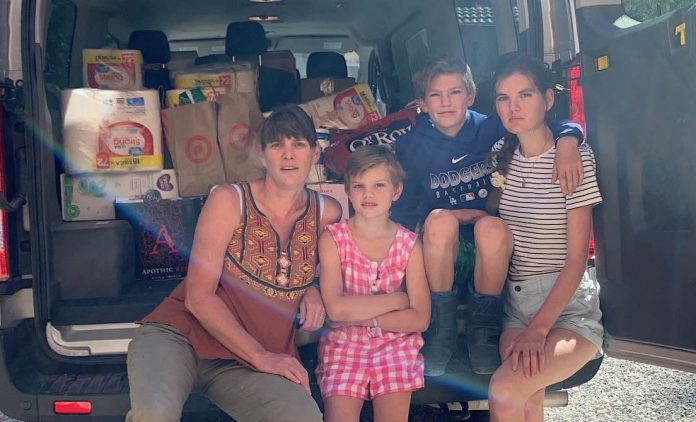
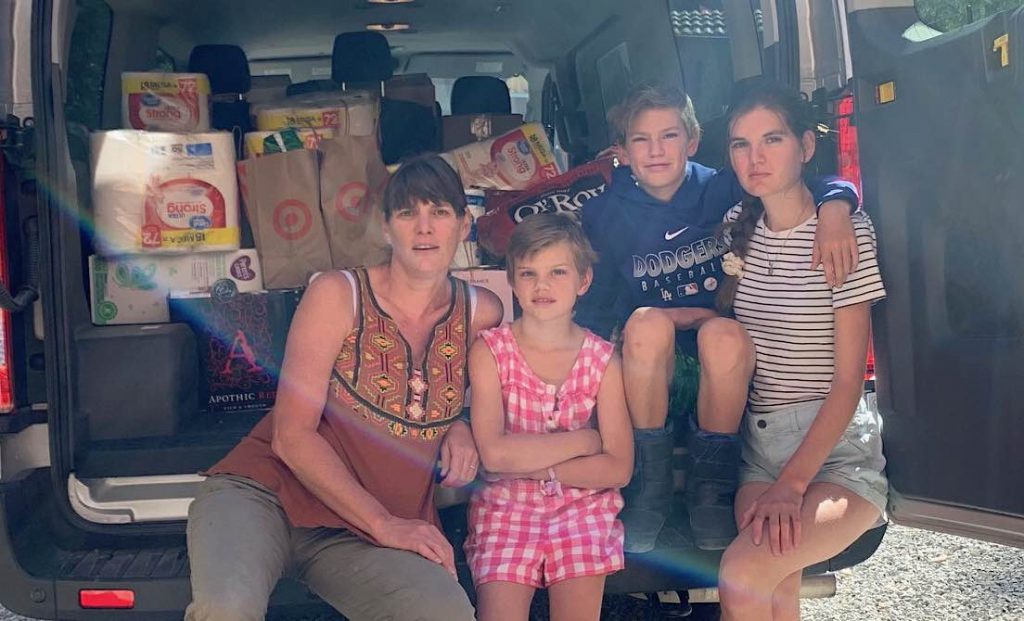
On Tuesday, May 26, Jessica Falkenhagen rented a van so she could drive with her older daughter, 11th grader Indie Russell, to Window Rock, Arizona. The van was stuffed with food, toiletries, paper products, school and cleaning supplies, pet food, thermometers, handmade masks and 60 gallons of drinking water—all purchased with the class trip money.
Also included was a large bag of face masks homemade by Indie.
Students helped with pre-trip shopping and loading the van. “They were great helpers trying to fit everything in as efficiently as possible,” says Falkenhagen.
A cultural anthropologist with a background in indigenous rights, Falkenhagen suggested the idea to the school after tracking the growing crisis in the Navajo Nation.
“I could see how lit up the kids were about that idea,” teacher Daisy Barnard said, after she put the idea to the class. “None of them complained about using the money for something other than a trip.”
“We’ve been anxiously following developments on the Navajo Nation over the past couple months and this money ended up being a real windfall at just the right time,” said Barnard.
The class trip that had been planned would have been a real adventure, too—a multi-day rafting voyage on the San Juan River in Utah.
Eighth grader Daisy Blue Russell is glad things worked out the way they did. “It felt good to use our trip money to help others who needed it.”
SHARE the Inspiration, and Multiply the Good by Sharing on Social Media…
Quote of the Day: “Calamity is virtue’s opportunity.” – Seneca
Photo: by AJ Colores, public domain
With a new inspirational quote every day, atop the perfect photo—collected and archived on our Quote of the Day page—why not bookmark GNN.org for a daily uplift?
As Tommye Austin made her way around the COVID-19 unit in early April, she worried about how long her nurses were going to have the supplies they needed to protect them from the virus.
Her San Antonio, Texas, hospital was well stocked, but with a surge of cases expected in May, the senior vice president and chief nurse executive, worried whether there would be enough N95 masks—especially with every hospital in the world seeking them.
Then she remembered what her late husband always said: “If you can’t find something, and you can’t buy something, you make it.”
So that’s what Tommye did—the nurse-scientist whose resume is crammed with credentials, like R.N., Ph.D., MBA and NEA-BC (Nurse Executive Advanced-Board Certified), began building a better mousetrap.
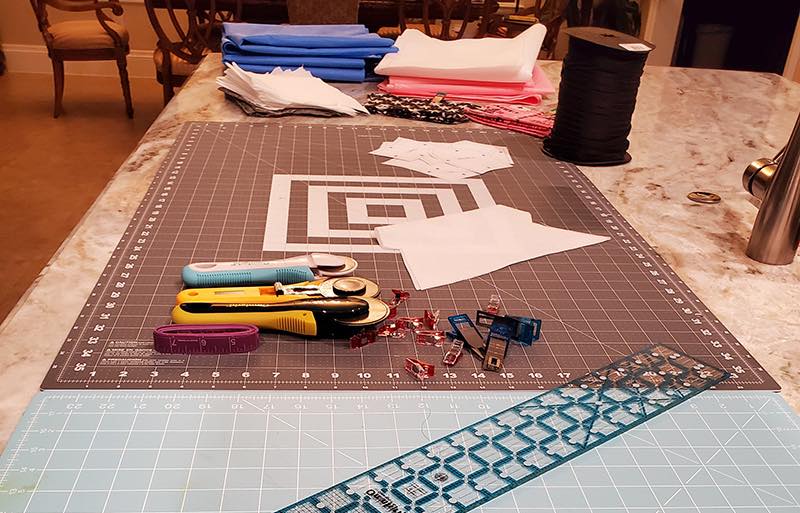
In her rare free time, she enjoys embroidery and quilting at her sewing machine, but even with all her skills and credentials, it was a challenge to design an N95 equivalent.
Even after long days at her University Health System job, she worked through the night to perfect her mask.
Photos courtesy of Tommye Austin
She remembered her husband teaching her about the best air conditioning filters for their home being electrostatic: they were worth the higher price because they carry a charge that zaps more gunk from the air. So, when Tommye went shopping for materials for this project, she remembered the word ‘electrostatic’.
At about $25 each, Tommye bought three different filter models, cut through their paper and wire frames, and got to work.
“The efficiency of each model was around the same, but one was more pliable,” she said. “It gave your mask a nice shape and was very breathable.”
Her biggest challenge was getting the mask to fit snug over the nose and mouth – but not so tight that it would damage the skin. And it still had to leave room for carbon dioxide to escape.
Photos courtesy of Tommye Austin
For more than a week, Tommye came home from work and tinkered practically all night. Her initial $300 purchase was supplemented by another $2,000 worth of gear.
As she closed in on a prototype, she struggled with the final piece of the comfort-safety puzzle. Then she extended the fabric on the nose and pleated that extension. Voila—more air pocket, no added bulk.
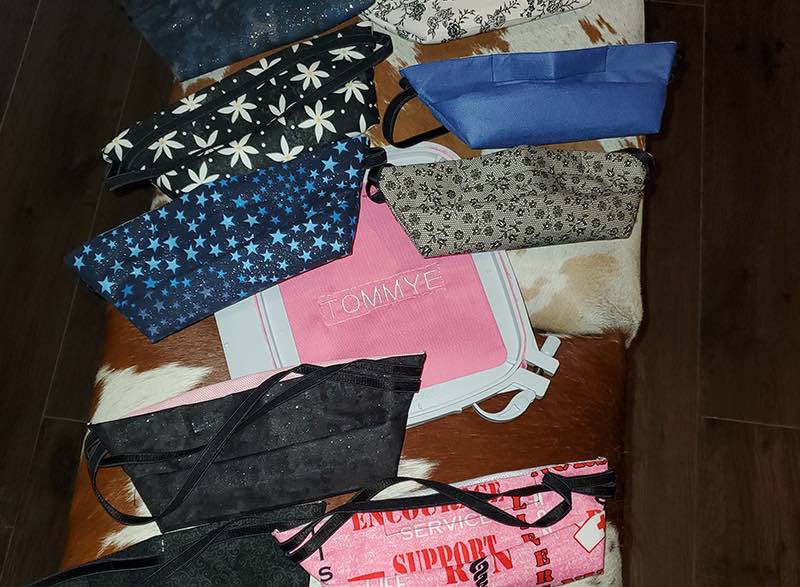
It only took her ten days to design the TM 2020 (‘Tommye Mask’). And, it only took 24 hours and a local TV news story for it to become an internet sensation. By the next day, her masks had been showcased by Fox News and the New York Post.
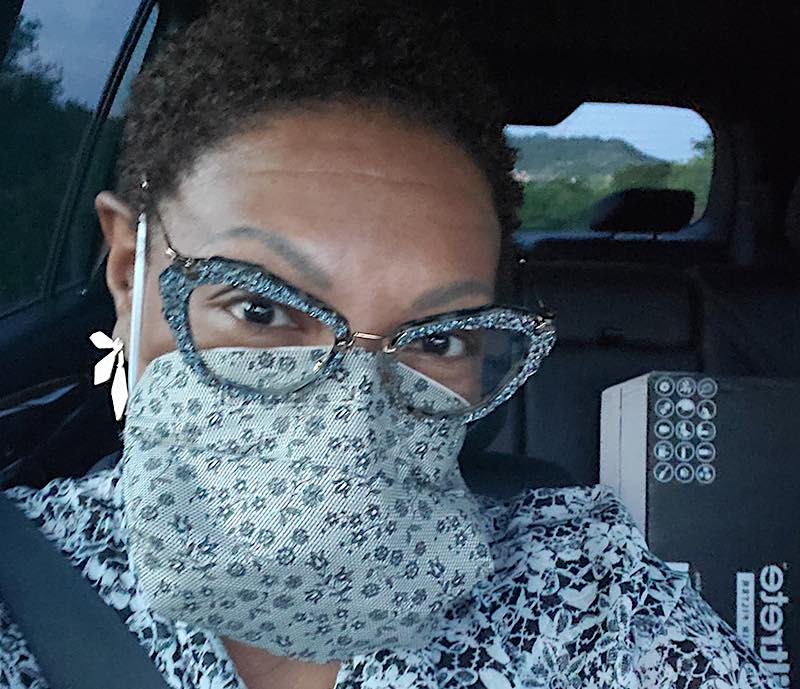
She likes to coordinate her TM 2020 masks to match her outfits
The hospital was so inundated with requests for details that it posted step-by-step instructions later that week. At that point, Tommye only had the instructions in her head.
A Better Mousetrap
The name N95 comes from the fact the masks filter 95% of airborne particles, such as viruses. Lab results show Tommye’s masks block 96.5%.
N95s weren’t intended for all-day use, so they tend to carve painful, unsightly marks into noses, cheeks and chins. Hers don’t.
With nowhere for exhaled carbon dioxide to escape, N95 wearers sometimes suffer dizziness or headaches. Hers have an air pocket so the C02 floats more easily away.
Although the TM 2020 is meant for non-commercial purposes, Tommye received over 1,500 offers from people willing to buy them. Messages have come from as far as Indonesia and South Africa.
After speaking with an old friend, Tommye heard that her daughter was a nurse in Houston, and had been using the same N95 mask for nearly two months. Brittany got a TM 2020 in the mail the next day.
Thousands of her mask have been created, so far, but only Tommye and a few others are wearing them at her hospital. Everyone else on the staff has access to barrier/surgical masks, N95 respirator masks, face shields, and hospital-issued scrubs.
Thanks to Tommye’s concern for nurses needing a backup in San Antonio, the TM 2020s are helping people to feel safer around the world, according to American Heart Association News.
SHARE This Nurse’s Mask Design With Friends on Social Media…
Need more positive stories and updates coming out of the COVID-19 challenge? For more uplifting coverage, click here.
Amid lockdowns, people are eating healthier, cooking their own food, and consuming more fruit and vegetables, according to preliminary results from a worldwide Corona Cooking Survey.
Based on analysis of answers to the survey by 11,000 people in 11 countries, consumers reported fewer purchases of microwave-prepared foods, and fewer purchases of sweet and salty snacks.
“Consumption of salty, fat and sweet products usually goes up when people are under stress, but during the pandemic this heightened craving has been fulfilled in many countries with home-baked delicacies,” said Charlotte De Backer, chairman of FOOMS, a research group on food and media at U. Antwerp.
Furthermore, the study, conducted by the University of Antwerp in collaboration with U. Ghent and U. Leuven, is revealing that as more people rely less on Lean Cuisine and Stouffer’s, the act of cooking in their kitchens has become more of a habit as workers are banished from their office buildings and spend more time at home.
The good news, De Backer told Reuters, is that some of these eating habits are likely to outlast the pandemic, because in many countries lockdowns lasted longer than the six weeks it takes to form a new habit.
The thousands of people who took the survey in Belgium reported that they had reduced stress and frustration about cooking, as well as feeling bolder and more creative in the kitchen post-COVID-19. Time preference was also changed, with people feeling that cooking didn’t require an intolerable amount of effort anymore.
Personal nutrition has apparently improved, as the purchase of fresh, frozen, and canned vegetables and fruit across all countries went up. Also notable is the fact that people say they are wasting less food, eating more leftovers, and planning meals in advance.
With restaurants closed and people forced to grocery shop, De Backer posits they may be aligning more with healthy eating habits as fewer opportunities exist for impulse buying or eating unhealthy foods.
In regards to why people are wasting less food and eating leftovers, De Backer says it could correspond with a participant’s fears of food shortages, as grocery stores around the world suffer from empty shelves.
The researchers have been delighted because their peers in at least 30 countries have now joined the survey, to get even more data from around the world. Results won’t be available until June.
FOOMS regularly posts updates on the Corona Cooking Survey research on their Facebook page, while anyone can contribute to the science by taking the survey on the U. Antwerp website.
Cook Up Some Positivity By Sharing The Invigorating News With Your Friends On Social Media…
Need more positive stories and updates coming out of the COVID-19 challenge? For more uplifting coverage, click here.
If you’re feeling a bit frazzled, you might decide to have a chat with a couple of friends over a cup of coffee, talk things over, and hopefully walk away feeling a bit more positive about life in general.
Frazzled Café Online provides the equivalent of a neighborhood coffee shop in a virtual environment, where people who are feeling overwhelmed by the stresses and strains of everyday life can get together to share their experiences.
Since completing a Master’s degree in cognitive therapy at Oxford University, the American born comedian Ruby Wax has written several self-help books—such as, A Mindfulness Guide for the Frazzled—with her distinctive style of observational humor. During her UK book and theatre tours, she found that when the floor was thrown open for Q and A, audience members were keen to connect and talk about their issues.
The need for a support network to cope with the demands of our fast-paced lifestyles inspired her to create a nonprofit online coffee chat room.
“Frazzled Cafe is about people coming together to share their stories, calmly sitting together, stating their case, and feeling validated as a result, says Ruby. “Feeling heard, to me, has always been half the cure.”
Meetings are held regularly to allow people the opportunity to speak out in a safe, non-judgmental environment. While face-to-face meetings are currently on hold, online sessions are being held instead. These take the form of larger groups of up to 50 people led by Ruby, and smaller meetings hosted by trained facilitators.
The meetings are hosted on Zoom, and when everyone is ready to begin, Ruby launches into the main session with a short mindfulness meditation. The meeting is then thrown open to anyone wishing to share personal experiences. A few simple rules are in place, such as to steer clear of contentious topics, but the message is that: “It’s OK to not be OK”.
Participants from across the UK, and elsewhere, talk about how they are feeling, giving an insight into a cross-section of different views. The group is mainly made up of women, though there are a fair number of men, with a wide range of ages, from twenties to seventies. After the first session, the group is divided up into smaller sections allowing more people a chance to chat in a smaller group. Ruby concludes the meeting with a short closing meditation.
The meetings, which have gained in popularity since the COVID-19 crisis, and often have a waitlist because they fill up, are not intended to take the place of therapy. The aim is not to offer solutions, but to provide a safe and confidential space where anyone can speak openly about how they feel, amongst a supportive group of people who understand what it’s like to feel “frazzled”. (Read more about Ruby, and how it works.)
Be Sure And Share The Inspiring Story With Your Friends On Social Media…
Photo by Ruth Mottram from the Danish Meteorological Institute
Proving that the world is still full of mysterious and exciting things that are unknown, American scientist Tim Bartholomaus has recently published a paper with his findings after an unexpected encounter he had with other-worldly balls of green moss atop Root Glacier in Alaska.
Scattered across the ice, Tim began to look into what glaciologists in Iceland described as “glacier mice”.
“They’re not attached to anything and they’re just resting there on ice,” he says. “They’re bright green in a world of white.”
Glacier mice, upon further observation, are herds or kreshes of green moss balls growing on nothing, which moved in an ultra-slow coordinated synchronicity with each other in a way that no one understands.
They are made from a variety of different species of mosses that Tim imagines formed around some tiny piece of detritus, and then grew off each other. They also contain a variety of basic organisms like worms and bacteria.
“They really do look like little mammals, little mice or chipmunks or rats or something running around on the glacier, although they run in obviously very slow motion,” the study’s co-author and wildlife biologist Sophie Gilbert, also at the University of Idaho, told NPR.
Photo by Ruth Mottram from the Danish Meteorological Institute
“The whole colony of moss balls, this whole grouping, moves at about the same speeds and in the same directions,” Bartholomaus added. “Those speeds and directions can change over the course of weeks.”
To try and determine the cause of movement of the mysterious migrating mosses, Bartholomaus tied wires with brightly-colored beads around each moss ball and then tracked their positions every year as they moved across the glacier.
So far none of the gathered evidence supports any of the immediate hypotheses. At first scientists thought they were only rolling down hill, but this proved false.
Next the idea was that the moss balls shaded the ice underneath them, and that as the sun melted the surrounding ice they were left on teetering on “an ice pedestal” which after melting caused them to slide off. Again, this was not the case.
“We next thought maybe the wind is sort of blowing them in consistent directions,” says Bartholomaus, “and so we measured the dominant direction of the wind.”
Wind was also found to be irrelevant, leaving Bartholomaus “baffled”.
“I think that probably the explanation is somewhere in the physics of the energy and the heat around the surface of the glacier, but we haven’t quite got there yet,” says Ruth Mottram, according to NPR, a climate scientist at the Danish Meteorological Institute who later mentioned it’s hard not to imagine them as little alien lifeforms like the “tribbles” from Star Trek.
(LISTEN to the NPR segment below)
Help This Enchanting Story Travel On Social Media—SHARE it!
Quote of the Day: “I don’t believe in pessimism. If something doesn’t come up the way you want, forge ahead. If you think it’s going to rain, it will.” – Clint Eastwood (turns 90 today)
Photo: by Todd Cravens, public domain
With a new inspirational quote every day, atop the perfect photo—collected and archived on our Quote of the Day page—why not bookmark GNN.org for a daily uplift?