













27 years ago today, Legoland California, the first LEGO theme park outside Europe, opened in Carlsbad. It has over 60 rides, shows, and attractions, plus a water park, an aquarium and two hotels. Key themed areas rely on long-used LEGO set themes, including Dino Valley, Pirate Shores, Castle Hill, Miniland USA, and Adventure Land. Miniland USA is a particularly striking attraction, as it boats 1:20 scale dioramas built in LEGO of famous US places, such as New Orleans, Manhattan island, the National Mall, and the Las Vegas Strip. READ more about this famous theme park… (1999)
College Freshman Brings a Nostalgic General Store Back to Olde Towne Community in Virginia
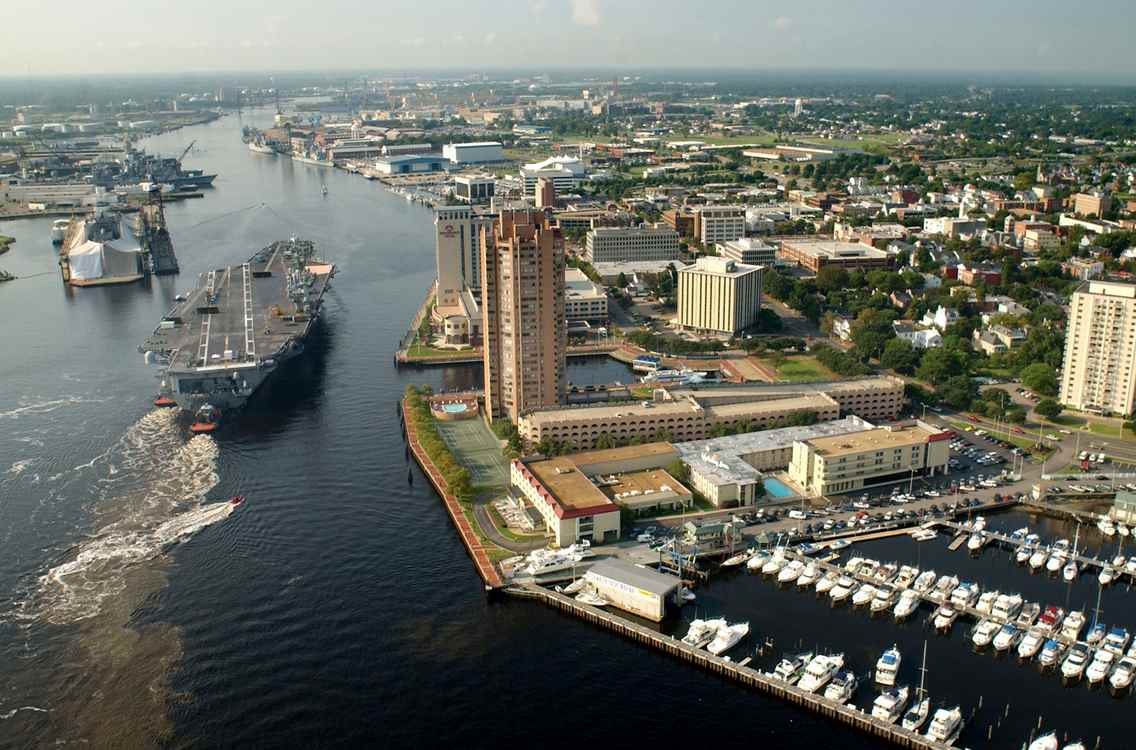
Despite having her college years ahead of year, and only just obtaining the right to sign her name, a young Virginia woman has joined the ranks of American small business owners with a distinctly rustic flair.
With a childhood spent browsing old-timey general stores among the mountains of North Carolina, Lindsay Goodwin wanted to bring that nostalgic charm to her own town of Portsmouth.
She only graduated from Churchland High School last summer, but had been co-owner of Marketplace and General Store in Olde Towne Portsmouth since 2023.
She’s embarking on her freshman year of college towards a major in Arts at Virginia Wesleyan University, and admits that juggling both will be a challenge, but one she’s excited to undertake.
“Portsmouth is known for its history, and so we wanted to bring back the historical feel, but also the old-fashioned family place for everyone to come,” Goodwin told Kamilah Williams at WTKR News Norfolk.
Lindsay opened the store alongside her father, Tony Goodwin, who has long been a commercial real estate professional. He said that the store was purposefully built to give his daughter a plethora of opportunities: to have another anchor to the community she grew up in, to gain business experience for her university minor, and, of course, the opportunity to make a good living.
MORE SMALL BUSINESSES: San Fran Supervisor Goes After Stifling Regulations After Locals’ Dream of a Cafe Goes Up in Steam
That last point doesn’t always seem immediately obvious. Foot traffic can be substantial during high season, festivals, or holiday periods like Christmas, but sales can and do fall off.
Regardless, customers drawn to the old-fashioned shopping experience frequently remind them the father-daughter duo of why they came up with the idea in the first place.
GREAT LITTLE TOWNS: Arizona Suburb Turned into Mediterranean-style Walking Town Where Temperatures Stay Low
“When they come in, they say, ‘Man, this reminds me of something I grew up on back home,’ and that’s what makes us feel good about what we’ve done,” Mr. Goodwin said. “We’ve created a space that is nostalgic and fits Olde Towne perfectly.”
Beyond his daughter’s future, Mr. Goodwin said he sees the store as part of an effort to revitalize the historic city’s High Street, which has struggled with vacancies over the years.
For Lindsay, the goals are a little bit more immediate—keep up the sales, keep up the vibes, keep up with classes—then let the rest figure itself out.
SHARE This Father-Daughter Team Sprucing Up A Beautiful Historic City…
Surgeons Perform First-Ever Surgery for Critically-Endangered Monkey Weeks Before She Gave Birth

GNN often stays abreast of births among the Chester Zoo’s incredibly diverse residents of rare and endangered species, but few have ever been cuter or rarer than this Roloway monkey.
Chester Zoo is one of only two places in the UK that Roloway monkeys can be found, a spokesman said, and the breeding population there supports the animal as conservationists ponder what to do to ensure it can survive in its West African home.
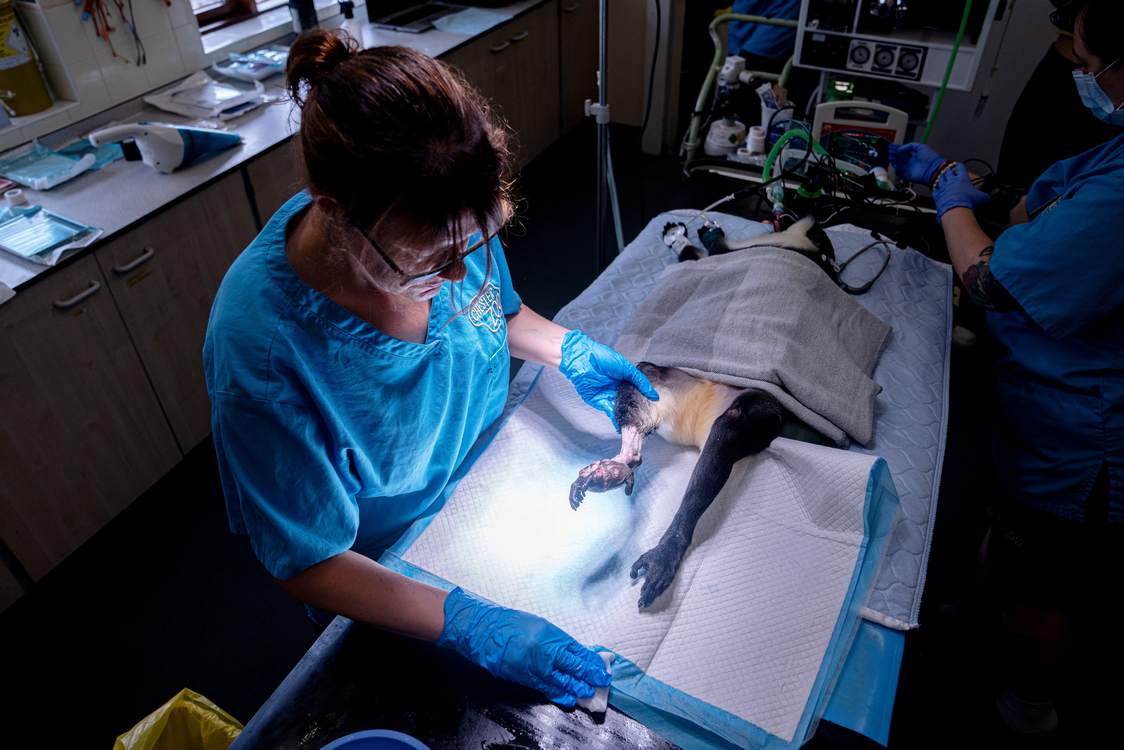
The mother is named Masaya, and before the 15-year-old primate gave birth to a daughter named Lagertha, she was the first ever Roloway monkey to undergo surgery in captivity—to remove a golf-ball sized abscess from her foot.
Masaya had to have one toe amputated during the procedure, which was done at the University of Liverpool’s Small Animal Teaching Hospital.
“Masaya is a very experienced mom and she’s parenting magnificently,” said
Zoe Edwards, primate keeper at Chester Zoo. “The fact Masaya’s foot has healed so well is a huge relief. If she’d had a [full] amputation, we’d have been left with real questions about whether she could hold her offspring or continue with her normal behaviors.”
Roloway monkeys originate from West Africa and are listed as Critically-Endangered by the International Union for Conservation of Nature (IUCN). Once common in the lush rainforests of Ghana and the Ivory Coast, the Roloway monkey now survives only in isolated pockets of old-growth forest.

Chester Zoo witnessed the first birth of a Roloway monkey in captivity in 2020, and Lagertha is the 3rd to be born since then. Edwards said it marked an important moment in the species’ conservation. There are only a few breeding females in zoos in Europe, and only one other in England at the Yorkshire Wildlife Park.
Masaya had experienced recurring problems with her foot since she came to the zoo in 2023. It was determined to be an abscess, and when the swelling worsened in 2025, the decision was made to take Masaya to Liverpool for a CT scan.
ALSO CHECK OUT: Birth of a Rare Sulawesi Monkey–One of World’s Most Endangered Primates is Celebrated
“It’s not every day you take a monkey to vet school,” said Charlotte Bentley, Veterinary Officer at the zoo’s Animal Health Center. “Following the scan, we decided an operation was the way forward.”
According to the New England Primate Conservancy, the Roloway monkey is now considered one of the most urgently threatened primates in the entire world. A big-bodied monkey, they have been hunted to such small populations that, ironically, they’re now considered too uneconomical to pursue anymore, and so have inadvertently gained a short respite from poaching.
WORLD’S RAREST MONKEYS: Rarest Monkeys Now Number Close to 2,000 Thanks to One Man’s Jane Goodall-like Passion
The conservancy admits that the most likely chance for survival is for breeding programs like the one at Chester to continue the propagation of the species until such a time as their native forests in Ghana and the Ivory Coast can be appropriately and reliably protected from poachers and logging.
SHARE This Cute, Vitally-Important Monkey With Your Friends…
Elusive Nightjar Populations Doubled in 5 Years, a ‘Remarkable Comeback’ Conservationists Say
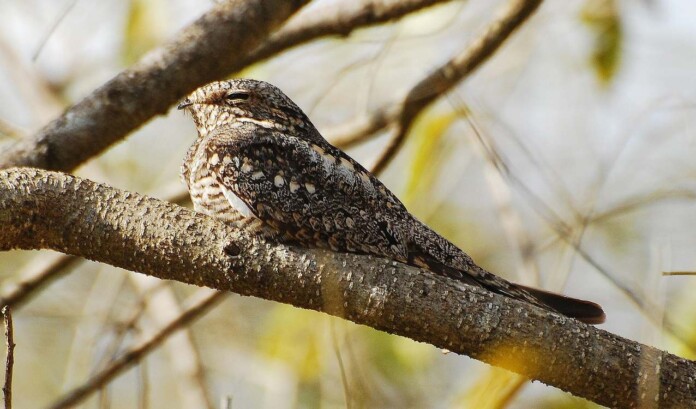
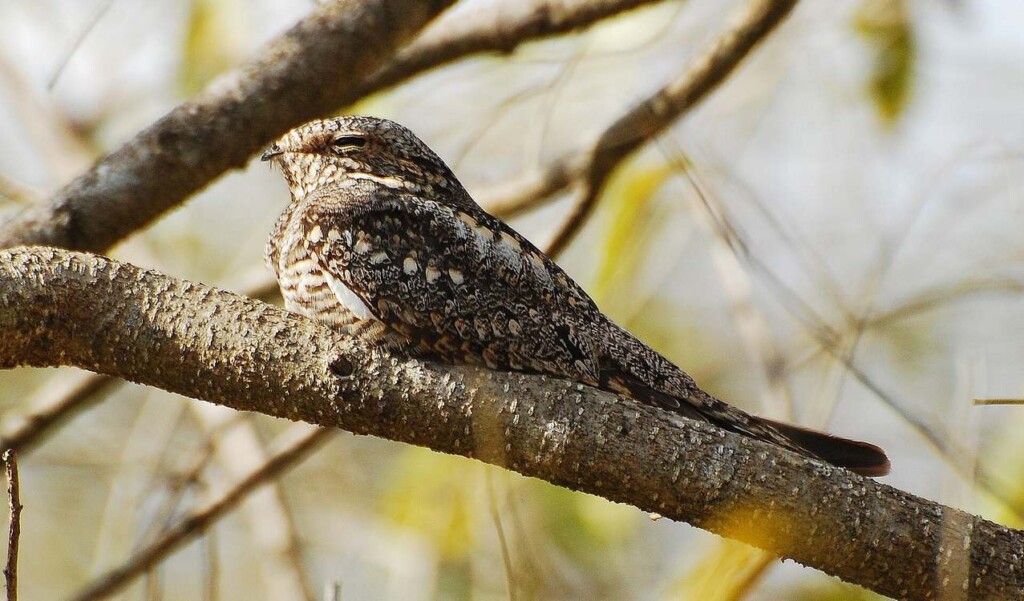
The population of one of England’s most-elusive birds is flourishing again thanks to conservation efforts in the south of the country.
The nightjar, sometimes called the nighthawk, becomes active at twilight, and they’re famous for their chortling calls and fantastic camouflage.
Their numbers declined some 51% between the 1970s and 2000s after substantial forest loss.
The UK’s South Downs National Park stretches across the areas of Hampshire, West Sussex, and East Sussex, and it’s among the lowland heath and forests that nightjars have staged a remarkable population recovery.
A nightjar survey in the park last year counted more than 70 birds, which is believed to mark a doubling over the last 5 years. The animals migrate 4,000 miles north from the Democratic Republic of the Congo to reside in the UK between April and August. Meanwhile, forest and heathland restoration efforts have raised the number of good nesting habitats to 109 across Britain.
The birds nest on the ground, so conservation work has specifically focused on communication with visitors to places like South Downs. They’re encouraged to keep their dogs on leashes, stay on marked trails, and avoid bushwhacking so as not to disturb or destroy the sensitive nesting areas.
MORE ENGLISH SONGSMITHS:
- Astonishing 916% Increase in Breeding Birds Seen at England’s Premier Rewilding Project
- UK’s Rarest Breeding Birds Raise Chicks for First Time in Six Years
- England’s Largest Bird Sanctuary Grows by 30%: ‘It’s incredible, the place just swarms with birdlife’
“It’s wonderful to hear the nightjars churring away as dusk falls and we’re looking forward to continuing this incredibly positive conservation work alongside local communities and our partners,” South Downs ranger Kirsty Murray told the BBC.
Murray called good nightjar habitat “as rare as rainforest” in Britain, and thought it was the best thing in the world that the animal was repopulating the park.
The nightjar is an extremely versatile and successful species. They inhabit all continents but Antarctica, and can live at virtually any elevation within reason. They steer clear of extremely arid regions, and can migrate long or short distances.
TWEET About This Beautiful Bird’s Return To Britain…
Dialing ‘867-5309’ Will Now Connect You with a Professional Cancer Support Line Free of Charge


If you call 867-5309 these days, Jenny doesn’t answer, but a telemedicine professional will.
After seeing the emotional toll cancer took on some of his friends, the man behind Tommy Tutone’s 1981 smash hit “867-5309/Jenny,” has teamed up with global nonprofit Cancer Support Community to turn the most famous phone number in music into a hotline for people impacted by the disease.
Armed with an ear-worm of a chorus, “867-5309/Jenny” lapped up 1980s radio play until it was one of the most famous phone numbers in the country.
Tommy Heath, the group’s frontman, told People Magazine in an exclusive interview that he hopes “when someone is depressed and confused, they’ll go, ‘Hey, I’ll call 867-5309. Somebody’s waiting there to help me.’ And I hope they smile at that point.”
Heath said that at his age, whether on tour or at home, the effects of cancer are all around.
“I have some family members who are struggling with cancer. I’m out on tour with a lot of bands and suddenly somebody’s not there,” he explains, adding it’s “affecting us all.”
With the help of Cancer Support Community, Heath hopes the fame of his song can offer a route to relief for those struggling with the emotional toll of a diagnosis or chemotherapy battle.
“Anyone impacted by cancer can call CSC-867-5309 [272-867-5309] to receive immediate support, trusted information, and personalized guidance from trained specialists at Cancer Support Community,” said the organization’s CEO Sally Werner.
YOU MAY ALSO LIKE: 60 of Rock’s Greatest Icons Play on New Charity Song–Answering Mark Knopfler’s Call to Help Teens w Cancer
Werner says that so far the response to the helpline has been really positive. Callers have felt informed, and less alone.
Heath himself is dealing with a minor case of skin cancer, but it won’t stop him from going on tour this summer, where, yes, he will play “867-5309/Jenny,” and presumably tell the crowd all about exactly who it is that will answer the phone, 45 years after the hit was released.
SHARE This Rockin’ Solution To Cancer Grief With Your Friends…
They are poor discoverers who think there is no land when they look at nothing but sea. – Francis Bacon

Quote of the Day: They are poor discoverers who think there is no land when they look at nothing but sea. – Francis Bacon
Photo by: Naida
With a new inspirational quote every day, atop the perfect photo—collected and archived on our Quote of the Day page—why not bookmark GNN.org for a daily uplift?

Good News in History, March 19

20 years ago today, the Second World Congress of Imams and Rabbis for Peace took place with 150 Jewish Rabbis and Muslim Imams aiming for Islam and Judaism to become instruments of peace. The goals of the first meeting in 2005 included 1) condemning violence perpetrated in the name of religion 2) the creation of a dialogue and partnership between the two religions 3) facilitation of the development of peaceful solutions to conflict by influential religious leaders 4) a gathering of these leaders before the media to promote a message of peace. READ what happened on the second meeting… (2006)
Gene from High Altitude Yak Protected and Repaired Myelin Sheath in Early MS Study


A special gene that helps animals like the yak survive at high altitude could enable new treatments for multiple sclerosis after positive findings from a mouse model.
The genetic mutation that enables yaks to live in environments with much less oxygen, and may hold the key to repairing nerve damage in conditions such as multiple sclerosis (MS) and cerebral paralysis, which currently have no cures.
The myelin sheath is a protective tissue layer that surrounds nerve fibers in the brain and spinal cord, and protects them while they do their job of communicating through nerve signals with the rest of the body.
MS is a debilitating autoimmune disease in which the immune system mistakenly attacks and destroys the myelin sheath, causing slow paralysis. Additionally, insufficient oxygen during fetal brain development can damage the layer, leading to conditions such as cerebral paralysis in new-born babies.
Lastly, reduced blood flow to the brain, often associated with aging, can also damage myelin and contribute to conditions such as vascular dementia.
Now, a new study published in the journal Neuron has revealed a naturally existing pathway that promotes regeneration after nerve damage. The discovery could open up new ways for treating diseases such as MS by leveraging molecules that are already present in the human body, say the Chinese scientists behind the discovery.
“Evolution is a great gift from nature, providing a rich diversity of genes that help organisms adapt to different environments,” said study corresponding author Professor Liang Zhang from Shanghai Jiao Tong University School of Medicine.
“There is still so much to learn from naturally occurring genetic adaptations.”
According to the authors, previous research has found that animals living on the Tibetan Plateau, which has an average elevation of 14,700 feet above sea level, carry a mutation on a gene called Retsat.
Scientists suspected that the mutation helps animals such as yaks and Tibetan antelopes maintain healthy brain function despite chronically low oxygen levels.
Zhang and his team set out to investigate if the mutation could prevent myelin sheath damage, and started by exposing new-born mice to low-oxygen conditions equivalent to elevations above 13,000 feet for about a week.
“Mice carrying the Retsat mutation performed significantly better in learning, memory, and social behavior tests than those with the standard version of the gene,” he said. “Brain analyses also revealed that the high-altitude gene mice had higher levels of myelin surrounding their nerve fibers.”
The research team then examined whether the Retsat mutation could repair myelin sheath damage similar to that seen in MS, and found that in mice carrying the mutation, the myelin sheath regenerated “much faster and more completely” after injury.
CLEVER GENETIC RESEARCH: New Research on Genes Linked to Stuttering Could Be ‘Life-Changing‘ for Those with Speech Disorder
The injury sites also had more mature oligodendrocytes, a type of cell responsible for producing myelin.
“Further investigation showed that mice with the mutation produced higher levels of ATDR, a metabolite derived from vitamin A, in their brains,” said Professor Zhang.
“The Retsat mutation appeared to increase the enzymatic activity that converts vitamin A into its metabolites, which in turn promotes the production and maturation of myelin-producing oligodendrocytes.”
UNORTHODOX DISEASE TREATMENTS: Waste Plastic Turned into Parkinson’s Drug
When the team gave ATDR to mice with an MS-like disease, the severity decreased, and they showed improved motor function.
Zhang says that treatments for MS currently focus only on suppressing immune activity, and adds that Retsat and ATDR are already biologically produced and could be used to treat diseases related to myelin damage.
YAK About This Really Impressive Genetic Science With Your Friends…
Planned Expansion to Take Latin America’s Largest Solar Plant Beyond 1 Gigawatt Capacity


The state-owned energy utility Federal Electricity Commission (CFE) has announced an ambitious expansion of solar energy projects totaling 1.5 gigawatts of production and storage.
Armed with 30 billion Mexican pesos ($1.62 billion), CFE’s flagship project will be a 580 megawatt expansion of the Puerto Peñasco solar complex in the state of Sonora to 1 gigawatt of capacity, cementing its position as the largest solar farm in Latin America.
Sonora is one of Mexico’s sunniest states, receiving on average between 300 and 350 days of dawn-to-dusk sunshine a year.
The expansion will also include battery energy storage that will eventually amount to 30% of total capacity, and all phases of the expansion are slated for completion by the end of 2028.
“We are delivering on a strategic objective: ensuring the country’s energy sovereignty through orderly, clean and sufficient planning,” said Mexican President Claudia Sheinbaum during the official presentation.
Two additional locations in the state of Coahuila will see another 556 megawatts of solar power loaded onto the national grid: in Rio Escondido with 180MW and Carbón II with 376MW. Each will include 30% battery storage capacity.
Three more renewable energy projects are also being explored for the states of Durango, Quintana Roo, and Guanajuato.
“We are working through tripartite technical committees to review the technical characteristics and the status of prior permitting for each project. This is a binding planning exercise that will allow for an orderly start to development,” explained Emilia Calleja, CEO of CFE at the presentation.
CFE will be working alongside the Ministry of Energy (SENER) and National Infrastructure Fund (FONADIN).
MORE SMART SOLAR STORIES: First Solar Power Plant in Kyrgyzstan Will Save 120,000 Tons of Carbon Emissions Every Year
America and Israel’s renewed war on Iran and the resulting closure of the Strait of Hormuz have driven energy prices up substantially in the last 17 days. The conflict is showing no signs of de-escalation, which will likely lead to sunny states like Mexico seeing the tragedy as the ideal moment to up the ante on an energy transition.
Mexico’s population is expected to climb from 132 million to a peak of 150 million by 2050, at which point some 97% are expected to live in urban areas according to various population trend data.
MEXICAN NOTICIAS: Always Smiling Amphibian Featured on Mexican Money Is So Cute it’s Being Hoarded and Never Spent
A rapidly growing middle-class—now a larger share of the population than the poor—will be demanding ever increasing amounts of energy, and with so much sunshine year ’round and the honor of being the world’s largest producer of silver—a key metal in the production of photovoltaic panels—solar energy presents as an obvious solution to energy needs in times of high oil prices.
SHARE This Great Step Forward Towards A Greener Mexico…
Someone Used This Coin as Bus Fare and Worker Discovers it was Minted by the Phoenicians 2,000 Years Ago
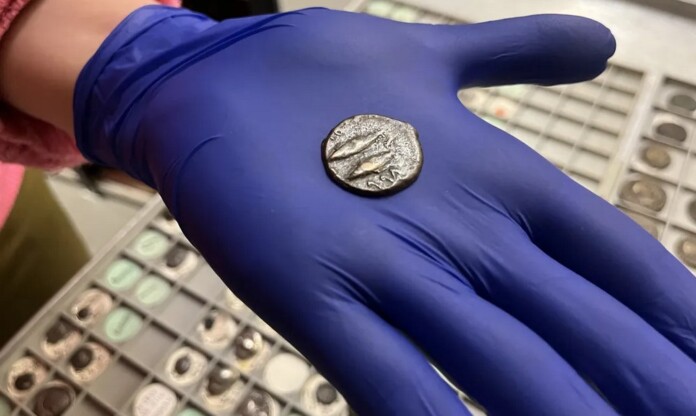
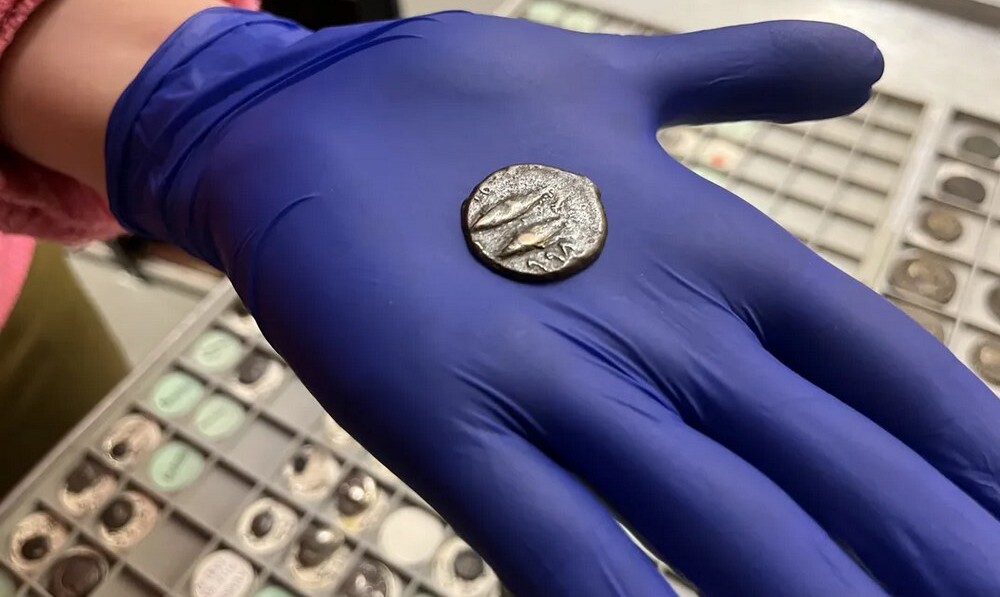
Struck 2,100 years ago on the coast of Spain by mariners from the Fertile Crescent, a coin bizarrely made its way to the English city of Leeds where someone successfully attempted to use it as bus fare.
It’s an incredible story that reminds us how history—even ancient history—can be found all around us, popping up when we least expect it.
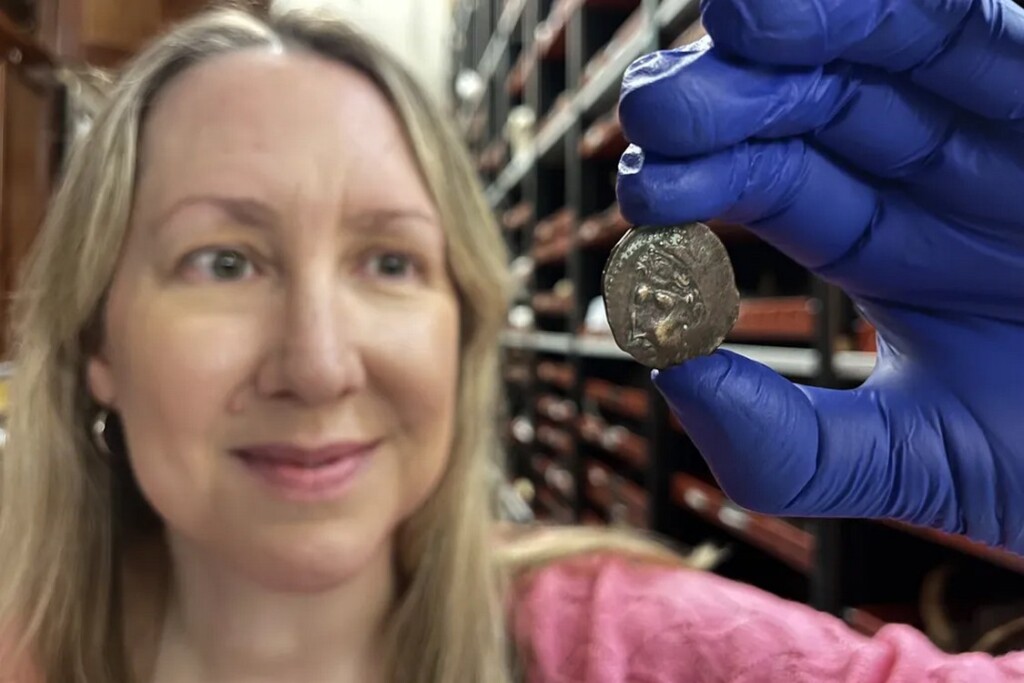
The story was shared by Leeds Museum and Galleries, after they received the coin as a donation from a local.
It first came into the hands of James Edwards, former chief cashier with Leeds City Transport, who gathered fares from bus and tram drivers and counted them at the end of each day.
Part of this job involved plucking out any ineligible, fake, or foreign coins used by dishonest commuters, which Edwards would then take them home as gifts to his young grandson Peter, who kept the precious mementos in a small wooden chest for more than 70 years.
“My grandfather would come across coins which were not British and put them to one side, and when I went to his house, he would hand me a few,” said Peter Edwards, who donated the ancient coin.
“It was not long after the war, so I imagine soldiers returned with coins from countries they had been sent to. Neither of us were coin collectors but we were fascinated by their origin and imagery—to me they were treasure.”
Coin collector or not, Peter and James would have doubtless noticed the antiquity inherent in the 2,100-year-old coin, and it long tickled Peter’s curiosity. His diligent research eventually revealed that his grandfather’s gift came from what was once a Carthaginian settlement on the Spanish coast called Gadir, today’s Cadiz.
Famous enemies of early Rome, Carthage was a city-state with shared cultural origins in a seafaring people known as the Phoenicians. These outcasts from Tyre, modern-day Lebanon, settled in various parts of the Mediterranean coastline, including Carthage, in modern-day Tunisia, and the city that would be called Cadiz, in Spain.
Out of these strongholds they built a trading empire on the back of the first purple pigment in the Western world, which they used to make coveted textiles.
One side of the coin bears the face of their god Melqart, resembling the Greek hero Herakles and wearing his famed lionskin headdress. At that time, some Phoenician coins carried Greek imagery to make them more appealing to traders.
Realizing the coin’s remarkable age and significance, Peter contacted Leeds Museums and Galleries and kindly donated it to the impressive collection of ancient currency held there.
PENNY FOR YOUR NEWS FEED: Name of Unknown Iron Age Ruler Discovered on 2000-Year-old Coin Found in English Field
The coin will now be part of the collection based at Leeds Discovery Center, which includes coins and currency from cultures around the world spanning thousands of years of history.
“It’s incredible to imagine how this tiny piece of history created by an ancient civilization thousands of years ago has somehow made its way to Leeds,” said Salma Arif, a Leeds city councilwoman.
MORE PHOENICIAN FINDS: Divers Recover Ancient Shipwreck Amazingly Preserved for 2,600 Years Beneath Spanish Waters
“Museums like ours are not just about preserving objects, they’re also about telling stories like this one and inspiring visitors to think about the history that’s all around us, sometimes in the most unlikely of places.”
As for James, he believed his grandfather would be proud.
“My grandfather would be proud to know, as I am, that the coin is coming back to Leeds. However, how it got there will always be a mystery.”
SHARE This Ancient Coin Turned Modern Bus Fare With Your Friends…
Waste Plastic Turned into Parkinson’s Drug Thanks to Helpful Bacteria
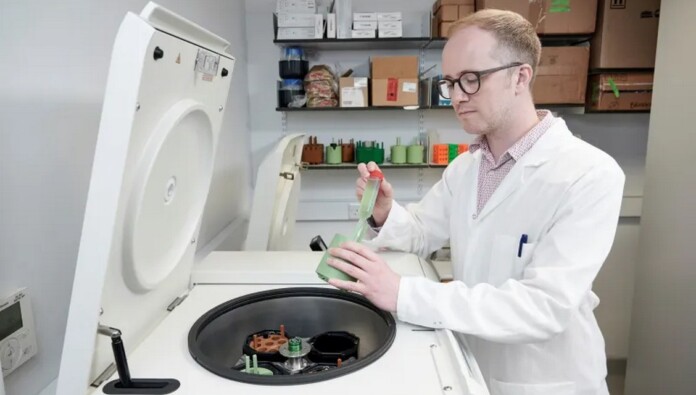
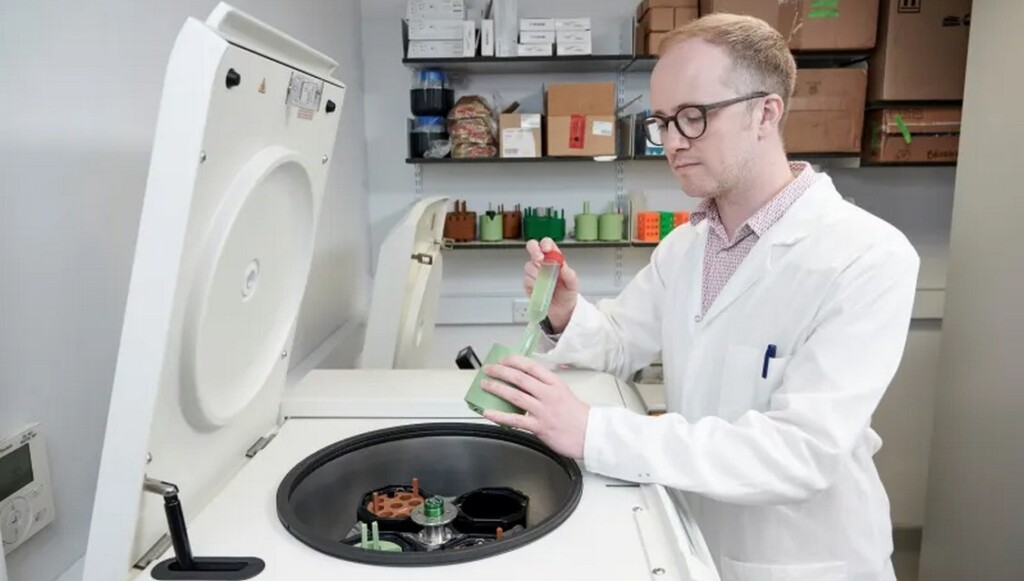
A drug to treat Parkinson’s disease can be made from waste plastic bottles using a pioneering method, a new study shows.
The approach harnesses the power of bacteria to transform post-consumer plastic into L-DOPA, a frontline medication for the neurological disorder.
It’s the first time a biological process has achieved this, and the scientists behind the breakthrough said it would be a more sustainable method of making pharmaceuticals, which normally rely on the use of finite fossil fuels.
The story comes from the University of Edinburgh, where the team led by Dr. Stephen Wallace engineered E. coli bacteria to turn a type of plastic used widely in food and drink packaging—polyethylene terephthalate, or PET—into L-DOPA.
Some 50 million metric tons of PET are produced annually, and the process involves first breaking the plastic down into chemical building blocks of terephthalic acid. Molecules of terephthalic acid are then transformed into L-DOPA by the engineered bacteria through a series of biological reactions.
“This feels like just the beginning,” said Wallace, who works as a professor at the University’s School of Biological Sciences.
“If we can create medicines for neurological disease from a waste plastic bottle, it’s exciting to imagine what else this technology could achieve. Plastic waste is often seen as an environmental problem, but it also represents a vast, untapped source of carbon.”
There is an urgent need for new methods to recycle PET, the team says. Existing recycling processes are not completely efficient and still contribute to plastic pollution worldwide.
L-DOPA is the precursor to the neurotransmitters dopamine, norepinephrine, and epinephrine, and in addition to Parkinson’s, is sold over the counter as a supplement and for treatment of Restless Leg Syndrome.
“By engineering biology to transform plastic into an essential medicine, we show how waste materials can be reimagined as valuable resources that support human health,” said Wallace.
MORE INNOVATIVE RECYCLING: Female-Led Arab Team Turn Coffee and Plastic Waste into Activated Carbon, Capturing CO2 in the Atmosphere
Having now demonstrated the production and isolation of L-DOPA at preparative scale, the team will next focus on advancing the technology towards industrial application which will involve further optimizing the process, improving its scalability, and further assessing its environmental and economic performance, the team says.
“This research shows the huge potential of engineering biology to tackle some of society’s most pressing challenges,” said Professor Charlotte Deane, holder of the Executive Chair at UK Research and Innovation, who wasn’t involved in the study.
PARKINSON’S RESEARCH: Parkinson’s Patient Plays Clarinet During Brain Surgery–Is ‘Delighted’ with How it Went (WATCH)
“By converting discarded plastic into a treatment for Parkinson’s disease, the University of Edinburgh team has demonstrated how carbon that would otherwise be lost to landfill or pollution can be turned into high value products that improve lives.”
The research was carried out at a pioneering new hub that aims to help transform UK manufacturing by converting industrial waste into valuable, sustainable chemicals and materials known as the Carbon-Loop Sustainable Biomanufacturing Hub, which has received £14 million in grants from the Engineering and Physical Sciences Research Council (EPSRC), part of UKRI.
SHARE This Wild Breakthrough In Chemical Engineering With Your Friends…
“The glory of art is that it can not only survive change, it can lead it.” – Robert Redford

Quote of the Day: “The glory of art is that it can not only survive change, it can lead it.” – Robert Redford
Photo by: GNN mashup, Andrej Lišakov for Unsplash+ (and statue by Martti Salmi)
With a new inspirational quote every day, atop the perfect photo—collected and archived on our Quote of the Day page—why not bookmark GNN.org for a daily uplift?

Good News in History, March 18

250 years ago today, Great Britain repealed the Stamp Act of 1765 which the American colonists so vehemently disagreed with. It imposed a direct tax on the colonists and required that many printed materials in the colonies be produced on stamped paper from London which included an embossed revenue stamp. A majority considered it a violation of their rights as Englishmen to be taxed without their consent—consent that only the colonial legislatures could grant. Their slogan was “No taxation without representation.” READ how they fought the bill and got it repealed… (1776)
Tunisian Solar-Powered Cars Leverage African Sunshine to Charge 30 Miles for Free Everyday


An ambitious motoring rollout is taking place in Tunisia, where a company is trying to make a splash in the market with a pair of solar-powered EVs.
Including a small delivery vehicle and a passenger car, Bako Motors is already manufacturing their models and selling them in the sun-washed continent’s showrooms.
CNN, which was first in America to cover Bako Motors, wrote that the market for EVs in Africa, where many countries import most of their vehicles, is predicted to reach several billion dollars by the end of the decade.
Fewer moving parts make EVs a smart solution to Africa’s rugged roads, but totally-absent charging infrastructure limits their deployment. Though lacking changing points, there is quite a lot of sunshine, and with solar panels on their roof, a Bako model can get 31 miles (50 km) of charge per day for free, substantially improving dependability.
“The solar cells provide us with more than 50% of our needs,” Boubaker Siala, founder and CEO of Bako Motors, told CNN.
“For example, the B-Van, for commercial use, you can have free energy for about 50 kilometers per day… 17,000 kilometers (10,563 miles) per year. It’s huge.”
Some 40% of the material that goes into each vehicle is sourced from the continent, including the lithium-iron-phosphate batteries and steel.
The B-Van costs around 25,000 Tunisian dinar, or $8,500, while the Bee, a small, two-seater city car, prices at $6,200. Neither vehicle is particularly fast, with the Bee scooting along at a top speed that’s less than what most of the continent’s petrol-powered mopeds can do, but a day in the sun can charge more than two-thirds of the vehicle’s battery, providing what could be a substantial savings in fuel and electricity.
AFRICAN AUTOS: Solar Tricycle Startup Helps Entrepreneurial Women Be Drivers of Change in Africa
The B-Van can hold 800 pounds of cargo in the hold, has up to 162 miles of range, and is designed for last-mile delivery and artisanal market businesses which flourish—for example—along the whitewashed streets of Sidi Bou Said, near historic Carthage, where the car’s publicity video was shot.
For Bako Motors, the hard part—design and construction of the manufacturing facilities—are done. All that’s left is to get the Saudi Arabian and Tunisian plants running at nameplate capacity to churn out 8,000 of these cars for the continent’s cities, and eventual export to European centers.
TUNISIAN NEWS:
- Tunisians Make Generator That Produces Drinking Water From Thin Air – 25 Liters Per Day (Watch)
- Entrepreneur Transforms Olive Waste into Eco-Friendly Fuel That Cuts CO2 Emission by One-Third
“The addressable market in Africa is about 1 million vehicles per year. We have to prepare ourselves for this transition (and) offer affordable and good products for the African citizen,” says Siala. “We are targeting maybe 5 to 10% of this market.”
WATCH the story below…
SHARE This African EV From Tunis With Your Friends…
3 New Lizard Species Discovered in Australia–Including Stunning Orange-Headed Rock Monitor


These days, when scientists announce they’ve discovered a new species of animal, it’s usually some miniature frog or deep sea isopod.
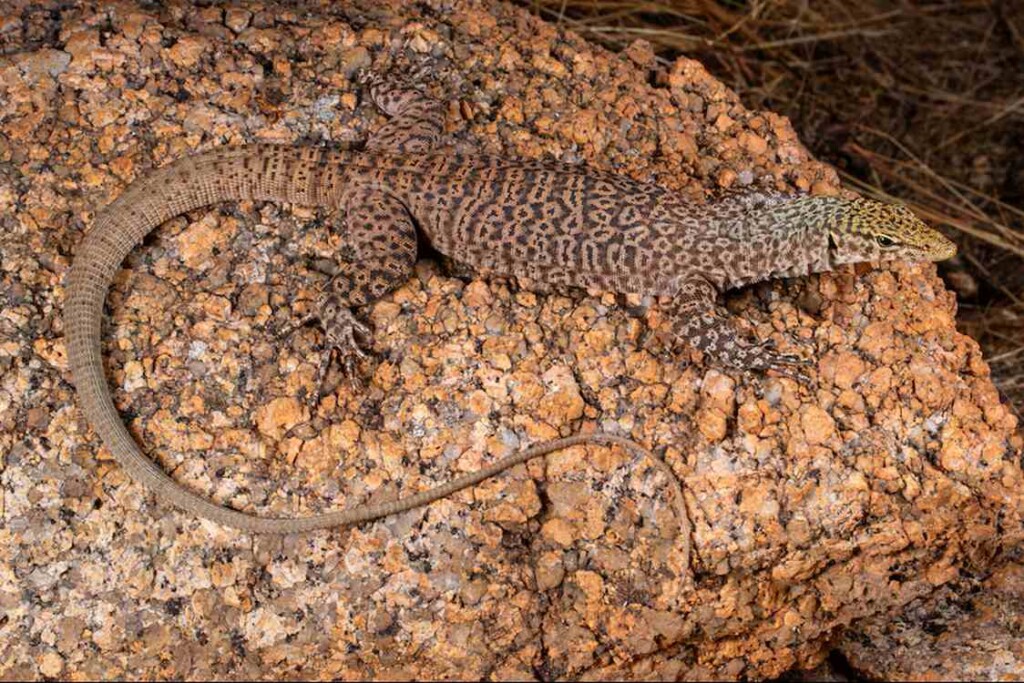
But check out this Varanus umbra, a never-before-described species of rock monitor, and he’s a real lookah’
Dr. Stephen Zozaya, a research fellow at the Australian National University, described the shock he and his colleagues experienced when seeing the animal for the first time to ABC News AU.
“I was like, ‘What is that?'” Dr. Zozaya said. “I had no idea these things existed, and it turns out a few photos had showed up online from nature enthusiasts.”
The orange-headed rock monitor is just one of a trio of newly-described monitor lizards that Dr. Zozaya and his colleagues identified on an expedition into the savannahs of north Queensland state.
The discoveries also include the Varanus phosphorus, or the yellow-headed rock monitor, and the rainbow rock monitor Varanus iridis. It’s hugely unlikely that such large and charismatic reptile species could remain unknown to humans, and in fact, they were already known to local wildlife enthusiasts.
“They hadn’t really attracted the attention of researchers who work on monitor lizards,” evolutionary biologist Zozaya, who specializes in reptiles, told ABC.
“Levels of genetic divergence between these three populations was much greater than many of the other species we already recognize.”
Indeed anyone who had given it some thought assumed the three lizards were simply local colorations of existing species. But genetic samples taken from the animals proved otherwise.
AUSTRALIA’S WILD SECRETS: Frog Wiped Out by Disease Returns to the Wild With the Help of ‘Frog Spas’ and ‘Frog Saunas’
Encouragingly, these three lizards were all documented by Zozaya and his team in areas considered unsuitable for cattle grazing, and overly treacherous for all but the most robust vehicles and determined drivers.
The scientists told ABC that there was already evidence that the yellow-headed rock monitor had been poached for exotic pet trading, an unscrupulous practice putting dozens of reptile species at risk worldwide.
REPTILE REVALATIONS: World’s Smallest Snake Rediscovered in Barbados After 20 Years
Non-involved experts speaking with ABC said that the discovery highlights how understudied Queensland’s dry savannahs are when compared with the state’s rainforests, and that new species, even as large as a monitor lizard, are waiting to be discovered.
SHARE These Gorgeous Reptiles Not Known To The Outside World…
19 Cities Including London, San Francisco, Hong Kong Achieve ‘Remarkable Reductions’ in Air Pollution


In a report that examined the air quality of 100 global cities, 19 were found to have substantially improved since 2010.
9 of the 19 were in China and Hong Kong, while the rest were located in Europe, and include both large and small cities.
In the US, San Francisco managed to reduce both health-harming fine particulate matter (PM2.5) and airway aggravating nitrogen dioxide (NO2).
There is no minimum safe level of PM2.5, which refers to the particulate’s diameter of 2.5 micrometers, and it’s been linked to many different diseases, from asthma to Alzheimer’s, all throughout a human life.
“This report shows that cities can achieve what was once thought impossible: cutting toxic air pollution by 20-45% in a little over a decade,” said Cecilia Vaca Jones, recently-appointed executive director of Breathe Cities, one of the organizations behind the report.
“This isn’t just happening in one corner of the world; from Warsaw to Bangkok, cities are proving that we have the tools to solve this crisis right now.”
For each of the 19 city success stories, different combinations of measures were employed, such as replacing internal combustion engine vehicles with electric ones, adding more bike lanes in crowded European cities, and placing restrictions on woodburning stoves and fossil fuel power plants within city limits.
MORE STORIES LIKE THIS:
- Beautiful Mural in Warsaw Eats Up Smog, Purifying The Air Equal to 720 Trees
- World’s Largest Air Purifier Transforms Chinese Smog into Actual Diamonds
- In 24 Years California Has Cut Toxic Air Pollution By 78%, Resulting in 82% Fewer Attributable Deaths
Beijing and Warsaw reduced PM2.5 the most—by more than 45%, while Amsterdam and Rotterdam saw the greatest improvement in nitrogen dioxide, also above 40%. San Francisco reduced both by 20%.
PM2.5 was more often reduced in European cities, which have focused more on switching electricity sources to clean energy, while Chinese/Asian cities had greater reductions in NO2 because of the greater focus on replacing ICE cars with EVs.
Let Your Friends On SOCIAL Media Know They Can Breathe A Bit Easier…
Woman’s Viral Video of Elderly DoorDash Driver Channels $1 Million to Help Him Retire


A woman who had a DoorDash order brought to her house was shocked to see an old man on her doorbell camera.
Inspired to help, she set up a GoFundMe, which raised $940,000 to allow the man to retire.
It was just another weekday in Manchester, Tennessee, when Brittany Smith heard the doorbell ring.
Switching on her phone’s Ring doorbell camera app, she was surprised to see an elderly man she would later learn was named Richard, ascending to her porch in a red flannel shirt and khakis.
It could have been called a DoorDawdle order, as in his old age he could hardly ‘dash’ up the steps to her front door, and needed the handrailing for support.
“My daughter’s dad is a quadriplegic, so he often has things sent to the house because he can’t physically go get them,” Smith said, explaining why Richard arrived at their house that day. “This poor guy is struggling to get up my stairs to deliver my very capable daughter her Starbucks.”
Calling her daughter’s father, Smith asked to leave a bigger tip, but the father replied the opportunity through the DoorDash app to do so was gone. Meanwhile, she posted the video footage from the Ring camera on TikTok on other social media platforms, wondering if anyone in Manchester knew who the old man was.
A Facebook user recognized him as Richard and got in contact with Smith to reveal his identity and address. Driving over, Smith offered him a $200 tip, which would have made the story beautiful on its own, but it got even sweeter than the Starbucks Richard had delivered.
MORE STORIES JUST LIKE THIS: 81-year-old Waitress Couldn’t Retire, so a Stranger Raised Over $300K for Her
At his house, Richard explained that his wife lost her job and that the two of them quickly lost their savings paying for monthly expenses and a very costly medication she was taking. Richard took the DoorDash gig to try and supplement their income.
That’s when Smith set up the GoFundMe, with the aim of “helping Richard go back into retirement!”
GREAT GOFUNDMES: TikToker Crowdfunds $1.5 Million for 88-yo Army Veteran After Viral Supermarket Moment
With the footage from the Ring camera going viral, the GoFundMe benefited tremendously, and raised almost $1 million from an incredible 32,000 donations.
“I had no idea that I was going to gain that much traction,” Smith told the UK’s Independent. “Richard said he’s not slept in two days because he can’t quit watching the GoFundMe.”
SHARE This Incredibly Successful Gesture For An Old Man In Need…
“May your blessings outnumber the shamrocks that grow, and trouble avoid you wherever you go.” – Irish Proverb on St. Patrick’s Day

Quote of the Day: “May your blessings outnumber the shamrocks that grow, and may trouble avoid you wherever you go.” – Irish Proverb on St. Patrick’s Day!
Photo by: Boudhayan Bardhan
With a new inspirational quote every day, atop the perfect photo—collected and archived on our Quote of the Day page—why not bookmark GNN.org for a daily uplift?

Good News in History, March 17

126 years ago today, Isadora Duncan, the first modern dancer, made her debut as a solo interpretive dancer in London to crowds who marveled at her daring. Here, writes the Daily Telegraph at the turn of the millennium, was a very young woman, barefoot and underdressed, performing alone and without scenery—not some romantic fairy-tale of virtuous suffering, but a disconcertingly direct and spontaneous expression of her feelings about the music she was dancing to. She used Chopin’s piano preludes and Mendelssohn’s “Spring Song.” Her movements were extremely simple, improvisatory, and while the first instinct was to find it hyper erotic, almost everyone knew it was more than that. READ about the unexpected history of dance following this landmark performance… (1900)
660-Square Miles of Critical Biodiverse Forest Now Protected in Bolivia
An American conservation NGO has helped propose and fund the creation of a vast new nature reserve along a critical corridor of biodiversity high in the Bolivian Andes.
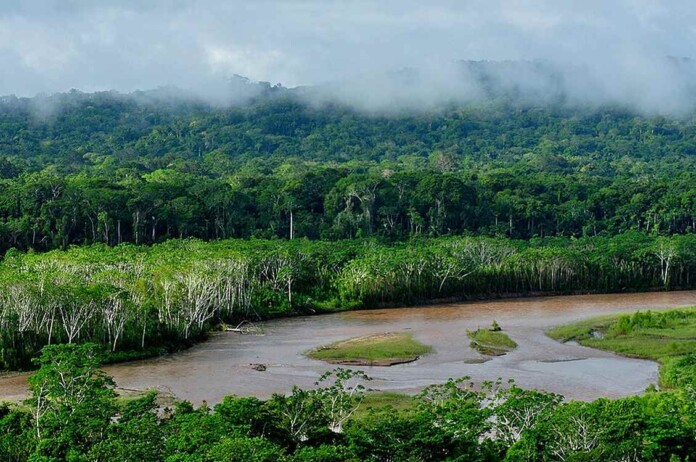
Containing over 1,300 native species, including 13 found only in Bolivia, the Serranías y Cuencas de Palos Blancos Municipal Protected Area isn’t far from the capital of La Paz, but this proximity belies the ecological value found there.
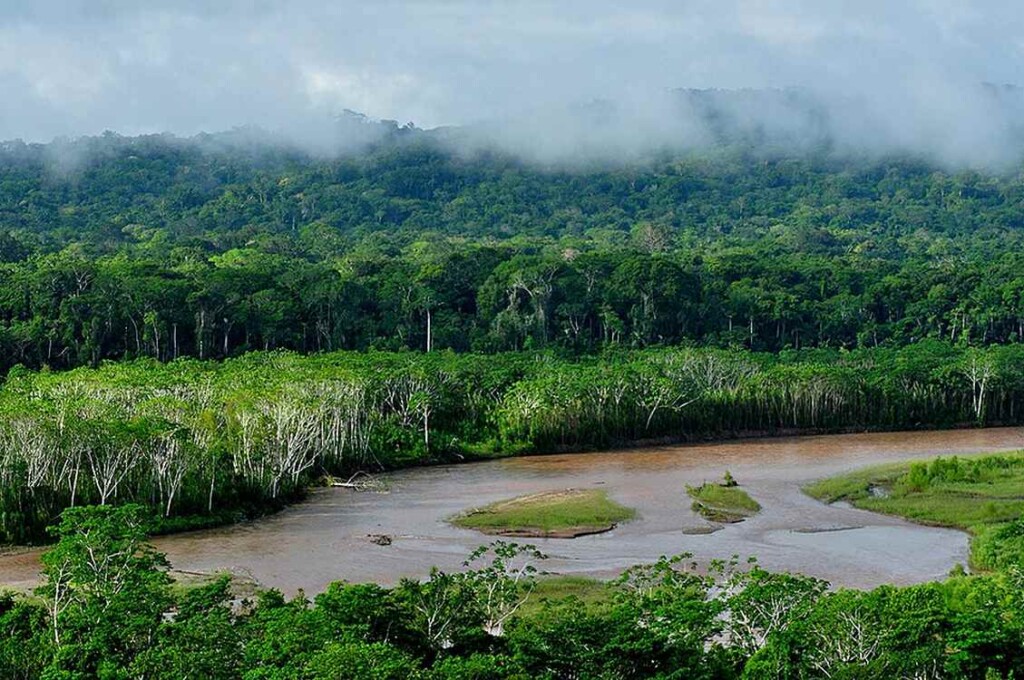
The area sits along a transitionary zone of high-altitude Andean cloud forest into more Amazon-type rainforest. Here, 86% of the forests contained in the new protected area have never seen human disturbance.
On December 30th, 2025, the local government of Palos Blancos enthusiastically moved forward with recommendations from the Andes-Amazon Fund to protect around 340 square-miles of this habitat.
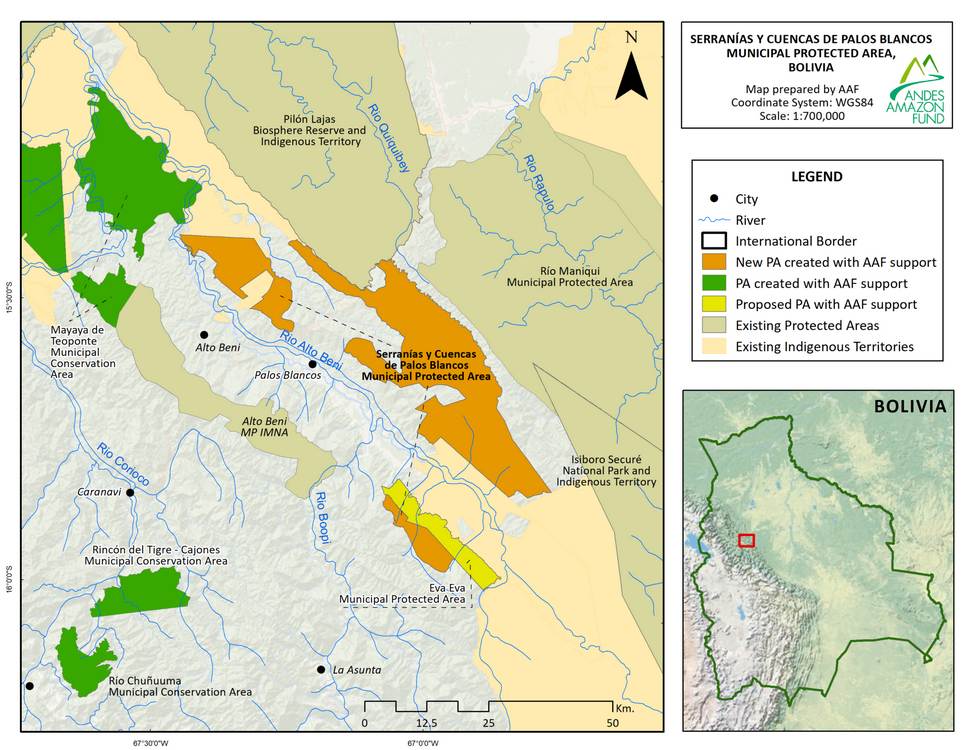
Abutting two indigenous reserves, the new protected area greatly increases connectivity between existing wild landscapes which animals like the black spider monkey and the jaguar will need to flourish.
Conservation International Bolivia and the Rainforest Trust assisted in the funding and organization of the project, which in addition to the animals and plant life, will protect the headwaters of the nearby Alto Beni River which thousands depend on for water resources.
A province to the north of Palos Blancos also recently created a new, 320-square-mile protected area along this transitionary zone between cloud forest and Amazon.
The two protected areas connect with Cotapata and Madidi national parks, and along with the indigenous reserves already mentioned, help form the Gran Paitití de Mapiri Biodiversity Corridor.
MORE JUNGLE PROTECTIONS:
- Guatemala Opts Out of Oil Extraction in Favor of Protecting Jaguars and Macaws in Mayan Biosphere
- Colombia Bans All New Oil and Mining Projects in its Amazon–an Area the Size of Sweden
- A Nation That’s 90% Rainforest Announces New Protections for Over 25 Million Acres
“By protecting this zone, Bolivia strengthens an entire conservation mosaic that extends from the cloud forests of La Paz to the lower Amazon, ensuring that species like the jaguar and the Andean bear can move freely through their habitats,” noted Eduardo Forno, Vice President of Conservation International Bolivia, in October of last year, when the protected area was created.
Protected acreage of the new “mosaic” exceeds 1 million acres, making it larger than America’s Big Bend National Park, in Texas.
SHARE This Positive Conservation Story From South America With Your Friends…