













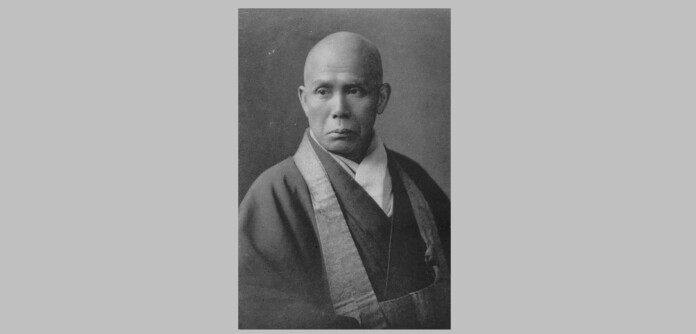
132 years ago today, Roshi Soyen Shaku arrived to teach the doctrine of Zen to the United States. Shaku’s arrival was not on a lark, but rather coincided with the World Conference of Religions, at which he delivered a speech titled “The Law of Cause and Effect as Taught by Lord Buddha”. Though unable to speak English, he encountered an American publisher named Paul Carus, who asked Shaku to send a Zen practitioner knowledgeable in English to the US to write an introductory volume for American audiences. READ more about his influence on American Buddhism… (1893)
Orangutan Released After 9 Years of Intensive Rehabilitation in Nonprofit’s ‘Jungle School’
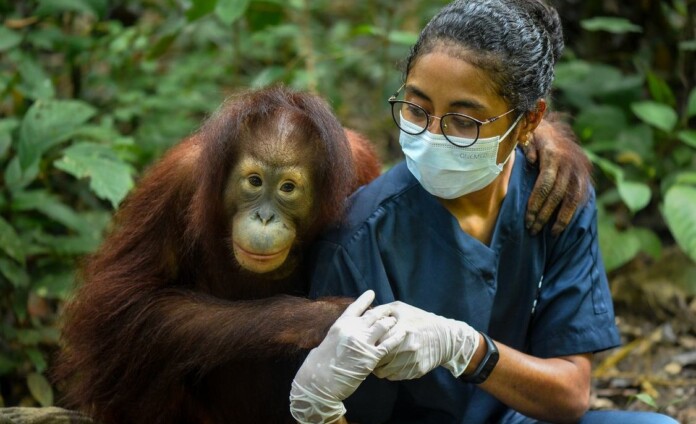
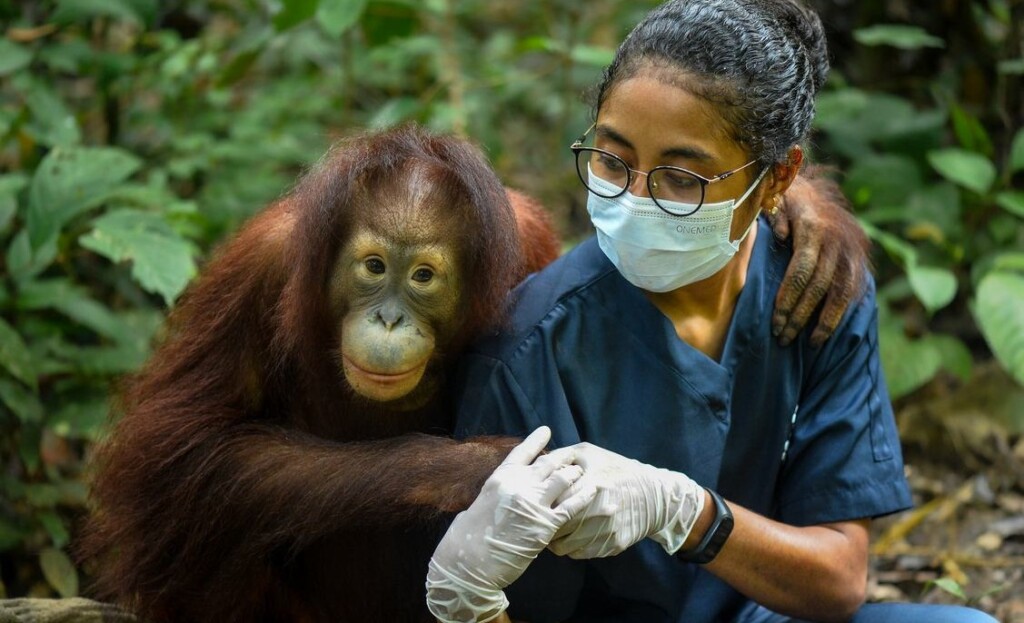
A conservation project just announced the successful release of Popi, a female orangutan rescued as an infant, into the Busang Ecosystem of East Borneo.
After nearly nine years of intensive rehabilitation, Popi has now returned to her natural rainforest home thanks to a collaboration led by the Borneo Orangutan Rescue Alliance (BORA).
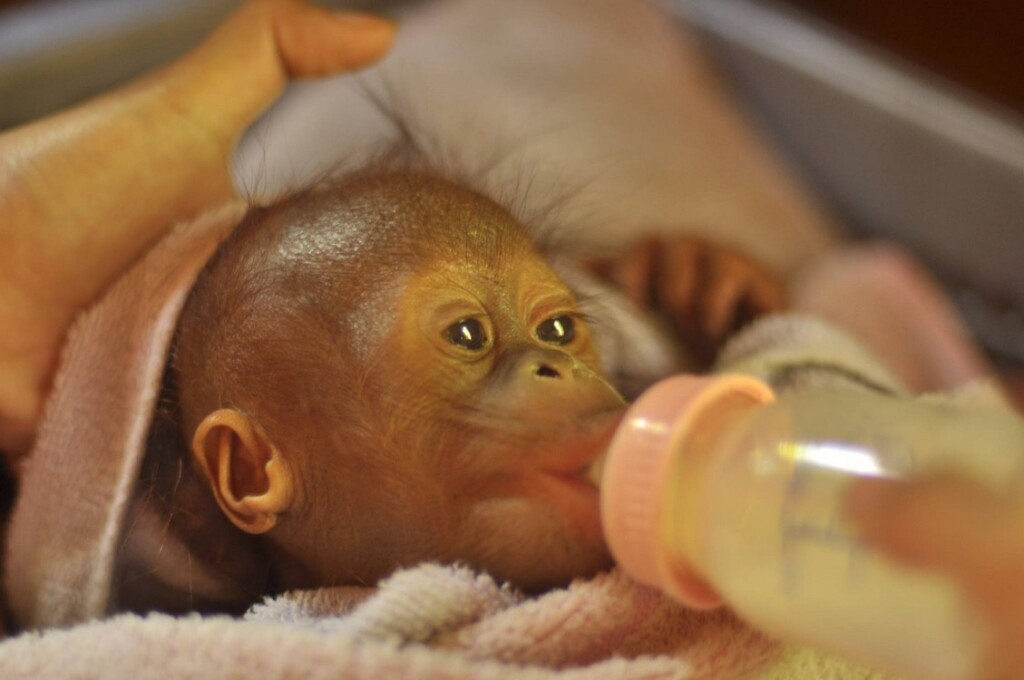
Popi was confiscated in September 2016 from a household in the Sempayau village near a palm oil plantation, where she had been kept illegally as a pet. Just eight weeks old at the time of her rescue she entered into the BORA team members’ hands completely dependent and highly vulnerable.
Popi’s story reflects the wider crisis facing orangutans in Borneo and Sumatra.
In the wild, young orangutans suckle from their mothers for up to 8 years, while learning vital survival skills such as nest building, climbing, and foraging. In captivity, orphans like Popi miss out on this critical learning period. To fill that gap, BORA’s dedicated staff act as surrogate mothers, providing round-the-clock care and gradually teaching the skills necessary for independent life in the forest.
During her rehabilitation, Popi progressed through Jungle School, where she learned to climb confidently, forage for natural foods, and build secure nests. She developed important social bonds with other orphaned orangutans, which supported her emotional recovery. In May 2025, she was transferred to a forested pre-release island, where she refined her survival skills in preparation for release.
On August 10th, 2025, after 9 long years away from her natural home, Popi was transported to the Busang area by road and river. Upon arrival, she was released deep in the rainforest and immediately climbed into the canopy, demonstrating her readiness for life in the wild. Monitoring teams will continue to observe her transition to ensure her long-term success.
In a heartwarming development, Popi was reunited with Mary and Bonti, two female orangutans released earlier this year whom she had met in Jungle School. Their immediate recognition and bond underscore the importance of social connections in orangutan rehabilitation.
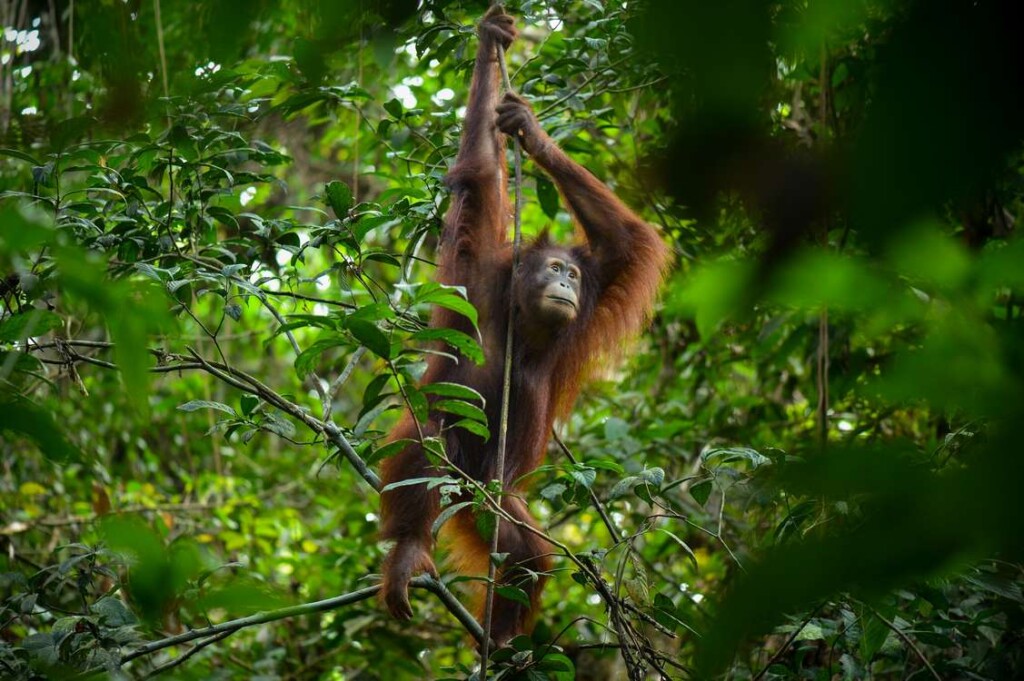
“This release represents the culmination of years of dedicated care and the unwavering support of our partners and donors,” said Leif Cocks, Founder of the Orangutan Project, in a statement.
MORE ABOUT THESE AMAZING COUSINS OF OURS:
- Local Communities Protecting Millions of Acres of Orangutan Habitat Beyond Nat. Park Boundaries
- Clever Orangutan Makes a Tool to Retrieve Floating Basket From Pond – LOOK
“Popi’s return to the wild is a powerful reminder of what is possible when we work together to protect and restore orangutan populations. Every orangutan rescued, rehabilitated and released back to the wild helps to ensure the genetic survival of the species. Each successful release is not just a triumph for the individual, but also a critical step in securing the future of these great apes in their natural habitat.”
The rehabilitation and release was part of a collaboration between BORA and the Orangutan Project, the Center of Orangutan Protection, and the Indonesian Ministry of Forestry.
SHARE This Little One’s Long Road To Recovery, And Hopefully, A Healthy Happy Life…
‘What are the odds?’ Canadian Wins New Cottage in Raffle After House Burned Down This Summer


From the far eastern coast of Canada comes the remarkable story of a man who entered a raffle to win a new house—just days before his home burned down.
The $50 that Mr. Daniel Drouin spent on the raffle ticket is now looking like a pretty tidy investment, as he has the option of choosing a prefabricated wooden cottage to fit a family, or $150,000.
A musician on Prince Edward Island, Drouin has two children, one of whom had been staying with friends, and the other with grandparents. He described the wild stroke of luck as “life-changing” and “a fresh start.”
It was early this summer that Drouin bought a ticket for the Big Brothers, Big Sisters charity raffle at the urging of his girlfriend. He had originally thought better of it, as over 10,000 people had already entered.
Life went on, presumably as usual, before he got a call at 2 a.m. in July from his son—the family house was on fire. The boy got everyone safely outside and called the fire department, but it looked like the Drouins were going to lose their home.
Disrupted and distributed, Mr. Drouin was settling in for a Saturday afternoon nap the day after a late night gig when he received a phone call from Myron Yates, executive director of Big Brothers Big Sisters of Prince Edward Island, with the news he had won the draw.

“It’s life-changing really,” Drouin told CBC News on Saturday. “It’s just such a weird coincidence that … I get picked out of that many people.”
“And then all the circumstances that’s happened with me and my family in the last month, and then you go and win the house. You know, it’s… what are the odds?”
MORE CRAZY TWISTS OF FATE:
- Strangers Rally to Return Vibrant Sculptures Found in Bargain Bin 1,200 Miles From Where They Were Mailed
- 30-Year-old Letterman Jacket Is Found By Brother in Serendipitous Twist of Fate
- How a Chatty Motorist Led to One of the Biggest Finds in Greek Archaeology–the Lost 2,800-year-old Temple of Artemis
He told the national news that he planned to fill out the paperwork on Monday in Charlottetown, and check out the new cottage. He doesn’t own any land to put it on.
“It means a fresh start really, I mean, yeah, and a fresh start for the kids, too, and everybody will be back together,” he said.
SHARE This Wilder-Than-Wild Coincidence With Your Friends…
A New Generation of Tuskegee Aviators Takes to the Skies to Tackle Another National Challenge
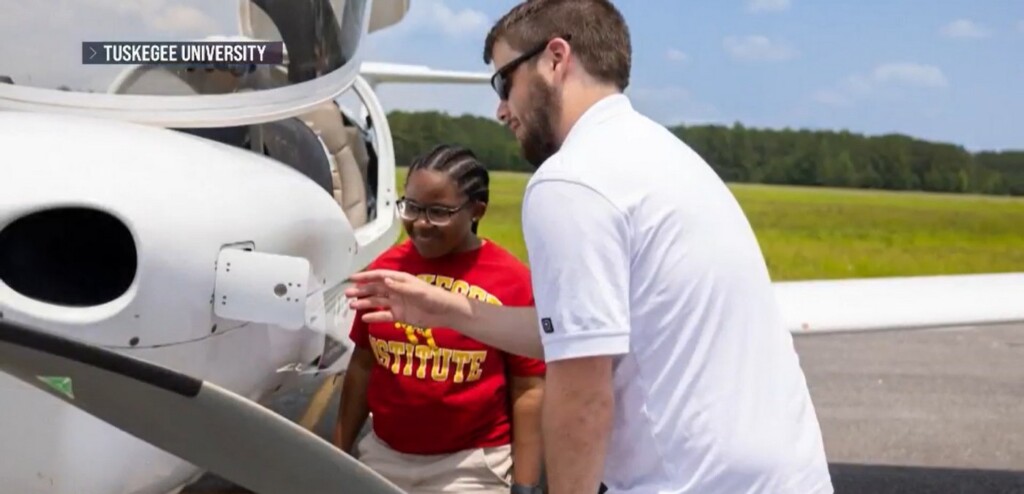
Having once trained the first Black military pilots for deployment in World War II, Tuskegee University is now training another Black generation for another national challenge.
Hoping to address the nation’s pilot shortage, the aviation science program at Tuskegee University in Alabama is currently on track to graduate 50 young Americans as commercial and private pilots.
One of those, Kembriah Parker, has just received a pilot’s license, and is excited to be carrying on the legacy of the famous Tuskegee Airmen.
“There were Tuskegee women working but not flying,” Parker told NBC, “so it feels pretty good to be doing the flying.”
Of the more than 900 Black cadets who were trained as military pilots, 335 were deployed mostly to North Africa and Italy. They flew dozens of missions, and many of the pilots lost their lives in the course of the campaign.
The aviation science course combines ground crew studies with flight training on the tarmac at the historic Moton Airfield, where the Black pilots would have done similar training before shipping off to war.

Even though the legacy of the war resounds today in the echoes of echoes, these modern Tuskegee airmen and airwomen are proud to carry that legacy—to fly with history under their wings.
ALSO CHECK OUT: Astronaut Training Pays Off at 90: Ed Dwight Finally Reaches Space, Making History as Oldest to Ever Do it
Originally afraid of heights, Parker said it was the sense that she was becoming someone greater than herself which gave her the bravery to face those fears and acquire her license, an accomplishment that now makes her feel “8 feet tall.”
WATCH the story below from NBC…
SHARE This Young Woman And The History Under Her Wings…
UK Railway Line ‘Hires’ Three New Cats Found Sleeping Rough Nearby

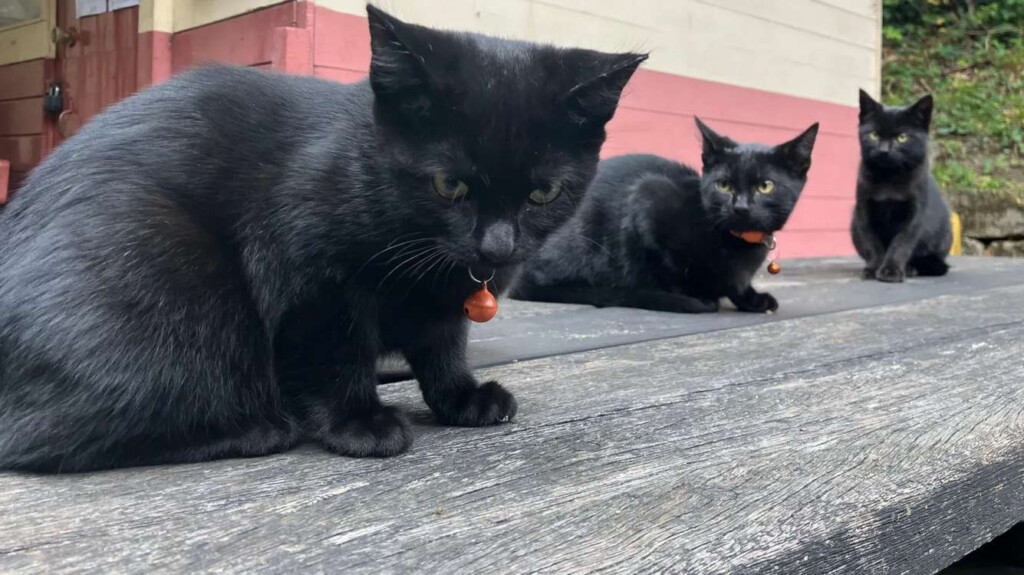
For one special UK railway line, cats have always been part of the station staff. These mousers play a vital role in controlling the rodent population among the Grosmont Station’s many small buildings, nooks, and crannies.
After their previous mouser passed away, the North Yorkshire Moors Heritage Railway Line, were hiring—until they found a trio of black strays sleeping rough nearby.
Black as shadows and cute as buttons, they were perfect for the dual responsibilities of mousing and guest-charming.
Titch, Clinker, and Ash are still in job training, sneaking up on acorns or each other before executing the take down maneuvers needed to surprise their rodent quarry. When not on the clock, they are doted on by this heritage railway service’s many visitors.
The line runs through one of the UK’s oldest national parks: the North Yorkshire Moors. Characterized by rolling hills and heather, it’s ideal rodent country.
“We’ve always had shed cats, for many, many years and they all do a great job for us, looking after the rodent population and being lovely for the public,” said Grosmont Station shop supervisor Simon Wall.
“They’re there on a night, and they’re always waiting for me on a morning for some breakfast,” he told the BBC. “They’re proving a good asset to the railway, and it’s nice we have friendly ones this time.”
Wall says the public absolutely loves to see them. When the pressures of the job and the public become too much, the mousers retire to a smaller building off-station where beds, a space heater, and refreshments await them.
MORE CATS AT WORK: 65 Cats Are Treated Like Favored Guests at the World Renown Hermitage Museum in Russia
The cat house is also decorated with the honors obtained by previous mousers in the course of their service, a term which for Titch, Ash, and Clinker, is expected to be long, fun, and fruitful for these once feral felines.
SHARE This Lovely Story Of A Traditional Railway Line Using Traditional Mouse Catchers…
“Don’t get lost in your pain. Rather, know that one day your pain will become your cure.” – Rumi

Quote of the Day: “Don’t get lost in your pain. Rather, know that one day your pain will become your cure.” – Rumi (Persian scholar, poet, and mystic )
Photo by: Jan Kopriva
With a new inspirational quote every day, atop the perfect photo—collected and archived on our Quote of the Day page—why not bookmark GNN.org for a daily uplift?

Good News in History, September 10

Happy 73rd Birthday to one of America’s seminal peace activists, Medea Benjamin. Founder of the feminist anti-war group Code Pink: Women for Peace, Benjamin has been one of the loudest, most sensible voices opposing American militarism over the last half-century. Whether Republican or Democrat, whoever holds the reigns of power in the US during her life has been subject to untiring urging for the end of foreign regime change wars as a tool of US foreign policy. She is also a committed labor rights activist, and founded a large fair trade certification program called Global Exchange. READ how she campaigns for peace… (1952)
World’s Smallest Snake Rediscovered in Barbados After 20 Years

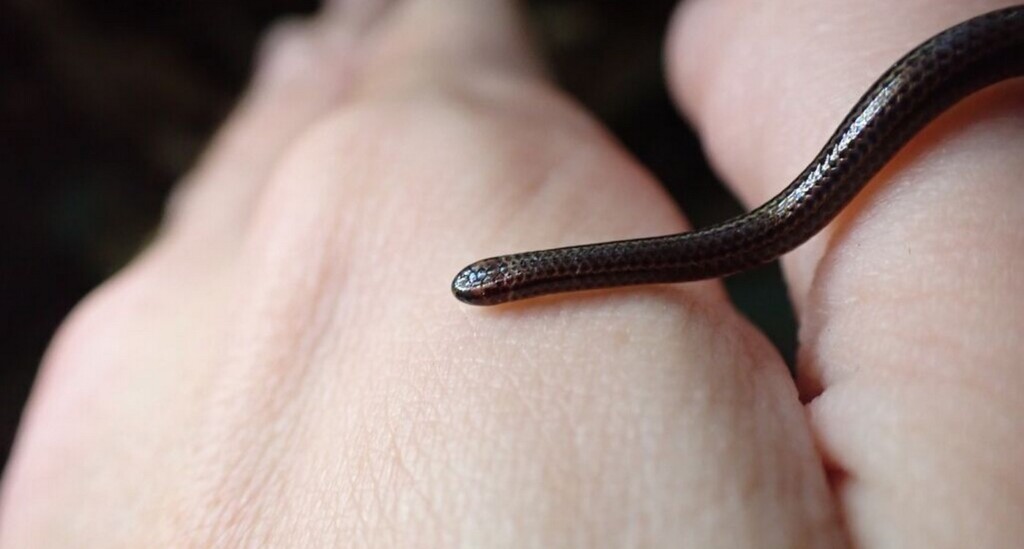
The world’s smallest snake was rediscovered under a rock in central Barbados during an ecological survey in March.
The Barbados threadsnake (Tetracheilostoma carlae) had been lost to science for nearly 20 years—meaning it had not had a sighting verified and documented by a scientist—and was on a global list of 4,800 plant, animal, and fungi species lost to science compiled by Re:wild’s Search for Lost Species.
At the limit of how small a snake can be, the species measures only about 3 to 4 inches long (9 to 10 centimeters) when fully grown. Each confirmed sighting of the species has had several decades between them, leading scientists to believe that the snake has possibly always been rare and difficult to find in the wild.
The Barbados Ministry of the Environment and Beautification had been searching for the threadsnake and several other endemic reptiles for more than a year as part of the Conserving Barbados’ Endemic Reptiles (CBER) project.
“Barbados threadsnakes are blind snakes, so they’re very cryptic,” said Connor Blades, a project officer with the ministry, who helped rediscover the animal and photograph it.
“They’re quite rare also, it seems. There have only been a handful of confirmed sightings since 1889, so there are not many people who have ever seen it, unfortunately.”
The threadsnake closely resembles the Brahminy blind snake, or flowerpot snake, a small invasive snake species that was inadvertently introduced to Barbados in recent decades.
“I began to look over the snake and it was clear to me that I really needed to take it to a microscope to get a proper look at it,” said Blades. “The morphological differences between the threadsnake and blind snake are really difficult to tell by eye, particularly because it was the first threadsnake we had seen, so we weren’t familiar with the species yet.”
Justin Springer, Caribbean program officer for Re:wild, supported Blades’ search effort. They began by looking under rocks, one of which caught their attention.
“I was making a joke and in my head I said, ‘I smell a threadsnake,’” said Springer. “I just had a feeling, but I couldn’t be sure because we turned over a lot of rocks before that and we saw nothing.”
Blades loosened the rock from under the tree root and pulled it up. Underneath the rock was an earthworm and a tiny snake. Springer quickly picked up the snake to take a closer look.
“When you are so accustomed to looking for things and you don’t see them, you are shocked when you actually find it,” said Springer. “You can’t believe it. That’s how I felt. You don’t want to get your hopes up too high.”
BARBADOS STORIES: Visionary Fuels First Car Powered By Seaweed Piling Up on Beaches That Reduces Tourism
Blades took the snake to the University of the West Indies and examined it under a microscope before returning the reptile back to the forest in central Barbados. It had all the characteristics of a threadsnake—pale orange dorsal lines running from its head to tail, eyes located on the side of its head, a rostral scale on its nose, and no gland lines on its head.
Forests, like the one in which the threadsnake was rediscovered, only cover a small area of Barbados. They are mostly confined to the undeveloped Scotland District and the network of gullies that radiate through the island.
MORE CARIBBEAN WILDLIFE: Almost Extinct Caribbean Lizard Makes a Comeback After Island Restoration
“It’s an important reservoir for biodiversity on the island,” said Blades. “If the threadsnake population isn’t very dense, I’m worried about their ability to find mates—particularly if their habitat is under threat and being degraded.”
“The threadsnake’s rediscovery is also a call to all of us as Barbadians that forests in Barbados are very special and need protection,” said Springer. “Not just for the threadsnake, but for other species as well. For plants, animals and our heritage.”
SLITHER OVER To Your Friends’ Walls And Share This News Story…
Chicago River Follows the Seine to Become Biodynamic and Swimmable Once Again


One day, a book will be written about the 21st century, and the topic will be how the denizens in the world’s largest cities cleaned up the rivers which flow through them.
Whether that’s the Yangtze, the Seine, the Mersey, or the Chicago River, humans have well nigh decided that having a clean, odorless, swimmable, and living river is worth the loss in convenience of dumping and polluting.
Even though it turns green every year to celebrate St. Patrick’s Day, that was about the only thing ‘green’ about the Chicago River for the longest time. But following the passage of the 1972 Clean Water Act, things began to change.
It’s now about to welcome swimmers back into its course for the first time in over a hundred years, and many different people, activities, and initiatives have gone into reaching this historic moment.
Before trains reached the Windy City, most goods arrived via boat and barge, and in order to accomodate the traffic, engineers canalized the river by dredging it up and lining its flow with steel panels. This removed all the wildlife and plants that rely on the bank of a river virtually overnight. What was left were a few pollution-tolerant fish species to languish in what was basically a giant metal and concrete log flume.
Waste dumping of all sorts was common, both human and industrial, and as a result, most of the historic architecture along the river doesn’t have any windows facing it.
“Really, the river was the alley. It was gross. You didn’t look at it, even think about it. You sent that water away,” Krystina Kurth, coordinator of conservation action at Chicago’s Shedd Aquarium, told Inside Climate News. “You had all your windows facing the lakefront, but the river was not something that you liked to be around.”
Shedd has been instrumental in leading the transformation of the river which began in 1972 when the Clean Water Act prohibited dumping of any sort without a permit. Not only does human waste contain fecal coliform bacteria that can lead to all manner of bacterial diseases, but also excess nutrients like nitrogen and phosphorous.
As in all freshwater ecosystems, excess nutrients lead to massive blooms of algae which blind and choke other life in the water.
That basic step—stop throwing your poo into the river—was a foundation on top of which was piled millions in civic investments to modernize the stormwater and sewage storage systems to prevent runoff, known as the Tunnel and Reservoir Program.
CLEANING UP CITIES: Historic Tokyo Bridge Liberated from Concrete Overpass Will Shine Again Thanks to Grassroots Campaign
On top of this water management, non-profits like Urban Rivers have aided in providing a helping hand for wildlife species to return. Through their Wild Mile eco-park, Urban Rivers have engaged the public in river conservation by creating an almost mile-long trail of docks which act as a giant buoy system for an entire underwater ecosystem of plants and habitat which the steel box of the Chicago River cannot provide.
From a low of 5 species of fish, there are now 77 recorded as living in the Chicago River, as well as snapping turtles and freshwater mussels which cling to the habitat provided by the Wild Mile.
RIVER NEWS: After Scenic Waterway Declines, Government Sides with Activists to Intervene on the Wye River’s Behalf
Real estate on the northern branch of the river is starting a mini boom powered by a river that’s not longer toxic, that no longer stinks, and which offers a lovely place to walk and relax.
Industrial properties are finding new lives as office spaces and music venues, a blessing made in part by the waters which now give life rather than take it away.
SHARE This Great, Great News About The Next Century In Chicago…
This Year’s Nice Rice Price Marks an 18-year Low Amid a Doubling of Per-Acre Yield
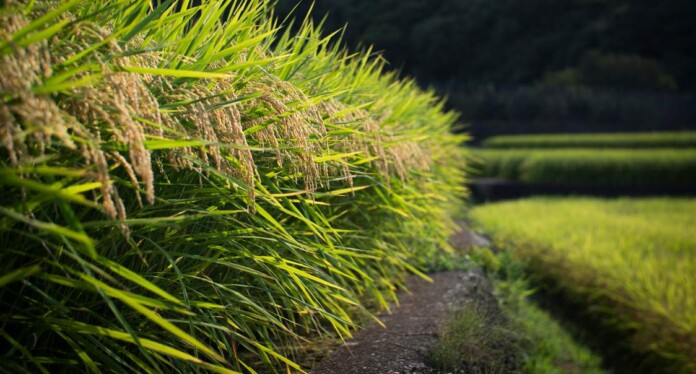
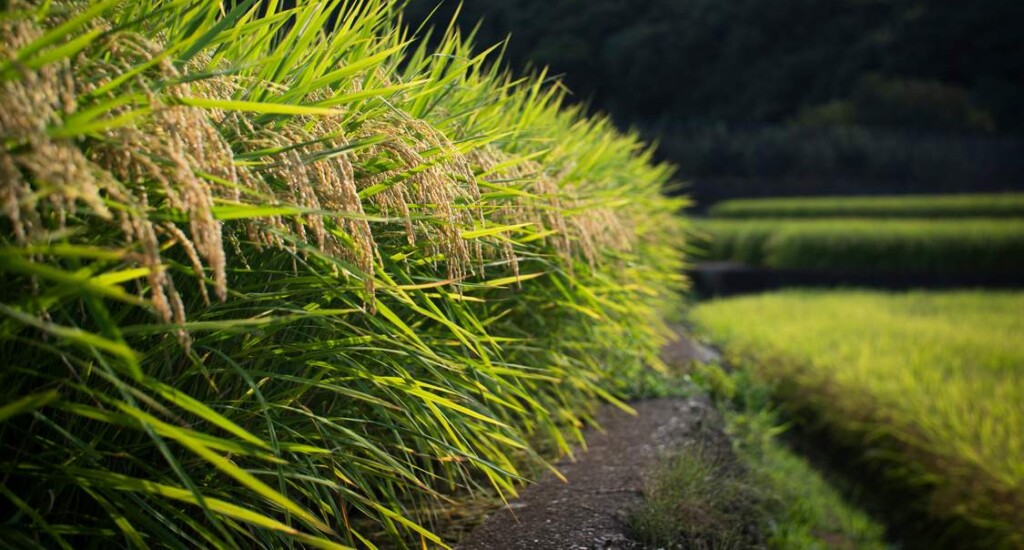
When we think of technological advances, writes Javier Blas at Bloomberg, we tend towards picturing faster internet, smarter devices, AI, driverless cars, and phone-controlled household appliances.
But humanity continues to make advancements with even the most primitive technologies, epitomized by this year’s incredible Asian rice crop.
Blas suggests the news alleviates any fear that a climate crisis will starve the world, but someone else might point out that cost of living crises, food shortages, and famine conditions in conflict zones, all stand to be alleviated somewhat with prices hovering at around $365 per ton.
Rice is one of the world’s most ancient crops, and the millennia have seen multiple advancements in its cultivation that have continued even unto the present day.
“In 1975, farmers around the world harvested an average of 2.4 metric tons per hectare; the yield improved to 3.8 tons by 2000, and today it’s almost doubled to 4.7 tons,” Blas writes in an op-ed.
He writes that while corn and soybeans are routinely spot-priced on Wall Street, rice is largely ignored. It is, however, the most important human crop for food security, and a staple for half the world’s population.
And governments across the Global South and East Asia reeled from unrest when, in 2007-2008, prices topped $1,000 per ton. Some feared that this was climate change coming to roost in the rice paddies of the world, but these fears were overblown.
ALSO CHECK OUT: People Globally Are Living Better Lives, More Hopeful About the Future: We Know Because They Said So
Today, farmers working the same amount of land as their ancestors—in some areas even less—are going to pull in around 541 million tons of rice; double the amount from the 1980-81 harvest.
In 2024, 295 million people across 53 countries faced acute hunger according to the World Food Program, while 638 between 720 million face chronic undernourishment.
MORE FARMING NEWS: ‘Camel Milk Revolution’ Is Improving Nutrition in Somalia and Creating Jobs
It’s through continued investments in modern farming technology, more sophisticated irrigation projects and other advances that can see harvest numbers continue their skyward trajectory, and these insecurity metrics continue to fall.
SHARE This Positive Progress In Global Food And Farming…
Brazil Records 65 Percent Drop in Amazon Area Burned by Fire, Lowest Since Monitoring Began


Last year, a historic drought in the lowlands of the Amazon Basin saw hundreds of thousands of acres go up in flames.
This year, the combination of more careful local communities and healthy rains have meant that the amount of tropical rainforest burned by wildfires this year has been 65% less than in 2024.
The data comes from a satellite monitoring program called MapBiomas, which began tracking fire in the Amazon following the “lungs of the world are burning” headlines made during the fire season of 2019.
This year’s drop of 65% also happens to be the lowest amount recorded since MapBiomas began monitoring the basin.
Felipe Martenexen, a researcher at the Amazon Environmental Research Institute, attributed the improvements to a “more intense and sustained rainy season” this year, as well as “farmers and residents [being] more careful.”
YOU MAY ALSO LIKE: Recovery of Endangered Marsupials is Utterly ‘Extraordinary’– Population Up 45% Since Australian Bushfires
The data also shows that across Brazil, both in the Amazon basin and beyond it, 54% fewer acres of landscape have been burned by fires.
Brazilian President Luiz Inacio da Silva is set to welcome the world to the COP30 UN climate conference in the Amazon city of Belem in three months’ time, several years into his pledge of ending Amazon deforestation by 2030.
SHARE This Positive Trendline With Your Friends…
“We have art in order not to die of the truth.” – Friedrich Nietzsche
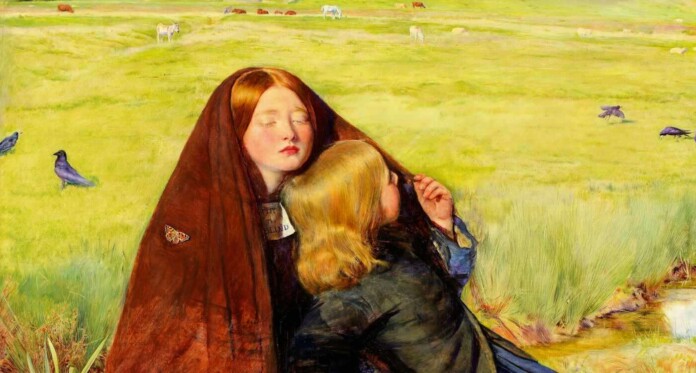
Quote of the Day: “We have art in order not to die of the truth.” – Friedrich Nietzsche
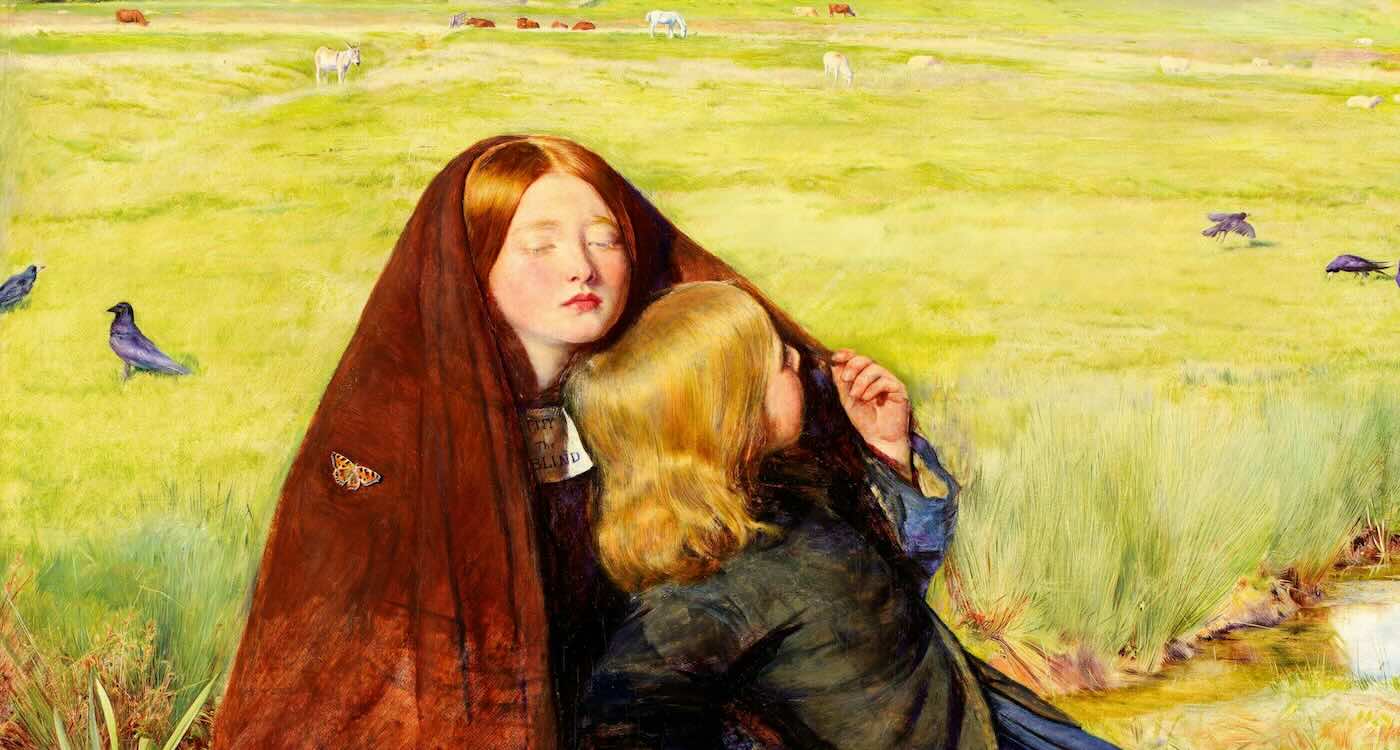
Photo: The Blind Girl by John Everett Millais in 1856 – Birmingham Museums Trust
With a new inspirational quote every day, atop the perfect photo—collected and archived on our Quote of the Day page—why not bookmark GNN.org for a daily uplift?
Good News in History, September 9

On this day in history, two masters of early ocean exploration returned to their prospective homes—Vasco da Gama 526 years ago to Lisbon, and Thomas Cavendish 437 years ago to Plymouth. The former had chartered the first European course to India via the Cape of Good Hope, while the latter completed the world’s first intentional circumnavigation. As it happened, Cavendish’s trip also saw the capture of the Santa Anna, the largest Spanish treasure ship ever to fall prey to English privateers. READ more about these accomplishments in seafaring… (1499, 1588)
Police Find Lost Plushie While Teaching Boy a Valuable Lesson: ‘There are great people in this world’
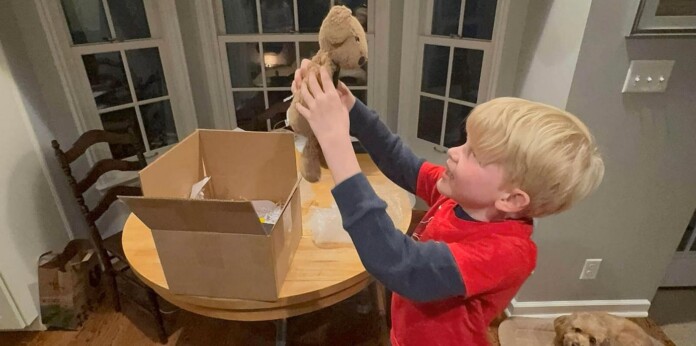
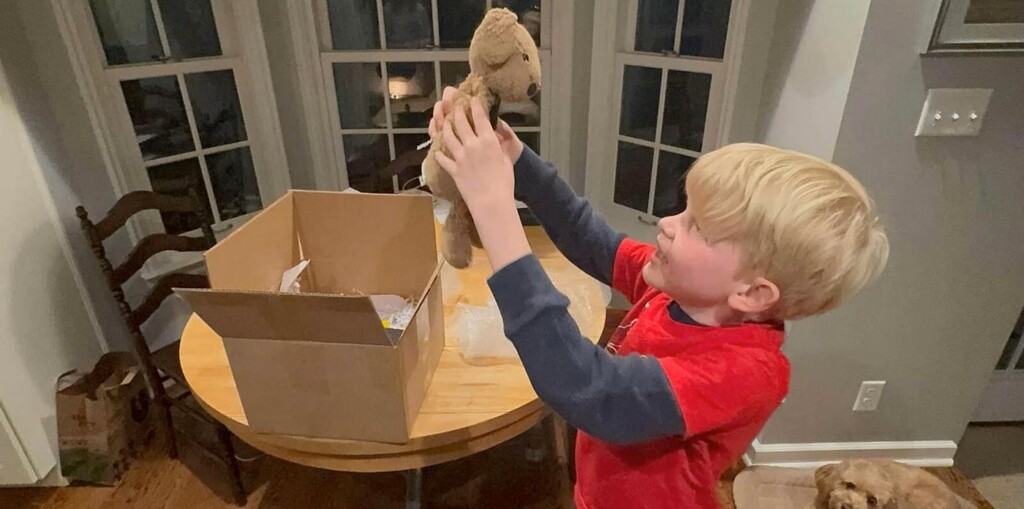
In a sweet story reminiscent of the Velveteen Rabbit, a young boy’s favorite stuffed animal is sleeping soundly again in the arms of his owner following a harrowing few days of separation.
The Kay family was returning home from a ski holiday when they parked at a rest stop in Wyoming. A wild rangebound wind was whipping across the interstate that day.
Inside the car were parents Bill and Christina, and their 8-year-old boy William who was sitting in the back of the car with his best friend, a dog plushie named, well, Dog. The little brown stuffie was given to Christina as a present at her baby shower—the guest not knowing if it were to be a boy or a girl.
Dog and William slept together ever since. It was Christina’s idea to have lunch at the rest stop, and raced out to get their sandwiches from the cooler in the trunk when William opened the door, unaware of the strong winds.
In a feature for Cowboy State Daily, Christina described the back of the car looking like a bomb had gone off—the wind blew things in every direction, including Dog, who unbeknownst to anyone, sailed out of the car and into some high weeds.
They carried on their journey until they arrived at a motel in Kansas and discovered Dog was missing. The next day, the three cleaned out the car but couldn’t find Dog: it appeared their 8 year friendship was finally, bitterly, ended.
It was a heart-wrenching homecoming in St. Louis for Bill and Christina as they watched William go through the first major loss in his young life. A silver lining was just that: loss. It is the characteristic feature of human life and existence, and something William would have to learn sooner or later.
But papa Bill wasn’t ready to bid Dog farewell just yet, and used Google Maps to find the pull-off area where they ate Lunch. Seeing it was within Carbon County, he went to the website of the local Sheriff’s Department and saw the smiling face of Sheriff Alex Bakken: exactly the kind of face that would belong to a man who’d lend an ear to the news that a boy had lost his immobile best friend.
“Dear Sheriff Bakken” Bill wrote in an email that explained what happened, with GPS coordinates of the rest stop and pictures of Dog uploaded as attachments. That was on the morning of March 23rd. On the 24th, a reply appeared in his inbox.
“I commend you for taking your child’s emotional well-being so seriously,” Bakken wrote. “Nothing would make me happier than seeing if we can help ensure Dog’s safe return to St. Louis. Our Patrol Division has been notified, and I will attempt to search the area later today. Please tell your son that we are on the case.”
They did just that, then waited. Meanwhile, Sheriff Bakken texted Carbon County Deputy Tyler Christen, asking him to go look for Dog at the rest stop if he had time. Christen thought it was a bit strange, but understood.
LOST PLUSHIES RETURNED:
- Lost Stuffed Bunny Goes on Airport Adventure Ending in Heartwarming Reunion (WATCH)
- Town Leaders Help Dig Beloved Stuffed Animal out of Trash Compactor Using More Than Just Their Hands
“When my kids lose their stuffie, panic mode sets in until we find it,” he told Cowboy State Daily. “I wanted to see if we could bring that dog back to its owner. He’s had it for a long time and can still enjoy it.”
Arriving at the rest stop, it took a few minutes of poking around before Christen and his partner saw something spud-brown sitting in the foliage. Arriving to find a stuffed animal, they figured it had to be Dog. It was.
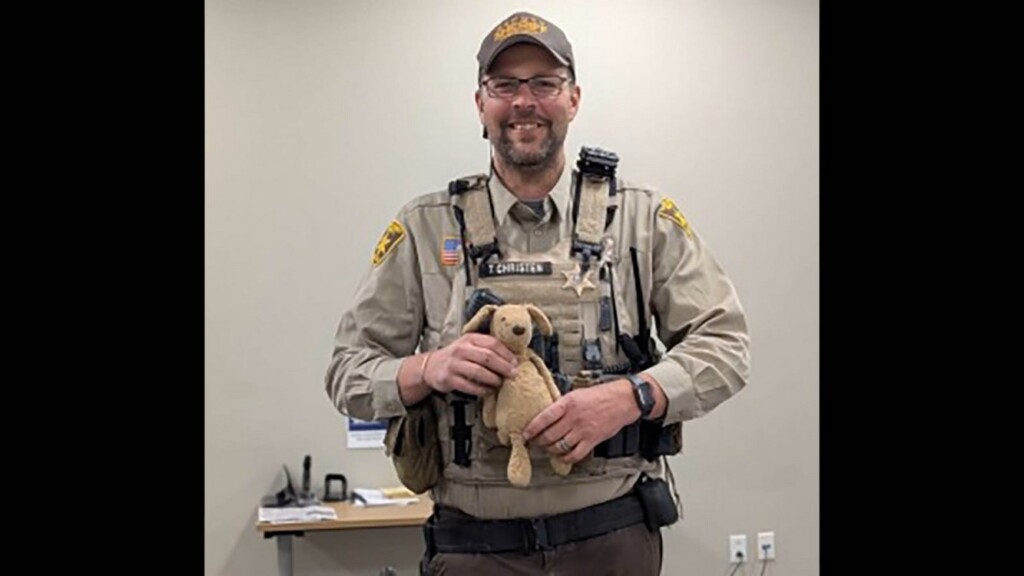
On March 25th, Bill received an email, a text, and a voicemail—Sheriff Bakkan had good news. On March 31st, Dog arrived at the Kay family home packed snuggly in a little Carbon County Sheriff’s care package, with branded shirt patches, a badge, and a water bottle as souvenirs.
“He helps me fall asleep at night,” young William said. “I was sad when he was lost and almost cried when I got him back.”
POLICE AS GOOD MEN:
- Police Ask Boston Seniors to ‘Walk the Beat’ with Them to Get Exercise and Make Friends
- ‘We’re supposed to be good men’: Officer Buys Stranded Deaf Man Train Ticket to Get Home
Bill wasn’t just happy his son was happy, but also because he had demonstrated another valuable lesson to his little boy.
“He learned that there are great people in this world that will do things to help you, even when they don’t know you,” Bill said. “I think that was a wonderful lesson for William.”
SHARE This Heartwarming Kindness From A Far Away County In Wyoming…
Tiny Protein Confirmed to Dismantle the Toxic Clumps Linked to Alzheimer’s Disease
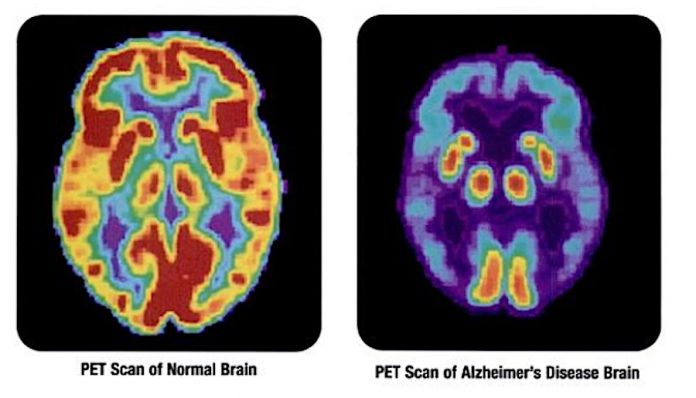
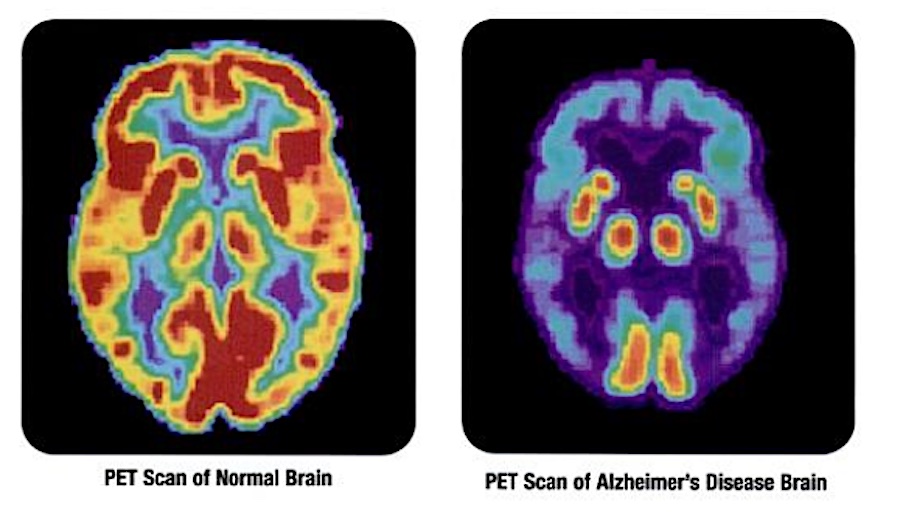
Scientists at St. Jude Children’s Research Hospital have demonstrated for the first time that the protein midkine plays a preventative role in Alzheimer’s disease.
Midkine is known to accumulate in Alzheimer’s patients, but rather than accelerate the disease, it seems to prevents a second, sticky protein from clumping together—the chief hallmark in this form of dementia.
Alzheimer’s disease drug research almost exclusively focuses on amyloid beta, referred to sometimes as tau protein—its molecular class. There are 6 kinds of tau proteins, and they’re necessary for maintaining the stability of microtubules in human nerve fibers, but when tau proteins—in particular amyloid beta—become hyperphosphorylated, they are observed to clump together around neurons and cause a kind of atrophy.
This is generally considered to be the pathology and driver of Alzheimer’s disease. The rot cause is manifold, with a patient’s genetic mutations, sex, toxin exposure, and sleep history all suspected to play a role.
Midkine, the other molecular character in this tale, is a small, multifunctional growth factor protein found abundantly during embryonic development but also involved in normal cell growth.
Its role in cell growth means that midkine is often overexpressed in cancer, making it a valuable biomarker. However, beyond some preliminary studies showing its increase in Alzheimer’s, midkine’s link to the neurodegenerative disease has been poorly understood.
In a study published on August 21st in Nature Structural & Molecular Biology, co-author author Junmin Peng and colleagues used fluorescence assays among other techniques to investigate how much of the correlation between midkine and amyloid beta is just a coincidence.
They knew that earlier Alzheimer’s models where midkine is lacking showed more amyloid beta accumulation, and so they used a fluorescent sensor to monitor amyloid beta assemblies, called thioflavin T, and tracked the real associations going on between these two compounds.
ALZHEIMER’S DRUG DEVELOPMENT: A Breath Closer to Alzheimer’s Cure: How Xenon Gas Could Transform Treatments
Their data revealed that midkine inhibits amyloid beta elongation and secondary nucleation, two specific phases during assembly formation. Nuclear magnetic resonance confirmed this finding.
“Once the amyloid beta assemblies grow, the signal becomes weaker and broader until it disappears because the technique can only analyze small molecules,” said Peng, referring to the ability to spot thioflavin T amid the tau ‘tangles’. “But when we add in midkine, the signal returns, showing that it inhibits the large assemblies.”
HOLISTIC ALZHEIMER’S DRUGS: Being Social–Like Dining Out, Traveling, or Playing Bingo, May Delay Dementia by 5 Years
Additionally, the researchers used Alzheimer’s disease mouse models that have increased amyloid beta and demonstrated that removing the midkine gene resulted in even higher levels of amyloid beta assemblies. These results point to the protective role the protein has against Alzheimer’s disease.
“We want to continue to understand how this protein binds to amyloid beta so we can design small molecules to do the same thing,” said Peng. “With this work, we hope to provide strategies for future treatment.”
SHARE This Great Science With Your Friends Concerned About Alzheimer’s…
TikToker Reveals Restaurant’s Viral Compassion After He Ordered His Dog’s Last Meal
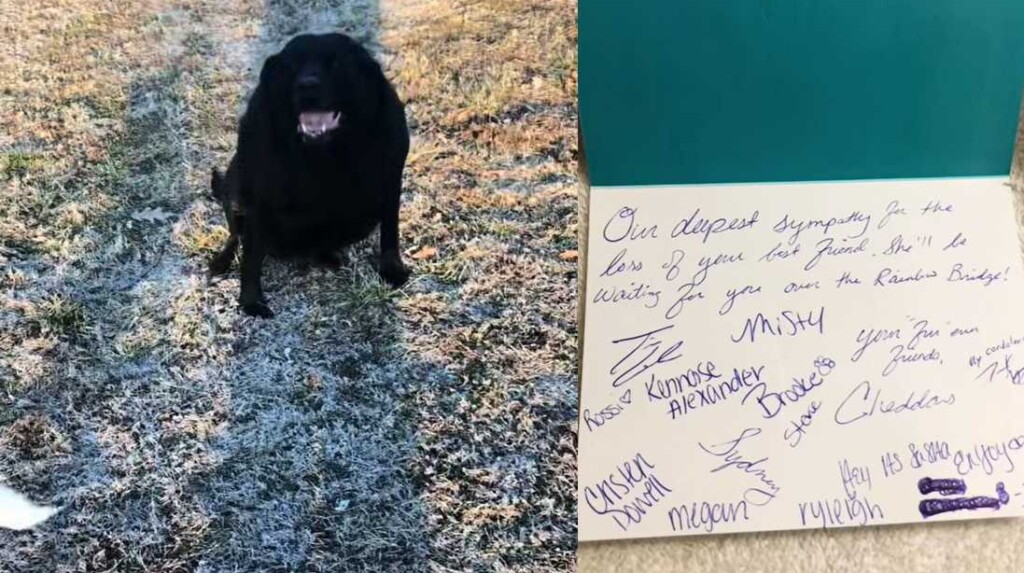
A TikToker recently went viral after sharing astory of the unforgettable treatment showed to him by a local steakhouse when his heart was breaking.
Multi-instrumentalist and singer who goes by the username CousinHomer called the Cheddar’s Scratch Kitchen location in Saint Joseph, Missouri with a special request: the biggest, most perfectly cooked steak the kitchen could muster.
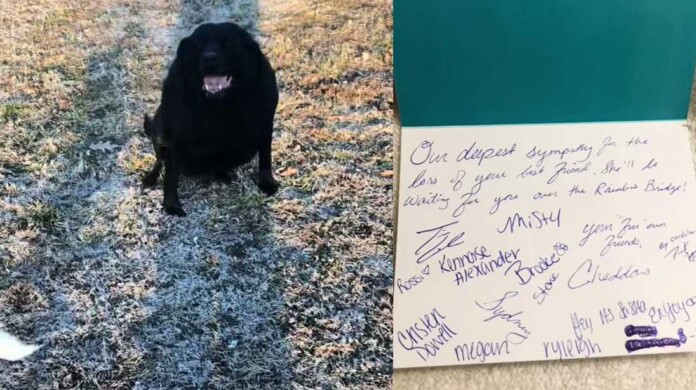
The musician was set to put his dog of 13 years down that night. The rotund black lab named Bella had been his best friend and stalwart companion, and her owner wanted to make sure her final meal was a blowout.
When Cheddar’s asked which sides CousinHomer wanted with the steak, the musician declined any, only to be told that they came free of charge so he’d be wasting money in one sense.
He said that he didn’t know if Bella would eat any of the sides for her last meal apart from maybe the french fries.
When the musician arrived to pick up the food, the manager emerged with the staff that were on hand, presented the bag of food, and offered the condolences of the entire restaurant—comping the meal in the process.
Cousin, as the restaurant referred to him in the comment section of the TikTok video was blown away, and in telling the story managed to amass 3 million views on the video, with tens of thousands of people tagging Cheddar’s restaurant in the comments applauding their compassion.
When Cousin opened the to-go container, he found a letter of condolence, signed presumably by everyone in the restaurant that day.
Cheddar’s client relations team were overwhelmed by the response, and sent a branded fleece throw in the mail, wishing that comfort would “wrap around you like a warm Honey Butter Croissant.”
Cousin shared that in another video that also went viral.
MORE CORPORATE COMPASSION: Burger King Workers Show up at Beloved Regular’s Funeral with Chair Engraved in His Honor
GNN recently reported on a very similar story from Pennsylvania, when in May a man was forced to put down his dog and received almost identical treatment from his local Texas Roadhouse after he discovered his great Dane Iris had cancer.
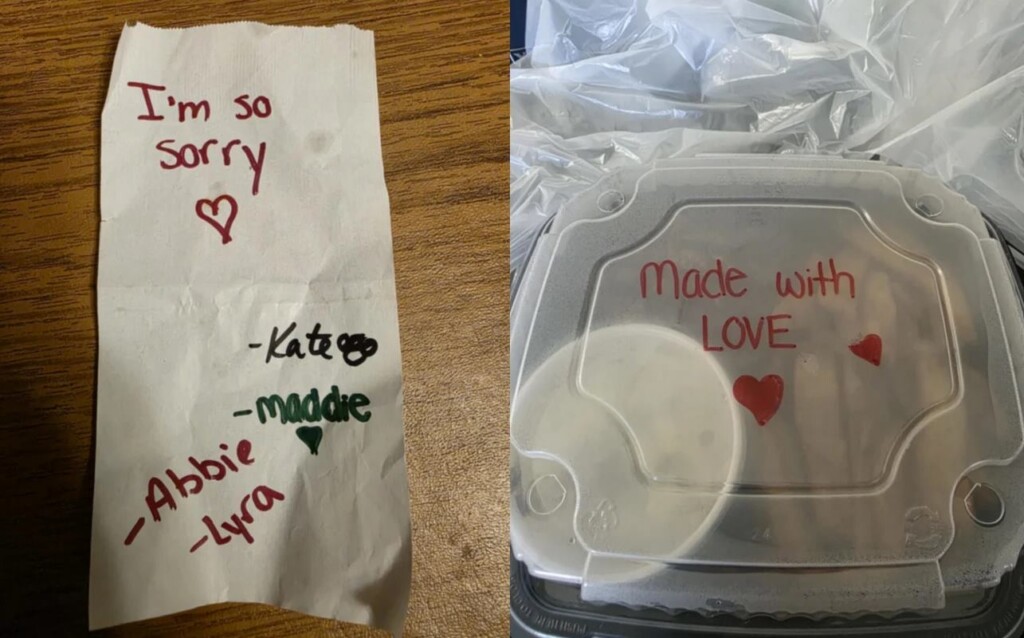
Kate Weston, the kitchen manager for Ephrata Texas Roadhouse, told TODAY.com at the time “I was like, ‘Oh my god, we need to make sure that this is the best meal we’ve ever made.’”
The receipt was signed by the whole to-go staff, and the bill was on the house. Iris’ owner Hunter Metzger admitted he and his family were “blown away” by the gesture.
SHARE This Beautiful Stories Of Corporate Compassion With Your Friends…
Elusive Sailback Shark Rediscovered After 50 Years

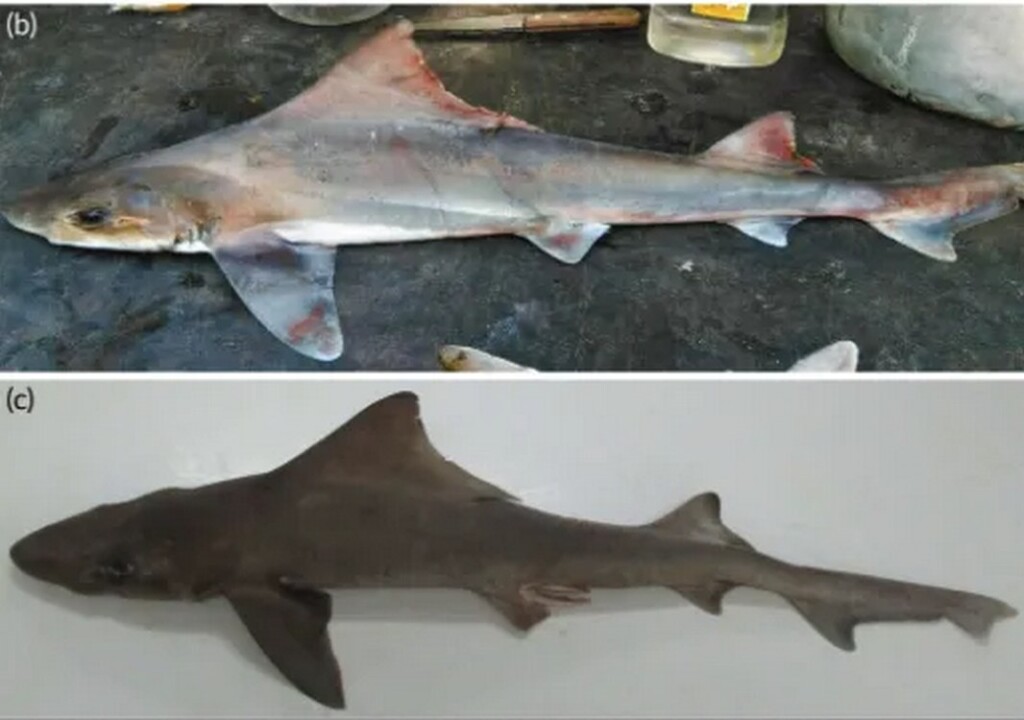
Every so often the animal kingdom just throws out a curveball that we’re not prepared for—like in 1970 when fishermen reeled in a freakish-looking shark and then it was never seen again.
Well 50 years later, that shark—so unique that it was declared a new genus—has finally been found again, confirming that the fishermen’s encounter wasn’t just a well-remembered dream.
Meet the sailback houndshark, believed to be endemic to the water’s of Papua New Guinea, and perhaps even to a single stretch of ocean called Astrolabe Bay. A group of fisherfolk reported that 5 of the sharks had been caught while a team of scientists were on the island conducting research for the country’s National Plan of Action on Sharks and Rays.
They had been caught incidentally at the mouth of a river that drains into the Astrolabe Bay, but had been sold as secondary catch since the meat is not prized by locals. Two years later, another was caught that turned out to be the first male sailfin houndshark ever seen.
A male and a female of the species were recently featured in a paper published in the Journal of Fish Biology. A curious predator, they have a large head but small mouth, and true to their name sport an elongated fin reminiscent of a sail on a yacht. Luckily for the shark, it is considered inferior on the market for Asian shark fin.
“Much remains unknown about its biology, ecology and population dynamics,” study corresponding author Jack Sagumai from the WWF Pacific division told the Australian Broadcasting Corporation. “Support is still needed to better understand the life history and ecology of this species.”
OCEANIC WONDERS: First-Known Sighting of a ‘Massive’ Antarctic Squid is Caught on Camera During Nat Geo Expedition
Papua New Guinea has several shark species known to inhabit nowhere else in the world’s oceans, so it’s possible the sailfin is one more of these so-called “microendemic” populations. Susceptible to even small changes in ecosystem, it’s likely the shark will require protection, but the first step to knowing how is to know the species, and the first scientific description will go a long way toward achieving that.
MORE SHARK SPECIES: 500 Baby Sharks to be Released in Unprecedented Rewilding of the Ocean
The authors write that the animal embodies “a unique evolutionary lineage of triakid sharks” (or houndsharks, containing about 40 species across nine genera) and that uniqueness could make it an important marine biodiversity “icon” for Papua New Guinea.
“Monitoring and management options are currently being initiated as a precautionary approach to conserve this unique and rare species of shark,” the authors conclude.
We Know About It: Now We Can Protect It: Spread The Word On Social Media…
“I have never met a man so ignorant that I couldn’t learn something from him.” – Galileo

Quote of the Day: “I have never met a man so ignorant that I couldn’t learn something from him.” – Galileo
Photo by: Zainab Gul
With a new inspirational quote every day, atop the perfect photo—collected and archived on our Quote of the Day page—why not bookmark GNN.org for a daily uplift?

Good News in History, September 8

59 years ago, the first episode of Star Trek, featuring “Space: the final frontier” and the USS Enterprise, began its three-year mission of exploration on TV screens across America. The science-fiction television show created by Gene Roddenberry was set in the 23rd century and starred William Shatner and Leonard Nimoy. The NBC show has since spawned multiple TV series, as well as comics, toys, and a movie empire. READ more about the show’s impact… (1966)
Descendants of Heroic WWII Flight Crew Surprised with Reunion After 80 Years
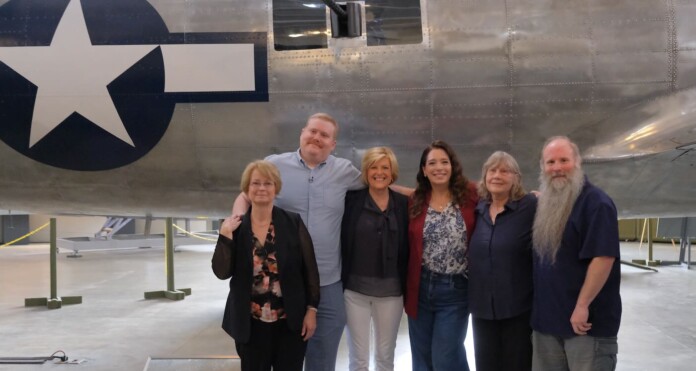
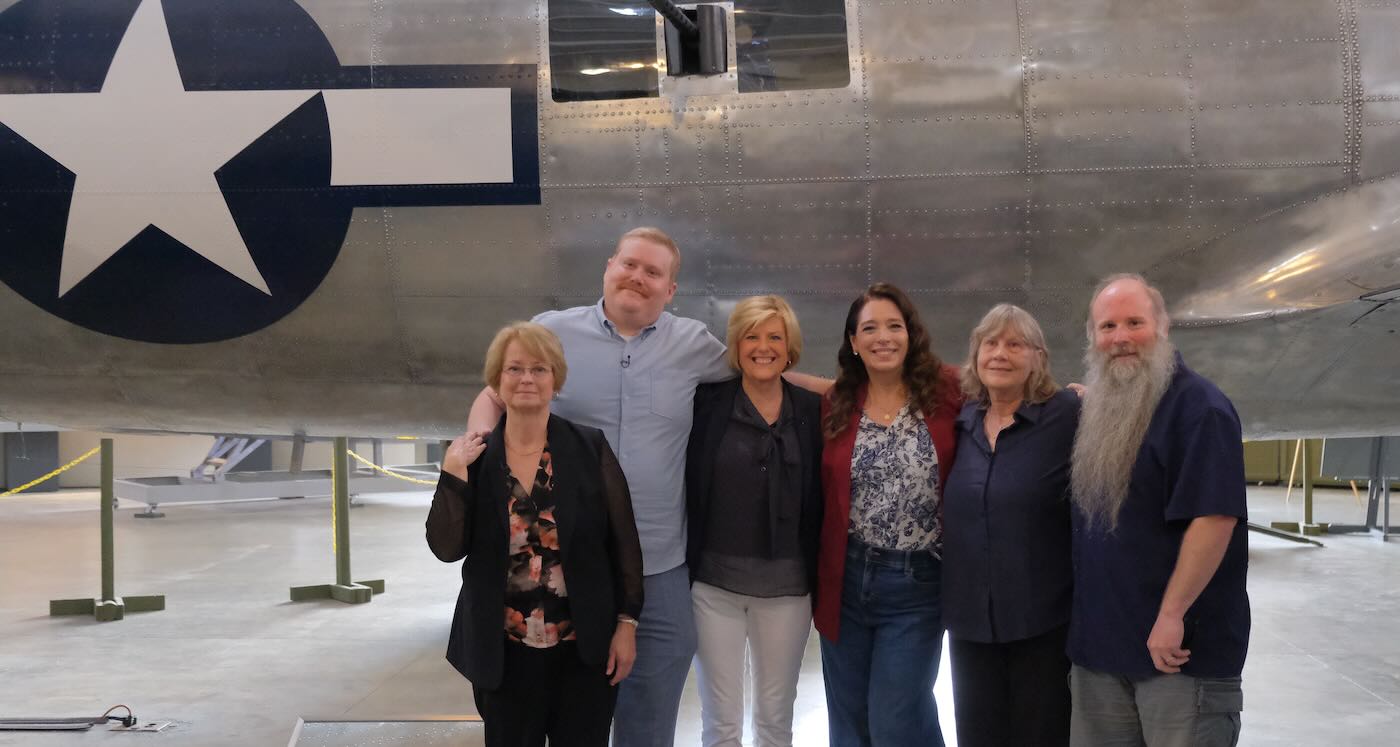
To commemorate the 80th anniversary of the end of WW II on September 2, Ancestry.com used its historical records and online family trees to uncover the remarkable story of a heroic B-17 crew.
Their modern-day descendants came together for the first time—like one final mission 80 years in the making.
“80% of Americans say they know very little about their personal connections to WWII,” said Ancestry Story Producer, Lisa Elzey. “I wanted to know more about my grandfather’s service, so I dove into the records to see what I might discover.”
Lisa came across an article that said her grandfather, Harold E. Lounsbury, Jr., was the ball turret gunner on a B-17 bomber that shot down three Nazi planes and was awarded the Distinguished Flying Cross.
She continued to dive into historical documents and discovered a photo of her grandfather with his fellow airmen alongside the story of a death-defying flight.
“I was so inspired by this incredible story of brotherhood these men must have experienced, that I wanted to connect with the descendants of these WWII veterans to see if they knew any more details of their ancestors’ heroism and bravery,” Lisa said.
An Emotional Reunion, Generations in the Making
Lisa then invited the descendants she uncovered to the National Museum of the Mighty Eighth Air Force to learn more about their family’s WWII stories. What they didn’t know was that they were also about to meet the other descendants of the B-17 crew for the very first time—and the TODAY Show filmed the reunion. (See the video at the bottom…)
After sharing heartwarming testimonies about why it’s important to preserve their family’s WWII legacy, Maribeth and Adam Taylor, Lesley Nall Oliverio, and Kris Olson were surprised when TODAY’s Anne Thompson revealed their connection to one another and to Lisa.
“In a tumultuous time these young men risked their lives. It’s meaningful to have us all here together—80 years later, as their living legacy.”
“I didn’t think I had anybody out there that knew anything about my father’s friends on the plane,” exclaimed Lesley. “I feel like I gained a new family.”
Adam echoed the sentiment, saying, “Your relatives are all people he loved…this means the world. This binds us together as humans. You guys are my family.”
The 20th century crew flew over 30 missions together, including one flight that earned them the Distinguished Flying Cross medal.
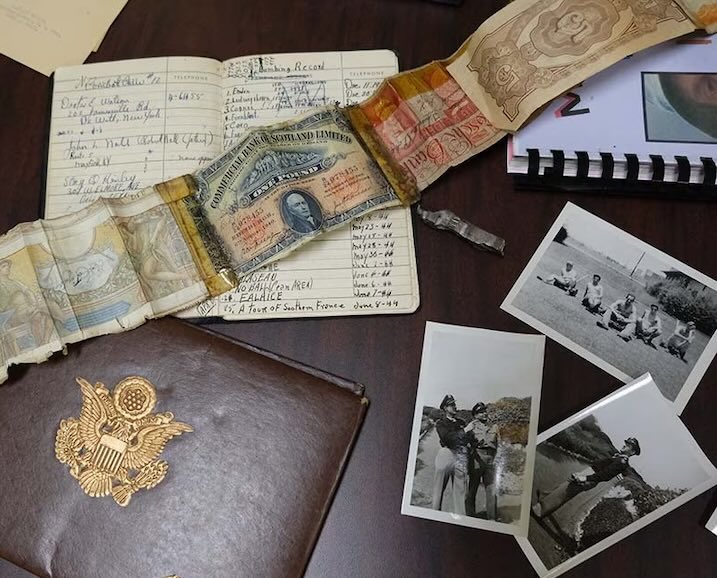
Their plane, the “Yankee Rebel,” was riddled with holes from enemy fire. The pilot was seriously injured and, even without landing gear, the flying fortress was brilliantly landed back in England safely by Lesley’s father, the co-pilot.
Adam even shared a piece of shrapnel from the plane, and read excerpts from his grandfather’s wartime journal, outlining a first-hand account of the mission.
“As survivors of WWII vets, learning about the rest of the crew and meeting their descendants was amazing—start to finish.
“This is one of the best days of my life,” said Kris.
HEARTWARMING WWII STORIES:
• Dog Tag of Fallen WW II Soldier is Returned to Family 80 Years After His Death
• Woman Discovers Exact Replica of Grandfather’s WWII Plane and Recreates 1942 Photo Before Getting a Special Ride
Ancestry is inviting everyone to learn more about their own family’s connection to WWII for free at Ancestry.com/WWII. The public can use the ‘Memories’ tool to attach their own wartime stories to their family tree, so generations to come can read them.
HONOR OUR WWII HEROES By Sharing This on Social Media…