













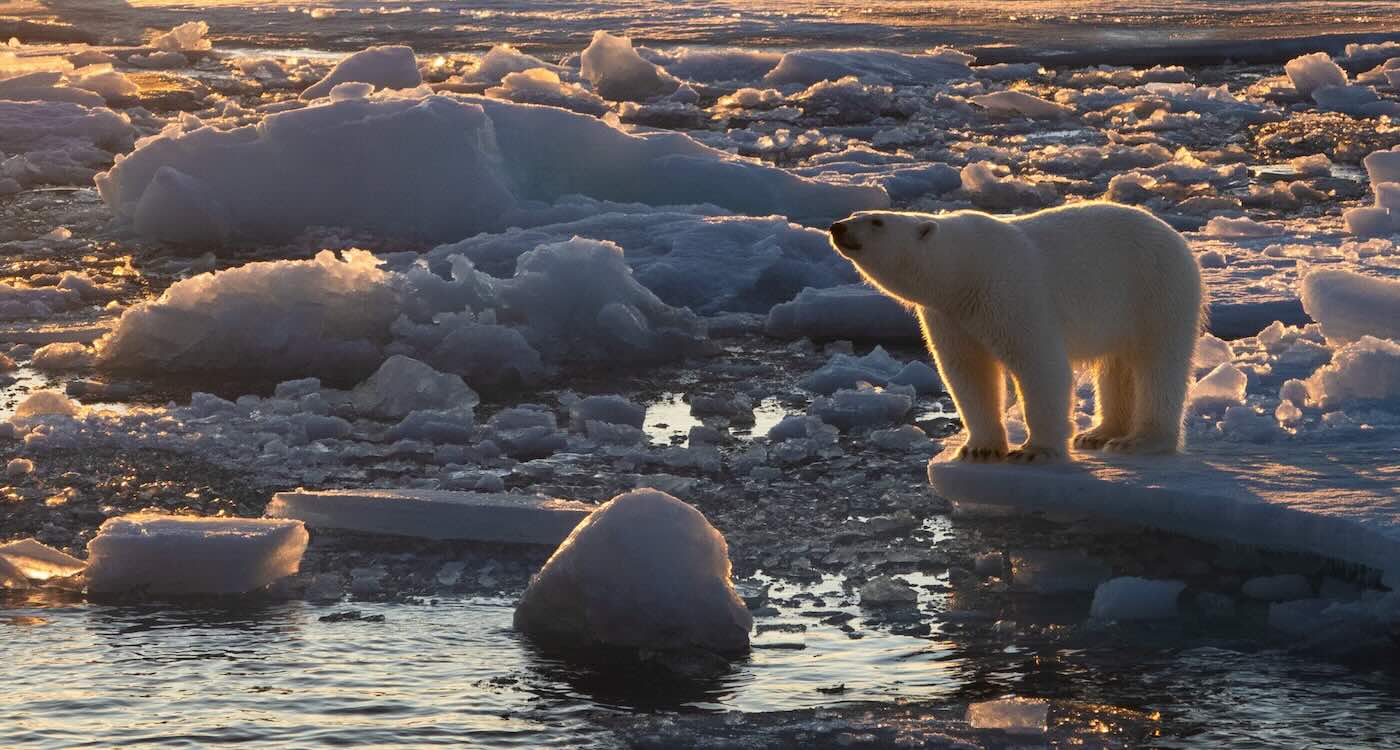
Polar bears are in better physical health than they were 25 years ago, despite the decrease in sea ice, reveals new research.
The well-being of the iconic white mammals living around the Norwegian island of Svalbard has improved in the face of climate change, likely due to better opportunities to hunt.
The scientists were ‘surprised’ that the bears’ fat reserves have increased since the year 2000, even while sea ice levels decreased.
The findings, published in the journal Scientific Reports, are in contrast to previous observations of polar bear population declining across the Arctic.
Previous research shows temperature increases in the Barents Sea around Svalbard of up to two degrees Celsius per decade since 1980.
The Barents Sea polar bear population numbered around 2,650 individuals in a 2004 census—and the population appears not to have shrunk in size, although the reasons for that have been unclear.
So, Dr. Jon Aars, senior scientist at the Norwegian Polar Institute, investigated with his colleagues the potential reasons for the stability of the Svalbard populations.
The team used data from 1,188 body measurement records of 770 adult polar bears taken on Svalbard between 1992 and 2019.
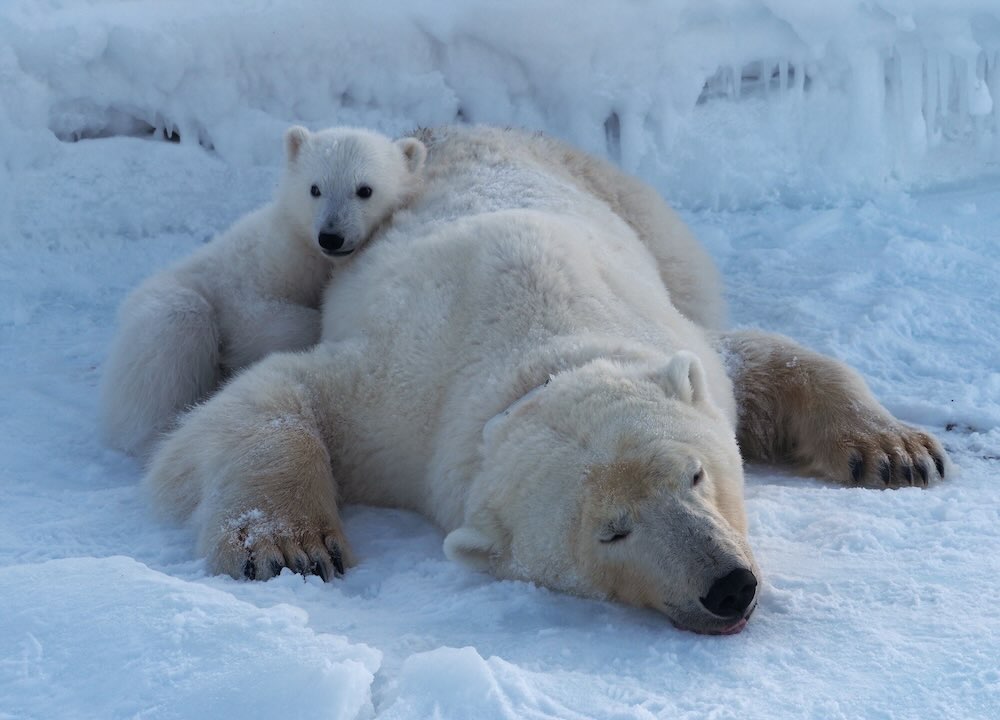
They compared changes in the bears’ body composition index (BCI), an indicator of fat reserves and body condition determined by tape measurement, to the number of ice-free days in the region across the 27-year period.
LOOK: Polar Bear Adopts a Cub That Isn’t her Own – Extraordinary Behavior Caught on Camera
The research team found that although the number of ice-free days increased by around 100 over the study period—at a rate of about four days per year—the mean BCI of the adult polar bears sampled actually increased after the year 2000.
“This indicates that fat reserves increased as sea ice levels decreased,” said Dr. Aars.
The researchers suggest that improvements in the body conditions of Svalbard polar bears could be attributed to the recovery of populations of land-based prey sources—such as reindeer and walrus—that were previously over-exploited by humans.
They also believe that sea ice loss may have lead to a food source, like ringed seals, concentrating on smaller areas of sea ice, which may increase the efficiency of polar bear hunting.
MORE GOOD NEWS FOR POLAR BEARS:
• Norway Rewilds Arctic Coal Mining Town in Largest Operation of its Kind, Gives New Hunting Ground for Polar Bears
• Orphaned Polar Bear That Loved to Hug Arctic Workers Gets New Life
• ‘Life Finds a Way’: Polar Bears Successfully Adapt Even Without As Much Sea Ice
But Aars speculated that this trend may be shaky.
“Further reductions in sea ice may negatively affect the Svalbard populations by increasing the distances they need to travel to access hunting grounds.”
“More research is needed to understand how different polar bear populations are adapting to a warming Arctic in the future.”
SHARE SOME GOOD NEWS With Polar Bear Lovers On Social Media…