














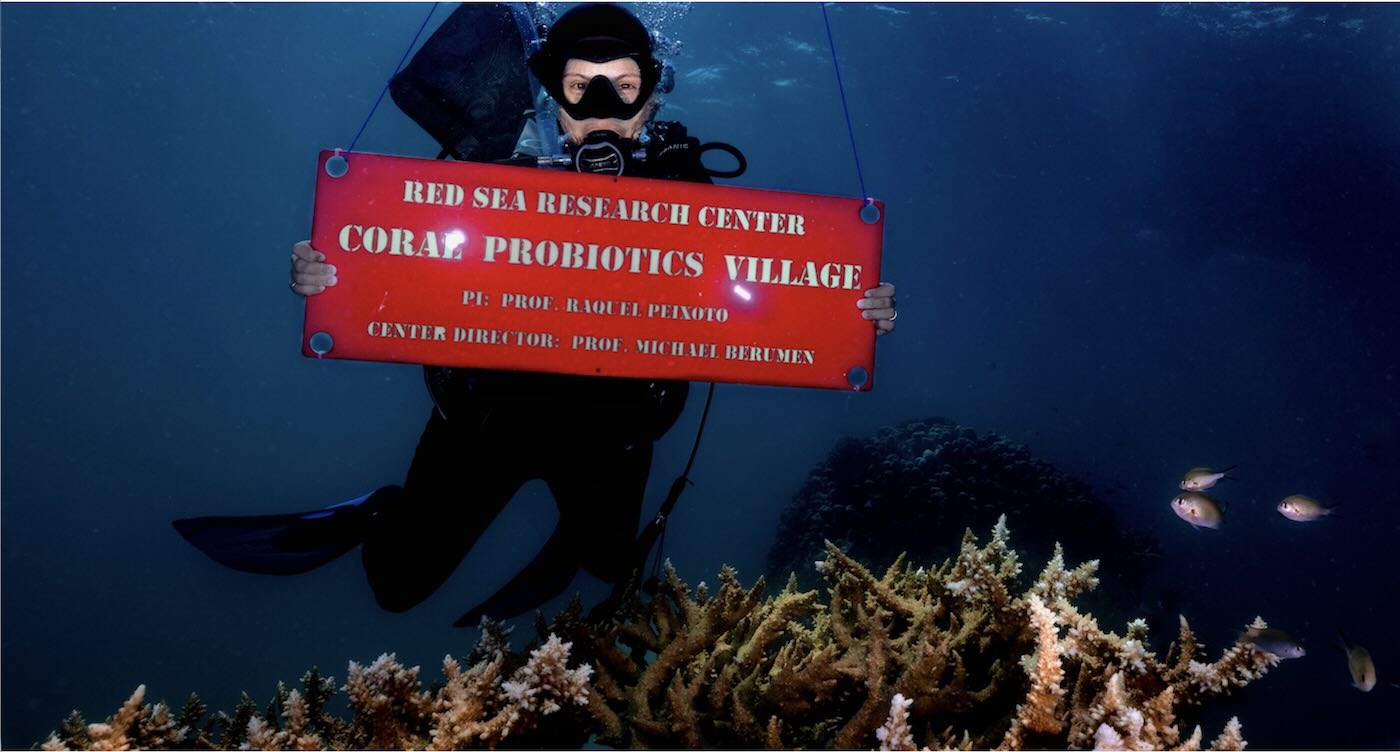
Coral dying from heat stress has been revived after scientists successfully applied probiotic and post-biotic treatments in open seas for the the first time.
Although probiotics have previously been shown to rehabilitate corals in South Florida and in aquarium environments, the research team explored whether this and other microbial therapy would work in the Red Sea.
The study was a success. It established that both live probiotic and inactivated post-biotic treatments improve coral health—even while it’s under thermal stress during a natural marine heatwave.
“We urgently need to understand both the natural mechanisms that allow some corals to tolerate heat and how we can safely enhance those mechanisms,” said co-lead author Dr. Erika Santoro.
She explained that corals host several beneficial bacteria, including types that help them adapt to their environment.
The aim of microbial therapy is to restore not just the corals themselves but also the microbiomes they sustain.
Probiotics are groups of living microbes obtained from healthy corals that may be applied to stressed corals.
Post-biotics, on the other hand, are inactivated probiotics and/or their bioactive components—and a major goal of this study, published in the journal Cell Reports, was to see whether post-biotics could also boost coral health.
“The possibility of using post-biotics is particularly exciting… potentially offer practical advantages, such as longer shelf life, easier storage and transportation, and reduced production costs,” explained Dr. Santoro, a postdoctoral fellow at KAUST University in Saudi Arabia.
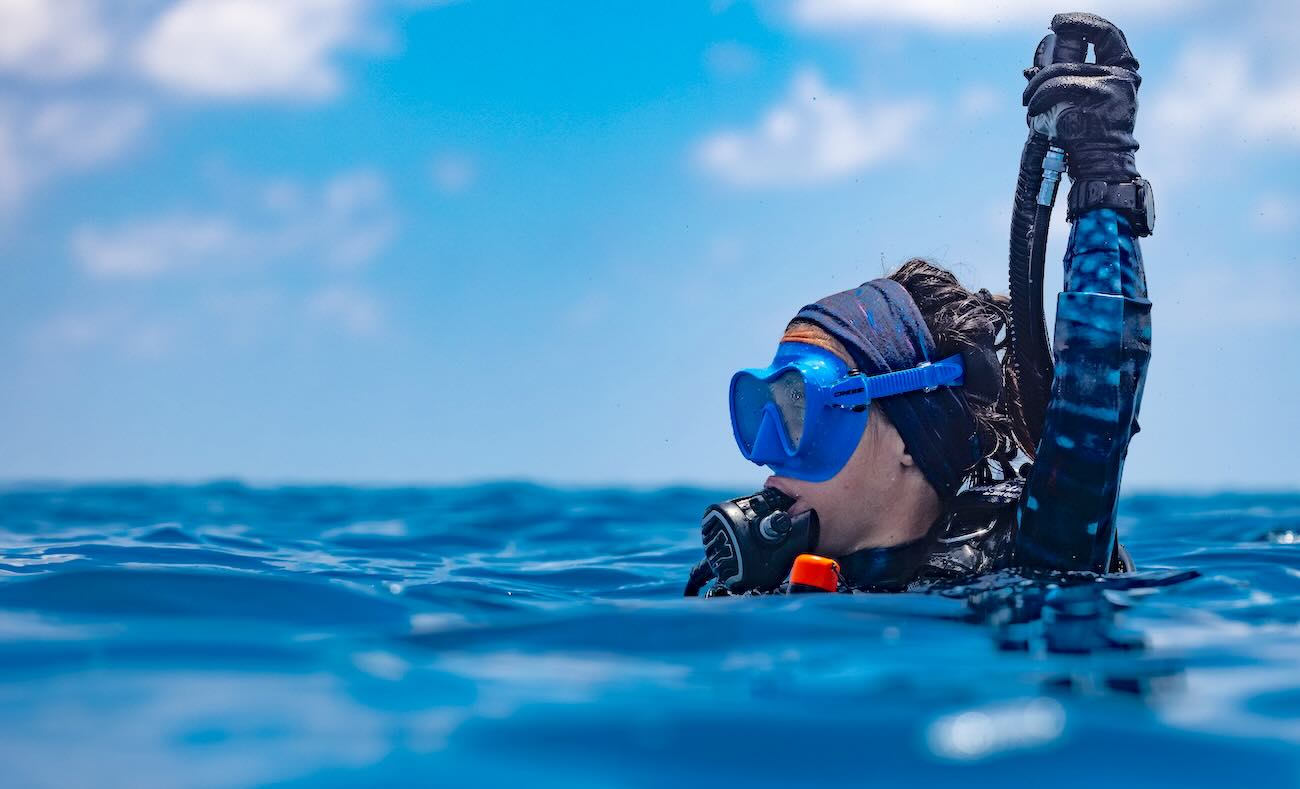
The team treated Valid Acropora coral in the central Red Sea during a heatwave in 2022 when daily average seawater temperatures ranged from 87.6°F to 89.5°F (30.9°C to 31.9°C).
Throughout the 15-day field experiment, the researchers isolated beneficial bacterial strains from Red Sea corals to concoct two probiotic treatments and their post-biotic counterparts.
They then measured coral health by evaluating the animals’ colors – white or “bleached” hues indicate poor health – and the photosynthetic efficiency of the algae that live inside them.
After 15 days of treatment, one of the probiotic and one of the post-biotic formulas had “significantly improved” coral health.
“When an innovative idea like this actually works—particularly under field conditions—we are positively surprised,” said Santoro.
“The most exciting takeaway is that this study opens a new avenue for coral microbial therapies.”
MORE GOOD CORAL NEWS:
• Coral Reef Long Presumed Dead Is Rediscovered ‘Teeming with Life’ Off Coast of Africa
• Scientists Have Found Climate-Resistant Coral Reefs Around the World Totaling the Size of Wisconsin
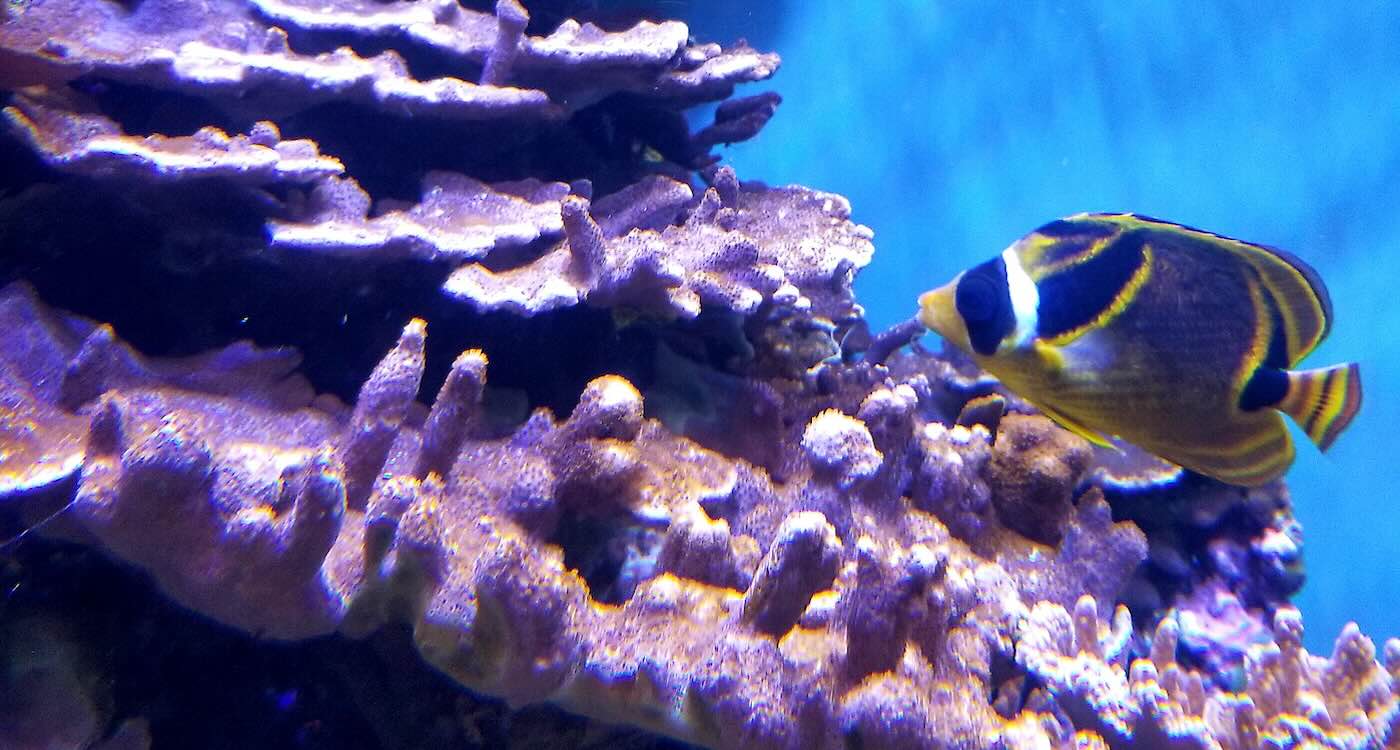
The research team also ran genetic and metabolic tests on the treated corals, which revealed that the probiotic and post-biotic therapies had restructured their microbial and metabolic profiles in different ways.
Specifically, post-biotic-treated corals showed an increase in strains of Cobetia, a type of bacteria that helps corals tolerate heat stress.
And, that’s the overall goal for coral researchers no matter where in the world they’re working.
SPREAD THE GOOD NEWS to Divers and Ocean Lovers On Social Media…