















A new ‘fridge free’ production method for vaccines could create far more reliable immunizations for low and middle income countries, as well as cut back on waste.
Currently, it’s estimated that a large percentage of all vaccine doses are thrown out because the “cold chain,” a strict process of temperature controlled storage from the moment of production to the end-use case, is interrupted.
It’s a drawback to the medicines in high income countries, but in the Global South, where temperatures are often much higher year-round and where immunization can be the difference between life and death for millions, it’s an even bigger challenge due to modest rural medical infrastructure, and reduced refrigeration and power availability.
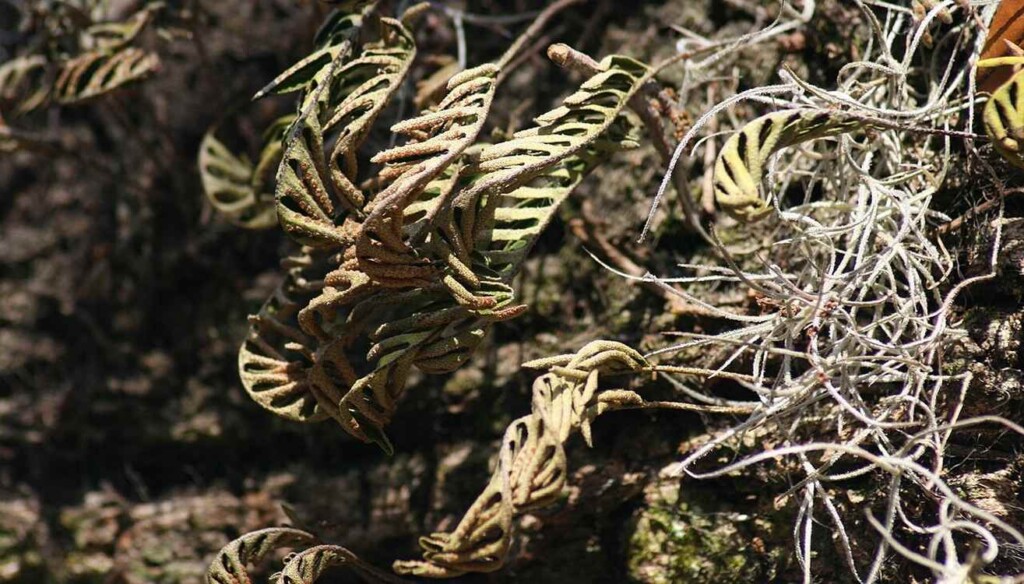
Seeking a better solution for vaccine transportation and storage, the UK’s National Institute for Health and Care Research (NIHR) is testing a powder-based vaccine product inspired by “resurrection plants,” which can appear lifeless for months before springing back to life when it rains.
The powder was shown in tests to remain stable and viable for a year, before the addition of water allowed it to be injected long after most other vaccines would have had to be thrown away. Additionally, it not only remained viable in room temperature, but after temperature cycling of -4°F to 104°, such as might be experienced by the shift from an aircraft cargo bay to the back of a truck on a rural African road.
The technology came from the resurrection plants’ own adaptations to their dry climates in Africa and South America. One is the production of a sugar called trehalose, which stabilizes the plant’s cells during drought.
The NIHR used nothing less than this very sugar to stabilize a previously-liquid tetanus-diphtheria vaccine in powder form.
Administered to 60 people as part of a trial run by the fridge-free vaccine’s co-developers Stablepharma, it was found to be safe and well-tolerated, while also producing comparable immune responses to currently utilized temperature controlled vaccines.
MORE STORIES LIKE THIS: New Tech Revives ‘Unusable’ Organs–10 Successful Transplants Used Kidneys That Are Normally Discarded
“This obviously has potential to remove cold chain dependence, reduce wastage and improve access,” said Professor Saul Faust, the director of the NIHR Clinical Research Facility in Southampton.
KEY INNOVATIONS: Innovative Tapeless Zipper Saves Tons of Fabric While Creating a Better Fit on Your Clothes
A larger trial of 160 people is scheduled to begin in the coming months. The vaccine in question is already approved for human use, so only a few steps remain towards a potential commercialization.
BBC reports that novel mRNA vaccines would not be candidates for this trehalose powder storage form, but that more traditionally-formulated vaccines would, as well as some medicines—such as monoclonal antibodies—which need to be kept in a fridge.
SHARE This Clever Innovation In Vaccine Development With Your Friends…