












A tree known for its medicinal properties for thousands of years may also be able to help humanity tackle the problem of microplastic pollution.
The Moringa tree is sometimes called “the Miracle Tree,” but while healing and good eating may have earned this tree its reputation in antiquity, one study recently found it was able to filter microplastics from water as effective as heavy metal alternatives.
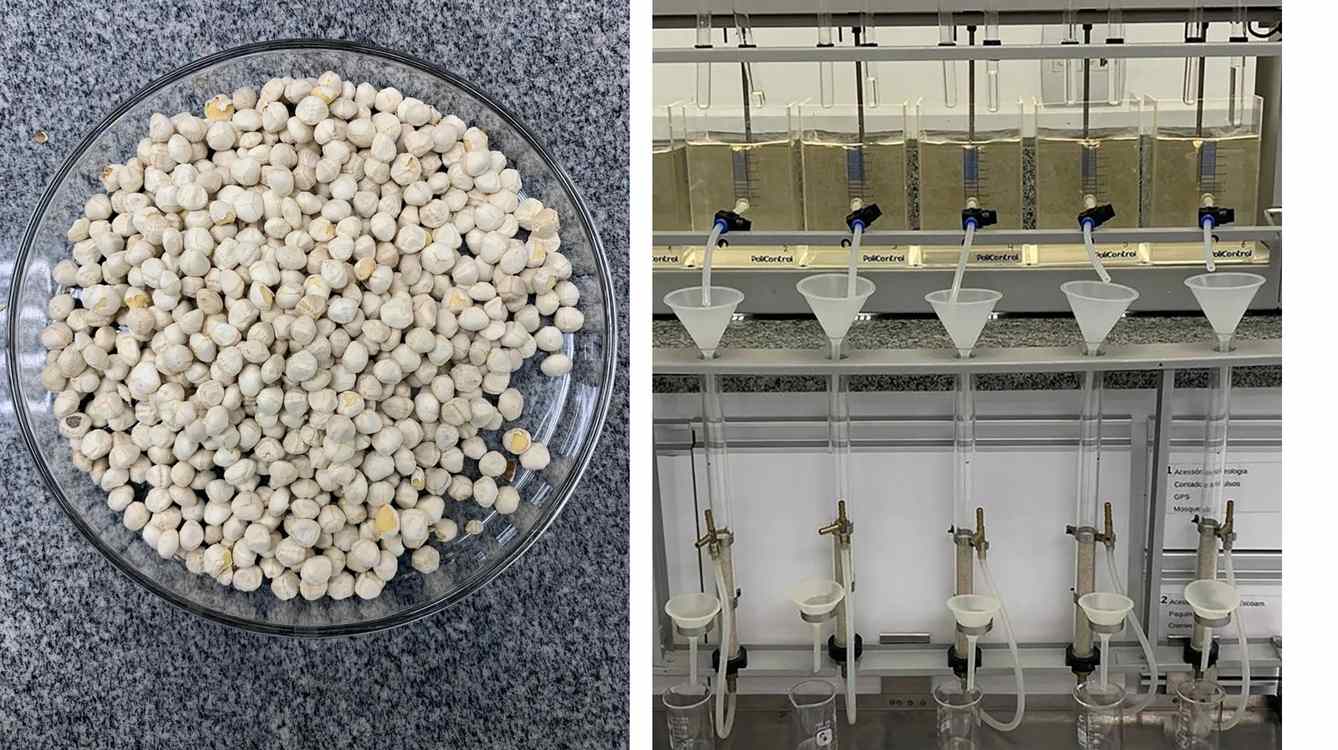
When used in a machine that mimics how municipal water treatment works, the moringa seeds filtered 98.5% of microplastic particles from PVC, one of the most pernicious of all microplastics.
Microplastics are now an enormous challenge worldwide. Ranging in size from visible fragments to particles one-25,000th the width of a human hair, they’ve been found all over the Earth, swirling around in the jet stream, and at the deepest ocean reaches. They’ve also been detected in every human organ that has been examined, from the brain to the placenta, and the average person through drinking water and city air alone may be consuming up to 10 credit cards worth of plastic every year.
While we don’t know definitively what the health burden of this is in terms of mortality, we know that plastic work as endocrine disrupters, blocking or confusing hormone signaling and reception.
Solutions are needed as the problem is only likely to increase as more and more plastic is produced and consumed. Dr. Adriano Gonçalves dos Reis, a professor at the Institute of Science and Technology of São Paulo State University, has been studying this tree for years, and believes its seeds may help humans combat microplastic pollution.
Specifically, they tested the seeds’ potential as a coagulant that can bind together disparate particles in water which can then be removed.
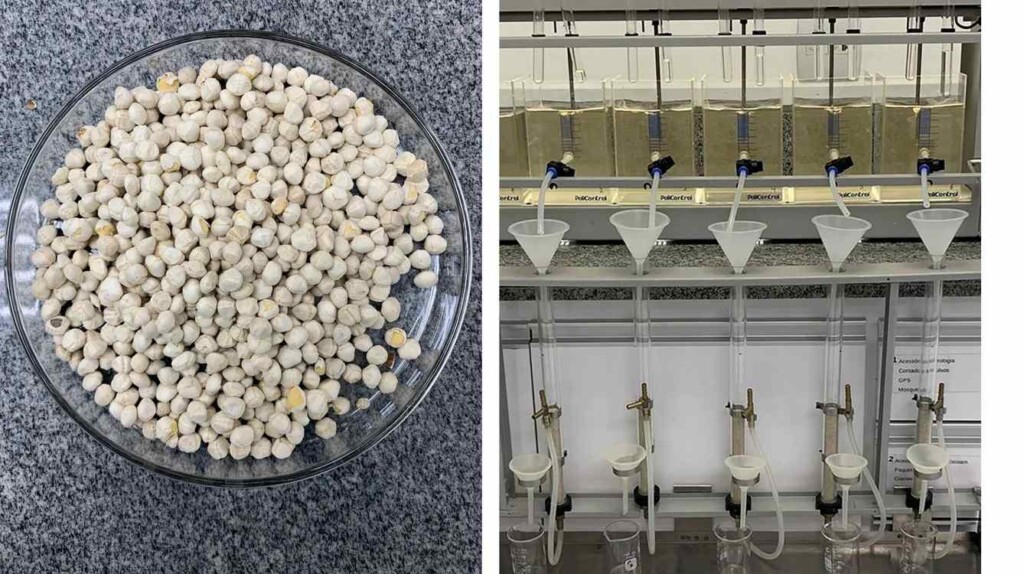
Having first degraded PVC plastic to the point where the particles spanned just a quarter of the thickness of human hair. They then ran the water containing them through a coagulation–flocculation–filtration circuit, used in modern-day direct filtration systems for water production plants.
MORE MICROPLASTIC SOLUTIONS: Scientists Discover Lab Gloves Are Skewing Microplastics Data – Perhaps By A Lot
The tree was 98.5% effective at removing the microplastics, comparable with the current synthetic standard: aluminum sulfate, also known as alum. Aluminum is a toxic heavy metal like arsenic or lead, and is linked with neurological disorders.
Moringa seeds performed even better than alum in more alkaline water. One moringa seed can treat 10 liters of water, which would mean however that a considerable amount of seeds would be needed to treat water in an urban setting. The process would also create a large amount of organic waste.
SUPERCROPS: Genetic Mutation Could Pave the Way for Self-Fertilizing Cereal Crops and a Revolution in Agriculture
Alternatively, alum itself produces a toxic sludge that has to be removed, and mining aluminum is an environmentally-costly endeavor.
Dr. Gonçalves dos Reis believes that the moringa method would be most effective in smaller communities where access to alum may be difficult or expensive. Moringa is cultivated for food, medicine, and honey production all over the tropics, and rural communities already harvesting the seed pods could simply leverage their crop for filtration as well.
SHARE The Story Of This Miracle Tree’s Latest Trick With Your Friends…