













South Korean engineers have developed a soft, shirt-like exoskeleton to give individuals with degenerative muscle conditions more mobility and independence.
Costing thousands less than hard, motor-driven exoskeletons, and weighing less than 2 pounds, it’s a game-changing innovation in the field of robotics.
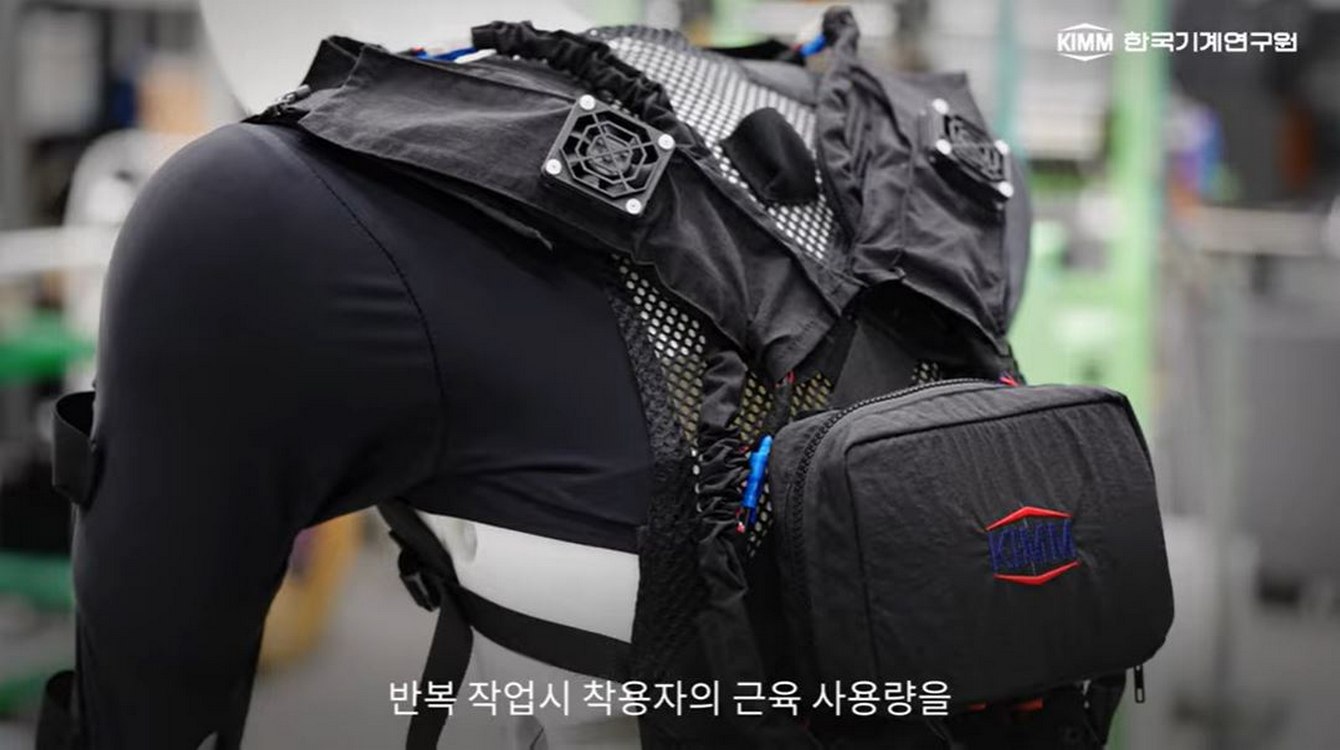
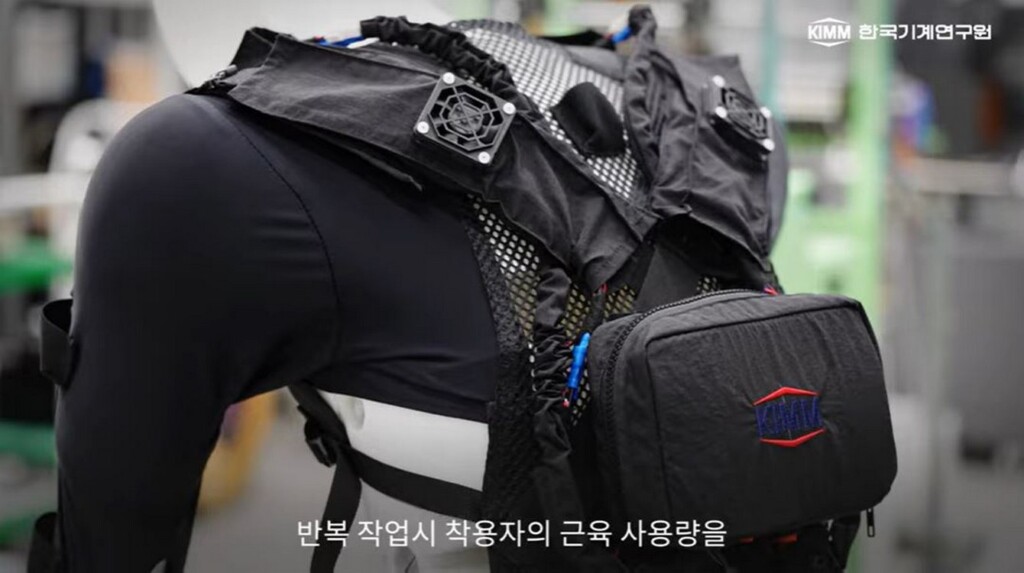
Built by the Korea Institute of Machinery and Materials, it consists of a shirt that can be taken on and off just like one made of cotton, paired with a modest nylon harness to hold the electrical components.
One can think of it like a set of wearable muscles.
The fabric is woven using threads less than half the diameter of a human hair, but made of shape memory alloy. The contraction of the alloy to the shape it “remembers” mirrors the lifting an arm via the shoulder joint, and tests show it can take between 40% to 57% of the strain off the wearer’s musculature.
Myung Ha-yul is a 15-year-old student with Duchenne muscular dystrophy, a diagnosis he received in elementary school. Myung requires a caregiver to help with everyday activities, and doctors had previously warned him and his parents that even the combing of hair and brushing of teeth may become impossible as he ages.
Myung was part of a series of trials run by Seoul National University Hospital, and had great things to say about the exoskeleton shirt.
“It felt amazing because it was light and easy to wear, just like clothing,” he told South Korea’s JoongAng Daily. “I could lift my arms with much less effort.”
On its own power, the shirt’s fabric can lift up to 34 pounds, and with the help of a human arm, can restore the capacity for a lot of basic movement and activities.
SOUTH KOREAN INNOVATION:
- Samsung’s 600-Mile-Range Batteries That Charge in 9 Minutes Ready for Production/Sale Next Year
- Bee Stingers Inspire Superior and Comfortable Continuous Drug Delivery
- 3D-Printing ‘Glue Gun’ Can Repair Bone Fractures During Surgery Filling-in the Gaps Around Jagged Edges
“The biggest achievement is that patients can put it on and take it off like clothing, while receiving active muscle support that leads to real functional improvement,” said Lee Woo-hyung, a professor of rehabilitation medicine at the hospital.
The development was funded by the Child Cancer and Rare Disease Project, launched in May 2021 with a 300 billion won ($204 million) donation from the family of the late Samsung chairman Lee Kun-hee, JoongAng Daily reported through a translation.
SHARE This Impressive Feat Of Robotics Development With Your Friends…