












Scientists at Santa Clara University are sparing no effort to save a one-of-a-kind wildflower as unique as their county.
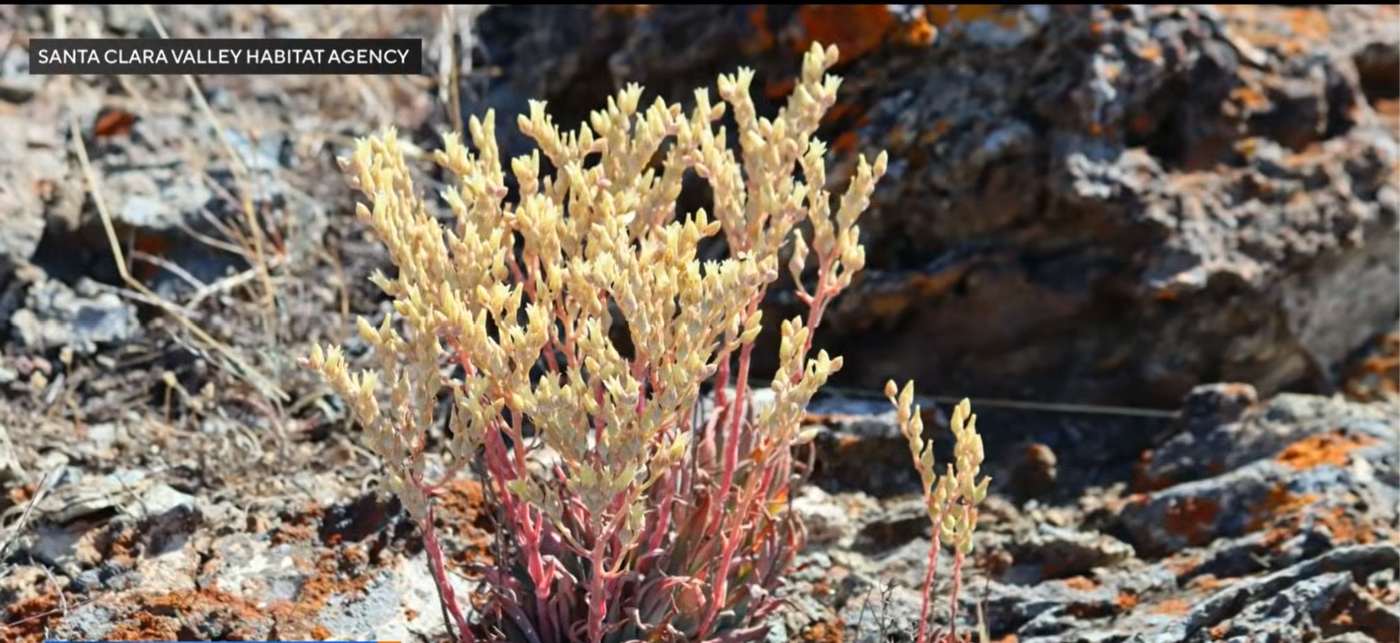
Commonly known as the Santa Clara Valley “liveforever,” this flowering succulent is a vital food source for pollinators, but also one of the most poached wild plants in the state.
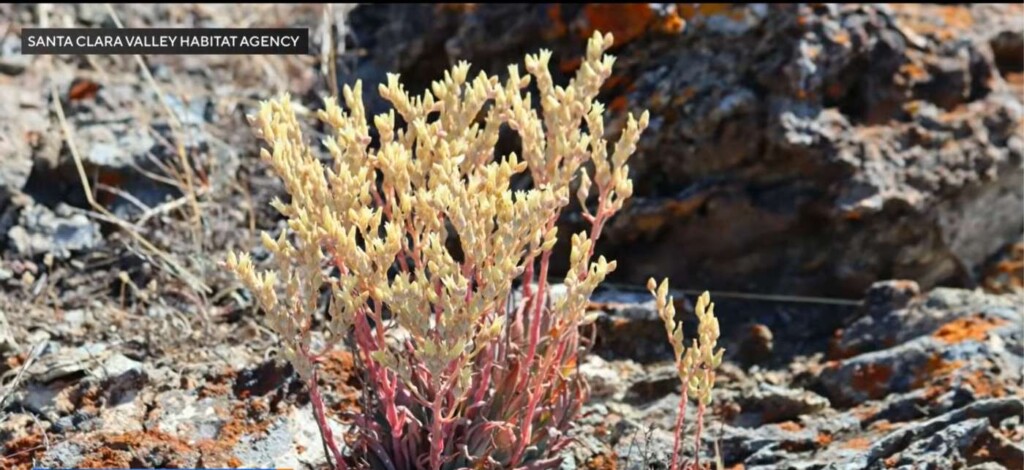
Not far from Silicon Valley, the Santa Clara Valley dudleya (Dudleya setchellii) is only found in the county’s Coyote Valley Region.
Its liveforever moniker was earned from its long, resilient lifespan during which it can seem shriveled and dead for months until it gets even a pinch of rain. It then immediately plumps back up, and burst out in pale yellow flowers.
Federally endangered, the liveforever is threatened by the aforementioned plant poachers, but also climate change and habitat loss. CBS News Bay Area spoke with scientists working to protect and procreate this special local plant, as typical of the area as the tech startups that made it famous around the world.
CALIFORNIA HORTICULTURE: Renowned Salk Institute Studies Native Plants for Drug Discoveries in Weight Loss, Allergies, Asthma, and Headaches
Dr. Justen Whittall and his students routinely attempt to collect the plant’s tinier than tiny seeds from the flowers of wild specimens. They then examine the seeds for levels of genetic diversity in the lab at Santa Clara University. Using the most diverse specimens, they have successfully bred the plant in captivity for later release into the wild.
Whittall and his team also monitor known wild-growing specimens to better understand which pollinators rely on the plant’s infrequent flowering for food. When they have a chance, they additionally urge the public not to take plants like the dudleya out of natural areas.
While he and his students research DNA and breed plants for introduction into the wild, a Santa Clara University colleague, Professor Stephen McCabe, has taken a market-based approach to protecting the liveforever.
MORE SPECIAL PLANTS: Scientists and Volunteers Take Big Step Towards Saving Rare ‘Cryptic’ Australian Orchid
He hybridized the plant into colorful varieties to sell to plant nurseries—a “flooding the market” strategy that in practice will knock down demand for wild, poached dudleya and their more humble colorations.
“The minimum is to prevent the extinction of a species and at best we might even improve its current status,” Whittall told CBS.
In other words, the university team is making sure that the liveforever, lives forever.
WATCH the story below from CBS News…