









For most people, Wake Atoll will remind them of a battle, not an island. Well now, 81 years later, another battle has been fought—and won—on Wake: against invasive rats damaging the island ecosystem.
Wake Atoll is today an unincorporated territory of the United States, and it’s experiencing a cascade of positive ecological, infrastructural, and human health and safety-related changes thanks to the successful eradication of these rats.
A scourge of the high seas as mean as Black Beard, the quick breeding, opportunistic rats have degraded island ecosystems all over the Pacific.
But a multi-agency collaboration by the nonprofit Island Conservation, the United States Department of Agriculture (USDA), and the United States Air Force Civil Engineering Squadron have successfully defeated the rats, and restored the local environment to its endemic state.
“We’re astonished—and thrilled—at the results of this work,” said Tommy Hall, Project Manager at Island Conservation. Hall, and this project, recently earned recognition from the US Undersecretary of Agriculture for its astounding success, highlighting its importance as a model for collaborative conservation.
“These benefits will strengthen the island’s ecosystem, but they’ll also help Wake’s inhabitants thrive, now that we’ve removed the threat to important infrastructure, making food and water safe from contamination.”
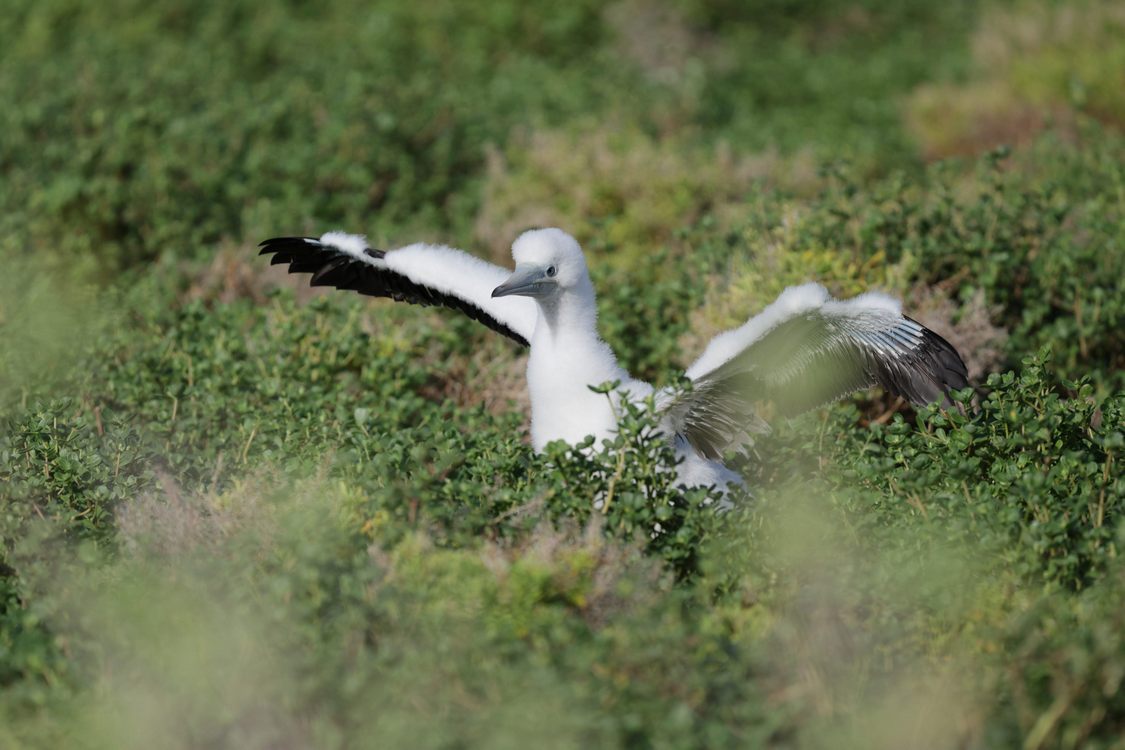
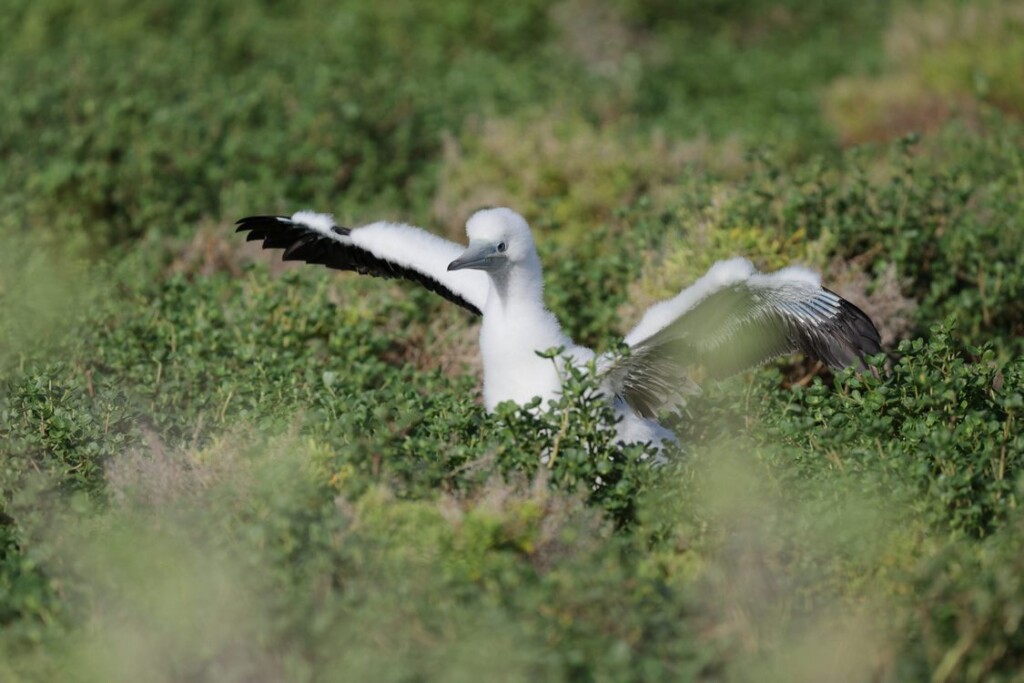
16 species of nesting native birds are reappearing and increasing in number without invasive rodents devouring their eggs and young. A newly discovered Bonin Petrel (or Nunulu in Hawaiian) colony marks the first documented nesting of this species on Wake Atoll, while the atoll’s globally significant population of Sooty Terns enjoyed a record-breaking breeding season.
Other native seabirds—including Laysan albatross, wedge-tailed and Christmas shearwater, black-footed albatross, red-footed booby, and red-tailed tropicbird—are also showing early signs of increased nesting activity and improved reproductive success.
Beyond seabirds, populations of geckos, skinks, spiders, moths, and hermit crabs have surged—all indicators of a healthy, recovering ecosystem. And the island’s vegetation is rebounding dramatically, with thousands of new native Pisonia tree seedlings emerging where none were previously seen.
Together, these responses underscore the rapid and far-reaching ecosystem improvements that can follow sustained conservation action.
MORE STORIES LIKE THIS:
- Island is Wonderland for Penguins Once Again After Dog Helps Eradicate 300,000 Invasive Rabbits
- Cloud Forest Species Thrive After Invasive Rodents Eradicated on Lord Howe Island–A World Heritage Site
“The rats consumed virtually all of the Pisonia seed—I had never seen a seedling before the rat eradication. Now there are hundreds, if not thousands, of Pisonia seedlings,” said John Gilardi, an ornithologist working with Island Conservation.
Personnel stationed on Wake Atoll are also benefiting from the island’s renewal. With the island free of invasive rats, the risk of disease transmission is significantly reduced, and critical infrastructure—including food-prep facilities, equipment storage, and living quarters—is now cleaner, safer, and more secure.
Inspired by the island’s recovery, several individuals among the military personnel there have organized beach cleanups and other conservation activities.
Island Conservation is one of the most successful conservation organizations on Earth, and GNN follows their activities closely. Their teams have successfully removed invasive species on some 70 islands worldwide, and in doing so, have permitted hundreds of native species to return to often the only places in the world they call home.
It is quite simply the greatest conservation story never told, and Wake Atoll is just the most recent chapter.
SHARE This Great News For Our Servicemembers On Wake…
Great news! Cleaning up after man’s
Mess up is good news.
Is there a project funded to rid America of rats in the White House and Congress?
Woah… I spit out my coffee! LOL.