













Last year, GNN reported on the toolkit of patience and garden rakes needed to get through the 100 million-strong crab migration season on Christmas Island.
Taiwan, itself also an island, has found that a healthy dose of compassion and basic materials can protect its own crabs during migration, running from July to September.
The mangrove land crab doesn’t emerge in the numbers of the Christmas Island crab, but nevertheless presents an ethical and ecological conundrum for citizens near Taijiang National Park.
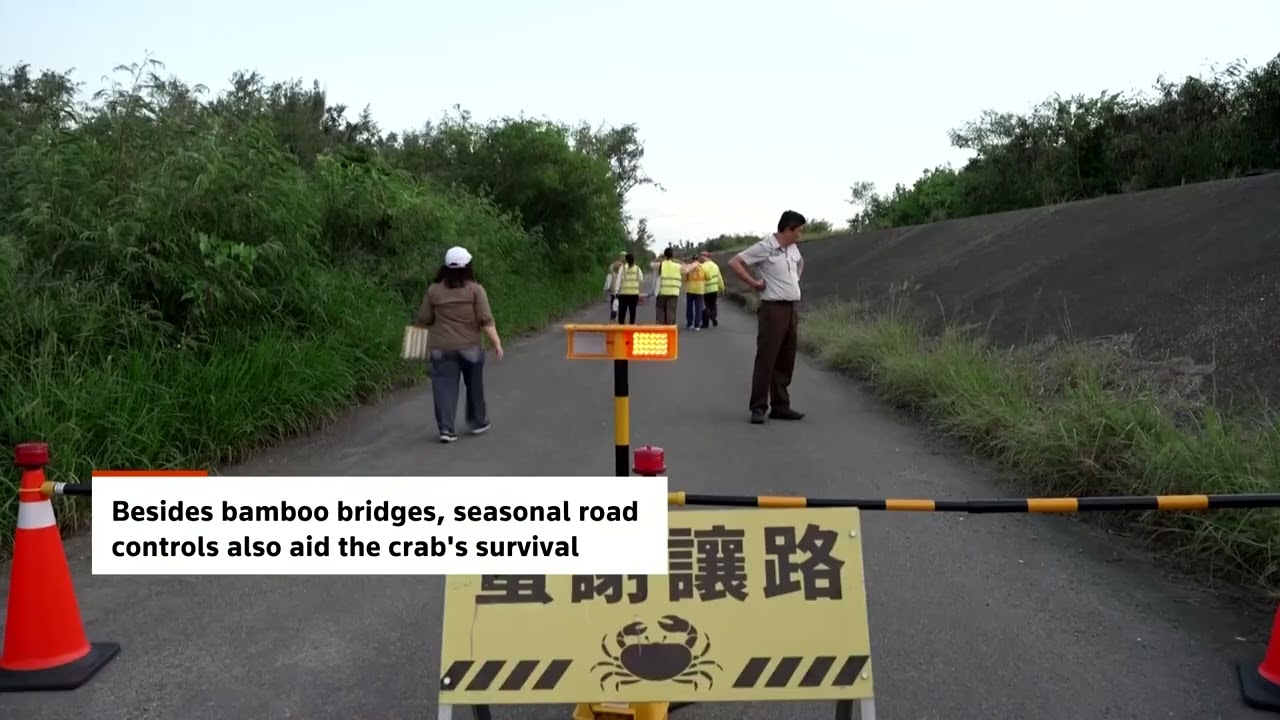
Last year, 10,000 crabs were observed making a short migration from the interior to the beaches to lay their eggs, double the number observed the previous year, thanks in no small part to those compassionate and ethical citizens who’ve solved the conundrum by constructing small bamboo bridges and closing a B road every so often.
During the migration, female crabs head to the beach, but with their bellies full of eggs cannot go swimming as they normally do. Land changes have seen many new waterways block the crabs’ ancestral paths, but locals and national park workers have got around this by building small bridges for the crabs out of bamboo.
Unlike the Christmas Island crabs, the exoskeletons of the mangrove land crab will not puncture a car tire, so motoring prudence hasn’t been widely observed toward these crabs during Taiwan’s rapid industrialization over the last 60 years.
MORE TAIWAN TALES:
- Shells to Sweaters: Sustainable ‘Sea Wool’ Earns Millions for Taiwan Business Spinning Oyster Shells into Yarn
- Phone Case Brand Designs Autonomous Floating Plastic Collection Platform to Combat Ocean Waste
Instead, Taijiang National Park—and a community of local volunteers besides—will simply close roads when these slow moving crustaceans are approaching a crossing point.
“As for the mangrove land crab, it can return all of these nutrient sources back into the land, allowing the coastal forest to become more abundant,” Taijiang National Park Director Chen Jun-shan told Reuters. “So if you protect the land crabs, the entire coastal forest belt can be protected.”
WATCH the story below from Reuters…
SHARE This Simply Compassionate Extra Step To Protect These Hapless Beachgoers…